Why in the News?
The Union Transport Minister has announced that the Automotive Research Association of India (ARAI) is studying the feasibility of blending Isobutanol with Diesel after ethanol–diesel blending attempts failed.
About Isobutanol:
- What is it: A four-carbon alcohol (C₄H₁₀O), clear, flammable, and traditionally used as a solvent in paints, coatings, and chemical industries.
- Production: Derived either from petrochemical processes or by fermenting sugarcane, molasses, and grains with engineered microbes.
- Fuel Properties:
- Higher energy density than ethanol, closer to diesel.
- Lower hygroscopicity (absorbs less water), reducing rust and corrosion in engines and pipelines.
- Higher flash point than ethanol, making it safer for storage and transport.
Isobutanol–Diesel Blending and Benefits:
- Compatibility: Unlike ethanol, isobutanol blends well with diesel without extra chemicals.
- Economic Feasibility: Can be produced in existing ethanol plants with minor changes.
- Agricultural Support: Creates demand for sugarcane by-products, helping farmers and managing sugar surplus.
- Energy Security: Reduces reliance on imported fossil fuels and saves foreign exchange.
- Global First: Pilot studies may make India the first country to use isobutanol–diesel blends.
Challenges and Risks:
- Combustion Issues: Has a lower cetane number than diesel, causing poor combustion quality.
- Engine Risks: Can trigger diesel knock (uneven burning, power loss, engine damage).
- Mixing Limitations: Blending challenges exist but can be partly solved with biodiesel addition.
- Cost Factor: Requires additives to restore cetane number, increasing costs.
- Blending Limit: Experts suggest ≤10% blending to avoid harm.
- Pilot Phase: Testing will take ~18 months before possible large-scale adoption.
| [UPSC 2020] With reference to green hydrogen, consider the following statements:
1. It can be used directly as a fuel for internal combustion.
2. It can be blended with natural gas and used as fuel for heat or power generation.
3. It can be used in the hydrogen fuel cell to run vehicles.
How many of the above statements are correct?
Options: (a) Only one (b) Only two (c) All three* (d) None |
Why in the News?
PM has inaugurated the world’s first bamboo-based ethanol plant in Golaghat district, Assam, marking a significant step in India’s green energy journey.
| Note: Ethanol is prepared from bamboo using a multi-step biochemical conversion process that transforms its rich cellulose content into fermentable sugars, which are then fermented and distilled into ethanol. |
About Assam Bioethanol Plant:
- Overview: World’s first 2G bamboo-based bioethanol facility, developed jointly by Numaligarh Refinery Limited (NRL), Fortum (Finland), and Chempolis OY.
- Feedstock: Uses 5 lakh tonnes of green bamboo annually, sourced from Assam, Arunachal Pradesh, and other NE states.
- Production Capacity: Generates 48,900 MT ethanol, 11,000 MT acetic acid, 19,000 MT furfural, and 31,000 MT food-grade CO₂ per year.
- Benefits: Adds ~₹200 crore annually to Assam’s rural economy; supports farmers and tribal communities with assured markets.
- Policy Enabler: Reclassification of bamboo (no longer a tree) allowed free cultivation and harvesting, unlocking industrial potential.
Back2Basics: Regulation of Bamboo in India
- Earlier Status: The Indian Forest Act, 1927 classified bamboo as a “tree”, though botanically it is a grass.
- Regulatory Impact: Even in non-forest areas, felling, cutting, and transport of bamboo required permits like timber, discouraging farmers and traders.
- 2017 Amendment: The Act was amended to remove “bamboos” from the definition of “tree” under Section 2(7), but only for non-forest areas.
- Policy Goal: Intended to ease regulatory burdens, promote bamboo cultivation and trade, and strengthen agroforestry.
- Current Rule: Bamboo on private/agricultural land can now be freely grown, cut, and transported without permits; bamboo in forest areas remains regulated.
- Scientific Alignment: Recognises bamboo correctly as a grass (Poaceae family).
- Significance: Supports rural farmers, artisans, and tribal communities by making bamboo a viable cash crop.
|
| [UPSC 2023] According to India’s National Policy on Biofuels, which of the following can be used as raw materials for the production of biofuels?
1. Cassava 2. Damaged wheat grains 3. Groundnut seeds 4. Horse gram 5. Rotten potatoes 6. Sugar beet
Select the correct answer using the code given below:
Options: (a) 1, 2, 5 and 6 only * (b) 1, 3, 4 and 6 only (c) 2, 3, 4 and 5 only (d) 1, 2, 3, 4, 5 and 6 |
Why in the News?
India now aims to increase ethanol blending in petrol to 30% to reduce the use of fossil fuels, after reaching its earlier target of 20% for 2025 ahead of time.

What factors have contributed to the decline in sugarcane production in India since 2022?
- Red-Rot Disease: A major fungal infection that affects the stalk and reduces crop health and yield. Eg. In Uttar Pradesh and Maharashtra, outbreaks of red-rot significantly reduced sugarcane productivity post-2022.
- Deficient Rainfall: Inadequate monsoon rains have led to water stress in sugarcane-growing regions. Eg. In Maharashtra and Karnataka, below-normal rainfall in 2023 led to poor crop growth and lower yields.
- Flowering Issues: Disruption in the natural flowering cycle affects cane maturity and sugar content. Eg. In southern India, unseasonal weather affected flowering patterns, resulting in underdeveloped canes.
- Soil Depletion (Soil Fatigue): Continuous sugarcane monocropping depletes soil nutrients, lowering productivity. Eg. In western Uttar Pradesh, repeated sugarcane cultivation without crop rotation has led to reduced soil fertility.
- Crop Diversion: Farmers are shifting to other crops due to uncertain returns and rising input costs. Eg. In Tamil Nadu and Andhra Pradesh, farmers moved to pulses and cotton, reducing the area under sugarcane.
Why has the Indian government approved a hike in the Fair Remunerative Price for sugarcane?
- Support for Farmer Income: The hike in FRP is intended to ensure that farmers receive a fair price for their produce, thus supporting their income. Eg: The increased FRP of ₹355 per quintal (up from ₹340) ensures that farmers are adequately compensated, especially as input costs have risen. This makes sugarcane cultivation more attractive to farmers.
- Addressing Rising Input Costs: The costs of farming inputs, such as fertilizers, labor, and irrigation, have increased, and the FRP hike helps mitigate these expenses for farmers.
Eg: With the rise in fertilizer prices, the government’s decision to raise the FRP ensures that farmers can continue cultivating sugarcane without facing financial distress due to high input costs.
- Incentivizing Sugarcane Production: A higher FRP encourages farmers to cultivate more sugarcane, addressing concerns over declining sugarcane production in India.
Eg: In regions like Maharashtra and Uttar Pradesh, where production has been affected due to reduced farmer interest, the FRP increase motivates farmers to maintain or increase their sugarcane acreage.
- Ensuring Steady Sugar Supply: Maintaining sugarcane production through higher FRP ensures a stable sugar supply for the domestic market. Eg: With India being one of the world’s largest sugar producers, ensuring adequate sugarcane production is vital to prevent sugar shortages and price hikes, as seen in previous years.
- Timely Payments to Farmers: The FRP hike ensures that sugar mills can afford to make timely payments to farmers, thus reducing arrears. Eg: In the past, many farmers faced delayed payments from mills. The higher FRP is expected to make it financially feasible for mills to pay farmers on time.
Which alternatives is the government considering to offset the sugarcane shortfall for ethanol?
- B-Heavy Molasses: The government has lifted restrictions on B-heavy molasses for ethanol production, increasing supply without extra sugarcane cultivation. Eg: 750,000 metric tons of B-heavy molasses are now available for ethanol production.
- Cane Juice and Syrup: Sugar mills can now use cane juice and syrup for ethanol, boosting production capacity. Eg: Policy change allows sugar mills to divert more resources into ethanol production from sugarcane juice.
- Grain-Based Ethanol: The government is encouraging the use of grains like maize and rice for ethanol, diversifying feedstocks. Eg: India has turned to maize for ethanol production, though it has led to increased corn imports.
- Food vs. Fuel Balance: The government has adjusted policies to prioritize sugar production when needed. Eg: Restrictions were imposed on ethanol production in December 2023 to ensure sufficient sugar supply.
- Molasses-Based Ethanol Procurement Price: The government has increased the procurement price for molasses-based ethanol to incentivize production. Eg: The procurement price was raised by 3% to ₹58 per liter to boost ethanol supply.
Way forward:
- Promote Crop Diversification and Sustainable Practices: Encourage farmers to adopt crop rotation and diversified farming practices, alongside promoting resilient sugarcane varieties, to reduce dependency on sugarcane monocropping and mitigate soil depletion.
- Strengthen Ethanol Supply Chain and Support Alternative Feedstocks: Enhance infrastructure for processing alternative feedstocks like maize and rice for ethanol production, while incentivizing the use of B-heavy molasses and cane juice to ensure a steady supply of ethanol without further straining sugarcane resources.
Mains PYQ:
[UPSC 2024] What are the causes of persistent high food inflation in India? Comment on the effectiveness of the monetary policy of the RBI to control this type of inflation.
Linkage: The rise in sugar price, partly due to diversion for ethanol blending, is “pinching the pockets of consumers”. This question directly addresses the causes of high food inflation, which is a significant impact of the “food vs fuel” dynamic where increased demand for crops for fuel can drive up food prices.
Note4Students
From UPSC perspective, the following things are important:
Prelims level: Etanol factories in India
Mains level: Negative impact of ethanol factory on the region without proper regulation
Why in the news?
- Recently Gandepalli village in news because of devastating impact of an ethanol factory (Sentini BioProducts Pvt. Ltd) since 2008
- Residents are struggling with foul air and water, poisoned crop fields, and depleting water tables
Negative impact on village
Sentini BioProducts Pvt. Ltd. is a company involved in the production of ethanol and animal feed supplements. It specializes in manufacturing extra-neutral alcohol (ENA), a type of ethanol.
- Under the red category: Ethanol production plants and distilleries, including Sentini BioProducts, fall under the ‘red category’ as per Central government norms, indicating high pollution levels (score of 60 or more)
- Wastewater Discharge: The factory is mandated to have a Zero Liquid Discharge system in place. However, residents report untreated wastewater discharge into the nearby irrigation canal.
- Air Pollution: Residents complain of a choking stench and polluted air emanating from the factory, indicating potential air pollution issues.
- Crop Damage: Extensive crop damage is reported by villagers, indicating potential contamination of agricultural lands by pollutants from the factory. Over more than 10 years, farmers in the area have experienced a decline in crop quality and yield, particularly in paddy cultivation.
- Negative Impact on quality of Life: Pollution from the factory negatively impacts the quality of life for local residents, posing health risks and environmental hazards.
Regulatory Failures in this situation:
- Unable to address the problem: Despite multiple complaints from villagers and show-cause notices issued to the factory since 2013, regulatory authorities, including the Andhra Pradesh Pollution Control Board (APPCB), have been ineffective in addressing the pollution issues.
- Regulatory lapse revealed by Lokayukta: The Lokayukta inquiry revealed lapses by regulatory bodies, including the APPCB and the Joint Director of Agriculture of Krishna district, in investigating and addressing the environmental damage caused by the factory’s operations.
- Delay in action: The delay in taking appropriate action and the failure to enforce environmental regulations have allowed the factory to continue its polluting activities unabated.
Suggestive measures to address the situation:
- Need Comprehensive Investigation: Conduct a thorough investigation into the environmental impact of Sentini BioProducts Pvt. Ltd. on Gandepalli village. This investigation should include assessments of air and water quality, soil contamination, and the extent of crop damage caused by the factory’s operations.
- Enforcement of Environmental Standards: Ensure strict compliance with environmental standards and regulations by the factory.
- Community Engagement: Foster meaningful dialogue and engagement between the factory management, regulatory authorities, and the local community. Provide opportunities for residents to voice their concerns, share their experiences, and participate in decision-making processes related to environmental management and pollution control measures.
- Remediation and Compensation: Implement measures to remediate the environmental damage caused by the factory, including restoration of polluted water bodies, soil remediation, and compensation for affected farmers.
Conclusion
The devastating impact of Sentini BioProducts Pvt. Ltd. on Gandepalli village, including pollution, crop damage, and regulatory failures, necessitates urgent comprehensive investigation, strict enforcement of environmental standards, community engagement, and remediation efforts to restore environmental health and livelihoods.
Note4Students
From UPSC perspective, the following things are important:
Prelims level: NAFED and NCCF
Mains level: alternatives to ethanol dependence

Central idea
The article discusses India’s challenges in achieving its 20% ethanol blending target by 2025, focusing on the transition to grains-based ethanol and potential impacts on food prices. It highlights the trade-offs between renewable energy goals and the risk of uncontrollable food inflation, urging a reconsideration of targets and exploration of alternative energy sources.
Key Highlights:
- Renewable Energy Pledge: Over 100 countries commit to tripling global renewable energy capacity by 2030 at COP28 in Dubai.
- Ethanol Blending in India: Ethanol blended petrol (EBP) in India rose from 1.6% (2013-14) to 11.8% (2022-23), aiming for a 20% target by 2025.
- Challenges with Ethanol Target: Low sugar stocks and potential sugarcane production shortfall pose challenges to India’s 20% ethanol blending target by 2025.
- Shift to Grains-based Ethanol: Government explores a transition to grains-based ethanol, emphasizing maize procurement for ethanol distilleries.
- National Agricultural Cooperative Involvement: Authorization of NAFED and NCCF to procure maize signals a focus on an organized maize-feed supply chain for ethanol.
Key Challenges:
- Low Sugar Stocks: Current low sugar stocks impact ethanol production from sugarcane, necessitating a shift to alternative feedstocks like maize.
- Sugarcane Shortfall: Impending shortfall in sugarcane production poses a challenge to meeting ethanol blending targets.
- Food-Fuel Trade-off: Transition to grains-based ethanol raises concerns about diverting grains from food production, potentially impacting food prices.
- Ethanol Price Dynamics: Link between ethanol, crude oil, and corn prices can create market volatility, affecting global food prices.
Key Terms:
- Ethanol Blended Petrol (EBP): A fuel blend containing a certain percentage of ethanol mixed with petrol, aimed at reducing fossil fuel usage.
- National Agricultural Cooperative Marketing Federation of India (NAFED): Cooperative organization involved in agricultural marketing and procurement.
- Food-Fuel Conflict: The trade-off between using agricultural products for food or fuel production, influencing global food prices.
- Differential Pricing: Varied pricing mechanisms to incentivize specific inputs or outputs in the production process.
Key Phrases:
- Tightrope Walk: India faces a tightrope walk in achieving its ethanol blending target amidst challenges in feedstock availability.
- Food Inflation Spectre: The transition to grains-based ethanol raises concerns about potential uncontrollable food inflation.
Key Quotes:
- “The recent authorization of NAFED and NCCF to procure maize for supplying ethanol distilleries indicates emphasis on this transition…”
- “By adopting a transition to grains-based ethanol to fast-track the 2025 target achievement, is the government hurtling towards a looming spectre of uncontrollable food inflation?”
Key Statements:
- The government considers a major transition towards grains-based ethanol to meet the 20% blending target by 2025.
- The December 7, 2023, order bans the use of cane juice for ethanol production, addressing challenges related to reduced sugar stocks.
Critical Analysis:
- The article critically evaluates the challenges and trade-offs associated with India’s ethanol blending targets, considering the impact on food prices and market dynamics.
- It questions the potential risks of transitioning to grains-based ethanol, emphasizing the need for a balanced approach to avoid food inflation.
Way Forward:
- Reconsidering the ethanol blending target and staggering it to mitigate contradictions is suggested.
- Advocates for increased investment in public infrastructure, urban design, and renewable energy sources like solar power as alternatives to ethanol dependence.
Note4Students
From UPSC perspective, the following things are important:
Prelims level: Compressed Biogas (CBG)
Mains level: capacity-building initiatives in the CBG sector

Central idea
Entrepreneurs in India’s Compressed Biogas (CBG) sector face challenges in feedstock disparities, operational complexities, and financial vulnerabilities. The three-day training by the Centre for Science and Environment highlights the sector’s need for robust mechanisms in feedstock pricing, market creation, and sustainable practices.
Key Highlights:
- Budding entrepreneurs in the compressed biogas (CBG) space in India are grappling with the viability of the sector despite government support.
- The CBG industry faces challenges such as feedstock availability, varying prices, and complex plant operations due to multiplicity of feedstock.
- The profitability of CBG production is impacted by fixed or one-off take prices irrespective of feedstock prices, leading to financial vulnerability.
- A fair and robust pricing mechanism for feedstock is crucial for the long-term availability and sustainability of the CBG sector.
- Sustainability involves creating a market for CBG and ensuring the sustainable disposal of the by-product, fermented organic manure (FOM).
Key Challenges:
- Feedstock Availability: Disparities in feedstock availability across regions pose a challenge, leading to the exploration of growing dedicated energy crops.
- Multiplicity of Feedstock: Handling multiple feedstocks adds complexity to plant operations, increasing capital and operating costs.
- Varying Feedstock Prices: The fixed or one-off take price of CBG regardless of feedstock prices makes the business financially volatile.
- Market Creation for FOM: Sustainability requires creating a market for FOM, the by-product, necessitating innovation in market development.
Key Terms and Phrases:
- Compressed Biogas (CBG)
- Feedstock Pricing Mechanism
- Fermented Organic Manure (FOM)
- Market Development Assistance
- Anaerobic Digestion
- Technology Selection
- Multiplicity of Feedstock
- Cluster Approach
- Community-Driven Models
- Voluntary Carbon Market
Key Quotes and Anecdotes:
- “Choice and availability of feedstock is one among many concerns, with entrepreneurs exploring the possibility of growing dedicated energy crops.”
- “Multiplicity of feedstock adds to the complexities in plant operation, resulting in larger investments towards capital and operating costs.”
- “Fair and robust pricing mechanism for feedstock is needed for the long-term availability and visibility of the feedstock supply chain.”
- “Sustainability involves creating a market for CBG and equally important sustainable disposal of the by-product, fermented organic manure (FOM).”
Key Statements:
- The CBG sector struggles with challenges such as feedstock availability, varying prices, and complex plant operations due to multiplicity of feedstock.
- The industry needs to shift from being cost-sensitive to cost-aware for long-term viability and operational sustainability.
- A proactive approach by industry stakeholders is crucial to developing a robust mechanism for feedstock pricing, off-take, and market creation for FOM.
Key Examples and References:
- The state of Uttar Pradesh is implementing a catchment area approach for CBG units, defining specific areas for supply chain coordination.
Key Facts and Data:
- The CBG sector requires a collective approach to address challenges and create a healthy competition among stakeholders.
- Entrepreneurs in the CBG sector need to exercise caution in technology and feedstock selection to ensure sustainability.
Critical Analysis:
- The CBG sector’s complexity lies in numerous variables along the value chain, requiring a shift from cost sensitivity to cost awareness for long-term viability. A fair feedstock pricing mechanism and innovative market development for by-products are essential for sustainability. Capacity-building initiatives are crucial for entrepreneurs to make informed decisions in this evolving sector.
Way Forward:
- Collaborative Approach: Industry stakeholders should collaborate to develop robust mechanisms for feedstock pricing, off-take, and FOM market creation.
- Cluster Approach: Adopting a cluster approach can provide visibility to feedstock availability, eliminating competing demands from neighboring CBG producers.
- Community-Driven Models: Community engagement and ownership of feedstock suppliers, such as farmer-producer organizations, can enhance sustainability.
- Technological Awareness: Entrepreneurs must prioritize awareness and proper guidance in technology selection to avoid compromising plant performance and product quality.
- Sustainability Focus: The CBG industry needs to focus on sustainable disposal and application of by-products to prevent environmental challenges and ensure further expansion.
The training program successfully achieved its objective of providing necessary considerations to entrepreneurs, indicating a need for more capacity-building initiatives in the CBG sector.
Note4Students
From UPSC perspective, the following things are important:
Prelims level: Bioethanol, Ethanol blending
Mains level: Read the attached story
India is planning to use surplus rice, besides sugarcane, to meet its biofuel target of blending 20% ethanol with petrol.
Could this impede India’s crop diversification goals or worsen nutritional indicators? Let us see!
Govt’s plan to promote ethanol
- India is estimated to achieve about 8.5% blending with petrol by this year, which it plans to increase to a mandatory 20% blending by 2025.
Sources for ethanol
The plan is to divert its excess sugar production to produce ethanol, 3.5 million tonnes in 2021-22 and 6 million tonnes the next year, in addition to grains like rice, corn, and barley.
- Using surplus rice: The government’s food department revealed its plans to divert 17 million tonnes of surplus rice from its food stocks of 90 million tonnes to produce ethanol.
- Sugarcane: This is in addition to the 2 million tonnes of sugar which is already being diverted to produce ethanol.
How would this benefit the country?
- Cost saving: A successful biofuels programme can save India $4 billion or about ₹30,000 crore every year by lowering import of petroleum products.
- Emission cut: Ethanol is also less polluting and offers equivalent efficiency at a lower cost than petrol.
- Biofuel’s policy boost: Rising production of grains and sugarcane and feasibility of making vehicles compliant to ethanol-blended fuel makes its biofuels policy a strategic requirement.
- Early rollout: Towards this, govt has put in place interest subsidies for distilleries to expand capacity while auto firms have agreed to make compatible vehicles.
What are the unintended effects of the policy?
- Unsustainability of cash-crops: Increasing reliance on biofuels can push farmers to grow more water-intensive crops like sugarcane and rice.
- Huge water requirement: Currently use 70% of the available irrigation water, negating some positive impact on the environment of using more ethanol.
- Food and nutrition security: The move could impact India’s hunger situation by limiting the coverage of the food security schemes.
- Food inflation: Diversion of mass consumption grains can also push food prices up.
How will it impact crop diversification?
- Monotonous crops: Although the biofuels policy stresses on using less water-consuming crops, farmers prefer to grow more sugarcane and rice due to price support schemes.
- Water stress: Growing more of them can lead to an adverse impact in water-stressed areas in states.
What about food security?
- It is unethical to use edible grains to produce ethanol in a country where hunger is rampant.
- India is already a poor performer in Global Hunger Index.
- Although about 80 crore people are now receiving subsidized food grains, calculations show that over 10 crore eligible households are still excluded.
UPSC 2022 countdown has begun! Get your personal guidance plan now! (Click here)
Note4Students
From UPSC perspective, the following things are important:
Prelims level: E20 fuel
Mains level: Ethanol blended petrol programme
The government has proposed the adoption of E20 fuel — a blend of 20% of ethanol and gasoline — as an automobile fuel in order to reduce vehicular emissions as well as the country’s oil import bill.
E20 Fuel
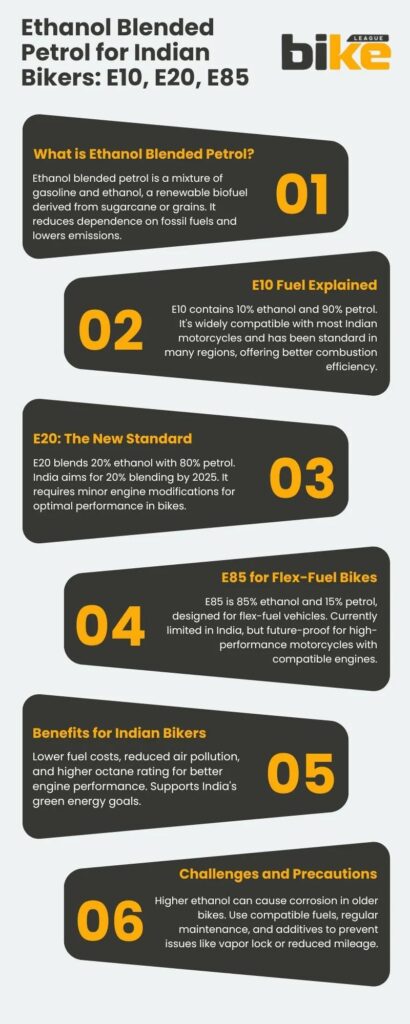
- E20 is a blend of 20% ethanol with gasoline (petrol) and can be used as an alternative to the fuels currently available.
- The government is looking at the adoption of mass emission standards for this fuel for transport application.
- Additionally, it also wishes to facilitate the development of E20 compliant vehicles.
- The government believes that the E20 blend will not only curb vehicle emissions but help reduce the country’s oil import bill.
Ethanol – Pros and Cons
- Ethanol is a common by-product that comes from agricultural feedstock like corn, hemp, potato, etc. It can be used as a bio-fuel in Flexi-fuel vehicles.
- It is greener than gasoline because the corn and crop plantations absorb carbon dioxide from the atmosphere as they grow.
- While the fuel still releases CO2 when you burn it, the net increase is comparatively lower.
- However, ethanol is less efficient as a fuel. It has lower energy content than energy-rich gasoline and diesel.
- The rule delivers less power when burned, which in return results in more fuel consumption and lower mileage.
- Additionally, blends over E20 (20% ethanol) is highly corrosive for older vehicles as the alcohol can break down old rubber seals and can damage engines.
Vehicle compatibility
- It added the compatibility of vehicles with the percentage of ethanol in the blend would be defined by the vehicle manufacturer, which would have to be displayed on the vehicle with a sticker.
- Ethanol is a biofuel and a common by-product of biomass left by agricultural feedstock such as corn, sugarcane, hemp, potato, etc.
Note4Students
From UPSC perspective, the following things are important:
Prelims level: Bio-ethanol
Mains level: Ethanol blended petrol programme
The government has set targets of 10 per cent bioethanol blending of petrol by 2022 and to raise it to 20 per cent by 2030 to curb carbon emissions and reduce India’s dependence on imported crude oil.
Try this PYQ:
Q.Given below are the names of four energy crops. Which one of them can be cultivated for ethanol?(CSP 2010)
(a) Jatropha
(b) Maize
(c) Pongamia
(d) Sunflower
What is Ethanol Blended Petrol (EBP) Program?
- Ethanol Blended Petrol (EBP) programme was launched in January 2003 for the supply of 5% ethanol blended petrol.
- The programme sought to promote the use of alternative and environment-friendly fuels and to reduce import dependency for energy requirements.
- OMCs are advised to continue according to the priority of ethanol from 1) sugarcane juice/sugar/sugar syrup, 2) B-heavy molasses 3) C-heavy molasses and 4) damaged food grains/other sources.
Bio-ethanol blend in India
- 1G and 2G bioethanol plants are set to play a key role in making bio-ethanol available for blending but face challenges in attracting investments from the private sector.
- 1G bioethanol plants utilise sugarcane juice and molasses, byproducts in the production of sugar, as raw material, while 2G plants utilise surplus biomass and agricultural waste to produce bioethanol.
- Currently, domestic production of bioethanol is not sufficient to meet the demand for bio-ethanol for blending with petrol at Indian Oil Marketing Companies (OMCs).
- Sugar mills, which are the key domestic suppliers of bio-ethanol to OMCs, were only able to supply 1.9 billion litres of bio-ethanol to OMCs equating to 57.6 per cent of the total demand of 3.3 billion litres.
Hurdles in meeting the demand
- Lack of infrastructure: Many sugar mills are best placed to produce bioethanol do not have the financial stability to invest in biofuel plants. There are also concerns among investors on the uncertainty over the price of bio-ethanol in the future.
- Lack of raw materials: Presently there is no mechanism for depots where farmers could drop their agricultural waste. The central government should fix a price for agricultural waste to make investments in 2G bioethanol production an attractive proposition.
- Rigid pricing mechanism: Sugars mills have to pay high prices for sugarcane set by the government even when there have been supplying gluts. The prices of both sugarcane and bio-ethanol are set by the central government.
Way ahead
- The government should provide greater visibility on the price of bioethanol that sugar mills can expect by announcing a mechanism by which the price of bio-ethanol would be decided.
- 2G bioethanol not only provided a clean source of energy but also help provide greater income to farmers and prevent them from having to burn agricultural waste which can be a major source of air pollution.
Note4Students
From UPSC perspective, the following things are important:
Prelims level: Provision of biofuels policy 2018
Mains level: Paper 3- Trade offs involved in making fuels from food grains.
The article discusses the recent decision of the government to make alcohol from rice. The move was bound to trigger the debate over food security of the country with a population ravaged by hunger and poverty. While the 2009 biofuel policy had stressed the use of non-food resources, the 2018 updated policy allowed using excess grains. We all want to make a shift towards a green economy but is this the right time? Let’s find out.
What decisions did the government take?
- The National Biofuel Coordination Committee (NBCC) chaired by the Union Minister of Petroleum and Natural Gas decided to use “surplus” rice available with the Food Corporation of India (FCI) for conversion to ethanol.
- The objective is to make alcohol-based hand-sanitisers and for the blending of ethanol with petrol.
- This decision is not only audacious but also an affront to the millions of people who are deeply affected by food insecurity.
The food question
- In 2009, the National Policy on Biofuels stressed on the use of non-food resources to avoid a possible conflict between food and fuel.
-
Take the US’s example: In 2018-19, an astounding 37.6 per cent of the corn produced in the US is used for making ethanol.
- In addition to cereals, oilseed crops like rapeseed, soybean and sunflower were used for biofuel production.
- Rise in food prices: Such diversion of food crops to produce biofuel was considered one of the reasons for the rise in food prices globally.
What should be India’s strategy in this debate?
- There is rampant poverty, hunger, and malnutrition in India.
- India’s position in the Global Hunger Index has slipped nine places, ranking 102 among the 117 countries in 2019.
- The National Family Health Survey (NFHS-4) 2015-16, found that 38.4 per cent of children under five years are “stunted” (height for age) and 21 per cent are “wasted” (low weight for height).
- In fact, over a period of 10 years, wasting has increased from 19.8 per cent in NFHS-3 to 21 per cent in NFHS-4.
The dictums of 2018 Policy
- The 2018 National Policy on Biofuels had a target of 20 per cent blending of ethanol in petrol and 5 per cent blending of biodiesel in diesel by 2030.
- This was to be achieved by increasing production using second-generation bio-refineries and developing new feedstock for biofuels.
- It allowed the production of ethanol from damaged food grains like wheat and broken rice, which are unfit for human consumption.
- The new policy allowed the use of excess food grain for ethanol in a bounty crop year, if endorsed by the Union Ministry of Agriculture.
Possible dangers
- The quantity of rice from which ethanol will be produced has not been announced, nor do we know the price at which such rice will be sold by the FCI.
- About 85 per cent of rice is Kharif crop, heavily dependent on monsoon.
- Despite the prediction of a normal monsoon, What happens if the monsoon predictions go wrong? Will we be able to import grain?
- Less damaged grains: Despite the commonly held belief of a lakh of tonnes of rotting grains, the FCI’s storage practices are actually quite good.
- Damaged grains as a percentage of total quantity issued by the FCI has been just about 0.01 per cent to 0.04 per cent in the last five years.
- Hardly any ethanol can be made from such a small amount of damaged grains.
- Making ethanol from sound quality grains deprives food to humans as well as livestock.
- At the time when uncertainties are looming large, it is imperative that food security and food price stability be given the highest priority.
Way forward
- Ethanol can be produced from other ingredients such as B and C heavy molasses, sugar, sugar syrup, and sugarcane juice.
- Ethanol has also been blessed with a low GST and enjoys relaxed conditions for inter-state movement if used for blending with petrol.
- Since the economy faces a bleak prospect due to the impact of COVID-19, the government should first use the food grains to meet the requirement of about 10 to 20 crore people without ration cards.
The UPSC could ask a question on the following lines “Diverting food grains for making fuels has always been a contentious issue from the food security angle. At the same time reducing India’s dependence on import for fuels is as much a serious concern. The National Policy on Biofuels-2018 sought to strike the balance between the two. Critically analyse the various provisions of National Policy on Biofuels-2018 which were different from 2009 policy.”
Conclusion
The government must ensure the food safety of the country first and if it still has surplus rice, it must facilitate export to friendly countries which are suffering an adverse impact of COVID-19 on their economies.
Back2Basics: Generations of biofuels
- There are three types of biofuels: 1st, 2nd and 3rd generation biofuels.
- They are characterized by their sources of biomass, their limitations as a renewable source of energy, and their technological progress.
- The main drawback of 1st generation biofuels is that they come from biomass that is also a food source.
- This presents a problem when there is not enough food to feed everyone.
- 2nd generation biofuels come from non-food biomass, but still compete with food production for land use.
- Finally, 3rd generation biofuels present the best possibility for alternative fuel because they don’t compete with food.
- However, there are still some challenges in making them economically feasible.
Important Provision of ‘National Policy on Biofuels, 2018
- The government aims at increasing the utilization of biofuels in the energy and transportation sectors of the country by promoting the production of biofuels from domestic feedstock in the coming decade through this policy.
- Larger goals such as the adoption of green fuels, national energy security, fighting climate change, generating employment, etc. would be facilitated through this policy. Along with that, technological advancements in the field of biofuels will also be encouraged.
- MNRE has set an indicative target of 20% blending of ethanol in petrol and 5% blending of biodiesel in diesel to be achieved by 2030.
- The percentage of the same currently stands at around 2% for petrol and less than 0.1% for diesel.
Note4Students
From UPSC perspective, the following things are important:
Prelims level: An-32, Biojet Fuel
Mains level: Biojet Fuel and its feasiblity
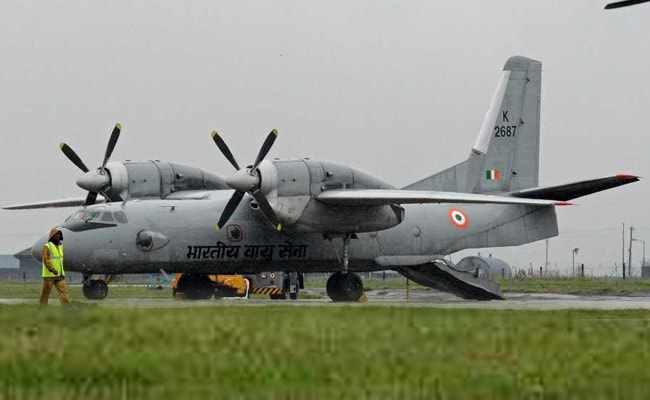
In his monthly Mann ki Baat radio address, PM hailed the use of biofuel in an Indian Air Force transport aircraft.
What did PM cite?
- IAF’s An-32 aircraft successfully used a 10% blend of Indian biojet fuel and took off from Leh’s Kushok Bakula Rimpoche Airport on January 31.
- This was the first time that this mix was used in both engines of an aircraft.
- Leh is at an altitude of 10,682 ft above mean sea level and is among the world’s highest and most difficult operational airfields.
- Even during clear weather, operating an aircraft at Leh is a challenge, given the reduced power output of the engines in the rarefied atmosphere, turbulent winds, and proximity of the mountains.
What is Biojet fuel?
- Biojet fuel is prepared from “non-edible tree borne oil” and is procured from various tribal areas of India.
- This fuel is made from Jatropha oil sourced from Chattisgarh Biodiesel Development Authority (CBDA) and then processed at CSIR-IIP, Dehradun.
- Generally, it is made from vegetable oils, sugars, animal fats and even waste biomass, and can be used in existing aviation jet engines without modification.
- Jatropha oil is suitable for conversion to jet fuel. This biojet fuel has received wide acceptance from the airline industry.
Why it matters?
- Evaluating the performance of biojet fuel under conditions prevalent in Leh was considered extremely important from an operational perspective.
- The success of the flight validated the capability of the aircraft’s engines to operate smoothly with biojet fuel at the extremities of the operational envelope.
- The tests were conducted by a team comprising test pilots from the Aircraft and Systems Testing Establishment (ASTE), Bengaluru and pilots from the operational squadrons.
- The successful test flight also demonstrated the IAF’s capability to absorb newer technology, while sponsoring indigenization.