💥Join UPSC 2027,2028 Mentorship (July Batch) + XFactor Notes & Microthemes PDF

Subject: Bilateral Relations

1. Major World Events
2. India’s Interests in neighbourhood
3. Effects of our Policies

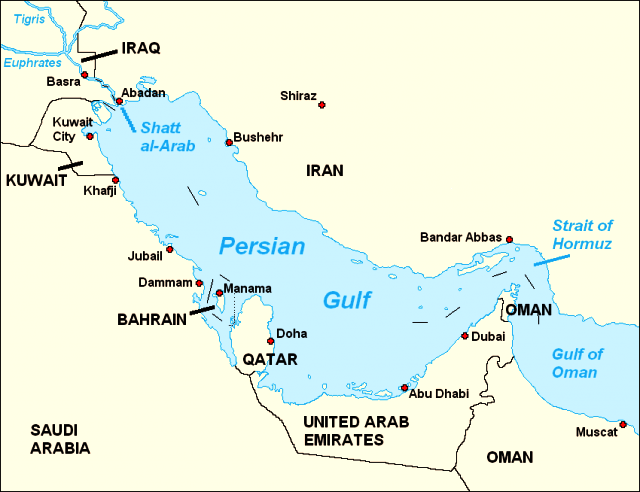
  • India- Qatar Diplomatic Conundrum

    qatar

    Central Idea

    • The recent verdict of the death penalty for eight Indian Navy officials in Qatar has sent shockwaves through diplomatic circles.
    • The Indian MEA expressed deep shock and initiated a quest for legal remedies.

    What is the case about?

    • Arrest Details: The Indian Embassy learned about their arrests in mid-September the previous year.
    • Consular Access: The first consular access was granted on October 3, more than a month after their detention.
    • Solitary Confinement: While the specific charges were never disclosed publicly, the detainees’ confinement in solitary cells hinted at possible security-related offences.

    qatar

    India-Qatar Relations

    • Historical Relations: India and Qatar have maintained friendly relations for decades. PM Manmohan Singh’s visit to Qatar in 2008 marked a significant turning point, followed by reciprocal visits from the Emir of Qatar and PM Narendra Modi.
    • Economic Ties: The bilateral trade between India and Qatar, valued at $15 billion, primarily involves LNG and LPG exports from Qatar to India.
    • Defence Cooperation: Defence cooperation is a key component of India-Qatar ties, with the India-Qatar Defence Cooperation Agreement serving as a pivotal milestone.

    Challenges in the Relationship

    • Religious Controversy: In June 2022, a controversy involving derogatory remarks about the Prophet on a TV show led to tension between India and Qatar. Qatar demanded a public apology, which India addressed by swiftly sacking the individual responsible.
    • Recent shift-overs: The imprisonment of the eight ex-Navy personnel constitutes the second significant challenge. It took India by surprise in a country where a large Indian expatriate community resides, making India-Qatar relations a sensitive issue.

    Why does Qatar matter to India?

    • Expatriate Community: Indians constitute the largest expatriate community in Qatar, with approximately 800,000 individuals working and living there.
    • Remittances: The flow of remittances from Qatar and the safety of Indian citizens make Qatar vital for India’s interests.
    • Energy Security: Qatar is the largest supplier of LNG to India, making it critical for India’s energy security.
    • GCC Membership: Qatar’s membership in the Gulf Cooperation Council (GCC) is strategically significant for India, especially concerning issues like Kashmir.
    • UNSC Support: India’s bid for a permanent seat at the United Nations Security Council requires support from countries like Qatar.
    • Business Presence: Several Indian companies, including Tata Consultancy Services Ltd, Wipro, MahindraTech, and Larsen & Toubro Limited, operate in Qatar.
    • Stability in the Gulf: The stability of the Gulf region is of paramount importance to India’s energy and maritime security.

    Conclusion

    • The detention and sentencing of eight Indian nationals in Qatar have posed a complex diplomatic challenge for India.
    • Against the backdrop of India-Qatar relations, this incident underscores the importance of navigating cultural sensitivities and geopolitical dynamics to secure the release of these individuals.
  • Bhutan-China Border Talks and Indian Concerns

    Bhutan-China Border Talks

    Central Idea

    • In Beijing, the 25th round of Bhutan-China Border Talks culminated with the signing of a significant Cooperation Agreement.
    • This historic agreement reflects the progress made in their quest for border resolution, carrying forward the 3-Step Roadmap initiated in 2021.
    • Amid the backdrop of a seven-year gap in talks, these recent developments bear immense significance.

    Bhutan-China Border Talks

    • Complex Border: Bhutan and the Tibetan Autonomous Region share an extensive contiguous border, spanning approximately 470 km. Prior to 2016, the two nations engaged in 24 rounds of talks to address border disputes.
    • Positive Momentum: Talks had been stalled due to the Doklam Standoff in 2017 and the subsequent COVID-19 pandemic. However, this interlude witnessed discussions at other levels, especially after China raised concerns about a border dispute to Bhutan’s east.
    • A Seven-Year Hiatus Ends: After a prolonged pause in boundary talks lasting seven years, the resumption of discussions signals substantial headway.

    3-Step Roadmap

    • Initiating Border Delimitation: The 3-Step roadmap, established through an MoU in 2021 and facilitated by the Joint Technical Team (JTT), aims to delineate the Bhutanese and Chinese territories conclusively. Despite the absence of diplomatic ties, Bhutan and China seek to formalize their border.
    • Steps in the Roadmap:
      1. Agreement on the border “on the table.”
      2. On-ground inspections of the border.
      3. Formal demarcation of the boundary.

    India’s Vigilance and Concerns

    • Strained Sino-Indian Relations: In the context of deteriorating relations between India and China since the 2020 Line of Actual Control standoff, any warming of ties between China and one of India’s closest neighbours raises concerns in New Delhi.
    • Doklam: A Critical Focus: India closely observes discussions related to Doklam, where China has proposed a “swap” of areas under Bhutanese control with territories in Jakarlung and Pasamlung, claimed by China. The Doklam trijunction is strategically significant as it is in close proximity to India’s Siliguri corridor, a vital land link connecting northeastern states to the rest of India.
    • China’s Strategic Moves: Since the Doklam standoff in 2017, China has bolstered its presence in the Doklam plateau, constructing underground facilities, new roads, and villages in disputed areas within Bhutan, undermining India’s strategic interests.
    • Diplomatic Tensions: India remains cautious about China’s insistence on establishing full diplomatic relations with Bhutan and opening an embassy in Thimphu. Given India’s challenges with Chinese projects and funding in neighbouring countries like Bangladesh, Nepal, Sri Lanka, and the Maldives, China’s presence in Bhutan raises apprehensions.

    Conclusion

    • The Bhutan-China boundary talks represent a significant stride towards resolving longstanding disputes.
    • However, Bhutan’s leadership has emphasized that decisions will be made with due consideration for India’s concerns, maintaining a delicate balance in this Himalayan diplomatic endeavour.
  • Visa Shopping in India: Legal Implications and Opportunities

    Visa Shopping

    Central Idea

    • The practice of ‘visa shopping’ is on the rise across various Indian states, most notably in Punjab, where travel agencies facilitate this process.

    Understanding Visa Shopping

    • Definition: ‘Visa shopping’ entails obtaining visas for countries one may or may not intend to visit during the visa’s validity period.
    • Purpose: Individuals opt for this practice to secure access to their preferred countries, especially in Europe, even if they possess visas for other European nations.
    • Planning for the Future: Some acquire visas for countries they do not plan to visit immediately, strategically increasing their chances of obtaining visas for their desired destinations later, given the lengthy and uncertain visa application processes.

    Exploiting the Schengen System

    • Schengen Visa: This visa exemplifies ‘visa shopping’ as it offers a unique opportunity to explore multiple European countries without the need for separate visas.
    • Schengen Agreement: Established in 1985, the Schengen system allows free movement between member countries, comprising over 24 nations, sans border controls.
    • Single Visa, Multiple Countries: Obtaining a Schengen Visa from one of its member countries, such as Germany, France, or Italy, grants entry into the entire Schengen region.

    Case Scenarios

    • Easier Application Process: Many applicants prefer to secure a Schengen Visa from a country with a more straightforward application process.
    • Success Stories: Instances include individuals who, after facing rejection for a Spanish or German visa, obtained visas for other Schengen nations, enabling them to reach their intended destinations.

    Visa Shopping and Legal Issues

    • Compliance with Norms: The practice is legal as long as travellers adhere to visa process norms and obtain legitimate permission to stay in the country.
    • Intent Matters: Legal complications arise when individuals seek visas for one country but actually intend to stay in another or use it merely as an entry point.
    • Estonian Embassy’s Caution: The Embassy of Estonia in New Delhi cautioned against visa shopping, emphasizing that travellers must apply for a visa from the country where they plan the maximum stay.

    Consequences of Suspected Visa Shopping

    • Thorough Scrutiny: Embassies now conduct comprehensive checks of travel plans to detect visa shopping.
    • Potential Consequences: Suspected individuals may face visa refusal, being offloaded from flights, or deportation from EU borders.
    • Official Suspicion: Repeated engagement in visa shopping can arouse suspicion among immigration officials, leading to potential problems during travel.
  • Explained: India’s Bid for the 2036 Olympics

    Olympics

    Central Idea

    • Prime Minister Modi recently confirmed India’s formal bid to host the 2036 Olympic Games, raising questions about the financial implications and benefits of hosting this prestigious event.

    About Olympics

    Origins Began in ancient Greece in 776 BCE in Olympia.
    Revival Revived by Pierre de Coubertin in 1896 in Athens, Greece.
    Five Rings Olympic flag features five interlocking rings representing unity among 5 continents.
    Olympic Motto “Citius, Altius, Fortius” (Faster, Higher, Stronger) reflects the pursuit of excellence.
    Sports Included Features a diverse range of sports, from athletics and swimming to archery and gymnastics.
    Discontinued Sports Some sports, like tug of war and live pigeon shooting, have been removed.

    Selecting the Olympics Host City

    • International Olympic Committee (IOC) Decision: The host city is chosen by the International Olympic Committee members through a secret ballot, with the majority vote determining the winner.
    • Competition and Diplomacy: Securing the opportunity to host the Olympics involves significant financial resources and diplomatic efforts. Typically, winners are announced 7-8 years before the event.

    Olympics

    Cost of Hosting the Olympics

    • Expensive Endeavor: Bidding for the Olympics is a costly proposition, with countries spending $50-100 million, even for unsuccessful bids. In case of a successful bid, the expenses can soar into billions of dollars.
    • Examples of Expenditure: Tokyo spent $150 million for its failed 2016 bid and even more for the successful 2020 bid. Toronto refrained from bidding due to the $60 million cost for the 2024 bid.
    • Infrastructure Investment: Hosting the Olympics entails building stadiums and enhancing infrastructure to accommodate athletes and tourists.

    Funding the Olympics Expenses

    • Local Government Responsibility: The majority of expenses, especially on infrastructure, are shouldered by the local government and are spread across the country’s budget.
    • Borrowing for Cost Overruns: Countries often resort to borrowing to cover cost overruns. The IOC contributes some revenue to the host country, but it constitutes a relatively small amount, e.g., $1.5 billion for Rio De Janeiro in 2016.

    Assessing the Worth of Hosting the Olympics

    • Benefits of Hosting: Hosting the Olympics elevates a country’s global status, promotes it as an investment and tourist destination.
    • Cautions on Overspending: Excessive spending can have dire consequences, as seen with Canada’s 30-year debt from the 1976 Montreal Games, the impact on Greece’s financial crisis after the 2004 Athens Olympics, and Rio’s $900 million bailout request from the Brazilian government.
    • Positive Outcomes: In some cases, such as Beijing, hosting the Olympics led to significant GDP growth acceleration, by at least 0.8%.

    India’s Prospects

    • Favorable Timing: India’s bid aligns well with its status as the world’s most populous and fastest-growing major economy.
    • Past Experience: Having previously hosted the 1982 Asian Games and the 2010 Commonwealth Games, India possesses a favorable track record, which the IOC takes into consideration.
    • Gujarat’s Bid: Gujarat is contemplating bidding for the 2026 Commonwealth Games, which could further demonstrate India’s hosting capabilities.
    • Economic Power: India’s ascent as an economic powerhouse enhances its candidacy’s appeal to other nations.

    Conclusion

    • While India’s bid to host the 2036 Olympics presents an opportunity to boost its global profile and economic prospects, it is essential to strike a balance between ambition and fiscal prudence.
    • The economic implications, positive and negative, of hosting such a monumental event should be carefully evaluated to ensure that the effort and investment yield substantial long-term benefits for the nation.
  • India-Sri Lanka Ferry Service

    India-Sri Lanka Ferry Service

    Central Idea

    • PM Modi inaugurated an international, high-speed passenger ferry service in Palk Strait between Nagapattinam in Tamil Nadu, India, and Kankesanthurai, near Jaffna in Sri Lanka.

    India-Sri Lanka Ferry

    • The service is operated by the Tamil Nadu Maritime Board and Shipping Corporation of India.
    • It will operate daily, covering the 60-nautical mile (110-km) journey in approximately 3.5 hours.
    • Passengers are entitled to a 50kg free baggage allowance.
    • The Indo-Ceylon Express or Board Mail used to operate between Chennai and Colombo via Thoothukudi port.
    • However, this was stopped in 1982 due to the civil war in the island country.

    About Palk Strait

    Location Narrow water body separating Tamil Nadu, India, and Sri Lanka.
    Name Origin Named after Robert Palk, a British Raj-era governor of Madras Presidency (1755-1763).
    Geographic Boundaries Southern boundaries include Pamban Island (India), Adam’s Bridge (shoals), Gulf of Mannar, and Mannar Island (Sri Lanka).
    Connection Connects the Bay of Bengal in the northeast with the Gulf of Mannar in the southwest.
    Alternate Name Southwestern part of the strait is known as Palk Bay.
    Dimensions Width varies from 40 to 85 miles (64 to 137 km), length is approximately 85 miles, and depth is less than 330 feet (100 meters).
    River Inflows Vaigai River in Tamil Nadu flow into the Palk Strait.
  • CPEC: A Decade On and Challenges Ahead

    CPEC

    Central Idea

    • As China celebrates the 10th anniversary of its ambitious Belt and Road Initiative (BRI) in 2023, the progress of one of its flagship projects, the China Pakistan Economic Corridor (CPEC), appears to have slowed down.
    • Despite its initial promise, challenges related to economic, security, and political factors have led to a reevaluation of the CPEC’s future.

    CPEC Overview

    • Inception: Signed in 2015, the CPEC aimed to facilitate Chinese goods’ transportation from Xinjiang through Pakistan to the Gwadar port on the Arabian Sea.
    • Investment: It involves significant Chinese investments in rail and road infrastructure and energy development in Pakistan.

    Reasons behind CPEC Slowdown

    (A) Economic Factors

    • Pakistan’s Economic Crisis: Pakistan’s deteriorating economic situation has impacted the viability of new CPEC projects.
    • China’s Economic Slowdown: China’s economic slowdown has also contributed to a reduction in new investments.

    (B) Overpromising and Under-delivering

    • High Expectations: CPEC faced criticism for generating high expectations but delivering limited tangible benefits to the Pakistani people.
    • Debt Burden: Pakistan has incurred substantial public debt and payments to Chinese companies, further straining its finances.

    (C) Political Instability in Pakistan

    • Imran Khan’s Ouster: The political instability following the ousting of former Prime Minister Imran Khan in 2022 has raised concerns about political stability.
    • Lack of Clarity: The uncertainty surrounding the timing of future elections adds to China’s worries.

    (D) Security Concerns

    • Threats to Chinese Workers: Security threats to Chinese workers and projects, including attacks by militants, have raised alarm.
    • Expanding Threat Landscape: China faces a range of security threats, including Baloch insurgents, the Pakistani Taliban (TTP), and Islamic State-Khorasan province (IS-K).

    China’s Response and Concerns

    • Security Measures: China is increasingly concerned about security threats to its Belt and Road investments and has taken measures to safeguard its personnel and infrastructure.
    • Potential Political Fallout: China’s potential deployment of its security forces to protect its assets in Pakistan could have political implications.

    Conclusion

    • The CPEC, a vital component of China’s BRI, faces a complex set of challenges.
    • Economic pressures, overpromising, political instability in Pakistan, and security threats have contributed to its slowdown.
    • While some maintain optimism about the project’s future, addressing these multifaceted issues will be crucial for the CPEC to realize its full potential and continue as a significant driver of regional development.
  • India’s Evolving Diplomatic Stance on Palestine

    palestine

    Central Idea

    • India’s diplomatic position on the Israel-Palestine conflict has witnessed significant shifts over the years.
    • While PM recent expression of solidarity with Israel during a period of heightened conflict has sparked debate, it is essential to contextualize these developments in India’s historical foreign policy.
    • This article delves into India’s stance on the Israel-Palestine issue, the factors shaping its policies, and the implications of its evolving approach.

    Historical Background

    • India’s Early Stance: India’s initial position on the Israel-Palestine issue was shaped by leaders like Jawaharlal Nehru and Mahatma Gandhi. In 1947, India voted against UN Resolution 181, advocating for the partition of Mandatory Palestine. Nehru favored a federal state with wide autonomy for Arabs and Jews, influenced by Gandhi’s opposition to a Jewish state.
    • Recognition of Israel: Despite recognizing Israel in 1950, India did not establish diplomatic relations until 1992. Factors such as a sizable Muslim population, Cold War dynamics, and the need to maintain Arab support influenced this delayed recognition.

    Impact of Establishing Diplomatic Relations

    • End of Cold War: India’s decision to establish diplomatic ties with Israel in 1992 marked a shift after the end of the Cold War. The government of P.V. Narasimha Rao took this bold step, focusing on national interests and strengthening economic relations, particularly in defense.
    • Ongoing Support for Palestine: India’s recognition of Israel did not signal abandonment of its principled support for Palestine. India continued to voice support for the Palestinian cause while developing closer ties with Israel.

    Contemporary Developments

    • India-Israel Relations: Presently, India enjoys a strong and multifaceted relationship with Israel. Prime Ministers Modi and Netanyahu have cultivated personal rapport, and both countries collaborate closely, especially in the defense sector.
    • Change in Rhetoric: India has adopted a more measured approach in its rhetoric regarding the Israel-Palestine conflict, especially in international forums like the United Nations. Some argue that India’s pro-Palestine stance has not yielded commensurate benefits in terms of national interest.
    • Ideological Shift: India’s support for Israel’s response to attacks from Gaza is sometimes misinterpreted as anti-Islamic action. Israel’s approach to cross-border terrorism resonates with some in India, although the situations differ significantly.

    India’s Formal Position

    • Support for Two-State Solution: India officially supports the two-state solution, envisioning Israel and Palestine as peaceful neighbours coexisting harmoniously.
    • Official visits: PM Modi’s visit to Ramallah in 2018 underscored India’s commitment to this position.
    • Public perception: A large section of Indian society is supportive of the Palestinian cause due to religious affinities.

    Potential Implications of Current Escalation

    • Palestinian Reaction: While the Palestinians may express dissatisfaction with India’s growing proximity to Israel, it is unlikely to result in significant backlash. Popular sentiment may revive support for the Palestinian cause.
    • Arab World’s Perspective: Arab countries, including Saudi Arabia, have shifted their focus from the Palestinian issue. They are increasingly open to normalizing relations with Israel. India’s stance is unlikely to disrupt its relationships with these nations.

    Conclusion

    • India’s evolving stance on the Israel-Palestine issue reflects its pragmatic approach to foreign policy.
    • While it maintains support for Palestine, India has strategically developed robust relations with Israel, grounded in national interests.
    • The recent expression of solidarity with Israel amid conflict highlights the complexities of India’s diplomatic balancing act in the region.
  • Operation Ajay to evacuate Indian nationals from Israel

    Central Idea

    • India has initiated Operation Ajay to evacuate its citizens who wish to return from conflict-ridden Israel.
    • External Affairs Minister S. Jaishankar announced this operation, emphasizing the safety and well-being of Indian nationals abroad.

    Operation Ajay

    • Evacuation Plan: Special chartered flights and other arrangements are being organized for the return of Indian citizens from Israel.
    • Second Evacuation: This marks the second evacuation operation this year, following Operation Kaveri, which brought back several thousand Indian citizens from strife-torn Sudan in April-May.

    Significance: Indian Jewish Community

    • The Indian Jewish community, with an ancestry spanning over 2000 years in India, has a unique history.
    • India has been a welcoming home to them, where they thrived without encountering anti-Semitism, making it a distinct place on the global map.
    • However, the landscape changed with the independence of India in 1947 and the establishment of the state of Israel in 1948.
    • This transformation marked the beginning of a new chapter in India-Israel relations, leading to the migration of Indian Jews to their religious homeland.

    Diverse Indian Jewish Groups

    Indian Jews can be categorized into four main sects, each with its own historical origins and cultural traditions:

    1. Cochin Jews: Tracing their arrival to India back to 50 CE, they primarily settled in the southern region.
    2. Bene Israel: The largest group among Indian Jews, they settled in and around Maharashtra and Konkan.
    3. Baghdadi Jews: This group, part of the most recent wave of Jewish migration, established communities in port cities like Calcutta, Bombay, and Rangoon.
    4. Bnei Menashe: Settled in the North East, they are another significant segment of Indian Jews.

    Complex Reception in Israel

    The migration of Indian Jews to Israel was not without challenges. Israeli society struggled to embrace them due to several factors:

    • Internal Divisions: The four Indian Jewish groups had substantial differences and disagreements among themselves. These internal divisions, combined with bias from Jews of European origin, complicated the reception of Indian Jews, especially in the initial years of migration.
    • Discrimination: The Bene Israel, primarily from Maharashtra, faced significant discrimination upon their arrival in Israel. Reports in the 1950s highlighted instances of racism and unequal treatment, including job and housing discrimination.
    • Differing Motivations: Indian Jews’ motivations for migrating varied. While the Cochin Jews were seen as driven by religious reasons, the Bene Israel were often perceived as seeking better economic prospects, leading to different treatment based on perceived motives.
    • Economic Disparities: The economic differences among the four groups fueled animosity. Some attributed the Cochin Jews’ messianic aspirations to poverty, while the Baghdadi Jews considered the Bene Israel as lacking proper religious traditions.
  • India-Japan Fund for Climate and Environment Projects

    India-Japan Fund

    Central Idea

    • India’s National Investment and Infrastructure Fund (NIIF) and Japan Bank for International Cooperation (JBIC) have jointly established a $600 million fund dedicated to climate and environment projects.

    India-Japan Fund

    • The Indian government will contribute 49% of the fund’s target corpus, marking NIIF’s inaugural bilateral fund, while JBIC will provide the remaining 51%, according to the finance ministry.
    • The India-Japan Fund’s primary objective is to invest in environmental sustainability and low-carbon emission strategies.
    • It aims to serve as a preferred partner for boosting Japanese investments in India, fostering collaboration and innovation in this critical sector.

    Fund Management

    • NIIF’s Role: NIIF Limited will manage the India-Japan fund, overseeing its strategic investments and initiatives.
    • Support from JBIC IG: JBIC IG, a subsidiary of JBIC, will collaborate with NIIFL to promote Japanese investments in India, strengthening the partnership further.

    About NIIF

    • NIIF’s Background: Established in 2015, NIIF operates as a sovereign wealth fund, offering a platform for international and Indian investors to participate in India’s growth story.
    • Ownership Structure: The government holds a 49% stake in NIIF, while the remaining 51% is owned by domestic institutional investors, sovereign wealth funds, international pension funds, and entities such as the US International Development Finance Corporation (USIDFC) and multilateral development banks including the Asian Infrastructure Investment Bank (AIIB), Asian Development Bank (ADB), and New Development Bank (NDB).
  • Maldives Presidential Elections: Geopolitical Implications

    maldives

    Central Idea

    • The Maldives’ presidential election run-off is set to “safeguard the country’s independence and sovereignty” amidst strong ties with India.
    • In addition to the presidential election, Maldivians will vote in a referendum next month to decide whether to switch to a parliamentary system of governance.

    Key Points and Geopolitical Significance

    [A] Electoral System

    • French-Style System: The Maldivian electoral system resembles France’s, requiring a candidate to secure over 50% of votes for victory. A runoff occurs if no candidate surpasses this threshold in the first round, with the top two candidates competing.

    [B] History of Maldivian Presidency

    • Executive Presidency: The Maldives adopted the Executive Presidency in 1968. Initially, it operated as a single-party system until 2008 when political reforms led to a multi-party system.
    • Abdul Gayoom’s Era: Maumoon Abdul Gayoom served as President for 30 years, from 1978 to 2008, during which he faced political protests and thwarted a coup attempt with India’s assistance in 1988.
    • Political Reforms: In 2004, Gayoom initiated political reforms, leading to the registration of political parties in 2005 and the adoption of a new Constitution in 2008, enabling presidential elections every five years.

    India’s Relations with Maldives

    • Mixed Relations: India’s engagement with Maldivian politics has seen fluctuations. President Solih’s government has had the most favourable relations with India thus far.
    • Gayoom and Nasheed Eras: India closely worked with Abdul Gayoom for three decades. When Nasheed assumed power in 2008, India supported his government initially. However, Nasheed later leaned toward China, cancelling a major infrastructure project with India in 2012.
    • Yameen’s Pro-China Stance: Abdulla Yameen, who took office in 2013, pursued a pro-China foreign policy, including joining China’s Belt and Road Initiative. India’s reluctance to provide loans due to human rights concerns led Yameen to turn to Beijing.
    • Solih’s Election: President Solih’s victory in the 2018 elections was a relief for India, signifying a shift in bilateral relations. PM Modi attended Solih’s swearing-in ceremony.
    • Stronger Ties: India provided rapid assistance, including vaccines, during the COVID-19 pandemic, further strengthening relations. Bilateral projects in Maldives have multiplied, and defense cooperation has expanded, with India training Maldivian security personnel and providing military equipment.

    Current Election Landscape

    • Solih’s Challengers: President Solih is facing competition from Opposition candidate Mohamed Muizzu, who emerged as the consensus candidate after former President Abdulla Yameen’s disqualification.
    • Proxy for Yameen: Muizzu is seen as a proxy for Yameen and has made statements raising concerns for India. He has threatened to terminate agreements with foreign countries and withdraw Indian troops stationed in the Maldives.
    • Low Turnout: The election has seen a lower voter turnout compared to previous ones, with 79% participation in the first round. This low turnout is a concern in the context of Maldives’ democratic transition.

    Geopolitical Ramifications

    • China’s Influence: Under President Abdulla Yameen’s rule from 2013 to 2017, the Maldives aligned with China, participating in the Belt and Road Initiative (i.e. String of Pearls) and receiving substantial loans, including funding for major infrastructure projects.
    • India’s Concern: India has a keen interest in maintaining influence in its “backyard” in the Indian Ocean and keeping Chinese influence at bay. India has invested heavily in Maldivian infrastructure and deepened security cooperation, which has raised concerns of establishing a strategic military presence.
    • Western Nations’ Watchful Eye: Western nations, including the US, UK, and Australia, are closely monitoring the election as part of their efforts to counter Chinese influence in the Indo-Pacific region. The opening of embassies by these countries in the Maldives underscores its strategic significance.

    Conclusion

    • Geopolitical Implications: The Maldivian presidential runoff and the country’s relationship with India and China hold significant geopolitical implications. The outcome will shape the nation’s foreign policy direction.
    • India’s Interests: India’s interests in Maldives include defense cooperation, economic partnerships, and maintaining regional stability. The election’s result will be closely monitored to assess its impact on these interests and the future trajectory of Maldives’ foreign relations.