💥Join UPSC 2027,2028 Mentorship (August Batch) + XFactor Notes & Microthemes PDF

Subject: Biotech and Medical Sciences

  • [pib] Kangra Tea and its medicinal properties against the coronavirus

    The chemicals in Kangra tea are found to be effective in boosting immunity as they can block coronavirus activity better than anti-HIV drugs.

    It would be no surprise to expect a question based on worldwide tea production:

    Q. Among the following, which one is the largest exporter of rice in the world in the last five years? (CSP 2019)

    (a) China

    (b) India

    (c) Myanmar

    (d) Vietnam

    Kangra Tea

    • Kangra tea is a tea from the Kangra district in Himachal Pradesh, India.
    • Both black tea and green tea have been produced in the Kangra Valley since the mid-19th century.
    • After a feasibility survey in 1848 showed the area of being suitable for tea plantation, a Chinese variety of Camellia sinensis was planted across the region.
    • Kangra tea is known for its unique colour and flavour.
    • The unique characteristics of the tea are attributed to the geographical properties of the region.
    • Kangra tea was given the Geographical Indication status in 2005. Tea was first grown in the Kangra region in the mid-19th century.

    Benefits of Kangra Tea

    • Using computer-based models, the scientists screened 65 bioactive chemicals or polyphenols that could bind to a specific viral protein more efficiently than commercially available anti-HIV drugs approved for treating COVID-19 patients.
    • These chemicals might block the activity of the viral protein that helps the virus to thrive inside human cells.

    Back2Basics: Lopinavir/ Ritonavir

    • Lopinavir/ritonavir (LPV/r), sold under the brand name Kaletra among others, is a fixed-dose combination medication for the treatment and prevention of HIV/AIDS.
    • It combines lopinavir with a low dose of ritonavir.
    • It is generally recommended for use with other antiretrovirals.
  • ‘Agappe Chitra Magna’ kit for COVID diagnosis

    Agappe Chitra Magna, a magnetic nanoparticles-based RNA extraction kit has been commercially launched.

    The peculiarity of the name ‘Agappe Chitra Magna’ creates a possibility of a prelims question. One may confuse it with any sort of Artform.

    Agappe Chitra Magna (ACM) Kit

    • The ACM kit is developed by the Sree Chitra Tirunal Institute for Medical Sciences and Technology (SCTIMST) and manufactured by Kochi-based Agappe Diagnostics Ltd.,
    • It uses innovative technology for isolating RNA using magnetic nanoparticles to capture the RNA from the patient sample.
    • The magnetic nanoparticles beads bind to the viral RNA and, when exposed to a magnetic field, give a highly purified and concentrated RNA.
    • As the sensitivity of the detection method is dependent on getting an adequate quantity of viral RNA, this innovation enhances the chances of identifying positive cases.
    • The commercial launch of the kit is a major step to make India self-reliant in detecting COVID-19 and can help increase the rate of testing and bring down its costs, a crucial step for combating the pandemic.

    Significance of the kit

    • The commercial launch of the kit is a major step to make India self-reliant in detecting COVID-19 and can help increase the rate of testing and bring down its costs, a crucial step for combating the pandemic.
    • The RNA isolation kit will reduce the dependence on imported kits and make COVID testing more cost-effective.
  • [pib] Iron-Manganese based Biodegradable Alloy

    Indian scientists have jointly developed new generation Iron-Manganese based alloys for biodegradable metal implants for use in humans.

    Do you remember the Johnson and Johnson’s faulty hip implants case?? The alloy mentioned in the newscard can prove to be a gamechanger in the field of medical implants.

    Iron-Manganese based Biodegradable Alloy

    • Biodegradable materials (Fe, Mg, Zn, and polymer) can participate in the healing process and then degrade gradually by maintaining mechanical integrity without leaving any implant residues in the human body.
    • They are better alternatives to currently used metallic implants which remain permanently in the human body and can cause long-term side effects like systemic toxicity, chronic inflammation, and thrombosis.
    • The ARCI team employed both conventional melting and powder metallurgy techniques in the manufacturing of the new Fe-Mn based biodegradable alloys.
    • The alloy Fe-Mn (having Mn composition of more than 29% by weight) is a promising biodegradable metallic implant which exhibits a single austenitic phase (a non-magnetic form of iron) with MRI compatibility.

    Easy degradation

    • The alloy also showed a degradation rate in the range of 0.14-0.026 mm per year in the simulated body fluid.
    • It means that the Fe-Mn alloy exhibits mechanical integrity for 3-6 months and completely, disappears from the body in 12-24 months.
    • During the degradation process, calcium phosphate deposits on the implant due to local alkalization and saturation of calcium and phosphate, allow cells to adhere onto the surface to form tissues.

    Benefits

    • The Fe-Mn alloy produced at ARCI exhibited 99% density with impressive mechanical properties and behaved as a nonmagnetic material even under a strong magnetic field.
    • These properties are comparable to presently used permanent Titanium (Ti) and stainless-steel metallic implants (which is very costly).
  • Species in news: Quinine Nongladew

    Quinine, the most primitive antimalarial avatar of Hydroxychloroquine (HCQ), has made a village in Meghalaya latch on to its past for a curative future.

    Relate Quinine Nongladew with the following question. Such peculiar names are very important.

    Q. Recently, there was a growing awareness in our country about the importance of Himalayan nettle (Girardinia diversifolia) because it is found to be a sustainable source of (CSP 2019)

    (a) anti-malarial drug

    (b) bio-diesel

    (c) pulp for paper industry

    (d) textile fibre

    Quinine Nongladew

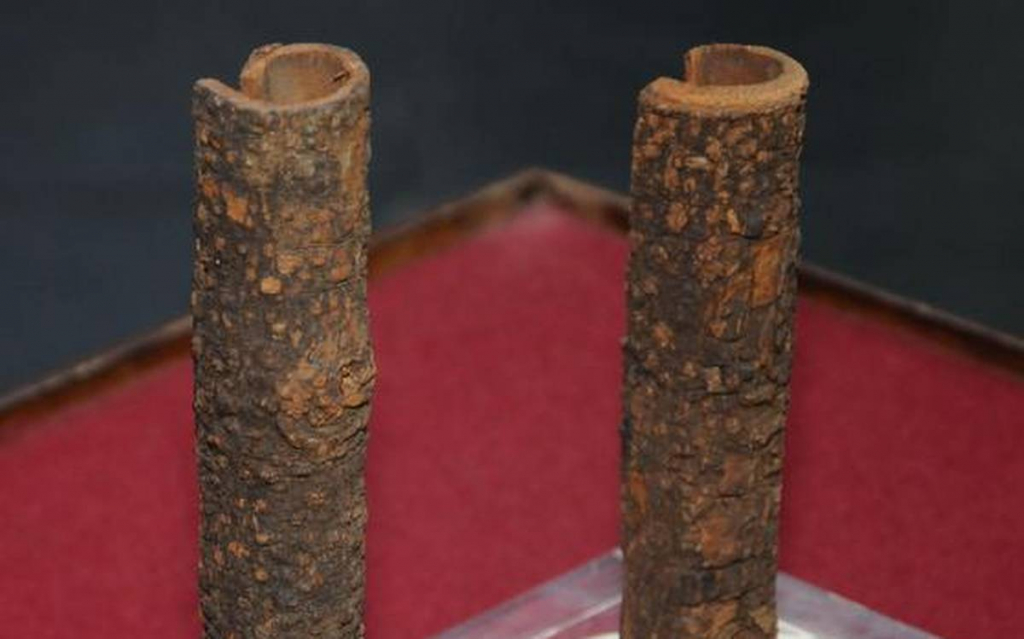
    • The herb Quinine Nongladew is the alkaloid quinine extracted from the bark of cinchona, a plant belonging to the Rubiaceae family and classified as either a large shrub or a small tree
    • The tree is named after a village about 70 km south of Guwahati, on the highway to Meghalaya capital Shillong.
    • The cinchona nursery was raised in the 19th century, probably around 1874, when Shillong became the British administrative headquarters for Assam Province.
    • Large swathes of Meghalaya used to be, and still are, malaria-prone.
    • The British had the foresight to start the plantation to combat malaria and other diseases caused by mosquitoes.

    Back2Basics: Hydroxychloroquine (HCQ)

    • HCQ is an oral tablet used as an anti-malarial drug. It is used to treat malaria, lupus erythematosus, and rheumatoid arthritis.
    • It may be used as part of a combination therapy where it is taken with other drugs.
  • What is Palliative Care?

    The newscard talks about palliative healthcare which may help when the world is reeling under this most unexpected and unprecedented pandemic, COVID-19.

    Palliative Care is a promising approach to counter the psychosocial impacts of the COVID-19 outbreak. We can use this as an example to quantify the measures required to improve mental healthcare infrastructure in India.

    Social sufferings caused by the pandemic

    • COVID-19, because of its unique nature and magnitude has brought in its wake, not only physical illness but more of emotional and social suffering.
    • These include- fear, anxiety, uncertainty, loss of loved ones and social distress such as losing jobs and income, inability to move freely to work and other places, frustrations, staying long hours at home and other hardships, all leading to psychological disturbances for many.

    What is Palliative Care?

    • The literal meaning of the word ‘palliate’ is ‘to alleviate pain — physical and emotional’, meaning, relief of suffering. ‘Suffering’ literally means ‘the state of undergoing pain, distress, or hardship’.
    • It is an approach that improves the quality of life of patients and their families facing the problem associated with a life-threatening illness.
    • It involves prevention and relief of suffering by means of early identification and impeccable assessment and treatment of pain and other problems, physical, psychosocial and spiritual.
    • It is part and parcel of treatment for any patient for any disease at any stage, for any age. It is simply a ‘whole person’ approach to improving health in any patient.

    A promising remedy

    • ‘Palliative Medicine’ is a medical speciality, which involves the treatment of pain, breathing difficulty and other distressing physical symptoms caused by chronic and life-limiting diseases.
    • It also addresses the psychological issues of both patient and family, with the sole aim of improving the quality of life. It is most beneficial when started early in the disease trajectory.
    • It is also a form of supportive care, giving that extra layer of support a patient needs, to alleviate suffering, alongside disease treatment even in acute illness.
    • In the present scenario, in addition to what physicians are toiling with to cure patients, and the government and health care policies and strategies, palliative care can play a supportive role.

    Supportive role

    • Distressing physical symptoms like pain, breathing difficulty, restlessness (delirium) and others can be well relieved or palliated with medicines in consultation with the specialists.
    • Similarly, skilled counselling is an integral part of the palliative approach.
    • It helps address the psychological, social and spiritual issues, which both patient and family are experiencing in the present scenario.
    • There is a way of responding to their fears, anxieties and to questions. They rarely need antidepressants when we acknowledge their emotions as normal.

    Conclusion

    • Active listening is by far the most important part of counselling.
    • This care can be availed of from psychologists, specialists in palliative medicine, as well as those from medical organisations who have the expertise and willingness to render their services.
    • Hence, Palliative care is the reinstatement of the humane aspects of medical care and is complementary to all medical specialities, a common thread running through the total care of all patients.
  • [pib] BiPAP Non-Invasive Ventilator “SwasthVayu”

    National Aerospace Laboratories (NAL) Bangalore, a constituent of the lab of CSIR has developed a Non-Invasive BiPAP Ventilator ‘SwasthVayu ’in a record time of 36 days to treat COVID-19 patients.

    The name ‘SwasthVayu’ can be tricky to guess, specially after some days. In prelims, UPSC may throw some options related to air pollution.

    SwasthVayu

    • A ventilator is a machine that provides mechanical ventilation by moving breathable air into and out of the lungs, to deliver breaths to a patient who is physically unable to breathe, or breathing insufficiently.
    • BiPAP (Bilevel Positive Airway Pressure) Non-Invasive ventilator is a microcontroller-based precise closed-loop adaptive control system.
    • It is a built-in biocompatible “3D printed manifold & coupler” with HEPA filter (Highly Efficient Particulate Air Filter).

    Benefits of SwasthVayu

    • The major advantage of this machine is that it is simple to use without any specialized nursing, cost-effective, compact and configured with the majority of indigenous components.
    • This is ideal for treating COVID -19 patients in Wards, Makeshift Hospitals, dispensaries and home in current Indian COVID 19 scenario.
  • Indigenous antibody test: COVID Kavach ELISA

    Indian Council of Medical Research (ICMR)-National Institute of Virology (NIV) at Pune has developed and validated the indigenous IgG ELISA test “COVID KAVACH ELISA” for antibody detection for COVID-19.

    Our thumb rule suggests that the ELISA test is being used only for the diagnosis of HIV infection. Right?

    But the ELISA test is a broader term to diagnose antibody-antigen interaction after certain virus infection to a person.  UPSC can test your basic knowledge of core biology with a question based on this concept.

    What is ELISA test?

    • ELISA (enzyme-linked immunosorbent assay) is a plate-based assay technique designed for detecting and quantifying substances such as peptides, proteins, antibodies and hormones.
    • Other names, such as enzyme immunoassay (EIA), are also used to describe the same technology.
    • In an ELISA, an antigen must be immobilized on a solid surface and then complexed with an antibody that is linked to an enzyme.
    • Detection is accomplished by assessing the conjugated enzyme activity via incubation with a substrate to produce a measurable product.
    • The most crucial element of the detection strategy is a highly specific antibody-antigen interaction.

    What are antibodies?

    • An antibody is a large, Y-shaped protein produced mainly by plasma cells that are used by the immune system to neutralize pathogens such as pathogenic bacteria and viruses.
    • There are five immunoglobulin classes (isotypes) of antibody molecules found in serum: IgG, IgM, IgA, IgE and IgD.
    • They are distinguished by the type of heavy chain they contain.

    Application of ELISA

    • Presence of antigen or the presence of antibody in a sample can be evaluated
    • Determination of serum antibody concentrations in a virus test
    • Used in the food industry when detecting potential food allergens
    • Applied in disease outbreaks- tracking the spread of disease e.g. HIV, bird flu, common, colds, cholera, STD etc

    Significance

    • Robust antibody tests are critical for surveillance to understand the proportion of the population exposed to infection.
    • The test will have the advantage of testing 90 samples together in a single run of 2.5 hours.
    • Moreover, ELISA based testing is easily possible even at the district level as the ELISA kit has an inactivated virus.
    • There are also minimal bio-safety and bio-security requirements as compared to the real-time RT-PCR test.
    • The test has the advantage of having much higher sensitivity and specificity as compared to the several rapid test kits which have recently flooded the Indian market.

    Limitations

    • Since the ELISA test is based on the detection of antibodies, it can only help in knowing if the person has been previously infected by a coronavirus.
    • It takes one-three weeks for the antibodies to develop in response to infection.
    • So, if a person who has been recently infected by the virus is tested during the window period (the time taken to develop antibodies) the result will turn out to be negative.
    • But a repeat test after a couple of weeks will indicate the true infection status.

    How it is different from the PCR test?

    • While the RT-PCR, which detects the RNA of the coronavirus, enables detection of current infection, it will not be useful if the testing is carried out days after the infection clears as the virus will no longer be present.
    • However, antibodies developed in response to the coronavirus infection will be present in the blood for a longer duration and hence the ELISA test can help detect past infection.
    • The maximum time the antibodies will be present in the body is not known for coronavirus.

    Back2Basics: Reverse Transcriptase – Polymerase Chain Reaction (PCR) Test

    • It uses a technique that creates copies of a segment of DNA. ‘Polymerase’ refers to the enzymes that make the copies of DNA.
    • Kary Mullis, the American biochemist who invented the PCR technique, was awarded the Nobel Prize for Chemistry in 1993.
    • The ‘chain reaction’ is how the DNA fragments are copied, exponentially — one is copied into two, the two are copied into four, and so on.
    • However, SARS-COV-2 is a virus made of RNA, which needs to be converted into DNA. For this, the technique includes a process called reverse transcription.
    • A ‘reverse transcriptase’ enzyme converts the RNA into DNA. Copies of the DNA are then made and amplified.
    • A fluorescent DNA binding dye called the “probe” shows the presence of the virus. The test also distinguishes SARS-COV-2 from other viruses.
  • What is African Swine Fever (ASF)?

    • Amid the coronavirus pandemic, another disease outbreak is affecting thousands of animals in Assam.
    • Since February, over 2,900 pigs have died in the state due to African Swine Fever (ASF), which does not affect humans but can be catastrophic for pigs.
    • This is the first time that an ASF outbreak has been reported in India.

    As Flu is nowadays a lot in news, keep a tab on them for prelims. Be it the Swine Flue, African Swine Fever or even H5N1.

    African Swine Fever (ASF)

    • ASF is a severe viral disease that affects wild and domestic pigs typically resulting in an acute hemorrhagic fever.
    • The disease has a case fatality rate (CFR) of about 100 per cent.
    • Its routes of transmission include direct contact with an infected or wild pig (alive or dead), indirect contact through ingestion of contaminated material such as food waste, feed or garbage or through biological vectors such as ticks.
    • The disease is characterized by the sudden deaths of pigs.
    • Other manifestations of the disease include high fever, depression, anorexia, loss of appetite, hemorrhages in the skin, vomiting and diarrhoea among others.

    How did the current outbreak start?

    • As per the latest update issued by FAO, the current outbreak of ASF has affected China, Mongolia, Vietnam, Cambodia, Myanmar, the Philippines, Republic of Korea and Indonesia among others.
    • In China, the first ASF outbreak was confirmed in August 2018 and since then more than 1 million pigs have been culled in the country.
    • ASF came into India through Tibet into Arunachal Pradesh and then into Assam, the state with the highest population of pigs in the country.

    How is ASF different from swine flu?

    • Swine influenza or swine flu is a respiratory disease of pigs, which is caused by type A influenza virus that regularly causes outbreaks of influenza in pig populations.
    • While the swine flu causing virus leads to a high number of infections in pig herds, the disease is not as fatal and causes few deaths. Specific swine influenza vaccines are available for pigs.
    • The swine flu viruses are spread among pigs through close contact and through contaminated objects moving between infected and uninfected pigs.
    • Symptoms include fever, depression, coughing, discharge from the nose and eyes, eye redness or inflammation.

    Vaccines availability

    • As of now, there is no approved vaccine, which is also a reason why animals are culled to prevent the spread of infection.
    • It is important that determination of ASF is made through laboratory testing and it is differentiated from Classical Swine Fever (CSF), whose signs may be similar to ASF, but is caused by a different virus for which a vaccine exists.
    • Even so, while ASF is lethal, it is less infectious than other animal diseases such as foot-and-mouth disease.

    What is the impact ASF will have on pig farmers?

    • Pig farmers in Assam describe the outbreak as a “double whammy” since the COVID-19 lockdown was already impacting sales negatively.
    • The outbreak has ruined the prospect of the Northeastern states as a hub for the export of pork products.
  • How Remdesivir tricks coronavirus?

    A new research has found how Remdesivir treats coronavirus and described the exact mechanism of interaction between the virus and the drug.   Remdesivir is an experimental antiviral made by American pharmaceutical firm Gilead Sciences that was first developed to treat Ebola.

    DNA/RNA related terminologies, Genes and Genomes, etc. always find their way in UPSC Prelims.  Most recent one was-

    With reference to the recent developments in science, which one of the following statements is not correct? (CSP 2019)

    (a) Functional chromosomes can be created by joining segments of DNA taken from cells of different species.

    (b) Pieces of artificial functional DNA can be created in Iaboratories.

    (c) A piece of DNA taken out from an animal cell can be made to replicate outside a living cell in a laboratory.

    (d) Cells taken out from plants and animals can be made to undergo cell division in laboratory petri dishes.

    How Remdesivir kills coronavirus?

    • Remdesivir is designed to obstruct the stage of replication, when the virus creates copies of itself, followed endlessly by the copies creating copies of themselves.

    How does replication take place?

    • Once the virus enters the human cell, it releases its genetic material, which is then copied using the body’s existing mechanism.
    • At every stage of infection, various human proteins, virus proteins, and their interactions come into play.
    • At the replication stage, the key viral protein at play is an enzyme called RdRp (an enzyme is a kind of protein that speeds up chemical reactions within a cell).
    • It is RdRp that makes the copies, by processing components of the RNA of the virus.
    • University of Alberta researchers called it the “engine” of the virus in a paper last week, in which they described the action of Remdesivir against this “engine”.
    • In scientific literature, such an enzyme is called a polymerase (the p is RdRp stands for polymerase) or a replica.
    • In any case, this is the enzyme that is targeted by Remdesivir.

    And how exactly does Remdesivir target this enzyme?

    • In order to replicate, the virus processes raw material from the virus RNA, broken down by another enzyme with that specific function.
    • When a patient is given Remdesivir — the inhibitor — it mimics some of this material and gets incorporated in the replication site.
    • With Remdesivir replacing the material it needs, the virus fails to replicate further.
    • These coronavirus polymerases are sloppy and they get fooled, so the inhibitor gets incorporated many times and the virus can no longer replicate.
  • Plasma therapy is no silver bullet

    The article discusses the issues with convalescent plasma therapy. The therapy has been in the news as a cure to Covid-19. The lack of conclusive evidence is a major issue. There are certain risks involved in large scale adoption. All such issues are dealt with in detail here.

    Importance of scientific research in dealing with Covid-19

    • The COVID-19 pandemic has posed unprecedented challenges to governments, health professionals and the general public at large, around the world.
    • Every response, administrative, social, economic or medical is being subjected to intense public scrutiny, as it rightly should be in the spirit of mature democracy.
    • Scientific research in medicine is the only means to overcome novel and complex diseases such as COVID-19 and that too thrives on the same spirit of debate and criticism.
    • Difficulty in establishing protocols: The difference is that the standards of evidence required, to generate consensus and arrive at the most optimal protocols, are far more rigorous and time-taking than in most other walks of life.

    Issues with plasma therapy

    • The convalescent plasma therapy, that is being currently studied by the Indian Council of Medical Research, through open-label, randomised controlled trial to evaluate it for both safety and efficacy.
    • The problem with the therapy is of the lack of established protocols.
    • What is involved in therapy? The therapy involves infusing patients suffering from COVID-19 with plasma from recovered patients.
    • In theory, the antibodies of the recovered person may help that patient’s immune system fight the virus.
    • While showing great promise, it is a line of treatment that is yet to be validated for efficacy and safety and cannot be deployed widely without caution.
    • The current evidence to conclude anything about the true benefits of this therapy is very thin.
    • Till date, there have been only three published case series for convalescent plasma in COVID-19 with a cumulative of 19 patients.
    • Given the very small number of patients involved in these studies and a publication bias in medicine, we cannot conclude the therapy will work on all patients all the time or even believe that the convalescent plasma was the only reason for their improvement.
    • The most important principle in medical ethics is “do no harm”.
    • The transfusion of convalescent plasma is also not without risks, which range from mild reactions like fever, itching, to life-threatening allergic reactions and lung injury.
    • To recommend a therapy without studying it thoroughly with robust scientific methods may cause more harm than good.
    • Further, convalescent plasma therapy requires intensive resources, healthy COVID-19 survivors to donate, a blood bank with proper machinery and trained personnel to remove plasma, equipment to store it and testing facilities to make sure it has an adequate amount of antibodies.

    Need for the Randomised Controlled Trials (RCT)

    • To say with certainty whether a drug is truly effective or not, the gold standard in medicine is to conduct a randomised controlled trial.
    • In RCT half the patients get the experimental drug and the other half do not.
    • Only if patients in the first half show substantial improvement over those in the second half, it indicates the drug is beneficial.

    Exploring other options and focusing on health infrastructure

    • Too much focus on one approach can take away the focus from other important therapeutic modalities like the use of oxygen therapy, antivirals, and antibiotics for complicated hospital courses.
    • To overcome the pandemic comprehensively, we should focus on strengthening health systems at all levels, including referral systems, supply chain, logistics and inventory management.
    • We need to work on protecting our healthcare workers, improving prevention methods, promoting cough etiquettes, effective quarantining and accurate testing.

    A direct question based on the therapy like- “What is convalescent plasma therapy and what are the issues involved in its adoption?” can be asked by the UPSC.

    Conclusion

    Even these times of collective uncertainty are no reason to lower scientific temper. Science should be driven by reason and evidence with hope as a catalyst but not by either fear or populism. Pushing one or the other therapy without evidence or caution can only set back our larger fight against COVID-19.