đŸ’„Join UPSC 2027,2028 Mentorship (July Batch) + XFactor Notes & Microthemes PDF

Subject: Conservation & Mitigation

1. Conservation Progs.
2. Worldwide initiatives
3. Mitigation Strategies
4. Conventions and Protocols

  • Species: Indian Rosewood (Dalbergia latifolia)

    Why in the News?

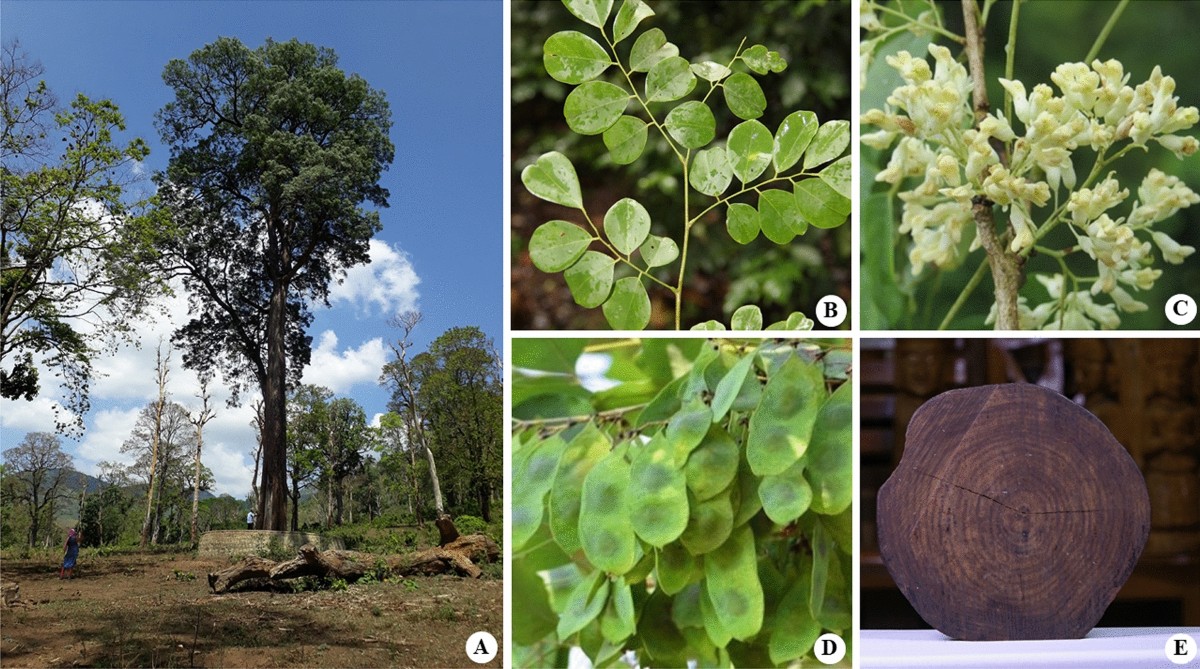
    The Indian Rosewood (Dalbergia latifolia) species is under threat as Tamil Nadu allowed the lapse of the Rosewood Conservation Act (1995–2025).

    Species: Indian Rosewood (Dalbergia latifolia)
    Indian Rosewood (Dalbergia latifolia)

    About Indian Rosewood (Dalbergia latifolia):

    • Type: Tall deciduous or semi-evergreen tree reaching up to 40 metres.
    • Native Range: Nilgiris, Anamalai, and Parambikulam ranges of Tamil Nadu; also found in parts of Southeast Asia.
    • Adaptation: Thrives in tropical monsoon climates; considered drought hardy.
    • Wood Characteristics: Heartwood ranges from golden brown to purplish-brown with darker streaks, releasing a rose-like scent when worked.
    • Durability: Fine-grained, resistant to rot and insects; known as the “ivory of the forests.”
    • Uses: Premium furniture, cabinetry, decorative veneers, and musical instruments.
    • Conservation Status:
      • Classified as Vulnerable by IUCN since 2018.
      • Included under Appendix II, regulating international trade through permits.

    Legal Protection:

    • Indian Framework: Covered under the Indian Forest Act, 1927, regulating felling, harvest, and transport of timber.
    • Tamil Nadu Law (1995):
      • Prohibited cutting without government permission; extended in 2010 for 15 years.
      • Act lapsed in February 2025, exposing privately owned rosewood trees, especially in Nilgiri tea plantations, to felling.
    [UPSC 2007] Dalbergia species is associated with which one of the following?

    Options: (a) Cashew nut (b) Coffee (c) Tea (d) Rosewood*


  • Why are Killer Whales offering fresh prey to humans?

    Why in the News?

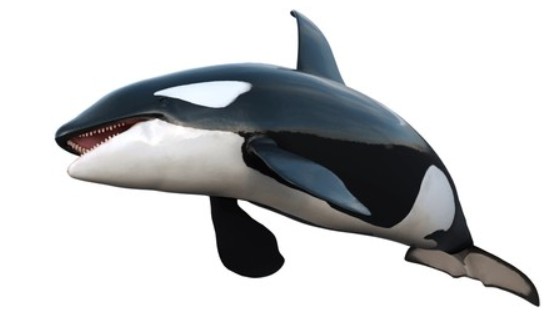
    A new study in the Journal of Comparative Psychology documents rare instances of Killer Whales (Orcinus orca) sharing freshly killed prey with humans.

    Why are Killer Whales offering fresh prey to humans?

    About Killer Whales (Orcinus orca):

    • Overview: Largest member of the dolphin family (Delphinidae), often called “wolves of the sea”.
    • Apex predators: At the top of the marine food chain.
    • Physical traits:
      • Black dorsal side, white underside, distinctive eye patch, saddle patch behind dorsal fin.
      • Can grow up to 9 m, weigh over 5,000 kg, and swim up to 54 km/hr.
    • Social structure: Live in pods led by a matriarch; highly coordinated hunters using complex tactics.
    • Distribution: Found in all oceans worldwide, from polar to tropical seas, in both open and coastal waters.
    • IUCN – Data Deficient: But many regional populations face threats from climate change, prey decline, and pollution.

    Why do they offer their fresh prey to humans?

    • Study Findings (2004–2024):
      • Killer whales were observed offering whole prey to humans (fish, birds, mammals, etc.) in multiple oceans.
      • In most cases, they waited for a human response before reclaiming or abandoning prey.
    • Possible Reasons:
      • Exploration/Curiosity: Reflects their advanced cognition and social curiosity; a way to learn about humans.
      • Prosocial Behaviour: They are among the few species that share food within and outside their groups.
      • Play Theory Rejected: Behaviour not limited to juveniles; adults also involved, often with whole prey.
      • Scientific Thinking Analogy: Behaviour resembles “asking questions” and testing human reactions — a form of exploratory intelligence.
      • Machiavellian Behaviour: Could sometimes be manipulative, as killer whales are known to steal fish and disrupt vessels.
    [UPSC 2023] Which one of the following makes a tool with a stick to scrape insects from a hole in a tree or a log of wood?

    Options: (a) Fishing cat (b) Orangutan * (c) Otter (d) Sloth bear


  • Fireflies emerge as Ecological Indicators

    Why in the News?

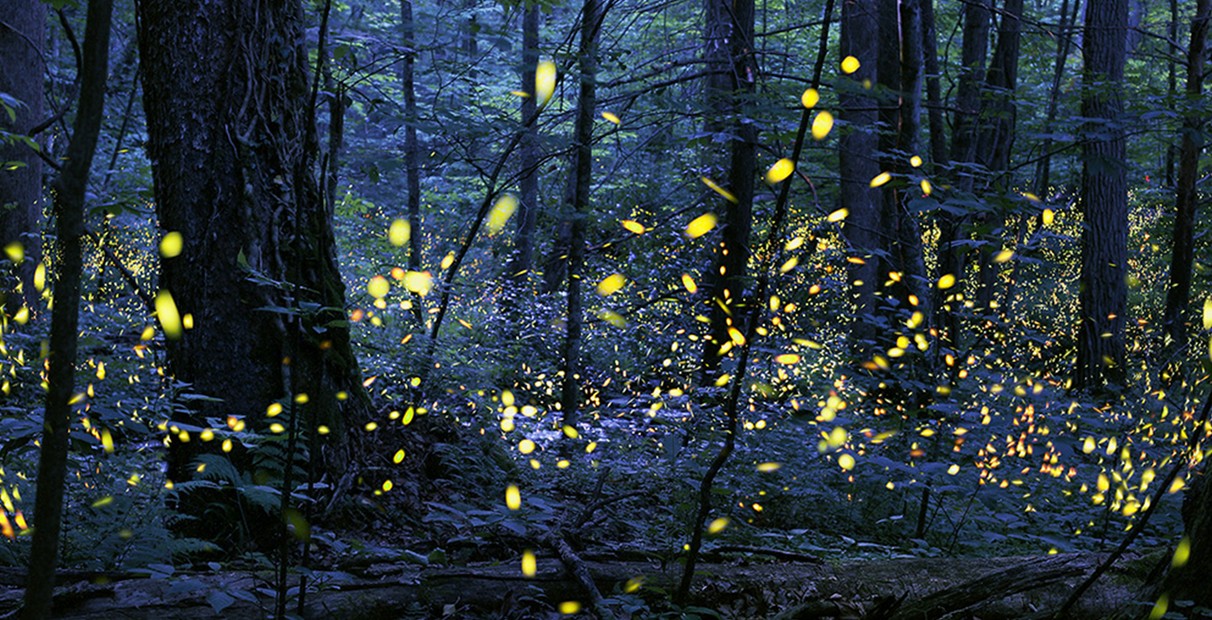
    A recent study in Tamil Nadu documented multiple firefly species and highlighted their role as ecological indicators of habitat health.

    About Fireflies and their behaviour traits:

    • Identity: Bioluminescent beetles (not true flies) of the family Lampyridae.
    • Life Cycle: Larvae live in soil/leaf litter feeding on snails and worms; adults emerge after rains and live briefly to reproduce.
    • Indian Species: Abscondita chinensis, Luciola ovalis, Luciola nicolleri, Asymmetricata humeralis, Pyrocoelia analis.
    • Distribution: Found in tropical and temperate regions; most visible on humid monsoon nights.
    • Bioluminescence: Glow produced in abdominal light organ using luciferin, luciferase, oxygen, and ATP.
    • Light Nature: Cold and efficient, colours vary between green and yellow depending on species.
    • Courtship Function: Flashing used as mating signal; males emit species-specific codes, females respond if correct.

    Ecological Role and Conservation Significance:

    • Sensitivity: Strongly affected by pesticides, habitat loss, artificial lights, and polluted water.
    • Habitat Health Indicator: Large synchronised gatherings reflect intact ecosystems; sparse numbers signal disturbance.
    • Light Pollution Impact: Artificial lighting disrupts flashing, forcing males to waste energy and reducing mating success.
    • Local Evidences: Communities like the Malasar and Irula report declines linked to pesticides and polluted streams.
    • Indicator Role: Act as proxy species for nocturnal biodiversity, signalling risks to moths, bats, and amphibians.
    [UPSC 2024] Which one of the following shows a unique relationship with an insect that has coevolved with it and that is the only insect that can pollinate this tree?

    Options: (a) Fig* (b) Mahua (c) Sandalwood (d) Silk cotton


  • Ice Age-era Dragon Fly rediscovered

    Why in the News?

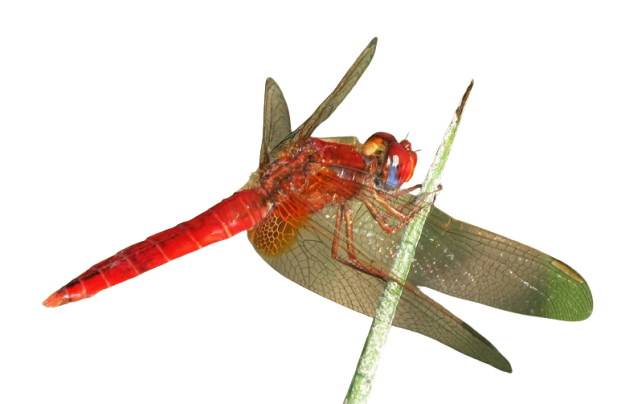
    Odonatologists have reconfirmed the presence of the elusive dragonfly species Crocothemis erythraea in the southern Western Ghats.

    About Crocothemis erythraea Dragonfly:

    • Species Type: A rare dragonfly species, usually found in Europe, Asia, and the Himalayas.
    • Recent Finding: Reconfirmed in the Western Ghats, specifically in Kerala and Tamil Nadu high ranges.
    • Comparison: Closely resembles the common lowland species Crocothemis servilia, leading to earlier misidentifications.
    • Habitat Preference: Inhabits cooler, high-altitude areas above 550 metres.
    • Historical Origin: Likely spread to South India during the Ice Age and survived in montane habitats such as Sholas and grasslands.

    Significance of the Discovery:

    • Biodiversity Insight: Demonstrates how ancient climate changes influenced current biodiversity patterns.
    • Ecological Importance: Reinforces the Western Ghats’ status as a biodiversity hotspot of global value.
    • Conservation Message: Highlights the need to protect sensitive high-altitude habitats like Sholas and montane grasslands.
    • Scientific Contribution: Adds to India’s growing record of documenting and conserving rare species.
    [UPSC 2024] The organisms Cicada, Froghopper and Pond skater are:

    Options: (a) Birds (b) Fish (c) Insects* (d) Reptiles


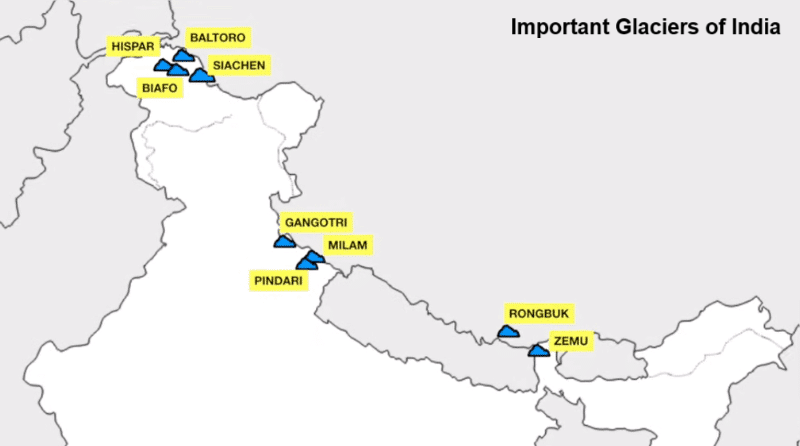
  • Gangotri Glacier System (GGS) shrinks 10% in 4 decades

    Why in the News?

    A recent IIT Indore study shows that climate change has caused a 10% shrinkage in the Gangotri Glacier System over four decades, altering snowmelt and hydrology.

    Gangotri Glacier System (GGS) shrinks 10% in 4 decades

    About Gangotri Glacier System (GGS):

    • Location: Uttarkashi District, Uttarakhand, in the Central Garhwal Himalayas.
    • Origin: Near the Chaukhamba massif at ~7,000 metres above sea level.
    • Size: Main trunk 30–32 km long, 2–4 km wide, with a total glacierized area of ~252 sq. km.
    • Snout: Known as Gaumukh (“cow’s mouth”), source of the Bhagirathi River, which later merges with the Alaknanda at Devprayag to form the Ganga.
    • Tributaries: Includes Chaturangi, Raktavarn, Meru, Rudugaira, Kedar, and Vasuki glaciers.
    • Type: Valley-type glacier with granite, gneiss, and schist bedrock.
    • Features: Moraines, supraglacial lakes, crevasses, and avalanche fans.
    • Debris Cover: 20–24% of the glacier area is debris-covered, affecting melting rates.

    Key Findings of the IIT Indore Study (1980–2020):

    • Flow Contribution: Snowmelt 64%, glacier melt 21%, rainfall-runoff 11%, base flow 4%.
    • Decline in Snowmelt Share: From 73% in 1980–90 to 63% in 2010–20, reflecting climate change impact.
    • Temperature Rise: Mean annual temperature increased by 0.5°C in 2001–2020 compared to 1980–2000.
    • Shift in Peak Discharge: From August to July since the 1990s due to earlier melting and reduced winter precipitation.
    • Snowmelt Rebound: During 2010–2020, colder winters (–2°C) and higher winter precipitation (262 mm) increased snow accumulation.
    [UPSC 2019] Consider the following pairs:

    Glacier: River

    1. Bandarpunch -Yamuna

    2. Bara Shigri -Chenab

    3. Milam -Mandakini

    4. Siachen -Nubra

    5. Zemu -Manas

    Which of the pairs given above are correctly matched?

    Options: (a) 1, 2 and 4* (b) 1, 3 and 4 (c) 2 and 5 (d) 3 and 5


  • Nepal officially joins IBCA

    Why in the News?

    Nepal has officially joined the International Big Cat Alliance (IBCA), an India-led global initiative to protect seven species of big cats.

    About the International Big Cat Alliance (IBCA)

    • Overview: A global multi-country, multi-agency alliance of 95 countries (range and non-range) focused on conserving big cats and their habitats.
    • Launch: Proposed by PM Modi in 2019; officially launched in April 2023 on Project Tiger’s 50th anniversary.
    • Conservation Scope: Works to protect 7 species of big cats — tiger, lion, leopard, snow leopard, cheetah, jaguar, and puma.
    • Functions: Operates through advocacy, knowledge-sharing, eco-tourism promotion, and resource mobilisation.
    • Conflict Mitigation: Aims to reduce human–wildlife conflict and restore degraded habitats.
    • Institutional Structure:
      • Governance: Managed by a General Assembly, elected Council, and Secretariat headed by a Secretary-General.
      • Headquarters: Permanent base established in India following ratification of the HQ agreement.

    Global Participation

    • Membership: Includes 95 countries across Asia, Africa, the Americas, and Europe/Central Asia. Examples:
      • Asia: India, China, Nepal, Pakistan, Iran.
      • Africa: Kenya, Congo, Ghana.
      • Americas: Brazil, Ecuador, United States.
      • Europe/Central Asia: Russia, Kazakhstan.
    • Ratification: Bhutan, Eswatini, Cambodia, Guinea, India, Liberia, Nicaragua, Somalia, and Suriname have deposited ratification instruments.

    India’s Role:

    • Biodiversity Hub: India hosts 5 of the 7 big cats — tiger, lion, leopard, snow leopard, and cheetah — and holds 70% of global tiger population.
    • Funding: Government committed â‚č150 crore for 2023–2028; mobilising international contributions.
    • Leadership: India sets global benchmarks in wildlife conservation and ecological stewardship, positioning itself as a leader in big cat protection.
    [UPSC 2024] Consider the following statements:

    1. Lions do not have a particular breeding season.

    2. Unlike most other big cats, cheetahs do not roar.

    3. Unlike male lions, male leopards do not proclaim their territory by scent marking.

    Which of the statements given above are correct?

    (a) 1 and 2 only * (b) 2 and 3 only (c) 1 and 3 only (d) 1, 2 and 2


  • Haryana defines ‘Forest’: Controversy and Implications

    Why in the News?

    Haryana has notified the dictionary meaning of “forest” as per Supreme Court directions.

    Haryana defines ‘Forest’: Controversy and Implications

    Haryana’s definition of Forest:

    • Definition: A patch of land is deemed a forest if:
      • Minimum area: 5 hectares (isolated) or 2 hectares (contiguous with notified forest).
      • Minimum canopy density: 0.4 (40%) or more.
    • Exclusions: Linear/compact/agro-forestry plantations and orchards outside government-notified forests.
    • Aim: Create a uniform standard for identifying forests under the Forest (Conservation) Act, 1980 (FCA).

    Issues with Haryana’s Definition:

    • High thresholds:
      • 40% canopy cover excludes scrub forests and dry deciduous vegetation like the Aravallis.
      • 2–5 hectare size requirement too high for an arid state with fragmented green cover.
    • Exclusion of Aravallis: Sensitive ridge areas risk exposure to illegal mining, encroachment, and real estate development.
    • Contradiction with Godavarman judgment (1996): SC had ruled that “forest” must be understood in its dictionary meaning, regardless of size, ownership, or canopy density.
    • Dilution of protection under FCA 1980: Narrows the scope of land eligible for forest safeguards.

    Godavarman Case & FCA Background:

    • Forest (Conservation) Act, 1980: Restricted dereservation/diversion of forest land without Centre’s approval.
    • T N Godavarman v Union of India (1996): Court ruled “forest” must be understood in its dictionary meaning, covering all forested lands regardless of ownership or official status.
    • 2023 FCA Amendment: Limited scope to notified forests and recorded forest lands.
      • Amendment challenged by retired IFS officers and NGOs for diluting FCA protections.
    • SC in February 2024 directed States/UTs to continue using Godavarman definition while case is ongoing.


    [UPSC 2005] The minimum land area recommended for forest cover to maintain proper ecological balance in India is

    Options: (a) 0.25 (b) 0.33* (c) 0.43 (d) 0.53


  • NTCA limits definition of Tiger Corridors

    Why in the News?

    The National Tiger Conservation Authority (NTCA) recently issued a clarification limiting tiger corridors primarily to 32 “least cost pathways” identified in 2014.

    About National Tiger Conservation Authority (NTCA):

    • Statutory body: Under Ministry of Environment, Forest and Climate Change (MoEFCC).
    • Establishment: Created in 2006 under the Wildlife Protection Act, 1972.
    • Functions: Provides legal backing to Project Tiger, ensures Centre–State accountability via MoUs, and enables Parliamentary oversight.
    • Community Role: Addresses livelihood concerns of people around tiger reserves.
    • Composition: Chaired by MoEFCC Minister, Vice-Chairperson MoS, 3 Members of Parliament, MoEFCC Secretary, and others.

    What are Tiger Corridors?

    • Definition: Landscape linkages between tiger habitats that allow safe passage, genetic flow, and survival.
    • Need: Prevent isolation of tiger populations and human–tiger conflicts.
    • Examples of Macro-Corridors:
      • Shivalik–Gangetic Plains: Corbett–Dudhwa, Dudhwa–Kishanpur–Katerniaghat.
      • Central India & Eastern Ghats: Ranthambhore–Kuno–Madhav, Kanha–Pench, Bandhavgarh–Achanakmar.
      • Western Ghats: Sahyadri–Konkan–Radhanagari–Goa–Karnataka.
      • Northeast & Brahmaputra: Kaziranga–Karbi Anglong, Manas–Buxa.
      • Sundarbans Landscape.

    NTCA’s Policy Reversal:

    • July 25 Affidavit: Said corridor identification must use multiple data sources – protected areas, 2014 NTCA pathways, Tiger Conservation Plans (TCPs), Wildlife Institute of India (WII) studies (2016, 2021), and All-India Tiger Estimation (AITE) data.
    • August 21 Clarification: Limited definition only to 2014 least-cost pathways (32 corridors) and TCP corridors.
    • Exclusions: WII studies and AITE data dropped, despite 2014 report itself warning that listed corridors were “minimal requirement.”
    [UPSC 2020] Among the following Tiger Reserves, which one has the largest area under “Critical Tiger Habitat”?

    Options: (a) Corbett (b) Ranthambore (c) Nagarjunsagar-Srisailam* (d) Sunderbans


  • Saltwater Crocodile Population Survey in Sundarbans

    Why in the News?

    A 2025 survey by the West Bengal Forest Department shows an increase in saltwater crocodile population in the Sundarbans Biosphere Reserve (SBR).

    Saltwater Crocodile Population Survey in Sundarbans

    About Saltwater Crocodile (Crocodylus porosus):

    • Largest living reptile and the largest of all crocodilians.
    • Males grow much larger than females; females usually 2.5–3 m in length.
    • Habitat: mangrove forests, swamps, rivers, and coastal waters; tolerant of varying salinity.
    • Distribution in India: Odisha, West Bengal (Sundarbans), Andaman & Nicobar Islands.
    • Behaviour: Apex predator, feeds on carcasses and diverse prey; communicates through barks, hisses, growls, chirps.
    • Conservation Status:
      • IUCN Red List: Least Concern.
      • CITES: Appendix I (except populations of Australia, Indonesia, PNG → Appendix II).
      • Wildlife Protection Act (1972): Schedule I.
    • Conservation Efforts: Bhagabatpur Crocodile Project (1976, West Bengal) – breeding and conservation programme; 577 crocodiles released till 2022.

    Other Crocodile Species in India:

    • Gharial: Critically Endangered; survives in only 2% of former range; Found in small stretches of Chambal and a few other rivers.
    • Mugger/Marsh Crocodile: Vulnerable; found in freshwater lakes, rivers, marshes.
  • How does plastic pollution affect health?

    Introduction

    Plastic pollution represents one of the gravest environmental crises of our times. Despite decades of regulation and bans, plastics remain ubiquitous, cheap, and nearly indestructible. Talks in Geneva involving 180 countries failed to secure an internationally binding legal agreement to limit plastic pollution, reflecting deep divisions over whether the treaty should target waste alone or include production.

    Global Plastic Treaty Deadlock: Why It Matters

    • Global deadlock: 180 countries failed to agree on a binding treaty on plastic pollution in Geneva, despite a UNEP-backed resolution already in place.
    • First-time sharp focus on health: Unlike earlier discussions centred only on waste management, the health impact of plastics is now central.
    • Scale of problem: Plastics contain more than 16,000 chemicals, with little knowledge on 10,000+ of them. A Nature study showed 4,000 chemicals of concern are present across major plastic types.
    • Striking evidence: Microplastics detected in blood, breast milk, placenta, bone marrow, bringing urgency to the debate.

    The Persistence and Ubiquity of Plastics

    1. Symbol of consumption economy: Cheap and versatile, plastics reflect today’s global consumption.
    2. Persistence and flexibility: Synthetic, fossil-fuel-derived polymers are non-biodegradable and endure for decades.
    3. Waste mismanagement: Cheap production, ubiquity, and limited recycling capacity turn plastics into the prime source of litter.

    Plastics and Human Health: Emerging Evidence

    1. Chemicals of concern: Plastics use ethylene, propylene, styrene derivatives, along with bisphenols, phthalates, PCBs, PBDEs, and PFAS.
    2. Products of exposure: Found in food containers, bottles, teething toys, polyester, IV bags, cosmetics, paints, electronics, adhesives.
    3. Health links: Studies link plastic chemicals to thyroid dysfunction, hypertension, kidney/testicular cancer, gestational diabetes.
    4. Evidence base: Around 1,100 studies, involving 1.1 million individuals, compiled by Boston College & Minderoo Foundation dashboard.
    5. Nature of studies: Mostly associative; longitudinal studies (gold standard) are still underway.

    The Microplastic Menace

    1. Definition: Plastics smaller than 5 mm, found in additives or broken-down products.
    2. Recent discoveries: Detected in human blood, breast milk, placenta, bone marrow.
    3. Health uncertainty: Exact impacts still under study, but linked to multiple disorders.

    Policy Responses: Global and Indian Perspectives

    • Global scene: Negotiations divided on waste vs production; developing countries demand funding support.
    • India’s stance: 
      • Ban on single-use plastics in ~20 States
      • Administrative push for Extended Producer Responsibility (EPR)
      • Views plastics as a waste management issue, not a health issue.
      • Prefers health dimension to be dealt with at WHO, not in the plastics treaty.

    Conclusion

    The Geneva deadlock reflects not just a failure of diplomacy but the widening gap between scientific evidence and policy action. Plastics are no longer an invisible convenience; they are a pervasive health hazard. While India treats plastics as a waste issue, ignoring health risks leaves a blind spot in policy. A robust, binding treaty addressing both production and health impact is indispensable if the world is to prevent plastics from becoming the new tobacco of the 21st century.

    PYQ Relavance

    [UPSC 2023] What is oil pollution? What are its impacts on the marine ecosystem? In what way is oil pollution particularly harmful for a country like India?

    Linkage: Since UPSC has already asked about oil pollution (2023), it shows the exam’s focus on pollution and ecosystem impacts. Plastic pollution, like oil, originates from fossil fuels and has severe effects on marine life and human health. Hence, a direct question on plastic pollution and its health–environment nexus is highly probable.

    Practice Mains Question

    Plastics are no longer merely a waste management problem but a serious health hazard. Critically examine the health risks associated with plastic use and evaluate India’s stance in global plastic treaty negotiations.

    Mapping Microthemes

    • GS-1: Impact of industrialisation and consumerism on environment.
    • GS-2: International negotiations, India’s foreign policy stance in environmental treaties.
    • GS-3: Pollution, waste management, health-environment nexus.
    • GS-4: Ethics of sustainability, intergenerational justice, corporate responsibility.