💥Join UPSC 2027,2028 Mentorship (July Batch) + XFactor Notes & Microthemes PDF

Subject: Conservation & Mitigation

1. Conservation Progs.
2. Worldwide initiatives
3. Mitigation Strategies
4. Conventions and Protocols

  • Does India have laws on the movement of ballast water?

    Why in the News?

    The TN Water Resources Department (WRD) has informed the National Green Tribunal that it has requested ₹160 crore from Kamarajar Port in Ennore, Tamil Nadu, to address the removal of invasive mussels along the coast near the port.

    • The WRD has accused Kamarajar Port of being primarily responsible for the spread of this invasive species due to its failure to regulate ballast water from ships.

    What is Ballast Water?

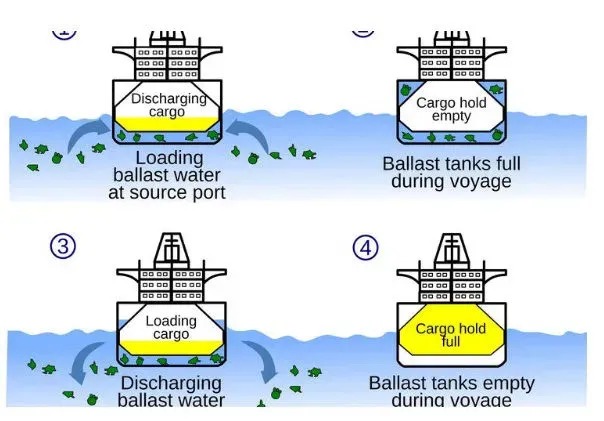
    • Ballast water is fresh or saltwater held in the ballast tanks of ships. It is used to provide stability and maneuverability during a voyage, especially when a ship is not carrying enough cargo or when additional stability is required due to rough seas.
    • Ballast water can carry a variety of biological materials, including bacteria, microbes, and small invertebrates. When discharged at a new location, this water can introduce non-native species into local ecosystems, potentially leading to ecological imbalances.

    How Serious is the Problem?

    • Invasive Species in India: Scientists have recorded nearly 30 invasive species entering Indian waters through ship ballast water, with the charru mussel (Mytella strigata) being one of the most harmful. This species has replaced native species in critical habitats like Pulicat Lake in Tamil Nadu.
    • Ecological Impact: The introduction of invasive species can disrupt local ecosystems, outcompete native organisms, and significantly affect biodiversity. The charru mussel has a high survival rate and prolific reproduction, exacerbating its impact on marine environments.
    • Economic Consequences: The proliferation of invasive species can hinder fishing activities and affect the livelihoods of local communities dependent on marine resources.

    What are Global Regulations?

    • Ballast Water Management (BWM) Convention: The International Maritime Organization (IMO) adopted the BWM Convention, which came into force in 2017. This convention aims to prevent the spread of harmful aquatic organisms and pathogens through ballast water.
    • Under the BWM Convention, ships must manage their ballast water to ensure that aquatic organisms and pathogens are removed or rendered harmless before discharge.
    • Compliance: Countries like Australia and New Zealand have stringent regulations to prevent ballast water from damaging their marine ecosystems, including rigorous checks of ballast water management systems.

    What is India’s Position?

    • As of July 2023, India has not signed the BWM Convention, meaning there are no obligations for ships calling at Indian ports to comply with its regulations. This lack of participation raises concerns about the unchecked discharge of ballast water.
    • While other maritime regulations apply in Indian ports but the discharge of ballast water is not subject to checks or regulations, leading to potential ecological risks.

    Way forward: 

    • Adopt and Implement the BWM Convention: India should consider ratifying the Ballast Water Management (BWM) Convention to align with international standards.
    • Strengthen Domestic Regulations and Awareness: Even before ratifying the BWM Convention, India can introduce national legislation to regulate ballast water discharge in its ports.

    Mains PYQ: 

    Q How does biodiversity vary in India? How is the Biological Diversity Act,2002 helpful in conservation of flora and fauna? (2018)

  • [pib] Cabinet approves the Clean Plant Programme

    Why in the News?

    The Union Cabinet has approved the Clean Plant Programme (CPP) proposed by the Ministry of Agriculture and Farmers Welfare.

    What is the Clean Plant Programme (CPP)?

    Details
    Objective
    • To provide virus-free, high-quality planting material to farmers, enhancing the quality, productivity, and sustainability of fruit crops across India.
    • Aligns with Mission LiFE and One Health initiatives, promoting sustainable practices and reducing dependence on imported planting materials.
    Key Features
    • Virus-Free Planting Material: Ensures availability of high-quality, virus-free planting material.
    • All-inclusivity: Accessible to all farmers, with emphasis on women’s participation.
    • Region-Specific Approaches: Tailored strategies for diverse agro-climatic conditions across India.
    Core

    Components

    • Clean Plant Centers (CPCs): Nine state-of-the-art CPCs equipped with advanced diagnostics and tissue culture labs will be established across India. These include:
    1. Grapes (NRC, Pune)
    2. Temperate Fruits (Apple, Almond, Walnuts, etc.): CITH, Srinagar & Mukteshwar
    3. Citrus Fruits (CCRI, Nagpur & CIAH, Bikaner)
    4. Mango/Guava/Avocado: IIHR, Bengaluru
    5. Mango/Guava/Litchi: CISH, Lucknow
    6. Pomegranate: NRC, Sholapur
    7. Tropical/Sub-Tropical Fruits: Eastern India.

    These centers will produce and maintain virus-free planting material for large-scale propagation.

    • Certification and Legal Framework: Under the Seeds Act of 1966.
    • Nursery Infrastructure: Support for large-scale nurseries to multiply clean planting materials.
    Key Benefits
    • For Farmers: Increased crop yields, improved income opportunities, and economic stability through access to virus-free, high-quality planting materials.
    • For Consumers: Access to superior quality, virus-free fruits, resulting in better taste, appearance, and nutritional value.
    • For nation: Strengthened position in global fruit trade through the production of higher-quality, disease-free fruits.


    PYQ:

    [2013] Fruits stored in a cold chamber exhibit longer storage life because:

    (a) Exposure to sunlight is prevented

    (b) Concentration of carbon dioxide in the environment is increased

    (c) Rate of respiration is decreased

    (d) There is an increase in humidity

    [2018] Assess the role of National Horticulture Mission (NHM) in boosting the production, productivity and income of horticulture farms. How far has it succeeded in increasing the income of farmers?

  • Country’s third largest tiger reserve to come up in Chhattisgarh

    Why in the News?

    Facing a significant decline in its tiger population in recent years, Chhattisgarh on Wednesday approved a long-awaited proposal to establish a new tiger reserve, which will be the third largest in the country.

    Process of Notification of Tiger Reserves

    • Proposal and Evaluation: The state government initiates the process by proposing an area to be designated as a tiger reserve. This proposal is then evaluated by the National Tiger Conservation Authority (NTCA).
    • Cabinet Approval: After NTCA’s recommendations, the state cabinet must approve the notification of the tiger reserve.
    • Integration of Areas: The Guru Ghasidas-Tamor Pingla Tiger Reserve integrates the existing Guru Ghasidas National Park and Tamor Pingla Wildlife Sanctuary, covering an area of 2,829 square kilometers.
    • Note: Once a tiger reserve is notified, it cannot be easily denotified. The Wildlife (Protection) Act, 1972, allows for denotification only under exceptional circumstances and with approval from the NTCA and the National Board for Wildlife.

    About Guru Ghasidas-Tamor Pingla Tiger Reserve

    • It is Chhattisgarh’s fourth tiger reserve, following Indravati, Udanti-Sitanadi, and Achanakmar.
    • The reserve spans four districts: Manendragarh-Chirmiri-Bharatpur, Koriya, Surajpur, and Balrampur.
    • It aims to bolster conservation efforts and provide a protected habitat for tigers, thereby promoting eco-tourism and creating employment opportunities for local communities.
    • It aims to bolster conservation efforts and provide a protected habitat for tigers by Providing additional budgetary resources from the National Project Tiger Authority for its operations.
    • It would promote eco-tourism and create employment opportunities for local communities.

    Tiger Reserves in India 

    • As of June 2024, India has 55 tiger reserves. This number has increased from 9 reserves in 1973 when Project Tiger was initiated. India is home to around 75% of the global tiger population.
    • The latest addition to the list is the Dholpur-Karauli Tiger Reserve in Rajasthan, which is the 55th reserve established in the country.
    • These reserves are crucial for the conservation of the Bengal tiger, which is a keystone species in India’s ecosystems, and they collectively support around 80% of the world’s tiger population.
    • Madhya Pradesh has the highest number of tigers at 785, followed by Karnataka (563), Uttarakhand (560), and Maharashtra (444).

    The initiative was taken by the Government: 

    • Strengthening Legal Framework: The Wildlife (Protection) Act, 1972 provides a legal framework for tiger conservation, establishing national parks, wildlife sanctuaries, and critical tiger habitats. The 2006 amendment led to the creation of the National Tiger Conservation Authority (NTCA).
    • Anti-Poaching Measures: Special Tiger Protection Force (STPF) has been deployed in tiger reserves to combat poaching. Modern surveillance technologies like camera traps and drones are used to monitor tiger populations and deter poaching activities.
    • To avoid human-tiger conflict: As of 2023, 12,327 families from 173 villages have been successfully relocated from tiger reserves to reduce human-tiger conflict.

    Way forward: 

    • Undertake habitat restoration measures in the tiger reserves, including prey base management and removal of invasive species, to improve the quality of tiger habitats.
    • Deploy the Special Tiger Protection Force (STPF) in the newly notified Guru Ghasidas-Tamor Pingla Tiger Reserve to curb poaching.

    Mains PYQ:

    Q How does biodiversity vary in India? How is the Biological Diversity Act,2002 helpful in conservation of flora and fauna?  (UPSC IAS/2018)

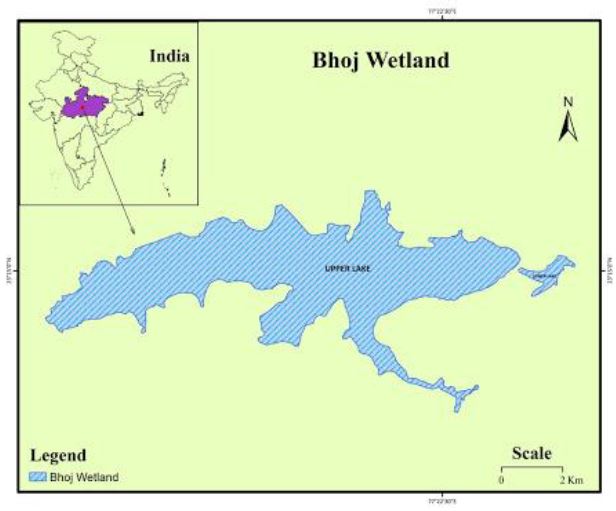
  • [pib] Bhoj Wetland

    Why in the News?

    The Madhya Pradesh State Wetland Authority has reported that Bhoj Wetland in Bhopal is not at risk of being removed from the Ramsar Convention List of important international wetlands.

    About Bhoj Wetland

    • Bhoj Wetland is located in the center of Bhopal district in Madhya Pradesh.
    • The wetland includes two man-made lakes: the upper lake and the lower lake.
    • Since August 2002, they have been recognized as a wetland of international importance under the Ramsar Convention.
    • The upper lake, created by King Bhoj in the 11th century, is one of the oldest large man-made lakes in central India.
      • It was formed by building an earthen dam across the Kolans River, which used to be a tributary of the Halali River.
      • Now, the upper part of the Kolans River and the Bhojtal drain into the Kaliasot River through a diversion channel.
      • Bhadbhada Dam, built in 1965, controls the outflow to the Kaliasot River.
    • The lower lake was created in 1794 by Nawab Chhote Khan to beautify the city.
      • It also has an earthen dam and drains into the Halali River through the lower part of the Kolans River, now called the Patra Drain.
      • Both the Kaliasot and Halali Rivers flow into the Betwa River.

    Significance of Bhoj Wetland

    • The upper lake provides 40% of Bhopal’s drinking water, while the lower lake supplies raw water and enhances the city’s beauty.
    • It supports over 700 species of plants and animals, including zooplankton and phytoplankton.
    • Both lakes are rich in biodiversity, supporting various fish species, birds, insects, reptiles, and amphibians.

    PYQ:

    [2018] Which one of the following is an artificial lake?

    (a) Kodaikanal (Tamil Nadu)

    (b) Kolleru (Andhra Pradesh)

    (c) Nainital (Uttarakhand)

    (d) Renuka (Himachal Pradesh)

  • Centre reissues draft notification on ecosensitive areas in Western Ghats          

    Why in the news?

    On Friday, the Central government released the sixth draft notification, designating 56,825.7 square kilometre of the Western Ghats as an ecologically sensitive area (ESA) across the states of Gujarat, Maharashtra, Goa, Karnataka, Kerala, and Tamil Nadu.

    Recommendations of the Gadgil and Kasturirangan Committees

    • Gadgil Committee: Recommended that 75% of the Western Ghats (129,037 sq km) be designated as ecologically sensitive areas (ESAs) with restrictions on development activities.
    • Kasturirangan Committee: Notified only 37% of the Western Ghats as ESAs, reducing the extent compared to the Gadgil report. It split the region into cultural (human settlements) and natural (non-human settlements) zones.

    Ecologically Sensitive Areas (ESAs)

    • ESAs are regions recognized for their environmental significance, where human activities are regulated to protect biodiversity, ecosystems, and natural habitats. These areas are often home to endemic species of plants and animals and are crucial for maintaining ecological balance.
    • The Environment (Protection) Act of 1986 allows the Central Government to restrict industrial activities in these sensitive areas to safeguard their ecological integrity. Although the term “Eco-Sensitive Zones” is not explicitly mentioned in the Act, provisions exist to prohibit or regulate activities based on biodiversity and environmental considerations.

    The reason behind it:

    • Biodiversity Hotspot: The Western Ghats is recognized as one of the world’s eight “hottest hotspots” of biological diversity and a UNESCO World Heritage Site. It is home to numerous endemic species and globally threatened flora and fauna, making its protection crucial for conserving biodiversity.
    • Recent Natural Disasters: The draft notification follows severe landslides in Wayanad, Kerala, which resulted in significant loss of life and property. These events underscored the vulnerability of the region to ecological disasters, highlighting the need for protective measures to prevent further environmental degradation

    Opposition from States

    • State governments, including Kerala, have opposed the proposals in the draft notifications for declaring ESAs along the Western Ghats.
    • The Kerala government want to reduce the ESA to 9,993.7 sq km from the Kasturirangan committee’s recommendation of 13,108 sq km.
    • The then Kerala government led by Oommen Chandy opposed the Gadgil report and appointed another panel to come up with an independent report.

    New Panel Formed by the Government

    • In April 2022, the Centre formed another panel to “re-examine suggestions by these six state governments while keeping in view the conservation aspects of the disaster-prone pristine ecosystem, as well as rights, privileges, needs and developmental aspirations of the region”.
    • The Centre and expert panel held 10 meetings with states having Western Ghats to discuss the fifth draft notification at various forums.
    • The sixth draft notification, issued on Friday, declared 56,825.7 sq km of the Western Ghats as ESAs in the states of Gujarat, Maharashtra, Goa, Karnataka, Kerala and Tamil Nadu

    Way forward: 

    • Integrated Management Plans: The Government should develop and implement integrated management plans that balance ecological conservation with the developmental needs of the region.
    • Enhanced Monitoring and Enforcement: There is a need to strengthen the regulatory framework by enhancing monitoring mechanisms and enforcing existing environmental laws more stringently.

    Mains PYQ: 

    Q Differentiate the causes of landslides in the Himalayan region and Western Ghats. (2021)

  • Specie in news: Charles Darwin’s Frog

    Why in the News?

    • The Charles Darwin frog, a species native to the Andaman Islands, is exhibiting unusual mating and egg-laying behaviors. 

    About Charles Darwin’s Frog

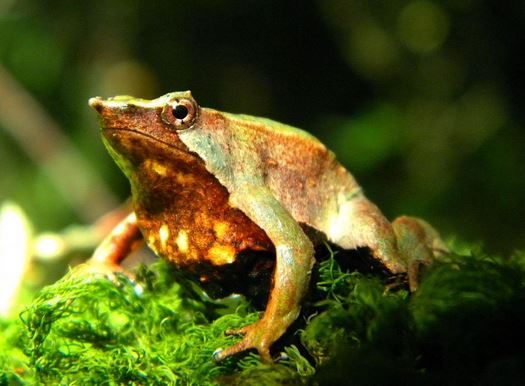
    • Charles Darwin’s frog, scientifically known as Minervarya charlesdarwini, is a frog species endemic to the Andaman Islands.
    • This species is named after the famous naturalist Charles Darwin.
    • It belongs to the family Dicroglossidae, a large group of Asian frogs with over 220 species.
    • Detailed morphological descriptions and specific physical characteristics are still being studied.
    • The species is listed as VULNERABLE on the International Union for Conservation (IUCN) Red List.

    Study and Findings:

    • The frog species engages in upside-down mating and egg-laying behavior.
    • The frogs increasingly use artificial objects, such as plastic sapling bags and discarded containers, as breeding sites.
    • This shift is likely a response to habitat loss and fragmentation, forcing the frogs to adapt to rapidly changing environments.

    PYQ:

    [2020] With reference to India’s biodiversity, Ceylon frogmouth, Coppersmith barbet, Gray-chinned minivet and White-throated redstart are:

    (a) Birds
    (b) Primates
    (c) Reptiles
    (d) Amphibians

  • CITES eases Export of Agarwood from India

    Why in the News?

    • India successfully prevented the inclusion of Aquilaria malaccensis (agarwood) in the Review of Significant Trade (RST) of the Convention on International Trade in Endangered Species of Wild Fauna and Flora (CITES).
      • CITES notified a new export quota for Aquilaria malaccensis from India, effective April 2024.

    What is Agarwood?

    • Agarwood (the Wood of Gods) also known as “Oud,” is a highly valuable and aromatic resinous wood produced by the Aquilaria tree.
    • The resin forms in the heartwood of the tree when it becomes infected with a particular type of mold (Phialophora parasitica).
    • This infection causes the tree to produce a dark, fragrant resin, which is highly sought after for its distinctive aroma.
    • This contains essential oils with compounds like sesquiterpenes, chromones, and phenylethyl chromone derivatives.
    • It thrives in tropical forests, at altitudes up to 1000 meters, often found in areas with high humidity and rainfall.
    • Conservation Status:
      • IUCN Status: Listed as Critically Endangered.
      • CITES: Listed in Appendix II in 1995 based on India’s proposal at CoP9 in 1994.

    Uses of Agarwood

    • It is traditionally used as incense.
    • Extracts (agarwood oil) are used in perfumes, the aroma industry, medicine, air fresheners, and purifiers.
    • Essential oil has anti-inflammatory, anti-rheumatic, analgesic, and anti-oxidant properties.
      • Agarwood cultivation is prevalent in parts of India, especially in the Northeast.
      • This development will benefit lakhs of farmers in districts of Assam, Manipur, Nagaland, and Tripura.

    What is the issue over the inclusion of ‘Agarwood’ (Aquilaria malaccensis) in the RST of the CITES list?

    • Aquilaria malaccensis was listed in Appendix II of CITES in 1995, which means its trade is controlled to avoid utilization incompatible with its survival.
    • The RST process assesses whether trade in a species is detrimental to its survival and recommends actions to ensure sustainability.
    • India’s stance was supported by a study conducted by the Botanical Survey of India (BSI), which suggested that the harvest from wild populations should be prohibited, while allowing harvest from plantations and private/community lands.

    Arguments against Inclusion in RST

    • Controlled Harvesting: India argued that it has established controlled harvesting practices, ensuring that only cultivated agarwood is used for trade.
    • Economic Impact: Inclusion in the RST could have disrupted the livelihoods of farmers and traders who depend on agarwood cultivation, particularly in the northeastern states of Assam, Manipur, Nagaland, and Tripura.
    • Sustainable Practices: The NDF indicated that the current practices in India were sustainable and that the species was being cultivated widely, reducing pressure on wild populations.

    New Export Quota

    • Establishment of Quota: CITES notified a new export quota for agarwood from India, effective from April 2024. The quota was set at 1,51,080 kg/year for agarwood chips and powder/sawdust, and 7,050 kg/year for agarwood oil.
    • Formal Trade: The absence of an export quota for a long period had led to informal trade and increased prices. The new quota aims to regulate and legalize the trade, ensuring benefits to local growers and the economy.
    [2016] With reference to ‘Red Sanders’, sometimes seen in the news, consider the following statements:

    1. It is a tree species found in a part of South India.

    2. It is one of the most important trees in the tropical rainforest areas of South India.

    Which of the statements given above is /are correct?

    (a) 1 only

    (b) 2 only

    (c) Both 1 and 2

    (d) Neither 1 nor 2

  • How oil spills impact the environment?  

    Why in the news?

    Typhoon Gaemi caused widespread damage in Taiwan, the Philippines, and southeastern China, leading to the sinking of the oil tanker MT Terra Nova in Manila Bay.

    MT Terra Nova Incident

    • The MT Terra Nova, an oil tanker, capsized in Manila Bay due to severe weather conditions caused by Typhoon Gaemi. It was en route to Iloilo, Philippines, when it sank, resulting in one crew member’s death and the rescue of 16 others.
    • The sinking of the MT Terra Nova has raised alarms about a potential oil spill that could become the largest in Philippine history, threatening marine life and coastal ecosystems. The spill has already spread several kilometers, prompting urgent containment efforts.
    • The Philippines’ Coast Guard and other agencies are deploying containment booms and skimmers to mitigate the environmental damage. Booms are used to slow the spread of oil, while skimmers are boats that remove oil from the water surface.

    How Oil Spills impact the environment? 

    • Immediate Effects on Marine Life: Oil spills disrupt photosynthesis in marine plants and phytoplankton, which are crucial for oxygen production. The toxic exposure from oil can harm fish and other marine animals, particularly those near the surface.
    • Impact on Birds: Oil can coat the feathers of birds, compromising their insulation and leading to hypothermia and drowning.
    • Long-term Ecological Damage: Oil spills can result in bioaccumulation of toxic substances in the food chain, affecting higher-level predators, including humans.
    • Threat to Coastal Ecosystems: Coastal habitats like mangroves, coral reefs, and marshlands are especially vulnerable, as oil can suffocate these environments and kill vital plants and animals. Recovery from spills can take decades, with some species facing extinction.
    • Economic Impact: Communities that rely on fishing and tourism suffer economically due to oil spills, as cleanup efforts are costly and lengthy, diverting resources from other critical areas.

    Major Oil Spills from the Past

    • Exxon Valdez Spill (1989): One of the worst oil spills, it released approximately 11 million gallons of crude oil into Prince William Sound, killing an estimated 250,000 seabirds, 2,800 sea otters, and numerous other marine animals.  
    • Deepwater Horizon Disaster (2010): This incident saw an estimated 210 million gallons of oil spill into the Gulf of Mexico over 87 days.  

    Conclusion: Need to implement advanced containment measures and cleanup technologies to effectively manage oil spills. This includes deploying more sophisticated skimmers and absorbent materials, as well as utilizing drones and remote sensing to monitor the spread of oil and assess environmental damage.

  • In news: Gandhi Sagar Sanctuary

    Why in the News?

    • The Gandhi Sagar sanctuary in Madhya Pradesh is the preferred location for the next batch of cheetah’s relocation plan.
      • However, Banni in the Rann of Kutch, Gujarat is also being prepared to house some of them.

    Cheetah Reintroduction in India:

    • In India, cheetahs disappeared in the early 1950s due to hunting and the loss of their habitat.
    • The ‘Action Plan for Reintroduction of Cheetah in India /Project Cheetah (2022)’ aims to bring cheetahs from African countries to various national parks.
    • It is spearheaded by the National Tiger Conservation Authority (NTCA).
    • Recently, cheetahs from Namibia were reintroduced in Kuno National Park, Madhya Pradesh.
    • Cheetah are listed as VULNERABLE by the IUCN; Schedule II of the Wild Life (Protection) Act, 1972.
    • Kuno NP and Gandhi Sagar has an ideal habitat parallel to Maasai Mara (a National Park) in Kenya, suitable for cheetahs.

    About Gandhi Sagar Wildlife Sanctuary

    • It is located in western Madhya Pradesh and covers an area of 368.62 sq km.
    • It is a flat rocky plateau characterized by shallow topsoil and exposed sheetrock.
    • It is divided by the Chambal River, with the Gandhi Sagar dam and reservoir within its boundaries.
    • Flora and Fauna:
      • Flora: The sanctuary features a savannah ecosystem with open grasslands interspersed with dry deciduous trees. Riverine valleys within the sanctuary support evergreen vegetation.
      • Fauna: The sanctuary is home to a diverse range of wildlife, including species like leopards, sloth bears, striped hyenas, grey wolves, golden jackals, jungle cats, Indian foxes, and marsh crocodiles.

    About Banni Grasslands:

    • The Banni Grassland is located in the Kutch district of Gujarat, covering around 3,847 square km.
    • The climate is arid and semi-arid, with extremely hot summers (temperatures above 45°C) and mild winters (12°C to 25°C), receiving 300-400 mm of annual rainfall mainly during the monsoon.
      • Flora: Grasses such as Dichanthium, Sporobolus, and Cenchrus species, with salt-tolerant plants, shrubs, and trees like Acacia and the invasive Prosopis juliflora.
      • Fauna: Indian wolf, hyena, chinkara, Great Indian Bustard, flamingos, and various raptors, reptiles, and invertebrates.
    • It is inhabited by pastoral communities like the Maldharis, who rely on livestock grazing (cattle, buffalo, and sheep) for their livelihood.
    • Agriculture is limited due to arid conditions, with some areas used for salt production.

    PYQ:

    [2024]  Consider the following statements:

    1. Lions do not have a particular breeding season.

    2. Unlike most other big cats, cheetahs do not roar.

    3. Unlike male lions, male leopards do not proclaim their territory by scent marking.

    Which of the statements given above are correct?

    (a) 1 and 2 only

    (b) 2 and 3 only

    (c) 1 and 3 only

    (d) 1, 2 and 3

    [2012]  Consider the following: (2012)

    1. Black-necked crane
    2. Cheetah
    3. Flying squirrel
    4. Snow leopard

    Which of the above are naturally found in India?

    (a) 1, 2 and 3 only
    (b) 1, 3 and 4 only
    (c) 2 and 4 only
    (d) 1, 2, 3 and 4

  • CPCB plans to check violations in Plastic Waste Trading Regime 

    Why in the News?

    • The Central Pollution Control Board (CPCB) has started a national audit of about 800 plastic-waste recyclers across India.
      • This action follows the discovery that four firms in Karnataka, Maharashtra, and Gujarat issued nearly 600,000 fake certificates under the Extended Producer Responsibility (EPR) programme.

    About Central Pollution Control Board (CPCB): Overview

    • The Central Pollution Control Board (CPCB) is a statutory organization established in September 1974.
    • It was constituted under the Water (Prevention and Control of Pollution) Act, 1974.
    • CPCB is also entrusted with powers and functions under the Air (Prevention and Control of Pollution) Act, 1981.
    • It serves as a technical arm of the Ministry of Environment, Forests, and Climate Change, implementing the provisions of the Environment (Protection) Act, 1986.

    Principal Functions:

    • Water Pollution Control:
      • Promote the cleanliness of streams and wells in different states by preventing, controlling, and abating water pollution.
      • Oversee the National Water Quality Monitoring Program to collect, collate, and disseminate technical and statistical data relating to water pollution.
    • Air Pollution Control:
      • Improve the quality of air and prevent, control, or abate air pollution in the country.
      • Conduct air quality monitoring as part of air quality management.
      • Implement the National Air Monitoring Programme (NAMP) to determine current air quality status and trends, regulate pollution from industries, and provide background air quality data for industrial siting and town planning.

    Key Initiatives and Programs:

    • National Air Monitoring Programme (NAMP): Established to monitor air quality status and trends, and to control and regulate industrial pollution to meet air quality standards.
    • National Air Quality Index (NAQI): Provides real-time air quality data and trends.
    • Graded Response Action Plan (GRAP): A set of measures to be taken based on the severity of air pollution levels.
    • Clean Air Campaign: Initiatives aimed at reducing air pollution through public awareness and actionable measures.

    Role in Data Management:

    • CPCB collects, collates, and disseminates technical and statistical data related to water and air pollution.
    • Provides necessary data for regulatory and planning purposes, including industrial siting and urban planning.

    What is Extended Producer Responsibility (EPR) Programme?

    • Extended Producer Responsibility (EPR) means the responsibility of a producer for the environmentally sound management of the product until the end of its life.
    • India had first introduced EPR in 2011 under the:
    1. Plastic Waste (Management and Handling) Rules, 2011
    2. E-Waste Management and Handling Rules, 2011.
    • The EPR scheme requires businesses using plastic packaging to recycle a certain percentage of the plastic used in the previous two years.

    Implementation of EPR:

    • Registration: Producers must register with the Central Pollution Control Board (CPCB) and submit an EPR plan.
    • Collection Mechanisms: Producers set up collection centers, return schemes, or partner with authorized recyclers to manage waste.
    • Documentation: Producers are required to maintain detailed records of waste collected and processed and submit regular reports to the CPCB.
    • Compliance Audits: The CPCB conducts audits to ensure that producers comply with EPR requirements.

    Function of EPR Certificates:

    • Registered plastic waste recyclers generate EPR certificates by recycling plastic waste.
    • Every tonne of plastic recycled generates a certificate.
      • According to a CPCB report in May, nearly 3.7 million tonnes of recycled plastic generated certificates.
    • In 2022-23, about 18,000 companies using plastic packaging were registered with the CPCB, aiming to recycle about 3.3 million tonnes.

    Compliance and Targets:

    • Companies must recycle 70% of the packaging used in the previous two financial years for 2022-23 and 100% for 2023-24. Non-compliance with these targets can result in fines.
    • EPR certificates are uploaded on a dedicated portal maintained by the CPCB, allowing recyclers and buyers to trade online.

    PYQ:

    [2019] In India, ‘extended producer responsibility’ was introduced as an important feature in which of the following?

    (a) The Bio-medical Waste (Management and Handling) Rules, 1998

    (b) The Recycled Plastic (Manufacturing and Usage) Rules, 1999

    (c) The e-Waste (Management and Handling) Rules, 2011

    (d) The Food Safety and Standard Regulations, 2011