đŸ’„Join UPSC 2027,2028 Mentorship (July Batch) + XFactor Notes & Microthemes PDF

Subject: International Relations

  • Explained: Rising Tensions in Korean Peninsula

    korea

    Introduction

    • Provocative Actions: North Korea’s provocative actions and responses by South Korea and its allies have heightened concerns about international security.
    • Major Power Rivalry: Major power rivalry has intensified, raising questions about regional stability.

    North vs. South Korea: Historical Context

    • Post-WWII Division: After World War II, the Korean Peninsula was divided into North and South Korea.
    • Cold War Alignments: The North aligned with the Soviet Union, while the South aligned with the U.S.
    • Korean War: The Korean War in the 1950s marked the first “hot war” of the Cold War era.
    • Ongoing Division: Despite the end of active conflict and the Cold War, the two Koreas remain divided due to ideological and geopolitical differences.
    • Nuclear Ambitions: A major issue in the region has been North Korea’s pursuit of nuclear weapons.

    Recent Escalation

    • Adversarial Designation: North Korea has officially designated South Korea as an adversary and dismantled symbols of reunification.
    • Missile Tests: Multiple missile tests, including one involving a hypersonic warhead, have been conducted.
    • Hypersonic Threat: Hypersonic weapons have the potential to evade missile defence systems.
    • Joint Drills: In response, the U.S., South Korea, and Japan held joint naval drills to enhance their defence capabilities.
    • Additional Tests: North Korea conducted tests of a nuclear-capable underwater drone and a strategic cruise missile, increasing tensions in the region.

    South Korea’s Role

    • New Leadership: South Korea’s newly elected conservative President Yoon Suk Yeol has adopted a hawkish approach toward North Korea.
    • Alignment with Allies: There is a closer alignment with the U.S. and Japan.
    • Trilateral Cooperation: The three countries held a historic meeting to strengthen trilateral cooperation.
    • Conflict Concerns: These developments raise concerns about potential conflicts in the region, given the involvement of major powers and the possibility of unintended consequences.

    International Implications

    • Global Conflicts: Rising tensions in the Korean Peninsula coincide with other global conflicts, such as Russia-Ukraine and Israel-Palestine.
    • Major Power Involvement: Key stakeholders in the Korean Peninsula, including the U.S., China, and Russia, are involved in a broader strategic competition.
    • Conflict Possibilities: While a major conflict may be avoided due to alliances and nuclear deterrence, incidents or skirmishes are possible.
    • Complex Alliances: North Korea’s ties with China and Russia and South Korea’s alignment with the U.S. add complexity to ongoing global conflicts.

    Conclusion

    • The situation in the Korean Peninsula has raised international security concerns due to increased tensions, missile tests, and shifts in political dynamics among the involved countries.
    • The interconnectedness of these issues with broader global conflicts adds to the complexity and uncertainty in the region.
  • Vision 2030: Saudi Arabia’s Shift towards Modernity

    Vision 2030

    Introduction

    • Crown Prince Mohammad Bin Salman’s Vision 2030 seeks to reshape Saudi Arabia, moving away from oil dependence and embracing modernity.
    • This transformation faces resistance from traditionalists but aligns with a changing global image of Saudi Arabia as a tourist-friendly, welcoming nation.

    Al-Ula: A Modern Oasis

    • Historical Significance: Al-Ula, an ancient city along the incense route, is pivotal in MBS’s vision to modernize Saudi Arabia.
    • Breaking Stereotypes: Saudi Arabia aims to challenge traditional beliefs by welcoming tourists beyond pilgrimage destinations.
    • Nationalism Beyond Religion: The country’s evolving nationalism is detached from religion, emphasizing individual liberties and empowerment.

    Winds of Change

    • Empowering Women: Saudi Arabia promotes gender equality, offering scholarships and opportunities for young women.
    • National Transformation: Young Saudis actively participate in the modernization drive, recognizing its benefits.
    • Welcoming the ‘Other’: Saudi Arabia’s newfound friendliness towards foreigners, including easing visa norms and hosting entertainment events.

    Challenges on Path to Modernity

    • Cultural Sensitivities: Transitioning from conservative traditions is challenging, but Saudis are adapting to change.
    • Historical Significance: Al-Ula’s archaeological treasures pose challenges given their potential impact on religious perceptions.
    • Top-Down Change: Past experiences highlight the complexities of enforcing societal changes from the top.

    Global Engagement

    • Strategic Foreign Policy: Saudi Arabia’s balanced foreign policy has insulated it from regional conflicts.
    • Cultural Riches: The country aims to showcase its archaeological wonders to the world.
    • Green Initiatives: MBS’s ‘green’ approach and emphasis on renewables align with global trends.

    Opportunities for India

    • Improved Working Conditions: Indian migrant workers can expect better conditions and a renewed social contract.
    • Educational and Cultural Exchanges: Indian educators and artists have opportunities to contribute to Saudi Arabia’s educational overhaul.
    • Counter-Terrorism Cooperation: India can leverage Saudi Arabia’s counter-terrorism initiatives.
    • Bilateral Investments: Collaboration in infrastructure and service sectors presents growth potential for both nations.

    Conclusion

    • Saudi Arabia’s journey towards modernity is marked by challenges and opportunities.
    • As it reshapes its identity and engages with the world, India stands to benefit from this evolving partnership, contributing to mutual growth and cooperation.
    • Saudi Arabia’s aspiration to excel in various fields aligns with India’s interests, paving the way for a fruitful relationship.
  • At World Economic Forum, how India made a mark

    Davos 2024: While world is fighting for land, India is winning foreign  investments at World Economic Forum

    Central Idea:

    India’s notable economic growth, showcased at Davos 2024, positions it as a global player addressing challenges such as geopolitical incidents, climate change, and technology risks. The country’s achievements in technology-driven governance, active participation in global discussions, and emphasis on socioeconomic aspects contribute to its recognition as a resilient and influential economy.

    Key Highlights:

    • Technology-driven Governance: India’s effective use of technology for governance solutions at scale is highlighted, especially in the context of Artificial Intelligence (AI).
    • Global Participation: India actively engages in global discussions, particularly on socioeconomic issues, reflecting its role as a responsible and influential partner in the world.
    • Women Empowerment: Davos discussions spotlight Indian women’s substantial contribution to the economy, managing businesses worth $37 billion annually. Advocacy for financial institution investments in women-owned businesses is emphasized.
    • Energy Transition: Amidst the focus on climate change, challenges related to energy transition are discussed, with attention to the importance of non-disruptive processes and policy strategies.
    • Equitable Growth: India’s growth trajectory is highlighted as equitable, encompassing infrastructure development, gender inclusivity, and addressing the needs of disadvantaged sections through social security measures.
    • Global Recognition: Moody’s recognizes India as a “pocket of resilience” in the face of global economic challenges, acknowledging the country’s stability and receiving attention across economic, social, and political dimensions.
    • Favorable Investment Destination: India is presented as a favored destination for global investments, with the government’s mission to achieve developed status by 2047.

    Key Challenges:

    • Geopolitical Incidents: India’s integration into the global economy makes it susceptible to geopolitical incidents, requiring a responsible approach to maintain trust.
    • Energy Transition Challenges: Balancing import dependence on fossil fuels with the need for sustainable alternatives poses challenges in India’s energy transition.
    • Inflation Risk: Sticky inflation globally poses a risk to India’s growth trajectory, requiring vigilant economic management.

    Key Terms/Phrases:

    • AI Leadership: India’s leadership role in adopting and leveraging AI for business solutions.
    • Women’s Self-Employment: The substantial contribution of Indian women, managing businesses with credit from financial institutions.
    • Green Hydrogen: Highlighting alternative energy sources, like green hydrogen, to address energy transition challenges.

    Key Quotes:

    • “India can appear as a ‘pocket of resilience’ amid the risk of sticky inflation affecting the growth trajectory of the global economy.” – Moody’s Investors Service
    • “India’s economic prowess consistently outshone several large economies, showcasing a robust growth trajectory.”

    Key Examples/References:

    • UN World Investment Report: Recognizing India as a favored destination for global investments.
    • Moody’s Investors Service: Acknowledges India’s resilience in the face of global economic challenges.

    Key Facts/Data:

    • Indian Women’s Contribution: Ninety million women are self-employed, managing businesses worth $37 billion annually.
    • Government’s Mission: Prime Minister’s goal to propel India into developed status by 2047.

    Critical Analysis:

    • Equitable Growth: The focus on growth reaching every part of the country is critical for inclusive development.
    • Global Recognition: Recognition at the global level highlights India’s role in shaping the world’s economic, social, and political landscape.

    Way Forward:

    • Continued Reforms: India should maintain a proactive approach to governance and reforms, especially in technology adoption and energy transition.
    • Global Collaboration: Strengthening collaborations with global partners ensures a more sustainable and inclusive future.
    • Inclusive Policies: Continued emphasis on gender inclusivity and social security measures contributes to a more equitable growth trajectory.
  • What makes the India-France ‘strategic partnership’ tick

    France touts Indian strategic partnership, seals new defence deals during  Modi visit – Euractiv

    Central Idea:

    The article discusses the robust and special “Strategic Partnership” between India and France, tracing its origins, evolution, and current dimensions. It emphasizes the enduring nature of the relationship, marked by shared values, geopolitical convergence, and mutual respect, evident in diverse sectors such as defense, space, education, and commerce.

    Key Highlights:

    • Origins and Evolution: The strategic partnership has deep roots dating back to 1998, with France being the first P-5 country to support India’s claim for a permanent seat in the UN Security Council.
    • Geopolitical Convergence: Both nations prioritize multipolarity, strategic autonomy, and share concerns about a unipolar world, contributing to their natural convergence.
    • Defense Collaboration: Collaboration includes the development of submarines, joint military exercises, and the acquisition of Rafale aircraft. The recently concluded Defense Industrial Roadmap further strengthens defense ties.
    • Space Cooperation: Cooperation in the space domain, which began in the 1960s, has seen a revival, with joint missions and agreements signed between ISRO and CNES.
    • Commercial and Civilian Ties: Efforts are underway to broaden the partnership into commercial and civilian spaces, with joint working groups in various sectors and a growing number of Indian students pursuing higher education in France.

    Key Challenges:

    • Commercial Transition: Moving the partnership from government domains to commercial and civilian spaces presents a challenge, requiring sustained efforts to enhance cooperation in diverse sectors.
    • Differences Management: While strategic partnerships don’t require convergence on all issues, managing differences privately and not publicly is crucial for maintaining a mature and resilient relationship.

    Key Terms:

    • Strategic Partnership: A special relationship between nations marked by cooperation in various domains, including defense, space, and commerce.
    • Multipolarity: A global order characterized by multiple centers of power and influence rather than a single dominant force.
    • P-5: The five permanent members of the United Nations Security Council, including France.
    • Geopolitical Focus: Shifting attention and strategic interests from one region to another based on changing global dynamics.

    Key Phrases:

    • Civilization Exceptionalism: Shared trait between India and France, emphasizing pride in their respective civilizations without imposing their values on each other.
    • Argumentative Intellectualism: Common characteristic shared by both nations, highlighting their appreciation for intellectual discourse.

    Key Quotes:

    • “India and France have valued strategic autonomy in their own fashion.”
    • “‘Strategic Partnership’ does not require convergence on all issues but sensitivity so that differences, where these exist, are expressed in private and not publicly.”

    Key Examples and References:

    • Jacques Chirac’s Declaration (1998): France’s support for India’s claim for a permanent seat in the UN Security Council.
    • Defense Industrial Roadmap: Agreements and collaborations in the defense sector, including the acquisition of Rafale aircraft and submarine development.

    Key Statements:

    • “It is clear that the two countries do share a ‘Strategic Partnership’ that is special.”
    • “Both countries were quick to espouse the virtues of multipolarity.”

    Critical Analysis:

    The article provides a comprehensive overview of the India-France strategic partnership, highlighting its historical context, geopolitical rationale, and practical manifestations. It underscores the challenges of transitioning from government-centric collaborations to broader commercial and civilian engagements. The emphasis on managing differences privately and the maturity of the relationship reflect a nuanced understanding of international diplomacy.

    Way Forward:

    • Enhanced Commercial Ties: Continued efforts to broaden the partnership into commercial and civilian sectors, fostering economic collaboration beyond defense and space.
    • Cultural and Educational Exchange: Strengthening cultural ties, fostering educational collaborations, and encouraging more Indian students to pursue higher education in France.
    • Diplomatic Sensitivity: Maintaining sensitivity in handling differences and ensuring that diplomatic disputes are resolved privately to uphold the mature and resilient nature of the partnership.

    The India-France Strategic Partnership, rooted in shared values and mutual respect, continues to evolve positively, presenting opportunities for further growth and collaboration across various domains.

  • Burkina, Mali, Niger quit West African bloc ECOWAS

    ecowas

    Introduction

    • The military regimes in Burkina Faso, Mali and Niger announced their immediate withdrawal from the West African bloc ECOWAS.

    Economic Community of West African States (ECOWAS)

    Details
    Establishment Regional intergovernmental organization established in 1975.
    Objectives Aims to foster economic integration, cooperation, and development among West African nations.
    Headquarters Secretariat headquartered in Abuja, Nigeria.
    Member States 15 member states: Benin, Burkina Faso, Cape Verde, Cote d’ Ivoire, The Gambia, Ghana, Guinea, Guinea Bissau, Liberia, Mali, Niger, Nigeria, Sierra Leone, Senegal, and Togo.
    Primary Goals & Objectives
    • Promoting economic integration among member states.
    • Facilitating the free movement of people, goods, and services.
    • Enhancing regional cooperation in various sectors.
    • Fostering a borderless region governed by democratic principles and good governance.
    • Addressing security and political challenges through collaboration and conflict resolution.
    Achievements & Initiatives
    • Establishment of ECOMOG peacekeeping force for conflict resolution.
    • Launching the ECOWAS Single Currency Initiative for economic integration.
    • Supporting efforts to combat terrorism, human trafficking, and organized crime.
  • Explained: China’s Relation with Africa

    africa

    Introduction

    • China’s Minister of Foreign Affairs, Wang Yi, embarked on a diplomatic tour across four African nations—Egypt, Tunisia, Togo, and the Ivory Coast.
    • Marking his 11th annual visit to Africa, Wang Yi’s trip aimed at bolstering economic and security cooperation, aligning with the outcomes of the China-Africa Leaders Dialogue and setting the stage for the ninth Forum on China-Africa Cooperation (FOCAC) in 2024.

    China’s FM Visit: Key Objectives

    • Implementation of Dialogue Outcomes: Execute initiatives from the China-Africa Leaders Dialogue, focusing on industrialization, agricultural modernization, and talent development support.
    • Peace Mediation in Gaza: In Egypt, Wang Yi expressed China’s global mediation intentions, urging an “immediate and comprehensive ceasefire” in Gaza.

    Historical Significance of Sino-African Relations

    • Roots in Cold War Era: Sino-African relations date back to the 1950s, with China supporting African liberation movements during the Cold War.
    • FOCAC Initiatives (2000): The first Forum on China-Africa Cooperation in 2000 marked a shift towards diplomacy, investment, and trade, evolving into a robust partnership.
    • Belt and Road Initiative (2013): China’s Belt and Road Initiative strengthened ties with 52 African countries, making China Africa’s largest trading partner.

    China’s Objectives in Africa

    • Resource Access: Securing key resources, with Africa supplying 90% of global cobalt, platinum, and 75% of coltan, crucial for China’s tech industry.
    • Geopolitical Influence: Leveraging Africa’s role as the largest bloc in the UN General Assembly to support China’s stances on issues like the South China Sea.
    • Yuan Strengthening: Encouraging Africa to trade in the Chinese currency (RMB) for economic advantages and debt restructuring.
    • Commercial Opportunities: Utilizing Africa’s markets for Chinese exports, benefiting from a young population and a cost-effective labor force.

    Impact on Africa

    • Investment, Trade, and Development Aid: Africa receives vital investment, trade benefits, and development aid from China, fostering a ‘win-win partnership.’
    • Infrastructure Development: Chinese-built infrastructure and industrial parks contribute to employment opportunities, making ‘Made in Africa’ a reality.
    • Agricultural Advancements: Chinese support in advancing hybrid crops enhances Africa’s agricultural sector.
    • Non-Interference Approach: China’s non-interference policy in development aid garners trust, contrasting with Western practices and offering African nations autonomy.

    Challenges and Controversies

    • Debt Trap Concerns: Some view Chinese investments as potentially leading to debt traps, although not all African nations have poorly managed their debt.
    • Authoritarian Leverage: China’s ‘non-interference’ stance may empower authoritarian regimes in Africa, raising concerns about governance and political stability.

    Conclusion

    • Wang Yi’s African tour signifies China’s commitment to strengthening its multifaceted partnership with the continent, addressing mutual concerns, and laying the groundwork for collaborative ventures in the years to come.
  • ICJ’s Interim Ruling on Gaza Genocide Case

    gaza icj

    Introduction

    • The recent interim ruling by the International Court of Justice (ICJ) regarding South Africa’s case against Israel has sparked global attention.
    • While the court did not pass judgment on the core issue of whether Israel is committing genocide in Gaza, it did issue six provisional measures.

    ICJ’s Interim Ruling: Six Provisional Measures Ordered

    • Prevention of Genocidal Acts: A 15:2 majority mandated that Israel take all necessary steps to prevent acts defined under Article 2 of the Genocide Convention, encompassing actions with the intent to destroy a national, ethnic, racial, or religious group.
    • Immediate Military Restraint: Israel was directed to prevent its military from committing any genocidal acts “with immediate effect.”
    • Incitement to Genocide: Sixteen out of 17 judges ruled that Israel must prevent and punish direct and public incitement to commit genocide against Palestinians in the Gaza Strip.
    • Humanitarian Assistance: The court instructed Israel to provide humanitarian aid and basic services to Palestinians in Gaza, recognizing them as a protected group under the Genocide Convention.
    • Preservation of Evidence: Israel was entrusted with preserving evidence related to alleged acts under the Genocide Convention in Gaza.
    • Reporting Requirement: By a 15:2 majority, Israel was asked to submit a report on measures taken to implement the ruling within one month.

    Decision on Jurisdiction

    • Jurisdiction Confirmed: The World Court clarified its jurisdiction, stating that there exists a prima facie dispute between the parties concerning the application of the Genocide Convention.
    • Article 9 of Genocide Convention: Referring to Article 9, the court emphasized that South Africa’s concerns and Israel’s dismissal indicated a genuine dispute.

    Comments on Israel’s Actions in Gaza

    • Genocidal Acts: The court suggested that “at least some” of Israel’s acts and omissions may fall within the contours of the Genocide Convention.
    • Impact of Military Operation: Israel’s large-scale military operation in Gaza, causing civilian casualties and displacement, was highlighted.
    • Statements by Israeli Officials: The court pointed to concerning statements by senior Israeli officials, including orders for a “complete siege” of Gaza and dehumanizing remarks about troops.
    • Humanitarian Concerns: Expressing deep concern, the court warned of a potential deterioration in the humanitarian situation before the final judgment.

    No Call for Ceasefire

    • Court’s Limitations: The ICJ refrained from ordering a ceasefire, with legal experts explaining that such an order could render Israel defenseless and fall outside the court’s purview.
    • International Impact: While the court’s rulings are legally binding, enforcement is lacking. However, its opinions carry weight with the UN and other international institutions.

    Also read:

    ICJ: Doing Justice without power

  • Funding Pause for UNRWA: Allegations and Implications

    unrwa

    Introduction

    • Britain, Italy, and Finland have recently halted funding for the United Nations Relief and Works Agency for Palestinian Refugees (UNRWA) amid allegations of its staff’s involvement in the October 7 Hamas attacks on Israel.

    About UNRWA

    • UNRWA was established to aid Palestinian refugees displaced during the 1948 war surrounding Israel’s creation.
    • It provides education, health, and aid services to Palestinians in Gaza, the West Bank, Jordan, Syria, and Lebanon.
    • It operates schools, health clinics, and infrastructure projects for millions of Palestinians across the Middle East.

    Israel’s Criticisms

    • Israel accuses UNRWA of tolerating or collaborating with Hamas and perpetuating the Palestinian refugee crisis.
    • It alleges misuse of aid by militant groups and teaching anti-Israel sentiments in UNRWA schools.

    UNRWA’s Response

    • It denied allegations, takes swift action against accused employees, and asserts no links to militant groups.
    • It sought to undertake an external review to address accusations and determine political motivations.

    Impact of Funding Cuts

    • The U.S., UK, Canada, Australia, Germany, Italy, Netherlands, Switzerland, and Finland suspend aid.
    • These nations contribute nearly 60% of UNRWA’s budget in 2022, impacting day-to-day operations.
    • Humanitarian crisis deepens in Gaza, with one in four facing starvation, and aid operations hampered by the ongoing conflict.

    Conclusion

    • The pause in funding for UNRWA raises concerns about the humanitarian crisis in Gaza and the potential long-term impact on the region’s stability.
    • The accusations against UNRWA and the subsequent funding cuts underscore the complex challenges faced in delivering aid amid geopolitical tensions.
  • Turkey finally backs Sweden’s NATO bid

    Introduction

    • Sweden’s quest to join the North Atlantic Treaty Organization (NATO) has achieved a significant breakthrough with Turkey’s parliament endorsing its membership.
    • This crucial development underscores the evolving dynamics in global politics and Sweden’s response to regional security challenges.

    About NATO (North Atlantic Treaty Organization)

    Formation Established on April 4, 1949
    Members Consists of 30 member countries
    Headquarters Located in Brussels, Belgium
    Mission Safeguard freedom and security through political and military cooperation
    Key feature: Article 5 Mutual defense provision, attack on one is an attack on all
    Operations Involved in peacekeeping and crisis management operations worldwide
    NATO-Russia Relations Complex relationship with Russia, involving cooperation and tensions
    Evolving Security Challenges Adapts to address evolving security challenges like terrorism, cyber threats, and hybrid warfare

    Sweden’s Neutrality and Shift in Stance

    • A Two-Century Neutrality: Sweden has maintained a neutral position for over two centuries, staying out of conflicts, including both World Wars and the Cold War.
    • EU and NATO Collaboration: Despite joining the European Union and cooperating with NATO, Sweden had not previously indicated an intent to join the military alliance.
    • Changing Landscape: Sweden’s neutrality had to be reconsidered in the wake of Russia’s invasion of Ukraine, prompting public opinion in favor of NATO membership.

    Turkey’s Opposition and Resolution

    • Two Years of Opposition: Turkey and Hungary had opposed Sweden’s NATO membership for nearly two years.
    • Turkish Concerns: Turkey raised concerns about Sweden’s perceived leniency toward groups classified as terrorists, including the Kurdistan Workers’ Party (PKK).
    • Freedom of Speech Controversy: Quran-burning protests in Sweden, protected under freedom of speech laws, further strained relations with Turkey.
    • Recent Reforms: Sweden made several efforts to address Turkey’s concerns, tightening anti-terrorism laws, cracking down on PKK activities, and easing restrictions on arms sales to Turkey.
    • Positive Developments: Sweden also pledged support for Turkey’s European Union membership bid.

    Hungary’s Influence and Response

    • Following Turkey’s Lead: Hungary, under Prime Minister Viktor Orban, had been seen as aligning with Turkey in opposing Sweden’s NATO bid.
    • Grievances with Sweden: Hungary expressed dissatisfaction with Sweden’s criticisms of the rule of law and democratic state under Orban.
    • Russia-Friendly Stance: Orban maintained a more Russia-friendly stance compared to other NATO nations.
    • Invitation for Cooperation: Following Turkey’s approval, Orban invited Swedish Prime Minister Ulf Kristersson to Budapest to discuss future security and defense cooperation as allies and partners.

    Sweden’s Contribution to NATO

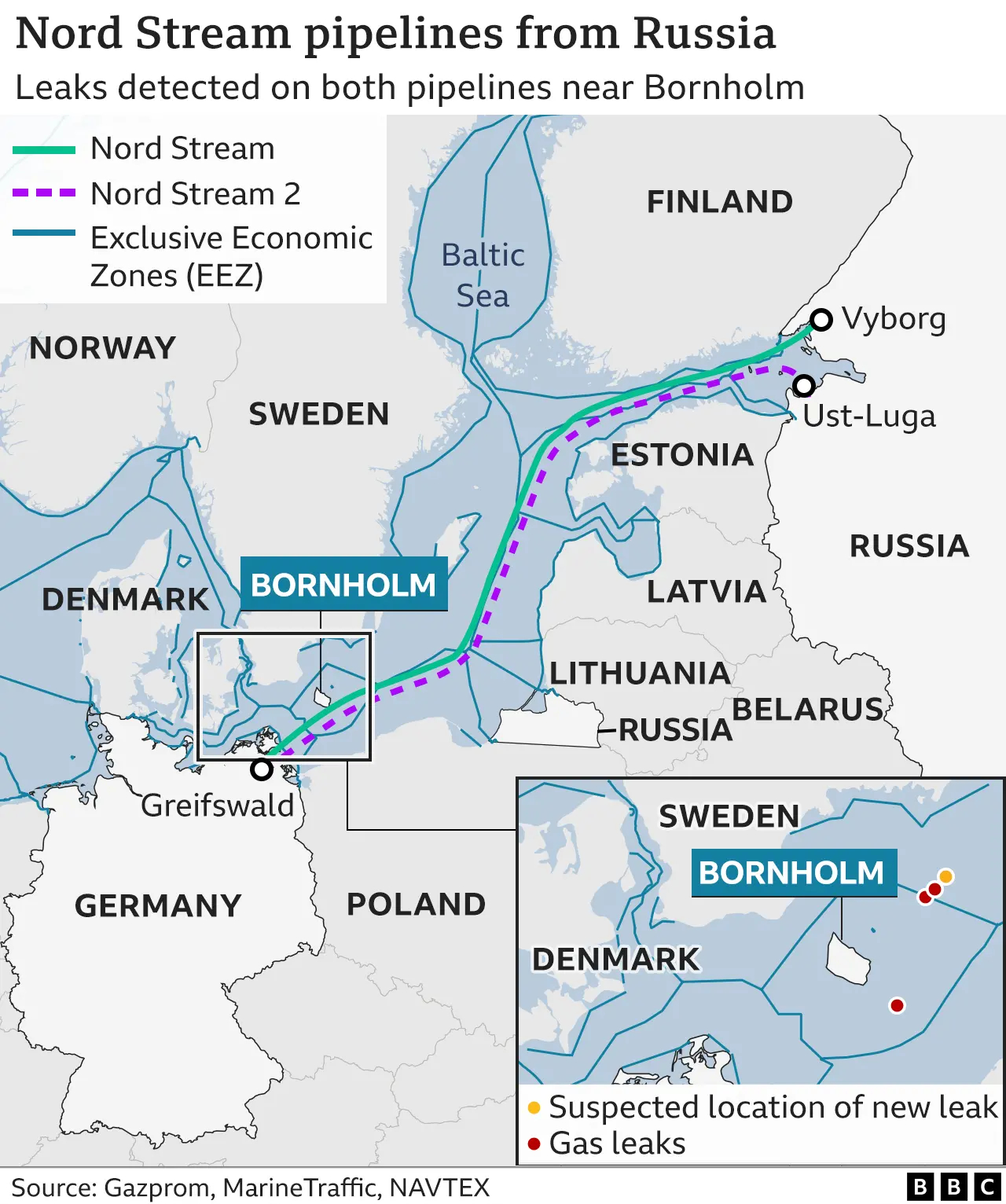
    • Baltic Sea Territory: Sweden’s NATO membership will extend the alliance’s presence along almost the entire Baltic Sea coastline, except for the part under Russian control.
    • Strategic Bases: This expansion provides NATO with strategic bases in proximity to Russia, streamlines supply lines, and facilitates the defense of assets in the Baltic Sea.
    • Modern Military: Despite its relatively small military size, Sweden possesses modern and experienced armed forces with advanced aircraft and submarine capabilities.
    • Global Missions: Sweden’s military has participated in previous NATO missions, adding to the alliance’s operational capabilities.

    Conclusion

    • Sweden’s NATO membership approval signifies a significant shift in its longstanding neutrality, driven by changing geopolitical dynamics and regional security concerns.
    • As Sweden joins the alliance, it brings strategic advantages to NATO’s posture in the Baltic Sea region and enhances the collective defense capabilities of the alliance.
  • The issue of genocide and the world court

    GENOCIDE CONVENTION ON THE PREVENTION OF THE CRIME OF 1948

    Central Idea:

    The article discusses the legal proceedings at the International Court of Justice (ICJ) initiated by South Africa against Israel, alleging violations of the Genocide Convention in the conduct of military operations in Gaza. The international legal context, arguments presented by both sides, and potential provisional measures are highlighted.

    Key Highlights:

    • South Africa’s legal action against Israel based on the Genocide Convention.
    • Debate and international reactions to the case, with Bangladesh and Jordan supporting South Africa, and Germany supporting Israel.
    • The significance of provisional measures in protecting rights before a final determination.
    • Challenges in proving the specific intent for genocide and contrasting arguments from South Africa and Israel.
    • Potential outcomes and the broader context of international law legitimacy.

    Key Challenges:

    • Demonstrating specific intent for genocide.
    • Varying international reactions and political divisions.
    • Crafting effective provisional measures acceptable to both parties.
    • Addressing the split between formerly colonial powers and others in international law opinions.

    Key Terms:

    • Genocide Convention: An international treaty prohibiting acts committed with the intent to destroy, in whole or in part, a national, ethnical, racial, or religious group.
    • Provisional Measures: Interim orders issued by a court to protect rights pending a final determination of a case.
    • Erga Omnes Obligation: The obligation of states to take action to prevent genocide, a duty owed to the international community as a whole.
    • Dolus Specialis: Specific intent required to establish the crime of genocide.
    • International Criminal Court (ICC): An international tribunal that prosecutes individuals for the international crimes of genocide, crimes against humanity, and war crimes.
    • Rules-Based International Order: A system where international relations are governed by agreed-upon rules and principles.

    Key Phrases:

    • “Provisional measures” as interim orders.
    • “Erga omnes obligation” for states to prevent genocide.
    • “Dolus specialis” indicating specific intent for genocide.
    • “Rules-based international order” questioned by the proceedings.

    Key Quotes:

    • “Provisional measures are issued pending the final determination of a case.”
    • “The split seems to track the divide between formerly colonial or imperial powers and others.”
    • “The legitimacy of international law itself is at stake.”

    Key Statements:

    • South Africa’s claim based on being unrelated to the conflict but having an obligation to prevent genocide.
    • Israel’s defense focused on the absence of a dispute and the multiple interpretations of statements.
    • International law viewed as invented by the imperial “West.”

    Key Examples and References:

    • The Gambia versus Myanmar case.
    • Germany’s contrasting positions in different legal cases.
    • Alleged genocidal statements by Israeli politicians echoed by soldiers on TikTok.

    Key Facts:

    • December 29, 2023: South Africa initiates ICJ proceedings against Israel.
    • January 11-12, 2024: ICJ hearing on provisional measures.
    • 24,000-plus deaths in Gaza during the present war.
    • Destruction of civilian infrastructure in Gaza.
    • Germany’s intervention in The Gambia versus Myanmar case.

    Key Data:

    • Data includes 24,000-plus deaths in Gaza during the present war and destruction of civilian infrastructure in Gaza.

    Critical Analysis:

    The article critically examines the challenges of proving genocide, the international split in opinions, and questions the legitimacy of the “rules-based international order.” It underscores the broader implications of the ICJ’s decision on the perception of international law.

    Way Forward:

    • Await the ICJ’s ruling on provisional measures.
    • Consider potential alternatives for provisional measures, such as a humanitarian ceasefire or facilitating resource entry into Gaza.
    • Observe how nation-states respond to the ICJ’s decision and its impact on international law legitimacy.