💥Join UPSC 2027,2028 Mentorship (July Batch) + XFactor Notes & Microthemes PDF

Category: Burning Issues

  • [Burning Issue] India’s Amended FDI Norms amidst Hostile Takeover Efforts by China


    For India, the problem lies that, trade with China has often been viewed as a positive in a relationship without any positive sentiment.

    Post-Doklam, the Wuhan ‘reset’ with China was premised largely on India and China working towards a more robust economic relationship.

    Yet, China’s reluctance to adequately address Indian concerns and the challenges posed by sectors like trade and health also emerging as traditional national security threats in the Sino-Indian matrix meant that New Delhi had had to finally bite the bullet.

    FDI is an all-season hot topic for both prelims as well as mains. Reading the Burning Issue will make you aware of its scope. We can expect a mains question like –  Recent amendment in the FDI Policy aims for curbing opportunistic takeovers/acquisitions of Indian companies. Elucidate.

    Context

    • The Government of India has reviewed the extant Foreign Direct Investment (FDI) policy for curbing opportunistic takeovers/acquisitions of Indian companies due to the current COVID-19.
    • The Indian policy revision is meant for sectors and enterprises other than defence, space, atomic energy and sectors and activities “prohibited for foreign investment”.
    • It was understood that the Indian decision was a response to the news of an incremental purchase of shares in HDFC by the People’s Bank of China.

    Background

    What is Foreign Direct Investment (FDI)?

    An FDI is an investment in the form of a controlling ownership in a business in one country by an entity based in another country. It means where a foreign company, generally an MNC, may invest in a country in any of the following 3 forms:

    1) Set up a plant or project to manufacture a commodity- consumer goods, capital goods, automobile, aircraft, ships etc. It may also engage itself in construction activity- highways, roads, bridges, ports, airports, real estate etc.

    2) Setup a network for providing services- banking, insurance, shipping, telecom, software, civil aviation etc.

    3) Only provide technology by way of Technology Transfer through any company of the country. It can provide technology only or provide technology along with #1 & #2 above

    Why Foreign Investors go for FDI?

    • To take advantage of cheaper wages in the country, special investment privileges such as tax exemptions offered by the country as an incentive
    • To gain tariff-free access to the markets of the country
    • To acquire a lasting interest in enterprises operating in the target country

    What attracts FDI?

    • The growth rate of the source economy is an important determinant
    • The political and economic stability of the target region
    • How ‘open’ the economy is towards foreign trade (both imports and exports)
    • The policies, rules, regulations and loopholes incidental thereto
    • For example, Mauritius has been the top FDI source for India due to the later (loophole) reasons

    FDI in India
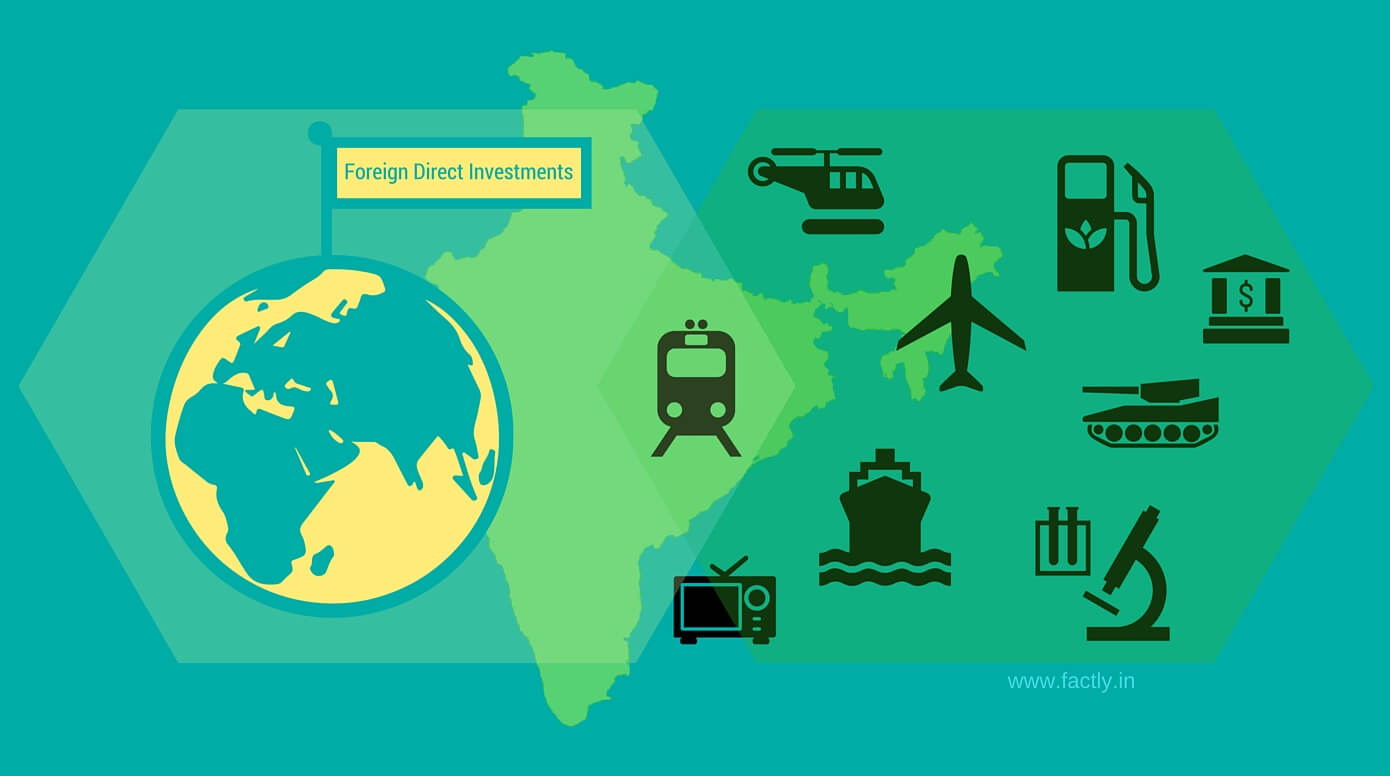
    • Foreign investment was introduced in 1991 under Foreign Exchange Management Act (FEMA), driven by then FM Manmohan Singh.
    • There are two routes by which India gets FDI.

    1) Automatic route: By this route, FDI is allowed without prior approval by Government or RBI.

    2) Government route: Prior approval by the government is needed via this route. The application needs to be made through Foreign Investment Facilitation Portal, which will facilitate the single-window clearance of FDI application under Approval Route.

    • India imposes a cap on equity holding by foreign investors in various sectors, current FDI in aviation and insurance sectors is limited to a maximum of 49%.
    • In 2015 India overtook China and the US as the top destination for the Foreign Direct Investment.

    Chinese contribution

    • Almost 18 of India’s 23 unicorns have investments from China.
    • According to a report, China has remarkable investments in the tech sector in India.
    • “TikTok, the video app, has 200 million subscribers and has overtaken YouTube in India.
    • Alibaba, Tencent and ByteDance rival the US penetration of Facebook, Amazon and Google in India.
    • Chinese smartphones like Oppo and Xiaomi lead the Indian market with an estimated 72 per cent share, leaving Samsung and Apple behind.

    What is the recent amendment all about?

    • The govt. has amended para 3.1.1 of extant FDI policy as contained in Consolidated FDI Policy, 2017.
    • In the event of the transfer of ownership of any existing or future FDI in an entity in India, directly or indirectly, resulting in the beneficial ownership, such subsequent change in beneficial ownership will also require Government approval.

    The present position and revised position in the matters will be as under:

    Earlier Position

    • A non-resident entity can invest in India, subject to the FDI Policy except in those sectors/activities which are prohibited.
    • However, a citizen of Bangladesh or an entity incorporated in Bangladesh can invest only under the Government route.
    • Further, a citizen of Pakistan or an entity incorporated in Pakistan can invest, only under the Government route, in sectors/activities other than defence, space, atomic energy and sectors/activities prohibited for foreign investment.

    Revised Position

    • A non-resident entity can invest in India, subject to the FDI Policy except in those sectors/activities which are prohibited.

    [spot the difference]

    • However, an entity of a country, which shares a land border with India or where the beneficial owner of investment into India is situated in or is a citizen of any such country, can invest only under the Government route.
    • Further, a citizen of Pakistan or an entity incorporated in Pakistan can invest, only under the Government route, in sectors/activities other than defence, space, atomic energy and sectors/activities prohibited for foreign investment.

    What do these restrictions mean?

    • FDI from rest of the countries could come in through the automatic route in sectors where it is allowed such as automobiles, auto parts, construction, asset reconstruction, agriculture, single-brand retail, manufacturing, coal, gems & jewellery, and textiles, capital goods, pharmaceuticals, electronic systems and ports and shipping etc.
    • If FDI is made from investors in China and six other neighbouring countries it will need to have prior government approval.
    • Earlier, these restrictions were applicable only on Pakistan and Bangladesh.

    What led India to change the FDI norms?

    • Chinese investments sometimes do follow a pattern. At the peak of the debt crisis, there was a massive inflow of Chinese direct investment into the European Union.
    • In 2010, the total stock of Chinese direct investment in the EU was just over €6.1bn, less than what was held by India, Iceland or Nigeria.
    • By the end of 2012, Chinese investment stock had quadrupled, to nearly €27bn. This was partly opportunistic buying because assets were cheap.
    • It was a structural secular shift in Chinese outbound investment, from securing natural resources in developing countries to acquiring brands and technology in developed countries.
    • Chinese firms are quite ready for discount deals, where domestic companies are reeling under an economic crisis spurred on by the coronavirus pandemic.

    Impact on investments

    • The amended policy brings every kind of Chinese investors to India within the ambit of government approval reducing the space for private business negotiations.
    • The decision would face difficulties, especially if the government tried to attribute nationality to venture capital funds.
    • China has argued that the barriers set by the Indian side for investors from specific countries violate WTO’s principle of non-discrimination, and go against the general trend of liberalization and facilitation of trade and investment.

    China’s objection raises an important question:

    Is India’s revision of its FDI policy valid under international investment law?

    1) Invoking WTO

    • It is important to note that the entry or regulation of FDI into a country is not governed by the World Trade Organization (WTO).
    • The multilateral WTO Agreements mainly regulate disciplines on trade in goods and services, and intellectual property and not the right to regulate foreign investment per se.

    2) Emergency provisions

    • Many international agreements, including WTO Agreements, provide exceptions for extraordinary measures taken in times of emergencies.
    • The WHO has classified the COVID-19 crisis as a public health emergency of international concern.
    • Therefore, any measures that a country considers necessary for the protection of its essential security interests, which are taken in time of war or other emergencies, are not considered to be in contravention of its international commitments.
    • A state’s commitment to trade and investment liberalization certainly does not include forfeiture of its essential security interests.

    3) A more bilateral issue (if considered any)

    • Disputes over the regulation of FDI would normally be considered under the dispute settlement mechanisms of a bilateral investment treaty (BIT).
    • However, currently, there are no bilateral investment treaties between India and China.
    • Therefore, China lacks the ability to challenge India’s amendment to its FDI policy under a BIT arbitration mechanism as well.

    Conclusion


    • India’s revised FDI policy clearly intends to protect an essential security interest and cannot be considered inconsistent with the relevant WTO Agreements.
    • The amendments are not aimed at any one country but at curbing “opportunistic” takeovers of Indian firms, many of which are under strain.
    • The amendments are not prohibiting investments. Only the approval route for these investments has been changed.
    • Before India, the European Union and Australia had initiated similar measures. These, again, were seen as being targeted at Chinese investments.

    Way Forward

    • India is unlikely to be bullied as its FDI moves are on an extremely strong legal footing. But it is important to address the larger picture.
    • The financial and strategic exploitation of a pandemic-induced economic slowdown is reprehensible and unquestionably needs urgent attention.
    • Considering the injury caused to China’s status as a responsible stakeholder (being failed at share information of coronavirus), Beijing would be wise to avoid actions that risk a reaffirmation of its bad faith.
    • Particularly at a time when manufacturing companies are exiting its shores and Chinese capital is increasingly becoming unwelcome, India needs to adopt a more conciliatory approach.

    Also read:

    FDI in Indian economy


    References

    https://www.theweek.in/news/biz-tech/2020/04/23/the-great-wall-against-china-understanding-india-new-foreign-investment-rules.html

    https://www.orfonline.org/expert-speak/india-fires-a-salvo-at-china-65011/

    https://indianexpress.com/article/explained/why-india-tightened-fdi-rules-and-why-its-china-thats-upset-6374693/

  • [Burning Issues] Major Port Authorities Bill, 2020


    Context

    • Major Port Authorities Bill 2020 was recently introduced in the Lok Sabha by the Ministry of Shipping.
    • The Bill aims to replace the Major Port Trusts Act, 1963.
    • It seeks to provide for regulation, operation and planning of Major Ports in India and to vest the administration, control and management of such ports upon the Boards of Major Port Authorities.
    • This will empower the Major Ports to perform with greater efficiency on account of full autonomy in decision making and by modernizing the institutional framework of Major Ports.

    Background

    Ports in India

    • India is the sixteenth largest maritime country in the world, with a coastline of about 7,517 km. The Indian Government plays an important role in supporting the ports sector.
    • According to the Ministry of Shipping, around 95 per cent of India’s trading by volume and 70 per cent by value is done through maritime transport
    • India has 12 major and 205 notified minor and intermediate ports.
    • The Indian ports and shipping industry plays a vital role in sustaining growth in the country’s trade and commerce.
    • It has allowed Foreign Direct Investment (FDI) of up to 100 per cent under the automatic route for port and harbour construction and maintenance projects.
    • It has also facilitated a 10-year tax holiday to enterprises that develop, maintain and operate ports, inland waterways and inland ports.

    Major Port Authorities Bill, 2020

    Key features of the Bill include:

    Jurisdiction

    • The Bill will apply to the major ports of Chennai, Cochin, Jawaharlal Nehru Port, Kandla, Kolkata, Mumbai, New Mangalore, Mormugao, Paradip, V.O. Chidambaranar, and Vishakhapatnam.

    Major Port Authorities Board

    • Under the 1963 Act, all major ports are managed by the respective Board of Port Trusts that have members appointed by the central government.
    • The Bill provides for the creation of a Board of Major Port Authority for each major port.
    • These Boards will replace the existing Port Trusts.

    Composition of Board

    • The Board will comprise of a Chairperson and a Deputy Chairperson, both of whom will be appointed by the central government on the recommendation of a selection committee.
    • Further, it will include one member each from

    (i) the respective state governments,

    (ii) the Railways Ministry,

    (iii) the Defence Ministry, and

    (iv) the Customs Department

    • The Board will also include two to four independent members, and two members representing the interests of the employees of the Major Port Authority.

    Powers of the Board

    • The Bill allows the Board to use its property, assets and funds as deemed fit for the development of the major port.
    • The Board can also make rules on:

    (i) declaring the availability of port assets for port-related activities and services,

    (ii) developing infrastructure facilities such as setting up new ports, jetties, and

    (iii) providing exemption or remission from payment of any charges on any goods or vessels.

    Fixing of rates

    • Currently, the Tariff Authority for Major Ports, established under the 1963 Act, fixes the scale of rates for assets and services available at ports.
    • Under the Bill, the Board or committees appointed by the Board will determine these rates.
    • They may determine rates for:
    1. services that will be performed at ports,
    2. the access to and usage of the port assets, and
    3. different classes of goods and vessels, among others.
    • Such fixing of rates will not be with retrospective effect and must be consistent with the provisions of the Competition Act, 2002, or any other laws in force, subject to certain conditions.

    Financial powers of the Board

    • Under the 1963 Act, the Board has to seek the prior sanction of the central government to raise any loan.
    • Under the Bill, to meet its capital and working expenditure requirements, the Board may raise loans from any:
    • scheduled bank or financial institution within India, or
    • any financial institution outside India that is compliant with all the laws.
    • However, for loans above 50% of its capital reserves, the Board will require prior sanction of the central government.

    Corporate Social Responsibility

    • The Bill provides that the Board may use its funds for providing social benefits.
    • This includes the development of infrastructure in areas such as education, health, housing, and skill development.

    Public-Private Partnership (PPP) projects

    • The role of the Tariff Authority for Major Ports (TAMP) has been redefined. The Bill defines PPP projects as projects taken up through a concession contract by the Board.
    • For such projects, the Board may fix the tariff for the initial bidding purposes.
    • The appointed concessionaire will be free to fix the actual tariffs based on market conditions, and other conditions as may be notified.
    • The revenue share in such projects will be on the basis of the specific concession agreement.

    Adjudicatory Board

    • The Bill provides for the constitution of an Adjudicatory Board by the central government.
    • This Board will replace the existing Tariff Authority for Major Ports constituted under the 1963 Act.
    • It will consist of a Presiding Officer and two members, as appointed by the central government.
    • Functions of the Adjudicatory Board will include:
    • certain functions being carried out by the Tariff Authority for Major Ports,
    • adjudicating on disputes or claims related to rights and obligations of major ports and PPP concessionaires, and
    • reviewing stressed PPP projects.

    Penalties

    • Under the 1963 Act, there are various penalties for contravening provisions of the Act.
    • For example, (i) the penalty for setting up any structures on the harbours without permission may extend up to Rs 10,000, and (ii) the penalty for evading rates may extend up to 10 times the rates.
    • Under the Bill, any person contravening any provision of the Bill or any rules or regulations will be punished with a fine of up to one lakh rupees.

    Why need corporatization?

    • Indian state-owned ports or major ports (12 in number) account for around 55% of maritime cargo traffic in the country.
    • Currently, most major port trusts in India carry out terminal operations as well, resulting in a hybrid model of port governance.
    • The involvement of the port authorities in terminal operations leads to a conflict of interest and works against objectivity.
    • But, they still have to adhere to a tariff and policy regime that has its roots in the 1960s.

    Significance of the Bill

    • Privatized ports operate under a much more liberal regime and are under the control of state governments.
    • They are operationally more efficient and are crucially developed better linkages to the hinterland to enable smooth traffic flows.
    • The bill aims at decentralizing decision making and to infuse professionalism in governance of major ports.
    • It would help to impart faster and transparent decision making benefiting the stakeholders and better project execution capability.
    • The Bill is aimed at reorienting the governance model in central ports to the landlord port model in line with the successful global practice.
    • This will also help in bringing transparency in operations of Major Ports.


    References

    https://pib.gov.in/newsite/PrintRelease.aspx?relid=200153.

    https://www.prsindia.org/billtrack/major-port-authorities-bill-2020

    https://www.ibef.org/industry/ports-india-shipping.aspx

  • [Burning Issue] Success stories in handling COVID-19 crisis


    What would happen once lockdown in India is lifted?

    • India faces a similar choice as that of Goldilocks with respect to the COVID-19 pandemic, and the timing of when to ease out the nationwide lockdown.
    • Ease it out too early, and the disease could rapidly spread, wiping out the hard-won gains from the 21-day quarantine.
    • Ease out too slow, and the continued lockdown could wreak havoc on India’s economy, potentially causing permanent damage and losing more lives from economic hardship than from the disease.


    What then is the right time to ease out the lockdown? This question can be answered after studying this Burning Issue.


    Context

    • The so-called sudden outbreak of a novel Coronavirus that began in the Chinese city of Wuhan has rocked the world. Now, infections have been confirmed in almost every country.
    • With crumbling health infrastructure due to overburden, India’s preparedness for handling this epidemic has become a major challenge.
    • The world along with India being no exception has responded with extraordinarily aggressive measures such as phased lockdowns, Bhilwara Model, Pathanamthitta Model, Taiwan model etc.
    • The success of these models is attributed to various best practices which are were implemented days before the thought of nationwide lockdown was incepted.

    An old African proverb says, “An ant can kill an elephant.” This effectively seems true in the current COVID-19 context. While the contagion is ravaging economies, people and livelihoods globally, governments — rich and poor — are gasping for an effective coping strategy.

    There are handfuls of success stories of “Coronavirus Slayers” who have been courageously fighting the pandemic and have emerged successful.


    Various models for COVD-19 containment

    (Indian Models)

    1) The Bhilwara Model

    • Rajasthan’s Bhilwara could have become the corona epicentre for the country had it not followed a stringent strategy, courtesy to IAS officer Tina Dabi (AIR 1, 2015) and her pro-active team.
    • The “Bhilwara model” of tackling COVID-19 cases involves, simply, “ruthless containment”.

    What is this ‘ruthless containment’ model about?

    • It refers to the steps taken by the administration in Rajasthan’s Bhilwara district to contain the disease, after it emerged as a hotspot for coronavirus positive cases. It can be summarized as-
    1. District isolation
    2. Aggressive screening in the city and rural parts
    3. Quarantine and isolation wards
    4. Rigorous monitoring

    What were the earliest measures adopted?

    • The measures taken by the state govt. included imposing a curfew in the district which also barred essential services, extensive screening and house-to-house surveys to check for possible cases.
    • It went for detailed contact tracing of each positive case so as to create a dossier on everybody they met ever since they got infected.

    What did the administration do as part of the containment strategy?

    • The administration backed up the surveys by imposing a total lockdown on the district, with the local police ensuring strict implementation of the curfew.
    • Intense contact tracing was carried out of those patients who tested positive, with the Health Department preparing detailed charts of all the people whom they had met since being infected.
    • The state took the help of technology, using an app to monitor the conditions of those under home quarantine on a daily basis along with keeping a tab on them through GIS.
    • The patients were treated with hydroxychloroquine (HCQ), Tamiflu and HIV drugs.

    Groundwork

    • Within three days of the first positive case, the district health administration in Bhilwara constituted nearly 850 teams and conducted house-to-house surveys at 56k houses and of 280k people.
    • Thousands were identified to be suffering from influenza-like illness (ILI) symptoms and were kept in-home quarantine.

    Success:

    Bhilwara which was the first district in Rajasthan to report the most number of COVID cases has now reported only one positive case since March 30.


    2) The Agra Model

    • Agra was the first identified cluster in India and continues to have one of the highest district-wise caseloads.
    • The “Agra model” followed a localised yet massive combing operation for contacts, carried out by the district administration and Integrated Disease Surveillance Programme personnel.
    • It worked on war front with devised electronic survey including smart city control centre, drones, CCTVs etc.

    Various measures taken

    • The State, District administration and frontline workers coordinated their efforts by utilizing their existing Smart City Integrated with Command and Control Centre (ICCC) as War Rooms.
    • Under the cluster containment and outbreak containment plans, the district administration identified epicentres, the delineated impact of positive confirmed cases on the map and deployed a special task force as per the micro plan made by the district administration.
    • The hotspots were managed through an active survey and containment plan.
    • The area was identified within a radius of 3 Km from the epicentre while 5 Km buffer zone was identified as the containment zone.

    Massive scale of monitoring

    • In the containment zone, Urban Primary Health Centres were roped in.
    • Health workers including ANMs/ASHA/AWW reached out to 9.3 lakh of people through household screening.
    • Additionally, effective and early tracking of first contact tracing was thoroughly mapped.

    Success:

    The Agra model is important because it has proved effective in areas of high case density, which are being referred to as “hotspots”. Agra was also the earliest reference to community transmission.


    3) The Pathanamthitta or Kerala Model

    • Use of technology has been the hallmark of the Pathanamthitta model in Kerala.
    • The district saw its first cases in early March when a three-member Italy-returned family ended up infecting several relatives while socializing with them. The count would eventually go up to 16.

    How it differs from Agra Model?

    • Border sealing and contact tracing happened here too.
    • But more than just screening contacts, every person who had entered the district was screened and a database created so that they could be easily reached at short notice.

    Self-reporting by people

    • Graphics were created showing the travel route of the positive cases and publicized.
    • This helped in self-reporting. As people realized from the route map that they had indeed come in contact with a COVID-19 positive person, many walked up to be screened or treated.

    Intensive use of technology

    • Those under quarantine were checked daily on phone thorough a call centre even as 14 teams of health workers monitored some 4,000 people who had entered the district before its sealing.
    • There was also an app — Corona RM — designed by a few engineering students.
    • Those under home quarantine were monitored through this app as their whereabouts could be tracked and if they broke quarantine that could be immediately detected through the use of GP.

    Success:

    The growth of new cases has slowed down in Kerala, with six of the last 10 days witnessing a single-digit rise. This success of Kerala is being attributed to its “prompt response” to its past “experience (of Nipah) and investment” in health emergency preparedness.


    Global Successes


    1) Taiwan Model of Total Healthcare Management

    • Located less than 150 kilometres from the original viral source – China – Taiwan has seen far fewer cases of the coronavirus in the past month, with a much lower infection rate.
    • It is also worth noting the practices utilized by Taiwan’s hospitals as they seek to curb the virus and protect patients and medics.

    Following were the not so exceptional measures which helped Taiwan authorities contain coronavirus:

    Smaller staff groups

    • One of the early steps taken was the reduction of the workgroup sizes within medical facilities.
    • This reduces the risk of a community spread within the hospital emerging from infected patients being treated.

    Traffic control in hospitals

    • Hospitals were establishing separate entrances and exits for in- and out-patients to help prevent the spread of infection via regular hospital traffic.
    • In effect, hospital entry began to resemble airport customs, with visitors passing through a temperature checkpoint and showing IDs before admittance.

    Maintaining a high bed-per-capita ratio

    • Many countries have found that they do not have nearly enough hospital beds to care for patients suffering from a highly infectious disease like COVID-19.
    • In response, Taiwan has nearly 1,000 negative pressure isolation rooms (an isolation technique used in hospitals to prevent cross-contamination from room to room) available, with the capacity to add significantly more through room reconfigurations.
    • This is a remarkably high number, given the relatively small population of the island, and speaks to the country’s preparedness and advanced medical infrastructure.

    Best public health policy

    • Finally, Taiwan has benefited greatly from the close coordination between its hospitals and the central government.
    • Within the country’s nationalized healthcare system, every citizen and resident is assigned a health card, embedded with a computer chip reflecting their identity and medical history.

    Success:

    As the global total of infections has neared 700,000, with over 30,000 deaths, Taiwan’s count stood at 300, with only 5 deaths.


    2) Prolonged, total lockdown: The Wuhan model

    Wuhan, the capital of Hubei province, and the geographic origin of the coronavirus have had the longest and most comprehensive lockdown of any region in the world, for a staggering 76 days, starting on 23 January and ending on 8 April.

    Actual strategy

    • In January, China effectively shut down Wuhan and placed its 11 million residents in effective quarantine — a move it then replicated in the rest of Hubei province, putting 50 million people in mass isolation.
    • Across the rest of the country, residents were strongly encouraged to stay at home.

    Mass mobilization

    • At least 42,000 doctors and medical personnel were sent to Hubei province to shore up the province’s health services.

    Masks and checks

    • In cities, it quickly became necessary to wear a mask as apartment blocks, businesses and even parks barred entry without one.
    • Widespread mask use may have helped slow the spread of the disease, “particularly when there are so many asymptomatic virus carriers

    Success:

    China had 22 consecutive days (till yesterday) of one new case or less per day, before the lockdown was lifted.


    3) No lockdown, rapid testing: South Korea Model

    • As countries across the world used their state machinery to impose partial or complete lockdowns, South Korea decided to follow a different route.
    • A week since the coronavirus started spreading in their neighbouring country, China, the government responded quickly and ordered all the factories to start producing testing kits en masse.
    • Within two weeks, South Korea was producing more than 1,00,000 testing kits per day.
    • Furthermore, the government used all its resources to and had carried out over 2,50,000 tests.
    • This allowed the government to gather data, monitor the spread and treat/isolate the infected individuals.
    • South Korea also used surveillance footage, drone images, credit card activities, etc. to trace the contacts of the infected individuals and put them into isolation.

    Success:

    By acting quickly, South Korea tackled the COVID-19 crisis effectively while keeping its economy up and running. When a third of the world’s population is living under a lockdown, the relative normality of Seoul feels surreal.


    All these models have something in common. Guess what?

    • Capacity to contain a virus outbreak depends on the ability to identify cases and contacts in the community on clinical criteria while ensuring smart surveillance on travellers; isolate and identify the causative virus; treat severe cases while counselling mild cases.
    • Dealing with pandemics required a multi-pronged approach which all models did rather than solely focussing on discovering a vaccine.
    • The WHO’s mantra to tackle COVID i.e. “test, trace, isolate, treat” is the key.
    • All these models have followed this strategy either way in their letter and spirit, with exemplary efficiency.

    How is India responding?

    • Health Infrastructure has been described as the basic support for the delivery of public health activities.
    • However, current health infrastructure in India paints a dismal picture of the healthcare delivery system in the country.
    • Public health experts believe that India is ill-equipped to handle such emergencies. It is not prepared to tackle health epidemics, particularly given its urban congestion.
    • The healthcare administration in crowded cities like Agra, Pathanamthitta and Bhilwara have busted this myth.
    • The willingness and effectiveness with which doctors and medical officials in India are working is a testament to the country’s rational and humane approach to the pandemic.

    Way Forward

    • The aerial spread of the pandemic can be contained with an efficient response which combines effective public health, microbiological, clinical and communication responses.
    • In general, hospital services have quickly geared up to treat severe cases in urban areas but rural healthcare needs a step up.
    • Effective risk communication to the general public needs to be circulated to prevent panic and provide advice on precautionary measures.
    • Central and state health agencies must act in tandem and so are the public and private healthcare facilities.
    • The media too must help in increasing awareness without triggering panic through community counselling.
  • [Burning Issue] World Health Organization (WHO) And Coronavirus Handling


    International organisations are important for the UPSC exam. International Relations (IR) is a crucial segment of the UPSC syllabus and every year, questions are asked based on international organisations in the UPSC prelims and mains exams. We have covered the most important organisations in various articles and Burning Issues. This article focuses on the recent issues that have plagued the World Health Organization. 


    Context

    • US President Donald Trump has lashed out at the WHO by declaring he would “hold” their funding, and then said the decision is still under consideration.
    • Trump accused WHO to be China-centric and that it got every aspect of the coronavirus pandemic wrong.
    • US, however, isn’t the only one criticizing the WHO. Several leaders, columnists, and others have also criticised the WHO’s handling of China — where the virus had originated.

    A brief history of the WHO

    World Health Organization

    • The WHO is a specialized agency of the United Nations responsible for international public health.
    • It is part of the U.N. Sustainable Development Group.
    • The WHO Constitution, which establishes the agency’s governing structure and principles, states its main objective as ensuring “the attainment by all peoples of the highest possible level of health.”
    • It is headquartered in Geneva, Switzerland, with six semi-autonomous regional offices and 150 field offices worldwide.

    Its establishment

    • The WHO was established in 7 April 1948, which is commemorated as World Health Day.
    • The first meeting of the World Health Assembly (WHA), the agency’s governing body, took place on 24 July 1948.
    • The WHO incorporated the assets, personnel, and duties of the League of Nations’ Health Organisation and the Office International d’Hygiène Publique, including the International Classification of Diseases.
    • Its work began in earnest in 1951 following a significant infusion of financial and technical resources.

    Composition of WHA

    • The WHA, composed of representatives from all 194 member states, serves as the agency’s supreme decision-making body.
    • The WHA convenes annually and is responsible for selecting the Director-General, setting goals and priorities, and approving the WHO’s budget and activities.
    • The current Director-General is Tedros Adhanom, former Health Minister and Foreign Minister of Ethiopia, who began his five-year term on 1 July 2017.

    Mandate of the WHO


    • The WHO’s broad mandate includes advocating for universal healthcare, monitoring public health risks, coordinating responses to health emergencies, and promoting human health and well being.
    • It provides technical assistance to countries, sets international health standards and guidelines, and collects data on global health issues through the World Health Survey.
    • Its flagship publication, the World Health Report, provides expert assessments of global health topics and health statistics on all nations.

    Focus areas

    • The WHO has played a leading role in several public health achievements, most notably the eradication of smallpox, the near-eradication of polio, and the development of an Ebola vaccine.
    • Its current priorities include communicable diseases, particularly HIV/AIDS, Ebola, malaria and tuberculosis; non-communicable diseases such as heart disease and cancer.
    • It also focuses on a healthy diet, nutrition, and food security; occupational health; and substance abuse.

    Achievements

    • Some of the WHO’s biggest achievements came in its early days.
    • In 1958, the erstwhile United Socialist Soviet Republic, or USSR, had proposed a WHO-led smallpox eradication programme. The disease was still endemic by 1966, especially in Africa and Asia.
    • The next year, in 1967, the WHO began its Intensified Eradication Program that focused on mass vaccinations, and it proved to be a huge success.
    • By 1980, small pox was declared as eradicated from the world — the only disease to be classified this way.

    Other successes

    • In 1978, the WHO adopted the Declaration of Alma-Ata, calling on “urgent and effective national and international action to develop and implement primary health care throughout the world”.
    • The declaration was considered historic for identifying the role and necessity of primary healthcare in assuring health facilities for all.
    • The WHO has played a central role in global immunisation programmes against polio, measles and tetanus, among others.

    Financing of WHO

    • The WHO relies on assessed and voluntary contributions from member states and private donors for funding.
    • It started off with $5 million and 51 member countries — all of whom signed its constitution.
    • Now, it has 194 member countries, with a budget of $4.8 billion.
    • The US is currently the biggest financial contributor to the WHO and has been its active member for many decades.

    Handling of novel coronavirus pandemic

    • In December 2019, the WHO’s China office was informed about cases of pneumonia of unknown cause detected in the Wuhan city of Hubei province.
    • Ever since, the WHO has worked to inform the world about the illness — called the novel coronavirus — and even earned the praise of global health experts initially for its transparent and swift approach.
    • It was the WHO that announced a global emergency due to the spread of the virus and later declared it a pandemic.
    • It is raising $675 million to find a cure and spread awareness about the illness.

    Why is WHO under Criticism?

    1) Some unanswered questions

    • Questions were raised when WHO director praised China for the speed with which detected the outbreak and its commitment to transparency.
    • China has a history of keeping its data under wraps and it is said to have even concealed the extent of the outbreak during the early stages.
    • The WHO surprisingly maintained that masks only need to be used by those with symptoms, and travel bans are “ineffective” in curbing the spread of the virus.

    2) Affinity with China

    • The WHO can certainly be criticized for giving China too much benefit of the doubt at the beginning of this pandemic.
    • The WHO is now being called “Chinese Health Organisation” even as it is at the forefront of fighting its worldwide spread.
    • Despite the criticism, the WHO has pledged to keep fighting against the current pandemic.

    3) Delayed response

    • They accuse the WHO of simply reporting virus statistics given to them by the Chinese government, even though we now know China widely underreported and even tried to hide the extent of the virus.
    • For example, in mid-January, the WHO repeated that China said human-to-human transmission of the virus hadn’t been proved.
    • The WHO waited weeks to declare a public health emergency and only declared it a pandemic March 11, later than many countries would have preferred.

    4) Trump being Trump

    • The US is trying to deflect the blame away from this catastrophe back onto China.
    • This fight between the US and China, with the world’s leading health organization in the middle, is a distraction.

    Some of its failures:

    • It has come under fire in recent years for its heavy bureaucratic framework, which has led to inefficiencies, inertia, and even “over-reactions”.
    • During the 2009 H1N1 (swine flu) pandemic, the WHO was accused of overplaying the dangers of the virus and aligning with pharmaceutical interests.
    • As a consequence, member states bought billions of doses of vaccines that ultimately remained unused, leading to wastage of resources and money.
    • The organisation later admitted having failed in communicating about it properly.
    • During the Ebola outbreak in 2013-2015, the WHO failed to sound the alarm over the virus, despite knowing about it. Thousands of lives were lost before the WHO could act.

    Why has WHO failed?

    • The WHO’s sprawling structure is an outcome of a vague mandate and global power imbalance.
    • WHO is facing the biggest pandemic in human history. For all the responsibility vested in the WHO, it has little power.
    • Unlike international bodies such as the WTO, the WHO, which is a specialised body of the UN, has no ability to bind or sanction its members.
    • Its annual operating budget, about $2bn in 2019, which is smaller than that of many university hospitals and split among a wide array of public health and research projects.
    • At the same time, the international order on which the WHO relies is fraying, as aggressive nationalism becomes normalized around the world.

    Conclusion

    • Whatever the causes of this disaster are, it is clear that the WHO has failed in its duty to raise the alarm in time.
    • This shortfall of WHO is failure indicative of a deeper malaise: the global institutional framework is a pawn in the hands of the great powers, cash-strapped.
    • While the focus has been on what happened between China and the WHO, in epidemiological terms the crisis has moved on.
    • The WHO is battling against a breakdown in international cooperation that is far beyond its capacity to control.
    • States have been turning away from international institutions for a long time. And WHO has relied on the often unspoken norms of international collaboration that underlie it.

    Way forward

    • The new world order is on the way. The spread of concepts like “before corona” and “after corona” will become commonplace.
    • The global institutional architecture of the 1940s cannot help humanity face the challenges of the 2020s.
    • India as a nation has an important say for fundamental reforms in the UN System, including the WHO to make it more transparent, competent, and accountable.
    • Nothing less than a new social contract between states and the international system can serve the purpose.


    References

    https://theprint.in/theprint-essential/all-about-who-the-global-health-watchdog-attacked-as-chinese-health-organization/397998/

    https://www.washingtonpost.com/politics/2020/04/08/why-exactly-is-president-trump-lashing-out-world-health-organization/

    https://www.theguardian.com/news/2020/apr/10/world-health-organization-who-v-coronavirus-why-it-cant-handle-pandemic

    https://www.trtworld.com/opinion/donald-trump-versus-the-world-health-organization-35319

    https://en.wikipedia.org/wiki/World_Health_Organization

  • [Burning Issues] J&K New Domicile Rules

    Context

    • Recently, the Ministry of Home Affairs has promulgated the Jammu and Kashmir Reorganization (Adaptation of State Laws) Order, 2020, which comes into force with immediate effect.
    • It defines “domiciles” in the new Union Territory (UT) of Jammu and Kashmir for protecting jobs in the Group D category and entry-level non-gazetted posts for the domiciles.

    What is domicile?

    In law, domicile is the status or attribution of being a lawful permanent resident in a particular jurisdiction.

    Background

    • On 6th August 2019, the Centre revoked J&K’s special status under Article 370 and Article 35A of the Constitution and bifurcated it into the UTs of J&K and Ladakh.
    • The two revoked constitutional provisions let the state legislature decide the ‘permanent residents’, prohibiting a non-J&K resident from buying property there and ensuring job reservation for its residents.

    Who were the permanent residents in J&K?

    • The law, introduced in 1954, empowered state governments to define “permanent residents” of Jammu and Kashmir and reserve for them certain rights and privileges.
    • Till August last year, the term permanent resident covered those who were state subjects of Jammu and Kashmir in 1954 and their descendants.
    • It also included those who had lived and owned land in Jammu and Kashmir for at least 10 years in 1954.
    • Various rights, such as the right to own land in Jammu and Kashmir, hold government jobs and get state scholarships, were restricted to these permanent residents.

    Key Highlights of Order

    • The order has amended 109 laws and repealed 29 laws of the erstwhile State and inserted the ‘domicile’ clause in the J&K Civil Services (Decentralisation and Recruitment) Act, 2010.
    • The clause for ‘permanent resident of the State’ under the 2010 Act has been substituted by ‘Domicile’ of the UT.
    • The Act pertained to employment in the civil services comprising “district, divisional and State” cadre posts.
    • Only permanent residents of J&K were eligible to apply for the gazetted and non-gazetted posts but now non-domiciles can also apply for these posts.

    Criteria for Domiciles

    Satisfying any of the criteria mentioned below, a person would be deemed as a domicile of the UT of Jammu and Kashmir:

    • A person who has resided for a period of 15 years in the UT of J&K or
    • A person who has studied for a period of seven years and appeared in Class 10th/12th examination in an educational institution located in the UT of J&K
    • Someone who is registered as a migrant by the Relief and Rehabilitation Commissioner (Migrants)
    • Children of Central government officials, All India Services, PSUs, autonomous body of Centre, Public Sector Banks, officials of statutory bodies, Central Universities, recognised research institutes of Centre who have served in J&K for a total period of 10 years
    • Children of such residents of J&K who reside outside J&K in connection with their employment or business or other professional or vocational reasons but their parents fulfil any of the conditions provided

    Job criteria for new domiciles

    • The domiciles will be eligible for the purposes of appointment to any post carrying a pay scale of not more than Level 4.
    • The Level 4 post comprises positions such as gardeners, barbers, office peons and waterman and the highest rank in the category is that of a junior assistant.
    • The reservation for domiciles would not apply to Group A and Group B posts, and like other UTs, recruitment would be done by the UPSC.

    Other amendments

    • The order has also made amendments to the Public Safety Act (PSA) 1978 by removing a clause that prohibited J&K residents booked under the Act to be lodged in jails outside.
    • It changes the criteria for appointing the PSA advisory board on the recommendation of a search committee headed by the Chief Secretary instead of the Chief Justice of the J&K High Court.
    • The advisory board has a crucial role to play in release of detenus under the PSA.
    • It also bars sitting High Court judges to be made part of the board without the Chief justice’s consultation.
    • The order also scraps a clause that deals with the power to regulate place and conditions of detention.

    Why was such an order made?

    • The J&K since decades had been unchartered territory for rest of the Indian nationals.
    • A wide section of Indians was against reservation in centrally filled jobs being limited only to the J&K residents.
    • They felt that by imposing reservation, it would mean a replay of the conditions that existed when Article 35A was in force.

    Issues with the decision

    1) Real estate misuse

    • Commercialization of land for real estate purposes is the most possible threat.
    • The government needs to take a measured view of the domicile issue for the purpose of purchase of land.

    2) Job losses for locals

    • The main objection of residents is the new definition of domiciles would pave the way for non-local residents encroaching over jobs and land.
    • Following the order, the youth of Jammu have realized the Centre’s decision will reduce their chances at availing top government posts in the union territory.
    • This would result in more competition and lesser chances of erstwhile permanent citizens securing employment in the state.

    3) Land encroachment

    • The order also amended the J&K Property Rights to Slum Dwellers Act.
    • References to “permanent residents” were deleted from the law, making it easier for non-local slum dwellers to gain property rights in Jammu and Kashmir.

    4) Hasty decision

    • The order reflects a casual exercise carried out at the bureaucratic level without taking the aspirations and expectations of people into consideration.
    • At a time when all efforts & attention are focused on the COVID outbreak, the government slipped in a new domicile law for J&K.

    6) Political apathy

    • The haste for domicile law is widely considered inappropriate and insensitive.
    • It is perceived as “an insult upon injury” since the abrogation of article 370 was carried on a promising note.

    Conclusion

    • Considering the high levels of hostilities and trust deficit in the Kashmiri population, the hasteful promulgation of domicile order is questionable.
    • Given this, there is a high chance of Jammu and Ladakh becoming the prime focus for people from different parts of India to buy land and settle.
    • This will bring about considerable economic activity, but the locals here will have to not only offer better space but also equal opportunity to participate in work.
    • This could potentially marginalize the locals once the settlers arrive which can modify their ways of life.

    Way forward

    • It remains to be seen how various political outfits of J&K will navigate themselves in the midst of the new political and administrative realities that have taken shape since last year.
    • All mainstream political parties of Kashmir has already stated by way of the ‘Gupkar declaration’ that any tinkering with the special status of J&K would be considered an act of war against its people.
    • All political parties and people from civil society must be taken on board to achieve the larger good of the inhabitants of UT & nation both.
    • Those affected most by the law should be consulted with immediate actions.


    References

    https://www.civilsdaily.com/news/jk-reorganization-adaptation-of-state-laws-order-2020/

    https://www.thehindu.com/news/national/govt-jobs-to-be-reserved-only-for-domiciles-of-jk-says-centre/article31224164.ece

    https://scroll.in/article/957948/slow-demographic-change-new-j-k-domicile-rules-draw-chorus-of-protests

  • [Burning Issue] Migrant workers amid COVID-19 outbreak


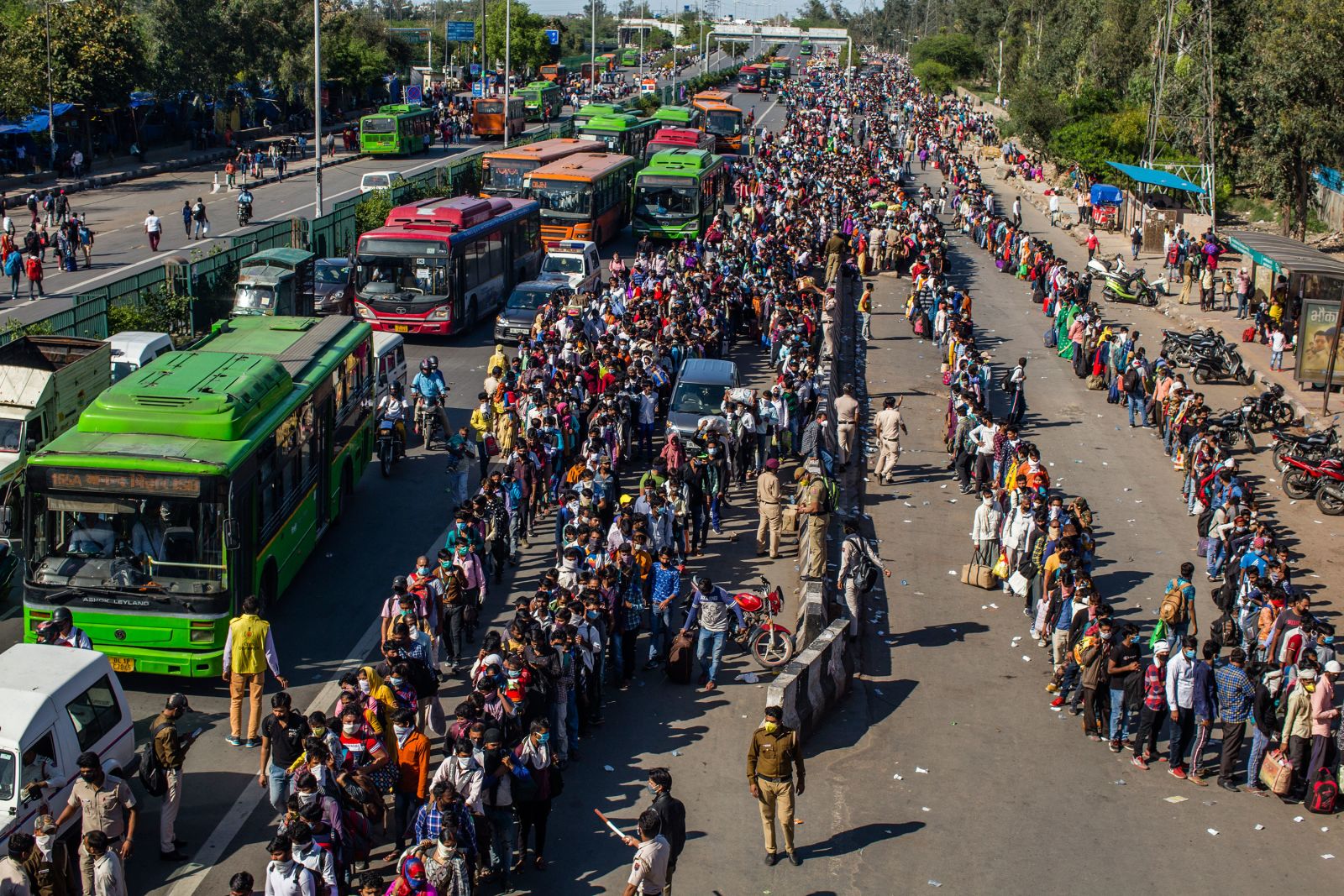
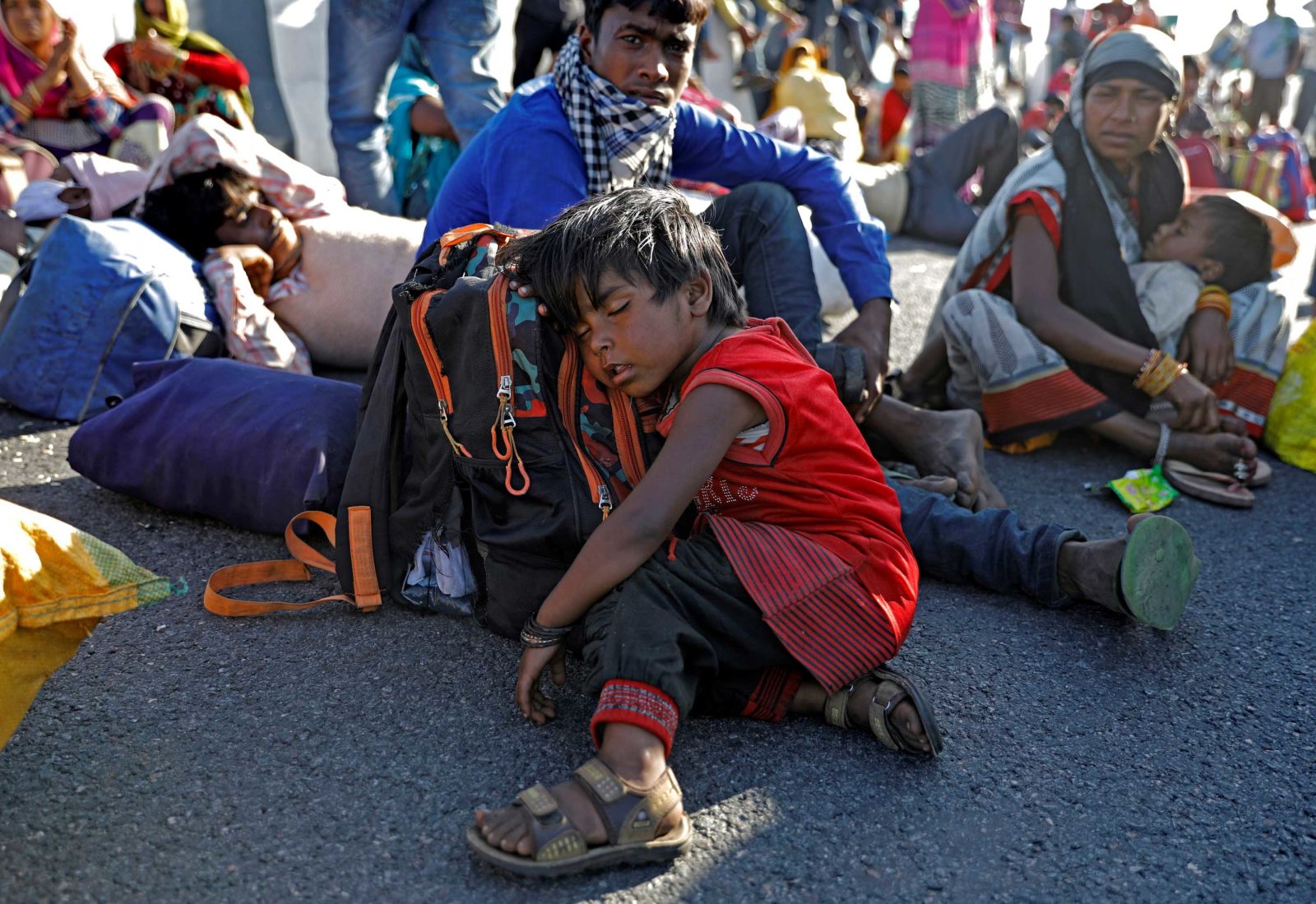
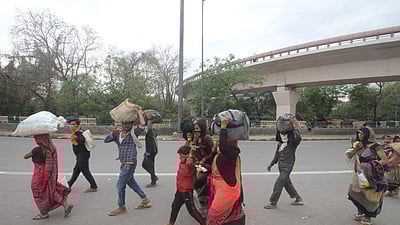
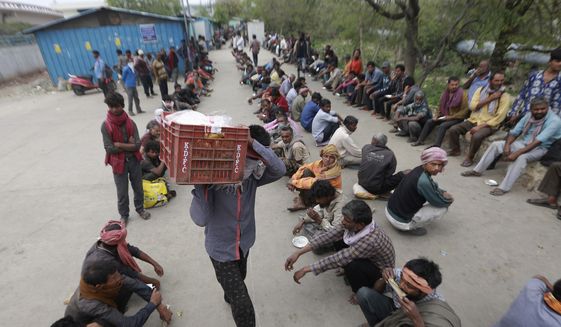
    Blamed for leaving their homes in defiance of the lockdown, hungry and cash-strapped migrants are struggling in packed shelters while those who managed to reach their native places are facing hostility. What makes India’s migrant crisis unique is not the nature of its migrant workforce but the abruptness of its public policy.

    Context

    • Labour migration within India is crucial for economic growth and contributes to improving the socio-economic condition of people.
    • Migration can help, for example, to improve income, skill development, and provide greater access to services like healthcare and education.

    Labour and migration in India

    • Seasonal migration for work is a pervasive reality in rural India.
    • The annual net flows amount to about 1 per cent of the working age population.
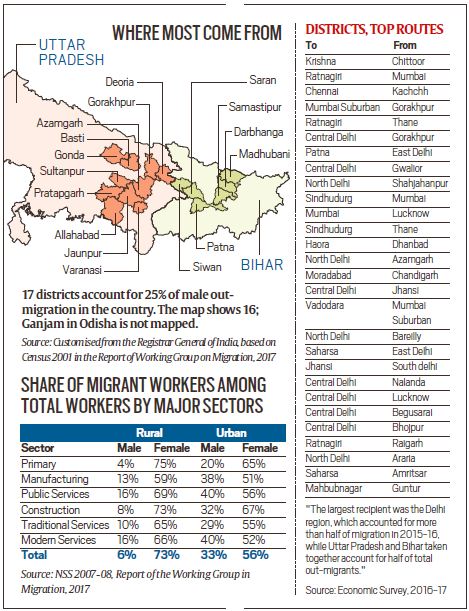
    • As per Census 2011, the size of the workforce was 48.2 crore people.
    • This figure is estimated to have exceeded 50 crore in 2016 — the Economic Survey pegged the size of the migrant workforce at roughly 20 per cent or over 10 crore in 2016.

    Uniqueness of labour migration in India


    Click here for larger image

    Migrant labour in Indian cities, and the vast majority of workers currently in the news, is marked by three traits:

    1) Internal migration

    • These migrants come from within India, unlike international migrants who often dominate the study of migration.

    2) Informality

    • They are low-income workers who are informally employed, meaning they lack formal contracts.
    • Many migrant workers perform daily wage labor (such as beldars on construction sites), or are self-employed (for example street vendors).
    • Such employment is obviously precarious and day-to-day in nature, with no protections in the event of an abrupt cancellation, as has happened with the lockdown.

    3) Circularity

    • Most of these migrants do not permanently relocate to the city. Expensive and inhospitable urban environments compel them to move without their families.
    • Instead, they circulate between city and village several times a year and remain deeply rooted within sending villages.

    4) Gendered migration

    • Women constitute an overwhelming section of migrants. Female migrants are less represented in regular jobs and more likely to be self-employed than non-migrant women.
    • Domestic work has emerged as an important occupation for migrant women and girls.
    • A gender perspective on migration is imperative since women have significantly different migration motivations, patterns, options and obstacles from men.

    Each of these factors is important in understanding why migrant workers have been so eager to return home since the lockdown was announced.

    What is their contribution to the Indian economy?

    • More fine-grained studies have revealed circular migrants are influential, and in some cases, the predominant forms of labour in industries ranging from construction, brick manufacturing, mining and quarrying, hotels and restaurants, and street vending.
    • Many of these sectors are integral to the Indian economy and comprise a significant share of our national GDP.

    Has it been recorded and acknowledged properly and accurately?

    • The informal nature of employment makes it hard to collect reliable data even on the size of this population, let alone its economic contributions.
    • We can gain a sense of these contributions by considering sectors in which employment is dominated by circular migrants.
    • Circular urban migrants perform essential labour and provide services that many people want but are unwilling to provide themselves.
    • Yet too often this work is not received with gratitude by municipal authorities or more privileged urbanites.

    Mass exodus of migrant labour

    • The exodus of migrant workers is far from surprising as it was caused by a rational panic triggered by misinformation.
    • They live in inhospitable conditions such as cramped rented rooms or are compelled to sleep on the footpath, lack documents to access benefits such as rations in the city, do not have family members in the city, and have few savings to draw upon.
    • The lockdown took away their only reason for enduring such hardships: work in the city.
    • Moreover, given the nature of the novel coronavirus, it would be completely plausible for migrants to be unsure about when work opportunities might actually resume in cities.

    Was it preventable?

    • Considering the severity of coronavirus breakdown, an immediate lockdown was inevitable. And the already vulnerable migrants were the first to get impacted.
    • However, a more effective and humane response would have first considered how an abrupt lockdown might affect transient populations.
    • Given the lockdown order required everyone to stay at home for a prolonged period, it is especially important to consider those populations who are often forced to work far away from their homes.
    • Second, a more effective response would have decided whether to prioritize keeping migrants in place in destination cities, or helping them safely reach home.

    Threats to covid returnees

    • Authorities tend to view migrants through the lens of enforcement rather than accommodation. Circular migrants experience considerable police repression in the cities they work within.
    • This attitude remains apparent in the reports and images of police violence towards migrants during this current crisis, and the language of enforcement that pervades recent government orders.
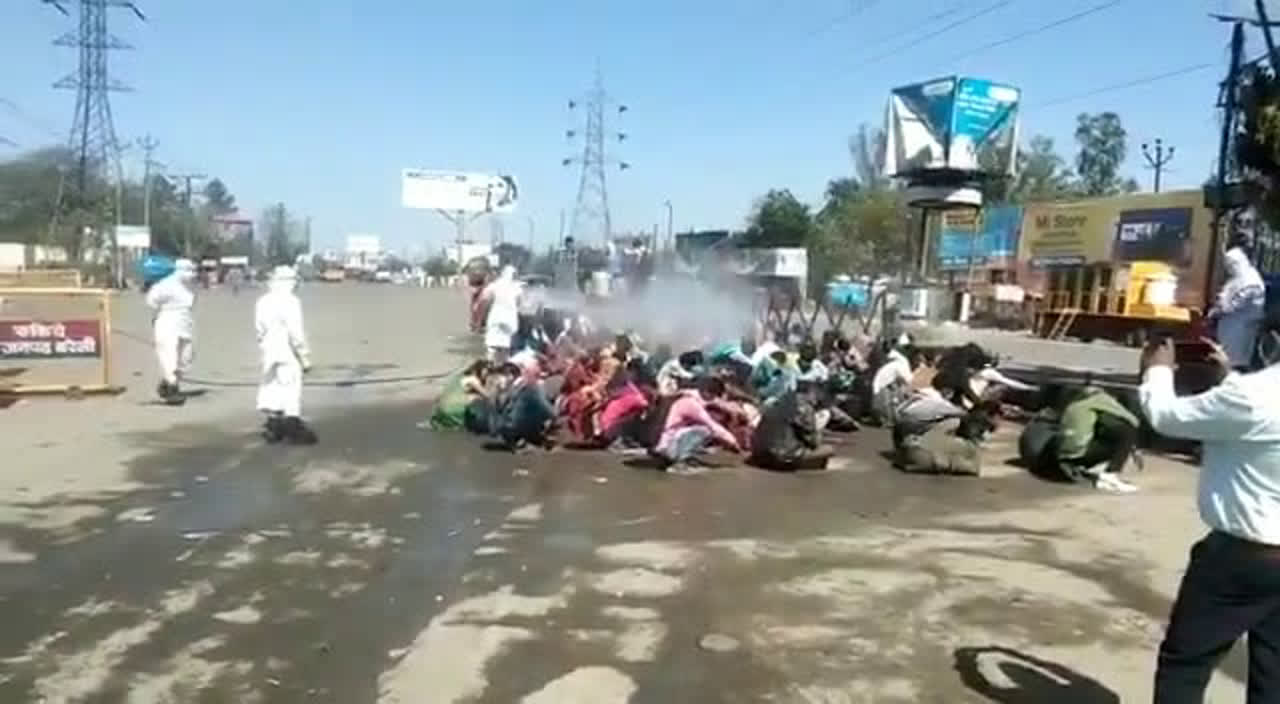
    • Clearly the pandemic has produced certain specific responses, such as disturbing images of migrants being rounded up and sprayed with harmful chemicals.
    • Yet these responses are hardly divorced from longstanding patterns of marginalization.
    • If anything fears stoked by a viral pandemic is especially amenable to being channelled through longstanding systems of classification, purity, and stigma based on caste, class, and occupation.

    What could have been done?

    • If the goal was to get migrants safely home, resources should be targeted to ensure safe and clean passage and a feasible local quarantine strategy for migrants in their home regions.
    • Resources should be mobilized keeping them healthy, housed, and fed (including by enabling them to pay our pause rent, and access PDS benefits in cities).

    Issues with migrant’s welfare

    1) Lack of reliable data

    • We lack a consensus estimate of the size of our circular migrant population for a number of reasons.
    • Many official data sources use definitions of migration that fail to capture the transient and itinerant patterns observed by circular migrants.
    • For example NSSO collected specific data on migration in its 64th round, and found the all-India rate of ‘short-term migration’ is between 1 and 2 percent.
    • The NSS defines a ‘short-term’ migrant as one who stays away for up to 6 months during the last year, but many circular migrants spend most of the year working in cities, returning home for festivals, harvests, or to see family.
    • Further, the fact that these migrants live and work in informal conditions in cities, and circulate between village and city, make them especially difficult to access through standard residence-based surveys.

    2) Lack of Policy Measures

    • The striking difference in how we treat international and internal migrants is particularly apparent if we think of wealthy international diaspora such as Indians residing in the United States.
    • Diasporas are celebrated for their accomplishments and remittances and feted at events such as the Howdy Modi rally held recently in Houston.
    • The power of these groups fueled significant efforts to expand their standing and political rights, including the establishment of new categories of citizenship (such as the Overseas Citizens of India).
    • By contrast there are few systematic efforts to celebrate and acknowledge the contributions of poor circular migrants including the recent One Nation One Ration Card Scheme.

    3) Other hardships

    • Lack of alternate livelihoods and skill development in source areas, locations from where migration originates, are the primary causes of migration from rural areas.
    • Migrants repeatedly face harassment and mistreatment by urban employers, middle-class shopkeepers and residents, and local police.

    Most of their vulnerabilities are highlighted as under:

    • Lack of Awareness: Lack of awareness among migrants about their rights as ‘workers’ and as ‘migrant workers’
    • Work harassment: Unscrupulous labour agents who coerce workers and do not pay minimum wages as stipulated by law
    • Human trafficking: Many migrants, especially young girls and women, are deceived and trafficked
    • Debt traps: Workers who engage in seasonal work, such as in brick kilns or agriculture, are often trapped in a situation of debt and bondage
    • Work safety: Poor and unsafe working and living conditions, lack of occupational health and safety
    • Sexual harassment: Possibility of violence at the workplace and sexual harassment of women
    • Health risks: Greater threat of nutritional diseases, occupational illnesses, communicable diseases, alcoholism
    • Exclusion: Exclusion or lack of access to public services and social protection for migrants due to regulatory and/or administrative procedures in destination states

    Conclusion

    The challenge is that migrants usually form a class of invisible workers. There are different risks in their source and destination areas. Needs of their family members, including infants, children, adolescents and elderly who accompany migrant workers need to be addressed on a priority.

    • Economic growth in India today hinges on mobility of labour.
    • The contribution of migrant workers to national income is enormous but there is little done in return for their security and well-being.
    • There is an imminent need for solutions to transform migration into a more dignified and rewarding opportunity.
    • Without this, making growth inclusive or the very least, sustainable, will remain a very distant dream.

    Way Forward

    • Since internal migration in India is very large, it needs to be given high priority with specific policy interventions.
    • Governments and policymakers can play a vital role in ensuring that migrant workers undertake safe migration, have decent working and living conditions in destination areas, are aware of their rights and have access to social security and welfare schemes.
    • Suggestions to promote decent life for migrant workers in India include: developing a policy framework that gives priority to migrants, creates linkages between state and central policies on healthcare, education and social security, and facilitating convergence of state and central resources.

    Broadly, these series of measures can be summarized as below-

    • Establishing institutional mechanisms for inter-state coordination
    • Improving enforcement of labour laws
    • Adopting a four-pronged approach for better protection of rights of workers that defines the roles and responsibilities of the state, employers, workers/trade unions/civil society organizations and emphasizes the use of social dialogue and collective bargaining for promoting the rights of migrant workers
    • Accessing housing, water and sanitation and other urban amenities
    • Universal registration of workers on a national platform and developing comprehensive databases
    • Strengthening and/or setting up district facilitation centres, migrant information centres and gender resource centres
    • Strengthening the role of panchayats and other local authorities in registering workers
    • Providing education and health services at the worksites or seasonal hostels
    • Providing skills training, in particular for adolescents and young workers


    References

    https://indianexpress.com/article/explained/migrant-labour-role-india-lockdown-tariq-thachil-6343869/

    http://www.aajeevika.org/labour-and-migration.php

    https://edition.cnn.com/2020/03/30/india/gallery/india-lockdown-migrant-workers/index.html

  • [Burning Issue] The Mineral Laws (Amendment) Bill, 2020


    The Mineral Laws (Amendment) Bill, 2020 has been passed by both the Houses of Parliament and is waiting for Presidents assent.

    About the Bill

    The Bill seeks to amend:

    • The Mines and Minerals (Development and Regulation) Act, 1957 (MMDR Act) and
    • The Coal Mines (Special Provisions) Act, 2015 (CMSP Act)

    Background

    MMDR Act

    • The MMDR Act, 1957 forms the basic framework of mining regulation in India. It regulates the overall mining sector in India.
    • This act is applicable to all mineral except minor minerals and atomic minerals. It details the process and conditions for acquiring a mining or prospecting licence in India.
    • Mining minor minerals comes under the purview of state governments. River sand is considered a minor mineral.
    • For mining and prospecting in forest land, prior permission is needed from the Ministry of Environment, Forests and Climate Change.

    CMSP Act

    • The CMSP Act provides for the auction and allocation of mines whose allocation was cancelled by the Supreme Court in 2014.
    • Schedule I of the Act provides a list of all such mines; Schedule II and III are sub-classes of the mines listed in the Schedule I.
    • Schedule II mines are those where production had already started then, and Schedule III mines are ones that had been earmarked for a specified end-use.

    At present, who gives the permits in the mining sector?

    • The State governments provide permits for mining, which are called mineral concessions, for all the minerals located within their respective jurisdictions.
    • This comes under the provisions of the Mines & Minerals (Development and Regulation) Act, 1957 and Mineral Concession Rules, 1960.
    • However, for minerals specified under the Schedule I of the Mines & Minerals (Development and Regulation) Act, 1957, the Centre’s approval is necessary before granting the mineral concession.
    • Minerals specified under the Schedule I include hydrocarbon, atomic minerals and metallic minerals like iron ore, bauxite, copper ore, lead, precious stones, zinc and gold.

    Features of the Mineral Laws (Amendment) Bill, 2020

    1) Removal of restriction on end-use of coal

    • Currently, companies acquiring Schedule II and Schedule III coal mines through auctions can use the coal produced only for specified end-uses such as power generation and steel production.
    • The Bill removes this restriction on the use of coal mined by such companies.
    • Companies will be allowed to carry on coal mining operation for own consumption, sale or for any other purposes, as may be specified by the central government.

    2) Eligibility for auction of coal and lignite blocks

    • The Bill clarifies that the companies need not possess any prior coal mining experience in India in order to participate in the auction of coal and lignite blocks.
    • Further, the competitive bidding process for auction of coal and lignite blocks will not apply to mines considered for allotment to
    1. a government company or its joint venture for own consumption, sale or any other specified purpose; and
    2. a company that has been awarded a power project on the basis of a competitive bid for the tariff.

    3) Composite license for prospecting and mining 

    • Currently, separate licenses are provided for prospecting and mining of coal and lignite, called prospecting license, and mining lease, respectively.
    • Prospecting includes exploring, locating, or finding mineral deposit.
    • The Bill adds a new type of license, called prospecting license-cum-mining lease (PL-cum-ML).
    • This will be a composite license providing for both prospecting and mining activities.

    4) Non-exclusive reconnaissances permit holders to get other licenses

    • Currently, the holders of non-exclusive reconnaissance permit for exploration of certain specified minerals are not entitled to obtain a prospecting license or mining lease.
    • Reconnaissance means preliminary prospecting of a mineral through certain surveys.
    • The Bill provides that the holders of such permits may apply for a prospecting license-cum-mining lease or mining lease.
    • This will apply to certain licensees as prescribed in the Bill.

    5) Transfer of statutory clearances to new bidders

    • Currently, upon expiry, mining leases for specified minerals (minerals other than coal, lignite, and atomic minerals) can be transferred to new persons through auction.
    • This new lessee is required to obtain statutory clearances before starting mining operations.
    • The Bill provides that the various approvals, licenses, and clearances given to the previous lessee will be extended to the successful bidder for a period of two years.
    • During this period, the new lessee will be allowed to continue mining operations.  However, the new lessee must obtain all the required clearances within this two-year period.

    6) Reallocation after the termination of the allocations

    • The CMSP Act provides for the termination of allotment orders of coal mines in certain cases.
    • The Bill adds that such mines may be reallocated through auction or allotment as may be determined by the central government.
    • The central government will appoint a designated custodian to manage these mines until they are reallocated.

    7) Prior approval from the central government

    • Under the MMDR Act, state governments require prior approval of the central government for granting reconnaissance permit, prospecting license, or mining lease for coal and lignite.
    • The Bill provides that prior approval of the central government will not be required in granting these licenses for coal and lignite, in certain cases.
    • These include cases where: (i) the allocation has been done by the central government, and (ii) the mining block has been reserved to conserve a mineral.

    8) Advance action for auction 

    • Under the MMDR Act, mining leases for specified minerals (minerals other than coal, lignite, and atomic minerals) are auctioned on the expiry of the lease period.
    • The Bill provides that state governments can take advance action for auction of a mining lease before its expiry.

    Significance of the Bill

    1) Seamless coal mining

    • The pl-and-ml licences will increase the availability of coal and lignite blocks and provide for an allocation of different grades of coal blocks in wide geographical distribution.
    • Environmental clearances will be automatically transferred to the new owners of the mineral blocks along with other clearances for two years.
    • This will allow the new owners to continue with the hassle-free mining operations.

    2) Reduced dependence on Imports

    • The Bill provides that the companies do not need to possess any coal mining experience in India to participate in the auction of coal and lignite blocks. This will allow 100% FDI in the sector via automatic route.
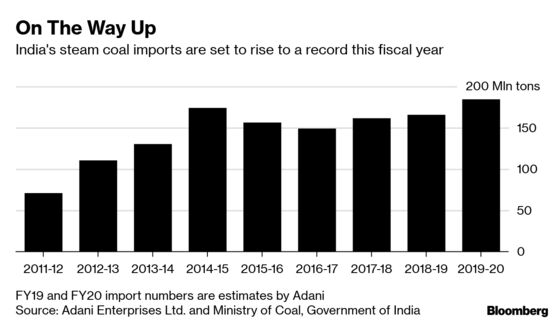
    • It ensures an increase in investments and boosts in domestic coal production to reduce the dependence on imports of coal.

    3) End of CIL monopoly

    • The Bill put an end to Coal India Ltd’s monopoly in the mining sector as it increases the scope for the private sector.
    • This amendment is a welcome step towards liberalisation of the mining sector and attracting the much-needed foreign investment.
    • Two crucial aspects – liberalizing the eligibility criteria for participating in the auction and removal of end-use restriction – will attract investment in the sector and foreign direct investment too.

    4) Addresses energy demand

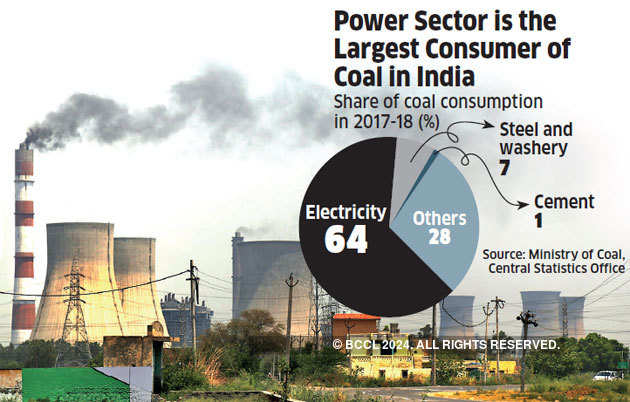
    • The demand for coal within the country is increasing exponentially in recent times as the government is expanding the capacity to generate power.
    • The increase in the production of the easiest and cheapest source of electricity, coal, especially domestic coal, can back the government’s bid to provide electricity for all citizens.
    • Without an increase in coal production, it would be difficult to achieve this objective.

    5) Multi-sectoral development

    • Overall, this move will create an efficient energy market and bring in more competition as well as reduce coal imports.
    • It would also help India gain access to high-end technology for underground mining used by miners across the globe.
    • It will also increase demand in other sectors such as mining equipment, heavy commercial vehicle industries etc.

    Issues with this Bill: Putting the environment at stake

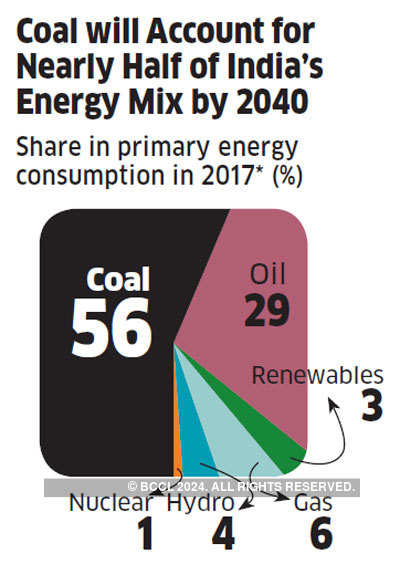
    • While many countries are moving away from fossil fuels, especially coal, to combat climate change, India is boosting its demand in this sector, putting the environment at risk.
    • This Bill provides for an increase in the competition in the mining sector, paving the way for the rise in the chances of over-exploitation of resources.
    • Promoting the growth of coal sector jeopardizes India’s commitments in the Paris Agreement.

    Way Forward

    • The corresponding rules and bidding guidelines must be assessed in detail to ensure that the proposed law is implemented and given full effect.
    • While promoting coal mining, the government must also ensure an increase in the investments in green energy so that it can reduce its dependence on thermal energy.
    • There must be an increase in monitoring of the mining activities so that the private players are not tempted towards over-exploitation of resources and labourers.
    • Regulations must be strictly monitored and enforced so that there is no adverse impact on either the environment or human beings because of the increase in mining activities.


    References

    https://www.prsindia.org/billtrack/mineral-laws-amendment-bill-2020

    https://pib.gov.in/newsite/PrintRelease.aspx?relid=117513

    https://www.youtube.com/watch?v=EfUWkNB6wdE

    https://www.youtube.com/watch?v=OWvg4hLV9EM

  • [Burning Issue] Economic Impact of Coronavirus in India and Government’s intervention (PART II)

    As the virus continues its march around the world, governments with India being no exemption have turned to proven public health measures, such as social distancing, to physically disrupt the contagion.  Yet, doing so has severed the flow of goods and people, stalled economies, and is in the process of delivering a global recession.

    Economic contagion is now spreading as fast as the disease itself. In this uncharted territory, naming a global recession adds little clarity beyond setting the expectation of negative growth.

    Economic Shocks of Coronavirus Pandemic

    In an economy already reeling under a demand depression, rising unemployment, and lowering of industrial output and profits, all of which happening together for several quarters now, a supply-side constraint would deliver a big blow, jeopardizing growth prospects and social and economic wellbeing of a large number of people.

    Understand the damage mechanisms

    Classically, financial crises cripple an economy’s supply side. There is a long history of such crisis, and policymakers have learned much about dealing with them.

    1) Financial system risks

    • The outbreak has already generated stress in capital markets, triggering a forceful response from central banks.
    • If liquidity problems persist and real economy problems lead to write-downs, capital problems can arise.
    • While from a policy perspective we may know the solutions, bailouts and recapitalization of banks are politically controversial.

    2) Capital formation and labour loss

    • In the case of a financial crisis, capital formation would take a huge hit, driving a prolonged slump with damage to labour and productivity as well.
    • Months of social distancing could disrupt capital formation and ultimately labour participation and productivity growth.

    Indian case:  An already wounded economy

    The Indian economy wasn’t already doing well with the pandemic worsening the situation. The impact on India can be traced through channels such as: external demand; domestic demand; supply disruptions, and financial market disturbances.

    External, domestic demand

    • Global recession: As the economies of the developed countries slow down (some people are even talking of recession), their demand for imports of goods will go down and this will affect our exports which are even now not doing well.
    • Reduced economic growth: In fact after six months of negative growth, it was only in January that Indian exports showed positive growth.
    • Infrastructure underutilisation: Besides these, the IT industry, travel, transport and hotel industries will be affected. The only redeeming feature in the external sector is the fall in oil prices.
    • Reduced oil import bill: India’s oil import bill will come down substantially. But this will affect adversely the oil-exporting countries which absorb Indian labour. Remittances may slow down.

    Multi-faceted collapse

    • Transportation: As passengers travel less, the transportation industry, road, rail and air, is cutting down schedules, sometimes drastically.
    • This will affect in turn several other sectors closely related to them.
    • Job losses:The laying off of non-permanent employees has already started. As people, in general, buy less, shops stock less, which in turn affects production.
    • Production halt: Perhaps retail units will be first to be affected and they will in turn transmit this to the production units. One is unable to make an estimate of the reduction in economic activity at this point.
    • Logistics : Supply disruptions can occur because of the inability to import or procure inputs. The break in supply chains can be severe.
    • Domestic supply chain can also be affected as the inter-State movement of goods has also slowed down.
    • Trade loss: It is estimated that nearly 60% of our imports is in the category of ‘intermediate goods’.Imports from countries which are affected by the virus can be a source of concern.

    Financial market collapse

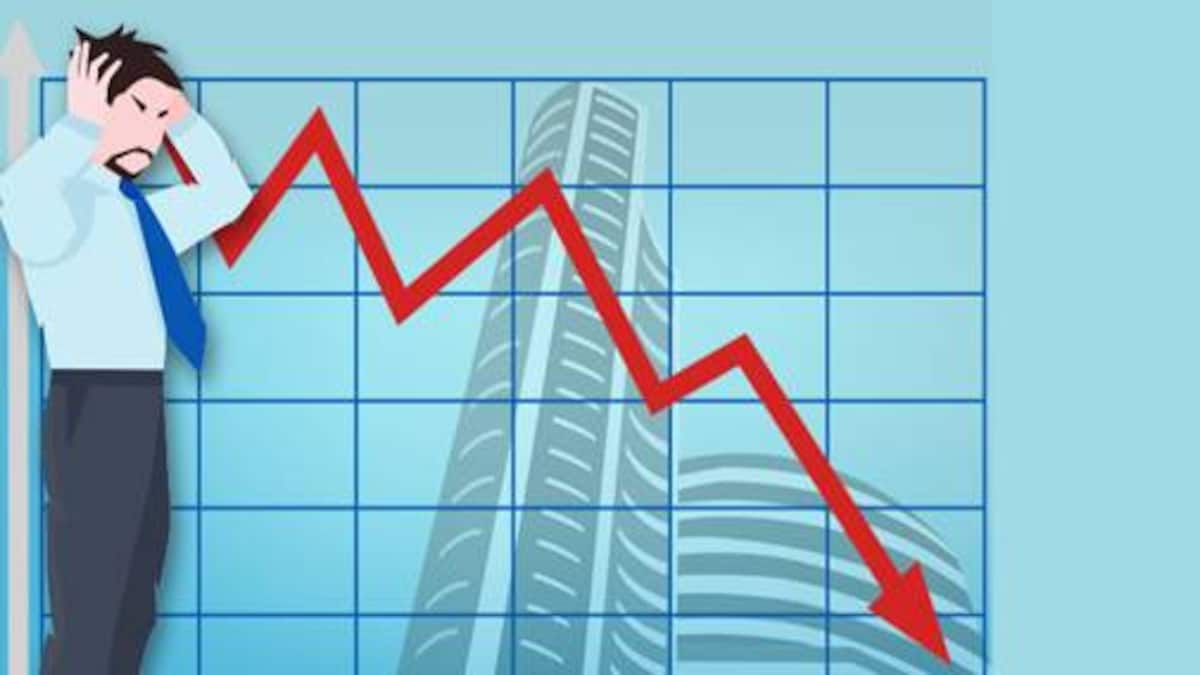
    • The stock market in India has collapsed. The indices are at a three-year low.
    • Foreign Portfolio Investors have shown great nervousness and the safe haven doctrine operates.
    • In this process, the value of the rupee in terms of dollar has also fallen. The stock market decline has a wealth affect and will have an impact on the behaviour of particularly high wealth holders.

    How the lockdown has impacted the economy?

    The impact of lockdown will be felt through several channels, weakening of domestic demand, disruption in supply chain and disruption in financial market. All of this would result in declining production and retrenchment of employees.

    • At the moment, it is a supply-side problem. Both production and distribution of non-essentials have come to a halt.
    • This affects at least 55% of the economy for three weeks or about Rs 2 lakh crore. It may even be larger due to previous partial lockdowns by various state governments.
    • Now, after the lockdown is lifted, there will quite possibly be an increase in sales which will be met through existing inventories.
    • This does not, however, add to the GDP (as these goods and services had already been produced and accounted for). It may take a few more months for the final production and sales to resume.

    Haste for a mad scramble

    • The similarity with the 2016’s demonetization or 2017’s GST does not end at their economic impact.
    • The blow to people and businesses could have been considerably softened but for lack of foresight, planning and strategies.
    • All these steps could have been taken before the lockdown was announced, particularly since the announcement succeeded a ‘Janata curfew’ and “complete lockdown” a day later.
    • The aftershock of sudden lockdown is unsurprisingly visible now.

    Visible chaos

    • For one, people rushed into provision stores, making a mockery of ‘social distancing’ which is the primary goal of it.
    • Secondly, a day after the lockdown, online suppliers of grocery, medicine and food suspended their services across the country, citing “confusion” or “restrictions imposed by local authorities” on their movements.
    • The shutdown of planes, trains, and bus services had caused people to rush into airports, railway stations and bus stands, again making a mockery of social distancing.
    • It had another consequence. Inter-state migrants were seen walking hundreds of kilometres with women and kids in tow to their homes because there was no transport and no work.

    What can revive the economy?

    1) Innovating out of the shock

    • It is important to recognize that none of the shock scenarios outlined will be inevitable, linear, or uniform across geographies.
    • India will have considerably different experiences for two reasons: the structural resilience to absorb such shocks — call it destiny — and the capacity of medical researchers and policymakers to respond in new ways to an unprecedented challenge — call it innovation.

    2) On the medical side

    • It’s clear that a vaccine would reduce the need for social distancing and thus relax the policy’s chokehold on the global economy.
    • But timelines are likely long, and so the focus may well have to be on incremental innovation within the confines of existing solutions.
    • At this moment healthcare savior can create novel interventions, at unprecedented speed, that will break the intractable and unattractive tradeoff between lost lives and creating economic misery.

    3) On the economic side 

    • RBI has announced several measures, including special lines of liquidity, loan moratorium, and easier asset quality norms, to help the economy tide over the crisis.
    • In easier terms, RBI has opened the so-called “discount windows” that provide unlimited short-term privileges to ensure liquidity problems don’t break the banking system.


    Way Forward

    • The first thing that the government must do is to immediately ramp up testing of suspected persons at a massive scale. We have not done enough testing as yet and do not know the magnitude of the problem.
    • The immediate issue is to focus on health, which we have never done, and see how you can establish the public health system. And the second is livelihood issues.
    • The way to achieve ‘social distancing’ is not to announce something which then brings suddenly crowds of people together in a panic but to do something for their own security, well-being and longer-term success.
    • We may have to look at differential relaxations in a calibrated and transparent manner and identify that areas with these trends can allow some of these activities.
    • Even after 21 days, there will be some areas where we can have economic activities without much movement, and restrictions will have to continue elsewhere.
    • But we should be prepared for the long haul. Life is not going to be easy.


    References

    https://indianexpress.com/article/explained/pm-garib-kalyan-relief-package-components-implementation-6333217/

    https://www.bloombergquint.com/business/coronavirus-crisis-rbi-announces-moratorium-on-loans-targeted-liquidity-measures

    https://www.businesstoday.in/current/economy-politics/coronavirus-lockdown-serious-impact-on-indian-economy-gdp-high-unemployment-covid-19-economic-growth/story/399444.html

    https://www.outlookindia.com/magazine/story/how-coronavirus-pandemic-will-impact-the-economy-and-you/303014

  • [Burning Issue] Economic Impact of Coronavirus in India and Government’s intervention (PART I)

    It’s life itself that is affected, profoundly so and almost from a genetic level. And that means at every other extended level of human experience. Emotional and psychological, to begin with, and from there to what we go about doing with our daily lives. Earning their bread, trying to survive-or thrive.

    The coronavirus or COVID-19 has brought life to a near standstill in almost every part of the world. The virus, which has originated in central China’s Hubei Province has claimed more than 20,000 lives so far and continues to adversely affect more than 150 countries globally.

    It is a matter of no debate that we have entered a phase of the global recession which will be worse than in 2009.

    Context

    • Ever since the Janata Curfew, there were demands that the government should come out with a relief package for the poor, as well as those in the informal sector, which accounts for 90 per cent of all jobs in the country — the demands increased after PM announced a 21-day national lockdown.
    • Our Finance Minister has announced the Prime Minister’s Garib Kalyan package — a range of measures that will take to alleviate the economic, health, and food-related distress of India’s poor in the wake of this national lockdown.

    Prime Minister’s Garib Kalyan package

    The relief package is primarily targeted towards the firms in the organised sector of the economy.  There are five elements to the PMGK package.

    1. Medical insurance cover of Rs 50 lakh for all health workers (doctors, paramedics, Asha workers etc.) treating patients.
    2. Help for the poor and those engaged in the unorganised sector.
    3. Help for the poor engaged in the organised sector.
    4. Help for construction workers.
    5. Use the money already available in the “district (-level) mineral fund” to pay for medical testing and screening for the coronavirus.

    (A) For poor and those in unorganised sector

    The help is in two ways — free food grains, and cash transfers.

    1) Food assistance

    • The central government, working with the state governments, will provide an additional quota of food grains free of cost to all 80 crore beneficiaries under the Public Distribution System.
    • As such, PDS beneficiaries will get 5 kg of wheat (or rice) per month for the next three months.
    • Additionally, each household (or family) — typically, a household is assumed to have 5 members — will get 1 kg of pulses per month.

    2) Monetary assistance

    The government announced 6 types of additional cash transfers. These are:

    • Rs 2,000 per farmer to 9 crore farmers under the PM-KISAN scheme.
    • An additional Rs 1,000 per month pension for the next 3 months for those receiving old age, widow or disability pensions.
    • Rs 500 per month will be transferred for the next 3 months to women holding a Jan Dhan bank account. This is expected to help 20 crore women.
    • Over 8 crore women who are registered beneficiaries under Ujjwala Yojana will get one LPG cylinder per month for the next three months. While this is not exactly a cash transfer, these cylinders will be free of cost.
    • Women SHGs across the country — roughly around 63 lakh of them — can now take collateral-free loans up to Rs 20 lakh instead of the existing limit of Rs 10 lakh. This too, is not a cash transfer, rather an enabling provision for receiving higher credit.
    • Wages paid for manual labour under MGNREGA have been increased from Rs 180 per day to Rs 202 per day. According to the FM, this move will help 5 crore households (since only one person per household can avail of employment under MGNREGA) and enable them to earn Rs 2,000 as additional income. However, the work needs to be done in a manner that ensures social distancing.

    (B) For the organised sector

    This help essentially relates to the Employees’ Provident Fund. There are two initiatives announced by the government — one in which the government actually pays on behalf of the poor and the other in which it enables the poor to withdraw their own money from their EPF accounts.

    1) EPF contributions

    • Under the first provision, the GoI will pay the EPF contributions — 12% of the basic salary — of both the employees and the employers for the next three months.
    • However, this move applies only to about 4 lakh firms where the total number of employees is less than 100, and where 90 per cent of the employees earn less than Rs 15,000 per month.
    • The move is aimed at reducing the monetary strain on small firms in the organised sector that may feel compelled to fire employees given the mounting financial strain.

    2) EPF withdrawals

    • The government has amended the Employees Provident Fund Organisation (EPFO) regulations to enable workers to withdraw a non-refundable advance from their EPF accounts.
    • This amount is, however, limited to 75 per cent of the total money in one’s EPF account, or one’s salary for three months, whichever is lower.
    • So, if one earns Rs 20,000 per month, and has Rs 1 lakh in one’s EPF account, then one can only withdraw Rs 60,000 from it (not Rs 75,000).
    • This move is expected to help close to 4.8 crore workers registered with the EPFO.

    (C) For construction workers

    • The construction sector traditionally employs a large number of people, especially those who leave villages and farming out of distress, and come to cities looking for work.
    • However, construction activities have been severely hit over the past few years, given the sharp slowdown in the Indian economy as well as the mess in India’s real estate sector.
    • The complete shutdown of economic activity as a result of the lockdown has essentially rendered all labourers jobless overnight.
    • To alleviate the economic distress of construction workers, the government has asked state governments to use the money — roughly Rs 31,000 crore — already available in welfare fund for construction workers.

    How far are these measures effective?

    • The announcements related to the provisioning of food grains via PDS will be especially helpful. However, a few points need to be flagged.
    • One, some of the measures would have happened on their own. For instance, MGNREGA wage increases typically happen in April. Similarly, the first instalment of Rs 2,000 under PM KISAN would have been due in April.
    • Two, some of so-called cash transfer amounts are too small (like Rs 500 per month for women Jan Dhan account holders); some others are not really there (like the doubling of loans for women SHGs).

    Question of implementation

    • For instance, at present many construction workers and labourers are struggling to reach their homes.
    • To receive help, they will need to have been registered in a particular state, but there is nothing to assume that they are in the state in which they are registered.
    • Similarly, it is an open question of how manual labour under MGNREGA can happen while maintaining social distancing.
    • If a lot of people join in, there would be a concern of disease transmission — and if very few join in (fearing the disease) then the hoped-for benefit may not actually accrue.

    The cry is yet unaddressed

    • The main problem for poor and vulnerable households today is liquidity stress.
    • Unlike big businessmen or the salaried middle class, these are people with no balance sheets, reserves, or bank balances.
    • Every day’s loss of work for them means cutting down even basic consumption and going deeper into debt. Free grain can help, but does not address the real crisis, which is of liquidity.
    • They need cash to buy essential things other than just food — and most of them had it till the other day.

    Not a hour to criticize

    • Migrant workers are of two kinds: permanent and seasonal. March, in particular, sees large number of seasonal migrants because it is harvesting time, and not much labour is required now.
    • Seasonal migrants keep moving continuously, from one place to another, in search of work. This has only exacerbated the problem.
    • Had a support programme for all unorganised sector workers preceded the lockdown, it could have just been possible for the government to make them stay back at urban centres, instead of exposing them to the risk of catching the disease and further infecting their families back home.

    Financial impact of the move

    • The package will cost the national exchequer Rs 1.7 lakh crore, which is 0.8 per cent of India’s estimated gross domestic product in the current financial year.
    • The package is still no way comparable to the $2.2 trillion economic package
    • However, not all this money is in addition to what was announced in the Union Budget; some of the announcements refer to expenditure which would have happened under normal circumstances as well.


    Continued…………..

  • [Burning Issue] Oil Prices and OPEC+


    Most of the world’s oil is controlled by a very small group of people- the Middle Eastern cartel called OPEC, US, and Russia. And with great resources comes great responsibility. Their job is to manipulate the oil supply to ensure prices the world over remain stable.

    Unfortunately, with Coronavirus having taken centre stage, demand for oil isn’t exactly like it used to be. And in a last-ditch effort to keep prices stable, OPEC decided to push for more production cuts.  However, Russia disagreed, leading to one of the most brutal price wars in history.

    Context

    The talks between OPEC and Russia had finally collapsed, possibly precipitating a price war that could push oil (Brent Crude) down to as much as $20 a barrel. For context, last month oil was trading as high as $60 dollars a barrel.  Hence the concept of OPEC+ stands scrapped!

    Fall in global crude oil prices

    • Oil prices have been tumbling now and it’s hovering at about $35 a barrel now (it was $65 last December).
    • And of course, this is horrible news for all the nations that export oil.

    Background

    Before we get to the story on OPEC+, lets  quickly recap :

    OPEC

    • OPEC is a permanent, intergovernmental organization, created at the Baghdad Conference in 1960, by Iran, Iraq, Kuwait, Saudi Arabia, and Venezuela.
    • It aims to manage the supply of oil in an effort to set the price of oil in the world market, in order to avoid fluctuations that might affect the economies of both producing and purchasing countries.
    • It is headquartered in Vienna, Austria.
    • OPEC membership is open to any country that is a substantial exporter of oil and which shares the ideals of the organization.
    • Today OPEC is a cartel that includes 14 nations, predominantly from the middle east whose sole responsibility is to control prices and moderate supply.

    Russia

    • Russia happens to be the 3rd largest supplier of Oil in the world (12% of all oil produced).
    • This means they too have considerable influence in controlling the global oil supply.
    • And back in 2017, OPEC and Russia started colluding informally to cut production and prop up prices. This came against the backdrop of oil having made some terrible lows.
    • So two big parties come together to keep prices stable and it obviously helped.

    OPEC plus and its Fall

    OPEC plus

    • The non-OPEC countries which export crude oil along with the 14 OPECs are termed as OPEC plus countries.
    • OPEC plus countries include Azerbaijan, Bahrain, Brunei, Kazakhstan, Malaysia, Mexico, Oman, Russia, South Sudan and Sudan.
    • Saudi and Russia , both have been at the heart of a three-year alliance of oil producers known as OPEC Plus — which now includes 11 OPEC members and 10 non-OPEC nations — that aims to shore up oil prices with production cuts.

    Why OPEC plus came into existence?

    When Russia concluded the Vienna Agreement in 2016, the Russian leadership believed that it would help prepare the country for the Russian presidential elections in March 2018. Higher oil prices ensured the Kremlin’s financial capacity to lead a successful electoral campaign.

    This changed the regime’s priorities – from satisfying the needs of the general population to ensuring the sustainability of the Kremlin’s alliance with powerful tycoons, including those controlling oil production who would, in the end, either approve a successor to Putin or a constitutional amendment that would allow him to stay in power for two more terms.

    • For Saudi Arabia, turning what had been an ad hoc coalition into a formal group provides a hedge (protection) against future oil-market turbulence.
    • The kingdom now leaned on a group representing almost half of global oil output for support.
    • For Russia, the formalization of the group helps expand Putin’s influence in the Middle East
    • However both reportedly aimed at causing a drop in oil prices in order to hit US shale producers, who have continued to benefit from OPEC production cuts by expanding their market share.

    Why did OPEC+ talks fail?

    • Because with Coronavirus having taken centre stage, things have changed. Air travel has taken a beating. Industries are shutting down. All trading activities are on edge.
    • And the global economic outlook has soured rather considerably. So OPEC has been insisting on deep production cuts to keep prices stable.
    • Now nobody knows for sure why Russia doesn’t want to follow through. Maybe, it’s because Putin doesn’t take orders from a 34-year-old Saudi prince.
    • Experts contend that this is Russia testing the boundaries of this alliance considering the simple fact that Saudi and other OPEC members are negotiating so hard tells us the kind of influence Russia holds in the market.

    Russia’s pullout

    • It seems Putin is able to secure another six-year term with a high enough turnout and significantly high approval rating.
    • Since then, the political goals of the Russian regime have changed, which required a different approach to cooperation with OPEC+.
    • Since Corona outbreak, the Kremlin’s own perception of OPEC+ has changed. It has come to believe that the cartel is losing its ability to shape the global energy market due to the growing oversupply and the beginning of a global energy transition.
    • The Russian leadership finally accepted that the era of high oil prices was gone and that it will not come back.

    Global Implications

    • OPEC is on the offensive and they’ve already started selling oil at deep discounts. They’ve also threatened to flood the markets with oil in the coming days.
    • Saudi Aramco not only announced that it would increase its crude supplies to the market but also said it received instructions to increase its maximum sustainable oil output capacity.
    • The increase in oil supplies to the market will drive oil prices down and launch an economic “war of attrition” between oil producers.
    • In the end, the companies that have the capacity to survive a prolonged period of low oil prices will succeed in securing their share of the market and win the war.
    • Moscow’s limited capacity to increase oil output means it will be unable to compensate for all losses caused by the reduction in prices by upping its production.
    • However, the oil price Russia needs to keep its budget balanced is lower than the one needed by Saudi Arabia and the UAE ($42 pb compared to $70-80 pb).

    Immediate Injury to US

    • The most immediate pain is likely to be felt in the U.S. shale industry, where companies have already been struggling as investors lost enthusiasm for the sector.
    • In part, that’s what the Russian energy ministry has been aiming for.

    Significance for India

    Petrol and diesel prices in India, however, haven’t yet been reflecting the drop in global oil prices. In fact, crude oil prices have halved since the start of 2020, but retail prices have declined by only around 7%.

    Many factors — pricing mechanism, currency movements and taxes – queer the pitch on passing on crude oil cost benefits to customers.

    1) Product pricing not crude linked

    The price of petrol and diesel in India is not determined by the actual costs incurred by refiners on crude oil sourcing, refining and marketing.  Rather, a formula — Trade Parity Price (TPP) — is the starting point for pricing these products.

    • TPP is the weighted average of import parity price (IPP) and export parity price (EPP) with weights of 80 and 20, respectively.
    • IPP is the price importers would pay in case of actual import of the petrol and diesel at Indian ports, while EPP is the price oil companies would realize on export of petrol and diesel.
    • In short, the product pricing assumes that 80 per cent of the petrol and diesel is imported into India and 20 per cent is exported.
    • Essentially, the TPP of petrol and diesel in India is determined based on prices of petrol and diesel prevailing in the international market – and not on the basis of crude oil prices.

    Demand and supply dynamics globally could be different for the raw material (crude oil) and the finished products (petrol and diesel), and so could their price trajectory — in terms of direction and/or timing.

    2) Daily pricing; fortnightly average

    • The TPP, which is quoted in dollars, is converted to rupees.
    • To this is added the cost of inland freight, marketing costs and margins charged by the oil companies, the dealer commission and the taxes levied by the Central and State governments.
    • Until then, prices for these fuels used to be determined on a fortnightly basis.
    • But even under the ‘daily pricing’ mechanism, in which the prices of petrol and diesel are revised daily, the price is based on a 15-day rolling average rate of the international benchmarks of petrol and diesel.
    • For instance, the price of petrol in India would be based on the international prices of petrol during the preceding fortnight.
    • So, international prices of petrol and diesel do not reflect immediately in India — that happens with a time lag.

    3) Forex factor

    • It is also to be noted that while crude oil prices have crashed, the rupee has been slipping. From 71.2 per dollar in early January 2020, the rupee now trades at 74.4.
    • This rupee weakness offsets to some extent the benefit of lower international crude oil and petrol/diesel prices, which are quoted in dollars.
    • This will chip away at the price reduction in petrol and diesel.

    4) Tax burden

    • Next, even if international prices of petrol and diesel are low over an extended period, it does not always reflect in the price of these products in India.
    • Blame this on the heavy taxes imposed by both Central and State governments.
    • For instance, last time, when the crude oil rout was underway from mid-2014 to early 2016, the Governments at the Centre and many States chose to pocket most of the gains through regular hikes in excise duty and VAT (value added tax) on petrol and diesel.
    • Not just the Centre, many states also upped their VAT rates when the previous oil rout was underway.
    • High VAT rates are why customers in some States such as Maharashtra and cities such as Mumbai have it worse than others.
    • In effect, only a minor portion of the crude oil cost reduction benefit was passed on to consumers.

    5) Other factors

    • One variable impacting the mismatch is the Rupee. The value of the rupee has depreciated by about 3.6% vis-a-vis the U.S. dollar this year.
    • And this is kind of important because we buy a large part of our oil using dollars. So a devalued Rupee means we have to spend a lot more money to buy the same amount of oil we used to.
    • This effectively wipes out some of the gains that we might have made from the drop in oil prices.
    • There’s also the possibility that the government might not choose to pass on the benefits of lower prices to consumers at all.
    • Instead, Govt. has decided to raise Excise duties on petrol and diesel- money which will go directly into central and state coffers.

    Potential benefit

    Who gains from the fall?

    • Oil Marketing Companies (like BPCL and IOCL) choose to retain most of the gains.
    • Because when prices rise and public pressure forces governments to act, the government asks the OMCs to take a hit on their margins so people can continue buying oil at a modest price.
    • Granted the government does reimburse some of this money, but it’s not very reliable.
    • So when prices dip, it’s an opportunity for OMCs to shore up their margins by keeping some of the gains themselves.

    Point of Interest: The governments can force OMCs to absorb the losses because they have majority ownership in most of these companies.

    Benefits for India

    • India imports over 80% of its crude oil requirements, making us inadvertent winners in this price war.
    • India’s crude oil import bill during FY 2018–19 was around $112 billion. And for each dollar reduced per barrel now, this bill drops by $1.45 billion, year on year.
    • This kind of decrease is substantial because it helps us in reducing the big bad number everyone’s scared of — the Current Account Deficit.
    • Also, there is another more obvious benefit when oil prices tank. If the price reduction is passed on to customers in the form of lower petrol and diesel prices, we get to save on fuel.

    Increasing Strategic Petroleum Reserves (SPR)

    • Away from the geopolitical firestorm, India is focused on topping up its SPR.
    • According to experts, India will spend about $ 670 million to buy oil at around $30 a barrel, for its strategic reserves, drawn from Saudi Arabia and the United Arab Emirates. Deliveries will start around April-May.
    • The Strategic Petroleum Reserves Ltd. (ISPRL), a subsidiary of the Oil Industry Development Board, run by the Ministry of Petroleum and Natural Gas manages these reserves.
    • Unlike India, it is estimated that China will achieve its strategic petroleum reserve target of 90 days this year.

    When did India plan for SPR?

    • In order to manage contingencies, we need at least one month of strategic petroleum reserves, which was the original plan when the exercise began in 2003.
    • Unsurprisingly, the government is considering building 30 day reserves in the first phase which will be eventually extended to 60 and, finally 90 days.
    • In June 2018, the Cabinet had cleared an additional 6.5 million tonne SPR facilities at Chandikhol in Odisha and Padur in Karnataka, to augment India’s energy security by 11.5 days.
    • Two more facilities — one in Bikaner and another in Rajkot — are also expected to be initiated soon to enable storage for 30 days.
    • The ISPRL has also been asked to pin down new sites so that a 90-100 days of oil reserve stocks are eventually available at all times.

    References

    https://www.aljazeera.com/indepth/opinion/fall-opec-age-oil-price-wars-200312124946313.html

    https://finshots.in/archive/why-isnt-fuel-prices-coming-down-in-india/

    https://finshots.in/archive/why-oil-prices-have-been-tanking/

    https://www.nytimes.com/2019/12/05/business/opec-oil-production-cuts.html

    https://www.livemint.com/market/commodities/global-oil-producers-face-brutal-reckoning-after-epic-failure-of-opec-deal-11583564684234.html