💥Join UPSC 2027,2028 Mentorship (July Batch) + XFactor Notes & Microthemes PDF

Category: Burning Issues

  • [Burning Issue] 5G Technology

    Image result for 5g technology in india

    Why in News?

    In June 2018, The 5G committee of the Telecom Ministry recommended that 6,000 MHz of spectrum can be made available without delay for the next generation 5G mobile service

    About 5G

    • 5G is the fifth generation mobile network.
    • It’s a unified platform which is much more capable than previous mobile services with more capacity, lower latency, faster data delivery rate and better utilisation of spectrum.
    • The standards for the usage of 5G are defined and driven by 3rd Generation Partnership Project (3GPP).

    Timeline: Evolution from 1G to 5G

    • 1G: Launched in the 1980s. Analog radio signals and supported only voice calls.
    • 2G: Launched in the 1990s. Uses digital radio signals and supported both voice and data transmission with a BandWidth(BW) of 64 Kbps.
    • 3G: Launched in the 2000s. With a speed of 1 Mbps to 2 Mbps it has the ability to transmit telephone signal including digitised voice, video calls and conferencing.
    • 4G: With a peak speed of 100 Mbps-1 Gbps it also enables 3D virtual reality.
    • 5G: with a speed of more than 1Gbps,it is capable of connecting entire world without limits.

    Salient features

    • Capability: 5G will provide much faster mobile broadband service as compared to the previous versions and will provide support to previous services like mission critical communication and the massive Internet Of things(IoT).
    • Speed: With peak delivering rate of up to 20 Gbps and an average of 100Mbps, it will be much faster as compared to its predecessors.
    • Capacity: There will be up to 100 x increase in traffic capacity and network efficiency.
    • Spectrum usage: Will provide better usage for every bit of spectrum, from low bands below 1 GHz to high bands.
    • Latency: It’s expected to have lower latency with better instantaneous, real-time access of the data.
    • The 5G, like 4G LTE, also uses Orthogonal Frequency Division Multiplexing(OFDM) but the new 5G NR(New Radio)air interface will enhance OFDM and provide better flexibility in data delivery.

    Applications Of 5G technology

    • High-Speed mobile network: 5G will revolutionize the mobile experience with supercharged wireless network. Compared to conventional mobile transmission technologies, voice and high-speed data can be simultaneously transferred efficiently in 5G
    • Entertainment and multimedia : 5G can provide 120 frames per second, high resolution and higher dynamic range video streaming without interruption. Audiovisual experience will be rewritten after the implementation of the latest technologies powered by 5G wireless. Augmented Reality and virtual Reality services will be better experienced over 5G.
    • Internet of Things : IoT applications collects huge amount of data from millions of devices and sensors and thus requires an efficient network for data collection, processing, transmission, control and real-time analytics which 5G network is a better candidate.
    • Smart cities : Smart city application like traffic management, Instant weather update, local area broadcasting, energy management, smart power grid, smart lighting of street, water resource management, crowd management, emergency response etc can use a reliable 5G wireless network for its functioning.

    • Smart farming : 5G technology will be used for agriculture and smart farming in the future. Using smart RFID sensors and GPS technology, farmers can track the location of livestock and manage them easily. Smart sensors can be used for irrigation control, access control and energy management.

    • Mission critical applications : Like telemedicine services, remote control of critical infrastructure and vehicles. It has the potential to transform industries with highly reliable, low latency link.

    High-Level 5G India 2020 forum

    Government has constituted High-Level 5G India 2020 Forum with three Secretaries of key Ministries/Departments Telecom, Meity and DST, and also comprising renowned experts. The primary aims of the forum are:

    • early deployment of 5G in India.
    • A globally competitive product development and manufacturing ecosystem targeting 50% of India market and 10% of global market over next 5 to 7 years.

    Conclusion

    The new 5G technology is expected to launch at the beginning of 2019. With the government push for Digital India, the 5G technology can be a game changer. It can help in better service delivery, faster access to services and deeper penetration of digital services
  • [Burning Issue] Crop Insurance

    Image result for crop insurance india

    Crop Insurance

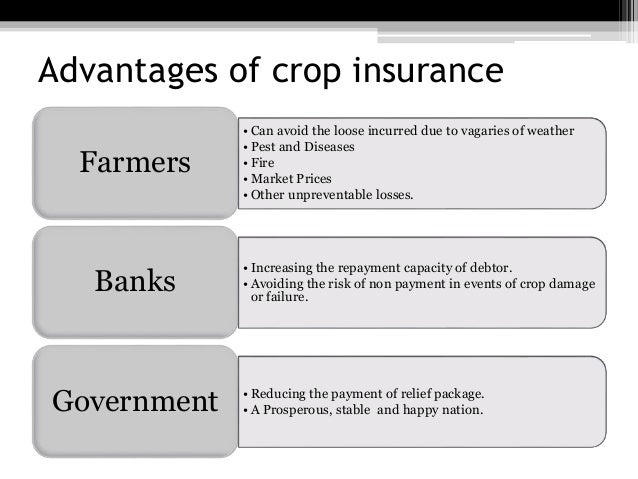
    • Refers to insurance services brought by farmers against loss or damage to growing crops.
    • Damages can be due to natural disasters such as drought, hail, floods, or either due to decline in prices of the agriculture commodity.

    History of Crop Insurance in India

    • As far back as 1915 in the pre-independence era,  J.S. Chakravarthi had proposed a rain insurance scheme for the farmers with view to insuring them against drought. His scheme was based on, what is referred to today as the ‘Area Approach’.
    • Apart from this, certain princely states like Madras, Dewas, and Baroda, also made attempts to introduce crop insurance relief in various forms, but with little success.
    • After independence, the first crop insurance program was introduced in 1972-73 by LIC on Cotton in Gujarat.
    • Later in 1972, the newly set up General Insurance Corporation (GIC) took over the experimental scheme and subsequently widened the coverage of crops as well as area of implementation. This experimental scheme was based on ‘Individual Approach’.
    • It was realized that crop insurance programmes based on the individual farm approach would not be viable in India.
    • Professor V. M. Dandekar (Father of Crop Insurance in India) suggested an alternate ‘Homogeneous Area Approach’. Based on this approach, the General Insurance Corporation of India (GIC) introduced a Pilot Crop Insurance Scheme from 1979.
    • Based on the learning from Pilot Crop Insurance Scheme, the Comprehensive Crop Insurance Scheme was introduced in 1985 by the Government of India. The CCIS was implemented on Homogeneous Area Approach. All crop loans given for notified crops in notified areas were compulsorily covered under the CCIS.
    • The CCIS was eventually discontinued after Kharif 1999, to be replaced by the improved and expanded National Agriculture Insurance Scheme (NAIS).
    • Later “National Crop Insurance Programme” was launched in 2013 by merging three schemes viz. Modified National Agricultural insurance Scheme (MNAIS), Weather Based Crop insurance Scheme (WBCIS) and Coconut Palm Insurance Scheme (CPIS).
    • Since 2016, Pradhan Mantri Fasal Bima Yojana is being implemented by replacing MNAIS and CPIS.
    • But WBCIS is still working along with PMFBY.

    Crop Insurance Schemes

    Why it is difficult to design

    1. The risk of crop loss has a significant systemic component; and
    2. Ex ante risk assessment and ex post loss assessment for individual farmers are costly.

    Crop insurance is mandatory for

    1. farmers who have taken short-term crop loan (loanee farmers).

    But Crop Insurance is voluntary for

    1. all other farmers (non-loanee farmers).

    The premium of crop insurance is

    1. Is deducted from the loan amount for loanee farmers, and claim, if any, is adjusted against the loan amount.
    2. The non-loanee farmers, pay premium from their pocket, and receive the claim amount if crop loss is recognised.

    Coverage of crop insurance (according to Govt):

    1. around 26% farmers have been covered in 2017 so far.

    Reasons behind the low demand for crop insurance in India


    • In India, demand for crop insurance is highly price-sensitive.


    1. Even a small change in premium rates leads to wide shifts in demand.
    2. PMFBY, with its attractive premium, is expected to be a hit.


    • Poor awareness.


    1. An overwhelming majority (60% farmers) lack awareness about crop insurance schemes (NSSO)


    • Delay in settlement of claims.


    1. Lengthy and complex system of claim settlement discourages farmers from insuring their crops.


    • Mandatory only for loanee farmers


    1. Thus, PSBs do not have any incentive to sell it to non-loanee farmers.


    Livestock Insurance

    The Livestock Insurance Scheme:

    1. Is centrally sponsored scheme
    2. Implemented on a pilot basis during 2005-08 in 100 selected districts
    3. Presently being implemented in all districts of the country (since 2014) as a sub-mission under the National Livestock Mission

    Under the scheme


    • The animals


    1. Indigenous / crossbred milch animals
    2. Pack animals (Horses, Donkey, Mules, Camels, Ponies and Cattle/Buffalo Male)
    3. and Other Livestock (Goat, Sheep, Pigs, Rabbit, Yak and Mithun etc.)


    • The insurance:


    1. Done at their current market price
    2. Premium subsidy of 50% is borne entirely by centre


    • Twin objectives are to:


    1. Protect incomes
    2. Popularize livestock insurance (ultimate aim – qualitative improvement in livestock and their products)

    CAG report on Agriculture insurance in India

    • CAG audit report of centre’s crop insurance schemes has highlighted gaps in their implementation.
    • Two schemes that were audited: From Kharif 2011 to Rabi 2015-16
    1. Modified National Agriculture Insurance Scheme ( MNAIS )
    2. National Crop Insurance Programme ( NCIP )
    • The present Pradhan Mantri Fasal Bima Yojana has not been scrutinised by the CAG.
    • It came in Kharif 2016.

    Problems highlighted by CAG in Agri-insurance in India

    • Delayed payments by state government.
    • Agriculture Insurance Company Of India Ltd. ( AIC ) failed to follow due to protocols in verification of claims by private insurance companies before releasing funds to them.
    • Difficulty in cross checking
    • Missing records of beneficiaries
    • The low inclusion of Small and Marginal farmers
    • Low coverage of non-loanee farmers.
    • Lack of Awareness

    Pradhan Mantri Fasal Bima Yojana (PMFBY)

    • Started in the Kharif season of 2016
    • To reduce the burden of crop insurance on farmers.
    • In line with ‘One Nation – One Scheme’ theme.
    • Replaced the National Agricultural Insurance Scheme (NAIS) and Modified National Agricultural Insurance Scheme (MNAIS).
    • The Weather-Based Crop Insurance Scheme (WBCIS) remains in place, though its premium rates have been made the same as in PMFBY.
    • State governments to decide whether they want PMFBY, WBCIS or both in their states.
    • It incorporates the best features of all previous schemes and at the same time, all previous shortcomings/weaknesses have been addressed.

    How is PMFBY different


    • Lowest premium for farmers


        1. in the history of Independent India
        2. kept at  a maximum of 1.5% for Rabi, 2% for Kharif and 5% for annual horticultural/commercial crops


    • Uncapped premium would ensure farmers get a higher claim


        1. ≥25% of the claim is settled directly through farmers’ bank account
        2. previous schemes had higher + capped premium


    • The scheme is open to all farmers irrespective of whether they are loanees or not


        1. previously, loanee farmers were mandated to take crop insurance


    • Covers localised losses due to floods


        1. Only hailstorm and landslide were covered in previous schemes.


    • Post-harvest loss


        1. Previous schemes covered only coastal areas for cyclones.
        2. PMFBY covers all-India for both cyclonic and unseasonal rains.


    • Use of modern tech for quicker assessment and claim settlement


        1. PMFBY makes it mandatory – remote sensing, smartphones etc
        2. Previous schemes only relied on Crop Cutting Experiment (CCE) data instead
        3. Collecting this data and processing of claims delayed settlement


    • Awareness generation (AG)


      1. Previous schemes did not focus on AG; therefore insurance adoption remained low
      2. PMFBY targets at least 50% coverage through greater AG

    Successes of PMFBY


    • In the very first Kharif season (2016)


      1. The area under coverage increased by 38% (vs. 2015)
      2. The number of farmers covered increased by 47% (vs. 2015)
      3. Sum insured (per ha) increased by 51% (vs. 2015)
      4. The number of non-loanee farmers opting for PMFBY increased by 23%, driven primarily by Maharashtra.
      5. Increase in risk coverage against non-preventable natural risks from pre-sowing to post-harvest losses

    Challenges / Loopholes


    • Settling claims


        1. Slow submitting yield data by states to the insurance companies.
        2. The lackadaisical attitude of state agencies causes painful delays.
        3. Farmers still to get over Rs 5,600 crore worth of estimated claims from the 2016 kharif season


    • Assessing crop losses


    1. Modern tech not used to the fullest, despite being mandatory causing huge delays in assessment and reporting
    2. The states are also slow in conducting village-level crop-cutting experiments
    • No direct connection with the farmers
      1. Everything from damage assessment to claim settlement by govt and insurance companies.
      2. Therefore farmers have no role.
      3. The premiums are collected and passed on by the banks that extend loans to the farmers.
      4. “More as loan insurance than as crop insurance”.

    Conclusion on PMFBY

    • PMFBY has made appreciable progress in terms of coverage
    • But it has failed in timely settlement of claims
    • If the PMFBY has to succeed farmers must have a bigger stake in its functioning
    • Use modern tech in crop assessment and reporting
    • Modern tech is crucial for timely claim settlement
    • Link the insurance database with Core Banking Solution (CBS) so as to keep farmers apprised of premium deductions and claim receipt
    • Centre should take over the entire premium subsidy burden.
    • Ensure social audit
    • Cross check by various authorities and stakeholders
  • [Burning Issues] Neglected Tropical Diseases


    Image result for Neglected Tropical Diseases


    Related image


    • They are a diverse group of communicable diseases that prevail in tropical and subtropical conditions in 149 countries and affect more than one billion people.
    • Populations living in poverty, without adequate sanitation and in close contact with infectious vectors and domestic animals and livestock are those worst affected.
    • India leads the world in terms of the total number of cases for each of the major NTDs, excluding those that are spatially bound by their requirement for unique insect vectors or snail hosts.

    Why NTDs need attention

    • These 17 chronic parasitic, bacterial and viral infections have affected 1.6 billion people across 149 countries.
    • These remain underreported because the victims are the poorest and the most marginalized with no accessibility of  treatment
    • They cause severe illness like disability, disfigurement and cognitive impairment
    • They aggravate poverty by hurting pregnancy outcomes, slowing child development and lowering productivity.

    How India shares the burden of Neglected Tropical Disease (As per GBD Study, 2016)

    Neglected Tropical Disease Cases in India (as a % of world cases)
    Ascariasis 28%
    Hookworm disease 23%
    Trichuriasis(WhipWorm) 16%
    Dengue 53%
    Trachoma 53%
    Cysticercosis(Tapeworm Infection) 31%
    Leprosy (WHO data) 51%
    Cystic Echinococcosis 12%
    Kala-Azar 45%
    Rabies 33%
    Filariasis 29%

    India’s Performance

    • As per WHO (2017), India has achieved the target for eliminating kala-azar in 82 % sub-districts.
    • As per Ministry of Health & Family Welfare, India is now free from ‘Infective Trachoma’.
    • India became the first member state of WHO, to eliminate chronic disease yaws in 2015.
    • Mass treatment
      • 75% of cases deworming cases received treatment in 2015.
      • 40 Cr filariasis cases received treatment.

    Initiatives by Government to curb Neglected Tropical Diseases

    National Rabies Control Programme : This programme is being restructured as Integrated National Rabies Control Programme under ‘One Health Approach’,with a aim to provide vaccination to stray dogs and free vaccines through Government hospitals

    • National Vector Borne Disease Control Programme (NVBDCP): It is a comprehensive programme for prevention and control of vector borne diseases namely Malaria, Filaria, Kala-azar, Japanese Encephalitis (JE), Dengue and Chikungunya.
    • National Leprosy Eradication Programme: Programme was launched with a goal of elimination of leprosy as public health problem by 2005.

    Global Initiatives

    CEPI – Coalition for Epidemic Preparedness and Innovations

    • It is a global alliance between governments, industry, academia, philanthropy, intergovernmental institutions, such as the World Health Organization, and civil society.
    • An alliance to finance and coordinate the development of new vaccines to prevent and contain infectious disease epidemics
    • It was officially launched in January 2017 at World Economic Forum(WEF) at Davos.
    • The Headquarters will be located in Oslo, Norway.
    • India has joined CEPI to lead the fight against epidemics.
    • CEPI’s plan includes preparations for possible outbreaks of Marburg fever, Lassa fever, Middle East Respiratory Syndrome(MERS), Severe Acute Respiratory Syndrome(SARS), Nipah virus, Rift Valley fever, Chikungunya etc.

    Way forward

    • Think globally, act locally. Study and adopt global ‘best-practices’ after customising them to local needs.
    • Apply integrated approach. Instead of targeting various diseases individually, follow a holistic strategy.
    • Ensure efficient and effective collaboration across various govt departments.
    • Partner with Civil Society Organisations (especially with WASH – Water, Sanitation and Hygiene – sector) for ground-level implementation and monitoring.
  • [Burning Issues] Government Litigation

    Image result for Government Litigation

    Why in News?

    Prime Minister Narendra Modi had flagged his concern over the fact that government departments work in silos and two departments of the same government confront each other in court to settle disputes.

    Present status of litigation in India

    Overall

    • 3.2 cr cases were pending in the Indian judicial system (SC + HCs + Subordinate Courts)

    Supreme Court

    • Over 30% of cases in the Supreme Court are more than five-year-old.
    • Those waiting for disposal for more than 10 years constituted 1,550 cases (2% of cases).

    High Court

    • A total of 38 lakh cases are pending in 23 high courts. Out of these almost 22%, were 5 to 10 years old. 19% were more than 10 years old. Combined together, 40 per cent pending cases in the high courts have been waiting disposal for at least 5 years now.

    Subordinate Courts

    • 2.6 Crore cases pending in subordinate courts across country. This figure does not include cases pending in Arunachal Pradesh, Nagaland, Puducherry and Lakshadweep. Despite all the measures adopted, the backlog has shown no sign of decline.

    Government Litigation

    • Government is regarded to be the biggest contributor to litigation in India. Approx 46% of the total pending cases in courts pertains to the government. This includes cases relating to Public Sector Undertakings and other autonomous bodies.
    • Government litigation includes service matters, disputes with private entities as well as inter-se disputes between two government departments and disputes between two PSUs
    • The top 5 central ministries that filed cases were railways, finance, communications, home and defence.

    Concerns over Government Litigation

    Popular Misconception

    • A misconception regarding government litigation is that the government itself is a source of all cases involving the government. This is why existing policies attempt to address the issue of “government being a compulsive litigant” and do not consider cases where the government is a respondent. Only 7% of fresh cases filed before the court in 2014 were filed by the Central government.
    • Nearly 80% of the cases against the govt are filed against a combination of the State Government; parastatal agencies such as the State Road Transport Corporation, universities, etc.; and local bodies. Most of these petitions filed against the State government are in relation to service, land revenue, land acquisition and education. Those against parastatal agencies are in relation to service and labour-related matters, while those against local bodies are service, land acquisition and tax-related.
    • This necessitates a multi-pronged approach to tackle the issue (as per VIDHI Centre of Legal Policy).

    Public and Private Costs

      • Government litigation proves costly to the public exchequer.
    • 126th Law Commission Report highlighted that besides litigation cost the state bears the additional expenses of setting up courts and related manpower. This prevents the executive from performing its primary role of governance.
    • Economic Survey 2017-18  also pointed out that cost of various PPP projects increase due to litigation pending in court.

    Power Imbalance

    • Government litigation is an encounter of unequals where an ill-equipped individual person or entity fights against a massive government machinery
    • Also, 110th Report of Law Commision of India states that procedural law benefits government as compared to litigant which further delays dispensation of justice.

    Absence of Monitoring Body

    • 126th Law Commision Report highlights how the absence of monitoring body allows govt departments to initiate and pursue litigation against each other. This further overburdens the exchequer.

    No Uniform Administrative Control

    • Both 100th and 126th Law Commision Reports recommended setting up of a ‘Litigation Ombudsman’ in every state and to create a ‘Grievance Redressal System’ within departments, specifically to manage disputes between the government and its employees.
    • National Litigation Policy 2010 proposed to set up a national and regional level monitoring system to minimize litigation. Also to monitor the case burden in each department, ‘Nodal Officer’ was designated to “actively” monitor litigation and track court cases. But no efforts have been made till date in this regard.

    National Litigation Policy (NLP), 2010

    • In 2010, the government introduced the NLP with a mission to transform government into an ‘Efficient and Responsible litigant’, so as to achieve the goal of reducing the  average pendency time from 15 years to 3 years.
    • The policy attempts to provide a framework to handle various aspects of government litigation, such as government representation, litigation practices such as seeking adjournments, filing pleadings and appeals, exploring alternative dispute resolution mechanisms etc.
    • The 2015 review was supposed to remove the weaknesses of the NLP 2010 by including fines for govt officers engaging in frivolous litigation.
    • But till date, nothing concrete has been achieved i.e the NLP remains unimplemented.

    Way Forward

    Economic Survey 2018

    • Expanding judicial capacity in the lower courts and reducing the existing burden on high court and Supreme Court.
    • Need to downsize original and commercial jurisdiction of High courts and enabling the lower judiciary to deal with such cases. Reducing the size of original side jurisdiction has allowed the court to reduce its overall pendency.
    • Courts need to revisit the size and scale of their discretionary jurisdictions and have to avoid resorting them unless it is deemed necessary.
    • Courts need to consider prioritizing stayed cases and should impose strict timelines within which cases can disposed off with temporary injunctions, especially when they involve government infrastructure projects.
    • To free up the judicial time, initiatives like Crown Court Management Services of the UK that are dedicated to the management and handling of administrative duties may be considered.
    • Need to create more subject matter and stage specific benches that will allow the courts to build internal specializations and efficiencies in combating pendency and delay.

    LIMBS (Legal Information Management and Briefing System), a web based application created by the Department of Legal Affairs under the Ministry of Law and Justice, is an initiative to make the legal data available at one single point and streamline the procedure of litigation matters. This initiative should be strengthened.

    Benefits of LIMBS in the long run

    • It will help the government in achieving its objectives of “Minimum government, maximum governance”, “Digital India”, “Ease of doing business” and enhance the Transaction Capacity Governance of the government with an efficient legal framework for speedy resolution of disputes.
    • It provides a low cost web technology access to all the stakeholders involved in a court case in a coordinated way whereby it provides inputs which are available seamlessly on 24×7 basis as per the defined access rules.
    • It helps  in organizing scattered Information at one single database and also create a professional base available for expert advice
    • It reduces the huge expenditures involved in resolving the cases, saves time and makes the working of different departments under a ministry

    Recommendations by Law Ministry’s Department of Justice

    • Appointment of a nodal officer in every department at the Joint Secretary Level to coordinate effective resolution of the disputes.
    • Nodal Officer to regularly monitor the status of the cases
    • Promotion of alternative dispute resolution mechanisms- encourage mediation as the preferred form of dispute resolution in service related matters ,Appropriate guidelines in this regard may be drafted by the Government
    • Avoid unnecessary filing of appeals- Appeals should not be filed in routine matters-only in cases where there is a substantial policy matter.
    • An Intuitional ADR mechanism could be considered for resolution of cases between the government and private bodies.
    • All agreements to mandatorily include a reference to either arbitration or mediation.
    • Vexatious litigation should be immediately withdrawn

    Civil Society (VIDHI Centre for Legal Policy) Suggestion – A multi-pronged approach

      • A multi-pronged approach needs to be adopted to tackle the issue of “government litigation”, depending on the kind of litigation.
      • For example, to reduce writ petitions filed under service and labour classifications, the state must put in place robust internal dispute resolution mechanisms within each department which inspire confidence in its workers as a means of addressing their grievances against the management.
    • On the other hand, in land acquisition matters, the state must either ensure that quasi-judicial authorities are judicially trained or create a separate class of judicial officers to discharge quasi-judicial functions.
  • [Burning Issues] Citizenship Amendment Bill (CAB) 2016

    Image result for Citizenship Amendment Bill

    Introduction

    Citizenship is at the heart of modern nation-state. Citizenship entails rightful claims on the state/govt and that is why it is often fiercely contested.

    Who is a citizen in India’s constitutional scheme? What are various principles/kinds of citizenship?

    1. Citizenship defines the relationship of an individual with a political community, and signifies the individual’s full and equal membership of that community. A citizen is defined in opposition to an ‘alien’; the exclusion of aliens is central to the concept of modern citizenship.
    2. The Constitution gives some fundamental rights to non-citizens — the right to equality before the law (Article 14); protection of life and personal liberty (Article 21); freedom to manage religious affairs (Article 25), for example.
    3. However, some other fundamental rights, such as prohibition of discrimination on grounds of religion, race, caste, sex or place of birth (Article 15); equality of opportunity in matters of public employment (Article 16); and the six basic freedoms of speech and expression, peaceful assembly, forming associations or unions, movement, residence, and profession (subject to reasonable restrictions, Article 19), are available only to citizens.
    4. Also, only a citizen has the right to vote in elections to Lok Sabha and state Assemblies (Article 326), become a member of these Houses (Articles 84, 191d), and assume certain high offices such as those of President, Vice-President, Governor, and a judge of the higher judiciary.
    5. Under the principle of jus soli (right of the soil), citizenship belongs to everyone born in the territory of a state. Jus sanguinis (right of blood), on the other hand, gives prominence to ties of blood in the grant of citizenship. The “momentum” concept of citizenship underlines individualism, universality and equality, and obliterates identities of ethnicity, religion and caste. “Differentiated citizenship”, however, recognises and accommodates group identities typical of multicultural societies that may at times require differential treatment.

    How did Partition and the large-scale migration from territories that became part of Pakistan impact citizenship?

    1. Articles 5-11 of the Constitution describe the various categories of persons who are entitled to citizenship. These were enforced on November 26, 1949, ahead of the commencement of the Constitution on January 26, 1950.
    2. Article 11 empowers Parliament to regulate citizenship by law; the Citizenship Act was, therefore, passed in 1955. It has since been amended in 1986, 2003, 2005, and 2015.
    3. Article 5 provided for citizenship on the commencement of the Constitution: all those domiciled and born in India, either of whose parents was born in India, or anyone who had been ordinarily resident in India for at least five years preceding the commencement of the Constitution.
    4. Under Article 6, anyone who migrated to India before July 19, 1948, from territory that had become part Pakistan, automatically became a citizen if either of their parents or grandparents was born in India.
    5. But those who entered India after this date needed to register themselves. Those who had migrated to Pakistan after March 1, 1947, but had subsequently returned on resettlement permits, too, were included within the citizenship net (Article7).
    6. Under Article 8, a person of Indian origin residing outside India who, or any of whose parents or grandparents, was born in India can register as an Indian citizen with the relevant Indian diplomatic mission.

    How did the situation in Assam impact the nature of citizenship?

    1. The Citizenship (Amendment) Bill, 2016, seeks to amend the 1955 Act to permit members of six communities — Hindu, Sikh, Buddhist, Jain, Parsi and Christian — from Pakistan, Bangladesh and Afghanistan eligible for citizenship if they had entered the country before December 14, 2014.
    2. Under the original Act, an applicant seeking citizenship by naturalization must have resided in India during the last 12 months, and for 11 of the previous 14 years.
    3. The proposed Bill relaxes the 11-year requirement to six years for applicants belonging to these six religious communities and three countries.

    The protests in Assam

    1. Many organisations in Assam are up in arms against the proposed Bill, which they fear may trigger demographic change in Assam as illegal Bangladeshi Hindu migrants are granted citizenship.
    2. Several BJP allies are against the amendment; in Meghalaya, where the BJP is part of the government, the state cabinet took a decision to oppose the Bill.
    3. Enthusiasm for the Bill is largely restricted to the Bangla-speaking people in the Barak Valley.

    The Citizenship Amendment Bill 2016 raises several issues:

    First, It makes illegal migrants eligible for citizenship based on their religion. It clearly violates Article 14 and 15 (1) of the Constitution.

    • Proponents of the bill argue that even though it does not explicitly state it, the bill grants citizenship based on a reasonable classification. On this view, these minorities are likely to be persecuted in the three states in question; it is unlikely that any other state would grant them citizenship; and therefore, a special dispensation for them is justifiable.
    • The claim that India has special obligations only to persecuted minorities of particular religions is debatable. But even if we grant for a moment that the historical circumstances of these persecuted minorities are different, the form of the bill matters.
    • Instead of simply saying that members belonging to particular religions will be eligible for differential treatment, the bill should have laid down some general secular criteria (persecution history, history of migration etc) which could, in principle, at least, be applied to all groups.
    • But the direct exclusion of Muslims from being eligible for this pathway under any circumstances makes the constitutional form and citizenship communal.

    Second, the bill clearly violates the Assam Accord.

    • Whatever one may think of it, the issue of the credibility of an accord signed by the Union of India is not entirely a trivial one. And it may have ramifications for future negotiations.

    Third, the bill has potentially interesting implications for asymmetric federalism.

    • One of the proposals under consideration is to exempt Assam from the purview of the bill while making it applicable to the rest of India.
    • There is not much opposition to this bill in other states.
    • The political consequences of this bill are not nearly as severe as in Assam.

    Conclusion

    1. In its present from the CAB 2016 suffers from various constitutional improprieties and is highly unlikely to stand judicial scrutiny.
    2. In an incredibly diverse country like India, it is paramount that constitutionalism reigns supreme.
  • [Burning Issues] Manual Scavenging

    Related image

    Meaning of manual scavenging (MS)

    • Is a caste-based occupation involving the removal of untreated human excreta from insanitary (or ‘dry’) latrines
    • It has been officially abolished by law in India as a dehumanizing practice – the Manual Scavengers and their Rehabilitation Act (MSRA, 2013) has replaced the 1993 Act.
    • There are three types of MS
      1. Manual Scavengers
      2. Sewerage workers/septic tank cleaners
      3. Sweepers

    Caste Census 2011 Figures / Appraisal of govt efforts

    1. >1.6 lakh households had at least 1 member working as a MS. This puts the number of manual scavengers in India at ≅1.7 lakh (mostly women).
    2. ≅12k manual scavengers were identified across India in 2016 – 82% of these are in UP (Ministry of Social Justice figures, 2016)
    3. There exist 2.6 Mn insanitary latrines. 72% of these are in Andhra, Assam, J&K, Maha, TN, UP and WB

    Problems with the profession / Why it should be banned

    • Undignified life (all the 6 Fundamental Rights are compromised, directly or indirectly)
    • It perpetuates casteism
    • Modern, secular india has no place for such “professions”
    • Doesn’t suit India’s rising global profile – ‘super power’ aspirations
    • Women empowerment (most manual scavengers are dalit women)

    MSRA 2013

    Prohibits

    • the employment of manual scavengers,
    • the manual cleaning of sewers and septic tanks without protective equipment, and
    • the construction of insanitary latrines

    Fixes responsibility on each local authority, cantonment board and railway authority to

    • survey insanitary latrines (i.e latrines without water) within its jurisdiction and
    • construct sanitary community latrines (demolition cost to be borne by the owner of such latrine)

    Offenses under the act are non-bailable

    • punishable with fines and jail

    Seeks to rehabilitate manual scavengers, and

    • provide for their alternative employment

    Anti-MS Efforts

    By the centre (govt of India)

    • Legal measures
      • budgetary support for the implementation of MSRA, 2013
    • Policy support
      • Scholarship schemes for children of those engaged in MS
      • Swachh Bharat Abhiyan

    By the states

    • MSRA, 2013
      • primary responsibility for its implementation
    • UP govt
      • ‘Daliya Jalao’ initiative freed almost 10% MS (of the state’s total MS burden) within a year (spillover effects in terms of control over polio and diarrhoea)

    Institutional action

    • NHRC reprimanding states
    • National Cmsn for Safai Karamcharis (NCSK) – welfare functions

    Why manual scavenging persists

    Govt apathy

    1. poor implementation of the MSRA, 2013
    • 2.6 Mn insanitary latrines still exist (NGO Safai Karamchari Andolan, Census 2011 data)
    • 72% of these are in Andhra, Assam, J&K, Maha, TN, UP and WB
    • 1.3 million Dalits (mostly women) make living as manual scavengers (NGO data)

    99% reduction (2014 vs. 2017) in budgetary allocations by the centre

    • This is despite goi’s commitment towards sanitation and a dedicated cess

    Indian Railways

    1. continues to be the largest employer of MS (no data available about the no. of MS employed)
    2. typically employs MS through ‘contractors’

    Societal prejudice

    1. popular insensitivity towards the issue
    2. the notion of caste and pollution
    3. stigmatisation of the dalits

    Way Forward

    • Civil Society
      1. more intense activism is needed
    • Judiciary
      1. judicial activism should be resorted to
      2. if the SC can ban liquor stores on highways, why is MS being ignored?
    • Vigilant Media
      1. can pressurize govt into action by animating the issue of MS
    • Govt
      1. strict implementation of MSRA, 2013
  • Burning Issues- United Nations Peacekeeping

    Image result for united nations peacekeeping

    What is peacekeeping

    • It’s an effective tool available to United Nations to assist the countries torn by conflict to navigate the path towards peace.
    • Peacemaking has unique strengths like legitimacy, burden sharing, ability to deploy and sustain troops and police from around the globe, integrating them with civilian peacekeepers to advance multidimensional mandates.
    • It provides security, political and peace building support to countries to make a transition from conflict to peace
    • Currently there are 15 peacekeeping operations deployed on four continents
    • The peacekeeping operations also facilitate the host countries in political process, protect civilians, assist in the disarmament, demobilization and reintegration of former combatants; support the organization of elections, protect and promote human rights and assist in restoring the rule of law

    Structure

    Department of Peacekeeping Operations (DPKO)

    • It provides political and executive direction to UN Peacekeeping operations around the world and maintains contact with the Security Council, troop and financial contributors, and parties to the conflict in the implementation of Security Council mandates.
    • It also provides guidance and support on military, police, mine action and other relevant issues to other UN political and peacebuilding missions.

       Four main offices of DPKO

    1. Office of Operations– It provides political and strategic policy and operational guidance and support to the missions. More on our peacekeeping operations
    2. Office of Rule of Law and Security Institutions– It was established in 2007 to strengthen the links and coordinate the Department’s activities in the areas of police, justice and corrections, mine action and weapons/ammunition management, the disarmament, demobilization and reintegration of ex-combatants and security sector reform
    3. Office of Military Affairs– It works to deploy the most appropriate military capability in support of United Nations objectives; and to enhance performance and improve the efficiency and the effectiveness of military components in United Nations Peacekeeping missions.
    4. Policy, Evaluation and Training Division– The division is mandated to develop and disseminate the policy and doctrine guiding the work of Peacekeeping. In addition, the division has the responsibility to evaluate, at the request of the heads of the departments, how those policies are being applied, gather lessons learned and best practices, and use that information to guide the development, coordination and delivery of standardized training, so as to complete the learning cycle. Department of Policy Evaluation and Training is also responsible for developing and maintaining strategic cooperation with various UN and external partners.
    5.  Department of Field Support-(DFS)
    • The Department of Field Support (DFS) provides dedicated support to international peace operations, including to UN peacekeeping, special political and other field missions.
    • DFS works with UN and non-UN partners to plan mobilize and sustain operations in the world’s most complex environments.
    • The Department’s services range from budget, finance, human resources and technology to supply chain, facility and asset management.

    The Department has four divisions:

    • Field Personnel Division
    • Field Budget and Finance Division
    • Logistics Support Division
    • Information & Communications Technology Division

    What is the job profile of UN peacekeeping missions

    • To create conditions of lasting peace with a viable political process by supporting and not substituting the national efforts
    • Peacekeepers protect civilians, actively prevent conflict, reduce violence, strengthen security and empower national authorities to assume these responsibilities. This requires a coherent security and peacebuilding strategy that supports the political strategy. UN peacekeeping helps host countries to become more resilient to conflict, laying the groundwork to sustain long-term peace, including by addressing root causes of conflict.

    The main duties of the peacekeepers are:

    • Protect civilians
    • Prevent conflicts
    • Strengthen Rule of Law
    • Promote human rights
    • Empower women
    • Deliver field support

    How is UN peacekeeping funded

    • The financing of UN Peacekeeping operations is the collective responsibility of all UN Member States.
    • In accordance with the provisions of Article 17 of the Charter of the United Nations, every Member State is legally obligated to pay their respective share towards peacekeeping.
    • The complex formula established by member states, to apportion peacekeeping expenses, takes into account, among other things, the relative economic wealth of Member States, with the five permanent members of the Security Council required to pay a larger share because of their special responsibility for the maintenance of international peace and security.

    The top 10 providers of assessed contributions to United Nations Peacekeeping operations for 2017 are:

    • United States (28.5%)
    • China (10%)
    • Japan (9.5%)
    • Germany (6.5%)
    • France (6%)
    • United Kingdom (5.5%)
    • Russian Federation (4%)
    • Italy (3.75%)
    • Canada (3%)
    • Spain (2.5%)

    Principles of peacekeeping

    These three principles are interrelated and mutually reinforcing:

    Consent of the parties

    The operations are deployed with the consent of the main parties to the conflict. This requires a commitment by the parties to a political process. Their acceptance of a peacekeeping operation provides the UN with the necessary freedom of action, both political and physical, to carry out its mandated tasks

    Impartiality

    Impartiality is crucial to maintaining the consent and cooperation of the main parties, but should not be confused with neutrality or inactivity. United Nations peacekeepers should be impartial in their dealings with the parties to the conflict, but not neutral in the execution of their mandate.

     Just as a good referee is impartial, but will penalize infractions, so a peacekeeping operation should not condone actions by the parties that violate the undertakings of the peace process or the international norms and principles that a United Nations peacekeeping operation upholds

    Non-use of force except in self-defense and defense of the mandate

    UN peacekeeping operations are not an enforcement tool. However, they may use force at the tactical level, with the authorization of the Security Council, if acting in self-defence and defence of the mandate

    Basic details

    History of UN Peacekeeping

    • UN Peacekeeping was born at a time when Cold War rivalries frequently paralyzed the Security Council.
    • Peacekeeping was primarily limited to maintaining ceasefires and stabilizing situations on the ground, providing crucial support for political efforts to resolve conflict by peaceful means.
    • Those missions consisted of unarmed military observers and lightly armed troops with primarily monitoring, reporting and confidence-building roles.
    • The operations began in 1948 when the Security Council authorized the deployment of UN military observers to the Middle East to carry out the operation known as United Nations Truce Supervision Operation (UNTSO)

    Changing Nature of Peacekeeping Operations (POs)

    • In the beginning, the goals were primarily limited to maintaining ceasefires and stabilizing situations on the ground
    • The missions consisted of military observers and lightly armed troops with monitoring, reporting and confidence-building roles in support of ceasefires and limited peace agreements.
    • Troops and police came from a relatively small number of countries and they were almost exclusively men
    • Today, the UN Peacekeeping has adapted to meet the demands of different conflicts and a changing political landscape.
    • Today’s multidimensional peacekeeping operations are called upon not only to maintain peace and security but also to facilitate the political processes, protect civilians, disarm combatants, support elections, protect and promote human rights and restore the rule of law.
    • Women peacekeepers today play an increasingly prominent role and are crucial towards improving the performance of our missions. They serve as police officers, troops, pilots, military observers, and other uniformed and civilian posts, including in command positions

    Success of POs

    • The UN peacekeeping has been working for more than 60 years and have won the prestigious Nobel Peace Prize in 1988.
    • By providing basic security guarantees and responding to crises, the UN operations have supported political transitions and helped buttress fragile new state institutions. They have helped countries to close the chapter of conflict and open a path to normal development, even if major peacebuilding challenges remain.
    • Since 1948, the UN has helped end conflicts and foster reconciliation by conducting successful peacekeeping operations in dozens of countries, including Cambodia, El Salvador, Guatemala, Mozambique, Namibia and Tajikistan, Sierra Leone, Burundi, Côte d’Ivoire, Timor-Leste, Liberia, Haiti, and Kosovo

    Way Forward

    Four Essential Shifts are needed in POs

    • Politics must drive the design and implementation of peace operations because lasting peace is achieved not through military and technical engagements, but through political solutions.
    • The full spectrum of United Nations peace operations must be used more flexibly to respond to changing needs on the ground
    • A stronger, more inclusive peace and security partnership is needed for the future
    • The United Nations Secretariat must become more field-focused and United Nations peace operations must be more people-centred

    New approaches needed in POs

    • Conflict prevention and mediation must be brought back to the fore
    • Protection of civilians is a core obligation of the United Nations, but expectations and capability must converge
    • Clarity is needed on the use of force and in the role of United Nations peace operations and others in managing armed conflict
    • Political vigilance is needed to sustain peace

    Empowering the field and strengthening the foundations

    • Setting clear direction and forging common purpose
    • Improving the speed, capability and performance of uniformed personnel
    • Strengthening global and regional partnerships
    • Putting policy into practice
    • Engaging with host countries and local communities
    • Addressing abuse and enhancing accountability
    • Improving support systems to enable more responsive and accountable peace operations
    • Supporting innovation and important resourcing requirements
    • Improving Headquarters leadership, management and reform

     Uniting the  strengths

    • The United Nations must unite its strengths, which include politics, partnership and people, to meet the challenges ahead.
    • Political strategies must drive peace operations.
    • Partnerships will be essential to future success in the face of long – running and new crises.
    • People must be firmly put at the centre of the efforts of United Nations peace operations.

    Reforming UN Peacekeeping

    Efforts to reform the UN’s peace and security architecture began soon after the establishment of the world body and have continued ever since with varied results.

    • The early reforms were driven primarily by international developments, notably the  Cold War, as well as the rapid process of decolonization and the expanding membership of the UN.
    • Similarly, the early friendliness of the post-Cold War era, coupled with the surge in peace agreements, led to the creation of the department of peacekeeping operations (DPKO) and the publication of “An Agenda for Peace” in 1992.
    • Soon thereafter, following the disastrous failures in Mogadishu (1993), Rwanda (1994) and Srebrenica (1995), the Brahmi report on UN peace operations, published in 2000, sought comprehensive reforms of the DPKO.
    • The adoption of UN Security Council resolution 1325 on women, peace and security in 2000 and the establishment of the norm of the responsibility to protect (R2P), adopted in the 2005 World Summit outcome document.
    • More recently, the 2015 “High-Level Independent Panel On Peacekeeping Operations” (HIPPO) report sought to redress the growing expectations of UN peacekeeping with its growing inadequacies.

    About the 2018 reforms

    In March 2018, UN secretary general António Guterres submitted an ambitious blueprint for the consideration of the UN general assembly to restructure the organization’s peace and security pillar.

    Goals of the 2018 reforms

    • To prioritize prevention and sustaining peace
    • To enhance the effectiveness and coherence of peacekeeping operations and special political missions
    • To make the pillar coherent, nimble and effective
    • To align the peace and security pillar more closely with the development and human rights pillars to create greater coherence and cross-pillar coordination

    Challenges in implementing the 2018 reforms

    • There are three sets of actors involved in success or failure of peace and security reforms 1. Member states (who constitute the so-called “first UN”); 2. The Secretariat (which makes up the “second UN”); and 3. Civil society—both within states and on the international stage (who are recognized as the “third UN”). None of these sets of actors are monolithic. In fact, the differences are often most pronounced within the same set of actors. The differences within these groups have thwarted previous reforms
    • The second challenge is of raising financial resources to ensure the changes. Donald Trump’s “America First” policy, coupled with an aversion to multilateralism, indicates that Washington might yet cut its share of the UN budget.
    • Thirdly the political interests of some member states are served in maintaining the present structure. Such states might oppose the reforms
  • Burning Issues- Unprecedented Pre Monsoon Storms

    Image result for dust storm india causes

    UNPRECEDENTED PRE-MONSOON STORMS IN INDIA

    How can we say that the pre-monsoon season in 2018 has witnessed unprecedented storm activity?

    1. Since February this year India has experienced 44 storms all over the country (16 States)
    2. The wind speed, many times, exceeded 130 km per hour (when the threshold speed for storms is 90-100 km per hour).
    3. Even though storms are common for North and north western region of India occurring in the months of April to June, but they are generally accompanied with little or no rain. But this time it was heavy rain, hails and strong winds which increased the intensity and impact of the storm
    4. The severe impact of this storm on the lives, livelihood, livestock of the people has made it unprecedented

    What was the impact of this surge in storms?

    1. The storms caused massive damage to the property – around 5000 houses collapsed
    2. Massive loss of life – More than 400 deaths and over 700 injured
    3. The dust storm affected people’s livelihood besides killing their livestock and destroying their crops
    4. There is lack of basic infrastructure – water and electricity – as the electric poles are uprooted due to storms and people cannot use the water pumps in the absence of electricity

    Reasons behind the phenomena

    Unusually hot conditions

    • Temperatures of over 40 degree Celsius have been observed in northwest, central and east and north peninsular India. Maximum temperature was upto 8 degrees celsius above normal. This led to an intense heat wave.
    • Interaction of hot air near the surface with colder winds from the western disturbances gave rise to intense and widespread storms
    • For example, in Rajasthan, one of the worst affected states 46 degree Celsius temperatures were recorded and  a record-breaking 50 degree Celsius was recorded in neighboring Pakistan

    Western Disturbances (WD)

    • These are extra tropical or temperate cyclones originating in the Mediterranean region that brings sudden winter rain to the northwestern parts of the Indian subcontinent
    • While the western disturbances normally peak between December and February, a greater number of active WD have been observed in spring and summer months
    • Instead of the normal 2-3 active WD seen during the month of April and May, over the past month and a half at least 10 separate active WDs have been observed.
    • WDs carry high-velocity winds that agitate the atmosphere and aggravate storm conditions

    Cyclonic circulations

    • Swirling motion of the winds caused due to low-pressure area is called cyclonic circulations
    • In the build-up of the massive storms at the beginning of May, five separate cyclonic circulations were observed across the country

    Troughs

    • A trough is an extended area of low pressure.
    • This is where moisture laden winds from the Bay of Bengal met hot and dry air from central and western India. These winds also came in contact with the cold front that develops due to active WDs.
    • The confluence of these different winds culminated in intense and widespread storms across the Indo-Gangetic plain.
    • Similarly, a North-South trough was formed from Bihar to Northern Tamil Nadu along which stormy weather was observed in Telangana, Andhra Pradesh and some parts of Karnataka

    Easterly winds

    • Easterly winds from the Bay of Bengal carry moisture and is associated with pre-monsoon thunderstorms in the eastern coast. But this usually happens in the winter months. This year, the easterlies have continued well into May and have interacted with the WDs owing to the east-west trough. This fuelled intense activity over large parts in south india.

    Anomalies at sea surface

    • The anomalies in sea surface temperatures (i.e 1-2 degree warmer waters) over the Bay of Bengal and the Arabian sea have spurred greater moisture transfer than usual by the easterly and westerly winds (respectively) causing the spate of storms.

    Why are these storms climatologically atypical?

    1. While the timing of the storms was as expected, their extent and intensity surprised many a scientist (explained above)
    2. Unusually hot weather conditions ushering in heat waves across north, northwest and central India (explained above)
    3. An unexpected activity of Western disturbances (explained above)        
    4. The surprising behavior of Easterly winds (explained above)   
    5. The anomalies in the sea surface temperatures over Bay of Bengal (explained above)

    Why were the forecasts by IMD inaccurate?

    Outdated forecasting models

    • India uses the (obsolete) NowCast model.
    • Switch to the contemporary ‘Unified Model’ is hamstrung by lack of data.

    Inadequate Doppler radars

    • IMD has installed only 25 doppler radars so far across the country
    • These cover only 12.5% of India’s land area.

    Poor maintenance and upkeep of instruments.

    • Some of the Doppler radars were not functioning when the storms hit.

    The differences in the nature of the storms over the Indian region made the predictions difficult

    • Unlike the climatic-scale storms seen in the Middle-East, the recent storms in India had weaker vertical torque but strong horizontal torque.

    Way ahead for India

    • Many initiatives have been taken by countries who face similar challenges to control the effects of a dust storm. India needs to learn from their experiments.
    • Example- The great green wall that has been developed by China along the Mongolian drylands, this massive corridor of vegetation purportedly acts as a windbreak for intense sandstorms emanating from the north and reduces the transport of dust further south thereby limiting the possibility of desertification
    • Besides learning from the interventions of other countries the most important step for India is to develop its weather forecasting and monitoring infrastructure
  • Burning Issues- India’s shifting foreign policy stance

    Image result for India russia china usa

    Why in news

    1. The Shangri-La Dialogue speech (Singapore, Jun 2018) of PM Modi is being seen as a major foreign policy shift.
    2. Despite speaking at the same event, the words of India’s and US’s document were starkly different. This indicates that New Delhi and Washington are no longer on the same page.
    3. Warming up of India to Russia and China is another unmistakable sign of a shift.
    4. It seems the philosophy of Non-Alignment has been revived.

    Evidence of changed foreign policy

    Informal summits

    China

    1. ‘Doklam’ is an issue of the past.
    2. The BRI isn’t as much a concern as before.
    3. India’s non-confrontational attitude with respect to China’s presence in the Maldives and Nepal.

    Russia

    S-400 Deal is being negotiated.

    1. The frequency of meetings with China and Russia far outnumbers those with USA
    2. PM Modi will have met President Xi and President Putin four-five times each by the end of this year, if one counts informal and formal summits, as well as meetings at the SCO, BRICS and G-20
    3. In contrast, nearly half the year has gone in just scheduling the upcoming 2+2 meet of Indian and U.S. Ministers of Defence and Foreign Affairs.

    Shangrila Dialogue Speech

    1. India referred to the Indo-Pacific as a “natural geographical region”, not a strategic one, while the USA called the Indo-Pacific a “priority theatre” and a “subset of America’s broader security strategy” for its Indo-Pacific Command.
    2. While India referred to India’s good relations with the U.S., Russia and China in equal measure, US vowed to counter China’s moves in the Indo-Pacific, and referred to the U.S. National Defence Strategy released this January, which puts both China and Russia in its crosshairs as the world’s two “revisionist powers”.

    The Quad has also been given short shrift.

    1. India rejected an Australian request to join maritime exercises along with the U.S. and Japan this June, and said quite plainly last month that there was no plan to “militarise” the Quad.
    2. This is in contrast with India’s acceptance of military exercises with countries of the Shanghai Cooperation Organisation (SCO), the Russia-China led grouping.

    India has decided to continue energy deals with Iran and Venezuela in defiance of American sanctions.

    Trade protectionism is clearly the other big point of divergence between India and the U.S.

    1. Both countries have, in recent months, taken each other to the World Trade Organisation on several issues.
    2. There has been a surge in disputes between the two countries:
    • on the new American steel and aluminium tariffs,
    • the proposed cuts in H1B professional visas and cancellation of H4 spouse visas,
    • on India’s tariffs and resistance to U.S. exports of dairy and pork products, on Indian price reductions on medical devices, and
    • Reserve Bank of India rules on data localisation on Indian servers for U.S. companies.
    • The row over Harley-Davidson motorcycles has ended up denting the ties quite seriously.

    The biggest challenges to a common India-U.S. vision are now emerging from the new U.S. law called Countering America’s Adversaries Through Sanctions Act (CAATSA) and the U.S.’s withdrawal from the Iran nuclear deal with the threat of more secondary sanctions.

    1. Both actions have a direct impact on India, given its high dependence on defense hardware from Russia and its considerable energy interests in Iran.
    2. India’s plans to acquire the Russian S-400 missile system will become the litmus test of whether India and the U.S. can resolve their differences.

    Recent changes in Indian foreign policy – Shift towards intelligent non-alignment and cautious prudence.

    India, in the Shangrila-La speech:

    1. invoked the “Bandung spirit of 1955”.
    2. praised Singapore for teaching the world the importance of making “free and fair choices” and “embracing diversity at home”.
    3. stressed that “When nations stand on the side of principles, not behind one power or the other, they earn the respect of the world,”
    4. warned the world about the possible return of “great power rivalries”, and
    5. emphasised the importance and centrality of the ASEAN in the concept of the Indo-Pacific.

    The complexities of dealing with the two major powers have always led India to seek out support for other intermediate powers and coalitions across the world.

    1. The old G-77 was not an ideological construct. India was, in limited ways, mobilising a power source outside of the Great Powers. This strategy has its limitations; its effectiveness in confronting the hard power realities imposed by the Great Powers has always been in doubt. But India is still looking for that functional substitute: A coalition that stands a little apart from the Great Powers.
    2. The rediscovered fascination for the ASEAN, Africa, and the commitment to pursue these relationships shows a shift towards the old coalition building of the 1950s.

    Why India shifted its stance?

    1. India’s foremost objective has been the preservation of her ‘strategic autonomy’ with respect to foreign policymaking.
    2. Aligning excessively with any particular nation or group can be counterproductive to India’s long-term interests
    3. The US, in recent years, has displayed the tendency to betray its allies for short-term gains.

    Conclusion

    1. India seems to be striving for a more balanced approach in what it increasingly sees as an uncertain world.
    2. The “principled” vision India has embraced projects is a departure from the transactionalism and pragmatism espoused by her over the last few years.
  • Burning Issues- Lateral Entry into Civil Services

    Image result for Lateral Entry into Civil Services

    Why in News

    • Recently, the department of personnel and training (DoPT) has called for applications to fill 10 joint-secretary level posts in various departments.
    • Lateral Entry (LE) is applicable for both private sector professions and those from state governments, Union Territories, PSUs, Autonomous bodies and others.

    About ‘Joint Secretaries’

    As per the Department of Personnel and Training (DoPT):

      • A Joint Secretary is the head of the wing under the charge of Secretary of the Ministry/ Department and he/she reports to Additional Secretary/ Secretary.
      • Joint Secretaries are at a crucial level of senior management in the Government of India. They lead policymaking as well as the implementation of various programmes and schemes of the Department.

    Experiments with LE

    Through the 1960s, 1970s, and 80s, much before the age of specialisation and opening up of the economy, professionals from both the private sector and state-owned companies headed departments in several ministries.

    Outside advisers and consultants have been appointed at both Central and state level. But these have been at the highest levels like RBI, Niti Aayog, PSUs etc

    Given the requirements of technical expertise, lateral entry has traditionally been easier in the economic ministries and in the Departments of Space, Science and Technology, Biotechnology, Electronics, etc.

    Support for Civil Service Reforms

    • 1st ARC, 1965
    • Surinder Nath Committee, 2003
    • Hota Committee, 2004
    • 2nd ARC Report, 2005
    • In its 2002 report, the Civil Services Review Committee headed by Alagh, however, recommended lateral entry into other Departments as well, along the lines of countries like the US, where the administration has a mix of permanent civil servants and mid-career professionals.

    Challenges / Arguments against LE

    Bureaucratic resistance and institutional inertia of the civil services

    • They will not willingly cooperate with the new entrants – adversarial relations
    • They fear that their opportunities for career advancement and promotions will get hit.

    Cherry-picking jobs/profile

    • lateral entrants with the right ‘connections’ may join just to enjoy the perks and privileges by cherry-picking the post

    No service motive

    • the motive of lateral entrants might be to just enhance their CV

    Promote private interest

    • the lateral entrants may join permanently or temporarily to simply promote vested interests of their organization/field

    Political will

    • Civil service reforms will curtail the inordinate control that the politcal masters have at present.
    • To succeed, other reforms (besides lateral entry) are needed.

    Relevant experience

    • The present system of ‘frequent and arbitrary transfers’ hinder gaining of the relevant experience by incumbent officers. Thus, it is unfair to brand incumbents as ‘generalists’.
    • If given a fair chance, the incumbents too, can emulate private sector expertise.

    Need for LE

    Inefficient civil service

    • The modern political economy demands a sleek and agile civil service (CS) machinery
    • India’s present CS architecture dates back to the Nehruvian era when the state ruled the roost

    Given today’s era of withdrawal of the State, ‘outsiders’ can bring insights of possible impacts of govt policies on diverse stakeholders – the private sector, the non-government sector and the general public 

    • Best decisions can be taken based on this info

    Since career IAS have experience of only govt functioning

    • Their solutions/suggestions are less effective in other sectors – the pvt and the non-govt

    Erroneous decisions ⇒ litigation

    • Burdening the judiciary and blocking the administration

    Flaws in the current IAS recruitment process

    ‘Type I’ and ‘Type II’ errors

    • Type I error ⇒ recruiting incapable candidates
    • Type II error ⇒ rejecting potential candidates

    Lateral entry will give opportunity

    • for promising mid-level professionals to join the elite Service

    Bureaucratic inertia

    • LE will inject new ideas, new energy, new competition and new performance standards in the IAS
    • the ‘near-automatic career progression’ will be a thing of the past

    Generalists vs. specialists

    • contemporary developmental models mandate special skills for effective delivery of services

    Way Forward

    Recruitment process for LE

    • An institutionalised system of annual recruitment (43-46 yrs age group) should be there.
    • Paper qualifications should not be too prescriptive.
    • UPSC should handle the entire recruitment process.
    • Allocation of state cadres should be done.
    • Cutting-edge level exposure (village-level) for the first 5 yrs should be mandatory.

    ‘Regular entry’ IAS officers

    • Must be allowed to work in different sectors outside of the govt to understand the sectors’ needs
    • This will also help them compete on an equal footing with the lateral entrants

    Top-heavy bureaucracy

    • Can be avoided by weeding out about 25% of the poorest (regular-entry) performers
    • Transparent performance appraisal (of regular entrants) after 15 yrs of selection

    Comprehensive not incremental reforms

    • Are the need of the hour
    • Incremental reforms are doomed to fail

    Implement the long-pending recommendations (with respect to internal and external reforms)

    • That are gathering dust in govt archives

    Final Word

    Do not throw the baby away with the bathwater

    Young IAS (regular entry) are indispensable

    • As they bring in youthful spirit, raw enthusiasm, and unspoiled enterprise into administration

    yet, LE will bring the best of both youth and experience

    • And take the system closer to the goal of “minimum government, maximum governance”

    QUESTIONS

    • Critically analyze the recent govt proposal of Lateral Entry into the Civil Services.

    (Post your answers and doubts in the comments section and we will try to get mentors as well as toppers to check and resolve those respectively)