💥UPSC 2026, 2027, 2028 UAP Mentorship (March Batch) + Access XFactor Notes & Microthemes PDF

Search results for: “”

  • Govt to reconsider Minority Tag for Hindus in some states

    The Union government will initiate a wide consultation with states and other stakeholders to examine a plea as to whether Hindus can be granted minority status in states where their numbers are comparatively less.

    Why such move?

    • Hindus are merely 1% in Ladakh, 2.75% in Mizoram, 2.77% in Lakshadweep, 4% in Jammu & Kashmir, 8.74% in Nagaland, 11.52% in Meghalaya, 29% in Arunachal Pradesh, 38.49% in Punjab, and 41.29% in Manipur.

    Who are the Minorities?

    • Muslims, Sikhs, Christians, Buddhists, Jain and Zorastrians (Parsis) have been notified as minority communities under Section 2 (c) of the National Commission for Minorities Act, 1992.
    • As per the Census 2011, the percentage of minorities in the country is about 19.3% of the total population of the country.
    • The population of Muslims are 14.2%; Christians 2.3%; Sikhs 1.7%, Buddhists 0.7%, Jain 0.4% and Parsis 0.006%.
    • Minority Concentration Districts (MCD), Minority Concentration Blocks and Minority Concentration Towns, have been identified on the basis of both population data and backwardness parameters of Census 2001 of these areas.

    Who are linguistic minorities?

    • Linguistic Minorities are group or collectivities of individuals residing in the territory of India or any part thereof having a distinct language or script of their own.
    • The language of the minority group need not be one of the twenty-two languages mentioned in the Eighth Schedule of the Constitution.
    • In other words, linguistic minorities at the State level mean any group or groups of people whose mother tongues are different from the principal language of the State, and at the district and taluka/tehsil levels, different from the principal language of the district or taluka/tehsil concerned.
    • The linguistic minorities are therefore identified by the respective States/UTs.

    Defining Minorities

    • The Constitution recognizes Religious minorities in India and Linguistic minorities in India through Article 29 and Article 30.
    • But Minority is not defined in the Constitution.
    • Currently, the Linguistic minorities in India are identified on a state-wise basis thus determined by the state government whereas Religious minorities in India are determined by the Central Government.
    • The Parliament has the legislative powers and the Centre has the executive competence to notify a community as a minority under Section 2(c) of the National Commission for Minorities Act of 1992.

    Article 29: It provides that any section of the citizens residing in any part of India having a distinct language, script, or culture of its own, shall have the rights of minorities in India to conserve the same. Article 29 is applied to both minorities (religious minorities in India and Linguistic minorities in India) and also the majority. It also includes – rights of minorities in India to agitate for the protection of language.

    Article 30: All minorities shall have the rights of minorities in India to establish and administer educational institutions of their choice. Article 30 recognises only Religious minorities in India and Linguistic minorities in India (not the majority). It includes the rights of minorities in India to impart education to their children in their own language.

    Article 350-B: Originally, the Constitution of India did not make any provision with respect to the Special Officer for Linguistic minorities in India. However, the 7th Constitutional Amendment Act, 1956 inserted Article 350-B in the Constitution. It provides for a Special Officer for Linguistic Minorities appointed by the President of India. It would be the duty of the Special Officer to investigate all matters relating to the safeguards provided for linguistic minorities under the Constitution.

    Laws specifying minorities

    • There are two such laws:
    1. 1992 National Commission for Minorities (NCM) Act and
    2. 2004 National Commission for Minorities Educational Institutions (NCMEI) Act
    • Under the NCM Act, the central government has notified only six communities, namely Christians, Sikhs, Muslims, Buddhists, Parsis and Jains, as minorities as the national level.
    • The NCMEI Act entitles the six communities notified under the NCM Act to establish and administer educational institutions of their choice.


    UPSC 2023 countdown has begun! Get your personal guidance plan now! (Click here)

  • Plans underway on Creation of Integrated Battle Groups

    The Indian Army is in advanced stages of putting together Integrated Battle Groups (IBGs) by reconfiguring its combat formations.

    What are IBGs?

    • IBGs are brigade-sized, agile, self-sufficient combat formations, which can swiftly launch strikes against an adversary in case of hostilities.
    • Each IBG would be tailor-made based on Threat, Terrain and Task and resources will be allotted based on the three Ts.
    • They need to be light so they will be low on logistics and they will be able to mobilise within 12-48 hrs based on the location.
    • An IBG operating in a desert needs to be constituted differently from an IBG operating in the mountains.
    • The key corps of the Army is likely to be reorganized into 1-3 IBGs.

    Objective of IBG

    • Holistic integration to enhance the operational and functional efficiency, optimize budget expenditure, facilitate force modernization and address aspirations

    Structure of the IBG

    • While a command is the largest static formation of the Army spread across defined geography, a corps is the largest mobile formation.
    • Typically each corps has about three brigades.
    • The idea is to reorganise them into IBGs which are brigade-sized units but have all the essential elements like infantry, armoured, artillery and air defence embedded together based on the three Ts.
    • The IBGs will also be defensive and offensive. While the offensive IBGs would quickly mobilise and make a thrust into enemy territory for strikes, defensive IBGs would hold ground at vulnerable points or where enemy action is expected.

    Why need IBGs?

    • After the terrorist attack on the Parliament, the Indian military undertook massive mobilization but the Army’s formations which deep inside took weeks to mobilise losing the element of surprise.
    • Following this, the Army formulated a proactive doctrine known as ‘Cold Start’ to launch swift offensive but its existence was consistently denied in the past.
    • Its existence was acknowledged for the first time by (Late) Gen Rawat in January 2017.


    UPSC 2023 countdown has begun! Get your personal guidance plan now! (Click here)

  • Highlights of State of the World’s Birds Report

    The State of the World’s Birds, an annual review of environmental resources has revealed that the population of 48% of the 10,994 surviving species of birds is declining.

    State of the World’s Birds

    • The report is published by the Manchester Metropolitan University.
    • It gives an overview of the changes in the knowledge of avian biodiversity and the extent to which it is imperilled.
    • The study draws from BirdLife International’s latest assessment of all birds for the International Union for Conservation of Nature’s Red List.

    What are the key findings of the study?

    • The study found that 5,245 or about 48% of the existing bird species worldwide are known or suspected to be undergoing population declines.
    • While 4,295 or 39% of the species have stable trends, about 7% or 778 species have increasing population trends.
    • It shows 1,481 or 13.5% species are currently threatened with global extinction.

    Where the birds are threatened the most?

    • The more threatened bird species (86.4%) are found in tropical than in temperate latitudes (31.7%).
    • Such hotspots are concentrated in the tropical Andes, southeast Brazil, eastern Himalayas, eastern Madagascar, and Southeast Asian islands.

    What is the importance of birds to ecosystems and culture?

    • Birds contribute toward many ecosystem services that either directly or indirectly benefit humanity.
    • These include provisioning, regulating, cultural, and supporting services.
    • The functional role of birds within ecosystems as pollinators, seed-dispersers, ecosystem engineers, scavengers and predators.
    • They not only facilitate accrual and maintenance of biodiversity but also support human endeavours such as sustainable agriculture via pest control besides aiding other animals to multiply.
    • For instance, coral reef fish productivity has been shown to increase as seabird colonies recovered following rat eradication in the Chagos archipelago.
    • Wild birds and products derived from them are also economically important as food (meat, eggs).

    What are the threats contributing to avian biodiversity loss?

    • The study lists eight factors, topped by land cover and land-use change.
    • The continued growth of human populations and of per capita rates of consumption lead directly to conversion and degradation of primary natural habitats.
    • Deforestation has been driven by afforestation with plantations (often of non-native species) plus land abandonment in parts of the global North, with net loss in the tropics.
    • The other factors are habitat fragmentation, degradation, hunting and trapping.

    Try this PYQ from CSP 2020:

    Q.With reference to India’s Biodiversity, Ceylon frogmouth, Coppersmith barbet, Gray-chinned minivet and White-throated redstart are

    (a) Birds

    (b) Primates

    (c) Reptiles

    (d) Amphibians


    Post your answers here.


    UPSC 2023 countdown has begun! Get your personal guidance plan now! (Click here)

  • Places in news: Martand Sun Temple

    After Prayers held at the ruins of the eighth-century Martand Sun Temple in Jammu and Kashmir’s Anantnag is deemed to be a violation of the Archaeological Survey of India (ASI) rules.

    About Martand Sun Temple

    • The Martand Sun Temple is a Hindu temple located near the city of Anantnag in the Kashmir Valley.
    • It dates back to the eighth century AD and was dedicated to Surya, the chief solar deity.
    • The temple was destroyed by Sikandar Shah Miri in a bid to undertake mass conversion and execution of Hindus in the valley.
    • According to Kalhana, the Temple was commissioned by Lalitaditya Muktapida in the eighth century AD.
    • The temple is built on top of a plateau from where one can view whole of the Kashmir Valley.
    • From the ruins the visible architecture seems to be blended with the Gandharan, Gupta and Chinese forms of architecture.

    Why in news now?

    • According to ASI, prayers are allowed at its protected sites only if they were “functioning places of worship” at the time it took charge of them.
    • No religious rituals can be conducted at non-living monuments where there has been no continuity of worship when it became an ASI-protected site.

    What are the living/non-living monument?

    • If some activity, like any kind of worship, has been going on for years in the structure, then it is taken over as a living monument.
    • But where no activity has taken place, say an abandoned building, then it is declared a dead monument.
    • The latter is difficult to restore because it is generally covered by a lot of overgrowths.
    • The best-known example of a living ASI monument is the Taj Mahal in Agra, where namaz is held every Friday.


    UPSC 2023 countdown has begun! Get your personal guidance plan now! (Click here)

  • Pulitzer Prize and the Indians who have won it

    A team of four Indian photographers have won the 2022 Pulitzer Prize for feature photography for their coverage of the Covid-19 crisis in India.

    About Pulitzer Prize

    • The Pulitzer is the most coveted award for journalists from across the world.
    • It is announced by America’s Columbia University and bestowed on the recommendation of the Pulitzer Prize Board.

    Who was Joseph Pulitzer, after whom the awards are named?

    • Born to a wealthy family of Magyar-Jewish origin in Mako, Hungary, in 1847, Joseph Pulitzer had a stint in the military before he built a reputation of being a “tireless journalist”.
    • In the late 1860s he joined the German-language daily newspaper Westliche Post, and by 25 he had become a publisher.
    • In 1884, he was elected to the US House of Representatives from New York’s ninth district as a Democrat.

    When were the Pulitzer awards instituted?

    • The awards were instituted according to Pulitzer’s will, framed in 1904, where he made a provision for the establishment of the Pulitzer Prizes as an incentive to excellence.
    • Pulitzer specified solely four awards in journalism, four in letters and drama, one for education, and five travelling scholarships.
    • After his death in 1911, the first Pulitzer Prizes were awarded in June, 1917.

    Indians who have won the Pulitzer

    • A member of the Ghadar Party in America, journalist Gobind Behari Lal, was the first from India to win the Prize in 1937.
    • In 2000, London-born Indian-American writer Jhumpa Lahiri won the Pulitzer Prize in Fiction for her debut short story collection Interpreter of Maladies.
    • In 2003, Mumbai-born Geeta Anand was part of the team at Wall Street Journal that won a Pulitzer Prize for reporting on corporate corruption.
    • In 2016, Indian-American Sanghamitra Kalita, then managing editor of Los Angeles Times, won the Pulitzer.

    The list goes on to date ….


    UPSC 2023 countdown has begun! Get your personal guidance plan now! (Click here)

  • [Sansad TV] Perspective: Right to Repair

    UPSC 2023 countdown has begun! Get your personal guidance plan now! (Click here)

    Context

    • Apple recently announced that consumers will have the right to purchase spare components of their products.
    • Google also announced plans to expand access to the parts and tools that consumers need to fix their own devices.
    • These announcements by big-tech companies follow widespread calls for Right To Repair reforms.

    In this article, we will analyze what is the Right to Repair, how it helps consumers like you and me and how will these reforms help in protecting the environment.

    Right to Repair Movement: A Backgrounder

    What is Right to Repair?

    • It refers to proposed government legislation that would allow consumers the ability to repair and modify their own consumer products (e.g. electronic, automotive devices).
    • The idea behind “right to repair” is in the name: If you own something, you should be able to repair it yourself or take it to a technician of your choice.
    • People are pretty used to this concept when it comes to older cars and appliances, but right-to-repair advocates argue that modern tech, especially anything with a computer chip inside, is rarely repairable.

    The Right to Repair movement aims for:

    1. Easy repair: The device should be constructed and designed in a manner that allows easy repairs
    2. Access to critical components: End users and independent repair providers should be able to access original spare parts and tools (software as well as physical tools) needed to repair the device at fair market conditions
    3. No technical barriers: Repairs should by design be possible and not hindered by software programming
    4. Proper communication: The repairability of a device should be clearly communicated by the manufacturer.

    How did it came to existence?

    • The average consumer purchases an electronic gadget, knowing that it will very quickly become obsolete as its manufacturer releases newer and more amped up version.
    • As your device grows older, issues start to crop up — your smartphone may slow down to a point where it is almost unusable, or your gaming console may require one too many hard resets.
    • When this happens, more often than not, you are left at the mercy of manufacturers who make repairs inaccessible and an inordinately expensive affair.

    Why is such right significant?

    • Lifespan enhancement: The goal of the movement is to increase the lifespan of products and to keep them from ending up in landfills.
    • Against planned obsolescence: The electronic manufacturers are encouraging such culture so that devices are designed specifically to last a limited amount of time and to be replaced.
    • Scarcity of natural resources: Obsolescence leads to immense pressure on the environment and wasted natural resources.
    • Mitigating climate change: Manufacturing an electronic device is a highly polluting process. It makes use of polluting sources of energy, such as fossil fuel.
    • Boost to repair economy: Right to repair advocates also argue that this will help boost business for small repair shops, which are an important part of local economies.

    Issues with obsolete devices

    • Unfair trade practice:  For manufacturers, either of these options is a win-win case, because high-priced repairs, as well as new sales, mean more profits.
    • High cost to consumers: This often led to higher consumer costs or drive consumers to replace devices instead of repairing them.
    • Generation of E-waste: The global community is concerned over the continuously growing size of the e-waste stream.
    • Recyclability: Up to 95% of raw materials used to produce electronic devices can be recycled, while the vast majority of newly produced devices use little to none recycled material due to the higher cost.

    Why do electronic manufacturers oppose this movement?

    Large tech companies, including Apple, Microsoft, Amazon and Tesla, have been lobbying against the right to repair.

    • IPR violations through reverse engineering: Their argument is that opening up their intellectual property to third party repair services.
    • Threats to device safety: Amateur repairers could lead to exploitation and impact the safety and security of their devices.
    • Personal data security: Tesla, for instance, has fought against right to repair advocacy, stating that such initiatives threaten data security and cyber security.
    • Sheer casualization: Tech giant has allowed repairs of its devices only by authorised technicians and not providing spare parts or DIY manuals on how to fix its products.

    Successful implementation of the Right to Repair

    (I) United States

    • In his executive order to promote economic competition, President Biden called to force tech companies to allow consumers to fix their own electronic devices — either themselves or using a technician of their choice.
    • He specifically called out cell phone and tractor manufacturers in the White House’s fact sheet.
    • With this, some believe manufacturers of electronic devices may even start making their products more durable and long lasting.

    (II) Europe

    • Earlier this month, the UK government introduced right-to-repair rules with the aim of extending the lifespan of products by up to 10 years.
    • Manufacturers of products like washing machines, TVs and refrigerators are required to make spare parts available to people purchasing electrical appliances.
    • The new legislation gives manufacturers a two-year window to make the necessary changes to abide by the new legislation.

    Right to Repair in India

    The ‘right to repair’ is not recognised as a statutory right in India, but certain pronouncements within the antitrust landscape have tacitly recognized the right.

    • Necessary consumer right: Monopoly on repair processes infringes the customer’s’ “right to choose” recognised by the Consumer Protection Act, 2019.
    • Acknowledgement by agencies: Consumer disputes jurisprudence in the country has also partially acknowledged the right to repair.
    • Upholding Competition: In Shamsher Kataria v Honda Siel Cars India Ltd (2017), for instance, the Competition Commission of India ruled that restricting the access of independent automobile repair units to spare parts as anti-competitive.
    • Part of consumer welfare: The CCI observed that the practice was detrimental to consumer welfare.
    • Laws for recycle: The e-waste (management and handling) rules addresses not only to handle the waste in an environmentally friendly manner, but also has laid down rules about its transportation, storage and recycling.

    These regulations have had little impact and a strict law is needed for proper implementation.

    Way forward

    • If people want to fix things in a timely, safe and cost-effective way, whether by doing it themselves or taking it to a service centre of their choice, providing access to spare parts and information is imperative.
    • Well-drafted legislation will not only uphold the right to repair but may aid in striking a much-needed balance between intellectual property and competition laws in the country.

    Conclusion

    • The Right to Repair is necessarily a battle between the customer and the manufacturer. The right to repair can apply to any industry.
    • It’s a win-win situation for consumers if the proposed laws help in ending monopoly and make the repair information available in the public domain.

    UPSC 2023 countdown has begun! Get your personal guidance plan now! (Click here)

  • Literacy and delivery of services, not religion, influences fertility

    Context

    The National Family Health Survey (NFHS) 5 report that was awaited for nearly six months is finally out. And it provides a heartening outlook.

    About NHFS

    • Started in 1992-93, it has culminated in the fifth round 2019-21.
    • The NFHS is a large, multi-round survey that, inter alia, provides information on fertility, infant and child mortality, the practice of family planning, reproductive health, nutrition, anaemia, quality and utilisation of health and family planning services.
    • The surveys provide essential data needed by the Ministry of Health and Family Welfare and other agencies for policy and programme purposes.
    • The Ministry assigned the nodal responsibility for the task to the International Institute for Population Sciences(IIPS), Mumbai.
    • Several international agencies are involved in providing technical and financial assistance, mainly USAID, DFID, UNICEF, and UNFPA.

    Replacement rate achieved

    • Replacement rate achieved: The report shows that India has finally achieved the replacement rate of 2.1TFR (Total Fertility Rate is the total number of children a woman will bear in her lifetime).
    • In fact, it has gone below the mark to 2.0.
    • There are, of course, large interstate variations.
    • The lagging states are UP, Bihar, Jharkhand, Manipur and Meghalaya.
    • Significantly, there were four states which were keeping the figures poor, namely, Bihar, Madhya Pradesh, Rajasthan and Uttar Pradesh.
    • Two states, Rajasthan and MP, have struggled to get out of this group, while Jharkhand and the two northeastern states have replaced them.
    • UP and Bihar because of their sheer size are pulling down the national average.
    • Rajasthan and MP have reached the TFR of 2, which shows the success of their efforts.

    Influencing factors

    • It is not religion as commonly propounded but literacy, especially of girls, income and delivery of family planning, and health services.
    • 1] Delivery of services: The figures would have been even better if all those who have been made aware of the benefits of family planning had received the services they desire.
    • Making people informed of the need and methods of family planning and motivating them to adopt family planning is difficult enough.
    •  Having achieved the difficult task, we are not able to provide the services communities need — the “unmet need” — which is still very high at 9.4 per cent.
    • If we focus on this issue in a mission mode, the family planning performance will dramatically improve.
    • 2] Male attitude towards family planning: They tend to put the onus for birth control on women.
    • As many as 35 per cent men believe that using contraceptives is a woman’s responsibility. They ignore the fact that male vasectomy is a much simpler procedure than female tubectomy.
    • 3] Acceptance of family planning:  Muslim acceptance of family planning has continued through the five surveys spread over three decades at a rate faster than all other communities.
    • Though birth control practice among Muslims is still the least – 47.4 per cent (up from 45 per cent in NFHS-4).
    • Other communities — for example, Hindus — are not far behind with 58 per cent (up from 56 per cent).
    • This means that 42 per cent of the 80 per cent of the population are not practising family planning.
    • Education:  Women who have not attended school have 2.8 TFR as against 1.8 for those who have completed class XII.
    • Poverty: Similar gap of figure one is visible in the context of poverty with the poorest segment having higher TFR than the richest.

    Conclusion

    The time has come to leave politics behind and work together for achieving the goals set by National Population Policy 2000. Instead of misleading narratives, we need to address the real determinants of fertility behaviour – literacy, income generation and improvement of health and family planning services.

    UPSC 2023 countdown has begun! Get your personal guidance plan now! (Click here)

  • Ukraine conflict won’t make the US abandon Indo-Pacific strategy

    Context

    When Russian President Vladimir Putin invaded Ukraine at the end of February, it was widely asked in Delhi if the new challenges of European security would result in a dilution of the US’s strategic commitment to the Indo-Pacific.

    The Challenge of balancing China and Russia

    • There are two parts of Biden’s answer to the Europe-Asia or Russia-China question.
    • 1] Engagement with allies: When Russian President Vladimir Putin invaded Ukraine at the end of February, it was widely asked in Delhi if the new challenges of European security would result in a dilution of the US’s strategic commitment to the Indo-Pacific.
    • Biden came to power with a determination to make the Indo-Pacific the highest priority of his foreign policy.
    • He is not going to abandon that objective in dealing with the unexpected crisis in Europe.
    • The assumption that China was the principal challenge and Russia was less of a threat led Biden to meet Putin in June 2021 to offer prospects for a reasonable relationship with Russia in order to devote US energies to the China question.
    • But Putin’s calculations led him towards a deeper strategic partnership with China
    • But America’s assessment of the Russian and Chinese threats has not changed since the war began in Ukraine.
    • The idea that China will gain from the Russian war in Ukraine has also proven to be false.
    • Expectations that Russia’s triumph in Ukraine will be followed by a successful Chinese invasion of Taiwan have begun to dissipate.
    • Meanwhile, China is reeling under self-inflicted problems, most notably Xi Jinping’s zero Covid strategy and his crackdown on the large internet companies.
    • The costly foreign policy of China: Beijing’s prospects look a lot less rosy than before as the Chinese economy slows down and XI’s foreign policy turns out to be quite costly for China.
    • The muscular approach of China: In Asia, China’s muscular approach to disputes with its neighbours has helped strengthen the US alliances, create new forums like the AUKUS, elevate old ones like the Quad to a higher level, and consolidate the strategic conception of the Indo-Pacific.
    • 2] Coordination with allies and partners: Biden’s lemma to the theorem on a two-front strategy is a simple one — that Washington will address the simultaneous challenge in Europe and Asia not by acting alone but in coordination with allies and partners. 
    • The idea was rooted in the recognition that alliances and partnerships are America’s greatest strength and most important advantage over Russia and China.

    Engagement with Asia

    • ASEAN: This week’s summit level engagement with the ASEAN comes after sustained high-level US outreach to the region since the Biden Administration took charge.
    • In northeast Asia, the election of Yoon Suk-yeol as the president of South Korea has tilted the scales slightly towards the US in the continuing battle for influence between Beijing and Washington.
    • The US is also actively trying to reduce the differences between its two treaty allies in the region — South Korea and Japan.
    • Asia’s new coalitions are a response to Xi Jinping’s unilateralism and his quest for regional hegemony.
    • India’s enthusiasm for the Quad can be directly correlated to Xi’s military coercion on the disputed frontiers with India.

    Implications for India

    • The two parts of Biden’s answer to the Europe-Asia or Russia-China question have worked well for India.
    • Tolerance toward India-Russia engagement: For one, the US’s emphasis on the long-term challenge from China has meant that Washington is willing to tolerate India’s engagement with Russia.
    • Time for the diversification of defence ties: This gives India time to diversify its defence ties that have been heavily dependent on Russia.
    • The US emphasis on partnerships rather than unilateralism in dealing with the China challenge means India’s agency in the region can only grow.
    • The Quad allows Delhi to carve out a larger role for itself in Asia and the Indo-Pacific in collaboration with the US and its allies.

    Conclusion

    Contrary to the initial assumptions that America is on the retreat and the West is in disarray, it is Moscow and Beijing that are on the defensive as the war in Ukraine completes three months.

    UPSC 2023 countdown has begun! Get your personal guidance plan now! (Click here)

  • The importance of emigrants

    Context

    Though the phenomenon of Indian-origin executives becoming CEOs of top U.S. companies highlights the contribution of Indian talent to the U.S. economy, the role played by Indian semi-skilled migrant labour in the global economy is no less illustrious.

    Destinations of Indian migrants

    • Every year, about 2.5 million workers from India move to different parts of the world on employment visas
    • According to the Ministry of External Affairs, there are over 13.4 million Non-Resident Indians worldwide.
    • Significance of GCC: Of them, 64% live in the Gulf Cooperation Council (GCC) countries, the highest being in the United Arab Emirates, followed by Saudi Arabia and Kuwait.
    • Low and semi-skilled: Almost 90% of the Indian migrants who live in GCC countries are low- and semi-skilled workers, as per International Labour Organization estimates.
    • Other significant countries of destination for overseas Indians are the U.S., the U.K., Australia, and Canada.

    Contribution of Indian migrant workers

    • Besides being involved in nation-building of their destination countries, Indian migrant workers also contribute to the homeland’s socioeconomic development, through remittances.
    • Highest remittances: As per a World Bank Group report (2021), annual remittances transferred to India are estimated to be $87 billion, which is the highest in the world, followed by China ($53 billion), Mexico ($53 billion), the Philippines ($36 billion) and Egypt ($33 billion).
    •  Remittances in India have been substantially higher than even Foreign Direct Investment (FDI) and the flow of remittances is much less fluctuating than that of FDI.
    • Still, remittances’ contribution of 3% in GDP is lower than that of countries such as Nepal (24.8%), Pakistan (12.6%), Sri Lanka (8.3%) and Bangladesh (6.5%), as per a World Bank report.
    • Hedging strategy against risk: Besides being a win-win situation for both the destination and source country, labour migration is good hedging strategy against unsystematic risks for any economy.

    Way forward

    • Human capital should also be invested in a diversified portfolio akin to financial capital.
    • Promoting labour mobility: For many countries, remittances have been of vital support to the domestic economy after a shock.
    • India should aim to increase remittances to say 10% of GDP.
    • The Philippines’ model of promoting labour mobility be replicated in India.
    • Reducing the costs involved: Both the cost of recruitment of such workers and the cost of sending remittances back to India should come down.
    • Skilling: The number of migrant workers need not go up for remittances to increase if the skill sets of workers are improved.
    • Regulation of recruitment agencies: Recruitment agencies should also be regulated by leveraging information technology for ensuring protection of migrant workers leaving India.
    • An integrated grievance redressal portal, ‘Madad’, was launched by the government in 2015.
    • Proposed Emigration Bill 2021: The Indian government proposed a new Emigration Bill in 2021 which aims to integrate emigration management and streamline the welfare of emigrant workers.
    • It proposes to modify the system of Emigration Check Required (ECR) category of workers applying for migration to 18 notified countries.
    • The Bill makes it mandatory for all categories of workers to register before departure to any country in the world to ensure better protection for them, support and safeguard in case of vulnerabilities.
    • The proposed Emigration Management Authority will be the overarching authority to provide policy guidance.
    • Besides workers, as about 0.5 million students also migrate for education from India every year, the Bill also covers such students.

    Conclusion

    For India to increase remittances’ contribution to GDP, it doesn’t need more workers but skilling and better management.

    UPSC 2023 countdown has begun! Get your personal guidance plan now! (Click here)

  • [Burning Issue] IPO of the Life Insurance Company (LIC)

    UPSC 2023 countdown has begun! Get your personal guidance plan now! (Click here)

    Context

    • India’s biggest public issue, the Life Insurance Company initial public offering opened to primary markets on Wednesday.
    • The government has fixed the LIC IPO price band at Rs 902 to Rs 949 per equity share, announcing Rs 60 discount to the policyholders and Rs 45 discount to LIC employees.
    • The total value of LIC IPO is set at Rs 21,000 crore, making it India’s biggest public issue to date.

    Life Insurance Corporation of India (LIC): A Backgrounder

    • LIC is an Indian state-owned insurance group and investment corporation owned by the Government of India.
    • It was founded in 1956 when the Parliament of India passed the Life Insurance of India Act that nationalized the insurance industry in India.
    • Over 245 insurance companies and provident societies were merged to create the state-owned LIC.

    Beginning of Life Insurance in India

    • The Oriental Life Insurance Company, the first company in India offering life insurance coverage, was established in Kolkata in 1818.
    • Its primary target market was the Europeans based in India, and it charged Indians heftier premiums.
    • Surendranath Tagore had founded Hindusthan Insurance Society, which later became Life Insurance Corporation.
    • The Bombay Mutual Life Assurance Society, formed in 1870, was the first native insurance provider.

    Nationalization in 1956

    • In 1955, parliamentarian Feroze Gandhi raised the matter of insurance fraud by owners of private insurance agencies.
    • The Parliament passed the Life Insurance of India Act on 19 June 1956 creating the LIC which started operating in September of that year.
    • It consolidated the business of 245 private life insurers and other entities offering life insurance services; this consisted of 154 life insurance companies, 16 foreign companies and 75 provident companies.
    • The nationalization of the life insurance business in India was a result of the Industrial Policy Resolution of 1956, which had created a policy framework for extending state control over at least 17 sectors of the economy, including life insurance.

    Present capital base of LIC

    LIC is India’s largest financial institution, and if LIC shares are listed on stock exchanges, it could easily emerge as the country’s top listed company in terms of market valuation, overtaking current leaders Reliance and TCS.

    The corporation, which started its business with around 300 offices, 5.7 million policies and a corpus of INR 45.9 crores (US$92 million as per the 1959 exchange rate of roughly ₹5 for US$1), had grown to 25,000 servicing around 350 million policies and a corpus of over ₹800,000 crore by the end of the 20th century.

    • From its creation, LIC, which commanded a monopoly of soliciting and selling life insurance in India, created huge surpluses and by 2006 was contributing around 7% of India’s GDP.
    • As of 2019, LIC had toa tal life fund of ₹28.3 trillion.
    • The total value of sold policies in the year 2018-19 is ₹21.4 million.
    • LIC settled 26 million claims in 2018-19. It has 290 million policyholders.

    LIC: A milch cow for the government

    • India’s top insurer: Governments have long shied away from considering listing India’s top insurer.
    • Participation in Capital Market: It has played a role in supporting the markets by buying shares during major sell-offs and also shares of state-owned companies during divestment and when investor participation has been weak.
    • Heavy investments in G-Secs:  It is also the largest investor in government securities and stock markets every year.
    • Infrastructure funding: LIC also has huge investments in debentures and bonds besides providing funding for many infrastructure projects according to its Annual Report for 2017-18.

    What is an IPO?

    • IPO means Initial Public Offering. It is a process by which a privately held company becomes a publicly-traded company by offering its shares to the public for the first time.
    • Offering an IPO is a money-making exercise. Every company needs money, it may be to expand, to improve their business, to better the infrastructure, to repay loans, etc.
    • A private company, that has a handful of shareholders, shares the ownership by going public by trading its shares.
    • Through the IPO, the company gets its name listed on the stock exchange.

    Initial Public Offerings (IPO) of LIC :

    A big-bang announcement

    • The government could start by initially selling a small tranche of the government-controlled institution through an IPO, and subsequently dilute the government’s holdings.
    • The IPO is likely to fetch a huge premium as LIC currently has a small equity base.
    • In the Budget of July 2019, the government had announced a proposal to make minimum public holding of 35 per cent for listed companies.
    • The government had listed the shares of General Insurance Corporation and New India Assurance through IPOs three years ago.
    • Public listing of LIC will lead to more disclosures of investment and loan portfolios and better governance, with greater transparency and accountability.

    How will the IPO go?

    • The government will have to amend the LIC Act first before taking the Corporation public.
    • LIC is currently under the supervisory oversight of the Insurance Regulatory Development Authority of India (IRDAI), but it is governed by The LIC Act of 1956,
    • The act enables it to obtain a special dispensation in several areas including higher stakes in companies beyond the limit set by the IRDAI.
    • Under Section 37 of The LIC Act, the government has guaranteed the sum assured with bonus in all LIC policies to ensure the availability of financial security to the family of the deceased.

    Implications of LIC IPO

    • It seems like the government is trying to make the most of the brand value of LIC, given that it is one of the few remaining profit-making entities owned by the state.
    • Will the listing of LIC, which is the country’s largest financial institution with assets under management of close to ₹30 trillion, do any good to its policyholders?

    Let’s have a look:

    (1) Listing will boost LIC’s efficiency and thereby policy returns

    • As a 100% government-owned entity, LIC’s financial health is largely outside the scrutiny of the financial markets.
    • Unlike unit-linked insurance plan investors, who have a clear visibility on the daily performance of underlying funds, the endowment policyholders’ visibility is limited to annually declared bonuses.
    • Listing will allow analysts to monitor LIC’s governance. LIC will come under Sebi’s direct watch and will have to comply with the requirements meant for other listed firms.
    • Such compliance is likely to strengthen its overall corporate governance, financial and investment discipline.
    • Over time, this will increase its efficiency and it may deliver higher returns to policyholders.

    (2) Peers will be under pressure to improve pricing and features

    • Any company going public is good news for stakeholders since it ensures higher transparency, better governance, more disclosures and scrutiny from the investors.
    • However, LIC is not a typical company. LIC has in the past invested in the equity markets to stem its fall.
    • After being listed, LIC will be answerable to public shareholders and, hence, will be a prudent investment decision, which is good for policyholders.
    • LIC will also become more competitive. This will put pressure on its peers to innovate, benefitting policyholders in terms of pricing, product features and services.

    (3) Less govt interference will be a positive for LIC’s financial health

    • For LIC, it will be a significant task to enhance the quality of asset management given that the government sometimes is reliant on it to bail out PSUs, without delving deep into the fiscal prudence of these assets.
    • Being under scrutiny, the quality of asset management by LIC will be enhanced as the government’s influence on its asset management will reduce.
    • Further, LIC services a few state-sponsored schemes which have underwriting challenges on the commercial front.
    • In a nutshell, with less federal interference, LIC will be more accountable with strong governance protocols, which will be a positive for its financial health.

    (4) If the sovereign guarantee continues, policyholders won’t perceive risk

    • So far, LIC has operated almost like a mutual insurance company by passing on most of the earnings to the policyholders and keeping very little as profits, despite having a massive operation.
    • The listing of LIC is a positive move which will result in transparency of the corporation in public view, sparking renewed interest in the insurance industry in international markets.
    • Government-owned General Insurance Co. of India is already listed, so the process and transparency will not be any different.
    • As long as sovereign guarantee over the maturity proceeds and sum assured continue, policyholders won’t perceive any risk.
    • The return on policies may have to be moderated to boost profitability and technical reserves in the face of shareholder and analyst scrutiny.
    • It is not clear how much of the company will be diluted. So, the opportunity for the general public to pick up equity in LIC in the IPO may be limited.

    Challenges posed by this IPO

    (1) Structural challenges

    • LIC can even evolve into a bank like many of its global peers like Axa, Berkshire, and Munich Re.
    • But even after the listing, the LIC stock will still be controlled by the Indian government.
    • And, it will continue to exercise some amount of control.
    • So, investors in LIC might face what those of PSU banks do – be a part of poor governance, bad decisions — despite controlling 70% of the country’s banking system.

    (2) Market hurdles

    • LIC’s own issues are not the only challenge the company would face in going public. It also remains to be seen if the Indian share market is ready to absorb such a large public issue.
    • Whilst it will definitely help deepen the markets, given that SEBI regulations need a minimum dilution of 10 per cent to the public, it is unclear if there is enough liquidity for such a large sized IPO.
    • Additionally, LIC has been a port of call for various PSU fund raises in the past.
    • Once a behemoth the size of LIC goes for listing, it will be interesting to see if other private life insurance companies will still be able to attract funds at expected valuation.

    (3) Impact on growth

    • The size of the IPO will determine the extent of liquidity it will suck out, but Indian markets do not have depth to take the issue of a very size.
    • Critics argue that it’s too early for LIC to go public. LIC could see plenty of high growth despite the ongoing slowdown in the economy.

    (4) Fears of disclosure

    • The company’s books and operations have been opaque for far too long but it is trusted by 250 million policyholders.
    • It could have been the saviour for many more listed state-owned companies, but the government has decided to sell the golden goose itself.
    • LIC is also famous for investing millions whenever stock market tanks, just to prop it up.
    • But once it is listed in the market, these tricks will be impossible to execute. The disclosures will lead to a lot of discontents due to NPAs.

    (5) Investors trust

    • Being one of the biggest financial institutions of the country, the move to privatise LIC will shake the confidence of the common man and will be an affront to our financial sovereignty.
    • The very purpose of LIC to provide insurance coverage to socially and economically backward class at a reasonable cost will be defeated and motto will change from service to profit.
    • The sovereign guarantee element currently enjoyed by each LIC policyholder might cease to exit after the IPO. Some policyholders may then find it hard to trust LIC.

    Way Forward

    • LIC is all set to see significant disruption. The scale of that disruption would be unprecedented within the organization and outside.
    • Over the years, LIC has become ‘the lender of last resort’ to the Government of India.
    • Confronted with an unprecedented fiscal deficit and worried by an economy in crisis, the government has to find resources.
    • This disinvestment is also a preferred option for ideological and practical reasons.
    • The government could utilize the money gained by selling off its stakes to improve services in public goods like infrastructure, health and education.
    • However, listing LIC wouldn’t be an easy task and calls for a political will.
    • In the new avatar, LIC would have to benchmark itself against private insurers and global insurance giants.

    UPSC 2023 countdown has begun! Get your personal guidance plan now! (Click here)

  • What are W Bosons?

    Researchers from Collider Detector at Fermilab (CDF) Collaboration, in the US, announced that they have made a precise measurement of the mass of the so-called W boson.

    Do you know?

    There are four fundamental forces at work in the universe: the strong force, the weak force, the electromagnetic force, and the gravitational force. They work over different ranges and have different strengths. Gravity is the weakest but it has an infinite range.

    What is W Boson?

    • Discovered in 1983, the W boson is a fundamental particle.
    • Together with the Z boson, it is responsible for the weak force, one of four fundamental forces that govern the behaviour of matter in our universe.
    • Particles of matter interact by exchanging these bosons, but only over short distances.
    • The W boson, which is electrically charged, changes the very make up of particles.
    • It switches protons into neutrons, and vice versa, through the weak force, triggering nuclear fusion and letting stars burn.
    • This burning also creates heavier elements and, when a star dies, those elements are tossed into space as the building blocks for planets and even people.

    Debate over W Boson’s mass

    • The weak force was combined with the electromagnetic force in theories of a unified electroweak force in the 1960s, in an effort to make the basic physics mathematically consistent.
    • But the theory called for the force-carrying particles to be massless, even though scientists knew the theoretical W boson had to be heavy to account for its short range.
    • Theorists accounted for the mass of the W by introducing another unseen mechanism. This became known as the Higgs mechanism, which calls for the existence of a Higgs boson.

    What is the news?

    • CDF researchers stated that this precisely determined value did not match with what was expected from estimates using the standard model of particle physics.
    • This result is highly significant because this implies the incompleteness of the standard model description.
    • This is a major claim, since the standard model has been extraordinarily successful in the past decades.
    • Hence, physicists are looking for corroboration from other, independent, future experiments.

    What is the standard model of elementary particle physics?

    • The Standard Model of particle physics is the theory describing three of the four known fundamental forces (the electromagnetic, weak, and strong interactions while omitting gravity) in the universe and classifying all known elementary particles.
    • It is a theoretical construct in physics that describes particles of matter and their interaction. Ex. Proton, Neutron, Electron etc.
    • It is a description that views the elementary particles of the world as being connected by mathematical symmetries, just as an object and its mirror image are connected by a bilateral (left–right) symmetry.
    • These are mathematical groups generated by continuous transformations from, say, one particle to another.
    • According to this model there are a finite number of fundamental particles which are represented by the characteristic “eigen” states of these groups.
    • The particles predicted by the model, such as the Z boson, have been seen in experiments and the last to be discovered, in 2012, was the Higgs boson which gives mass to the heavy particles.

    Why is the standard model believed to be incomplete?

    • The standard model is thought to be incomplete because it gives a unified picture of only three of the four fundamental forces of nature and it totally omits gravity.
    • So, in the grand plan of unifying all forces so that a single equation would describe all the interactions of matter, the standard model was found to be lacking.
    • The other gap in the standard model is that it does not include a description of dark matter particles.

    How are the symmetries related to particles?

    • The symmetries of the standard model are known as gauge symmetries, as they are generated by “gauge transformations” which are a set of continuous transformations (like rotation is a continuous transformation).
    • Each symmetry is associated with a gauge boson.
    • For example, the gauge boson associated with electromagnetic interactions is the photon.
    • The gauge bosons associated with weak interactions are the W and Z bosons. There are two W bosons — W+ and W-.

    What is the main result of the recent experiment?

    • The recent experiment at CDF, which measured the mass of the W boson as 80,433.5 +/- 9.4 Mev/c2, which is approximately 80 times the mass of a hydrogen nucleus.
    • This came out to be more than what is expected from the standard model.
    • The expected value using the standard model is 80,357 +/- 8 MeV/c2 .
    • Thus, the W boson mass itself is a prediction of the standard model.
    • Therefore, any discrepancy in its mass means a lack of self-consistency in the standard model.

    What is the discrepancy they obtained?

    • The mass discrepancy of the W boson needs to be checked and confirmed to the same accuracy by other facilities, for example, the Large Hadron Collider (LHC).

    Where do we stand now in terms of new physics?

    • New physics is in the air, and experiments have been gearing up for some years now to detect new particles.
    • With its high-precision determination of the W boson mass, the CDF has struck at the heart of the standard model.
    • So it is a significant finding and if this is confirmed by the LHC and other experiments, it will throw open the field for ideas and experiment.


    UPSC 2023 countdown has begun! Get your personal guidance plan now! (Click here)

  • Union Finance Ministry revises MPLADS Rules

    At a time when MPs have been asking for an increase in the MP Local Area Development Scheme (MPLADS) fund, the Union Finance Ministry has ordered revised rules, under which the interest that the fund accrues will be deposited in the Consolidated Fund of India.

    What is the MPLAD scheme?

    • The Members of Parliament Local Area Development Scheme (MPLADS) is a program first launched during the Narasimha Rao Government in 1993.
    • It was aimed towards providing funds for developmental works recommended by individual MPs.

    Funds available

    • The MPs then were entitled to recommend works to the tune of Rs 1 crore annually between 1994-95 and 1997-98, after which the annual entitlement was enhanced to Rs 2 crore.
    • The UPA government in 2011-12 raised the annual entitlement to Rs 5 crore per MP.

    Implementation

    • To implement their plans in an area, MPs have to recommend them to the District Authority of the respective Nodal District.
    • The District Authorities then identify Implementing Agencies that execute the projects.
    • The respective District Authority is supposed to oversee the implementation and has to submit monthly reports, audit reports, and work completion reports to the Nodal District Authority.
    • The MPLADS funds can be merged with other schemes such as MGNREGA and Khelo India.

    Guidelines for MPLADS implementation

    • The document ‘Guidelines on MPLADS’ was published by the Ministry of Statistics and Programme Implementation in June 2016 in this regard.
    • It stated the objective of the scheme to enable MPs to recommend works of developmental nature with emphasis on the creation of durable community assets based on the locally felt needs in their Constituencies.
    • Right from the inception of the Scheme, durable assets of national priorities viz. drinking water, primary education, public health, sanitation, and roads, etc. should be created.
    • It recommended MPs to works costing at least 15 percent of their entitlement for the year for areas inhabited by Scheduled Caste population and 7.5 percent for areas inhabited by ST population.
    • It lays down a number of development works including construction of railway halt stations, providing financial assistance to recognized bodies, cooperative societies, installing CCTV cameras etc.

    Answer this PYQ in the comment box:

    With reference to the funds under the Members of Parliament Local Area Development Scheme (MPLADS), which of the following statements are correct? (CSP 2020)

    1. MPLADS funds must be used to create durable assets like physical infrastructure for health, education, etc.
    2. A specified portion of each MP’s fund must benefit SC/ST populations.
    3. MPLADS funds are sanctioned on a yearly basis and the unused funds cannot be carried forward to the next year.
    4. The district authority must inspect at least 10% of all works under implementation every year.

    Select the correct answer using the code given below:

    (a) 1 and 2 only

    (b) 3 and 4 only

    (c) 1, 2 and 3 only

    (d) 1, 2 and 4 only


    Post your answers here.


    UPSC 2023 countdown has begun! Get your personal guidance plan now! (Click here)

  • What is the Xiaomi Scam?

    Last week, the Enforcement Directorate had seized Rs 5551.27 crore ($725 million) from the local bank accounts of the Chinese smartphones company, Xiaomi.

    Unfolding the Xiaomi Scam

    • Xiaomi faces charges of having made illegal remittances to foreign entities by passing them off as royalty payments.
    • It is a charge that Xiaomi has been continuously facing in India.
    • The ‘royalty and licence fee’ paid by Xiaomi India were not being added to the transaction value of the goods imported by the company and its contract manufacturers.
    • By not adding “royalty and licence fee” into the transaction value, Xiaomi was evading Customs duty.

    What is the recent probe?

    • The Enforcement Directorate has seized the bank account assets from Xiaomi Technology India, under the provisions of Foreign Exchange Management Act (FEMA.
    • The company had remitted over Rs 5500 crore to foreign-based entities, including one Xiaomi group entity, in the guise of royalty payments.
    • Such huge amounts in the name of royalties were remitted on the instructions of their Chinese parent group entities.

    Xiaomi’s response

    • Xiaomi, for its part, said that it is committed to working closely with government authorities to clarify any misunderstandings.
    • It argued that the royalty payments and statements to the bank are all legit and truthful and were made for the in-licensed technologies and IPs used in our Indian version products.
    • It is a legitimate commercial arrangement for Xiaomi India to make such royalty payments.
    • But it is a typical corporate response, something on the lines that Xiaomi did on the previous occasion too.

    How has China responded?

    • China firmly support its companies in protecting their lawful rights and interests.
    • It urged India to provide a fair, just and non-discriminatory business environment for Chinese companies making investment and operating in the country.
    • It is visible that China has made a dovish statement as they usually do.
    • Xiaomi now has alleged its top executives faced threats of “physical violence” and coercion during questioning by ED.

    Indian govt on strong wicket

    • Indian governmental authorities have made it clear that the Chinese companies were not being targeted.
    • And financial misdemeanours had indeed been committed by these companies.
    • The government has also explained the various cases in details and what it has seized so far.
    • But the Chinese companies seem to be playing the victim card.

    Back2Basics: Directorate of Enforcement (ED)

    • ED is a law enforcement agency and economic intelligence agency responsible for enforcing economic laws and fighting economic crime (esp Money Laundering) in India.
    • It is part of the Department of Revenue of the Ministry of Finance.
    • It is composed of officers from the Indian Revenue Service, Indian Police Service and the Indian Administrative Service as well as promoted officers from its own cadre.
    • The total strength of the department is less than 2000 officers out of which around 70% of officials came from deputation from other organizations while ED has its own cadre, too.
    • The prime objective of the Enforcement Directorate is the enforcement of two key Acts namely:
    1. Foreign Exchange Management Act 1999 (FEMA) and
    2. Prevention of Money Laundering Act 2002 (PMLA)


    UPSC 2023 countdown has begun! Get your personal guidance plan now! (Click here)

  • In news: Tropical Cyclone Asani

    Severe cyclonic storm ‘Asani’, packing winds above 105 kmph and setting off heavy rain, is likely to make landfall on the eastern coast of India.

    What are tropical Cyclones?

    • A tropical cyclone is an intense circular storm that originates over warm tropical oceans and is characterized by low atmospheric pressure, high winds, and heavy rain.
    • Cyclones are formed over slightly warm ocean waters. The temperature of the top layer of the sea, up to a depth of about 60 meters, need to be at least 28°C to support the formation of a cyclone.
    • This explains why the April-May and October-December periods are conducive for cyclones.
    • Then, the low level of air above the waters needs to have an ‘anticlockwise’ rotation (in the northern hemisphere; clockwise in the southern hemisphere).
    • During these periods, there is an ITCZ in the Bay of Bengal whose southern boundary experiences winds from west to east, while the northern boundary has winds flowing east to west.
    • Once formed, cyclones in this area usually move northwest. As it travels over the sea, the cyclone gathers more moist air from the warm sea which adds to its heft.

    Requirements for a Cyclone to form

    There are six main requirements for tropical cyclogenesis:

    • Sufficiently warm sea surface temperatures
    • Atmospheric instability
    • High humidity in the lower to middle levels of the troposphere
    • Enough Coriolis force to develop a low-pressure centre
    • A pre-existing low-level focus or disturbance
    • Low vertical wind shear

    How are the cyclones named?

    • In 2000, a group of nations called WMO/ESCAP (World Meteorological Organisation/United Nations Economic and Social Commission for Asia and the Pacific) decided to name cyclones.
    • It comprised Bangladesh, India, the Maldives, Myanmar, Oman, Pakistan, Sri Lanka and Thailand, decided to start naming cyclones in the region.
    • After each country sent in suggestions, the WMO/ESCAP Panel on Tropical Cyclones (PTC) finalised the list.
    • The WMO/ESCAP expanded to include five more countries in 2018 — Iran, Qatar, Saudi Arabia, United Arab Emirates and Yemen.

    Why is it important to name cyclones?

    • Adopting names for cyclones makes it easier for people to remember, as opposed to numbers and technical terms.
    • It’s easier and less confusing to say “Cyclone Titli” than remember the storm’s number or its longitude and latitude.
    • Apart from the general public, it also helps the scientific community, the media, disaster managers etc.
    • With a name, it is also easy to identify individual cyclones, create awareness of its development, rapidly disseminate warnings to increase community preparedness etc.


    UPSC 2023 countdown has begun! Get your personal guidance plan now! (Click here)

  • What is Monkeypox?

    The UK health authorities have confirmed a case of Monkeypox, which is a virus passed from infected animals such as rodents to humans, in someone with a recent travel history to Nigeria where they are believed to have caught it.

    What is Monkeypox?

    • The monkeypox virus is an orthopoxvirus, which is a genus of viruses that also includes the variola virus, which causes smallpox, and vaccinia virus, which was used in the smallpox vaccine.
    • It causes symptoms similar to smallpox, although they are less severe.
    • While vaccination eradicated smallpox worldwide in 1980, monkeypox continues to occur in a swathe of countries in Central and West Africa, and has on occasion showed up elsewhere.
    • According to the WHO, two distinct clade are identified: the West African clade and the Congo Basin clade, also known as the Central African clade.

    Its origin

    • Monkeypox is a zoonosis, that is, a disease that is transmitted from infected animals to humans.
    • Monkeypox virus infection has been detected in squirrels, Gambian poached rats, dormice, and some species of monkeys.
    • According to the WHO, cases occur close to tropical rainforests inhabited by animals that carry the virus.

    Symptoms and treatment

    • Monkeypox begins with a fever, headache, muscle aches, back ache, and exhaustion.
    • It also causes the lymph nodes to swell (lymphadenopathy), which smallpox does not.
    • The WHO underlines that it is important to not confuse monkeypox with chickenpox, measles, bacterial skin infections, scabies, syphilis and medication-associated allergies.
    • The incubation period (time from infection to symptoms) for monkeypox is usually 7-14 days but can range from 5-21 days.
    • There is no safe, proven treatment for monkeypox yet.


    UPSC 2023 countdown has begun! Get your personal guidance plan now! (Click here)
  • Imp: UPSC Prelims 2022 || Important British Commissions and Committees

    10th May, 2022

    Educational Commissions

    (1) Charles Wood Despatch – 1854
    • Objective: Wood’s despatch proposed several recommendations in order to improve the system of education.
    • According to the recommendations, it was declared that the aim of the Government’s policy was the promotion of western education. In his despatch, he emphasized on the education of art, science, philosophy and literature of Europe.
    • In short, the propagation of European knowledge was the motto of the Wood’s Despatch.
    • According to the despatch, for higher education, the chief medium of instruction would be English.
    • However, the significance of the vernacular language was no less emphasized as Wood believed that through the mediums of vernacular language, European knowledge could reach to the masses.
    • Wood’s Despatch also proposed the setting up of several vernacular primary schools in the villages at the lowest stage.
    • Moreover, there should be Anglo-Vernacular high schools and an affiliated college in the district level.
    • Wood’s Despatch recommended a system of grants-in-aid to encourage and foster the private enterprise in the field of education.
    • The grants-in-aid were conditional on the institution employing qualified teachers and maintaining proper standards of teaching.

    (2) Hunter Commission – 1882

    • Appointed by: Viceroy Lord Ripon
    • Objective: Hunter Education Commission was a landmark commission with objectives to look into the complaints of the non-implementation of the Wood’s Despatch of 1854; the contemporary status of elementary education in the British territories; and suggests means by which this can be extended and improved.
    • Headed by: Sir William Wilson Hunter
    • He submitted its report in 1882.

    Commission suggestions:

    1. There should be two types of education arrangements at the high school level, in which emphasis should be given on giving a vocational and business education and other such literary education should be given, which will help in admission to the university.
    2. Arrangement for emphasis on the importance of education at the primary level and education in local language and useful subjects.
    3. Private efforts should be welcomed in the field of education, but primary education should be given without him.
    4. Control of education at the primary level should be handed over to the district and city boards.

    (3) Hunter Commission of 1882 on Primary Education:

    • Primary education should be regarded as the education of the masses. Education should be able to train the people for self-dependence.
    • The medium of instruction in primary education should be the mother tongue. Normal Schools should be established for the training of teachers.
    • The curriculum should include useful subjects like agriculture, elements of natural and physical science and the native method of arithmetic and measurement, etc.
    • The spread of primary education for the tribal and backward people should be the responsibility of the Government.
    • Fees should be an example to students on the basis of their financial difficulties.

    (4) Raleigh Commission – 1902

    • Appointed under: Raleigh Commission was appointed under the presidency of Sir Thomas Raleigh on 27 January 1902.
    • Objective: To inquire into the condition and prospects of universities in India and to recommend proposals for improving their constitution and working.
    • Evidently, the Commission was precluded from reporting on primary or secondary education.
    • As a result of the report of the recommendations of the Commission the Indian Universities Act was passed in 1904.
    • The main objective of the Act: to improve the condition of education in India and upgrade the system to a better level

    Important changes introduced for the upliftment of University Education:

    1. Universities were empowered to appoint their own staff including the teaching staff.
    2. The number of Fellows of a University was limited within 50 to 100.
    3. The number of elected Fellows was fixed at 20 for the Bombay, Madras and Calcutta Universities and 15 for others.
    4. The Governor-General was now empowered to decide a University’s territorial limits and also affiliation between the universities and colleges.
    5. After the implementation of the provisions of the University Act, though the number of colleges declined, yet the number of students increased considerably.

    Government Resolution on Education Policy (1913)

    • In 1906, the progressive state of Baroda introduced compulsory primary education throughout its territories. In its 1913
    • Resolution on Education Policy, the government refused to take up the responsibility of compulsory education, but accepted the policy of removal of illiteracy and urged provincial governments to take early steps to provide free elementary education to the poorer and more backward sections.
    Timeline: Vernacular education development in India

    (5) Sadler Commission – 1917

    • In 1917, the Calcutta University Commission (Sadler Commission) was appointed by the Government of India under the Chairmanship of Mr. Michel Sadler, the Vice-Chancellor of the University of Leeds.

    Recommendations:

    1. All the teaching resources in the city of Calcutta should be organized so that the Calcutta University may become entirely a teaching university.
    2. A separate teaching and residential university should be established at Dacca.
    3. There was a need for a coordinating agency. Hence an inter-University Board should be set up.
    4. Honors courses should be instituted and they should be distinctly different from the Pass courses.
    5. Full time and salaried Vice-Chancellor should be appointed to be the administrative head of the university.
    6. The Senate and the syndicate should be replaced by the Court and the Executive Council respectively.
    7. Universities should be freed from excessive official control.
    8. Government interference in the academic matters of universities should stop.

    (6) Hartog Commission – 1929

    • Sir Philip Joseph Hartog committee was appointed by the British Indian government to survey on the growth of education in India.
    • The Hartog committee (1929), had devoted more attention to mass education than the secondary and University education.
    • The Hartog committee highlighted the problem of wastage and stagnation in education at the primary level.
    • It recommended the policy of consolidation instead of multiplication of schools. The duration of the primary course was to be fixed to four years.
    • It recommended for the improvements in quality, pay, and service conditions of teachers and relating the syllabus and teaching methods to the local environment of villages and locality
    • The Hartog committee on education recommended for the promotion of technical and commercial education by universities to control the problem of unemployment.
    • The recommendation of the Hartog committee of 1929 was an attempt for consolidation and stabilization of education. The Hartog committee of 1929 was seen as a torchbearer of the government’s effort to improve the quality of education.
    • However, these recommendations of Hartog committee of 1929 remained only on paper and could not be implemented due to the great economic depression of 1930-31.

    (7) Sargent Plan – 1944

    • The Sargent plan of education came after Sir John Sargent was given the task to prepare a comprehensive scheme of education for India in 1944.

    Recommendations:

    1. Pre-primary education for children between 3 to 6 years of age. Universal, compulsory and free primary or basic education for all children between the ages 6—11 (junior basic) and 11—14 (senior basic).
    2. High school education for six years for selected children between the years 11—17.
    3. Degree course for three years beginning after the higher secondary examination for selected students
    4. Technical, commercial, agricultural and art education for full time and part-time students, girls schools are to teach domestic science.
    5. The liquidation of adult illiteracy and the development of a public library system in about 20 years.
    6. Full provision for the proper training of teachers.
    7. Educational provision is made for the physically and mentally handicapped children.
    8. The organization of compulsory physical education.
    9. Provision to be made for social and recreational activities.
    10. The creation of employment bureaus.
    11. The creation of the Department of Education in the centre and in the states.
    12. The use of mother tongue is to be used as the medium of instruction in all high schools.

    Famine Commissions during British Rule in India

    (1) Campbell Commission
    • In 1865-66, a famine engulfed Orissa, Bengal, Bihar, and Madras and took a toll of nearly 20 lakhs of lives with Orissa alone loosing 10 lakh lives, since the famine was most severe in Orissa; it is called the Orissa famine.
    • The Government officers though forewarned took no steps to meet the calamity.
    • The Government adhered to the principles of free trade and the law of demand and supply, the Government did provide employment to the table booked men leaving the work of charitable relief to the voluntary agency.
    • But the famine proved a turning point in the history of Indian famines for it was followed by the appointment of a committee under the chairmanship of Sir George Campbell.

    (2) Stratchy Commission

    • It was set up in 1878 under the Chairmanship of Sir Richard Strachey.
    • The commission recommended state interference in food trade in the event of famine. India witnessed another major famine in 1896-97.

    (3) Lyall Commission

    • It was constituted in 1897 under the Chairmanship of Sir James Lyall. This commission recommended the development of irrigation facilities.

    (4) MacDonnell Commission

    • It was set up in 1900 under the Chairmanship of Sir Anthony (Later Lord) McDonnel to re-evaluate and recommend changes in report of the previous commission, based on the findings of the recent famine.
    • This Commission recommended that the official machinery dealing with a famine must work around the year so that the scarcity of food grains could be controlled well in time.

    Law Commission

    • Law Commissions in India have a pre-independence origin. The first Law Commission was formed in 1834 as a result of the Charter Act, 1833 under the chairmanship of TB Macaulay.
    • The first commission’s recommendations resulted in the codification of the penal code and the Criminal Procedure Code.
    • Three other law commissions were constituted before independence by the British government.
    • All four pre-independent law commissions have contributed to the statute books immensely.
    • After independence, the first Law Commission was constituted in 1955 in a continuance of the tradition of bringing law reforms in the country through the medium of law commissions.
    • Second Pre-Independence Law Commission,1853 – Sir John Romilly.
    • Third Pre-Independence Law Commission, 1862- Sir John Romilly.
    • Fourth Pre-Independence Law Commission, 1879 – Dr Whitley Stokes.

    Currency Commission

    (1) Mansfield Commission by Dufferin in 1886
    • The Indian Currency Committee or Fowler Committee was a government committee appointed by the British-run Government of India on 29 April 1898 to examine the current situation in India.
    • Until 1892, silver was the metal on which Indian currency and coinage had largely been based. In 1892, the Government of India announced its intent to “close Indian mints to silver” and, in 1893, it brought this policy into force.

    Other Commissions on Currency:

    1. Fowler Commission by Elgin II in 1898
    2. Babington Smith Commission by Chelmsford in 1919
    3. Hilton Young Commission by Linlithgow in 1926

    Other Important Commissions

    1. Scott-Moncrieff Commission (Irrigation) by Curzon in 1901
    2. Fraser Commission (Police Reforms) by Curzon in 1902
    3. Hunter Commission (Punjab Disturbances) by Chelmsford 1919
    4. Butler Commission (Indian States relation with British Crown) by Irwin in 1927
    5. Whiteley Commission (Labour) by Irwin in 1929
    6. Sapru Commission (Unemployment) by Linlithgow in 1935
    7. Chalfield Commission (Army) by Linlighgow 1939
    8. Floud Commission (Tenancy in Bengal) by Linlighgow in 1940

  • India’s judiciary and the slackening cog of trust

    Context

    Departures from substantive and procedural justice need deep scrutiny as the fallout could severely imperil governance.

    Judicial corruption in India in lower judiciary

    • According to Transparency International (TI 2011), 45% of people who had come in contact with the judiciary between July 2009 and July 2010 had paid a bribe to the judiciary.
    • The most common reason for paying the bribes was to “speed things up”.
    • The Asian Human Rights Commission (AHRC) (April 2013) estimates that for every ₹2 in official court fees, at least ₹ 1,000 is spent in bribes in bringing a petition to the court.
    • Freedom House’s ‘Freedom in the World 2016 report for India’ states that “the lower levels of the judiciary in particular have been rife with corruption” (Freedom House 2016).
    • Allegations of corruption against High Court judges abound.
    • Worse, there are glaring examples of anti-Muslim bias, often followed by extra-judicial killings by the police.
    • Anti-Muslim bias alone may not result in erosion of trust but if combined with unprovoked and brutal violence against them (e.g., lynching of innocent cattle traders) is bound to.

    Forms of judicial corruption

    • Pressure and bribery: Judicial corruption takes two forms: political interference in the judicial process by the legislative or executive branch, and bribery.
    • Despite the accumulation of evidence on corrupt practices, the pressure to rule in favour of political interests remains intense.
    • Court officials coax bribes for free services, and lawyers charge additional “fees” to expedite or delay cases.

    Case pendency

    • According to the National Judicial Data Grid, as of April 12, 2017, there are 24,186,566 pending cases in India’s district courts, of which 2,317,448 (9.58%) have been pending for over 10 years, and 3,975,717 (16.44%) have been pending for between five and 10 years.
    • Vacancies: As of December 31, 2015, there were 4,432 vacancies in the posts of [subordinate court] judicial officers, representing about 22% of the sanctioned strength.
    • In the case of the High Courts, 458 of the 1,079 posts, representing 42% of the sanctioned strength, were vacant as of June 2016.
    • Thus, severe backlogging and understaffing persisted, as also archaic and complex procedures of delivery of justice.

    Understanding the substantive and procedural justice

    • Substantive justice is associated with whether the statutes, case law and unwritten legal principles are morally justified e.g., freedom to pursue any religion,
    • Procedural justice is associated with fair and impartial decision procedures.
    • Outdated laws: Many outdated/dysfunctional laws or statutes have not been repealed because of the tardiness of legal reform both at the Union and State government levels.
    • Worse, there have been blatant violations of constitutional provisions.
    • The Citizenship (Amendment) Act (December 2019) provides citizenship to — except Muslims — Hindus, Buddhists, Sikhs, Jains, Parsis and Christians who came to India from Pakistan, Bangladesh and Afghanistan on or before December 31, 2014.
    • But this goes against secularism and is thus a violation of substantive justice.
    • Alongside procedural delays, endemic corruption and mounting shares of under-trial inmates with durations of three to five years point to stark failures of procedural justice and to some extent of substantive justice.

    Conclusion

    Exercise of extra-constitutional authority by the central and State governments, weakening of accountability mechanisms, widespread corruption in the lower judiciary and the police, with likely collusion between them, the perverted beliefs of the latter towards Muslims, other minorities and lower caste Hindus, a proclivity to deliver instant justice, extra-judicial killings, filing FIRs against innocent victims of mob lynching have left deep scars on the national psyche.

    UPSC 2023 countdown has begun! Get your personal guidance plan now! (Click here)
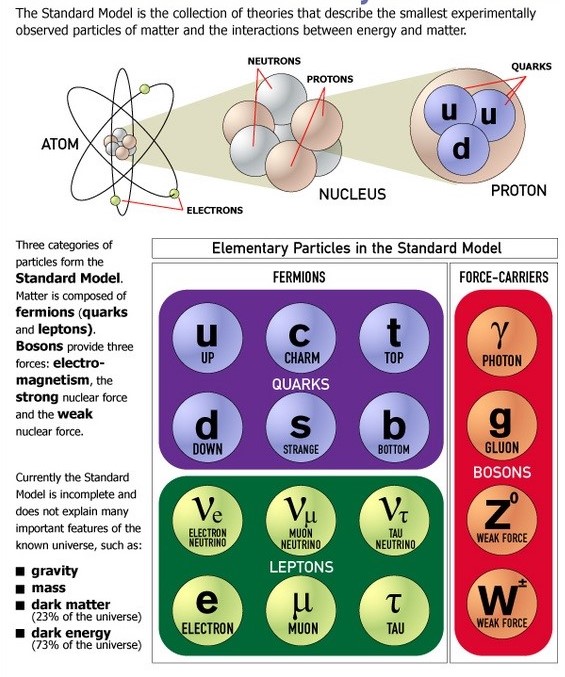
  • 1 hours TO GO | How to tackle Prelims pressure during examination? | Free Live Webinar on the Power of Subconscious Mind | Ask Me Anything Special Session | Book Your Slot Now

    1 hours TO GO | How to tackle Prelims pressure during examination? | Free Live Webinar on the Power of Subconscious Mind | Ask Me Anything Special Session | Book Your Slot Now

    Feel Free to Join the fantastic Ask Me Anything open book session & consult How you can grow your Self-Mastery for better performance. 

     “Do you think you are utilizing only half of your mental and physical capabilities? It’s the game of your subconscious mind.”Civilsdaily.

    One might think that it is only the conscious part of the brain which makes one distinguished from the others. It is true in some sense. But, in the case of UPSC preparation, your subconscious mind overrides your conscious mind to some extent.

    Choose toppers’ 5 magical Mantras or principles which will overwrite your fears and self-doubts. You can start reasoning how your MCQ and Answer writing skills are improving, how you are completing the syllabus, how you are getting more clarity on the examination process, and how you are travelling closer to success day by day. 

    To assemble self-trust and confidence to yield the positive results sooner, join this free live webinar conducted by Civilsdaily’s Senior IAS toppers’ mentor to get certain value-added insights on how to convert ‘Despair’ into ‘Hope’  spontaneously. 

    Webinar Details:

    Grab the opportunity to get great tips on ‘How to remove all the causes of despair in the journey of UPSC-CSE 2023’, and ‘What is our subconscious mind’, & ‘How to use Self Mastery through Conscious Auto-Suggestion’. This entire webinar is free. All aspirants are wholeheartedly welcome to attend.

    Date: 9th May 2022 (Monday)

    Time: 7 PM to 8 PM

    Success Mantras in This Free Live Webinar by Siddharth Sir!

    1. How to stay focused on the study with full of concentration. Best, authentic, Do’s & Don’t, to remember all essential pieces of information for UPSC. What are the mind’s auto-suggestions? Why it is a must for UPSC!
    1. How to avoid procrastination? It’s nobody’s enemy but one’s own. So, how to stay motivated that will pluck up your spirit, also be discussed.
    1. Most of our thoughts, emotions, and behaviours are determined by the Subconscious and Unconscious minds. So, to stay firm to your UPSC goal, it’s mandatory to learn how to control your subconscious mind.
    1. How to beat burnout while studying long hours! When we study with love, we never forget. It’s yourself to whom you have to give a tough competition. So, how to establish a relationship between books & you are the foremost thing you should never ignore.
    1. What are those 5 magical principles to decode yourself? Our toppers used to utilize & implement these 5 magical principles that proved miracles.
    1. It’s not only knowledge that you must be packed with but how toppers increased the efficiency of an IAS officer must possess. How to create a basic conceptual framework that boosts your brainpower will be one of the main points of our webinar.
    1. Stress is the only villain that can destroy the power of the brain. If you think depression, it will get you depressed. And if you enjoy it, your brain will get more powerful subconsciously. 
    1. The untold secret of the power of attraction is that the UPSC-CSE journey can be getting nearer day by day. The most brilliant ways to use the power of attraction to invigorate the subconscious mind will be disclosed in this webinar.

    About Siddharth Singh Sir:

    Siddharth sir is a mentor with CivilsDaily for nearly 5+ years and is now working with other senior mentors of the Civilsdaily UPSC Guidance Program. With a brief stint in the service and Edtech industry, he has mentored more than 2000 Aspirants and is one of the recognized interviewers under UPSC Domain. He also identifies himself as a certified Nutritionist and a fitness fanatic by inclination. He is also known for his love for writing and reciting News/poetry in a deeper and soulful voice.

  • Extreme Poverty down in India

    Context

    A recent World Bank Report has shown that extreme poverty in India more than halved between 2011 and 2019 – from 22.5 per cent to 10.2 per cent.  The reduction was higher in rural areas, from 26.3 per cent to 11.6 per cent.

    What explains the reduction in poverty?

    • Poverty has reduced significantly because of the government’s thrust on improving the ease of living of ordinary Indians through schemes.
    • These schemes include the Ujjwala Yojana, PM Awas Yojana, Swachh Bharat Mission, Jan Dhan and Mission Indradhanush in addition to the Deendayal Antyodaya Yojana-National Rural Livelihood Mission and improved coverage under the National Food Security Act.
    • It is important to understand how poverty in rural areas was reduced at a faster pace.
    • Much of the success can be credited to all government departments, especially their janbhagidari-based thrust on pro-poor public welfare.

    Contributing factors

    1] Identification of beneficiaries through SECC 2011

    • The identification of deprived households on the basis of the Socioeconomic and Caste Census (SECC) 2011 across welfare programmes helped in creating a constituency for the well-being of the poor, irrespective of caste, creed or religion.
    • Deprivation criterion: Since deprivation was the key criterion in identifying beneficiaries, SC and ST communities got higher coverage and the erstwhile backward regions in Bihar, Madhya Pradesh, Rajasthan, Uttar Pradesh, Jharkhand, Odisha, Chhattisgarh, Assam, Rajasthan and rural Maharashtra got a larger share of the benefits.
    • Gram Sabha Validation: Social groups that often used to be left out of government programmes were included and gram sabha validation was taken to ensure that the project reached these groups.

    2] Widened coverage of women

    • The coverage of women under the Deendayal Antyodaya Yojana and Self Help Groups (SHG) increased from 2.5 crore in 2014 to over 8 crore in 2018 as a result of more than 75 lakh SHGs working closely with over 31 lakh elected panchayati raj representatives, 40 per cent of whom are women.
    • This provided a robust framework to connect with communities and created a social capital that helped every programme.
    • The PRI-SHG partnership catalysed changes that increased the pace of poverty reduction and the use of Aadhaar cleaned up corruption at several levels and ensured that the funds reached those whom it was meant for.

    3] Creation of basic infrastructure

    • Finance Commission transfers were made directly to gram panchayats leading to the creation of basic infrastructure like pucca village roads and drains at a much faster pace in rural areas.
    • The high speed of road construction under the Pradhan Mantri Gram Sadhak Yojana created greater opportunities for employment in nearby larger villages/census towns/kasbas by improving connectivity and enhancing mobility.

    4] Availability of credit through SHGs

    • The social capital of SHGs ensured the availability of credit through banks, micro-finance institutions and MUDRA loans.
    • Livelihood diversification: The NRLM prioritised livelihood diversification and implemented detailed plans for credit disbursement.

    5]  Implementation of social sector schemes

    • In the two phases of the Gram Swaraj Abhiyan in 2018, benefits such as gas and electricity connections, LED bulbs, accident insurance, life insurance, bank accounts and immunisation were provided to 63974 villages that were selected because of their high SC and ST populations.
    • The performance of line departments went up manifold due to community-led action.
    • The gains are reflected in the findings of the National Family Health Survey V, 2019-2021.

    6] Universal coverage schemes

    • The thrust on universal coverage for individual household latrines, LPG connections and pucca houses for those who lived in kuccha houses ensured that no one was left behind. This created the Labarthi Varg.

    7] Increase in fund transfer to rural area

    • Seventh, this was also a period in which a high amount of public funds were transferred to rural areas, including from the share of states and, in some programmes, through extra-budgetary resources.

    8] Community participation

    • The thrust on a people’s plan campaign, “Sabki Yojana Sabka Vikas” for preparing the Gram Panchayat Development Plans and for ranking villages and panchayats on human development, economic activity and infrastructure, from 2017-18 onwards, laid the foundation for robust community participation involving panchayats and SHGs, especially in ensuring accountability.

    9] Social and concurrent audit

    • Through processes like social and concurrent audits, efforts were made to ensure that resources were fully utilised.
    • Several changes were brought about in programmes like the MGNREGS to create durable and productive assets.

    10] Focus of states on improving livelihood diversification

    • The competition among states to improve performance on rural development helped.
    • Irrespective of the party in power, nearly all states and UTs focussed on improving livelihood diversification in rural areas and on improving infrastructure significantly.

    Conclusion

    All these factors contributed to improved ease of living of deprived households and improving their asset base. A lot has been achieved, much remains to be done.

    UPSC 2023 countdown has begun! Get your personal guidance plan now! (Click here)

More posts