💥Join UPSC 2027,2028 Mentorship (July Batch) + XFactor Notes & Microthemes PDF

Subject: Biodiversity

1. Ecology & Ecosystems
2. Indian Biodiversity

  • [8th July 2024] The Hindu Op-ed: A law around low-carbon climate-resilient development


    PYQ Relevance:

    Mains: 

    Q) Climate change’ is a global problem. How India will be affected by climate change? How Himalayan and coastal states of India will be affected by climate change? (UPSC CSE 2017) 

    Q) ‘Clean energy is the order of the day.’ Describe briefly India’s changing policy towards climate change in various international fora in the context of geopolitics. (UPSC CSE 2022) 

    Note4Students: 

    Prelims: Supreme court judgements related to climate change impact,

    Mains:  Role of state and local Government to address the impact of climate change, 

    Mentor comment: Climate change poses grave threats to human rights, including the rights to life, health, food, water, housing, and an adequate standard of living. Extreme weather events, sea-level rise, and environmental degradation disproportionately impact vulnerable populations. Governments have a legal obligation to curb climate change, and corporations must respect human rights by reducing emissions and adapting to climate impacts. Addressing climate change is crucial to upholding human rights and ensuring a sustainable future for all.

    Let’s learn!

    __ __

    Why in the news? 

    In a landmark judgment, the Supreme Court of India recently recognized a right to be “free from the adverse impacts of climate change” in “M.K. Ranjitsinh and Others vs Union of India”, deriving it from the right to life and the right to equality.

    Law to inform development choices 

    • Integrating Climate Objectives into Development: Ensure that low-carbon and climate-resilient futures are prioritized in routine decision-making at all levels of development. Embed climate objectives in the legal framework to guide sustainable development choices.
    • Grounding Climate Action in Social Justice: Design laws to protect vulnerable populations disproportionately affected by climate change. Ensure the energy transition is just and equitable, advancing social justice and inclusive development.
    • Adopting a Comprehensive and Flexible Approach: Move beyond top-down emission targets to address broader developmental choices and their long-term impacts. Establish well-defined legal procedures that promote continuous consideration of low-carbon and climate-resilient futures.
    • Building a Robust Institutional Framework: Create an institutional structure to strategize, prioritize, troubleshoot, and evaluate climate policies. Enhance governance capacity to ensure credible and accountable climate action across all levels of government.
    • Tailoring Framework Climate Laws to the Indian Context: Adapt elements of global framework climate laws to suit India’s specific needs, focusing on maximising development per unit of carbon emitted. Emphasize climate resilience and social equity, ensuring development progresses in a low-carbon direction while building resilience to pervasive climate impacts.

     Need for a Low-Carbon Development Body

    • Rigorous Policy Analysis and Knowledge Generation: Establish a knowledge body in government to rigorously analyze policy options and their potential futures. Enable informed decision-making through a comprehensive understanding of low-carbon development and resilience strategies.
    • Expertise and Technical Guidance: Create an independent ‘low-carbon development commission’ staffed with experts and technical personnel. Provide national and state governments with practical guidance on achieving low-carbon growth and resilience.
    • Deliberative Decision-Making and Stakeholder Consultation: Facilitate a platform for deliberative decision-making involving multiple stakeholders. Systematically consult vulnerable communities and those adversely affected by technological changes to ensure their concerns are heard and integrated, leading to more sustainable and inclusive policy outcomes.
    • Strategic Direction and Whole-of-Government Coordination: Form a high-level strategic body, or ‘climate cabinet,’ comprising key Ministers and representation from State Chief Ministers to drive climate strategy across government. Address the challenge of siloed decision-making by promoting a whole-of-government approach with dedicated coordination mechanisms.
    • Enhanced Governance and Legal Empowerment: Complement the role of the Ministry of Environment, Forest, and Climate Change with higher-level coordination bodies. Reinforce existing structures like the Executive Committee on Climate Change with clearly defined legal powers and duties to ensure effective implementation and accountability in climate governance.

    Role of State and Local Governments in Climate Law

    • Engagement with Federal Structure: Recognize the importance of India’s federal structure in climate governance. Acknowledge that crucial areas for emission reduction and resilience improvement, such as electricity, agriculture, water, health, and soil, are managed by State and local governments.
    • First Responders to Climate Impacts: Understand that climate impacts are felt first and most intensely at local levels. Ensure that any institutional structure or regulatory instrument engages meaningfully with subnational governments.
    • Access to National Scientific Capacity: Establish channels for subnational governments to access national scientific resources and expertise. Utilize the low-carbon development commission as an intermediary to enhance local climate scientific capacity.
    • Financing Local Action: Develop mechanisms for financing local climate actions. Align centrally-sponsored schemes with climate goals and require national departments to climate-tag expenditures to enhance local climate resilience.
    • Coordination Mechanisms and Unified Goals: Create coordination mechanisms for the Centre and States to consult on major climate decisions. Require periodic updates of medium-term climate plans from both Centre and States, built around unified climate goals.
    • State-Specific Solutions and Institutions: Enable States to develop complementary institutions to those at the Centre, providing local knowledge, strategy-setting, deliberation, and coordination functions. Foster the development of State-specific solutions that address unique local climate challenges.

    Steps taken by Government to address the impact of climate change: 

    • International Solar Alliance (ISA): Launched in 2015, this alliance aims to efficiently utilize solar energy and reduce dependence on non-renewable sources like fossil fuels.
    • One Sun, One World, One Grid (OSOWOG) project with the UK: This project aims to build and scale inter-regional energy grids to share solar energy globally.
    • Swachh Bharat Mission: This program emphasized cleaning India’s cities and villages by providing toilets for every household.
    • National Clean Air Programme: Launched in 2019 to reduce particulate matter concentrations in the atmosphere.
    • Green Skill Development Programme: Launched to develop green skills and provide employment in the environment and forest sectors.
    • Commitment to get 50% of energy from renewable sources and reduce total projected carbon emissions by 1 billion tonnes by 2030: The government aims to ensure sustainable development of the environment.
    • Faster Adoption and Manufacturing of Hybrid & Electric Vehicles (FAME) India scheme: Launched in 2015 to promote electric vehicles and decrease coal consumption.

    Way forward: 

    • Strengthen Institutional and Legal Frameworks: Establish robust institutions like an independent low-carbon development commission to provide expert guidance, facilitate stakeholder consultations, and ensure informed decision-making.  
    • Promote Inclusive and Equitable Climate Action: Integrate social equity considerations into climate policies by systematically consulting vulnerable communities and those affected by technological changes.  
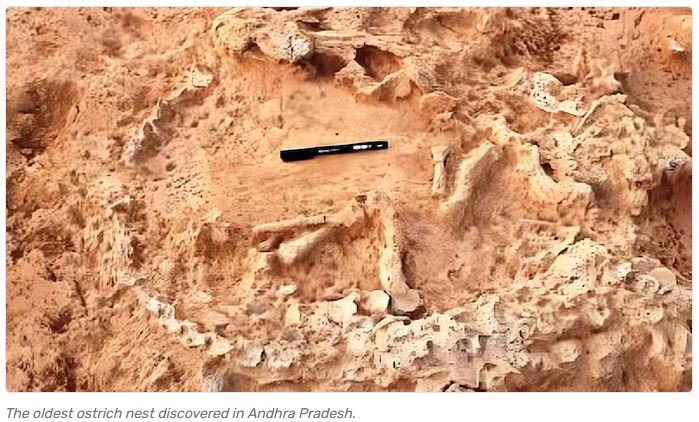
  • Worlds Oldest Prehistoric Ostrich Nest discovered in Andhra 

    ostrich
    PC: India Today

    Why in the News?

    Archaeologists have discovered a 41,000-year-old ostrich nest in Prakasam, Andhra Pradesh.

    Prehistoric Ostrich Nest: Details of the Discovery

    • The nest, identified as the world’s oldest known ostrich nest, measures 9-10 feet in width.
    • The nest was once home to 9-11 eggs but was capable of holding 30-40 eggs at a time.
    • Ostriches are mega omnivores, weighing between 90 and 140 kg and standing seven to nine feet tall.

    What are Megafauna?

    • Megafauna generally refers to animals weighing more than 50 kg, though scientific definitions vary.
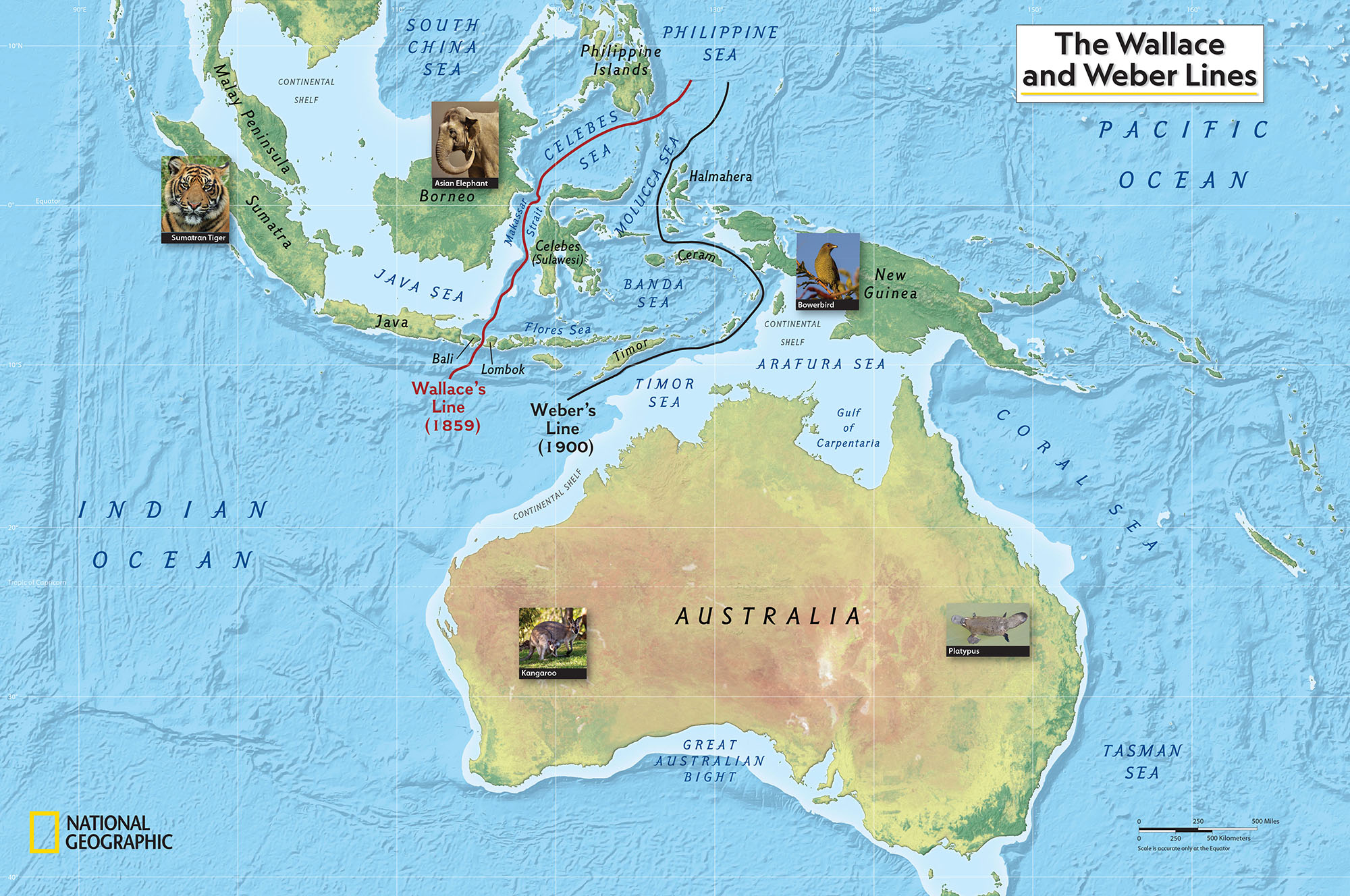
    • The term was first used by Alfred Russel Wallace in his 1876 book, “The Geographical Distribution of Animals.”
    • Megafauna can be classified into:
      • Megaherbivores (plant-eaters),
      • Megacarnivores (meat-eaters), and
      • Megaomnivores (who eat both plants and meat).

    Historical Evidence of Megafauna

    • Early Documentation: Richard Lydekker in 1884 presented the earliest documented evidence of ostriches in the subcontinent, identifying the extinct Struthio asiaticus in the Dhok Pathan deposits in Upper Siwalik Hills, present-day Pakistan.
    • Discoveries in Maharashtra: Archaeologist S A Sali in 1989 reported ostrich eggshell beads and engraved pieces dating back to 50,000–40,000 years ago at Patne, Maharashtra.
    • CCMB Research in 2017: Researchers at the Centre for Cellular and Molecular Biology (CCMB) in Hyderabad established the presence of ostriches in Rajasthan, Madhya Pradesh, and Gujarat 25,000 years ago.

    Broader Implications and Studies

    • Biogeographical Dispersion: The presence of ostriches in India is attributed to bio-geographical dispersion from the continental drifting of Gondwanaland.
    • Late Quaternary Extinctions: The study, titled ‘Late Quaternary extinctions in the Indian Subcontinent,’ established that the disappearance of large animals began around 30,000 years ago, coinciding with the arrival of humans.
    • Co-Evolution Hypothesis: The study supports the hypothesis that fauna and their resilience to extinction resulted from coevolution with hominins, with geographic isolation and abiotic factors accelerating extinction.

    PYQ:

    [2018] The term “sixth mass extinction/sixth extinction” is often mentioned in the news in the context of the discussion of:

    (a) Widespread monoculture practices in agriculture and large-scale commercial farming with indiscriminate use of chemicals in many parts of the world that may result in the loss of good native ecosystems.

    (b) Fears of a possible collision of a meteorite with the Earth in the near future in the manner it happened 65 million years ago that caused the mass extinction of many species including those of dinosaurs.

    (c) Large-scale cultivation of genetically modified crops in many parts of the world and promoting their cultivation in other parts of the world which may cause the disappearance of good native crop plants and the loss of food biodiversity.

    (d) Mankind’s over-exploitation/misuse of natural resources, fragmentation/loss of natural habitats, destruction of ecosystems, pollution and global climate change.

  • [pib] Fauna of India Checklist Portal

    Why in the News?

    • The Union Minister of Environment, Forest, and Climate Change (MoEFCC) has launched a portal documenting all animal species in India.
      • The Portal was launched on the 109th Foundation Day of the Zoological Survey of India (ZSI) in Kolkata.

    Back2Basics: Zoological Survey of India

    • The ZSI was set up by British zoologist Thomas Nelson Annandale, in 1916.
    • It is the premier taxonomic research organisation in India based in Kolkata.
    • It was established to promote surveys, exploration and research leading to the advancement of our knowledge of various aspects of the exceptionally rich animal life of India.
    • The ZSI had its genesis as the Zoological Section of the Indian Museum at Calcutta in 1875.
    • Since its inception, the ZSI has been documenting the diversity and distribution of the fauna of India towards carrying out its mandate of conducting exploration-cum-taxonomic-research programmes.
    • The ZSI has published an extremely large amount of information on all animal taxa, from Protozoa to Mammalia.

    About the Fauna of India Checklist Portal

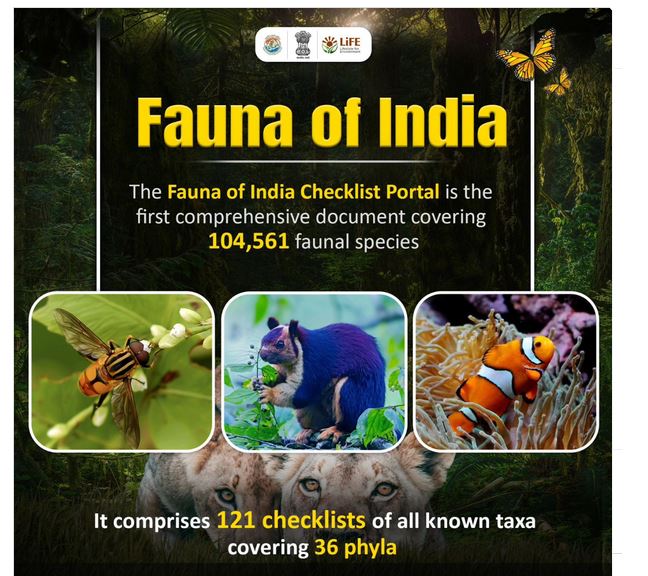
    • The portal consists of records of more than 100,000 animal species, prepared by over 150 scientists of the Zoological Survey of India (ZSI) over two years.
    • This checklist is the first comprehensive document on faunal species in India, covering 121 checklists of all known taxa across 36 phyla, including endemic, threatened, and scheduled species.
    • It is a compilation of all animal species recorded in India since the 1750s, including endemic, threatened, and scheduled species.
    • It provides essential data for conservation and management efforts, forming the basis for all biological sciences.
    • Significance of Portal: 
      • With this, India has become the first country to prepare a checklist of its entire fauna, covering 104,561 species, positioning itself as a global leader in biodiversity conservation.
      • The comprehensive documentation of India’s fauna aligns with Mission LiFE by providing crucial data for biodiversity conservation.

    Details from the ZSI Report

    • A 2023 ZSI report highlights that India is one of the world’s 17 megadiverse nations, hosting around 7-8% of the world’s documented species and containing four of the 34 globally recognised biodiversity hotspots.
    • The report lists 641 discoveries made by scientists and experts from India during 2023 with Kerala topping the list, followed by West Bengal.
    • It includes 442 new species globally and 199 newly recorded species in India.

    Significant Discoveries in 2023

    • New Species: The 2023 findings include 112 hymenopterans, 86 arachnids, 47 new fishes, 20 reptiles, and two mammals.
    • New Mammals: An ibex species found in Himachal Pradesh and Ladakh, named Capra himalayensis, and a new bat species, Miniopterus srinii, was discovered in Kodagu district, Karnataka.
    • State Rankings: Kerala recorded the highest number of new discoveries with 101, followed by West Bengal with 72, Tamil Nadu with 62, and Arunachal Pradesh and Karnataka with 45 each.

    About Mission LiFE

    • Mission LiFE, or Lifestyle for Environment, is a global mass movement initiated by India to encourage individual and community action towards environmental protection and preservation.
    • It was inaugurated by the PM Modi at the 26th UN Climate Change Conference of the Parties (COP26) in Glasgow in November 2021.
    • The program aims to mobilise one billion Indians and individuals worldwide to adopt sustainable lifestyles.
    • It aligns with the P3 model, promoting Pro Planet People and fostering a sense of collective responsibility.
    • It operates based on the principles of ‘Lifestyle of the planet, for the planet, and by the planet’.


    PYQ:

    [2020] With reference to India’s Biodiversity, Ceylon frogmouth, Coppersmith barbet, Gray-chinned minivet and White-throated redstart are:

    (a) Birds

    (b) Primates

    (c) Reptiles

    (d) Amphibians

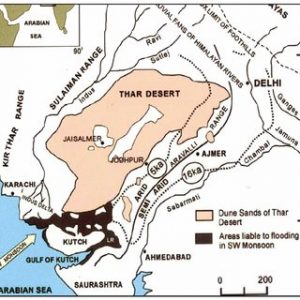
  • Why the Thar Desert on the borders of India and Pakistan is getting greener?

    Why in the news?

    Rajasthan’s barren Thar Desert may turn green, says a recent study in the journal Earth’s Future.  

    About Thar Desert

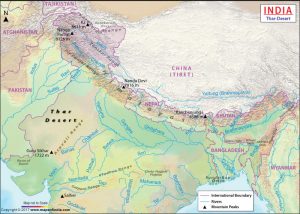
    • The Thar Desert is the 18th largest subtropical desert globally and is one of the most densely populated deserts.
    • Approximately 40% of the human population in Rajasthan resides in the Thar Desert.
    • It extends from the Sutlej River and is bounded by the Rann of Kutch, the Aravalli Mountains, and the Indus River.
    • About 85% of the Thar Desert is located in India, with the remainder in Pakistan. 
    • In India, it spans across Rajasthan, Gujarat, Haryana, and Punjab as well.
    • Civilizations are believed to have thrived in the Thar region around 50,000 years ago across the extinct Saraswati River.
    • The Desert National Park (home to the endangered Great Indian Bustard, desert fox, desert cat, blackbuck, and Indian gazelle) is situated in the Thar Desert in the northwest Indian state of Rajasthan.

    Why the thar desert getting greener?

    • Climate Change Effects:
        • Alteration of Weather Patterns: Climate change is causing shifts in rainfall distribution in the thar desert area.
        • Potential for Vegetation Growth: The increased precipitation could provide favorable conditions for vegetation growth, contributing to the greening of the desert.
    • Indian Monsoon Dynamics:
        • Westward Extension of Indian Monsoon: The Indian monsoon, known for bringing heavy rainfall to eastern India, is now extending further westward into regions like the Thar Desert.
        • Impact on Moisture and Rainfall: This change in monsoon dynamics could lead to increased moisture and rainfall in the desert region, facilitating the growth of vegetation.
    • Expansion of Indian Ocean Warm Pool (IOWP):
        • Influence on Monsoon Patterns: The Indian Ocean Warm Pool (IOWP) influences monsoon patterns and rainfall distribution over the Indian subcontinent.
        • Westward Expansion due to Climate Change: Climate change is causing the IOWP to expand westward, potentially resulting in increased rainfall over semi-arid regions like the Thar Desert and promoting greening.
    • Water Management Practices:
        • Contribution to Greening: Effective water management practices, such as rainwater harvesting and irrigation techniques like johad, kuis, and kunds, may be playing a role in the greening of the Thar Desert.
        • Utilization of Water Resources: By harnessing and efficiently utilizing available water resources, local communities and authorities can support vegetation growth and ecosystem restoration efforts in the desert.
    • Introduction of Irrigation  
      • Commercial Cropping: Irrigation was introduced during British colonial rule in the 19th and 20th centuries to convert arid and semi-arid ecosystems into cropland.
      • Restrictions on Grazing: The right to graze animals was restricted to landowners who cultivated crops, leading to the transformation of nomadic pastoralists into sedentary agropastoralists.
    Sustainability of this transformation

    • Recent greening activities, largely on arid scrub savannahs, have threatened species adapted to such climates and have been linked to locust outbreaks.
    • The Indira Gandhi Canal project in the 1980s led to extensive crop cover in the Thar Desert, resulting in areas becoming infertile due to waterlogging and salinity.
    • Planting invasive species, such as prosopis juliflora and acacia tortilis, has led to habitat degradation and biodiversity loss.


    PYQ:

    [2018] Which of the following leaf modifications occur(s) in the desert areas to inhibit water loss?

    1. Hard and waxy leaves
    2. Tiny leaves
    3. Thorns instead of leaves

    Select the correct answer using the code given below:

    (a) 2 and 3 only

    (b) 2 only

    (c) 3 only

    (d) 1, 2 and 3

    [2020] The process of desertification does not have climate boundaries. Justify with examples.

    [2013] Major hot deserts in northern hemisphere are located between 20-30 degree north and on the western side of the continents. Why?  


  • Formula for Flapping Frequency across Flying and Swimming Animals


    Why in the news?

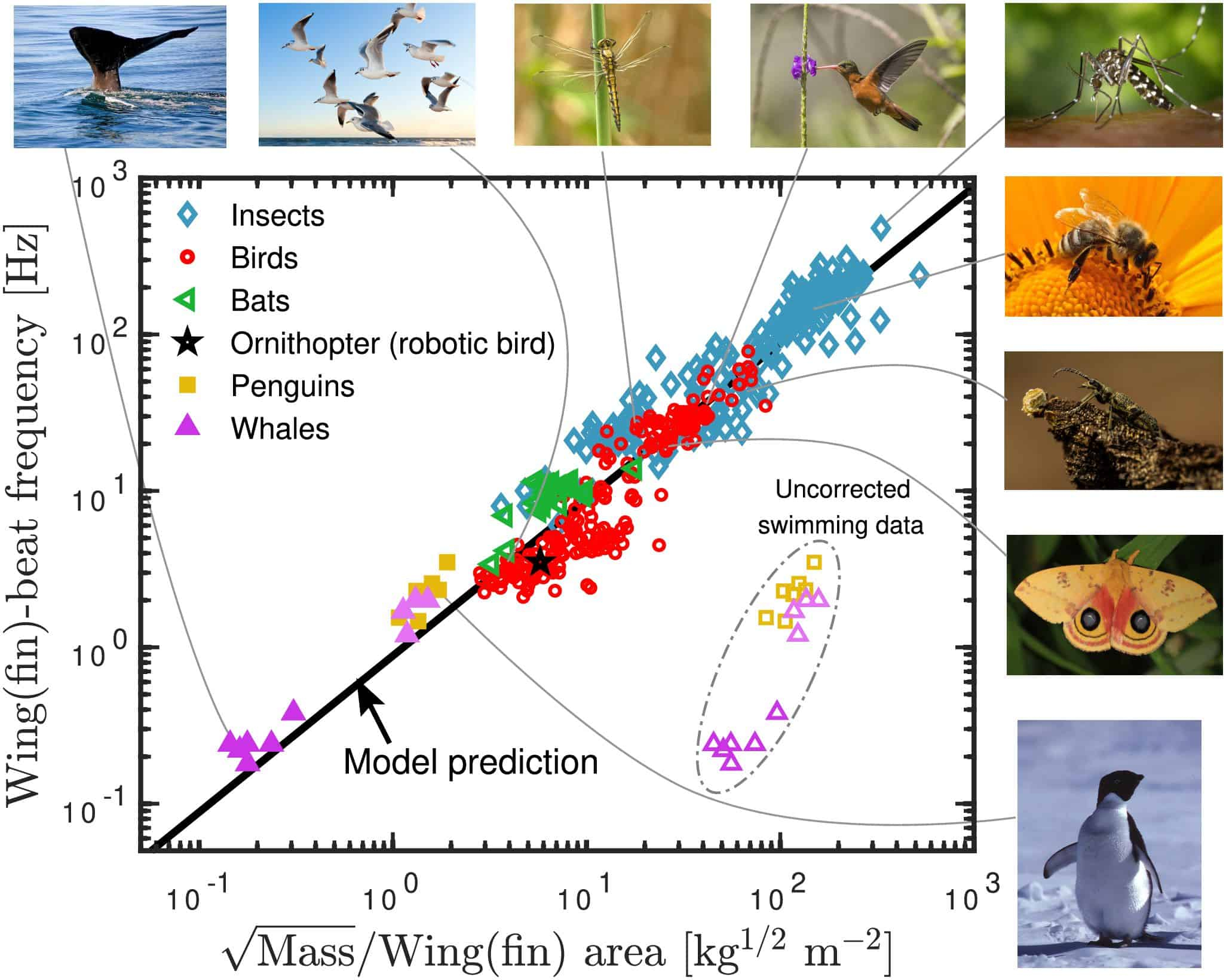
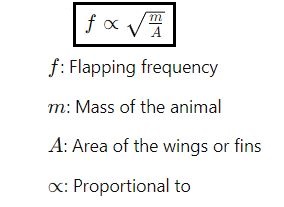
    • Researchers at Roskilde University in Denmark discovered a formula that correlates the flapping frequency of winged and swimming animals to their mass and wing/fins size.
      • The formula applies universally across a diverse range of species, from insects to birds, bats, penguins, whales, and even robotic ornithopters.

    Formula for Flapping Frequency

    • The formula was derived from Newton’s second law (F= mass x acceleration) applied to animals flapping wings to stay airborne.
    • Factors considered in the derivation included air density, wing size, and the forces generated by wing movements.

    Research Methodology

    • The researchers derived the formula theoretically from Newton’s second law, relating the force needed to stay airborne or submerged to the wing/fins’ motion, air/water dynamics, and animal mass.
    • They incorporated empirical observations into a constant C to account for specific shape and flight kinematics variations.

    Application and Validity

    • The formula’s validity was tested across various animals:
      • 176 insect data points (e.g., bees, moths, dragonflies)
      • 212 bird data points (from hummingbirds to swans)
      • 25 bat data points

    Formula Extension to Swimming Animals

    • The formula also predicts the frequency of fin/fluke movements in swimming animals.
    • Adjustments are made for water density and buoyancy effects, excluding fish with swim bladders.

    Limitations and Modifications

    • The formula applies well in conditions with high Reynolds numbers (Re), where fluid flow is streamlined.
    • At low Re values, where viscosity dominates, modifications are needed.
    • The equation holds as long as animal density variations do not exceed a factor of ten.

    Insights and Future Research

    • Insights from the formula include understanding flight efficiency and potential evolutionary pathways for winged animals.
    • Future research aims to explore further insights hidden within the C constant, potentially revealing deeper principles governing animal flight and swimming dynamics.

    PYQ:

    [2024] The organisms “Cicada, Froghopper and Pond skater are:

    (a) Birds

    (b) Fish

    (c) Insects

    (d) Reptiles

  • Preserving Rajasthan’s Semal Trees 

    Why in the News?

    Despite its ecological importance, rampant harvesting of Semal Trees for bonfires poses a grave threat to their existence, undermining biodiversity and cultural heritage alike.

    About Semal/ Silk Cotton Trees

    • The Semal tree, scientifically known as Bombax ceiba, is a deciduous tropical tree.
    • It is native to India, South-East Asia, and Northern Australia.
    • It can grow up to 60 meters tall. It has a distinctive straight trunk, often with spiky thorns, and a wide, spreading canopy.
    • It produces vivid red flowers that are large and attractive, making it quite conspicuous when in bloom.
    • The fruit of the Semal tree is a capsule that contains several seeds surrounded by a fibrous, cotton-like substance which is wind-dispersed.

    Commercial Uses

    • The fibers extracted from the fruit, known as kapok, are used for stuffing pillows, mattresses, and life jackets due to their buoyancy and insulating properties.
    • The wood is soft and is often used for making paper, while in rural areas, it is used as fuelwood and for making cheap furniture.

    Ecological Significance

    • Members of tribal communities consume the tree’s reddish root for food during the monsoons.
    • Larvae of the moth Bucculatrix crateracma feed on its leaves.
    • The golden-crowned sparrow weaves the lining of its nests with white cotton from its seeds.

    Felling of a Semal Tree: Which laws are violated?

    1. Rajasthan Forest Act 1953: This act prohibits various activities in reserved forests without prior permission. Specifically, it bars any unauthorized person from felling, uprooting, damaging, or otherwise harming trees. Violating these prohibitions can lead to penalties including imprisonment, fines, or both, depending on the severity of the offence. Semal tree is not recorded in the state’s list of ‘rare, threatened, and endangered’ species. (Trees on this list enjoy priority conservation efforts.) (Indian Kanoon)​
    2. Forest (Conservation) Act 1980: This act is more comprehensive at the national level and was enacted to provide for the conservation of forests and to regulate deforestation. It requires that any non-forest use of forest land must have prior approval from the Central Government. This includes clearances for felling trees, which are only granted under specific conditions that ensure the conservation and sustainable use of forest resources.​ (UNEPLawEnvAssistantPlat)​

    PYQ:

    [2015] In India, in which one of the following types of forests is teak a dominant tree species?

    (a) Tropical moist deciduous forest

    (b) Tropical rainforest

    (c) Tropical thorn scrub forest

    (d) Temperate forest with grasslands

  • Kerala bans Oleander Flowers in Temple Offerings

    Why in the news?

    Kerala temple authorities have banned the use of oleander flowers in offerings following the accidental poisoning of a woman who chewed oleander leaves.

    What is Oleander?

    • Nerium oleander, commonly known as oleander or rosebay, is a plant cultivated worldwide in tropical, subtropical, and temperate regions. 
    • Known for its drought tolerance, the shrub is often used for ornamental and landscaping purposes.
    • In Kerala, it’s called arali or kanaveeram and is used for natural fencing along highways and beaches.
    • According to the IUCN Red List, Nerium oleander (Oleander) is classified as Least Concern

    Traditional Medicinal Uses:

    • Termed as “desert rose” in ancient texts, oleander has been trusted with its medicinal properties such as a hangover cure, in cancer treatments, and as an antiviral.
    • The Ayurvedic Pharmacopoeia of India mentions oleander, particularly the use of oil from the root bark to treat skin diseases.
    • oleander’s use in treating skin diseases, leprosy, wounds, itching, and parasites.

    Toxicity of Oleander:

    • Oleander is highly toxic due to cardiac glycosides present in all parts of the plant.
    • Cardiac glycosides like oleandrin and digitoxigenin exert pharmacological effects on the heart, leading to nausea, vomiting, irregular heartbeat, and, in severe cases, death..

    PYQ:

    [2018] Why is a plant called Prosopis Juliflora often mentioned in the news?

    (a) Its extract is widely used in cosmetics

    (b) It tends to reduce the biodiversity in the area in which it grow

    (c) Its extract is used in the synthesis of pesticides

    (d) None of the above

  • Glyptothorax punyabratai: A New Catfish Species discovered  

    Why in the news?

    Glyptothorax punyabratai, a new catfish species, has been discovered in the Brahmaputra River drainage in Arunachal Pradesh.

    • The discovery was made by the ICAR-National Bureau of Fish Genetic Resources (ICAR-NBFGR), Lucknow, and published in the journal Ichthyological Exploration of Freshwaters.

    Glyptothorax punyabratai

    • It was collected from the Tung Stream, a tributary of the Tissa River, within the Brahmaputra River basin.
    • It has a unique rhomboidal-shaped thoracic adhesive apparatus, which is a specialized structure that helps the fish adhere to surfaces.
    • The holotype and paratype specimens are housed at the National Fish Museum-cum-Repository of the ICAR-NBFGR, Lucknow.
      • This discovery underscores the potential for both utilization and conservation of fish biodiversity in unexplored areas.

    PYQ:

    [2019]  Consider the following pairs

    Wildlife Naturally found in
    1. Blue-finned Mahseer Cauvery River
    2. Irrawaddy Dolphin Chambal River
    3. Rusty-spotted Cat Eastern Ghats

    Which of the pairs given correctly matched?

    (a) 1 and 2 only

    (b) 2 and 3 only

    (c) 1 and 3 only

    (d) 1, 2 and 3

  • The blurry lines between wildlife ‘capture’ and ‘rescue’  

    Why in the news? 

    The human-animal conflict in India is a significant issue, with several lives lost and property damage due to the increasing interactions between humans and wildlife

    Difference between between wildlife ‘capture’ and ‘rescue’

    • Capture:  It refers to the act of taking wild animals into custody, often due to conflicts with humans, such as when an animal poses a threat to human safety or property. This may involve trapping, sedating, or physically restraining the animal. The primary goal of capture is to ensure human safety and prevent further damage. Captured animals may be relocated, rehabilitated, or, in some cases, euthanized, depending on the situation and the animal’s condition.
    • Rescue:  It refers to the act of providing assistance to wild animals in distress, such as those injured, orphaned, or trapped in a dangerous situation. The primary goal of rescue is to help the animal recover and, if possible, return it to the wild. Rescue efforts may involve medical treatment, rehabilitation, and release back into the wild.

    Blurred lines between “rescue” and “capture”

    • Guidelines vs. Reality: Despite government guidelines discouraging capture without considering preventative measures, in practice, animals are often captured hastily rather than adopting non-invasive approaches.
    • Case of Elephant “Rescue”: An elephant was captured under the pretext of rescue from a coffee plantation but was subsequently released 200 km away in an unfamiliar landscape, leading to further complications and ultimately its death.
    • Unintended Consequences: The attempt to “rescue” the elephant resulted in its straying into a neighboring state, highlighting the unintended consequences and potential risks associated with such actions.
    • Case of Leopard “Rescue”: Similarly, a leopard was “rescued” after being sighted in an agricultural field, but it died shortly after for unknown reasons, raising questions about the efficacy and ethics of such operations.

    Issues related to rescue of snakes

    • High Frequency of Interactions: Interactions with snakes are more frequent than with other wild animals, resulting in higher incidences of misguided rescue attempts.
    • Failure to Distinguish Between Actions: There’s a lack of distinction between capture, removal, and rescue when managing conflicts with snakes, leading to poor handling and unnecessary removal from habitats under the guise of rescue operations.
    • Issues with Relocation: Relocated snakes have poor survival prospects and relocation doesn’t effectively resolve conflict, potentially increasing future conflict occurrences.
    • Harmful Effects of “Rescue” Operations: Such operations can cause physical trauma, injuries, and stress to animals, reducing their post-release survival chances.

    Suggestive measures

    • Education and Training: Provide comprehensive training to wildlife rescuers on species-specific rescue techniques and emphasize the importance of non-invasive approaches.
    •  Habitat Restoration: Focus on habitat conservation and restoration to reduce human-snake conflicts and provide natural habitats for snakes.
    • Research and Monitoring: Conduct research to understand snake behavior and ecology better, enabling more informed rescue and relocation decisions.
    • Collaboration: Foster collaboration between wildlife authorities, conservation organizations, and local communities to develop effective strategies for managing human-snake conflicts sustainably.

    Conclusion 

    Enhanced training, habitat restoration, research, and collaboration are vital for navigating the blurry lines between wildlife “capture” and “rescue,” ensuring humane and effective management of human-animal conflicts in India.


    Mains question for practice 

    Q Discuss the blurred lines between wildlife “capture” and “rescue” in India, highlighting issues and proposing measures for effective human-animal conflict management.

  • The need to curb Black Carbon Emissions | Explained

    Why in the News? 

    According to the Ministry of New and Renewable Energy, India had installed a renewable energy capacity of over 180 GW by 2023 and is expected to meet its target of 500 GW by 2030.

    Context

    At the COP26 climate talks in Glasgow in November 2021, India pledged to achieve net-zero emissions by 2070, positioning itself as a frontrunner in the race to carbon neutrality.

    Why is black carbon relevant?

    • Cause of global warming : lack carbon is the dark, sooty material emitted alongside other pollutants when biomass and fossil fuels are not fully combusted. It contributes to global warming
    • Poses severe risks: Studies have found a direct link between exposure to black carbon and a higher risk of heart disease, birth complications, and premature death. Most black carbon emissions in India arise from burning biomass, such as cow dung or straw, in traditional cookstoves.

    Status of Black Carbon

    • According to a 2016 study, the residential sector contributes 47% of India’s total black carbon emissions. Industries contribute a further 22%, diesel vehicles 17%, open burning 12%, and other sources 2%.
    • Decarbonisation efforts in the industry and transport sectors in the past decade have yielded reductions in black carbon emissions, but the residential sector remains a challenge.

    Has PMUY helped?

    • Objective of PMUY: The primary objective of PMUY, launched by the Government of India in May 2016, is to provide free liquefied petroleum gas (LPG) connections to households below the poverty line. This aims to offer a cleaner cooking fuel alternative to traditional biomass fuels, particularly in rural and poor households, thereby reducing their dependence on such polluting fuels.
    • Infrastructure Establishment: PMUY has established necessary infrastructure to support LPG connections, including provision of free gas stoves, deposits for LPG cylinders, and a distribution network. This infrastructure is crucial for enabling the adoption of clean cooking practices.
    • Role in Reducing Black Carbon Emissions: By providing cleaner LPG alternatives to traditional biomass fuels, PMUY has played a vital role in reducing black carbon emissions. This initiative contributes to mitigating environmental pollution and improving air quality, particularly in households previously reliant on polluting cooking fuels.

    Challenges and Shortcomings:

    Despite its objectives and infrastructure, challenges persist in fully transitioning beneficiaries to LPG usage.

    • High gap between LPG connections and actual adoption:  In 2022-2023, a significant portion of PMUY beneficiaries, representing 25%, continued to rely entirely on traditional biomass fuels for cooking. This indicates a gap between the provision of LPG connections and actual adoption of clean cooking practices.
    • Low Refill Rates and Energy Consumption: RTI data revealed that a substantial number of PMUY beneficiaries availed either zero or only one LPG refill, indicating low usage of LPG cylinders. Additionally, the average PMUY beneficiary household consumes significantly fewer LPG cylinders per year compared to non-PMUY households. This suggests that traditional fuels still meet a significant portion of energy needs in PMUY beneficiary households.
    • Health Impacts: The continued reliance on traditional fuels has detrimental health effects, particularly on women and children who are disproportionately affected by indoor air pollution. This leads to various health issues and premature deaths, highlighting the urgent need for increased adoption of clean cooking practices.
    • Affordability: Despite subsidies and recent increases(subsidy to ₹300 from ₹200. ), the cost of LPG cylinders remains high for many PMUY beneficiaries. This affordability challenge discourages households from consistently purchasing and using LPG cylinders, especially when traditional biomass alternatives are perceived as “free.”
    • Temporary Subsidies: While the government has announced temporary price reductions to address affordability concerns, the sustainability of such subsidies remains uncertain. Temporary measures may not provide long-term solutions to ensure consistent access to clean cooking fuel for beneficiaries.
    • Low Refill Rates: Low refill rates persist among PMUY beneficiaries, indicating a gap between initial LPG connections provided and sustained usage. This issue stems from both affordability concerns and challenges in availability and distribution of LPG cylinders.
    • Last-Mile Connectivity: Remote rural areas face challenges in accessing LPG due to inadequate last-mile connectivity in the distribution network. This results in continued reliance on traditional biomass fuels, perpetuating indoor air pollution and health risks.
    • Alternative Fuel Solutions: Local production of coal-bed methane (CBM) gas presents a potential solution to address the lack of last-mile connectivity and provide cleaner cooking fuel alternatives. Composting biomass to produce CBM gas could offer a sustainable and accessible solution at the village level, reducing dependence on traditional biomass fuels.
    • Investment and Infrastructure: Implementing alternative fuel solutions such as CBM gas production requires investment and infrastructure development. Panchayats and local authorities may need support and resources to establish and maintain CBM gas production facilities effectively.
    • Rural Empowerment: Empowering local communities, such as Panchayats, to take initiatives in clean cooking fuel production and distribution can promote self-sufficiency and sustainability while addressing rural energy needs.

    To resolve the challenges associated with the Pradhan Mantri Ujjwala Yojana (PMUY) and ensure effective adoption of clean cooking practices, several measures can be implemented:

    • Awareness and Education Campaigns: Launch comprehensive awareness campaigns to educate PMUY beneficiaries about the health and environmental benefits of using LPG over traditional biomass fuels. Emphasize the importance of consistent LPG usage and the risks associated with indoor air pollution.
    • Subsidy Reforms: Implement sustainable subsidy structures that ensure long-term affordability of LPG cylinders for PMUY beneficiaries. Explore innovative subsidy mechanisms, such as targeted subsidies based on income levels or usage patterns, to address affordability concerns effectively.
    • Incentives for Refills: Introduce incentives or rewards for PMUY beneficiaries who consistently use and refill their LPG cylinders. This could include discounts on future refills or loyalty programs to encourage regular usage and reduce the gap between LPG connections and actual adoption.
    • Improved Distribution Networks: Invest in improving last-mile connectivity and distribution networks in remote rural areas to ensure seamless access to LPG cylinders for all PMUY beneficiaries. This could involve expanding the reach of LPG distribution centers and leveraging technology for efficient logistics management.
    • Promotion of Alternative Fuel Solutions: Encourage the adoption of alternative fuel solutions such as Bio gas production through community-based initiatives. Provide support and incentives for the establishment of Bio gas production facilities at the village level, empowering local communities to produce and access clean cooking fuel.
    • Partnerships and Collaboration: Foster partnerships between government agencies, private sector stakeholders, and non-profit organizations to address the multifaceted challenges associated with clean cooking fuel adoption. Collaborative efforts can leverage expertise, resources, and networks to achieve sustainable solutions.
    • Monitoring and Evaluation: Establish robust monitoring and evaluation mechanisms to track the progress of PMUY implementation and measure the impact of interventions. Regular assessment of refill rates, usage patterns, and health outcomes can inform evidence-based policy decisions and program adjustments.

    Conclusion

    To curb black carbon emissions, India must address gaps in LPG adoption by PMUY beneficiaries through subsidy reforms, awareness campaigns, improved distribution networks, and promotion of alternative fuel solutions, fostering partnerships for sustainable impact.


    Mains PYQ

    Q-Discuss global warming and mention its effects on the global climate. Explain the control measures to bring down the level of greenhouse gases which cause global warming, in the light of the Kyoto Protocol, 1997. (UPSC IAS/2022) 

    Q- Should the pursuit of carbon credits and clean development mechanisms set up under UNFCCC be maintained even though there has been a massive slide in the value of a carbon credit? Discuss with respect to India’s energy needs for economic growth.(UPSC IAS/2014)