💥Join UPSC 2027,2028 Mentorship (July Batch) + XFactor Notes & Microthemes PDF

Subject: Climate Change

1. Global Warming and Issues
2. All about Pollution

  • Climate change forces Panama islanders to relocate

    Why in the news? 

    In early June, approximately 300 families were relocated from the island of Gardi Sugdub in Panama’s Guna Yala province due to concerns about rising sea levels.

    What is happening in Gardi Sugdub?

    • Location and Community: Gardi Sugdub, home to about 1,300 members of the Guna community, is an island in Panama’s Guna Yala province.
    • Sea Level Rise: The Caribbean region, where Panama is situated, is experiencing sea level rise at an average rate of 3 to 4 millimetres per year. This rate is expected to accelerate to 1 centimetre per year or more by 2100.
    • Flooding: Annually, particularly in November and December, seawater floods houses and streets on Gardi Sugdub, despite efforts to fortify the island.
    • Relocation: The Panamanian government constructed 300 new houses on the mainland in a development called Nuevo Cartí to relocate affected families.

    How are other island nations affected by sea level rise?

    • Small island developing states (SIDS) are particularly vulnerable due to their low elevation and reliance on marine resources. SIDS in the Caribbean, Pacific, Atlantic, Indian Ocean, and South China Sea face existential threats from rising sea levels.
    • Examples of Impact: Islands such as Tuvalu, the Marshall Islands, and Kiribati are experiencing significant land loss and threats to their culture and economies.
    • Consequences: Coastal erosion, salinization of freshwater resources, and increased vulnerability to extreme weather events due to rising sea levels, storm surges, and ‘king tides.’

    How fast is the global sea level rising?

    • Since 1880, global sea levels have risen by approximately 21–24 centimeters. The rate of increase has accelerated in recent decades.
    • Causes: The primary drivers are global warming, thermal expansion of seawater, and the melting of land-based ice such as glaciers and ice sheets.
    • Due to the Global Temperature Increase: The global average temperature has increased by at least 1.1 degrees Celsius since 1880, contributing to rising sea levels.

    Way forward: 

    • Strengthen Coastal and Environmental Defenses: Construct seawalls, breakwaters, and other barriers to protect against storm surges and coastal erosion. Restore and preserve natural coastal barriers such as mangroves, coral reefs, and wetlands to enhance natural protection.
    • Develop and Implement Climate Adaptation Strategies: Create comprehensive climate adaptation plans that include relocation strategies for vulnerable communities.

    Mains PYQ: 

    Q Explain the causes and effects of coastal erosion in India. What are the available coastal management techniques for combating the hazard? (UPSC IAS/2022)

  • Why the Thar Desert on the borders of India and Pakistan is getting greener?

    Why in the news?

    Rajasthan’s barren Thar Desert may turn green, says a recent study in the journal Earth’s Future.  

    About Thar Desert

    • The Thar Desert is the 18th largest subtropical desert globally and is one of the most densely populated deserts.
    • Approximately 40% of the human population in Rajasthan resides in the Thar Desert.
    • It extends from the Sutlej River and is bounded by the Rann of Kutch, the Aravalli Mountains, and the Indus River.
    • About 85% of the Thar Desert is located in India, with the remainder in Pakistan. 
    • In India, it spans across Rajasthan, Gujarat, Haryana, and Punjab as well.
    • Civilizations are believed to have thrived in the Thar region around 50,000 years ago across the extinct Saraswati River.
    • The Desert National Park (home to the endangered Great Indian Bustard, desert fox, desert cat, blackbuck, and Indian gazelle) is situated in the Thar Desert in the northwest Indian state of Rajasthan.

    Why the thar desert getting greener?

    • Climate Change Effects:
        • Alteration of Weather Patterns: Climate change is causing shifts in rainfall distribution in the thar desert area.
        • Potential for Vegetation Growth: The increased precipitation could provide favorable conditions for vegetation growth, contributing to the greening of the desert.
    • Indian Monsoon Dynamics:
        • Westward Extension of Indian Monsoon: The Indian monsoon, known for bringing heavy rainfall to eastern India, is now extending further westward into regions like the Thar Desert.
        • Impact on Moisture and Rainfall: This change in monsoon dynamics could lead to increased moisture and rainfall in the desert region, facilitating the growth of vegetation.
    • Expansion of Indian Ocean Warm Pool (IOWP):
        • Influence on Monsoon Patterns: The Indian Ocean Warm Pool (IOWP) influences monsoon patterns and rainfall distribution over the Indian subcontinent.
        • Westward Expansion due to Climate Change: Climate change is causing the IOWP to expand westward, potentially resulting in increased rainfall over semi-arid regions like the Thar Desert and promoting greening.
    • Water Management Practices:
        • Contribution to Greening: Effective water management practices, such as rainwater harvesting and irrigation techniques like johad, kuis, and kunds, may be playing a role in the greening of the Thar Desert.
        • Utilization of Water Resources: By harnessing and efficiently utilizing available water resources, local communities and authorities can support vegetation growth and ecosystem restoration efforts in the desert.
    • Introduction of Irrigation  
      • Commercial Cropping: Irrigation was introduced during British colonial rule in the 19th and 20th centuries to convert arid and semi-arid ecosystems into cropland.
      • Restrictions on Grazing: The right to graze animals was restricted to landowners who cultivated crops, leading to the transformation of nomadic pastoralists into sedentary agropastoralists.
    Sustainability of this transformation

    • Recent greening activities, largely on arid scrub savannahs, have threatened species adapted to such climates and have been linked to locust outbreaks.
    • The Indira Gandhi Canal project in the 1980s led to extensive crop cover in the Thar Desert, resulting in areas becoming infertile due to waterlogging and salinity.
    • Planting invasive species, such as prosopis juliflora and acacia tortilis, has led to habitat degradation and biodiversity loss.


    PYQ:

    [2018] Which of the following leaf modifications occur(s) in the desert areas to inhibit water loss?

    1. Hard and waxy leaves
    2. Tiny leaves
    3. Thorns instead of leaves

    Select the correct answer using the code given below:

    (a) 2 and 3 only

    (b) 2 only

    (c) 3 only

    (d) 1, 2 and 3

    [2020] The process of desertification does not have climate boundaries. Justify with examples.

    [2013] Major hot deserts in northern hemisphere are located between 20-30 degree north and on the western side of the continents. Why?  


  • No outcome in Bonn: why money is key to climate action

    Why in the news?

    The Bonn climate meeting failed to define a new climate finance goal, crucial for finalizing a sum exceeding $100 billion annually by the end of 2024.

    Key Highlights of the Climate Meeting in Bonn, Germany

    • Failure to Define New Climate Finance Goal: The recent climate meeting in Bonn did not make significant progress in setting a new climate finance goal. This new goal is supposed to replace the existing $100 billion per year target, which needs to be finalized by the end of 2024.
    • Outcome: The meeting only produced a lengthy 35-page “input paper” summarizing various countries’ demands and concerns, without providing any concrete numbers or agreements. This paper is expected to be developed into a formal negotiating draft for COP29 in Baku, Azerbaijan.

    Search for a New NCQG (New Collective Quantified Goal)

    • Importance of Climate Finance: Money is essential for climate action, including mitigation, adaptation, and other tasks like collecting and reporting climate data, which require substantial funds, especially in developing countries.
    • Existing Commitment: Developed countries had promised to mobilize $100 billion annually from 2020 to help developing countries fight climate change. This target is now being re-evaluated to increase the amount post-2025.

    Previous Assessment

    • Current Needs: It is widely recognized that developing countries now require trillions of dollars annually. A UNFCCC assessment indicated that these countries need about $6 trillion by 2030 for climate actions, with adaptation needs alone requiring $215 billion to $387 billion annually.
    • Energy Transition: The global shift to clean energy requires investments of about $4.3 trillion per year until 2030 and around $5 trillion annually thereafter until 2050 to achieve global net-zero emissions.
    • Developing Countries’ Demands: India has proposed that developed countries should provide at least $1 trillion annually after 2025, while Arab and African countries have suggested figures of $1.1 trillion and $1.3 trillion, respectively.

    Debate Over Contribution

    • Original Responsibility: According to the UNFCCC and Paris Agreement, only the 25 countries listed in Annexure 2, along with the European Economic Community, are responsible for providing climate finance to developing countries.
    • Shifting Responsibility: These countries argue that other nations, such as China, Gulf countries, and South Korea, are now economically capable and should also contribute. However, countries like China have stated they do not intend to take on additional responsibilities beyond their current efforts.
    • Developed Countries’ Stance: While acknowledging that the new target must be higher than the existing $100 billion per year, developed countries have not made any specific offers publicly.

    Way forward:

    • Clear Definition of Climate Finance: Establish a universally accepted definition of climate finance to prevent discrepancies in reporting and ensure transparency.
    • Precise Targets and Timelines: Set clear, incremental targets leading up to the final goal, with defined timelines for achieving these targets. This will provide a roadmap for both developed and developing countries.

    Mains PYQ:

    Q Describe the major outcomes of the 26th session of the Conference of the Parties (COP) to the United Nations Framework Convention on Climate Change (UNFCCC). What are the commitments made by India in this conference?  (UPSC IAS/2021)

  • Bonn Climate Conference 2024: 3rd Glasgow dialogue flags need for loss & damage cooperation

    Why in the News?

    This week, the Third Glasgow Dialogue on Loss and Damage occurred during the 60th Session of the Subsidiary Bodies (SB60) to the United Nations Framework Convention on Climate Change (UNFCCC) in Bonn, Germany.

    Key highlights of the Conference:

    • Dialogue on Loss and Damage (L&D): The conference focused on discussions around the mechanisms under the UNFCCC, including the Santiago Network on Loss and Damage (SNLD), the Warsaw International Mechanism (WIM), and the recently operationalized Loss and Damage Fund (LDF).
    The SNLD was established at COP25 in 2019 to catalyze technical assistance for developing countries in implementing approaches for averting, minimizing, and addressing loss and damage

    The WIM was established at COP19 in 2013 to promote approaches for averting, minimizing, and addressing loss and damage associated with climate change impacts

    The LDF was operationalized at COP27 in 2022 to provide financial support to developing countries for averting, minimizing, and addressing loss and damage

    • Progress in Mechanisms: The co-chairs of each mechanism highlighted the progress made in addressing L&D in the UNFCCC negotiations. This includes positive steps taken in forming the Board of the LDF and formalizing its institutional arrangements and additional rules.
    • Global South Concerns: Countries from the Global South, including the African Group of Negotiators (AGN), the Alliance of Small Island States (AOSIS), and the Arab Group, emphasized the growing cases of L&D in developing nations. There were calls for better cooperation and coordination between countries and mechanisms to address L&D more effectively.
    African Group of Negotiators (AGN): It is a coalition of African countries that work together to coordinate their positions and negotiate on various international issues, such as climate change, sustainable development, and human rights.

    Alliance of Small Island States (AOSIS): It is a coalition of small island developing states that work together to address common challenges and promote their interests in international forums.

    Arab Group: It is a coalition of Arab states that work together to promote their collective interests and coordinate their positions on various international issues.

    • Need for Clarity and Coordination: There were calls for a clear relationship between the SNLD, WIM, and LDF, as they each continue to have separate discussions despite having the same goal of addressing L&D. Coordination between these mechanisms would address gaps and improve resource mobilization for developing nations.

    About Article 6 and its structural mandate:

    • Article 6 of the UNFCCC deals with cooperative approaches for the implementation of climate action. It provides a framework for international cooperation in areas such as emissions trading, sustainable development, and the transfer of mitigation outcomes. 
    • The structural mandate of Article 6 aims to facilitate cooperation between countries to enhance climate action and achieve the goals of the Paris Agreement.
    • Article 6.2: Authorisation is the formal approval process where emission reductions (Internationally Transferred Mitigation Outcomes or ITMOs) are sanctioned by the host country for transfer to another country.
    • Article 6.4 of the Paris Agreement focuses on operationalising market mechanisms for emission reduction units (6.4ERs), addressing issues like authorisation, carbon removal activities, and the role of the supervisory body in developing market procedures.

    Key Goals and Objectives:

    • Raised Ambition: International cooperation under Article 6 aims to raise ambition by enabling countries to achieve more ambitious emission reduction targets.
    • Supporting Sustainable Development: The cooperation mechanisms must support sustainable development, addressing not only climate change but also other sustainability issues.
    • Ensuring Environmental Integrity: The mechanisms must ensure environmental integrity by preventing emission reductions from being counted more than once and ensuring that countries do not circumvent their climate action efforts

    Way Forward:

    • Clarity and Coordination: There is a need for clarity on the framework of L&D as a whole, with a defined relationship between its key mechanisms. This would ensure better coordination and cooperation in addressing L&D effectively.
    • Enhanced Technical Interventions: Countries emphasized the importance of technical interventions such as Early Warning Systems and timely provision of finance to improve responses to L&D. Implementing these interventions could minimize the impacts of extreme weather events and facilitate faster recovery.
    • Tailored Responses: Responses to L&D must be tailored to the unique contexts of each country, with individual vulnerability and needs assessments being a priority. This would ensure that assistance and support are provided where they are most needed.
    • Trigger-based Funding Mechanisms: Suggestions were made for trigger-based funding mechanisms or timeline-based provision of funds for countries facing devastating impacts and remaining most vulnerable. Such mechanisms would ensure timely and adequate support for those in need.

    Mains PYQ:

    Q Explain the purpose of the Green Grid Initiative launched at the World Leaders Summit of the COP26 UN Climate Change Conference in Glasgow in November 2021. When was this idea first floated in the International Solar Alliance (ISA)? (UPSC IAS/2021)

  • Is climate change behind more frequent and severe turbulence faced by aircraft?

    Why in the news?

    On May 21, severe turbulence over Myanmar caused one death and 70 injuries on a Singapore Airlines flight. Qatar Airways had 12 minor injuries on May 26.

    What is Turbulence?

    • Turbulence, unpredictable air motion caused by eddies and vertical currents, ranges from minor bumps to severe disruptions, often associated with fronts and thunderstorms.

    Flight Turbulence

    Types of Flight Turbulence

    Note: Attitude is the angular difference measured between an aeroplane’s axis and the line of the Earth’s horizon.

    • Light Turbulence: Slight erratic changes in the aircraft’s orientation.
    • Moderate Turbulence: Notable changes in altitude and attitude, but the aircraft remains under control.
    • Severe Turbulence: Significant and sudden changes of altitude and attitude, momentarily losing control.
    • Extreme Turbulence: The aircraft is violently tossed about and is almost impossible to control.

    Causes of Flight Turbulence

    • Mechanical Turbulence: Caused by friction between the air and the ground, especially over irregular terrain and man-made obstacles. Includes ‘mountain waves’ over mountain ranges.
    • Convective/Thermal Turbulence: Resulting from hot air rising rapidly and cooler air descending, creating convective air currents. Often occurs during the approach.
    • Frontal Turbulence: Created by the lifting of warm air by a sloping frontal surface and friction between opposing air masses, commonly near thunderstorms.
    • Wind Shear: Caused by changes in wind direction and/or speed over specific distances, found in temperature inversion areas, troughs, lows, and around jet streams.
    • Clear Air Turbulence (CAT): Occurs at high altitudes outside of clouds, often near jet streams, and is difficult to predict or see.

    Impact of Climate Change on Flight Turbulence

    • Increased Incidence: Studies indicate a rise in severe turbulence, particularly CAT, with the growth in air traffic and climate change.
    • Jet Stream Intensification: Climate change strengthens jet streams, increasing the frequency and severity of turbulence.
    • Mountain Wave and Near-Cloud Turbulence: Predictions suggest these types of turbulence will also intensify with climate change, leading to more frequent and severe occurrences globally.

    Way forward:

    • Safety Measures: Continuous improvement in aircraft design, weather forecasting, and pilot training helps mitigate the risks associated with turbulence.
    • Passenger Advice: Passengers are advised to keep their seat belts fastened as much as possible to avoid injuries during unexpected turbulence.
    • Regulatory Recommendations: Aviation authorities recommend better communication, real-time information sharing, and enhanced training to prevent turbulence-related incidents.

    Mains PYQ:

    Q Most of the unusual climatic happenings are explained as an outcome of the El-Nino effect. Do you agree? (UPSC IAS/2014)

  • [pib] 26th Meeting of the Committee for Environmental Protection (CEP)  

    Why in the News? 

    The 26th Meeting of the Committee for Environmental Protection (CEP) is set to be held in Kochi, Kerala.

    26th CEP Agenda

    • Review of the Protocol on Environmental Protection to the Antarctic Treaty (the Madrid Protocol).
    • Evaluation of the effectiveness of existing Environmental Protection Measures.
    • Identification of areas for potential enhancement or amendment to strengthen environmental conservation efforts.

    What is the Committee for Environmental Protection (CEP?

      • It was formed as part of the Environmental Protocol (Madrid Protocol, 1991) to the Antarctic Treaty, which came into force in 1998.
      • Aim: To advice and formulate recommendations on environmental protection measures in the Antarctic region.
      • Composition: It consists of representatives from the consultative parties to the Antarctic Treaty, which includes countries active in Antarctic research and governance.
    • Functions:

    • Environmental Impact Assessment (EIA): The CEP oversees the EIA process for activities conducted in the Antarctic region to ensure they minimize environmental impacts.
    • Site Inspections: It conducts inspections of Antarctic facilities and activities to verify compliance with environmental regulations.
    • Scientific Research: The CEP promotes scientific research on Antarctic ecosystems and advises on measures to conserve biodiversity.
    • Waste Management: It develops guidelines for waste management and pollution prevention in the Antarctic, aiming to minimize human impact on the environment.
    • Policy Formulation: The CEP formulates policies and guidelines related to environmental protection in the Antarctic Treaty.

    Back2Basics:  Madrid Protocol, 1991

    • The Madrid Protocol refers to the Protocol on Environmental Protection to the Antarctic Treaty.
    • It is an international agreement that was adopted in 1991 and entered into force in 1998.
    • Key aspects of the Madrid Protocol include:
    1. Environmental Principles: The Protocol outlines principles for the protection of the Antarctic environment, including the conservation of living resources, the prevention of pollution, and the protection of wilderness and scientific values.
    2. Designation of Protected Areas: It designates certain areas of Antarctica as specially protected areas (SPAs) and sites of special scientific interest (SSSI), where specific environmental protection measures apply to safeguard their ecological, scientific, and aesthetic values.
    3. Waste Management: It establishes guidelines and regulations for waste management and pollution prevention in Antarctica, aiming to minimize human impact on the environment and prevent pollution of the Antarctic ecosystem.
    4. Prohibition of Mineral Resource Activities: The Protocol prohibits all mineral resource activities, including exploration and exploitation, in Antarctica. This provision aims to preserve the pristine and fragile nature of the Antarctic environment and prevent the potential environmental damage associated with mineral extraction.
    5. Consultative Mechanisms: The Protocol establishes mechanisms for consultation and cooperation. This includes the CEP, which provides advice and recommendations on environmental matters to the Antarctic Treaty Consultative Meeting (ATCM).


    PYQs:

    [2021] How do the melting of the Arctic ice and glaciers of the Antarctic differently affect the weather patterns and human activities on the Earth? Explain.

    [2011] The formation of ozone hole in the Antarctic region has been a cause of concern. What could be the reason for the formation of this hole?

    (a) Presence of prominent tropospheric turbulence; and inflow of chlorofluorocarbons.

    (b) Presence of prominent polar front and stratospheric clouds; and inflow of chlorofluorocarbons.

    (c) Absence of polar front and stratospheric clouds; and inflow of methane and chlorofluorocarbons.

    (d) Increased temperature at polar region due to global warming.

  • Key Highlights of World Migration Report, 2024

    Why in the News?

    The International Organization for Migration (IOM) has recently launched the World Migration Report 2024.

    Back2Basics: International Organization for Migration (IOM)

    Details
    About
    • Originated in 1951 as the Provisional Intergovernmental Committee for the Movement of Migrants from Europe (PICMME) after World War II’s upheavals.
    • In 2016, IOM agreed with the United Nations, becoming a related organization.
    Headquarters Geneva, Switzerland
    Members
    • Currently has 175 Member States and 8 states with Observer status.
    • India became an IOM Member State on 18th June 2008.

    Key Highlights of the Report:

    • Climate Change Impacts on Migration
    • The report highlights a significant increase in global migration due to environmental impacts and climate change, with more than 216 million people projected to be on the move within their countries by 2050.
    • Migration is being used as a strategy to cope with and adapt to the adverse effects of climate change, although its effectiveness varies based on individual circumstances and active involvement of migrants.

    Specific Regional Insights:

    • Africa:
    • Climate change has led to severe weather changes, including decreased rainfall and increased temperatures in North Africa, contributing to migration.
    • Countries like Libya, Algeria, and Morocco have seen migration due to reduced rainfall and increased drought conditions.
    • Asia:
      • In South Asia, particularly Pakistan and Bangladesh, extreme weather events like floods have led to substantial displacement.
      • The 2022 floods in Pakistan resulted in nearly 1.7 million displacements and in Bangladesh, record-breaking floods in 2022 triggered over 1.5 million displacements.
      • In India, strong influence of climate impacts on internal migration from Rajasthan, Uttar Pradesh and Madhya Pradesh.

    Remittances Inflows in India

    • According to the Report, India has consistently been the top recipient of remittances globally. In 2022, India received a record-breaking $111.22 billion in remittances.

    Remittance Inflows:

    • India is way ahead of its closely ranked peers Mexico ($61.1 billion), China ($51 billion), Philippines ($38.05 billion) and France ($30.04 billion).
    • This is the first time any country has crossed the USD 100 billion mark in remittance inflows.
    • The largest contributions to India’s remittances come from the UAE, USA, and Saudi Arabia, reflecting the extensive Indian diaspora in these regions.

    Migration Statistics:

    • With 18 million international migrants residing primarily in the UAE, USA, and Saudi Arabia, India hosts the world’s largest number of international migrants.
    • This large diaspora plays a crucial role in the economic linkage between India and these countries through remittances.
    • India came in 13th as the destination country for immigrants, with 4.48 million.

    PYQ:

    [2015] Discuss the changes in the trends of labour migration within and outside India in the last four decades.

  • What is the New Collective Quantitative Goal?

    Why in the News?

    At the upcoming COP29 in Baku in November this year, Azerbaijan, the primary discussion will center on the New Collective Quantitative Goal (NCQG) for climate finance.

    Recent Climate Conferences and Decisions:

    • 2022 Sharm el-Sheikh Conference: A Loss and Damage Fund was established to assist developing countries in recovering from climate disasters.
    • Dubai Conference: The focus was on the Global Stocktake (GST) of climate actions, acknowledging the need to transition away from fossil fuels and tripling global renewable energy capacity by 2030.

    What is the New Collective Quantitative Goal (NCQG)?

        • All the parties of the Paris Agreement participate and review the implementation of the Agreement and make decisions. CMA is held once a year.
    • This goal will start with a target of at least $100 billion per year, focusing on the requirements and priorities of developing countries.
    • It will replace the previous commitment of USD 100 billion per year that developed nations had pledged in 2009 but never delivered.

    NCQG: A timeline

    • In 2009: The developed countries agreed to provide approximately $30 billion in ‘new and additional’ financial resources to developing countries from 2010 to 2012.
        • Additionally, these countries committed to collectively raising $100 billion annually by 2020 to support climate action in developing countries.
    • In 2015: It was decided to continue this collective goal of mobilizing $100 billion yearly by developed countries up to 2025.
    • A new climate finance target is to be set before 2025, maintaining at least $100 billion per year and considering the needs and priorities of developing countries. This is referred to as the NCQG or the new goal for post-2025.

    Financial Requirements for Effective Climate Action:

    • Current Funding Gaps: The scale of annual climate finance has consistently fallen short of the $100 billion promised by developed countries.
    • Projected Needs: Developing countries require about $6 trillion annually until 2030 to implement their climate action plans, according to a 2021 UN Climate Change report. An updated version of this report is expected to raise this figure even higher.
    • Global Transition Costs: A global transition to a low-carbon economy is estimated to require about $4-6 trillion every year until 2050.
    • Renewable Energy Expansion: Tripling renewable energy capacity, as agreed in Dubai, is estimated to cost $30 trillion until 2030, per the International Renewable Energy Association (IRENA).

    Prospects for Meeting Financial Targets:

    • Realistic Expectations: Discussions are ongoing, with India suggesting a target of at least $1 trillion per year, primarily through grants and concessional finance.
    • Challenges: Developed countries have historically fallen short of even lesser goals, and achieving trillions in finance is seen as ambitious.

    Back2Basics: Global Initiatives for Financing Climate Action

    Established Purpose How it Works
    Green Climate Fund (GCF) 2010 To support developing countries in adaptation and mitigation to counter climate change. Mobilizes funding from developed to developing countries to reduce greenhouse gas emissions and enhance climate resilience. Operates under the UNFCCC financial mechanism.
    Global Environment Facility (GEF) 1991 To tackle global environmental issues while supporting national sustainable development. Provides grants for projects related to environmental conventions (biodiversity, climate change, international waters, land degradation, ozone layer, organic pollutants). Functions as a financial mechanism for multiple conventions including the UNFCCC.
    Climate Investment Funds (CIF) 2008 To bridge funding and learning gaps for cleaner technology transformations. Offers scaled-up financing to middle-income countries to initiate cleaner technology transformations. Includes funds like the Clean Technology Fund (CTF) and the Strategic Climate Fund (SCF).
    Adaptation Fund 2001 To finance concrete adaptation projects in developing countries party to the Kyoto Protocol. Financed by a share of proceeds from CDM project activities, it supports concrete adaptation projects in vulnerable communities.
    Special Climate Change Fund (SCCF) 2001 To finance projects in adaptation, technology transfer, and various management sectors. Managed by the GEF, supports projects in sectors not directly funded through other funds such as energy, transport, and waste management.
    Least Developed Countries Fund (LDCF) 2001 To support the least developed countries (LDCs) in their climate change initiatives. Finances the preparation and implementation of National Adaptation Programmes of Action (NAPAs) which identify priority activities for LDCs to adapt to climate change.
    Carbon Pricing Mechanisms NA To internalize the cost of GHG emissions, incentivizing emission reductions. Involves setting a price on carbon emissions either through carbon taxes or emissions trading schemes (ETS), encouraging businesses to reduce emissions.
    Nationally Determined Contributions (NDC) Partnership 2016 To enhance cooperation to achieve NDC goals under the Paris Agreement. Facilitates technical and financial support to help countries implement and enhance their NDC commitments for reducing emissions.


    PYQ:

    [2016] With reference to the Agreement at the UNFCCC Meeting in Paris in 2015, which of the following statements is/are correct?

    1. The Agreement was signed by all the member countries of the UN, and it will go into effect in 2017.
    2. The Agreement aims to limit the greenhouse gas emissions so that the rise in average global temperature by the end of this century does not exceed 2ºC or even 1.5ºC above pre-industrial levels.
    3. Developed countries acknowledged their historical responsibility in global warming and committed to donate $ 1000 billion a year from 2020 to help developing countries to cope with climate change.

    Select the correct answer using the code given below:

    (a) 1 and 3 only
    (b) 2 only
    (c) 2 and 3 only
    (d) 1, 2 and 3

  • Going glacier gone: How Venezuela lost its last glacier, why this matters?

    Why in the News?

    Venezuela has likely become the first country to lose all its glaciers, with its last Humboldt glacier melting faster than anticipated. While scientists projected it to last another decade, its rapid melting exceeded expectations.

    Background:

    • Venezuela was home to six glaciers about 5,000 meters above sea level in the Andes mountains.
    • By 2011, five of them had vanished. Scientists expected the Humboldt glacier to last another decade.

    What are glaciers?

    • Glaciers are large masses of ice that form on land over long periods through the accumulation and compaction of snow. They flow like slow rivers and typically develop in regions with near-freezing temperatures, significant snowfall, and minimal summer melting.
    • According to the United States Geological Survey (USGS), they usually exist and form in areas where mean annual temperatures reach near the freezing point; winter precipitation leads to significant snow accumulations; and temperatures throughout the remaining year do not cause the complete loss of the previous winter’s snow accumulation.

    Why are Glaciers disappearing?

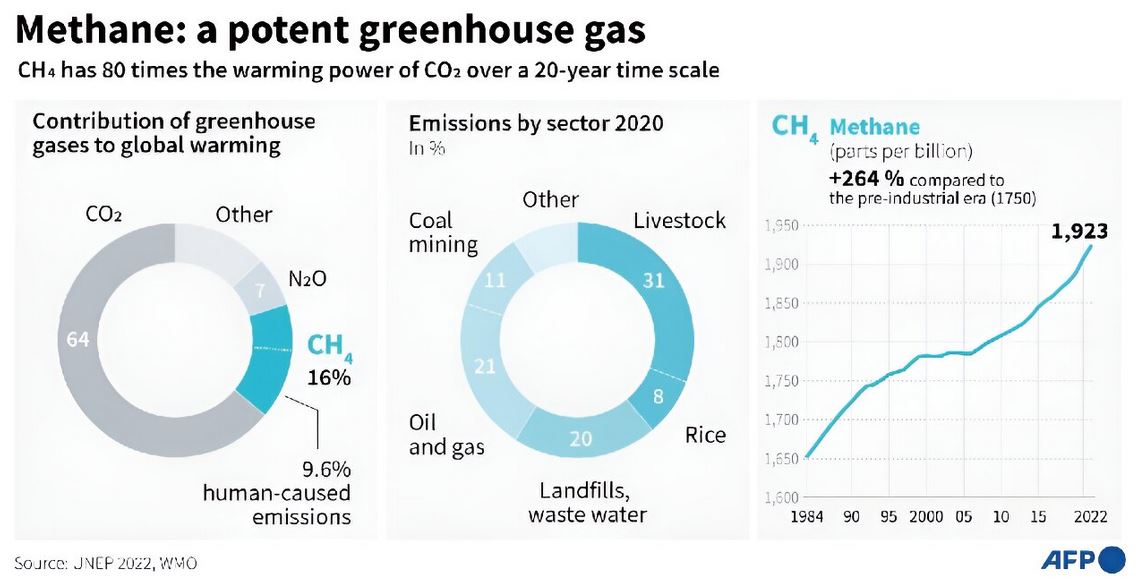
    • Greenhouse Gas Emissions: The burning of fossil fuels since the Industrial Revolution have released large amounts of GHGs like carbon dioxide and methane into the atmosphere.
    • Heat Trapping: The greenhouse gases act as a blanket, trapping heat in the atmosphere. While they allow sunlight to pass through, they prevent the heat from escaping back into space, leading to a rise in global temperatures.
      • The global average temperature has increased by at least 1.1 degrees Celsius since 1880 due to the skyrocketing emissions of GHGs in recent decades.
    • Consequences of Temperature Rise: The temperature rise has resulted in devastating consequences such as more frequent and intense heatwaves, floods, droughts, and a rise in sea levels.
    • Accelerated Melting: Glaciers, like ice cubes exposed to heat, are melting at accelerated rates due to the warmer temperatures caused by global warming.
    • Natural Climate Phenomena: Natural climate phenomena like El Nino can exacerbate glacier melting by causing abnormal warming of surface waters, as observed in the case of the Humboldt glacier in Venezuela.

    What are the impacts of Glacier Loss?

    • Freshwater Source: Glaciers are crucial sources of freshwater, especially during hot and dry periods, providing water for local communities, plants, and animals. Their disappearance would increase dependence on sporadic rainfall for freshwater supply.
    • Temperature Regulation: Glacial runoff helps regulate downstream water temperatures, particularly keeping them cooler. This is essential for many aquatic species that require cold water temperatures to survive, impacting the entire ecosystem.
    • Ecosystem Impact: Glacier loss directly affects aquatic species, disrupting the food web and potentially leading to declines in biodiversity.
    • Contribution to Sea Level Rise: Melting glaciers contribute to rising sea levels, although smaller glaciers like Venezuela’s Humboldt glacier may not substantially impact sea levels.
    • Cultural Impact: The loss of glaciers has significant cultural implications, particularly for communities where glaciers are part of their cultural identity. Activities such as mountaineering and tourism, which rely on glaciers, would be affected.
    • Tourism and Recreation: Glaciers are often major tourist attractions, drawing visitors for activities like mountaineering and sightseeing. The disappearance of glaciers would impact tourism and recreational activities in affected regions.

    Way Forward: 

    • International Cooperation: Foster collaboration among countries to tackle climate change on a global scale. Support international agreements such as the Paris Agreement, aimed at limiting global warming and reducing greenhouse gas emissions.
    • Protect and Preserve Glacier Areas: Establish and enforce conservation measures to protect glacier regions from further degradation. This can involve creating protected areas, implementing zoning regulations, and promoting sustainable tourism practices.

    Mains PYQ:

    Q Bring out the relationship between the shrinking Himalayan glaciers and the symptoms of climate change in the Indian sub-continent. (UPSC IAS/2014)

  • Explained Climate: Heatwaves and Climate Change

    Why in the News? 

    According to the Indian Meteorological Department (IMD), heatwave conditions are affecting either the smaller regions or the larger geographical areas in India at every 26 days of the month.

    What are the Heat Waves?

    • The “World Meteorological Organization” defines a heat wave as five or more consecutive days during which the daily maximum temperature exceeds the average maximum temperature by five degrees Celsius.
    • If the maximum temperature of any place continues to be more than 45 Degree Celsius consecutively for two days, it is called a heat wave condition.

    Heatwaves in India:       

    • Regional Observations: A place with a normal temperature of 40°C in summer is not experiencing a heatwave at 42-43°C, but another location with a normal temperature of 27-28°C is in a heatwave at 35°C.
      • Heatwaves are common in northern, central, and eastern India during summer. Heatwaves are becoming more frequent, intense, and prolonged due to climate change.
      • In February 2023 (winter month for India), several regions experienced heatwaves with maximum temperatures 5 to 11 degrees higher than normal. (with a mean temperature 1.36°C higher than normal)
    • Predictions and Records: The outlook for heatwaves this year is grim, with predictions of prolonged heatwaves lasting 10 to 20 days in some areas, compared to the usual 4 to 8 days.
      • In April 2023, Odisha experienced an 18-day heatwave, the second-longest in the state’s history.
      • Gangetic West Bengal recorded the highest number of heatwave days in any month over the last 15 years. Eastern India recorded its warmest April ever.
    • Upcoming Heatwave: The India Meteorological Department (IMD) forecasted a fresh spell of heatwaves starting over northwest India.

    Impact of Heatwaves:

    • Impact on Resource Availability:
      • Water Resources: It exacerbates water scarcity by drying up of water bodies, reducing water availability for agriculture and domestic use, and increasing competition for resources. This can lead to conflicts over water, affect irrigation practices, and impact water-dependent industries.
      • Energy Resources: It increases electricity demand for cooling purposes, leading to strain on power grids and potential blackouts. This can disrupt economic activities, affect productivity, and impact vulnerable populations.
    • Impact on Health:
      • Prolonged exposure to heat can lead to Dehydration and Cardiovascular and Respiratory diseases.
      • Rapid rises in heat gain can compromise the body’s ability to regulate temperature and can result in a cascade of illnesses, including heat cramps, heat exhaustion, heatstroke, and hyperthermia.
      • Health Ministry reported 264 heat-related deaths in the first six months of 2023. NCRB reported 730 heat-related deaths in the same year.

    However, data collected and maintained by IMD and NDMA (National Disaster Management Authority) showed a sharp decline in heat-related deaths ever since state governments and district administrations began implementing heat action plans.

    Mitigation of Heatwaves:

    • Need to establish an Early Warning System: The Inter-Agency Coordination needs to alert residents on predicted high and extreme temperatures. Who will do what, when, and how is made clear to individuals and units of key departments, especially for health.
    • Increase Public Awareness and Community Outreach: Disseminating public awareness messages on how to protect against the extreme heat – wave through social media and advertisements. Additionally, the government needs to aware the general public through Television programs the Do’s and Dont’s for heat-related illnesses.

    Conclusion: Need to improve collaboration with Non-governmental organizations and Civil society organizations to improve public spaces wherever necessary, improve water delivery systems in public areas, and other innovative measures to tackle heatwave conditions.

    Mains PYQ: 

    Q ‘Climate change’ is a global problem. How India will be affected by climate change? How Himalayan and coastal states of India will be affected by climate change? (UPSC IAS/2017)