💥Mains Ready By December. Smash Mains & Smash PYQ Admissions Open

Subject: International Stories of Key Importance

  • [26th February 2025] The Hindu Op-ed: The right’s rise, Europe’s state of denial

    PYQ Relevance:

    Q) What is the significance of Indo-US defence deals over Indo-Russian defence deals? Discuss with reference to stability in the Indo-Pacific region. (UPSC CSE 2020)

    Mentor’s Comment: UPSC mains have always focused on “ Indo-US defence deals over Indo-Russian defence deals”  (2020), and the “Russia and Ukraine war”  (2022).

    In February 2025, the U.S. blamed Ukraine, Germany, and other European countries for not doing enough to end the conflict and for continuing a war with Russia that it sees as unwinnable. However, the U.S. itself has already spent over $110 billion on the Ukraine war, including $65 billion on ammunition—more than what major Western countries combined have provided. 

    Today’s editorial highlights the double stance of the USA in international relations. This content would help in GS paper 2 (IR).

    _

    Let’s learn!

    Why in the News?

    The Munich Security Conference in Germany and the recent United Nations General Assembly vote on Ukraine were filled with contradictions and hypocrisy.

    What were the key contradictions during the Munich Security Conference and the UN General Assembly vote on Ukraine?

    Munich Security Conference

    • U.S. Criticism of European Democratic Practices vs. Its Own Actions: U.S. Vice-President J.D. Vance accused Europe of suppressing right-wing parties and curbing free speech. However, the U.S. previously sought to delegitimize its own right-wing movements including the 2021 Capitol riot and Trump’s 2020 election denial further exposed this contradiction.
    • U.S. Demand for European Security Responsibility vs. Past Opposition: The U.S. urged Europe to increase defense spending and reduce reliance on NATO. Yet, since the Cold War’s end the U.S. has consistently opposed European efforts to establish independent security frameworks fearing a weakened NATO.

    UN General Assembly vote on Ukraine: 

    • U.S. Opposition to European-Ukrainian Resolution vs. Its Previous Support: Despite previously leading international efforts to support Ukraine against Russia and now the U.S. voted with Russia against a European-Ukrainian draft resolution. This contradicts its long-standing position of backing Ukraine and opposing Russian aggression.
    • Europe’s Victory Without U.S. Support: The European-Ukrainian resolution was adopted despite U.S. opposition, highlighting a growing divide between American and European approaches to the Ukraine conflict. However, without sustained U.S. support, Europe’s ability to continue aiding Ukraine effectively is uncertain, making the victory largely symbolic.

    How has the U.S.’s stance on the Ukraine war shifted over time?

    • Initial Strong Support for Ukraine (2022-2023): The U.S. led global efforts to support Ukraine, providing over $110 billion, including $65 billion for ammunition, and coordinated sanctions against Russia. Example: The U.S. played a key role in mobilizing NATO allies to send advanced weaponry, including Germany’s Leopard tanks.
    • Undermining Peace Negotiations (2022): The U.S. discouraged early peace talks between Russia and Ukraine in Türkiye, preferring to prolong the conflict to weaken Russia strategically. Example: In March 2022, a European leader, reportedly at U.S. behest, sabotaged a nearly finalized peace agreement.
    • Tensions with European Allies (2023-2024): The U.S. increasingly criticized Europe for not contributing enough financially and militarily while maintaining disproportionate U.S. involvement. Example: Despite urging Europe to take responsibility, the U.S. continued to dominate NATO’s budget (16%) and military commitments.
    • Shifting Blame to Europe (2025): By February 2025, the U.S. accused Germany, Ukraine, and other European nations of pursuing an unwinnable war and not doing enough to seek a resolution.  
    • Voting Against European-Ukrainian Resolution (2025): In a dramatic reversal, the U.S. voted with Russia against a European-Ukrainian draft at the UN General Assembly, signaling a shift toward disengagement. This marked a break from the U.S.’s previous unconditional support and exposed widening trans-Atlantic rifts over Ukraine policy.

    Why is the trans-Atlantic partnership between the U.S. and Europe still considered relevant?

    • Shared Security Commitments Through NATO: The U.S. and Europe continue to rely on NATO for collective defence, especially in response to Russian aggression and emerging global threats. Example: After Russia’s invasion of Ukraine (2022), the U.S. increased its troop presence in Eastern Europe, while Finland and Sweden joined NATO, reinforcing trans-Atlantic security ties.
    • Economic and Technological Interdependence: The U.S. and Europe maintain deep economic ties through trade, technology collaboration, and joint efforts on climate change and supply chain resilience. Example: The U.S.-EU Trade and Technology Council (TTC) fosters cooperation on critical areas like semiconductors and clean energy, reducing dependence on China.

    What lessons should India learn from the USA’s constantly changing policies?

    • Need for Policy Consistency and Strategic Autonomy: Frequent shifts in U.S. foreign policy highlight the importance of maintaining stable and long-term strategies to protect national interests. 
      • Example: The U.S.’s fluctuating stance on Ukraine and Afghanistan shows how unpredictable alliances can be. India should continue pursuing strategic autonomy through initiatives like “Act East” and partnerships with Russia and the Global South to avoid over-reliance on any one nation.
    • Diversification of Economic and Defense Partnerships: Rapid policy changes in the U.S. underscore the need to diversify partnerships to reduce vulnerability to external shocks.
      • Example: U.S. sanctions on Iran disrupted India’s oil imports. In response, India diversified its energy sources by strengthening ties with Russia and exploring renewable energy investments.
    • Investing in Domestic Capabilities: India must strengthen its domestic manufacturing, technology, and defense industries to reduce dependence on unpredictable foreign partners.
      • Example: The U.S.’s evolving position on export controls for advanced technologies emphasizes the need for India to accelerate initiatives like “Make in India” and semiconductor manufacturing to ensure technological sovereignty.

    Way forward: 

    • Strengthen Strategic Autonomy: Prioritize independent foreign policy decisions while balancing ties with major powers. Enhance regional leadership through initiatives like “Neighborhood First” and “Act East” to reduce reliance on any single partner.
    • Enhance Self-Reliance and Diversification: Invest in domestic capabilities through programs like “Make in India” and “Digital India”, while diversifying economic and defence partnerships to mitigate risks from external policy shifts.
  • [11th February 2025] The Hindu Op-ed: Gaza and Trump’s ‘expanding the canvas’ strategy

    PYQ Relevance:

    Q) “India’s relations with Israel have, of late, acquired a depth and diversity, which cannot be rolled back.” Discuss. (UPSC CSE 2018)

    Q) Consider the following statements: (2023)

    Statement I: Israel has established diplomatic relations with some Arab States.

    Statement-II: The ‘Arab Peace Initiative’ mediated by Saudi Arabia was signed by Israel and Arab League.

    Which one of the following is correct in respect of the above statements?

    (a) Both Statement-I and Statement-II are correct and Statement II is the correct explanation for Statement I

    (b) Both Statement-I and Statement-II are correct and Statement-II is not the correct explanation for Statement-I

    (c) Statement I is correct but Statement II is incorrect

    (d) Statement I is incorrect but Statement II is correct


    Mentor’s Comment: UPSC mains have always focused on India’s relations with Israel (2018), and the Arab Peace Initiative for Israel and Palestine ( 2023).

    On February 4, 2025, Donald Trump proposed relocating Gaza’s 2.3 million residents to Egypt and Jordan, turning the area into a global resort under U.S. control. He hinted at a West Bank plan soon. Alongside Netanyahu, he praised Saudi Crown Prince Mb Salman, who reaffirmed that Saudi-Israel ties depend on a Palestinian state’s creation.


    Today’s editorial talks about issues in the Middle East which is always in the news because of the Israel and Palestine conflict. This topic is also the favourite of UPSC in GS Paper2 mains and prelims related to International relations above mentioned in the box (PYQ Relevance). This content would help in substantiation of answers in Mains GS Paper 2.

    _

    Let’s learn!

    Why in the News?

    Donald Trump recently proposed an audacious plan to relocate 2.3 million residents of the Gaza Strip to Egypt and Jordan, turning Gaza into a global resort, which has stirred geopolitical tension.

    • This suggestion, along with his praise for Saudi Crown Prince Mohammed bin Salman (MbS), hints at possible changes in the West Asia region, especially concerning the Israel-Palestine issue and Saudi Arabia’s potential involvement in the Abraham Accords.

    What is meant by Trump’s ‘expanding the canvas’ strategy?

    • Trump’s “expanding the canvas” strategy refers to his approach of broadening the scope of a negotiation or conflict resolution by introducing bold, often extreme proposals to provoke reaction and stimulate further discussions.
    • By presenting an audacious or exaggerated idea, he aims to shift the focus and push opposing parties to consider more realistic and agreeable counter-offers. The idea is that this “shock tactic” can help break a stalemate and create space for new solutions.
    • In the context of the Gaza proposal, Trump’s suggestion to depopulate Gaza and turn it into a global resort serves as an example of this strategy—pushing the boundaries of negotiation to force other stakeholders to come up with a more balanced, practical solution.

    What are the implications of the proposed strategy for the Gaza conflict, and how might it reshape the geopolitical landscape in West Asia?

    • Geopolitical Tensions and Pushback: This proposal would likely anger Palestinians and Arab nations, as it bypasses the core issue of Palestinian statehood and self-determination. It could worsen tensions between Israel, Palestinians, and neighboring Arab countries.
      • The suggestion might also be viewed as a land grab or colonial move, particularly because it disregards the established claim of Palestinians to their land, creating significant backlash in the region and beyond.
    • Impact on Palestinian Statehood: Trump’s plan shifts focus away from the two-state solution (Israel and Palestine coexisting as separate states), which many international actors, including the U.S. and the UN, support.
      • The proposal undermines the push for Palestinian independence and could derail efforts to achieve a lasting peace settlement.
    • Saudi Arabia and Other Arab Nations’ Involvement: Trump’s proposal could alter the balance in Arab-Israeli relations. Saudi Arabia, which is being courted for inclusion in the Abraham Accords, might find it difficult to reconcile such a plan with its own stance on Palestinian rights, especially since Saudi Crown Prince Mohammed bin Salman has linked normalization with Israel to the creation of a Palestinian state.
      • It could either push Saudi Arabia and other Arab states further toward Israel or create more division, depending on how the proposal is received by the region’s leaders.
    • Shifting Regional Alliances: If Saudi Arabia were to move toward accepting the proposal, it could signal a significant shift in Middle Eastern alliances, possibly leading to greater cooperation between Arab states and Israel, while sidelining Palestinian aspirations for statehood.
      • On the other hand, if the plan fails, it could deepen regional divisions, particularly between Israel and the Arab world, and intensify the existing geopolitical instability in the region.

    How are the ongoing conflicts and economic challenges in West Asia affecting the region’s future?

    Political Impact of Conflicts: The wars and conflicts in places like Gaza, Syria, Yemen, and Lebanon have created deep divisions and instability. The region has been repolarized, leading to less cooperation and more distrust between nations.

    • Issues such as the Israeli-Palestinian conflict, Iran’s nuclear ambitions, and Kurdish national aspirations remain unresolved, keeping tensions high and preventing lasting peace.

    Economic Challenges: The conflicts have caused massive destruction, with the rebuilding costs in places like Gaza, Lebanon, and Syria. However, economic recovery is impossible without resolving the political issues first.

    • The region’s economy is also heavily dependent on oil, which is a vulnerable resource. The global push to move away from fossil fuels and the volatility of oil prices make the region’s future uncertain.
    • Countries like Saudi Arabia are aware of this and are trying to diversify their economies, but this process is slow.

    What are the Abraham Accords?

    The Abraham Accords refer to a series of normalization agreements between Israel and several Arab countries, aimed at establishing diplomatic, economic, and cultural relations. These agreements were brokered by the USA, and they marked a significant shift in Middle Eastern geopolitics.

    Here are the four major features of the Abraham Accords:

    • Normalization of Relations: Israel established diplomatic ties with Arab countries like UAE, Bahrain, Sudan, and Morocco.
    • Economic Collaboration: The signatories are working together to enhance trade relations, investment opportunities, and economic partnerships. Israel’s advanced technology sector, including cybersecurity and innovation, is seen as a valuable area for collaboration with the Arab countries.
    • Security Cooperation: Enhances defense and intelligence sharing, especially to address regional threats like Iran. As part of the normalization, the Accords encourage cultural exchange programs, tourism, and people-to-people connections.
    • Exclusion of the Palestinian Issue: One of the most notable features—and points of controversy—of the Abraham Accords is that the agreements were made without resolving the Israeli-Palestinian conflict.
      • While Palestinian leaders and many in the Arab world have opposed the Accords, claiming they betray the Palestinian cause, the agreements were framed as separate tracks that do not require the resolution of Palestinian statehood for Arab-Israeli relations to normalize.

    Saudi Arabia’s Role in Shaping Stability:

    • Economic Influence: Saudi Arabia, as the largest economy in the region, plays a major role in the economic stability of West Asia. It has massive reserves of wealth, particularly from its oil exports, and is using this to invest in rebuilding and diversifying the region’s economy. The Saudi Public Investment Fund, for example, is helping to fuel new development projects.
    • Diplomatic Influence: Saudi Arabia’s political influence is also crucial. Under Crown Prince Mohammed bin Salman (MbS), the country has made efforts to mediate regional conflicts, like the war in Yemen and tensions with Iran. It has also sought to balance relationships with global powers, including the U.S., China, and Russia, while maintaining its leadership role in the Arab and Islamic world.
    • Potential to Guide Regional Stability: Despite the conflicts around it, Saudi Arabia has largely avoided direct involvement in the region’s major wars. It can use its wealth and diplomatic leverage to fund reconstruction efforts and push for more peaceful, negotiated solutions to ongoing conflicts. It also holds significant sway over organizations like OPEC, which can affect the global oil market and, by extension, the region’s economy.

    What are the challenges the US faces in advancing the Abraham Accords, and how does it  complicate vision for broader Arab-Israeli normalization?

    • Palestinian Statehood and the Core Issue of the Conflict: The Palestinian issue is a major barrier to Arab-Israeli normalization, with many Arab nations, including Saudi Arabia, insisting on a Palestinian state as a prerequisite.
      • Trump’s focus on individual peace deals with Arab states bypasses this issue, making it difficult for countries like Saudi Arabia to fully normalize relations with Israel.
    • Opposition from Palestinian Leaders and Supporters: The Palestinian leadership has consistently rejected the Abraham Accords, seeing them as a betrayal of their cause. They argue that normalizing relations with Israel without addressing Palestinian rights and the establishment of a Palestinian state undermines their struggle for sovereignty and independence.
      • This complicates the situation. As long as Palestinians feel excluded from peace processes or see no meaningful progress toward a state of their own, it will be difficult to secure broad Arab-Israeli normalization.
    • Resistance from Ultra-Religious Israeli Groups: Within Israel, the growing influence of ultra-religious Jewish groups also complicates Trump’s plans. These groups often oppose any peace deal and their influence makes it harder for the Israeli government to adopt policies that could lead to broader peace agreements, even with Arab states.
    • Competing Interests Among Arab States: While some Arab states like the UAE and Bahrain have embraced the Abraham Accords, others, particularly in the Gulf, have been more cautious.
      • Saudi Arabia, for example, has signaled interest in normalizing relations with Israel, but only on the condition that Palestinian statehood is part of the deal.
      • This puts Trump in a difficult position, as he must balance the desire to expand the Accords with the realities of Arab and Palestinian demands.

    Way Forward: 

    • Need for Revised Diplomacy: A lasting solution must address Palestinian statehood, with a two-state solution being central to gaining support from Arab nations and Palestinian leaders. Direct negotiations, backed by international mediators, are crucial.
      • Arab states, Israel, and global powers must work together through multilateral platforms, with Saudi Arabia playing a key role in fostering peace and stability in the region.
    • Humanitarian Focus: Immediate efforts are needed to address the humanitarian crisis in Gaza and surrounding areas, with international aid supporting reconstruction and stability.
    • Economic Diversification: The region must move beyond oil dependency by investing in other industries, with collaboration between the U.S. and Gulf states to promote long-term economic stability.
  • [10th February 2025] The Hindu Op-ed: Keeping a watch on the growing arc of violence

    PYQ Relevance:

    Q. The scourge of terrorism is a grave challenge to national security. What solutions do you suggest to curb this growing menace? What are the major sources of terrorist funding? (2017)

    Q. Discuss the impediments India is facing in its pursuit of a permanent seat in the UN Security Council. (2015)

    Mentor’s Comment:   UPSC mains have always focused on grave challenge to national security (2017), and ‘pursuit of a permanent seat in the UN Security Council ’ (2015)

    Wars are raging, global institutions are failing, and terrorism is evolving in new, digital, and decentralized forms. While conflicts like the Ukraine war and Gaza crisis dominate headlines, subterranean threats such as radicalization and lone-wolf terrorism are quietly reshaping global security risks.

    Today’s editorial highlights why the world is in a volatile state, how extremist groups are adapting, and why counterterrorism efforts must evolve to meet these new challenges. This content will help in GS paper 2 (Security issues).

    Why in the News?

    The world is going through an unpredictable phase, with wars, conflicts, and terrorism on the rise. The post-1945 global order has collapsed, and international institutions like the United Nations Security Council (UNSC) and the International Court of Justice (ICJ) are failing to prevent violence. At the same time, terrorism is evolving, using digital tools and decentralized networks to survive and grow.

    Why is the Present Period Unpredictable?

    • Wars in Europe and West Asia:
      • The Ukraine war continues with no clear end in sight.
      • The Gaza conflict and tensions in Lebanon have led to large-scale civilian casualties.
    • Failure of Global Institutions:
      • The UNSC and ICJ have become powerless observers, unable to stop wars.
      • The principles of international law are now ignored by major powers.
    • Moral and Political Decline:
      • Nations are acting in self-interest, with no common moral framework.
      • Peace efforts are temporary and do not address the root causes of conflicts.

    What are the Recent Subterranean Activities?

    • False Sense of Stability in West Asia:
      • Some believe that Israeli military actions have weakened Iran’s regional influence.
      • However, underground resistance movements are growing, keeping tensions high.
    • Resurgence of Islamist Extremism:
      • Jihadist groups are reorganizing, using online radicalization.
      • “Lone wolf” attacks are increasing, making them harder to predict.
    • Digital Radicalization:
      • Terrorist groups are recruiting and training people online.
      • Social media and encrypted messaging apps are used to spread extremist ideologies.

    How Terrorism is Witnessing a Revival?

    • Terrorism is Adapting:
      • Since 1979, terrorist networks have evolved.
      • Al-Qaeda and ISIS have used both military and digital strategies to stay active.
      • Now, terrorism is shifting towards smaller, more frequent attacks.
    • Al-Qaeda and ISIS Regrouping:
      • Al-Qaeda is training militants in Afghanistan, under Taliban rule.
      • ISIS-Khorasan (ISKP) is expanding its operations beyond Afghanistan and Pakistan.
      • Attacks have been reported in Moscow, Türkiye, and Iran.
    • More Small-Scale Attacks:
      • Instead of large bombings, modern terrorism relies on:
        • Lone-wolf attacks (one person acting alone).
        • Vehicle attacks, knives, or simple explosives.
        • AI-driven propaganda to recruit supporters.
    • Recent Terror Attacks in the U.S.:
      • Las Vegas Cyber Truck Explosion: A Tesla exploded outside a hotel where President-elect Donald Trump was staying.
      • New Orleans Vehicle Attack: A former soldier drove a truck into a crowd, killing 14 people while displaying an ISIS flag.
      • Virginia Terror Plot: Authorities foiled a planned attack in early 2025.
    • Warnings for the Future:
      • Experts warn of a new wave of terror attacks using digital tools.
      • Security agencies worldwide are on high alert to prevent further incidents.

    Conclusion

    A technology-driven and cooperative global approach is essential to counter rising conflicts and terrorism. Nations must strengthen international institutions, use AI for surveillance, and enforce stricter digital regulations to prevent online radicalization. Community engagement and de-radicalization programs can help address extremism at its roots. Stronger border security, cyber-tracking, and intelligence-sharing will be key to preventing future attacks. As threats become more decentralized and digital, proactive measures and global collaboration are the only paths to lasting peace.

  • [5th February 2025] The Hindu Op-ed: The U.S.’s WHO exit, a chance to reshape global health

    PYQ Relevance:

    Q) Critically examine the role of WHOin providing global health security during the Covid-19 pandemic. (UPSC CSE 2020)


    Mentor’s Comment: UPSC mains have always focused on Bridging Healthcare Gaps (2015), and WHO Initiatives (2020).

    The US is the largest contributor to WHO, providing about 18% of its funding. The withdrawal is expected to jeopardize critical health programs, particularly those addressing tuberculosis, HIV/AIDS, and other health emergencies.

    Today’s editorial emphasizes the need for member states to collaborate more effectively in light of reduced US involvement, ensuring that global health priorities remain addressed despite funding challenges. This content can be used to present the significance of multilateral collaboration and its impact on international policy and governance with respect to Health.

    _

    Let’s learn!

    Why in the News?

    After the USA’s withdrawal from WHO, it is time for the countries in the global south to support WHO and initiate collaborative actions to reshape the global health agenda.

    What are the Potential Impacts of the US Withdrawal from WHO?

    • Disruption of Funding and Programs: The US contributes nearly 18% of WHO’s budget (~$1 billion annually), supporting critical health programs like immunization, tuberculosis control, and pandemic preparedness.
      • The withdrawal will likely disrupt ongoing projects aimed at combating health challenges such as HIV/AIDS and polio eradication.
    • Weakened Global Health Response: WHO’s ability to coordinate responses to health crises will be significantly impaired without US support. This includes reduced resources for disease surveillance and emergency operations in regions facing outbreaks or health threats.
    • Impact on Global Health Leadership and Collaboration: The absence of the US may create a leadership vacuum within WHO, allowing other nations (e.g., China) to increase their influence.
      • This shift could alter international collaboration dynamics and lead to fragmented approaches to public health challenges.
    • Repercussions for Low-Income Countries: Marginalized communities in low-income countries may face disproportionate impacts due to reduced funding from WHO. These communities rely heavily on WHO for access to essential health services, and the withdrawal signals a deprioritization of global health initiatives, exacerbating existing inequalities.
      • The overall effectiveness of global health initiatives may decline as WHO struggles with funding constraints and could slow long-term progress toward key health goals, such as disease eradication and comprehensive vaccination programs, ultimately affecting global health security.

    How might the withdrawal reshape international health diplomacy?

    • Shift in Global Health Leadership: The absence of the US may create a leadership vacuum within WHO, potentially allowing countries like China to increase their influence in global health governance.
      • This shift could alter the dynamics of international collaboration, with other nations stepping up to fill the void left by the US.
    • Increased Geopolitical Tensions: The withdrawal could intensify competition between the US and China for influence in global health matters.
      • China’s initiatives, such as the Health Silk Road, may gain traction as it seeks to position itself as a leader in global health, thereby reshaping alliances and partnerships among countries.
    • Impact on Multilateral Cooperation: The US’s exit may weaken multilateral cooperation on critical health issues, leading to fragmented responses to global health challenges.
      • Countries may become less willing to collaborate on shared health threats without US leadership, which could hinder effective pandemic preparedness and response efforts.
    • Loss of Diplomatic Leverage: By withdrawing, the US relinquishes its role as a key influencer in shaping global health policies and initiatives.
      • This could diminish its ability to advocate for public health programs that align with its interests and values, allowing other nations to take a more prominent role in setting global health agendas.
    • Disproportionate Effects: The low-income countries that rely heavily on WHO for support may face greater challenges without US involvement.

    What reforms or changes might be necessary within WHO in light of this withdrawal?

    • Diversification of Funding Sources: WHO should encourage member states to increase their assessed contributions, which currently cover less than 20% of its budget. This could help reduce reliance on any single donor, particularly the US.
      • WHO can seek to expand its voluntary contributions from other countries and private organizations to fill the financial gap left by the US withdrawal.
    • Strengthening Governance and Accountability: Implementing more transparent financial management practices can help restore trust among member states and ensure that funds are allocated effectively.
      • Establishing an independent oversight body to review WHO’s operations and decision-making processes may help address concerns about political influence and enhance accountability.

    What opportunity do India have in this situation?

    • Increased Leadership Role: India can take a prominent leadership position within WHO, representing the Global South.
      • For Example, through the Vaccine Maitri initiative, India facilitated vaccine exports during the COVID-19 pandemic, demonstrating its commitment to global health equity and influencing health policies.
    • Strengthening Domestic Capabilities: The withdrawal allows India to bolster its healthcare infrastructure and research capabilities.
      • For Example, significant investments in indigenous vaccine production, such as Covaxin and Covishield, have positioned India as a major player in global vaccine supply chains, enhancing self-reliance and healthcare outcomes.
    • Enhanced Collaboration with Emerging Economies: India can forge stronger partnerships with other emerging economies to collaboratively address global health challenges.
      • For Example, engagement with countries like Brazil and South Africa through the IBSA Dialogue Forum can focus on shared issues like antimicrobial resistance and maternal health, enhancing collective responses to public health threats.
    • Leveraging Pharmaceutical Strength: India’s robust pharmaceutical industry can fill gaps left by reduced WHO funding.
      • Known as the “pharmacy of the world,” India supplied affordable vaccines during the pandemic, reinforcing its reputation as a key player in global healthcare by continuing to produce low-cost medications.

    Way Forward: India can not only mitigate the impacts of the US withdrawal but also can significantly contribute to shaping a more equitable global health landscape.

  • Places in News: Sudan’s Darfur Region

    Why in the News?

    At least 70 people were killed in a drone strike on the last working hospital in Sudan’s North Darfur capital.

    About the Darfur Region

    Details
    • Conflict-prone region in western Sudan, affected by ethnic violence and resource conflicts since 2003.
    • Site of one of the world’s worst humanitarian crises, with mass killings and displacement.
    • Home to multiple ethnic groups, with tensions between Arab pastoralists and non-Arab farming communities.
    • Janjaweed militias, backed by the Sudanese government, accused of genocide and mass atrocities.
    • Rapid Support Forces (RSF), formerly Janjaweed, play a key role in ongoing instability.
    • Renewed violence in 2023, worsening the humanitarian situation.
    Geographical Location
    • Located in western Sudan, bordering Chad, Libya, and the Central African Republic.
    • Covers an area of about 493,180 sq. km, nearly the size of France.
    • Predominantly arid and semi-arid, with desert in the north and more fertile land in the south.
    • Climate-driven water and grazing conflicts, worsened by desertification and climate change.
    • Composed of five states: North, South, West, Central, and East Darfur.
    • El Fasher is the capital and largest city, serving as an administrative and humanitarian hub.
    Impact of Conflict
    • Politically marginalized for decades, leading to armed uprisings against Sudan’s government.
    • Conflict escalated in 2003 with rebel groups like the Sudan Liberation Movement (SLM) and Justice and Equality Movement (JEM) demanding greater autonomy.
    • Remains a stronghold of rebel activity, contributing to Sudan’s broader instability.
    • Ongoing violence impacts regional security, affecting neighboring countries like Chad and the Central African Republic.


    PYQ:

    [2024] Consider the following statements :

    Statement-I: There is instability and worsening security situation in the Sahel region.

    Statement-II: There have been military takeovers/coups d’état in several countries of the Sahel region in the recent past.

    Which one of the following is correct in respect of the above statement?

    a) Both Statement-I and Statement-II are correct and Statement-II explains Statement-I

    b) Bothe Statement-I and Statement-II are correct, but Statement-II does not explain Statement-I

    c) Statement-I is correct, but Statement-II is incorrect

    d) Statement-I is incorrect, but Statement-II is correct

  • [27th January 2025] The Hindu Op-ed: Genocide and the world’s averted gaze

    PYQ Relevance:

    Q) To what extend can Germany be held responsible for causing the two World Wars? Discuss critically. (UPSC CSE 2015)


    Mentor’s Comment: UPSC Mains has always focused on World Wars (2015) and India’s relations with Israel (2018).

    On January 27, 1945, Soviet soldiers liberated Auschwitz-Birkenau (network of Nazi concentration and extermination camps), finding 8,000 starving prisoners and remnants of the 1.1 million, mostly Jewish, who perished there. With Nazi records destroyed, exact figures are uncertain. On this anniversary, survivors and world leaders gather to honor the victims and renew the commitment to prevent genocide.

    Today’s editorial  talks about Genocide in the world and laws related to Genocide. It will help in GS Paper 2 Internqtional relation and GS Paper 1 World History.

    _

    Let’s learn!

    Why in the News?

    World leaders will gather in Poland to commemorate Holocaust Memorial Day and the 80th anniversary of the liberation of Auschwitz-Birkenau, a Nazi concentration camp.

    What is Holocaust?

    • The Holocaust, known in Hebrew as the Shoah , refers to the systematic, state-sponsored genocide of approximately six million Jews by Nazi Germany and its collaborators during World War II, primarily between 1941 and 1945.
    • This atrocity was characterized by mass murders carried out through various means, including mass shootings and the use of extermination camps, such as Auschwitz-Birkenau and Treblinka.

    What is Constitutes Genocide?

    • Genocide is defined under international law as a series of acts committed with the intent to destroy, in whole or in part, a national, ethnical, racial, or religious group. This definition is codified in Article II of the 1948 United Nations Convention on the Prevention and Punishment of the Crime of Genocide (Genocide Convention). 

    How is it Recognized Internationally?

    • Legal Frameworks: The 1948 Genocide Convention defines genocide and obligates signatory states to prevent and punish the crime. This convention has been incorporated into the statutes of various international tribunals, including the International Criminal Court (ICC), establishing a legal basis for prosecution and accountability for genocidal acts.
    • International Courts and Tribunals: The International Court of Justice (ICJ) and other tribunals have jurisdiction to adjudicate cases related to genocide.
      • They interpret and enforce the provisions of the Genocide Convention, allowing for legal proceedings against individuals or states accused of committing genocide.
    • Recognition by States and Organizations: Various countries and international organizations have formally recognized specific events as genocides, which can influence diplomatic relations and international responses.
      • For example, numerous nations have acknowledged the Armenian Genocide, while the European Parliament has recognized the actions of ISIS against Yazidis as genocide.

    Why do global powers often remain silent or inactive in the face of genocidal acts?

    • Geopolitical and Strategic Interests: Global powers often prioritize alliances and regional influence over humanitarian intervention. For example: Rwanda Genocide (1994): Despite clear warnings, the UN and major powers failed to act decisively as Rwanda was not strategically significant to their interests, leading to the massacre of over 800,000 Tutsis and moderate Hutus.
    • Economic Dependencies and Trade Priorities: Economic ties, such as energy or trade partnerships, often deter powers from addressing genocidal acts. For example: China’s Treatment of Uyghur Muslims: Countries like the U.S. and EU hesitate to impose strong measures against China due to its role as a major trading partner, despite widespread reports of atrocities in Xinjiang.
    • International Bureaucratic Deadlock: Global institutions like the UN are often hindered by vetoes and a lack of consensus among major powers. For example: Syrian Civil War: Allegations of genocide and mass atrocities in Syria were met with inaction, as Russia and China vetoed resolutions in the UN Security Council, paralyzing international intervention.

    What responsibilities do nations have to prevent and respond to genocide?

    • Primary Responsibility to Protect: States have the primary obligation to protect their own populations from genocide, war crimes, ethnic cleansing, and crimes against humanity.
      • This responsibility is affirmed by the 2005 United Nations World Summit Outcome, which emphasizes that national governments must take proactive measures to prevent such atrocities within their territories.
    • International Cooperation and Support: The international community is obligated to assist states in fulfilling their protective responsibilities. This includes providing diplomatic, humanitarian, and other peaceful means to help protect populations at risk of genocide. If a state is manifestly failing to protect its citizens, the international community must be prepared to take collective action, including potential military intervention, in accordance with the UN Charter.
    • Early Warning Systems and Preventive Measures: Nations and international organizations should establish early warning systems to identify signs of potential genocidal acts. This involves gathering information, promoting human rights, addressing root causes of conflict, and implementing strategies that foster social cohesion and prevent discrimination.

    Way forward: 

    • Strengthen International Accountability Mechanisms: Nations must collaborate to reinforce the effectiveness of international courts and tribunals to ensure swift and impartial prosecution of genocidal acts. This includes reforming veto power in the UN Security Council to prevent deadlocks in responding to atrocities.
    • Invest in Prevention and Early Intervention: Establish robust early warning systems and prioritize diplomacy, economic aid, and social cohesion initiatives to address the root causes of conflicts, reducing the risk of genocidal acts before they escalate.
  • Under Trump, US withdraws from WHO: Impact, what this means for India

    Why in the News?

    On his first day in office, U.S. President Donald Trump signed an order to pull the country out of the World Health Organization (WHO).

    What will be the Impact of USA’s withdrawal from WHO?

    • Funding Shortfall for WHO: The USA accounted for 22.5% of WHO’s assessed contributions and approximately 13% of voluntary contributions in 2023.
      • The funding gap may affect WHO’s ability to implement health programs globally.
    • Disruption of Global Health Programs: WHO’s work in areas such as pandemics, neglected tropical diseases, antimicrobial resistance, and vaccination programs could face setbacks.
      • Loss of technical collaboration between the US CDC and WHO may weaken disease surveillance and pandemic preparedness.
    • Increased Influence of China: The vacuum left by the US could amplify China’s role within WHO, leading to concerns over political influence and transparency.
    • Undermining Global Health Equity: Withdrawal may hinder equitable access to healthcare resources, including vaccines and medicines, in developing nations.
    • Undermining Pandemic Treaty: The US will cease negotiations on the WHO pandemic treaty, affecting the framework for global cooperation on future pandemics.

    What are the Major Global Institutions and Challenges Faced by them?

    • United Nations (UN): Political divisions among member states, limited enforcement power, and funding constraints. The UN’s peacekeeping missions and humanitarian efforts often face resource shortages and geopolitical interference.
    • World Health Organization (WHO): Criticism for its pandemic response, reliance on voluntary funding, and political influence from member states. The WHO struggles to maintain independence and effectiveness in global health governance.
    • World Trade Organization (WTO): Increasing protectionism, trade disputes among major economies, and calls for reform to address inequities in global trade rules. The WTO faces difficulties in resolving conflicts like U.S.-China trade tensions.
    • International Monetary Fund (IMF) and World Bank: Criticism of conditional lending practices, perceived bias favoring wealthier nations, and inefficiencies in addressing poverty and economic disparities. Both institutions face calls for governance reforms to better represent developing countries.
    • Regional Organizations (e.g., EU, African Union): Economic disparities among members, political instability, and resource limitations. For example, the EU faces challenges like migration issues and the aftermath of Brexit, while the African Union struggles with conflict resolution and development goals.

    What would be the Impact on India?

    • Funding Shortfalls for WHO Programs: The U.S. contributes approximately 15-20% of WHO’s budget, amounting to around $600 million annually.
      • This withdrawal could lead to significant funding gaps for various health programs like India’s immunisation programs that India benefits from, such as those addressing neglected tropical diseases, HIV, malaria, and tuberculosis.
    • Loss of Technical Expertise: The departure of U.S. experts from WHO committees could limit the organization’s ability to provide comprehensive guidelines and support for health policies in India.

    What are the reforms needed in Global Institutions?

    • Enhanced Representation and Inclusivity: Need to expand the UN Security Council and restructure voting power in organizations like the IMF and World Bank to ensure equitable decision-making.
    • Increased Transparency and Accountability: There is a pressing need for improved transparency in decision-making processes within global institutions. This includes establishing clear accountability mechanisms to address concerns about corruption, inefficiency, and lack of responsiveness to member states’ needs.

    Mains PYQ:

    Q Critically examine the role of WHO in providing global health security during the Covid-19 pandemic. (UPSC IAS/2020)

  • Mapping: Gulf of Mexico

    Mapping: Gulf of Mexico

    Why in the News?

    Donald Trump has proposed to change the name of the Gulf of Mexico to the “Gulf of America” after his plans for purchasing Greenland.

    About the Gulf of Mexico

    • The Gulf of Mexico is a marginal sea of the Atlantic Ocean.
    • It is bordered by:
      • United States: States of Florida, Alabama, Mississippi, Louisiana, and Texas.
      • Mexico: Eastern coast, including the Yucatán Peninsula.
      • Cuba: Southeastern boundary.
    • It is believed to have formed around 300 million years ago during the late Paleozoic era.
    • Its formation is linked to the breakup of the supercontinent Pangaea.
    • The Gulf has a subtropical to tropical climate.
    • It is prone to hurricanes and tropical storms
    • The Gulf is one of the world’s most significant oil-producing regions. It contains over 17% of global proven petroleum reserves.

    Strategic Location:

    • The Gulf is a crucial artery for international shipping, particularly between the Americas and Europe.
    • It connects to the Caribbean Sea and Atlantic Ocean through the Straits of Florida and to the Pacific Ocean via the Panama Canal.
    • The Gulf serves as a key area for U.S. naval operations.
  • [6th January 2024] The Hindu Op-ed: The outlook for India in the year ahead

    PYQ Relevance:

    Q) South China Sea has assumed great geopolitical significance in the present context. Comment. (UPSC CSE 2016) 
    Q) Clean energy is the order of the day.’ Describe briefly India’s changing policy towards climate change in various international fora in the context of geopolitics. (UPSC CSE 2022) 

    Mentor’s Comment: UPSC Mains has always focused on Regional Geopolitical Issues (2024) and India’s Development and Growth on the International stage (2018, 2022, & 2023).

    Global Economists predict that India’s GDP growth will average around 6.5% to 7% in 2025, despite a slowdown observed in late 2024. As India steps into 2025, the economic landscape presents a mix of optimism and challenges. 

    Today’s editorial outlines the key aspects shaping India’s outlook for the coming year, focusing on growth projections, inflation management, and geopolitical influences. This comprehensive content can be used in your Mains answer writing while discussing the Global uncertainties and changing geopolitics, where India’s Growth trajectory is affected.

    _

    Let’s learn!

    Why in the News?

    The year 2024 was characterized as a “global elections supercycle,” with over 70 countries, including major economies, scheduled to hold elections. 

    • This political climate is expected to generate significant regulatory and policy uncertainty in 2025, impacting international relations and economic strategies across the globe.
    What is the projected Outlook for India’s economy in 2025?

    • Various economists project India’s GDP growth to range between 6.3% and 7.2% for 2025, with a consensus around 6.5% to 6.9%, despite a slowdown observed in late 2024. 
    • The Reserve Bank of India (RBI) anticipates real GDP growth to recover in the latter half of the fiscal year, with estimates of 6.6% to 6.9% for FY25, supported by public consumption and investment.
    • The International Monetary Fund (IMF) has upgraded its forecast for India’s growth to 7% for FY25, citing strong domestic demand and a rising working-age population.

    What are the new Economic and Political uncertainties in the World?

    • Economic Landscape: India is recognized as one of the leading nations in terms of economic growth and political stability, that demands an atmosphere of peace amidst global turmoil.
      • Inflation Issues: Inflation remains a crucial concern, impacting consumption and overall economic stability. Policymakers must navigate these pressures while encouraging investment.
      • Migration and Unemployment Issues: Addressing structural challenges such as job creation is critical, especially given the need to generate millions of jobs annually until 2030.
    • Political Landscape: The year 2024 witnessed significant political uncertainty worldwide, with ongoing conflicts in regions like Europe and West Asia, notably the Gaza crisis and the Ukraine conflict.
      • Global Major Powers: India’s democratic and globalized trajectory will be influenced by the changing political stability, with increase in right-wing policies and frameworks in western world from the new US administration to the European Union.
      • Geopolitical Tensions with China: Recent border negotiations with China have led to some disengagement at the Line of Actual Control, but the underlying border dispute remains unresolved. 
      • In September 2024, China and African nations jointly agreed to progress the China-sponsored Global Security Initiative (GSI) and deepen cooperation in areas. (steps to outmaneuver India in international forums)
      • China also managed to steal a march over India during the Shanghai Cooperation Organisation Summit held in Pakistan in October. 
    How will South and West Asia make a major eclipse in regional Geopolitics for India?

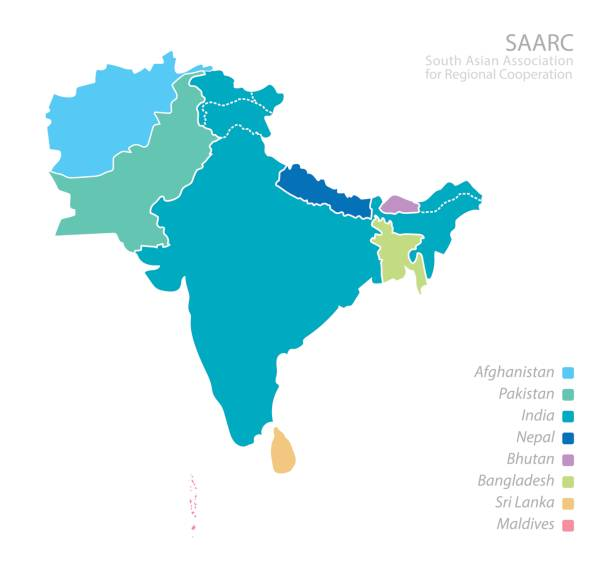
    Current Situation in South Asia: India faces increasing isolation in South Asia, particularly after the ousting of Sheikh Hasina in Bangladesh, leading to questions about India’s neighborhood policy.
    Nepal and Sri Lanka are perceived as “fair weather friends,” while relations with the Maldives remain uncertain. Pakistan continues to be antagonistic, and Afghanistan is not a priority for India.
    Bhutan appears to be balancing its relations with India and China under its current leadership.

    Challenges in West Asia:
    Impact of Syrian Developments: The ouster of the Assad regime in Syria is expected to have significant repercussions for the region, including implications for India.
    Rise of Sunni Groups: The takeover by the Sunni group Hayat Tahrir al-Sham (HTS) may shift regional dynamics, especially as it aligns with the Sunni majority in Syria.

    Regional Implications
    Dismantling of Alliances: The changing power dynamics could weaken the so-called “axis of resistance,” affecting Iran’s influence and potentially diminishing support for groups like Hezbollah.• Israel’s Position: Israel may emerge stronger amid these changes, while the pro-Palestine movement could face setbacks.

    What are the further strands on Technological challenges?

    • The digital threat landscape is expected to escalate significantly in 2025, necessitating urgent attention and warnings about potential dangers.
    • In late 2024, India experienced a notable increase in cyber attacks, including denial of service and ransomware incidents targeting major companies and government institutions.
    • This trend is projected to grow exponentially, posing unprecedented risks to national infrastructure due to the convergence of various technologies.

    Conclusion: India must navigate this complex geopolitical landscape carefully, as both Political as well as Technological issues undergo significant transformations that could affect its regional influence and security.

    https://www.thehindu.com/opinion/lead/the-outlook-for-india-in-the-year-ahead/article69065160.ece

  • In news: Trinidad and Tobago

    In news: Trinidad and Tobago

    Why in the News?

    The government of Trinidad and Tobago declared a state of emergency on December 30, 2024, in response to escalating violence in the Caribbean nation.

    About Trinidad and Tobago

    • Geography:
      • Located in the southern Caribbean, near Venezuela.
      • A dual-island nation consisting of Trinidad (4,768 sq. km) and Tobago (300 sq. km).
      • Total land area: 5,128 sq. km.
      • Climate: Tropical, with a dry season from January to May and a rainy season from June to December.
    • Population:
      • Approximately 1.5 million people.
      • Ethnic Composition: African (36.3%), Indian (35.4%), Mixed (22.8%), European, Chinese, and others.
      • Religions: Christianity (64%), Hinduism (18%), Islam (5%), and others.
    • Capital and Cities:
      • Capital: Port of Spain (Trinidad).
      • Other key cities: San Fernando, Chaguanas, and Scarborough (Tobago).
    • Political System:
      • Government Type: Parliamentary democracy under a constitutional republic.
      • Member of the Commonwealth of Nations.
      • Gained independence from the UK on August 31, 1962, and became a republic in 1976.
    • Infrastructure:
      • Ports: Port of Spain, Point Lisas, and Scarborough are critical for trade.
      • Airports: Piarco International Airport (Trinidad) and A.N.R. Robinson International Airport (Tobago).
    • Culture and Heritage:
      • Known for the Carnival, one of the world’s largest pre-Lenten celebrations.
      • Birthplace of Calypso music, Soca, and the Steelpan (the only acoustic musical instrument invented in the 20th century).

    Geo-Political Significance

    • T&T is a major exporter of liquefied natural gas (LNG) and petrochemicals (methanol and ammonia), supplying markets in the U.S., Europe, and Latin America.
    • It is positioned at the crossroads of the Caribbean Sea and Atlantic Ocean, serving as a gateway between North and South America.
    • It is a founding member of the Caribbean Community (CARICOM) advocating for regional economic integration, disaster response, and collective security.
    • It is a active member of the Commonwealth and the United Nations, pushing for climate change resilience and sustainable development initiatives.