💥Join UPSC 2027,2028 Mentorship (July Batch) + XFactor Notes & Microthemes PDF

Subject: Social Justice

  • [15th May 2026] The Hindu OpED: Building a preventative health culture in India

    PYQ Relevance[UPSC 2015] “Besides being a moral imperative of a Welfare State, primary health structure is a necessary precondition for sustainable development.” Analyse.Linkage: This PYQ is important for understanding GS-2 health governance and social sector issues. The PYQ links with the theme of preventive healthcare and helps analyse the transition from a curative healthcare model to a preventive and wellness-oriented approach in India.

    Mentor’s Comment

    India’s healthcare discourse is increasingly shifting toward preventive healthcare. This is driven by a rapid rise in non-communicable diseases (NCDs), mounting healthcare costs, and evidence from large-scale health assessments such as the Apollo Hospitals Health of the Nation Report 2026.

    Why is India’s healthcare success insufficient without preventive health culture?

    1. Curative Bias: India has built strong institutions for treatment, trained clinicians, and advanced medical infrastructure. However, the system responds more effectively to illness than preserving wellness.
    2. Health Perception Gap: Society often treats health as something to recover after illness rather than protect daily through preventive practices.
    3. Preventive Deficit: National health outcomes remain constrained because healthcare systems predominantly intervene after disease onset. This reduces opportunities for reversal.
    4. Civilisational Shift: Preventive healthcare requires moving from episodic treatment to continuous self-care, involving individuals, families, and communities.

    How serious is India’s burden of chronic diseases?

    1. NCD Burden: Non-communicable diseases (NCDs) such as heart attacks, strokes, cancer, and diabetes have emerged as the leading causes of death in India, surpassing infectious diseases.
    2. Scale of Crisis: 270 million Indians live with chronic disease, while many remain unaware of their condition until the disease significantly progresses.
    3. Silent Disease Burden: Many chronic conditions remain asymptomatic in early stages, leading to delayed diagnosis and higher treatment costs.
    4. Demographic Threat: Chronic diseases increasingly affect working-age populations, threatening India’s demographic dividend.
    5. Economic Consequences: Preventable illness reduces workforce productivity and diminishes the contribution of individuals during their economically productive years.

    Why is the age group of 30-40 years a critical intervention window?

    1. Turning Point: The Apollo Hospitals Health of the Nation Report 2026 identifies the decade between 30 and 40 years as a critical phase where metabolic and cardiovascular risks begin to emerge.
    2. High Vulnerability: Individuals in this age group are typically engaged in career-building and family responsibilities. This makes health deterioration economically costly.
    3. Disease Progression: By the age of 40, a significant proportion of people cease to be disease-free.
    4. Awareness Deficit: Most individuals avoid preventive healthcare because symptoms are absent, despite underlying risk accumulation.
    5. Missed Opportunity: Delayed action often closes the possibility of early reversal of lifestyle diseases.

    Can preventive healthcare reverse India’s disease burden?

    1. Early Detection: Timely diagnosis through screening facilitates identification of diseases before complications emerge.
    2. Lifestyle Correction: Behavioural modifications involving diet, physical activity, stress management, sleep, and substance reduction can delay or reverse many chronic conditions.
    3. Sustained Monitoring: Periodic check-ups support risk identification and disease management before advanced progression.
    4. Biological Resilience: The human body demonstrates significant recovery potential when intervention occurs at early stages.
    5. Limited Opportunity Window: The editorial stresses that the “window of prevention” does not remain permanently open, necessitating early action.

    Why must preventive healthcare become a national philosophy rather than a medical programme?

    1. Self-Stewardship: Prevention requires citizens to treat health as a personal responsibility rather than solely a medical issue.
    2. Behavioural Transformation: Sustainable outcomes require routine practices rather than one-time interventions.
    3. Family-Level Impact: Health choices affect not only individuals but also dependents and future generations.
    4. National Productivity: Economic growth depends on a healthy and productive population.
    5. Human Capital Formation: Preventive health strengthens longevity, vitality, workforce participation, and social well-being.

    What structural barriers prevent India from adopting preventive healthcare?

    1. Treatment-Oriented System: Healthcare financing prioritises hospitals and treatment over wellness and prevention.
    2. Low Health Awareness: Citizens often seek care only after symptom manifestation.
    3. Lifestyle Risks: Urbanisation, sedentary habits, unhealthy diets, stress, tobacco use, and pollution aggravate disease burden.
    4. Limited Screening Culture: Routine annual health assessments remain uncommon.
    5. Out-of-Pocket Expenditure: High medical costs discourage early diagnosis.

    How can India build a preventive healthcare ecosystem?

    1. Routine Screening: Institutionalise annual health assessments, particularly for adults above 30 years.
    2. Primary Healthcare Strengthening: Expand screening and wellness through Ayushman Bharat Health and Wellness Centres (HWCs).
    3. Health Literacy: Promote awareness regarding lifestyle diseases, nutrition, exercise, and mental health.
    4. Digital Health Infrastructure: Use digital records and AI-enabled diagnostics for early risk detection.
    5. Workplace Wellness: Encourage preventive screening in workplaces and institutions.
    6. School-Based Prevention: Embed nutrition, exercise, and health awareness in school education.
    7. Community Participation: Strengthen local wellness campaigns through panchayats and urban local bodies.

    Conclusion

    India’s healthcare journey must move beyond excellence in curing disease toward excellence in preventing it. A healthy nation depends not only on hospitals and doctors but also on everyday choices shaped by awareness, early intervention, and institutional support. Preventive healthcare is not merely a medical strategy; it is an economic necessity, a social responsibility, and a national developmental imperative.

  • National Florence Nightingale Award

    Why in the News

    The President of India conferred the National Florence Nightingale Awards 2026 on outstanding nursing professionals.

    About the Award

    • Instituted in 1973.
    • Established by the Ministry of Health and Family Welfare, Government of India.
    • Recognises exceptional nursing services and contributions to public health.

    Who Receives the Award?

    • The award is presented to:
      • Registered Nurses
      • Midwives
      • Auxiliary Nurse Midwives (ANMs)
      • Lady Health Visitors (LHVs)
    • Serving in:
      • Central Government
      • State Governments
      • Union Territories
      • Voluntary organisations

    Award Components

    • Each award includes:
      • Certificate of Merit
      • Medal
      • Cash prize of ₹1 lakh

    Role of Nurses in Healthcare

    • Nurses play a vital role in:
      • Primary healthcare
      • Immunisation
      • Community outreach
      • Emergency care

    About Florence Nightingale

    • English social reformer and statistician.
    • Known as the founder of modern nursing.
    • Gained prominence during the Crimean War by organising nursing care for wounded soldiers.
    • Professionalised nursing practice and introduced scientific healthcare methods.
    • Founded the Nightingale School of Nursing at St. Thomas’ Hospital, London, considered the world’s first scientifically based nursing school.
    [2024] With reference to the ‘Pradhan Manti Surakshit Matritva Abhiyan’, consider the following statements: 
    1. This scheme guarantees a minimum package of antenatal care services to women in their second and third trimesters of pregnancy and six months post-delivery health care service in any government health facility. 
    2. Under this scheme, private sector health care providers of certain specialties can volunteer to provide service at nearby government health facilities. 
    Which of the statements given above is/are correct ? 
    [A] 1 only [B] 2 only [C] Both 1 and 2 [D] Neither 1 nor 2
  • SEHAT Mission

    Why in the News

    The Union Government launched the SEHAT Mission in New Delhi, marking the first major institutional convergence between India’s agriculture and health sectors to address malnutrition and non-communicable diseases (NCDs).

    What is SEHAT Mission?

    • SEHAT Mission is a national initiative aimed at integrating: Agriculture, Nutrition, and Public Health
    • It seeks to shift India’s healthcare approach:
      • From treatment-oriented healthcare
      • To prevention-oriented healthcare through nutrition and food systems.

    The mission is a joint initiative between:

    • Indian Council of Agricultural Research (ICAR) under Ministry of Agriculture and Farmers’ Welfare
    • Indian Council of Medical Research (ICMR) under Ministry of Health and Family Welfare

    “Farm-to-Plate” scientific chain

    where agricultural production directly contributes to:

    • Nutritional security
    • Disease prevention
    • Better public health outcomes
    [2023] Consider the following statements: 
    Statement-I: India’s public sector health care system largely focuses on curative care with limited preventive, promotive and rehabilitative care. 
    Statement-II: Under India’s decentralized approach to health care delivery, the States are primarily responsible for organizing health services. 
    Which one of the following is correct in respect of the above statements? 
    [A] Both Statement-I and Statement-l are correct and Statement-II is the correct explanation for Statement-I. 
    [B] Both Statement-I and Statement-II are correct and Statement-is not the correct explanation for Statement-l. 
    [C] Statement-l is correct but Statement-II is incorrect. 
    [D] Statement-I is incorrect but Statement-Il is correct.
  • JANANI Platform 

    Why in the News?

    The Ministry of Health and Family Welfare launched the JANANI Platform to strengthen digital maternal and child healthcare monitoring in India.

    About JANANI (Journey of Antenatal, Natal and Neonatal Integrated Care) Platform

    • A service-oriented digital platform for monitoring maternal and child healthcare services. 
    • Upgraded version of the existing: Reproductive and Child Health (RCH) Portal

    Objective

    • Comprehensive digital tracking of women during reproductive age by QR Enabled Mother and Child Health Cards
    • Covers:
      • Antenatal care
      • Delivery preparedness
      • Postnatal care
      • Newborn care
      • Family planning services
    • Smart Tracking and Alerts of 
      • High risk pregnancies
      • Due health services
      • Immunisation schedules
    • Real time dashboards for monitoring
    [2023] Consider the following statements in relation to Janani Suraksha Yojana : 
    1. It is a safe motherhood intervention of the State Health Departments. 
    2. Its objective is to reduce maternal and neonatal mortality among poor pregnant women. 
    3. It aims to promote institutional delivery among poor pregnant women. 
    4. Its objective includes providing public health facilities to sick infants up to one year of age. 
    How many of the statements given above are correct? 
    [A] Only one [B] Only two [C] Only three [D] All four
  • Rashtriya Bal Swasthya Karyakram (RBSK) 2.0 

    Why in the News

    The Ministry of Health and Family Welfare has released updated Rashtriya Bal Swasthya Karyakram (RBSK) 2.0 Guidelines, expanding screening and care for children across India.

    About Rashtriya Bal Swasthya Karyakram (RBSK)

    • Launched: 2013
    • Under: National Rural Health Mission
    • Aim:
      • Improve child health outcomes
      • Provide early detection and free treatment

    Target Group

    • Children from birth to 18 years

    Core Focus: “4Ds”

    • Defects at birth
    • Diseases
    • Deficiencies
    • Developmental delays (including disabilities)

    Coverage

    • Screens for 32 health conditions
    • Provides:
      • Free treatment
      • Surgical interventions (if required)
    [2023] Consider the following statements in the context of interventions being undertaken under Anaemia Mukt Bharat Strategy: 
    1. It provides prophylactic calcium supplementation for pre-school children, adolescents and pregnant women. 
    2. It runs a campaign for delayed cord clamping at the time of child- birth. 
    3. It provides for periodic deworming to children and adolescents. 
    4. It addresses non-nutritional causes of anaemia in endemic pockets with special focus on malaria, hemoglobinopathies and fluorosis. 
    How many of the statements given above are correct? 
    [A] Only one [B] Only two [C] Only three [D] All four
  • National Guidelines on Childhood Diabetes Care

    Why in the News

    The Ministry of Health and Family Welfare has released a national framework for childhood diabetes care, providing for universal screening, free lifelong treatment, and integrated care under the public health system.

    Key Features of the Guidelines

    • Universal Screening
      • Covers all children from birth to 18 years
      • Early identification through community level screening
    • Diagnosis and Referral
      • Immediate blood glucose testing for suspected cases
      • Referral to district level health facilities for confirmation

    Free Comprehensive Care

    • Available at public health facilities
    • Includes:
      • Insulin therapy (lifelong)
      • Glucometers and test strips
      • Regular follow up and monitoring
      • Emergency care

    Key Concept

    Diabetes Mellitus

    • A chronic disease where the body:
      • Does not produce enough insulin, or
      • Cannot effectively use insulin
    • Leads to high blood sugar (hyperglycaemia)

    “4Ts” Awareness Framework

    • Helps identify early signs of Type 1 Diabetes
      • Toilet (frequent urination)
      • Thirsty
      • Tired
      • Thin
    [2023] Consider the following statements in the context of interventions being undertaken under Anaemia Mukt Bharat Strategy: 
    1. It provides prophylactic calcium supplementation for pre-school children, adolescents and pregnant women. 
    2. It runs a campaign for delayed cord clamping at the time of child- birth. 
    3. It provides for periodic deworming to children and adolescents. 
    4. It addresses non-nutritional causes of anaemia in endemic pockets with special focus on malaria, hemoglobinopathies and fluorosis. 
    How many of the statements given above are correct? 
    [A] Only one [B] Only two [C] Only three [D] All four
  • Learning outcomes and child health are linked

    Why in the News?

    Recently, there has been POSHAN Pakhwada’s renewed focus on early childhood development (ECD) and India’s push towards human capital formation under Viksit Bharat 2047. It highlights a critical shift, from fragmented welfare delivery to integrated child development, linking nutrition, health, childcare, and learning outcomes

    Why is early childhood development (ECD) a critical policy priority in India?

    1. Critical window: Early childhood is a once-in-a-lifetime phase where brain architecture is formed through nutrition, stimulation, and caregiving.
    2. Economic returns: Investments in ECD yield higher future earnings, better learning outcomes, and lower social costs, often exceeding returns from later interventions.
    3. Policy recognition: National Education Policy (NEP) 2020 identifies Early Childhood Care and Education (ECCE) as a foundational stage, targeting universal pre-primary education by 2030.
    4. Persistent deficits: National surveys report high stunting, wasting, anaemia, and learning gaps, indicating systemic failure despite interventions.
      1. Stunting (Chronic Malnutrition): 35.5% of children under five are stunted (too short for age), indicating long-term undernutrition. Poshan Tracker data from October 2024 indicates 38.9% of measured children in Anganwadis are stunted.
      2. Wasting (Acute Malnutrition): 19.3% of children are wasted (low weight-for-height), a slight decrease from previous records but still high.
      3. Severe Wasting: A concerning increase in severe acute malnutrition (SAM) has been observed, with some reports noting it has increased in 13 of 36 regions/states.
      4. Underweight: 32.1%of children under five are underweight.
      5. Triple Burden: India faces a triple burden of malnutrition: undernutrition, micronutrient deficiency, and rising childhood obesity 3% of children

    Why have existing policies failed to deliver integrated child development outcomes?

    1. Sectoral fragmentation: Health, nutrition, and childcare operate in silos, leading to incomplete service delivery.
    2. Skewed priorities:
      1. Anganwadis: Focus on food supplementation.
      2. Health systems: Prioritise survival and disease control.
      3. Childcare and early learning: Receive limited attention, especially for children under 3
    3. Implementation gaps: Lack of convergence reduces effectiveness of ICDS, POSHAN Abhiyaan, and school meal programmes.
    4. Outcome neglect: Monitoring focuses on inputs (ration distribution) rather than child development outcomes.

    How does childcare access influence both child development and women’s workforce participation?

    1. Care dependency: Child outcomes depend on quality caregiving, which is constrained when childcare is unavailable.
    2. Work-care trade-off: Lack of childcare forces women into difficult choices, affecting both child development and female labour force participation.
    3. High-risk groups: Gaps are acute in informal sectors, agriculture, construction, domestic work.
    4. Case evidence:
      1. Karnataka’s Koshika Mane: Demonstrates community-based childcare benefiting children and working mothers.
      2. Mobile Creches: Shows feasibility of worksite childcare in urban informal settings.
      3. Palna Scheme: Integrates childcare into anganwadi-cum-creches.

    What administrative reforms are needed to strengthen early childhood outcomes?

    1. Platform integration:
      1. Anganwadi + health services: Enables counselling on responsive caregiving and maternal well-being.
      2. Service layering: Combines nutrition with early stimulation and caregiving support.
    2. Programme convergence:
      1. Livelihood linkage: Aligns childcare with social protection and employment programmes.
      2. Private sector role: Facilitates community-based childcare financing and delivery.
    3. Spatial targeting: Locates childcare centres near worksites, markets, and high female labour zones.
    4. Operational adjustments: Aligns anganwadi timings with working caregivers’ needs.

    Why is monitoring child development outcomes more important than input-based evaluation?

    1. Current limitation: Reviews focus on inputs (rations, beneficiaries) rather than child outcomes.
    2. Outcome-based approach:
      1. Tracks developmental indicators (cognitive, physical, social).
      2. Ensures service quality and equity benchmarks.
    3. Data utilisation: Uses existing data systems for local planning and accountability without increasing reporting burden.
    4. Systemic shift: Moves from distribution-centric governance to outcome-centric governance.

    How does integrated early childhood development contribute to India’s long-term growth vision?

    1. Human capital formation: Strengthens future workforce productivity and innovation capacity.
    2. Inclusive growth: Ensures children not only survive but thrive, reducing inequality.
    3. Demographic dividend: Converts India’s population advantage into economic gains.
    4. Strategic alignment: Supports goals of Viksit Bharat 2047 through early investment in human capabilities.

    Conclusion

    India possesses a strong policy base but lacks effective convergence and outcome-oriented implementation. Strengthening childcare systems, integrating services, and focusing on developmental outcomes is essential for transforming nutrition gains into learning and productivity gains, thereby sustaining long-term growth.

    PYQ Relevance

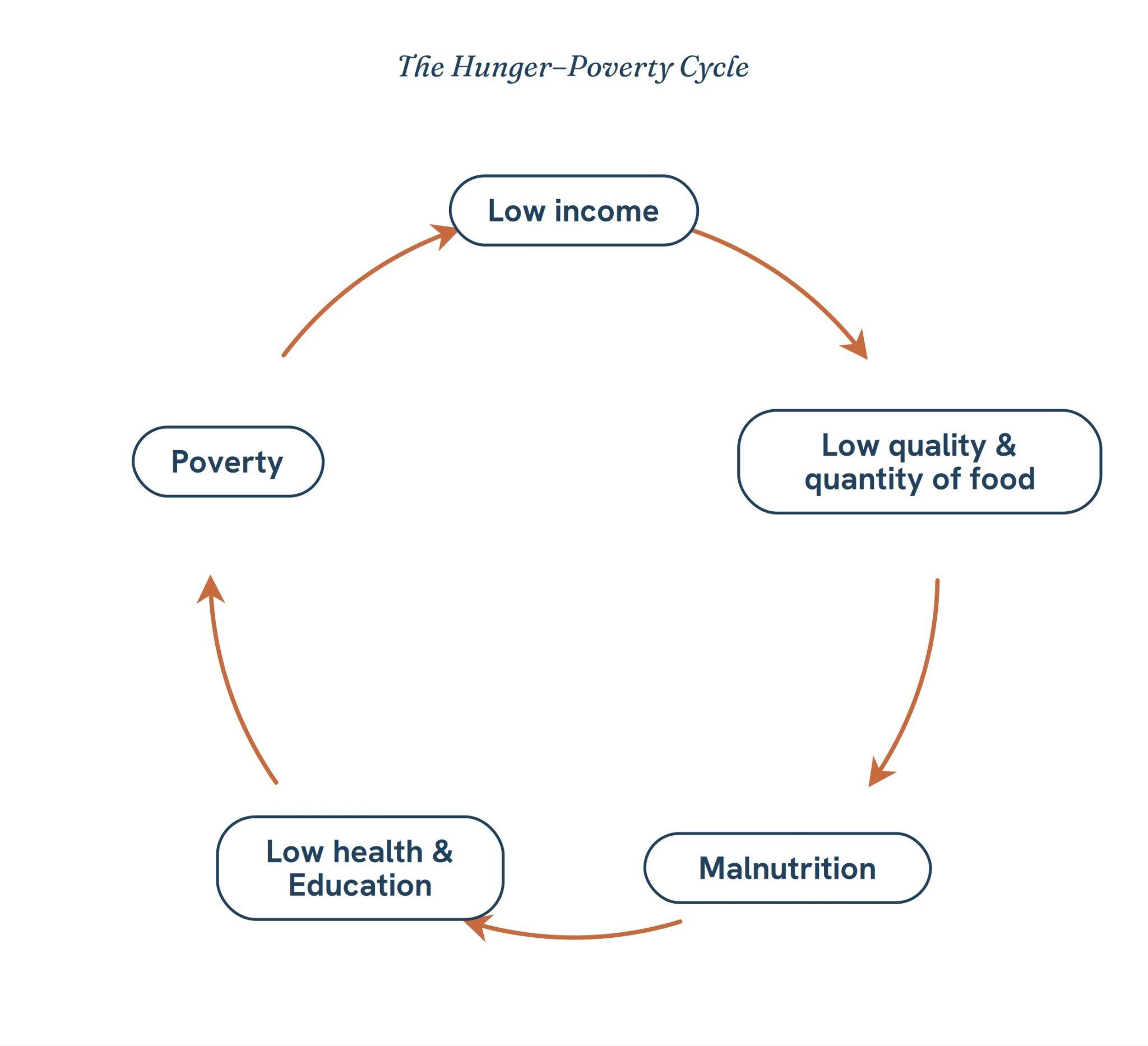
    [UPSC 2024] Poverty and malnutrition create a vicious cycle, adversely affecting human capital formation. What steps can be taken to break the cycle?

    Linkage: This PYQ directly aligns with the article’s theme of nutrition-learning-human capital nexus. It highlights the need for integrated early childhood development and childcare reforms to break intergenerational deprivation.

  • A century after legal recognition, workers still lack real protection

    Why in the News?

    India marks nearly 100 years since the Trade Unions Act, 1926, yet workers still face restrictions on organising and striking. The issue gains urgency with the Industrial Relations Code, 2020, which retains many colonial-era controls while excluding gig workers. The scale is significant: over 7.7 million platform workers remain outside formal labour protection, revealing a deep mismatch between law and labour realities.

    How did the trade union movement originate in colonial India?

    1. Industrial Exploitation: British-era mills imposed poor wages and harsh conditions; triggered early labour mobilisation.
      1. Early Mobilization: While sporadic strikes occurred earlier (e.g., in 1877), these were unorganized. The first concerted effort was the Bombay Millhands Association (1890), founded by N.M. Lokhande, though it operated more as a welfare organization than a modern union.
    2. First Organised Union: Founded by B.P. Wadia in 1918 (Madras Labour Union); addressed worker grievances and created relief funds.
      1. Purpose: It was established to address the systematic abuse of workers at the Buckingham & Carnatic (B&C) Mills in Madras.
      2. Structure: Unlike earlier organizations, the MLU operated with a regular membership, welfare funds, and a structured approach to negotiating wages, working hours, and rice allowances.
    3. Criminalisation of Labour: Courts treated strikes as conspiracy; e.g., Buckingham & Carnatic Mills case (1921) imposed ₹2,000 penalty on union leaders.
    4. Absence of Legal Protection: Until the Trade Union Act of 1926 was passed, union leaders had no protection from civil or criminal lawsuits, and workers faced violent repression (e.g., police firing in 1920-21 in Madras).

    What role did early leaders and organisations play in shaping labour rights?

    1. Nationalist Leadership: Figures like N.M. Joshi recognised labour rights as part of the freedom struggle.
    2. Institutionalisation: Formation of All India Trade Union Congress (AITUC) in 1920; first national-level labour organisation.
    3. Political Advocacy: Lala Lajpat Rai presided over AITUC; linked labour issues with anti-colonial movement.
    4. Legislative Push: Resolutions in the Central Legislative Assembly demanded legal protection for unions.

    Why was the Trade Unions Act, 1926 both progressive and restrictive?

    1. Legal Recognition (Section 13): Registered trade unions became “bodies corporate,” giving them a legal personality, perpetual succession, a common seal, and the right to enter contracts, own property, and sue or be sued.
    2. Immunity: Protected union activities from conspiracy charges under limited conditions.
      1. Immunity from Criminal Conspiracy (Section 17): This was crucial. It protected union members and office-bearers from being charged with criminal conspiracy (under IPC Section 120B) for simply organizing and pursuing legitimate trade union objectives.
      2. Section 18 Immunity (Civil Protection): Registered unions and their members gained immunity from civil suits for actions taken in contemplation or furtherance of a trade dispute, particularly regarding inducing breach of employment contracts or interfering with business, provided the acts were not illegal (e.g., peaceful picketing).
    3. State Control Mechanism: Registration requirements ensured government oversight
    4. Limited Scope: Did not guarantee right to strike; focused on legality, not empowerment.
      1. No Statutory Right to Strike: While Section 17 made organizing a strike legal, the Act did not explicitly guarantee or empower the right to strike, leaving it a gray area prone to legal interpretation.
      2. Restrictions on Union Management (Section 22): The Act restricted who could run a union, requiring that at least half of the office-bearers be actually engaged or employed in the industry.
      3. Strict Fund Usage (Section 15): The general funds of the union could only be spent on specific, restricted activities outlined in the Act, limiting financial autonomy.

    How did colonial laws continue to restrict labour despite legalisation?

    1. Trade Disputes Act, 1929:
      1. Notice Requirement: Made prior notice mandatory before strikes in public utility services.
      2. Extended Restrictions: Imposed cooling-off periods; reduced spontaneity of collective action.
    2. Criminal Liability Retained: Workers still prosecuted under IPC provisions like conspiracy.
    3. Executive Control: Government retained power to intervene and ban strikes.

    How did post-independence developments alter labour dynamics?

    1. Constitutional Framework: Article 19(1)(c) ensured the right to form associations but not to strike.
    2. Expansion of Unions: 625% increase in registered unions (1951-1979).
    3. Fragmentation: Rise of multiple unions weakened bargaining power.
    4. Liberalisation Impact (1991): Shift towards flexibility and contract labour; reduced job security.

    Do recent labour reforms continue historical constraints?

    1. Industrial Relations Code, 2020:
      1. Strike Restrictions: Requires 60-day notice before strikes.
      2. Threshold Increase: Raises limit for layoffs approval from 100 to 300 workers.
    2. Continuity with Past: Mirrors Trade Disputes Act logic of procedural restriction.
    3. Reduction in Bargaining Power: Makes sustained industrial action difficult.

    Why are gig workers the new frontier of labour exclusion?

    While the Code on Social Security, 2020 (SS Code) acknowledges gig and platform workers, it fails to fully integrate them into the legal framework.

    1. Excluded from Industrial Relations Code: Gig workers are not classified as “workmen” under the Industrial Relations Code, 2020, making them ineligible for formal employment safeguards, such as protection against unfair dismissal.
    2. Classification Issue: Digital platforms exploit the binary classification of “employee” vs. “independent contractor” by labeling workers as “partners” or “independent contractors.”
      1. The “Triangular Relationship”: The worker, the user, and the platform are connected through a digital app. Platforms claim they only provide a technology bridge, not direct employment.
      2. No Minimum Wage Protection: Since they are not classified as employees, they are not covered by minimum wage laws, often leaving them with earnings that fall below subsistence levels after expenses.
      3. Algorithmic Management vs. Autonomy: While platforms offer flexibility, they actually exert control through algorithms that manage work allocation, set prices, and determine ratings. This creates a “dependent contractor” status where workers are managed like employees but denied the corresponding benefits.
    3. Scale: NITI Aayog Estimates: A 2022 NITI Aayog report estimated 7.7 million gig workers in 2020-21, a number projected to grow significantly to around 23.5 million by 2029-30.
    4. Absence of Rights: No social security, no union recognition, no dispute mechanisms.
      1. No Union Recognition: Because they are not classified as workers, forming or joining unions is difficult, and they lack the power of collective bargaining to demand better conditions.
      2. Absence of Traditional Benefits: They lack access to provident funds (PF), Employee State Insurance (ESI), health insurance, maternity benefits, or accident compensation.

    What structural barriers continue to weaken labour movements?

    1. Procedural Constraints: Long notice periods and legal compliances discourage strikes.
    2. Informalisation: Majority workforce in informal sector limits unionisation.
    3. Employer Advantage: Ability to suspend operations during disputes.
    4. State Intervention: Broad powers to restrict strikes in “public interest.”

    Way forward

    1. Universal Coverage: Recognises gig and informal workers under labour laws; ensures minimum wages and social security.
    2. Ease of Collective Action: Rationalises strike notice requirements; strengthens union recognition and sectoral bargaining.
    3. Social Security Expansion: Ensures portable benefits (health, pension, insurance) via e-Shram and platform contributions.
    4. Formalisation Push: Incentivises registration of informal workers and enterprises through credit and tax support.
    5. Tripartite Mechanism: Strengthens dialogue between state, employers, and workers for balanced labour governance.
    6. Global Alignment: Aligns labour standards with International Labour Organization norms on decent work.

    Conclusion

    India’s labour history shows continuity rather than change. From colonial suppression to modern procedural constraints, the system has prioritised control over empowerment. Future reforms must move beyond legal recognition to substantive labour rights.

    PYQ Relevance

    [UPSC 2024] Discuss the merits and demerits of the four ‘Labour Codes’ in the context of labour market reforms in India. What has been the progress so far in this regard?

    Linkage: This directly links to the article’s critique of the Industrial Relations Code, 2020, showing continuity of restrictive labour regulation. It helps analyse how modern reforms replicate colonial-era constraints like strike restrictions and procedural control.

  • NSO Survey on Health Seeking Behaviour 

    Why in the News?

    The National Statistical Office has released findings from its 80th round health survey (2025) showing improved health seeking behaviour in India, with higher reporting of illnesses and increased use of public healthcare services.

    Key Indicator

    Proportion of Population Reporting Ailment (PPRA)

    • Rural: 6.8 percent (2017–18) to 12.2 percent (2025)
    • Urban: 9.1 percent to 14.9 percent
      • Increase indicates greater awareness and reporting of illnesses

    Health Insurance Coverage

    • Rural: 12.9 percent to 45.5 percent
    • Urban: 8.9 percent to 31.8 percent
      • Driven by schemes like Ayushman Bharat Pradhan Mantri Jan Arogya Yojana

    Institutional Deliveries

    • Rural: 95.6 percent
    • Urban: 97.8 percent
      • Indicates improved maternal healthcare access

    Out of Pocket Expenditure (OOPE)

    • Median OOPE (hospitalisation): ₹11,285
    • Public facilities:
      • Hospitalisation median: ₹1,100
      • Outpatient care: Zero in many cases
    • Suggests affordability of public healthcare services

    Disease Pattern Shift

    • Decline in infectious diseases
    • Rise in Non Communicable Diseases (NCDs)
      • Diabetes
      • Cardiovascular diseases

    Utilisation of Public Healthcare

    • Rural outpatient care: 28 percent (2014) to 35 percent (2025)
    • Increase due to:
      • Free drugs and diagnostics
      • Expansion of primary healthcare services

    Survey Coverage

    • Total households surveyed: 1,39,732
      • Rural: 76,296
      • Urban: 63,436
    [2025] Consider the following statements in relation to Janani Suraksha Yojana: 
    1 It is a safe motherhood intervention of the State Health Departments. 
    2 Its objective is to reduce maternal and neonatal mortality among poor pregnant women.
    3 It aims to promote institutional delivery among poor pregnant women. 
    4 Its objective includes providing public health facilities to sick infants up to one year of age.
    How many of the statements given above are correct? 
    (a) Only one (b) Only two (c) Only three (d) All four
  • Sub-classification for SC Quota in Karnataka  

    Why in the News?

    The Karnataka Cabinet has officially approved a new internal reservation matrix for Scheduled Castes (SCs), following the landmark 2024 Supreme Court ruling that permits states to sub-classify reserved categories.

    What is the Decision?

    A strategic redistribution of the 15% SC reservation into three distinct categories to ensure equitable opportunities among 101 different sub-castes.

    The Internal Reservation Matrix

    CategoryTargeted CommunitiesAllocation (%)
    Category 1Madigas and allied castes (Dalit Left)5.25%
    Category 2Holeyas and allied castes (Dalit Right)5.25%
    Category 3Bhovi, Lambani, Korama, Koracha & 59 nomadic groups4.5%

    Note: Dalit Left and Right refer to the internal sub-classification of Scheduled Castes (SCs) in India, particularly in Karnataka and Andhra Pradesh, categorized for internal reservation purposes.

    Timeline & Legal Context

    • 1992: Indira Sawhney Case – SC caps total reservation at 50%.
    • 2004: E.V. Chinnaiah Case – SC initially rules that states cannot sub-classify SCs.
    • 2024: State of Punjab v. Davinder Singh – SC 7-judge bench overrules Chinnaiah, allowing sub-classification based on empirical data.
    • 2024 (Oct): Karnataka Cabinet approves the new 5.25 : 5.25 : 4.5 formula.

    Objectives & Challenges

    • Social Justice
      • Addresses the long-standing grievance that “advanced” sub-castes within the SC list were cornering most benefits.
      • Focuses on the “creamy layer” principle within SCs to reach the most marginalized.
    • Legal Hurdles
      • Quantifiable Data: The state must prove under-representation with empirical evidence to survive judicial review.
      • 50% Ceiling: The state’s total reservation (including ST and OBC) currently pushes to 56%, which is under challenge in the High Court.
    [2023] Consider the following statements: 
    Statement – I:The Supreme court of India has held in some judgements that the reservation policies made under Article 16 (4) of the constitution of India would be limited Article 335 for maintenance of efficiency of administration. 
    Statement – II:Article 335 of the Constitution of India defines the term ‘efficiency of administration’. 
    Which of the following is correct in respect of the above statements? 
    [A] Both statement – I and Statement – II are correct explanation for statement – I
    [B] Both statement – I and statement – II are correct and statement II is not the correct explanation for statement I
    [C] Statement – I is correct but statement – II is incorrect.
    [D] Statement – I is incorrect but statement – II is correct.