💥Join UPSC 2027,2028 Mentorship (July Batch) + XFactor Notes & Microthemes PDF

Subject: Conservation & Mitigation

1. Conservation Progs.
2. Worldwide initiatives
3. Mitigation Strategies
4. Conventions and Protocols

  • Mass Coral Bleaching in Lakshadweep: An Overview

    Why in the News?

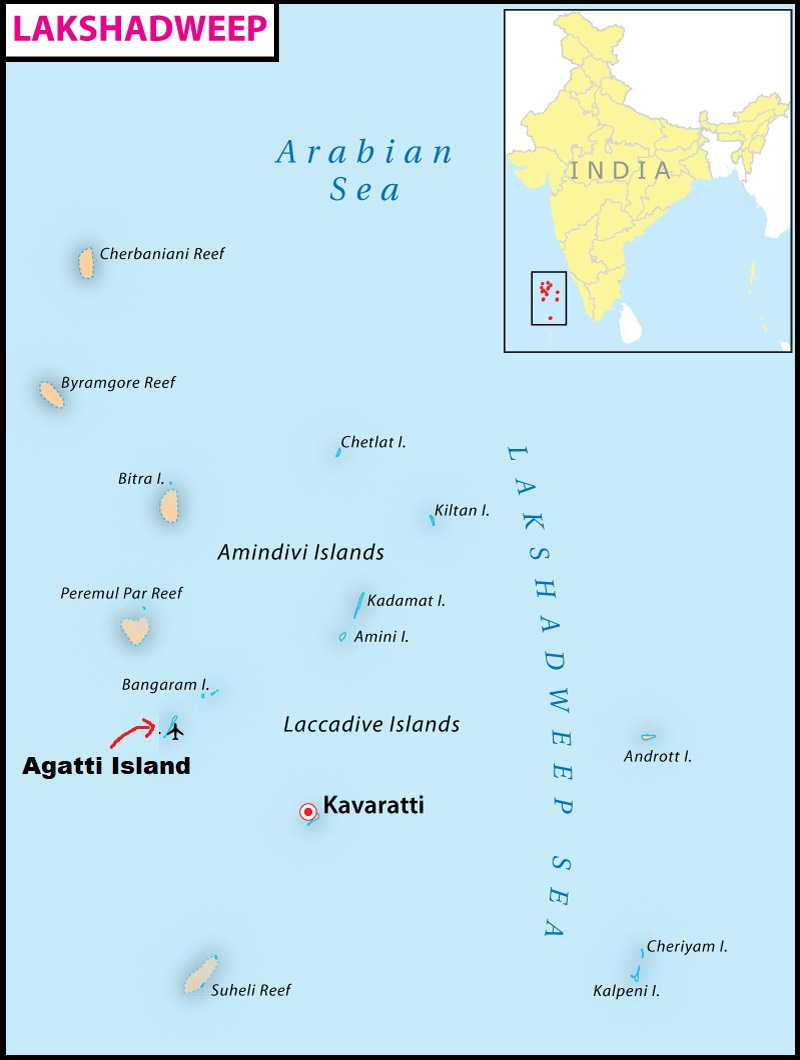
    Lakshadweep has been severely affected by the fourth global coral bleaching event (GCBE4), the most severe on record according to the National Oceanic and Atmospheric Administration (NOAA).

    Global Coral Bleaching Events (GCBE)

    A GCBE means significant coral bleaching has been confirmed in all the ocean regions where warm-water corals live: the Pacific, Atlantic, and Indian Oceans in both the Northern and Southern Hemispheres.

    • Previous Events: Mass coral bleaching recorded in 1998, 2010, and 2014-2017.
    • Current Event (GCBE4): Began early 2023, with over 70.7% of the world’s coral reefs impacted by bleaching-level heat stress as of May 23, 2024.

    Lakshadweep Specifics

    • Kavaratti atoll survey indicated an 84.6% bleaching extent, with mass bleaching observed. Previous bleaching events in Lakshadweep were 81% (1998), 65% (2010), and 41.9% (2020).
    • Species Impacted:
      • Most impacted: Porites cylindrical, Porites lobata, Porites lutea, Acropora muricata, Montipora foliosa.
      • Resilient species also showing signs: Acropora digitifera, Pocillopora grandis, Isopora palifera, Pavona venosa, Hydnophora microconos.
    • Contributing Factors: Increased temperatures attributed to global warming; from April 1 to May 2, 2024, temperatures ranged between 29.6°C to 32.8°C.

    Importance of Coral Reefs

    • Marine Biodiversity: Support diverse marine life including fish, invertebrates, and algae.
    • Coastal Protection: Act as natural barriers against erosion and storm surges.
    • Local Economy: Provide sustenance and livelihood for local communities and attract tourists.

    GCBE-4 and Indian Context

    • Gujarat Coast: Monitoring coral bleaching mid-summer, with 30-40% bleaching observed annually; most corals recover.
    • Tamil Nadu: Lesser impact in the Gulf of Mannar due to late bleaching onset and early monsoon reducing seawater temperatures.
    • Temperature Reduction: The onset of monsoon has slightly reduced water temperatures in Lakshadweep.
    • Recovery Uncertain: The long-term health of corals depends on sustained cooler conditions and the absence of further stressors.

    Back2Basics: Corals

    • Corals are made up of genetically identical organisms called polyps.
    • These polyps have microscopic algae called zooxanthellae living within their tissues in a mutualistic relationship.
    • The coral provides the zooxanthellae with the compounds necessary for photosynthesis.
    • In return, the zooxanthellae supply the coral with organic products of photosynthesis, like carbohydrates, which are utilized by the coral polyps for the synthesis of their calcium carbonate skeletons.
    • Corals are marine invertebrates or animals which do not possess a spine.
    • They are the largest living structures on the planet.
    • Each coral is called a polyp and thousands of such polyps live together to form a colony, which grows when polyps multiply to make copies of themselves.
    • Coral reefs are also called the “rainforests of the seas”.

    Types of Coral

    Corals are of two types — hard corals and soft corals:

    1. Hard corals extract calcium carbonate from seawater to build hard, white coral exoskeletons. Hard corals are in a way the engineers of reef ecosystems and measuring the extent of hard coral is a widely-accepted metric for measuring the condition of coral reefs.
    2. Soft corals attach themselves to such skeletons and older skeletons built by their ancestors. Soft corals also add their own skeletons to the hard structure over the years. These growing multiplying structures gradually form coral reefs.

    Conditions Needed for Corals to Flourish

    • Extensive submarine platforms for the formation of colonies by the coral polyps (not more than 90m below sea level).
    • High mean annual temperature ranging 20-21 degrees Celsius.
    • Clean sediment-free water because muddy water or turbid water clogs the mouths of coral polyps resulting into their death.
    • Oceanic salinity ranging between 27-30 ppt.
    • Ocean currents and waves, as they bring food supply for the polyps.


    PYQ:

    2014: Which of the following have coral reefs?

    1. Andaman and Nicobar Islands
    2. Gulf of Kachchh
    3. Gulf of Mannar
    4. Sunderbans

    Select the correct answer using the code given below:

    (a) 1, 2 and 3 only

    (b) 2 and 4 only

    (c) 1 and 3 only

    (d) 1, 2, 3 and 4

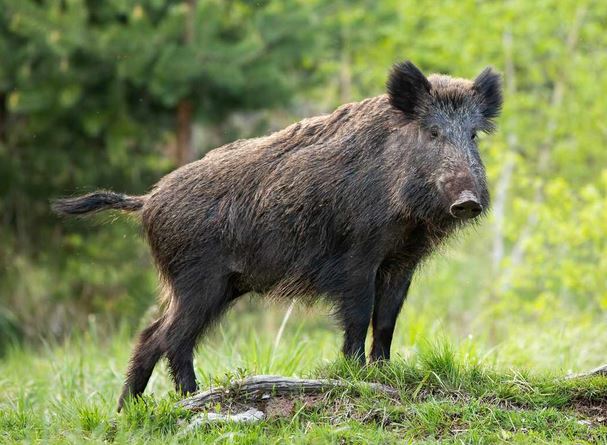
  • TN to allow regulated culling of Wild Boars  

    Why in the News?

    • The Tamil Nadu government has approved the controlled hunting of wild boars causing distress to farmers near forest areas.
      • Presently, Wild boars are NOT listed as Vermin under the Schedule V of the Wildlife Protection Act, 1972.

    About the Farmers’ Conflict Resolution Committee

    • The Committee includes representatives from the Departments of Forest, Revenue, Agriculture, and Horticulture, along with scientific experts and wildlife enthusiasts.
    • Objective: The committee was formed to study the impact of raids by elephants and wild pigs on agricultural crops.
    • Implementation Protocol:
      • Approval Process: The culling will require approval from a local three-member checking body.
      • Composition of the Checking Body: The body will include a forester or forest guard, the Village Administrative Officer, and the ward member.
      • Supervision: Culling operations must be conducted in the presence of these three members.

    Zoning for Culling Operations

    • Areas adjacent to reserve forests will be divided into three zones:
    1. Zone A: Within one kilometre from forest limits.
    2. Zone B: One to five kilometres from forest limits.
    3. Zone C: Beyond five kilometres from forest limits.
    • Restrictions: Shooting of wild pigs is prohibited within five kilometres of the reserve forest (Zones A and B).
    • Scientific Approach to Culling:
      • Scientific Methodology: The shooting of wild boars must adhere to a scientific approach, considering the intensity and frequency of conflict incidents.
      • Expert Concerns: Experts highlight the ecological role of wild boars and caution against indiscriminate killing.

    About Indian Wild Boar

    Details
    Scientific Name Sus scrofa cristatus
    Habitat and Distribution High grass, bushes, forests, high crops, dense forests, grasslands, scrublands, agricultural areas; Indian subcontinent, various altitudes from sea level to mountains
    Behaviour and Social Structure
    • Matriarchal ‘sounders’ led by an elder female;
    • Solitary adult males or loose bachelor groups;
    • Active during evening and night;
    • Territorial fights with predators.
    Diet
    • Omnivorous: excreta, tubers, roots, leaves, fruit, vegetables, standing crops, carrion, small animals, baby deer;
    • Prefers marshy areas and roots in swampy places
    Reproduction
    • Breeding year-round, peak seasons vary by region;
    • Gestation: around four months; Litter size: multiple piglets
    Ecological Role
    • Seed dispersal aiding plant propagation;
    • Important prey species maintaining predator-prey balance in the ecosystem
    Conservation Status
    • IUCN Red List: Least Concern
    • Wildlife (Protection) Act, 1972: Schedule III

    Proposed reclassification to Schedule V (vermin) due to agricultural damage.

    Present Culling Section 11-B (1) of the Wildlife (Protection) Act, 1972 allows the Chief Wildlife Warden to issue special orders to kill dangerous wild animals.


    Back2Basics: Schedule III of WPA, 1972

    • Protection Level: Lesser degree of protection compared to Schedule I and II.
    • Prohibition: Hunting of these species is prohibited except under special circumstances defined by the Act.
    • Penalties: Violations related to these species attract penalties, though they are less stringent than those for higher schedules.

    Species Listed in Schedule III: As per the latest available data, the following are examples of species listed under Schedule III of the Wildlife (Protection) Act, 1972:

    1. Chinkara (Gazella bennettii): Also known as the Indian Gazelle, found in various parts of India.
    2. Blackbuck (Antilope cervicapra): A species of antelope native to India.
    3. Blue Bull (Boselaphus tragocamelus): Also known as the Nilgai, the largest Asian antelope.
    4. Indian Wild Boar (Sus scrofa cristatus): A subspecies of the wild boar native to the Indian subcontinent.
    5. Sambar (Rusa unicolor): A large deer native to the Indian subcontinent.

    Legal Provisions:

    • Hunting Prohibition: Hunting any animal listed under Schedule III is prohibited except for purposes like scientific research, education, and when permitted by the authorities under specific conditions.
    • Penalties: The penalties for offenses involving Schedule III animals include imprisonment up to three years, or a fine up to Rs. 25,000, or both.


    PYQ:

    [2017] In India, if a species of tortoise is declared protected under Schedule I of the Wildlife (Protection) Act, 1972, what does it imply?

    (a) It enjoys the same level of protection as the tiger.

    (b) It no longer exists in the wild, a few individuals are under captive protection; and now it is impossible to prevent its extinction.

    (c) It is endemic to a particular region of India.

    (d) Both B and C stated above are correct in this context.

  • [25th June 2024] The Hindu Op-ed:  The Court spells the way in Himalaya’s development

    [25th June 2024] The Hindu Op-ed:  The Court spells the way in Himalaya’s development

    PYQ Relevance:

    Q Climate change is a global problem. How India will be affected by climate change? How Himalayan and coastal states of India will be affected by climate change? (UPSC IAS/2017)

    Q Should the pursuit of carbon credits and clean development mechanisms set up under UNFCCC be maintained even though there has been a massive slide in the value of a carbon credit? Discuss with respect to India’s energy needs for economic growth.(UPSC IAS/2014)

    Mentor comment: The Indian Himalayan Region is crucial for its rich biodiversity, serving as a habitat for diverse flora and fauna, including endangered species. It plays a vital role in regulating regional and global climate patterns, hosting the source of major rivers essential for water supply and agriculture. Culturally and spiritually significant, it supports the livelihoods of indigenous communities, offering opportunities for tourism, research, and sustainable development.

    Let’s learn! 

    Why in the News?

    The dissonance between the special development needs and the development model being pursued in the Indian Himalayan Region.

    Supreme Court’s Stance on Sustainable Development

    • Rights-Based Regime: Recent Supreme Court judgments indicate a move towards recognising sustainable development as a fundamental right.
    • Case Highlight: In the State of Telangana and Others vs. Mohd. Abdul Qasim (2024), the Court emphasised the need for an ecocentric view of the environment.
    • Trusteeship of Earth: The Court stated that humanity must act as trustees of the Earth, respecting the rights of natural entities like rivers, lakes, and mountains.

    A model of destruction

    • Hydroelectric Power Stations: Rampant construction of hydroelectric power stations without consideration for the rights of rivers and streams.
    • Road Widening: Reckless widening of hill roads to four lanes, leading to frequent damage during river floods.
    • Construction Violations: Rampant construction violates norms and regulations, including building on river beds, flood plains, steep slopes, seismic zones, and landslide-prone areas.
    • Environmental Disasters: Instances like the Teesta dam breach in Sikkim and monsoon floods and landslides in Himachal Pradesh in 2023 highlight the destructive impact of the development model on the environment, ecology, and local communities.

    Need for a Balanced Development Approach

    • Ecocentric and Anthropocentric Views: Both approaches require aligning growth aspirations with environmental science and the rights of people and nature.
    • Supreme Court’s Guidance: The Court’s judgments stress the intersectionality of environmental protection and human rights.

    Carrying Capacity and Developmental Rights: Judicial Precedence 

    • Carrying Capacity Studies: In Ashok Kumar Raghav vs Union of India (2023), the Supreme Court sought a way forward to manage the carrying capacity of Himalayan states.
    • Right to a Clean Environment: In the Great Indian Bustard case, the Court linked the right to life and equality with the right to be free from adverse climate impacts.

    Significance of Infrastructure and Climate Resilience

    • Sustainable Infrastructure: Development must be resilient to climate change impacts to ensure equality and access to opportunities.
    • Impact on Social Inequality: Disasters amplify social inequality, disproportionately affecting the poor.
    • Judicial Mandate: The Supreme Court’s judgments call for integrating disaster management in development planning.

    Fundamental Right to Sustainable Development

    • New Fundamental Right: The right to be free from adverse climate impacts is now recognized as a fundamental right.
    • Implications for IHR: People in the IHR have a fundamental right to a development model that is sustainable and respects the region’s carrying capacity.
    • Need for Legal Framework: The Supreme Court’s judgments should guide the creation of a legal framework to ensure sustainable development in the IHR.

    Way Forward

    • Integrated Approach Needed: Development planning must incorporate disaster prevention and resilience measures.
    • Convergence of Authorities: The planning stage convergence of different authorities is essential to ensure that all disaster and climate resilience concerns are addressed before project implementation.
    • Role of Science and Policy: Science, policy, and action must align in an integrated approach involving policymakers, planners, scientists, and communities.
    • Call for Action: The Supreme Court’s judgments provide a basis for necessary course corrections in development practices, especially in the IHR.
    • Balancing Development and Resilience: Achieving a balance between development and disaster resilience is crucial for sustainable progress.

    https://www.thehindu.com/opinion/lead/the-supreme-court-of-india-spells-the-way-in-himalayas-development/article68328728.ece

  • Create the space for governance with a green heart

    Why in the news?

    As a new term begins for the government and the Lok Sabha, it must prioritize environmental concerns. No government has ever truly prioritized the environment, and the last one, focused on development, actively harmed it.

    Present Himalayan states

    • The Indian Himalayan Region (IHR) encompasses the portion of the Himalayas located within India, extending across thirteen Indian States and Union Territories, including Ladakh, Jammu and Kashmir, Himachal Pradesh, Uttarakhand, Sikkim, West Bengal, Manipur, Meghalaya, Mizoram, Nagaland, Tripura, Assam, and Arunachal Pradesh.

    Problems Associated with Lack of Political Will on Environmental Governance

    • Neglect of Climate Change Mitigation and Adaptation: Inadequate actions to reduce carbon emissions and build climate resilience.And failure to address the remediation aspects of climate change, such as food security and disaster preparedness.
    • Degradation of Forest Cover: Significant decline in both quantitative and qualitative forest cover.Recent legislation weakening forest protections, leading to further environmental damage.
    • Deteriorating Urban Environments: Severe air pollution and water scarcity in major cities, adversely affect public health.Poor sewage treatment infrastructure, resulting in heavily polluted rivers and water bodies.
    • Environmental Degradation in the Himalayas: Rapid glacial melting and altered weather patterns threatening water and food security. Government inaction on local environmental protests and concerns highlights a disconnect between policy and grassroots needs.
    • Ineffective Environmental Impact Assessments (EIA): EIAs are reduced to mere formalities, failing to prevent environmentally harmful projects.Dilution of EIA regulations and lack of meaningful stakeholder engagement, compromising environmental protection efforts.

    How This Can Be Restored?

    • Enhanced Environmental Impact Assessments (EIA): Strengthen EIA mechanisms, elevate them to statutory status, and ensure they are thorough and transparent to prevent projects from causing environmental harm.
    • Restoration Projects: Initiate large-scale conservation and restoration projects for glaciers, forests, and rivers in the Himalayan region.
    • Community Involvement: Actively involve local communities and stakeholders in decision-making processes to ensure their concerns and knowledge are integrated into policy-making.
    • Strict Enforcement of Environmental Laws: Improve enforcement of existing environmental regulations and increase penalties for violations to deter harmful activities.
    • Sustainable Development Policies: Develop and implement policies that balance development with environmental conservation, ensuring long-term ecological health and resilience.
    • Revised Legislation: Reassess and amend legislation like the Forest (Conservation) Amendment Bill, 2023, to provide stronger protections for natural habitats.
    • Resilience Building: Invest in infrastructure and programs aimed at enhancing resilience against climate change impacts, such as improved water management systems and disaster preparedness plans.

    Government steps taken: 

    • The National Mission for Sustaining the Himalayan Ecosystem (NMSHE) was launched as part of India’s National Action Plan on Climate Change to holistically address the vulnerabilities of the Himalayan ecosystem.
    • Under NMSHE, the government has developed a common framework and methodology for climate vulnerability and risk assessment across 12 Himalayan states.
    • The government has also established the “G.B. Pant Institute of Himalayan Environment & Development” to focus on sustainable development and environmental conservation in the Indian Himalayan Region.

    Conclusion: To achieve Sustainable Development Goal 13 (Climate Action), India must enhance environmental governance, prioritize climate resilience, and enforce robust conservation policies to protect the Indian Himalayan Region and its ecosystems.


    Mains PYQ:

    Q Climate change is a global problem. How India will be affected by climate change? How Himalayan and coastal states of India will be affected by climate change? (15) (UPSC IAS/2017)

  • How long is Carbon is stored in plants?

    Why in the News?

    A recent study in the Science journal indicates that the storage of carbon in terrestrial vegetation is more short-lived and more vulnerable to climate change than previously estimated.

    Carbon Absorption and Storage in Plants

    • Current models may overestimate the time carbon remains stored in plants, meaning it returns to the atmosphere sooner than previously expected.
    • Experts emphasised that while plants and forests play a crucial role in drawing down carbon dioxide, their potential is limited.
    • The study calls for a rapid reduction in fossil fuel emissions to mitigate climate change impacts.

    Key Findings:  

    • Plants and soils absorb 30% of annual carbon dioxide emissions from human activities, mitigating climate change.
    • However, there are gaps in understanding the stability and mechanisms of this carbon storage.

    Use of Radiocarbon (Carbon-14) in Research

    • Researchers used Carbon-14, a radioactive isotope, to track carbon accumulation and turnover in the terrestrial biosphere.
    • Nuclear bomb testing in the 1950s and 1960s increased atmospheric C-14 levels, providing a unique opportunity to study carbon cycling.

    Study Results

    • By analysing C-14 accumulation in plants from 1963 to 1967, researchers compared these findings to current models.
    • The analysis showed that net primary productivity (the rate of new plant tissue creation) is likely at least 80 petagrams of carbon (PgC) per year, higher than the 43-76 PgC per year predicted by current models.
    • The C-14 accumulation in vegetation during 1963-67 was 69 ± 24 ×10²⁶, suggesting a more rapid carbon cycle between the atmosphere and biosphere than previously thought.

    Back2Basics: Carbon-14 and Carbon Dating

    • Carbon dating is a widely used method for determining the age of organic materials that were once living.
    • The method is based on the radioactive decay of Carbon-14 (C-14), an isotope of carbon with an atomic mass of 14.
    • It works by measuring the ratio of C-12 to C-14 in the atmosphere, as well as in plants and animals that acquire carbon through photosynthesis or food consumption.

    The Half-Life Concept

    • Carbon-14 has a half-life of 5,730 ± 40 years—i.e., half the amount of the radioisotope present at any given time will undergo spontaneous disintegration during the succeeding 5,730 years.
    • Because carbon-14 decays at this constant rate, an estimate of the date at which an organism died can be made by measuring the amount of its residual radiocarbon.

    Implications of the Study: Reforestation is inadequate

    • Today, reforestation is proposed to remove CO2 from the atmosphere, but trees do not return the CO2 to the geological layers from which the fossil fuels came.
    • This sink is transitory and this study shows us that its duration is even shorter than we thought.

    PYQ:

    [2012] Consider the following agricultural practices:

    1. Contour bunding
    2. Relay cropping
    3. Zero tillage

    In the context of global climate change, which of the above helps/help in carbon sequestration/storage in the soil?

    (a) 1 and 2 only
    (b) 3 only
    (c) 1, 2 and 3
    (d) None of them

  • 67th Global Environment Facility (GEF) Council meet

    Why in the News?

    • The 67th meeting of the Global Environment Facility (GEF) was recently held in Washington DC. It concluded with the approval of $736.4 million in funding for 34 nature protection and renewal projects.

    About Global Environment Facility (GEF) 

    Details
    Establishment
    • A pilot program in 1991 by the World Bank
    • Restructured after the 1992 Rio Earth Summit.
    Objective Grants and blended finance for environmental projects
    Funding
    • Over $1 billion annually; $22 billion grants to date
    • World Bank serves as the GEF Trustee
    Replenishment $5.33 billion pledged for 2022-2026
    Member Countries 184 countries
    Main Governing Bodies
    • Assembly: Composed of all 184 member countries, meets every 3-4 years at ministerial level. Reviews policies, and operations, and approves amendments.
    • Council: Main governing body with 32 members from member countries (14 developed, 16 developing, 2 economies in transition). Meets biannually to develop policies, approve projects, and evaluate operations.
      • India, Bhutan, Maldives, Sri Lanka, Nepal, and Bangladesh have together formed a Permanent Constituency in the Executive Council of the GEF.
    • Secretariat: Based in Washington, D.C., reports to Council and Assembly, oversees project implementation and policy adherence.
    • STAP (Scientific and Technical Advisory Panel): Provides scientific advice on policies, strategies, and projects, consisting of six internationally recognized experts.
    • GEF IEO (Independent Evaluation Office): Reports to the Council, evaluates GEF’s impact and effectiveness, and shares best practices and lessons learned.
    Operational Agencies 18 agencies including UNDP, UNEP, World Bank
    Financial Mechanism for
    • Convention on Biological Diversity (CBD) (1994)
    • United Nations Framework Convention on Climate Change (UNFCCC) (1991)
    • United Nations Convention to Combat Desertification (UNCCD) (1994)
    • Stockholm Convention on Persistent Organic Pollutants (2001)
    • Minamata Convention on Mercury (2013)
    • Montreal Protocol on Substances that Deplete the Ozone Layer (1987)
    Focus Areas Biodiversity, Climate Change (Mitigation & Adaptation), Chemicals & Waste, International Waters, Land Degradation, Sustainable Forest Management
    Additional Initiatives Circular Economy, Capacity Development, Debt-for-Nature Swaps, Gender Equality, Indigenous Peoples

    Outcomes of the 67th GEF Council Meeting

    [1] Funding Approval:

    • A total of $736.4 million was approved for 34 projects worldwide.
    • These projects span various environmental sectors and include initiatives under the GEF Trust Fund, Global Biodiversity Framework Fund (GBFF), Least Developed Countries Fund (LDCF), and a Multi-Trust Fund project.

    [2] GBFF Initiatives:

    • The GBFF approved its first work programme, allocating $37.8 million specifically for enhancing protected area management in Brazil and Mexico.
    • This initiative aims to support sustainable practices across more than 30 million hectares of protected areas, with a focus on indigenous-led conservation efforts.

    [3] GEF Trust Fund Projects:

    Several projects were funded under the GEF Trust Fund, including:

    1. Sustainable Cities Integrated Program.
    2. Initiatives targeting chemical and waste pollution in Bolivia’s cement, textile, brick, and glass sectors, as well as Brazil’s cement industry.

    [4] Projects in India:

    India secured funding for two significant projects:

    1. Enhancing biodiversity conservation to meet global targets, focusing on expanding protected areas and community-led conservation practices with a funding of $6.7 million.
    2. Conservation and sustainable management of wetlands, forests, and grasslands along the Central Asian Flyway, receiving $10.7 million.

    [5] Global Impact and Targets:

    • Several projects aligned with the Global Biodiversity Framework’s 30X30 target (conservation of 30% of Earth’s land and sea by 2030), including initiatives in Argentina, Central Asia, and Namibia.
    • These projects aim to reduce ecosystem degradation, combat biodiversity loss, and strengthen protected area management.

    [6] Future Plans (GEF-9):

    • The Council discussed plans for the ninth replenishment funding cycle (GEF-9) from 2026 to 2030.
    • This period aligns with global environmental goals and targets set under international agreements like the Biodiversity Plan.

    PYQ:

    [2014] With reference to ‘Global Environment Facility’, which of the following statements is/are correct?

    (a) It serves as financial mechanism for ‘Convention on Biological Diversity’ and ‘United Nations Framework Convention on Climate Change’.

    (b) It undertakes scientific research on environmental issues at global level.

    (c) It is an agency under OECD to facilitate the transfer of technology and funds to underdeveloped countries with specific aim to protect their environment.

    (d) Both (a) and (b).

  • How Dangerous is Methanol Poisoning?      

    Why in the news?

    At least 38 people have died after consuming spurious liquor in Tamil Nadu’s Kallakurichi district.

    Key Points Related to the Kallakurichi District Incident in Tamil Nadu

    • Incident Overview: As of 9:30 p.m. on June 20, at least 38 people died after consuming spurious liquor in Kallakurichi district and 82 others were receiving treatment in hospitals. The tragedy follows a similar incident a year ago in Chengalpattu and Villupuram districts, which resulted in over 20 deaths.
    • Government Response: Chief Minister M.K. Stalin transferred the Collector and suspended the district superintendent of police. The State deployed 2,000 police personnel around the district. A one-man commission headed by former High Court judge B. Gokuldas was constituted to inquire into the tragedy.

    How is Spurious Liquor Made and Why Does it Have Deadly Effects?

    • Composition: Spurious liquor often contains methanol in addition to ethanol. Methanol is sometimes added to increase the intoxicating effect and/or bulk volume of the homemade liquor.
    • Methanol’s Deadly Effects: Methanol is metabolized in the liver to formaldehyde by alcohol dehydrogenase (ADH) enzymes. Formaldehyde is further metabolized to formic acid by aldehyde dehydrogenase (ALDH) enzymes. The accumulation of formic acid leads to metabolic acidosis and acidaemia, damaging various organs and leading to potential death.

    Why is Methanol added to Liquor and How is it Processed by the Body if Ingested?

    • Reasons for Adding Methanol: To enhance the ‘kick’ or intoxicating effects of the liquor and increase the volume of the liquor cheaply.
    • Processing in the Body: ADH enzymes convert methanol to formaldehyde.ALDH enzymes then convert formaldehyde to formic acid. The build-up of formic acid causes metabolic acidosis, optic neuropathy, cerebral oedema, hemorrhage, and potential death.

    Is Treatment Effective?

    • Timeliness is Crucial: Early intervention is essential for effective treatment of methanol poisoning. Prompt administration of antidotes and supportive therapies significantly improves the chances of recovery and reduces the risk of severe complications such as blindness or death.
    • Available Antidotes: Ethanol and Fomepizole are effective antidotes that inhibit the metabolism of methanol to toxic compounds. Ethanol competes with methanol for ADH enzymes, while fomepizole directly inhibits these enzymes, preventing the formation of harmful formaldehyde and formic acid.
    • Supportive Therapies: Hemodialysis can effectively remove methanol and its toxic metabolites from the bloodstream, while folinic acid helps break down formic acid. These treatments, when combined with antidotes, can mitigate the damage to vital organs and improve patient outcomes.

    Way forward:

    • Strict Regulation and Monitoring: Enhance regulatory oversight of liquor production and distribution to ensure all alcoholic beverages meet safety standards. Regular inspections and stringent enforcement of licensing laws can prevent the production and sale of illicit alcohol.
    • Public Awareness and Education: Conduct widespread public education campaigns to inform the community about the dangers of consuming spurious liquor. Awareness programs can help people recognize the signs of adulterated alcohol and understand the severe health risks associated with its consumption.

    Mains PYQ:

    Q Effectiveness of the government system at various levels and people’s participation in the governance system are interdependent.” Discuss their relationship with each other in the context of India. (UPSC IAS/2016)

  • Can GM Crops promise Food Security?

    Why in the news?

    A new “gene revolution” is being promoted as a solution to increasing global food demand and the impact of climate change on agriculture.

    What does the World Economic Forum (WEF) say?

    • The WEF supports GM technology and believes it can help ensure food security for a global population expected to reach 10 billion by 2050.
    • Research into new strains of rice, maize, wheat, potato, and cassava can help these staples survive extreme weather and new climate-induced diseases.
    • Latest bioengineering technologies can help plants and soils capture and store atmospheric carbon, potentially reducing planet-heating carbon.
    • Projects are optimizing photosynthesis in crops like maize and rice to improve yields and reduce atmospheric carbon.

    Industrial-Scale GMOs Perpetuate Climate Change

    • Critics argue that GM crops sustain an “agro-industrial system” responsible for significant greenhouse gas emissions. Current food systems contribute to around one-third of global greenhouse gas emissions.
    • GMOs often involve large-scale monocultures requiring significant amounts of artificial fertilizers, pesticides, and irrigation.
    • This system is criticized for being energy-intensive and unsustainable, benefiting large agro-industrial companies that dominate the seed, food, pesticide, and fertilizer markets.

    What is the Present Scenario?

    • Over half of harvested cropland in the US uses genetically modified seeds.
    • Despite the proliferation of GM crops, food insecurity remains widespread, with 250 million people in nearly 60 countries experiencing crisis-level food insecurity.
    • Successful campaigns, like in the Philippines, have led to production moratoriums on certain GM crops due to health and ecological concerns.

    Are Non-GM Ecological Crops Also a Food Security Solution?

    • Resistance to GMOs persists, with scepticism about their safety and ecological impact.
    • Non-GM ecological approaches face challenges due to limited research support, as most funding comes from large agri-biotech companies.
    • Ecological, non-GM crops aim to produce toxic-free food and nurture biodiverse ecosystems that can resist and mitigate climate change.
    • There is ongoing development of ecological, non-GM seed, food, and nutrition systems to address food security in a warming world.

    Way forward:

    • Enhanced Regulatory Oversight and Support for Ecological Practices: Strengthen regulations to ensure the safe development, testing, and deployment of GM crops while supporting research and development of non-GM ecological farming practices.
    • Public Awareness and Inclusive Research Funding: Launch comprehensive public education campaigns to inform communities about the benefits and risks of GM and non-GM crops, promoting informed decision-making.

    Note:  India has approved the commercial cultivation of only one GM crop, Bt cotton. No GM food crop has been approved for commercial cultivation in the country.

    Mains PYQ:

    Q What are the present challenges before crop diversification? How do emerging technologies provide an opportunity for crop diversification? (UPSC IAS/2021)

  • In news: PARIVESH Portal

    Why in the News?

    • Kerala is set to construct a ropeway in Sabarimala by compensating the Forests department with alternative land at Chinnakkanal in Idukki.
    • The 2.7-kilometre-long ropeway aims to transport goods from the Pampa base station to the Sabarimala Sannidhanam.
      • Once the land is transferred for compensatory afforestation, an application will be submitted in the PARIVESH portal for clearance from the Ministry of Environment and Forests.

    What is PARIVESH Portal?

    • PARIVESH, which stands for Pro-Active and Responsive facilitation by Interactive Virtuous & Environmental Single-window Hub.
    • It is an online portal developed by the Ministry of Environment, Forests, and Climate Change.
    • It is designed to streamline and expedite the process of obtaining clearances related to environment, forests, wildlife, and Coastal Regulation Zone (CRZ) from central, state, and district-level authorities.
    • Purpose and Scope:
      • PARIVESH is intended to enhance efficiency, transparency, and accountability in the clearance processes for environment, forests, wildlife, and CRZ.
      • It aims to reduce the turnaround time for obtaining clearances and improve responsiveness through workflow automation and real-time information availability.
    • Functionality:
      • It serves as a role-based, web-based workflow application where user agencies can submit proposals online for clearances.
      • It operates on a Web Architecture using IIS as an Application Server, .NET framework, and SQL Server as a database server.

    Benefits to Users:

    • Allows for online submission and monitoring of compliance reports, including geo-tagged images of sites through a Mobile App, enhancing compliance monitoring.
    • Integrates Geographic Information System (GIS) interface for Appraisal Committees to analyze proposals efficiently.
    • Accessible 24×7 from any PC with internet connectivity, ensuring continuous availability for users across different locations and time zones.

    PYQ:

    [2019] Consider the following statements:

    The Environment Protection Act, 1986 empowers the Government of India to

    1. State the requirement of public participation in the process of environmental protection, and the procedure and manner in which it is sought.
    2. Lay down the standards for emission or discharge of environmental pollutants from various sources

    Which of the statements given above is/are correct?

    (a) 1 only

    (b) 2 only

    (c) Both 1 and 2

    (d) Neither 1 nor 2

  • Striped Caecilian: Limbless Amphibian spotted in Kaziranga’s fauna

    Why in the News?

    • A limbless amphibian, the striped caecilian (Ichthyophis spp), has been newly identified within the 1,307.49 sq. km Kaziranga National Park and Tiger Reserve.
      • Assam’s wildlife officials reported its discovery during a herpetofauna survey.

    Back2Basics: Herpetofauna

    • Herpetofauna refers to a group of reptiles and amphibians collectively.
    • The term combines “herpeto-” from the Greek “herpeton,” meaning “creeping animal,” and “fauna,” referring to the animal species found in a particular region or time.
    • Herpetofauna play essential roles in ecosystems:
      • They act as both predators and prey, help regulate insect populations, and serve as indicators of environmental health.
      • They serve as environmental indicators and play significant roles in pest control.

    About Striped Caecilian

    • The Striped Caecilian (Ichthyophis spp.) is a type of limbless amphibian belonging to the family Ichthyophiidae.
    • Caecilians are often mistaken for snakes or worms due to their elongated, cylindrical bodies and lack of limbs.
    • They are primarily found in tropical regions of Africa, Asia, and the Americas.
    • They usually live underground or in moist soil habitats.

    Key features of the Striped Caecilian include:

    1. They have smooth, cylindrical bodies with a ringed or striped pattern, hence the name “striped.”
    2. Caecilians are predominantly fossorial (burrowing), spending most of their lives underground or in leaf litter. This behaviour makes them elusive and difficult to study.
    3. They are carnivorous, feeding on small invertebrates found in soil and leaf litter.
    4. Their eyesight is generally poor, and they rely on chemoreception (sensing chemicals in the environment) to locate prey.
    5. Caecilians are known for their unique reproductive strategies, which can involve live births or laying eggs. Some species exhibit parental care, with adults guarding eggs or young offspring.

    Significance: Kaziranga’s Biodiversity

    • Kaziranga National Park’s diverse ecosystem, encompassing flood plains, wetlands, grasslands, and hill tracts, provides an ideal habitat for herpetofauna.
    • The park hosts 24 amphibian species, 74 reptile species, and 21 of India’s 29 species of tortoises and freshwater turtles.

    About Kaziranga National Park

    Details
    Location Assam, India
    Geographical Features Situated between Brahmaputra River and Karbi (Mikir) Hills
    Significance Eastern Himalayan Biodiversity Hotspot
    Rivers Diphlu River runs through the park
    Highways National Highway 37 passes through the park
    Legal Status
    • Designated as a National Park in 1974.
    • UNESCO World Heritage Site (1985).
    • Important Bird Area by Birdlife International
    Key Conservation Achievements
    • Houses around 2/3rd of the world’s Great Indian One-Horned Rhinoceros.
    • Declared a Tiger Reserve due to high tiger density
    ‘Big Five’ species Great Indian One-Horned Rhino, Asian Elephant, Royal Bengal Tiger, Asiatic Water Buffalo, Swamp Deer
    Aquatic Species Gangetic River Dolphin
    Vegetation Wet Alluvial Grasslands, Tropical Moist Deciduous Forests, Semi-Evergreen

    Forests


    PYQ:

    [2024] The organisms “Cicada, Froghopper and Pond skater are:

    (a) Birds

    (b) Fish

    (c) Insects

    (d) Reptiles