💥Join UPSC 2027,2028 Mentorship (July Batch) + XFactor Notes & Microthemes PDF

Subject: Governance

Important aspects of Society

  • Women’s share in Assemblies less than 10% in 20 States

    Women

    What’s the news?

    • The BJP government presented the Women’s Reservation Bill as its top priority in the newly inaugurated Parliament House.

    Central idea

    • The 128th Constitutional Amendment Bill, 2023, known as the Nari Shakti Vandan Adhiniyam, proposes reserving one-third of seats in the Lok Sabha and State Assemblies for women. Prime Minister Narendra Modi hailed the bill as a historic decision and framed it as a divine mandate to empower women. The Lok Sabha, after a day of deliberations, passed the bill.

    Historical Context

    • The Women’s Reservation Bill has a long and arduous history.
    • It was initially introduced in 1996 by the H.D. Deve Gowda-led United Front government but failed to gain approval.
    • Subsequent attempts to pass the bill faced similar fates, lapsing with the dissolution of houses.

    Key Provisions of the Bill

    • Reservation Percentage: The Constitution (One Hundred and Twenty-eighth Amendment) Bill, 2023, proposes 33% reservation for women in Lok Sabha and state Legislative Assemblies.
    • Inclusion of Marginalized Groups: The reservation also includes seats reserved for women belonging to Scheduled Castes and Scheduled Tribes.
    • Constitutional Amendments: The Bill introduces new articles, 330A and 332A, in the Constitution specifically for Lok Sabha and state assemblies, respectively.
    • Duration of Reservation: The proposed reservation will be in effect for 15 years from the commencement of the Act.
    • Dependence on Delimitation: Implementation of the reservation is contingent upon the completion of the delimitation process.

    The current representation of women

    • Parliament:
    • As of now, the Lok Sabha has only 82 women members, constituting 15% of its total strength.
    • India has never seen a higher representation of women in its Parliament, even after over 70 years of electoral history.
    • In the 2019 general election, the share of women candidates was a mere 9%.
    • State Legislative Assemblies:
    • The situation in state legislative assemblies is even bleaker, with only Tripura surpassing the 15% mark.
    • Over 20 states and Union Territories have less than 10% women representation, including Gujarat, Maharashtra, Andhra Pradesh, Kerala, Tamil Nadu, Telangana, and Karnataka.

    Party-wise Analysis

    • Women’s representation across different political parties in the Lok Sabha
    • Bharatiya Janata Party (BJP): Currently, women make up just 13.5% of the BJP’s Lok Sabha members.
    • Biju Janata Dal (BJD): BJD leads in women’s representation, with 41.7% of its Lok Sabha MPs being women.
    • Trinamool Congress: Trinamool Congress follows closely, with 40.9% women MPs in the Lok Sabha.
    • Distribution of women MLAs in State Legislative Assemblies
    • West Bengal (Trinamool Congress): The Trinamool Congress in West Bengal boasts the highest percentage of women MLAs, standing at 15.3%.
    • Chhattisgarh (Congress): The Congress party in Chhattisgarh has 14.7% women MLAs, demonstrating a significant presence of women in the state assembly.
    • Political parties that lag behind in terms of women’s representation
    • Karnataka (Congress): The Congress party in Karnataka has only 3% women MLAs, indicating a significant gender disparity.
    • Telangana (Bharat Rashtra Samithi): The Bharat Rashtra Samithi in Telangana fares similarly poorly, with just 3.4% of women MLAs.
    • Tamil Nadu (Dravida Munnetra Kazhagam, DMK): DMK in Tamil Nadu has a relatively low representation of women MLAs, with only 4.5% women in the state assembly.

    Just to know:  

    • The highest proportion of women representatives elected to the Lok Sabha so far was in the 2019 elections, and it was less than 15 percent of total
    • The number of women candidates and MPs varies greatly across states and parties.
    • In the present Lok Sabha (17th), Uttar Pradesh and West Bengal have the highest numbers of women MPs. In terms of percentage, Goa and Manipur had fielded the highest proportion of women candidates.

    Women

    India’s parliamentary representation of women compared to other nations

    • India: India’s current women’s representation in parliament stands at a modest 15%, which, although an improvement, remains relatively low.
    • Iran: India ranks just above Iran, which has only 6% women representation in its parliament.
    • South Africa: In contrast, South Africa has made significant strides in women’s representation, with a considerably higher proportion of women in its national legislature.
    • Ethiopia: Ethiopia has also seen remarkable progress in gender parity within its national legislatures.

    Challenges to Female Representation

    • Party Ticket Allocation: Despite pledges in party constitutions, records show that women candidates receive disproportionately fewer party tickets, often relying on family political connections.
    • Perceived Electability: The belief that women candidates are less likely to win elections hampers their ticket allocation.
    • Structural Barriers: Demanding and time-consuming election campaigns, coupled with family responsibilities, deter many women from active participation.
    • Vulnerability: Women politicians face humiliation, abuse, and threats, making participation even more challenging.
    • Financial Constraints: High campaign costs, limited financial independence, and a lack of party support create hurdles for women candidates.
    • Internalized Patriarchy: Many women prioritize family and household duties over political ambitions due to ingrained patriarchal norms.

    Need for such a reservation

    • Ensuring Representation: Reservation guarantees women’s presence in decision-making bodies, addressing underrepresentation.
    • Encouraging Entry: Reservation encourages women to enter politics, contest elections, and engage in the political process.
    • Capacity Building: Participation in legislative processes enhances women’s political capacity, nurturing effective leaders.
    • Changing Perceptions: Reservation shifts societal attitudes toward women in politics, challenging stereotypes and promoting participation.
    • Promoting Gender-Sensitive Policies: Women politicians advocate for gender-sensitive policies addressing issues like violence against women and discrimination.

    Conclusion

    • The passage of the Women’s Reservation Bill marks a historic moment in Indian politics. Achieving gender parity in political representation is a vital step towards a more inclusive democracy. It is imperative that all stakeholders work together to ensure the effective implementation of this landmark legislation and uplift women’s voices in the decision-making process.

    Also read:

    73rd and 74th Amendments and Reservation for Women

  • Challenge of Non-Communicable Disease in India

    What’s the news?

    • India, with its emerging leadership in global issues, faces the challenge of rising NCDs, including diabetes and heart diseases. The healthcare industry calls for collaboration to address this crisis, highlighting India’s progress in healthcare, its role as a Medical Value Travel hub, and its potential in AI-driven healthcare innovations.

    Central idea

    • In recent years, India has emerged as a prominent voice on the global stage, leading the way in critical areas such as climate change, electrification, manufacturing, and space exploration. India’s achievements include successfully landing a mission near the moon’s south pole and a successful G-20 presidency. However, as India aims to become a global leader, it must confront a looming health crisis of NCDs.

    What are Non-Communicable Diseases (NCDs)?

    • NCDs are also known as chronic diseases, which are not caused by infectious agents and are not transmissible from person to person.
    • NCDs are long-lasting and progress slowly, typically taking years to manifest symptoms.
    • Examples of NCDs include cardiovascular diseases, cancer, chronic respiratory diseases, and diabetes.
    • These diseases are often caused by modifiable risk factors such as an unhealthy diet, a lack of physical activity, tobacco and alcohol use, and environmental factors.
    • NCDs are a major cause of morbidity and mortality worldwide, accounting for around 70% of all deaths.

    India’s NCD challenge

    • Diabetes and Hypertension Prevalence: India is facing a high prevalence of NCDs, particularly diabetes and hypertension, which affect millions of people.
    • Youth Health Issues: The burden of NCDs is increasingly affecting India’s youth, leading to heart attacks, cancer, respiratory problems, depression, and more.
    • Economic Consequences: If unchecked, India’s NCD burden could lead to an economic cost of nearly $4 trillion by 2030. This poses a significant roadblock to India’s development and is compared to an age tax on the country’s demographic dividend.

    India’s healthcare progress

    • Improved Health Metrics: India has witnessed notable improvements in key health metrics.
    • Infant Mortality: India has witnessed a remarkable improvement in infant mortality rates, which have decreased by four times from previous levels.
    • Maternal Mortality: Maternal mortality rates have shown remarkable progress as well, decreasing by seven times from earlier rates.
    • Average Life Expectancy: The average life expectancy of an Indian has increased by nearly 30%, rising from 55 years to over 70 years, reflecting the overall improvement in healthcare and quality of life in the country.
    • World-Class Healthcare Infrastructure: India is described as having world-class healthcare infrastructure. Investments have been made in modern hospitals, clinics, and medical facilities to provide high-quality healthcare services.
    • Clinical Excellence: India is noted for its pool of highly skilled clinical talent. These healthcare professionals are capable of delivering best-in-class clinical outcomes and providing healthcare services at a scale and cost that are favorable compared to the global average.

    India as a Medical Value Travel (MVT) hub

    • Global MVT Hub: India has emerged as a prominent global destination for MVT, attracting patients from around the world, particularly in specialized medical fields such as oncology, orthopedics, and robotic surgery.
    • Advanced Medical Technology: India has invested in state-of-the-art medical technology and facilities, including the introduction of proton beam therapy for cancer treatment, positioning itself as a regional leader in cancer care.
    • Highly Skilled Healthcare Professionals: India has a highly skilled and trained workforce of healthcare professionals known for their expertise in complex procedures, including joint replacements, spinal surgeries, and robotic-assisted surgeries.
    • Minimally Invasive Techniques: Many medical procedures in India are conducted using minimally invasive techniques, attracting patients seeking precise and less invasive treatments.
    • Cost-Effective Care: India offers cost-effective healthcare services, making it an attractive destination for patients seeking high-quality medical care at competitive prices.
    • Growth Potential: India’s MVT sector has significant growth potential, capable of creating employment opportunities and contributing to foreign exchange earnings.

    India’s potential for harnessing Artificial Intelligence (AI) to transform the healthcare sector

    • AI in Healthcare Transformation: AI is rapidly reshaping healthcare worldwide, and India is poised to play a leading role in this transformation. India has a wealth of talented data scientists, engineers, and healthcare professionals capable of driving innovation in AI-driven healthcare solutions.
    • Diagnostic Advancements: AI can significantly impact diagnostics by enhancing accuracy and efficiency in medical diagnoses. AI-powered tools can lead to faster treatment decisions and improved patient outcomes. Moreover, AI can aid in predicting disease outbreaks, analyzing healthcare data, optimizing treatment plans, expediting healthcare procedures, and revolutionizing drug discovery.
    • India’s Progress in AI: India has already made strides in the application of AI in healthcare. However, to maintain and strengthen its leadership position, India must continue to invest in research and development, encourage collaborations between academia and industry, and create an ecosystem that fosters innovation.
    • Economic Potential: The AI expenditure in the country is expected to reach $11.78 billion by 2025 and could contribute $1 trillion to India’s economy by 2035.

    Way forward

    • AI-Driven Healthcare Transformation: India should fully embrace the transformative potential of AI in healthcare. This involves integrating AI-powered solutions for diagnostics, treatment optimization, and healthcare procedures.
    • Investment in R&D: India should continue and increase investment in research and development to drive healthcare innovation. Funding and supporting research initiatives will be crucial for advancements in healthcare technology.
    • Collaboration Between Academia and Industry: Strengthening partnerships between academic institutions and the healthcare industry is essential. These collaborations can expedite the application of research findings to practical healthcare solutions.
    • Nurturing an Innovation Ecosystem: India should create an ecosystem conducive to healthcare innovation. This includes supporting healthcare startups, offering incentives for innovation, and facilitating the growth of healthcare technology companies.
    • Economic Potential of AI: Recognizing the economic potential of AI in healthcare, India should actively invest in AI-driven healthcare solutions. The expected growth in AI expenditure presents an opportunity to contribute significantly to the country’s economy.
    • Community Health Focus: Prioritizing community health is essential. Initiatives aimed at improving public health, creating awareness about preventive measures, and addressing healthcare disparities should be emphasized.
    • Public-Private Collaboration: Collaboration between the public and private sectors is critical. Joint efforts can lead to infrastructure development, the promotion of medical tourism, and the establishment of international healthcare accreditation bodies.
    • Leadership in NCD Prevention: India should take a leading role in addressing non-communicable diseases (NCDs). Comprehensive strategies, including prevention, early detection, and effective management, should be at the forefront of healthcare efforts.

    Conclusion

    • India stands at a critical juncture in its healthcare journey. By reimagining its healthcare model, India can position itself as a global leader in medical value travel, a powerhouse in AI-driven healthcare solutions, and a trailblazer in combating NCDs. With concerted efforts and a commitment to excellence, India can forge a healthier and more prosperous future for generations to come, truly realizing its destiny as a global leader.

    Also read:

    India’s Rising Burden of Diabetes: Urgent Actions Needed

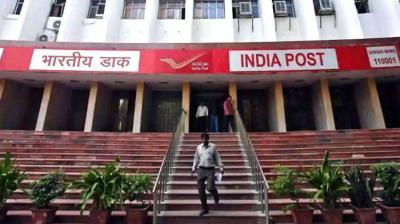
  • Post Office Bill (2023)

    What’s the news?

    • The Post Office Bill, 2023, was introduced in the Rajya Sabha on August 10, 2023. It repeals the Indian Post Office Act, 1898.

    Central idea

    • The recent introduction of the Post Office Bill (2023) in the Rajya Sabha marks a significant shift in India’s postal landscape. The new bill recognizes the evolving role of post offices in the digital age, where they serve as a crucial conduit for a wide range of citizen-centric services.

    Key provisions and changes introduced by the bill

    • Repealing the Indian Post Office Act, 1898: The Post Office Bill, 2023, seeks to replace the outdated Indian Post Office Act of 1898 and addresses various aspects of the functioning of India Post.
    • Exclusive Privileges of the Central Government: Unlike the previous Act, which granted the central government exclusive privileges in establishing posts and conveying letters, the new bill does not contain such privileges. However, it does specify that the Post Office will retain the exclusive privilege of issuing postage stamps.
    • Services to be prescribed: While the old Act specified the services provided by the Post Office, such as delivering postal articles and money orders, the new bill allows the central government to prescribe the services to be offered by the Post Office.
    • Powers to Intercept Shipments: The bill introduces new grounds for intercepting shipments transmitted through the post, including security of the state, friendly relations with foreign states, public order, emergency, public safety, and contravention of the provisions of the Bill or any other law. An officer empowered by the central government may carry out an interception.
    • Director General’s Regulations: The Director General of Postal Services, as provided in both the old Act and the new bill, may make regulations regarding various activities necessary for providing postal services. This includes specifying charges, supply, and sale of postage stamps and postal stationery.
    • Examination of Shipments: The bill removes the powers of examination of shipments by Post Office officers. Instead, it allows the central government to empower an officer of the Post Office to deliver the shipment to customs authorities or other specified authorities for handling.
    • Removal of Offenses and Penalties: Unlike the old Act, which specified various offences and penalties, the new bill does not provide for many offences or consequences. However, it does state that amounts not paid or neglected by a user will be recoverable as arrears of land revenue.
    • Exemptions from Liability: Both the old Act and the new bill maintain provisions that exempt the government and officers from liability related to the loss, misdelivery, delay, or damage to a postal article. The bill allows the Post Office to prescribe liability regarding its services instead of the central government.

    What changes?

    • Flexibility in Pricing and Service Regulation:
    • The new bill grants the postal department the flexibility to determine the prices of its services.
    • This flexibility is seen as crucial in a highly competitive industry, enabling the postal department to respond quickly to market demands.
    • It also allows the department to adapt to changing economic conditions while offering a variety of citizen-centric services.
    • Enhanced Security Measures:
    • The bill empowers the central government to take action in cases where the security of the state, friendly relations with foreign states, public order, emergencies, public safety, or contraventions of the law are at stake.
    • Specifically, any item in the course of transmission by the Post Office can be intercepted, opened, or detained under these circumstances.
    • This provision is seen as a response to modern challenges, including the smuggling and unlawful transmission of drugs and contraband goods through postal parcels.
    • Generic Provisions for Intercepting Items:
    • Unlike the existing Act (1898), which specifically mentioned intercepting postal articles containing explosive dangerous, filthy, noxious or deleterious substances, the new bill contains more generic language.
    • This change is intended to address a broader range of potential security threats and criminal activities involving postal parcels.
    • Limited Jurisdiction over Courier Firms:
    • The bill’s provisions for intercepting, opening, or detaining items in the course of postal transmission are applicable to the Post Office. However, there is no similar legislation mentioned for courier firms.
    • Given that India Post holds less than 15% of the market share in the courier/express/parcels (CEP) industry, the bill’s effectiveness in intercepting items for national security and public service reasons has limitations.
    • Potential Inclusion of Medium and Small Courier Players:
    • The bill could have been strengthened by including provisions for medium and small courier operators to register with a designated authority.
    • Such provisions would have given the bill more control over the movement of contraband goods in parcels, even in the courier industry.

    Futuristic Postal Delivery

    • The new Bill introduces standards for addressing items, address identifiers, and postcodes.
    • These standards may enable the use of digital codes based on geo-spatial coordinates instead of traditional physical addresses.
    • Benefits include improved sorting efficiency and accurate delivery of mail and parcels.
    • The adoption of digital addressing could potentially facilitate parcel deliveries by drones, similar to experiments in some other countries.
    • The transition to these futuristic concepts is acknowledged to be a gradual process.

    Removal of Exclusive Privilege

    • A significant aspect of the Bill is the removal of a provision from the 1898 Act that granted the central government exclusive privileges in postal services.
    • These privileges included conveying letters by post and performing related services.
    • The provision had lost its relevance with the emergence of courier services in India since the 1980s.
    • The absence of a clear definition of letter versus document in the Act and subsequent rules had led to legal ambiguity.
    • The removal of this exclusive privilege is viewed as a positive step, aligning the legal framework with the changing communication landscape.
    • The importance of traditional written personal communication through letters has decreased significantly with the mobile revolution.
    • The removal of this provision is seen as a recognition of this reality.

    Conclusion

    • The new Post Office Bill (2023) represents a vital step toward modernizing India’s postal services to align with contemporary needs. It eliminates the outdated provision of exclusive privileges, adapting to the realities of the digital age and ensuring that India’s postal sector remains relevant and accessible to all citizens.
  • President launches Ayushman Bhav Campaign

    Central Idea

    • The President of India, Mrs. Murmu, virtually launched the Ayushman Bhav campaign and the Ayushman Bhava portal.

    Ayushman Bhav Campaign  

    • The Ayushman Bhav campaign aims to deliver healthcare services to the remotest corners of India, playing a pivotal role in achieving the campaign’s ambitious objectives.
    • It is designed to ensure that every individual receives essential health services, aligning with the overarching goals of Ayushman Bhav.
    • The campaign’s goals, include-
    1. Facilitating access to Ayushman cards
    2. Generating ABHA IDs
    3. Raising awareness about critical health schemes and disease conditions, such as non-communicable diseases, tuberculosis, and sickle cell disease.

    Three Components of Ayushman Bhav:

    • President highlighted the three integral components of Ayushman Bhav:
    1. Ayushman – Apke Dwar 3.0
    2. Ayushman Melas at Health and Wellness Centres (HWC) and Community Health Clinics (CHC)
    3. Ayushman Sabhas in every village and panchayat
    • These components are expected to accelerate the delivery of healthcare services at grassroots levels, contributing to the creation of a healthier nation.

    Back2Basics: Ayushman Bharat Scheme

    Launch Year 2018
    Objective Universal Health Coverage and Financial Protection
    Components 1. Pradhan Mantri Jan Arogya Yojana (PM-JAY)

    2. Health and Wellness Centers (HWCs)

    Target Beneficiaries Economically disadvantaged families, rural populations, vulnerable communities
    Coverage Health insurance for eligible families, covering various medical expenses
    Services Offered Comprehensive healthcare services, including preventive, promotive, and curative care
    Impact Improved health indicators, reduced financial burden on beneficiaries, enhanced healthcare infrastructure
    Vision To make healthcare a fundamental right for all Indian citizens
  • Analysing where India stands in the G20

    What’s the news?

    • The 18th G20 Summit, hosted by India in New Delhi from September 9 to 10, revolved around the theme One Earth, One Family, One Future. This global forum convened to deliberate on crucial issues encompassing food security, climate change, energy, development, healthcare, and digitalization.

    Central idea

    • The G20 Summit marked a successful conclusion as India transferred the G20 Presidency to Brazil. India’s performance across various socioeconomic metrics within the G20 context reveals a mixed picture of progress and challenges.

    GDP per capita comparison (1970–2022)

    • 1970: India’s GDP per capita was $111.97, ranking 18th out of 19 regions analyzed. India had one of the lowest GDP per capita figures among the group.
    • 2022: By 2022, India’s GDP per capita had risen significantly to $2,388.62. However, despite this growth, India had moved to the last position among the 19 regions, indicating that other regions had experienced more substantial economic growth during this period.

    Human Development Index (HDI) comparison (1990–2021)

    • 1990: In 1990, India’s HDI stood at 0.43, indicating a relatively low level of human development. At that time, India ranked towards the lower end of the list among the 19 countries and regions analyzed.
    • 2021: By 2021, India’s HDI had improved to 0.63, signifying significant progress in terms of human development over the decades. However, despite this improvement, India still ranked at the bottom of the list among the 19 regions, highlighting the need for further advancements in various aspects of human development, including life expectancy, education, and living standards.

    Health Metrics Comparison

    • Life Expectancy (1990-2021):
      • In 1990, India had an average life expectancy of 45.22 years.
      • China, at the same time, had a lower average life expectancy of 33.27 years.
      • By 2021, India’s life expectancy had increased to 67.24 years.
      • Despite this improvement, India’s ranking remained the same, and China surpassed India in terms of life expectancy.
    • Infant Mortality Rate (1990-2021):
      • In 1990, India had an infant mortality rate of 88.8 per 1,000 live births, ranking it at the bottom of the 20 regions analyzed.
      • By 2021, India’s infant mortality rate had improved to 25.5 per 1,000 live births.
      • India’s ranking improved to 19th place, just ahead of South Africa (26.4), but it still lags behind many other regions in terms of infant mortality.

    Labor Force Participation Rate (LFPR) Comparison (1990-2021-22)

    • 1990:
      • In 1990, India’s LFPR for individuals above 15 years of age was 54.2%.
      • This LFPR ranking placed India at the 18th position among the 20 regions analyzed.
      • India was ahead of Italy (49.7%) and Saudi Arabia (53.3%) in LFPR.
    • 2021-22:
      • By 2021-22, India’s LFPR had decreased to 49.5%.
      • This decline resulted in a slip in India’s ranking to 19th place.
      • India was now only ahead of Italy (49.4%) among the 20 regions in terms of LFPR.

    Women’s Representation in Parliament (1998-2022)

    • 1998:
      • In 1998, women constituted 8.1% of the Indian Parliament.
      • At that time, India ranked 15th out of the 19 regions analyzed in terms of women’s representation in Parliament.
      • While there were women in leadership positions, India’s representation was relatively low compared to some other regions.
    • 2022:
      • By 2022, women’s representation in the Indian Parliament had nearly doubled to 14.9%.
      • However, despite this increase, India’s ranking had slipped to the 18th position among the 19 regions.
      • India was just ahead of Japan (9.9%) in terms of women’s representation in Parliament.

    Environmental Progress

    • Carbon Emissions (1990 and 2020):
      • In 1990, India was the lowest emitter of CO2 among the 20 regions analyzed.
      • This demonstrated India’s relatively low carbon emissions at that time.
      • In 2020, India maintained its status as the lowest emitter of CO2 among the same regions, indicating a consistent trend of relatively low carbon emissions.
    • Renewable Energy Adoption (1990 and 2015):
      • In 1990, most G20 nations, excluding the U.S. and Mexico, generated less than 2% of their electricity from renewables.
      • By 2015, India had made some progress, with 5.36% of its electricity coming from renewable sources.
      • However, India’s ranking in this regard was 13th out of the 20 regions analyzed, suggesting relatively slow progress in adopting eco-friendly energy sources compared to some other G20 nations.

    Conclusion

    • As India hands over the G20 Presidency to Brazil, there is an opportunity for the nation to build on its successes and address areas that require further attention to achieve a more balanced and equitable socioeconomic landscape
  • Vidya Samiksha Kendras (VSKs) for Education Data Management

    Vidya Samiksha Kendras (VSKs)

    Central Idea

    • Under the National Digital Education Architecture (NDEAR), the Ministry of Education is spearheading the establishment of Vidya Samiksha Kendras (VSKs) across Indian states.

    What are Vidya Samiksha Kendras (VSKs)?

    • VSKs are data repositories designed to consolidate information from various educational schemes and initiatives run by the Ministry of Education.
    • These repositories aim to streamline data management, promote data analysis, and enhance decision-making in the education sector.

    Key Components of VSKs:

    1. Comprehensive Data: VSKs will aggregate data from diverse educational programs, including:
      • PM-POSHAN mid-day meal programs
      • Teacher training records from the National Initiative for School Heads’ and Teachers’ Holistic Advancement portal
      • Textbook content from Digital Infrastructure for Knowledge Sharing
      • School dropout and attendance data via Unified District Information System for Education (UDISE+)
      • Students’ learning outcomes from National Achievement Survey
      • Performance Grading Index evaluating state-level school education systems.
    2. Central and State-Level Centers: At the central level, VSK operations are housed in the Central Institute of Educational Technology building within the National Council for Educational Research and Training (NCERT) campus. Ernst and Young, a multinational IT company, manages these operations.
    3. Advisory Role: The EkStep Foundation, a non-profit organization co-founded by Nandan Nilekani, former Chairman of the Unique Identification Authority of India (UIDAI), provides advisory support for the VSK project’s implementation.
    4. Transition to Automation: While data entry currently relies on manual processes and is available for download in Excel format, there are plans to transition to automation through Application Programming Interface (API) integration. This shift will enable seamless communication and data integration between multiple platforms at the central, state, and district levels.

    State-Level Initiatives

    • Funding Allocation: The central government has allocated funds ranging from ₹2 to ₹5 crore to each state for the establishment of VSKs. These funds cover pre-configured open-source hardware and software, as well as human resources.
    • States in Action: States like Gujarat, Maharashtra, Odisha, and Jharkhand have already initiated the setup of these technological platforms.

    Benefits of VSKs:

    • Data Correlation and Analysis: The primary objective of VSKs is to enable data analytics through correlation. With vast data from numerous educational schemes, VSKs seek to derive meaningful insights by connecting various data points.
    • Example Scenarios:
      • Attendance Patterns: Analyzing attendance data alongside student dropout rates to identify potential correlations.
      • Mid-Day Meals Impact: Investigating whether consistent mid-day meal provision in certain regions leads to increased school attendance.
      • Student Improvement Tracking: Monitoring students’ progress over time using data from weekly tests to tailor educational support.
    • Gross Access Ratio Mapping: VSKs will facilitate mapping the location of schools with population data to assess the Gross Access Ratio. This information can guide the establishment of new schools, support industry clusters in understanding skilling needs, and assist in higher education planning based on demand and future projections.
  • Orphan Diseases in India

    Central Idea

    • Health discussions often revolve around common ailments, such as diabetes, which affect a significant portion of the population.
    • However, amidst these well-known health issues, there are numerous rare/ orphan diseases that, though infrequent, can have devastating consequences for patients and their families.

    What are Orphan Diseases?

    • Rare diseases, often referred to as orphan diseases, are characterized by a low prevalence rate, typically affecting one person in a population of 10,000.

    Challenges Posed

    • Difficulty in Diagnosis: Rare diseases are challenging to diagnose, particularly for young medical practitioners who may have limited exposure to such cases. The rarity of these conditions means that many healthcare professionals may not have encountered them during their training.
    • Lack of Research: Limited prevalence has historically resulted in insufficient research efforts. With fewer cases to study, there has been a lack of scientific understanding and effective treatments for many rare diseases.
    • High Treatment Costs: While advances in medical research have led to the development of therapies for some rare diseases, the costs associated with these treatments are often exorbitant. From an Indian perspective, these costs can range from Rs. 1 million to Rs. 20 million per year, making them unaffordable for many.

    Initiatives and Progress in India

    • Increasing Awareness: Greater awareness of rare diseases and advancements in genomic technologies for diagnosis have begun to address these challenges. As awareness spreads, more cases are being identified and correctly diagnosed.
    • Regulatory Incentives: Several countries, including India, have introduced regulatory incentives to encourage pharmaceutical companies to invest in research and development for neglected diseases. This has led to increased interest in orphan drugs.
    • Patient-Driven Initiatives: Patient groups and organizations in India are actively contributing to rare disease research and treatment. One notable example is the Dystrophy Annihilation Research Trust (DART), which is conducting clinical trials for Duchenne’s muscular dystrophy.
    • Government Initiatives: The government’s National Policy for Treatment of Rare Diseases is gradually making an impact. It aims to address rare diseases prevalent in India, such as cystic fibrosis, hemophilia, lysosomal storage disorders, and sickle-cell anaemia.

    Lessons from Leprosy

    • Incidence Reduction: Leprosy, once prevalent in India, is now considered a rare disease due to successful efforts in reducing its incidence.
    • Research Benefits: Research on orphan diseases like leprosy can yield broader societal benefits. For instance, studies on synthetic antibiotics have shown a potential to curb the spread of leprosy to household relatives.
    • Government Goals: Research findings may contribute to achieving the government’s objective of making India leprosy-free by 2027.

    Conclusion

    • Rare diseases present unique healthcare challenges that have long been neglected.
    • However, recent progress in diagnosis, research, and patient-driven initiatives is gradually improving the landscape for rare disease patients in India.
    • As awareness grows and regulatory support continues, there is hope for enhanced diagnosis, treatment options, and affordability, ultimately improving the lives of those affected by these conditions.
  • Bharatiya Nyaya Sanhita (BNS), 2023 on False Promise of Marriage

    Central Idea

    • The proposed Bharatiya Nyaya Sanhita (BNS), 2023, seeks to address a specific issue concerning sexual relationships based on false promises of marriage.
    • Section 69 of this Bill introduces significant changes in this regard.

    Section 69 of BNS – Sexual Intercourse on False Promise of Marriage

    • Creation of Two Offenses: Section 69 within Chapter 5 of the BNS, titled “Offences against Women and Children,” defines ‘sexual intercourse by employing deceitful means etc.’ and includes two violations: one by deceitful means and one by a ‘false promise to marry.’
    • Deceitful Means: The first violation involves employing deceitful means, such as a false promise of employment, promotion, or marriage, with the intent to induce sexual relations. If a person uses such means, they could face penalties of up to ten years of imprisonment.
    • False Promise to Marry: The second violation pertains to making a false promise to marry a woman with the intention of breaking that promise, solely to obtain her consent and exploit her sexually. This offense is also subject to a penalty of up to ten years of imprisonment.

    Why Section 69 Is Introduced?

    • Historical Context: In the absence of a specific provision, cases of sexual intercourse based on false promises of marriage were previously addressed using other sections of criminal law, causing ambiguity.
    • Prevalence of Cases: Cases of sex under the “false promise of marriage” had been reported frequently, with victims often unable to seek legal remedy effectively.
    • Legal Ambiguity: The existing legal framework did not clearly distinguish between a ‘false promise’ and a ‘breach’ of promise to marry, creating complications in determining consent and intention.

    Courts’ Handling of ‘False Promise of Marriage’ Cases

    • Judicial Interpretation: Courts had traditionally relied on existing laws like Sections 375 and 90 of the Indian Penal Code (IPC) to address such cases.
    • Consent Examination: Section 375 defines consent as an unequivocal voluntary agreement, and Section 90 considers consent given under “misconception of fact.” Courts examined cases based on these provisions.
    • Distinguishing Factors: Courts differentiated between a ‘false promise’ made with the intent to deceive and a ‘breach’ of promise made in good faith but not fulfilled.
    • Crucial Judgments: The Supreme Court’s judgment in ‘Pramod Suryabhan Pawar vs. State of Maharashtra’ (2019) highlighted the importance of the promise-maker’s intent to deceive. Another significant case, ‘Dileep Singh vs. State of Bihar,’ underscored the need for establishing a lack of intention to marry for the offense to be considered rape.

    Implications and Critiques of Section 69

    • Endogamy Promotion: Critics argue that Section 69 may promote endogamy by shifting the focus from real harm and abuse to whether the man intended to marry, disregarding the complex social context in which such relationships occur.
    • Ambiguity and Discretion: The Bill’s vagueness and discretionary nature could perpetuate uncertainty and reliance on gender norms, potentially re-victimizing women.
    • Cycle of Consequences: While the Bill specifies the consequences of the crime, it may overlook the harm suffered by women, contributing to a cycle where justice remains elusive.

    Conclusion

    • Section 69 of the proposed BNS, 2023, addresses a crucial issue related to sexual relationships based on false promises of marriage.
    • However, the Bill’s implementation and interpretation will require careful scrutiny to ensure justice is served without perpetuating harmful gender norms or social biases, as indicated by crucial judgments in relevant cases.
  • Progress track: Aatmanirbhar Bharat Rozgar Yojana (ABRY)

    Central Idea

    • The Aatmanirbhar Bharat Rozgar Yojana (ABRY) by the Central Government has outperformed its initial employment targets, proving its effectiveness in fostering job creation during the COVID-19 crisis.

    About Aatmanirbhar Bharat Rozgar Yojana (ABRY)

    Launch Introduced in November 2020
    Purpose As part of Atmanirbhar Bharat Package 3.0 to boost post-Covid-19 employment
    Government’s Contribution Subsidy for provident fund contributions in EPFO-registered organizations
    Coverage Up to 1000 employees: Both employee (12%) and employer (12%) contributions for two years

    Over 1000 employees: Employee (12%) contribution for two years

    Subsidy Disbursement Subsidy credited upfront to Aadhaar-linked EPFO accounts (UAN) of new employees
    Eligibility Criteria Establishments adding new employees compared to September 2020 reference base
    Target Beneficiaries Employees with monthly wages under Rs. 15,000 joining EPFO-registered establishments

    Individuals reemployed on or after October 1, 2020, who left jobs between March 1 and September 30, 2020

     Achievements and Numbers

    • The scheme, open for registrations until March 31, 2022, targeted around 7.18 million employees across India.
    • By July 31, 2023, ABRY had already exceeded its target, enrolling over 7.58 million new employees.
    • Benefiting 1,52,380 establishments with 60,44,155 new employees, the scheme disbursed benefits totaling Rs. 9,669.87 Crore.
  • Personalised Adaptive Learning (PAL) on DIKSHA Platform

    Central Idea

    • The National eGovernance Division (NeGD) plans to incorporate Personalised Adaptive Learning (PAL) into its existing Digital Infrastructure for Knowledge Sharing (DIKSHA) platform.
    • PAL offers individualized learning experiences based on students’ unique needs and abilities.

    DIKSHA 2.0 Portal

    • Diksha Portal was launched in 2017 to provide a digital platform to teachers giving them an opportunity to learn and train themselves and connect with the teacher community.
    • It serves as the National Digital Infrastructure for Teachers.
    • It aids teachers to learn and train themselves for which assessment resources will be available.
    • It houses digitized National Council of Educational Research and Training (NCERT) textbooks, teaching videos, and practice questions.
    • It also has assistive technologies for learners with disabilities, but it’s a static content repository.

    Integration of PAL

    • NCERT seeks MeitY’s expertise in implementing PAL within DIKSHA.
    • PAL provides customized learning paths for each student based on their learning progress.
    • PAL can loop back students to basic concepts if they make mistakes, enhancing learning efficiency.

    Challenges and Implementations in States

    • PAL development involves categorizing and tagging content, potentially creating new material.
    • Chemistry, Mathematics, and Physics for Classes 9 to 12 are prioritized for PAL development.
    • Several states like Andhra Pradesh, Assam, and Haryana experimented with PAL, facing budget constraints.