💥Join UPSC 2027,2028 Mentorship (July Batch) + XFactor Notes & Microthemes PDF

Author: CD Staff

  • [Burning Issues] J&K New Domicile Rules

    Context

    • Recently, the Ministry of Home Affairs has promulgated the Jammu and Kashmir Reorganization (Adaptation of State Laws) Order, 2020, which comes into force with immediate effect.
    • It defines “domiciles” in the new Union Territory (UT) of Jammu and Kashmir for protecting jobs in the Group D category and entry-level non-gazetted posts for the domiciles.

    What is domicile?

    In law, domicile is the status or attribution of being a lawful permanent resident in a particular jurisdiction.

    Background

    • On 6th August 2019, the Centre revoked J&K’s special status under Article 370 and Article 35A of the Constitution and bifurcated it into the UTs of J&K and Ladakh.
    • The two revoked constitutional provisions let the state legislature decide the ‘permanent residents’, prohibiting a non-J&K resident from buying property there and ensuring job reservation for its residents.

    Who were the permanent residents in J&K?

    • The law, introduced in 1954, empowered state governments to define “permanent residents” of Jammu and Kashmir and reserve for them certain rights and privileges.
    • Till August last year, the term permanent resident covered those who were state subjects of Jammu and Kashmir in 1954 and their descendants.
    • It also included those who had lived and owned land in Jammu and Kashmir for at least 10 years in 1954.
    • Various rights, such as the right to own land in Jammu and Kashmir, hold government jobs and get state scholarships, were restricted to these permanent residents.

    Key Highlights of Order

    • The order has amended 109 laws and repealed 29 laws of the erstwhile State and inserted the ‘domicile’ clause in the J&K Civil Services (Decentralisation and Recruitment) Act, 2010.
    • The clause for ‘permanent resident of the State’ under the 2010 Act has been substituted by ‘Domicile’ of the UT.
    • The Act pertained to employment in the civil services comprising “district, divisional and State” cadre posts.
    • Only permanent residents of J&K were eligible to apply for the gazetted and non-gazetted posts but now non-domiciles can also apply for these posts.

    Criteria for Domiciles

    Satisfying any of the criteria mentioned below, a person would be deemed as a domicile of the UT of Jammu and Kashmir:

    • A person who has resided for a period of 15 years in the UT of J&K or
    • A person who has studied for a period of seven years and appeared in Class 10th/12th examination in an educational institution located in the UT of J&K
    • Someone who is registered as a migrant by the Relief and Rehabilitation Commissioner (Migrants)
    • Children of Central government officials, All India Services, PSUs, autonomous body of Centre, Public Sector Banks, officials of statutory bodies, Central Universities, recognised research institutes of Centre who have served in J&K for a total period of 10 years
    • Children of such residents of J&K who reside outside J&K in connection with their employment or business or other professional or vocational reasons but their parents fulfil any of the conditions provided

    Job criteria for new domiciles

    • The domiciles will be eligible for the purposes of appointment to any post carrying a pay scale of not more than Level 4.
    • The Level 4 post comprises positions such as gardeners, barbers, office peons and waterman and the highest rank in the category is that of a junior assistant.
    • The reservation for domiciles would not apply to Group A and Group B posts, and like other UTs, recruitment would be done by the UPSC.

    Other amendments

    • The order has also made amendments to the Public Safety Act (PSA) 1978 by removing a clause that prohibited J&K residents booked under the Act to be lodged in jails outside.
    • It changes the criteria for appointing the PSA advisory board on the recommendation of a search committee headed by the Chief Secretary instead of the Chief Justice of the J&K High Court.
    • The advisory board has a crucial role to play in release of detenus under the PSA.
    • It also bars sitting High Court judges to be made part of the board without the Chief justice’s consultation.
    • The order also scraps a clause that deals with the power to regulate place and conditions of detention.

    Why was such an order made?

    • The J&K since decades had been unchartered territory for rest of the Indian nationals.
    • A wide section of Indians was against reservation in centrally filled jobs being limited only to the J&K residents.
    • They felt that by imposing reservation, it would mean a replay of the conditions that existed when Article 35A was in force.

    Issues with the decision

    1) Real estate misuse

    • Commercialization of land for real estate purposes is the most possible threat.
    • The government needs to take a measured view of the domicile issue for the purpose of purchase of land.

    2) Job losses for locals

    • The main objection of residents is the new definition of domiciles would pave the way for non-local residents encroaching over jobs and land.
    • Following the order, the youth of Jammu have realized the Centre’s decision will reduce their chances at availing top government posts in the union territory.
    • This would result in more competition and lesser chances of erstwhile permanent citizens securing employment in the state.

    3) Land encroachment

    • The order also amended the J&K Property Rights to Slum Dwellers Act.
    • References to “permanent residents” were deleted from the law, making it easier for non-local slum dwellers to gain property rights in Jammu and Kashmir.

    4) Hasty decision

    • The order reflects a casual exercise carried out at the bureaucratic level without taking the aspirations and expectations of people into consideration.
    • At a time when all efforts & attention are focused on the COVID outbreak, the government slipped in a new domicile law for J&K.

    6) Political apathy

    • The haste for domicile law is widely considered inappropriate and insensitive.
    • It is perceived as “an insult upon injury” since the abrogation of article 370 was carried on a promising note.

    Conclusion

    • Considering the high levels of hostilities and trust deficit in the Kashmiri population, the hasteful promulgation of domicile order is questionable.
    • Given this, there is a high chance of Jammu and Ladakh becoming the prime focus for people from different parts of India to buy land and settle.
    • This will bring about considerable economic activity, but the locals here will have to not only offer better space but also equal opportunity to participate in work.
    • This could potentially marginalize the locals once the settlers arrive which can modify their ways of life.

    Way forward

    • It remains to be seen how various political outfits of J&K will navigate themselves in the midst of the new political and administrative realities that have taken shape since last year.
    • All mainstream political parties of Kashmir has already stated by way of the ‘Gupkar declaration’ that any tinkering with the special status of J&K would be considered an act of war against its people.
    • All political parties and people from civil society must be taken on board to achieve the larger good of the inhabitants of UT & nation both.
    • Those affected most by the law should be consulted with immediate actions.


    References

    https://www.civilsdaily.com/news/jk-reorganization-adaptation-of-state-laws-order-2020/
    https://www.thehindu.com/news/national/govt-jobs-to-be-reserved-only-for-domiciles-of-jk-says-centre/article31224164.ece

    https://scroll.in/article/957948/slow-demographic-change-new-j-k-domicile-rules-draw-chorus-of-protests

  • [Burning Issue] Migrant workers amid COVID-19 outbreak


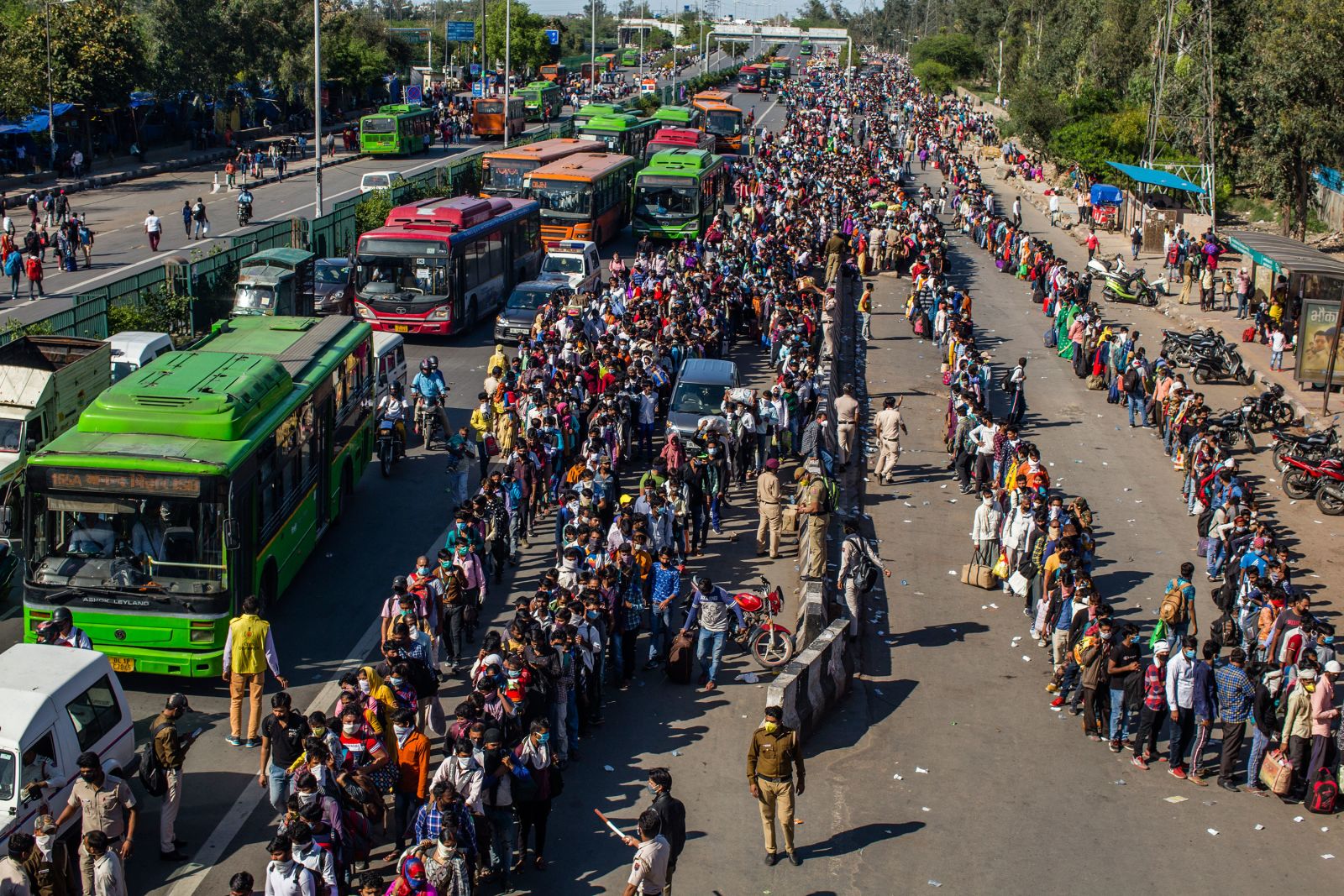
    Blamed for leaving their homes in defiance of the lockdown, hungry and cash-strapped migrants are struggling in packed shelters while those who managed to reach their native places are facing hostility. What makes India’s migrant crisis unique is not the nature of its migrant workforce but the abruptness of its public policy.

    Context

    • Labour migration within India is crucial for economic growth and contributes to improving the socio-economic condition of people.
    • Migration can help, for example, to improve income, skill development, and provide greater access to services like healthcare and education.

    Labour and migration in India

    • Seasonal migration for work is a pervasive reality in rural India.
    • The annual net flows amount to about 1 per cent of the working age population.
    • As per Census 2011, the size of the workforce was 48.2 crore people.
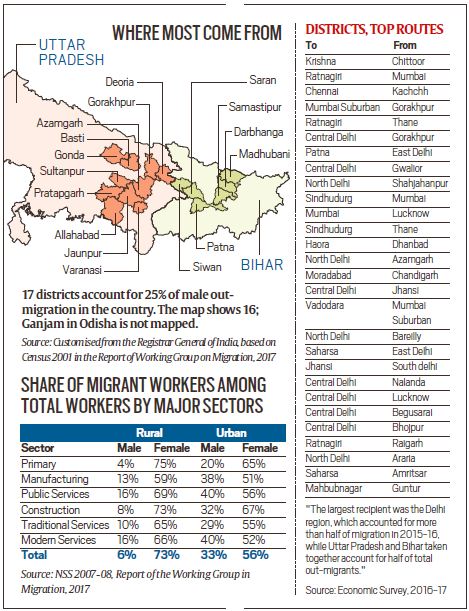
    • This figure is estimated to have exceeded 50 crore in 2016 — the Economic Survey pegged the size of the migrant workforce at roughly 20 per cent or over 10 crore in 2016.

    Uniqueness of labour migration in India


    Click here for larger image

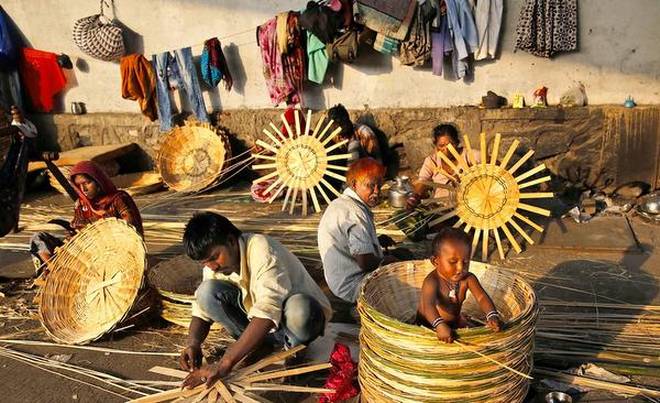
    Migrant labour in Indian cities, and the vast majority of workers currently in the news, is marked by three traits:

    1) Internal migration

    • These migrants come from within India, unlike international migrants who often dominate the study of migration.

    2) Informality

    • They are low-income workers who are informally employed, meaning they lack formal contracts.
    • Many migrant workers perform daily wage labor (such as beldars on construction sites), or are self-employed (for example street vendors).
    • Such employment is obviously precarious and day-to-day in nature, with no protections in the event of an abrupt cancellation, as has happened with the lockdown.

    3) Circularity

    • Most of these migrants do not permanently relocate to the city. Expensive and inhospitable urban environments compel them to move without their families.
    • Instead, they circulate between city and village several times a year and remain deeply rooted within sending villages.

    4) Gendered migration

    • Women constitute an overwhelming section of migrants. Female migrants are less represented in regular jobs and more likely to be self-employed than non-migrant women.
    • Domestic work has emerged as an important occupation for migrant women and girls.
    • A gender perspective on migration is imperative since women have significantly different migration motivations, patterns, options and obstacles from men.

    Each of these factors is important in understanding why migrant workers have been so eager to return home since the lockdown was announced.

    What is their contribution to the Indian economy?

    • More fine-grained studies have revealed circular migrants are influential, and in some cases, the predominant forms of labour in industries ranging from construction, brick manufacturing, mining and quarrying, hotels and restaurants, and street vending.
    • Many of these sectors are integral to the Indian economy and comprise a significant share of our national GDP.

    Has it been recorded and acknowledged properly and accurately?

    • The informal nature of employment makes it hard to collect reliable data even on the size of this population, let alone its economic contributions.
    • We can gain a sense of these contributions by considering sectors in which employment is dominated by circular migrants.
    • Circular urban migrants perform essential labour and provide services that many people want but are unwilling to provide themselves.
    • Yet too often this work is not received with gratitude by municipal authorities or more privileged urbanites.

    Mass exodus of migrant labour

    • The exodus of migrant workers is far from surprising as it was caused by a rational panic triggered by misinformation.
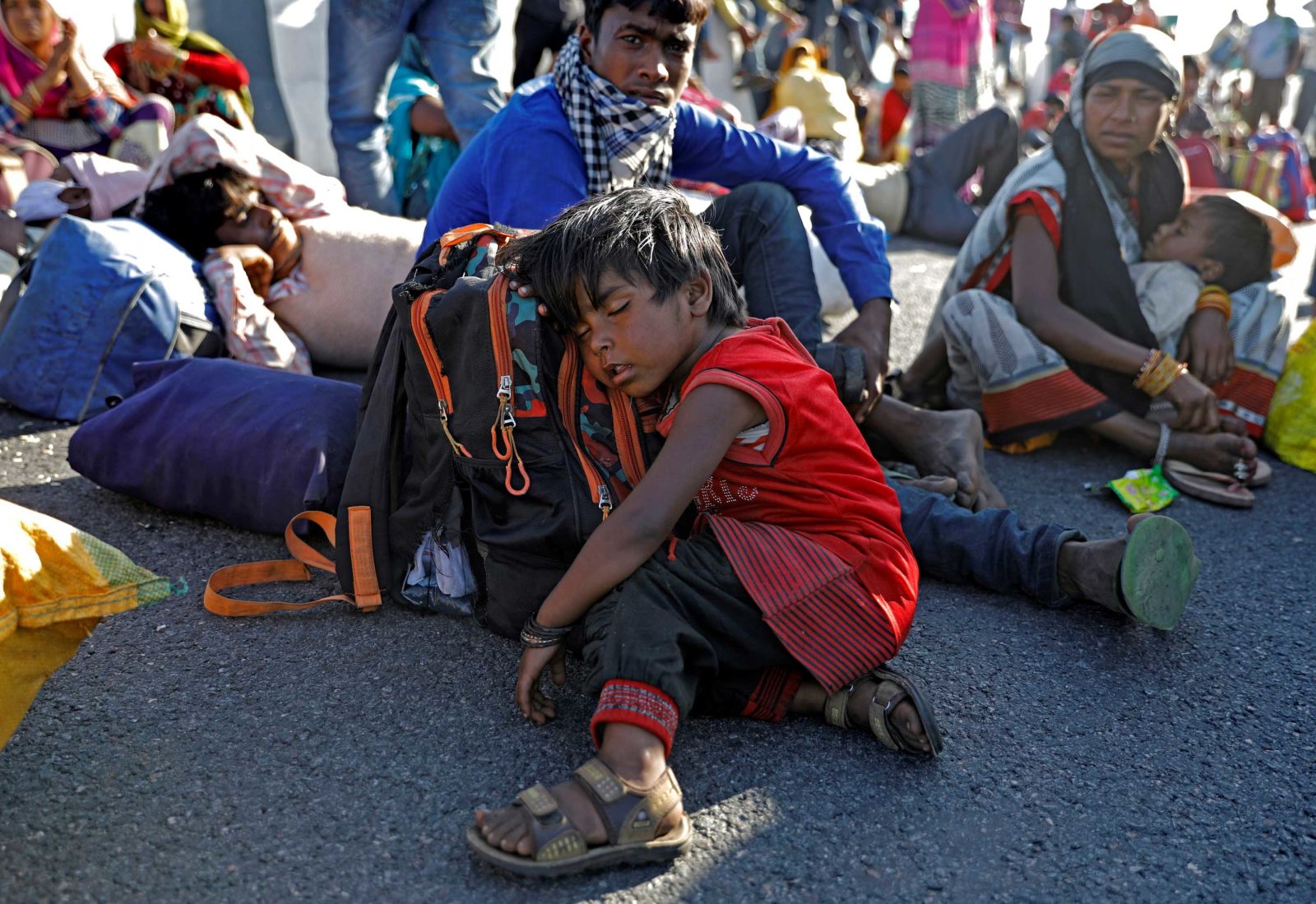
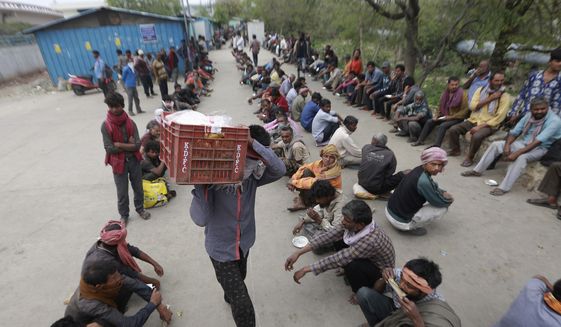
    • They live in inhospitable conditions such as cramped rented rooms or are compelled to sleep on the footpath, lack documents to access benefits such as rations in the city, do not have family members in the city, and have few savings to draw upon.
    • The lockdown took away their only reason for enduring such hardships: work in the city.
    • Moreover, given the nature of the novel coronavirus, it would be completely plausible for migrants to be unsure about when work opportunities might actually resume in cities.

    Was it preventable?

    • Considering the severity of coronavirus breakdown, an immediate lockdown was inevitable. And the already vulnerable migrants were the first to get impacted.
    • However, a more effective and humane response would have first considered how an abrupt lockdown might affect transient populations.
    • Given the lockdown order required everyone to stay at home for a prolonged period, it is especially important to consider those populations who are often forced to work far away from their homes.
    • Second, a more effective response would have decided whether to prioritize keeping migrants in place in destination cities, or helping them safely reach home.

    Threats to covid returnees

    • Authorities tend to view migrants through the lens of enforcement rather than accommodation. Circular migrants experience considerable police repression in the cities they work within.
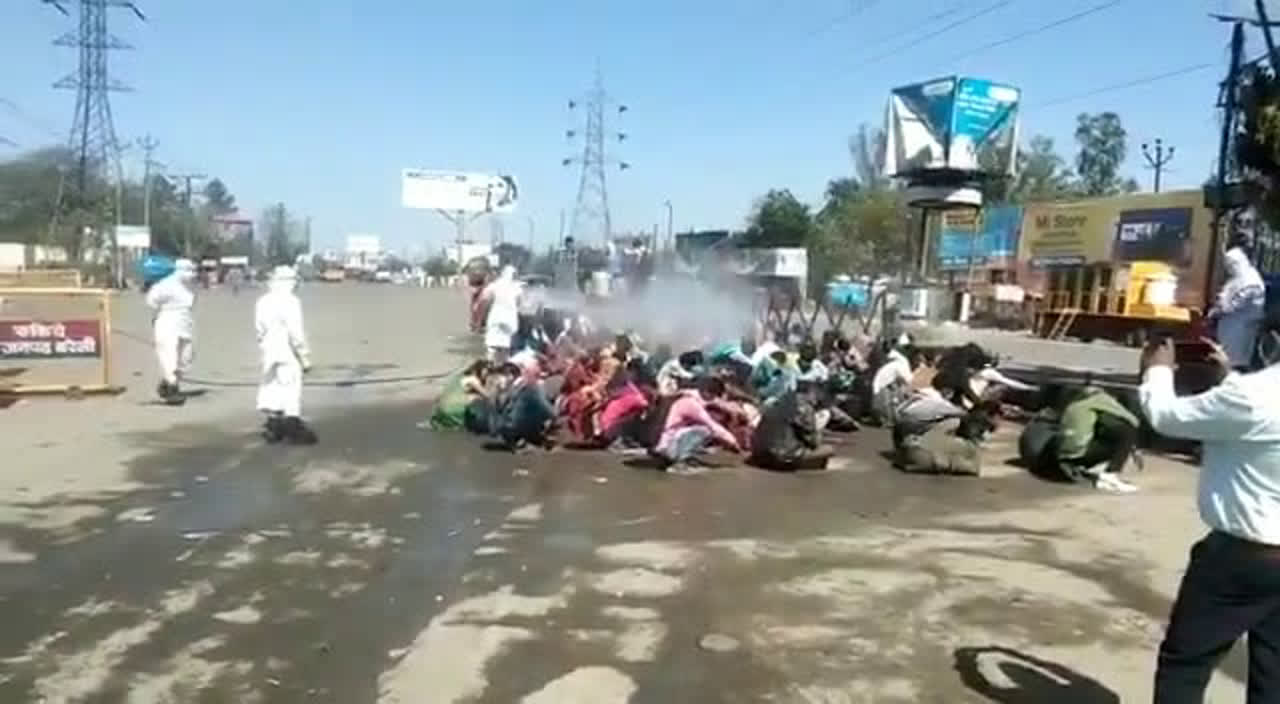
    • This attitude remains apparent in the reports and images of police violence towards migrants during this current crisis, and the language of enforcement that pervades recent government orders.
    • Clearly the pandemic has produced certain specific responses, such as disturbing images of migrants being rounded up and sprayed with harmful chemicals.
    • Yet these responses are hardly divorced from longstanding patterns of marginalization.
    • If anything fears stoked by a viral pandemic is especially amenable to being channelled through longstanding systems of classification, purity, and stigma based on caste, class, and occupation.

    What could have been done?

    • If the goal was to get migrants safely home, resources should be targeted to ensure safe and clean passage and a feasible local quarantine strategy for migrants in their home regions.
    • Resources should be mobilized keeping them healthy, housed, and fed (including by enabling them to pay our pause rent, and access PDS benefits in cities).

    Issues with migrant’s welfare

    1) Lack of reliable data

    • We lack a consensus estimate of the size of our circular migrant population for a number of reasons.
    • Many official data sources use definitions of migration that fail to capture the transient and itinerant patterns observed by circular migrants.
    • For example NSSO collected specific data on migration in its 64th round, and found the all-India rate of ‘short-term migration’ is between 1 and 2 percent.
    • The NSS defines a ‘short-term’ migrant as one who stays away for up to 6 months during the last year, but many circular migrants spend most of the year working in cities, returning home for festivals, harvests, or to see family.
    • Further, the fact that these migrants live and work in informal conditions in cities, and circulate between village and city, make them especially difficult to access through standard residence-based surveys.

    2) Lack of Policy Measures

    • The striking difference in how we treat international and internal migrants is particularly apparent if we think of wealthy international diaspora such as Indians residing in the United States.
    • Diasporas are celebrated for their accomplishments and remittances and feted at events such as the Howdy Modi rally held recently in Houston.
    • The power of these groups fueled significant efforts to expand their standing and political rights, including the establishment of new categories of citizenship (such as the Overseas Citizens of India).
    • By contrast there are few systematic efforts to celebrate and acknowledge the contributions of poor circular migrants including the recent One Nation One Ration Card Scheme.

    3) Other hardships

    • Lack of alternate livelihoods and skill development in source areas, locations from where migration originates, are the primary causes of migration from rural areas.
    • Migrants repeatedly face harassment and mistreatment by urban employers, middle-class shopkeepers and residents, and local police.

    Most of their vulnerabilities are highlighted as under:

    • Lack of Awareness: Lack of awareness among migrants about their rights as ‘workers’ and as ‘migrant workers’
    • Work harassment: Unscrupulous labour agents who coerce workers and do not pay minimum wages as stipulated by law
    • Human trafficking: Many migrants, especially young girls and women, are deceived and trafficked
    • Debt traps: Workers who engage in seasonal work, such as in brick kilns or agriculture, are often trapped in a situation of debt and bondage
    • Work safety: Poor and unsafe working and living conditions, lack of occupational health and safety
    • Sexual harassment: Possibility of violence at the workplace and sexual harassment of women
    • Health risks: Greater threat of nutritional diseases, occupational illnesses, communicable diseases, alcoholism
    • Exclusion: Exclusion or lack of access to public services and social protection for migrants due to regulatory and/or administrative procedures in destination states

    Conclusion

    The challenge is that migrants usually form a class of invisible workers. There are different risks in their source and destination areas. Needs of their family members, including infants, children, adolescents and elderly who accompany migrant workers need to be addressed on a priority.

    • Economic growth in India today hinges on mobility of labour.
    • The contribution of migrant workers to national income is enormous but there is little done in return for their security and well-being.
    • There is an imminent need for solutions to transform migration into a more dignified and rewarding opportunity.
    • Without this, making growth inclusive or the very least, sustainable, will remain a very distant dream.

    Way Forward

    • Since internal migration in India is very large, it needs to be given high priority with specific policy interventions.
    • Governments and policymakers can play a vital role in ensuring that migrant workers undertake safe migration, have decent working and living conditions in destination areas, are aware of their rights and have access to social security and welfare schemes.
    • Suggestions to promote decent life for migrant workers in India include: developing a policy framework that gives priority to migrants, creates linkages between state and central policies on healthcare, education and social security, and facilitating convergence of state and central resources.

    Broadly, these series of measures can be summarized as below-

    • Establishing institutional mechanisms for inter-state coordination
    • Improving enforcement of labour laws
    • Adopting a four-pronged approach for better protection of rights of workers that defines the roles and responsibilities of the state, employers, workers/trade unions/civil society organizations and emphasizes the use of social dialogue and collective bargaining for promoting the rights of migrant workers
    • Accessing housing, water and sanitation and other urban amenities
    • Universal registration of workers on a national platform and developing comprehensive databases
    • Strengthening and/or setting up district facilitation centres, migrant information centres and gender resource centres
    • Strengthening the role of panchayats and other local authorities in registering workers
    • Providing education and health services at the worksites or seasonal hostels
    • Providing skills training, in particular for adolescents and young workers


    References

    https://indianexpress.com/article/explained/migrant-labour-role-india-lockdown-tariq-thachil-6343869/
    http://www.aajeevika.org/labour-and-migration.php

    https://edition.cnn.com/2020/03/30/india/gallery/india-lockdown-migrant-workers/index.html

  • [Burning Issue] The Mineral Laws (Amendment) Bill, 2020


    The Mineral Laws (Amendment) Bill, 2020 has been passed by both the Houses of Parliament and is waiting for Presidents assent.

    About the Bill

    The Bill seeks to amend:

    • The Mines and Minerals (Development and Regulation) Act, 1957 (MMDR Act) and
    • The Coal Mines (Special Provisions) Act, 2015 (CMSP Act)

    Background

    MMDR Act

    • The MMDR Act, 1957 forms the basic framework of mining regulation in India. It regulates the overall mining sector in India.
    • This act is applicable to all mineral except minor minerals and atomic minerals. It details the process and conditions for acquiring a mining or prospecting licence in India.
    • Mining minor minerals comes under the purview of state governments. River sand is considered a minor mineral.
    • For mining and prospecting in forest land, prior permission is needed from the Ministry of Environment, Forests and Climate Change.

    CMSP Act

    • The CMSP Act provides for the auction and allocation of mines whose allocation was cancelled by the Supreme Court in 2014.
    • Schedule I of the Act provides a list of all such mines; Schedule II and III are sub-classes of the mines listed in the Schedule I.
    • Schedule II mines are those where production had already started then, and Schedule III mines are ones that had been earmarked for a specified end-use.

    At present, who gives the permits in the mining sector?

    • The State governments provide permits for mining, which are called mineral concessions, for all the minerals located within their respective jurisdictions.
    • This comes under the provisions of the Mines & Minerals (Development and Regulation) Act, 1957 and Mineral Concession Rules, 1960.
    • However, for minerals specified under the Schedule I of the Mines & Minerals (Development and Regulation) Act, 1957, the Centre’s approval is necessary before granting the mineral concession.
    • Minerals specified under the Schedule I include hydrocarbon, atomic minerals and metallic minerals like iron ore, bauxite, copper ore, lead, precious stones, zinc and gold.

    Features of the Mineral Laws (Amendment) Bill, 2020

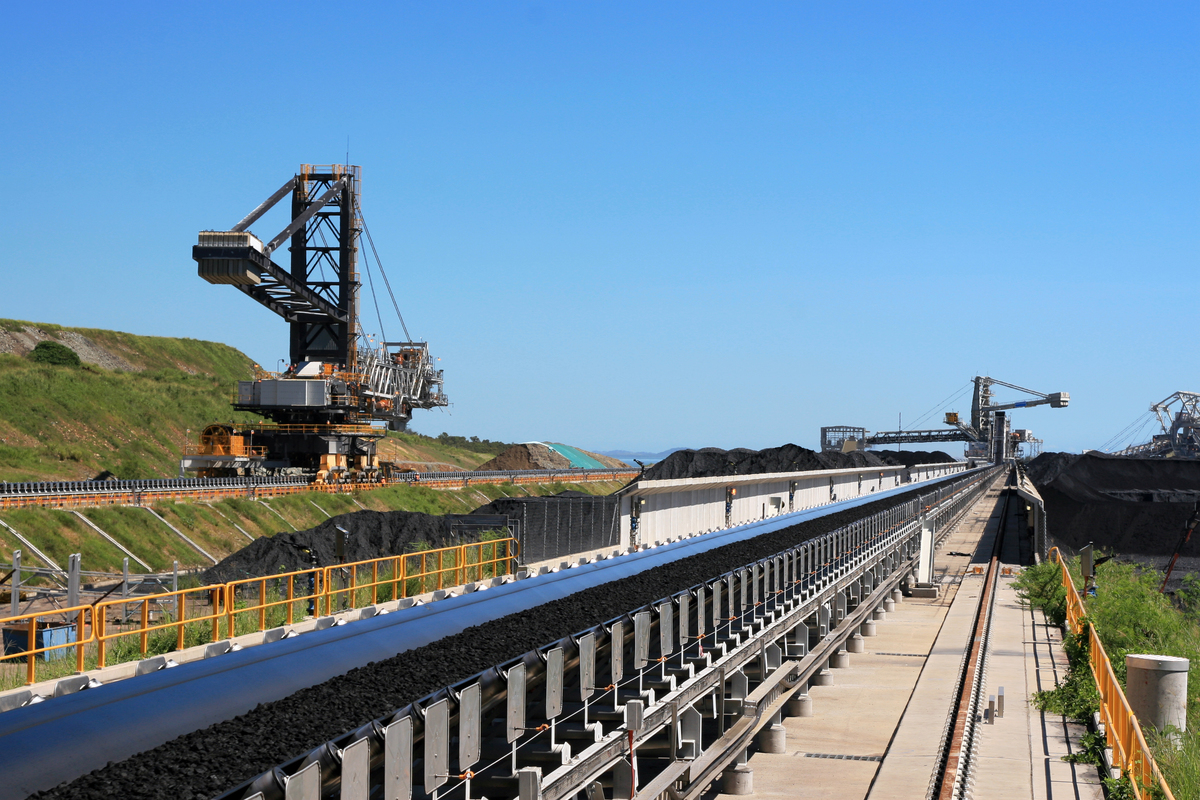
    1) Removal of restriction on end-use of coal

    • Currently, companies acquiring Schedule II and Schedule III coal mines through auctions can use the coal produced only for specified end-uses such as power generation and steel production.
    • The Bill removes this restriction on the use of coal mined by such companies.
    • Companies will be allowed to carry on coal mining operation for own consumption, sale or for any other purposes, as may be specified by the central government.

    2) Eligibility for auction of coal and lignite blocks

    • The Bill clarifies that the companies need not possess any prior coal mining experience in India in order to participate in the auction of coal and lignite blocks.
    • Further, the competitive bidding process for auction of coal and lignite blocks will not apply to mines considered for allotment to
    1. a government company or its joint venture for own consumption, sale or any other specified purpose; and
    2. a company that has been awarded a power project on the basis of a competitive bid for the tariff.

    3) Composite license for prospecting and mining 

    • Currently, separate licenses are provided for prospecting and mining of coal and lignite, called prospecting license, and mining lease, respectively.
    • Prospecting includes exploring, locating, or finding mineral deposit.
    • The Bill adds a new type of license, called prospecting license-cum-mining lease (PL-cum-ML).
    • This will be a composite license providing for both prospecting and mining activities.

    4) Non-exclusive reconnaissances permit holders to get other licenses

    • Currently, the holders of non-exclusive reconnaissance permit for exploration of certain specified minerals are not entitled to obtain a prospecting license or mining lease.
    • Reconnaissance means preliminary prospecting of a mineral through certain surveys.
    • The Bill provides that the holders of such permits may apply for a prospecting license-cum-mining lease or mining lease.
    • This will apply to certain licensees as prescribed in the Bill.

    5) Transfer of statutory clearances to new bidders

    • Currently, upon expiry, mining leases for specified minerals (minerals other than coal, lignite, and atomic minerals) can be transferred to new persons through auction.
    • This new lessee is required to obtain statutory clearances before starting mining operations.
    • The Bill provides that the various approvals, licenses, and clearances given to the previous lessee will be extended to the successful bidder for a period of two years.
    • During this period, the new lessee will be allowed to continue mining operations.  However, the new lessee must obtain all the required clearances within this two-year period.

    6) Reallocation after the termination of the allocations

    • The CMSP Act provides for the termination of allotment orders of coal mines in certain cases.
    • The Bill adds that such mines may be reallocated through auction or allotment as may be determined by the central government.
    • The central government will appoint a designated custodian to manage these mines until they are reallocated.

    7) Prior approval from the central government

    • Under the MMDR Act, state governments require prior approval of the central government for granting reconnaissance permit, prospecting license, or mining lease for coal and lignite.
    • The Bill provides that prior approval of the central government will not be required in granting these licenses for coal and lignite, in certain cases.
    • These include cases where: (i) the allocation has been done by the central government, and (ii) the mining block has been reserved to conserve a mineral.

    8) Advance action for auction 

    • Under the MMDR Act, mining leases for specified minerals (minerals other than coal, lignite, and atomic minerals) are auctioned on the expiry of the lease period.
    • The Bill provides that state governments can take advance action for auction of a mining lease before its expiry.

    Significance of the Bill

    1) Seamless coal mining

    • The pl-and-ml licences will increase the availability of coal and lignite blocks and provide for an allocation of different grades of coal blocks in wide geographical distribution.
    • Environmental clearances will be automatically transferred to the new owners of the mineral blocks along with other clearances for two years.
    • This will allow the new owners to continue with the hassle-free mining operations.

    2) Reduced dependence on Imports

    • The Bill provides that the companies do not need to possess any coal mining experience in India to participate in the auction of coal and lignite blocks. This will allow 100% FDI in the sector via automatic route.
    • It ensures an increase in investments and boosts in domestic coal production to reduce the dependence on imports of coal.

    3) End of CIL monopoly

    • The Bill put an end to Coal India Ltd’s monopoly in the mining sector as it increases the scope for the private sector.
    • This amendment is a welcome step towards liberalisation of the mining sector and attracting the much-needed foreign investment.
    • Two crucial aspects – liberalizing the eligibility criteria for participating in the auction and removal of end-use restriction – will attract investment in the sector and foreign direct investment too.

    4) Addresses energy demand

    • The demand for coal within the country is increasing exponentially in recent times as the government is expanding the capacity to generate power.
    • The increase in the production of the easiest and cheapest source of electricity, coal, especially domestic coal, can back the government’s bid to provide electricity for all citizens.
    • Without an increase in coal production, it would be difficult to achieve this objective.

    5) Multi-sectoral development

    • Overall, this move will create an efficient energy market and bring in more competition as well as reduce coal imports.
    • It would also help India gain access to high-end technology for underground mining used by miners across the globe.
    • It will also increase demand in other sectors such as mining equipment, heavy commercial vehicle industries etc.

    Issues with this Bill: Putting the environment at stake

    • While many countries are moving away from fossil fuels, especially coal, to combat climate change, India is boosting its demand in this sector, putting the environment at risk.
    • This Bill provides for an increase in the competition in the mining sector, paving the way for the rise in the chances of over-exploitation of resources.
    • Promoting the growth of coal sector jeopardizes India’s commitments in the Paris Agreement.

    Way Forward

    • The corresponding rules and bidding guidelines must be assessed in detail to ensure that the proposed law is implemented and given full effect.
    • While promoting coal mining, the government must also ensure an increase in the investments in green energy so that it can reduce its dependence on thermal energy.
    • There must be an increase in monitoring of the mining activities so that the private players are not tempted towards over-exploitation of resources and labourers.
    • Regulations must be strictly monitored and enforced so that there is no adverse impact on either the environment or human beings because of the increase in mining activities.


    References

    https://www.prsindia.org/billtrack/mineral-laws-amendment-bill-2020

    https://pib.gov.in/newsite/PrintRelease.aspx?relid=117513

    https://www.youtube.com/watch?v=EfUWkNB6wdE

    https://www.youtube.com/watch?v=OWvg4hLV9EM

  • [Burning Issue] Economic Impact of Coronavirus in India and Government’s intervention (PART II)

    As the virus continues its march around the world, governments with India being no exemption have turned to proven public health measures, such as social distancing, to physically disrupt the contagion.  Yet, doing so has severed the flow of goods and people, stalled economies, and is in the process of delivering a global recession.

    Economic contagion is now spreading as fast as the disease itself. In this uncharted territory, naming a global recession adds little clarity beyond setting the expectation of negative growth.

    Economic Shocks of Coronavirus Pandemic

    In an economy already reeling under a demand depression, rising unemployment, and lowering of industrial output and profits, all of which happening together for several quarters now, a supply-side constraint would deliver a big blow, jeopardizing growth prospects and social and economic wellbeing of a large number of people.

    Understand the damage mechanisms

    Classically, financial crises cripple an economy’s supply side. There is a long history of such crisis, and policymakers have learned much about dealing with them.

    1) Financial system risks

    • The outbreak has already generated stress in capital markets, triggering a forceful response from central banks.
    • If liquidity problems persist and real economy problems lead to write-downs, capital problems can arise.
    • While from a policy perspective we may know the solutions, bailouts and recapitalization of banks are politically controversial.

    2) Capital formation and labour loss

    • In the case of a financial crisis, capital formation would take a huge hit, driving a prolonged slump with damage to labour and productivity as well.
    • Months of social distancing could disrupt capital formation and ultimately labour participation and productivity growth.

    Indian case:  An already wounded economy

    The Indian economy wasn’t already doing well with the pandemic worsening the situation. The impact on India can be traced through channels such as: external demand; domestic demand; supply disruptions, and financial market disturbances.

    External, domestic demand

    • Global recession: As the economies of the developed countries slow down (some people are even talking of recession), their demand for imports of goods will go down and this will affect our exports which are even now not doing well.
    • Reduced economic growth: In fact after six months of negative growth, it was only in January that Indian exports showed positive growth.
    • Infrastructure underutilisation: Besides these, the IT industry, travel, transport and hotel industries will be affected. The only redeeming feature in the external sector is the fall in oil prices.
    • Reduced oil import bill: India’s oil import bill will come down substantially. But this will affect adversely the oil-exporting countries which absorb Indian labour. Remittances may slow down.

    Multi-faceted collapse

    • Transportation: As passengers travel less, the transportation industry, road, rail and air, is cutting down schedules, sometimes drastically.
    • This will affect in turn several other sectors closely related to them.
    • Job losses:The laying off of non-permanent employees has already started. As people, in general, buy less, shops stock less, which in turn affects production.
    • Production halt: Perhaps retail units will be first to be affected and they will in turn transmit this to the production units. One is unable to make an estimate of the reduction in economic activity at this point.
    • Logistics : Supply disruptions can occur because of the inability to import or procure inputs. The break in supply chains can be severe.
    • Domestic supply chain can also be affected as the inter-State movement of goods has also slowed down.
    • Trade loss: It is estimated that nearly 60% of our imports is in the category of ‘intermediate goods’.Imports from countries which are affected by the virus can be a source of concern.

    Financial market collapse

    • The stock market in India has collapsed. The indices are at a three-year low.
    • Foreign Portfolio Investors have shown great nervousness and the safe haven doctrine operates.
    • In this process, the value of the rupee in terms of dollar has also fallen. The stock market decline has a wealth affect and will have an impact on the behaviour of particularly high wealth holders.

    How the lockdown has impacted the economy?

    The impact of lockdown will be felt through several channels, weakening of domestic demand, disruption in supply chain and disruption in financial market. All of this would result in declining production and retrenchment of employees.

    • At the moment, it is a supply-side problem. Both production and distribution of non-essentials have come to a halt.
    • This affects at least 55% of the economy for three weeks or about Rs 2 lakh crore. It may even be larger due to previous partial lockdowns by various state governments.
    • Now, after the lockdown is lifted, there will quite possibly be an increase in sales which will be met through existing inventories.
    • This does not, however, add to the GDP (as these goods and services had already been produced and accounted for). It may take a few more months for the final production and sales to resume.

    Haste for a mad scramble

    • The similarity with the 2016’s demonetization or 2017’s GST does not end at their economic impact.
    • The blow to people and businesses could have been considerably softened but for lack of foresight, planning and strategies.
    • All these steps could have been taken before the lockdown was announced, particularly since the announcement succeeded a ‘Janata curfew’ and “complete lockdown” a day later.
    • The aftershock of sudden lockdown is unsurprisingly visible now.

    Visible chaos

    • For one, people rushed into provision stores, making a mockery of ‘social distancing’ which is the primary goal of it.
    • Secondly, a day after the lockdown, online suppliers of grocery, medicine and food suspended their services across the country, citing “confusion” or “restrictions imposed by local authorities” on their movements.
    • The shutdown of planes, trains, and bus services had caused people to rush into airports, railway stations and bus stands, again making a mockery of social distancing.
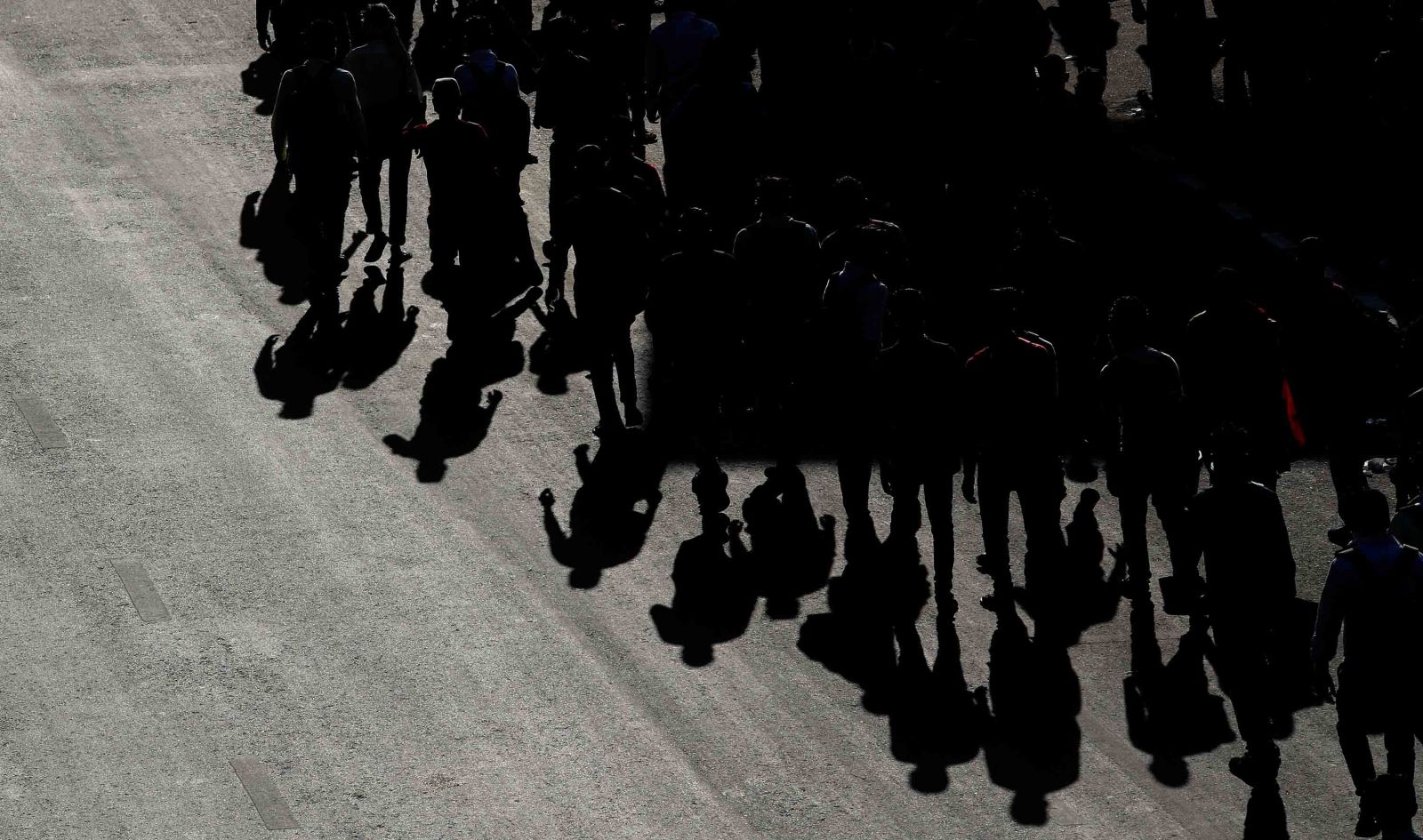
    • It had another consequence. Inter-state migrants were seen walking hundreds of kilometres with women and kids in tow to their homes because there was no transport and no work.

    What can revive the economy?

    1) Innovating out of the shock

    • It is important to recognize that none of the shock scenarios outlined will be inevitable, linear, or uniform across geographies.
    • India will have considerably different experiences for two reasons: the structural resilience to absorb such shocks — call it destiny — and the capacity of medical researchers and policymakers to respond in new ways to an unprecedented challenge — call it innovation.

    2) On the medical side

    • It’s clear that a vaccine would reduce the need for social distancing and thus relax the policy’s chokehold on the global economy.
    • But timelines are likely long, and so the focus may well have to be on incremental innovation within the confines of existing solutions.
    • At this moment healthcare savior can create novel interventions, at unprecedented speed, that will break the intractable and unattractive tradeoff between lost lives and creating economic misery.

    3) On the economic side 

    • RBI has announced several measures, including special lines of liquidity, loan moratorium, and easier asset quality norms, to help the economy tide over the crisis.
    • In easier terms, RBI has opened the so-called “discount windows” that provide unlimited short-term privileges to ensure liquidity problems don’t break the banking system.


    Way Forward

    • The first thing that the government must do is to immediately ramp up testing of suspected persons at a massive scale. We have not done enough testing as yet and do not know the magnitude of the problem.
    • The immediate issue is to focus on health, which we have never done, and see how you can establish the public health system. And the second is livelihood issues.
    • The way to achieve ‘social distancing’ is not to announce something which then brings suddenly crowds of people together in a panic but to do something for their own security, well-being and longer-term success.
    • We may have to look at differential relaxations in a calibrated and transparent manner and identify that areas with these trends can allow some of these activities.
    • Even after 21 days, there will be some areas where we can have economic activities without much movement, and restrictions will have to continue elsewhere.
    • But we should be prepared for the long haul. Life is not going to be easy.


    References

    https://indianexpress.com/article/explained/pm-garib-kalyan-relief-package-components-implementation-6333217/

    https://www.bloombergquint.com/business/coronavirus-crisis-rbi-announces-moratorium-on-loans-targeted-liquidity-measures

    https://www.businesstoday.in/current/economy-politics/coronavirus-lockdown-serious-impact-on-indian-economy-gdp-high-unemployment-covid-19-economic-growth/story/399444.html

    https://www.outlookindia.com/magazine/story/how-coronavirus-pandemic-will-impact-the-economy-and-you/303014

  • [Burning Issue] Economic Impact of Coronavirus in India and Government’s intervention (PART I)

    It’s life itself that is affected, profoundly so and almost from a genetic level. And that means at every other extended level of human experience. Emotional and psychological, to begin with, and from there to what we go about doing with our daily lives. Earning their bread, trying to survive-or thrive.

    The coronavirus or COVID-19 has brought life to a near standstill in almost every part of the world. The virus, which has originated in central China’s Hubei Province has claimed more than 20,000 lives so far and continues to adversely affect more than 150 countries globally.

    It is a matter of no debate that we have entered a phase of the global recession which will be worse than in 2009.

    Context

    • Ever since the Janata Curfew, there were demands that the government should come out with a relief package for the poor, as well as those in the informal sector, which accounts for 90 per cent of all jobs in the country — the demands increased after PM announced a 21-day national lockdown.
    • Our Finance Minister has announced the Prime Minister’s Garib Kalyan package — a range of measures that will take to alleviate the economic, health, and food-related distress of India’s poor in the wake of this national lockdown.

    Prime Minister’s Garib Kalyan package

    The relief package is primarily targeted towards the firms in the organised sector of the economy.  There are five elements to the PMGK package.

    1. Medical insurance cover of Rs 50 lakh for all health workers (doctors, paramedics, Asha workers etc.) treating patients.
    2. Help for the poor and those engaged in the unorganised sector.
    3. Help for the poor engaged in the organised sector.
    4. Help for construction workers.
    5. Use the money already available in the “district (-level) mineral fund” to pay for medical testing and screening for the coronavirus.

    (A) For poor and those in unorganised sector

    The help is in two ways — free food grains, and cash transfers.

    1) Food assistance

    • The central government, working with the state governments, will provide an additional quota of food grains free of cost to all 80 crore beneficiaries under the Public Distribution System.
    • As such, PDS beneficiaries will get 5 kg of wheat (or rice) per month for the next three months.
    • Additionally, each household (or family) — typically, a household is assumed to have 5 members — will get 1 kg of pulses per month.

    2) Monetary assistance

    The government announced 6 types of additional cash transfers. These are:

    • Rs 2,000 per farmer to 9 crore farmers under the PM-KISAN scheme.
    • An additional Rs 1,000 per month pension for the next 3 months for those receiving old age, widow or disability pensions.
    • Rs 500 per month will be transferred for the next 3 months to women holding a Jan Dhan bank account. This is expected to help 20 crore women.
    • Over 8 crore women who are registered beneficiaries under Ujjwala Yojana will get one LPG cylinder per month for the next three months. While this is not exactly a cash transfer, these cylinders will be free of cost.
    • Women SHGs across the country — roughly around 63 lakh of them — can now take collateral-free loans up to Rs 20 lakh instead of the existing limit of Rs 10 lakh. This too, is not a cash transfer, rather an enabling provision for receiving higher credit.
    • Wages paid for manual labour under MGNREGA have been increased from Rs 180 per day to Rs 202 per day. According to the FM, this move will help 5 crore households (since only one person per household can avail of employment under MGNREGA) and enable them to earn Rs 2,000 as additional income. However, the work needs to be done in a manner that ensures social distancing.

    (B) For the organised sector

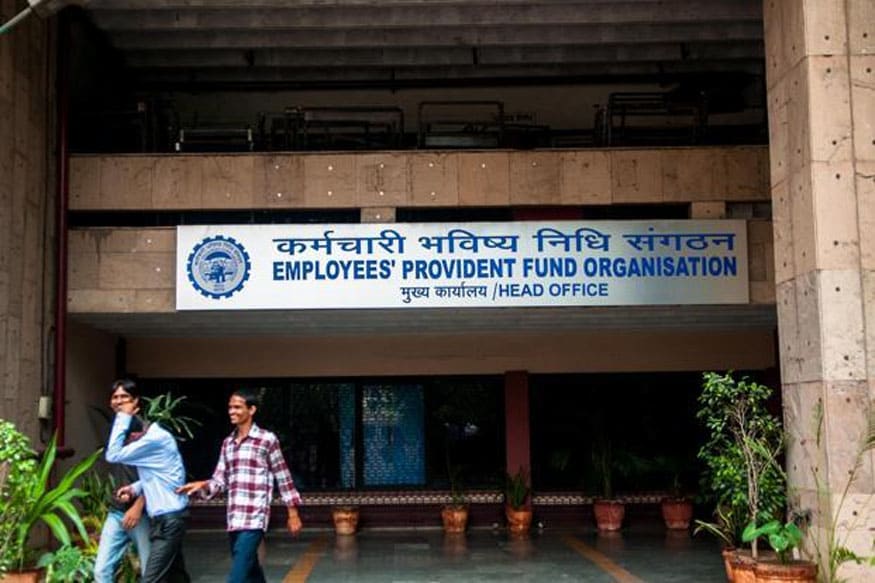
    This help essentially relates to the Employees’ Provident Fund. There are two initiatives announced by the government — one in which the government actually pays on behalf of the poor and the other in which it enables the poor to withdraw their own money from their EPF accounts.

    1) EPF contributions

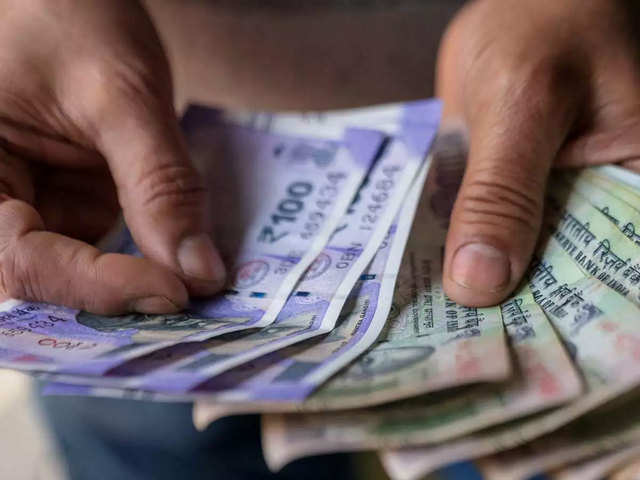
    • Under the first provision, the GoI will pay the EPF contributions — 12% of the basic salary — of both the employees and the employers for the next three months.
    • However, this move applies only to about 4 lakh firms where the total number of employees is less than 100, and where 90 per cent of the employees earn less than Rs 15,000 per month.
    • The move is aimed at reducing the monetary strain on small firms in the organised sector that may feel compelled to fire employees given the mounting financial strain.

    2) EPF withdrawals

    • The government has amended the Employees Provident Fund Organisation (EPFO) regulations to enable workers to withdraw a non-refundable advance from their EPF accounts.
    • This amount is, however, limited to 75 per cent of the total money in one’s EPF account, or one’s salary for three months, whichever is lower.
    • So, if one earns Rs 20,000 per month, and has Rs 1 lakh in one’s EPF account, then one can only withdraw Rs 60,000 from it (not Rs 75,000).
    • This move is expected to help close to 4.8 crore workers registered with the EPFO.

    (C) For construction workers

    • The construction sector traditionally employs a large number of people, especially those who leave villages and farming out of distress, and come to cities looking for work.
    • However, construction activities have been severely hit over the past few years, given the sharp slowdown in the Indian economy as well as the mess in India’s real estate sector.
    • The complete shutdown of economic activity as a result of the lockdown has essentially rendered all labourers jobless overnight.
    • To alleviate the economic distress of construction workers, the government has asked state governments to use the money — roughly Rs 31,000 crore — already available in welfare fund for construction workers.

    How far are these measures effective?

    • The announcements related to the provisioning of food grains via PDS will be especially helpful. However, a few points need to be flagged.
    • One, some of the measures would have happened on their own. For instance, MGNREGA wage increases typically happen in April. Similarly, the first instalment of Rs 2,000 under PM KISAN would have been due in April.
    • Two, some of so-called cash transfer amounts are too small (like Rs 500 per month for women Jan Dhan account holders); some others are not really there (like the doubling of loans for women SHGs).

    Question of implementation

    • For instance, at present many construction workers and labourers are struggling to reach their homes.
    • To receive help, they will need to have been registered in a particular state, but there is nothing to assume that they are in the state in which they are registered.
    • Similarly, it is an open question of how manual labour under MGNREGA can happen while maintaining social distancing.
    • If a lot of people join in, there would be a concern of disease transmission — and if very few join in (fearing the disease) then the hoped-for benefit may not actually accrue.

    The cry is yet unaddressed

    • The main problem for poor and vulnerable households today is liquidity stress.
    • Unlike big businessmen or the salaried middle class, these are people with no balance sheets, reserves, or bank balances.
    • Every day’s loss of work for them means cutting down even basic consumption and going deeper into debt. Free grain can help, but does not address the real crisis, which is of liquidity.
    • They need cash to buy essential things other than just food — and most of them had it till the other day.

    Not a hour to criticize

    • Migrant workers are of two kinds: permanent and seasonal. March, in particular, sees large number of seasonal migrants because it is harvesting time, and not much labour is required now.
    • Seasonal migrants keep moving continuously, from one place to another, in search of work. This has only exacerbated the problem.
    • Had a support programme for all unorganised sector workers preceded the lockdown, it could have just been possible for the government to make them stay back at urban centres, instead of exposing them to the risk of catching the disease and further infecting their families back home.

    Financial impact of the move

    • The package will cost the national exchequer Rs 1.7 lakh crore, which is 0.8 per cent of India’s estimated gross domestic product in the current financial year.
    • The package is still no way comparable to the $2.2 trillion economic package
    • However, not all this money is in addition to what was announced in the Union Budget; some of the announcements refer to expenditure which would have happened under normal circumstances as well.


    Continued…………..

  • [Burning Issue] Oil Prices and OPEC+


    Most of the world’s oil is controlled by a very small group of people- the Middle Eastern cartel called OPEC, US, and Russia. And with great resources comes great responsibility. Their job is to manipulate the oil supply to ensure prices the world over remain stable.

    Unfortunately, with Coronavirus having taken centre stage, demand for oil isn’t exactly like it used to be. And in a last-ditch effort to keep prices stable, OPEC decided to push for more production cuts.  However, Russia disagreed, leading to one of the most brutal price wars in history.

    Context

    The talks between OPEC and Russia had finally collapsed, possibly precipitating a price war that could push oil (Brent Crude) down to as much as $20 a barrel. For context, last month oil was trading as high as $60 dollars a barrel.  Hence the concept of OPEC+ stands scrapped!

    Fall in global crude oil prices

    • Oil prices have been tumbling now and it’s hovering at about $35 a barrel now (it was $65 last December).
    • And of course, this is horrible news for all the nations that export oil.

    Background

    Before we get to the story on OPEC+, lets  quickly recap :

    OPEC

    • OPEC is a permanent, intergovernmental organization, created at the Baghdad Conference in 1960, by Iran, Iraq, Kuwait, Saudi Arabia, and Venezuela.
    • It aims to manage the supply of oil in an effort to set the price of oil in the world market, in order to avoid fluctuations that might affect the economies of both producing and purchasing countries.
    • It is headquartered in Vienna, Austria.
    • OPEC membership is open to any country that is a substantial exporter of oil and which shares the ideals of the organization.
    • Today OPEC is a cartel that includes 14 nations, predominantly from the middle east whose sole responsibility is to control prices and moderate supply.

    Russia

    • Russia happens to be the 3rd largest supplier of Oil in the world (12% of all oil produced).
    • This means they too have considerable influence in controlling the global oil supply.
    • And back in 2017, OPEC and Russia started colluding informally to cut production and prop up prices. This came against the backdrop of oil having made some terrible lows.
    • So two big parties come together to keep prices stable and it obviously helped.

    OPEC plus and its Fall

    OPEC plus

    • The non-OPEC countries which export crude oil along with the 14 OPECs are termed as OPEC plus countries.
    • OPEC plus countries include Azerbaijan, Bahrain, Brunei, Kazakhstan, Malaysia, Mexico, Oman, Russia, South Sudan and Sudan.
    • Saudi and Russia , both have been at the heart of a three-year alliance of oil producers known as OPEC Plus — which now includes 11 OPEC members and 10 non-OPEC nations — that aims to shore up oil prices with production cuts.

    Why OPEC plus came into existence?

    When Russia concluded the Vienna Agreement in 2016, the Russian leadership believed that it would help prepare the country for the Russian presidential elections in March 2018. Higher oil prices ensured the Kremlin’s financial capacity to lead a successful electoral campaign.

    This changed the regime’s priorities – from satisfying the needs of the general population to ensuring the sustainability of the Kremlin’s alliance with powerful tycoons, including those controlling oil production who would, in the end, either approve a successor to Putin or a constitutional amendment that would allow him to stay in power for two more terms.

    • For Saudi Arabia, turning what had been an ad hoc coalition into a formal group provides a hedge (protection) against future oil-market turbulence.
    • The kingdom now leaned on a group representing almost half of global oil output for support.
    • For Russia, the formalization of the group helps expand Putin’s influence in the Middle East
    • However both reportedly aimed at causing a drop in oil prices in order to hit US shale producers, who have continued to benefit from OPEC production cuts by expanding their market share.

    Why did OPEC+ talks fail?

    • Because with Coronavirus having taken centre stage, things have changed. Air travel has taken a beating. Industries are shutting down. All trading activities are on edge.
    • And the global economic outlook has soured rather considerably. So OPEC has been insisting on deep production cuts to keep prices stable.
    • Now nobody knows for sure why Russia doesn’t want to follow through. Maybe, it’s because Putin doesn’t take orders from a 34-year-old Saudi prince.
    • Experts contend that this is Russia testing the boundaries of this alliance considering the simple fact that Saudi and other OPEC members are negotiating so hard tells us the kind of influence Russia holds in the market.

    Russia’s pullout

    • It seems Putin is able to secure another six-year term with a high enough turnout and significantly high approval rating.
    • Since then, the political goals of the Russian regime have changed, which required a different approach to cooperation with OPEC+.
    • Since Corona outbreak, the Kremlin’s own perception of OPEC+ has changed. It has come to believe that the cartel is losing its ability to shape the global energy market due to the growing oversupply and the beginning of a global energy transition.
    • The Russian leadership finally accepted that the era of high oil prices was gone and that it will not come back.

    Global Implications

    • OPEC is on the offensive and they’ve already started selling oil at deep discounts. They’ve also threatened to flood the markets with oil in the coming days.
    • Saudi Aramco not only announced that it would increase its crude supplies to the market but also said it received instructions to increase its maximum sustainable oil output capacity.
    • The increase in oil supplies to the market will drive oil prices down and launch an economic “war of attrition” between oil producers.
    • In the end, the companies that have the capacity to survive a prolonged period of low oil prices will succeed in securing their share of the market and win the war.
    • Moscow’s limited capacity to increase oil output means it will be unable to compensate for all losses caused by the reduction in prices by upping its production.
    • However, the oil price Russia needs to keep its budget balanced is lower than the one needed by Saudi Arabia and the UAE ($42 pb compared to $70-80 pb).

    Immediate Injury to US

    • The most immediate pain is likely to be felt in the U.S. shale industry, where companies have already been struggling as investors lost enthusiasm for the sector.
    • In part, that’s what the Russian energy ministry has been aiming for.

    Significance for India

    Petrol and diesel prices in India, however, haven’t yet been reflecting the drop in global oil prices. In fact, crude oil prices have halved since the start of 2020, but retail prices have declined by only around 7%.

    Many factors — pricing mechanism, currency movements and taxes – queer the pitch on passing on crude oil cost benefits to customers.

    1) Product pricing not crude linked

    The price of petrol and diesel in India is not determined by the actual costs incurred by refiners on crude oil sourcing, refining and marketing.  Rather, a formula — Trade Parity Price (TPP) — is the starting point for pricing these products.

    • TPP is the weighted average of import parity price (IPP) and export parity price (EPP) with weights of 80 and 20, respectively.
    • IPP is the price importers would pay in case of actual import of the petrol and diesel at Indian ports, while EPP is the price oil companies would realize on export of petrol and diesel.
    • In short, the product pricing assumes that 80 per cent of the petrol and diesel is imported into India and 20 per cent is exported.
    • Essentially, the TPP of petrol and diesel in India is determined based on prices of petrol and diesel prevailing in the international market – and not on the basis of crude oil prices.

    Demand and supply dynamics globally could be different for the raw material (crude oil) and the finished products (petrol and diesel), and so could their price trajectory — in terms of direction and/or timing.

    2) Daily pricing; fortnightly average

    • The TPP, which is quoted in dollars, is converted to rupees.
    • To this is added the cost of inland freight, marketing costs and margins charged by the oil companies, the dealer commission and the taxes levied by the Central and State governments.
    • Until then, prices for these fuels used to be determined on a fortnightly basis.
    • But even under the ‘daily pricing’ mechanism, in which the prices of petrol and diesel are revised daily, the price is based on a 15-day rolling average rate of the international benchmarks of petrol and diesel.
    • For instance, the price of petrol in India would be based on the international prices of petrol during the preceding fortnight.
    • So, international prices of petrol and diesel do not reflect immediately in India — that happens with a time lag.

    3) Forex factor

    • It is also to be noted that while crude oil prices have crashed, the rupee has been slipping. From 71.2 per dollar in early January 2020, the rupee now trades at 74.4.
    • This rupee weakness offsets to some extent the benefit of lower international crude oil and petrol/diesel prices, which are quoted in dollars.
    • This will chip away at the price reduction in petrol and diesel.

    4) Tax burden

    • Next, even if international prices of petrol and diesel are low over an extended period, it does not always reflect in the price of these products in India.
    • Blame this on the heavy taxes imposed by both Central and State governments.
    • For instance, last time, when the crude oil rout was underway from mid-2014 to early 2016, the Governments at the Centre and many States chose to pocket most of the gains through regular hikes in excise duty and VAT (value added tax) on petrol and diesel.
    • Not just the Centre, many states also upped their VAT rates when the previous oil rout was underway.
    • High VAT rates are why customers in some States such as Maharashtra and cities such as Mumbai have it worse than others.
    • In effect, only a minor portion of the crude oil cost reduction benefit was passed on to consumers.

    5) Other factors

    • One variable impacting the mismatch is the Rupee. The value of the rupee has depreciated by about 3.6% vis-a-vis the U.S. dollar this year.
    • And this is kind of important because we buy a large part of our oil using dollars. So a devalued Rupee means we have to spend a lot more money to buy the same amount of oil we used to.
    • This effectively wipes out some of the gains that we might have made from the drop in oil prices.
    • There’s also the possibility that the government might not choose to pass on the benefits of lower prices to consumers at all.
    • Instead, Govt. has decided to raise Excise duties on petrol and diesel- money which will go directly into central and state coffers.

    Potential benefit

    Who gains from the fall?

    • Oil Marketing Companies (like BPCL and IOCL) choose to retain most of the gains.
    • Because when prices rise and public pressure forces governments to act, the government asks the OMCs to take a hit on their margins so people can continue buying oil at a modest price.
    • Granted the government does reimburse some of this money, but it’s not very reliable.
    • So when prices dip, it’s an opportunity for OMCs to shore up their margins by keeping some of the gains themselves.

    Point of Interest: The governments can force OMCs to absorb the losses because they have majority ownership in most of these companies.

    Benefits for India

    • India imports over 80% of its crude oil requirements, making us inadvertent winners in this price war.
    • India’s crude oil import bill during FY 2018–19 was around $112 billion. And for each dollar reduced per barrel now, this bill drops by $1.45 billion, year on year.
    • This kind of decrease is substantial because it helps us in reducing the big bad number everyone’s scared of — the Current Account Deficit.
    • Also, there is another more obvious benefit when oil prices tank. If the price reduction is passed on to customers in the form of lower petrol and diesel prices, we get to save on fuel.

    Increasing Strategic Petroleum Reserves (SPR)

    • Away from the geopolitical firestorm, India is focused on topping up its SPR.
    • According to experts, India will spend about $ 670 million to buy oil at around $30 a barrel, for its strategic reserves, drawn from Saudi Arabia and the United Arab Emirates. Deliveries will start around April-May.
    • The Strategic Petroleum Reserves Ltd. (ISPRL), a subsidiary of the Oil Industry Development Board, run by the Ministry of Petroleum and Natural Gas manages these reserves.
    • Unlike India, it is estimated that China will achieve its strategic petroleum reserve target of 90 days this year.

    When did India plan for SPR?

    • In order to manage contingencies, we need at least one month of strategic petroleum reserves, which was the original plan when the exercise began in 2003.
    • Unsurprisingly, the government is considering building 30 day reserves in the first phase which will be eventually extended to 60 and, finally 90 days.
    • In June 2018, the Cabinet had cleared an additional 6.5 million tonne SPR facilities at Chandikhol in Odisha and Padur in Karnataka, to augment India’s energy security by 11.5 days.
    • Two more facilities — one in Bikaner and another in Rajkot — are also expected to be initiated soon to enable storage for 30 days.
    • The ISPRL has also been asked to pin down new sites so that a 90-100 days of oil reserve stocks are eventually available at all times.

    References

    https://www.aljazeera.com/indepth/opinion/fall-opec-age-oil-price-wars-200312124946313.html

    https://finshots.in/archive/why-isnt-fuel-prices-coming-down-in-india/

    https://finshots.in/archive/why-oil-prices-have-been-tanking/

    https://www.nytimes.com/2019/12/05/business/opec-oil-production-cuts.html

    https://www.livemint.com/market/commodities/global-oil-producers-face-brutal-reckoning-after-epic-failure-of-opec-deal-11583564684234.html

  • [Burning Issue] Women in Armed Forces

    Our mythology is replete with instances of warrior women who were revered, worshipped like the `Shakti’, consort of Shiva the Destroyer, mother of all warriors, and who manifested herself as Durga the warrior goddess, to fight and destroy evil. The Greek Goddess Athena, the Roman Diana, the Nordic Valkyries and the Amazons are cases in point.

    However, the induction of women in armed forces is the matter of debate today.

    India’s women in uniform: A timeline

    • In 1888, the role of women in the Indian army began when the “Indian Military Nursing Service” was formed during the British Raj.
    • During 1914-45, British Indian Army nurses fought in World War I (1914–18) and World War II (1939-45), where 350 nurses either died or were taken prisoner of war or declared missing in action.
    • Today, all wings of the Indian Armed Forces allow women in combat roles (junior ranks) and combat supervisory roles (officers), except Indian Army (support roles only) and Special Forces of India (trainer role only) (c. 2017).
    • Since 1993, the government has progressively opened up the three services for WOs in selected branches.

    A timeline of women’s inductions into the military –

    Year Service Branches that opened up for women
    1991 Navy Education, Logistics and Law Cadre of Executive Branch
    1992 Army Army Service Corps, Army Ordnance Corps, Army Education Corps, Judge Advocate General Branch
    1993 Navy Air Traffic Controller
    1994 Air Force Transport and helicopter pilots
    1996 Army Engineers, Signals, Intelligence, Electrical and Mechanical Engineering branches opened up for women.
    2001 Navy Naval Constructor Cadre of Engineering Branch
    2008 Army Women became eligible for Permanent Commission in Army Education Corps and Judge Advocate General Department
    2008 Navy Observers
    2015 Air Force Fighter pilots


    Present context

    • Recently, the Supreme Court upheld the right of serving Short Service Commission (SSC) women officers of the Navy to be granted Permanent Commission (PC) on a par with their male counterparts.
    • The judgment was based on a case filed by 17 women SSC officers who were denied PC and discharged despite completing 14 years of service as SSC officers.
    • Another bench of the court led by Justice DY Chandrachud had earlier declared that women would be eligible for permanent commission in select army cadres too.

    Background

    • On February 17, the Supreme Court of India passed a ruling that will enable women to serve as army commanders.
    • The court also extended permanent service – which has only applied to men so far – to all women officers.
    • Following the court’s ruling, women will now be allowed to command entire military units. However, they will still not be permitted to serve in army combat units, like the infantry or artillery corps.

    What did the Court say?

    • The Court has directed that SSC women officers found suitable for the grant of PC shall be entitled to all consequential benefits, including arrears of pay, promotions and retirement benefits as and when due.
    • All serving women SSC officers in at least seven wings, including the executive, engineering, electrical, education, law and logistics, will be eligible to apply.
    • The grant of PCs will be subject to: (i) availability of vacancies in the stabilized cadre; (ii) Suitability of the candidate; and (iii) recommendation by the chief of Naval Staff.
    • The bench did not though extend the benefit of its ruling to those SSC officers who have since retired, instead granting them pensionary benefits and compensation of`25 lakh to some for loss of the opportunity.

    Significance of the move

    • The court ruled that women naval officers cannot be denied the right to equal opportunity and dignity entitled to under the Constitution on specious grounds such as physiology, motherhood and physical attributes.
    • The battle for gender equality is about confronting the battles of the mind.
    • History is replete with examples where women have been denied their just entitlements under law and the right to fair and equal treatment in the workplace.

    What did opponents say?

    • The Judgment frowned on submissions by the government law officer that certain avenues such as sea-sailing duties were ill-suited for women officers as there is no return to the base, unlike in the Army and the Air Force.
    • The law officer had claimed that in vessels of a Russian origin no provision has been made for women as sailors and there are no bathrooms to accommodate them.
    • It also made the incredulous argument that women should not be appointed to top roles such as colonels or brigadiers, because most soldiers are men from rural backgrounds who are not “mentally schooled to accept women officers in command.

    Permanent Commission (PC) Vs. Short Service Commission (SSC)

    • A SSC means an officer’s career will be of a limited period in the Indian Armed Forces whereas a PC means they shall continue to serve in the Indian Armed Forces, till they retire.
    • The officers inducted through the SSC usually serve for a period of 14 years. At the end of 10 years, the officers have three options.
    • A PC entitles an officer to serve in the Navy till he/she retires unlike SSC, which is currently for 10 years and can be extended by four more years, or a total of 14 years.
    • They can either elect for a PC or opt-out or have the option of a 4-years extension. They can resign at any time during this period of 4 years extension.


    Women in Uniform: A global scan

    India has limited experience as regards the induction of women in the armed forces. The first batch had joined in 1992. Therefore, our knowledge of the complexities and long-term effects of the issues involved is highly limited.

    On the other hand, women have been serving in the militaries of developed countries for a long time. These countries have acquired a deep understanding of all the issues involved.

    Let’s have a look:

    United States

    • The United States is considered a pioneer and a trend-setter as regards induction of women in the services.
    • There are approximately 200,000 American women on active duty in the US armed forces. They constitute nearly 20 percent of its strength.
    • Women are also participating in Iraq operations in large numbers, albeit in support functions as they are forbidden to be placed in direct ground combat with enemy. They, however, are assigned ‘combat support’ duties on voluntary basis.
    • Prior to November 1975, if women became pregnant, they were given the option to terminate pregnancy or seek discharge.
    • A number of important steps were initiated during President Clinton’s time. Women were permitted to join as combat aircraft pilots and could also be assigned for prolonged duty on combat naval ships. The scope of combat-risk assignments for women was redefined to open additional appointments to them.

    Israel

    • Though Israel has conscription for women (as well as men), a large number of them are exempted for various reasons.
    • Women are generally not allotted active battle field duties. They serve in many technical and administrative posts to release men for active duty.
    • Although they make excellent instructors as well, most women occupy lower and middle level appointments. Only a handful reaches senior ranks.

    Other Countries

    • In the Australian Army, women are still not allowed in the field/battle. In Russia, women generally serve in nursing, communications and logistic support functions.
    • Like all Islamic states, Pakistan does not permit women in the armed forces. It is feared that women would create distraction and cause disruption of internal order.
    • There is also a great deal of concern for the safety of women from the organisational environment itself.

    Why males have ever dominated the armed forces?

    • Militaries across the world help entrench hegemonic masculine notions of aggressiveness, strength and heterosexual prowess in and outside their barracks.
    • The military training focuses on creating new bonds of brotherhood and camaraderie between them based on militarised masculinity.
    • This temperament is considered in order to enable conscripts to survive the tough conditions of military life and to be able to kill without guilt.
    • To create these new bonds, militaries construct a racial, sexual, gendered “other”, attributes of whom the soldier must routinely and emphatically reject.

    Dimensions of the Issue

    Indeed, the court’s strong statements against the gender stereotypes employed by the government come as a welcome relief. Equally, ensuring that women can hold permanent commissions in the army recognises the equal effort and service that they put in.

    • Gender is not a hindrance: As long as an applicant is qualified for a position, one’s gender is arbitrary. It is easy to recruit and deploy women who are in better shape than many men sent into combat.
    • Military Readiness: Allowing a mixed-gender force keeps the military strong. The armed forces are severely troubled by falling retention and recruitment rates. This can be addressed by allowing women in the combat role.
    • Effectiveness: The blanket restriction for women limits the ability of commanders in theatre to pick the most capable person for the job.
    • Tradition: Training will be required to facilitate the integration of women into combat units. Cultures change over time and the masculine subculture can evolve too.
    • Cultural Differences & Demographics: Women are more effective in some circumstances than men. Allowing women to serve doubles the talent pool for delicate and sensitive jobs that require interpersonal skills, not every soldier has.

    The road is not so simple

    Capabilities of women

    • The Centre states that although women are equally capable, if not more capable than men, there might be situations that could affect the capabilities of women such as absence during pregnancy and catering to the responsibilities of motherhood, etc. 
    • The arguments are presented on the basis that a role in combat would require tough training, whereas the current training for women is different and at a much lower level than that of their male counterparts.
    • However, Lieutenant Colonel Mitali Madhumita and IAF squad leader Minty Agarwal are examples of women who stand as a testament to the capabilities of women in commanding positions.

    Adjusting with the masculine setup

    • To then simply add women to this existing patriarchal setup, without challenging the notions of masculinity, can hardly be seen as “gender advancement”.
    • In fact, in order to succeed within the army, women are forced to deride their femininity and work harder than men to establish parity in the eyes of their counterparts.
    • They are forced to blend in while standing out for their exceptional work in order to be taken seriously.

    Fear of sexual misconduct

    • This superficial approach to gender equality defines parity solely based on the opportunity to participate hence fails to address several fallouts most notable of which is sexual harassment and abuse.
    • Sexual harassment faced by women military officers is a global phenomenon which remains largely unaddressed, and women often face retaliation when they do complain.
    • Extensive and rigorous data on the pervasiveness of sexual harassment in the Indian armed forces is not available.
    • However, a relatively small 2015 study, which questioned 450 members of the armed forces on sexual discrimination in their workplace, found that sexual harassment is rampant in the military.

    Gender progressiveness could be an illusion

    • In reality, there are several factors behind the decision to include women in the forces, including using the illusion of gender progressiveness within the army to shame populations for their gender inequities, brand them as backwards and use this to justify military control.
    • Women’s inclusion is criticized as just another manoeuvre to camouflage women’s subjugation and service as women’s liberation.

    Battle of ‘Acceptance’

    • The only way to command is to show the lower ranks that the orders are fair and just, both in spirit and action.
    • Acceptance of women in the military has not been smooth in any country. Every country has to contend with sceptics who consider it to be a counterproductive programme.
    • They tend to view it as a political gimmick to flaunt sexual equality, or, at best, a necessary liability.
    • Additionally, every country has to mould the attitude of its society at large and male soldiers in particular to enhance acceptability of women in the military.
    • For trained soldiers “acceptance” is not an option; they have undergone rigorous regimentation to accept orders from the command.

    Job Satisfaction

    • Most women feel that their competence is not given due recognition. Seniors tend to be over-indulgent without valuing their views.
    • They are generally marginalised and not involved in any major decision-making. They have to work twice as hard as men to prove their worth. Additionally, a woman is always under scrutiny for even minor slip-ups.
    • Many women complain that despite their technical qualifications, they are generally detailed for perceived women-like jobs. Either they get routine desk work or are asked to perform duties related to social minutiae.

    Doubts about Role Definition

    • The profession of arms is all about violence and brutality. To kill another human is not moral but soldiers are trained to kill.
    • They tend to acquire a streak of raw ruthlessness and coarseness. This makes the environment highly non-conducive and rough for women.
    • Women, in general, are confused about the way they should conduct themselves. If they behave lady-like, their acceptance amongst male colleagues is low.
    • On the other hand, their active participation in casual repartee carries the danger of their losing colleagues’ respect.

    Societal Impact

    • The government has argued that if a woman is taken captive by insurgents/terrorists or as a Prisoner of War (PoW) by an enemy state, then it would become an international and deeply emotive issue which could have an impact on the society.
    • However, times have changed and this cannot be a valid reason for denying command roles and permanent commission to women.

    Physical and Physiological Issues

    • The natural physical differences in stature, strength, and body composition between the sexes make women more vulnerable to certain types of injuries and medical problems.
    • The vigorous training might also have an effect on the health of women officers.
    • The natural processes of menstruation and pregnancy make women particularly vulnerable in combat situations.
    • Such positions usually leave the commanding officer with no privacy and during adverse situations, the lack of sanitation can have an impact on their health.

    Comfort Level

    • Most women accepted the fact that their presence amongst males tends to make the environment ‘formal and stiff’.
    • The mutual comfort level between men and women colleagues is often very low.
    • Men miss their light-hearted banter which is considered essential to release work tensions and promote group cohesion. They consider women to be intruding on their privacy.

    Whose concern is National Security…….

    Many defence analysts are disgusted with the ongoing emulsive debate incorporating issues of national security with gender justice. Few of their opinion are discussed as under:

    • The recent debate about the entry of women officers in the armed forces has been highly ill- informed and subjective in nature.
    • People have taken stands and expressed opinion without analysing the matter in its entirety. It is imprudent to consider it as an issue of equality of sexes or gender bias or even women’s liberation.
    • It is also not a question of conquering the so-called ‘last male bastion’.
    • That would amount to trifling a matter that concerns the well-being and the war-potential of a nation’s armed forces.
    • Armed forces have been constituted with the sole purpose of ensuring defence of the country and all policy decisions should be guided by this overriding factor.
    • All matters concerning defence of the country have to be considered in a dispassionate manner.
    • No decision should be taken which even remotely affects the cohesiveness and efficiency of the military. Concern for equality of sexes or political expediency should not influence defence policies.

    Conclusion

    While ensuring that women get their rightful place to serve in the armed forces before introducing any measure to improve gender equity, it should not weaken the fighting capabilities of the sword arms of national security. That is the bottom line.

    • Our armed forces should undertake an exercise to determine physical fitness standards required for meeting the minimum operational standards (MOS) required for each arm.
    • It should recruit persons meeting the MOS, regardless of gender.
    • This time-consuming exercise should be undertaken with political and organisational support of the government and the services if they seriously want to lift existing restrictions on women’s entry in all branches of the armed forces.
    • Induction of women into combat positions should be on the basis of their abilities and not on the basis of their gender.
    • The training for both women and men should be standardized to eliminate differentiation based on physical capabilities.

    Way Forward


    Defence readiness is one major aspect which is required to be borne in mind throughout while considering their employability options. The career aspects and opportunities for women need to be viewed holistically keeping the final aim in focus.

    • Misleading information such as using the patriarchal nature of the society as an excuse to deny women their deserving opportunities should be stopped. India has come a long way, and society should be supportive of women being inducted in to combat roles. 
    • So far combatant roles are concerned, an all-women combat squadron should be designed and studied extensively before any further development or decisions are made.
    • The training provided to men and women should be similar to eliminate differentiation on the basis of physical standards.
    • It is the responsibility of the Government to create both administrative and social infrastructure for the easy induction of women into the Armed Forces. Administrative issues should not be cited as a barrier to women’s entry in the Armed Forces.
    • The framework for the induction of women should be incorporated into a policy. As for the concern of preserving the female officers’ modesty and dignity, there should be elaborate codes of conduct to ensure no adverse incident occurs.

    Finally, no decision should be taken which even remotely affects the cohesiveness and efficiency of the military. Concern for equality of sexes or political expediency should not influence defence policies.


    References

    https://www.aljazeera.com/indepth/opinion/equal-roles-women-indian-army-feminist-victory-200303152707759.html

    http://www.indiandefencereview.com/interviews/women-in-the-armed-forces/

    https://economictimes.indiatimes.com/news/defence/after-army-supreme-court-grants-permanent-commission-to-women-officers-in-navy/articleshow/74667440.cms

    https://www.indialegallive.com/top-news-of-the-day/news/women-commanders-armed-forces-walking-tightrope-88805

     https://www.livemint.com/news/india/shooting-down-the-ceiling-women-in-the-army-11582127889314.html

  • [Burning Issue] Supreme Court judgment on Land Acquisition Act


    Land acquisition in India refers to the process by which the union or a state government in India acquires private land for the purpose of industrialization, development of infrastructural facilities or urbanization of the private land, and provides compensation to the affected landowners and their rehabilitation and resettlement.

    Land acquisition is governed by the Right to Fair Compensation and Transparency in Land Acquisition, Rehabilitation and Resettlement Act, 2013 (LARR) and which came into force from 1 January 2014.

    Till 2013, land acquisition in India was governed by the Land Acquisition Act of 1894.

    Context

    • The Supreme Court reaffirmed its February 2018 ruling on Section 24 on land acquisition compensation awards given by a three-judge bench led by Justice Arun Mishra in the Indore Development Authority.
    • It also has overruled an earlier co-ordinate Bench ruling in the Pune Municipal Corporation case of 2014 under the Right to Fair Compensation and Transparency in the Act of 2013.

    Land Acquisition, Rehabilitation and Resettlement Act

    • The Right to Fair Compensation and Transparency in Land Acquisition, Rehabilitation, and Resettlement Act was promulgated in 2013.
    • It replaced the Land Acquisition Act, 1894, a nearly 120-year-old law enacted during British rule.
    • It regulates the land acquisition and lays down the procedure and rules for granting compensation, rehabilitation, and resettlement to the affected persons in India.
    • It has provisions to provide fair compensation to those whose land is taken away, brings transparency to the process of acquisition of land to set up factories or buildings, infrastructural projects and assures rehabilitation of those affected.
    • It establishes regulations for land acquisition as a part of India’s massive industrialization drive driven by public-private partnerships.

    Scope of the Act

    • The Act aims to establish the law on land acquisition, as well as the rehabilitation and resettlement of those directly affected by the land acquisition in India.
    • The scope of the Act includes all land acquisition whether it is done by the Central Government of India, or any State Government of India, except the erstwhile state of Jammu & Kashmir.

    The Act is applicable when:

    1. Government acquires land for its own use, hold, and control, including land for Public sector undertakings.
    2. Government acquires land with the ultimate purpose to transfer it for the use of private companies for stated public purposes. The purpose of LARR 2011 includes public-private-partnership projects but excludes land acquired for state or national highway projects.
    3. Government acquires land for immediate and declared use by private companies for public purposes.
    • The provisions of the Act do not apply to acquisitions under 16 existing legislations including the Special Economic Zones Act, 2005, the Atomic Energy Act, 1962, the Railways Act, 1989, etc.


    Criticisms of the Act

    • Some criticize the Act citing that it is heavily loaded in favor of landowners and ignores the needs of poor Indians.
    • It attaches an arbitrary mark-up to the historical market price to determine compensation amounts, along with its numerous entitlements to a potentially unlimited number of claimants. This according to them shall guarantee neither social justice nor the efficient use of resources.
    • LARR proposed mandates that compensation and rehabilitation payments to landowners and livelihood losers be upfront. This misaligns the interests of the land acquirer and those affected. Once the payment is made, one or more of the affected families may seek to delay the progress of the project to extract additional compensation, thereby adversely affecting those who chose long term employment in the affected families.
    • The Act fails to adequately define “public purpose”.The current definition, he claims, can be interpreted vaguely. In leaving public purpose too vague and porous, it would ensure that land acquisition will remain hostage to politics and all kinds of disputes.
    • The Act inflates the cost of land to help a small minority of Indians at the cost of the vast majority of Indian citizens, as less than 10% of the Indian population owns rural or urban land.

    What was the provision under consideration and why it needed interpretation?

    • The Right to Fair Compensation and Transparency in Land Acquisition, Rehabilitation, and Resettlement Act 2013 (2013 Act) replaced the Land Acquisition Act, 1894 (1894 Act).
    • The new Act provides for higher compensation to those deprived of land by the government for both public and private sector projects.
    • It also mandates the consent of a majority of land-owners and contains provisions for rehabilitation and resettlement.
    • Under Section 24(2) land acquisition made under the old law of 1894 lapses if the award of compensation had been made five years before the new Act came into force, but has not been paid.
    • In such cases, the process will have to be gone through afresh under the new Act, which mandates higher compensation.

    Issue over compensation

    • There are cases in which farmers and other land-owners have refused the compensation, leading to delay in the government taking possession.
    • In this situation, the compensation amount is deposited in the government treasury. According to one interpretation, if this is done, the acquisition process is saved.
    • Then again, others contend that such cases will fall under the new Act because compensation has not been paid to the land-owners, and the lapsing clause in Section 24 should be applied.
    • If through interpretation, a long-pending land acquisition process is closed under the old law and fresh acquisition proceedings started under the new one, the land-owners stand to benefit, but project proponents will have to pay higher compensation.
    • Therefore, the provision concerned is often a subject of litigation.

    What happened in the case before the Supreme Court?

    • On January 24, 2014, the court ruled that the acquisition of a piece of land had “lapsed” because the compensation awarded had neither been paid to the landowners/persons interested nor deposited in the court.
    • The deposit of the compensation amount in the government treasury was held to be “of no avail” as it was not equivalent to the compensation being “paid”.
    • Based on this judgment, subsequent cases were decided on the same principle: acquisition that had taken place earlier than five years before the new Act commenced would lapse if compensation amount was not paid to the land-owners or, in cases in which the owners refused to accept compensation, deposited in court.

    How was this precedent dealt with in another case in 2018?

    • The same question arose in the Indore Development Authority vs. Shailendra. Another Bench did not accept the earlier Bench’s view.
    • On February 8, 2018, the majority, consisting of the first two judges, ruled that the acquisition would not lapse merely because the compensation amount was not deposited in court, but was instead deposited in the treasury.
    • It ruled that the past practice of more than a century, under which the amount was deposited in the treasury, was not taken into account by the earlier Bench.
    • Some provisions and orders that allowed this practice was not placed before that Bench. Further, the land acquisition in that particular case had been quashed by a High Court in 2008.
    • Since it was not a subsisting process, the question under Section 24(2), whether the acquisition lapsed because of non-payment of compensation or non-deposit in the court, did not arise at all.
    • On these grounds, Justice Mishra and Justice Goel overruled the earlier judgment and held that it was per incuriam, that is a verdict passed in disregard of law and, therefore, wrong.

    What does the controversy mean for land-owners and project proponents?

    • A ruling that old acquisitions lapse for non-deposit of compensation will be more beneficial to land-owners and farmers as they stand to get higher compensation and rehabilitation and resettlement measures.
    • On the other hand, project proponents feel such an interpretation would mean that those who refused to take compensation, even after it had been fixed and the money deposited in the government treasury, would be taking advantage of their own wrong.

    The present ruling by Hon’ble Supreme Court


    On Acquisition

    • The provision said that in such cases if the physical possession has not been taken “or” the compensation is not paid, the acquisition proceeding is “deemed to have lapsed”.
    • The court held that a land acquisition proceeding under Section 24(2) would only lapse if the authorities have neither taken physical possession nor paid the compensation due to the landowner for five or more years prior to January 1, 2014.
    • For this, an “or” in the Section was “interpreted” as an “and”.
    • Further, the Bench held that Section 24(2) of the Act of 2013 does not give rise to a new cause of action to question the legality of concluded proceedings of land acquisition.

    On compensation

    • The government if it so wishes would have to initiate “fresh acquisition proceedings” under the new Act of 2013 which provides for “fair-compensation”.
    • The judgment, however, said compensation would be considered paid if the amount is put in the Treasury.
    • There was no obligation that the amount should be deposited in the court in order to sustain the land acquisition proceedings under the 2013 Act.
    • Thus there is no lapse if possession has been taken and compensation has not been paid. Similarly, there is no lapse if compensation has been paid and possession not taken of the land.

    What can be done to make land acquisition farmer-friendly?


    Suggesting a new method for determining compensation or mere increment in it can never be a perfect solution for farmers. Pooling in farmers, themselves could chalk out a more feasible solution. One such alternative is holding a land auction.

    Land Auction

    • Farmers should be asked to submit an asking price at which they are willing to sell their land.
    • This includes not only those who own land in the proposed project area but also landowners in the surrounding region.

    There are four main advantages to this method.

    Reducing state coercion

     First and foremost, it vastly reduces coercion. Existing eminent domain law with several amendments and court ordeals gives the citizen no say at all on any aspect of the transfer.  The state can not only seize your property at will, but it also dictates the price.

    Choice of compensation

    Second, our proposal effectively gives the farmer further choice in the form of compensation – either cash or land. One of the enduring objections to eminent domain is that for poor, illiterate farmers who lack financial savvy, cash will evaporate but the land will keep feeding forever.

    Involving private players

    • Third, among all possible ways to eliminate disaffection and resistance, this should place the least financial burden on the government.
    • It will encourage owners to ask for whatever their land is truly worth to them. The key to keeping any seller honest is competition.
    • The auction makes landowners from the project area compete with those from outside.

    Land swapping

    • Finally, this method should help to keep agricultural productivity high. It is very likely that some farmers who owned land in the project area are more productive than some outside.
    • Ideally, their lands should be swapped, and the less productive farmers should be the ones leaving agriculture for some other occupation (after due compensation).
    • The absence of a well-functioning land market in the area can prevent this from happening. The auction will make sure that those who give up land are the ones who value it least – that is, the less productive farmers.

    Conclusion

    Rhetoric from the radical left sometimes suggests that the very notion of industrialization or development is a conspiracy to rob the poor, that messing up corporate plans or even state infrastructure projects is, in itself, a triumph of justice. This is a destructive philosophy that needs to be challenged.

    • From financial crises to land acquisition, whenever the government tries to play a facilitating role for industry, it draws the ire of both the left and the right.
    • To those on the right, a nanny state destroys character and breeds dependency.
    • To those on the left, any assistance to capitalists is a betrayal of the poor by some sweeping zero-sum logic.

    Way Forward  

    • The present generation of farmers is destined to toil in an overpopulated agricultural sector blighted by low productivity and low pay.
    • If the vision of India includes paved roads, electricity, modern housing, indoor plumbing, functioning schools and equipped hospitals for all of 1.2 billion people, the question must be asked how all this will materialize.
    • Unlike the urban intelligentsia who often champion their cause, our millions of farmers lack the human capital needed to play a vital role in the new economy.
    • The farmers hold one key to the vault where India’s burgeoning wealth is being stored –his land.
    • For our huddled masses, the status quo is no less the enemy than change. What they need is a change in which they can be partners, not victims.


    References

    https://www.civilsdaily.com/news/supreme-court-upholds-2018-order-on-land-acquisition/

    https://www.ideasforindia.in/topics/macroeconomics/land-acquisition-need-for-a-shift-in-discourse.html

  • [Burning Issue] The Code on Social Security, 2019


    • The government has embarked on a mission to amalgamate about 40 labour laws into four Labour Codes with a view to rationalise and simplify the provisions and facilitate ease of compliance.
    • The Code on Social Security, 2019 was introduced last year in Lok Sabha by the Minister of State for Labour and Employment.
    • It replaces nine laws related to social security, including:
    1. Employees’ Provident Fund Act, 1952,
    2. Maternity Benefit Act, 1961, and
    3. Unorganised Workers’ Social Security Act, 2008

    What is Social Security?


    • Social security is “any government system that provides monetary assistance to people with an inadequate or no income”.
    • It refers to the action programs of an organization intended:
    1. to promote the welfare of the population through assistance measures guaranteeing access to sufficient resources for food and shelter and
    2. to promote health and well-being for the population at large and potentially vulnerable segments such as children, the elderly, the sick and the unemployed.
    • Services providing social security are often called social services.

    Why need Social Security?

    • India has a very basic social security system catering to a fairly small percentage of the country’s workforce.
    • Traditionally, Indians relied on their extended families for support in the event of illness or other misfortunes.
    • However, due to migration, urbanization, and higher social mobility, family bonds are less tight and family units much smaller than they used to be.
    • So far, neither the state nor private insurance companies have quite stepped up to fill this gap.

    Social Security System in India

    • India’s social security system is composed of a number of schemes and programs spread throughout a variety of laws and regulations.
    • Keeping in mind, however, that the government-controlled social security system in India applies to only a small portion of the population.
    • Furthermore, the social security system in India includes not just an insurance payment of premiums into government funds (like in China), but also lump sum employer obligations.

    Generally, India’s social security schemes cover the following types of social insurances:

    • Pension
    • Health Insurance and Medical Benefit
    • Disability Benefit
    • Maternity Benefit
    • Gratuity

    While a great deal of the Indian population is in the unorganized sector and may not have an opportunity to participate in each of these schemes, Indian citizens in the organized sector (which include those employed by foreign investors) and their employers are entitled to coverage under the above schemes.

    Its loopholes

    • With about 22 percent of India’s population living below the poverty line, the “unorganized” sector, i.e. enterprises — mainly in agriculture, which are not legally covered by any form of social security, is disproportionately large.
    • Social Security is more than just a retirement program. It provides important life insurance and disability insurance protection as well.
    • Retirement benefits aren’t much progressive to keeps up with increasing cost of living.


    The Code on Social Security, 2019


    Need for an unified Law

    • Most of the central labour laws were enacted between the 1920s and 1970s. These codes were created in conformity with the requirements of the workers of that period.
    • However, things have changed dramatically today.
    • Many of the earlier laws have become archaic which has been creating hurdles for the employers to create new employment opportunities.
    • Even the workers find it very difficult to get efficient social security benefits on time.
    • The current objective of the bill is to cover each and every worker within a robust social security net. At the same time, Bill aims to help employers in creating new jobs.
    • Hence, this bill will create an environment for the employers and workers to come together.

    The code has 163 clauses, divided into 14 chapters in addition to six schedules on the procedural aspects. It replaces the existing nine laws on social security. They are-

    1. Employee’s Compensation Act, 1923;
    2. Employee’s State Insurance Act, 1948;
    3. Employees’ Provident Funds and Miscellaneous Provisions Act, 1952;
    4. Maternity Benefit Act, 1961;
    5. The Employment Exchanges (Compulsory Notification of Vacancies) Act, 1959;
    6. Payment of Gratuity Act, 1972;
    7. Cine Workers Welfare Fund Act, 1981;
    8. Building and Other Construction Workers Cess Act, 1996;
    9. Unorganized Workers’ Social Security Act, 2008.


    Major Highlights of the Code

    Wage definition widened

    • The definition of wages has three parts to it –
    1. an inclusion part,
    2. specified exclusions with limits and
    3. benefits in kind
    • All remuneration expressed in monetary terms is wage and includes basic pay, dearness allowance and retaining allowance.
    • Specific exclusions are statutory bonuses, PF, pension and gratuity, house rent and conveyance allowances etc. which cannot exceed 50 per cent of total remuneration.
    • Remuneration provided in-kind will be included to the extent of 15 per cent of total wages.
    • Overall this will ensure that wages for social security benefits will be at least 50 per cent of overall compensation.

    Social security organisations

    • The Code provides for the establishment of several bodies to administer the social security schemes.  
    • These include:
    1. a Central Board of Trustees, headed by the Central Provident Fund Commissioner, to administer the EPF, EPS and EDLI Schemes,
    2. an Employees State Insurance Corporation, headed by a Chairperson appointed by the central government, to administer the ESI Scheme,
    3. national and state-level Social Security Boards, headed by the central and state Ministers for Labour and Employment, respectively, to administer schemes for unorganised workers, and
    4. state-level Building Workers’ Welfare Boards, headed by a Chairperson nominated by the state government, to administer schemes for building workers.

    Social security fund

    • The Bill proposes setting up a social security fund using corpus available under corporate social responsibility.
    • This fund will provide welfare benefits such as a pension, medical cover, death and disablement benefits to all workers, including gig workers.

    Reducing employee PF contribution

    • The bill provides for an option of reducing provident fund contribution (currently at 12% of basic salary) and therefore increases workers take-home pay.
    • The rationale for allowing lower employee PF contribution is that higher take-home pay may boost consumption. The Bill, however, retains employers’ PF contribution at 12%.

    Gratuity for fixed-term contract workers

    • Currently, workers are not entitled to gratuity before completing five years of continuous service. The bill says that fixed-term contract workers will be eligible for gratuity on a pro-rata basis.
    • It proposes to offer gratuity to fixed term employees after one year of service on a pro-rata basis as against the current practice of five years.

    Exemption

    • It will empower the central government to exempt select establishments from all or any of the provisions of the code and makes Aadhaar mandatory for availing benefits under various social security schemes.

    Insurance, PF, life cover for unorganized sector employees:

    • Central Government shall formulate and notify suitable welfare schemes for unorganised workers on matter relating to life and disability cover; health and maternity benefits; old age protection; and any other benefit as may be determined by the central government.

    Gig Workers

    • In addition, the central or state government may notify specific schemes for gig workers, platform workers, and unorganised workers to provide various benefits, such as life and disability cover.
    • Gig workers refer to workers outside of the traditional employer-employee relationship (e.g., freelancers). 
    • Platform workers are workers who access other organisations or individuals using online platforms and earn money by providing them with specific services. 
    • Unorganised workers include home-based and self-employed workers. 

    Coverage and registration

    • The Code specifies different applicability thresholds for the schemes.  For example, the EPF Scheme will apply to establishments with 20 or more employees. 
    • The ESI Scheme will apply to certain establishments with 10 or more employees, and to all establishments which carry out hazardous or life-threatening work notified by the central government.  
    • These thresholds may be amended by the central government.  All eligible establishments are required to register under the Code, unless they are already registered under any other labour law. 

    Contributions

    • The EPF, EPS, EDLI, and ESI Schemes will be financed through a combination of contributions from the employer and employee.  
    • For example, in the case of the EPF Scheme, the employer and employee will each make matching contributions of 10% of wages, or such other rate as notified by the government. 
    • All contributions towards payment of gratuity, maternity benefit, cess for building workers, and employee compensation will be borne by the employer. 
    • Schemes for gig workers, platform workers, and unorganised workers may be financed through a combination of contributions from the employer, employee, and the appropriate government.  

    Offences and penalties

    The Code specifies penalties for various offences, such as:

    • the failure by an employer to pay contributions under the Code after deducting the employee’s share, punishable with imprisonment between one and three years, and fine of one lakh rupees, and
    • falsification of reports, punishable with imprisonment of up to six months. 


    Advantages of the unified Law

    The Code is a break from numerous and archaic social security laws. Major promising features of the Code are:

    • The social safety-related laws had indeed become outdated in today’s environment. For example, online platform workers such as Ola, Uber etc. were not covered in the previous laws. The Social security code Bill, 2019 covers all those workers.
    • The ambit of this social security code is truly large as it covers not only the number of employees which an organization has (if it more than 10, it will come under the social security laws) but the workers involved in hazardous nature of work will be also be covered under the act.
    • At the same time, through code on social security, the regulatory regime would be less problematic for the employers and employees. For example, an inspector, under the new code, cannot open an EPFO (Employees’ Provident Fund Organisation) record of more than five years.
    • Under the Code, the central government may notify various social security schemes for the benefit of workers. These include an Employees’ Provident Fund (EPF) Scheme, an Employees’ Pension Scheme (EPS), and an Employees’ Deposit Linked Insurance (EDLI) Scheme.

    Criticisms

    • There is no uniform definition of “social security”, nor is there a central fund. The corpus is proposed to be split into numerous small funds creating a multiplicity of authorities and confusion.
    • It is not clear how the proposed dismantling of the existing and functional structures, such as the Employees’ Provident Fund Organisation (EPFO) with its corpus of ₹10 lakh crore — which will be handed over to a government-appointed central board — is a better alternative.
    • Crucial categories such as “workers”; “wages”; “principal-agent” in a contractual situation; and “organised-unorganised” sectors have not been clearly defined.
    • This will continue to impede the extension of key social security benefits such as PF, gratuity, maternity benefits, and healthcare to all sections of workers.
    • The Bill welcomes aboard large sections of the workforce — “gig workers” such as those working in taxi aggregate companies like Uber and Ola.
    • But how exactly the government proposes to facilitate their access to PF or medical care is not clear.

    Conclusion

    Social Security protects people against a variety of risks to ensure them a basic floor of income in old age and to enable many people who have struggled all their lives to look forward to a decent standard of comfort and dignity when they retire.

    • Though it needs to be passed in the parliament, the Code on Social Security, 2019 is a robust arrangement to effect economy, efficiency, and effectiveness in the working of the social security regime.
    • The inclusion of unorganised sector is a welcome step as the economy right now is service sector dominated.
    • Further positive changes too must be looked forward as they are in the long run are helpful to the wide sections.

    Way Forward

    • The Code on Social Security is clearly a move in the right direction to rationalise and consolidate social security related labour laws.
    • It is critical for employers to analyse the impact of the Code and the compliances thereunder in order to be able to undertake a smooth transition as and when the Code becomes a law.
    • The code is giving a robust and efficient coverage of social security to each and every worker of the country.
    • The code gives lot of respite to the employer from the rigidity of laws and whims and wishes from the law enforcement agencies.
    • This code takes the labour reforms from the manufacturing sector space to the services sector and this transition will cater to the large section of workers contributing to the share of GDP.


    References

    https://prsindia.org/billtrack/code-social-security-2019

    https://www.india-briefing.com/news/introduction-social-security-system-india-6014.html/

    https://vikaspedia.in/social-welfare/social-security?pid=3833&pageno=2&size=10

    https://www.businesstoday.in/opinion/columns/social-security-bill-code-on-social-security-2019-employees-gratuity-protect-epf-dues/story/396102.html

  • [Burning Issue] The US-Taliban Peace Agreement

    The fragile peace deal between the United States and the Taliban appeared to hang in the balance as the U.S. Defense Department announced its first airstrike against Taliban forces in 11 days and bitter disagreements between the radical Islamist movement and the Afghan government, as well as internal divisions in Kabul, threatened to nullify the pact.

    Context

    • The deal signed between the U.S. and the Taliban sets the stage for America to wind down the longest war in its history.
    • It went into Afghanistan in October 2001, a few weeks after the 9/11 terror attacks, with the goals of defeating terrorists and rebuilding and stabilising the central Asian country.
    • Almost 19 years later, the U.S. seeks to exit Afghanistan with assurances from the Taliban that the insurgents will not allow Afghan soil to be used by transnational terrorist groups such as al-Qaeda and that they would engage the Kabul government directly to find a lasting solution to the civil war.


    Why did the US quit?

    • America’s desperation is understandable.
    • The Afghan war is estimated to have cost $2-trillion, with more than 3,500 American and coalition soldiers killed. Afghanistan lost hundreds of thousands of people, both civilians and soldiers.
    • After all these, the Taliban is at its strongest moment since the U.S. launched the war.
    • The insurgents control or contest the government control in half of the country, mainly in its hinterlands.
    • The war had entered into a stalemate long ago and the U.S. failed to turn it around despite both Presidents Barack Obama and Donald Trump having sent additional troops.

    Background of The Taliban

    The Taliban ( literally meaning “students”) or Taleban, who refer to themselves as the Islamic Emirate of Afghanistan (IEA) are a Sunni Islamic fundamentalist political movement and military organization in Afghanistan currently waging war (an insurgency, or jihad) within that country.

    Its Birth

    • After the Soviet Union intervened and occupied Afghanistan in 1979, Islamic mujahideen fighters engaged in war with those Soviet forces.
    • A while later, the US CIA and the Saudi General Intelligence Directorate (GID) funnelled funding and equipment through the Pakistani Inter-Service Intelligence Agency (ISI) to the Afghan mujahideen
    • About 90,000 Afghans, including  several bountied terrorists were trained by Pakistan’s ISI during the 1980s.
    • Hence it can be concluded that the Taliban have arisen from those US-Saudi-Pakistan-supported mujahideen: The West helped the Taliban to fight the Soviet takeover of Afghanistan.

    Its ideology

    • Early Taliban were motivated by the suffering among the Afghan people, which they believed resulted from power struggles between Afghan groups not adhering to the moral code of Islam; in their religious schools they had been taught a belief in strict Islamic law.
    • The military ambitions of the afghans led to its the infamous civil war from 1992-96 which ultimately demanded a political emirate.

    9-11

    • The United States invasion of Afghanistan occurred after the September 11 attacks in late 2001 and was supported by close US allies.
    • Its public aims were to dismantle al-Qaeda and deny it a safe base of operations in Afghanistan by removing the Taliban from power.
    • US President George W. Bush demanded that the Taliban hand over Osama bin Laden and expel al-Qaeda; bin Laden had already been wanted by the FBI since 1998.
    • The Taliban declined to extradite him unless given what they deemed convincing evidence of his involvement in the 9/11 attacks and ignored demands to shut down terrorist bases and hand over other terrorist suspects apart from bin Laden.
    • The US demand was dismissed by the Taliban with meaningless delaying tactics. Disgusted with it, the US launched Operation Enduring Freedom on October 7, 2001.

    India and the Taliban

    • India and the Taliban have had a bitter past.
    • New Delhi nurses bitter memories from the IC-814 hijack in 1999, when it had to release terrorists — including Masood Azhar who founded Jaish-e-Mohammed that went on to carry out terror attacks as such on Parliament, Pathankot and in Pulwama.
    • Quite predictably, Mullah Baradar did not name India among the countries that supported the peace process, but specially thanked Pakistan for the “support, work and assistance” provided.
    • The Taliban perceived India as a hostile country, as India had supported the anti-Taliban force Northern Alliance in the 1990s.
    • India never gave diplomatic and official recognition to the Taliban when it was in power during 1996-2001.
    • But its foreign policy establishment has shied away from engaging with the Taliban directly.

    The deal

    • The US and Taliban signed an agreement for “Bringing Peace to Afghanistan”, which will enable the US and NATO to withdraw troops in the next 14 months.
    • The pact is between the Islamic Emirate of Afghanistan (which is not recognized by the United States as a state and is known as the Taliban) and the US.
    • The four-page pact was signed between Zalmay Khalilzad, US Special Representative for Afghanistan Reconciliation, and Mullah Abdul Ghani Baradar, political head of the Taliban.

    Key elements of the deal

    Troops Withdrawal

    • The US will draw down to 8,600 troops in 135 days and the NATO or coalition troop numbers will also be brought down, proportionately and simultaneously.
    • And all troops will be out within 14 months — “all” would include “non-diplomatic civilian personnel” (could be interpreted to mean “intelligence” personnel).

    Taliban Commitment

    • The main counter-terrorism commitment by the Taliban is that “It will not allow any of its members, other individuals or groups, including al-Qaeda, to use the soil of Afghanistan to threaten the security of the US and its allies”.
    • While Miller said the reference to al-Qaeda is important, the pact is silent on other terrorist groups — such as anti-India groups Lashkar-e-Toiba or Jaish-e-Mohammed.
    • Again, India, not being an US ally, is not covered under this pact.

    Sanctions Removal

    • UN sanctions on Taliban leaders to be removed by three months (by May 29) and US sanctions by August 27.
    • The sanctions will be out before much progress is expected in the intra-Afghan dialogue.

    Prisoner’s release

    • This is a possible trouble spot because the US-Taliban agreement and the joint declaration differ, and it is not clear whether the Ashraf Ghani-led government is on board with this big up-front concession to Taliban.
    • The joint declaration says the US will facilitate discussion with Taliban representatives on confidence building measures, to include determining the feasibility of releasing significant numbers of prisoners on both sides.
    • While there are no numbers or deadlines in the joint declaration, the US-Taliban pact says up to 5,000 imprisoned Taliban and up to 1,000 prisoners from “the other side” held by Taliban “will be released” by March.
    • The intra-Afghan negotiations are supposed to start in Oslo.

    Ceasefire

    • This is identified as another potential “trouble spot”.
    • The agreement states ceasefire will be simply “an item on the agenda” when intra-Afghan talks start, and indicate actual ceasefire will come with the “completion” of an Afghan political agreement.

    Implications of the Deal: An analysis


    Faced with no other way, the U.S. just wanted to leave Afghanistan. But the problem is with the way it is getting out.

    A bad deal indeed

    • The fundamental issue with the U.S.’s Taliban engagement is that it deliberately excluded the Afghan government because the insurgents do not see the government as legitimate rulers.
    • By giving in to the Taliban’s demand, the U.S. has practically called into question the legitimacy of the government it backs.
    • Second, the U.S. has made several concessions to the Taliban in the agreement. The Taliban was not pressed enough to declare a ceasefire. Both sides settled for a seven-day “reduction of violence” period before signing the deal.
    • The U.S., with some 14,000 troops in Afghanistan, has committed to pull them out in a phased manner in return for the Taliban’s assurances that it would sever ties with other terrorist groups and start talks with the Kabul government.
    • But the Taliban, whose rule is known for strict religious laws, banishing women from public life, shutting down schools and unleashing systemic discrimination on religious and ethnic minorities, has not made any promises on whether it would respect civil liberties or accept the Afghan Constitution.


    An adieu to democracy in Afghanistan

    • The Taliban have got what they wanted: troops withdrawal, removal of sanctions, release of prisoners.
    • This has also strengthened Pakistan, Taliban’s benefactor, and the Pakistan Army and the ISI’s influence appears to be on the rise.
    • It has made it unambiguous that it wants an Islamic regime.
    • The U.S., in a desperate bid to exit the Afghan war, has practically abandoned the Kabul government and millions of Afghans who do not support the Taliban’s violent, tribal Islamism, to the mercy of insurgents.
    • The future for the people of Afghanistan is uncertain and will depend on how Taliban honours its commitments and whether it goes back to the medieval practices of its 1996-2001 regimes.

    Being the all-time loser

    • Afghanistan being rugged and mountainous, ethnically heterogeneous, and poorly developed; foreign powers are intervening on both sides of the conflict.
    • The Taliban got what it wanted — the withdrawal of foreign troops — without making any major concession.
    • The U.S. withdrawal will invariably weaken the Kabul government, altering the balance of power both on the battlefield and at the negotiating table.
    • All of these factors are known to extend the duration of insurgencies, and the civil war has indeed been going on seemingly forever.
    • The US-Taliban deal will not change this situation. Additionally, this deal is only between the United States and the Taliban.

    Best served American vendetta

    • The deal does little to change either the circumstances in Afghanistan or the trajectory of the possible outcomes.
    • What it does do is give the White House is a pretext for withdrawing US forces from Afghanistan, a move that virtually ends 19 years war.
    • The deal technically qualifies as one step down the path to a potential peace deal for the Afghan civil war.
    • The US was never going to build a functioning liberal democracy with a Western-style military in Afghanistan.
    • It better recognized its defeat and considered not to sacrifice more American soldiers and inflict more suffering on the Afghan people.
    • Although Trump, in an election year, will likely try to sell this as a peace deal and an end to America’s longest war, this deal is unlikely to deliver either of those things.

    Implications for India

    • India has been backing the Ghani-led government and was among very few countries to congratulate Ghani on his victory.
    • India’s proximity to Ghani also drew from their shared view of cross-border terrorism emanating from Pakistan.
    • There has not been formal contact with top Taliban leaders, the Indian mission has a fair amount of access to the Pashtun community throughout Afghanistan through community development projects of about $3 billion.
    • Due to So, although Pakistan military and its ally Taliban have become dominant players in Kabul’s power circles, South Block insiders insist that it is not all that grim for New Delhi.
    • These high-impact projects, diplomats feel India has gained goodwill among ordinary Afghans, the majority of whom are Pashtuns and some may be aligned with the Taliban as well.


    Conclusion

    • Terrorism safe havens are mostly a myth.
    • Failed states and ungoverned territory do produce more terrorism within that space, but terrorists rarely travel beyond the immediate borders of these spaces and almost never travel beyond the immediate region.
    • Post-9/11 efforts to limit the transnational flow of resources and known terrorists have inhibited the ability of terrorists to strike out, and can continue to do so without a military presence in Afghanistan.
    • Some are concerned that the withdrawal of military forces will inhibit counterterrorism efforts in Afghanistan.
    • However, the current strategy of seeking and destroying terrorist members is not particularly effective against groups as institutionalized and financially secure as either Al Qaeda or even the Taliban.
    • These organizations easily replace lost members without significant disruptions to operations.

    Way Forward

    • The US military presence itself was one of the biggest inhibitors to peace in Afghanistan, as the widely unpopular Taliban rely on the fight against a foreign occupation as their primary source of legitimacy.
    • It was always incompetent to consider that military interventions were the best, or only, tool to pursue these interests. But after the 19 years of war, sudden exit will do more harm.
    • The deal may not change much on the ground, but if peace was the immediate requirement, an indefinite US military presence would have never achieved it..
    • Much will depend on whether the US and the Taliban are able to keep their ends of the bargain, and every step forward will be negotiated, and how the Afghan government and the political spectrum are involved.
    • Diplomatic, policing, and intelligence cooperation with countries that border Afghanistan can help to contain terrorist groups and inhibit their ability to travel beyond the region.


    References

    Explained: US-Taliban Pact

    https://www.thenation.com/article/world/us-taliban-peace-deal/

    https://www.thehindu.com/opinion/editorial/a-big-bad-deal-the-hindu-editorial-on-us-taliban-agreement/article30957934.ece