Why in the News?
The sudden spike in global crude oil prices due to the intensifying West Asia crisis has reintroduced a familiar vulnerability in India’s macroeconomic landscape. Brent crude crossing the psychological threshold of $100 per barrel again raises concerns over inflation, trade deficits, fiscal stress, and slowing growth. The impact is already becoming visible domestically, with petrol and diesel prices witnessing an upward revision in India.
Why has the recent rise in crude oil prices become a major concern for India?
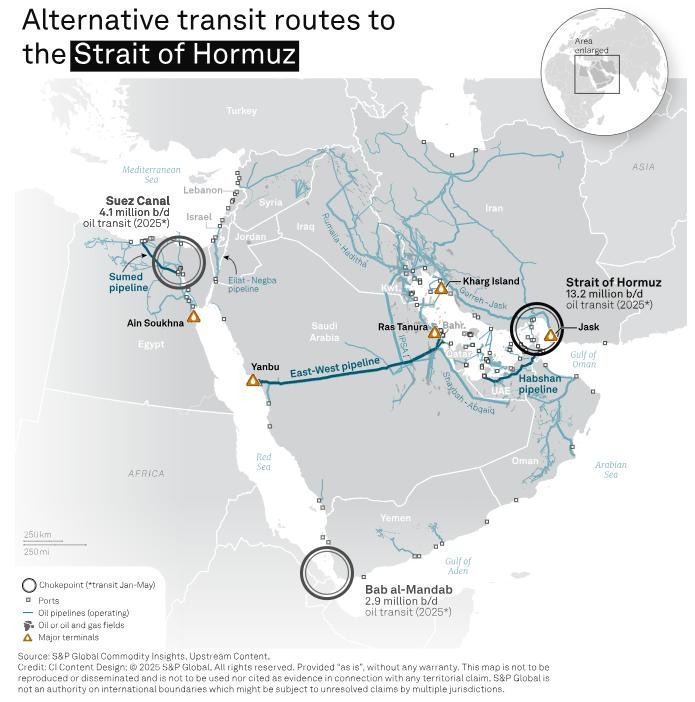
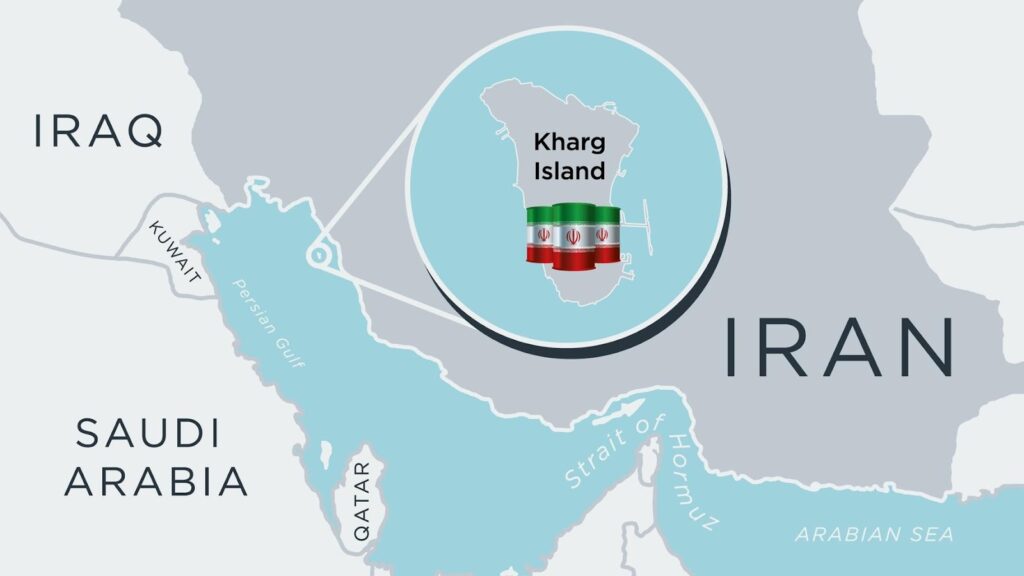
- West Asia Crisis: Escalation of geopolitical tensions in West Asia has pushed crude prices upward and revived fears of supply disruptions.
- Psychological Threshold: Crude oil prices crossed the $100 per barrel mark again after years of relative moderation, triggering concerns over inflation and fiscal stress.
- High Import Dependence: India imports nearly 85% of its crude oil requirement, making the economy highly vulnerable to external price shocks.
- Economy-Wide Transmission: Higher crude prices affect fuel costs, transportation, food inflation, industrial production, trade deficit, currency stability, and fiscal expenditure simultaneously.
- Historical Vulnerability: India’s periods of macroeconomic stress, especially inflation and widening external imbalances, have often coincided with sustained crude price surges.
How have crude oil prices historically influenced India’s macroeconomic performance?
- Growth Linkage: India witnessed stronger growth during phases of lower crude prices. Between 2014-16, crude declined sharply, creating fiscal and inflationary space.
- High-Price Impact: During 2006-08, when oil prices remained elevated, India faced higher inflationary pressures and macroeconomic vulnerabilities.
- Data Trend: Indian Express data shows crude prices moved from $113.5/barrel (2011-12) to nearly $46.2/barrel (2015-16), easing inflationary pressures.
- Growth Effect: Higher crude prices reduce disposable income and increase production costs, thereby moderating economic growth.
- Recent Stability: Since 2014, global crude prices largely remained below $100/barrel, allowing India to manage inflation and growth more effectively.
How do higher crude oil prices transmit inflation across the economy?
- Fuel Inflation: Petrol and diesel prices rise directly when crude prices increase.
- Cost-Push Inflation: Transportation costs increase, raising prices of food items, manufactured goods, logistics, and services.
- Wholesale Inflation: Higher energy input costs increase Wholesale Price Index (WPI) inflation.
- Consumer Inflation: Fuel inflation eventually transmits into Consumer Price Index (CPI) inflation through higher daily consumption costs.
- Historical Evidence: During periods of elevated crude prices, inflation consistently remained higher than periods of low oil prices.
- Policy Concern: Persistent inflation complicates the task of the Reserve Bank of India (RBI) in maintaining its inflation target of 4% (+/-2%).
Relevant Data
- 2011-12: Crude oil basket at $113.5/barrel; wholesale inflation at 8.95%.
- 2015-16: Crude oil basket declined to $46.2/barrel; wholesale inflation turned negative at -3.65%.
- 2022–23: Crude oil at $93.4/barrel; wholesale inflation rose to 9.41%.
How do rising crude prices affect India’s trade balance and exchange rate?
- Import Bill Expansion: Higher crude prices increase India’s oil import expenditure significantly.
- Trade Deficit: Since petroleum imports constitute a major share of imports, rising crude widens the trade deficit.
- Current Account Pressure: Persistent trade deficits increase Current Account Deficit (CAD) risks.
- Currency Depreciation: Higher dollar demand for oil imports weakens the rupee against the US dollar.
- Data: Trade deficit as a percentage of GDP moved from -10.07% (2011-12) to -5.62% (2015-16) as crude prices moderated.
- Exchange Rate Impact: Rupee depreciation further raises import costs, creating a feedback loop of imported inflation.
Why do rising crude oil prices strain government finances?
- Fiscal Deficit Pressure: Governments face pressure to reduce fuel taxes or increase subsidies during periods of high fuel prices.
- Subsidy Burden: LPG, fertiliser, and welfare expenditures rise indirectly due to higher energy costs.
- Borrowing Requirement: Higher expenditure increases government borrowing requirements.
- Debt Servicing: Increased borrowing adds long-term fiscal stress.
- Evidence: Fiscal deficit remained elevated during years of higher oil prices and improved relatively during lower-price periods.
- Recent Concern: Fiscal consolidation efforts may become difficult if crude sustains above $100/barrel.
Can India absorb another prolonged crude oil shock?
- Improved Resilience: India today possesses stronger foreign exchange reserves, diversified import partners, and better inflation management mechanisms.
- Strategic Petroleum Reserve (SPR): India maintains reserves to cushion short-term supply disruptions.
- Diversified Sourcing: Increased imports from countries such as Russia have reduced immediate supply vulnerabilities.
- Persistent Vulnerability: Structural dependence on imported fossil fuels continues to expose India to geopolitical shocks.
- Energy Transition Constraint: Renewable energy expansion remains insufficient to immediately replace petroleum dependence.
What are the broader implications for India’s economic growth?
- Consumption Slowdown: Rising fuel costs reduce household disposable income.
- Industrial Costs: Energy-intensive sectors face higher operational expenses.
- Investment Impact: Business uncertainty increases amid inflation and cost pressures.
- Growth Moderation: Elevated crude prices historically coincide with slower growth momentum.
- Double Challenge: India faces the simultaneous challenge of controlling inflation while sustaining economic growth.
Conclusion
The present crude oil surge represents more than a temporary price increase; it is a structural stress test for India’s macroeconomic stability. Inflation management, fiscal prudence, exchange-rate stability, and growth sustainability will depend on how long elevated crude prices persist. India’s long-term resilience lies in accelerating energy diversification while reducing structural dependence on imported fossil fuels.
PYQ Relevance
[UPSC 2018] How would the recent phenomena of protectionism and currency manipulations in world trade affect macroeconomic stability of India?
Linkage: The PYQ tests understanding of how external global shocks affect India’s macroeconomic stability. A rise in crude oil prices widens India’s trade deficit, current account deficit, imported inflation, and exchange-rate pressures. Similar to protectionism or currency shocks, oil-price volatility represents an external economic vulnerability.