Increasing the efficiency of processing patent applications and wider academia-industry collaboration are crucial steps for patent system.
What is patent system?
A patent system is a type of intellectual property that gives its owner the legal right to exclude others from making, using, or selling an invention for a limited period of time in exchange for publishing an enabling disclosure of the invention.
Why are patents important?
A patent is important because it can help safeguard our invention. It can protect any product, design or process that meets certain specifications according to its originality, practicality, suitability, and utility. In most cases, a patent can protect an invention for up to 20 years.
How to get patent?
To get a patent, technical information about the invention must be disclosed to the public in a patent application.
The patent owner may give permission to, or license, other parties to use the invention on mutually agreed terms.
The owner may also sell the right to the invention to someone else, who will then become the new owner of the patent.
Once a patent expires, the protection ends, and an invention enters the public domain; that is, anyone can commercially exploit the invention without infringing the patent.
Patents may be granted for inventions in any field of technology, from an everyday kitchen utensil to a nanotechnology chip.
An invention can be a product – such as a chemical compound, or a process, for example – or a process for producing a specific chemical compound.
Patent protection is granted for a limited period, generally 20 years from the filing date of the application.
Patents are territorial rights. In general, the exclusive rights are only applicable in the country or region in which a patent has been filed and granted, in accordance with the law of that country or region.
How patents can support inventors and improve lives
Recognize and reward: Patents recognize and reward inventors for their commercially-successful inventions. As such they serve as an incentive for inventors to invent. With a patent, an inventor or small business knows there is a good chance that they will get a return on the time, effort and money they invested in developing a technology. In sum, it means they can earn a living from their work.
Economic opportunity: When a new technology comes onto the market, society as a whole stands to benefit – both directly, because it may enable us to do something that was previously not possible, and indirectly in terms of the economic opportunities (business development and employment) that can flow from it.
Research and development (R&D): The revenues generated from commercially successful patent-protected technologies make it possible to finance further technological research and development (R&D), thereby improving the chances of even better technology becoming available in the future.
Opportunities for business growth: A patent effectively turns an inventor’s know-how into a commercially tradeable asset, opening up opportunities for business growth and job creation through licensing and joint ventures, for example.
Commercialization of a technology: Holding a patent also makes a small business more attractive to investors who play a key role in enabling the commercialization of a technology.
Spark new ideas: The technical information and business intelligence generated by the patenting process can spark new ideas and promote new inventions from which we can all benefit and which may, in turn, qualify for patent protection.
No freebies: A patent can help stop unscrupulous third parties from free riding on the efforts of the inventor.
What is KAPILA Initiative?
Full form: KAPILA is an acronym for Kalam Program for IP (Intellectual Property) Literacy and Awareness.
Guidelines for patentFiling: Under this campaign, students pursuing education in higher educational institutions will get information about the correct system of the application process for patenting their invention and they will be aware of their rights.
Encouragement to students: The program will facilitate the colleges and institutions to encourage more and more students to file patents.
Thing to remember
Remember one thing, ‘KAPILA’ Program is related to IP awareness. It sounds much like an animal husbandry related initiative.
Way ahead
As the patent system is a critical aspect of the national innovation ecosystem, investing in the patent ecosystem will help in strengthening the innovation capability of India.
The right interventions should be made for the promotion of the quality of patent applications and collaboration between academia and industry.
Mains question
Q.A patent can help stop unscrupulous third parties from free riding on the efforts of the inventor. Discuss this statement in context of protection of innovative ecosystem in India.
A recently-released Malayalam film Pathonpatham Noottandu (‘Nineteenth Century’) is based on the life of Arattupuzha Velayudha Panicker, a social reformer from the Ezhava community in Kerala who lived in the 19th century.
Who was Arattupuzha Velayudha Panicker?
Born into a well-off family of merchants in Kerala’s Alappuzha district, Panicker was one of the most influential figures in the reformation movement in the state.
He challenged the domination of upper castes or ‘Savarnas’ and brought about changes in the lives of both men and women.
The social reform movement in Kerala in the 19th century led to the large-scale subversion of the existing caste hierarchy and social order in the state.
Panicker was murdered by a group of upper-caste men in 1874 at the age of 49. This makes him the ‘first martyr’ of the Kerala renaissance.
What was Panicker’s role in initiating social reforms?
Panicker is credited with building two temples dedicated to the Hindu god Shiva, in which members of all castes and religions were allowed entry.
One was built in his own village Arattupuzha in 1852, and one in Thanneermukkom in 1854, another village in the Alappuzha district.
Some of his most significant contributions were in protesting for the rights of women belonging to Kerala’s backward communities.
In 1858, he led the Achippudava Samaram strike at Kayamkulam in Alappuzha.
This strike aimed to earn women belonging to oppressed groups the right to wear a lower garment that extended beyond the knees.
In 1859, this was extended into the Ethappu Samaram, the struggle for the right to wear an upper body cloth by women belonging to backward castes.
In 1860, he led the Mukkuthi Samaram at Pandalam in the Pathanamthitta district, for the rights of lower-caste women to wear ‘mukkuthi’ or nose-ring, and other gold ornaments.
These struggles played an important role in challenging the social order and in raising the dignity of women belonging to the lower strata of society in public life.
Other work
Apart from issues related to women, Panicker also led the first-ever strike by agricultural labourers in Kerala, the Karshaka Thozhilali Samaram, which was successful.
He also established the first Kathakali Yogam for the Ezhava community in 1861, which led to a Kathakali performance by Ezhavas and other backward communities, another first for them.
Try this PYQ:
Q. The Shri Narayan Dharma Paripalana Yogam (SNDP) Movement(1902-03) was related to which of the following community?
PM Modi recently attended the Eastern Economic Forum, being held in the Russian city of Vladivostok. It was also attended by Russian President Vladimir Putin.
PM Modi recalled his participation at the forum summit physically in 2019, saying India had announced its “Act Far-East” policy at that time.
India iterated its keenness to strengthen its partnership with Russia on Arctic subjects and there is immense scope for cooperation in newer areas, particularly in the field of energy.
Russia’s Far East and India
At the fifth summit of the Eastern Economic Forum (EEF) in 2019 at Vladivostok, PM Modi pledged a $1 billion Line of Credit for development of the Russian Far East.
This pledge has now become a key pillar of the ‘Special and Privileged Strategic Partnership’ between India and Russia.
Russian Far-East Region: The geography
The Russian Far East is the easternmost part of Russia and the Asian continent; and is administered as part of the Far Eastern Federal District.
It is located between Lake Baikal in eastern Siberia and the Pacific Ocean.
The region’s largest city is Khabarovsk, followed by Vladivostok.
The region shares land borders with the countries of Mongolia, China, and North Korea to its south, as well as maritime boundaries with Japan to its southeast, and with the United States along the Bering Strait to its northeast.
Why is the region under India’s consideration?
Although it is rich in natural resources including minerals, hydrocarbons, timber and fish, it is an economically underdeveloped region.
The region faces several challenges, including a:
Harsh climate
Sparse population
Increasing outmigration
Poor infrastructure and
Lacking connectivity
Why focus on the Far East?
While the region is labor-scarce, it is resource rich.
The Russian Far East needs capital, technology and markets.
Meanwhile, India is a country with a labor-surplus and a resource-deficit, in need of energy, mineral resources and farming land.
Russia is in a position to meet Indian requirements and vice-versa.
Economic significance of Far-East Region
Natural resources: The region occupying 40 per cent of Russia’s total territory is rich in natural resources, particularly diamonds, gold, oil, natural gas, coal, timber, silver, platinum, tin, lead, and zinc. It also has rich fishing grounds.
Agriculture: Indian interest has been focussed mainly on its need to tap into the region’s natural resources, including arable land. A recent Indian study identifies oil and natural gas, iron ore, copper, diamonds and gold, fresh water, timber and fish stocks as the resources of the region that would find an Indian market.
Blue Economy: It is in this context that the Chennai-Vladivostok sea route development has been proposed. This link would facilitate cargo transfers between the two eastern ports of the two countries in 24 days compared to 40 days that it now takes for ships that sail via Europe.
Employment opportunities: A lack of manpower is one of the main problems faced by the Far East and Indian professionals like doctors, engineers and teachers can help in the region’s development. Presence of Indian manpower will also help in balancing Russian concerns over Chinese migration into the region.
Energy Security: The area is rich hydrocarbon reserves in the region throw up immense opportunities for Indian companies. ONGC Videsh has already invested in the Sakhalin-1 project and its terminal is acknowledged as the best in Russia. India is set to get gas from Gazprom that will probably be liquefied at a plant near Vladivostok.
Scope for Small scale industries: For India, there is immense potential for mid-sized and small businesses who should be assisted to overcome language and cultural barriers so that they successfully adopt local business practices. The large diamond reserves in the region should be a magnet for the Indian diamond cutting and polishing industry, which is already facing tough competition in Africa from the Chinese.
Export destination for key sectors: Infrastructure, pharmaceuticals, and agriculture development are also areas of opportunity for Indian business and labour. Tele-medicine and long distance education are other areas where Indian companies can make a mark. It would also help in increasing India’s exports.
Strategic importance
Opening to Indo-Pacific: The Russian Far East is at the forefront of geopolitics centred on the Indo-Pacific and is key in pivot to Asia.
Direct gateway to Japan: India’s ties with the Russian Far East could help cement Indo-Russian relations as well as bolster its ties with Central Asia and East Asia. It would connect India to East Asia especially Japan.
Confidence building with Russia: In the wake of the Ukraine crisis, the US-EU campaign to isolate Russia has gathered momentum. India’s simply cannot risk missing this opportunity to show its affinity for Russia. Although Russia needs Chinese investment it is uneasy with Chinese projects as they often use only Chinese workers.
Countering China:
China’s emergence as a major economic power in Asia, as a source of investment, a market for exports and, above all, the source of mass labour migration have altered both the ground situation.
At present, China is the leading investor in the region. Chinese investments account for nearly two-thirds of the total Foreign Direct Investment of $33 billion that has come to Russia’s Far East (RFE) in the last four years.
A larger footprint in the Russian Far East enhances India’s presence and influence in China’s immediate neighborhood.
Various steps taken by India
While 2019 is the first time that India has participated in the EEF, it is not new to the Russian Far East.
India opened aconsulate in Vladivostok in 1992, the first country in the world to do so.
In the decades since, its interest in the Far East region, especially its oil and gas reserves, has grown.
Indeed, back in 2001 India’s ONGC acquired a 20 percent stake in the Sakhalin reserves and over the last couple of years Indian companies have started announcing investments in the Russian Far East.
In December 2017, for instance, Tata Power announced that it had secured a $4.7-million mining license for a thermal coal mine in the Kamchatka peninsula.
Note: Indian leadership was visionary even before the NDA-II regime!
Way forward
A necessary pre-condition for increased trade and investment relations between India and the Russian Far East would be the development of necessary infrastructure aimed at improved connectivity between the two regions.
India and Russia should putin place a free trade agreement, easier visa norms and improved travel facilities. Connectivity is key to development in the modern world.
While land connectivity is impaired by several geopolitical and security constraints, developing sea connectivity is possible.
To maintain the momentum of this engagement, both governments must ensure that their respective private sector firms participate, going beyond oil and gas into manufacturing and agriculture.
The latest National List of Essential Medicines (NLEM) released September 13, 2022 by the Union health ministry added 34 new medicines and dropped 26 old ones from the previous list.
What is NLEM?
As per the World Health Organisation (WHO), Essential Medicines are those that satisfy the priority health care needs of the population.
Ministry of Health and Family Welfare hence prepared and released the first National List of Essential Medicines of India in 1996 consisting of 279 medicines.
The list is made with consideration to disease prevalence, efficacy, safety and comparative cost-effectiveness of the medicines.
Such medicines are intended to be available in adequate amounts, in appropriate dosage forms and strengths with assured quality.
They should be available in such a way that an individual or community can afford.
NLEM in India
Drugs listed under NLEM — also known as scheduled drugs — will be cheaper because the National Pharmaceutical Pricing Authority (NPPA) caps medicine prices and changes only based on wholesale price index-based inflation.
The list includes anti-infectives medicines to treat diabetes such as insulin — HIV, tuberculosis, cancer, contraceptives, hormonal medicines and anaesthetics.
They account for 17-18 per cent of the estimated Rs 1.6-trillion domestic pharmaceutical market.
Companies selling non-scheduled drugs can hike prices by up to 10 per cent every year.
Typically, once NLEM is released, the department of pharmaceuticals under the ministry of chemicals and fertilisers adds them in the Drug Price Control Order, after which NPPA fixes the price.
Significance of EML
Drawing an essential medicines list (EML) is expected to result in better quality of medical care, better management of medicines and cost-effective use of health care resources.
This is especially important for a resource limited country like India.
The list of essential medicines is intended to have a positive impact on the availability and rational use of medicines.
The Union Finance Minister has heaped praises on Goods and Services Tax (GST) Council.
Why in news?
FM was reacting to a case made by Fifteenth Finance Commission chief N.K. Singh to set up a Fiscal Council with the Centre and States.
This is another such recommended body to act as a bridge between the GST Council and the Finance Commission.
What is the GST Council?
The GST regime came into force after the 101st Constitutional Amendment was passed by both Houses of Parliament in 2016.
The GST Council – a joint forum of the Centre and the states — was set up by the President as per Article 279A (1) of the amended Constitution.
The members of the Council include the Union Finance Minister (chairperson), the Union Minister of State (Finance) from the Centre.
Each state can nominate a minister in-charge of finance or taxation or any other minister as a member.
Why was the Council set up?
The Council, according to Article 279, is meant to “make recommendations to the Union and the states on important issues related to GST, like the goods and services that may be subjected or exempted from GST, model GST Laws”.
It also decides on various rate slabs of GST.
For instance, an interim report by a panel of ministers has suggested imposing 28 per cent GST on casinos, online gaming and horse racing.
A decision on this will be taken at the Council meeting.
Recent reforms
The ongoing meeting is the first since a decision of the Supreme Court in May this year, which stated recommendations of the GST Council are not binding.
The court said Article 246A of the Constitution gives both Parliament and state legislatures “simultaneous” power to legislate on GST .
Recommendations of the Council are the product of a collaborative dialogue involving the Union and States.
This was hailed by some states, such as Kerala and Tamil Nadu, who believe states can be more flexible in accepting the recommendations as suited to them.
CivilsDaily’s personalized and student-centric approach, due to its proven effectiveness and extraordinary result in the previous UPSC CSE exams, is attracting a lot of eyeballs. Every day we are flooded with hundreds of mentorship requests.
Still, many aspirants lack clarity on what UPSC Mentorship actually stands for. They have a lot of doubts and queries about it. The Indian Express invited us to bring clarity on Mentorship for UPSC and Zeeshan Hashmi, senior UPSC Mentor at CivilsDaily gave an interview to the newspaper. Below are given excerpts from the interview. You can read the full interview here.
What is Personal Mentorship for UPSC CSE?
Interviewer: “Zeeshan, a new trend is being noticed that UPSC aspirants are opting for ‘personal mentors’ to crack their Civil services exams. What is ‘Personal Mentorship’?“
Mentorship is a gradual process that takes the preparation level of each student into consideration. The core philosophy in a mentorship program is that ‘every student is a distinct batch’. Each aspirant has his or her own strengths and weakness and stands at different levels of preparation.
Taking all those into consideration, a mentorship program devises a proper strategy and plan tailor-made for a particular candidate.
In simple terms, the mentorship process is like a Google map, that suggests one of the best possible routes reach the destination depending on the position of the user.
Similarly, a mentor guides an aspirant to the best possible route to attain success depending on his level of preparedness, strengths, and weaknesses. etc.
Interviewer: If a UPSC mentor is providing guidance to an aspirant, how he or she is different from a teacher/instructor?
Students sometimes are confused between a teacher and a mentor. A teacher teaches topics, concepts, and ideas from the syllabus, textbooks or from some established scholarly works.
A mentor is someone who guides an aspirant based on his own experience, learning, and insights. He has walked that path either as a senior aspirant or a selected candidate.
Mourya had a personalized timetable, targets, and UPSC study plan as per his constraints like time availability and job
Students should know that a mentor’s job is not to teach and complete the syllabus of static subjects. That is a job of a teacher. However, a mentor guides an aspirant by suggesting the best strategies that will suit the aspirant and cater to his or her problem. That strategy is not one size suit all approach.
Parameters to choose a mentor?
Interviewer: There are many coaching institutes providing mentorship programs. What parameters should an aspirant look into while choosing a mentor?
Zeeshan sir answered that the two general parameters an aspirant should look at while deciding a mentor are:
Statistics: How many students got selected through a mentor’s specific personalized mentorship program?
Human element: This involves building up trust. One way to find out the trust factor is through webinars/videos which are available for free. During these webinars, a mentor answers many doubts and queries. If any aspirant as a viewer finds that a similar doubt, resonating with his or her is addressed, trust is developed.
It is after these two factors, aspirants should approach a mentor, interact and select the program as per his or her requirements.
Is it true that mentorship also involves counselling?
It is true to some extent. many times a mentor receives calls from aspirants who have emotional outbursts and they are apprehensive of their preparedness. We must understand that UPSC aspirants come from diverse backgrounds and the preparation can take more than a few years. It can be frustrating. A mentor should be prepared to empathize with the anxieties of an aspirant and provide him or her with practical insights.
Let me take the example of my former student Soham Mandhare who was suffering from stress and anxiety attacks and was advised by the doctors to quit the exam. But he decided to approach a personalized mentorship program and benefited from it. Sohum Mandhare, finally secured AIR 267 in UPSC-CSE 2021.
However, a mentor should be careful and advise an aspirant to consult a qualified doctor when the situation of a candidate is serious and needs medical help.
Which combination is more favorable for aspirants- coaching guidance + Mentorship or self-study + Mentorship?
Depends upon where the student stands in his preparation.
Coaching guidance + Mentorship: freshers find it important. It gives aspirants an apt environment, peer group preparation, etc.
Self-study + Mentorship: Beneficial for aspirants who have financial constraints, housewives and professionals, selected candidates who want to improve ranks, and those who can not leave their homes due to personal circumstances.
What are some of the tools used by a mentor which make the mentorship more personalized or most tailor-made for individual aspirants?
Customized Timetable: Depending on how much time an aspirant can devote to the preparation due to the personal or professional conditions of an individual, a mentor helps to prepare a personalized timetable.
Regular micro tests: Addressing personal apprehensions regarding the preparedness for exams, micro-tests a regular basis are designed, evaluated, and discussed. It involves going deep and understanding the thought process behind the candidates’ answers.
Calls on demand: Listening patiently to aspirants’ queries and doubts, one on one, is an important element of the mentorship program.
“Never take any results as a barometer for your success. Take results sportingly. only then one will be able to improvise and perform better in the next opportunity or attempt”.
It is not that UPSC-CSE preparation can not be done by self-study. Yet, a mentor is required at various tiers of this exam, whether an aspirant is going to regular coaching or not.
For the last 4 years, the most challenging exam of our country has been witnessing an inspirational transition in preparation strategy. ‘Personal Mentorship Program (PMP) is becoming increasingly popular among UPSC-CSE aspirants.
Why do IAS aspirants prefer a mentor? The simple answer is that only an IAS mentor can understand the anxieties of a candidate. And he remains prepared to empathize and provides practical insights.
Senior IAS CD mentor/faculty Zeeshan Hashmi sir’s core philosophy ‘every student is a distinct batch’ has gained currency in Indian Express.
The Hindu has acknowledged the 80% success rate of Civilsdaily’s mentorship Program
All the aspirants now are all aware of the benefits that come with mentorship. In fact, some of the wretchedly failure-sufferers have changed their lives by clearing UPSC. To demonstrate such impact India’s top branded news giants repeatedly echoed ‘Civilsdaily’s One Branded Mentorship Program’
Civilsdaily’s Mentorship is clearly one brand which sets us apart
Civilsdaily mentorship toolkit helps you in 6 key components of your UPSC-CSE preparation
Direction– Civilsdaily’s mentors are highly qualified, with at least one year of mentorship experience and two UPSC CSE Interviews under their belts. They are well-versed in the many stages of preparation. These mentors will assist you in developing both a comprehensive and micro schedule. They’ll put together a weekly programme for you, complete with mentorship calls. This schedule will be created based on a thorough examination of the importance of subjects as well as the interconnection of topics to make it easier for students to grasp the material.
Discipline– The student will be held accountable to the mentor since he or she will be required to complete a weekly target set by the mentor.
Consistency– Students can retain consistency in their preparation by having their mentor monitor them constantly and giving them regular tests. Furthermore, rational scheduling aids pupils in adopting an integrated approach to preparation..
Value addition– Mentors also assist students with their questions and resources. Students become perplexed as to which resources to follow due to the abundance of content available on the market. Mentors can assist you in locating and referring to the most appropriate materials. This aids students in consolidating their resources and avoiding content overload. Mentors will also offer video assistance. Remember- the mantra to clear UPSC is MINIMUM RESOURCES, MAXIMUM REVISIONS.
Evaluation– The UAP/foundation curriculum also contains a prelims and mains test series, as well as weekly 10 mains questions from Samachar Manthan (SM). Your mentor will go through each test with you and help you figure out your strengths and shortcomings. So, if you devote yourself to this programme, you will receive one-on-one assistance for more than 40 mains tests (including SM) and more than 30 prelims tests. Furthermore, each test will be examined twice by professional evaluators, with a mentor evaluating the results later.
Motivation– When you’re feeling down or don’t feel like studying, you can reach out to your mentor, have a conversation, get motivated, and restart your studies. Mentor-recommended relaxation techniques can assist you in learning more effectively.
How does Samanvaya Mentorship work? Introducing 3 layers of mentorship: Get IAS or UPSC ranker as your mentor
1. 1st step starts with this Samanvayacall: Once you fill in the form, we get on a 30-40 minute call with you to understand your prep level, working/ study constraints, and current strategies and create a step-by-step plan for the next week, next month and so on.
2. You are directed and given access to relevant resources and invite-only platform, Habitat where you can ask your daily doubts, discuss your test-prep questions and have real-time, live sessions on news and op-eds, and find your optional groups.
Daily target monitoring.
3. The third and the most personalized tier is the 1 on 1 mentor allotment who stays with you through the course of your UPSC preparation – always-on chat and on scheduled calls to help you assess, evaluate, and chart the next milestone of your IAS 2023-23 journey.
We will also connect you to a UPSC ranker or IAS, who will mentor you in this journey.
Layer 1: You will be assigned a dedicated in-house mentor who will keep track of our progress from start till your final interview.
Layer 2: Sajal Singh sir and the team will be constantly with you through various programs like Samachar Manthan, Prelims, Essay, etc.
Layer 3: A UPSC IAS ranker (one who has cleared this exam) will be supervising your progress as your super mentor.
Liquid Nano Urea, a fertilizer patented and sold by the Indian Farmers Fertiliser Cooperative Ltd. (IFFCO), has been approved by the government for commercial use because of its potential to substantially reduce the import bill, but several experts have questioned the science underlying its efficacy.
What is Liquid Nano Urea (LNU)?
Urea is chemical nitrogen fertiliser, white in colour, which artificially provides nitrogen, a major nutrient required by plants.
LNU is essentially urea in the form of a nanoparticle.
It is sprayed directly on the leaves and gets absorbed by the plant.
Fertilisers in nano form provide a targeted supply of nutrients to crops, as they are absorbed by the stomata, pores found on the epidermis of leaves.
According to IFFCO, liquid nano urea contains 4 per cent total nitrogen (w/v) evenly dispersed in water.
The size of a nano nitrogen particle varies from 20-50 nm. (A nanometre is equal to a billionth of a metre.)
The liquid nano urea produced by IFFCO Limited comes in a half-litre bottle priced at Rs 240, and carries no burden of subsidy currently.
By contrast, a farmer pays around Rs 300 for a 50-kg bag of heavily subsidised urea.
According to IFFCO, a bottle of the nano urea can effectively replace at least one bag of urea.
How efficient is LNU?
While conventional urea has an efficiency of about 25 per cent, the efficiency of liquid nano urea can be as high as 85-90 per cent.
Conventional urea fails to have the desired impact on crops as it is often applied incorrectly, and the nitrogen in it is vaporized or lost as a gas.
A lot of nitrogen is also washed away during irrigation.
Liquid nano urea has a shelf life of a year, and farmers need not be worried about “caking” when it comes in contact with moisture.
Significance of LNU
This patented product is expected to not only substitute imported urea, but to also produce better results in farms.
Apart from reducing the country’s subsidy bill, it is aimed at reducing the unbalanced and indiscriminate use of conventional urea.
It will help increase crop productivity, and reduce soil, water, and air pollution.
Why in news now?
Plants need nitrogen to make protein and they source almost all of it from soil bacteria which live in a plant’s roots and have the ability to break down atmospheric nitrogen, or that from chemicals such as urea into a form usable by plants.
Chemically packaged urea is 46% nitrogen, which means a 45-kg sack contains about 20 kg of nitrogen.
Contrastingly, nano urea sold in 500-ml bottles has only 4% nitrogen (or around 20 g).
How this can compensate for the kilograms of nitrogen normally required puzzles scientists.
Four years after landmark LGBTQ verdict: The march to full citizenship.
Why in news?
On September 6, 2018, exactly four years ago, in Navtej Singh Johar and Ors v Union of India, a five-judge constitution bench of the Supreme Court, in a beautifully elaborate decision, liberated LGBTQI Indians from the darkness of Section 377 of the Indian Penal Code, 1860.
LGBTQ is an initialism that stands for lesbian, gay, bisexual, and transgender. In use since the 1990s, the initialism, as well as some of its common variants, functions as an umbrella term for sexuality and gender identity.
What is Section 377 of the IPC?
It reads – Unnatural offences: Whoever voluntarily has carnal intercourse against the order of nature with any man, woman or animal shall be punished with imprisonment for life, or with imprisonment of either description for a term which may extend to ten years, and shall also be liable to fine.
The terms “carnal intercourse” and “against the order of nature” are not defined precisely anywhere in the code.
Role played by the judiciary hitherto
The Delhi High Court’s verdict in Naz Foundation vs Government of NCT of Delhi (2009) was a landmark in the law of sexuality and equality jurisprudence in India.
The court held that Section 377 offended the guarantee of equality enshrined in Article 14 of the Constitution, because it creates an unreasonable classification and targets homosexuals as a class.
In a retrograde step, the Supreme Court, in Suresh Kumar Koushal vs Naz Foundation (2013), reinstated Section 377 to the IPC.
However, the Supreme Court in Navtej Singh Johar & Ors. vs Union of India (2018) declared that the application of Section 377 IPC to consensual homosexual behaviour was “unconstitutional”.
This Supreme Court judgment has been a great victory to the Indian individual in his quest for identity and dignity.
It also underscored the doctrine of progressive realisation of rights.
What’s next?
Overarching legislation is needed to guarantee equality to all persons on the basis of sexual orientation, gender identity and expression, sex, caste, religion, age, disability, marital status, pregnancy, nationality, and other grounds.
The law should impose obligations of equality and non-discrimination on all persons, public and private, and in the areas of education, employment, healthcare, land and housing and access to public places.
It should provide for civil remedies to stop discriminatory behaviour, costs and damages, and positive action to make reparations.
We need an equality law to define what equality would encompass.
Supreme Court comes held in its privacy judgment in K.S. Puttuswamy v. Union of India (2017) that equality and liberty cannot be separated, and equality encompasses the inclusion of dignity and basic freedoms.
Way forward
Schools and colleges must effect changes in curricula for a better understanding of the community.
People of a different sexual orientation or gender identity often narrate harrowing tales of bullying, discrimination, stigma and ostracization.
Gender-neutral restrooms should be compulsory in educational institutes and other places.
Parents too need to be sensitised, because the first point of misunderstanding and abuse often begins at home, with teenagers being forced to opt for “conversion” therapies.
Conclusion
Justice Chandrachud, speaking on the fourth anniversary of Johar and the journey ahead, while quoting the Beatles classic “All you need is love”, notes that “simply love is not enough”. Rights are necessary. Which will enhance dignity of the community.
Mains question
Q. “Silent segregation” on the grounds of gender, sexual orientation preferences are followed in several houses. Elucidate in context of LGBTQ issues. What Legal remedies are needed for its victims?
Doctor shortages are creating hurdles in health emergency response
What is the crux of the article in simple words?
Medical qualification and expertise is necessary to deliver quality health services by medical professionals unlike by general health care workers who lack competency.
What is public health?
Public health has been defined as “the science and art of preventing disease, prolonging life and promoting health through the organized efforts and informed choices of society, organizations, public and private, communities and individuals”.
Why there is need of qualification?
Lack of training: Health workers have no training in public health; they are grassroots-level service providers. Asking them to be part of public health cadre trivialises the profession of public health.
Separate profession: It is important to understand that public health is a separate profession with a specific set of competencies.
What are 4 pillars of public health?
Academics: Academics refers to a good understanding of evidence generation and synthesis by having a good grounding in epidemiology and biostatistics. These competencies are also critical for monitoring and evaluating programmes, conducting surveillance, and interpreting data and routine reporting.
Activism: Public health is inherently linked to ‘social change’ and an element of activism is core to public health. Public health requires social mobilisation at the grassroots level by understanding community needs, community organisation, etc. This requires grounding in social and behavioural sciences.
Administration: Administration refers to administering health systems at different levels from a primary health centre to the district, State, and national level. This includes implementing and managing health programmes, addressing human resource issues, supply and logistical issues, etc. It includes microplanning of programme delivery, team building, leadership as well as financial management to some extent.
Advocacy: In public health, there is little that one can do at an individual level; there must be communication with key stakeholders to change the status quo at different levels of government. This requires clear enunciation of the need, analysis of alternative set of actions and the cost of implementation or non-implementation. Good communication and negotiation skills are critical to perform this function. The related subjects are health policy, health economics, health advocacy and global health.
What are the hurdles in absorbing others as public health professionals?
Lack of skill: Many doctors and other health professionals work at the grassroots level and develop a good sense of public health due to their inclination. But they do not become public health professionals as they may not have the necessary skills. Nevertheless, they are valuable.
Lack of critical expertise: Clinicians with training in epidemiology and biostatistics would not qualify to be public health professionals as they lack not only other essential and critical expertise but also an appropriate perspective.
Deficiency: The doctor-patient ratio of 1:1655 in India as against WHO norm of 1:1000 clearly shows the deficit of MBBS. While the government is working towards a solution and targeting to reach the required ratio, there is a need to relook at the overall medical education.
Post pandemic scenario: The lag in formal medical education has come up evidently post-pandemic when the nation saw the medical fraternity struggling to fill the doctor deficit.
Limited government seats: The number of seats available for medical education in India is far less than the number of aspirants who leave school with the dream of becoming doctors.
Lack of skills: Though the institutes are managing to hire professors and lecturers, there is a lack of technical skills. Finding faculties in clinical and non-clinical disciplines is difficult and there are very few faculty development programs for upskilling the existing lot.
Lack of infrastructure: The gap in digital learning infrastructure is currently the biggest challenge the sector is facing. There is an urgent need to adopt technology and have resources available to facilitate e-learning.
Lack of research and innovation: The medical research and innovation needs an added push as there haven’t been many ground-breaking research here. The education system needs to focus more on increasing the quality of research. Additionally since industry academia partnership is not available, hence innovation also takes a back-seat.
Conclusion
By establishing new medical colleges, the government can increase student intake as well as enhance equitable access to public health as separate profession. This will attract the best and the brightest people into this discipline, which is very important for the nation’s health. This is one lesson that we should learn from the pandemic.
Mains question
Q. What do you understand by public health? Do you think it is a separate profession requiring a specific set of competencies? Examine.
GS-1 The Freedom Struggle — its various stages and important contributors/contributions from different parts of the country.
GS-2 Appointment to various Constitutional posts, powers, functions and responsibilities of various Constitutional Bodies; Federalism
GS-3 Effects of liberalization on the economy, changes in industrial policy and their effects on industrial growth.
GS-4 Ethics and Human Interface: Essence, determinants and consequences of Ethics in-human actions; dimensions of ethics; ethics – in private and public relationships.
HOW TO ATTEMPT ANSWERS IN DAILY ANSWER WRITING ENHANCEMENT(AWE)?
Daily 4 questions from General studies 1, 2, 3, and 4 will be provided to you.
A Mentor’s Comment will be available for all answers. This can be used as a guidance tool but we encourage you to write original answers.
You can write your answer on an A4 sheet and scan/click pictures of the same.
Upload the scanned answer in the comment section of the same question.
Along with the scanned answer, please share your Razor payment ID, so that paid members are given priority.
If you upload the answer on the same day like the answer of 11th February is uploaded on 11th February then your answer will be checked within 72 hours. Also, reviews will be in the order of submission- First come first serve basis
If you are writing answers late, for example, 11th February is uploaded on 13th February , then these answers will be evaluated as per the mentor’s schedule.
We encourage you to write answers on the same day. However, if you are uploading an answer late then tag the mentor like @Staff so that the mentor is notified about your answer.
*In case your answer is not reviewed, reply to your answer saying *NOT CHECKED*.
The Varanasi District and Sessions Court has rejected the plea of the organization which manages the Gyanvapi mosque complex, challenging the maintainability of the civil suits filed by some women seeking the right to worship Goddesses on the outer wall of the complex.
About Gyanvapi Mosque
The Gyanvapi Mosque was built in 1669 during the reign of the Mughal emperor Aurangzeb, who ordered the demolition of the existing Vishweshwar temple at the site, and its replacement by a mosque.
The plinth of the temple was left untouched, and served as the courtyard of the mosque.
One of the walls too was spared, and it became the qibla wall, the most important wall in a mosque that faces Mecca.
Material from the destroyed temple was used to build the mosque, evidence of which can be seen today.
The name of the mosque is said to have derived from an adjoining well, the Gyanvapi, or Well of Knowledge.
An old sculpture of the Nandi bull inside the compound of the present Kashi Vishwanath Temple faces the wall of the mosque instead of the sanctum sanctorum of the temple.
It is believed that Nandi is in fact, facing the sanctum sanctorum of the original Vishweshwar temple.
The temple to Lord Shiva
For more than 100 years after the mosque was built, there was no temple at the site.
The present Kashi Vishwanath Temple was built in the 18th century by Rani Ahilyabai Holkar of Indore, immediately to the south of the mosque.
Over the decades it emerged as one of the most prominent and revered centres of the Hindu religion.
Many Hindus have long believed that the original deity of the erstwhile Vishweshwar temple was hidden by the priests inside the Gyanvapi well during Aurangzeb’s raid.
This has fired the desire to conduct puja and rituals at the sacred place where the mosque now stands.
Longstanding claims
From time to time, petitioners have laid claim to the mosque, saying it remains the original sacred place of Hindu worship.
The Ayodhya movement also aimed to “liberate” the Kashi-Vishwanath Temple-Gyanvapi mosque site and the Shri Krishna Janmabhoomi in Mathura as well.
What laws restrict such acts?
The Places of Worship (Special Provisions) Act, 1991 — which mandates that the nature of all places of worship, except the one in Ayodhya that was then under litigation, shall be maintained as it was on August 15, 1947.
It maintains that no encroachment of any such place prior to the date can be challenged in courts — applies to the disputed complex in Varanasi.
What was the case before the Court?
The temple worshipers side had argued that the mosque was built on the site of an older temple, while the another side pleaded that the mosque was built on Wakf premises.
The case was initially heard by the Civil Judge (Senior Division), Varanasi, but it was transferred by the Supreme Court to the District Judge on grounds of the “complexity of the issues involved in the civil suit”.
The Supreme Court said it would wait for the district court’s decision on the mosque committee’s application before intervening in the matter.
Issue in Limelight
In April 2021, Fast Track Court Civil Judge ordered the Archaeological Survey of India to get a comprehensive archaeological physical survey” done of the Kashi Vishwanath Temple-Gyanvapi Mosque complex.
It was tasked to find out as to whether the religious structure standing at present at the disputed site is a superimposition, alteration or addition or there is a structural overlapping of any kind, with or over, any religious structure.
The mosque is not an ASI-protected site, and the ASI has no role in its maintenance or upkeep.
What are the people seeking now?
Worshippers find the cut-off date of August 15, 1947, is “arbitrary, irrational and retrospective” and prohibits Hindus, Jains, Buddhists, and Sikhs from approaching courts to “reclaim” their places of worship.
Such places, they argue, were “invaded” and “encroached” upon by “fundamentalist barbaric invaders”.
Certain groups have opposed the law even when it was introduced, arguing that the Centre has no power to legislate on “pilgrimages” or “burial grounds” which are under the state list.
Guys, as wealth without work, is a greater sin, knowledge without practice is an unacceptable folly. To attain success, polishing your thought is a must and to catch up with the hands of the clock, practice and practice are the only things that matter the most to an IAS aspirant.
After receiving feedback from almost 500+ of our successful UPSC candidates, Civilsdaily can claim that 85% of the questions in UPSC Mains were already asked in our previous MEP tests. And this was the only strong reason that the success rate of our MEP program has been featured in famous newspapers.
“UPSC level questions, detailed evaluation, and in-depth discussion of tests (question by question) improved my score.”
AIR 28, Mourya Bharadwaj UPSC 2021
“Impressed by the efforts put in to improve my answer writing, structured phone calls. Grateful for personal guidance.”
Mains essential Program (MEP) 2023 is your solution to practicing Mains Answer writing. Don’t procrastinate answer writing, developing a skill does not happen magically after you clear prelims.
Mains Essential Program 2023 is a Mentor guided comprehensive and intensive program for GS Mains papers. The focus is on making students understand the requirement of Mains Question, its elements, using information, and imparting answer writing skills for that.
How MEP is needed for your IAS dream:
Your knowledge is tested through your answers: If you have not learned the art to articulate your thoughts on paper, then that’s a disaster waiting to happen. Studying and writing answers is a symbiotic relationship and one reinforces the other.
Helps you retain concepts, facts, and figures.
Learning the trick to formulate the structure of the answer.
Helps to revise things and learn new things not covered by conventional books.
Improves your writing speed, and handwriting.
Know-How Our Mains Test Program Stands Apart?
1. Personalised Mentorship to correct you at each step
We believe in personalized individual attention. A one-to-one discussion with your Mentor will not only highlight your weaknesses but will also help in tracking your improvements over the subsequent tests. It will also ensure consistency, continuity, and progressive improvement.
Students usually get swayed by only seeing the theme of the question. The question is not about electoral bonds only. Many aspirants write everything they know about electoral bonds. You need to first mention how it will cleanse India’s electoral system. After that, link it with democracy. How it violates key features of democracy like transparency, accountability, and a level playing field. Writing only Pros and Cons will not fetch you marks.
Just schedule a call with our mentor to clear all your doubts and queries.
2. Quality standards of questions in our test series
Our Test series questions have consistently proven to be similar to UPSC standards.
12 Sectional tests: The whole syllabus will be divided into portions like history, economics, and geography. The test will be spread over 8 months. This will ensure that your basic static preparation happens continuously alongside your mains answer writing program. Killing two birds with one stone!
12 Full-length tests: After the prelims, it is time to go full gear.
Personalized discussion: You doubt why you are scoring less or how you can improve your score for the next paper. No worries! Just schedule a call with our mentor to clear all your doubts and queries.
Civilsdaily’s handholding: You will be provided membership to Mains 2023 club on Habitat. There you can put up your doubts and queries. Also can be used to interact with peers on strategies to improve your mains writing. You can also contact mentors like Sajal sir, Sukanya ma’am, Sudhanshu sir and Poornima Ma’am. They all have interview-level experience, so utilize their experience to your benefit.
Civilsdaily magazine: Your current affairs will be covered with access to our 1-year subscription. (June 2022 to May 2023)
Our Philosophybehind MEP 2023
1. Question Formulation
It happens under a team of experienced Civilsdaily faculty. Questions framed are from the most important UPSC relevant themes and papers are based on the latest pattern of UPSC.
Our questions specifically state:
Whether they are straightforward or thought-provoking/analytical.
Whether they have subparts.
Why this question – similar to previous year’s questions, the importance of the theme, etc.
CD Innovation – Red-green highlight – to let you know about the necessary and innovative points.
2. One-to-One Discussion
We believe in personalized individual attention. This is the biggest reason why you should join our TS. Students can schedule a call within 2 days of receiving their checked copies.
A one-to-one discussion with your Mentor will not only highlight your weaknesses but will also help in tracking your improvements over the subsequent tests. It will also ensure consistency, continuity, and progressive improvement.
3. Answer Checking
Our evaluation focuses on multiple dimensions and parameters like structure, flow, presentation, contextuality, relevance to question, analytical excellence, and cross-domain inter-linkages than simply on superficial, memory-based lapses.
More than just simply providing information, our model answers cover all the aspects of a question and provide enriching points to the student. They also include:
For ‘thought-provoking/analytical’ type of questions, we’ll provide the best way to approach them.
Alternate introductions
Subheadings and categorization to enhance readability and answer structure.
Colour coding for main arguments, reports, data, scholars, etc. OTB – Out-of-the-box points for additional marks
5. Civilsdaily’s Handholding
You’ll be assigned to a special group on Civilsdaily’s Habitat, there you can interact with different mentors like Sajal Sir, Sukanya ma’am, Ajay Sir, Sudhanshu sir, and others.
Civilsdaily’s Habitat – Desktop and Mobile view
6. Value-added material
Current affairs magazines – Civilsdaily’s Magazines are the best in terms of comprehensive coverage, superb design, and high readability.
Listicles and other relevant study material – Supplementary content provided will help cover multiple related questions.
Sukanya ma’am has firsthand experience of 4 mains and 2 interviews of UPSC. In 2019, she scored 140 in ethics. She has also appeared in the State PCS interview. Before she worked as a Probationary officer in Canara bank. Now at Civilsdaily, she heads the Mains program and is engaged in a core team of Civilsdaily.
As per need, we will also involve our Civilsdaily core mentors like Swatantra sir, Parth sir, etc.
The government plans to start a GPS-based toll system in place of FASTag to ensure seamless payment and vehicle movement on national highways.
Why in news?
The move would end the role of toll plazas across the country.
How will a GPS-based tolling system work?
Vehicles will be fitted with an electronic device that can track their movement.
Highways will be geo-fenced, creating virtual boundaries. The system will use GPS or radio frequency identification technologies.
The software will recognize when a mobile device enters or leaves a particular area, and toll will be charged based on the distance travelled at the highway’s exit point.
As the system is based on sensors, there will be no need to stop at toll plazas.
Vehicles and users must be registered with the GPS toll system, linked to bank accounts that will be used to transfer toll payments.
What are FASTags?
FASTags are stickers that are affixed to the windscreen of vehicles and use Radio Frequency Identification (RFID) technology to enable digital, contactless payment of tolls without having to stop at toll gates.
RFID uses electromagnetic fields to automatically identify and track tags attached to objects.
The tags are linked to bank accounts and other payment methods.
As a car crosses a toll plaza, the amount is automatically deducted, and a notification is sent to the registered mobile phone number.
Issues with FASTags
Since the card is affixed to the windscreen, it can be easily misplaced, damaged or stolen.
The existing FASTag system, though faster than cash payments, still requires vehicles to stop at toll booths to enable reading of tags.
Also, the vehicle must wait till the gate is opened.
It has been observed that sometimes the toll fee is deducted twice from user account. Mostly, this happens due to a technical glitch.
Some card readers take longer time to read and register. Hence the purpose of saving time is itself defied.
Still, the wait time at toll booths is much more than the 30 seconds that was promised earlier.
Also, it has not helped reduce the number of toll booths.
Hence the benefits of using FASTag far outweigh the challenges.
Is FASTags a total failure?
Usage has increased since FASTag was made mandatory in 2021 after its launch in 2015.
Penetration has grown from nearly 16% in FY18 to 96.3% in FY22.
Total toll collection in FY18 was ₹21,948 crore, including ₹3,532 crore collected through FASTags.
In FY22, toll collection through FASTags increased sharply to ₹33,274 crore out of total toll collection of ₹34,535 crore.
How will GPS benefit highway users?
GPS tolling uses satellite-based navigation and requires no halting.
Also, vehicles can be charged only for their actual travel on a highway stretch.
Currently, toll is paid at toll booths which is fixed between two points of tolling and a user does not get any concession even if he/she exits before completing the full run between two toll plazas.
The new system should reduce the toll amount charged for travel on highways.
What is the progress so far on GPS tolling?
The Union road ministry has amended the National Highways Fee (Determination of Rates and Collection) Rules, 2008, allowing for the collection of toll based on distance travelled on national highways.
This will facilitate the introduction of GPS tolling.
First trials may be done on the under-construction Mumbai-Delhi expressway which will be geo-fenced.
Also the cost of GPS devices needs to be considered at very beginning.
Way forward
The system needs a proper legislative framework, and a full launch is still years away. The government intends to introduce it in phases.
The road ministry is expected to amend the Motor Vehicles Act and create rules to facilitate GPS tolling as well as to penalize offenders.
Moreover, GPS will come with its own set of complications on calculating differential tolls.
Regulations and framework for these need to be developed first.
The expert committee formed by the Uttarakhand government to examine ways for the implementation of a Uniform Civil Code (UCC) has launched a website, seeking public opinion on the plan.
What is a Uniform Civil Code?
A Uniform Civil Code (UCC) is one that would provide for one personal civil law for the entire country.
This would be applicable to all religious communities in their personal matters such as marriage, divorce, inheritance, adoption etc.
Basis for Uniform Civil Code
Article 44, one of the Directive Principles of the Constitution lays down that the state shall endeavour to secure a UCC for the citizens throughout the territory of India.
These, as defined in Article 37, are not justiciable (not enforceable by any court) but the principles laid down therein are fundamental in governance.
Personal Laws And Uniform Civil Code: Timeline
# British period During the British Raj, Personal laws were first framed mainly for Hindu and Muslims citizens.
# Start of 20th Century
In the beginning of the twentieth century, the demand for a uniform civil code was first put forward by the women activists. The objective behind this demand was the women’s rights, equality and secularism.
# 1940 – The Idea of Uniform Civil Code is born
The idea of Uniform Civil Code was tabled by the National Planning Commission (NPC) appointed by the Congress. There was a subcommittee who was to examine women’s status and recommends reforms of personal law for gender equality.
# 1947 – Question of UCC as a Fundamental Right UCC was sought to be enshrined in the Constitution of India as a fundamental right by Minoo Masani, Hansa Mehta, Amrit Kaur and Dr. B.R Ambedkar.
# 1948 – Constitution Assembly debated UCC
Article 44 of the Indian Constitution i.e. Directive Principles of State Policy sets implementation of uniform civil laws which is the duty of the state under Part IV.
# 1950 – Reformist Bill passed
Reformist bills were passed which gave the Hindu women the right to divorce and inherit property. Bigamy and child marriages are outlawed. Such reforms were resisted by Dr. Rajendra Prasad.
# 1951 – Dr. Ambedkar Resigns
Dr. Ambedkar resigned from the cabinet in 1951 when his draft of the Hindu Code Bill was stalled by the Parliament.
# 1985 – Shah Bano Case
In this case, a divorced Muslim woman was brought within the ambit of Section 125 of Code of Criminal Procedure, 1973 by the Supreme Court in which it was declared by the Apex court that she was entitled for maintenance even after the completion ofiddatperiod.
# 1995- Sarla Mudgal v. Union of India In this case, Justice Kuldip Singh reiterated the need for the Parliament to frame a Uniform Civil Code, which would help the cause of national integration by removing contradictions based on ideologies. Therefore, the responsibility entrusted on the State under Article 44 of the Constitution whereby a Uniform Civil Code must be secured has been urged by the Supreme Court repeatedly as a matter of urgency.
# 2000 – Supreme Court advocates UCC The case of Lily Thomas v. Union of India (2000),where the Supreme Court said it could not direct the centre to introduce a UCC.
# 2015 – The Debate lives through
The apex court refused to direct the government to take a decision on having a UCC.
# 2016 – Triple Talaq Debate When PM asked the Law Commission to examine the issue.
# 2017 – Ruling of the Triple Talaq case
Triple Talaq (Talaq -e- biddat) was declared unconstitutional on August 22, 2017.
UCC vs. Right to Freedom of Religion
Article 25 lays down an individual’s fundamental right to religion
Article 26(b) upholds the right of each religious denomination or any section thereof to “manage its own affairs in matters of religion”
Article 29 defines the right to conserve distinctive culture
Reasonable restrictions on the Freedom of Religion
An individual’s freedom of religion under Article 25 issubject to “public order, health, morality” and other provisions relating to FRs, but a group’s freedom under Article 26 has not been subjected to other FRs.
In the Constituent Assembly, there was division on the issue of putting UCC in the fundamental rights chapter. The matter was settled by a vote.
By a 5:4 majority, the fundamental rights sub-committee headed by Sardar Patel held that the provision was outside the scope of FRs and therefore the UCC was made less important.
Minority Opinion in the Constituent Assembly
Some members sought to immunize Muslim Personal Law from state regulation.
Mohammed Ismail, who thrice tried unsuccessfully to get Muslim Personal Law exempted from Article 44, said a secular state should not interfere with the personal law of people.
B Pocker Saheb said he had received representations against a common civil code from various organisations, including Hindu organisations.
Hussain Imam questioned whether there could ever be uniformity of personal laws in a diverse country like India.
B R Ambedkar said “no government can use its provisions in a way that would force the Muslims to revolt”.
Alladi Krishnaswami, who was in favour of a UCC, conceded that it would be unwise to enact UCC ignoring strong opposition from any community.
Gender justice was never discussed in these debates.
Enacting and Enforcing UCC
Fundamental rights are enforceable in a court of law.
While Article 44 uses the words “state shall endeavour”, other Articles in the ‘Directive Principles’ chapter use words such as “in particular strive”; “shall in particular direct its policy”; “shall be obligation of the state” etc.
Article 43 mentions “state shall endeavour by suitable legislation” while the phrase “by suitable legislation” is absent in Article 44.
All this implies that the duty of the state is greater in other directive principles than in Article 44.
What are more important — fundamental rights or directive principles?
There is no doubt that fundamental rights are more important.
The Supreme Court held in Minerva Mills (1980): Indian Constitution is founded on the bed-rock of the balance between Parts III (Fundamental Rights) and IV (Directive Principles).
To give absolute primacy to one over the other is to disturb the harmony of the Constitution.
Article 31C inserted by the 42nd Amendment in 1976, however, lays down that if a law is made to implement any directive principle, it cannot be challenged on the ground of being violative of the FRs under Articles 14 and 19.
What about Personal Laws?
Citizens belonging to different religions and denominations follow different property and matrimonial laws which are an affront to the nation’s unity.
If the framers of the Constitution had intended to have a UCC, they would have given exclusive jurisdiction to Parliament in respect of personal laws, by including this subject in the Union List.
“Personal Laws” are mentioned in the Concurrent List.
Various customary laws
All Hindus of the country are not governed by one law, nor are all Muslims or all Christians.
Muslims of Kashmir were governed by a customary law, which in many ways was at variance with Muslim Personal Law in the rest of the country and was, in fact, closer to Hindu law.
Even on the registration of marriage among Muslims, laws differ from place to place.
In the Northeast, there are more than 200 tribes with their own varied customary laws.
The Constitution itself protects local customs in Nagaland. Similar protections are enjoyed by Meghalaya and Mizoram.
Even reformed Hindu law, in spite of codification, protects customary practices.
Why need UCC?
UCC would provide equal status to all citizens
It would promote gender parity in Indian society.
UCC would accommodate the aspirations of the young population who imbibe liberal ideology.
Its implementation would thus support the national integration.
Hurdles to UCC implementation
There are practical difficulties due to religious and cultural diversity in India.
The UCC is often perceived by minorities as an encroachment of religious freedom.
It is often regarded as interference of the state in personal matters of the minorities.
Experts often argue that the time is not ripe for Indian society to embrace such UCC.
These questions need to be addressed which are being completely ignored in the present din around UCC.
Firstly, how can uniformity in personal laws are brought without disturbing the distinct essence of each and every component of the society.
Secondly, what makes us believe that practices of one community are backward and unjust?
Thirdly, has other uniformities been able to eradicate inequalities that diminish the status of our society as a whole?
Way forward
It should be the duty of the religious intelligentia to educate the community about its rights and obligations based on modern liberal interpretations.
A good environment for the UCC must be prepared by the government by explaining the contents and significance of Article 44 taking all into confidence.
Social reforms are not overnight but gradual phenomena. They are often vulnerable to media evils such as fake news and disinformation.
Social harmony and the cultural fabric of our nation must be the priority.
India’s statistics ministry generates only one high-frequency gauge of economic activity. And that lone barometer, the index of industrial production (IIP), is completely broken.
What is IIP?
The Index of Industrial Production (IIP) is an index that indicates the performance of various industrial sectors of the Indian economy. It is a composite indicator of the general level of industrial activity in the economy.
How is IIP calculated?
IIP is calculated as the weighted average of production relatives of all the industrial activities. In the mathematical calculation Laspeyre’s fixed base formula is used.
What are the Core Industries in India?
The main or the key industries constitute the core sectors of an economy.
In India, there are eight sectors that are considered the core sectors.
They are electricity, steel, refinery products, crude oil, coal, cement, natural gas and fertilizers.
Which has highest weightage in IIP?
The eight core sector industries in decreasing order of their weightage: Refinery Products> Electricity> Steel> Coal> Crude Oil> Natural Gas> Cement> Fertilizers.
Why is IIP important?
IIP is the only measure on the physical volume of production. It is used by government agencies including the Ministry of Finance, the Reserve Bank of India, etc. for policy-making purposes. IIP remains extremely relevant for the calculation of the quarterly and advance GDP estimates.
Who releases IIP data?
The IIP data is compiled and published by CSO every month.
The IIP index data, once released, is also available on the PIB website.
How useful are monthly IIP figures to draw a conclusion about India’s growth?
IIP figures are monthly data and as such it keeps going up and down.
In fact, the release calls them “quick estimates” because they tend to get revised after a month or two.
IIP Index Components
Mining, manufacturing, and electricity are the three broad sectors in which IIP constituents fall.
The relative weights of these three sectors are 77.6% (manufacturing), 14.4% (mining) and 8% (electricity).
Electricity, crude oil, coal, cement, steel, refinery products, natural gas, and fertilizers are the eight core industries that comprise about 40 per cent of the weight of items included in the IIP.
Basket of products
Primary Goods (consisting of mining, electricity, fuels and fertilisers)
India is going to be at the centre stage of geopolitical spectrum as India will be hosting G20 summit presidency from December 2022. As Harsh V. Shringla, India’s chief G20 coordinator and former Foreign Secretary, (Amitabh kant is G20 Sherpa of India) recently said, “Our G20 Presidency would place India on the global stage, and provide an opportunity for India to place its priorities and narratives on the global agenda.”
What is G20 (Group of Twenty)?
Composed of most of the world’s largest economies: 19 countries plus European Union, including both industrialized and developing nations. Together, its members represent more than 80% of the world’s GDP, 75% of international trade and 60% of the world’s population.
Role: To address major issues related to the global economy such as international financial stability, climate change mitigation, and sustainable development.
It is an Intergovernmental forum.
Strategic role: The G20 holds a strategic role in securing global economic growth and prosperity.
In November this year, the 17th G20 Heads of State and Government Summit will take place in Bali.
After Indonesia, India will assume the presidency of the G20 from December 1, 2022 to November 30, 2023.
By hosting the summit of the G20, India will have the opportunity to assume centre stage in proposing and setting the global agenda and discourse.
India can assert its political, economic and intellectual leadership while hosting the G20 presidency.
Further it Provides India an opportunity to also champion the causes of developing and least developed countries.
India could invite and engage countries from Africa and South America to ensure better and more balanced representation at the G20.
Challenges before India:
Global
World affected by the pandemic: Uneven vaccine availability has been flagged by many countries. Vaccine issue upset some countries.
Ukraine conflict: According to external affairs ministers Dr.S.Jaishankar due to Ukraine conflict world is divided and this poses the challenge for India to bring rival camp on same stage
Climate change: Divergent view of developed and developing countries on climate change can be the bone of contention between west and the rest.
The rise of an assertive China: To maintain the delicate balance between NATO, G7 on the on hand while Russia and china on the other (as India is part of both QUAD and SCO).
Domestic
Economic challenges: Such as stagflation, unemployment, exchange rate, declining prospects for exports and rising trade deficit.
Terrorism: Cross border terrorism emanating from Pakistan.
Indonesia has focused on three key pillars in its presidency of G20 presidency:
Global health architecture: president of Indonesia Joko Widodo talked about a global contingency fund for medical supplies, building capacity in developing countries to manufacture vaccines and the creation of global health protocols and standards.
Sustainable energy transition: as part of its roadmap to reach net zero by 2060, Indonesia had slashed the coverage area of forest fires sevenfold. The country has restored peatlands and rehabilitated 50,000 hectares of mangrove forests.
Digital transformation
What India can address?
Issues of global concern: Terrorism, climate change, stagflation etc.
Domestic and regional: economic recovery, trade and investment, unemployment, patent waivers on diagnostics, therapeutics, vaccines etc.
Greater co-operation and co-ordination: free trade agreements, supply chain resilience mechanism, stressing on green and digital transformations in the economy and its impact on societal well-being.
Other important Areas :such as technology transfer, assistance towards green economy, greater access to trade for developing countries, addressing debt distress of countries by offering sustainable aid and loan programmes, tackling food and energy prices/security for vulnerable economies etc.
Why G20 summit presidency is an opportunity for India?
India exchange the G20 presidency with Indonesia and chose 2023 instead of 2022 to host the G20 countries.
India wanted to showcase its prowess in its 75th year of independence as cornerstone of new emerging world order. As India is part of Quad and SCO BRICS -the warring factions at world stage, it’s an opportunity in crisis to become the bridge of the divided world.
India is hosting the summit in Kashmir. World media will be in the Kashmir. In the direct message to world India will again assert that Kashmir is an integral part of India.
Way ahead
As India will be hosting G20 and SCO summits, India will be central in outlining key priority areas. India can assert its political, economic and intellectual leadership which will have to address issues that help in cement the Fault-line in the world order.
India’s leadership could define the coming years and decades of global discourse and avenues of cooperation.
Other related Information
SCO (Shanghai Co-operation Organization):
The Shanghai Cooperation Organization (SCO) is a Eurasian political, economic and security organization. It is the world’s largest regional organization, 40% of the world population, and more than 30% of global GDP.
Members: The Shanghai Five group was created on 26 April 1996; China, Kazakhstan, Kyrgyzstan, Russia and Tajikistan, Uzbekistan, India and Pakistan.
QUAD:
Known as the ‘Quadrilateral Security Dialogue’ (QSD), the Quad is an informal strategic forum comprising four nations, namely – United States of America (USA), India, Australia and Japan.
One of the primary objectives of the Quad is to work for a free, open, prosperous and inclusive Indo-Pacific region.
G7:
The Group of Seven (G7) is an inter-governmental political forum consisting of Canada, France Germany, Italy, Japan, the United Kingdom and the United States. In addition, the European Union is a ‘non-enumerated member.
Mains Question
Q. India can take advantage of G20 for its economic growth and security architecture. Discuss.
This is the world’s first intercontinental translocation of a carnivore. It is even more unique because this is the first time cheetahs has reintroduced in an unfenced protected area (PA).
The Government is preparing to translocate the first batch from South Africa and Namibia to Kuno National Park in Madhya Pradesh.
About Asiatic Cheetah
Feature: Cheetah, the world’s fastest land animal was declared extinct in India in 1952.
Status: The Asiatic cheetah is classified as a “critically endangered” species by the IUCN Red List, and is believed to survive only in Iran.
Reintroduction: It was expected to be re-introduced into the country after the Supreme Court lifted curbs for its re-introduction.
Extinction: From 400 in the 1990s, their numbers are estimated to have reached to 50-70 today, because of poaching, hunting of their main prey (gazelles) and encroachment on their habitat.
What caused the extinction of cheetahs in India?
Reduced fecundity and high infant mortality in the wild
Inability to breed in captivity
Sport hunting
Bounty killings
Why reintroduce Cheetahs?
Climate Change Mitigation: It will enhance India’s capacity to sequester carbon through ecosystem restoration activities in cheetah conservation areas and thereby contribute towards the global climate changemitigation goals.
Reintroductions of large carnivores have increasingly been recognized as a strategy to conserve threatened species and restore ecosystem functions.
The cheetah is the only large carnivore that has been extirpated, mainly by over-hunting in India in historical times.
India now has the economic ability to consider restoring its lost natural heritage for ethical as well as ecological reasons.
Why was Kuno National Park chosen for Cheetah Reintroduction?
Both Cheetah and Asiatic Lions share the same habitats semi-arid grasslands and forests that stretch across Gujarat, Rajasthan, and Madhya Pradesh.
The rainfall, temperature, and altitude in the Sheopur district, where Kuno is situated, are equivalent to those of South Africa and Namibia.
In addition, Kuno contains a diverse population of prey species, including peafowl, wild pigs, gazelle, langurs, chital, sambhar, and nilgai.
What are the Other Recent Initiatives for Wildlife Conservation in India?
Legal Framework:
Wildlife (Protection) Act, 1972
Environment Protection Act, 1986
The Biological Diversity Act, 2002
India’s Collaboration with Global Wildlife Conservation Efforts:
Convention on International Trade in Endangered Species of Wild Fauna and Flora (CITES)
Convention on the Conservation of Migratory Species of Wild Animals (CMS)
Introduce with talking about Governor as head of the state who is provided with discretionary powers to work for efficient state administration.
Discuss various discretionary powers given to Governor under
Constitution like CM appointment in case of hung assembly, advising President’s rule, etc.
Discuss various issues related to these discretionary powers in form of partisan politics, misuse of Article 356 etc. Give relevant examples.
Conclude with various Supreme Court verdict in governor’s discretionary powers and recommendations of various committees.
Parts of Bengaluru, India’s IT and startup capital faced unprecedented floods last week. This is not the first instance of urban flooding in India.
In fact, urban flooding is becoming increasingly common in many parts of the country with this monsoon season itself seeing many such instances in the states of Rajasthan, Gujarat, and Madhya Pradesh.
In this context, this edition of the burning issue will look at the rising problem of urban flooding in India, its causes and consequences, and finally few solutions to it.
Some major Urban Flooding incidents
There has been an increasing trend of urban flood disasters in India over the past several years whereby major cities in India have been severely affected.
The most notable amongst them are Hyderabad in 2000, Ahmedabad in 2001, Delhi in 2002 and 2003, Chennai in 2004, Mumbai in 2005, Surat in 2006, Kolkata in 2007, Jamshedpur in 2008, Delhi in 2009 and Guwahati and Delhi in 2010. The most recent devastating ones were Srinagar in 2014 and Chennai in 2015
What is urban flooding?
Urban flooding is the inundation of property in a built environment, particularly in more densely populated urban areas, caused by heavy rainfall on increased amounts of impervious surfaces and overwhelming the capacity of drainage systems.
Urban floods stem from a combination of various meteorological and hydrological extremes, such as extreme precipitation and flow in short spans of time.
Thus, flooding in urban areas is caused by intense and/or prolonged rainfall, which overwhelms the capacity of the drainage system.
Features of Urban Floods
Faster Flow times: Consequently, flooding occurs very quickly due to faster flow times, sometimes in a matter of minutes.
Catchment destruction: Urban flooding is significantly different from rural flooding as urbanization leads to developed catchments which are the most vulnerable areas.
Causes of Urban Flooding
Natural factors:
Meteorological Factors: Heavy rainfall, cyclonic storms and thunderstorms cause water to flow quickly through paved urban areas and impound in low-lying areas.
Hydrological Factors: Overbank flow channel networks, the occurrence of high tides impeding the drainage in coastal cities.
Climate Change: Climate change due to various anthropogenic events has led to extreme weather events.
Anthropological factors:
Unplanned Urbanization: Unplanned Urbanization is the key cause of urban flooding. A major concern is the blocking of natural drainage pathways through construction activity and encroachment on catchment areas, riverbeds and lakebeds.
Destruction of lakes: A major issue in Indian cities. Lakes can store excess water and regulate the flow of water. However, pollution of natural urban water bodies and converting them for development purposes has increased the risk of floods.
Unauthorized colonies and excess construction: Reduced infiltration due to paving of surfaces which decreases ground absorption and increases the speed and amount of surface flow
Poor Solid Waste Management System: Improper waste management system and clogging of storm-water drains because of silting, accumulation of non-biodegradable wastes and construction debris.
Drainage System: Old and ill-maintained drainage system is another factor making cities in India vulnerable to flooding.
Irresponsible steps: Lack of attention to the natural hydrological system and lack of flood control measures.
Human determinism: The fact is that our cities have been built with little to no regard for the natural topography and severely lack holistic action.
Weaker laws: We have in place the provisions of rainwater harvesting, sustainable urban drainage systems, etc, in regulatory mechanisms like the EIA notification 2006 but still these are on paper majorly.
Weaker Urban bodies capacity: Public bodies’ focus is largely on de-silting of stormwater drains before monsoon and expansion of the over-burdened infrastructure, but at a crawling pace.
Lacunae in Urban Planning
No mapping of water bodies: The preliminary work of mapping and documentation of the surface water bodies even though mentioned by NDMA under the National Database for Mapping Attributes has not been undertaken.
Failed early-warning system: During the floods of Uttarakhand in 2013, there were questions about the role of NDMA, where it failed to implement the early warning systems to inform people about the floods and landslides.
Response rather than mitigation: The importance of preparedness for disaster situations like urban floods was realized by the government agencies only after the devastations during Chennai Floods in 2015 and Kerala Floods in 2018.
Responsiveness of Local bodies: Sufficient training, equipment, and facilities for immediate response and tackling the disaster situation efficiently are not being carried out by the local governments. More onus of mitigation lies with NDMA/SDMA.
Misutilization of Funds: NDRF/SDRF constituted by the government to deal with the disasters, were used for expenses that were not sanctioned for disaster management. There were cases of financial indiscipline in state management of funds.
Consequences of Urban Floods
On the economy: Damage to infrastructure, roads and settlements, industrial production, basic supplies, post-disaster rehabilitation difficulties etc.
On human population and wildlife: Trauma, loss of life, injuries and disease outbreak, contamination of water etc.
On the environment: Loss of habitat, tree and forest cover, biodiversity loss and large-scale greenery recovery failure.
On transport and communication: Increased traffic congestion, disruption in rail services, disruption in communication- on the telephone, internet cables causing massive public inconvenience.
Diseases: the stagnation of flood water causes pollution of drinking water and accumulation of waste in dustbins and on the open road, thus acting as a host of several pathogens and resulting in the spread of diseases like Dengue, Malaria etc.
Tangible losses: The losses that can be measured physically and can be assigned an economic value. These losses can be direct or indirect. Direct – Structural damage to buildings, property damage and damage to infrastructurewhereas Indirect – Economic losses, Traffic disruption, and emergency costs.
Intangible losses: Intangible losses include loss of life, secondary health effects, and infections or damages to the environment which are difficult to assess in monetary terms since they are not traded such as Casualties, health effects, ecological losses, the Post-flood recovery process, mental damage to the people.
Solutions to Urban Flooding
Improved flood warning systems: effective flood warning systems can help take timely action during natural calamities and can save lives. Pre-planning can significantly reduce the effects of floods, giving people time to migrate to safer locations and stock up on essentials.
Building flood-resilient housing systems: concrete floors can be very useful during floods. Houses should be waterproofed and electric sockets should be placed at higher levels up the walls to reduce the chances of shocks.
Constructing buildings above flood levels: buildings should be constructed a meter above the ground to prevent flood damage and evacuation during floods.
Resilience to Climate change: drastic climate changes have increased the frequency of natural disasters in many parts of the world. Governments should bring about environment-friendly policy level changes and eliminate the ones hazardous to the environment to tackle the problem of global warming.
Create wetlands and encourage reforestation: creating more and more wetlands can help soak up excessive moisture since wetlands act as sponges. Wooded areas can also slow down heavy water flow, minimizing the effects of floods. Reforesting upstream regions can significantly reduce the effects of flood damage.
Installing flood barriers: these are flood gates designed to prevent the area behind the barrier from flooding. They can also be kept around buildings to keep floodwaters outside the boundary created.
Some international Models of Urban flood control
(A) To enhance Preventive measures
It can learn a lesson or two from cities in Japan, Malaysia and Europe. These cities have well-prepared mapped flood zones.
By combining field surveys, historical records, satellite imagery and infrastructure assessment, they have identified vulnerable areas.
Such maps and data are shared with citizens, which help them understand the status of their neighborhoods and decide where to move or buy new homes.
(B) To enhance Mitigation
Kuala Lumpur and Tokyo have built extensive water discharge tunnels to divert and store floodwater. This reduces the volume of water that washes the city.
Tokyo has one of the largest underground tunnels, running to a length of 6.5 km, and the tank can hold 6,70,000 cubic metres of diverted water, which is later pumped into safe watercourses using turbines.
(C) To enhance Response measures
As cities increasingly face natural hazards and terrorist attacks, they are investing in setting operation centers for early warning and rescue work.
For example, Rio de Janeiro has spent $14 million and created a real-time monitoring center of infrastructure and traffic flows.
The recent experience clearly shows the need for early warning and dissemination of reliable information about floods and rescue.
(D)The Dutch Model of Flood Management
‘Live with Water, Built with Nature’ sees cities as ‘waterscape’ and not ‘landscape’ as most of our cities are built along water bodies like river banks or coastal areas. The model proposes nature-based solutions for flood management in cities.
(E) Yongning River Park model
Of China where artificial wetlands are created in and around cities to allow periodic flooding in these parks and act as a buffer for cities and thus preventing flooding.
Way forward
Building Resilience: The rapid transformation in rainfall characteristics and flooding patterns demands building the resilience of people and urban infrastructure.
Reconsider projects: Construction projects that impede the movement of water and sediment across the floodplain must be reconsidered.
Use of technology: At the same time, climate-imposed exigencies demand new paradigms of early-warning and response systems and securing livelihoods and economies.
Climate variability assessment: As the incidence of climate variability and extreme weather events increases, it is inevitable that we look at the issue from a broad-based perspective.
Innovation: Water-sensitive urban design and planning techniques — especially in the context of implementation — are of utmost importance. Ex. Sponge Cities.
Environmental determinism: Planning must take into consideration the topography, types of surfaces (pervious or impervious), and natural drainage and leave very less impact on the environment.
Vulnerability Analysis: Vulnerability analyses and risk assessments should form part and parcel of city master plans.
Extending IN-FLOWS flood control systems which have been installed in Chennai and Mumbai to other major cities also.
Conclusion
A June 2020 Ministry of Earth Sciences climate change assessment report noted how the increased frequencies of heavy rainfall had enhanced flood risk all over India, particularly in urban areas. This requires an urgent fix.
Thus, Flooding in India is also all set to increase in magnitude and intensity. The need of the hour is to adopt the Sendai framework’s Disaster risk resilience approach in Urban flood management in India to better cope with urban floods and reduce their impact as much as possible.
 Context
  How to get patent?
  How patents can support inventors and improve lives


 Context
  Role played by the judiciary hitherto
 What’s next?
 Context
  What are 4 pillars of public health?
  What are the hurdles in absorbing others as public health professionals?



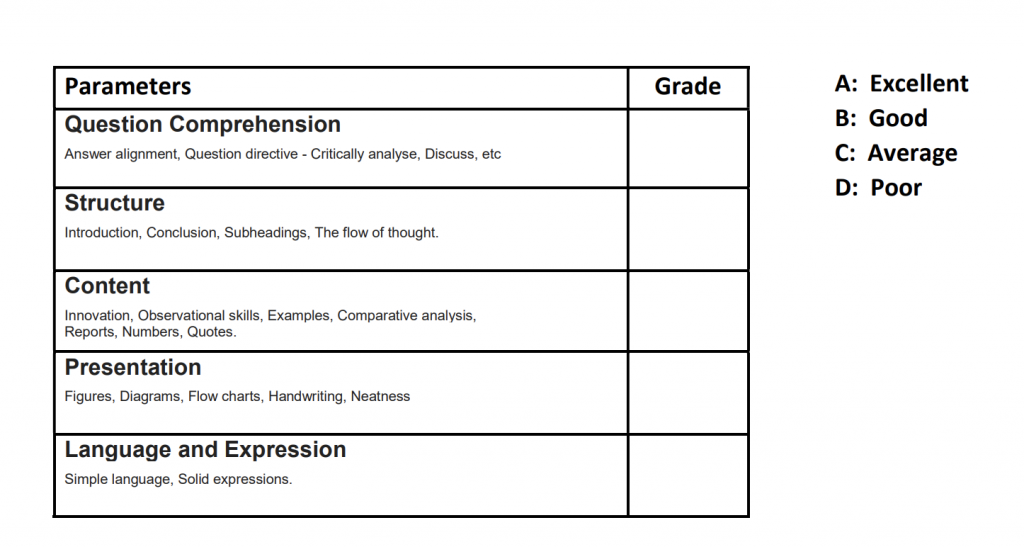






 Context
  How is IIP calculated?
 Why is IIP important?
 Context
 Challenges before India:


