💥UPSC 2027,2028 Mentorship (April Batch) + Access XFactor Notes & Microthemes PDF

Archives: News

  • Modern Indian History-Events and Personalities

    Decoding the Annexation of Goa: Operation Vijay and Historical Context

    goa portuguese

    Central Idea

    • Liberation of Goa: On December 19, 1961, India successfully annexed Goa, ending years of Portuguese colonial rule.
    • Criticism of Nehru: Prime Minister Narendra Modi accused former Prime Minister Jawaharlal Nehru of not supporting Goan satyagrahis and delaying military action.

    Goa’s Colonization: A Historical Overview

    • Portuguese Rule: Goa became a Portuguese colony in 1510 under Admiral Afonso de Albuquerque.
    • Long Colonial Encounter: For over four centuries, Goa was a focal point of regional and global power struggles, leading to a unique Goan identity.
    • Nationalist Sentiment: The early 20th century saw a rise in nationalist sentiment against Portuguese rule, paralleling India’s anti-British movement.

    Beginning of the Freedom Movement

    • Goan Nationalism: Tristao de Braganza Cunha, hailed as the father of Goan nationalism, founded the Goa National Congress in 1928.
    • Lohia’s Influence: In 1946, Ram Manohar Lohia’s rally in Goa galvanized the freedom movement, advocating civil liberties and integration with India.
    • Armed Resistance: Groups like the Azad Gomantak Dal (AGD) advocated for an armed struggle for liberation.

    Recognition and Legal Status of Goa’s Annexation

    • Supreme Court’s Recognition: The Supreme Court of India validated the annexation, dismissing the law of occupation’s applicability.
    • Portugal’s Acknowledgment: In 1974, Portugal recognized Indian sovereignty over Goa through a retroactive treaty.
    • International Law: Under jus cogens, forceful annexations post-UN Charter are deemed illegal, but Goa’s annexation is an exception.

    Why Goa remained under Portuguese Rule Post-1947?

    • Nehru’s Peace Image: Nehru avoided military action to maintain his global peace leader image.
    • Partition’s Aftermath: The trauma of Partition and the Indo-Pak war diverted India’s focus.
    • International Concerns: There were concerns about internationalizing the issue.
    • Lack of Internal Demand: Gandhi believed more groundwork was needed to unify diverse political voices in Goa.

    Nehru’s Dilemma and Delay in Military Action

    • Global Image and Peaceful Methods: Nehru prioritized India’s global standing and exhausted diplomatic options.
    • Portugal’s NATO Strategy: Portugal’s reclassification of Goa aimed to bring it under NATO’s protection.
    • Indigenous Push for Liberation: Nehru balanced diplomatic efforts with supporting indigenous liberation movements.

    Factors Leading to the 1961 Military Offensive

    • Portuguese Aggression: The 1955 firing on satyagraha led India to sever ties with Portugal.
    • India’s Decolonization Leadership: India’s role in global anti-colonial movements intensified pressure to liberate Goa.
    • African Nations’ Criticism: African criticism at a 1961 seminar highlighted the need to dismantle Portuguese colonialism.
    • Decisive Military Action: These factors culminated in Operation Vijay, a swift military campaign liberating Goa in less than two days.

    Conclusion

    • End of Colonial Rule: The annexation marked the end of Portuguese colonialism in India.
    • Historical Significance: Goa’s liberation remains a pivotal event, symbolizing the culmination of India’s struggle against colonialism and the unification of its territories.
  • Parliament – Sessions, Procedures, Motions, Committees etc

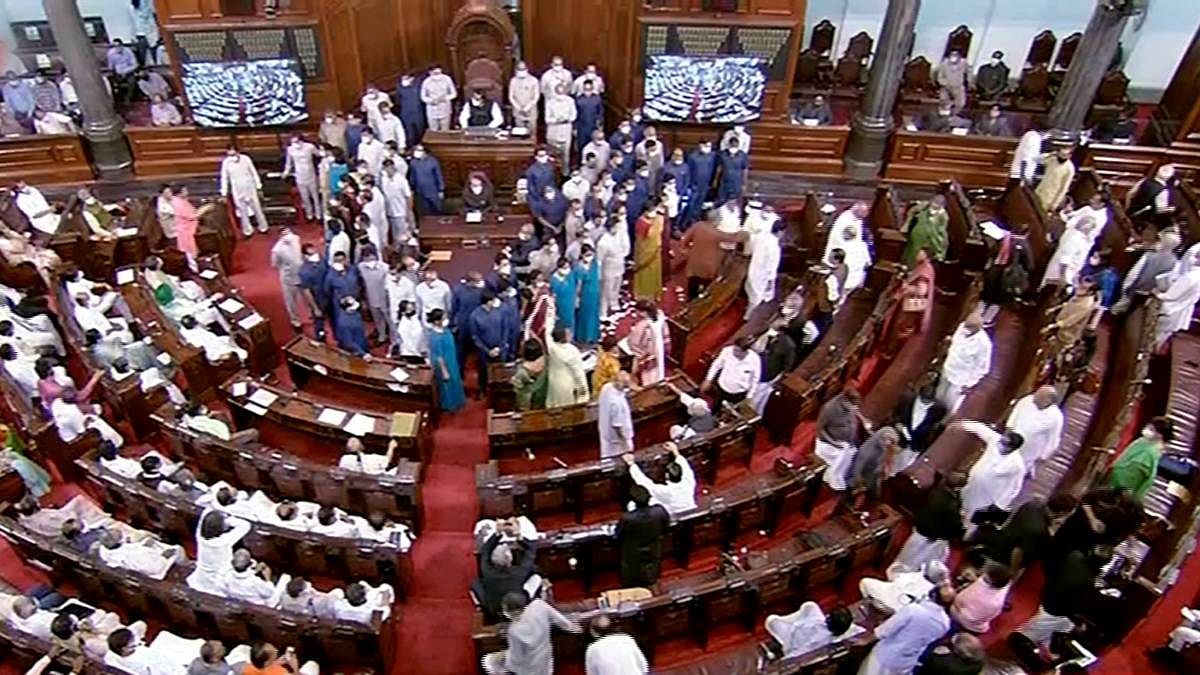
    Let them speak: Suspension of MPs shows Parliament must find better ways to engage

    Disruptions are as much a part of Indian Parliament now as British rules  and rituals

    Central idea 

    The central theme highlights parliamentary dysfunction due to procedural stagnation and a historical cycle of disruptions. The ongoing impasse, evidenced by the suspension of MPs, underscores the need for a nuanced institutional response and a redefined role for the Opposition in shaping parliamentary discourse. The article advocates procedural changes to grant the Opposition more influence, fostering collaboration and preserving public trust in Parliament.

    Key Highlights:

    • The parliamentary dysfunction is rooted in the absence of procedural mechanisms for deliberation on contentious issues.
    • The ongoing impasse between the government and the Opposition has led to the suspension of 141 MPs.
    • The Opposition demands a statement from the Home Minister regarding a security breach, while the government defers to the Speaker’s directions.
    • Disruptions in Parliament have historical roots, dating back to the 1960s, and have evolved into a political tool.
    • The institutional response to disruptions has been simplistic, focusing on penalizing MPs rather than addressing the underlying issues.

    Key Challenges:

    • Procedural stagnation in the parliamentary system has led to a cycle of disruptions and disciplinary actions.
    • The government’s control over the legislative agenda limits the Opposition’s role, contributing to parliamentary standoffs.
    • The current approach of penalizing MPs for disruptions is deemed ineffective in ensuring the smooth functioning of Parliament.

    Key Terms and Phrases:

    • Parliamentary dysfunction
    • Security breach
    • Disruptions as a political tool
    • Institutional response
    • Legislative and fiscal priorities
    • Opposition’s role and space in Parliament
    • Procedural stagnation
    • Westminster parliamentary principle
    • No-confidence motion
    • National legislature

    Key Quotes and Statements:

    • “The standoff in Parliament is not new…result from years of procedural stagnation.”
    • “Disruptions were going to become the norm in our parliamentary discourse.”
    • “The smooth functioning of the legislature was the responsibility of the government.”
    • “For Parliament to work effectively, penalising MPs will not be enough.”
    • “The recent disruptions and en masse suspension of MPs should be a wake-up call for our national legislature.”

    Key Examples and References:

    • Suspension of 141 Opposition MPs in the ongoing winter session of Parliament.
    • Historical instances of MPs like Ram Sewak Yadav and Mani Ram Bagri being warned and suspended for disruptions.
    • Speaker Chatterjee’s remark in 2005 on the difficulty of regulating proceedings if a group of members disrupts the House.

    Key Facts and Data:

    • Disruptions in parliamentary proceedings by MPs began in the 1960s.
    • The current parliamentary system reflects pre-independence British templates.
    • Private members get two-and-a-half hours every Friday for discussion, but there is no mechanism for a group of MPs to require a specific discussion.

    Critical Analysis:

    • The article highlights the historical context and evolution of parliamentary disruptions.
    • It critiques the current institutional response, emphasizing the need for a more nuanced approach.
    • It challenges the existing view of Parliament as a platform primarily for the government to transact business.

    Way Forward:

    • Proposes a change in parliamentary procedures to allow the Opposition to set the agenda for debate.
    • Suggests incorporating specific days in the parliamentary calendar for Opposition-led discussions.
    • Urges Parliament to find better solutions for fostering debate to prevent the erosion of public faith.
  • Biofuel Policy

    India’s ethanol conundrum

    Resolving India's Ethanol Conundrum - Sugar Asia Magazine

    Central idea 

    The article discusses India’s challenges in achieving its 20% ethanol blending target by 2025, focusing on the transition to grains-based ethanol and potential impacts on food prices. It highlights the trade-offs between renewable energy goals and the risk of uncontrollable food inflation, urging a reconsideration of targets and exploration of alternative energy sources.

    Key Highlights:

    • Renewable Energy Pledge: Over 100 countries commit to tripling global renewable energy capacity by 2030 at COP28 in Dubai.
    • Ethanol Blending in India: Ethanol blended petrol (EBP) in India rose from 1.6% (2013-14) to 11.8% (2022-23), aiming for a 20% target by 2025.
    • Challenges with Ethanol Target: Low sugar stocks and potential sugarcane production shortfall pose challenges to India’s 20% ethanol blending target by 2025.
    • Shift to Grains-based Ethanol: Government explores a transition to grains-based ethanol, emphasizing maize procurement for ethanol distilleries.
    • National Agricultural Cooperative Involvement: Authorization of NAFED and NCCF to procure maize signals a focus on an organized maize-feed supply chain for ethanol.

    Key Challenges:

    • Low Sugar Stocks: Current low sugar stocks impact ethanol production from sugarcane, necessitating a shift to alternative feedstocks like maize.
    • Sugarcane Shortfall: Impending shortfall in sugarcane production poses a challenge to meeting ethanol blending targets.
    • Food-Fuel Trade-off: Transition to grains-based ethanol raises concerns about diverting grains from food production, potentially impacting food prices.
    • Ethanol Price Dynamics: Link between ethanol, crude oil, and corn prices can create market volatility, affecting global food prices.

    Key Terms:

    • Ethanol Blended Petrol (EBP): A fuel blend containing a certain percentage of ethanol mixed with petrol, aimed at reducing fossil fuel usage.
    • National Agricultural Cooperative Marketing Federation of India (NAFED): Cooperative organization involved in agricultural marketing and procurement.
    • Food-Fuel Conflict: The trade-off between using agricultural products for food or fuel production, influencing global food prices.
    • Differential Pricing: Varied pricing mechanisms to incentivize specific inputs or outputs in the production process.

    Key Phrases:

    • Tightrope Walk: India faces a tightrope walk in achieving its ethanol blending target amidst challenges in feedstock availability.
    • Food Inflation Spectre: The transition to grains-based ethanol raises concerns about potential uncontrollable food inflation.

    Key Quotes:

    • “The recent authorization of NAFED and NCCF to procure maize for supplying ethanol distilleries indicates emphasis on this transition…”
    • “By adopting a transition to grains-based ethanol to fast-track the 2025 target achievement, is the government hurtling towards a looming spectre of uncontrollable food inflation?”

    Key Statements:

    • The government considers a major transition towards grains-based ethanol to meet the 20% blending target by 2025.
    • The December 7, 2023, order bans the use of cane juice for ethanol production, addressing challenges related to reduced sugar stocks.

    Critical Analysis:

    • The article critically evaluates the challenges and trade-offs associated with India’s ethanol blending targets, considering the impact on food prices and market dynamics.
    • It questions the potential risks of transitioning to grains-based ethanol, emphasizing the need for a balanced approach to avoid food inflation.

    Way Forward:

    • Reconsidering the ethanol blending target and staggering it to mitigate contradictions is suggested.
    • Advocates for increased investment in public infrastructure, urban design, and renewable energy sources like solar power as alternatives to ethanol dependence.
  • Food Safety Standards – FSSAI, food fortification, etc.

    Tax ‘HFSS’ foods, view it as a public health imperative

    LocalCircles Survey: 79% citizens in favour of tax on high fat, sugar and  salty (HFSS) foods

    Central idea 

    The article advocates for the immediate implementation of High Fat Sugar Salt (HFSS) taxes in India to tackle health risks, emphasizing their role in encouraging healthier choices, driving industry reformulation, and reducing the economic strain on healthcare. It positions HFSS taxation as a vital public health imperative to address market failures and promote a sustainable food system.

    Key Highlights:

    • Rising Health Risks: High Fat Sugar Salt (HFSS) foods contribute significantly to health issues like obesity, diabetes, and high blood pressure. The global burden of Non-Communicable Diseases (NCDs) in India has surged from 38% in 1990 to 65% in 2019, with 1.2 million deaths annually attributed to dietary risks.
    • Economic Impact: Overweight and obesity’s economic impact in India was estimated at $23 billion in 2017, expected to rise to $480 billion by 2060. The ultra-processed food sector in India grew at a compounded annual growth rate of 13.4% between 2011 and 2021.
    • Global Trend of Taxation: Many countries, including Denmark, France, Hungary, Mexico, South Africa, the UK, and the US, have implemented taxes on HFSS foods to combat obesity. Colombia’s recent “junk food law” serves as a model for other nations.
    • Market Failures and Externalities: The consumption of HFSS foods leads to negative externalities in the form of increased healthcare expenditures, imposing societal costs. Taxes are proposed as a targeted tool to curb detrimental consumption habits, reducing societal burdens.
    • Need for HFSS Tax: The article argues for taxing HFSS due to market failures, negative externalities, and internalities. Unlike sin goods, HFSS taxation aims to incentivize the industry to reformulate products for healthier alternatives and prompt consumers to choose a healthier diet.
    • Designing Effective HFSS Tax: Properly designed HFSS taxes can be non-regressive and fiscally neutral. Differentiated tax rates based on nutritional quality can incentivize product reformulations. The goal is to make healthier alternatives more affordable and accessible.
    • Inconsistencies in GST Rates: Current GST rates on ultra-processed foods do not align with nutritional content. Uniform tax rates overlook variations in sugar, salt, and nutritional impact, limiting their impact on altering consumption patterns.
    • Public Health Imperative: HFSS taxation is positioned not just as an economic or fiscal policy concern but as a public health imperative. Effective taxes, combined with nutrition literacy and food labeling, can combat overweight and obesity, fostering a more sustainable and equitable food system.

    Key Challenges:

    • Resistance from Industry: The food industry may resist HFSS taxes, viewing them as detrimental to profits. Balancing industry interests with public health objectives poses a challenge.
    • Designing Optimal Tax Rates: Determining the right tax rates that effectively deter HFSS consumption without being regressive requires careful consideration and analysis.
    • Consumer Awareness: Ensuring that consumers are aware of the health implications of HFSS foods and understand the purpose of taxes is crucial for the success of such interventions.

    Key Terms/Phrases:

    • HFSS Foods: High Fat Sugar Salt foods, known for their negative impact on health.
    • Negative Externalities: Detrimental effects of HFSS consumption on society, leading to increased healthcare costs.
    • Internalities: Harm caused to individuals due to limited understanding influenced by marketing.
    • Market Failures: Situations where the market does not efficiently allocate resources, leading to suboptimal outcomes.
    • Non-regressive Tax: A tax that does not disproportionately burden lower-income individuals.
    • Nutritional Quality: The nutritional content and health impact of food products.

    Key Quotes:

    • “HFSS taxation in India should not be merely seen as an economic or fiscal policy concern but it deserves to be considered a public health imperative.”
    • “Effectively designed taxes can reap multiple benefits — they can act as a deterrent to consuming HFSS; promote healthier food choices; prompt manufacturers to reformulate foods; improve public health outcomes…”

    Key Statements:

    • “The imperative for taxing HFSS arises from significant market failures associated with their consumption, contributing to negative externalities and internalities.”
    • “HFSS taxation in India should be both non-regressive and fiscally neutral, creating a level-playing field between HFSS and their healthier alternatives.”

    Critical Analysis:

    The article provides a comprehensive overview of the health and economic challenges associated with HFSS consumption in India. It effectively argues for the implementation of HFSS taxes as a public health imperative and highlights the need for well-designed, non-regressive tax policies. The emphasis on creating a fiscal environment that incentivizes healthier choices and product reformulation adds depth to the analysis.

    Way Forward:

    • Collaborative Approach: Engage stakeholders, including the food industry, health professionals, and policymakers, to collaboratively design and implement effective HFSS tax policies.
    • Continuous Evaluation: Regularly assess the impact of HFSS taxes on consumption patterns, health outcomes, and industry practices, making adjustments as needed.
    • Public Awareness Campaigns: Launch campaigns to educate the public about the health risks associated with HFSS foods and the purpose of taxation, fostering informed choices.
    • International Best Practices: Learn from and adapt successful strategies from countries that have effectively implemented HFSS taxes to address obesity and improve public health.
    • Research and Innovation: Encourage research on the nutritional content of food products and innovative ways to reformulate HFSS items for healthier alternatives.
  • Animal Husbandry, Dairy & Fisheries Sector – Pashudhan Sanjivani, E- Pashudhan Haat, etc

    2024: Celebrating the International Year of Camelids

    camelids

    Central Idea

    • The United Nations has declared 2024 as the International Year of Camelids. This declaration aims to highlight the crucial role of Camelids in the lives of people globally.

    About Camelids

    • FAO’s Statement: According to the Food and Agricultural Organization (FAO), Camelids significantly impact millions of households in over 90 countries.
    • Species Included: Camelids encompass alpacas, Bactrian camels, dromedaries, guanacos, llamas, and vicuñas.
    • Role in Food Security and Economy: These animals contribute to food security, nutrition, and economic growth, particularly benefiting Indigenous Peoples and local communities.

    Importance of Camelids

    • Contribution to Sustainable Development Goals: Camelids play a vital role in achieving the Sustainable Development Goals (SDGs) set by the United Nations.
    • Source of Nutrition: They provide milk and meat, essential in combating hunger.
    • Fibre Production: Camelids produce fibre used for clothing and shelter.
    • Transportation and Agriculture: They serve as a means of transportation and produce organic fertilizer for agriculture.
    • Adaptability: Known for their ability to survive in harsh conditions, Camelids are significant in regions like the Andes and arid lands of Africa and Asia.
    • Climate Change Awareness: Camelids symbolize resilience and can help raise awareness about climate change.

    Goals of the International Year of Camelids 2024

    • Awareness and Investment: The year aims to increase awareness of Camelids’ untapped potential and advocate for more investment in this sector.
    • Advocacy for Research and Innovation: The initiative calls for enhanced research, capacity development, and the adoption of innovative practices and technologies in the Camelids sector.
  • Foreign Policy Watch: India-SAARC Nations

    Gelephu Mega-City Project

    Gelephu

    Central Idea

    • The Gelephu “mindfulness” mega-city project, announced by King Jigme Khesar Namgyel Wangchuck, is set to be a pivotal task for Bhutan’s future PM.
    • This Special Administrative Region (SAR) project in the Bodoland Territorial Region (BTR) aims to address economic challenges and reverse youth migration trends.

    About Gelephu Project

    Details
    Location Gelephu, Sarpang district, Bhutan, near the border with Assam, India.
    Announcement Made by King Jigme Khesar Namgyel Wangchuck during the 116th National Day address at Changlimathang Stadium, Thimphu on December 17.
    Project Vision Envisioned as an “economic corridor” connecting South Asia with Southeast Asia via India’s northeastern states to countries like Myanmar, Thailand, Cambodia, Laos, Vietnam, Malaysia, and Singapore.
    Area and Structure The project will cover an area of 1,000 sq km (250,000 acres) and will be developed as a Special Administrative Region (SAR).
    Economic and Social Goals Aims to be an economic and social hub on Bhutan’s southern border, designed to benefit the entire South Asian region and address youth migration by providing local employment and skilling opportunities.
    Infrastructure Development – Plans for Bhutan’s second international airport capable of landing larger planes than Paro Airport.

    – Proposed rail link between Kokrajhar in Assam, India, and Gelephu, Bhutan.

    – Enhanced road connectivity for trade and connectivity with Southeast Asian countries.

    Environmental and Cultural Focus Emphasizes environmental sustainability and cultural sensitivity.

    Aims to attract ‘quality investment’ from internationally screened companies that align with Bhutanese values.

    Energy Focus on renewable energy sources, aligning with Bhutan’s commitment to environmental sustainability.
    International Collaboration Engagements with prominent Indian industrialists and companies for potential collaboration and investment.
    Geopolitical Significance Strategic initiative for regional integration, enhancing Bhutan’s connectivity with South and Southeast Asia.
    Advanced Safety Features Expected to incorporate advanced safety and environmental features, including a passive decay heat removal system.
  • Telecom and Postal Sector – Spectrum Allocation, Call Drops, Predatory Pricing, etc

    Telecommunications Bill, 2023: Emphasizing National Security and Regulatory Framework

    Telecommunications Bill, 2023

    Central Idea

    • The Telecommunications Bill, 2023, was introduced in the Lok Sabha focusing on the development and regulation of telecommunication services and networks.
    • The Bill aims to consolidate existing laws and adapt to the evolving nature of telecommunications, emphasizing national security and inclusive digital growth.

    Telecommunications Bill, 2023

    • Replaces Existing Acts: The Bill seeks to replace the Indian Telegraph Act, 1885, the Indian Wireless Telegraphy Act, 1933, and the Telegraph Wires (Unlawful Possession) Act, 1950.
    • Focus on Modernization: Recognizing the significant changes in telecommunication technologies and usage, the Bill proposes a contemporary legal framework for the sector.

    National Security Provisions in the Telecom Bill

    • Government Control in Emergencies: The Bill allows the government to temporarily take control of telecom services during public emergencies or for public safety.
    • Interception and Priority Routing: It provides mechanisms for intercepting messages or routing specific messages on priority in the interest of national security, public order, and other key areas.
    • Press Message Regulations: The Bill stipulates conditions under which press messages may be intercepted, detained, or prohibited from transmission.
    • Government Directives for Message Transmission: The government can direct telecom services to transmit specific messages in the public interest.

    Implications and Significance

    • Enhanced Security Measures: The Bill’s provisions for government intervention in telecom services during emergencies highlight a focus on national security and public safety.
    • Balancing Security and Freedom: While ensuring security, the Bill also acknowledges the need to safeguard press freedom, with specific rules for accredited correspondents.
    • Modern Regulatory Framework: By replacing outdated laws, the Bill aims to create a regulatory environment that aligns with current technological advancements and societal needs.

    Conclusion

    • Adapting to Changing Dynamics: The Telecommunications Bill, 2023, represents a significant step in updating India’s legal framework for telecommunications, keeping pace with global technological trends.
    • Focus on National Security: The emphasis on national security and public safety within the Bill reflects the government’s commitment to ensuring a secure and resilient telecommunications infrastructure.
  • Zoonotic Diseases: Medical Sciences Involved & Preventive Measures

    New COVID Variant ‘JN.1’

    Central Idea

    • Following the detection of the JN.1 COVID-19 variant, Karnataka announced that senior citizens are advised to wear masks.
    • The JN.1 variant was identified in Kerala and in a traveler from Singapore to Tamil Nadu, with additional cases found in Goa.

    Understanding the JN.1 Variant

    • Variant Lineage: JN.1 is a sub-variant of BA.2.86, also known as Pirola, first detected in the United States in September and globally as early as January.
    • Mutation Characteristics: While JN.1 has only one additional mutation on the spike protein compared to Pirola, its high number of spike protein mutations has drawn attention of researchers.

    Potential Impact of JN.1

    • Transmission and Severity: Currently, there is no evidence suggesting that JN.1 causes more severe symptoms or spreads faster than other circulating variants.
    • WHO Assessment: Both Pirola and JN.1 have been effectively neutralized by serum from infected and vaccinated individuals, according to the WHO Technical Advisory Group on COVID-19 Vaccine Composition.

    Global Spread and Current Concerns

    • Increasing Cases: A rise in cases caused by Pirola and JN.1 has been observed globally, including in the USA, Europe, Singapore, and China.
    • WHO Data: JN.1 accounted for a significant proportion of COVID-19 sequences in the GISAID database and a notable percentage of variants in the United States.
    • Singapore’s Situation: Singapore reported a surge in COVID-19 cases, predominantly JN.1, with increased hospitalizations among older individuals.

    Vaccination and Immunity in India

    • Hospitalization Risk: Data from Singapore indicates higher hospitalization risks for those who received their last COVID-19 vaccine dose over a year ago.
    • Indian Immunity Levels: Doctors suggests that widespread vaccination and exposure to COVID-19 have likely resulted in substantial immunity in India, reducing the need for updated vaccines.
    • Consistent Precautions: Experts recommend standard protective measures against respiratory viruses, including masking in crowded and enclosed spaces, staying in well-ventilated areas, and frequent hand washing.
  • Promoting Science and Technology – Missions,Policies & Schemes

    India Launches First Winter Expedition to the Arctic

    arctic

    Central Idea

    • Launch of Winter Expedition: India embarks on its first-ever winter expedition to the Arctic, starting this week.
    • Significance: With this initiative, India’s Himadri becomes the fourth research station in the Arctic to be manned year-round.

    Arctic Region and Its Global Impact

    • Geographical Location: The Arctic Circle lies north of latitude 66° 34’ N, encompassing the Arctic Ocean.
    • Climate Change Concerns: Scientific studies highlight the Arctic’s influence on global sea levels and atmospheric circulations due to ice melt.
    • Rising Temperatures: The Arctic region has experienced an average temperature rise of 4 degrees Celsius over the past century.
    • Declining Sea Ice: The Arctic sea ice extent is decreasing at a rate of 13% per decade, potentially leading to an ice-free Arctic Ocean by the summer of 2040.

    Challenges in Arctic Expeditions

    • Harsh Environmental Conditions: The extreme cold, with February temperatures averaging minus 14 degrees Celsius in Ny-Ålesund, Svalbard, poses significant challenges.
    • Limited Research Stations: So far, only three research stations in the Arctic have had permanent staff year-round.
    • Geopolitical Constraints: The presence of multiple state jurisdictions and geopolitical tensions, like the Ukraine-Russia war, complicates Arctic exploration.

    India’s Winter Expedition Plan

    • Expedition Team: A team of four scientists, funded by the Union Ministry of Earth Sciences, will conduct the expedition from December 19, 2023, to January 15, 2024.
    • Research Areas: The expedition will focus on atmospheric sciences, astronomy, astrophysics, climate studies, and more.
    • Himadri Station: The team will be based at Himadri, India’s sole research station in Ny-Ålesund, located 1,200 kilometres from the North Pole.
    • Special Preparations: Himadri has been equipped for polar night observations, with support from Norwegian agencies.

    Evolution of India’s Arctic Interests

    • Historical Treaty: India signed the Svalbard Treaty in 1920, allowing operations in the Svalbard archipelago under Norwegian sovereignty.
    • Initial Expeditions: The first Indian expedition to the Arctic was in 2007, leading to the establishment of Himadri in 2008.
    • Research Developments: India set up the IndArc observatory in 2014 and the Gruvebadet Atmospheric Laboratory in 2016 in Svalbard.
    • India’s Arctic Policy: Released in May 2022, it outlines six pillars including science, environmental protection, and international cooperation.

    Global Research Presence in the Arctic

    • First Research Station: Japan’s National Institute of Polar Research established the first station in Ny-Ålesund in 1990.
    • International Collaboration: Ten countries, including India, have established eleven permanent research stations in Ny-Ålesund, Svalbard.
    • Year-Round Human Presence: Until now, only three stations in the Arctic have been manned throughout the year.

    Conclusion

    • Enhanced Research Capabilities: India’s first winter expedition to the Arctic marks a significant advancement in its polar research capabilities.
    • Global Significance: This initiative contributes to the broader understanding of climate change impacts and fosters international scientific collaboration in the Arctic region.
  • Parliament – Sessions, Procedures, Motions, Committees etc

    Analysis of Declining CAG Audits Tabled in Parliament

    Central Idea

    • In 2023, only 18 audits prepared by the Comptroller and Auditor General (CAG) were tabled in the Indian Parliament, continuing a trend of decreasing numbers in recent years.

    Comptroller and Auditor General (CAG)

    • Constitutional Office: The Comptroller and Auditor General of India (CAG) is an independent constitutional authority responsible for overseeing financial administration in India.
    • Key Responsibilities: As the head of the Indian Audit and Accounts Department, the CAG is the guardian of the public purse, monitoring the financial system at both central and state levels.

    History of the Office of CAG

    • Origins in British India: The role of the CAG evolved with administrative reforms initiated by Lord Canning before the Mutiny of 1857.
    • Establishment and Evolution: The office was formalized under the Government of India Act 1858, with Sir Edward Drummond becoming the first Auditor General in 1860. The title ‘Comptroller and Auditor General of India’ was first used in 1884.
    • Independence and Strengthening: The Montford Reforms of 1919 and the Government of India Act 1935 further solidified the CAG’s independence and role in a federal setup.

    Constitutional Provisions Related to CAG

    • Articles Governing CAG: The Constitution outlines the CAG’s appointment, duties, and powers in Articles 148 to 151.
    • Duties and Powers: The CAG is responsible for auditing all government accounts and advising on financial matters.
    • Audit Reports: The CAG submits audit reports on Union accounts to the President and on state accounts to respective Governors.

    Types of Audits Performed by CAG

    • Regulatory Audit: Ensures authorized and rule-compliant expenditure.
    • Supplementary Audit: Conducted in PSUs for detecting financial leakages.
    • Propriety Audit: Focuses on the public interest and proper expenditure.
    • Efficiency Audit: Assesses optimal utilization of investments.
    • Performance Audit: Evaluates government programs for effectiveness.
    • Environmental Audit: Addresses issues related to conservation and environmental management.

    Independence of the CAG

    • Constitutional Safeguards: The CAG’s independence is protected by various constitutional provisions, including security of tenure, ineligibility for further government office, and non-varying service conditions.
    • Financial Autonomy: The CAG’s administrative expenses are charged upon the Consolidated Fund of India, ensuring financial independence.

    Audit Mandate Sources

    • Constitutional Basis: Articles 148 to 151 of the Constitution.
    • Statutory Framework: The Duties, Powers and Conditions of Service Act, 1971.
    • Regulations: Audit and accounts regulations as notified.

    Duties and Functions of the CAG

    • Audit Responsibilities: CAG audits all government accounts, including the Consolidated Fund, Contingency Fund, and Public Account.
    • Advisory Role: Advises on financial matters and assists parliamentary committees.
    • Reporting: Submits audit reports to the President and state Governors.

    Limitations on the Powers of CAG

    • Post-Facto Reporting: Audits are conducted after expenditures have occurred.
    • Exclusions: Certain expenditures like secret service expenses are outside CAG’s purview.
    • Challenges with PPP Investments: Limited authority to audit public-private partnerships.
    • Limited Audit of NGOs and Local Bodies: No provision for auditing funds given to NGOs and elected local bodies.
    • Document Accessibility Issues: Challenges in obtaining necessary documents for audits.
    • Appointment Process: The selection process for CAG lacks external transparency.
    • Undefined Audit Scope: The term ‘audit’ is not explicitly defined in the Constitution or CAG Act.

    CAG Audits over the Years

    • Recent Trends: Between 2019 and 2023, an average of 22 reports were tabled annually, a significant decrease from the 40 reports tabled on average between 2014 and 2018.
    • Peak and Decline: The number of reports peaked in 2015 with 53 audits but has since declined, with four of the past six years seeing 20 or fewer reports tabled.

    Factors Contributing to the Decline

    • Staffing and Budget Cuts: The decline in the number of CAG reports tabled in Parliament coincides with reductions in staff strength and budget allocations for the CAG.
    • Budget Allocation: In the fiscal year 2023-24, the allocation for the Indian Audit and Accounts Department constituted only 0.13% of the Union Budget.

    Conclusion

    • Impact on Oversight and Transparency: The reduction in the number of CAG audits tabled in Parliament could have implications for governmental oversight and transparency.
    • Need for Adequate Resources: Ensuring the CAG is adequately staffed and funded is crucial for maintaining effective audit practices and upholding the accountability of government operations.

Join the Community

Join us across Social Media platforms.