💥UPSC 2026, 2027, 2028 UAP Mentorship (March Batch) + Access XFactor Notes & Microthemes PDF

Type: Explained

  • Foreign Policy Watch: India-ASEAN

    How will the EU elections impact Southeast Asia?

    Note4Students

    From UPSC perspective, the following things are important:

    Mains level: Pivot to South Asia

    Why in the news?

    A weak performance by green and left-wing parties, coupled with gains by the far-right, could lead the EU to adopt a more protectionist stance and a less environmentally focused foreign policy.

    What happens in the EU parliament?   

    • Legislative Role and Trade Agreements: The European Parliament must approve all EU free trade agreements. For instance, it is currently involved in negotiations with Southeast Asian countries such as Indonesia, Thailand, and the Philippines. This approval process ensures that any trade agreement aligns with EU standards and regulations.
    • Policy Shifts Due to Election Results: The recent gains by far-right factions in the European Parliament could shift legislative priorities. For example, a more nationalist Parliament may prioritize protectionist policies over liberal trade agreements, potentially imposing tariffs or restrictions on imports from Southeast Asia, as seen with past tariffs on Cambodian and Myanmar rice.
    • Influence on Environmental and Human Rights Policies: With the Greens and Liberals losing seats, the European Parliament may place less emphasis on environmental sustainability and human rights. This shift could affect initiatives like the Just Energy Transition schemes with countries like Vietnam and Indonesia, which rely on EU support for their green agendas. Reduced focus on these areas could hinder such cooperative efforts.

    Changes in the Commission

    • Commission Presidency and Coalition Dynamics: Ursula von der Leyen, the incumbent European Commission President from the centre-right European People’s Party (EPP), faces a challenging re-election. She needs to secure 361 votes from Members of the European Parliament (MEPs).
    • Shift in Policy Focus: The composition of the new Commission will significantly influence EU policy directions. If von der Leyen allies with the Greens, there could be an intensification of green policies and environmental initiatives, such as the European Green Deal.
    • Leadership and Foreign Policy Changes: The departure of EU foreign policy chief Josep Borrell opens the field for new candidates vying to lead the European External Action Service (EEAS). The new leadership could reshape the EU’s foreign policy approach, with potential changes in emphasis on development cooperation and international relations, including those with Southeast Asia. This could affect ongoing initiatives like the Just Energy Transition partnerships with countries like Vietnam and Indonesia.

    Pivot to South Asia

    • Strategic Partnership and Economic Interests: Southeast Asia is an increasingly important economic partner for the EU. The region’s growing markets and economic dynamism offer significant trade opportunities. For instance, the EU is negotiating free trade agreements with countries like Indonesia, Thailand, and the Philippines, which could enhance trade flows and economic cooperation. Strengthening ties with Southeast Asia helps the EU diversify its trade partners and reduce reliance on traditional markets.
    • Environmental and Green Transition Initiatives: Southeast Asia is a crucial region for the EU’s global environmental goals. The EU has invested in green transition initiatives, such as the Just Energy Transition schemes in Vietnam and Indonesia, providing over €20 billion in concessional loans and investments. These initiatives support Southeast Asian countries in adopting sustainable energy practices and combating climate change.
    • Geopolitical and Security Considerations: Southeast Asia’s strategic location and geopolitical significance make it a vital region for the EU’s foreign policy. By engaging more deeply with Southeast Asia, the EU can strengthen its influence in a region where other major powers, such as China and the United States, are also vying for influence.

    Conclusion: The EU’s evolving policies and leadership will shape its economic, environmental, and geopolitical engagement with Southeast Asia, highlighting the region’s strategic importance and potential for cooperation.


    Mains PYQ:

    Q Africa was chopped into states artificially created by the accident of European competition. Analyse. (UPSC IAS/2013)

  • Women empowerment issues – Jobs,Reservation and education

    A comprehensive immunisation schedule for women is ready

    Note4Students

    From UPSC perspective, the following things are important:

    Mains level: Significance of Preventive health care

    Why in the news?

    FOGSI launched a detailed immunization plan for women in Mumbai, featuring essential vaccines and recommended dosages, presented by women’s health advocate Kajal Aggarwal.

    About the Federation of Obstetric and Gynaecological Societies of India (FOGSI)

    • The Federation of Obstetric and Gynaecological Societies of India (FOGSI) is a prominent professional organization dedicated to advancing the field of obstetrics and gynaecology in India.  
    • Foundation and Scope: FOGSI was established in 1950 and currently represents over 34,000 obstetricians and gynaecologists across India. It serves as a unified platform for healthcare professionals specializing in women’s health.
    • Objectives: The primary objective of FOGSI is to promote the study and practice of obstetrics and gynaecology through education, research, and advocacy. It aims to improve the standards of healthcare delivery for women in India.

    Significance of Preventive Health Care    

    • Early Detection and Intervention: Preventive healthcare emphasizes regular screenings, vaccinations, and health checks to detect potential health issues early. This proactive approach allows healthcare providers to intervene early, often before symptoms appear, which can lead to better treatment outcomes and lower healthcare costs.
    • Promotion of Health and Well-being: By focusing on preventive measures such as healthy lifestyle choices, vaccination against preventable diseases, and routine health screenings, individuals can maintain optimal health and well-being. Preventive healthcare encourages behaviours that reduce the risk of chronic illnesses and promote longevity.
    • Reduction of Healthcare Burden: Investing in preventive healthcare can alleviate the burden on healthcare systems by reducing the prevalence and severity of diseases. By preventing illnesses before they occur or progress, fewer resources are needed for acute care, hospitalizations, and long-term management of chronic conditions.

    Accessing ‘Vulnerable Period’

    • Postpartum Period: The postpartum period, typically defined as the first six weeks after childbirth, is a critical vulnerable period for women. During this time, the body undergoes significant physiological changes, including hormonal fluctuations and potential immune system alterations. These changes can increase susceptibility to infections and other health complications, necessitating close monitoring and appropriate medical interventions.
    • Menopausal Transition: Menopause marks a significant transition in a woman’s life when reproductive hormone levels decline, leading to various physical and psychological changes. This period can be accompanied by symptoms such as hot flashes, mood swings, and changes in bone density. Due to these changes, women may be more vulnerable to conditions like osteoporosis and cardiovascular disease.
    • Chronic Illness Management: Women with chronic conditions such as diabetes, hypertension, or autoimmune disorders may experience periods of vulnerability related to their specific health challenges. Fluctuations in hormone levels, stress, and lifestyle factors can exacerbate these conditions or increase the risk of complications. Healthcare strategies during these vulnerable periods often include personalized treatment plans, regular monitoring, and patient education to optimize disease management and promote overall well-being.

    Conclusion: FOGSI’s launch of a women’s immunization schedule underscores their commitment to advancing women’s health through proactive care, addressing vulnerable periods like postpartum and menopause, and promoting disease prevention and management strategies.


    Mains PYQ:

    Q  In order to enhance the prospects of social development, sound and adequate health care policies are needed particularly in the fields of geriatric and maternal health care. Discuss. (UPSC IAS/2020).

  • Medical Education Governance in India

    The allegations over NEET-UG 2024 | Explained

    Note4Students

    From UPSC perspective, the following things are important:

    Prelims level: NEET, NTA

    Mains level: The National Testing Agency responds to the various charges against the conduct of the exams.

    Why in the news?

    On June 13, the Union government informed the Supreme Court that the scorecards of 1,563 candidates who received compensatory marks in the NEET-UG 2024 exam, held on May 5, will be cancelled.

    About National Testing Agency:

    • National Testing Agency (NTA) has been established as a premier, specialist, autonomous and self-sustained testing organization to conduct entrance examinations for admission/fellowship in higher educational institutions.
    • The NTA was established in 2017 by the Ministry of Education.
    • NTA is responsible for conducting the
      • Joint Entrance Examination – Main (JEE Main)
      • National Eligibility cum Entrance Test-Undergraduate (NEET-UG)
      • National Eligibility Test (NET)
      • Common Management Admission Test (CMAT)
      • Graduate Pharmacy Aptitude Test (GPAT).
    • The NTA is chaired by an eminent educationist who will be appointed by the Ministry of Education.

    Why has the Union government told the Supreme Court that it will cancel the scorecards of candidates who have been awarded grace marks?

    • Technical Issues During Exam: The cancellation stems from petitions challenging the award of grace marks to 1,563 candidates from six NEET centers due to technical issues that did not allow them the full 3.2 hours to complete the exam.
    • Compensatory Marks Controversy: Grace marks were awarded based on a court order and the recommendation of a committee constituted by the National Testing Agency (NTA). This move was challenged as arbitrary and lacking transparency.
    • Skewed Results: The committee found that the compensatory marks led to a skewed situation, thus recommending the cancellation of the scorecards for these candidates and conducting a re-test on June 23.

    How did the National Testing Agency respond to the various charges against the conduct of the exams?

    • Formation of Committee: In response to the allegations, the NTA constituted a four-member committee to investigate the truth behind the claims, including the award of grace marks and other issues related to the conduct of NEET 2024.
    • Admission of Irregularities: The NTA admitted that the grace marks caused confusion and contributed to skewed results. They acknowledged technical issues and the improper awarding of grace marks.
    • Panel Recommendations: The panel recommended limiting grace marks to the attempted questions and concluded that it would be best to cancel the test for the affected 1,563 students.
    • Explanations for High Scores: NTA officials attributed the unusually high number of perfect scores (67 students scoring 720/720) to an ‘easy paper’, but still took steps to address the fairness and validity of the results by planning a re-test.
    • Addressing Other Allegations: The NTA’s response included acknowledging various logistical issues such as slow distribution of question papers, wrong OMR sheets, and technical delays, and they aimed to ensure better planning and execution in future exams.

    Way forward: 

    • Calls for a Re-test for All Candidates: Students and education experts argue that if the exam can be cancelled for 1,563 candidates, it should be cancelled for all 23 lakh candidates to maintain fairness. They believe that the logical step is to conduct a re-test for everyone who took the May 5 exam.
    • Restoring Faith in the System: The dissatisfaction expressed on social media highlights a loss of faith in the examination system. To restore confidence, students demand comprehensive measures to address the flaws and ensure a fair and transparent testing process for all candidates.
    • Improving Examination Conduct: For an exam of NEET’s scale and history, it is expected that organizational issues should be resolved. The NTA and government agencies need to enhance measures to prevent fraud, ensure the timely distribution of materials, and apply proper judgment to address any technical issues during the exam, aiming for a smooth and reliable process in future examinations.

    Mains PYQ:

    Q National Education Policy 2020 is in conformity with the Sustainable Development Goal-4 (2030). It intends to restructure and reorient the education system in India. Critically examine the statement. (UPSC IAS/2020)

  • Health Sector – UHC, National Health Policy, Family Planning, Health Insurance, etc.

    Tackling the Fatty Liver Disease Epidemic

    Note4Students

    From UPSC perspective, the following things are important:

    Prelims level: International Fatty Liver Day

    Mains level: India's Growing Burden of Fatty Liver Disease

    Why in the news?

    This year’s theme for International Fatty Liver Day, an awareness initiative observed annually in June, is ‘Act Now, Screen Today’. This theme holds more urgency now than ever before.

    Liver Diseases in recent times

    • Liver diseases have long been primarily linked to excessive alcohol consumption, which continues to be a major cause of advanced chronic liver disease.
    • However, in recent years, a new and quietly escalating threat to liver health has emerged: non-alcoholic fatty liver disease.

    India’s Growing Burden of Fatty Liver Disease

    Note: MASLD, or Metabolic dysfunction-associated steatotic liver disease, is a reclassification of what was previously known as non-alcoholic fatty liver disease (NAFLD). 

    • High Prevalence Rates: The global prevalence of Metabolic dysfunction-associated steatotic liver disease (MASLD) is estimated at 25-30%. In India, a 2022 meta-analysis revealed that the pooled prevalence of fatty liver among adults was 38.6%. Among obese children in India, the prevalence was around 36%.
    • Progression of Disease: The continuous damage caused by fatty liver leads to more severe conditions such as steatohepatitis and cirrhosis, often requiring liver transplants.

    Causes of Growing Burden of Fatty Liver Disease

    • Lack of Early Detection: Fatty liver disease often goes undetected in early stages due to lack of symptoms. Diagnosis usually occurs at an advanced stage, when significant liver damage has already taken place.
    • Diet and Insulin Resistance: Excessive consumption of carbohydrates, especially refined carbs and sugars, leads to metabolic problems. High carbohydrate intake results in persistently high insulin levels and insulin resistance, promoting the conversion of excess glucose into fatty acids, which are then stored in the liver.

    Initiatives Taken by the Government

    • Integration with NPCDCS: The Ministry of Health & Family Welfare launched operational guidelines for integrating NAFLD with the National Programme for Prevention & Control of Cancer, Diabetes, Cardiovascular Diseases and Stroke (NPCDCS) in February 2021.
    • Health Promotion and Prevention: The Ayushman Bharat- Health and Wellness Centres (AB-HWCs) are being used to promote healthy living and screen for hypertension, diabetes, and other common NCDs.

    Personalization is the Key

    • Tailored Screening Tests: The selection of screening tests and their frequency should be based on individual risk factors, including family history, lifestyle, and pre-existing health conditions.
    • Avoiding Generic Assumptions: Clinicians should not rely solely on age or physical markers; instead, they should consider a comprehensive risk profile. Non-communicable diseases are increasingly affecting diverse populations, including children.
    • Integrated Health Strategies: Combining dietary modifications, regular physical activity, and effective weight management to mitigate liver disease risks.
    • Frequent Screenings: Regular monitoring of liver health through non-invasive tools like vibration-controlled transient elastography. Continuous assessment of liver stiffness to detect early stages of liver fibrosis and monitor treatment responses.
    • Active Health Management: Emphasis on the importance of individuals taking control of their health by being aware of their diet and lifestyle choices.Encouragement of frequent health screenings to detect and manage liver disease early.

    Way Forward:

    • Awareness Campaigns: Government initiatives focus on raising awareness about the importance of liver health and the risks associated with MASLD.
    • Health Screenings: Programs promoting comprehensive health screenings that include physical examinations, blood tests, and abdomen ultrasounds to detect liver diseases early.

    Mains PYQ

    Q The public health system has limitations in providing universal health coverage. Do you think that the private sector can help in bridging the gap? What other viable alternatives do you suggest? (UPSC IAS/2015)

  • Innovations in Biotechnology and Medical Sciences

    Scientists back new Alzheimer’s drug: Benefits vs Risks

    Note4Students

    From UPSC perspective, the following things are important:

    Mains level: How Does Donanemab Work?

    Why in the News?

    Donanemab, a new Alzheimer’s disease therapy developed by Eli Lilly, has gained unanimous support from independent scientists advising the US Food and Drug Administration (FDA), moving it closer to clinical use.

    What is Donanemab?

    • Donanemab is a monoclonal antibody, which means it is a laboratory-produced molecule designed to function like antibodies in the immune system.
    • It is specifically developed for individuals in the early stages of Alzheimer’s disease, including those with mild cognitive impairment or mild dementia.

    How Does Donanemab Work?

    • It targets amyloid beta proteins in the brain. Amyloid beta plaques are one of the defining features of Alzheimer’s disease.
    • Mechanism of Action: The drug binds to amyloid beta plaques and promotes their removal from the brain. This action is intended to slow down the progression of Alzheimer’s disease by reducing the accumulation of these toxic plaques.

    How do the benefits of the drug stack up against its risks?

    • Target Population: The drug is intended for those in the early stages of Alzheimer’s disease (mild cognitive impairment or mild dementia).
    • Benefits: Significant clinically meaningful slowing of the disease, allowing patients to retain their functions for a longer time. Phase 3 study shows a 35.1% slowdown in cognitive decline in early Alzheimer’s patients over 76 weeks.
    • Risks: Main adverse effects include brain swelling (24%) and brain bleeds (19.7%), with most cases being asymptomatic.Three treatment-related deaths reported.Amyloid-related imaging abnormalities (ARIA) like brain bleeds and seizures were mostly non-serious and resolved after discontinuation of therapy.
    • Risk Management: The key risks can be mitigated through appropriate labeling and clinical monitoring. Further risks will be characterized through post-authorization studies.

    Why is a breakthrough of this kind important?

    • Rising Burden of Alzheimer’s: The global population is ageing, leading to an increased burden of diseases like Alzheimer’s. In India, 5.3 million people are currently living with dementia, expected to rise to 14 million by 2050.
    • Lack of Effective Treatments: There are limited options for disease-modifying treatments for Alzheimer’s. Innovations like donanemab are crucial for providing new hope and potential therapies.
    • Economic Considerations: While the drug is expensive, it offers the potential for several more years of quality life for patients.

    Why was the approval for the drug delayed?

    • Additional Data Requirements: The USFDA wanted to understand further the data relating to the therapy, especially regarding the limited dosing protocol used during trials.
    • Limited Dosing Protocol: During the trial, therapy was stopped in patients who achieved a certain level of amyloid beta plaque clearance, which is a distinguishing feature of donanemab compared to other therapies.
    • Previous Drug Approval Irregularities: Scrutiny increased after irregularities were found in the approval process of the first drug, aducanumab, which involved close collaboration between the regulator and the drugmaker and approval despite negative trial outcomes. The second drug, lecanemab, also had cautious optimism from doctors due to its demonstrated efficacy with fewer side effects.

    Conclusion: Ensure rigorous and transparent review processes for new Alzheimer’s treatments, incorporating comprehensive data analysis and post-authorization studies to monitor long-term safety and efficacy.

    Mains PYQ:

    Q Stem cell therapy is gaining popularity in India to treat a wide variety of medical conditions including leukaemia, Thalassemia, damaged cornea and several burns. Describe briefly what stem cell therapy is and what advantages it has over other treatments? (UPSC IAS/2017)

  • Disasters and Disaster Management – Sendai Framework, Floods, Cyclones, etc.

    Why heatwaves have not been included as a notified disaster in the Disaster Management Act?

    Note4Students

    From UPSC perspective, the following things are important:

    Prelims level: Current Notified Disasters

    Mains level: Why Heatwaves Were Not Included as Notified Disasters?

    Why in the news?

    The current period of intense heat in several regions has once more sparked debates about the potential inclusion of heatwaves as officially recognized disasters under the Disaster Management (DM) Act of 2005.

    What are Notified Disasters?

    • According to the Disaster Management (DM) Act, 2005, a disaster is defined as a “catastrophe, mishap, calamity, or grave occurrence” arising from natural or man-made causes that result in substantial loss of life, destruction of property, or environmental damage and is beyond the coping capacity of the affected community.
    • Funds: The DM Act allows states to draw money from the National Disaster Response Fund (NDRF) and the State Disaster Response Fund (SDRF) for managing these disasters.
    • Current Notified Disasters: There are currently 12 categories of notified disasters: cyclones, drought, earthquake, fire, flood, tsunamis, hailstorms, landslides, avalanches, cloudbursts, pest attacks, and frost and cold waves.

    Why Heatwaves Were Not Included as Notified Disasters?

    • Common Occurrence: Heatwaves were historically considered regular events during summer months in many parts of India. They were not seen as exceptional or unusual disasters warranting specific disaster management provisions under the DM Act, 2005.
    • Perception of Predictability: Unlike sudden-onset disasters such as earthquakes or cyclones, heatwaves were perceived as relatively predictable and part of seasonal weather patterns. This perception led to a belief that they could be managed through general public awareness and local interventions rather than formal disaster response mechanisms.
    • Not fit in definition of Disaster: When the DM Act was formulated, disasters were defined as events that caused substantial loss of life, property, or environmental damage beyond the coping capacity of the affected community. At that time, the impacts of heatwaves were typically viewed as localized health issues rather than widespread disasters.
    • Lack of Urgency: There was a lack of urgency in recognizing heatwaves as disasters requiring national-level response frameworks. The focus of disaster management efforts initially leaned towards more acute and visible calamities like cyclones, floods, and earthquakes.

    Why is the Centre Not Adding Heatwaves as a Notified Disaster Now?

    • Financial Concerns: One of the primary concerns is the potential financial burden of declaring heat waves as a notified disaster. Under the current provisions, the government is obligated to provide monetary compensation for lives lost during notified disasters, which is set at Rs 4 lakh per victim.
    • The reluctance of Finance Commissions: Despite requests from various states, the 15th Finance Commission has not recommended adding heatwaves to the list of notified disasters. They argue that the existing categories adequately cover disaster response needs, and they have provided provisions for states to utilize a portion of the State Disaster Response Fund (SDRF) for local disasters like heatwaves.

    Conclusion: Engage with the Finance Commission and other relevant bodies to reassess the inclusion of heatwaves as a notified disaster. Highlight the evolving nature of heat waves, their increasing frequency, and the need for dedicated funding and support mechanisms.

    Mains PYQ: 

    Q Climate change’ is a global problem. How India will be affected by climate change? How Himalayan and coastal states of India will be affected by climate change?  (UPSC IAS/2017)

  • Women empowerment issues – Jobs,Reservation and education

    Gender Gap Report 2024: Key Highlights

    Note4Students

    From UPSC perspective, the following things are important:

    Prelims level: The Global Gender Gap Report 2024 (By World Economic Forum)

    Mains level: Key points related to India as Gender Gap Report 2024

    Why in the news?

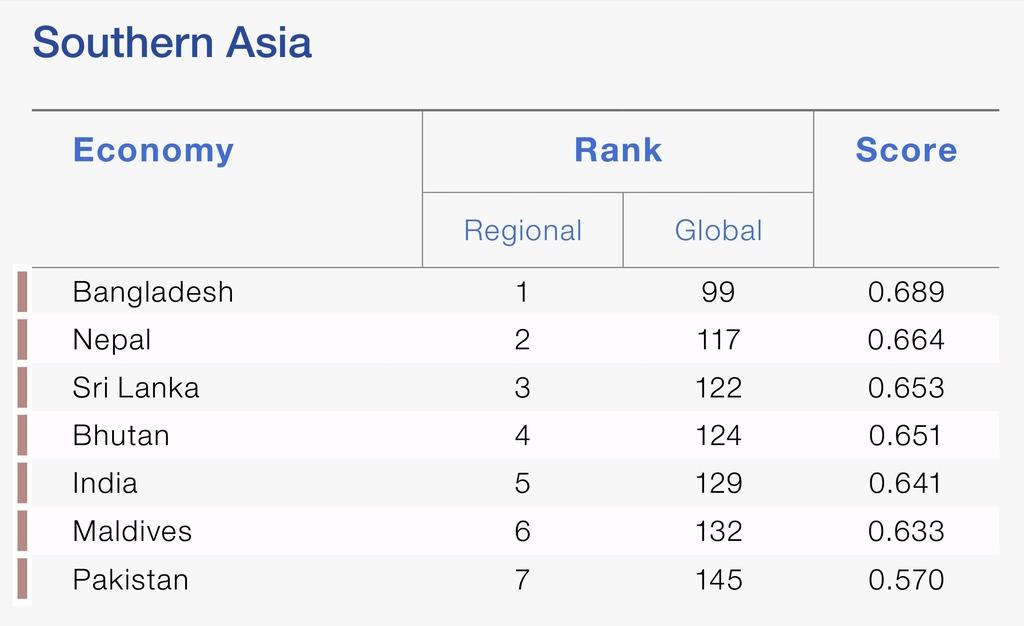
    India’s new cabinet has only 2 women ministers, down from 10 previously. The Global Gender Gap Report 2024 (by the World Economic Forum)  ranks India third-lowest in South Asia, highlighting significant gender disparity in leadership and representation.

    Comparison of Indian Ranking with Other Countries:

    • Global Gender Gap Report 2024: India ranked 129th out of 146 economies in the overall gender gap index. Ranked third-lowest among South Asian economies, behind Bangladesh, Nepal, Sri Lanka, and Bhutan.

    Key points as Gender Gap Report 2024: 

    Economic Participation and Opportunity: 142nd, Health and Survival: 142nd, Educational Attainment: 112th, and Political Empowerment: Best rank (65th), but overall political representation remains low.

    • Political Empowerment: India performs relatively better on the head-of-state indicator (40.7%). However, women’s representation in ministerial positions (6.9%) and parliament (17.2%) is significantly lower. The region of South Asia shows high political disparity, with Nepal leading in ministerial representation (23.5%).
    • Educational Attainment: Despite high enrollment rates in primary, secondary, and tertiary education for women, the gap in literacy rate between men and women is significant (17.2 percentage points). India ranks 112th globally in this indicator.
    • Economic Participation: India has seen improvement in economic participation and opportunity, although it still ranks low (142nd). Challenges remain in bridging gender gaps in earned income, leadership roles, labour force participation, and technical professions.

    Major observations around the causes of the Gender Gap

    • Patriarchal Structures: Patriarchy influences decision-making processes and power dynamics, often marginalising women’s voices and restricting their participation in political, economic, and social spheres.
    • Gender Bias: Gender bias manifests in various forms, affecting women’s access to resources, healthcare, education, and career advancement opportunities compared to men.
    • Gender Pay Gap: Women in India typically earn less than men for similar work, reflecting systemic inequalities in pay and compensation.
    • Occupational Segregation: Women are often concentrated in lower-paying sectors and informal employment, facing barriers to accessing high-paying and leadership roles.
    • Political Underrepresentation: Low representation of women in decision-making bodies such as parliament and state assemblies hinders legislative reforms and policies that could promote gender equity and address systemic barriers.

    Way forward:

    • Gender Quotas: Implement and enforce quotas for women’s representation in parliament, state assemblies, and ministerial positions. This can be modelled after successful practices in other countries where gender quotas have significantly increased women’s political participation.
    • Equal Pay Initiatives: Enforce equal pay for equal work through rigorous monitoring and enforcement mechanisms. Encourage transparency in salary structures and promote awareness among employers and employees.

    Mains PYQ:

    Q Can the vicious cycle of gender inequality, poverty and malnutrition be broken through microfinancing of women SHGs? Explain with examples.(UPSC IAS/2021)

  • The social sciences, a shelter for the ‘excluded’ student

    Note4Students

    From UPSC perspective, the following things are important:

    Mains level: Causes of Exclusion in Higher Education

    Why in the news?

    Persistent exclusion results in some disciplines becoming a last resort for many students with social sciences increasingly becoming a significant reservoir of the excluded in India.

    Causes of Exclusion in Higher Education:

    • Excessive Competition: Premier institutions have stringent filtering mechanisms due to high demand, which results in significant exclusion of students.
    • Financial Factors: Private institutions often have high fees not regulated by statutory norms, and public institutions, facing reduced government funding, also increase fees, making education inaccessible for many.
    • Subject and Course Availability: There is a regional disparity in the availability of courses. Certain regions offer generic courses with outdated syllabi, limiting students’ choices and leading to exclusion.

    Surge of Empirical Orientation:

    • Employability Perception: Courses with empirical and practical applications, like economics, are perceived to offer better employment opportunities compared to more theoretical courses like anthropology or sociology.
    • Policy Intervention Skills: There is a growing expectation for social science students to develop problem-solving skills similar to those of engineering students, which narrows the focus within social sciences.
    • Private Universities: The emergence of private universities catering to the affluent has led to a demand for courses that are less popular in public institutions, creating a dichotomy in course preference and quality.

    Improving Quality of Higher Education:

    • Expand Quantity and Improve Quality: Increase the number of seats to accommodate excluded students and ensure concerted efforts towards enhancing the quality of education like entry based on competitive exams.
    • Enhance Teaching Quality: Prioritize the improvement of teaching methods and the content of courses to make education more relevant and effective for example reviewing and taking feedback on learning experiences from students.
    • Address Financial Exclusion: Implement measures to reduce financial barriers and prevent the widening of educational inequalities, ensuring that quality education is accessible to a broader demographic. For example, the Government can provide loans or scholarships.
    • Update Course Content: Regularly revise and update the syllabi to keep pace with societal changes and technological advancements, such as generative artificial intelligence.
    • Focus on Inclusivity: Ensure that policies and interventions in higher education focus on inclusivity, addressing the needs of diverse student populations and reducing regional disparities in course offerings.

    Steps taken by Government 

    • All India Council for Technical Education (AICTE) Initiatives: The AICTE has undertaken various initiatives to enhance the quality of technical education, such as the establishment of Deen Dayal Upadhyay KAUSHAL Kendras and the introduction of B.Voc degree programs.
    • University Grants Commission (UGC) Regulations: The UGC has notified regulations to improve the quality of higher education, including those related to recognition, accreditation, minimum qualifications for teachers, curbing ragging, and grievance redressal.
    • Scholarship and Fellowship Schemes: The UGC has launched various scholarship and fellowship schemes, such as the PG Doctoral Fellowship for SC/ST students, to promote inclusion and equity in higher education.

    Conclusion: Efforts to enhance higher education, including expanding access, improving quality, and addressing financial barriers, are crucial for fostering inclusivity and equipping students for India’s future.

    Mains PYQ:

    Q The quality of higher education in India requires major improvement to make it internationally competitive. Do you think that the entry of foreign educational institutions would help improve the quality of technical and higher education in the country Discuss. (UPSC IAS/2015)

  • Police Reforms – SC directives, NPC, other committees reports

    Arrest, agencies, and criminal courts

    Note4Students

    From UPSC perspective, the following things are important:

    Mains level: Grounds of Arrest

    Why in the news?

    In May 2024, the Supreme Court clearly stated its stance in two important rulings that affect the rights of individuals accused of crimes.

    About Supreme Court’s Decision on Detention:

    • Custody Not Necessary Before Charge Sheet: The Supreme Court ruled that the custody of an accused is not mandatory before filing a charge sheet in certain criminal cases.
    • Relief for Investigating Agencies: This decision, if adhered to by lower courts, could alleviate pressures on investigating agencies.

    Filing of Charge Sheet:Siddharth v. State of Uttar Pradesh and Another (2021)

    • Non-obligatory Arrest: Section 170 of the CrPC does not require investigating officers (IOs) to arrest every accused at the time of filing the charge sheet.
    • Acceptance of Charge Sheet: Courts cannot refuse to accept charge sheets solely because the accused is not in custody if the accused has been cooperating and is unlikely to abscond.
    • Practical Issues: Despite the ruling, IOs face challenges in filing charge sheets due to court practices and logistical constraints, such as the absence of all accused or arbitrary limits on the number of charge sheets accepted daily.

    Grounds of Arrest:

    1.  Pankaj Bansal v. Union of India and Others (2023):

    • Written Notification Required: Grounds of arrest must be provided in writing to the accused to comply with constitutional and statutory mandates, specifically under Section 19(1) of the PMLA.

    2. Prabir Purkayastha v. State (NCT of Delhi):

    • Application to UAPA: The requirement for written grounds of arrest under PMLA applies equally under UAPA.
    • Formal vs. Personal Grounds: Differentiates between formal reasons for arrest and personal grounds, necessitating detailed written reasons for arrest.

    3. Criminal Procedure Code (CrPC):

    • Section 50(1) Compliance: Requires that every police officer inform the arrested person of the full particulars of the offence and grounds of arrest.
    • Arrest Memo: While arrest memos detail charges and are signed by the IO and the accused, there is no legal requirement to provide a copy to the accused.
    • Recommendation for Amendment: To comply with constitutional rights, it is suggested to amend the law to provide a copy of the arrest memo to the accused, enhancing transparency and legal support.

    Conclusion: The Supreme Court’s decisions regarding the necessity of detention before charge sheet filing and the requirements for informing an accused of the grounds of arrest, highlight the implications for legal and procedural practices in India.


    Mains PYQ:

    Q Human right activists constantly highlight the fact that the Armed forces (Special Powers) Act, 1958 (AFSPA) is a draconian act leading to cases of human right abuses by security forces. What sections of AFSPA are opposed by the activists. Critically evaluate the requirement with reference to the view held by Apex Court.  (UPSC IAS/2015)

  • Foreign Policy Watch: India – EU

    Expert Explains: What European Parliament election results signify, with the rise of right-wing parties?

    Note4Students

    From UPSC perspective, the following things are important:

    Mains level: Impacts of election result

    Why in the News?

    The outcomes of the June 6-9 European Parliament elections, where approximately 51% of over 370 million eligible voters across 27 EU nations participated, indicated an increase in support for right-wing and far-right parties, resulting in losses for predominantly left-leaning and liberal parties.

    What is the European Parliament?

    • The European Parliament is one of the core institutions of the European Union (EU), where Members of the European Parliament (MEPs) are directly elected by citizens of the 27 member states.
    • It provides democratic legitimacy to EU activities and consists of 720 seats allocated based on degressive proportionality, meaning smaller states elect more MEPs than their populations would warrant.

    Functions of the European Parliament:

    • The Parliament has three main functions: adopting and amending EU legislation along with the Council of the EU, supervising the functioning of other EU institutions (especially the European Commission), and sharing authority over the EU budget with the Council.
    • It also ratifies international agreements and plays a crucial role in shaping the EU’s direction on various issues such as climate change, migration, and international relations.

    Major Players in the New European Parliament:

    • MEPs are affiliated with Europe-wide political groups based on commonalities in ideology. Major groups include the European People’s Party (EPP), Progressive Alliance of Socialists and Democrats (S&D), Renew Europe, Greens/European Free Alliance (Greens/EFA), European Conservatives and Reformists (ECR), Identity and Democracy (ID), and the Left Group (GUE/NGL).
    • The EPP and S&D have traditionally been the two major groups, but the Parliament has become more fragmented over time, leading to issue-based coalitions.
    • In the latest elections, the EPP emerged as the largest group, but right-wing and far-right parties made significant gains.

    Impact on EU’s Position on Hot-Button Issues like Immigration:

    • The European Parliament reflects broader political trends across Europe, with right-wing parties gaining traction from issues such as increased immigration, national identity, and scepticism towards certain EU policies.
    • This shift towards the Right has pressured many centre-right parties to adopt harder positions on immigration, likely leading to increased support for tighter border controls and stricter immigration and asylum rules.

    Impacts of election result:

    • The election results may influence the EU’s direction on key issues like climate change, migration, and international relations.
    • The rise of right-wing and far-right parties could lead to shifts in policy priorities and a more conservative stance on certain issues.
    • In national politics, the results may impact the stability of governments and the position of leaders like Emmanuel Macron, who called for snap polls in response to his party’s poor performance in the European elections.

    Conclusion: The European Parliament election results signal a rise in right-wing parties, impacting EU policies on immigration and other key issues. National politics may also face repercussions, affecting leadership stability.

    Mains PYQ:

    Q Critically examine the procedures through which the Presidents of India and France are elected.(UPSC IAS/2022)
