💥UPSC 2026, 2027, 2028 UAP Mentorship (March Batch) + Access XFactor Notes & Microthemes PDF

Type: op-ed snap

  • Judicial Reforms

    Indian Judiciary: A Call for Reforms

    Note4Students

    From UPSC perspective, the following things are important:

    Prelims level: NA

    Mains level: Independent judiciary , issues of accountability and credibility of Higher courts

    Judiciary

    Context

    • The reach of India’s highest court is all-pervasive. The Supreme Court sits in final judgment over decisions not only of the high courts in the states, but also over a hundred tribunals, central and state, functioning throughout India. Hence the accountability of apex court crucial for judicial system in India.

    Brief in other words: Significance of judiciary

    • Decisions of Courts are binding on all: The law declared by the Supreme Court, its pronouncements on the constitutional validity of enacted law, including constitutional amendments, is binding on all other courts and authorities in the country (Article 141).
    • Executive and legislature are under the scrutiny of Courts: There is virtually no area of legislative or executive activity which is beyond the court’s scrutiny.

    Why accountability of higher judiciary is necessary?

    • High courts are not ready to reform themselves: In the Salem Advocate Bar Association case, the justices had requested the high courts to implement the detailed blueprint on case management most of them have not.
    • Limitations of supreme court to govern the High courts: Supreme court could not direct the high courts to do so because under our constitutional scheme the latter are autonomous constitutional bodies not subject to administrative directions of the Supreme Court.
    • Self-accountability in administrations of courts: It is in the high courts that there are now left the largest number of roadblocks and delays; in their administrative functioning the high courts are answerable to no one but themselves. This often enables the Supreme Court to plead helplessness, hardly a good augury for integrated court-management.

    How judiciary can maintain its credibility and accountability?

    • Judiciary need to Preserve the independence: the judiciary as an institution needs to preserve its independence, and to do this it must strive to maintain the confidence of the public in the established courts.
    • Judges should safeguard the judges: The independence of judges is best safeguarded by the judges themselves through institutions and organisations that the law empowers them to set up, to preserve the image of an incorruptible higher judiciary that would command the respect of all right-thinking people.
    • Reform on case management: A bench of three justices of the Supreme Court, in a judgment delivered in August 2005, had drawn up a fine blueprint on case-management, on how to make recent amendments in our procedural laws work on the ground, and how to get more cases moving along: For instance, on three different tracks, fast track, normal track and slow track.
    • Supreme court should directly administer High courts: It is time that the Supreme Court be entrusted with direct responsibility for the functioning of the high courts: Only then can the highest court be an effective apex court, only then can the Supreme Court be made answerable, as it should be, for judicial governance for the entire country.
    • Public disclosure of income by judges: Judges must make annual financial disclosure statements, not privately to their respective chief justices, but publicly. It is done by justices of the Supreme Court.

    How judiciary in USA maintain its credibility and accountability?

    • Judicial council act: In the United States, under the Judicial Councils Act, 1980, task of judicial independence has been gladly undertaken by the judges. But regrettably, so far, there is no law in India to guide our judges only “guidelines”. There is a felt need for a law.
    • Judges investigate the judges: The 1980 US Act confers powers on bodies comprised of judges to take such action against a federal judge “as is appropriate, short of removal.”
    • A case study of America: Under this law, some time ago, a committee of fellow judges had investigated complaints against a federal district judge, John McBryde; the Judicial Council reprimanded him and suspended him from hearing new cases for a year.
    • Corruption Investigation Not violating the judicial independence: McBryde challenged the decision. He argued that the 1980 law violated the judicial independence which the US Constitution had guaranteed to life-tenured federal judges; But a US Court of Appeals rejected all these pleas.
    • Oversight of judges is not interference: It accepted the argument of the US Solicitor-General that judicial independence, protected by Article III of the US Constitution, was meant to insulate judges from interference from other branches of government and not from oversight by other judges.

    Conclusion

    • In India, in the past and in recent times, some things have gone wrong. And citizens need the reassurance of a system of judicial accountability a remedial mechanism which will protect the higher judiciary from some of its own members who have gone astray. Such reassurance can only be provided by enacting a law on the lines of the American model.

    Mains Question

    Q. What are the reasons for very less accountability in higher judiciary in India? How corruption in higher judiciary is addressed in USA?

    Click and Get your FREE copy of Current Affairs Micro notes

  • Right To Privacy

    Right to Privacy in an era of social media

    Note4Students

    From UPSC perspective, the following things are important:

    Prelims level: Articles 21

    Mains level: issues over the Right to Privacy, Social media and privacy

    Right to Privacy

    Context

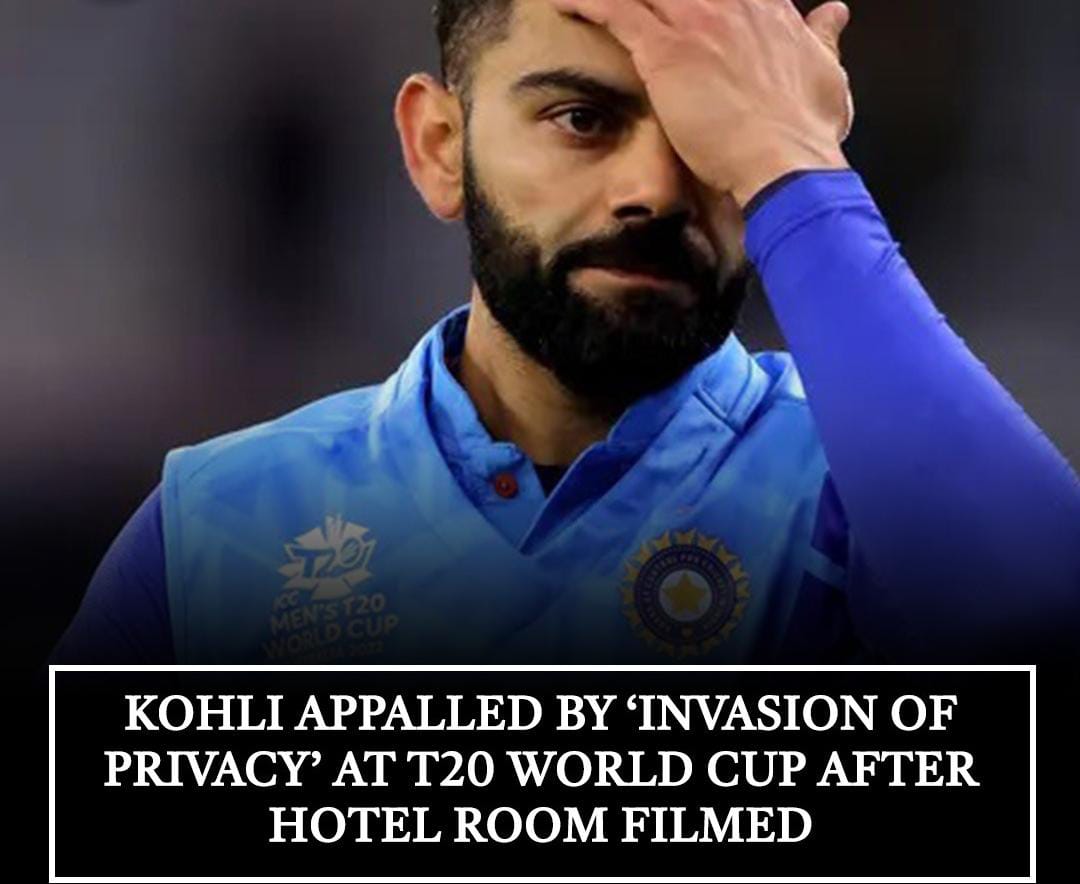
    • The recent outrage over the unauthorized video of cricketing superstar Virat Kohli’s hotel room in Perth including glimpses of his private spaces and objects is best viewed through an understanding of the changed landscape of the “private” and the “public” in our times. It is a topography shaped through our engagements with social media of different kinds.

    What does the Constitution say?

    • Fundamental right under Article.21: Article 21 is also known as the heart of the constitution; this right is granted to citizens of India as well as the non-citizens. This fundamental right not only talks about life and liberty but it also covers wide variety of rights.
    • Interpretation of Maneka Gandhi v. Union of India and Anr (1978): The interpretation of the term Personal Liberty has been discussed in many cases and finally had a wider interpretation in the case of Maneka Gandhi v. Union of India and Anr (1978) here the Delhi Regional officer ordered the petitioner Maneka Gandhi to surrender her passport within 7 days without giving her proper reason for the same.
    • Supreme court on Personal liberty: The Supreme Court held that ‘Personal Liberty’ covered variety of rights and that such right could only be taken away according to the procedure established by law which had to be just, fair and reasonable and not arbitrary in nature. Personal liberty means various rights that provide for personal liberty of a person.
    • Right to privacy: In Article 21 the term Right to Life includes right to participate in activities, right to tradition, heritage, culture, livelihood and so on. One of the most important right to live also includes Right to Privacy. Each and every human being would want some privacy in their life. No one would want others to intrude in their private space and disturb the happiness and peace.

    Right to Privacy

    What is the Fight for right to Privacy?

    • Not in the original constitution: This right of privacy was not granted to the citizens for a long time and there had been a lot of debate going on about the same, there is no explicit provision in the constitution which emphasizes about the right to privacy.
    • Data is fundamental to the privacy: Even the data we save in our mobile phones and laptops are also our private data which needs to be protected, if the data is stolen our right to privacy is lost and fundamental right is infringed. Unprotected data causes a disturbance in the right to privacy.

    Some of the Important cases related to right to privacy

    • Kharak Singh V. The State of U.P.(1962): The discussion about the right to privacy first came up in the case of Kharak Singh V. The State of U.P.(1962) Kharak Singh’s house was visited by the police at strange hours, frequently waking him up from his sleep, it was held by the court that this infringed his ‘right to life’ but however court dismissed the petitioner’s allegation that the shadowing of chronic criminals infringed on his right to privacy as at that time the right to privacy was not recognised as the Fundamental Right.
    • Rajagopal v. State of Tamil Nadu (1994): With the case of R. Rajagopal v. State of Tamil Nadu (1994) where this case prepared the way for subsequent decisions on the Right to Privacy, paving the way for it to be included in the Fundamental Rights given under Part III of the Constitution.
    • X v. Hospital Z case (1998): There are reasonable restrictions for this right about which it was held by the Supreme Court in the case of Mr. X v. Hospital Z (1998) here the appellant Mr. X was tested positive for HIV about which the doctors informed someone else without his consent because of which marriage of Mr. X was called off, the appellant approached the court stating that his right to privacy was violated. The court here held that this fact has to been known to the person whom he marries as this fact would affect her life as well as it being a communicable disease and that there is no violation to the ‘Right of Privacy’ of Mr. X.

    Right to Privacy

    The landmark case of K.S. Puttaswamy v/s Union Of India 2017.

    • Right to privacy is fundamental right: In the landmark case K.S. Puttaswamy V. Union of India which was passed in the year 2017, Right to Privacy was recognised as Fundamental Right and was then enshrined in Article 21 as a Right to life and personal liberty.
    • Social media endangered the privacy: Judges held that because there is enormous technical advancement both state and non-state factors may be at risk of loss of privacy, also it was held that an Individual is very concerned with his / her personal Data, they control their data and what to be posted on social media what to be displayed to the public and what to hide from outsiders, so unauthorized use of such information by anyone else except to whom that information belongs to may lead to violation of individuals privacy.
    • Privacy is integral to fundamental rights: On 24th August 2017 the nine-judge bench of India passed a unanimous historic Judgement with concurring opinions. Part III of the Indian constitution lays down different articles for the protection of one’s Fundamental Rights. The judgement stated privacy to be an integral component of Part III.
    • Overturning the previous judgements: The bench recognized that the right to privacy should also be a key element of Fundamental Rights and should be included in Article 21 of right to life and personal liberty. In this judgement the decisions given in the case of Kharak Singh V. The State of U.P. (1962) and MP Sharma V. Satish Chandra (1954) were overruled.

    Right to Privacy

    Conclusion

    • The great deal of hand wringing over the invasion of Virat Kohli’s privacy has been accompanied by seemingly endless circulation of the video clip. The line between outrage and enjoyment is as unclear as that between the alternating desire for publicity that ethereal frisson of celebrity-ness and revulsion over too much of it.

    Mains Question

    Q. How right to privacy is integral part of right to life? How social media affected the privacy of individual and enlist the solutions associated with it.

    Click and Get your FREE copy of Current Affairs Micro notes

  • Climate Change Negotiations – UNFCCC, COP, Other Conventions and Protocols

    Elephant in the Room at COP 27- Energy Equity

    Note4Students

    From UPSC perspective, the following things are important:

    Prelims level: COP-27

    Mains level: Energy inequality, Climate actions and related issues

    COP

    Context

    • 27th Conference of Parties (COP27, beginning November 6, in Egypt) of the United Nations Framework Convention on Climate Change (UNFCCC).

    Realization of climate action: Birth of UNFCCC

    • The idea led to the formation of the United Nations Framework for Climate Change Convention (UNFCCC, also known as ‘The Convention’) in 1992, at the Earth Summit in Rio de Janeiro.
    • The convention divided the countries on the basis of their differing commitments: Annex I and II consisted of industrialized and developed countries and Non-Annex I comprised developing countries.

    COP

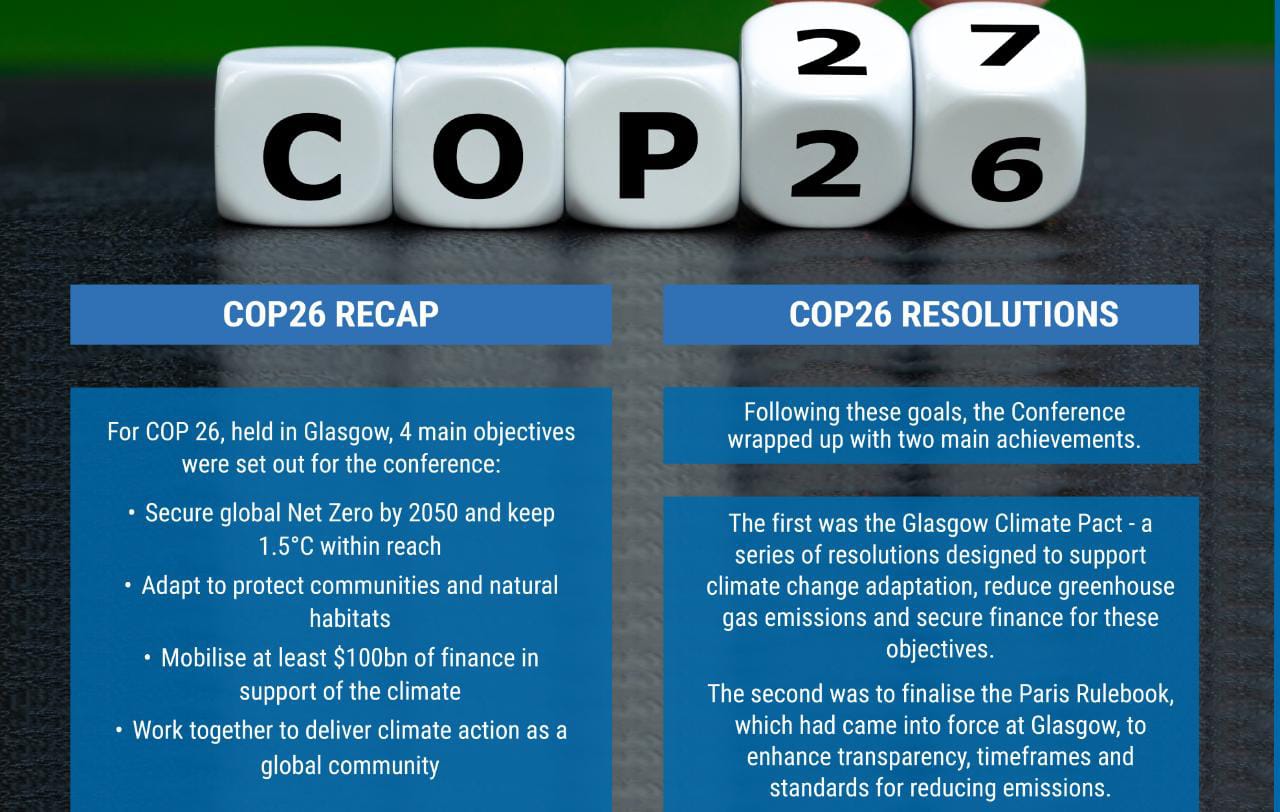
    Summary of COP26

    • Inadequate reduction commitment: In the runup to COP26, last year in Glasgow, several developed countries had declared their intention to reach net zero emissions by 2050. These declarations did not square with the requirements of “keeping 1.5 deg. C alive”.
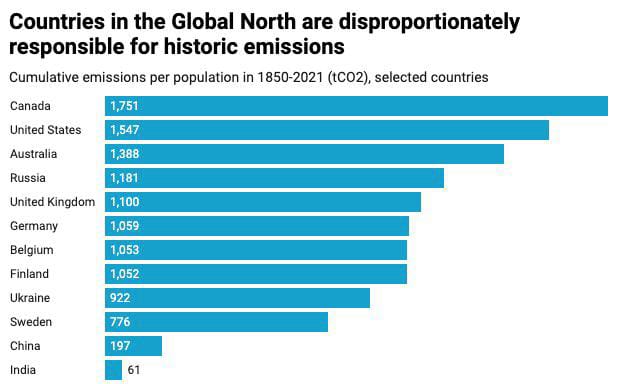
    • Global carbon budget: Four fifths of the global carbon budget to limit warming to 1.5°C (with 50% probability) has already been exhausted. Developed countries are responsible for more than half of these historical CO2 emissions. Nevertheless, there was much celebration of these targets.
    • Politics over phasing out coal: There was also high drama at COP26, with moral grandstanding by many developed country negotiators who invoked the future of their children, because India and other countries understandably balked at the singling out of any one fossil fuel for immediate action.
    • Developed countries didn’t meet the commitment: It is important to recall some of these shenanigans at COP26, as in the last year, it has become clear that developed countries may be unlikely to meet even the inadequate targets they have set, keeping to the trend of the last three decades.

    What is the present energy situation in developing countries?

    • Energy poverty concentrated in the developing countries: Global energy poverty is concentrated in the developing countries. In 2021, 733 million people had no access to electricity and almost 2.6 billion people lacked access to clean fuels and technologies.
    • The average per capita energy: Energy use of the richest 20 countries is 85 times higher than that of the 20 poorest countries. Addressing this stark energy poverty in developing countries is important because there is a strong correlation between energy supply and human development.
    • The average annual per capita electricity: Electricity consumption of sub-Saharan Africa is 487 kilowatt hours (kWh), alongside an infant mortality rate of 73 per 1,000 live births; maternal mortality ratio of 534 per 1,00,000 live births, and per capita GDP of $1,645. On the other hand, the OECD group of countries have a per capita electricity consumption of 7,750 kWh, corresponding to an infant mortality rate of seven, maternal mortality ratio of 18, and per capita GDP of $42,098.
    • Slowdown due to lack of energy: The reality of global inequality was acutely evident during the COVID19 pandemic. Several countries in Africa, Asia and Latin America are facing severe agricultural and industrial slowdowns in the post pandemic period.
    • The lack of reliable energy infrastructure: Infrastructure unavailability has compounded the difficulties and has multidimensional impacts across developmental indicators. In 2022, these inequalities have been aggravated by soaring energy and food prices.
    • Rising cost of living: Several countries face a severe rise in the cost of living and nearly 70 million additional people are estimated to fall below the poverty line of $3.20 per person per day. Poor and vulnerable communities in the energy importing countries of the global South suffer the most. Almost 90 million people in Asia and Africa, who gained access to electricity recently, cannot afford to pay their energy bills.
    • No acknowledgement of problem by developed countries: In this background, COP27 affords a critical moment to acknowledge and address the concerns surrounding energy access and security in developing countries. Unfortunately, these longstanding problems of the global South have been ignored by developed country governments, academia, and civil society. At a time when the language of energy poverty and security is re-entering the northern vocabulary, it is time to call out the hypocrisy of the advice on fossil fuel use given by the north to some of the world’s poorest regions since the Paris Agreement was signed.

    COP

    How developed countries are hypocritic about energy use and commitments?

    • Fossil fuel as primary energy source: In the United States, 81% of primary energy is from fossil fuels. In Europe, fossil fuels constitute 76% of the energy consumption (coal, oil, and natural gas contribute 11%, 31%, and 34% respectively).
    • Negligible efforts for decarbonization: Thirty years after acknowledging the problem of anthropogenic global warming and committing in the UNFCCC, to take the lead in climate change mitigation, the level of decarbonization in the global North has been minuscule.
    • Increasing coal consumption: In July 2022, the European Union (EU) voted to classify the use of natural gas for some uses as “green and sustainable”. Natural gas was responsible for 7.5 billion tonnes of CO2 (i.e., 23% of the total CO2 by the major fossil fuels), in 2020. Additionally, in 2022, even coal consumption in the U.S. and the EU is estimated to increase by 3% and 7%, respectively.
    • Double standard for fossil fuel: These same developed countries argue that green energy constitutes a great business opportunity for developing countries as it has become cheaper. They have used this dubious argument to dismiss differentiation between developed and developing countries and are lobbying for banning the financing of any fossil fuel projects in some of the poorest countries.

    What should be the agenda of developing countries at COP 27?

    • Bring the energy poverty issue: At COP27, the global South must put the question of its energy poverty and the severe global inequalities in energy access squarely at the Centre of all discussions.
    • Achieving SDGs with climate actions: We need to achieve zero hunger, zero malnutrition, zero poverty, and universal wellbeing even as we collectively contribute to ensuring effective climate action.
    • No empty commitments: As the strapline for COP27 (“Together for Implementation”) suggests, we must work together to ensure that these developmental goals are not side-lined, as they were at COP26, in the pursuit of hollow declarations of net zero targets three decades into the future.

    COP

    Conclusion

    • A developing country leadership at COP27 can ensure effective discussions, based on equity and common but differentiated responsibilities and respective capabilities, on the relative responsibilities and sharing of mitigation and adaptation burdens while coping with loss and damage.

    Mains Question

    Q. Describe the energy inequality situation among developed and developing countries. How India can lead the developing countries for negotiations at COP27?

    Click and Get your FREE copy of Current Affairs Micro notes


  • Electric and Hybrid Cars – FAME, National Electric Mobility Mission, etc.

    Countering Chinese monopoly in Electric vehicle market

    Note4Students

    From UPSC perspective, the following things are important:

    Prelims level: Electric vehicles

    Mains level: Electric vehicle Supply chain market and india's position

    Electric vehicle

    Context

    • The start of COP27 in Egypt has renewed the world’s focus on climate change. Electric vehicles (EVs) are key in the global quest to decarbonizing. In India, which also faces serious air pollution issues, the transition to EVs is critical. However, there is a China-size risk in the supply chain for electric vehicles. The recent saber-rattling across the Taiwan Straits ought to be a warning for the world. Given India’s troubled relationship with China, the risk may be even more acute.

    What are Electrical vehicles (EV’s)?

    • Electric vehicles (EV) are a part of the new normal as the global transportation sector undergoes a paradigm shift, with a clear preference towards cleaner and greener vehicles.
    • The electric vehicle is a vehicle that runs on electricity alone. Such a vehicle does not contain an internal combustion engine like the other conventional vehicles. Instead, it employs an electric motor to run the wheels.

    Electric vehicle

    The global status of EVs production and supply chain.

    • 50% of global EV’s production comes from China: EVs themselves, China has a share of around 50 per cent in global production.
    • 25% from Europe: Europe is a distant and stands at second position with 25 per cent.
    • 10% from US: Surprisingly, the US is a small player in the EV supply chain, producing only 10 per cent of vehicles and containing just 7 per cent of battery production capacity.
    • India’s position is still not noteworthy: India does not feature as a player of note.

    What makes China a dominant player in EVs supply chain?

    • Every part of EV concentrated in China: According to a recent report by the International Energy Association, every part of the EV supply chain is highly concentrated, mostly in China.
    • High global mining output of Key minerals, specifically graphite: The first stage of the supply chain is the key minerals required for batteries, namely lithium, nickel, cobalt and graphite, In graphite, China has an 80 per cent share of global mining output.
    • Chinese control over Politically unstable DRC’ Mines of cobalt: In Cobalt, the politically highly unstable Democratic Republic of Congo mines two-thirds of the global supply and Chinese companies control a big share of that country’s mining.
    • China dominates the processing of ore/minerals: Globally, over 60 per cent of lithium processing, over 70 per cent of cobalt processing, 80 per cent of graphite processing and about 40 per cent of nickel processing takes place in China.
    • China’s heavy production of cell components: Other than Japan and south korea, China produces two-thirds of global anodes and three-fourths of cathodes.
    • Same case with the battery cells: China has a 70 per cent share in the production of battery cells.

    The status of Governmental spending’s of energy transition

    • China the biggest spender on energy transition: According to a report by Bloomberg’s New Energy Fund (NEF), in 2021, out of a total global spend of $750 billion in climate-related investments (90 per cent of which went into renewable energy and electric transport), China alone spent $266 billion.
    • US stands at second: The US was a distant second with $114 billion. The major countries of Europe combined would equal the US. In Europe, about 75-80 per cent of the spending is on EVs, which is why it leads the US in this sector.
    • India holds 7th rank but needs a focused approach: India was in 7th place not a bad rank to occupy with $14 billion invested. However, almost 40 per cent of Chinese and US spending was on EVs, while more than 95 per cent of India’s spending is on renewable energy. In India, despite intent, EVs have not received sufficient investment.

    Electric vehicle

    What Strategy India can follow?

    • Accelerating the mechanism of acquiring overseas mines of critical minerals: A recently formed government venture, KABIL, which is a JV between three minerals and metals PSUs, is tasked with the job of identifying and acquiring overseas mines
    • Liberalizing the domestic exploration policies: An alternate option is to liberalize exploration policies domestically, benchmark them with global best practices and invite global investors to find and mine in India.
    • Stitching up the supply alliances: It is important to stitch up supply alliances with countries ex-China, as has been done with Australia. At higher ends of the value chain, from battery cells onwards, there is a need to invest much more in R&D.
    • Making vibrant start up ecosystem and public private partnership: A public-private partnership is vital. The vibrant startup ecosystem must be leveraged because it is more likely to be innovative than legacy firms.

    Electric vehicle

    Do you know The Khanij Bidesh India Limited (KABIL)?

    • A joint venture company namely Khanij Bidesh India Ltd. (KABIL)  set up with the participation of three Central Public Sector Enterprises namely, National aluminium Company Ltd.(NALCO), Hindustan Copper Ltd.(HCL) and Mineral Exploration Company Ltd. (MECL).
    • The objective of constituting KABIL is to ensure a consistent supply of critical and strategic minerals to Indian domestic market. While KABIL would ensure mineral security of the Nation, it would also help in realizing the overall objective of import substitution

    Conclusion

    • The dragon has showed its evil side during the pandemic. China is weaponizing the trade to counter its adversaries. Excessive reliance on China for critical mineral resources is like falling into China’s trap. India and world need to restrain China to have monopoly over Electric Vehicle market.


  • Minority Issues – SC, ST, Dalits, OBC, Reservations, etc.

    Critical Analysis of EWS Reservation

    Note4Students

    From UPSC perspective, the following things are important:

    Prelims level: NA

    Mains level: Controversy over the EWS reservation verdict

    EWS

    Context

    • Shortly after the Supreme Court on Monday, 7 November, upheld the validity of the 103rd Constitutional Amendment Act, which introduced 10 percent reservations for Economically Weaker Sections (EWS) in government jobs and educational institutions, Tamil Nadu’s DMK termed the split verdict a ‘setback’ to a century-old fight for social justice.

    What is the idea of reservation?

    • Based on historical injustice: Reservation is intrinsically linked to the historical injustice meted out to Shudras and Dalits.
    • Reservation for egalitarian society: It was during the anti-caste movement that the idea of reservation came up as a way for an egalitarian social order, to ensure fair representation in the socio-political order, and to mitigate and compensate for the inhuman exclusion of humans based on ascriptive status.
    • Equal participation in nation building: Reservation is implemented in politics, education and public employment so that all those in the hierarchy can participate in nation-building on equal terms.
    • Reservation is not a poverty alleviation: R. Ambedkar and E.V. Ramasamy ‘Periyar’ spoke about reservation as a means of providing representation; not as a poverty alleviation programme.

    Reasoning behind granting reservation based on social status

    • Historical benefits to upper caste: Merit is often the mantra used against the idea and implementation of reservation. Historically, Brahmins had the monopoly in offering sacrifice, receiving gifts, becoming priests, spiritual mentorship, and teaching.
    • Monopoly over resources: Vaishyas had the monopoly in wealth-generating professions. These monopolies were rooted in, and buttressed by, the authority of scriptures like the Manusmriti and treatises like the Arthasashtra.
    • Monopoly over the education: The top three Varnas had access to learning. In the colonial era, under the progressive pressures of modernization and democratization, the traditional monopolies based on caste order were diffused into the secular domains of bureaucracy, legal practice, professorship, etc.
    • Upper caste reservation in certain professions: Leaders professing equality, such as Jyotirao Phule, Periyar and Ambedkar, wanted to annihilate the arbitrary reservation for certain professions, being implemented based on fanciful mythical stories.
    • Democratization of employment and education: Essentially, the mission was to ‘de-reserve’ education and employment opportunities from a handful of castes to make them available to the remaining castes which were aspiring to be a part of the newly independent nation.
    • Idea of Merit to oppose the reservation: The merit mantra was very effective at stopping, or at least stalling, the ‘de-reservation’ process. But when the bill for EWS reservation was passed hastily in Parliament in 2019, there was no concern for merit.

    EWS

    How categorization of poor under EWS is unfair?

    • The bar of 8 Lakh is absurd: Individuals from upper caste communities who earn up to ₹8 lakh a year and may own a 1,000-square feet home are being called economically weak.
    • Poverty estimation: In India, more than 30 crore citizens have been classified as being below the poverty line (spending less than ₹32 a day in urban areas and under ₹27 a day in rural areas).
    • Lower caste forms the majority of Poor: Data from India (overall) as well as individual States show that Scheduled Castes (SCs) and Other Backward Classes (OBCs) have a higher share of poor people than upper castes in both urban and rural India.
    • Different income criteria for different community: We now live in a country where a household earning more than ₹75 per day is considered above the poverty line, while an upper caste household earning ₹2,222 a day is considered economically weak. According to the Department of Revenue data, households earning more than ₹10 lakh constitute less than 1% of India’s population.

    EWS

    Credibility of Data for EWS reservation was never questioned

    • Mandal commission data was critically analyzed: In the 1990s, renowned scholars from privileged communities viciously attacked the Mandal Commission claiming that it lacked credible data. In fact, the Mandal Commission report was based on official data curated from the Censuses of 1891 and 1931.
    • No credible data for EWS reservation: Further, B.P. Mandal formulated his concept of ‘backwardness’ by factoring in the social, educational and economic dimensions of different caste communities. But now, neither justification nor credible data has been presented while arguing that 10% reservation must be provided for the upper caste poor.
    • EWS reservation is equating the unequal’s: The Mandal Commission report said, “To equate unequal’s is to perpetuate inequality”. By giving the go-ahead for the EWS quota, Supreme Court has equated unequal’s in the category of affirmative action.
    • More privilege to already privileged community: The EWS quota is unfair because it twists the idea of social justice by bequeathing further privilege to communities who are historically situated to benefit from the oppressive caste system.

    Other criticism of EWS reservation?

    • SC/ST and OBC are outside the EWS reservation: A Dalit or an OBC who does not get a job within this quota still belongs to the EWS, but he is excluded. That is the Constitutional issue, which you have to answer. How have you excluded them, how have you excluded the poor, how have you excluded those who earn only 20,000 a month who do not get jobs amongst the Dalits?
    • Disturbing the basic structure: The government of tinkering with the “basic structure” of the Constitution.
    • Ultimate goal is removal of reservation: Government basically testing the waters and this will pave the way for the removal of caste-based reservation.
    • Opening the lid for further reservation: There is demand that government should raise the existing reservation cap for SC, OBC and minorities in line with their proportion in the population now since a decision has been taken to break the 50 per cent ceiling set by the top court.

    Conclusion

    • It is true that historically reservation is based social inequalities. Despite having the good credentials and marks upper caste or open categories were denied jobs. Justice to upper castes is not the injustice to lower castes. This is against the principal of natural justice. However exclusion of SC/ST and OBC from EWS category is certainly a matter of debate.

    Mains Question

    Q. What is the Ambedkar’s idea of reservation? Critically analyze the EWS reservation upheld by supreme court.

    Click and Get your FREE copy of Current Affairs Micro notes

  • Police Reforms – SC directives, NPC, other committees reports

    Improving the Quality of Policing? Centre-State Need to Work Together

    Note4Students

    From UPSC perspective, the following things are important:

    Prelims level: Not much

    Mains level: Issues related to Police governance

    Policing

    Context

    • The Ministry of Home Affairs (MHA) convened a conference in late October in the capital, which saw the participation of the union home minister, a few States Home Ministers and police chiefs. The Delhi conference was a very important occasion aimed at improving the quality of policing in the country through an exchange of ideas.

    Sardar Patel’s vision of Police

    • Training and Professionalism: He placed great value on professional policing, one reason why he insisted on an elitist and well-trained corps such as the Indian Police Service (IPS) which worked alongside the Indian Administrative Service (IAS).
    • Didn’t abandon the civil services: He was under immense pressure from various quarters, to disband both the Indian Civil Service and IPS, but as a distinguished and astute visionary, he was steadfast in his belief.
    • Nationally accepted standards: Subsequent events proved him right. Despite all their faults, the two all-India services have been a cementing force and have greatly contributed to establishing nationally accepted standards of governance, especially in the area of law and order.

    What is the Present status of Policing in India?

    • A case study of Tamil Nadu: The way the Tamil Nadu police have handled the case of a blast in Coimbatore that happened recently, and a possible terror-related plot, also fits in this scene and is relevant to the state of law and order in the State and elsewhere.
    • Delay in serious cases: There is a section of influential public opinion which has accused the Tamil Nadu government of having been slothful and delayed handing over investigation of the incident to the National Investigation Agency (NIA). This has been rebutted by the State Director General of Police (DGP) who said that his force could not abruptly abandon the investigation and had to do the preliminary investigation to facilitate an NIA take-over.
    • Shifting the responsibility: The exchange of barbs by the two sides has been an unfortunate and avoidable development and the truth lies in between. Rather than getting into a slanging match, what is more important is an examination of the standard operating procedures in place, the identification of lacunae and the initiation of corrective measures.
    • West Bengal case: Conflict between the Ministry of Home affairs and State over utilizing talent in the IPS and the sharing of resources available in the States.

    Policing

    What is the better approach for governance of Police?

    • Collaborative approach: It is a no-brainer that, New Delhi is the senior partner in what is definitely a collaborative relationship. But there have been actions over the decades that have inflicted many deep wounds on public order.
    • Forge a strong camaraderie: These have been situations that have demanded large numbers of well-trained policemen. The Centre has always chipped in with support from the Central Reserve Police Force (CRPF). There have also been other outfits such as the Border Security Force (BSF), the Indo Tibetan Border Police (ITBP) and the Central Industrial Security Force (CISF) which have also worked in tandem with the State Police. Therefore, it makes sense that the MHA and State Police stop squabbling but explore how best to forge a strong camaraderie.
    • State must cooperate with Centre: We are also witness to frequent spats between States and the Centre over the use or alleged misuse of the Central Bureau of Investigation (CBI). Here again both parties have to share the blame. But the basic point that has been ignored is that crime and bureaucratic corruption have inter-State ramifications and only a national agency can bring in a much-needed and wide perspective.
    • CBI is inevitable for corruption at state level: Insensitive action by a few States to withdraw consent to the CBI to function in a state smack of politics and vindictiveness, which diminishes the fight against public servant graft.

    Policing

    How union government can improve the Policing?

    • Training and technology: ‘Police’ are a state subject under the distribution of powers laid down in the Constitution of India. But that does not mean the Union government has no say in the matter. Training and technology are two areas where the Centre does greatly contribute to sharpening police ability to combat terrorism and other major public disturbances.
    • The Sardar Vallabhbhai Patel National Police Academy: in Hyderabad is a world-class institution that has resources and the professional excellence which are generously available to State police forces.
    • Strong political leadership: Petty squabbling reduces the exchange of ideas and goes to attenuating the police response to difficult situations that require police assistance. This is why we need a political leadership that does not get bogged down in petty differences but promotes a free exchange of talent and resources between New Delhi and the States.

    Conclusion

    • With exponential rise if technology nature of crimes has significantly changed. We must impart a modern training with professionalism to our Police. Police subject need to delink from Centre-state politics.

    Mains Question

    Q. Analyze the state of Police governance in India? What reforms are needed for modern policing in India? How Centre-state can collaborate for better police governance?

    Click and Get your FREE copy of Current Affairs Micro notes

  • Genetically Modified (GM) crops – cotton, mustards, etc.

    India’s GM crop revolution and the controversy over GM mustard

    Note4Students

    From UPSC perspective, the following things are important:

    Prelims level: GMO, GM crops, Advantages and Disadvantages.

    Mains level: GM mustard debate

    GM

    Context

    • As soon as the government took the decision to release India’s first genetically-modified (GM) food crop Dhara Mustard Hybrid-11 (DMH-11) for “environment release”, some activists approached the Supreme Court to ban it for various reasons. The Supreme Court has ordered the status quo to be maintained till the next hearing on the matter on November 17.

    What are Genetically modified organisms (GMO)?

    • Changes in genetic material: GMOs can be defined as organisms (i.e., plants, animals or microorganisms) in which the genetic material (DNA) has been altered in a way that does not occur naturally by mating and/or natural recombination
    • Transfers of genes: It allows selected individual genes to be transferred from one organism into another, also between nonrelated species.
    • GM foods: Foods produced from or using GM organisms are often referred to as GM foods

    GM

    What is the ironic case of opposition to the GM crops?

    • Opposition to GM is not new: The opposition to GM food crops is not new. There has been a global campaign in this regard by many activists. GM crops have spread around the world since 1996.
    • of countries accepted the use of GM crops: More than 70 countries have accepted the use of GM crops. For instance, by 2019, roughly 190 million hectares were under GM crops, led by corn and soyabean in the US, Brazil, Argentina, and canola (rapeseed/mustard) in Canada, even Bangladesh has marched ahead with Bt brinjal.
    • No concrete evidence of harmful impact: There is ample evidence in support of that with no harmful impact on human or animal health or the environment per se.

    India’s journey towards GM crops, specifically “Bt cotton”

    • First GM crop released under Vajpayee government with the slogan of Jai Vigyan:
    • Atal Bihar Vajpayee envisioned that science could transform agriculture
    • India had its first GM crop, Bt cotton, released in 2002 by the Vajpayee government. He extended the original slogan of “jai jawan, jai kisan” (salutation to the soldier and the farmer), given by Lal Bahadur Shastri, to include “jai vigyan” (salutation to science).
    • The case of Historic success of Bt cotton:
    1. Cotton production Increased: With the Bt cotton, Cotton production increased remarkably from a mere 13.6 million bales (1 bale = 170 kg) in 2002-03 to 39.8 million bales in 2013-14. Registered an increase of 192 per cent in just 12 years, ushering the famous “gene revolution”.
    2. Area under Cotton cultivation expanded: The area under cotton cultivation expanded by 56 per cent, of which about 95 per cent is under Bt cotton.
    3. Cotton productivity per hectare increased significantly: Cotton productivity increased from 302 kg per hectare in 2002-03 to 566 kg per hectare in 2013-14, an increase of 76 per cent,
    4. More productivity more income to farmers lead to increase in agri- GDP: The gains to cotton farmers whose incomes increased significantly. For instance, Bt cotton led Gujarat’s “agrarian miracle” of very high (above 8 per cent) annual growth rate in agri-GDP during 2002-03 to 2013-14.
    5. Revived the glory to The Indian cotton in the world market: It made India the second-largest producer after China, and the second-largest exporter after the US, of cotton in the world today.

    What are the concerns associated with the cultivation of GM crops?

    • Emergence of Increased pest resistance: Enhanced sucking pest damage in Bt cotton; increase in secondary pests such as mired bugs and Spodoptera; and the emergence of pest resistance.
    • Impact on environment of human health: Environmental and health implications in terms of toxicity and allergenicity that can cause hematotoxin reactions in the human body.
    • Fear of increased mono cropping: Farmers’ exposure to a greater risk of monopoly in the seed business.

    GM

    What is the controversy and debate associated with GM Mustard?

    • Debate on advantages and impacts: There is a raging debate going on advantages and disadvantages of GMOs. For a long time, further study was requested by farmers, environmentalist on GMO crops.
    • Denial goes against the principle of basic rights of farmers: By not allowing GM mustard or for that matter even Bt brinjal for so long, one is denying the basic rights of farmers who want to increase their incomes.
    • Allow with the sustainable practice with the use of science and technology: The best way to do so is by raising productivity in a sustainable manner. The field trials of GM mustard at different locations showed 25-28 per cent higher yield and better disease resistance compared to indigenous varieties. This can go a long way in augmenting domestic mustard oil supplies and farmers’ incomes.
    • Unnecessary debate after the approval by the scientific body: Dissent is a good sign in any democratic society and forms an essential part of checks and balances. But once the safety tests are done and the scientific body (GEAC) has given the green signal, what is needed is political leadership to keep the decision-making science-based.

    GM

    Why GM Mustard is important for India?

    • India’s heavy dependence on Imported edible oils: India heavily depends on imported edible oils (55-60 per cent of India’s domestic requirement is imported). A large portion of this about three-four million tonnes every year comes from Argentina, Brazil, Canada, the US, etc, which is all from GM technology (in soybean and canola).
    • Import and GM crops are already in our food chain: We eat plenty of our own cotton seed (binola) oil, and about 95 per cent of our cotton is now GM. Cotton seed is also fed to cattle which gives the milk its fat content. Even poultry feed, such as soya and corn, is being imported. So, one thing is clear GM food is already in our food chain, and has been there for quite some time.
    • A chance to emerge as a major export hub: It was expected that India would be at the forefront of the gene revolution and emerge as a major export hub to other Asian and African countries. What the IT revolution has done in computer science, the Bt revolution could have done in agriculture.

    Conclusion

    • The agriculture of tomorrow is going to be science-based, and the winners will be those who adopt it and develop it further today. Innovation is the name of the game, and “Jai Anusandhan” is a good slogan given by PM Modi. But it will have meaning only when the government goes ahead with not just GM mustard but also fast-tracks Ht Bt cotton, Bt brinjal, and even GM soya and corn.

    Mains Question

    Q. What are GM crops? With policy paralysis in the case of GM mustard, India may not be able to keep pace with the success of Bt cotton. Critically analyse.

    Click and Get your FREE copy of Current Affairs Micro notes

  • Higher Education – RUSA, NIRF, HEFA, etc.

    Giving More Autonomy to Universities

    Note4Students

    From UPSC perspective, the following things are important:

    Prelims level: world university rankings

    Mains level: Issues with the autonomy of the universities

    Universities

    Context

    • It is sad but not surprising that none of India’s institutions of higher education appears in the list of top 100 universities of the world.

    Background: Ranking of the of the Indian Institutes

    • According to the QS World ranking: The 2023 edition of the Quacquarelli Symonds (QS) world university ranking reckons that three of India’s higher educational institutions amongst the top 200 of the World. Another three are counted among the top 300 whereas two more in the top 400.
    • As per the Times Higher education Ranking: The Times Higher Education (THE) ranking places only one Indian institution among the top 400 of the worlds.
    • Academic rankings: Rankings are the same with the Academic Ranking of World Universities (ARWU). Barring one of the most eminent public-funded deemed universities of the country, all the rest are Institutions of National Importance (INIs) the Indian Institutes of Technology (IITs), to be specific.

    Why other universities reflect poor performance than IITs and INIs?

    • IITs have more autonomy: IITs are not only better funded but also generally self-governed, enjoying a greater degree of autonomy as they fall outside the regulatory purview of the University Grants Commission (UGC) and the All-India Council for Technical Education (AICTE).
    • Strict UGC regulations: Funded through the University Grants Commission (UGC), universities are all subject to a very strict regulatory regime.
    • Micro-management of universities functioning: Abiding by UGC regulations and AICTE guidelines, encompasses almost all aspects of their functioning be it faculty recruitment, student admission and the award of degrees. In many cases, they are micro-managed by the regulatory authorities.
    • Very less autonomy to UGC affiliated Universities: Most of the universities have become so comfortable with the practice that they rarely assert their autonomy.
    • Ranking on basis of compliance: Central universities in the country are also ranked on the basis of their ‘obedience’ to regulatory compliances. Even in the academic domain, many of them are comfortable in publicly stating that they have adopted the model curricula, pedagogy and syllabi prescribed by the regulatory bodies, even though the same may have been only indicative.

    Universities

    What are the good practices of best universities around the world?

    • Importance to autonomy: The best universities in the world are continuously sensitized about the importance of their autonomy and are trained and enabled to make their own decisions.
    • University autonomy tool for comparison: The European University Association (EUA), for example, prescribes a ‘university autonomy tool’ that lets each member university compare its level of autonomy vis-à-vis the other European higher education systems across all member countries.
    • Four specific autonomies for ranking: By focusing on four autonomy areas (organizational, financial, staffing, and academic) the EUA computes composite scores and ranks all the countries in Europe.

    Universities

    What are the efforts taken to improve the universities performance?

    • National education policy 2020: A large number of commissions and committees, including the national policies on education (including the National Education Policy 2020), have highlighted the need for higher education autonomy. The new education policy seeks to completely overhaul the higher education system, and to attain this objective, repeatedly emphasizes the need for institutional autonomy.
    • Academic and administrative autonomy: The NEP regards academic and administrative autonomy essential for making higher education multi-disciplinary, and that teacher and institutional autonomy are a sine qua non in promoting creativity and innovation.
    • Independent board of management: The policy considers a lack of autonomy as one of the major problems of higher education and promises to ensure faculty and institutional autonomy through a highly independent and empowered board of management which would be vested with academic and administrative autonomy.
    • Light but tight regulation: It argues for a ‘light but tight’ regulatory framework and insists that the new regulatory regime would foster a culture of empowerment. Further, it goes on to say that by relying on a robust system of accreditation, all higher education institutions would gradually gain full academic and administrative autonomy.

    Conclusion

    • Universities in India have been losing their autonomy. In the two years since the approval, announcement, and gradual implementation of the NEP, universities in India today are far less autonomous than earlier. If India wants to be leader in knowledge and patent economy then its universities must be freed from clutches of unreasonable regulations.

    Mains Question

    Q. Why Indian universities does poor on world ranking of universities? Autonomy of university is keystone to improve the performance of universities. Examine.

    Click and Get your FREE copy of Current Affairs Micro notes


  • Defence Sector – DPP, Missions, Schemes, Security Forces, etc.

    Making the Indigenous Defence Industry Self-Reliant and Globally Competitive

    Note4Students

    From UPSC perspective, the following things are important:

    Prelims level: Indigenous developments

    Mains level: Self reliant in defence Industry

    Defence

    Context

    • Defence-Expo 2022 held in Gandhinagar, Gujarat in October drew attention to a major policy initiative, the need for India to acquire the appropriate degree of “atma nirbharata” (self-reliance) in the defence sector and the arduous path ahead.

    What is the present status of defence supplies in India?

    • High dependency on foreign supply: Even as India aspires to become a $5-trillion economy, it is evident that it faces many national security inadequacies. The high dependency index on foreign suppliers (traditionally the former USSR now Russia) for major military inventory items is stark.
    • Risk of National vulnerability: This dependency induces a macro national vulnerability and dilutes India’s quest for meaningful and credible strategic autonomy.
    • Undermining national interest: Furthermore, the current gaps in combat capacity expose the chinks in the Indian ability to safeguard core national security interests. The Galwan setback apropos China is illustrative.

    Defence

    Do you know the following examples of Indigenous defence production?

    • INS Vikrant: The commissioning of the indigenously-designed and built aircraft carrier INS Vikrant.
    • SLBM Missiles: The recent test fired SLBM (submarine-launched ballistic missile) from the INS Arihant is indigenously bulit.
    • LCH Prachand: The induction of the made in India Prachand LCH (light combat helicopter) is significant leap.
    • Kalashnikov-type light weapon: The conclusion of a deal with Russia to manufacture a Kalashnikov-type light weapon/small arms in India.
    • 155mm artillery Gun: The 155-mm artillery guns being designed and manufactured in the country.

    Current scenario of India’s Defence export

    • Rising defence export: India’s defence exports have grown eight times in the last five years.
    • Exporting the defence material to 75 nations: India is exporting defence materials and equipment to more than 75 countries of the world. In 2021-22, defence exports from India reached $1.59 billion (about Rs 13,000 crore).
    • Target of $5 billion export: The government has now set a target of $5 billion (Rs 40,000 crore).” This is an ambitious target and will demand mission-mode resolve to be realised.

    Why our defence industry is not competitive at global stage?

    • Import of critical components: India does not yet have the domestic competence to fully design and manufacture any significant combat weapon/platform and is dependent on the foreign supplier for the critical components that lie at the core of the combat index of the equipment in question.
    • Partial methods of indigenous manufacturing: While it is commendable that India is now going to manufacture the C295 transport aircraft in a collaboration with AirBus, France, the reality is that the engine, avionics, landing gear, etc, will come from abroad and the integration will be done by the Indian entity.
    • Soft defence export: While India now claims that it will soon become a major arms exporter, the composition of such inventory leans towards the “soft” category (clothing, helmets, surveillance equipment).
    • No major defence manufacturing hub: India missed the industrial design and manufacturing bus, a national competence demonstrated by nations like South Korea and China, over the last five decades. Technological advances have made the design and manufacture of the semiconductor chip the new currency of national prosperity and military power.

    Ways to make India’s defence industry globally competitive?

    • Increasing the investment in R&D is necessary: At the heart of this challenge is the grim reality that historically, India has not invested enough in the national research and development (R&D) effort. As per data collated by the World Bank, India has been able to allocate only 0.66 per cent of GDP (2018) towards R&D, while the world average is 2.63 per cent.
    • Matching with the Global players in R&D: The comparable individual R&D allocation (per cent of GDP) for some other nations is as follows: Israel 5.44; USA 3.45; Japan 3.26; Germany 3.14; China 2.4; and Turkey 1.09.
    • Making the R&D prior national issue: Providing a sustained fillip to the national R&D effort across the board (state, corporate and academia) remains critical if India is to emerge as a credible military power and one would identify this as a high-priority issue for the national security apex the CCS (cabinet committee on security).

    defence

    Read this news Defence- Expo 2022

    • India’s flagship exhibition on land, naval and homeland security systems.
    • Defence-Expo 2022 was the 12th edition, held in Gandhinagar, Gujrat
    • Largest participation with 75 countries so far.
    • A milestone under Atmanirbhar Bharat policy.

    Conclusion

    • The push to achieve self-reliance in defence is commendable. India must step up R&D to achieve competence in design, manufacture of combat weapons/platforms. Meaningful indigenisation and credible “atma nirbharta” calls for sustained funding support, fortitude and an ecosystem that will nurture this effort.

    Mains Question

    Q. Discuss the current state of indigenous defence production in India? Why Indian defence industry is not Globally competitive?

    Click and Get your FREE copy of Current Affairs Micro notes


  • Railway Reforms

    Vande Bharat: Modern trains need modern infrastructure

    Note4Students

    From UPSC perspective, the following things are important:

    Prelims level: Vande Bharat project

    Mains level: Vande Bharat, issues with the railways infrastructure

    Vande Bharat

    Context

    • When the Prime Minister inaugurated the latest edition of the Vande Bharat train recently, India made a huge leap into the future of mass transportation. The new Vande Bharat Express trains or Vande Bharat 2.0 are expected to usher in an era of faster, safer and more comfortable rail travel for passengers.

    All you need to know about Vande Bharat

    • The Vande Bharat Express is a semi-high-speed, electric multiple unit train previously known as Train 18
    • It is designed, built by the Integral Coach Factory (ICF) under the Make in India Initiative
    • Vande bharat running on 5 routes as of November 2022.
    • The first Vande Bharat Express train was flagged off on February 15, 2019, on the New Delhi-Kanpur-Allahabad-Varanasi route.
    • All the coaches are equipped with automatic doors, GPS-based audio-visual passenger information system, onboard hotspot Wi-Fi for entertainment purposes, and comfortable seats.
    • Vande bharat running on 5 routes as of November 2022.
    • Indian Railways hopes to roll out another 25 Vande Bharat train sets by the end of March 2023.
    • Railways plans to roll out 75 Vande Bharat trains by Independence Day next year

    What is Vande Bharat 2.0?

    • The name may be the same, but this train, the third in the Vande Bharat series, is being dubbed ‘Vande Bharat 2.0’, because of certain upgrades it has received over its predecessors.

    Vande Bharat

    What are the notable upgrades and newly added features in 2.0?

    • Faster and lighter than the previous: This train reaches a top speed of 160 km per hour in 129 seconds, around 16 seconds faster than its predecessor. This is because this train weighs around 392 tonnes, 38 tonnes lighter than the last one, and needs to run almost a km less to attain its top speed.
    • Improved on Riding Index: It also has a better riding index (lower the better) of 3.26 at 180 km per hour, from the earlier 3.87. At a standard speed of 115 km per, its riding index is 3.26, better than 3.62 attained at the same speed by the earlier. In layman’s terms, Riding index is a global benchmark to calculate how comfortable and steady the passenger is while the train is in motion.
    • Fitted with automatic anti-collision system “Kavach”: In terms of safety features, the new train comes fitted with the automatic anti-collision system Kavach, which the previous trains did not have.
    • Improved on safety features: Coaches have disaster lights and their battery backup increased from the last one’s one-hour battery backup. The exterior has eight flatform-side cameras, up from four.
    • Passenger communication facility: There is a passenger-guard communication facility in coaches, which comes with automatic voice recording feature.
    • Making it flood resilient: The new trainset is higher, making it safe from floods up to 650 mm, up from 400 mm.
    • Better quality streaming of audio-visual information with improved network: A centralised coach monitoring system, another new addition, through CCTV cameras, and the internal network supports data at 1 gigabyte per second, This means better quality streaming of audio-visual information.
    • Air purification system: The internal air is filtered through photo catalytic ultra violet air purification system with UV lamp which deactivates 99 per cent of germs, the Railways claims something the earlier trainsets did not have.
    • Onboard infotainment: It also has a wifi-enabled onboard infotainment system and the LCD display in each coach is now 32 inches, up from the 24-inch screen.

    Vande Bharat

    Challenges to the modern railway infrastructure

    • Tracks are not in sync with the modern age trains: This new-age train slammed head-on into the “old-age” country on at least two occasions in its very first week. The train crashed into a herd of cows, damaging the aircraft-like nose of the driver coach car.
    • Poor fencing along the tracks: The railways built a new-age train but forgot to construct fencing along the tracks to prevent bovine collisions.
    • Issues with the battery charging units: Occasional Failure in the battery charging mechanism due to a fault in the charging cable as well as tripping of a circuit breaker needs to addressed.
    • Technical glitches in the alerting software system: Failure to alert the technical glitches in the functioning of the system creating problems and adding up to malfunctioning.

    Conclusion

    • A senior railway official proudly detailed the “superior” features of the Vande Bharat train, which would provide passengers with an “aircraft-like travelling experience” albeit, even quieter than an aircraft, also testified by the Prime Minister But these superior features need superior and resilient infrastructure to achieve the target.