💥UPSC 2027,2028 Mentorship (April Batch) + Access XFactor Notes & Microthemes PDF

Archives: News

  • Renewable Energy – Wind, Tidal, Geothermal, etc.

    Cabinet approves BioE3 Policy for Fostering High-Performance Biomanufacturing  

    Why in the News?

    The Union Cabinet has approved the ‘BioE3 (Biotechnology for Economy, Environment, and Employment) Policy’ proposed by the Department of Biotechnology to promote advanced biomanufacturing.

    What is the BioE3 Policy?

    The BioE3 (Biotechnology for Economy, Environment and Employment) Policy is a strategic initiative approved by the Indian Cabinet to foster high-performance biomanufacturing. 

    Aims and Objectives of the Policy:

    • Innovation Support: The policy promotes research and development (R&D) and entrepreneurship in various thematic sectors, facilitating technological advancement and commercialization.
    • Biomanufacturing Hubs: It proposes the establishment of Biomanufacturing & Bio-AI hubs and Biofoundries to enhance India’s bioeconomy.
    • Focus Areas: The policy targets several strategic sectors, including high-value bio-based chemicals, biopolymers, smart proteins, precision biotherapeutics, climate-resilient agriculture, carbon capture, and marine and space research.

    Significance of the Policy

    • Economic Growth: It is expected to catalyze a “bio revolution” similar to the IT revolution, generating substantial job opportunities in biotechnology and biosciences.
    • Sustainability Goals: The policy aligns with government initiatives for achieving a ‘Net Zero’ carbon economy and promotes sustainable lifestyles, thereby steering India towards accelerated green growth and a circular bio-economy.
    • Job Creation: By expanding the skilled workforce in biotechnology, the policy aims to create various kinds of employment opportunities, addressing critical societal issues such as climate change, food security, and human health.

    Present Status of Indian Bio-economy

    • Growing Potential: The biotechnology sector is seen as a key player in addressing challenges in health, agriculture, environment, and energy. India has a large pool of young, skilled workers, with 47% of its population under the age of 25.
    • Investment in R&D: Despite its potential, India spends less than 1% of its GDP on research, compared to countries like Israel and South Korea, which invest over 4%.
    • Existing Infrastructure: The government has established 9 biotech parks and 60 bio-incubators, which support the growth of the biotechnology sector.

    Challenges Ahead

    • Educational Gaps: The current educational curriculum does not adequately prepare students for industry demands, creating a skills mismatch.
    • Funding Issues: There is a lack of venture capital funding due to information asymmetry regarding the biotech industry, which hampers innovation and growth.
    • Clinical Trials: India conducts a low percentage of clinical trials compared to global standards, which is a concern for the development of biopharmaceuticals.
    • Research Investment: The government currently covers over 60% of total R&D spending, which is very different from countries where the private sector contributes a large portion.

    Way forward: 

    • Enhance Industry-Academia Collaboration: Encourage partnerships between educational institutions and biotech companies to align curricula with industry needs, thereby reducing the skills mismatch and preparing students for emerging job markets.
    • Increase Private Sector Investment: Implement policies and incentives to attract more private sector investment in R&D, such as tax benefits, public-private partnerships, and improved access to venture capital, to stimulate innovation and reduce reliance on government funding.

  • Panchayati Raj Institutions: Issues and Challenges

    Moving the spotlight to grassroots democracy  

    Why in the News?

    The Election Commission of India (ECI) has established itself as one of India’s most credible institutions, known for consistently conducting free, fair, and timely elections to Parliament and State legislatures. However, the 34 State Election Commissions (SECs) still require significant attention and strengthening.

    Issue of Disempowerment of State Election Commissions (SECs)

    The Constitution (73rd and 74th amendments) vested SECs with the responsibility of conducting elections to panchayats and urban local governments, but in reality, SECs are increasingly disempowered by state governments.

    • Legal and Administrative Challenges: SECs sometimes find themselves in litigation with state governments. For instance, the Karnataka SEC has had to file contempt petitions against the state government for failing to fulfill commitments related to the conduct of elections, highlighting a lack of cooperation from state authorities.
    • Inadequate Empowerment: Many SECs do not have the power to conduct delimitation of wards or manage the electoral rolls independently. This results in reliance on the Election Commission of India (ECI) and state governments, which can lead to arbitrary decisions that delay elections.
      • Only 11 out of 34 states and UTs have empowered SECs to conduct ward delimitation, accounting for just 35% of India’s population.
    • Lack of Resources: SECs are legally entitled to request funds and assistance from state governments, but they often do not receive adequate resources, which hampers their ability to conduct elections effectively.
    • Public Trust Erosion: The delays and challenges faced by SECs undermine public confidence in local governance and electoral processes, leading to a perception that local elections are not as credible as those conducted by the ECI for national and state elections
    • Election not on time: Performance audits by the CAG found that 70% of urban local governments in 18 states did not have elected councils at the time of the audit due to delays caused by disempowered SECs.

    Electoral Reforms Needed to Strengthen the Third Tier

    • Parity with the Election Commission of India: SECs should be made as transparent and independent as the Election Commission of India.
      • This could be achieved by appointing a three-member SEC through a committee comprising the Chief Minister, Leader of Opposition, and Chief Justice of the High Court, rather than by the State government alone.
    • Fixed Intervals for Delimitation: The delimitation of ward boundaries and reservations should be conducted at fixed intervals, such as every 10 years, to prevent arbitrary actions by State governments that delay elections.
    • Transfer of Powers to SECs: The powers of delimitation and reservation of seats for local governments should be vested in the SECs. SECs should also handle reservations for positions like mayors and presidents to avoid delays caused by State governments.

    Conclusion: Strengthening SECs through these reforms is essential to ensure timely, transparent, and credible local elections, thereby reinforcing grassroots democracy and public trust in local governance.

  • Foreign Policy Watch: India-Australia

    What does Australia’s new cap on a number of international students mean?  

    Why in the News?

    Australia’s Education Minister announced a plan to establish a National Planning Level (NPL) that will cap the number of new international students at 2.7 lakh for the 2025 calendar year, subject to parliamentary approval.

    What does the 2025 Cap entail?

    • Australia plans to introduce a cap on new international students at 2.7 lakh for the calendar year 2025.
    • Distribution of Seats:
      • Publicly funded universities: 1.45 lakh students (maintaining 2023 levels).
      • Vocational education and training (VET) sector: 95,000 new students.
      • Other universities and non-university providers: 30,000 students.
    • Certain categories, such as school students, research degree pursuers, students in standalone English language courses, government-sponsored scholars, and students from specific regions (e.g., Asia Pacific), are exempt from the cap.

    Trends in Indian Student Enrollment in Australia:

    • In 2023, Australia admitted 5.61 lakh international students, in 2022, it saw 3.88 lakhs, in 2021, it had 2.82 lakhs, in 2020, it had 3.96 lakhs, and in 2019, it saw 5.19 lakh students.
    • 2024 Projections: Between January and May 2024, the total student commencements reached 2.89 lakh, with additional intakes expected later in the year, possibly surpassing 2023 levels.
    • Five-Year Trend: The 2025 cap will result in the lowest intake in the past five years, considering the effects of the COVID-19 pandemic on previous years’ admissions.

    Possible Impacts on Indians Since Last Year:

    • Enrollment Numbers: The number of Indian students in Australia saw a decline from 126,487 in 2023 to 118,109 in 2024.
    • This comes on the back of moves by the Australian government to curb migration over the past six months, including higher IELTS band score requirements and the Genuine Student Test for applicants.
      • Universities, especially the Group of Eight (Go8) research-intensive universities, have criticized the capping as a “bad policy” that will adversely impact them.
    • Rising Costs: The Australian government increased the visa processing fee from AUD 710 to AUD 1,600 (approximately Rs 40,524 to Rs 91,321) as of July 1, 2024. This could deter prospective applicants due to financial constraints.

    Way Forward: 

    • Increase Scholarships and Financial Aid: The Australian government and universities should offer more scholarships and financial aid packages to offset the higher costs and attract international students, particularly from India.
    • Strengthen Bilateral Education Ties: Enhance collaboration between Australian and Indian educational institutions to create joint programs and exchange opportunities, ensuring a steady flow of students despite the cap.
  • Women empowerment issues – Jobs,Reservation and education

    Analyzing the Gender Budget of 2024-25   

    Why in the News?

    Women-led development is central in this year’s Budget, with Gender Budget allocations reaching 1% of GDP and over ₹3 lakh crore for pro-women programs.

    About Gender Budgeting in India: 

    • The Gender Budget Statement (GBS) was introduced in the 2005-06 budget.
    • GBS has consistently represented an average of 5% of total budgetary allocations since its introduction, with minor fluctuations.
    • In the 2024-25 budget, the share of allocations to pro-women schemes has increased to approximately 6.8% of the total budget expenditure.

    Different Components of the Gender Budget Statement

    The Gender Budget Statement (GBS) is structured into three main parts:

    • Part A: This section includes schemes and programs that have 100% allocation specifically for women.
    • Part B: This part covers schemes with more than 30% but less than 100% of their allocations directed towards women.
    • Part C: Introduced recently, this section reports pro-women schemes that have less than 30% provisioning for women.

    Instances of Missing Allocations Reported by Experts:

    • Pradhan Mantri Awas Yojana (PMAY): Initially, only a portion of PMAY’s budget was reported under Part B, which led to an underrepresentation of its impact on women. The entire allocation of ₹80,670 crore for 2024-25 was later moved to Part A, raising concerns about the accuracy of reporting since not all beneficiaries are women.
    • PM Employment Generation Programme (PMEGP): The GBS reported an allocation of ₹920 crore, which was claimed to be 40% of the total allocation to PMEGP, without a clear rationale for this percentage.
    • Mahatma Gandhi National Rural Employment Guarantee Scheme (MGNREGS): Although women constituted 59.3% of all person-days under MGNREGS, only 33.6% of its total outlay was reflected in the GBS, indicating a significant underreporting of women’s engagement and benefits from the scheme.

    How should these anomalies be rectified by the Government (Way forward):

    • Incorporate Explanations: Providing clear explanations for the allocations reported in the GBS would enhance transparency and accountability.
    • Audit of Budgetary Allocation: The government should involve regular audits and assessments of how budgetary allocations impact gender equality.
    • Engage Stakeholders: Involving experts and stakeholders in the process of developing the GBS can provide insights into the specific needs of women and help ensure that the budget effectively addresses those needs.

    Mains PYQ: 

    Q Women empowerment in India needs gender budgeting. What are requirements and status of gender budgeting in the Indian context? (2016)

  • ISRO Missions and Discoveries

    Study reveals intriguing Magnetic behavior on Mars

    Why in the News?

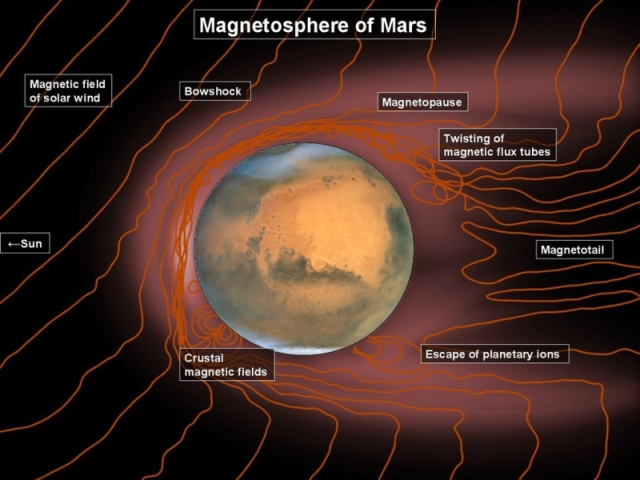
    A study conducted by the Indian Institute of Geomagnetism (IIG) revealed significant variations in the strength of Mars’ crustal magnetic field between day and night.

    Notable facts about Mars:

    • Mars is the fourth planet from the Sun and the second-smallest in the Solar System, larger only than Mercury.
    • Named after the Roman god of war, Mars is often called the “Red Planet” due to its reddish appearance from iron oxide on its surface.
    • It is a terrestrial planet with a thin atmosphere, featuring surface characteristics like impact craters, valleys, deserts, and polar ice caps.
    • Mars shares similar days and seasons to Earth because of its comparable rotational period and axial tilt.
    • It hosts Olympus Mons, the largest volcano and highest mountain on any planet, and Valles Marineris, one of the largest canyons in the Solar System.

    Key Findings on Mars’s Magnetic 

    • Mars’ crustal magnetic field is significantly stronger during the daytime and nearly non-existent at night-time.
      • This suggests a diurnal variation in the magnetic field strength on the Martian surface.
    • The crustal magnetic field of Mars is primarily located in the southern hemisphere, specifically poleward of 30°S latitude.
    • The magnetic fields are scattered within a region between 120° E and 240° E, indicating uneven distribution across the Martian surface.
    • The daytime crustal magnetic field plays a crucial role in controlling the ionosphere in Mars’ southern hemisphere.
    • This influence impacts communication and navigation systems of future missions.

    Data Utilization from MAVEN Satellite:

    • The study utilized data from the MAVEN (Mars Atmosphere and Volatile EvolutioN) Satellite, which has been orbiting Mars since 2014.
    • MAVEN’s data on electron density and magnetic field were critical in investigating how Mars’ crustal magnetic field affects its plasma environment and ionosphere.

    Significance of the Study

    • Understanding Mars’ crustal magnetic field is essential for future robotic and manned missions, as it provides natural magnetic shielding against space radiation.
    • The insights from the study can help in developing strategies to mitigate the effects of space weather on spacecraft and astronauts.

    PYQ:

    [2016] The Mangalyaan launched by ISRO

    1. is also called the Mars Orbiter Mission.
    2. made India the second country to have a spacecraft orbit the Mars after USA
    3. made India the only country to be successful in making its spacecraft orbit Mars in its very first attempt.

    Which of the statements given above is/are correct?

    (a) 1 only
    (b) 2 and 3 only
    (c) 1 and 3 only
    (d) 1, 2 and 3

  • Higher Education – RUSA, NIRF, HEFA, etc.

    [pib] Retired Sportsperson Empowerment Training (RESET) Program

    Why in the News?

    The Ministry of Youth Affairs & Sports launched the “RESET Programme” to empower retired sportspersons with career skills on National Sports Day.

    What is RESET Programme?

    Details
    Launch Date August 29, 2024 (National Sports Day)
    Nodal Ministry Ministry of Youth Affairs & Sports
    Objective To empower retired sportspersons with skills and knowledge for career development and employability
    Eligibility – Retired athletes aged 20-50 years
    – Winners/participants in international events, national/state medallists
    – Recognized by National Sports Federations/IOA/Ministry of Youth Affairs and Sports
    Programme Levels Two levels based on educational qualifications:
    – Class 12th and above
    – Class 11th and below
    Implementation Lead institute: Lakshmibai National Institute of Physical Education (LNIPE)
    Learning Mode Hybrid mode: Self-paced online learning and on-ground training
    Additional Support Placement assistance, guidance for entrepreneurial ventures


    PYQ:

    [2017] Consider the following in respect of ‘National Career Service’:

    1. National Career Service is an initiative of the Department of Personnel and Training, Government of India.

    2. National Career Service has been launched in a Mission Mode to improve the employment opportunities to uneducated youth of the country.

    Which of the above statements is/are correct?

    (a) 1 only

    (b) 2 only

    (c) Both 1 and 2

    (d) Neither 1 nor 2

  • Disasters and Disaster Management – Sendai Framework, Floods, Cyclones, etc.

    Land-Based Deep Depression causing extreme floods in Gujarat

    Why in the News?

    • Gujarat and parts of Rajasthan are facing severe flooding caused by a land-based deep depression.
      • The unusual formation of this deep depression over land was intensified by moisture influx from soils or the Bay of Bengal and the Arabian Sea.

    What is Land-Based Deep Depression?

    • A land-based deep depression is a type of cyclonic system characterized by a significant drop in atmospheric pressure leading to sustained wind and significant weather impact.
    • They form and intensify over land, which is relatively rare due to the limited availability of moisture.
    • Characteristics:
      • It forms over land or water.
      • Wind Speed ranges from 51 to 62 km/h, just below the threshold for a tropical cyclone (62-88 km/h).
      • Relies on moisture from soil and surrounding environments rather than oceanic sources.
      • It often has an unpredictable path and can cause significant rainfall and localized flooding.

    Implications of Land-Based Deep Depressions

    • These systems can bring prolonged and intense rainfall, leading to widespread flooding, especially in regions unaccustomed to high levels of precipitation.
    • Heavy rainfall can lead to significant soil erosion, affecting agricultural productivity and altering landscapes.
    • Prolonged flooding can cause waterlogging in agricultural fields, leading to soil salinization and reduced fertility.

    PYQ:

    [2012] Consider the following statements:

    1. The duration of the monsoon decreases from southern India to northern India.

    2. The amount of annual rainfall in the northern plains of India decreases from east to west.

    Which of the statements given above is/are correct?

    (a) 1 only

    (b) 2 only

    (c) Both 1 and 2

    (d) Neither 1 nor 2

  • Wildlife Conservation Efforts

    Species in News: Atlantic Bluefin Tuna

    Why in the News?

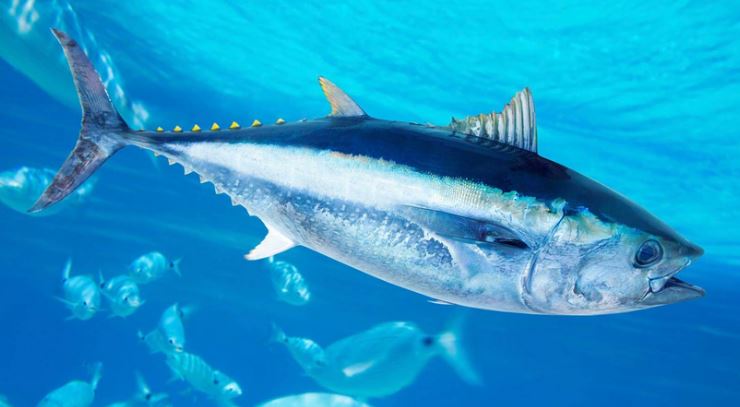
    The Atlantic bluefin tuna, already heavily overfished, now faces a new threat from warming seas, causing it to migrate further north.

    Atlantic Bluefin Tuna (Thunnus thynnus)

    Details
    Scientific Classification Family: Scombridae; Species: Thunnus thynnus.
    Common Names Northern bluefin tuna, Giant bluefin tuna (for individuals over 150 kg), formerly known as “tunny”.
    Habitat and Range Western and Eastern Atlantic Ocean, Mediterranean Sea; extinct in the Black Sea.
    Size Can weigh up to 680 kg; one of the largest Perciformes.
    Commercial Importance Highly valued in the Japanese market for sushi and sashimi; foundation of a major global fishery.
    Conservation Status Overfished; dramatic stock declines (72% in Eastern Atlantic, 82% in Western Atlantic);

    Moved to “Least Concern” by IUCN in 2021 due to some population recovery;

    Proposed for CITES Appendix I.


    PYQ:

    [2015] With reference to the International Union for Conservation of Nature and Natural Resources (IUCN) and the Convention on International Trade in Endangered Species of Wild Fauna and Flora (CITES), which of the following statements is/are correct?

    1. IUCN is an organ of the United Nations and CITES is an international agreement between governments

    2. IUCN runs thousands of field projects around the world to better manage natural environments.

    3. CITES is legally binding on the States that have joined it, but this Convention does not take the place of national laws.

    Select the correct answer using the codes given below:

    (a) 1 only

    (b) 2 and 3 only

    (c) 1 and 3 only

    (d) 1, 2 and 3

  • Women empowerment issues – Jobs,Reservation and education

    Himachal Bill raises women’s marriage age  

    Why in the News?

    The Himachal Pradesh Assembly passed a Bill on tuesday to increase the minimum marriage age for women from 18 to 21 years.

    Why did the Himachal Pradesh Assembly pass the Bill?

    • For Empowerment: The bill aims to provide them with more opportunities for education, career development, and overall personal growth.
    • For Health and Well-being: The Bill addresses the adverse health impacts associated with early marriage and motherhood, emphasizing the importance of allowing women to mature physically before starting a family.
    • For Social Justice: The bill aims for equal opportunities and ensures that women are not deprived of opportunities due to early marriage. 

    What is the Prohibition of Child Marriage Act (PCM) Act?

    • The PCM Act, 2006 is a significant piece of legislation in India aimed at preventing child marriages and protecting the rights of children.
    • Under the Act, a “child” is defined as a male who has not completed 21 years of age and a female who has not completed 18 years of age.

    What are the new proposed Amendments to the PCM Act?

    • Uniform Marriage Age: The Bill amends Section 2(a) of the PCM Act, redefining a “child” as any male or female who has not completed 21 years of age, eliminating the previous gender-based distinction.
    • Overriding Clause: The Bill amends Section 2(b) to include a clause that gives the new marriage age an overriding effect over any other law, custom, or usage, making it universally applicable in Himachal Pradesh.
    • Extension of Annulment Period: The Bill increases the period for filing a petition to annul a child marriage from two years after attaining majority to five years, allowing both men and women to annul their marriage until they turn 23.

    How will the Bill’s amendments to the PCM Act come into force?

    • Concurrent List Consideration: Marriage is a subject under the Concurrent List, allowing both the central and state governments to legislate on it. However, the Bill introduces amendments to a central law, making it potentially “repugnant” to the PCM Act.

    Note:

    • In the legal context, “repugnant” refers to a situation where a law enacted by a state legislature conflicts with or is contradictory to an existing central law on the same subject.
    • Article 254(1): If there is a conflict between a central law and a state law on a subject listed in the Concurrent List, the central law will prevail, and the repugnant portion of the state law will be considered void.
    • Governor’s Assent: As the Bill amends a central law, it must be reserved for the President’s consideration under Article 254(2) of the Constitution after being passed by the state Assembly and receiving the Governor’s assent.
    • President’s Approval: The Bill will become law only if the President of India gives her assent. This process ensures that the state’s amendments are consistent with the Constitution and central laws.

    Way Forward: 

    • Align with National Law: Coordinate with the central government to harmonize the amended marriage age with national legislation, ensuring legal consistency.
    • Community Awareness: Implement targeted awareness campaigns to educate the public on the benefits of delaying marriage, emphasizing women’s education and health.

    Mains PYQ:

    Q Empowering women is the key to control the population growth.” Discuss. (UPSC IAS/2019)

  • Tuberculosis Elimination Strategy

    Sharpening India’s anti-tuberculosis fight     

    Why in the News?

    In the present context, in India, there are groundbreaking new treatments available, but we need to rethink and update the program to eliminate TB.

    Current status of TB in India: 

    • Incidence Rate: As of 2022, the incidence rate of TB in India was reported at 199 cases per 100,000 population, a decline from 237 per lakh population in 2015. This reflects a 16% decrease in new TB cases since 2015.
    • Prevalence: The estimated prevalence of tuberculosis infection (TBI) among individuals over 15 years of age was around 31% according to a national survey conducted from 2019 to 2021. 
    • Global Contribution: India accounted for approximately 26% of the global incidence of TB cases in 2020. In that year, India also represented 38% of global TB deaths among HIV-negative individuals.
    • Mortality Rate: The mortality rate due to TB decreased from 28 per lakh population in 2015 to 23 per lakh population in 2022, indicating progress in managing the disease.
    • Total Cases: Estimates suggest that the total number of TB cases in India has increased from 2.2 million to 2.6 million in recent years, reflecting ongoing challenges in detection and treatment.

    What were the problems with previous Extended Treatment Regimen?

    • Lengthy and Complex: Traditional TB treatment regimens are long and require patients to take 13 to 14 tablets daily for 9 to 11 months, or 4 to 5 tablets daily for 18 to 24 months.
    • Severe Side Effects: These regimens are physically and psychologically draining, causing side effects like loss of hearing and psychosis.
    • Economic Impact: Prolonged treatment leads to loss of employment and drives many families into poverty due to the need for frequent clinic visits.

    WHO-Recommended Effective Regimen:

    • BPaL/M Regimen: WHO has recommended a shorter, safer, and more effective regimen called BPaL/M for drug-resistant TB patients.
    • Advantages: This regimen requires only 3 to 4 tablets daily for six months, with fewer side effects and higher success rates (89% compared to 68% for traditional treatments).
      • Close to 80 countries have procured the BPaL/M regimen, and 20 high-burden countries are already rolling it out.


    Present TB Elimination Policy in India:

    • The deficiency in the NTP was identified in 1963 and the Revised National TB Control Programme was developed.
    • Presently, India’s National TB Elimination Programme 2023 is leading the effort to meet the goal of eliminating TB by 2025, five years ahead of the SDGs.
    • Ending the TB epidemic by 2030 is among the health targets of the UN’s Sustainable Development Goals.

    How India can make the best use of new treatments?

    • Proactive Screening and Diagnosis: Focus on modernizing health datasets, GIS mapping, and conducting targeted multi-disease screening drives, especially in vulnerable populations (e.g., those with comorbidities, slum dwellers, and prisoners).
    • Advanced Diagnostic Tools: Expand the use of portable X-ray machines with AI-driven tools and rapid molecular tests for faster and more accurate detection and drug resistance profiling.
    • Early Detection and Treatment: Leveraging new technologies and proactive measures will help improve TB detection rates, reduce delays, and enhance treatment outcomes, ultimately aiding in the elimination of TB in India.

    Conclusion: India need to invest in advanced diagnostic tools like AI-driven portable X-ray machines and rapid molecular tests to ensure early and accurate detection of TB, particularly in high-risk and underserved populations, to support timely treatment and reduce TB incidence.

    Mains PYQ:

    Q Can overuse and free availability of antibiotics without Doctor’s prescription, be contributors to the emergence of drug-resistant diseases in India? What are the available mechanisms for monitoring and control? Critically discuss the various issues involved. (UPSC IAS/2014)

Join the Community

Join us across Social Media platforms.