💥UPSC 2026, 2027, 2028 UAP Mentorship (March Batch) + Access XFactor Notes & Microthemes PDF

Type: Explained

  • Judicial Pendency

    Blaming court vacation for pendency misses the real problem

    Note4Students

    From UPSC perspective, the following things are important:

    Prelims level: Judiciary

    Mains level: Present Challenges related to Case Pendencies;

    Why in the news?

    A casual remark from a member of the Prime Minister’s Economic Advisory Council has reignited the debate on judges’ working hours and vacations.

    Reports on Case Pendencies:

    According to the “India Justice Report”, as of June 2020, cases remain pending for an average of three years in subordinate courts and five years in high courts, highlighting the extensive backlog.

    Issues of unfilled vacancies and lack of infrastructure/ Present challenges:

    • Overburdened Judiciary: Judges and courts are overburdened with excessive government litigation, new legislation adding to the workload, and the rising tide of litigation across various domains.
    • Infrastructure Deficits: Shortages in courtrooms and support staff, with national averages showing a 26% deficit in support staff. Insufficient infrastructure hampers the smooth processing of cases.
    • Quality Deficits: Uneven proficiency in language and legal knowledge among lawyers and judges contribute to procedural delays and suboptimal outcomes. Lengthy pleadings, paper books, and judgments further exacerbate the problem.
    • Vacancy Crisis: Many courts, including high courts and lower courts, face a significant shortage of judges, with vacancies averaging around 30% in high courts and 22% in subordinate courts. Some states, like Bihar and Meghalaya, have vacancies exceeding 30% for over three years.
      • Lack of administrative support and outdated procedures impede the efficient management of cases and court operations.

    What can be done?

    • Address Vacancies: Expedite the appointment process for vacant judicial positions and strive to achieve full complement in courts to alleviate workload pressures.
      • Set higher standards for judicial appointments and legal practice to ensure competence and proficiency among legal professionals.
      • Establish Permanent Administrative Secretariats (PAS) led by qualified court managers to assist judges in case management and administrative tasks.
    • Invest in Infrastructure: Build more courtrooms, hire additional support staff, and invest in technology to streamline court processes and enhance efficiency.
      • Allocate adequate resources to the judiciary to improve infrastructure, enhance administrative capabilities, and ramp up efficiency in justice delivery.
    • Prioritize Judicial Reform: Undertake comprehensive judicial reforms to address systemic issues, streamline processes, and enhance access to justice for all citizens.
      • Implement specialized courts, pre-trial mediation, and other alternative dispute resolution mechanisms to expedite case resolution and reduce backlog.

    Mains PYQ:

    Q Critically examine the Supreme Court’s judgement on ‘National Judicial Appointments Commission Act, 2014’ with reference to appointment of judges of higher judiciary in India. (UPSC IAS/2017)

  • Wildlife Conservation Efforts

    KAZA Summit 2024: Delegates renew calls to leave CITES

    Note4Students

    From UPSC perspective, the following things are important:

    Prelims level: About CITES;

    Mains level: The Kaza Summit and its objectives;

    Why in the news?

    At the KAZA 2024 Summit in Livingstone, Zambia, delegates reiterated the urge for member states to withdraw from CITES because they seek approval to trade their plentiful ivory and wildlife items.

    About the Convention on International Trade in Endangered Species of Wild Fauna and Flora (CITES):

    • It is an international agreement adopted in 1973 (entered into force in 1975) between governments.
    • Aim: To ensure that international trade in wild animals and plants does not threaten their survival.
    • Headquarters: Geneva, Switzerland.
    • Although CITES is legally binding on the Parties – in other words, they have to implement the Convention–it does not take the place of national laws.
    • Representatives of CITES nations meet every two to three years at a Conference of the Parties (COP) to review progress and adjust the lists of protected species, which are grouped into three categories with different levels of protection:
      • Appendix I: Includes the world’s most endangered plants and animals, such as tigers and gorillas. International commercial trade in these species, or even parts of them, is completely banned, except in rare cases such as scientific research.
      • Appendix II: Contains species like corals that are not yet threatened with extinction, but which could become threatened if unlimited trade were allowed. Also included are “look-alike” species that closely resemble those already on the list for conservation reasons. Plants and animals in this category can be traded internationally, but there are strict rules.
      • Appendix III: Species whose trade is only regulated within a specific country can be placed on Appendix III if that country requires cooperation from other nations to help prevent exploitation.

    What is Kavango-Zambezi Trans-Frontier Conservation Area (KAZA-TFCA)?

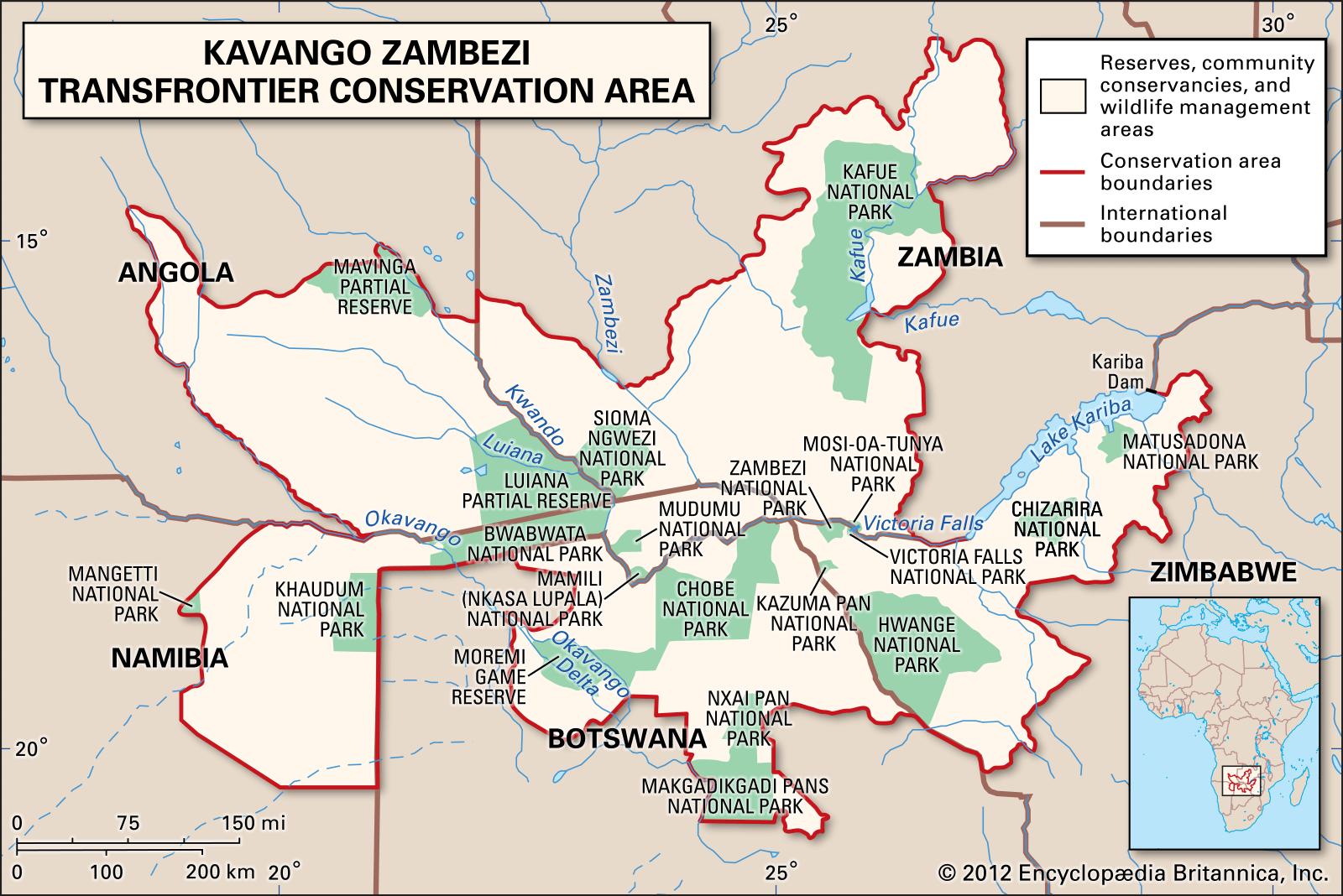
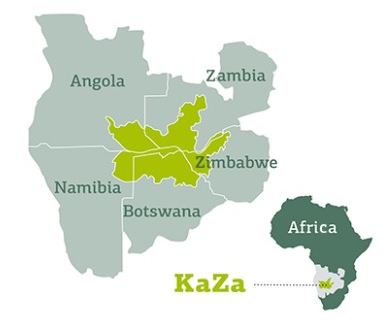
    • The Kavango-Zambezi Trans-Frontier Conservation Area (KAZA-TFCA) spans 520,000 square kilometers. It covers parts of five southern African nations. These nations are Angola, Botswana, Namibia, Zambia, and Zimbabwe.
    • The area is centered around the Okavango and Zambezi river basins. The combined elephant population in these nations represents over two-thirds of Africa’s total, estimated at around 450,000.
    • Botswana has the largest elephant population within the region, with 132,000 elephants. Zimbabwe follows with 100,000 elephants.

    Key Objectives of KAZA 2024 Summit :

    • Conservation: Promote the sustainable management and conservation of wildlife across the five member states: Angola, Botswana, Namibia, Zambia, and Zimbabwe.
    • Economic Benefit: To explore ways to monetize abundant wildlife resources, particularly elephants, to fund conservation efforts and benefit local economies.

    Dominant Issues:

    • At the 19th meeting of the CITES conference in Panama in 2022, KAZA states and five other southern African countries advocated for opening up trade in ivory and elephant products.
    • Southern African countries, including those in the KAZA region, argue that their large elephant populations contribute to habitat loss and human-wildlife conflict.
    • Despite repeated requests, CITES delegates rejected the proposal, leading to frustration among African countries.
    • Ten countries, including KAZA states and others like Eswatini, Lesotho, Mozambique, South Africa, and Tanzania, declared a dispute with CITES. They criticized CITES for straying from its founding principles and adopting ideologies over science-based conservation strategies.

    Way forward:

    • Lobbying for Change: Advocacy for a more equitable and science-based approach to wildlife trade regulations within international frameworks like CITES.
    • Regional Cooperation: Enhance collaboration among member states to develop joint conservation strategies and share best practices for managing human-wildlife conflicts.
    • Diversification of Revenue Streams: Explore alternative sources of funding for conservation efforts, such as ecotourism, carbon credits, and sustainable agriculture.

    Mains PYQ:

    Q How does biodiversity vary in India? How is the Biological Diversity Act, 2002 helpful in the conservation of flora and fauna? (250 Words, 15 Marks) (UPSC IAS/2018)

  • Tobacco: The Silent Killer

    The Tobacco Epidemic in India

    Note4Students

    From UPSC perspective, the following things are important:

    Prelims level: Reports on Tobacco Consumption in India

    Mains level: Implementing and Catching Up with Industry

    Why in the News?

    Tobacco is a leading preventable cause of disease which affects nearly 26 crore Indians and 60 lakh industry workers, posing significant health risks.

    Reports on Tobacco Consumption in India

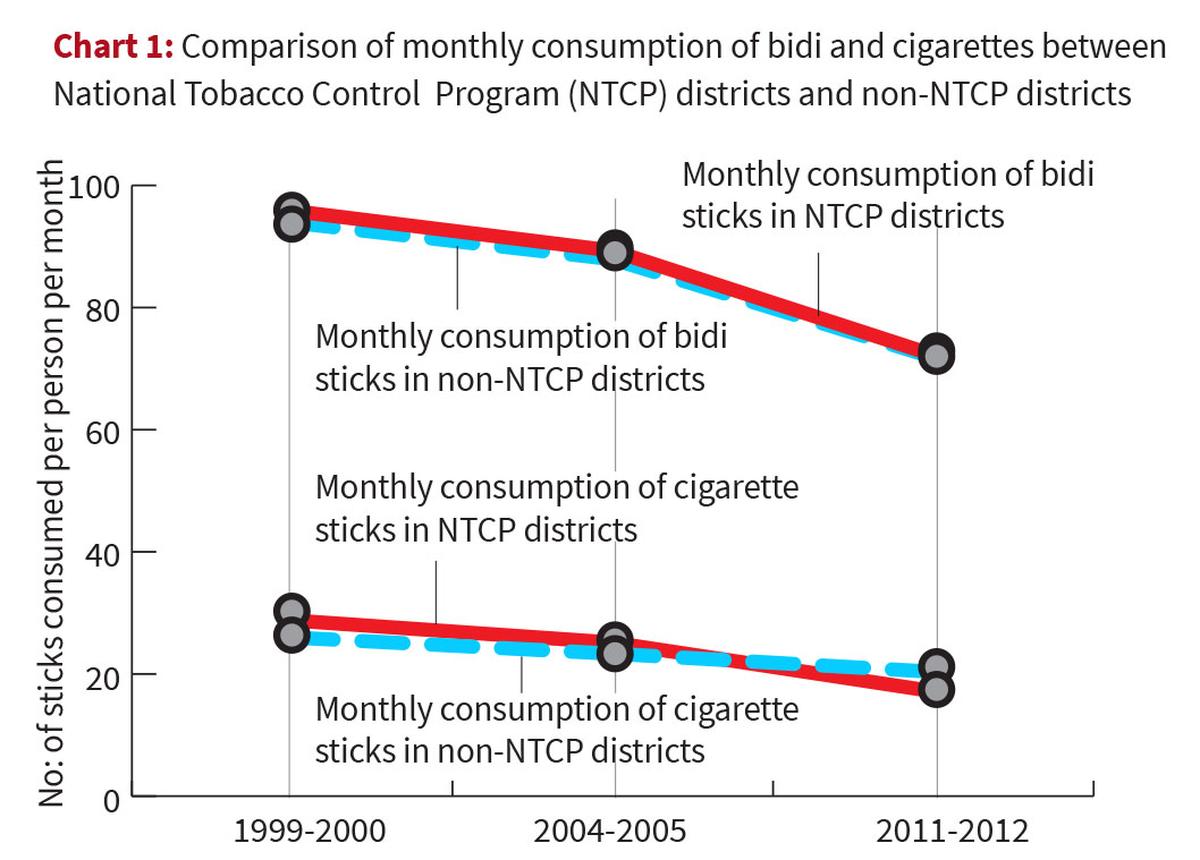
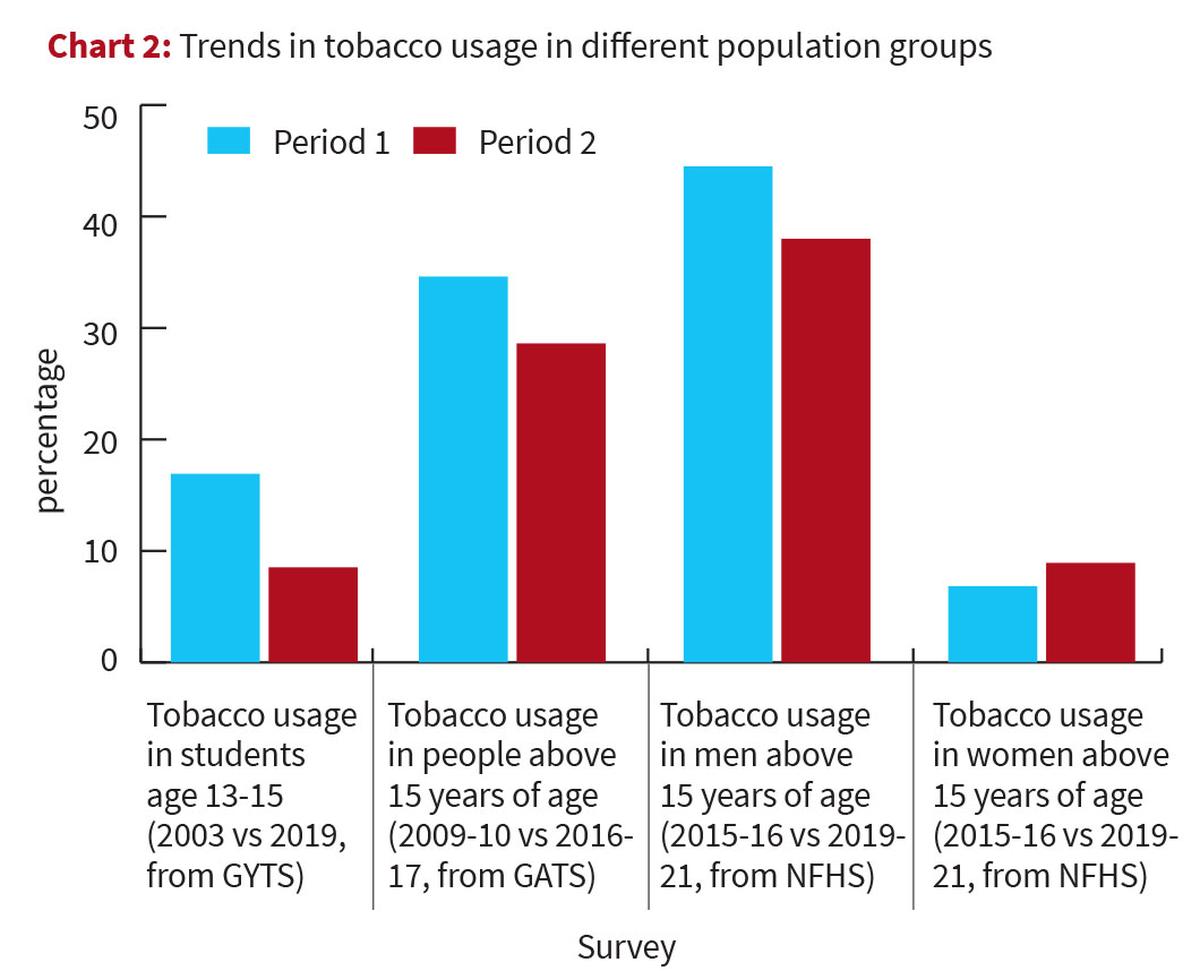
    • According to the Global Adult Tobacco Survey (GATS), there is a general decline in tobacco use, except for an increase in women between 2015-2016 and 2019-2021. (above 15 years)
    • According to the Global Youth Tobacco Survey (GYTS), tobacco use among students aged 13-15 years indicates a reduction in tobacco use in this demographic.
    • The National Family Health Survey (NFHS), which captures data on tobacco use in people above 15 years of age, aligns with the GATS findings, showing a decrease in tobacco use except among women.

    What is the WHO Framework Convention on Tobacco Control (FCTC)?

    • The WHO Framework Convention on Tobacco Control (FCTC) is an international treaty adopted by the World Health Organization (WHO) in 2003. It is a legally binding treaty.
    • It means that countries that have ratified it are obligated to implement the measures outlined in the convention within their national jurisdictions.
    • It addresses the global health risks associated with tobacco use and provides a comprehensive framework for governments and organizations to implement effective tobacco control policies and strategies.

    Challenges in India: Lobbying by the Tobacco Industry

    • The tobacco industry exerts substantial influence on policy-making to maintain low tax rates and evade stricter regulations.
    • Government Engagement: Both in-service and retired government officials often engage with the tobacco industry. Example: A retired Indian Administrative Services officer joined the board of Godfrey Phillips as an independent director.
    • Government Stake: The Central government holds a 7.8% stake in ITC Ltd., India’s largest tobacco company.
    • Tax Exemptions:  Continuous exemptions of cess on bidis and smaller tobacco manufacturers. Persistent extensions of these exemptions despite the harmful effects of tobacco.

    Tax Measures and Lobbying

    • Current Tax Burden:  Cigarettes 51%, Bidis 22%, Smokeless Tobacco Products (SLTs) 64%
    • FCTC Recommendation: At least 75% tax on tobacco products.
    • Challenges at affordability level: Low taxes relative to income growth have kept tobacco products affordable, with cigarettes and SLTs becoming more affordable over the past decade due to the transition to the Goods and Services Tax (GST).
    • Thus, India’s score has worsened since 2021, indicating increased interference by the tobacco industry in governance.

    Initiatives taken by the Government:

    • Cigarette and Other Tobacco Products Act (COTPA) 2003: It regulates the advertisement, promotion, and sponsorship of tobacco products, prohibits smoking in public places, mandates pictorial health warnings on tobacco product packaging, and sets rules for the sale of tobacco products to minors.
    • Awareness on Media: India is the first country in the world to implement the larger steps through implementing warnings on OTT platform content when actors are seen using tobacco products.
    • Awareness of Product: India has implemented prominent and graphic pictorial health warnings on tobacco product packaging.

    Challenges in Implementation

    • Poor Enforcement: Existing measures are not strictly implemented, leading to widespread non-compliance, especially among smokeless tobacco products (SLTs).
    • Indirect Advertisements: Surrogate advertisements (e.g., using elaichi to promote tobacco brands) circumvent direct advertising bans, undermining control efforts.
    • Inadequate Fines: Penalties for violations of COTPA regulations have not been updated since 2003, making them ineffective deterrents.

    Way forward:

    • Update COTPA Fines and Penalties: Revise and significantly increase fines for violations of COTPA regulations to create a stronger deterrent.
    • Strengthen Border and Market Surveillance: Improve customs and market surveillance to combat smuggling and illicit trade of tobacco products.

    Mains question for practice:

    Q Discuss the various measures undertaken by the Indian government to control tobacco consumption. Evaluate the effectiveness of these measures and suggest improvements. 15M


    Tobacco Board of India

      • The Tobacco Board is a statutory body established under the Ministry of Commerce and Industry.
      • Hq: Guntur, Andhra Pradesh.
    • Functions:
      • To regulate the production and curing of Virginia tobacco by improving the yields and quality of tobacco.
      • To facilitate the sale of tobacco through e-auctions, undertaking various grower welfare measures and export promotion of tobacco.
  • Minority Issues – SC, ST, Dalits, OBC, Reservations, etc.

    Dispelling population myths triggered by a working paper

    Note4Students

    From UPSC perspective, the following things are important:

    Mains level: Religious Composition of the Population;

    Why in the News?

    The working paper released by the Economic Advisory Council (EAC) to the Prime Minister makes an erroneous assertion regarding the growth of the Muslim population.

    Composition of the Population of various communities highlighted by EAC:

    • Absolute Increase in Population (1950-2015): Hindu population grew by 701 million. The Muslim population increased by 146 million.
    • Proportional Changes: The proportion of Hindus in the population fell by 6.64 percentage points (from 84.7% in 1950 to 78.06% in 2015). The proportion of Muslims increased by 4.25 percentage points (from 9.84% in 1950 to 14.09% in 2015).
      • Despite these changes, the Muslim population remains significantly smaller compared to the Hindu population.

    What does the 2011 census say?

    • The proportion of the Hindu population to the total population in 2011 declined by 0.7 percentage points (PP); the proportion of the Sikh population declined by 0.2 PP and the Buddhist population declined by 0.1 PP during the decade 2001-2011.
    • The proportion of the Muslim population to the total population has increased by 0.8 PP. There has been no significant change in the proportion of Christians & Jains.

    Issue of Misinterpretation and Sensationalism of Data:

    • Misleading Media Reports: Many media reports and politicians have sensationalized the findings of the EAC-PM working paper inaccurately suggesting that the Muslim population in India is growing rapidly while posing a threat to the Hindu population.
      • Such interpretations contribute to a divisive political narrative and misinform the public about population issues.
    • Limitations of the Paper: The working paper itself states that understanding changes in religious demography is a multivariate phenomenon. However, the paper does not contain sufficient evidence to support this claim.

    The true story behind this Data::

    • Influence of Socio-Economic Factors: Population growth is significantly influenced by socio-economic conditions such as education, healthcare, and economic opportunities. Higher fertility rates in a community often reflect lower levels of socio-economic development rather than religious factors.
    • Policies and Development Indicators: The Muslim community in India has a higher population growth rate primarily because it lags in some of the Population and Marriage policies that affect socio-economic development indicators as compared to the Hindu community.

    Need for Exact Data:

    • Contextual Analysis: Detailed analysis is essential to avoid misinterpretation of demographic changes. Understanding the multi-faceted reasons behind population changes requires considering socio-economic, cultural, and political factors.
      • Religious Composition: According to the Pew Research Center (2021), the proportion of India’s six largest religious groups has remained relatively stable since Partition.
      • Fertility Rates: Recent National Family Health Survey (NFHS) rounds indicate significant declines in Muslim fertility rates.

    Conclusion: Accurate and comprehensive analysis is necessary to understand population trends and avoid fueling divisive narratives.

    Mains PYQ: 

    Q Demographic Dividend in India will remain only theoretical unless our manpower becomes more educated, aware, skilled, and creative.” What measures have been taken by the government to enhance the capacity of our population to be more productive and employable? (UPSC IAS/2016)

  • Urban Transformation – Smart Cities, AMRUT, etc.

    An overview of the AMRUT scheme | Explained

    Note4Students

    From UPSC perspective, the following things are important:

    Prelims level: Government schemes and Initiatives; AMRUT;

    Mains level: Shortcomings of AMRUT;

    Why in the News?

    By 2047, over 50% of India’s population will be urban. The AMRUT scheme launched in 2015 and updated in 2021, addresses urban infrastructure needs.

    About Atal Mission for Rejuvenation and Urban Transformation -AMRUT:

    • It is a flagship urban development scheme launched by the Government of India in June 2015.
    • The mission is being operated as a Central Sponsored Scheme.
    • Aim: To provide basic urban infrastructure to improve the quality of life in cities and towns.
    • Objectives:  
      • Ensure that every household has access to a tap with an assured water supply and a sewerage connection.
      • Increase the green areas in the cities.
      • Reduce pollution by promoting public transport and constructing facilities for non-motorized transport.
    • Funding: It is divided among States/UTs in an equitable formula in which 50:50 weightage.
    • The Mission covers 500 cities including all cities and towns with a population of over one lakh with notified Municipalities.
    • Revenue Set Aside for the Scheme:
      • AMRUT 1.0: Total outlay was ₹50,000 crore for five years from FY 2015-16 to FY 2019-20.
      • AMRUT 2.0: Total outlay is ₹2,99,000 crore, with a central outlay of ₹76,760 crore for five years, starting from October 1, 2021.

    Achievements by AMRUT Mission:

      • Financial Utilization: As of May 19, 2024, a total of ₹83,357 crore has been disbursed under the AMRUT scheme, combining contributions from the Central Government, States, and cities.
    • Infrastructure Achievements:
      • Tap Connections: A total of 58,66,237 households have been provided with tap connections, ensuring access to a reliable water supply.
      • Sewerage Connections: 37,49,467 households have been connected to the sewerage system, improving sanitation and hygiene.
      • Parks Development: 2,411 parks have been developed, enhancing urban green spaces and recreational areas.
      • LED Street Lights: 62,78,571 LED street lights have been replaced, contributing to energy efficiency and better urban lighting.

    Present Challenges:

    • Public Health Crisis: Approximately 2,00,000 deaths annually due to inadequate water, sanitation, and hygiene. The disease burden from unsafe water and sanitation in India was 40 times higher per person than in China as of 2016.
    • Water and Sanitation Issues: Significant untreated wastewater increases vulnerability to diseases. Major reservoirs are at just 40% capacity, threatening water supply for drinking, irrigation, and hydro-electricity.21 major cities are projected to run out of groundwater soon.

    Causes for the present shortcomings:

    • Non-Comprehensive Approach: The scheme adopted a project-oriented rather than a holistic approach, failing to integrate comprehensive urban planning.
      • For example, cities had no significant participation in the scheme’s design or implementation, reducing its effectiveness.
      • Secondly, the governance was led by bureaucrats and private interests with little involvement of elected city governments, violating the 74th constitutional amendment.
    • Inadequate Water Management: The scheme did not adequately factor in local climate, rainfall patterns, or existing infrastructure, leading to inefficient water and sewage management.
      • Urban planning became dominated by real estate development interests, resulting in the disappearance of water bodies, disrupted stormwater flows, and poor drainage systems.
      • Continued inadequate water, sanitation, and hygiene contribute to significant public health problems, including high disease burden and mortality rates.

    Way Forward:

    • Comprehensive Approach: Shift from a project-oriented to an extensive urban planning approach that includes all aspects of infrastructure development.
      • Ensure active participation of city governments and local bodies in planning and implementation to reflect local needs and conditions.
      • Strengthen the role of local elected representatives in decision-making processes to ensure accountability and community involvement.
    • Nature-Based Solutions: Incorporate sustainable urban planning, including preserving and restoring water bodies and green spaces.
      • Integrate climate and rainfall pattern considerations into water and sewage management to enhance efficiency and resilience.
      • Prioritize water, sanitation, and hygiene infrastructure improvements to reduce disease burden and improve public health outcomes.

    Conclusion: The need to take a balanced approach combining holistic urban planning, enhanced city participation, empowerment of local bodies, nature-based solutions, climate-responsive strategies, and a strong public health focus is essential for sustainable urban development.

    Mains PYQ:

    Q Major cities of India are becoming vulnerable to flood conditions. Discuss. (UPSC IAS/2016)

    Q What are ‘Smart Cities’? examine their relevance for urban development in India. Will it increase rural-urban differences? Give arguments for ‘Smart Villages’ in the light of PURA and RURBAN Mission. (UPSC IAS/2016)

    Q With a brief background of quality of urban life in India, introduce the objectives and strategy of the ‘Smart City Programme.” (UPSC IAS/2016)
  • Agricultural Sector and Marketing Reforms – eNAM, Model APMC Act, Eco Survey Reco, etc.

    Why dal imports have hit a seven-year high?

    Note4Students

    From UPSC perspective, the following things are important:

    Prelims level: Domestic Production of Pulses;

    Mains level: Inflation; Cereals and Pulses;

    Why in the News?

    Due to food inflation during an El Niño year and an election year, the country has lost the self-sufficiency it had achieved in pulses.

    Pulse Production in India:

    • India is the largest producer (25% of global production), consumer (27% of world consumption), and importer (14%) of pulses in the world.
    • They account for 20% of India’s total area under cultivation and provide 7-10% of the total food grains in the country.
    • India’s production has increased by 50% (from 18 million tonnes to 27 million tonnes) up till 2022. However, it has not increased in step with the population growth, per capita availability of pulses has declined from 22.1 kg per person in 1951 to 16.4 kg per person in 2022.
    • Though there is surplus production of Chana, the imperfect substitution among pulses and limited international availability put pressure on the prices of some pulses.

    Recent Decline in Domestic Production:

    • Total Production: Decreased from 27.30 million tonnes (mt) in 2021-22 to 23.44 mt in 2023-24.
    • Chana (Chickpea): Production fell from 13.54 mt in 2021-22 to an estimated 12.16 mt in 2023-24.
    • Arhar/Tur (Pigeon Pea): Output decreased from 4.22 mt in 2021-22 to an estimated 3.34 mt in 2023-24.

    Significance of Pulse Production:

    • Suitable for Drought Areas: Drought-resistant and deep-rooting species of pulses can supply groundwater to companion crops when planted in the intercropping pattern. Locally adapted pulse varieties can enhance production systems in dry environments.
    • Enhances Fertility of Land: The leguminous plants of pulse also help in nitrogen fixation, thus ensuring higher soil fertility.
    • High Nutritional Value: In a country like India, where many people are poor and vegetarian, pulses are an important and affordable source of protein.
    • Low food wastage footprints: Pulses can be stored longer without losing their nutritional value and minimizing loss.

    Imports have hit a seven-year high

    Cause of the Inflation in Pulses

    • Impact of EL Nino: El Niño-induced patchy monsoon and winter rain led to a decline in domestic pulse production from 27.30 million tonnes (mt) in 2021-22 to 23.44 mt in 2023-24, as per the Agriculture Ministry’s estimates.
    • Sharp Output Falls: Both chana and Arhar/tur, the pulses with the highest inflation experienced sharp output falls. Chana production decreased from 13.54 mt in 2021-22 to 12.16 mt in 2023-24, while Arhar/tur production dropped from 4.22 mt to 3.34 mt over the same period.
    • Impact of Irregular Rainfall: Poor crops in regions like Karnataka, Maharashtra, Andhra Pradesh, and Telangana were attributed to irregular and deficient rainfall, leading to reduced planting area and lower yields.

    Effects of Inflation :

    • Increased Retail Prices: Significant annual retail inflation, particularly for pulses like Arhar/tur and chana.
    • Higher Import Costs: Surge in imports to meet domestic demand, leading to increased expenditure on foreign pulses.
    • Economic Burden: Higher prices in the open market strain household budgets, especially for low-income families who cannot rely on subsidized distribution for pulses.

    Challenges Ahead :

    • Monsoon Uncertainty: Future prices largely depend on the upcoming southwest monsoon; continued irregular weather patterns could sustain high inflation.
    • Import Dependency: Increased reliance on imports due to insufficient domestic production, especially for yellow/white peas and masoor.
    • Supply Position: Precarious domestic supply with minimal government procurement from recent crops, necessitating higher imports.

    Government initiatives as relief measures: The government has removed tariffs and quantitative restrictions by liberalizing imports on most pulses to boost supply and reduce prices like an extension of duty-free imports of Arhar/tur, urad, masoor, and desi chana till March 31, 2025.

    Conclusion: While the government has taken significant steps to mitigate the impact of high dal prices through import liberalization and policy adjustments, the actual relief to consumers will hinge on the performance of the upcoming monsoon and the global pulse market dynamics.

    Mains PYQ: 

    Q Mention the advantages of Cultivation of pulses because of which year 2016 was declared as the International year of Pulses By the United Nations. (UPSC IAS/2017)


    Q Food Security Bill is expected to eliminate hunger and malnutrition in India. Critically discuss various apprehensions in its effective implementation along with the concerns it has generated in WTO. (UPSC IAS/2013)

    Prelims PYQs:

    With reference to pulse production in India, consider the following statements:

    1) Black gram can be cultivated as both kharif and rahi crop.

    2) Green gram alone accounts for nearly half of pulse production.

    3) In the last three decades, while the production of Kharif pulses has increased, the production of rabi pulses has decreased.

    Which of the statements given above is/are correct?

    (a) 1 only

    (b) 2 and 3 only

    (c) 2 only

    (d) 1, 2 and 3

  • Health Sector – UHC, National Health Policy, Family Planning, Health Insurance, etc.

    Still no sign of the language of equity and inclusion

    Note4Students

    From UPSC perspective, the following things are important:

    Prelims level: Minority sections and Government Initiatives;

    Mains level: Minority sections; National Programme for Prevention and Control of Deafness

    Why in the news?

    The ECI’s election announcement lacked sign language interpreters, highlighting the everyday exclusion of Deaf and Hard of Hearing (DHH) citizens.

    Present Issue:

    • India’s societal and structural framework often neglects the needs of Deaf and Hard of Hearing (DHH) citizens.
    • This exclusion is evident in various aspects of daily life, such as the absence of sign language interpreters during major public announcements and inadequate accessibility in public services.

    Sign Language versus Oralism

    • The Indian education system predominantly employs “oralism,” which emphasizes teaching deaf individuals to use their voices and lip-read, rather than using sign language.
    • This approach has been criticized for perpetuating social isolation and failing to remove barriers that hinder the integration of DHH individuals.
    • In contrast, using sign language has been shown to aid cognitive development and prevent linguistic deprivation.
    • Over 70 countries recognize their national sign languages legally, promoting accessibility and inclusion for deaf citizens.

    Present Scenario:

    • As per WHO estimates in India, there are approximately 63 million people, who are suffering from Significant Auditory Impairment; this places the estimated prevalence at 6.3% in the Indian population.
    • As per the NSSO survey, currently, 291 persons per one lakh population are suffering from severe to profound hearing loss (NSSO, 2001).
    • Of these, a large percentage are children between the ages of 0 to 14 years.

    What Does the 2011 Census Say?

    • The 2011 Census reported five million hearing-impaired individuals in India, while the National Association of the Deaf estimates 18 million.
    • Despite these large numbers, DHH individuals are often excluded from educational and employment opportunities. Only 5% of deaf children attend school, and they face prolonged graduation timelines due to oralist-focused curricula.
    • Government initiatives for employing the deaf are often ineffective, and there is a lack of ISL recognition, despite repeated demands and protests.

    The National Programme for Prevention and Control of Deafness

      • The program was initiated in the year 2007 in pilot mode in 25 districts of 11 States/UTs. It has been expanded to other districts too after the 12th five-year plan.
      • The Program was a 100% Centrally SponsoredScheme during the 11th Five-year plan. However, as per the 12th Five Year Plan, the Centre and the States will have to pool in resources financial norms of NHRM.
      • However, it falls short of addressing the quality of life for DHH individuals. This program has been expanded to 228 districts of 27 States / U.Ts in a phased manner.

    Objectives of the program:

    • To prevent avoidable hearing loss on account of disease or injury.
    • Early identification, diagnosis, and treatment of ear problems responsible for hearing loss and deafness.
    • To medically rehabilitate persons of all age groups, suffering from deafness.
    • To develop institutional capacity for ear care services by providing support for equipment and material and training personnel.

    Components of the Programme: 

    • Manpower Training & Development to grassroots level workers.
    • Service Provision Including Rehabilitation – Screening camps for early detection of hearing impairment and deafness.
    • Awareness Generation for early identification of the hearing impaired.
    • Monitoring and Evaluation.

    What Needs to be done?

    • Official Recognition of ISL: ISL should be recognized as an official language, and its use should be integrated into educational systems and public services. Teaching ISL in schools, colleges, and to the general public will promote inclusivity and fluency.
    • Inclusive Health Care: Health care systems need to be updated to ensure accessible communication for DHH patients. This includes training more ISL interpreters and reducing barriers for DHH individuals pursuing healthcare professions.
    • Media and Public Communication: Media channels should incorporate ISL interpretation and subtitles, especially in Hindi and regional languages. Government event announcements should have live ISL interpreters to ensure accessibility.
    • Employment Opportunities: Creating more employment opportunities for DHH individuals, beyond low-skilled jobs, is essential. This includes training and employing DHH individuals as ISL instructors and ensuring accessible workplaces.

    Conclusion: To ensure inclusivity for DHH citizens, India must officially recognise ISL, integrate it into education and public services, improve healthcare accessibility, and expand employment opportunities and mental health support.

    Mains PYQ:

    How have digital initiatives in India contributed to the functioning of the education system in the country? Elaborate your answer. (UPSC IAS/2020)

  • Agricultural Sector and Marketing Reforms – eNAM, Model APMC Act, Eco Survey Reco, etc.

    Explained: The challenges in curbing cultivation of a banned rice variety in Punjab

    Note4Students

    From UPSC perspective, the following things are important:

    Prelims level: PUSA-44;

    Mains level: Agricultural Issues in India;

    Why in the News?

    Punjab’s paddy farmers have begun sowing seeds for this year’s kharif season, despite the ban on variety PUSA-44 that was implemented last year.

    About the Cultivation of Paddy Varieties like PUSA-44:

    • Pusa-44 is a long-duration paddy variety bred by the Indian Agricultural Research Institute (IARI) and has been a key contributor to stubble burning.
    • Its growth cycle of 155-160 days, from nursery sowing to harvesting, leads to late October maturity, leaving a short window for field preparation for the next crop.

    The Impact on Groundwater in Punjab as per “CGWA’s Groundwater Estimation Report 2020″

    • Severe over-extraction: 119 out of 138 blocks are over-exploited.Central and southern parts of Punjab (Patiala, Sangrur, Barnala, Mansa, Bathinda, Moga, Ludhiana, and Jalandhar) are most affected.
    • Water Table Depth: The average groundwater depth has crossed 70 meters (200 feet). In some southern areas, groundwater is unavailable even at 150-200 meters (450-600 feet).
    • Groundwater depletion vs. Demand: Punjab over-extracts 14 billion cubic meters (BCM) annually. Annual recharge is 20 BCM, but usage is 34 BCM.
    • Future Projections: Groundwater could drop below 300 meters in 18-20 years, making water highly contaminated and extraction costly. If the trend continues, Punjab may run out of groundwater for irrigation.

    Why are Farmers in several districts unwilling to stop their Cultivation?

    • Higher Income: Farmers receive a higher yield and guaranteed Minimum Support Price (MSP), leading to increased incomes.
    • Seed Availability: Farmers retain seeds from previous seasons, and many stores have already sold seeds to farmers.
    • Resistance to Change: Despite awareness of the adverse effects, many farmers continue to cultivate PUSA-44. Significant cultivation areas in districts like Barnala, Sangrur, and Moga rely heavily on PUSA-44, making immediate change difficult.
    • Time Required for Transition: Changing entrenched agricultural practices and mindsets in heavily reliant districts cannot be achieved quickly.

    Judicial Stand on the Cultivation of Paddy Varieties like PUSA-44:

    • The Supreme Court has emphasized the need to cease stubble burning in states like Punjab, Haryana, Uttar Pradesh, and Rajasthan, the discussion surrounding Pusa-2090 rice variety from its ability to provide an alternative to the problematic long-duration Pusa-44 variety.
      • Pusa-2090 rice matures in a shorter duration of 120-125 days while maintaining comparable yields, addressing the core issue of stubble burning.
    • Happy Seeder (Tractor) is also a solution that offers an eco-friendly alternative to stubble burning.

    Way Forward:

    • Public Awareness and Guidance: Educate farmers on the benefits of short-duration varieties, which are more water-efficient and better for stubble management.
    • Supportive Policies: Government and agricultural experts need to provide support and incentives for transitioning to sustainable paddy varieties.
    • Gradual Implementation: Acknowledge the need for time and a phased approach to change farming practices in heavily reliant districts.

    Mains PYQ:

    Q The ideal solution of depleting groundwater resources in India is a water harvesting system.” How can it be made effective in urban areas? (15) (UPSC IAS/2018)

  • Disasters and Disaster Management – Sendai Framework, Floods, Cyclones, etc.

    What are fire safety rules, and why are there compliance challenges? | Explained 

    Note4Students

    From UPSC perspective, the following things are important:

    Prelims level: Accidental Deaths and Suicides in India (ADSI) report

    Mains level: Laws and guidelines for fire safety in buildings;

    Why in the News?

    Recent fire tragedies at a Rajkot gaming zone and a Delhi children’s hospital that killed 40 people highlight the urgent need for stricter fire safety enforcement.

    According to the latest Accidental Deaths and Suicides in India (ADSI) report

    • It was released by the “National Crimes Records Bureau (NCRB)”
    • In 2022, 7,435 people died in over 7,500 fire accidents. This data shows that heavy casualties from fire accidents persist, with no lessons learned from the 1997 Uphaar Cinema tragedy or the 2004 Kumbakonam fire that killed 90 schoolchildren.

    What are the various laws and guidelines which stipulate rules around fire safety in buildings? 

    • National Building Code (NBC): Published by the Bureau of Indian Standards (BIS) in 1970, last updated in 2016.
      • Part 4 of NBC is about the details of fire safety measures, including construction guidelines, materials, and safety protocols. They are mandatory for states to incorporate NBC recommendations into local buildings.
    • Model Building Bye Laws 2016: It is issued by the Ministry of Housing and Urban Affairs. It guides States/UTs in framing building bylaws with norms for fire protection and safety.
    • State Fire Services Act: Fire services are a state subject, and individual states have their own Fire Services Acts or building bylaws.
    • National Disaster Management Authority (NDMA) Guidelines: Provide fire safety instructions for homes, schools, and hospitals. Include recommendations on maintaining safety spaces, exit mechanisms, dedicated staircases, and evacuation drills.

    Key Points from Fire Safety Regulations by Government:

    • Building Classification: Buildings are classified based on occupancy (e.g., Residential, Institutional, Assembly). Specific measures for high-rise buildings, educational institutes, hotels, etc.
    • Construction Material: Use of non-combustible materials. Internal walls of staircases should have a minimum 120-minute fire rating.
    • Electrical Safety: Flame retardant wiring and cabling. Separate shafts for different voltage wiring, sealed with fire-stop materials.
    • Emergency Power and Signage: Provision of emergency lighting, fire alarm systems, and public address systems. Clear exit signage and escape lighting.
    • Technological Measures: Automatic fire detection and alarm systems.Down-comer pipelines, dry riser pipelines, automatic sprinklers, fire barriers, and fireman’s lifts.

    Challenges in Fire Safety Compliance

    • Lack of Uniform Legislation: Fire safety rules exist in all States, with many drawing from the NBC. However, due to the absence of uniform safety legislation and the NBC being a “recommendatory document,“ its provisions are frequently ignored at the local level.
    • Inadequate Fire Safety Audits: Local bodies fail to conduct regular fire safety checks, leading to non-compliance.
    • Staff Shortages: Insufficient staffing in fire departments exacerbates enforcement issues.
    • Community Awareness and Preparedness: Need for better community awareness and training on fire safety protocols and emergency response.

    Judicial responses to negligence over Public Safety

    • Apex Court: The Judiciary has frequently pulled up state authorities for failure to enforce fire safety regulations. It highlighted the laxity in compliance and the need for stringent enforcement.
    • Legal Actions: Cases like the Rajkot gaming zone fire reveal the consequences of not adhering to fire safety norms. Courts have mandated regular fire safety audits and strict adherence to NBC guidelines.
    • The National Institute of Disaster Management (NIDM) emphasized the need for building community resilience and compliance with safety norms.
    • The report on “Fires in India: Learning Lessons for Urban Safety” underscored the failure of authorities to learn from past tragedies and enforce fire safety measures.

    Way forward:

    • Building some National Standards: The National Building Code (NBC) needs to be converted from a recommendatory document to a mandatory standard across all states.
    • Regular Inspections: Mandate regular and frequent fire safety audits by local authorities.
    • Transparent Assessment: Allow third-party certified agencies to conduct independent fire safety audits to ensure unbiased assessments.

    Mains PYQ:

    Q Discuss the recent measures initiated in disaster management by the Government of India departing from the earlier reactive approach. (UPSC IAS/2020)

  • Wildlife Conservation Efforts

    Where animals are dying by a thousand cuts

    Note4Students

    From UPSC perspective, the following things are important:

    Prelims level: Article 243(W)

    Mains level: Environment Conservation;

    Why in the News?

    In the Terai region of Uttar Pradesh, the farmers are using razor wire and electric fencing to defend their farms against stray cattle.

    About the Wildlife Populations in the Biodiverse Terai Areas of Uttar Pradesh

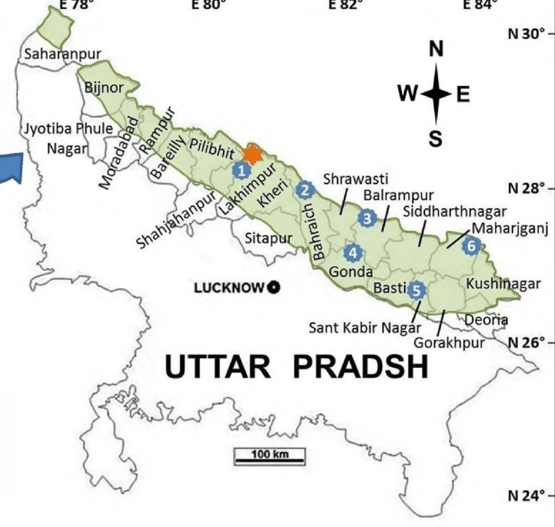
    • The Terai region in the U.P., encompassing districts like Pilibhit, Lakhimpur Kheri, and Bahraich, is known for its rich biodiversity, thriving sugarcane agriculture, and two tiger reserves.
    • This area supports endangered species such as tigers, rhinoceros, swamp deer, and the Bengal florican. The landscape blends forests, grasslands, and agriculture, creating a habitat where people and wildlife coexist.

    What does the Statistics say?

    • During the 2022-23 fiscal year, the livestock industry accounted for 30.1% of India’s Agricultural GDP and 4.35% of the national GDP.
    • India’s farming practices involve a blend of crop farming and livestock rearing. This combined approach offers extra income and job prospects, especially supporting landless workers, small-scale farmers, and women in the workforce.

    Constitutional Provision for the Protection of stray cattle:

    • As per Article 243(W) of the Constitution of India, the local bodies are responsible for cattle pounds and pinjrapole. Therefore, the State may also endow panchayats to establish and run. Cattle Pounds (Kanji Houses)/ Gaushala Shelters (community assets) to keep stray cattle.
    • Many States have established Gaushalas and Shelter houses for stray cattle and provide for feeding of those animals.

    Present Conflicts and Conservation Challenges:

    • Conflicts between humans and wildlife are common, including tiger attacks and crop damage by herbivores.
    • Farmers near protected areas sometimes use lethal methods such as razor wire and high-voltage electric fencing along the farm-forest boundaries. The presence of stray cattle, or “chutta jaanwar,” has intensified conflicts and conservation challenges.
    • Stray cattle disrupt wildlife movement corridors vital for species survival and potentially increase disease transmission risks to wild populations.
    • The Unvaccinated stray cattle can transmit diseases like bovine tuberculosis and lumpy skin disease to wildlife, with cases reported in various Terai districts.
    • The degradation of productive grasslands in protected areas further threatens the habitat of imperilled species.

    Way Forward:

    • Providing safe and comprehensive shelters: Construct adequate cow shelters outside protected areas to house stray cattle, preventing them from impacting wildlife habitats and agricultural fields.
      • Promote and subsidize non-lethal fencing solutions for farmers to protect crops without harming wildlife, such as wildlife-friendly barriers.
      • Invest in habitat restoration projects in the Terai, focusing on expanding and maintaining productive grasslands within protected areas to support wildlife populations.
    • Enhanced monitoring and management: Implement comprehensive vaccination and disease monitoring programs for stray cattle to prevent disease transmission to wildlife.
      • Strengthen enforcement against illegal cattle trade and vigilante activities that disrupt the livestock economy.
      • Provide economic incentives and support for farmers to adopt alternative livelihoods that do not depend heavily on livestock, reducing the need for cattle rearing.
    • Community Engagement and Education: Engage with local communities to educate them on the ecological impact of stray cattle and encourage participatory conservation efforts. Foster collaboration between farmers and wildlife authorities to develop sustainable solutions for coexisting with wildlife.

    Mains PYQ:

    Q Examine the status of forest resources in India and its resultant impact on climate change. (UPSC IAS/2020)