💥UPSC 2026, 2027, 2028 UAP Mentorship (March Batch) + Access XFactor Notes & Microthemes PDF

Type: IOCR

  • Economic Indicators and Various Reports On It- GDP, FD, EODB, WIR etc

    India slipped on the Academic Freedom Index (AFI)

    Note4Students

    From UPSC perspective, the following things are important:

    Prelims level: Academic Freedom Index (AFI)

    Why in the News?

    India has seen a sharp decline in Academic Freedom Index rankings over the past 10 years.

    About the Academic Freedom Index (AFI):

    Details
    Released by Global Public Policy Institute (GPPi) in collaboration with Scholars at Risk (SAR) and V-Dem Institute (Varieties of Democracy)

    Published as a part of a global time-series dataset (1900-2019)

    Purpose To assess and quantify academic freedom across different countries
    Score Range
    • 0 (complete repression) to 1 (full academic freedom)
    • Scores based on expert surveys and institutional data
    Main Parameters
    • Freedom to Research and Teach
    • Institutional Autonomy
    • Freedom of Academic Exchange and Dissemination
    • Campus Integrity
    • Freedom of Expression for Academics
    • Constitutional Protection of Academic Freedom
    Usage
    • Tracking academic freedom trends
    • Influencing policy
    • Advocating for academic liberty in different countries
    Annual Report Published as part of the “Free to Think” report series by Scholars at Risk

    India’s Performance:

    • India’s academic freedom score dropped from 0.6 points in 2013 to just 0.2 points in 2023, marking a significant deterioration.
    • The report categorizes India as “completely restricted”, the country’s lowest rank since the mid-1940s.
    • This decline is attributed to many factors, including:
    1. Political Influence on Universities
    2. Limitations on Student Protests

    Significance

    • Impact on Democracy: The decline threatens democratic values, as universities, traditionally spaces for free thought and dissent, and are increasingly under political control, limiting student protests and academic expression.
    • International Reputation: India’s shrinking academic freedom could harm its global standing, making it less attractive to international students, scholars, and research collaborations.
    • Long-Term Effects on Education: The politicization of higher education may weaken innovation and critical thinking, hindering economic growth and the development of future leaders and policymakers.
  • Health Sector – UHC, National Health Policy, Family Planning, Health Insurance, etc.

    United Nations Programme on HIV/AIDS (UNAIDS)

    Note4Students

    From UPSC perspective, the following things are important:

    Prelims level: UNAIDS and its functions

    Why in the News?

    According to the UNAIDS Director, without India’s significant contribution, the world is unlikely to achieve the Sustainable Development Goal (SDG) of ending AIDS as a public health threat by 2030.

    What is HIV/AIDS?

    • HIV (Human Immunodeficiency Virus) is a virus that attacks the immune system, specifically targeting CD4 cells, weakening the body’s ability to fight infections and diseases.
    • AIDS (Acquired Immunodeficiency Syndrome) is the most advanced stage of HIV infection, where the immune system is severely damaged, leading to life-threatening infections and cancers.
    • HIV is transmitted through contact with infected body fluids, such as blood, semen, and breast milk.
    • Although there’s no cure, antiretroviral therapy (ART) can manage HIV and prevent the progression to AIDS.

    India’s progress in reducing HIV Infections

    • From 2010 to 2023, India reduced annual new HIV infections by 44%, which is better than the global average.
    • India has also made impressive progress in reducing AIDS-related deaths by nearly 80% between 2010 and 2023, surpassing the global average.
    • Challenges:
      • In 2023, India saw 68,000 new infections, meaning around 185 people were infected each day.
      • The Global AIDS Strategy calls for 80% of prevention services to be delivered by community-led organizations.
      • These organizations are best placed to reach key populations, but they need adequate resources and space to lead these efforts.


    About UNAIDS (Joint United Nations Programme on HIV/AIDS):

    Details
    Established In 1996, by United Nations Economic and Social Council (ECOSOC)
    Headquarters Geneva, Switzerland
    Main Purpose To coordinate global action to combat HIV/AIDS, prevent infections, and support those affected
    Mandate • Coordinate the global response to HIV/AIDS
    • Support countries in HIV/AIDS prevention and treatment strategies
    • Advocate for human rights and equality in access to HIV services
    Principle Greater Involvement of People Living with HIV (GIPA), endorsed by the UN in 2001 and 2006
    Global Targets 90-90-90 targets:
    90% diagnosed, 90% on treatment, 90% virally suppressed by 2020
    Global AIDS Strategy 2021-2026: Aim to end inequalities driving HIV and ensure 30 million on treatment by 2025
    Cosponsors 11 UN organizations, including UNICEF, WHO, UNDP, UNESCO, World Bank
    Key Areas of Focus Supporting countries to meet SDG 3: End AIDS by 2030.

    • HIV prevention
    • Treatment access
    • Human rights advocacy
    • Gender equality
    • Youth and adolescents

    Funding Donors include governments, private foundations, and corporations
    Key Campaigns World AIDS Day (December 1), global awareness and advocacy efforts
    Achievements Significant progress toward the 90-90-90 targets, especially in countries like South Africa, Cambodia, and Eswatini


    PYQ:

    [2013] Which of the following diseases can be transmitted from one person to another through tattooing?

    1. Chikungunya
    2. Hepatitis B
    3. HIV-AIDS

    Select the correct answer using the codes given below:

    (a) 1 only
    (b) 2 and 3 only
    (c) 1 and 3 only
    (d) 1, 2 and 3

  • Foreign Policy Watch: India-Pakistan

    Minerals Security Partnership Finance Network (MSFN)

    Note4Students

    From UPSC perspective, the following things are important:

    Prelims level: Minerals Security Partnership Finance Network (MSFN)

    Why in the News?

    India has officially joined the US-led Minerals Security Finance Network (MSFN), a global initiative to strengthen cooperation in securing critical mineral supply chains.

    What is the Minerals Security Finance Network (MSFN)?

    • The MSFN is an initiative emerging from the Minerals Security Partnership (MSP), established by the US in 2022.
    • It aims to promote cooperation, information exchange, and co-financing among countries.
    • It brings together development finance institutions (DFIs) and export credit agencies (ECAs) from partner nations to facilitate investments in critical mineral supply chains.
    • It seeks to meet the increasing global demand for critical minerals and reduce dependence on dominant suppliers like China.

    About Minerals Security Partnership (MSP):

    Details
    Established 2022, by the United States
    Objective To ensure a stable, diversified, and secure supply of critical minerals essential for the global clean energy transition.
    Members 13 countries and the European Commission, including:
    United States, Australia, Canada, Estonia, Finland, France, Germany, India, Italy, Japan, Republic of Korea, Norway, Sweden, and the European Union.
    Focus Areas • Securing critical minerals such as lithium, cobalt, nickel, and rare earth elements.
    • Reducing dependency on dominant suppliers like China.
    • Promoting cooperation between development finance institutions (DFIs) and export credit agencies (ECAs) to finance critical mineral projects.
    Significance for India India joined in June 2023, aiming to secure minerals for its growing electric vehicle (EV) and electronics sectors.
    • India seeks to diversify its supply sources from Argentina, Chile, Australia, and Africa.

    Significance of Critical Minerals

    • Critical minerals are elements essential for the manufacturing of renewable energy technologies, such as electric vehicle (EV) batteries, solar panels, wind turbines, and semiconductors.
    • Some of the most important critical minerals include:
      • Lithium: Essential for EV batteries.
      • Cobalt: Used in batteries and electronics.
      • Nickel: Key for battery manufacturing.
      • Rare earth elements (REEs): Used in semiconductors, high-tech electronics, and military applications.
    • The global demand for these minerals is rapidly rising as countries aim to shift away from fossil fuels to renewable energy sources.
    • China is currently the world leader in both the mining and processing of many of these critical minerals, creating concerns about the concentration and resilience of supply chains.
    • Securing a reliable, diversified supply of critical minerals is essential for nations looking to achieve their clean energy goals and ensure economic stability in high-tech sectors.

    PYQ:

    [2012] Recently, there has been a concern over the short supply of a group of elements called ‘rare earth metals’. Why?

    1. China, which is the largest producer of these elements, has imposed some restrictions on their export.
    2. Other than China, Australia, Canada and Chile, these elements are not found in any country.
    3. Rare earth metals are essential for the manufacture of various kinds of electronic items and there is a growing demand for these elements.

    Which of the statements given above is/are correct?

    (a) 1 only
    (b) 2 and 3 only
    (c) 1 and 3 only
    (d) 1, 2 and 3

  • Foreign Policy Watch: India-Pacific Island Nations

    What is the Pacific Islands Forum (PIF)?

    Note4Students

    From UPSC perspective, the following things are important:

    Prelims level: Pacific Islands Forum (PIF)

    Why in the News?

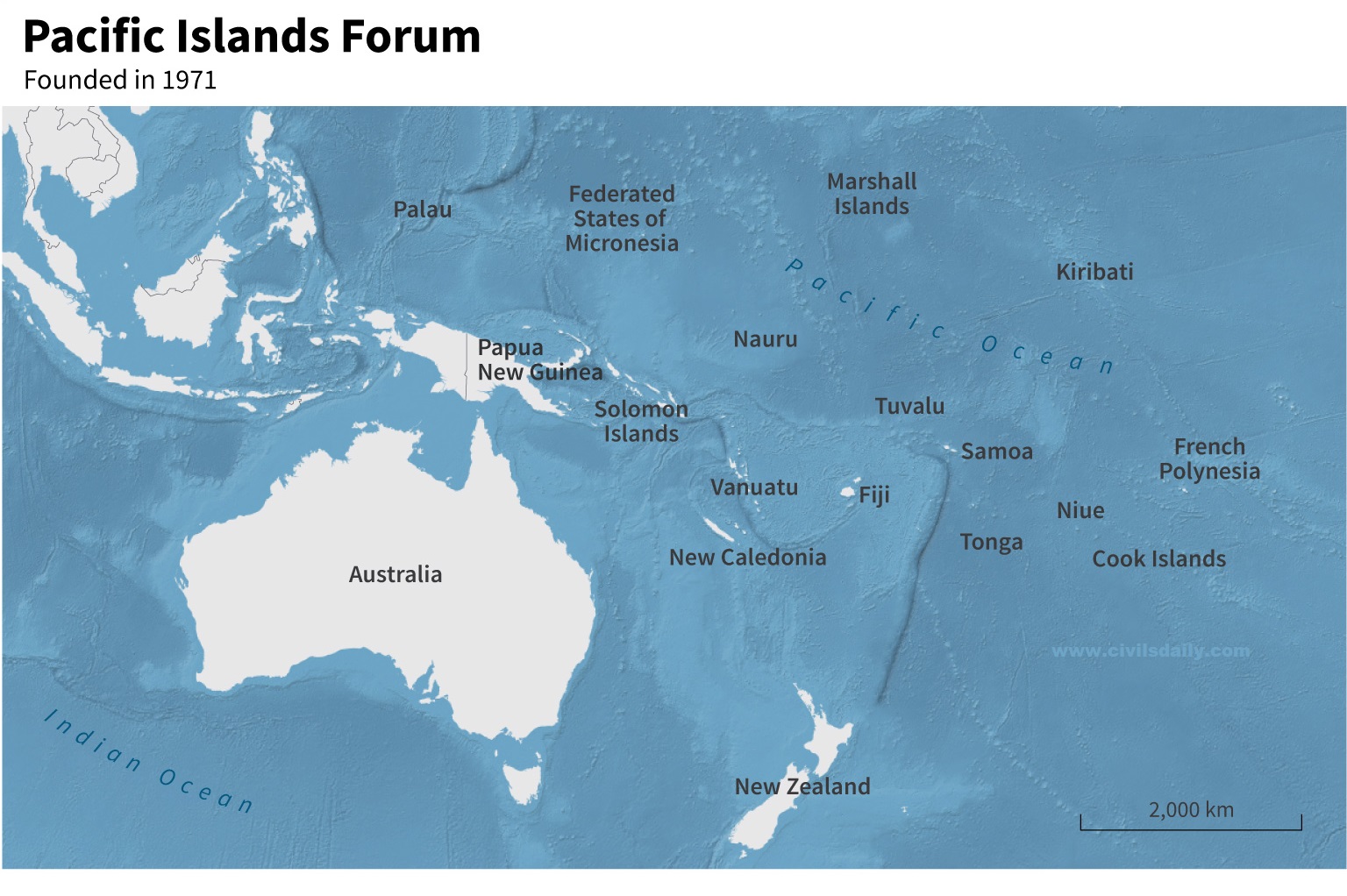
    The annual meeting of the Pacific Islands Forum (PIF) has begun in Nuku’alofa, the capital of Tonga.

    About Pacific Islands Forum (PIF):

    Details
    Establishment 1971
    Members 18 members: Australia, Cook Islands, Federated States of Micronesia, Fiji, French Polynesia, Kiribati, Nauru, New Caledonia, New Zealand, Niue, Palau, Papua New Guinea, Republic of Marshall Islands, Samoa, Solomon Islands, Tonga, Tuvalu, and Vanuatu.
    Vision Promote peace, harmony, security, social inclusion, and prosperity in the Pacific region.
    Framework Operates under the Framework for Pacific Regionalism which outlines strategic visions and objectives.
    Dialogue Partners 18, including major nations like the USA, China, India, and members of the EU.
    Key Focus Areas Environmental sustainability, economic growth, cultural development, and regional security.
    Leadership Directed by a Secretary-General, with annual meetings among leaders of member countries.

    Significance of PIF

    • The PIF advocates for global climate action and funds resilience efforts through the Pacific Resilience Facility (PRF) to support vulnerable Pacific nations.
    • It enhances cooperation among its 18 small island states, fostering joint decision-making on key regional issues.
    • The forum strengthens the Pacific’s ability to navigate geopolitical tensions between major powers like the US and China.
    • PIF promotes sustainable economic development through regional trade and investment initiatives.
    • It focuses on protecting the Pacific’s ecosystems by addressing challenges like ocean pollution and overfishing.

    PYQ:

    [2016] With reference to the ‘Trans-Pacific Partnership’, consider the following statements:

    1. It is an agreement among all the Pacific Rim countries except China and Russia.

    2. It is a strategic alliance for the purpose of maritime security only.

    Which of the statements given above is/are correct?

    (a) 1 only

    (b) 2 only

    (c) Both 1 and 2

    (d) Neither 1 nor 2

  • Economic Indicators and Various Reports On It- GDP, FD, EODB, WIR etc

    Global Finance Central Banker Report Cards, 2024

    Note4Students

    From UPSC perspective, the following things are important:

    Prelims level: Global Finance Central Banker Report Cards, 2024

    Why in the News?

    The Reserve Bank of India (RBI) Governor has been awarded an “A+” rating for the second consecutive year in the Global Finance Central Banker Report Cards 2024.

    About the Global Finance Central Banker Report Cards

    • The Central Banker Report Cards are published annually by Global Finance, a magazine that has been grading central bank governors since 1994.
    • The report grades the central bank governors of nearly 100 countries, territories, and districts, including major institutions like the European Union, the Eastern Caribbean Central Bank, the Bank of Central African States, and the Central Bank of West African States.
    • Grading Scale:
      • The ratings range from “A+” for excellent performance to “F” for outright failure.
      • The grades assess success in key areas such as inflation control, economic growth, currency stability, and interest rate management.

    Significance 

    • This recognition highlights his exceptional performance in managing India’s monetary policy, particularly in areas such as inflation control, economic growth, currency stability, and interest rate management.

    PYQ:

    [2016] ‘Global Financial Stability Report’ is released by which organisation?

    (a) European Central Bank

    (b) International Monetary Fund

    (c) International Bank for Reconstruction and Development

    (d) Organisation for Economic Co-operation and Development

  • Paris Olympics: All You Need to Know

    Note4Students

    From UPSC perspective, the following things are important:

    Prelims level: Paris Olympics

    Why in the News?

    The Paris Olympics has began and will run from July 26 to August 11, 2024.

    Some lesser known facts about Olympics:

    • The Olympic Games originated in ancient Greece in 776 BC in Olympia.
    • Held every 4 years, they featured athletic competitions among representatives of various city-states.
    • The modern Olympics were revived by Baron Pierre de Coubertin of France.
    • The first modern Olympic Games were held in Athens, Greece, in 1896.
    • The Olympic Rings represent the union of the 5 inhabited continents (Africa, Americas, Asia, Europe, and Oceania).
    • The Winter Olympics were introduced in 1924 in Chamonix, France and it features sports practiced on snow and ice, like skiing, ice skating, and ice hockey.
    • The Olympic Torch Relay was introduced in the 1936 Berlin Games.
    • The number of participating countries has grown from 14 in the 1896 Games to over 200 in recent editions.
    • Women were first allowed to compete in the 1900 Paris Olympics.
    • The Paralympics, for athletes with disabilities, were first held in Rome in 1960.

    About Paris Olympics

    • The Paris Olympics, officially known as the Games of the XXXIII Olympiad, will be held in Paris, France.
    • This event, commonly referred to as the 2024 Summer Olympics, is an international multi-sport competition featuring athletes from around the world.
    • Sports include: Athletics, Aquatics, Archery, Badminton, Basketball, Boxing, Canoeing, Cycling, Equestrian, Fencing, Football, Golf, Gymnastics, Handball, Hockey, Judo, Modern Pentathlon, Rowing, Rugby Sevens, Sailing, Shooting, Skateboarding, Sport Climbing, Surfing, Table Tennis, Taekwondo, Tennis, Triathlon, Volleyball, Weightlifting, and Wrestling.

    India’s Participation: 

    India is set to participate in various sports at the Paris Olympics 2024, with several medal prospects across disciplines.

    Athletes and Key Events
    Athletics
    • Neeraj Chopra (Javelin Throw): Defending Olympic gold medallist, aiming for another podium finish.
    • Key Events: Track and field events with several athletes competing in sprints, long jump, and discus throw.
    Badminton
    • PV Sindhu (Singles): Two-time Olympic medallist, aiming for her third medal.
    • Satwiksairaj Rankireddy/Chirag Shetty (Doubles): Top doubles pair, strong medal contenders.
    • Ashwini Ponnappa/Satwiksairaj Rankireddy: Promising mixed doubles pair with several international wins.
    Boxing
    • Mary Kom (Flyweight): Veteran boxer and former Olympic medallist.
    • Amit Panghal (Flyweight): Strong contender in the men’s category.
    • Lovlina Borgohain (Welterweight): Bronze medallist from Tokyo, aiming for a higher podium finish.
    Shooting
    • Manu Bhaker (10m Air Pistol, 25m Pistol): Young and promising shooter with several international accolades.
    • Saurabh Chaudhary (10m Air Pistol): Consistent performer and medal hopeful.
    Wrestling
    • Vinesh Phogat (50kg): Experienced wrestler and strong medal prospect.
    • Antim Panghal (53kg): Young talent with significant potential.
    Weightlifting Mirabai Chanu (49kg): Silver medallist from Tokyo, aiming for gold in Paris.
    Hockey
    • Men’s Team: After winning bronze in Tokyo, the team aims for gold.
    • Women’s Team: Strong contenders with improving performance over recent years.
    Table Tennis
    • Manika Batra: Leading Indian player with potential for a breakthrough performance.
    • Sharath Kamal: Veteran player with considerable international experience.
    Archery
    • Deepika Kumari: Leading female archer with multiple international medals.
    • Atanu Das: Strong contender in men’s archery events.
    Gymnastics Dipa Karmakar: Known for her Produnova vault, aiming for a comeback and podium finish.


    PYQ:

    [2021] Consider the following statements in respect of the Laureus World Sports Award which was instituted in the year 2000 :​

    1. American golfer Tiger Woods was the first winner of this award.​

    2. The award was received mostly by ‘Formula One’ players so far.​

    3. Roger Federer received this award maximum number of times compared to others.​

    Which of the above statements are correct?

    (a) 1 and 2 only

    (b) 2 and 3 only

    (c) 1 and 3 only

    (d) 1, 2 and 3

  • Foreign Policy Watch: India-ASEAN

    Preparing for ASEAN-India FTA Review

    Note4Students

    From UPSC perspective, the following things are important:

    Prelims level: ASEAN-India Trade in Goods Agreement (AITGA), ASEAN

    Why in the News?

    The Commerce Department is gearing up for the upcoming negotiations on the ASEAN-India FTA review. The ASEAN-India FTA, while beneficial, has led to a widening trade deficit for India.

    ASEAN-India Trade in Goods Agreement (AITGA):

    • The AITGA, signed in 2009 and effective in 2010, aims to reduce tariffs and non-tariff barriers on goods between ASEAN and India, covering sectors like agriculture, textiles, electronics, and machinery.
    • AITGA is an important component of the ASEAN-India Free Trade Area (AIFTA), which aims to create a single market for goods and services among ASEAN and India.

    Major Concern: Growing Trade Deficit

    • Since the ASEAN-India Trade in Goods Agreement (AITGA), India has been facing a growing trade deficit.
    • The trade deficit means India is importing more than it is exporting. In 2022-23, India imported goods worth US$87.57 billion, while it exported US$44 billion.
    • In 2022-23, ASEAN made up 11.3% of India’s global trade. This deficit has grown a lot this year.

    Because of this, there’s a need to urgently review and change the current trade setup between ASEAN and India.

    Key Areas of Negotiation

    • Rules of Origin (ROO): Modifications in ROO are planned to increase market access for Indian products and prevent the rerouting of goods, particularly from China, through ASEAN countries.
    • Trade Remedies: A new chapter on trade remedies will aim to protect domestic industries from unfair trade practices and import surges.
    • Exclusion of New Areas: The agreement will not expand to cover additional areas like labour, environment, MSMEs, or gender to avoid complicating the pact.


    About ASEAN

    Details
    Establishment Established in 1967 with the signing of the ASEAN Declaration (Bangkok Declaration).
    Chairmanship Rotates annually among member states based on alphabetical order of their names.
    Objective To promote political and economic cooperation and regional stability among member countries.
    Members
    • Brunei, Cambodia, Indonesia, Laos, Malaysia, Myanmar, Philippines, Singapore, Thailand, Vietnam.
    • East Timor (Timor-Leste) applied for membership in 2011 but is not yet a member.
    Objectives
    • Accelerate economic growth, social progress, and cultural development.
    • Promote regional peace and stability based on the rule of law and the UN charter.
    • Establish an ASEAN community comprising three pillars: ASEAN security, economic, and socio-cultural.
    ASEAN Charter
    • Launched in 2008 to create a legal entity and establish a single free-trade area for the region.
    • ASEAN Intergovernmental Commission on Human Rights (AICHR) was established in 2009.
    • Adopted the ASEAN Human Rights Declaration in 2012.
    ASEAN Plus Six
    • ASEAN Plus Three initiated integration efforts with East Asian countries (China, Japan, and South Korea).
    • Expanded to the East Asia Summit (EAS) including ASEAN Plus Three, India, Australia, and New Zealand.
    India and ASEAN
    • A key pillar of India’s foreign policy and the foundation of Act East Policy.
    • India has a separate Mission to ASEAN and the East Asia Summit (EAS) in Jakarta.
    • ASEAN is India’s fourth-largest trading partner.
    Delhi Declaration Identifies Cooperation in the Maritime Domain as a key area of cooperation under the ASEAN-India strategic partnership.
    Delhi Dialogue Annual Track 1.5 event for discussing politico-security and economic issues between ASEAN and India.
    ASEAN-India Centre (AIC) Undertakes policy research, advocacy, and networking activities with organizations and think tanks in India and ASEAN.
    Strategic Cooperation India places ASEAN at the centre of its Indo-Pacific vision of Security and Growth for All in the Region (SAGAR).


    PYQ:

    [2018] Consider the following countries:

    1. Australia
    2. Canada
    3. China
    4. India
    5. Japan
    6. USA

    Which of the above are among the ‘free-trade partners’ of ASEAN?

    (a) 1, 2, 4 and 5

    (b) 3, 4, 5 and 6

    (c) 1, 3, 4 and 5

    (d) 2, 3, 4 and 6

  • Health Sector – UHC, National Health Policy, Family Planning, Health Insurance, etc.

    Women often outlive men but in poorer health: what new Lancet study says

    Note4Students

    From UPSC perspective, the following things are important:

    Prelims level: Lancet Report;

    Mains level: Women Issues in Indian Society; Health Issues;

    Why in the news?

    Over 30 years, a study examining 20 diseases revealed minimal advancements in narrowing the disparity between genders as per “the Lancet Public Health Journal”.

    What does the New Lancet report say?

    • On Health Disparities: The study highlights that women tend to suffer more from lower back pain, depression, and headaches, while men have shorter life expectancies due to higher rates of road accidents, cardiovascular diseases, and, recently, COVID-19.
    • On Health Burden: Women spend more time in poor health, while men are more likely to die prematurely from severe conditions.
    • Overall Global Analysis: The analysis examines differences in the 20 leading causes of illness and death globally, considering all ages and regions.

    What Causes the Differences in Diseases Between Women and Men? (Observations)

    • Biological Factors:
        • Hormonal Differences: Hormonal fluctuations in women, such as during menstrual cycles, pregnancy, and menopause, can influence susceptibility to certain conditions like migraines, depression, and autoimmune diseases.
        • Genetic Variations: Variations in genes and genetic predispositions may contribute to differences in disease susceptibility and severity between sexes.
        • Anatomical Variances: Physiological differences, such as in skeletal structure and hormonal regulation, can affect the manifestation of certain diseases like lower back pain and reproductive disorders.
    • Societal and Gender Norms:
        • Healthcare-Seeking: Societal norms and gender roles may influence healthcare-seeking behaviors, with men often less likely to seek medical attention for mental health issues due to perceived notions of masculinity.
        • Occupational Hazards: Occupational differences between genders can lead to varying exposures to health risks, with certain professions associated with higher rates of injury or exposure to harmful substances.
        • Socioeconomic Factors: Disparities in socioeconomic status can impact disease prevalence and outcomes differently for women and men.
    • Healthcare System Bias:
        • Diagnostic Bias: Gender biases in healthcare may result in underdiagnosis or misdiagnosis of certain conditions in women, leading to delays in treatment and poorer health outcomes.
        • Treatment Disparities: Differences in treatment approaches and responses may exist between sexes, with women sometimes receiving less aggressive treatment for cardiovascular diseases or being undertreated for pain conditions.
        • Research Bias: Historically, medical research has often focused on male subjects, leading to a lack of understanding of how diseases manifest and progress differently in women.
    • No Improvement in Care for Women Over Time
      • Stable Gender Gap: Despite overall health improvements, the disparity between male and female health conditions remains stable.
      • Conditions Affecting Women: Conditions like lower back pain and depressive disorders have shown little to no decrease over time compared to male-dominated conditions.
      • Reproductive Focus: Global health systems have historically focused on women’s reproductive health, neglecting other significant health issues affecting women.

    What Needs to Be Done (Way Forward)

    • Better Data Collection: Governments should consistently collect and categorize health data by sex and gender to better understand and address health disparities.
    • Targeted Health Interventions: Specific health interventions should be developed and implemented based on detailed sex and gender data.
    • Increased Funding: More financial resources should be allocated to underfunded conditions that disproportionately affect women, such as mental health.
    • Addressing Healthcare Bias: Efforts should be made to eliminate biases in healthcare to ensure women receive appropriate and timely treatment for their conditions.

    Mains PYQ: 

    Q Can the vicious cycle of gender inequality, poverty and malnutrition be broken through microfinancing of women SHGs? Explain with examples. (UPSC IAS/2021)

  • Climate Change Negotiations – UNFCCC, COP, Other Conventions and Protocols

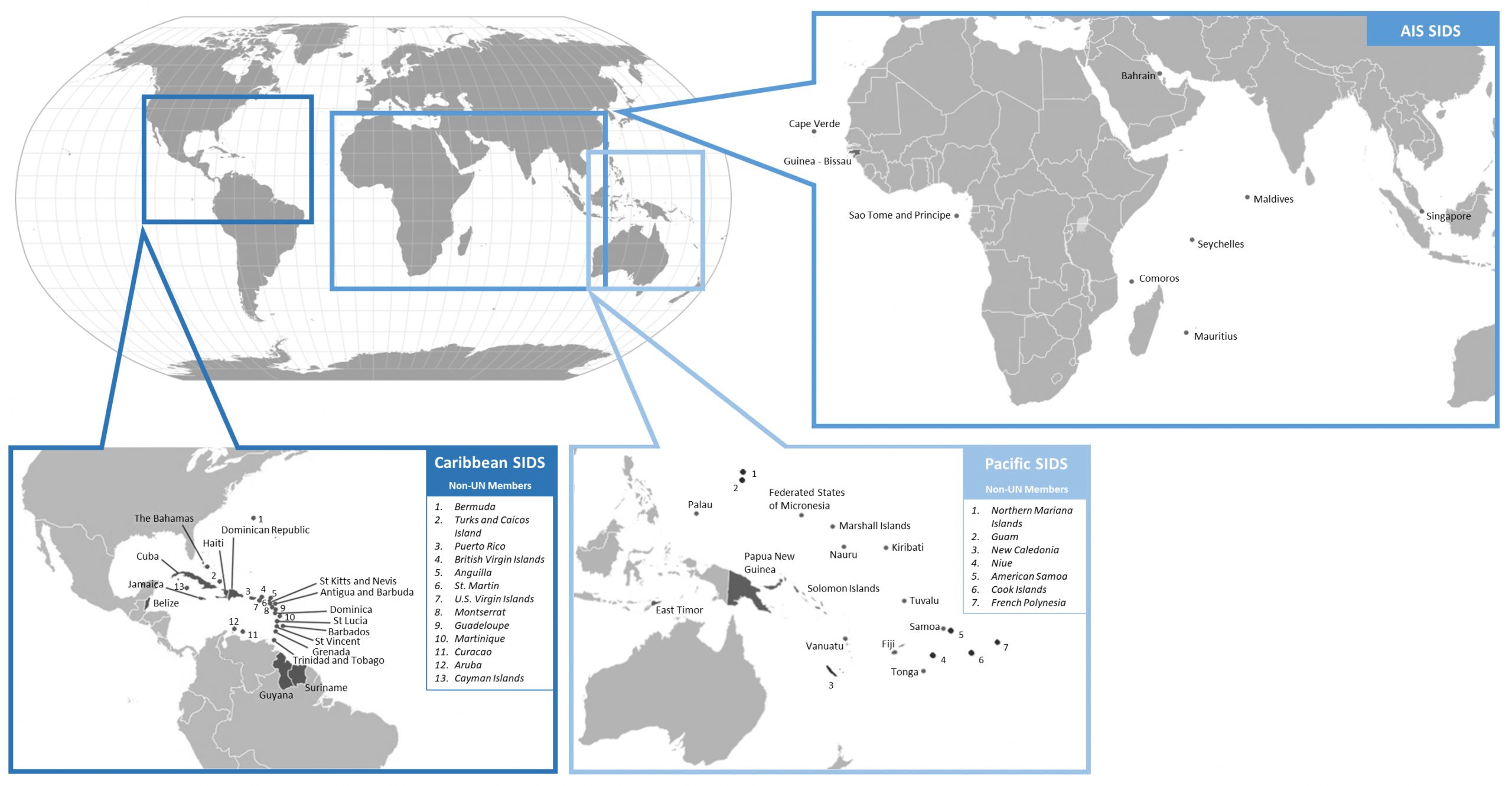
    Small Island Developing States (SIDS)

    Note4Students

    From UPSC perspective, the following things are important:

    Prelims level: SIDS Mapping; Barbados Programme of Action (1994); Mauritius Strategy (2005); and SAMOA Pathway (2014)

    Why in the News?

    The 4th International Conference on Small Island Developing States (SIDS-4) is underway in Antigua and Barbuda.

    What are Small Island Developing States (SIDS)?

    • SIDS encompass 39 States and 18 Associate Members of United Nations regional commissions, facing unique social, economic, and environmental vulnerabilities.
    • SIDS are situated across three regions:
    1. the Caribbean,
    2. the Pacific
    3. the Atlantic, Indian Ocean, and South China Sea (AIS).
    • Their distinctive challenges were acknowledged at the 1992 United Nations Conference on Environment and Development in Rio de Janeiro, Brazil.

    SDGs supporting SIDS

    • Small island development states are mentioned in several of the Sustainable Development Goals.
    • For example, Target 7 of Sustainable Development Goal 14 (“Life below Water“) states-

    “By 2030, increase the economic benefits to Small Island developing States and least developed countries from the sustainable use of marine resources, including through sustainable management of fisheries, aquaculture and tourism”.

    Challenges Faced by SIDS:

    • Remote geography and reliance on external markets due to narrow resource bases contribute to high import/export costs.
    • Exclusive Economic Zone (EEZ), substantially larger than landmasses, provides vital resources but poses challenges like high transportation costs and vulnerability to economic shocks.

    Biodiversity and Economic Significance:

    • Biodiversity sustains key industries like tourism and fisheries, often constituting over half of SIDS’ GDP.
    • Beyond economic benefits, biodiversity holds aesthetic and spiritual value, providing essential services like food supply, erosion prevention, and protection from natural disasters.

    UN Programmes Supporting SIDS:

    • The Barbados Programme of Action (1994), Mauritius Strategy (2005), and Small Island Developing States Accelerated Modalities of Action (SAMOA) Pathway (2014) outline specific actions to achieve sustainable development and address gaps in implementation.
      • Barbados Programme of Action (1994): It prescribed actions enabling SIDS to achieve sustainable development.
      • Mauritius Strategy (2005): It addressed remaining gaps in implementing the Barbados Programme of Action.
      • SAMOA Pathway (2014): It emphasises challenges like climate change and biodiversity loss, outlining priorities for sustainable development.
    • These programmes underscore the ongoing commitment to supporting SIDS’ development and resilience.

    Priority areas defined by SAMOA Pathway:

    1. Economic Growth: Promote sustainable, inclusive economic growth, sustainable consumption/production, and transportation.
    2. Climate Action: Mitigate climate change, and implement sustainable energy, and disaster risk reduction programs.
    3. Biodiversity Protection: Safeguard biodiversity, mitigate invasive species, manage chemicals/water, and protect oceans/seas.
    4. Human Health and Social Development: Enhance food security, and water/sanitation, reduce non-communicable diseases, and promote gender equity.
    5. Partnerships: Foster collaborations among SIDS, UN Agencies, development partners, and stakeholders to achieve sustainable development goals.


    PYQ:

    [2021] Describe the major outcomes of the 26th session of the Conference of the Parties (COP) to the United Nations Framework Convention on Climate Change (UNFCCC). What are the commitments made by India in this conference?

  • The Crisis In The Middle East

    Arab League demands UN Peacekeepers in Palestine

    Note4Students

    From UPSC perspective, the following things are important:

    Prelims level: Arab League; its members

    Mains level: NA

    Why in the News?

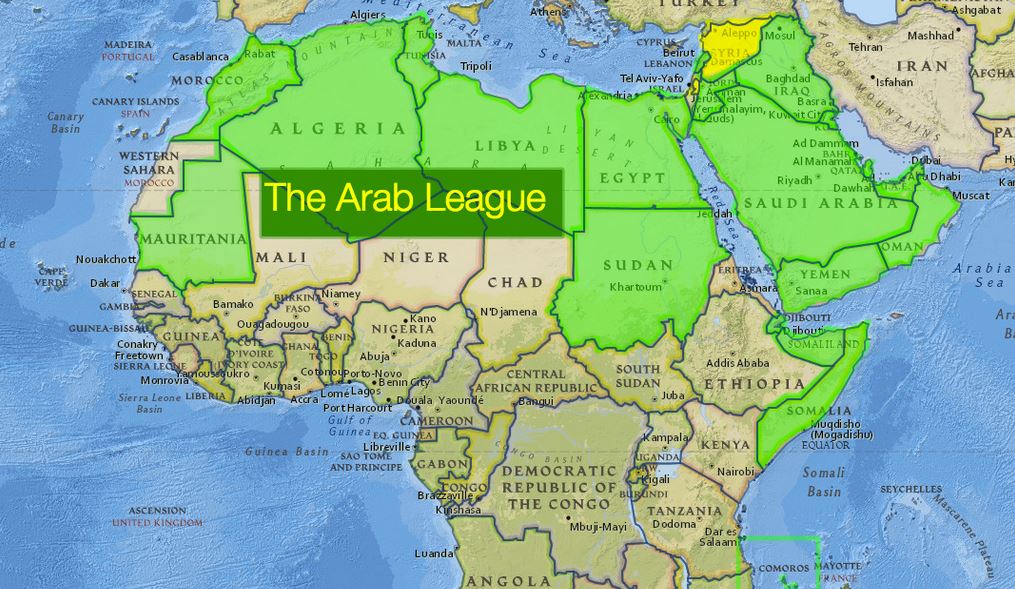
    The Arab League called for UN peacekeeping forces in the Palestinian territories during a summit in Bahrain’s Manama. The “Manama Declaration” issued by the league sought UNPKF in the occupied Palestinian territories” until a two-state solution is implemented.

    Back2Basics: United Nations Peacekeeping

    • UN Peacekeeping is a collective effort by the international community, led by the United Nations, to maintain peace and security in regions affected by conflict.
    • UN peacekeepers are often referred to as Blue Berets or Blue Helmets because of their light blue berets or helmets) can include soldiers, police officers, and civilian personnel.

    History:

    • The concept of UN peacekeeping emerged in the aftermath of World War II, with the establishment of the United Nations in 1945.
    • The first UN peacekeeping mission was established in 1948, following the Arab-Israeli War, to monitor the ceasefire between Israel and its Arab neighbours.
      • This mission, known as the United Nations Truce Supervision Organization (UNTSO), set the precedent for future peacekeeping operations.
    • Since then, the scope and complexity of UN peacekeeping have evolved significantly, with operations conducted across the globe in regions affected by conflict, civil war, and humanitarian crises.

    Operations:

    • UN Peacekeeping is guided by three basic principles:
    1. Consent of the parties
    2. Impartiality
    3. Non-use of force except in self-defence and defence of the mandate
    • UN peacekeeping operations are deployed with the consent of the main parties to the conflict. It can be deployed at the request of the parties involved in a conflict or with the authorisation of the UN Security Council.
    • The objectives may vary depending on the specific context but often include monitoring ceasefires, disarming combatants, facilitating the delivery of humanitarian aid, promoting human rights, and supporting the establishment of democratic governance structures.
    • UN peacekeeping operations operate under the principles of impartiality, consent of the parties, and non-use of force except in self-defence and defence of the mandate.

    India’s Role:

    • India has been one of the largest contributors to UN peacekeeping operations since their inception.
    • India has contributed nearly 195,000 troops, the largest number from any country, and participated in more than 49 missions and 168 supreme sacrifices while serving in UN missions.

    About Arab League

    Details
    Establishment Founded on March 22, 1945, in Cairo, Egypt.
    Founding Members Egypt, Iraq, Jordan, Lebanon, Saudi Arabia, Syria.
    Objective Promote economic, cultural, political, and military cooperation among member states. Safeguard independence and sovereignty.
    Functions 
    1. Operates on consensus among member states. Decisions are made through consultations and discussions.
    2. Regular meetings among Arab leaders to address regional issues, formulate policies, and coordinate actions.
    3. Specialised committees and councils address specific areas of cooperation, such as economic affairs, social affairs, and defence.
    Member States Egypt, Iraq, Jordan, Lebanon, Saudi Arabia, Syria, Libya, Tunisia, Algeria, Bahrain, Comoros, Djibouti, Kuwait, Mauritania, Morocco, Oman, Palestine, Qatar, Somalia, Sudan, United Arab Emirates, and Yemen.
    Observer Nations
    • Non-Arab countries with observer status include Brazil, Eritrea, India, Venezuela, and others.
    • No voting rights are accorded to Observer nations.
    Important Achievements
    • Proposal of the Arab Peace Initiative in 2002.
    • Coordination of military efforts in various conflicts.
    • Promotion of economic cooperation through initiatives such as the Arab Free Trade Area.
    • Facilitation of cultural and educational exchange programs among member states.
    Challenges Internal divisions, Differences of opinion over the Palestinian-Israeli conflict etc.


    PYQ:

    [2014] Recently, a series of uprisings of people referred to as ‘Arab Spring’ originally started from

    (a) Egypt

    (b) Lebanon

    (c) Syria

    (d) Tunisia