💥UPSC 2026, 2027, 2028 UAP Mentorship (March Batch) + Access XFactor Notes & Microthemes PDF

Type: World Mapping

  • OBOR Initiative

    Niger struggles with Security, Economic Crises

    Note4Students

    From UPSC perspective, the following things are important:

    Prelims level: Niger, Niger Benin Export Pipeline

    Why in the News?

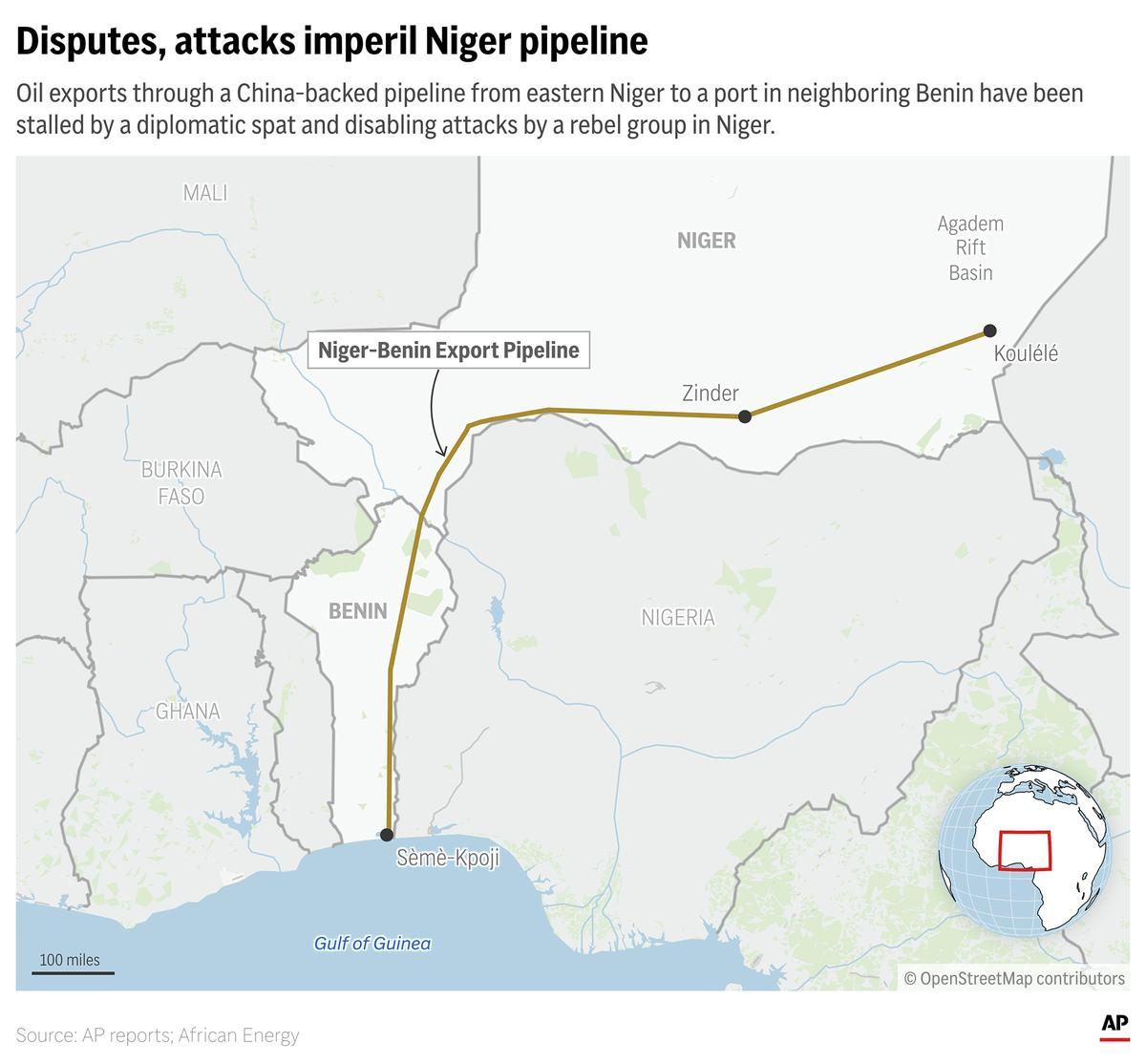
    • The China-backed Niger-Benin Export Pipeline that would make Niger an oil-exporting country is being threatened by an internal security crisis and a diplomatic dispute with neighboring Benin.
      • These issues arose after last year’s coup that toppled Niger’s democratic government.

    About Niger

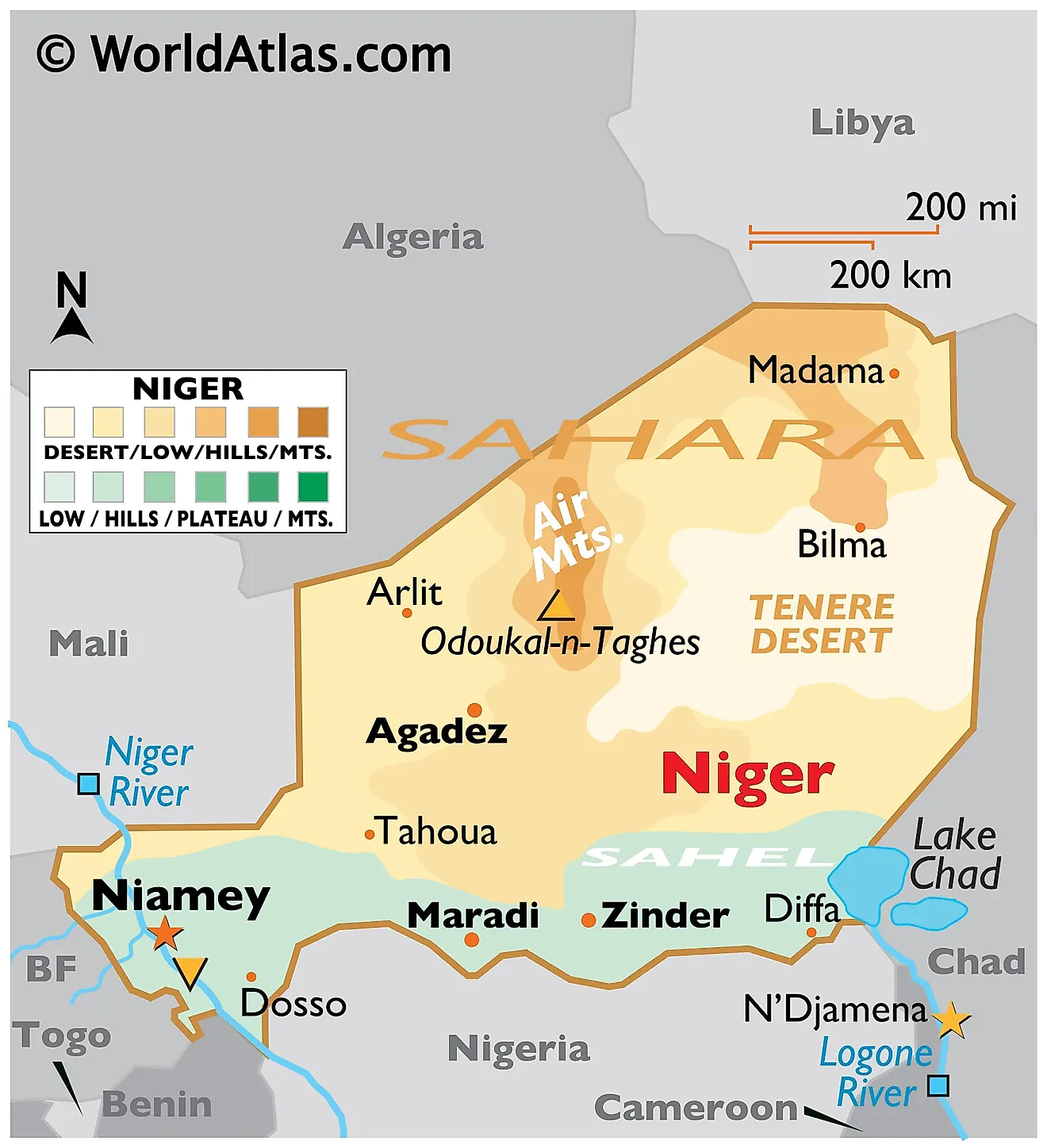
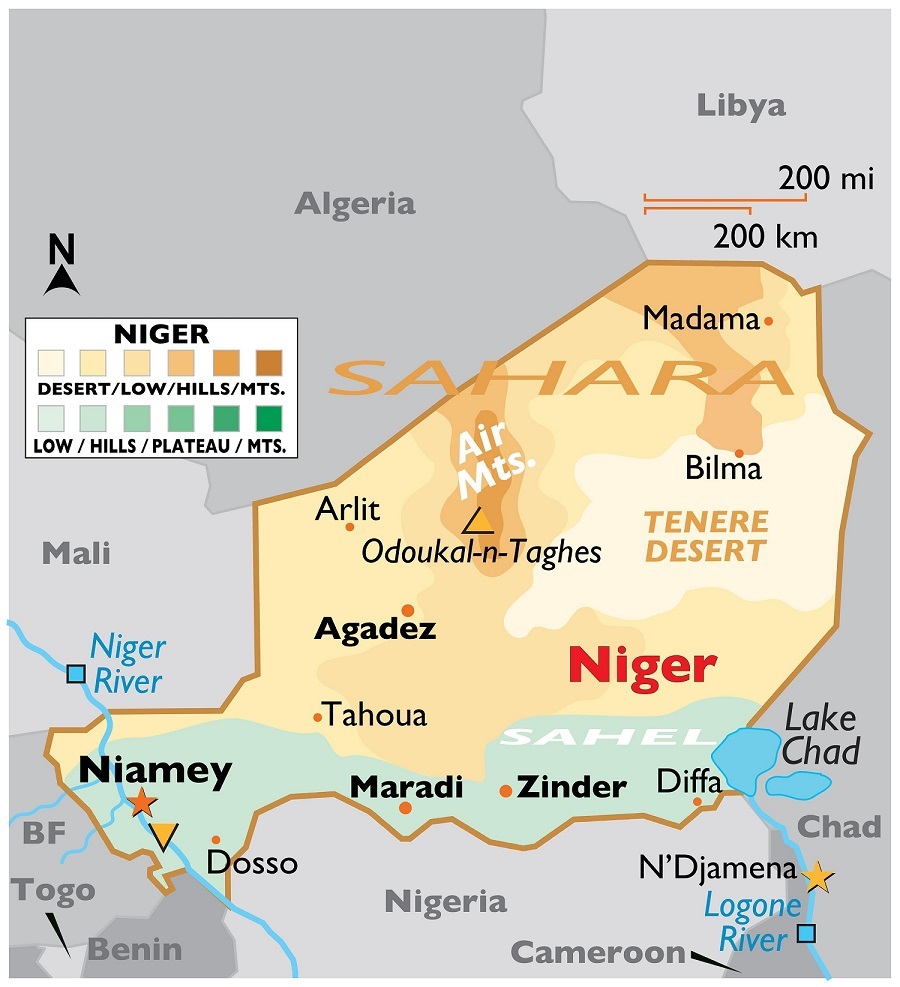
    • Niger, located in West Africa, is a landlocked country known for its vast desert landscapes and significant cultural heritage.
    • The northern region of Niger is dominated by the Sahara Desert, comprising more than half of the country.
    • The central part of Niger is characterized by the Sahel, a semi-arid transition zone between the Sahara
    • The Aïr Mountains, located in the northern central part are a significant mountain range with the highest peak, Mont Idoukal-n-Taghès (2,022 m).
    • The Niger River is the country’s primary water source.
    • Lake Chad is a significant body of water shared with Nigeria, Chad, and Cameroon. Its size keep on fluctuating.

    About Niger Benin Export Pipeline

    • The 1,930-kilometer pipeline runs from Niger’s Chinese-built Agadem oil field to the port of Cotonou in Benin.
    • It was designed to help Niger achieve an almost 5x increase in oil production through a $400 million deal with China’s state-run national petroleum company.
    • The pipeline faces significant challenges, including a recent diplomatic disagreement with Benin.
    • These issues threaten to strain Niger’s economy, heavily reliant on external support now withheld after a coup.


    PYQ:

    [2018] Which of the following has/have shrunk immensely/dried up in the recent past due to human activities?

    1. Aral Sea
    2. Black Sea
    3. Lake Baikal

    Select the correct answer using the code given below:

    (a) 1 only

    (b) 2 and 3

    (c) 2 only

    (d) 1 and 3

  • Foreign Policy Watch: India-Africa

    Places in News: Niger, Ivory Coast and Pacific Island States

    Note4Students

    From UPSC perspective, the following things are important:

    Prelims level: Mapping of these locations.

    Why in the News?

    Details

    Niger

    • Turkish delegation visited to strengthen military cooperation with the junta, shifting alliances to Turkey and Russia.
    Geography: Landlocked in West Africa, bordered by Algeria, Libya, Chad, Nigeria, Benin, Burkina Faso, and Mali. Population ~26.3 million; capital Niamey.

    Key Points:

    • Gained independence from France in 1960.
    • Political instability with coups and a military junta in 2023.
    • It faces significant challenges including desertification, water scarcity, and economic development issues.
    • It is one of the world’s poorest nations despite having large uranium reserves.

    Ivory Coast

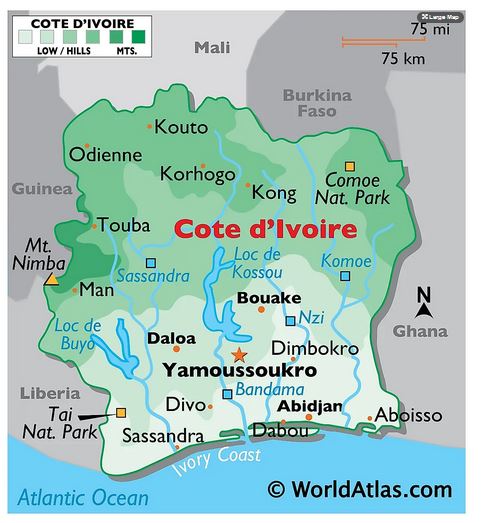
    • Recent discoveries have revealed substantial oil reserves estimated at six billion barrels, potentially making Ivory Coast a net oil exporter by the end of the decade.
    • The Baleine field, operated by Eni, aims to reach significant production levels by 2026.
    Geography: Located on the southern coast of West Africa; bordered by Liberia, Guinea, Mali, Burkina Faso, Ghana, and the Gulf of Guinea. Population ~30.9 million; capital Yamoussoukro.

    Key Points:

    • Gained independence from France in 1960.
    • Experienced political instability, now relatively stable since 2016.
    • Fast-growing economy dependent on cocoa, coffee, and expanding into gold mining and oil refining.
    • Abidjan is a major hub for West African economic activities.

    Pacific Island States

    • Participated in a summit with Japan expressing concerns over military build-ups and the need for regional peace and security.
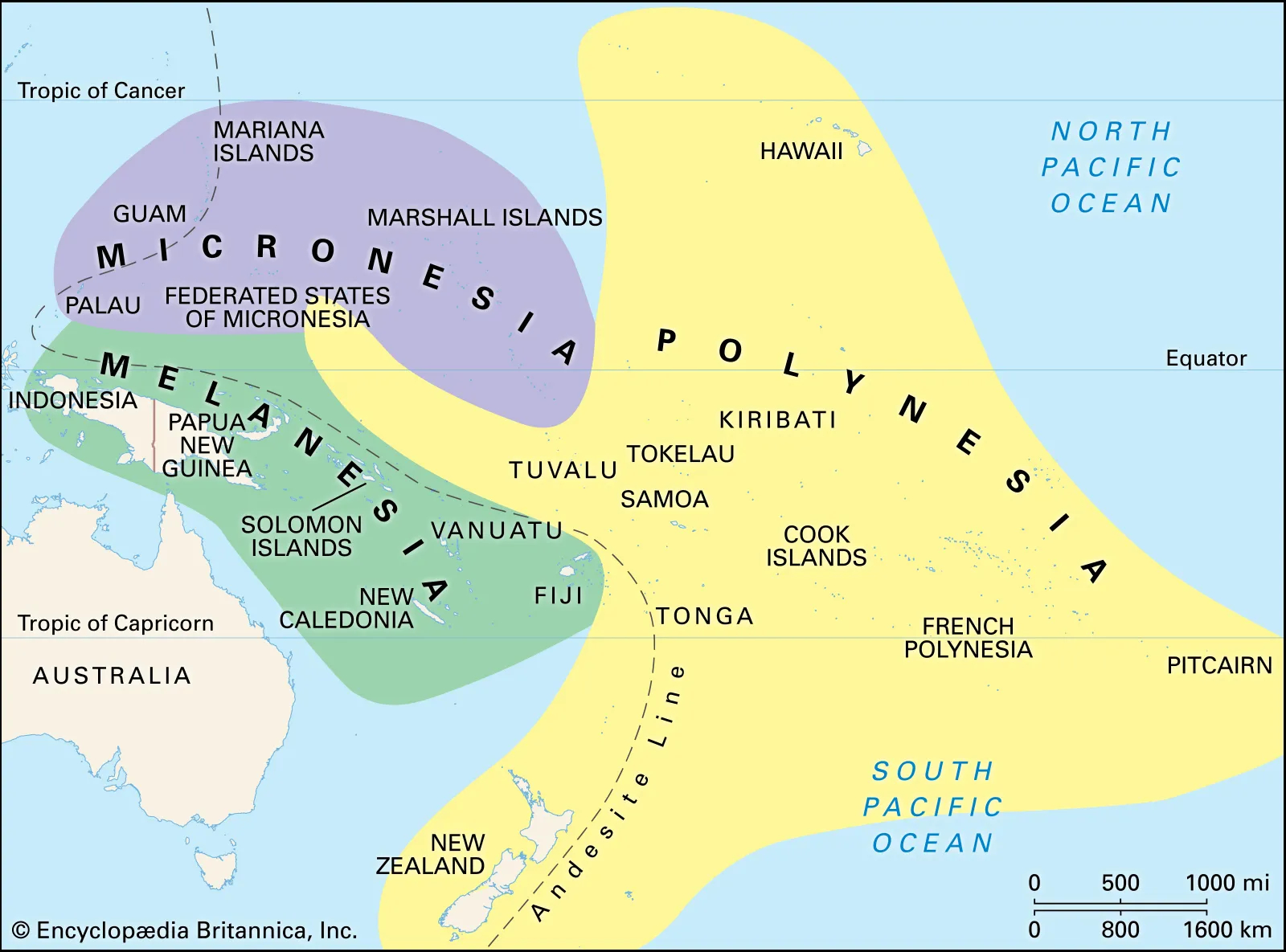
    • Geography: Vast region in the Pacific Ocean, categorized into Melanesia, Micronesia, and Polynesia; diverse climates and ecosystems.
    • They face challenges such as climate change impacts, biodiversity loss, and varying levels of development.
    • Economic activities include tourism, agriculture (especially coconut and palm oil), and fishing.
    • These islands play a crucial role in global biodiversity and climate resilience efforts.


    PYQ: 

    [2022] Consider the following pairs:

    Region often mentioned in the news: Country

    1. Anatolia: Turkey
    2. Amhara: Ethiopia
    3. Cabo Delgado: Spain
    4. Catalonia: Italy

    How many pairs given above are correctly matched?

    (a) Only one pair

    (b) Only two pairs

    (c) Only three pairs

    (d) All four pairs

    [2018] Consider the following pairs:

    Towns sometimes mentioned in news: Country

    1. Aleppo: Syria

    2. Kirkuk: Yemen

    3. Mosul: Palestine

    4. Mazar-i-Sharif:  Afghanistan

    Which of the pairs given above are correctly matched?

    (a) 1 and 2

    (b) 1 and 4

    (c) 2 and3

    (d) 3 and 4

  • Innovations in Biotechnology and Medical Sciences

    Motor Neuron Disease (MND)

    Note4Students

    From UPSC perspective, the following things are important:

    Prelims level: MND and its causes; NIMHANS.

    Why in the News?

    The annual conference on Motor Neuron Disease (MND) ‘Awareness, Care and Management’ was held at NIMHANS.

    What is Motor Neuron Disease (MND)?

    • MND is a condition that affects the nerves in the brain and spinal cord, which are responsible for controlling your muscles.
    • Over time, these nerves (called motor neurons) stop working properly, leading to muscle weakness and wasting away.

    Types of MND:

    1. Amyotrophic Lateral Sclerosis (ALS): The most common type. It affects both upper and lower motor neurons, leading to weakness in various body parts.
    2. Progressive Bulbar Palsy (PBP): Affects the nerves in the brainstem, leading to problems with speaking and swallowing.
    3. Progressive Muscular Atrophy (PMA): Affects only the lower motor neurons, causing muscle weakness and wasting.
    4. Primary Lateral Sclerosis (PLS): Affects only the upper motor neurons, causing stiffness and movement difficulties.

    Causes of MND:

    • Genetic Factors: In some families, MND can be inherited due to specific gene mutations.
    • Environmental Factors: Exposure to certain toxins, viruses, or physical injuries might contribute, but this is less clear.
    • Age and Gender: It usually affects people between the ages of 50 and 70 and is slightly more common in men.

    Symptoms:

    • Muscle Weakness: Starts in one part of the body, like an arm or leg, and gradually spreads.
    • Muscle Cramps and Twitching: Small, involuntary muscle movements.
    • Difficulty Speaking and Swallowing: Due to weakness in the muscles used for these functions.
    • Breathing Problems: In advanced stages, muscles that control breathing can be affected.
    • Emotional Changes: Some people might experience changes in behavior or thinking.

    Diagnosis:

    • Clinical Examination: A doctor examines your symptoms and medical history.
    • Electromyography (EMG): Tests the electrical activity of your muscles.
    • Nerve Conduction Studies (NCS): Checks how well your nerves send signals.
    • MRI: Scans to rule out other conditions.
    • Genetic Testing: To check for inherited forms of MND.

    Treatment:

    There is no cure for MND, but treatments can help manage symptoms and improve quality of life.

    1. Medications:
      • Riluzole: Can slow down the progression of ALS.
      • Edaravone: Another drug that may slow down the decline in daily activities.
      • Symptomatic Treatments: For muscle cramps, excess saliva, and emotional symptoms.
    2. Therapies:
      • Physical Therapy: Helps maintain muscle strength and mobility.
      • Occupational Therapy: Aids in performing daily activities.
      • Speech Therapy: Assists with speech and swallowing difficulties.
      • Respiratory Therapy: Supports breathing issues.

    Back2Basics: National Institute of Mental Health and Neuro-Sciences (NIMHANS)

    Details
    Location Bangalore, India
    Affiliation Autonomous institute under the Ministry of Health and Family Welfare, Government of India
    Ranking Ranked 4th best medical institute in India by the National Institutional Ranking Framework (NIRF)”
    History
    • Founded in 1847 as the Bangalore Lunatic Asylum.
    • Renamed as the Mental Hospital in 1925.
    • Amalgamated with the All India Institute of Mental Health (AIIMH) in 1974 to form NIMHANS.
    • Conferred with deemed university status by the University Grants Commission in 1994.
    • Declared an Institute of National Importance by an act of parliament in 2012.
    Governance
    • Operates with academic autonomy under the “Societies Registration Act, 1860”.
    • Prioritises service, manpower development, and research in mental health and neurosciences.
    • A multidisciplinary integrated approach was adopted for translating research results into practice.
    Funding Receives resources for academic and research activities from national and international funding organisations.
    Outreach
    • Engages in mental health outreach initiatives including critiquing mental health reports and collaborating with government agencies for training and counseling.
    • Known for diagnosing and treating various mental health conditions including depression and neurobiological disorders.
  • Global Geological And Climatic Events

    ‘Cold Lava’ Rivers flow in Philippines after Mount Canlaon eruption

    Note4Students

    From UPSC perspective, the following things are important:

    Prelims level: Mount Canlaon, Cold Lava Mudflows

    Why in the News?

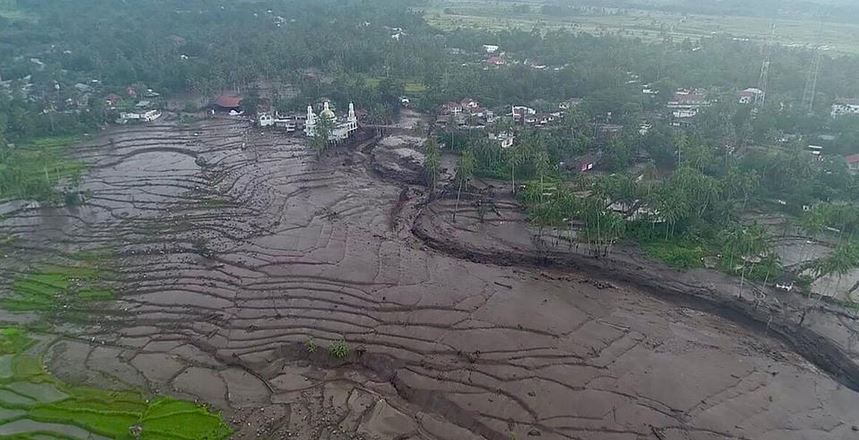
    • After Mount Canlaon erupted in the Philippines, cold lava started flowing through streets and rivers.
      • It was followed by ashfall, and dangers like floods and mudflows downstream.

    What is Cold Lava?

    • Cold lava, also known as “lahar,” is a mixture of water and rock fragments that flows rapidly down the slopes of a volcano, often triggered by heavy rainfall or volcanic eruptions.
    • The mixture forms a concrete-like substance that destroys everything in its path.
    • This can also include smooth, glassy textures or rough and jagged textures.

    Another example of cold Lava in the world

    • Mount Merapi, Indonesia (2023): An eruption of Mount Merapi resulted in the deaths of at least 23 climbers and spewed ash up to 3,000 meters into the air, covering towns and villages

    How harmful is Cold Lava?

    • Rain can carry cold lava down the slopes of a volcano during an eruption and into the path of nearby towns or villages.
    • According to the United States Geological Survey, cold lava has the power to crush and bury things in its path.
    • It also moves quickly like wet concrete and is considered more destructive than hot lava.

    About Mount Canlaon

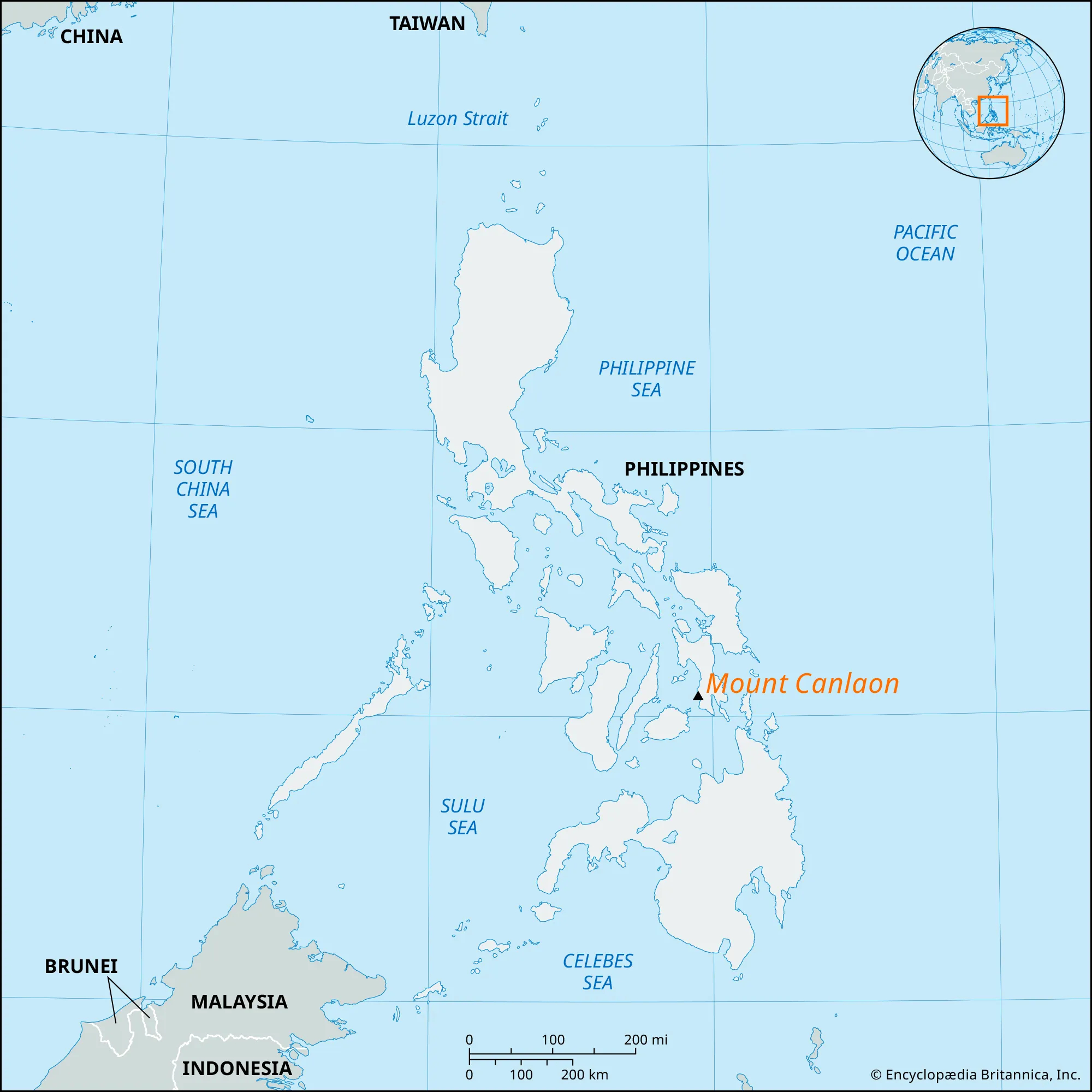
    • Mount Canlaon, located in the Philippines, is an active stratovolcano known for its frequent eruptions and volcanic activity.
    • It is situated on the island of Negros in the Visayas region of the Philippines.
    • It is part of the Pacific Ring of Fire, known for its high volcanic activity.
    • It poses hazards such as ash fall, lava flows, pyroclastic flows, and lahars (mudflows) that can endanger nearby communities and agriculture.


    PYQ:

    [2021] Discuss about the vulnerability of India to earthquake-related hazards. Give examples including the salient features of major disasters caused by earthquakes in different parts of India during the last three decades.

  • What is happening in the French territory of New Caledonia?

    Note4Students

    From UPSC perspective, the following things are important:

    Prelims level: Mapping of New Caledonia

    Why in the News?

    New Caledonia, France’s Pacific island territory, is under a state of emergency due to deadly riots.

    About New Caledonia 

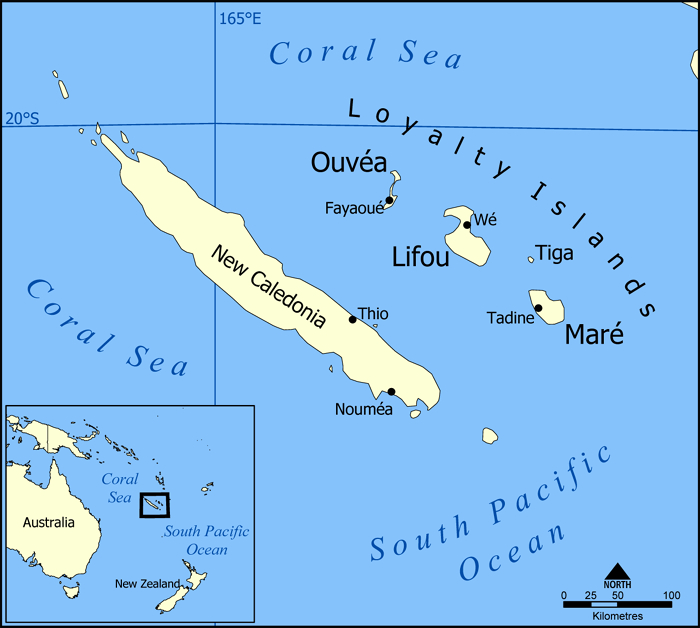
    • New Caledonia is a French overseas territory in the Pacific.
    • It enjoys a large degree of autonomy but depends heavily on France for matters like defence and education.
    • It includes the island of New Caledonia where the capital, Noumea, is located, the Loyalty Islands; the Belep Islands; and the Ile des Pins.
    • New Caledonia’s lagoons were designated a UNESCO World Heritage site in 2008.

    The Crisis: A Quick Recap

    • New Law: The French government passed a law that has upset people in New Caledonia.
    • Vote Reforms: Now, French citizens who lived on the island for 10 years or more can vote. The government says it’s fairer this way.
    • Resistance from Indigenous people: The locals, especially the Kanak community, feel this gives too much power to French settlers and stops them from gaining independence.

    How did France occupy this territory? 

    • Exploration: British explorer James Cook named the island New Caledonia in 1774 after the Latin name for Scotland.
    • French Annexation: France annexed it in 1853 and New Caledonia became a French overseas territory in 1946.
    • Fewer Locals: France brought in lots of French people. Now, the original Kanak people are only 40% of the population, while others, like the Caldoches and newer French arrivals, make up the rest.

    Why are the people protesting?

    • There were similar fights in the 1990s, leading to promises of more power for locals.
    • In 2018, 2020, and 2021, they voted on whether to be independent from France. But many boycotted the last vote, saying it wasn’t fair because of the pandemic.

    Why is it significant for France?

    • France sees New Caledonia as important for keeping power in the region.
    • It wants to stay strong in the Pacific to stand up to other big powers, like China.

    PYQ:

    [2014] Explain how the foundations of the modern world were laid by the American and French revolutions.

  • In news: Volkhov River

    Note4Students

    From UPSC perspective, the following things are important:

    Prelims level: Volkhov River

    Why in the News?

    Four medical students from India studying in a university in Russia drowned in Volkhov River near St. Petersburg.

    About Volkhov River

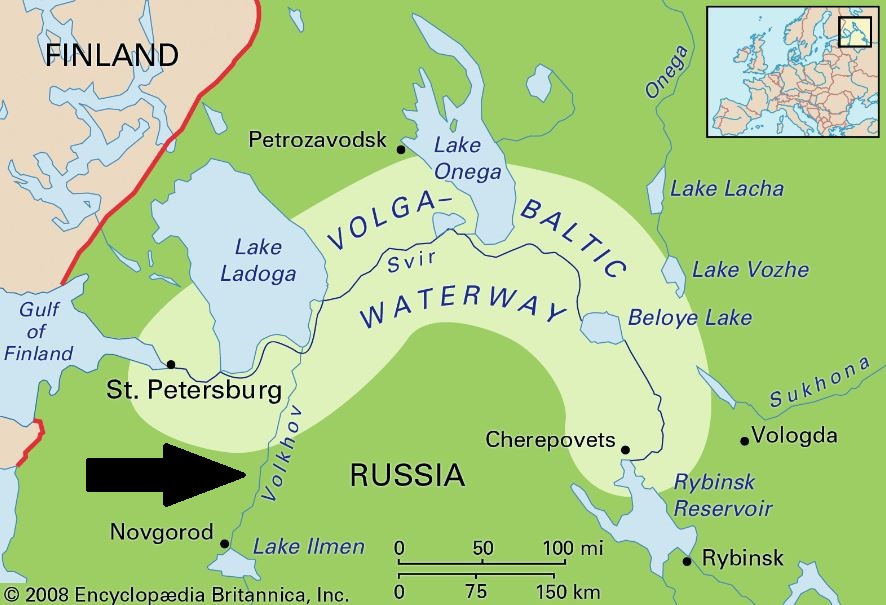
    • The Volkhov River is a significant waterway in northwestern Russia.
    • It is located in the Leningrad Oblast and Novgorod Oblast of Russia, in the northwestern part of the country.
    • It stretches approximately 224 kilometers (139 miles) from Lake Ilmen to Lake Ladoga.
    • Origin: It flows out of Lake Ilmen north into Lake Ladoga, the largest lake in Europe.
    • Tributaries: The Msta River is the largest tributary of the Volkhov.
    • Major Cities: Several cities and settlements are situated along the banks of the Volkhov River, including Novgorod, Veliky Novgorod, and Volkhov.

    PYQ:

    [2020] Consider the following pairs:

    River – Flows into

    1. Mekong – Andaman sea
    2. Thames – Irish Sea
    3. Volga – Caspian Sea
    4. Zambezi – Indian Ocean

    Which of the pairs above is/are correctly matched?

    (a) Only 1

    (b) Only 2

    (c) 3 Only

    (d) None of the above/More than one of the above.

  • Wildlife Conservation Efforts

    KAZA Summit 2024: Delegates renew calls to leave CITES

    Note4Students

    From UPSC perspective, the following things are important:

    Prelims level: About CITES;

    Mains level: The Kaza Summit and its objectives;

    Why in the news?

    At the KAZA 2024 Summit in Livingstone, Zambia, delegates reiterated the urge for member states to withdraw from CITES because they seek approval to trade their plentiful ivory and wildlife items.

    About the Convention on International Trade in Endangered Species of Wild Fauna and Flora (CITES):

    • It is an international agreement adopted in 1973 (entered into force in 1975) between governments.
    • Aim: To ensure that international trade in wild animals and plants does not threaten their survival.
    • Headquarters: Geneva, Switzerland.
    • Although CITES is legally binding on the Parties – in other words, they have to implement the Convention–it does not take the place of national laws.
    • Representatives of CITES nations meet every two to three years at a Conference of the Parties (COP) to review progress and adjust the lists of protected species, which are grouped into three categories with different levels of protection:
      • Appendix I: Includes the world’s most endangered plants and animals, such as tigers and gorillas. International commercial trade in these species, or even parts of them, is completely banned, except in rare cases such as scientific research.
      • Appendix II: Contains species like corals that are not yet threatened with extinction, but which could become threatened if unlimited trade were allowed. Also included are “look-alike” species that closely resemble those already on the list for conservation reasons. Plants and animals in this category can be traded internationally, but there are strict rules.
      • Appendix III: Species whose trade is only regulated within a specific country can be placed on Appendix III if that country requires cooperation from other nations to help prevent exploitation.

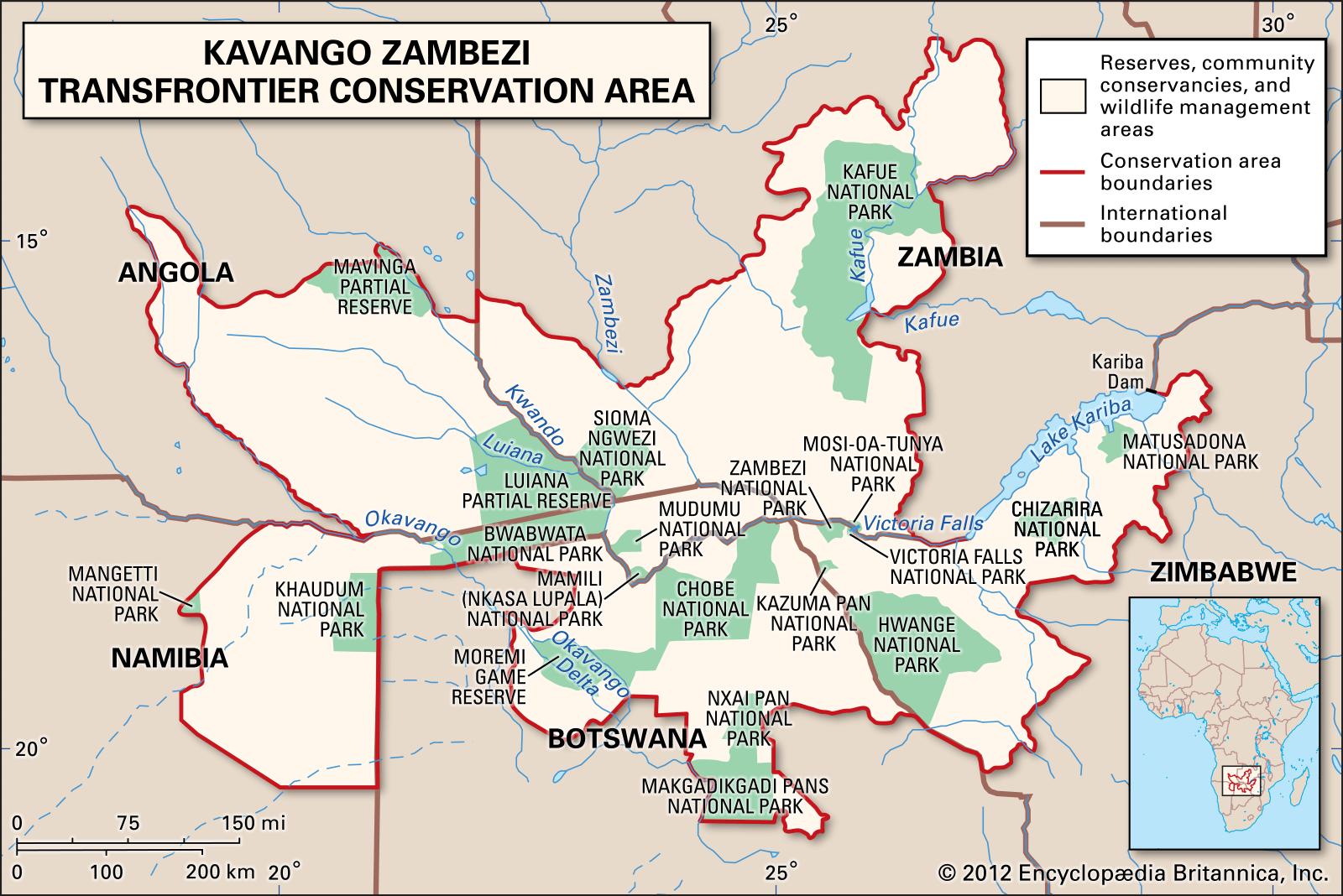
    What is Kavango-Zambezi Trans-Frontier Conservation Area (KAZA-TFCA)?

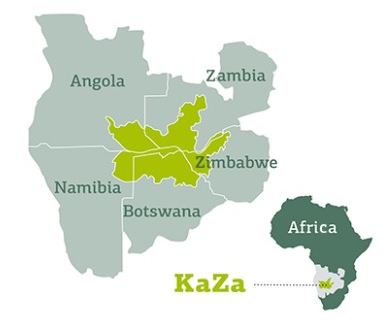
    • The Kavango-Zambezi Trans-Frontier Conservation Area (KAZA-TFCA) spans 520,000 square kilometers. It covers parts of five southern African nations. These nations are Angola, Botswana, Namibia, Zambia, and Zimbabwe.
    • The area is centered around the Okavango and Zambezi river basins. The combined elephant population in these nations represents over two-thirds of Africa’s total, estimated at around 450,000.
    • Botswana has the largest elephant population within the region, with 132,000 elephants. Zimbabwe follows with 100,000 elephants.

    Key Objectives of KAZA 2024 Summit :

    • Conservation: Promote the sustainable management and conservation of wildlife across the five member states: Angola, Botswana, Namibia, Zambia, and Zimbabwe.
    • Economic Benefit: To explore ways to monetize abundant wildlife resources, particularly elephants, to fund conservation efforts and benefit local economies.

    Dominant Issues:

    • At the 19th meeting of the CITES conference in Panama in 2022, KAZA states and five other southern African countries advocated for opening up trade in ivory and elephant products.
    • Southern African countries, including those in the KAZA region, argue that their large elephant populations contribute to habitat loss and human-wildlife conflict.
    • Despite repeated requests, CITES delegates rejected the proposal, leading to frustration among African countries.
    • Ten countries, including KAZA states and others like Eswatini, Lesotho, Mozambique, South Africa, and Tanzania, declared a dispute with CITES. They criticized CITES for straying from its founding principles and adopting ideologies over science-based conservation strategies.

    Way forward:

    • Lobbying for Change: Advocacy for a more equitable and science-based approach to wildlife trade regulations within international frameworks like CITES.
    • Regional Cooperation: Enhance collaboration among member states to develop joint conservation strategies and share best practices for managing human-wildlife conflicts.
    • Diversification of Revenue Streams: Explore alternative sources of funding for conservation efforts, such as ecotourism, carbon credits, and sustainable agriculture.

    Mains PYQ:

    Q How does biodiversity vary in India? How is the Biological Diversity Act, 2002 helpful in the conservation of flora and fauna? (250 Words, 15 Marks) (UPSC IAS/2018)
  • Global Geological And Climatic Events

    In news: Campi Flegrei Super Volcano 

    Note4Students

    From UPSC perspective, the following things are important:

    Prelims level: Campi Flegrei Super Volcano, Mt. Vesuvius, Volcanic eruptions in news.

    Why in the News?

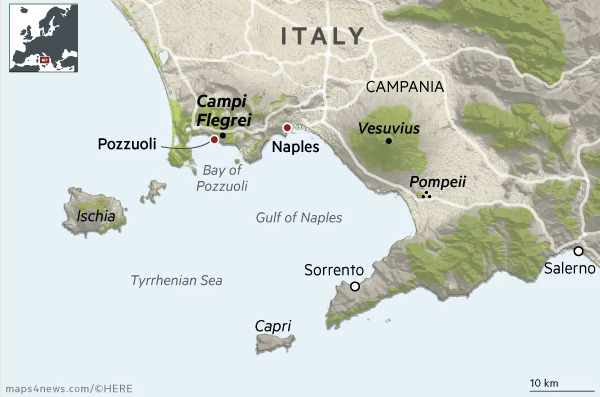
    A 4.4 magnitude earthquake struck Italy’s Campi Flegrei super volcano, with Pozzuoli as the epicentre. Felt as far as Naples, it’s the strongest tremor in 40 years

    Bradyseism Concerns near Campi Flegrei:

    • Campi Flegrei is prone to bradyseism, where ground elevation changes due to subsurface pressure.
    • The area, located 50 kilometres from Mt. Vesuvius, is undergoing a new cycle of bradyseism, according to volcanologists.
    • Over 500,000 people reside in the red zone adjacent to Campi Flegrei, prompting the Italian Civil Protection Agency to update evacuation plans.

    About Campi Flegrei Volcano

    • Campi Flegrei, also known as the Phlegraean Fields, is a large volcanic area located in the western suburbs of Naples, Italy.
    • It is one of the most active volcanic systems in the world and has been active for at least 50,000 years.

    Its Volcanic System:

    • Location: Campi Flegrei is situated within the Campanian volcanic arc in southern Italy, extending from the city of Naples to the Gulf of Pozzuoli.
    • Geological Formation: The volcanic system of Campi Flegrei is characterized by a large caldera, which is a collapsed volcanic crater, surrounded by numerous volcanic vents, craters, and lava domes. The caldera has a diameter of about 13 kilometers (8 miles).
    • Volcanic Activity: Campi Flegrei is considered a supervolcano due to its size and potential for large eruptions. It has experienced numerous periods of volcanic activity throughout its history, including explosive eruptions, lava flows, and phreatic (steam-driven) eruptions.
    • Terrain Features: The landscape of Campi Flegrei is characterized by volcanic features such as craters, fumaroles (steam vents), mud pots, and hot springs.

    PYQ:

    [2021] Mention the global occurrence of volcanic eruptions in ‘2021’ and their impact on regional environment.

    [2018] Consider the following statements:

    1. The Barren Island volcano is an active volcano located in the Indian Territory.
    2. Barren Island lies about 140 km east of Great Nicobar.
    3. The last time the Barren Island volcano erupted was in 1991 and it has remained inactive since then.

    Which of the statements given above is/are correct?

    (a) 1 only

    (b) 2 and 3

    (c) 3 only

    (d) 1 and 3

  • Wildlife Conservation Efforts

    Orangutan uses Plant to treat wound

    Note4Students

    From UPSC perspective, the following things are important:

    Prelims level: Orangutan and its natural habitat

    Mains level: NA

    Why in the news?

    An orangutan was observed treating a wound with medicine from a tropical plant, showcasing how some animals employ natural remedies to alleviate their ailments.

    • This behavior, documented in a recent study published in Scientific Reports, represents a novel instance of self-medication among wild animals.

    About Orangutans

    • Orangutans, are distinguished by their vivid red fur, are the largest arboreal mammals and spend the majority of their time in trees and forests.
    • The name “orangutan” translates to “man of the forest” in Malay.
    • They possess long, powerful arms and grasping hands and feet that facilitate movement through the branches.
    • Highly intelligent, these great apes share 96.4% of genetic makeup of modern man.
    • Orangutans primarily inhabit the tropical rainforests of Southeast Asia, specifically on the islands of Borneo and Sumatra.
    • Conservation Status: Critically Endangered (IUCN Red list)
    • Population: Bornean (Approximately 104,700); Sumatran (Approximately 13,846); Tapanuli (Around 800);
    • Behavioral Features:
      • These apes lead mostly solitary lives in the lowland forests, dining on wild fruits such as lychees, mangosteens, and figs, and drinking water collected in tree cavities.
      • Orangutans are mainly frugivorous, they primarily eat fruits, and consume leaves, bark, insects, and occasionally small animals.
      • They construct nests in trees with vegetation for sleeping at night and resting during the day.
      • And, now they are found treating a wound with medicine from a Tropical plant.

    PYQ:

    [2013] Consider the following:

    1. Star tortoise
    2. Monitor lizard
    3. Pygmy hog
    4. Spider monkey

    Which of the above are naturally found in India?

    (a) 1, 2 and 3 only

    (b) 2 and 3 only

    (c) 1 and 4 only

    (d) 1, 2 and 3 and 4

  • Foreign Policy Watch: India-Africa

    An overview of Sudan’s civil war 

    Note4Students

    From UPSC perspective, the following things are important:

    Prelims level: Bordering countries of Sudan;

    Mains level: Important issues in the Global world;

    Why in the News? 

    The inability of successive governments to articulate a shared vision has resulted in the unfair distribution of wealth and resources in Sudan.

    ANKARA, TURKIYE – NOVEMBER 3: An infographic titled ”Sudanese civil war intensifies in the western cities” is created in Ankara, Turkiye on November 3, 2023. Since mid-April, the intensity of the conflicts between the army and the Rapid Support Forces (RSF) in Sudan, which have resulted in nearly 10,000 casualties, shifted from the capital Khartoum and its surroundings to the western cities. (Photo by Yasin Demirci/Anadolu via Getty Images)

    Historical background  of Conflict: 

    • In 1956: The government that came to power in 1956 emphasized an Arab and Islamic identity based on Mahdist principles. It was not representative of diverse communities and demanded compliance, leading to widespread resistance.
    • In 1989: In 1989, a new government seized control under the National Islamic Front, an alliance between army officers and the Muslim Brotherhood. Omar al-Bashir came to power, supported by Islamist leader Hassan al-Turabi, aiming to establish an Islamic state.
    • In 1991: The government set up an internal security apparatus, arresting and torturing dissenters. It introduced a new penal code in 1991 to impose an Islamization agenda.
    • In 2003: The al-Bashir (in 2003) regime enlisted Janjaweed militias to quell an insurgency in Darfur. These militias were later designated as the Rapid Support Forces in 2013.
    • In 2018-19: After protests in 2018 and al-Bashir’s removal in 2019, a transitional military government was established. Despite challenges and a failed coup attempt, a power-sharing agreement was reached, but another coup led by Abdel Fattah al-Burhan derailed the democratic transition.

    Causes of the present conflict in Sudan:

    • Deep-rooted Crisis in Governance: The conflict reflects a longstanding crisis within Sudan’s governing structure since gaining independence in 1956, characterized by power struggles and frequent coups.
    • Identity Crisis and Rebellion: Sudan has experienced numerous rebellions fueled by an identity crisis, with marginalized populations seeking autonomy and fair representation within the state.
    • Ethnic and Regional Disparities: Sudan comprises of 19 major ethnic groups and about 597 ethnic sub-groups. Since independence, the Sudanese have experienced 35 coups and attempted coups, more than any other African country.
    • Religious and Political Ideologies: Shifts in government ideologies, such as the establishment of an Islamic state in 1989, have exacerbated tensions and led to further marginalization of certain groups.
    • Role of Militias: The emergence of paramilitary forces, such as the Rapid Support Forces, has complicated the conflict dynamics, with militias vying for power and control over resources.
    • Other country’s involvement: External influences, including support from foreign entities like Russia, have played a role in shaping the conflict landscape, particularly in resource-rich regions like Darfur.
    • Economic Interests: Economic factors, such as control over lucrative industries like gold mining, have contributed to the entrenchment of certain groups in power and fueled conflict dynamics.

    Way Forward:

    • Establish a Civilian-Led Government: Sudan needs to prioritize the establishment of a transparent, civilian-led government that represents the diverse Sudanese populace. This government should ensure inclusivity and participation in decision-making processes.
    • Disarm and Demobilize Militias: Urgent action is needed to disarm and demobilize militias like the Rapid Support Forces. This will prevent militia dominance over the state and reduce the risk of armed confrontations and conflicts.
    • International Support for Reconstruction: Sudan requires collaborative efforts from the international community to aid in post-conflict reconstruction. This support can include financial assistance, capacity-building programs, and technical expertise to rebuild infrastructure, institutions, and communities affected by conflict.

    Mains PYQ 

    Q Africa was chopped into states artificially created by accident of European competition. Analyse. (UPSC IAS/2013)