💥UPSC 2027,2028 Mentorship (April Batch) + Access XFactor Notes & Microthemes PDF

Archives: News

  • Goods and Services Tax (GST)

    Where states stand on revenue collections, before and after GST

    Introduction

    Introduced in 2017, the Goods and Services Tax (GST) replaced multiple indirect taxes at both Central and State levels, including excise duty, service tax, and VAT, creating a unified national tax framework. The recent data released by the Central Government for October 2025 indicates a 4.6% year-on-year increase in total revenue collection to ₹1,95,936 crore. However, the state-wise analysis has revealed an emerging concern: while some states have achieved strong revenue growth, others are struggling to reach even pre-GST revenue-to-GDP ratios.

    Why in the News

    The latest data on GST revenue collection highlights contrasting fiscal trajectories across Indian states. Despite record-high GST collections nationally, several states’ tax-to-GDP ratios remain lower than before 2017, indicating a possible erosion of state fiscal autonomy. The issue has gained attention because:

    1. Sixteen states and Union Territories now earn a smaller share of revenue from GST than pre-GST taxes.
    2. The aggregate revenue from subsumed taxes has declined from 6.1% of GDP in 2015-16 to 5.5% in 2023-24.
    3. The average GST-to-GDP ratio over the past seven years is 2.6%, below the pre-GST average of 2.8%.
    4. This reversal is significant as it questions the efficacy of India’s largest tax reform and the viability of fiscal federalism under GST.

    How did GST Change the Tax Landscape?

    1. Unified Tax Framework: GST subsumed indirect taxes such as excise duty, VAT, and service tax under a single national structure, simplifying compliance.
    2. Revenue Flow Shift: Revenue previously collected by states under independent taxes now flows through a shared GST mechanism, altering fiscal control.
    3. Increased Central Dependence: States became dependent on GST compensation cess and Centre’s transfers for revenue stability, altering fiscal autonomy.
    4. Short-term Gains: Initially, GST led to better compliance and formalization, resulting in short-term revenue surges.

    How Are States Performing After GST?

    1. Diverse Outcomes: According to PRS Legislative Research, state-level GST revenues continue to trail the pre-GST levels as a share of GSDP.
    2. Declining Tax-to-GDP Ratio: Aggregate revenue from subsumed taxes fell from 6.1% (2015-16) to 5.5% (2023-24).
    3. Below-Average GST Performance: The seven-year average GST-to-GDP ratio (2.6%) is lower than the pre-GST average (2.8%).
    4. Top Performers: Maharashtra, Karnataka, Gujarat, Tamil Nadu, and Haryana have shown robust post-GST growth in tax collection.
    5. Lagging States: J&K, Punjab, Chhattisgarh, Madhya Pradesh, and Odisha recorded revenue decline from subsumed taxes as a percentage of GSDP.

    Which States Have Been Worst Affected?

    1. Northeastern States: Mizoram, Nagaland, Sikkim, Meghalaya, and Manipur saw an improvement in tax-to-GSDP ratios.
    2. Northern and Central States: Jammu & Kashmir, Punjab, Madhya Pradesh, Chhattisgarh, and Odisha saw a decline in subsumed tax revenues.
    3. Urban-Rural Divide: Industrial and service-oriented states benefited, while agrarian and resource-dependent states witnessed fiscal compression.
    4. GST Compensation End: After 2022, when the GST compensation guarantee ended, fiscal stress intensified for states heavily reliant on the compensation mechanism.

    What Does the Data Reveal About Fiscal Federalism?

    1. Centre-State Revenue Imbalance: 20 out of 36 states/UTs now collect less than 40% of their revenue from GST, deepening fiscal asymmetry.
    2. Medium-term Fiscal Impact: The 15th Finance Commission projected a GST-to-GDP ratio of 7%, but current data reflects underperformance.
    3. Long-term Fiscal Risks: Declining state revenue autonomy may affect social spending and capital expenditure, widening regional disparities.
    4. Compliance Inefficiency: Multiple tax slabs, refund delays, and compliance burdens continue to affect smaller states’ GST efficiency.

    Conclusion

    The GST has achieved its unification objective but has not yet ensured revenue equity across states. While high-compliance, industrial states have benefited, smaller and agrarian states remain fiscally strained. The data underscores the need for recalibrating the GST architecture, simplifying slabs, improving IT infrastructure, and enhancing fiscal transfers, to align with the spirit of cooperative federalism and fiscal balance.

    PYQ Relevance

    [UPSC 2019] Enumerate the indirect taxes which have been subsumed in the Goods and Services Tax (GST) in India. Also, comment on the revenue implications of the GST introduced in India since July 2017.

    Linkage: It evaluates the impact of GST on Centre-State revenue balance and indirect tax structure post-2017.


  • [pib] National Social Assistance Programme (NSAP)

    Why in the News?

    PIB has provided an update regarding the progress of National Social Assistance Programme (NSAP).

    About National Social Assistance Programme (NSAP):

    • Overview: Launched on 15 August 1995, NSAP is a Centrally Sponsored Scheme under the Ministry of Rural Development.
    • Objective: To provides financial and food security to individuals living below the poverty line (BPL), fulfilling the Directive Principles of State Policy (Article 41) by supporting the elderly, widows, persons with disabilities, and families suffering the loss of a breadwinner.
    • Coverage: It operates across rural and urban India, covering over 3.09 crore beneficiaries.
    • Components of NSAP:
      1. Indira Gandhi National Old Age Pension Scheme (IGNOAPS): Provides ₹200/month to citizens aged 60–79 and ₹500/month to those 80+, with States adding top-up support.
      2. Indira Gandhi National Widow Pension Scheme (IGNWPS): Offers ₹300/month to widows aged 40–79 and ₹500/month for those 80+.
      3. Indira Gandhi National Disability Pension Scheme (IGNDPS): Extends ₹300/month to persons aged 18–79 with severe disabilities; ₹500/month for those 80+.
      4. National Family Benefit Scheme (NFBS): Grants a one-time ₹20,000 to BPL families on the death of a breadwinner aged 18–59.
      5. Annapurna Scheme: Supplies 10 kg of free food grains/month to senior citizens eligible for IGNOAPS but not receiving pension.

    Implementation and Monitoring Framework:

    • Selection: Eligible beneficiaries identified by Gram Panchayats and Urban Local Bodies.
    • Disbursement: About 94% through Direct Benefit Transfer (DBT) to bank or post office accounts; cash-at-doorstep allowed in special cases.
    • Monitoring: Each State/UT appoints a Nodal Secretary; quarterly progress reports are mandatory, and failure to submit can lead to withholding of funds.
    • Transparency Measures: Integration with Public Financial Management System (PFMS) ensures real-time tracking, Aadhaar linkage, and prevention of duplication.

    Recent Update (2024–25):

    • NSAP disbursed funds of ₹6,143.92 crore (IGNOAPS), ₹2,150.03 crore (IGNWPS), ₹243.74 crore (IGNDPS), and ₹394.29 crore (NFBS & Annapurna).
    • 2.5 crore+ beneficiaries have Aadhaar-linked accounts ensuring transparent payments.
    • Budget for 2025–26: ₹9,652 crore, with IGNOAPS receiving the largest share (₹6,645.9 crore).
    • Digital Life Certification (DLC) mobile app launched in July 2025, enabling Aadhaar-based verification and reducing manual procedures.
    • The programme continues to serve as a core pillar of India’s social safety net, enhancing welfare delivery and inclusion through digitisation, DBT, and Aadhaar authentication.
  • Electoral Reforms In India

    Disclosure of Election Finance

    Why in the News?

    A recent report by the Association for Democratic Reforms (ADR) revealed that over half of registered unrecognised political parties (RUPPs) linked to Bihar have failed to comply with mandatory financial disclosure norms for FY 2023–24.

    Key Findings of ADR Report:

    • Non-Compliance: Over 59% of registered unrecognised political parties (RUPPs) linked to Bihar failed to file either their audit reports or donation statements for FY 2023–24, violating Election Commission of India (ECI) norms.
    • Scope: Of 275 RUPPs reviewed, 184 were from Bihar and 91 from other states. Only 67 parties (24.36%) disclosed both audit and contribution reports.

    Political Funding in India:

    • Overview: Political funding refers to financial resources raised by political parties or candidates to sustain organisational operations and election campaigns.
    • Purpose: Ensures participation in democratic processes, electoral competitiveness, and mass outreach.
    • Sources of Funding:
      • Individuals: Citizens contribute voluntarily; deductions under Section 80GGB (Income Tax Act).
      • Corporates: Donations governed by Section 182 (Companies Act, 2013).
      • State Support: Indirect subsidies (media access, tax exemption) allowed; direct funding prohibited.
      • Electoral Trusts (2013): Channel corporate contributions transparently.
      • Electoral Bonds (2018): Introduced donor anonymity; struck down by Supreme Court (2024) for violating transparency and citizens’ right to information.

    Legal Framework for Political Funding:

    • Representation of the People Act, 1951 (RPA): Governs election conduct, contributions, and maintenance of accounts.
    • Income Tax Act, 1961:
      • Section 13A: Exempts tax only for parties maintaining audited accounts and disclosing donations.
      • Section 80GGB/GGC: Offers tax benefits to individual and corporate donors.
    • Companies Act, 2013:
      • Section 182: Limits corporate donations to 7.5% of average net profits of the last three years.
      • Mandates annual disclosure of political contributions.
    • Election Commission Guidelines: Mandate submission of audited accounts and contribution reports above ₹20,000.

    Mechanisms Governing Political Funding Disclosure:

    • Disclosure Requirements:
      • Under Section 29C (RPA, 1951): Political parties must disclose donations above ₹20,000 to the ECI annually.
      • Under Sections 77–78 (RPA, 1951): Candidates must submit true election expenditure accounts within 90 days (Lok Sabha) or 75 days (Assembly).
      • Violations invite disqualification up to three years (Section 10A).
    • Transparency Gaps:
      • Over 60% of party income from “unknown sources”, mainly due to inadequate enforcement and loopholes.
      • Frequent delays, incomplete disclosures, and absence of independent audits persist.
    • Judicial Oversight:
      • Supreme Court judgments (e.g., PUCL v. Union, 2003) and 2024 ruling on Electoral Bonds strengthened citizens’ right to know funding sources.
    • Reform Recommendations:
      • Bring political parties under the Right to Information (RTI) Act.
      • Lower disclosure threshold from ₹20,000 to ₹2,000.
      • Establish National Election Fund for equitable, state-audited funding.
      • Ensure real-time digital reporting and independent third-party audits.
    [UPSC 2021] Which one of the following effects of the creation of black money in India has been the main cause of worry to the Government of India?

    Options: (a) Diversion of resources to the purchase of real estate and investment in luxury housing

    (b) Investment in unproductive activities and purchase of precious stones, jewelry, gold, etc.

    (c) Large donations to political parties and the growth of regionalism

    (d) Loss of revenue to the State Exchequer due to tax evasion*


  • Wildlife Conservation Efforts

    Panel seeks higher protection for Rhesus Macaque under Wildlife Act

    Why in the News?

    The Standing Committee of the National Board for Wildlife (SC-NBWL) chaired by Union Environment Minister has recommended reinstating the Rhesus Macaque (Macaca mulatta) under Schedule II of the Wildlife (Protection) Act, 1972.

    rhesus

    Back2Basics: Schedule II of the Wildlife (Protection) Act, 1972

    • Objective: Provides legal protection to species requiring conservation monitoring but not critically endangered.
    • Protection Scope: Hunting, capture, or trade prohibited except under extraordinary conditions such as disease or threat to human life.
    • Legal Provision: Section 11 authorises Chief Wildlife Wardens to grant permissions for justified exceptions.
    • Penalties: Imprisonment up to 3 years, or fine up to ₹25,000, or both; slightly lower than Schedule I provisions.
    • Species Included: Assamese macaque, Indian fox, Himalayan black bear, Indian cobra, large Indian civet, etc.
    • Distinction from Schedule I: Offers near-equivalent protection but allows limited regulation and control measures.
    • Authority: Central Government empowered under Section 61 to amend species inclusion or exclusion

    About Rhesus Macaque:

    • Scientific Name: Macaca mulatta, a species of Old World monkey native to South, Central, and Southeast Asia.
    • Distribution: Widest-ranging non-human primate, found in India, Nepal, Bhutan, Bangladesh, China, and Afghanistan.
    • Physical Traits: Brown or grey fur; body length 47–53 cm, tail 20–23 cm, weight 5–8 kg; strong sexual dimorphism.
    • Habitat: Highly adaptable; lives in forests, grasslands, riverine zones, agricultural lands, and even urban settlements.
    • Behaviour: Diurnal, semi-terrestrial, and social; organised in matrilineal troops (20–200 members) with complex vocal and gestural communication.
    • Diet: Omnivorous, feeds on fruits, seeds, roots, cereals, and occasionally invertebrates; uses cheek pouches for temporary food storage.
    • IUCN Status: Least Concern, due to wide distribution and high adaptability.
    • Legal Reclassification: Previously listed under Schedule II of the WPA, 1972, offering stringent protection against hunting, cruelty, illegal trade, and exploitation. After the 2022 amendments, it was shifted to Schedule IV (mid-level protection category with lesser punishments).
    • Scientific Relevance: Extensively used in biomedical research, instrumental in developing polio, rabies, smallpox vaccines, and in HIV/AIDS and neuroscience studies.
    • Human Conflict: Increasing crop raids, urban aggression, and food theft; declared vermin in Himachal Pradesh (2019) for selective culling in non-forest zones.

    How is the Culling of Vermin allowed in India?

    • Definition: Animals declared harmful or nuisance-causing, legally permitted for hunting to safeguard life, crops, or property.
    • Legal Provision: Section 62 of the Wildlife (Protection) Act, 1972 empowers the Central Government to declare species (excluding Schedule I) as vermin for specific regions and timeframes.
    • Earlier Classification: Schedule V (pre-2022) listed vermins such as rats, fruit bats, and common crows.
    • 2022 Amendment: Schedule V removed; Centre can now issue direct notifications declaring vermin status.
    • Declaration Process:
      • State government submits request citing local damage or risk.
      • MoEFCC evaluates ecological and administrative justification.
      • Centre issues notification for specified region and duration.
    • Examples:
      • Wild boar (Uttarakhand, Kerala, Goa)
      • Nilgai (Bihar, Uttar Pradesh)
      • Rhesus macaque (Himachal Pradesh, 2019)
      • Fruit bats and crows (select farming regions)
    • Legal Consequence: Once notified, the species loses protection, and hunting incurs no penalty during the declared period.
    • Ecological and Ethical Concerns: Risks of ecosystem imbalance and animal cruelty; experts advocate contraception, relocation, and scientific management instead.
    [UPSC 2022] If a particular plant species is placed under Schedule VI of the Wildlife Protection Act, 1972, what is the implication?
    Options: (a) A licence is required to cultivate that plant. *
    (b) Such a plant cannot be cultivated under any circumstances.
    (c) It is a Genetically Modified crop plant.
    (d) Such a plant is invasive and harmful to the ecosystem.


  • Foreign Policy Watch: United Nations

    Bangladesh’s accession to the UN Water Convention

    Why in the News?

    In 2025, Bangladesh became the first South Asian nation to join the UN Water Convention (Convention on the Protection and Use of Transboundary Watercourses and International Lakes).

    About UN Water Convention:

    • Overview: Convention on the Protection and Use of Transboundary Watercourses and International Lakes, adopted in Helsinki (1992) and enforced in 1996 under the United Nations Economic Commission for Europe (UNECE).
    • Globalisation: Originally regional (Europe, Central Asia); opened to all UN Member States in 2016 after a 2013 amendment, becoming a global treaty for transboundary water governance.
    • Objective: Promotes sustainable management of shared water resources and conflict prevention through cooperative mechanisms.
    • Key Goals: Implements SDG-6 (Clean Water and Sanitation) and SDG-16 (Peace, Justice, and Strong Institutions) via equitable water sharing and joint management.
    • Obligations for Parties:
      • Prevent and reduce transboundary pollution and unsustainable extraction.
      • Use shared waters equitably and reasonably.
      • Coordinate national and transboundary water management policies.
      • Establish joint bodies or commissions for shared basins.
    • Institutional Mechanism: Managed by the UNECE Secretariat, which organises meetings, facilitates implementation, and promotes basin-level cooperation among signatories.
    • Legal Character: Functions as a framework convention, complementing rather than replacing bilateral treaties (e.g., Indus Waters Treaty, Ganga Treaty).
    • Significance: Serves as a legal and institutional mechanism for Integrated Water Resource Management (IWRM), regional peacebuilding, and climate-resilient governance.
    • Related Instruments: Inspired the UN Watercourses Convention (1997); both operate in complementary scopes within international water law.

    Why did Bangladesh join (2025):

    • First in South Asia: Became the first South Asian nation to ratify the Convention amid escalating water stress and climate vulnerability.
    • Hydrological Dependence: Over 90% of river inflows come from outside Bangladesh, mainly India and China, making Dhaka highly vulnerable to upstream interventions.
    • Upstream Projects: Concerns over China’s Motuo Hydropower Project (Yarlung Tsangpo/Brahmaputra) and India’s unresolved Teesta water-sharing dispute drove the decision.
    • Environmental Risks: 60% of population exposed to floods; half live in drought-prone areas, heightening need for cooperative governance.
    • Legal Context: Bangladesh’s 2019 High Court ruling granting rivers legal personhood reinforced its institutional focus on water rights.
    • Strategic Motivation: Seeks global legal recourse, access to data-sharing mechanisms, and international funding for climate adaptation and water security.

    Implications for India:

    • Shift from Bilateralism: India prefers bilateral river treaties (e.g., Indus, Ganga). Bangladesh’s multilateral engagement introduces scope for third-party mediation, contrary to India’s stance.
    • Ganga Treaty Renewal (2026): Bangladesh may invoke “equitable utilisation” to seek a higher share of Ganga waters under Convention norms.
    • Teesta River Pressure: The stalled Teesta agreement could face renewed international pressure, citing fairness and sustainability principles.
    • Regional Domino Effect: Likely to motivate Nepal and Bhutan to join, potentially transforming South Asia’s hydro-diplomatic architecture.
    • Strategic Concerns: Bangladesh’s simultaneous trilateral cooperation with China and Pakistan raises apprehensions of a Beijing-influenced hydro-bloc.
  • What is Animal Birth Control (ABC) Program?

    Why in the News?

    The Supreme Court has ordered all States and Union Territories to remove stray dogs from public areas and relocate them to shelters after sterilisation and vaccination under the Animal Birth Control Rules, 2023.

    About Animal Birth Control (ABC) Program:

    • Purpose: Humane, scientifically proven method to control stray dog populations and reduce rabies.
    • Legal Basis: First under Animal Birth Control (Dogs) Rules, 2001 (under the Prevention of Cruelty to Animals Act, 1960); updated as Animal Birth Control Rules, 2023.
    • Development: Created with support from the World Health Organization (WHO).
    • Core Method: “Catch–sterilise–vaccinate–release” model; prohibits relocation or culling.
    • Implementation: Managed by municipalities, municipal corporations, and panchayats.
    • Authorisation: Only organisations recognised by the Animal Welfare Board of India (AWBI) can conduct programs.
    • Animal Birth Control Rules, 2023:
      • Implemented to comply with Supreme Court guidelines in Writ Petition No. 691 of 2009.
      • Assigns responsibility to local bodies (municipalities, corporations, panchayats) to conduct ABC programs for sterilisation and immunisation of stray dogs.
      • Prohibits relocation of stray dogs as a means of population control; instead, they must be sterilised and returned to the same area.
      • Only organisations recognised by the Animal Welfare Board of India (AWBI) can conduct ABC programs.

    Key Features:

    • Sterilisation Target: Minimum 70% of stray dogs in an area within one reproductive cycle (~6 months).
    • Focus: Female sterilisation at a 70:30 female-to-male ratio.
    • Rabies Control: Mandatory rabies vaccination (ABC–ARV) for every sterilised dog.
    • Infrastructure: Kennels, veterinary facilities, vehicles, and hygienic shelters required.
    • Recordkeeping: Detailed records for catching, surgery, vaccination, and release.
    • Monitoring: State and local committees ensure compliance and handle complaints.
    • Legal Protection: Mass relocation or killing prohibited under the Prevention of Cruelty to Animals (PCA) Act, 1960.
    [UPSC 2010] Consider the following statements:

    1. Every individual in the population is equally susceptible host for Swine Flu.

    2. Antibiotics have no role in the primary treatment of Swine Flu

    3.To prevent the future spread of Swine Flu in the epidemic area, the swine (pigs) must all be culled.

    Which of the statements given above is/are correct?

    Options: (a) 1 and 2 only* (b) 2 only  (c) 2 and 3 only (d) 1, 2 and 3


  • Forest Conservation Efforts – NFP, Western Ghats, etc.

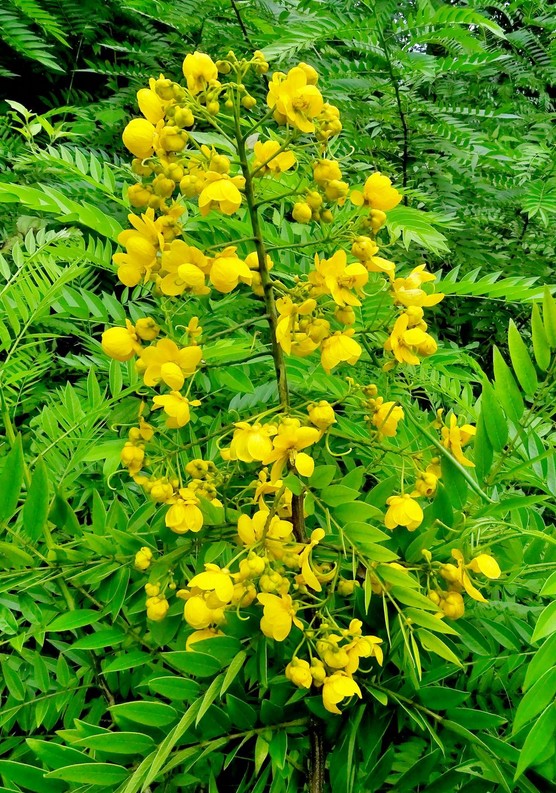
    Senna spectabilis removed from 1,963 hectares of land in Mudumalai TR

    Why in the News?

    The Tamil Nadu Forest Department has successfully removed Senna spectabilis, a highly invasive tree species, from 1,963 hectares of the Mudumalai Tiger Reserve (MTR).

    Senna spectabilis removed from 1,963 hectares of land in Mudumalai TR

    Mudumalai Tiger Reserve

    • Location: Situated in Nilgiris District, Tamil Nadu, at the tri-junction of Tamil Nadu, Kerala, and Karnataka.
    • Area: Covers 321 sq. km, forming part of the Nilgiri Biosphere Reserve, India’s first biosphere reserve.
    • Terrain: Undulating landscape ranging from 960–1266 m elevation.
    • Rivers: The Moyar River flows through the reserve, supporting rich biodiversity.
    • Vegetation: Includes evergreen, moist and dry deciduous forests, teak, bamboo, and grasslands (vayals).
    • Flora: Contains wild relatives of cultivated plants like rice, turmeric, and ginger.
    • Fauna: Home to tigers, elephants, gaurs, sambars, leopards, blackbucks, wild dogs, and 8% of India’s bird species.
    • Boundaries: Shares borders with Bandipur Tiger Reserve (Karnataka) and Wayanad Wildlife Sanctuary (Kerala).
    • Cultural Note: The Oscar-winning documentary “The Elephant Whisperers” was filmed at the Theppakadu Elephant Camp inside MTR.

    About Senna spectabilis:

    • Origin: A fast-growing deciduous tree native to tropical America, introduced in India as an ornamental and shade plant.
    • Issues: Reaches 15–20 metres, produces thousands of seeds annually, spreading rapidly.
    • Invasive Impact: Dense canopy suppresses native trees and grasses, causes food scarcity for herbivores, and reduces biodiversity.
    • IUCN Status: Listed as ‘Least Concern’ but ecologically harmful in Indian forests.

    How was the eradication achieved?

    • Method: Threefold strategy- debarking mature trees, uprooting saplings with weed pullers, and mechanically clearing seedlings.
    • Duration: Large trees dry up in about 18 months after debarking.
    • Post-Removal Use: Felled trees used for paper production.
    • Objective: Restore native flora, improve wildlife forage, and ensure long-term ecosystem recovery.
    [UPSC 2018] Why is a plant called Prosopis juliflora often mentioned in news?

    Options: (a) Its extract is widely used in cosmetics.

    (b) It tends to reduce the biodiversity in the area in which it grows. *

    (c) Its extract is used in the synthesis of pesticides.

    (d) None of the above.


  • [7th November 2025] The Hindu Oped: Redraw welfare architecture, place a UBI in the centre

    PYQ Relevance

    [UPSC 2015] In what way could replacement of price subsidy with Direct Benefit Transfer (DBT) change the scenario of subsidies in India? Discuss.

    Linkage: The shift from price subsidies to Direct Benefit Transfers (DBT) improved efficiency and targeting in welfare delivery. Universal Basic Income (UBI) is the next step in this evolution, moving from targeted transfers to universal, unconditional income support that ensures inclusion and economic stability.

    Mentor’s Comment

    As automation, artificial intelligence, and widening inequality reshape global economies, India faces an urgent need to rethink its welfare model. Universal Basic Income (UBI) , once dismissed as utopian, is emerging as a viable economic tool to balance growth with inclusion, stabilize consumption, and future-proof citizens against technology-driven disruptions.

    Introduction and Why in the News

    India’s wealth gap is at a 75-year high, and technological transformation is outpacing job creation. The article argues that a Universal Basic Income could act as a stabilizer for an economy characterized by automation-led job loss, consumption inequality, and welfare fragmentation. UBI thus represents both an economic necessity and moral evolution, a reform that can ensure social security while sustaining demand in an AI-driven economy.

    Understanding UBI in the Economic Context

    1. Concept: A periodic, unconditional cash transfer to all citizens, regardless of income or employment.
    2. Economic Foundation: Acts as a floor for consumption and stabilizer of demand during economic downturns.
    3. Rationale in India: Addresses inefficiencies, leakages, and exclusions in existing welfare subsidies and improves fiscal targeting through direct transfers.
    4. Global Relevance: Countries like Finland, Kenya, and Iran have experimented with variants of basic income to address automation shocks and inequality.

    Why India Needs a New Welfare Model

    • Automation and Jobless Growth:
      1. India’s labour-intensive sectors are losing relevance as AI and robotics replace routine work.
      2. A 2023 McKinsey Report estimates 40-45% of Indian jobs risk automation by 2030.
      3. Consumption Inequality: The top 10% hold over 40% of total income, weakening demand from lower strata, a key factor behind India’s K-shaped recovery post-COVID.
    • Fragmented Welfare Spending:
      1. Over 950 central schemes exist; only 20% reach intended beneficiaries (NITI Aayog, 2022).
      2. Rationalizing and merging subsidies could free 1-2% of GDP, enough to fund a phased UBI.

    Fiscal Feasibility and Implementation Models

    1. Budgetary Realignment: A UBI costing ₹7,500 per person annually = ~1% of GDP, fiscally manageable by pruning inefficient subsidies.
    2. Digital Readiness: India’s JAM Trinity (Jan Dhan-Aadhaar-Mobile) enables transparent Direct Benefit Transfers (DBT) to 450+ million beneficiaries.
    3. Phased Approach:
      • Start with vulnerable groups (elderly, women, informal workers) and expand gradually.
      • Link with automation tax or digital economy levy to ensure sustainability.
    4. Behavioral Economics View: Unconditional transfers improve human capital investment (nutrition, education) without creating disincentive to work, proven in Madhya Pradesh SEWA UBI Pilot, 2013.

    UBI as an Economic Stabilizer

    1. Counter-Cyclical Tool: Maintains aggregate demand in economic slowdowns; ensures liquidity among lower-income households.
    2. Productivity Boost: Financial security allows workers to upskill and pursue entrepreneurial ventures instead of insecure subsistence jobs.
    3. Gender Dividend: Recognizes unpaid care work and enhances female labour participation, a major economic multiplier.
    4. Rural Resilience: Ensures income continuity against climate shocks, agrarian distress, and market failures.

    Challenges in Adopting UBI

    1. Fiscal Trade-offs: High recurring costs could strain the fiscal deficit if not balanced by rationalization of subsidies.
    2. Inflationary Pressure: Sudden increase in liquidity may spike prices unless accompanied by supply-side reforms.
    3. Exclusion Risks via Aadhaar/DBT: Digital divide and authentication errors can replicate old exclusion patterns.
    4. Political Economy Resistance: Targeted benefits create patronage networks; universalization dilutes control, making reform politically sensitive.

    Global Insights for India

    Country Nature of UBI Trial Lessons
    Finland (2017-18) €560/month for unemployed Improved well-being, not joblessness
    Kenya Cash transfer for 12 years Increased small business formation
    Iran (2010) Universal transfer replacing subsidies Reduced poverty without fiscal collapse
    Brazil (Bolsa Família) Conditional transfer, near-universal Boosted literacy, health, consumption

    India can blend these experiences into a hybrid model: quasi-universal, fiscally prudent, and tech-enabled.

    Conclusion

    A Universal Basic Income is no longer a moral luxury, it is an economic inevitability in a future where automation, inequality, and climate shocks converge. By realigning subsidies and leveraging digital infrastructure, India can embed economic dignity into fiscal policy. UBI is not about welfare dependency, it is about stabilizing markets through empowered citizens.

  • Surrogacy in India

    The Second Issue: On Surrogacy for a Second Child

    Introduction

    The Surrogacy (Regulation) Act, 2021 stipulates that an “intending couple” is eligible for surrogacy only if they do not have any surviving child, biological, adopted or via surrogacy, except where the child is physically or mentally challenged or has a life-threatening disorder.A petition has been filed before the Supreme Court by a couple facing secondary infertility who seek to use surrogacy to have a second child. Their argument: the law’s restriction interferes with the reproductive choices of citizens and treats primary and secondary infertility differently.

    What is the law’s objective and rationale

    1. Objective of the Act: The primary stated purpose is to prohibit commercial surrogacy, regulate fertility and surrogacy clinics, and protect surrogate mothers and children born through surrogacy.
    2. Eligibility restriction: Section 4(iii)(C)(II) mandates the ‘no surviving child’ condition for an intending couple.
    3. Rationale for restriction: The government’s position is that the use of another woman’s body for surrogacy demands strict regulation; therefore, limiting eligibility helps prevent exploitation and commercialization.
    4. Court’s interim view: The Supreme Court has indicated the restriction appears “reasonable” but is examining whether the ban on surrogacy for couples with a surviving child amounts to a violation of reproductive choice.

    How does the law differentiate primary and secondary infertility

    1. Secondary infertility defined: In this context, it refers to couples unable to conceive or carry a pregnancy to term despite having borne a child naturally earlier.
    2. Law’s silence on distinction: The Act does not expressly differentiate between primary and secondary infertility in defining “infertility” for eligibility. The petitioners argue the statute uses “infertility” generically and should be read to include secondary infertility.
    3. Effect of the distinction: As a result of the clause, a couple with one surviving (healthy) child is barred from surrogacy for a second child, even if they face medical infertility. The petition argues this amounts to unreasonable discrimination.

    Why is this matter significant now?

    1. Reproductive autonomy at stake: The case raises the question whether reproductive choice including whether and how many children to have falls under the fundamental right to privacy and reproductive autonomy (Article 21).
    2. Scale of the issue: Secondary infertility affects a substantial number of couples; the law’s bar effectively restricts access to surrogacy for many intending parents. The article emphasises that restricting access solely because a couple already has a child may not align with the law’s stated objective.
    3. Precedents of regulation being diluted: The Court recently relaxed age restrictions for couples who had frozen embryos prior to the law’s enactment, signalling willingness to interpret surrogacy law expansively.
    4. Contradiction with other family-related rights: There is no law in India capping the number of children a person may have naturally; yet, the surrogacy law imposes a “one-child existing” rule. This invites scrutiny of rational basis for differentiation.

    What are the potential implications of a broader interpretation”

    1. Facilitating access: A more expansive reading allowing surrogacy for intending parents would align the law with reproductive autonomy and reduce arbitrary differentiation.
    2. Safeguard against exploitation: The law can maintain its core safeguards against commercialisation and exploitation while enabling access for medically infertile couples seeking a second child.
    3. Policy coherence: It would harmonise the surrogacy statute’s eligibility norms with the lack of statutory restriction on the number of natural children and prevent unjust exclusion of couples.
    4. Legal precedent: A favourable interpretation could open up examination of other eligibility criteria under the Act (such as age or marital status) in light of constitutional rights.

    What are the counter-arguments and concerns?

    1. Risk of commercial surrogacy revival: Critics argue liberalising eligibility may inadvertently open doors to exploitation of surrogate mothers and a resurgence of commercial surrogacy in disguised form.
    2. Resource and monitoring constraints: Greater eligibility implies more oversight burden on regulatory infrastructure (ART clinics, surrogacy boards, monitoring of insurance/compensation).
    3. State interest in regulation: The restriction can be defended as within the State’s margin of appreciation to regulate surrogacy in public interest, preserving dignity of women and children.
    4. Potential slippery slope: Expanding eligibility might raise questions about single individuals, LGBTQ+ couples or live-in partners accessing surrogacy, aspects the law currently restricts.

    Conclusion

    The surrogacy debate in India reflects the evolving tension between state regulation and personal autonomy. While the law rightly seeks to prevent exploitation and commercialisation, it must not overlook the constitutional promise of reproductive freedom and equality. A more inclusive, rights-based interpretation, sensitive to medical realities like secondary infertility, would uphold both ethical safeguards and individual dignity, aligning the law with India’s vision of gender justice and compassionate governance.

    Value Addition: Surrogacy Law in India

    Legal Framework:

    Surrogacy (Regulation) Act, 2021

    • Objective: Regulate surrogacy procedures, prohibit commercial surrogacy, and ensure ethical practices in assisted reproduction.
    • Type allowed: Only altruistic surrogacy (no monetary compensation except medical expenses and insurance).
      • Assisted Reproductive Technology (Regulation) Act, 2021
    • Objective: Regulate ART clinics and banks; maintain records, screening, and ethical standards for gamete donation and IVF processes.
    • Together, these Acts create a twin legal framework governing all forms of medically assisted reproduction in India.

    Key Provisions of the Surrogacy (Regulation) Act, 2021

    1. Eligibility of intending couple:
      • Must be Indian citizens, legally married, and aged:
        • Husband: 26–55 years
        • Wife: 23–50 years
      • Must possess a certificate of infertility from a District Medical Board.
      • Must not have any surviving child (biological, adopted, or through surrogacy), except if the child is mentally/physically challenged or suffers a life-threatening disorder.
    2. Eligibility of surrogate mother:
      • Must be a married woman with a child of her own.
      • Age limit: 25–35 years.
      • Can act as a surrogate only once in her lifetime.
      • Must be a close relative of the intending couple.
      • Must obtain a certificate of medical and psychological fitness.
    3. National and State Surrogacy Boards: Oversee implementation, formulate policies, and ensure ethical compliance.
    4. Penal provisions:
      • Commercial surrogacy, sale/purchase of human embryos, and exploitation of surrogate mothers attract imprisonment up to 10 years and fine up to ₹10 lakh.

    Objectives and Rationale

    1. Prevent commercial exploitation: Protects poor women from being coerced into surrogacy for financial gain.
    2. Ensure child welfare: Guarantees the child’s legal status and parentage from birth.
    3. Promote ethical medical practices: Prevents unregulated fertility clinics and misuse of technology.
    4. Align with constitutional morality: Balances individual reproductive rights with social ethics and public health considerations.

    Judicial and Policy Developments

    1. SC observations (2023–2025):
      • Examining secondary infertility cases to test whether barring surrogacy for a second child violates reproductive autonomy under Article 21.
      • Previously allowed age relaxation for couples with frozen embryos prior to enactment of the Act.
    2. Delhi High Court (2023): Directed the government to reconsider rules preventing single women or widows from accessing surrogacy, citing discrimination concerns.
    3. Policy evolution: Shift from the 2015 ban on foreign commercial surrogacy to a 2021 framework permitting only altruistic domestic surrogacy.

    PYQ Relevance

    [UPSC 2023] Explain the constitutional perspectives of Gender Justice with the help of relevant constitutional provisions and case laws.

    Linkage: This question is key as it tests understanding of Articles 14, 15 and 21 on women’s equality and autonomy. This is central to debates like the Surrogacy Act 2021, which restricts reproductive choice and raises issues of bodily rights and gender justice.

  • Electoral Reforms In India

    Why the nomination process needs reform

    Introduction

    The Representation of the People Act (RPA), 1951, empowers the Election Commission of India (ECI) and returning officers to scrutinize nominations to ensure candidates meet legal qualifications. However, excessive procedural formalism has made nomination scrutiny a potential chokepoint where even minor clerical errors can disqualify legitimate contenders. This procedural rigidity, instead of filtering unqualified candidates, has evolved into a tool of exclusion, undermining electoral fairness and the voter’s right to choice, a core tenet of representative democracy.

    Why is the Nomination Process in News?

    A young woman from Darda Nagar Haveli recently had her nomination for a municipal election rejected without hearing or clarification, sparking outrage. The issue resonates nationally because it reveals how India’s nomination process. Once a procedural safeguard now functions as a gatekeeping mechanism, often silencing genuine candidates on technical grounds. This marks a sharp contrast with the intended democratic spirit of the RPA and represents a major procedural failure in the electoral framework.

    How Does India’s Nomination Process Work?

    1. Legal Framework: Governed by Section 33 to 36 of the RPA, 1951.
    2. Returning Officer’s Power: The RO decides on validity; their decision is final at the nomination stage.
    3. Grounds for Rejection: Nomination can be rejected for “defective or incomplete declaration,” even if trivial.
    4. Judicial Context: The Resurgence India v. Election Commission (2014) case held that a wrong declaration is disqualifiable, but an incomplete one is not. Yet, in practice, both are often treated alike.

    What Are the Problems in the Existing Process?

    1. Excessive Proceduralism
      • Focus on compliance over intent: The system overemphasizes technical correctness of forms rather than substantive eligibility.
      • Example: Minor errors like mismatched affidavits, late filings, or missing entries in Form 26 (assets/liabilities) can lead to disqualification.
    2. Discretionary Power and Arbitrary Rejection
      • Unilateral authority: ROs can reject nominations without appeal or review, creating room for bias or manipulation.
      • Violation of Article 326: Denies both the candidate’s right to contest and the voter’s right to choose.
    3. Delay and Lack of Rectification
      • No correction window: Candidates have no opportunity to correct clerical errors before rejection.
      • Contrast: Countries like the UK and Canada allow rectification before the final list is published.
    4. Facilitation vs Filtration
      • Wrong design philosophy: The nomination process should facilitate participation, not filter out candidates on hyper-technical grounds.
      • Outcome: Bureaucratic compliance is rewarded over democratic legitimacy.

    How Have Other Democracies Addressed This?

    1. UK Model: Allows candidates to correct nomination papers within a defined time.
    2. Canada: Uses a post-scrutiny correction period to avoid unjust disqualifications.
    3. United States: Courts can overturn wrongful exclusions promptly through expedited hearings.

    These systems treat nomination scrutiny as an inclusive process ensuring access, not exclusion, emphasizing facilitation over filtration.

    What Can Be Done to Reform the Process?

    1. Institutional Reform
      • Independent Review Mechanism: Introduce an appeal or review system within 24 hours for rejected nominations.
      • Digital Scrutiny System: Online form submissions and auto-validation to reduce human error and bias.
    2. Procedural Reforms
      • Correction Period: Allow 48-hour correction for minor defects, akin to GST return rectifications.
      • Uniform Scrutiny Guidelines: Draft model SOPs by the Election Commission for all states.
    3. Accountability Reforms
      • Recordable Decisions: ROs must record written reasons for rejections; such records should be reviewable by the ECI.
      • Transparency Measures: Make all nominations, scrutiny notes, and rejections publicly available online.

    Conclusion

    India’s electoral democracy must evolve from a bureaucratic to a participatory model. The nomination process, meant to protect electoral integrity, should not become an instrument of disenfranchisement. Reform should focus on substantive eligibility, procedural fairness, and digital transparency. This ensures that every qualified citizen has a fair opportunity to contest preserving the spirit of democracy envisioned in the Constitution.

    PYQ Relevance

    [UPSC 2017] To enhance the quality of democracy in India, the Election Commission of India has proposed electoral reforms in 2016. What are the suggested reforms and how far are they significant to make democracy successful?

    Linkage: Electoral reforms in specific and Election Commission in particular is a recurring theme in UPSC mains exam. This 2017 PYQ covers procedural and legal reforms including nomination scrutiny, transparency in funding, and fair competition.

Join the Community

Join us across Social Media platforms.