💥UPSC 2027,2028 Mentorship (April Batch) + Access XFactor Notes & Microthemes PDF

Archives: News

  • Banking Sector Reforms

    [29th May 2025] The Hindu Op-ed: India’s financial sector reforms need a shake-up

    PYQ Relevance:

    [UPSC 2013] The product diversification of financial institutions and insurance companies, resulting in overlapping of products and services strengthens the case for the merger of the two regulatory agencies, namely SEBI and IRDA. Justify.

    Linkage: The structure and efficiency of financial sector regulation by discussing the potential merger of two key regulatory bodies (SEBI for capital markets and IRDA for insurance). In this article, talks about the reforming India’s Financial Sector” calls for a “coherent, forward-looking strategy that harmonises rules across verticals” and mentions the need for regulatory scrutiny and transparency.


    Mentor’s Comment:  India’s financial sector is at a critical turning point. Even after years of policy changes, major problems remain — especially in areas like corporate bond markets, retirement savings, nomination rules across banks and financial services, and the growing risks from unregulated shadow banking. These aren’t just small technical issues; they are deep flaws that hurt investor confidence, customer safety, and the country’s economic strength.

    Today’s editorial will talk about the issues related to the Financial sector in India. This content would help in GS Paper III ( Indian Economy).

    _

    Let’s learn!

    Why in the News?

    There must be consistent rules across all financial sectors, support for a strong corporate bond market, active development of retirement savings options, and better regulation to control shadow banking.

    What are the major structural issues plaguing India’s financial sector?

    • Fragmented Nomination Rules Across BFSI Sectors: Inconsistent nomination rules in banks, mutual funds, and insurance create confusion and legal disputes. Eg: A person can nominate multiple people for a mutual fund but only one for a bank account, with different legal interpretations of nominee rights—leading to litigation among family members.
    • Underdeveloped Corporate Bond Market: The bond market remains shallow, illiquid, and lacks transparency, increasing the cost of capital for businesses. Eg: The RBI once directed the NSE to build a secondary bond market, but the exchange prioritized more profitable equity trading instead.
    • Opaque Capital Flows and Weak UBO Disclosures: Lack of transparency in identifying Ultimate Beneficial Owners (UBOs) hinders regulatory oversight. Eg: SEBI struggled to get ownership details from Mauritius-based Elara and Vespera Funds, delaying investigations into their Indian stock market investments.
    • Unregulated Shadow Banking Activities: NBFCs and brokers offer bank-like services without full regulatory supervision, exposing the system to financial risks. Eg: Brokers provide margin funding to retail investors at interest rates over 20%, without clear disclosure—mirroring unregulated lending seen before the 2008 global financial crisis.

    Why is a harmonised nomination framework across BFSI (Banking, Financial Services, and Insurance) verticals necessary?

    • Reduces Legal Ambiguity: Different sectors (banks, mutual funds, insurance) treat nominees differently—causing confusion between nominee rights and legal heirs’ claims. Eg: A nominee in a mutual fund may only act as a trustee, while in a life insurance policy, the nominee may receive full benefits—leading to conflicting court battles.
    • Prevents Exploitation of Loopholes: Inconsistent rules create loopholes that can be exploited by unscrupulous actors to divert funds or delay inheritance. Eg: A person can deliberately name different nominees across instruments to cause confusion or suppress rightful heir claims.
    • Simplifies Compliance for Citizens: A uniform nomination system makes it easier for ordinary people to understand, update, and track their financial nominations. Eg: A senior citizen managing multiple accounts would benefit from a single, standard process rather than navigating different forms and rules for each institution.
    • Reduces Litigation and Administrative Burden: Courts and financial institutions face prolonged legal disputes due to conflicting nominee laws, which could be avoided with uniformity. Eg: Banks and mutual funds spend years contesting claims when legal heirs and nominees disagree—slowing down asset transfer.
    • Increases Trust and Transparency: Harmonisation builds trust in the financial system by making processes predictable and fair, thus encouraging formal savings. Eg: When savers know that nomination rules are clear and uniformly applied, they are more likely to invest in insurance or mutual funds without hesitation.

    How can a well-developed corporate bond market benefit India’s economy?

    • Lowers Cost of Capital for Businesses: A deep bond market enables companies to raise funds at competitive interest rates, reducing their dependence on bank loans. Eg: An efficient bond market could lower borrowing costs by 2–3%, improving viability for sectors like infrastructure and manufacturing.
    • Diversifies Sources of Funding: It provides an alternative to bank financing, thereby reducing systemic risks and enhancing financial stability. Eg: Large firms like NTPC or Reliance can raise capital directly from investors through bonds, easing pressure on public sector banks.
    • Encourages Long-Term Investment: Corporate bonds are ideal for funding long-gestation projects like highways, power plants, and green energy, attracting pension funds and insurance firms. Eg: The National Investment and Infrastructure Fund (NIIF) can tap bond markets to finance long-term infrastructure.
    • Boosts Financial Market Development: A vibrant bond market leads to greater depth, liquidity, and transparency in the financial system. Eg: Countries like South Korea and Malaysia have developed strong bond markets that support efficient capital allocation.
    • Enhances Retail Participation and Savings Mobilization: If made accessible and credible, bond markets can attract retail investors, expanding financial inclusion and mobilizing household savings. Eg: Government-backed platforms could offer secure corporate bonds to middle-class savers as an alternative to fixed deposits.

    Who is responsible for regulating and curbing the risks of shadow banking in India?

    • Reserve Bank of India (RBI): RBI regulates Non-Banking Financial Companies (NBFCs), ensuring they comply with capital adequacy, liquidity norms, and risk management frameworks. Eg: After the IL&FS crisis, RBI tightened norms on NBFCs’ asset-liability management and enhanced their supervision.
    • Securities and Exchange Board of India (SEBI): SEBI oversees brokers, margin lenders, and mutual funds that may engage in shadow banking-like activities, ensuring transparency in trading and lending practices. Eg: SEBI took steps to curb margin funding risks offered by brokers to retail investors under complex lending structures. 
    • Ministry of Finance: The Ministry designs regulatory frameworks and inter-agency coordination, enabling RBI and SEBI to monitor and respond to emerging risks in shadow banking. Eg: The government supported RBI’s proposal to bring large NBFCs under bank-like regulations and backed a risk-based supervision model.

    Way forward: 

    • Unified and Risk-Based Regulatory Framework: Adopt a harmonised, activity-based regulation where entities performing similar financial functions are subjected to similar oversight, regardless of their institutional form. Eg: Apply the same capital, disclosure, and consumer protection standards to both NBFCs and banks offering credit, ensuring no regulatory arbitrage.
    • Enhanced Supervisory Capacity and Real-Time Monitoring: Strengthen inter-agency coordination (RBI, SEBI, Ministry of Finance) and invest in AI-powered data analyticsto track complex transactions and hidden risks. Eg: Use advanced analytics to monitor NBFC balance sheets and digital lending platforms in real time, enabling early warning systems and prompt corrective action.

  • Parliament – Sessions, Procedures, Motions, Committees etc

    The importance of the Deputy Speaker

    Why in the News?

    For the first time in India’s parliamentary history, the Deputy Speaker’s position stayed empty for the whole Lok Sabha term from 2019 to 2024, and now there is a chance it won’t be filled in the 18th Lok Sabha either.

    Why is the Deputy Speaker’s vacancy a constitutional concern?

    • Violation of Constitutional Provisions: Articles 93 and 94 require the Deputy Speaker to be elected “as soon as may be” and to hold office until resignation, removal, or disqualification. The prolonged vacancy violates this mandate, creating a constitutional vacuum. Eg: In the 17th Lok Sabha (2019-24), no Deputy Speaker was appointed despite the constitutional requirement.
    • Undermines Parliamentary Democracy and Power Sharing: The Deputy Speaker’s post is traditionally given to an Opposition member to maintain checks and balances. Leaving it vacant concentrates power in the ruling party, weakening democratic resilience and the principle of shared authority. Eg: The refusal of the ruling party to offer the Deputy Speaker position to the Opposition breaks this longstanding convention.
    • Risk of Constitutional Crisis and Legislative Disruption: The Deputy Speaker ensures the continuity of parliamentary proceedings if the Speaker resigns or is incapacitated. Without a Deputy Speaker, a constitutional crisis could arise, disrupting governance and legislative business. Eg: If the Speaker’s chair becomes vacant, the Deputy Speaker normally assumes duties; without one, the functioning of Parliament could be paralyzed.

    What is the significance of Deputy speaker in Parliament? 

    • Ensures Continuity of Parliamentary Proceedings: The Deputy Speaker presides over the Lok Sabha when the Speaker is absent, ensuring that legislative businesscontinues smoothly without interruption. Eg: When the Speaker is unavailable due to illness or travel, the Deputy Speaker takes charge of the session.
    • Acts as a Neutral and Impartial Arbiter: The Deputy Speaker plays a crucial role in maintaining fairness during debates and sensitive discussions, acting independently of the ruling party’s influence. Eg: The Deputy Speaker oversees debates on private member bills and ensures that all voices, including the Opposition, are heard.
    • Maintains Democratic Balance and Power Sharing: By convention, the Deputy Speaker is usually from the Opposition, which helps uphold the spirit of power-sharing and checks and balances essential to parliamentary democracy. Eg: Offering the Deputy Speaker post to an Opposition member fosters cooperation and harmony between the ruling party and Opposition.

    What are the key duties of the Deputy Speaker?

    • Presides over Lok Sabha sessions in the Speaker’s absence: The Deputy Speaker conducts and manages the proceedings of the House with the same powers as the Speaker during such times. Eg: When the Speaker is unavailable, the Deputy Speaker presides over debates and voting sessions.
    • Oversees important parliamentary committees: The Deputy Speaker chairs key committees like the Private Member’s Bill Committee and the House Budget Committee, facilitating legislative scrutiny. Eg: The Deputy Speaker leads discussions on private members’ bills ensuring smooth consideration and debate.
    • Maintains impartiality and ensures fair conduct: The Deputy Speaker acts as a neutral arbitrator, ensuring orderly debates and protecting the rights of all members, including the Opposition. Eg: During sensitive or contentious discussions, the Deputy Speaker ensures that rules are followed and all sides get a fair hearing.

    When should the Deputy Speaker be elected as per Article 93?

    • Article 93 states that the Deputy Speaker must be elected “as soon as may be” after the House of Lok Sabha is constituted.
    • The phrase implies a sense of urgency and necessity, not discretionary or indefinite delay. This means the election should happen immediately or without unreasonable delay following the formation of the new Lok Sabha.
    • The Deputy Speaker continues in office until resignation, removal, or disqualification as per Article 94, ensuring continuity.

    Way forward: 

    • Timely Election of Deputy Speaker to Uphold Constitutional Mandate: The government and all parliamentary parties should prioritize the election of the Deputy Speaker “as soon as may be” as mandated by Articles 93 and 94 to avoid constitutional vacuum, ensure smooth functioning of the Lok Sabha, and maintain democratic resilience.
    • Respecting the Convention of Power Sharing with the Opposition: To strengthen parliamentary democracy, the ruling party should adhere to the established convention of offering the Deputy Speaker post to an Opposition member. This would foster bipartisan cooperation, reinforce checks and balances, and promote harmonious functioning of the House.

    Mains PYQ:

    [UPSC 2024] Discuss the role of Presiding Officers of state legislatures in maintaining order and impartiality in conducting legislative work and in facilitating best democratic practices.

    Linkage: The role of presiding officers in legislative bodies (at the state level, analogous to the Deputy Speaker in Lok Sabha). This article emphasizes that the Deputy Speaker oversees debates and serves as a neutral arbiter.

  • Economic Indicators and Various Reports On It- GDP, FD, EODB, WIR etc

    Why India is the 3rd-largest Economy, NOT 4th or 5th?

    Why in the News?

    Recently, the CEO of NITI Aayog announced that India has moved ahead of Japan to become the world’s fourth-largest economy.

    What is the key difference between nominal GDP and PPP-based GDP?

    • Nominal GDP: Measured using current market exchange rates in US dollars. Eg: If India’s GDP is ₹270 lakh crore and $1 = ₹75, then nominal GDP = ₹270 lakh crore ÷ 75 = $3.6 trillion.
    • PPP-Based GDP: Adjusted for differences in the cost of living and price levels between countries. Eg: If goods and services are cheaper in India, PPP adjusts the GDP upward to reflect greater actual consumption — India’s GDP could be $12 trillion in PPP terms, even though nominal GDP is lower.

    When did India become the third-largest economy by PPP estimates?

    In 2009, India overtook Japan in PPP-based GDP. This milestone occurred during the tenure of the Manmohan Singh-led UPA government. India has retained the 3rd position ever since, behind only China and the United States. The PPP-based ranking reflects India’s large population and lower cost of living, which boosts its effective domestic consumption.

    How do exchange rates affect nominal GDP rankings?

    • Conversion Dependency: Nominal GDP is calculated in US dollars, so a country’s GDP in local currency must be converted using the exchange rate. Eg: If India’s GDP is ₹300 lakh crore and $1 = ₹75, its dollar GDP would be $4 trillion; but if $1 = ₹85, the same GDP becomes $3.5 trillion.
    • Exchange Rate Fluctuations Can Distort Rankings: A country’s global GDP rank can change without any real economic growth or decline, simply due to currency appreciation or depreciation. Eg: If the Japanese yen strengthens against the dollar, Japan’s nominal GDP in dollars rises—even if its actual output hasn’t changed.
    • Unfair Comparison Across Countries: Countries with volatile or weakening currencies may appear smaller in nominal terms than they are in real domestic terms. Eg: India’s GDP may seem lower than the UK’s in nominal terms due to a weaker rupee, even if India produces more goods and services overall.

    Why is per capita GDP more reflective of individual prosperity?

    • Accounts for Population Size: Per capita GDP divides total GDP by the population, showing the average income per person, unlike aggregate GDP which may hide disparities. Eg: India’s GDP is higher than the UK’s in total, but because India has over 20 times the population, its per capita GDP is much lower.
    • Better Indicator of Living Standards: It reflects the average economic well-being and purchasing power of citizens, making it more relevant for assessing prosperity. Eg: A country with $50,000 per capita GDP (like the UK) offers far better public services, infrastructure, and living conditions than one with $2,800 (like India), even if total GDPs are comparable.
    • Highlights Income Distribution and Development Needs: Low per capita GDP suggests widespread poverty or unequal wealth distribution, even if overall GDP is growing. Eg: Despite being the world’s 5th largest economy, India’s low per capita GDP shows most individuals have limited incomes and access to economic benefits.

    What does India’s per capita GDP reveal compared to the UK’s?

    Aspect India UK Example 
    Per Capita GDP (2025) 10,020 PPP dollars 58,140 PPP dollars UK’s per capita income is ~6 times higher than India’s.
    Living Standards & Services Lower access to quality services Higher standard of living, social welfare Indians have limited access to healthcare, education, and housing
    Economic Inequality & Prosperity Aggregate GDP is growing, but benefits are not evenly distributed Prosperity is more widely shared Despite India’s growth, individual prosperity remains low on average.

    Way forward: 

    • Invest in Human Capital and Social Infrastructure: India must enhance spending on education, healthcare, and skill development to improve productivity and raise per capita incomes. Improved human capital directly boosts innovation, employability, and long-term economic growth.
    • Focus on Inclusive and Equitable Growth: Policies should ensure that economic gains are widely distributed, especially through rural development, MSME support, and targeted welfare schemes. This will reduce income disparities and lift more people into the formal, productive economy, improving per capita prosperity.

    Mains PYQ:

    [UPSC 2022]  Is inclusive growth possible under market economy? State the significance of financial inclusion in achieving economic growth in India.

    Linkage: India’s high aggregate economic rank alongside low per capita income, raises questions about how India’s economic growth model is translating into shared prosperity, a central theme of inclusive growth. This question explicitly asks about the possibility and mechanisms (like financial inclusion) of achieving “inclusive growth” within a market economy.

  • Defence Sector – DPP, Missions, Schemes, Security Forces, etc.

    AMCA Project

    Why in the News?

    The defence minister has cleared the execution model for the Advanced Medium Combat Aircraft (AMCA) project, where Hindustan Aeronautics Limited (HAL) must now compete with private companies for the production contract under a new industry partnership model.

    amca

    About the AMCA Project:

    • Overview: The Advanced Medium Combat Aircraft (AMCA) is India’s fifth-generation stealth fighter being developed by ADA under DRDO.
    • Approval: The project received Cabinet Committee on Security (CCS) approval in March 2024, with a budget of ₹15,000 crore.
    • Timeline: The first prototype is expected by 2028–29, production by 2032–33, and induction by 2034.
    • Key Features:
      • Stealth design, internal weapons bay, and diverterless supersonic intake.
      • Payload: 1,500 kg internal and 5,500 kg external.
      • Fuel: Internal capacity of 6,500 kg.
    • Development Phases:
      1. AMCA Mk1 will use the GE F-414 engine.
      2. AMCA Mk2 will have a co-developed engine with France’s Safran.
    • Strategic Importance: AMCA will help India counter threats from regional powers like China, which already deploy J-20 and J-35 fighters.

    What are 5th Generation Fighter Aircrafts?

    • Definition: Fifth-generation fighters are the most advanced combat aircraft in service today.
    • Examples: Include the F-22 and F-35 (USA), Su-57 (Russia), and J-20 (China).
    • Core Features:
      • Stealth technology to avoid radar detection.
      • Beyond-visual-range (BVR) combat capabilities.
      • AI-based systems and automated battle management.
    • Roles: These jets can perform air combat, surveillance, and ground attacks with precision and multi-role capability.

    What does “Generation” mean in Fighter Aircrafts?

    • Classification: Fighter jets are grouped by technological advances that can’t be added through upgrades.
    • Evolution:
      • 1st–3rd Gen: Basic jets with limited speed and weaponry.
      • 4th Gen: Improved radar, manoeuvrability, and precision weapons (e.g., Rafale, Su-30MKI).
      • 5th Gen: Introduces stealth, super-cruise, sensor fusion, and electronic warfare.
    • Comparative Use: While not a perfect measure, “generation” helps compare air force capabilities across countries.


    [UPSC 2025] With reference to India’s defence, consider the following pairs:

    Aircraft type: Description

    I. Dornier-228: Maritime patrol aircraft

    II. IL-76: Supersonic combat aircraft

    III. C-17 Globemaster III: Military transport aircraft

    How many of the pairs given above are correctly matched?

    Options: (a) Only one (b) Only two* (c) All three (d) None


  • Places in news: Mt. Khangchendzonga

    Why in the News?

    Sikkim’s CM has asked the Centre to ban climbing on Mt. Khangchendzonga, even from the Nepal side, as the mountain is sacred to the Sikkimese and seen as a guardian deity.

    About Mt. Khangchendzonga:

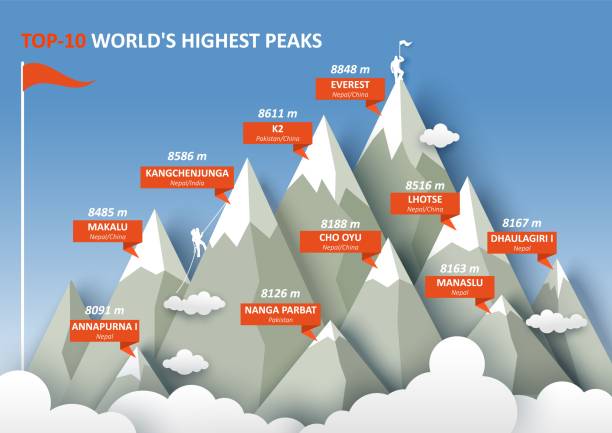
    • Location: Mt. Khangchendzonga is the third-highest mountain in the world at 8,586 metres, located on the India-Nepal border in the eastern Himalayas.
    • Major Glaciers and Rivers: It is surrounded by Zemu, Talung, Yalung, and Kanchenjunga glaciers and bordered by rivers like Tamur, Lhonak, and Teesta.
    • Etymology: Known as the “Five Treasuries of the Great Snow”, due to its five towering peaks, all above 8,000 metres.
    • Geological Age: The mountain rocks are between 445 million to 1 billion years old, from the Neoproterozoic to Ordovician periods.
    • Ecological Zone: Located within Khangchendzonga National Park, a UNESCO World Heritage Site, rich in altitude diversity and rare species.
    • Wildlife and Ecosystems: Home to snow leopards, red pandas, musk deer, and Asiatic black bears, along with over 220 glacial-fed water bodies.
    • Hydrological Importance: It is the highest point in the Brahmaputra basin, contributing water to both the Ganges and Kosi River systems.
    • Climate: Receives heavy monsoon snowfall and lighter winter snow.

    Religious and Cultural Significance:

    • Spiritual Status: The mountain is sacred in Sikkim and Nepal, embedded in local mythology and Buddhist traditions.
    • Symbolism of the Name: The “5 Treasuries” are believed to hold salt, gold, turquoise, sacred texts, grain, medicine, and other treasures.
    • Guardian Deity: It is considered the home of Dzoe-Nga, the chief protector deity of Sikkim, known as Pho-lha.
    • Mythological Roots: Local guardian deities were blessed by Guru Padmasambhava, the patron saint of Sikkim.
    • Climbing Ban: The Sikkim government banned climbing on the mountain in 1998 and 2001 under the Sacred Places of Worship Act, 1991, to preserve its sanctity.
    [UPSC 2024] Consider the following pairs:

    Peak: Mountains

    1. Namcha Barwa — Garhwal Himalaya

    2. Nanda Devi — Kumaon Himalaya

    3. Nokrek — Sikkim Himalaya

    Which of the pairs given above is/are correctly matched?

    Options: (a) 1 and 2 (b) 2 only* (c) 1 and 3 (d) 3 only


  • Innovations in Biotechnology and Medical Sciences

    TR1 Cells: The Hidden Warriors in Malaria Immunity

    Why in the News?

    Scientists at Stanford University discovered that TR1 cells play a dominant role in fighting malaria reinfections.

    Understanding the Body’s Immune Response:

    • What is the Immune System? It’s the body’s defence system that protects us from infections like malaria.
    • First Defence: The skin and body surfaces block germs from entering.
    • Innate Immunity: If germs get in, the innate immune system reacts fast, like an emergency response team.
    • Adaptive Immunity: Then, the adaptive immune system kicks in, targeting germs specifically and remembering them for future protection.
    • B-Cells and T-Cells:
      • B-cells make antibodies to fight germs.
      • T-cells attack infected cells and guide other immune cells.
    • Helper T-Cells: A type called CD4+ T-cells helps organise the defence. Earlier, scientists thought TH1 cells were key in malaria, but a new study shows TR1 cells are more important, especially in repeat infections.

    What are TR1 Cells?

    • Role of TR1 Cells: These are special T-cells that help control the immune system and prevent overreaction.
    • Major Response in Malaria: Though small in number, during malaria, TR1 cells become the main helper cells.
    • Study in Uganda: In young children with repeated malaria, TR1 cells grew in number and improved the body’s ability to fight malaria without severe illness.
    • Memory and Immunity: TR1 cells remember the malaria parasite and return stronger with each infection.
    • Types of TR1 Cells:
      • Naïve TR1 – not yet active.
      • Effector TR1 – fighting infection.
      • Memory TR1 – remembering past infections.
    • Epigenetic Role: TR1 cells may respond by switching genes on or off, not by changing the genes themselves.

    Key Findings of the Study:

    • Research Team: Scientists from Stanford University studied people in Uganda over many months and years.
    • Tracking Infections: They followed individuals through multiple malaria infections to see how immune cells behaved.
    • Gene Scanning: A special technique was used to read the genes of each immune cell — like scanning a barcode.
    • Findings: TR1 cells were accurate, long-lasting, and clearly connected to malaria (not other infections).
    • Why it matters: This discovery can help in making better malaria vaccines, boosting long-term protection, and even improving treatments for other serious diseases.
    [UPSC 2025] With reference to monoclonal antibodies, consider the following:

    I. They are man-made proteins. II. They stimulate the patient’s immune system to fight the specific disease. III. They are produced using animal cells only.

    Which of the statements given above are correct?

    Options: (a) I and II only (b) II and III only (c) I and III only (d) All the three *


  • Minimum Support Prices for Agricultural Produce

    Cabinet approves hike in MSP for Kharif Crops

    Why in the News?

    The Cabinet Committee on Economic Affairs chaired by Prime Minister has approved the increase in the Minimum Support Price (MSP) for 14 kharif crops for 2025-26.

    What is the Minimum Support Price (MSP)?

    • MSP in India originated in response to food shortages in the 1960s, notably during the Bihar famine of 1966–1967.
    • Agricultural Price Commission (APC) was established in 1965 to implement price policies like procurement at pre-decided prices and MSP.
    • Over time, the APC evolved into the Commission for Agricultural Costs and Prices (CACP) in 1985, with broader terms of reference.
    • Announcement: The government bases its announcement on the recommendations given by the Commission for Agricultural Costs & Prices (CACP).

    Steps involved in Fixing MSPs:

    • CACP sends its recommendations to the Government of India.
    • The reports are shared with state governments and concerned central ministries for comments.
    • After reviewing all inputs, the Cabinet Committee on Economic Affairs (CCEA) takes the final decision on MSPs.
    • Once approved, CACP publishes all its reports online, ensuring transparency and explaining the rationale behind its recommendations.

    How is MSP fixed?

    • Formulae for Calculation:
      • A2: Costs incurred by the farmer in production of a particular crop. It includes several inputs such as expenditure on seeds, fertilisers, pesticides, leased-in land, hired labour, machinery and fuel
      • A2+FL: Costs incurred by the farmer and the value of family labour
      • C2: A comprehensive cost, which is A2+FL cost plus imputed rental value of owned land plus interest on fixed capital, rent paid for leased-in land
    • National Commission of Farmers also known as the Swaminathan Commission (2004) recommended that the MSP should at least be 50 per cent more than the weighted average Cost of Production (CoP), which it refers to as the C2 cost.
    • The government maintains that the MSP was fixed at a level of at least 1.5 times of the all-India weighted average CoP, but it calculates this cost as 1.5 times of A2+FL.
    • Crops covered are: CACP currently recommends MSPs for 23 key crops:
      • 7 Cereals: Paddy, Wheat, Maize, Sorghum (Jowar), Pearl Millet (Bajra), Barley, and Ragi
      • 5 Pulses: Gram (Chana), Tur (Arhar), Moong, Urad, and Lentil (Masur)
      • 7 Oilseeds: Groundnut, Rapeseed-Mustard, Soybean, Sesame, Sunflower, Safflower, and Nigerseed
      • 4 Commercial Crops: Copra, Cotton, Raw Jute and Sugarcane (Fair and Remunerative Price (FRP) is announced by CACP.)
    [UPSC 2020] Consider the following statements:

    1. In the case of all cereals, pulses and oil-seeds, the procurement at Minimum Support Price (MSP) is unlimited in any State/UT of India.

    2. In the case of cereals and pulses, the MSP is fixed in any State/UT at a level to which the market price will never rise.

    Which of the statements given above is/are correct?

    Options: (a) 1 only (b) 2 only (c) Both 1 and 2 (d) Neither 1 nor 2*


  • Judicial Appointments Conundrum Post-NJAC Verdict

    Supreme Court Collegium recommends transfer of HC CJs

    Why in the News?

    The Supreme Court Collegium has recommended the transfer of 4 Chief Justices from the High Courts of Madras, Rajasthan, Tripura, and Jharkhand.

    About the Collegium System:

    • Definition: It is used in India for the appointment and transfer of judges to the Supreme Court and High Courts.
    • Non-Constitutional Origin: It is not mentioned in the Constitution or any law passed by Parliament. It developed through Supreme Court judgments to protect judicial independence.
    • Judicial Primacy: The system ensures that senior judges, not the government, have the main say in judicial appointments.
    • Evolution: It arose in response to executive interference during the 1970s, when the government tried to influence and supersede senior judges:
    • First Judges Case (1981)S.P. Gupta v. Union of India:
      • Held that the Chief Justice’s opinion was only consultative.
      • Gave the executive primary control over appointments and transfers.
    • Second Judges Case (1993)Advocates-on-Record Association v. Union of India:
      • Overruled the First Judges Case.
      • Declared that “consultation” with the CJI means “concurrence”, making the CJI’s view binding.
      • Introduced the Collegium system, involving the CJI and two senior-most judges.
      • Affirmed that judicial independence requires judicial primacy in appointments.
    • Third Judges Case (1998)Re: Presidential Reference:
      • Expanded the Collegium to include the CJI and four senior-most Supreme Court judges.
      • Emphasised institutional decision-making, not personal preferences of individual judges.

    How does the Collegium System works?

    • For Supreme Court Judges:
      • The Collegium includes the CJI and four senior-most SC judges.
      • It recommends names for appointments to the SC and appointments/transfers of High Court judges and Chief Justices.
      • The Law Ministry processes these names and sends them to the Prime Minister, who advises the President for final approval.
    • For Appointing the Chief Justice of India:
      • The sitting CJI recommends the senior-most SC judge.
      • This practice has been followed since the 1970s supersession controversy.
    • For High Court Judges:
      • Recommendations start from the Chief Justice of the High Court, who consults two senior colleagues.
      • The proposal goes to the state government, then to the Supreme Court Collegium (CJI and two senior-most SC judges), and finally to the President.
    • For Transfers of Judges:
      • Article 222 of the Constitution allows transfer of High Court judges.
      • The Collegium recommends transfers, often for administrative needs or public interest.
      • Consent is not needed, but the CJI must consult the Chief Justice of the concerned High Court and other senior judges.
      • No High Court can have an Acting Chief Justice for more than a month, so transfers and new appointments are usually done together.

    Tap to know more about the Appointment and Removal of HC Judges.

    [UPSC 2012] What is the provision to safeguard the autonomy of the Supreme Court of India?

    1. While appointing the Supreme Court Judges, the President of India has to consult the Chief Justice of India. 2. The Supreme Court Judges can be removed by the Chief Justice of India only. 3. The salaries of the Judges are charged on the Consolidated Fund of India to which the legislature does not have to vote. 4. All appointments of officers and staff of the Supreme Court of India are made by the Government only after consulting the Chief Justice of India. Which of the statements given above is/are correct?

    Options: (a) 1 and 3 only * (b) 3 and 4 only (c) 4 only (d) 1, 2, 3 and 4


  • Foreign Policy Watch: India – Germany

    [28th May 2025] The Hindu Op-ed: The silver jubilee of a Strategic Partnership

    PYQ Relevance:

     [UPSC 2019] The time has come for India and Japan to build a strong contemporary relationship, one involving global and strategic partnership that will have a great significance for Asia and the world as a whole.’ Comment.

    Linkage: The term “strategic partnership” in the context of India’s relationship with another major country (Japan). It is directly analogous to the India-Germany strategic partnership and prompts discussion on its global and regional significance, mirroring the description in article.


    Mentor’s Comment:  India and Germany have built a strong bilateral relationship based on shared democratic values, economic complementarity, and a common vision for global peace and sustainable development. Germany launched its dedicated ‘Focus on India’ strategy and committed €10 billion under the Indo-German Green and Sustainable Development Partnership (GSDP). Over 2,000 German companies now operate in India, generating 750,000 jobs. With 50,000 Indian students studying in Germany and expanding business integration, both countries have transformed their partnership from a transactional engagement into a strategic, transformational alliance.

    Today’s editorial will discuss the relationship between India and Germany. This content would help in GS Paper II ( International Relations).

    _

    Let’s learn!

    Why in the News?

    his month marks 25 years of the Indo-German Strategic Partnership, celebrating a key milestone in their growing ties, shared goals, and long-standing cooperation across defence, economy, and sustainability.

    What are the Key Pillars of the India-Germany partnership?

    • Peace: Both countries share a vision of a peaceful, stable, and rules-based world. Eg: Regular Intergovernmental Government Consultations that strengthen political ties and cooperation.
    • Prosperity: Focuses on economic growth, job creation, and improving quality of life. Eg: Around 2,000 German companies operate in India, creating more than 750,000 jobs.
    • People-to-People Ties: Cultural and educational exchanges deepen bilateral relations. Eg: Over 50,000 Indian students study in Germany, the largest foreign student group there.
    • Future of the Planet (Green Development): Cooperation on climate change, renewable energy, and sustainability projects. Eg: Germany’s €10 billion Indo-German Green and Sustainable Development Partnership supporting solar and wind projects in Gujarat.
    • Technology and Innovation Collaboration: Joint scientific research and integration in high-tech industries. Eg: Indian researchers in top German institutions and operation of Delhi-Meerut Rapid Rail by Deutsche Bahn.

    How has defence cooperation progressed recently?

    • First Joint Exercise: In August 2024, Germany’s Air Force participated in Exercise Tarang Shakti at Sulur, marking the first-ever India-Germany joint military exercise on Indian soil. Eg: The exercise included advanced jets like Germany’s Eurofighter Typhoon, France’s Rafale, and India’s LCA Tejas.
    • High-Level Interoperability: Senior military leaders from India, Germany, France, and Spain took part, showcasing enhanced coordination and joint operations. Eg: A joint sortie involved Air Chief Marshal V. R. Chaudhari (India), Lieutenant General Ingo Gerhartz (Germany), General Stéphane Mille (France), and Air General Francisco Braco Carbo (Spain).
    • Strategic Defence Ties: The exercise paves the way for deeper defence collaboration and future joint initiativesbetween India and Germany. Eg: Germany’s participation aligns with its strategic interest in the Indo-Pacific region amid shifting global power dynamics.

    Why is the Green and Sustainable Development Partnership important?

    • Climate Action and Energy Transition: The partnership is vital for accelerating India’s shift towards clean energy and meeting its climate commitments. Eg: Germany pledged €10 billion to support India’s goal of achieving 500 GW of non-fossil fuel capacity by 2030, through initiatives in solar, wind, and green hydrogen sectors.
    • Sustainable Urban Development and Mobility: It promotes eco-friendly infrastructure and efficient public transport systems in growing urban centres. Eg: German-backed metro projects and Smart Cities initiatives in Nagpur and Pune have helped advance green mobility and urban resilience.
    • Biodiversity Conservation and Climate Resilience: The partnership helps protect ecological zones while enhancing local livelihoods and climate adaptability. Eg: Joint projects in the Western Ghats and Himalayas focus on afforestation, biodiversity conservation, and water resource management.

    Where are major Indo-German projects being implemented in India?

    • Gujarat – Renewable Energy Projects: Gujarat hosts large-scale solar and wind energy initiatives under the Green and Sustainable Development Partnership (GSDP). Eg: German companies are contributing to the production of wind turbine blades and setting up solar parks in the state.
    • Delhi-Meerut – Rapid Rail Project: India’s first Regional Rapid Transit System (RRTS) between Delhi and Meerut is operated in partnership with Deutsche Bahn, Germany’s national railway operator. Eg: The project showcases Indo-German cooperation in high-speed rail and urban mobility.
    • Maharashtra – Smart Cities and Urban Infrastructure: German collaboration supports urban planning, sustainable transport, and waste management under the Smart Cities Mission. Eg: Pune and Nagpur are key cities benefiting from German-backed smart infrastructure initiatives.
    • Himachal Pradesh & Uttarakhand – Biodiversity and Climate Projects: Joint efforts are underway to protect forests, watersheds, and biodiversity in India’s ecologically sensitive hill states. Eg: Indo-German projects focus on climate-resilient agriculture, forestation, and ecosystem preservation.
    • Tamil Nadu – Defence Collaboration and Skill Development: The Tarang Shakti 2024 exercise at Sulur Air Force Station marked a high point in joint military training. Eg: It highlights growing defence cooperation and also supports local capacity-building in the aerospace sector.

    Way forward: 

    • Deepen Strategic and Technological Collaboration: Expand cooperation in defence manufacturing, AI, green hydrogen, and critical technologies to strengthen strategic autonomy and shared innovation goals.
    • Enhance Sustainable Development and People-Centric Ties: Accelerate green partnerships, vocational training, and student exchanges to promote inclusive growth, climate resilience, and stronger people-to-people engagement.
  • As US pulls back, China is primed to expand its Soft Power

    Why in the News?

    Under President Trump, the U.S. withdrew from key global commitments like WHO and the Paris Agreement. Meanwhile, China is expanding influence by offering financial aid and increasing global investments.

    Why has the U.S. withdrawn from key international bodies like the WHO and the Paris Agreement?

    • Perceived Bias and Mismanagement: The U.S. accused the World Health Organization (WHO) of being biased towards China and mismanaging the COVID-19 pandemic response. Eg: President Trump alleged that the WHO failed to hold China accountable during the early stages of the outbreak.
    • Disproportionate Financial Burden: The U.S. claimed it was contributing significantly more than other countries, creating an unfair financial burden. Eg: The U.S. contributed around 20% of the WHO’s assessed funding, while China contributed much less until recently.
    • Rejection of Global Climate Commitments: The Trump administration viewed international climate agreements like the Paris Agreement as detrimental to American economic interests. Eg: The U.S. withdrew from the Paris Agreement and announced it would cease all financial commitments under the UNFCCC.

    What steps has China taken to increase its global influence in response to the U.S.’s retreat?

    • Increased Financial Contributions to Global Institutions: China has significantly raised its funding to international bodies like the WHO to fill the vacuum left by the U.S. Eg: After the U.S. announced its withdrawal from the WHO, China pledged an additional $500 million over five years and increased its assessed contribution from 6.5% (2015–16) to 15% (2024–25).
    • Expansion of Bilateral Lending and Debt Diplomacy: China has extended massive loans to developing countries, becoming a dominant bilateral creditor globally. Eg: China’s share in global bilateral sovereign debt rose from around 1% in 2003 to 26% in 2023, making it the largest lender worldwide.
    • Strategic Soft Power and Infrastructure Investments: China has expanded its Belt and Road Initiative and other overseas investments to enhance influence and dependency. Eg: China’s investments across Asia, Africa, and Latin America have increased, with more than 60% of respondents in a 2024 Pew survey acknowledging China’s economic influence in their countries.

    How has China’s financial contribution to the WHO changed after the pandemic?

    • Increased Assessed Contributions: China’s assessed contribution to the WHO rose from 6.5% in 2015–16 to 15% in 2024–25. This increase reflects China’s growing economic stature and its commitment to global health initiatives.
    • Significant Financial Pledges: In response to the U.S. withdrawal from the WHO, China pledged an additional $500 million over five years to support the organization’s activities. This move positions China as a leading state donor and underscores its intent to enhance its influence in global health governance.

    Where does China stand in terms of global bilateral debt holdings compared to the U.S.?

    • China as the Leading Bilateral Creditor: As of 2023, China holds approximately 26% of the external bilateral debt of developing countries, making it the largest bilateral creditor globally. Eg: China is the primary bilateral creditor for 53 countries and ranks among the top five creditors in three-quarters of all developing nations.
    • Decline in U.S. Bilateral Lending: The U.S.’s share in global bilateral debts has significantly decreased over the decades. Eg: In 1973, the U.S. held 36% of global bilateral debt, but by 2023, this share had dropped to just 4%.
    • China’s Influence on Debt Repayments: China’s substantial lending has led to a significant portion of debt repayments from developing countries being directed to it. Eg: In 2025, developing countries are projected to allocate over 30% of their bilateral debt service payments to China, surpassing payments to multilateral lenders and private creditors.

    What is the status of India in soft power? 

    • Strong Cultural Influence Globally: India’s rich culture, including yoga, Bollywood, and its large diaspora, enhances its global soft power. Eg: The International Day of Yoga is celebrated worldwide, promoting Indian culture and wellness.
    • Growing Economic and Diplomatic Presence: India is increasing its influence through diplomacy, international aid, and participation in global forums. Eg: India’s development projects and humanitarian aid in Africa and neighboring countries strengthen its soft power.
    • Challenges Affecting Soft Power Projection: Internal challenges like social issues and governance impact India’s image abroad. Eg: India’s ranking slipped to 29th in the 2024 Global Soft Power Index, indicating room for improvement.

    Way forward: 

    • Strengthen Multilateral Engagements and Global Leadership: India should actively enhance its financial and diplomatic contributions to key international bodies like WHO and climate forums to build credibility and influence, positioning itself as a responsible global leader.
    • Leverage Cultural Diplomacy While Addressing Domestic Challenges: Amplify India’s soft power by promoting cultural exports and diaspora ties, while simultaneously improving governance and addressing social issues to boost its global image and rankings.

    Mains PYQ:

    [UPSC 2024] The USA is facing an existential threat in the form of a China, that is much more challenging than the erstwhile Soviet Union.’ Explain

    Linkage: The depiction of China advancing its position while the U.S. is perceived as pulling back, creating a dynamic of increased competition and challenge between the two powers. This question presents the U.S. perspective on China as a major challenge.

Join the Community

Join us across Social Media platforms.