💥UPSC 2027,2028 Mentorship (April Batch) + Access XFactor Notes & Microthemes PDF

Archives: News

  • International Space Agencies – Missions and Discoveries

    How Starlink satellites are ‘blinding’ astronomers?

    Why in the News?

    Starlink satellites, operated by Elon Musk’s SpaceX, are causing issues for astronomers by disrupting both optical and radio astronomy due to unintended electromagnetic radiation (UEMR).

    What is a Starlink Satellite?

    • Starlink satellites are part of a network created by Elon Musk’s SpaceX to provide high-speed internet to remote areas around the world.
    • The network, known as a satellite constellation, currently includes more than 6,300 satellites orbiting Earth at around 550 km altitude.
    • These satellites aim to offer internet connectivity to places that would otherwise lack access, especially in rural or underserved regions.

    Why Radio Astronomy matters?

    • Radio astronomy is a branch of astronomy that studies celestial objects using radio frequencies instead of visible light.
    • Radio telescopes detect radio waves, which are longer than light waves, emitted by objects in space such as stars, galaxies, and even black holes.
    • Radio astronomy is important because it helps scientists study the universe beyond what can be seen with optical telescopes.
    • Radio noise from sources like satellites can interfere with these observations, making it difficult for astronomers to collect data, similar to how bright lights can obscure faint stars.

    What Starlink does to Space Communications?

    • Starlink satellites are designed to improve global internet access, especially in hard-to-reach places, by transmitting signals from space.
    • However, these satellites also emit unintended electromagnetic radiation (UEMR), which causes radio noise that disrupts radio astronomy observations.
    • The situation may worsen as more satellites are launched — some estimates suggest 100,000 satellites could be orbiting Earth by 2030.
    • There are currently no regulations controlling how much radio pollution these satellites can emit, making it harder for astronomers to mitigate the impact on their work.

    PYQ:

    [2011] A layer in the Earth s atmosphere called Ionosphere facilitates radio communication. Why?

    1. The presence of ozone causes the reflection of radio waves to Earth.

    2. Radio waves have a very long wavelength.

    Which of the statements given above is/are correct?

    (a) 1 Only

    (b) 2 only

    (c) Both 1 and 2

    (d) Neither 1 nor 2

  • Modern Indian History-Events and Personalities

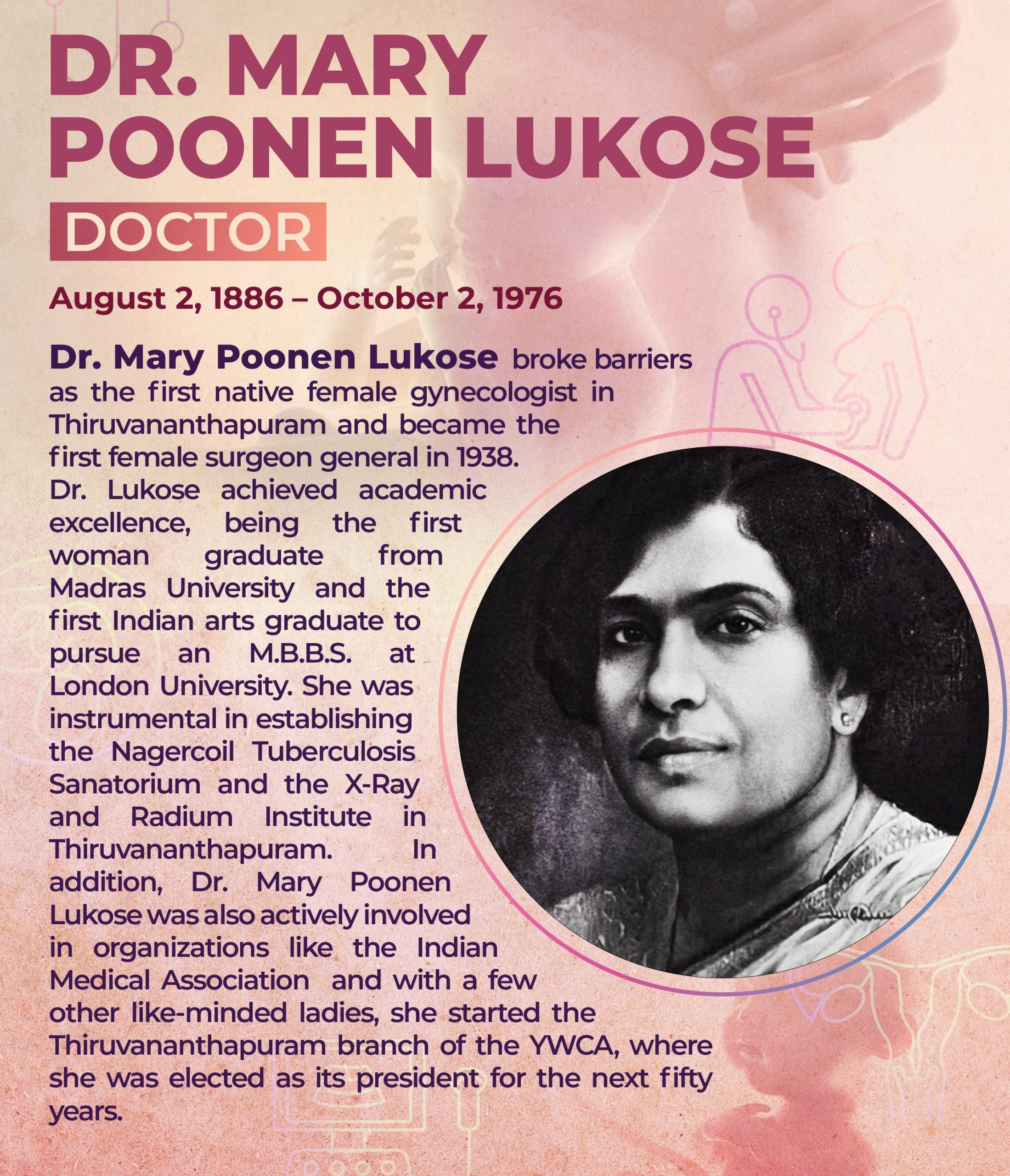
    Who was Mary Poonen Lukose?

    Why in the News?

    100 years ago, on September 23, 1924, Mary Poonen Lukose became the first woman to join a legislative council in an Indian princely state, entering the Travancore Legislative Council.

    Who Was Mary Poonen Lukose?

    • Born on August 2, 1886, in Kerala, she became the first woman from the state to earn a medical degree, specialising in gynaecology and obstetrics.
    • Her contributions:
      • She performed the first cesarean section in Kerala before 1920, often working under challenging conditions with minimal equipment.
      • She started a midwifery training program for local women, which led to safer home births, reducing risks for mothers and babies.
      • As a member of the Travancore Legislative Council, she influenced public health policy, using her expertise to benefit the community.

    Records set by Mary Poonen Lukose

    • First woman legislator in an Indian princely state: In 1924, she became the first woman member of the Travancore Legislative Council (a predecessor to Kerala’s Legislative Assembly).
    • First woman graduate from Madras University in 1909, despite facing barriers to studying science as a woman.
    • First woman Surgeon General of Travancore, and possibly the first woman Surgeon General in the world, in 1938.
      • First woman to head the health department in Travancore, in 1924.
    • Awarded the Padma Shri in 1975 for her contributions.

    PYQ:

    [2013] Defying the barriers of age, gender and religion, the Indian women became the torch bearer during the struggle for freedom in India. Discuss. (10 marks-200 words).

    [2011] With reference to Indian freedom struggle, Usha Mehta is well-known for

    (a) Running the secret Congress Radio in the wake of Quit India Movement
    (b) Participating in the Second Round Table Conference
    (c) Leading a contingent of Indian National Army
    (d) Assisting in the formation of Interim Government under Pandit Jawaharlal Nehru

  • Corruption Challenges – Lokpal, POCA, etc

    Section 107 of the BNSS

    Why in the News?

    About Section 107 of the BNSS

    • Section 107 of the BNSS, 2023 pertains to the attachment and forfeiture of property categorized as “proceeds of crime.”
    • It grants the court the authority to attach property at the request of a police officer during an ongoing investigation.
      • The request must be approved by a Superintendent or Commissioner of Police.
    • This section gives the court unbridled powers to attach any property believed to be derived from criminal activities and, under specific conditions, to forfeit it to the government.
    • There is no requirement for the police officer to wait until the completion of the investigation (unlike earlier laws).
      • Property can be attached during the investigation.
    • It differs from the PMLA, 2002, in that there are no preconditions like documenting the reasons for believing the property is a result of criminal activity.
    • After attachment, if the court finds the property to be proceeds of crime, it can direct the District Magistrate to distribute the proceeds to the affected persons within 60 days.
      • If no claimants are identified, the proceeds are forfeited to the government.
    • There is a requirement for issuing a show-cause notice within 14 days for the property attachment, and the court can pass an ex parte order if no representation is made.

    Its significance

    • Empowers Law Enforcement: It allows attachment of property during investigations, preventing criminals from hiding or transferring assets.
    • Faster Relief for Victims: It enables quick distribution of proceeds of crime to affected persons even before the trial concludes.
    • Stronger Deterrence: It acts as a deterrent by allowing the forfeiture of criminally acquired assets, impacting offenders financially.
    • State-Level Enforcement: It empowers State governments to manage proceeds of crime, providing more localized control.

    PYQ:

    [2021] Discuss how emerging technologies and globalisation contribute to money laundering. Elaborate measures to tackle the problem of money laundering both at national and international levels.

  • Disasters and Disaster Management – Sendai Framework, Floods, Cyclones, etc.

    Massive Greenland Landslide

    Why in the News?

    • In September 2023, seismic stations across the world detected an unusual signal which persisted for 9 days.
      • It was caused by a massive landslide in Greenland’s Dickson Fjord (i.e narrow sea inlet with steep sides or cliffs, created by a glacier).

    About the Massive Greenland Landslide

    • The landslide involved a colossal volume of 25 million cubic metres of rock and ice, equivalent to filling 10,000 Olympic-sized swimming pools.
    • The landslide involved 25 million cubic meters of rock and ice, which is enough to fill 10,000 Olympic-sized swimming pools.
    • This event caused a mega-tsunami with waves as high as 200 meters, which significantly impacted the area.
    • The seismic waves created by the landslide lasted for 9 consecutive days.
    • The loss of such a large amount of glacier ice highlights how global warming is speeding up damage to these fragile environments.

    Causes of the Greenland Landslide

    • The main reason for the landslide was global warming, which caused the glaciers in Greenland to melt and shrink over recent decades.
      • The Hvide Stovhorn peak glacier had been holding up the mountain slopes, but as it thinned, the rock above it became unstable and eventually collapsed.
    • The permafrost (frozen ground) on the mountain’s steep slopes started melting because of rising temperatures, making the slopes unstable.
    • When the rocks and ice fell into the fjord, it triggered a submarine landslide (a landslide under water), which made the event even bigger and caused a mega-tsunami.

    Back2Basics: Seismic Waves

    Type  Sub-Type Wave Characteristics Speed Medium of Travel Movement Impact
    Body Waves P-Waves (Primary Waves) • Longitudinal/compressional waves.
    • Fastest seismic waves.
    Fastest (First to arrive) Solids and liquids Particles move back and forth in the direction of wave travel. First waves to be detected during an earthquake, cause less damage.
    S-Waves (Secondary Waves) • Transverse/shear waves.
    • Slower than P-waves.
    Slower than P-Waves Solids only Particles move perpendicular to the wave’s direction. Follow P-waves, more ground shaking, cause more damage than P-waves.
    Surface Waves Love Waves • Transverse horizontal motion.
    • Faster than Rayleigh waves.
    Slower than S-Waves Earth’s surface Particles move side to side, horizontally. Cause significant structural damage.
    Rayleigh Waves • Rolling motion.
    • Slowest seismic waves.
    Slowest of all seismic waves Earth’s surface Particles move in an elliptical motion (both vertical and horizontal). Cause vertical and horizontal ground movement, highly destructive.


    PYQ:

    [2021] Describe the various causes and the effects of landslides. Mention the important components of the National Landslide Risk Management Strategy.

  • Judicial Reforms

    The perception of Justice

    Why in the News?

    The perception of justice is as vital as justice itself, with unelected constitutional institutions expected to uphold transparency and exercise restraint in engaging with elected authorities.

    Relationship between Public Perception and the Actual Functioning of the Justice System:

    • Role of Perception in Justice: Perception of justice is critical because it shapes public trust in institutions. Even if the justice system functions properly, if it is perceived as biased or ineffective, it erodes confidence. The system must not only deliver justice but also be seen as just.
    • Moral Authority: When unelected constitutional bodies, like the judiciary, demonstrate transparency and accountability, they build moral authority.
    • Perception vs Reality: Public perception can sometimes be more influential than the actual functioning of the system. Institutions like the judiciary must work to balance delivering justice and managing public perception to maintain credibility.

    How Do Systemic Biases Affect Perceptions of Justice Among Marginalized Communities:

    • Historical and Structural Biases: These perceptions arise when the system disproportionately impacts certain communities, whether through discriminatory practices or unequal access to legal representation.
    • Erosion of Trust: When systemic biases are evident, marginalized groups may become cynical or disengaged from legal processes, believing that the system is not designed to serve their interests. This creates a widening gap between these communities and the justice system.
    • Impact on Public Discourse: Systemic biases fuel narratives that the justice system is rigged or unfair. In the long term, this can lead to public apathy, where marginalized groups may stop engaging with the system, assuming that it will not provide them justice.

    Broader Reflections on Democracy and Institutions:

    • Information and Discourse: The explosion of media and social media has blurred the lines between personality-driven and issue-based politics. This shift has led to heightened cynicism, where the focus on individuals overshadows serious discourse on public issues.
    • Restoring Institutional Integrity: For democracies to thrive, institutions must maintain boundaries defined by constitutional mandates. When constitutional organs exhibit higher standards of probity and transparency, they inspire trust, which is vital for democracy.
    • Responsibility of Constitutional Institutions: Independent constitutional bodies, like the judiciary, are expected to rise above partisan politics and protect democratic values.
      • The example of T.N. Seshan, former Chief Election Commissioner of India, exemplifies how individuals can enhance institutional integrity by adhering to constitutional principles and maintaining public confidence.

    Conclusion:

    The functioning of the justice system, while critical, is deeply influenced by public perception, especially among marginalized communities. Systemic biases create barriers to justice for these communities, reinforcing negative perceptions. Constitutional organs must hold themselves to higher standards, as public trust in these institutions is vital for the health of democracy.

  • Women empowerment issues – Jobs,Reservation and education

    Professional Indian women work the most hours globally   

    Why in the News?

    The tragic death of 26-year-old Chartered Accountant Anna Sebastian Perayil in Pune has sparked debate about professional workload in India, with her mother citing “work stress” as the cause.

    What does the ILO data observe about Professional Indian women? 

    • Longest Working Hours Globally: Indian women in professions like information technology (IT), media, and professional, scientific, and technical fields work the highest number of hours globally. Women in IT and media jobs worked 56.5 hours weekly, while women in professional, scientific, and technical fields worked 53.2 hours per week in 2023.
    • Young Professional Women Work More: Younger women, especially those aged 15-24, work even longer hours. For instance, young women in IT and media work 57 hours per week, and those in professional, scientific, and technical fields work 55 hours per week.
    • Gender Imbalance in Workforce: Indian women are underrepresented in these sectors. Only 8.5% of the Indian workforce in professional, scientific, and technical jobs and 20% in information and communication jobs are women. This low percentage is among the lowest globally.
    • Global Comparison: In countries like Germany, women in similar IT and media jobs work far fewer hours (32 hours weekly). Russia reports 40 hours for the same sector, highlighting how disproportionately longer Indian women work.

    Major Challenges in Indian Society:

    • Workload Stress: The tragic death of Anna Sebastian highlights the intense workload stress that young professionals, especially women, face. High demands and long working hours can severely affect mental and physical health.
    • Male-Dominated Workspaces: Women in professional fields face challenges working in male-dominated environments, which can result in increased pressure, lack of support, and issues of gender equity.
    • Systemic Gender Inequality: Despite rising participation in the workforce, the gender imbalance in professional sectors reflects deeper societal and structural inequalities. Women continue to face barriers to career advancement, equal representation, and fair treatment.
    • Lack of Support: The absence of adequate organizational support during personal tragedies (as indicated by Anna’s case) points to a lack of empathy and a toxic work culture in certain professional settings.

    Government Initiatives:

    • Women in STEM (Science, Technology, Engineering, and Mathematics): The Indian government has launched several initiatives to encourage women’s participation in technical and scientific fields, including scholarships, mentorship programs, and awareness campaigns (e.g., GATI initiative).
    • Maternity Benefits: The Maternity Benefit (Amendment) Act, 2017, increased paid maternity leave for women from 12 weeks to 26 weeks, aimed at helping women balance work and family life.
    • Gender Equality Programs: Initiatives like Beti Bachao Beti Padhao promote girls’ education and empowerment, aiming to address the long-term gender imbalance in professional spaces.
    • Skill Development Initiatives: Government programs like Skill India and Digital India aim to provide technical and vocational training to women, helping bridge the gender gap in high-skill industries such as IT and professional services.

    Way forward: 

    • Work-Life Balance Reforms: Enforce stricter labour regulations on working hours and promote flexible work arrangements to reduce burnout, particularly for young professionals in high-demand sectors.
    • Inclusive Workplaces: Strengthen gender diversity and equity initiatives within male-dominated industries by fostering supportive work environments, mentorship programs, and leadership opportunities for women.

    Mains PYQ:

    Q What are the continued challenges for Women in India against time and space?  (UPSC IAS/2019)

  • Minority Issues – SC, ST, Dalits, OBC, Reservations, etc.

    U.P., Rajasthan, M.P. top in cases of atrocities on Dalits: report

    Why in the News?

    According to a recent government report, 97.7% of atrocities against Scheduled Castes in 2022 were concentrated in 13 states, with Uttar Pradesh, Rajasthan, and Madhya Pradesh reporting the highest numbers.

    What are the finding as per report?

    • Concentration of Cases: Approximately 97.7% of atrocities against Scheduled Castes (SCs) were reported from 13 states, with Uttar Pradesh, Rajasthan, and Madhya Pradesh having the highest incidents. For Scheduled Tribes (STs), 98.91% of cases were also concentrated in these states.
    • Statistics on Atrocities:
        • For SCs, there were 51,656 reported cases, with Uttar Pradesh alone accounting for 23.78% (12,287 cases).
        • Other significant contributors included Rajasthan (8,651 cases, 16.75%) and Madhya Pradesh (7,732 cases, 14.97%).
        • For STs, a total of 9,735 cases were registered, with Madhya Pradesh reporting the highest at 30.61% (2,979 cases).
    • Investigation and Charge-Sheeting:
      • Among SC-related cases, 60.38% resulted in charge sheets, while 14.78% concluded with final reports due to reasons like false claims or lack of evidence.
      • For ST-related cases, the charge-sheeting rate was slightly higher at 63.32%, with similar conclusions for final reports.
    • Conviction Rates: The conviction rate for atrocities under the Act has declined to 32.4% in 2022 from 39.2% in 2020, indicating a concerning trend in legal outcomes for victims.
    • Special Courts and Infrastructure: Out of 498 districts, only 194 had established special courts to expedite trials related to these cases, highlighting a significant gap in judicial infrastructure.

    What are the protection for SCs in Indian law?

    The Indian legal framework provides several protections for SCs under the Scheduled Castes and Scheduled Tribes (Prevention of Atrocities) Act, 1989:

    • Prohibition of Atrocities: The Act defines various forms of atrocities against SC members, including social exclusion, bonded labor, forced manual scavenging, and physical violence.
    • Legal Recourse: Victims can report crimes to the police or the National Commission for Scheduled Castes (NCSC), which has the authority to investigate complaints and ensure legal protections are enforced.
    • Punishments for Offenders: Offenders can face imprisonment ranging from six months to five years along with fines for committing atrocities against SC members.

    What are the intiative taken by government to empower SCs in economical and social term?

    • Reservation Policies: The Constitution mandates reservations for SCs in government jobs and educational institutions to enhance their representation and opportunities.
    • Financial Assistance Programs: Various schemes provide financial support for self-employment and skill development among SC communities to improve their economic status. Example is the National Scheduled Castes Finance and Development Corporation (NSFDC).
    • Establishment of Protection Cells: SC/ST Protection Cells have been set up across states to address grievances and ensure the enforcement of protective laws.For instance, in Karnataka, these cells have been actively involved in monitoring atrocities against SCs/STs and conducting surveys in atrocity-prone areas
    • Awareness Campaigns and Training Programs: The government conducts awareness campaigns to educate SC communities about their rights and available legal protections. For example,“Bharat ke Sathi” campaign.

    Way forward: 

    • Strengthening Legal and Judicial Mechanisms: Establish more special courts and fast-track mechanisms in all districts to ensure timely justice for victims of atrocities, alongside improving conviction rates through effective investigation and prosecution.
    • Empowering SC Communities Through Socio-Economic Initiatives: Expand skill development, financial assistance programs, and awareness campaigns to improve economic independence and social integration of SC communities, ensuring better enforcement of their rights and protections.

    Mains PYQ:

    Q Whether the National Commission for Scheduled Castes (NCSC) can enforce the implementation of constitutional reservation for the Scheduled Castes in the religious minority institutions? Examine. (UPSC IAS/2018)

  • Foreign Policy Watch: Indo-Pacific and QUAD

    Quad meet launches maritime and health initiatives

    Why in the News?

    The recent summit of the Quad leaders resulted in several significant initiatives aimed at enhancing cooperation among the member countries—India, the United States, Australia, and Japan.

    What are the initiatives taken by QUAD?

    • Quad Cancer Moonshot: This initiative focuses on combating cervical cancer, with India committing $10 million for screening efforts. The Serum Institute of India and Gavi aim to provide up to 40 million vaccines for the region, pending regulatory approvals.
    • Quad-at-Sea Ship Observer Mission: Scheduled for 2025, this mission aims to enhance interoperability and maritime safety among Quad nations.
    • Logistics Network Pilot Project: This project will facilitate the sharing of airlift capacity among Quad countries to support disaster response efforts across the region.
    • Maritime Initiative for Training in the Indo-Pacific (MAITRI): This initiative focuses on training Quad partners to monitor and secure their waters, enforce laws, and deter unlawful behavior. India is set to host the first MAITRI workshop in 2025.
    • Maritime Legal Dialogue: A new dialogue has been launched to uphold a rules-based order in maritime operations, condemning aggressive actions, particularly those related to China.

    What is MAITRI? 

    • MAITRI, or Maritime Initiative for Training in the Indo-Pacific, is a program designed to enhance the maritime capabilities of Quad partners.

    Its implications include:

    • Capacity Building: By training personnel from partner nations, MAITRI aims to improve their ability to monitor and secure their maritime territories effectively.
    • Enhanced Cooperation: The initiative fosters closer collaboration among Quad countries in maritime security, which is crucial given rising tensions in regions like the South China Sea.
    • Regional Stability: By equipping nations with better tools and knowledge to enforce maritime laws and deter unlawful activities, MAITRI contributes to greater stability in the Indo-Pacific region.

    What is the effectiveness of QUAD in recent times?

    • Condemnation of Aggression: The Quad has taken a strong stance against aggression in the East and South China Seas, signaling unity among member states regarding regional security concerns.
    • Support for Ukraine: The leaders expressed deep concern over the war in Ukraine and reiterated their commitment to international law, showcasing a collective approach to global issues beyond regional security.
    • Expanded Fellowship Programs: The Quad fellowship program has been expanded to include additional scholarships for STEM education, reflecting a commitment to educational collaboration and capacity building in science and technology.
    • Focus on Health Initiatives: The launch of the Quad Cancer Moonshot demonstrates a proactive approach towards public health challenges, particularly in addressing cervical cancer through international cooperation.

    Way forward: 

    • Strengthen Maritime Security Collaboration: Quad nations should deepen cooperation through initiatives like MAITRI and the Quad-at-Sea mission to enhance maritime security, law enforcement, and interoperability in the Indo-Pacific, ensuring stability amidst regional tensions.
    • Expand Multilateral Health and Development Programs: Building on the success of initiatives like the Quad Cancer Moonshot, the Quad should further invest in collaborative healthcare, disaster response, and capacity-building projects to address pressing global challenges and strengthen resilience across member states.

    Mains PYQ:

    Q  Quadrilateral Security Dialogue (Quad) is transforming itself into a trade bloc from a military alliance, in present times Discuss. (UPSC IAS/2020)

  • Wildlife Conservation Efforts

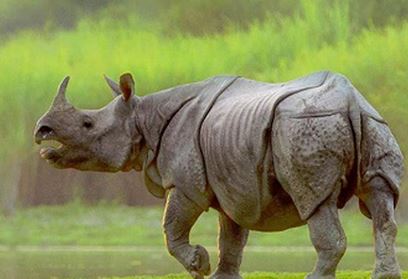
    Assam records 86% drop in Rhino Poaching since 2016

    Why in the News?

    Kaziranga National Park and other protected habitats of the one-horned rhinoceros in Assam have witnessed an 86% drop in poaching since 2016.

    Reduction in Rhino Poaching

    • From 2000 to 2021, poachers killed 190 rhinos in Assam, with a significant drop occurring after 2016.
    • The announcement was made in a statement marking the celebration of World Rhino Day (22nd September).

    About Project Rhino:

    Details
    Launch Year 2005 (Indian Rhino Vision, 2020)
    Objective To achieve a wild population of at least 3,000 Greater One-Horned Rhinos spread over seven protected areas in Assam by 2020.
    Habitat Terai floodplains of India and Nepal; currently found in Assam, West Bengal, and Uttar Pradesh.
    Partners • Assam Forest Department
    • Bodoland Territorial Council
    • World Wide Fund for Nature (WWF)
    • International Rhino Foundation (IRF)
    • US Fish & Wildlife Service
    Key Actions • Translocation of rhinos from Kaziranga and Pobitora to other protected areas (like Manas National Park) to reduce overcrowding.
    • Improving protection and security against poaching.
    Population Growth • From 2008 to 2012, 18 rhinos were translocated to Manas National Park.
    • By 2020, 14 calves were born in Manas after translocation.
    Conservation Status IUCN Status: Vulnerable
    CITES: Appendix I
    Wildlife Protection Act, 1972: Schedule I
    Significance
    • Project has helped distribute the rhino population across multiple protected areas, making them less vulnerable to poaching and ensuring a stable and sustainable population.
    • The population has increased from around 200 in the 1990s to approximately 2,900 today.


    PYQ:

    [2019] Consider the following statements:

    1. Asiatic lion is naturally found in India only.
    2. Double-humped camel is naturally found in India only.
    3. One-horned rhinoceros is naturally found in India only.

    Which of the statements given above is/are correct?

    (a) 1 only
    (b) 2 only
    (c) 1 and 3 only
    (d) 1, 2 and 3

  • Electronic System Design and Manufacturing Sector – M-SIPS, National Policy on Electronics, etc.

    India, USA signed pact to set up Semiconductor Pact for National Security

    Why in the News?

    India and the US have entered into an agreement to establish a semiconductor fabrication plant aimed at producing chips for national security, next-generation telecommunications, and green energy applications.

    Key Features of the Semiconductor Fabrication Plant

    • The semiconductor fab will focus on advanced sensing, communication, and power electronics.
    • The India Semiconductor Mission will support the project and involves a strategic partnership between Bharat Semi, 3rdiTech, and the US Space Force.
    • The plant will manufacture infrared, gallium nitride, and silicon carbide semiconductors, critical components for national security and commercial sectors.

    Shakti Partnership

    • The fab, titled “Shakti” (meaning power), is the first-ever technology partnership between Indian businesses and the US Space Force, and the first of its kind in the Quad, a strategic forum comprising India, the US, Japan, and Australia.
    • The project will focus on three key areas essential for modern warfare:
    1. Advanced sensing
    2. Advanced communications
    3. High-voltage power electronics
    • These areas also have significant applications in commercial sectors such as railways, telecom infrastructure, data centers, and green energy.


    About India’s Semiconductor Mission (ISM):

    Details
    Launch Year 2021
    Financial Outlay ₹76,000 crore under the Ministry of Electronics and IT (MeitY)
    Objective • Develop a sustainable semiconductor and display ecosystem in India
    • Reduce reliance on imports
    • Position India as a global leader in semiconductor manufacturing
    Core Focus Financial support for investments in:
    – Semiconductor fabs
    – Display fabs
    – Semiconductor design
    – Assembly, Testing, Marking, and Packaging (ATMP) facilities
    Components of ISM
    Scheme for Semiconductor Fabs • Provides fiscal support for setting up semiconductor wafer fabrication (fabs) facilities
    • Aims to attract large investments for semiconductor fabs in India
    Scheme for Display Fabs • Offers fiscal support for setting up TFT LCD/AMOLED display fabs
    • Encourages investments in display fabrication technologies
    Scheme for Compound Semiconductors • Provides 30% capital expenditure support for setting up Compound Semiconductors, Silicon Photonics, Sensors, and ATMP/OSAT facilities
    Design Linked Incentive (DLI) Scheme • Offers financial incentives and design infrastructure support for semiconductor design


    Significance of Next-Generation Telecom

    • Next-gen telecom (5G and beyond) will revolutionize industries with high-speed internet, IoT, AI, and smart infrastructure.
    • It is crucial for national security, economic competitiveness, and advancing green energy and sustainable development.
    • India’s adoption of 5G will drive innovation across sectors, promoting technological self-reliance and global leadership in telecommunications.

Join the Community

Join us across Social Media platforms.