💥UPSC 2026, 2027, 2028 UAP Mentorship (March Batch) + Access XFactor Notes & Microthemes PDF

Archives: News

  • G20 : Economic Cooperation ahead

    In news: G-7 Outreach Summit Apulia, Italy 

    Why in the News?

    • PM Modi was placed at centre stage for a group photograph at the G-7 Outreach Summit held in Italy.
      • This marks India’s 11th participation in the G7 Summit and PM Modi’s fifth consecutive attendance.

    About G-7 (Group of Seven)

    • The G7 is an informal bloc of industrialized democracies comprising the United States, Canada, France, Germany, Italy, Japan, and the United Kingdom (UK).
    • It convenes annually to address global economic governance, international security, and more recently, issues related to artificial intelligence (AI).
    • Formation and Expansion:
      • Originally formed as the Group of Six in 1975 by the United States, France, Italy, Japan, the UK, and West Germany, with Canada joining in 1976.
      • It was formed as a result of the oil crisis to stabilize global economic policies and international relations.
      • The group’s formation coincided with the challenges of the Cold War era, aiming to address economic concerns such as inflation and recession exacerbated by the OPEC oil embargo.
    • Key statistics about G7 countries:
      • Wealth: They control 60% of the global net wealth.
      • Growth: They drive 46% of the global GDP.
      • Population: They represent 10% of the world’s population.

    Russia’s Joining and Suspension

    • Russia joined in 1998, transforming it into the G8, aimed at enhancing its international prestige and fostering closer ties with Western nations.
    • Russia was suspended in 2014 following its annexation of Crimea, leading to ongoing tensions and challenges with both Russia and increasingly, China.

    Functioning of the G7

    • Unlike formal institutions like the United Nations or NATO, the G7 lacks a charter and secretariat.
    • Its presidency rotates annually (Canada in 2025), responsible for setting the agenda and logistical arrangements for the summit.
    • Policy initiatives are crafted by ministers and envoys known as Sherpas, who prepare discussions and agreements before the annual gathering.
    • Non-member countries are occasionally invited to participate in G7 meetings.

    Why G7 needs India?

    • Economic Significance and Democratic Stability: India’s regular participation in G7 meetings highlights its economic importance and stable democratic framework.
    • Rising Economic Power: With India poised to become the world’s fourth-largest economy, its involvement in global issues is increasingly crucial.
    • Leadership in the Global South: Modi’s initiatives, such as the Voice of the Global South Summit, have bolstered India’s global standing.
    • G20 Presidency: India’s recent presidency of the G20 demonstrated its ability to build consensus on contentious global issues.
    • Neutrality and Strategic Partnerships: India’s neutral stance on Western concerns over China’s actions in the South China Sea and its economic policies enhances its partnership with G7 nations.
    • Balancing with Russia and the West: As the West confronts Russia over Ukraine, India’s neutral stance positions it as a key ally while maintaining diplomatic balance.

    Divergence within G7

    • Geopolitical Tensions: The G7 nations often face disagreements and tensions over geopolitical matters, such as responses to Russian aggression, conflicts in regions like Ukraine, and strategic alliances with emerging economies.
    • Economic Policies: Economic policies and trade relations are frequent topics of debate within the G7. Issues include trade tariffs, market regulations, financial stability, and economic cooperation in the face of global economic challenges.
    • Climate Change: Addressing climate change and achieving environmental sustainability are critical concerns for the G7. Discussions typically focus on climate action commitments, renewable energy investments, and international cooperation on climate policies.
    • Security and Defense: Security and defence cooperation, including responses to global terrorism, cybersecurity threats, and military alliances, are important agenda items for the G7.
    • Technology and Innovation: Managing technological advancements, including AI regulation, digital governance, cybersecurity standards, and technological innovation policies, is another area of focus.
    • Social Issues: Social issues such as gender equality, human rights, immigration policies, and global development aid are also part of the G7 agenda, reflecting broader societal concerns and international commitments.

    PYQ:

    [2020] In which one of the following groups are all four countries members of G20?

    (a) Argentina, Mexico, South Africa and Turkey

    (b) Australia, Canada, Malaysia and New Zealand

    (c) Brazil, Iran, Saudi Arabia and Vietnam

    (d) Indonesia, Japan, Singapore and South Korea

  • Wildlife Conservation Efforts

    Elephants have names for each other: New study

    Why in the News?

    • Recent studies utilizing Artificial Intelligence (AI) tools have revealed that elephants possess unique names used to address each other, placing them among the select animals with this ability.
      • Unlike animals such as parrots and dolphins, elephants do not imitate the calls of those they address, resembling humans in this communicative trait.

    Naming Behavior in Elephants

    • Unlike humans, elephants do not mimic the calls of the addressee, setting their communication apart from other animals.
    • Published in Nature, the study titled ‘African elephants address one another with individually specific name-like calls’ involved researchers from institutions like Colorado State University and Save The Elephants.

    Study Methodology

    • Communication Methods: Contrary to popular belief, elephants predominantly communicate through low-pitched rumbles rather than trumpets, which are primarily emotional expressions.
    • Data Analysis: Researchers analyzed recordings of wild female African savannah elephants and their offspring’s rumbles across various Kenyan national parks spanning from 1986 to 2022.
    • AI Application: Using AI technology, they scrutinized 469 recorded rumbles to detect patterns indicating specific recipients of the communication.
      • Success Rate: The AI model successfully identified the intended elephant recipient in 27.5% of cases, surpassing chance levels.

    Observations

    • Behavioural Observation: To validate their findings, researchers played back recorded rumbles to 17 elephants and noted heightened reactions when elephants heard their ‘names’, indicating recognition of individual names.
    • Unique Communication: Unlike animals that imitate others’ calls, elephants display no evidence of imitation, suggesting a unique communication strategy.

    Significance of the Study

    • Sophisticated Communication: The study underscores elephants’ advanced communication abilities, challenging previous assumptions about their cognitive prowess.
    • Human-Elephant Parallels: It draws parallels between human and elephant communication, fostering greater admiration for elephants and potentially mitigating human-elephant conflicts crucial for conservation efforts.
    • Future Research: Further investigation is warranted to pinpoint the exact location of elephant names within rumbles and explore whether elephants assign names to objects besides individuals.

    Back2Basics: Elephants in India

    Details
    Population Estimate
    • India hosts the largest population of wild Asian Elephants (Elephas maximus), with around 29,964 individuals,
    • Approximately 60% of the global population (2017 census).
    Leading States Karnataka holds the highest number of elephants, followed by Assam and Kerala.
    Conservation Status
    • IUCN Red List:  Endangered.
    • CMS: Appendix I.
    • Wildlife (Protection) Act, 1972: Listed under Schedule I,
    • CITES: Appendix I.
    Conservation Initiatives
    • ‘Project Elephant’ was launched in 1992, covering 23 states across India.
      • This project contributed to the increase in the wild elephant population from around 25,000 in 1992 to about 30,000 in 2021.
    • Establishment of Elephant Reserves. Total 33 in numbers covering approximately 80,777 Sq.km.


    PYQ:

    [2020] With reference to Indian elephants, consider the following statements:

    1. The leader of an elephant group is a female.
    2. The maximum gestation period can be 22 months.
    3. An elephant can normally go on calving till the age of 40 years only.
    4. Among the States in India, the highest elephant population is in Kerala.

    Which of the statements given above is/are correct?

    (a) 1 and 2 only

    (b) 2 and 4 only

    (c) 3 only

    (d) 1, 3 and 4 only

  • Climate Change Negotiations – UNFCCC, COP, Other Conventions and Protocols

    The last continent must remain a pristine wilderness

    Why in the news?

    The 46th Antarctic Treaty Consultative Meeting (ATCM-46), held in Kochi, Kerala last month, brought attention to the ongoing debate regarding Antarctic tourism.

    Highlights of the 46th Antarctic Treaty Consultative Meeting (ATCM-46) in Kerala

    • Focus on Developing a Regulatory Framework: ATCM-46 emphasized the need for a comprehensive, flexible, and dynamic framework for regulating tourism and non-governmental activities in Antarctica. A new working group was established to lead this effort over the next year, highlighting a renewed commitment to addressing tourism challenges in the region.
    • Recognition of Environmental Concerns: The meeting acknowledged the significant environmental impacts of increasing tourism, including disruptions to wildlife, ecosystem damage, and pollution. There was a consensus on the urgency of mitigating these impacts through stronger regulatory measures and enhanced monitoring programs.
    • India’s Proactive Stance: India played a crucial role in emphasizing the importance of monitoring tourism impacts on Antarctic research, conservation, and the environment. India supported measures against constructing tourism-related structures with significant environmental impacts and showcased its commitment by enacting its own Antarctic Law in 2022 to regulate activities and protect the Antarctic environment.

    Gaps in the Regulatory Framework

    • Lack of Specific Regulations: The current governance framework for Antarctic tourism is fragmented and lacks specific regulations. The Antarctic Treaty (1961) prioritises peaceful use and scientific research, while the Madrid Protocol offers broad environmental guidelines but lacks detailed tourism regulations.
    • Self-Regulation by IAATO: The International Association of Antarctica Tour Operators (IAATO), a self-regulatory industry body, is primarily responsible for the day-to-day management of tourism. Many believe that IAATO’s guidelines are inadequate to address the growing environmental pressures.
    • Consensus Rule Limitations: The requirement for unanimous agreement from all consultative parties often slows down decision-making and allows national interests to impede progress. This has resulted in non-binding guidelines rather than comprehensive regulation.
    • Failed to make consensus on tourism: Discussions on tourism regulation have been ongoing since the 1960s. A proposed tourism annexe in 1991 failed to gain consensus, leading to the current reliance on IAATO’s self-regulation. Despite the increasing frequency of discussions since a 2004 expert meeting, comprehensive regulation has remained elusive.

    India’s Stand on Tourism Issues

    • Emphasis on Monitoring: India has consistently emphasised the importance of monitoring the impacts of tourism on Antarctic research, conservation, and the environment. This was highlighted at ATCM 44 (2022) and reinforced at ATCM-46.
    • Opposition to Environmental Impact: India supported Resolution 5 (2022), which advised against building tourism-related structures with significant environmental impacts. This stance reflects India’s commitment to minimising the environmental footprint of tourism in Antarctica.
    • Call for Comprehensive Debate: Between ATCM 44 and ATCM 45, India continued to call for a comprehensive debate on Antarctic tourism, stressing the need for governance action.
    • Enactment of Antarctic Law: Despite the lack of international consensus, India took proactive steps by enacting its own Antarctic Law in 2022. This law aims to regulate activities and safeguard the Antarctic environment from the impacts of tourism.
    • Focus on Sustainable Future: At ATCM-46, India advocated for a multi-pronged approach to ensure a sustainable future for Antarctic tourism. This includes strengthening environmental protection, implementing robust monitoring programs, and fostering international cooperation to preserve Antarctica’s pristine wilderness.

    Conclusion: Countries need to work together to create a robust international regulatory framework that addresses the unique challenges of Antarctic tourism. This involves building on the efforts initiated at ATCM-46 and ensuring that the newly established working group develops comprehensive, binding regulations that all parties can agree upon and implement.

    Mains PYQ:

    Q The states of Jammu and Kashmir, Himachal Pradesh and Uttarakhand are reaching the limits of econological carrying capacity due to tourism. Critically evaluate.(UPSC IAS/2015)

  • Wildlife Conservation Efforts

    World Crocodile Day 2024: In 50th year of India’s saurian conservation 

    Why in the news?

    The successful Crocodile Conservation Project in Bhitarkanika National Park is escalating the human-crocodile conflicts affecting local communities.

    About the Crocodile Conservation Project

    • Launch and Objective: The Crocodile Conservation Project was launched in 1975 in Bhitarkanika National Park, Odisha. The main objective was to protect the crocodiles’ natural habitat and revive the population through captive breeding due to the low survival rate of hatchlings in nature.
    • Historical Context: Initiated barely three years after the Wild Life (Protection) Act, 1972. The project was launched due to the threat of extinction from indiscriminate killing for commercial purposes and severe habitat loss.
    • Implementation and Success: Centers for breeding and rearing saltwater crocodiles, muggers, and gharials were started in 34 locations across various states in India under the guidance of HR Bustard. The project in Bhitarkanika, started by Sudhakar Kar and HR Bustard, has been the most successful, increasing the population from 95 in 1975 to 1,811 in the latest reptile census.
    • Ongoing Efforts: Sudhakar Kar continues to provide technical expertise and methodology for the annual census of saltwater crocodiles even after retirement. Conservation of crocodiles is described as a lifelong mission by Kar.

    IUCN Status of Crocodiles of India

    • The three crocodiles of India, the Saltwater Crocodile, Mugger Crocodile, and Gharial, are listed as Least Concern, Vulnerable, and Critically Endangered respectively on the IUCN Red List of Threatened Species.

    Bhitarkanika National Park 

    • Bhitarkanika National Park is a 145 km² (56 sq mi) protected area in Odisha, eastern India. It was designated as a national park in 1998 and obtained the status of a Ramsar site in 2002.
    • The park is known for its unique mangrove ecosystem, which is the second largest in India. It is home to a variety of flora and fauna, including the endangered saltwater crocodile, Indian python, king cobra, black ibis, and darters.

    About the Issues Faced by Bhitarkanika

    • Human-Crocodile Conflict: The increasing crocodile population has led to rising human-crocodile conflicts. Sudhakar Kar expressed concern over the conflicts, warning locals to avoid entering rivers, creeks, and waterbodies inhabited by estuarine crocodiles.
    • Impact on Local Communities: Conflicts have led to 50 deaths since 2014. Local villagers have criticized politicians for not addressing the safety issues adequately, affecting political outcomes.
    • Preventive Measures: Forest officials have erected barricades around 120 river ghats in and around Bhitarkanika to prevent crocodile attacks on humans.
    • Political Implications: The human-crocodile conflict has influenced local political dynamics, with villagers expressing dissatisfaction with incumbents over safety concerns related to crocodile attacks.

    Conclusion: Construct and maintain more robust protective barriers around water bodies, such as reinforced barricades and secure river ghats. Additionally, create safe, designated areas for water-related activities to minimize the risk of crocodile attacks.

    Mains PYQ:

    Q How does biodiversity vary in India? How is the Biological Diversity Act,2002 helpful in the conservation of flora and fauna? (UPSC IAS/2018)

  • Health Sector – UHC, National Health Policy, Family Planning, Health Insurance, etc.

    An Ageing India: The Magnitude and the Multitude 

    Why in the News?

    The phenomenon of ageing stands out as one of the most significant developments of this century, characterized by notable advancements in human longevity alongside historically low reproduction rates.

    About the Magnitude and Multiplication of the aged population

    • The magnitude of Aging Population: The 21st century is witnessing a significant demographic shift marked by a notable increase in human longevity.
      • Improved healthcare and living conditions have contributed to a rise in life expectancy, leading to a larger elderly population. By mid-century, India is projected to have around 319 million elderly people, growing at a rate of approximately 3% annually.
    • Multiplication of Aging Phenomenon: Despite longevity gains, there is a simultaneous decline in fertility rates, leading to an ageing population with a lower proportion of younger generations.
      • This demographic shift poses challenges related to healthcare, social security, and economic sustainability. The elderly population is becoming increasingly feminized, with a higher prevalence of elderly women due to longer life expectancy and higher widowhood rates.

    Aged Population as per the 2011 Census:

    • According to the 2011 Census of India, the population of people aged 60 and older in India was 104 million, which is 8.6% of the total population. This is an increase from 5.6% in 1961.
    • The census also found that 53 million of the elderly population were female and 51 million were male, with a sex ratio of 1033. 71% of the elderly population lived in rural areas and 29% lived in urban areas. Additionally, 5.18% of the elderly population, or 53,76,619 people, had some disability

    Issues and Challenges

    • Vulnerabilities of the Elderly: Many elderly individuals in India face significant vulnerabilities, including limitations in activities of daily living (ADL), multi-morbidity, poverty, and lack of financial security.
      • A substantial proportion of the elderly report poor health conditions, with a high prevalence of chronic diseases such as diabetes and cancer.
      • Mental health issues, particularly depression, are also prevalent among the elderly population.
    • Social and Economic Insecurities: Food insecurity affects a notable percentage of the elderly, with reports of reduced portions or skipped meals due to economic constraints.
    • Lack of legal protection: Awareness and access to welfare measures and legal protections for the elderly are low, with limited knowledge about schemes like IGNOAPS, IGNWPS, and Annapurna.
    • Abuse and Neglect: Elder abuse is a significant concern, especially for elderly women in rural areas who often experience neglect and mistreatment within their families and communities.
      • Social exclusion and limited opportunities for productive engagement exacerbate feelings of insecurity and marginalization among the elderly.

    Way Forward:

    • Enhancing Social Support and Welfare Measures: Strengthening awareness and accessibility of welfare schemes and legal protections for the elderly. Implementing social security measures to ensure financial stability and improve quality of life for ageing populations.
    • Healthcare and Mental Well-being: Prioritizing healthcare interventions tailored to the needs of the elderly, including preventive measures against chronic diseases and mental health support. Promoting healthy ageing through lifestyle interventions and healthcare policies that address the unique challenges of an ageing population.
    • Empowerment and Social Inclusion: Fostering social inclusion through community engagement and initiatives that empower the elderly to contribute actively to society. Developing innovative institutional frameworks that value the elderly as assets and promote their participation in societal development.

    Mains PYQ:

    Q. Critically examine the effects of globalization on the aged population in India. (UPSC IAS/2013)

  • Climate Change Negotiations – UNFCCC, COP, Other Conventions and Protocols

    EU Environmental Council adopts nature restoration law in historic win for continent’s environment

    Why in the news?

    On June 17, 2024, the EU Environmental Council approved the Nature Restoration Law (NRL), marking a significant victory for environmental conservation across the continent.

    Nature Restoration Law (NRL):

    • Objective and Scope: The NRL aims to restore and preserve biodiversity and ecosystem health across Europe. It targets a wide range of habitats including terrestrial, coastal, freshwater, forest, agricultural, and urban areas. Specific ecosystems such as wetlands, grasslands, forests, rivers, lakes, and marine environments like seagrass beds and coral reefs are covered.
    • Targets and Timelines: Member states are required to restore at least 20% of the EU’s land and sea areas by 2030. This includes all ecosystems identified as in need of restoration. The law sets a longer-term goal for the complete restoration of all degraded ecosystems in Europe by 2050.

    About the EU Biodiversity Strategy for 2030

    Objective:

    • The EU Biodiversity Strategy for 2030 aims to halt biodiversity loss and restore ecosystems across Europe. It sets ambitious targets to ensure that biodiversity is conserved, valued, and restored for its intrinsic value and for the benefits it provides to people and the planet.

    Targets and Actions:

    • The strategy includes specific targets for 2030, such as protecting at least 30% of EU land and sea areas, with 10% under strict protection, restoring degraded ecosystems, and integrating biodiversity considerations into agriculture, forestry, fisheries, and urban planning.
    • It emphasizes the importance of promoting green infrastructure, sustainable land use, and enhancing ecosystem services to support biodiversity.

    Policy Instruments and Implementation:

    • The strategy integrates biodiversity considerations into key EU policies and sectors, including agriculture, fisheries, forestry, climate action, and regional development.
    • It encourages the use of innovative financing mechanisms, partnerships with stakeholders, and international cooperation to achieve its goals.

    Monitoring and Review:

    • The EU Biodiversity Strategy for 2030 includes a robust monitoring framework to track progress towards its targets and assess the effectiveness of actions taken.
    • Regular reviews and updates are planned to ensure that the strategy remains relevant and adaptive to new challenges and scientific knowledge..

    Challenges in Nature Restoration Law (NRL)

    • Implementation Complexity: One of the primary challenges is the complexity of implementing the NRL across diverse ecosystems and landscapes within EU member states. Each country may have varying capacities, resources, and existing environmental conditions, making uniform implementation challenging.
    • Cost and Funding Requirements: Restoring 20% of the EU’s land and sea areas by 2030 requires significant financial resources. The NRL involves costs related to restoration projects, monitoring, enforcement, and stakeholder engagement. Securing adequate funding and ensuring sustained financial support over the long term is crucial but challenging.

    Conclusion: Create dedicated funding mechanisms or expand existing EU funds specifically for biodiversity restoration under the NRL. This could include grants, subsidies, and low-interest loans tailored to support restoration projects across member states.

    Mains PYQ:

    Q Environmental Impact Assessment studies are increasingly undertaken before a project is cleared by the Government. Discuss the environmental impacts of coal-fired thermal plants located at coal pitheads. (UPSC IAS/2014)

  • International Space Agencies – Missions and Discoveries

    Valentina Tereshkova: The First Woman in Space

    Why in the News?

    On June 16, 1963, Valentina Tereshkova made history as the first woman to venture into space. Her achievement marked a significant milestone in the Space Race between the USA and the USSR during the Cold War.

    About Valentina Tereshkova’s Space Journey

    • In 1962, Tereshkova was selected among five women for the Soviet space program, aiming to achieve ‘gender equality’ in space exploration.
    • The USSR’s decision to send a woman into space was partly influenced by the success of Yuri Gagarin’s mission in 1961 and the desire to surpass the US in space achievements.
    • Tereshkova’s affiliation with the Communist Party and her skills as a parachutist were factors in her selection for the Vostok 6 mission.

    The Mission – Vostok 6

    • On June 16, 1963, Tereshkova piloted Vostok 6, becoming the first woman to orbit the Earth.
    • She spent 71 hours in space, completing 48 orbits around the Earth during her mission.

    Impact and Legacy

    • Tereshkova’s mission boosted Soviet prestige in the Space Race, following earlier successes like launching Sputnik-1 in 1957 and Yuri Gagarin’s historic flight in 1961.
    • Despite her pioneering role, the USA would later achieve milestones like the Apollo moon landings, surpassing Soviet achievements in manned space missions.
    • Tereshkova continued to advocate for women’s participation in space exploration and held prominent positions in Soviet politics and the Air Force.

    Indian Women in Space 

    Indian women have made significant contributions to space exploration, marking milestones and inspiring future generations. Here are notable Indian women who have ventured into space:

    • Kalpana Chawla: Born in Karnal, Haryana, Kalpana Chawla was the first woman of Indian origin in space. She flew on two Space Shuttle missions, including STS-87 in 1997. Tragically, she lost her life during the re-entry of the Space Shuttle Columbia in 2003.
    • Sunita Williams: An American astronaut of Indian-Slovenian descent, Sunita Williams has set records for spacewalks and served as a flight engineer on the International Space Station (ISS). She has logged over 322 days in space across multiple missions.
    • Sirisha Bandla: An aeronautical engineer and Vice President at Virgin Galactic, Sirisha Bandla became the second India-born woman to travel to space on the Virgin Galactic Unity 22 mission in 2021.

    Women Pioneers of ISRO:

    • Lalitha Ramachandran: Joined ISRO in 1969 as a technical assistant at Vikram Sarabhai Space Centre (VSSC), becoming one of the first female chemical engineers recruited by ISRO. She retired as associate project director of the Cryogenic Upper Stage Project.
    • J Geetha: Joined ISRO in 1972 after working at Bhabha Atomic Research Centre. She reminisces about the challenges of data gathering in the pre-internet era and the mentorship she received from stalwarts like Satish Dhawan and Vasant R Gowarikar.
    • Radhika Ramachandran: Joined ISRO in 1984 and served in various roles, including technical liaison officer at ISRO’s New Delhi office and director of the Space Physics Laboratory. She highlights the merit-based culture and the support for open discussions and suggestions.
    • T S Ramadevi: Joined ISRO in 1970 after completing her BTech from CET, Thiruvananthapuram. She was part of the communications unit and contributed to the growth of ISRO’s transmission technologies. She retired as deputy director of management systems.
    • Athula Devi: Joined ISRO in 1987 and retired in January, having been part of the team that developed base software systems for the Gaganyaan launch. She emphasizes ISRO’s growth through failures and the team’s dedication to projects above personal recognition.


    PYQ:

    [2017] India has achieved remarkable successes in unmanned space missions including the Chandrayaan and Mars Orbiter Mission, but has not ventured into manned space missions. What are the main obstacles to launching a manned space mission, both in terms of technology and logistics? Examine critically. (10)

  • Innovations in Sciences, IT, Computers, Robotics and Nanotechnology

    Quantum Physics Behind Diapers: How they absorb so much Liquid?

    Why in the News?

    Understanding the absorbency of diapers through the Quantum physics of water absorption and contrasting materials that do or do not absorb water.

    Absorption in Diapers: How it works?

    • Absorption depends on Microscopic forces and Material properties. Water molecules are attracted to materials like cotton due to their structure.
    • Cotton, a network of polymers with ions, absorbs water effectively by attracting water molecules.
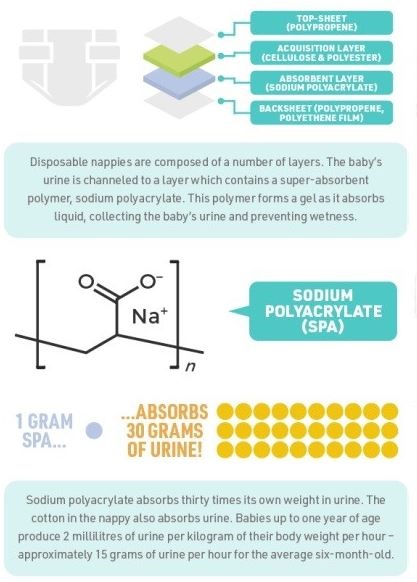
    • For large fluid absorption like in diapers, Super-Absorbent Polymers (SAP) are crucial.

    What are Super-Absorbent Polymers (SAP)?

    • SAPs are synthetic materials with the ability to absorb and retain large amounts of liquid relative to their own mass.
    • They are commonly used in products like diapers, sanitary napkins, and other absorbent hygiene products.
    • SAPs are typically cross-linked polymers, meaning their molecules are bonded in a way that creates a network capable of absorbing water molecules.

    Examples:

    1. Sodium Polyacrylate: This is one of the most common types of SAP used in diapers. It forms a gel-like substance when it absorbs liquid.
    2. Polyacrylamide: Another type of SAP used in various applications, including agriculture and wastewater treatment, due to its high water-absorbing capacity.

    Quantum Physics Insight of SAP

    Quantum physics plays a fundamental role in understanding the behaviour of super-absorbent polymers (SAPs), particularly in how they interact with water molecules at the atomic level:

    1. Electron Sharing: SAPs contain ions like sodium, which have a strong affinity for water molecules. This attraction is based on the principles of quantum physics, where atoms like sodium and oxygen prefer to share electrons to achieve stability. This shared electron arrangement allows water molecules to bond with the ions in SAPs, facilitating the absorption process.
    2. Quantum Mechanical Properties: At the quantum level, electrons behave as waves and can exist in shared states between atoms. This phenomenon allows for the formation of stable bonds between water molecules and SAP ions, enhancing the SAP’s ability to absorb large amounts of liquid.
    3. Energy States: Quantum physics explains how SAPs manage energy states during absorption. As water enters the SAP, energy is released due to changes in the electron configurations and bonding energies of the ions involved. This process is crucial for maintaining the gel-like structure of the SAP and preventing leakage.

    PYQ:

    [2022] Which one of the following is the context in which the term “qubit” is mentioned?

    (a) Cloud Services

    (b) Quantum Computing

    (c) Visible Light Communication Technologies

    (d) Wireless Communication Technologies

  • Wildlife Conservation Efforts

    Gandhi Sagar Wildlife Sanctuary: India’s New Cheetah Habitat

    Why in the News?

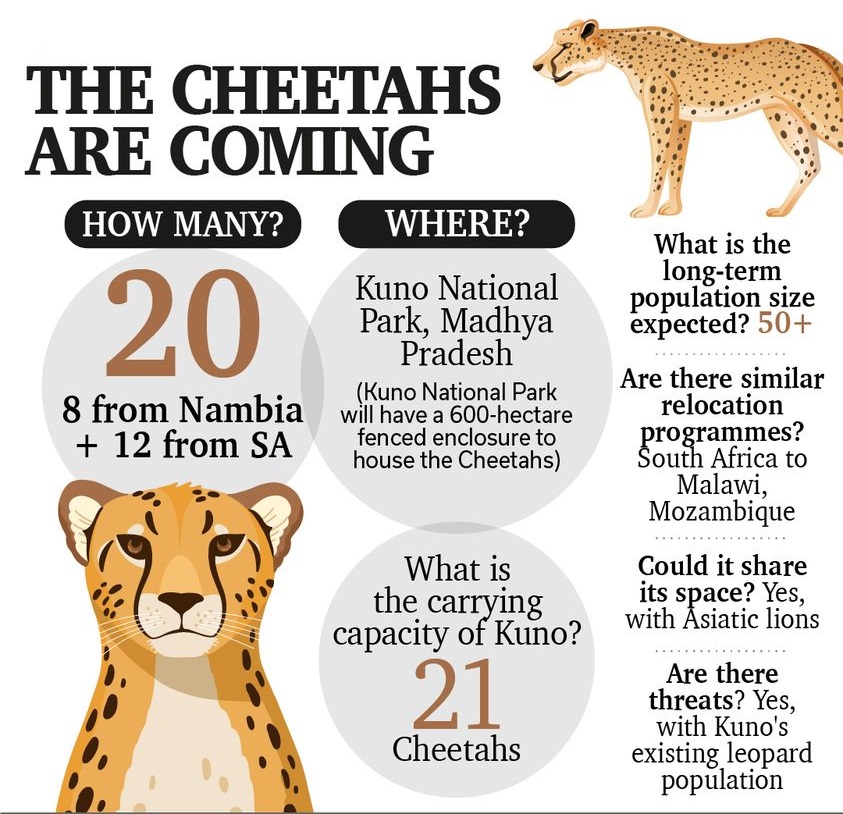
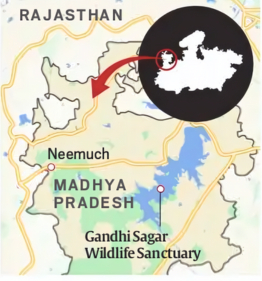
    • Gandhi Sagar Wildlife Sanctuary will become the second home for cheetahs in India, after Kuno National Park. The final decision on importing cheetahs from Namibia and South Africa will be made after the monsoon season to avoid infection risks.

    Cheetah Reintroduction in India:

    • In India, cheetahs disappeared in the early 1950s due to hunting and the loss of their habitat.
    • The ‘Action Plan for Reintroduction of Cheetah in India /Project Cheetah (2022)’ aims to bring cheetahs from African countries to various national parks.
    • It is spearheaded by the National Tiger Conservation Authority (NTCA).
    • Recently, cheetahs from Namibia were reintroduced in Kuno National Park, Madhya Pradesh.

    About Cheetah:

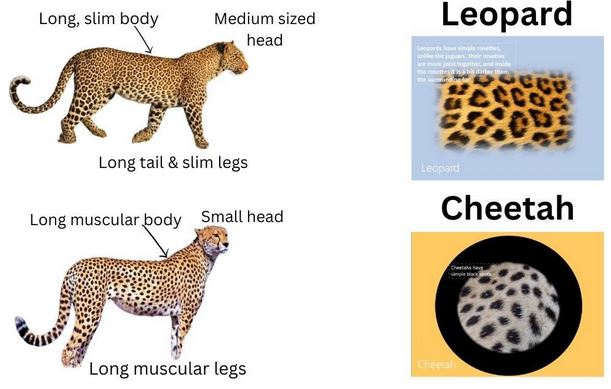
    • The cheetah is a fast-running big cat native to Africa and central Iran, capable of speeds up to 80 to 128 km/h.
    • They live in various habitats like savannahs, arid mountains, and hilly deserts.
    • Cheetahs live in three main groups: females with cubs, male coalitions, and solitary males.
    • They hunt during the day, preferring dawn and dusk.
    • The global cheetah population was 6,500 mature individuals, according to the most recent IUCN assessment in 2021.
    • They are listed as VULNERABLE by the IUCN.
    • The Asiatic Cheetah is one of the five subspecies of cheetah, critically endangered and found only in Iran.


    About Gandhi Sagar Wildlife Sanctuary

    • Located in western Madhya Pradesh, Gandhi Sagar Wildlife Sanctuary covers an area of 368.62 sq km.
    • It spans the Mandsaur (187.12 sq km) and Neemuch (181.5 sq km) districts, bordering Rajasthan.
    • Situated on a flat rocky plateau characterized by shallow topsoil and exposed sheetrock.
    • It is divided by the Chambal River, with the Gandhi Sagar dam and reservoir within its boundaries.
    • Flora and Fauna:
      • Flora: The sanctuary features a savannah ecosystem with open grasslands interspersed with dry deciduous trees. Riverine valleys within the sanctuary support evergreen vegetation.
      • Fauna: The sanctuary is home to a diverse range of wildlife, including species like leopards, sloth bears, striped hyenas, grey wolves, golden jackals, jungle cats, Indian foxes, and marsh crocodiles.

    Habitat Suitability for Cheetahs

    • Officials cite Gandhi Sagar as having an ideal habitat parallel to Maasai Mara (a National Park) in Kenya, suitable for cheetahs.
    • Plans include expanding the cheetah habitat to around 2,000 sq km, contingent upon cooperation with Rajasthan’s Bhainsrodgarh sanctuary.

    PYQ:

    [2024]  Consider the following statements:

    1. Lions do not have a particular breeding season.

    2. Unlike most other big cats, cheetahs do not roar.

    3. Unlike male lions, male leopards do not proclaim their territory by scent marking.

    Which of the statements given above are correct?

    (a) 1 and 2 only

    (b) 2 and 3 only

    (c) 1 and 3 only

    (d) 1, 2 and 3

    [2012]  Consider the following: (2012)

    1. Black-necked crane
    2. Cheetah
    3. Flying squirrel
    4. Snow leopard

    Which of the above are naturally found in India?

    (a) 1, 2 and 3 only
    (b) 1, 3 and 4 only
    (c) 2 and 4 only
    (d) 1, 2, 3 and 4

  • Wildlife Conservation Efforts

    Formula for Flapping Frequency across Flying and Swimming Animals


    Why in the news?

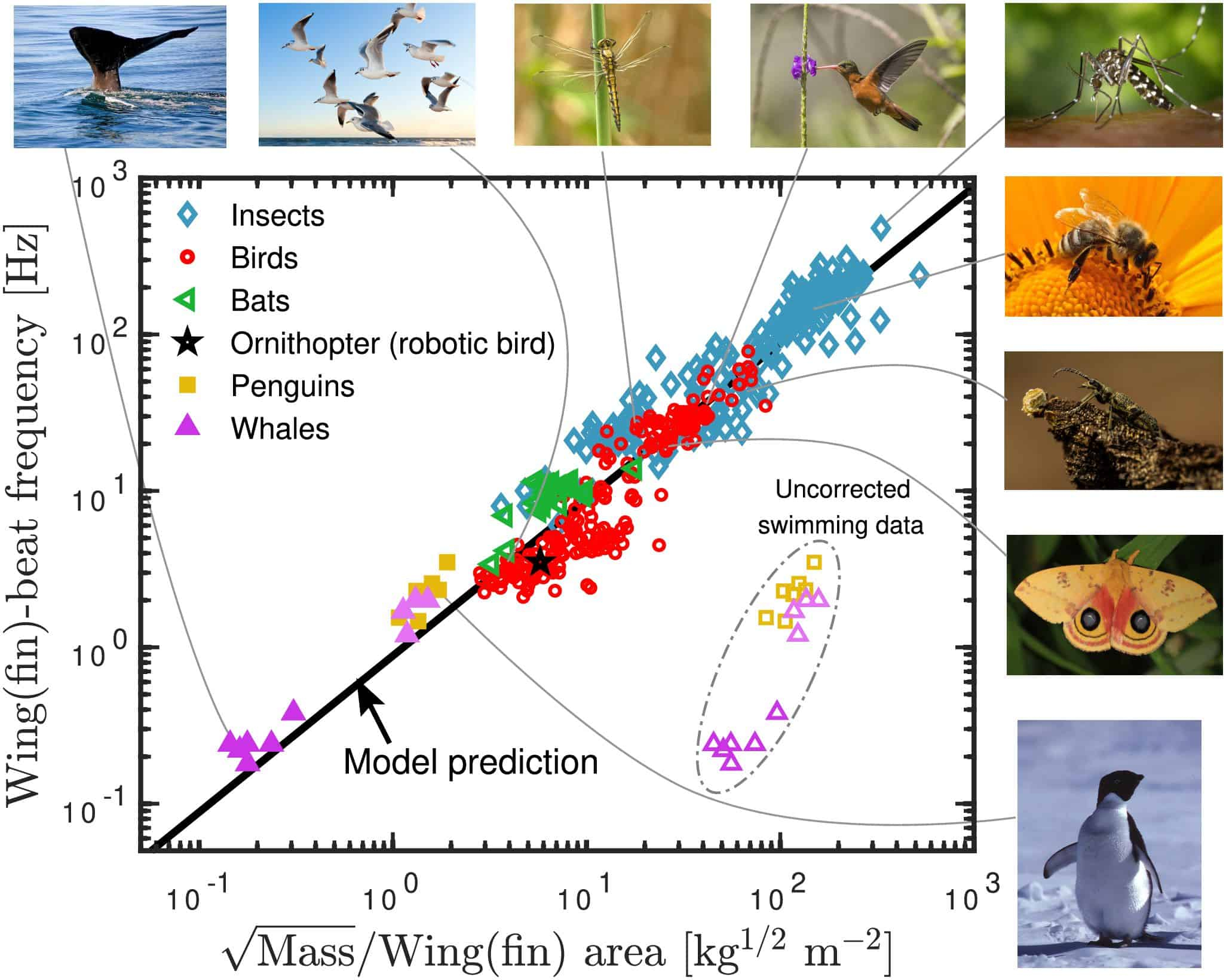
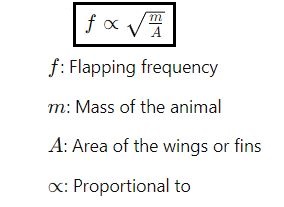
    • Researchers at Roskilde University in Denmark discovered a formula that correlates the flapping frequency of winged and swimming animals to their mass and wing/fins size.
      • The formula applies universally across a diverse range of species, from insects to birds, bats, penguins, whales, and even robotic ornithopters.

    Formula for Flapping Frequency

    • The formula was derived from Newton’s second law (F= mass x acceleration) applied to animals flapping wings to stay airborne.
    • Factors considered in the derivation included air density, wing size, and the forces generated by wing movements.

    Research Methodology

    • The researchers derived the formula theoretically from Newton’s second law, relating the force needed to stay airborne or submerged to the wing/fins’ motion, air/water dynamics, and animal mass.
    • They incorporated empirical observations into a constant C to account for specific shape and flight kinematics variations.

    Application and Validity

    • The formula’s validity was tested across various animals:
      • 176 insect data points (e.g., bees, moths, dragonflies)
      • 212 bird data points (from hummingbirds to swans)
      • 25 bat data points

    Formula Extension to Swimming Animals

    • The formula also predicts the frequency of fin/fluke movements in swimming animals.
    • Adjustments are made for water density and buoyancy effects, excluding fish with swim bladders.

    Limitations and Modifications

    • The formula applies well in conditions with high Reynolds numbers (Re), where fluid flow is streamlined.
    • At low Re values, where viscosity dominates, modifications are needed.
    • The equation holds as long as animal density variations do not exceed a factor of ten.

    Insights and Future Research

    • Insights from the formula include understanding flight efficiency and potential evolutionary pathways for winged animals.
    • Future research aims to explore further insights hidden within the C constant, potentially revealing deeper principles governing animal flight and swimming dynamics.

    PYQ:

    [2024] The organisms “Cicada, Froghopper and Pond skater are:

    (a) Birds

    (b) Fish

    (c) Insects

    (d) Reptiles

Join the Community

Join us across Social Media platforms.