💥UPSC 2026, 2027, 2028 UAP Mentorship (March Batch) + Access XFactor Notes & Microthemes PDF

Archives: News

  • Foreign Policy Watch: India-SAARC Nations

    BIMSTEC acquires ‘legal personality’ after charter comes into force

    Why in the News?

    The Ministry of External Affairs has announced that with the establishment of its inaugural charter on May 20th, the Bay of Bengal Initiative for Multi-Sectoral Technical and Economic Cooperation (BIMSTEC) will now accept new members and observers.

    About BIMSTEC: 

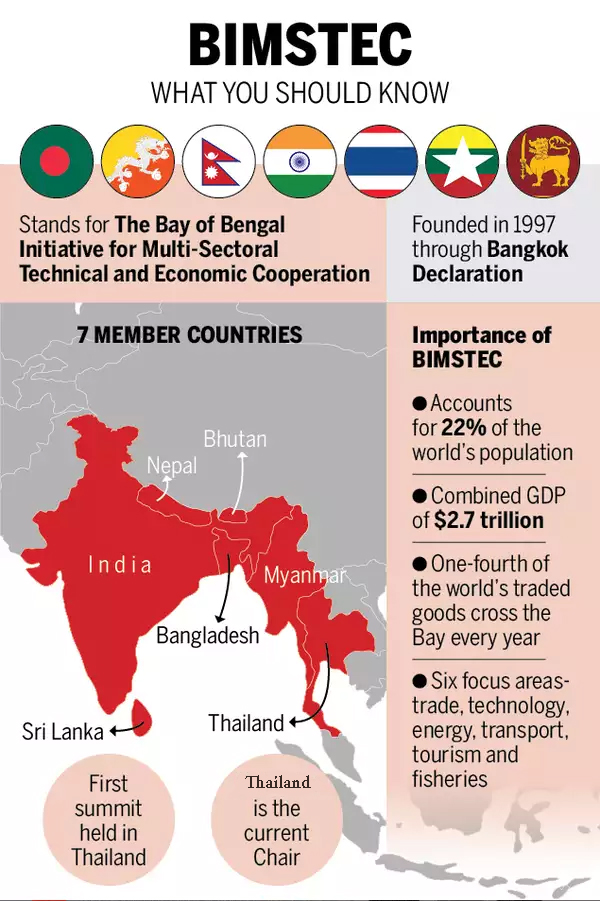
    • The Bay of Bengal Initiative for Multi-Sectoral Technical and Economic Cooperation (BIMSTEC) formed in 1997 is a multilateral regional organization comprising seven member states: Bangladesh, Bhutan, Sri Lanka, Nepal, Thailand, Myanmar, and India.
    • Aim: To promote technical and economic cooperation among its member countries, particularly in sectors such as security, connectivity, trade, agriculture, environment, science and technology, and people-to-people contact.

    Adoption of the Charter:

    • After years of deliberation, the BIMSTEC leaders adopted the organization’s first charter during their 5th summit.
    • This charter provides a legal framework for the group, granting it a “legal personality” and enabling the structured diplomatic dialogue with other countries and regional groupings.
    • In the context of international organizations like BIMSTEC, obtaining legal personality means that the organization is recognized as a legal entity in its own right, separate from its member states.

    Significance of BIMSTEC for all member countries:

    The charter’s implementation enhances cooperation and deeper integration within the Bay of Bengal region, benefiting all member states economically and strategically.

    • Enhanced Cooperation: With the charter in place, member countries can engage in more structured and organized cooperation across various sectors such as security, connectivity, trade, agriculture, environment, science and technology, and people-to-people contact.
    • Strengthened Regional Integration: The charter facilitates deeper integration within the Bay of Bengal region. By establishing common goals and mechanisms for cooperation, it promotes economic growth, social development, and cultural exchange among member countries.
    • Diplomatic Dialogue: The charter enables BIMSTEC to enter into structured diplomatic dialogue with other countries and regional groupings. This opens up avenues for broader engagement and partnership, enhancing the geopolitical significance of the BIMSTEC platform.

    Challenges in the present world context: 

    • Historical Discord: Long-standing historical discord between member states, such as Bangladesh and Myanmar, presents a challenge to cohesive cooperation within BIMSTEC. These tensions can hinder progress on joint initiatives and impede the organization’s effectiveness.
    • Geopolitical Complexities: Geopolitical complexities, exacerbated by events like the Rohingya refugee crisis and the coup in Myanmar, add layers of complexity to regional dynamics.
      • These complexities can strain relationships between member states and complicate efforts to foster collaboration and integration within BIMSTEC.
    • Stagnation of SAARC: While BIMSTEC offers an alternative platform for regional cooperation, the near stagnation of SAARC underscores the challenges faced by regional organizations in fostering meaningful collaboration.

    Way forward:

    • Need a Conflict Resolution Mechanisms: Implement effective conflict resolution mechanisms to address historical discord and tensions between member states.
    • High Diplomatic Engagement: Encourage regular diplomatic engagement and dialogue between member states to address geopolitical complexities and build trust.

    Mains PYQ

    Q Do you think that BIMSTEC is a parallel organization like the SAARC? What are the similarities and dissimilarities between the two? How are Indian foreign policy objectives realized by forming this new organization? (UPSC IAS/2022)

  • Innovations in Biotechnology and Medical Sciences

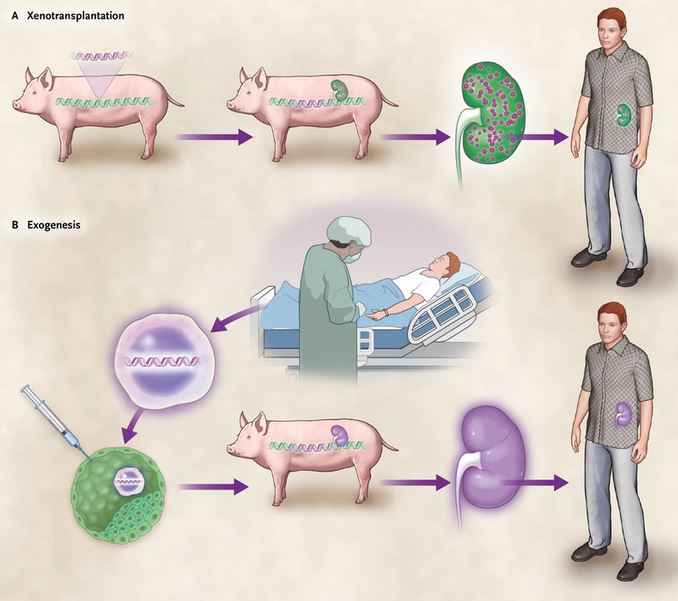
    Xenotransplantation: Prospects and Challenges

    Why in the News?

    The recent passing away of Richard Slayman, the first recipient of a modified pig kidney transplant, has drawn attention to xenotransplantation—an innovative medical procedure with the potential to revolutionise organ transplantation.

    What is Xenotransplantation?

    • It involves transplanting live cells, tissues, or organs from nonhuman animal sources into human recipients.
    • It seeks to address the critical gap between organ demand and supply.
    • Xenotransplantation, pioneered in the 1980s with heart transplants, has emerged as a promising solution to alleviate the organ shortage crisis, particularly prevalent in kidney transplantation.

    Examples:

    • Chimpanzee-to-Human Transplants: In the 1960s, there were attempts at chimpanzee-to-human kidney transplants, heart transplants, and liver transplants.
    • Pig-to-Human Heart Transplant: In 2022, a groundbreaking milestone was achieved with the first successful transplantation of a pig heart into a human with end-stage heart disease

    Procedural Details

    • Xenotransplantation involves genetic modifications to animal organs, like 69 CRISPR-Cas9 edits to a pig kidney, removing pig genes and adding human genes for compatibility.

    Why is the Pig a Preferred Source?

    • Anatomical Resemblance: Pigs are favoured for xenotransplantation due to their physiological similarities to humans, facilitating successful integration. Pig organs, like heart valves, have been used in human medicine for over 50 years.
    • Breeding Advantages: Extensive pig farming ensures a readily available and cost-effective supply of organs, with diverse breeds offering size-matching opportunities.

    Challenges associated

    • The main challenge is preventing organ rejection. Innovative methods, such as embedding the pig’s thymus gland under the kidney’s outer layer, help manage immune responses.
    • There are also significant concerns regarding potential infections from both recognised and unrecognised infectious agents that could affect not only the recipient but also the wider population.
    • Retroviruses present in the animal organs pose a risk of cross-species infection, which could remain latent and cause diseases years after the transplantation.

    PYQ: 

    [2017] With reference to agriculture in India, how can the technique of ‘genome sequencing’, often seen in the news, be used in the immediate future?

    1. Genome sequencing can be used to identify genetic markers for disease resistance and drought tolerance in various crop plants.
    2. This technique helps in reducing the time required to develop new varieties of crop plants.
    3. It can be used to decipher the host-pathogen relationships in crops.

    Select the correct answer using the code given below:

    (a) 1 only
    (b) 2 and 3 only
    (c) 1 and 3 only
    (d) 1, 2 and 3

  • Tax Reforms

    Supreme Court upholds ICAI Rule on Tax Audit Assignments

    Why in the News?

    • The Supreme Court upheld a rule issued by the Institute of Chartered Accountants of India (ICAI) that limits Chartered Accountants to accepting no more than 60 tax audit assignments in a financial year.
      • The court found that the rule does NOT violate the fundamental right to practice a profession under Article 19(1) (g) of the Constitution (apart from also being violative of the right to equality under Article 14).

    Tax Audit Regime: A Quick Backgrounder

    • The mandatory tax audit regime was initiated in 1984 with Section 44AB in the Income Tax Act, of 1961 which required certain businesses and professionals to get their accounts audited.
      • Tax Audit aims to ensure compliance with the provisions of the Income Tax Act, 1961, and detect and prevent tax evasion and fraud.
    • In 1988, the ICAI limited Chartered Accountants to a specified number of tax audit assignments to ensure quality and reduce the risk of misconduct.
    • This limit was part of the guidelines issued in 2008, which replaced previous notifications and were challenged in various High Courts.

    About the Institute of Chartered Accountants of India (ICAI):

    Details
    Establishment The Institute of Chartered Accountants of India (ICAI) is a statutory body established by an Act of Parliament, viz. The Chartered Accountants Act, 1949.
    Regulatory Body The second largest professional body of chartered accountants in the world after the American Institute of Certified Public Accountants (AICPA).

    Only licensing authority for chartered accountants in India

    Headquarters New Delhi, India, with 5 regional offices and 163 branches across the country.
    Functions Regulates education, training, and examinations for Chartered Accountants. Formulates accounting and auditing standards.
    Membership Granted to individuals who complete prescribed education and training and pass final examinations.
    Powers of ICAI
    • Involves theoretical education and practical training under a practising Chartered Accountant.
    • Conducted at Foundation, Intermediate, and Final levels, held twice a year in May and November.
    • Formulates Accounting Standards (AS), Auditing Standards (SA), and other guidance notes.
    • Investigates complaints of professional misconduct against members and takes disciplinary actions.
    International Affiliations Member of international accounting bodies including-

    1. International Federation of Accountants (IFAC),
    2. Confederation of Asian and Pacific Accountants (CAPA), and
    3. South Asian Federation of Accountants (SAFA).


    PYQ:

    [2018] With reference to India’s decision to levy an equalization tax of 6% on online advertisement services offered by non- resident entities, which of the following statements is/are correct?

    1. It is introduced as a part of the Income Tax Act.
    2. Non-resident entities that offer advertisement services in India can claim a tax credit in their home country under the “Double Taxation Avoidance Agreements”.

    Select the correct answer using the codes given below:

    (a) 1 only

    (b) 2 only

    (c) Both 1 and 2

    (d) Neither 1 nor 2

  • Tourism Sector

    India rises to 39th position in WEF Index for travel, tourism development

    Why in the News? 

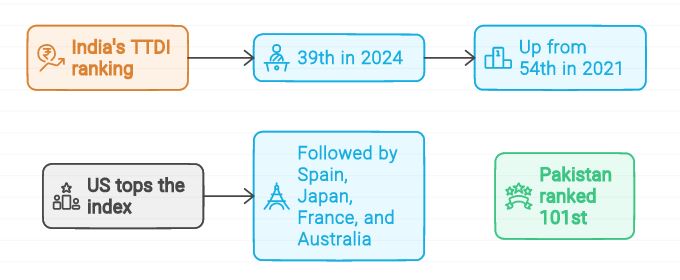
    • India has moved up to the 39th position in the World Economic Forum’s latest “Travel & Tourism Development Index (TTDI) 2024, a significant climb from 54th in 2021.
      • The United States tops the index, followed by Spain, Japan, France, and Australia.
      • Pakistan is ranked 101st.

    India’s Performance and Ranking

    • Price Competitiveness: India is ranked 18th in terms of price competitiveness.
    • Transport Infrastructure: It stands at 26th for air transport and 25th for ground and port infrastructure.
    • Resource Ranking: India is 6th in natural resources, 9th in cultural resources, and 9th in non-leisure resources.
    • TTDI Score Change: India’s overall TTDI score decreased by 2.1% compared to its 2019 level.
    • Decline in Sustainability Performance: India has seen a decline in sustainability performance relative to 2019 but still performs well due to the prevalence of sustainable long stays among inbound visitors.

    About Travel & Tourism Development Index (TTDI)

    • The TTDI was compiled in collaboration with the World Economic Forum (WEF) and the University of Surrey in the United Kingdom (UK).
    • TTDI 2024 is the second edition, evolved from the Travel & Tourism Competitiveness Index (TTCI) series, a flagship index of WEF that has been in production since 2007.
    • TTDI 2024 covered 119 countries’ travel and tourism sectors across various factors and policies.

    Back2Basics: World Economic Forum (WEF)

    Description
    Establishment Founded in 1971 by Swiss-German economist Klaus Schwab in Geneva, Switzerland.
    Purpose To bring together public and private sector leaders to address global political, social, and economic issues.
    Membership Introduced in 1975, membership includes the world’s top 1,000 companies.
    Scope Expansion Initially focused on European firms catching up with US management practices, expanded to encompass broader economic and social issues.
    Birth of the G20 The concept of the G20, focusing on global finance and comprising 20 countries, emerged from discussions at the WEF in 1998.
    Key Reports Published
    • Global Competitiveness Report
    • Global Risks Report
    • Global Gender Gap Report
    • Global Human Capital Report
    • Global Information Technology Report
    • Future of Jobs Report
    • Global Enabling Trade Report

    Trick: Reports beginning with the name ‘Global’.

    World level recovery in travel and tourism:

    • Sector Recovery: International tourist arrivals and the sector’s contribution to global GDP are expected to return to pre-pandemic levels in 2024.
    • Regional Recovery: West Asia exceeded its 2019 tourist arrival levels by 20%, while Europe, Africa, and the Americas are recovering robustly, each reaching about 90% of their 2019 levels.

    PYQ:

    [2019] The Global Competitiveness Report is published by the:

    (a) International Monetary Fund

    (b) United Nations Conference on Trade and Development

    (c) World Economic Forum

    (d) World Bank

    Practice MCQ:

    The Travel & Tourism Development Index (TTDI) is released by:

    1. International Air Transport Association (IATA)
    2. World Tourism Foundation (WTF)
    3. World Economic Forum
    4. World Bank
  • Waste Management – SWM Rules, EWM Rules, etc

    Microplastic Pollution in Ashtamudi Lake

    Why in the News?

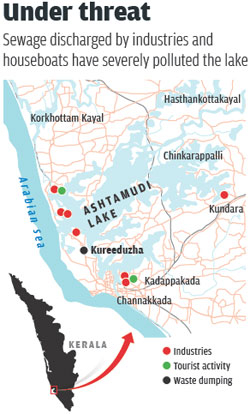
    • A recent study conducted by the “Department of Aquatic Biology and Fisheries”, University of Kerala, has revealed alarming levels of microplastic pollution in Ashtamudi Lake, a Ramsar wetland in Kollam district.

    Back2Basics: Microplastics

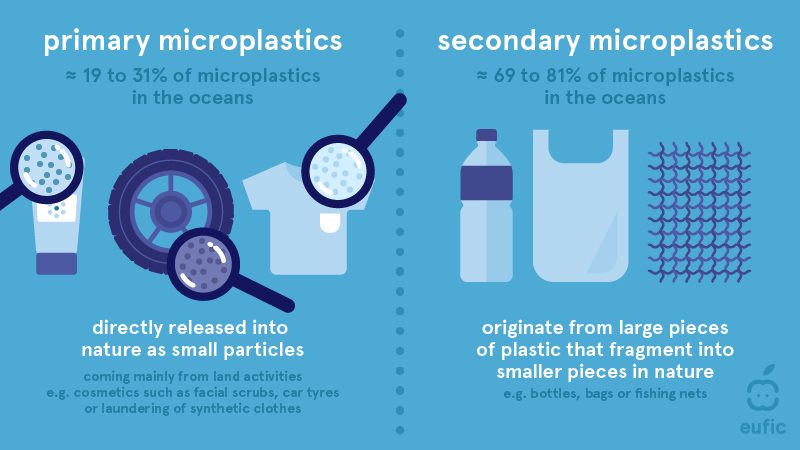
    • Microplastics are small plastic particles that are less than 5 millimetres (0.2 inches) in size.
    • They are a type of plastic pollution that originates from the fragmentation of larger plastic debris, as well as from the direct release of small plastic particles in various products and activities.

    Types of Microplastics:

    About Ashtamudi Lake

    • Ashtamudi Lake is located in the Kollam district of Kerala.
    • The lake is also called the “gateway to the backwaters of Kerala”.
      • Historical Background: The importance of Ashtamudi Kayal dates back to the times of the Romans and Phoenicians in the 14th century.
    • It is a brackish water lake, meaning it contains a mix of freshwater and saltwater. It covers an area of approximately 61 square kilometres (23.5 square miles).
    • Kallada River is a major river discharging into the Ashtamudi Lake.
    • The name “Ashtamudi” translates to “eight coned” in Malayalam, referring to the lakes eight prominent arms or channels.
    • The lake is surrounded by lush vegetation, including mangrove forests, coconut groves, and palm trees.
    • Ashtamudi Lake is an integral part of the Kollam-Kottapuram Waterway, which connects the Kerala backwaters to the Arabian Sea.
      • Notable Islands: Chavara, Munroe

    PYQ:

    [2022] Consider the following pairs:

    Wetland              : Lake Location

    1.    Hokera Wetland  : Punjab

    2.   Renuka Wetland  : Himachal Pradesh

    3.   Rudrasagar Lake  :  Tripura

    4.   Sasthamkotta Lake : Tamil Nadu

    How many pairs given above are correctly matched?

    (a) Only one pair

    (b) Only two pairs

    (c) Only three pairs

    (d) All four pairs

    [2019] Why is there a great concern about the ‘microbeads’ that are released into the environment?

    (a) They are considered harmful to marine ecosystems.

    (b) They are considered to cause skin cancer in children.

    (c) They are small enough to be absorbed by crop plants in irrigated fields.

    (d) They are often found to be used as food adulterants.

  • Foreign Policy Watch: United Nations

    Expert Explains: Why the ICC Prosecutor has asked for an arrest warrant against Netanyahu, and what could happen now

    Why in the News?

    On 20 May 2024, the Prosecutor of the International Criminal Court (ICC) requested arrest warrants against leaders of Hamas and Prime Minister Benjamin Netanyahu of Israel about the events of October 7, 2023, and the conflict in Palestine.

    What is the International Criminal Court?

    • The International Criminal Court formed in 2002, is an Intergovernmental Organization and International Tribunal seated in the Hague, Netherlands.
    • It deals with the most serious crimes of concern to the international community, including genocide, crimes against humanity, war crimes, and crimes of aggression.
    • Unlike the international tribunals, the International Criminal Court is a permanent body.

    Against whom has the Prosecutor requested warrants of arrest?

    Specifically, warrants have been sought for senior Hamas leaders Yahya Sinwar, Mohammed Deif, and Ismail Haniyeh, along with Netanyahu and Israel’s Minister of Defence Yoav Gallant.

    The process of ICC decision-making and the scope of the present case:

    • ICC decisions are binding, but they rely on the cooperation of member states for support.
      • A panel of judges at the ICC must decide on the Prosecutor’s application for arrest warrants.
      • If approved, all State Parties are obligated to cooperate, including arresting and extraditing the accused individuals to The Hague.
      • This could restrict international travel for Netanyahu and Gallant, affecting visits to countries that are State Parties to the Rome Statute.
    • Israel is not a Party to the Rome Statute. However, the ICC does have jurisdiction over crimes committed by nationals of both State Parties  (such as Palestine) and Non-state Parties (such as Israel) on the territory of a State Party (such as Palestine).

    International Criminal Court (ICC) Vs. International Court of Justice (ICJ) 

    ICC ICJ
    Relationship with the UN ICC is an independent organization not part of the United Nations ICJ is an integral part of the UN and acts as its primary judicial branch
    Members ICC has around 105 members, focusing on prosecuting individuals for crimes. ICJ has all 193 UN member countries as its members, primarily resolving disputes between states
    Derivation of Authority ICC derives its authority from the Rome Statute, focusing on prosecuting individuals for crimes against humanity, war crimes, genocide, and crimes of aggression. ICJ derives its authority from the Charter of the United Nations, settling disputes between countries based on international law
    Funding It mainly functions on contributions made by state parties to the Rome Statute and voluntary contributions Its funding sources differ based on its status as an organ of the United Nations


    Way forward:

    • Need Enhanced Cooperation: Encouraging greater cooperation between the ICC and the UN to strengthen their effectiveness in addressing international crimes.
    • Need Wider Membership: Advocating for more countries to become State Parties to the Rome Statute to broaden the ICC’s jurisdiction and reach.

    Mains PYQ:

    Q India’s relations with Israel have, of late, acquired a depth and diversity, which cannot be rolled back.” Discuss. (UPSC IAS/2018)

  • Forest Conservation Efforts – NFP, Western Ghats, etc.

    ‘Silent demise’ of vast ‘Rangelands’ threatens climate, food, wellbeing of billions: UNCCD 

    Why in the News?

    The UN Convention to Combat Desertification (UNCCD) recently published the “Global Land Outlook Thematic Report” on Rangelands and Pastoralists, revealing that up to 50% of Rangelands are degraded.

    About UNCCD:

    • UNCCD adopted in 1994 (effectively from 1996),  is a legally binding agreement that aims to protect and restore land and combat desertification and drought.
    • It is one of the three Rio Conventions (the other two being – the Convention on Biological Diversity (UNCBD) and United Nations Framework Convention on Climate Change (UNFCCC)).

    What is the Rangeland?

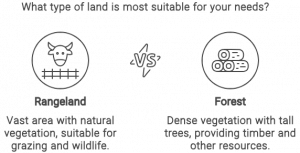
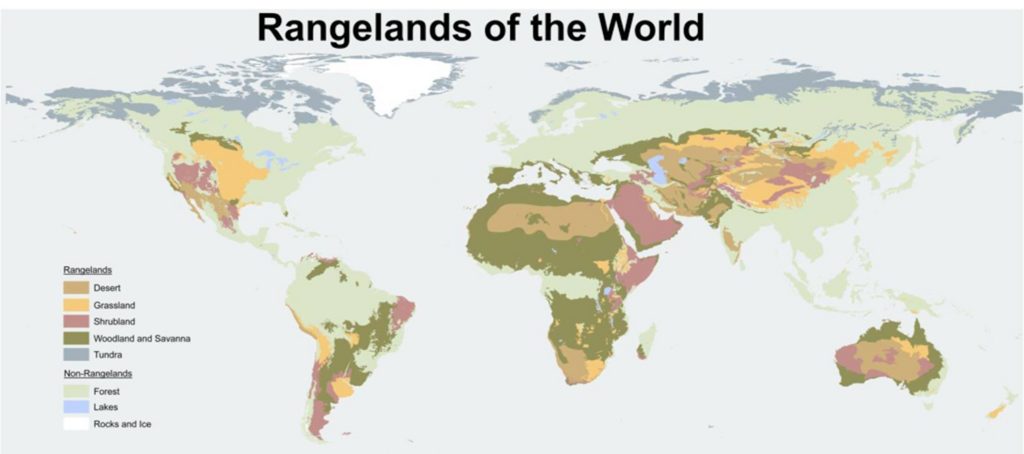
    • Rangeland, is any extensive area of land that is occupied by native herbaceous or shrubby vegetation which is grazed by domestic or wild herbivores.

      • It may include tallgrass prairies, steppes (shortgrass prairies), desert shrublands, shrub woodlands, savannas, chaparrals, and tundras.
    • These lands constitute 54% of all land cover, account for 1/6th of global food production, and represent nearly 1/3rd of the planet’s carbon reservoir.

    World areas that are most acutely affected by Rangeland Degradation:

    • Central Asia, China, Mongolia: The replacement of government management with privatization and agricultural industrialization led to the abandonment of herders and reliance on insufficient natural resources, causing degradation.
    • North Africa and the Near East: Climate change is pushing pastoralists into poverty and degrading rangelands.
    • Sahel and West Africa: Conflict, power imbalances, and border issues have disrupted livestock mobility, leading to degradation.
    • South America: Climate change, deforestation from industrial agriculture, and land use conversion are primary drivers of degradation.
    • East Africa: Migration and forced displacement due to competing land uses are evicting pastoralists, causing degradation.
    • North America: Degradation of ancient grasslands and dry rangelands threatens biodiversity in ecosystems like tall-grass prairies and southern deserts.
    • Europe: Policies favoring industrial farming over pastoralism and misguided incentives are causing the abandonment and degradation of rangelands.
    • South Africa and Australia: Afforestation, mining, and land conversion are causing degradation and loss of rangelands.

    How does it impact the Food chain?

    • Over two billion people, including small-scale herders, ranchers, and farmers, depend on healthy rangelands for their livelihoods, underscoring the critical link between rangeland health and food chain cycle.
    • Up to 50% of rangelands are degraded due to various factors including overuse, misuse, climate change, and biodiversity loss, posing a severe threat to food security.

    The Economic significance of Rangelands:

    • Livestock Grazing and Agriculture: Rangelands are crucial for livestock production, providing natural forage for cattle, sheep, goats, and other herbivores. This grazing land supports the meat and dairy industries, which are vital to the global food supply and rural economies.
    • Eco-tourism and hunting: These areas support a wide range of wildlife, contributing to biodiversity and offering opportunities for eco-tourism and hunting, both of which generate significant income for local economies.
    • Ecosystem Services: Rangelands provide vital services like water filtration, carbon storage, and soil preservation, yielding economic advantages through climate regulation and conservation.
    • Income and employment opportunities: Harvesting these resources provides income and employment opportunities for rural populations. The economic contributions made by different countries are as follows:
      • Ethiopia: Livestock production from rangelands accounts for 19% of the country’s GDP.
      • India: Livestock from rangelands contributes 4% to the national GDP.
      • Brazil: As a major beef producer, Brazil generates one-third of its agribusiness GDP from cattle livestock, producing 16% of the world’s beef.

    What is the innovative approach presented by the UNCCD Report?

    • The past estimates by UNCCD of degraded rangeland of roughly 25% are significantly underestimated, where the actual loss of rangeland’s health and productivity was potentially reaching up to 50%.
    • Conceptual Approach: The report outlines a new conceptual approach designed to help policymakers stabilize, restore, and manage rangelands more effectively.
      • This new approach is supported by detailed case studies from nearly every world region, which provide important lessons from both the successes and failures in rangeland management.
    • Core Recommendation – Protect Pastoralism: The report emphasizes the importance of protecting pastoralism a traditional, mobile way of life based on pasture-based livestock production as a key strategy for sustainable rangeland management.

    Conclusion: Many countries like the U.S. and Canada makingare trying to reintroduce bison, an animal with significant cultural importance to indigenous peoples. This initiative aims to promote rangeland health and enhance food security.

    Mains PYQ:

    Q The process of desertification does not have climate boundaries. Justify with examples.(UPSC IAS/2020)

  • Medical Education Governance in India

    SC to reconsider its 1995 judgement to include the medical profession under the Consumer Protection Act

    Why in the news?

    Recently, the apex court held that lawyers as ‘professionals’ could not be subjected to legal proceedings for providing faulty ‘service’ under the Consumer Protection Act 2019 (CPA). A similar case applies to Medical practitioners which is in high controversy.

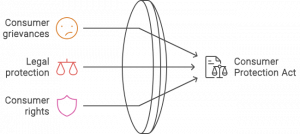
    What is the Consumer Protection Act (CPA)?

    •  
    Consumer Protection Act, 1986 Consumer Protection Act, 2019
    Purpose Enacted to provide simpler and quicker access to redressal of consumer grievances. Repeals and replaces the CPA, 1986.
    Introduction of Concept Introduced the concept of ‘consumer’ and conferred additional rights on consumers. Expands the scope of the definition of ‘consumer’ to include transactions conducted offline or online through electronic means, teleshopping, direct selling, or multi-level marketing.
    Scope of Protection Protects individuals fitting the definition of ‘consumer’ as defined by the Act. Extends protection to a wider range of transactions, including those related to banking, insurance, transport, housing construction, entertainment, amusement, etc.

    About the previous case – Indian Medical Association vs V P Shantha (1995):

    • In 1995, a three-judge bench of the SC ruled, “Doctors would be covered under the consumer protection law, allowing the filing of several medical negligence lawsuits against doctors for deficiency in service”.
    • The court also acknowledged that medical professional occupations are often “skilled” work which differs from other occupations and the success usually depends on factors that are beyond the doctor’s control.

    Diversity of present Opinions:

    • What did the National Consumer Disputes Redressal (NCDR) Commission say?
        • In 2007, the NCDR Commission held that lawyers provide a service to their clients and hence they can be sued for deficiency of service.
        • This case ultimately reached the apex court where the judgement was passed recently.
    • What did the Apex court say?
      • The court said that the objective principle of the CPA 2019 was to protect consumers from unfair trade practices and unethical business practices (the law was not intended to include professionals).
      • The court noted that the legal profession is unique and cannot be compared with any other profession.
      • According to the SC, hiring or availing of an advocate is a contract of personal service and is therefore exempted from the scope of the consumer protection law.

    About the Consumer Redressal Commissions in India:

    • Legal proceedings under the CPA are heard by the Commissions which are constituted at all the 3 tier- District, State, and National levels (According to the CPA, 1986).
      • The President of each Commission would be a person who was/ is qualified to be a judge at the District, High Court, and Supreme Court resp.
      • The other individuals who have the knowledge, experience, or capacity to deal with problems relating to economics, law, commerce, accountancy, industry, public affairs or administration.
      • Since there is no requirement for commission members to have knowledge in medical matters, they are not suited to deal with complex medical issues.
    • In 2024, another SC bench appeared to be more sympathetic to the medical practitioners and held that these professionals should not be held to the same standard as other occupations.

    Why does the Apex Court not Exempt Medical Profession from the Purview of CPA?

    • Firstly, doctors have specific duties to their patients, such as deciding on treatment and its administration.
    • Secondly, if a doctor breaches these duties by failing to provide a reasonable standard of care, they can be held liable under the CPA.
    • Additionally, the court believes requiring commission members to have case-specific knowledge would be impractical and burdensome.

    Conclusion: This decision aims to prevent potential imbalances between District and State Commissions in handling cases and places the responsibility on parties to provide evidence for informed decisions.

  • Agricultural Sector and Marketing Reforms – eNAM, Model APMC Act, Eco Survey Reco, etc.

    A vegetable triumvirate, inflation, and the takeaway

    Why in the News?

    The price fluctuations and Inflation trends in recent market underscore the necessity for Targeted Policy Interventions and a comprehensive grasp of Agricultural Supply Chains.

    The Significance of Vegetable Triumvirate (trio):

    • Tomato, Onion, and Potato (TOP) aren’t just statistical entities but essential ingredients in Indian cuisine, forming the backbone of many dishes.
    • These vegetables represent more than just a portion of the CPI basket; they embody cultural and dietary preferences deeply ingrained in Indian culinary traditions.

    Volatility and its role in shaping Inflation trends by TOP vegetables:

    Vegetable prices in India rose by approximately 15% year-on-year, indicating significant inflation in this category.

    • Highly Volatile: There was notable volatility in vegetable prices, with a sharp decrease of 0.7% in June followed by a substantial increase of 37.4% in July.
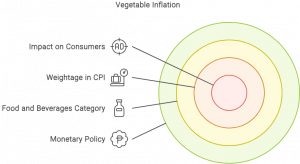
    • High Contribution to Inflation: Despite vegetables weighing only 6% in the total CPI basket, their contribution to inflation was about 30% in Feb/March 2024.
      • For example, Tomatoes having a weight of only 0.6% in the CPI basket, prices soared by 202% in July 2023, contributing to 18.1% of the total headline inflation.
      • The contribution of vegetables to headline inflation was 31.9%, with TOP (tomato, onion, and potato) contributing 17.2%, further highlighting their substantial impact on inflation trends.

    Navigating Culinary and Economic Realities (Challenges):

    • Policy Challenges: The volatility in TOP prices underscores the need for effective policy interventions, including agricultural value chain reforms and improved storage facilities to stabilize prices and support farmers.
    • Farmers’ Plight: Farmers, who are often net buyers of these crops, bear the brunt of price fluctuations, necessitating measures like Minimum Support Prices to ensure their livelihoods are protected.
    • Government Response: Despite protests and demands from farmers, policy responses have been inconsistent, relying on short-term measures like export bans rather than addressing underlying structural issues in the agricultural sector.

    Way forward:

    • Need for Value Chain Reforms: Implement reforms aimed at improving the efficiency and resilience of agricultural value chains for TOP vegetables.
    • Need Price Stabilization Mechanisms: Introduce mechanisms to stabilize prices of TOP vegetables, such as market interventions, buffer stocks, or price ceilings during periods of extreme volatility. This can help mitigate the impact of price fluctuations on consumers and farmers alike.
    • Minimum Support Prices (MSPs): Establish MSPs for TOP vegetables to provide farmers with a guaranteed floor price for their produce.

    Mains PYQ:

    Q Do you agree with the view that steady GDP growth and low inflation have left the Indian economy in good shape? Give reasons in support of your arguments.(UPSC IAS/2019)

  • Wildlife Conservation Efforts

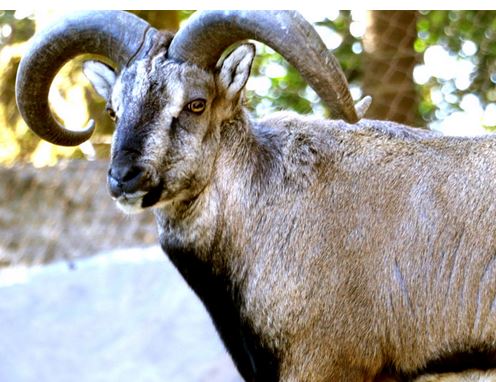
    Blue Sheep (Bharal) and Himalayan Ibex (Tangor) Census in Himachal

    Why in the News?

    • Wildlife authorities in Himachal Pradesh’s Lahaul & Spiti district have initiated surveys to estimate the population of Blue Sheep (bharal) and Himalayan Ibex (Tangor), vital prey species for the iconic snow leopard.
      • This move aims to assess the region’s biodiversity and promote conservation efforts.

    About the Species Mentioned

    Bharal (Blue Sheep)

    Himalayan Ibex (Tangor)

    Scientific Name Pseudois nayaur Capra sibirica hemalayanus
    Genus Pseudois Capra
    Distribution India, Bhutan, China (Gansu, Ningxia, Sichuan, Tibet, Inner Mongolia), Myanmar, Nepal, Pakistan Himalayan region of India, Pakistan, Tibet, Nepal
    Features
    • Slate grey coat with bluish shine
    • Horns grow upwards, curve out, and then towards the back
    • Large curved horns with notches on the front
    • Light brown to reddish-brown coat, white belly, black and white markings on legs
    • Thick, woolly coat in winter, shed in early summer
    Behavior Active throughout the day, alternating between feeding and resting on grassy mountain slopes
    • Usually found in small herds, sometimes around 50 together;
    • Can run at speeds of up to 50 km/h
    Conservation Status IUCN Red List: Least Concern

    Wildlife Protection Act 1972: Schedule 1

    IUCN Red List: Near Threatened

    Wildlife Protection Act 1972: Schedule 1


    PYQ:

    [2013] Consider the following fauna of India :

    1. Gharial

    2. Leatherback turtle

    3. Swamp deer

    Which of the above is/are endangered?

    (a) 1 and 2 only

    (b) 3 only

    (c) 1, 2 and 3

    (d) None

Join the Community

Join us across Social Media platforms.