💥UPSC 2027,2028 Mentorship (April Batch) + Access XFactor Notes & Microthemes PDF

Archives: News

  • Police Reforms – SC directives, NPC, other committees reports

    How to read the NCRB 2022 Report on Crime in India?

    Central Idea

    Background of NCRB Reports

    • Origin: The National Crime Records Bureau (NCRB) was established in January 1986 under the Union Ministry of Home Affairs.
    • Purpose: NCRB’s primary role is to compile and maintain national crime statistics, acting as a central repository for criminal data.
    • Scope: The reports encompass a wide range of criminal activities, including crimes against women, cybercrimes, economic offenses, and more.

    Data Compilation Process

    • Sources: Data is sourced from police forces of 36 states and Union Territories, and 53 cities with populations over 10 lakh as per the 2011 Census.
    • Validation: Information recorded at local police stations undergoes validation at district and state levels before final verification by the NCRB.

    Highlights from the 2022 NCRB Report

    • Overall Crimes: The report registered a total of 58,24,946 cognizable crimes, including 35,61,379 IPC crimes and 22,63,567 Special and Local Laws (SLL) crimes.
    • Crime Rate: A decline in crime rate from 445.9 in 2021 to 422.2 in 2022 per lakh population.
    • Crimes Against Women: There were 4,45,256 cases, marking a 4% increase from 2021.
    • Cyber Crimes: A significant increase of 24.4% from 2021, totaling 65,893 cases.
    • Suicides: An increase of 4.2% in suicides, totaling 1,70,924 cases in 2022.

    State-wise Data and Interpretation

    • Chargesheeting Rate: Highest in Kerala (96.0%), Puducherry (91.3%), and West Bengal (90.6%).
    • Interpretation: High chargesheet rates do not necessarily indicate higher crime rates but could reflect more efficient law enforcement.

    Challenges and Limitations of NCRB Data

    • Principal Offence Rule: This rule might lead to underreporting of certain types of crimes.
    • Data Accuracy: Local-level inefficiencies or gaps can affect the overall accuracy of the report.
    • Socio-Economic Factors: The report does not capture the deeper socio-economic reasons behind crimes.
    • Underreporting Issues: Fear of police response or societal stigma may lead to underreporting of crimes.

    Conclusion

    • Understanding the NCRB report requires recognizing its scope, methodology, and limitations.
    • While it provides crucial insights into crime trends in India, interpreting the data with an awareness of these factors is essential for a comprehensive understanding of the country’s crime dynamics.
  • Food Processing Industry: Issues and Developments

    Hidden Costs of Agri-Food Systems  

    Central Idea

    • A recent United Nations Food and Agriculture Organization (FAO) report highlights the enormous hidden costs of global agri-food systems, totalling over $10 trillion.
    • In countries like India, these costs, amounting to nearly 11% of GDP, manifest in various forms such as increased poverty, environmental damage, and health issues.
    • The report suggests a transformation of agri-food systems, advocating for multi-cropping systems as a solution to enhance farmer well-being, community nutrition, and ecological health.

    About Agri-Food Systems 

    • “Agri-food systems” refer to the complex network of activities, processes, and actors involved in the production, processing, distribution, and consumption of food.
    • This system encompasses everything from agricultural production (farming) to the final food products consumed by individuals.

    Intensive Agriculture: Impacts and Trends

    • Green Revolution Legacy: India’s agricultural productivity boost over the past five decades has largely been due to mono-cropping and chemical-intensive farming, particularly in paddy and wheat cultivation.
    • Nutritional and Ecological Consequences: This shift has led to a decline in crop diversity, impacting household nutrition and causing ecological issues like groundwater depletion.
    • Economic Viability: The privatization of agricultural inputs has increased farmer indebtedness, making agriculture increasingly unviable in India.

    Crop Favoritism and Food Security Concerns

    • Public Distribution System (PDS): The National Food Security Act 2013 ensures food security for a significant portion of the Indian population, but the procurement policy heavily favours rice and wheat.
    • Decline in Coarse Grains: The focus on rice and wheat has led to a reduction in the cultivation of nutritionally rich coarse grains.
    • Water-Intensive Crops: Policies have also encouraged the cultivation of water-intensive cash crops like sugarcane, impacting biodiversity and water resources.
    • Impact of Global Trade: International market fluctuations and trade relations have historically influenced food production systems in countries like India, affecting local agricultural practices and crop choices.

    Promise of Crop Diversification

    • Agroecology Principles: Multi-cropping systems, rooted in agroecology, can revitalize land and soil health while providing diverse crop yields.
    • Ecosystem Services: These systems offer multiple benefits, including cash provision, food production, and ecosystem services like nitrogen fixation and biodiversity support.
    • Nutritional and Environmental Benefits: Diversified farming can improve soil health and provide a more nutritious food basket, addressing the hidden costs of current agricultural practices.

    Challenges and Transition Strategies

    • Gradual Transition: A systematic shift from mono-cultivation to diversified farming is necessary, involving stages like non-pesticide management and natural farming practices.
    • Economic Modelling: Preliminary economic models suggest that diversified farming can sustain farm incomes and improve ecological outcomes in both the short and long term.
    • Addressing Transition Challenges: Overcoming hurdles related to local seeds, market access, labor requirements, and institutional support is crucial for a successful transition.

    Conclusion

    • The FAO report underscores the urgent need to transform agri-food systems to address their hidden costs.
    • Multi-cropping systems offer a viable path forward, promising to enhance ecological health, farmer well-being, and community nutrition.
    • However, this transition requires concerted efforts from various stakeholders, including institutions, policymakers, and farmers, to create economic incentives and support mechanisms for adopting sustainable agricultural practices.
  • Global Geological And Climatic Events

    Cyclone Michaung makes landfall

    Central Idea

    • Cyclone Michaung (name suggested by Myanmar) makes landfall in Tamil Nadu and Andhra Pradesh.
    • Michaung is the fourth tropical cyclone over the Bay of Bengal this year.

    About Cyclone Michaung

    • Uncommon Intensity: December cyclones in the North Indian Ocean typically do not reach high intensities. Michaung, with its severe storm classification, is an exception.
    • Upgraded Intensity: Initially predicted as a tropical cyclone, IMD upgraded Michaung to a ‘severe’ storm due to its unexpected intensification.
    • Heat Index Contribution: The intensification is attributed to the above-normal heat index values off the southern Andhra Pradesh coast.

    Indian Tropical Storms: An Overview

    • Annual Cyclones: The North Indian Ocean basin averages about five cyclones per year, predominantly in the Bay of Bengal.
    • Arabian Sea Cyclones: Though less frequent, Arabian Sea cyclones often reach higher intensities and can cause extensive damage.
    • Peak Cyclone Seasons: Cyclones are most common during pre-monsoon (April-June) and post-monsoon (October-December) months, with May and November seeing more intense storms.

    Factors Influencing Storm Intensification

    • Ocean Heat: Cyclones draw energy from warm ocean temperatures, typically around 26 degrees Celsius or higher.
    • Tropical Cyclone Heat Potential (TCHP): This oceanographic parameter is crucial in cyclone genesis and intensification.
    • Complex Atmospheric Conditions: Various atmospheric factors like wind shear, convection, and air-sea interactions also play a role in cyclone development.
    • Coriolis Effect: This effect influences cyclone formation in the northern hemisphere, causing air to move anticlockwise in low-pressure areas.

    Back2Basics: Extratropical and Tropical Cyclones

    • General Definition: Cyclones are large-scale air systems rotating around a low-pressure center, often accompanied by violent storms.
    • Extratropical Cyclones: Found outside the tropics, these cyclones have a cold core and gain energy from interactions between cold and warm air masses. They can form over both land and sea.
    • Tropical Cyclones: These form in tropical regions and are powered by the condensation of water vapor. They lack associated warm or cold fronts and are known as hurricanes or typhoons in different regions.

    Cyclone Naming Process

    • Rotational Basis for Naming: The naming of cyclones is done by countries on a rotational basis, following certain existing guidelines.
    • Responsibilities of RSMCs and TCWCs: Worldwide, there are six regional specialized meteorological centers (RSMCs) and five regional Tropical Cyclone Warning Centers (TCWCs) mandated for issuing advisories and naming of tropical cyclones.
    • IMD’s Role: IMD is one of the six RSMCs providing tropical cyclone and storm surge advisories to 13 member countries under the WMO/Economic and Social Commission for Asia-Pacific (ESCAP) Panel.
    • Naming Authority of IMD: RSMC, New Delhi, is also mandated to name the tropical cyclones developing over the north Indian Ocean, including the Bay of Bengal and the Arabian Sea.
    • Guidelines for Naming: Some rules are to be followed while naming cyclones, such as being neutral to politics, religious beliefs, cultures, and gender, avoiding offensive or cruel names, and keeping the name short and easy to pronounce.
    • Future Naming: After ‘Michaung’, the next cyclone as per India’s suggestion will be named ‘Tej’.
  • Indian Navy Updates

    Chhatrapati Shivaji Maharaj’s Naval Legacy

    navy

    Central Idea

    • On Navy Day, December 4, PM Modi highlighted Chhatrapati Shivaji’s understanding of naval power and announced the incorporation of his emblem on naval officers’ epaulettes.

    Indian Navy’s Acknowledgment of Maratha Heritage

    • Training Establishment: The Indian Navy’s training facility in Lonavla is named INS Shivaji.
    • Administrative Hub: The Western Naval Command’s logistics and administrative center in Mumbai is named INS Angre, after Kanhoji Angre, a prominent Maratha naval commander.
    • New Naval Ensign: The Indian Navy’s new Ensign, unveiled in 2022, features the octagonal design of Shivaji’s seal, symbolizing his maritime vision.

    About Maratha Navy

    Details
    Foundation and Expansion Founder: Chhatrapati Shivaji Maharaj

    First Vessel: Built around 1654 near Kalyan

    Strategic Naval Bases: Vijaydurg, Sindhudurg, Khanderi, Colaba

    – Philosophy: Principle of ‘Jalameva yasya, balameva tasya’ (‘He who rules the seas is all powerful’).

    Composition and Command Personnel: Native Konkani sailors and mercenaries

    Notable Commanders: Shivaji Maharaj, Admiral Kanhoji Angre

    Naval Fleet and Technology Ship Types: ‘Gurab’ (large, three-masted) and ‘Galbat’ (smaller, faster),  Tarande , Shibad, Pal, Taru, Tirkiti and Machchava.

    Artillery and Arms: Equipped with various cannons, known for innovative naval tactics

    Tactics and Strategies Coastal Dominance: Excelling in coastal defense

    Guerrilla Tactics: Using hit-and-run tactics, exploiting shallow creeks and bays

    Major Conflicts and Battles Against European Powers: Engagements with the British and Portuguese

    Conflict with the Siddis: Ongoing conflicts with the Siddis of Janjira

    Decline and Legacy Reasons for Decline: Internal strife, technological advancements by Europeans, rise of British naval power

    Legacy: Remembered for resisting colonial powers, protecting the western coast of India

  • LGBT Rights – Transgender Bill, Sec. 377, etc.

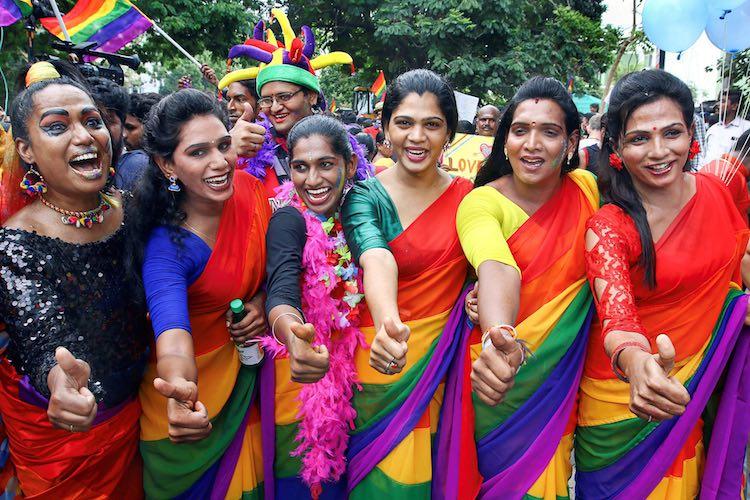
    No, one Centre of Excellence in Transgender Care is not enough

    Transgenders in India- History of community, Types and laws applicable to them - TheLawmatics

    Central idea 

    The article discusses AIIMS’ initiative to establish a Centre of Excellence for transgender healthcare, addressing historical discrimination and legal recognition challenges. It explores legislative milestones, emphasizing comprehensive healthcare for the transgender community.

    Key Highlights:

    • AIIMS’ Vision for Transgender Healthcare: AIIMS, New Delhi, plans a Centre of Excellence for transgender healthcare in 2024, aiming to address historical discrimination and marginalization.
    • Legal Recognition Milestone: Legal recognition for transgender people initiated with the NALSA v Union of India (2014) judgment, endorsing their fundamental rights.
    • Legislative Emphasis on Healthcare: The Transgender Persons (Protection of Rights) Act (2019) and Transgender Persons Rules, 2020 emphasize holistic healthcare, sensitivity training, and equal opportunities for the community.

    Key Challenges:

    • Structural Barriers: Transgender community faces obstacles like exclusionary infrastructure, lack of trained healthcare workers, and limited availability of gender-affirming services.
    • Coercive Surgery Mandate: The Transgender Act mandates surgery for legal recognition, contradicting the NALSA judgment against insisting on sex reassignment surgery.
    • Government Healthcare Limitations: Primary and secondary healthcare lack transgender-inclusive services, relying on tertiary institutes and private providers for gender-affirming procedures.

    Key Terms/Phrases:

    • Conversion therapy, transgender rights, sex reassignment surgery, gender-affirming services.
    • Fundamental rights, mental, sexual, and reproductive health, legal recognition.
    • Transgender-inclusive wards, equal opportunity policy, Centres of Excellence, Centres of Inclusion.

    Key Quotes/Statements:

    • “Transgender people have been historically discriminated against and marginalised — pathologised and labelled mentally diseased.”
    • “Transgender people are legally guaranteed equal access to healthcare. Yet, it is denied.”
    • “The plan to open a Centre of Excellence at AIIMS-Delhi is a welcome step but should not be considered a panacea for all ills.”

    Key Examples/References:

    • NALSA v Union of India (2014): Legal recognition and endorsement of fundamental rights for transgender people.
    • Transgender Persons (Protection of Rights) Act (2019) and Transgender Persons Rules, 2020: Legislation emphasizing comprehensive healthcare and inclusivity.
    • AIIMS-Delhi’s Centre of Excellence: An initiative to address healthcare needs of the transgender community.

    Key Facts/Data:

    • Legal recognition for transgender people in India began with the NALSA judgment in 2014.
    • The Transgender Persons (Protection of Rights) Act enacted in 2019.
    • Transgender Persons Rules, 2020 outlined guidelines for transgender-inclusive healthcare.

    Critical Analysis:

    • Misplaced Focus on Coercive Surgery: Contradiction with the NALSA judgment raises concerns about legal recognition.
    • Limited Government Initiatives: Transgender individuals often rely on private providers and tertiary institutes due to inadequate government support.
    • AIIMS-Delhi Initiative’s Positive Impact: While a positive step, challenges persist in ensuring comprehensive transgender healthcare across India.

    Way Forward:

    • Curriculum Revision: Revise the medical curriculum to cater to the needs of gender-diverse people.
    • Inclusive Services: Ensure transgender-inclusive services in all government medical colleges and hospitals.
    • Prioritize Centers of Inclusion: Advocate for Centers of Inclusion providing essential healthcare at grassroots levels over Centers of Excellence at premier institutes.
    • Legal Recognition Advocacy: Advocate for legal recognition without coercive surgery, aligning with the NALSA judgment.
  • North-East India – Security and Developmental Issues

    UNLF Peace Accord: Why one pact is not peace

    Central idea 

    In a volatile state like Manipur, peace agreements can be challenging to implement because of the multiplicity of stakeholders and their divergent interests and grievances

    Key Highlights:

    • Welcoming a Milestone Accord: Recent peace accord between UNLF in Manipur and the government of India viewed positively for its potential impact on regional normalcy.
    • Regional Peace Trends: Successful peace deals in Northeastern states like Mizoram, Tripura, and Shillong, along with significant progress in Assam through accords with separatist groups.

    Key Challenges:

    • Lurking Threat of Looted Arms: The presence of approximately 4,500 looted arms in various hands poses a substantial threat to the journey towards lasting peace.
    • Complexities in UNLF Accord: Lack of clarity on the terms of the UNLF peace accord and potential complications arising from the involvement of militants in ethnic conflicts.
    • Diverse Demands and Historical Grievances: Reconciling diverse demands and historical grievances from various ethnic and tribal communities in Manipur emerges as a complex challenge.

    Key Terms/Phrases:

    • Peace Dynamics: Peace accord, insurgency, Suspension of Operations (SoO) agreement.
    • Challenges in Reconciliation: Multiplicity of stakeholders, ethnic conflicts, geopolitical factors.
    • Key Players: Separatist groups, militant factions, political negotiations.

    Key Quotes/Statements:

    • “Any peace initiative is welcome — more so if it deals with a militant group abjuring arms to join the mainstream.”
    • “The biggest hurdle in the road to peace remains the floating looted arms numbering around 4,500 in various hands.”
    • “Diverse demands from various ethnic and/or tribal communities… making it hard to arrive at a resolution that satisfies all parties.”

    Key Examples/References:

    • Positive Precedents: Peace accords in Mizoram, Tripura, Shillong, and Assam leading to regional normalization.
    • NSCN-IM Accord: The signing of an accord by the National Socialist Council of Nagaland — Isak-Muivah (NSCN-IM) in 2015.
    • Militant Factions in UNLF: Presence of factions like the Pambei faction advocating for dialogue.

    Key Facts/Data:

    • Ban Extension: The ban extension on nine Meiti extremist groups, including UNLF and Manipur People’s Army (MPA).
    • Surrender Statistics: Tripartite accords initiated by the Centre since 2014 leading to 6,112 insurgents surrendering.
    • Arms Challenge: Presence of 4,500 looted arms posing a significant challenge to peace efforts.

    Critical Analysis:

    • Distrust and External Influences: Challenges in implementing peace agreements due to historical distrust, external influences, and divergent interests.
    • Fragility of Agreements: The fragility of peace agreements highlighted by disruptions caused by extremist factions or splinter groups.
    • State’s Volatility: Manipur’s volatile state demands comprehensive efforts for lasting peace.

    Way Forward:

    • Addressing Arm Threat: Focus on resolving the issue of looted arms to ensure a major cause of concern is adequately addressed.
    • Transparent Communication: Clearly communicate the terms of the UNLF peace accord to manage expectations and foster understanding.
    • Holistic Approach: Focus on political negotiations, rehabilitation of displaced individuals, and dismantling militant-controlled zones.
    • Inclusive Engagement: Engage all political parties, appoint a political negotiator, and seek a comprehensive agreement that satisfies various stakeholders.
  • A dark shadow on New Delhi’s credibility

    RAW had recruited three warlords in Afghanistan, says book

    Central idea 

    The article explores the credibility crisis faced by India in the realm of covert operations, focusing on recent legal challenges and a lack of trust with the U.S. The key themes include the impact on international relations, the dynamics of intelligence sharing, and the need for a balanced diplomatic approach to maintain India’s global image.

    Key Highlights:

    • Espionage and Covert Operations: Recent U.S. indictment against Nikhil Gupta for targeting Khalistani separatists in North America.
    • Credibility Challenges: Multiple legal challenges to Indian intelligence operations abroad, raising questions about New Delhi’s credibility.
    • Global Reach of Indian Security: Operations against Khalistani and Pakistani operatives in various countries, showcasing India’s security establishment’s capabilities.

    Key Challenges:

    • Credibility Crisis: Impact on New Delhi’s credibility in covert capacities and public messaging.
    • Trust Deficit: Lack of trust and information sharing between India and the U.S.
    • Diplomatic Balancing Act: Juggling international engagements and addressing concerns from western allies.

    Key Terms/Phrases:

    • Covert Operations Dynamics: Espionage, intelligence, and covert operations.
    • Targeted Groups: Khalistani separatists, extradition, extra-judicial actions.
    • International Relations: Trust deficit, bilateral ties, Five Eyes intelligence partnership.

    Key Quotes/Statements:

    • “In the shadowy world of espionage, intelligence and covert operations, the only rule is to never get caught carrying out a mission.”
    • “Trust is still an issue.”
    • “India’s double standard in its international engagements.”

    Key Examples/References:

    • Legal Battles: Forcible return of UAE princess, Latifah, and the “attempted kidnap” of Mehul Choksi.
    • Convictions and Challenges: Conviction of Indian naval officers in Qatar for espionage.

    Key Facts/Data:

    • Alleged Operations: Involvement of Indian agencies in operations against Khalistani and Pakistani operatives globally.
    • Information Gaps: Lack of full information sharing between the U.S. and India regarding the alleged conspiracy.

    Critical Analysis:

    • Credibility Concerns: Questions raised about India’s credibility in covert operations and international engagements.
    • Trust Dynamics: Ongoing trust deficit between India and the U.S. impacting information sharing.
    • Image Management: Balancing India’s image globally, considering hard and soft power approaches.

    Way Forward:

    • Transparent Investigations: Address credibility concerns through thorough and transparent investigations.
    • Enhanced Information Sharing: Strengthen trust and information-sharing mechanisms with international partners.
    • Adaptive Diplomacy: Evaluate and adjust India’s approach to covert operations to align with international norms.
    • Diplomatic Outreach: Enhance diplomatic efforts to manage relationships with western allies and neighbors.

  • Foreign Policy Watch: India-China

    Places in news: Julian Felipe Reef

    Julian Felipe Reef

    Central Idea

    • The Philippines confirmed that more than 135 Chinese vessels made incursion on Julian Felipe Reef (also known as Whitsun Reef), a place off its coast.

    About Julian Felipe Reef

    • Julian Felipe Reef is part of the Spratly Islands, located in the West Philippine Sea, a portion of the South China Sea.
    • It lies within the Philippines’ exclusive economic zone.
    • It is a large boomerang-shaped shallow coral reef.

    Recent Dispute

    • The reef gained international attention in early 2021 when a large number of Chinese vessels, described by the Philippines as maritime militia, were spotted at the reef.
    • It is subject to a territorial dispute involving several countries, primarily the Philippines, China, and Vietnam.
    • The Philippines claims the Reef as part of its territory, specifically within its 200-nautical-mile exclusive economic zone, under the UNCLOS.
    • This dispute is part of the larger and complex South China Sea territorial disputes involving various countries in the region.
    • The Philippines has sought international arbitration under UNCLOS to assert its claims.
  • Vaishali Rameshbabu: India’s New Chess Grandmaster

    Grandmaster

    Central Idea

    • Grandmaster Title: Indian chess player Vaishali Rameshbabu ( Pragnananda’s sister) has achieved the Grandmaster title by crossing 2,500 FIDE ranking points at the IV El Llobregat Open in Spain.
    • Significance: She becomes only the third Indian woman player to earn this title, joining the ranks of Koneru Humpy and Harika Dronavalli.

    Understanding the Grandmaster Title

    • Highest Chess Honor: The Grandmaster title is the pinnacle of achievement in chess, awarded by the International Chess Federation (FIDE).
    • Prestige: It signifies recognition as one of the world’s most talented chess players, proven in highly competitive environments.

    Other Recognized Chess Titles

    • FIDE Titles: Besides Grandmaster, FIDE awards seven other titles, including International Master (IM), FIDE Master (FM), Candidate Master (CM), Woman Grandmaster (WGM), Woman International Master (WIM), Woman FIDE Master (WFM), and Woman Candidate Master (WCM).
    • Lifetime Validity: All FIDE titles, including the Grandmaster title, are valid for life, barring revocation due to offenses like cheating.

    History and Criteria of Grandmaster Title

    • Origins: The term ‘grandmaster’ dates back about a century and was formalized by FIDE in 1950.
    • Initial Awardees: The first batch of Grandmaster titles in 1950 included 27 players, such as then-world champion Mikhail Botvinnik.
    • Current Criteria: To achieve the Grandmaster title, a player must reach a FIDE Classical or Standard rating of 2,500 and earn three Grandmaster norms.
    • Grandmaster Norms: These norms are based on stringent rules regarding tournament performance, including a performance rating of 2,600 or higher in a FIDE tournament with specific conditions.

    Vaishali Rameshbabu’s Path to Grandmaster

    • Performance: Vaishali’s achievement of the Grandmaster title is a testament to her exceptional performance in international chess tournaments.
    • Representation: Her success adds to India’s growing reputation as a powerhouse in the global chess community.


  • Promoting Science and Technology – Missions,Policies & Schemes

    Centre approves fourth phase roll-out of GIAN Scheme

    Central Idea

    • The Ministry of Education is preparing to restart the fourth phase of Global Initiative of Academic Networks (GIAN) scheme.

    Global Initiative of Academic Networks (GIAN)

    • The GIAN was initiated in 2015.
    • It is a project under the Ministry of Education.
    • Coordinating Body: IIT Kharagpur
    • Purpose: To harness the expertise of international scientists and entrepreneurs, fostering their involvement with Indian higher education institutions.
    • This initiative aims to enhance India’s academic resources, speed up quality improvements, and raise India’s scientific and technological standards to a globally competitive level.

    Key Components of GIAN

    • Foreign experts receive an honorarium to cover their travel and other expenses.
    • These international experts/faculties conduct short-term courses in Indian institutions.
    • Initially aimed at fostering India-USA collaborations, the program later expanded its reach.
    • Course durations vary, ranging from a minimum of one week to a maximum of three weeks.
    • Foreign experts can receive a total payment of up to US$ 8000 (~ ₹7 lakh) for 12 to 14 hours of teaching and up to US$ 12000 (~ ₹12 lakh) for 20 to 28 hours, covering their travel and honorarium.

Join the Community

Join us across Social Media platforms.