💥UPSC 2026, 2027, 2028 UAP Mentorship (March Batch) + Access XFactor Notes & Microthemes PDF

Archives: News

  • Festivals, Dances, Theatre, Literature, Art in News

    Festivals in news: Pandharpur Wari

    Pandharpur Wari

    The Sant Tukaram and Sant Dyaneshwar Palkhi processions started their three-week-long journeys from the temple towns of Dehu and Alandi in Pune.

    Pandharpur Wari

    Pandharpur wari
    The deities are said to be shifted to Pandharpur right away from Vitthala Temple, Hampi (Karnataka) to avoid demolition.
    • Tradition: The Wari tradition is an 800-year-old pilgrimage in Maharashtra, where devotees, known as Warkaris, undertake a foot journey to the Vithoba temple (Incarnation of Vishnu) in Pandharpur.
    • Largest walking event: The event is said to be one of the world’s largest and oldest movements where people gather on one day each year and walk a distance of around 250 km.
    • Guinness Record: The Wari has been classified by the World Book of Records as “one of the most visited places in a day”
    • Essence of Wakari Panth: The Wari is a ritualistic practice and a distinctive part of Maharashtrian culture, representing the essence of the Wakari Panth, which is a sect within the Bhakti tradition.
    • Four Processions: The Wari takes place in four months – Chaitra, Ashadh, Kartik, and Magh. The Ashadhi Ekadashi Wari is the most popular and significant among these processions.

    Historical Evolution

    • Changed over time: Over the years, the Wari procession has evolved with changing practices, associated legends, and unique systems of organization and management.
    • Influence of Sant Dyaneshwar: The Wari tradition can be traced back to Sant Dyaneshwar, the father of Sant Dyaneshwar, who played a pivotal role in promoting the pilgrimage to Pandharpur.
    • Legacy of Sant Namdev: Sant Namdev (whose verses find mention in Guru Granth Sahib), a contemporary of Sant Dyaneshwar, also followed the tradition and composed devotional compositions expressing his devotion to Lord Vitthala.

    Rituals and Cultural Aspects

    • Dindi and Musical Fervor: Dindis, comprising groups of devotees, accompany the palkis during the Wari, singing, chanting, and dancing. Musical instruments like the veena and mridangam enhance the devotional fervor.
    • Seva Dindis and Social Initiatives: Seva Dindis perform selfless service along the Wari route, including annadana (donation of food), medical assistance, and rural infrastructure development.
    • Social Messaging and Initiatives: The Wari has been utilized as a platform for social messaging and initiatives such as promoting cleanliness through the ‘Nirmal Wari’ campaign and women-centric drives like ‘Wari Nari Shakti’ focusing on menstrual hygiene.

    Try this PYQ:

    Consider the following pairs:

    Traditions Communities

    1. Chaliha Sahib Festival — Sindhis
    2. Nanda Raj Jaat Yatra — Gonds
    3. Wari-Warkari — Santhals

    Which of the pairs given above is/are correctly matched?

    (a) 1 only

    (b) 2 and 3

    (c) 1 and 3

    (d) None of the above


    Post your answers here.

     

  • Digital India Initiatives

    Data Breach: Unveiling the Cracks in Digital India

    Data

    Central Idea

    • On June 12, a series of events unfolded, revealing a stark disparity between the promises made by Digital India and the ground reality. From a data breach on the CoWIN platform to the absence of a comprehensive National Cyber Security Strategy and inadequate legal protection for citizens’ data, these incidents raise serious concerns about the efficacy and integrity of India’s digital transformation.

    CoWIN Data Breach and Government Denials

    • Data Breach: On June 12, a data breach on the CoWIN platform was reported by the Malayala Manorama and online portal “The Fourth.” Personal details, including vaccination information and identification numbers, were found circulating on the messaging platform Telegram.
    • Government Denials: Despite the mounting evidence of the data breach, the Ministry of Health and Family Welfare and Minister of State, Ministry of Electronics and IT (MEITY), responded with denials. The Ministry of Health and Family Welfare labeled the reports as “mischievous,” while the Minister of State, MEITY, claimed that the sensitive information had emerged from previously stolen data.
    • Press Information Bureau Statement: Later in the day, the PIB issued a statement asserting the complete safety of the Co-WIN portal and its adequate safeguards for data privacy. However, the credibility of this statement was questionable, given the initial denials and the substantial evidence of the breach.
    • Lack of Transparency: The government’s response to the CoWIN data breach exemplifies a recurring pattern of denial and opacity in addressing data breaches in the public sector. Previous incidents, such as the Employees’ Provident Fund Organisation breach and the ransomware attack on AIIMS, have been met with similar denials and lack of transparency.
    • Erosion of Trust: The consistent lack of transparency, coupled with the absence of a National Cyber Security Strategy and data protection laws requiring breach notifications to affected users, has eroded citizens’ trust in the government’s ability to secure their personal information. T

    Lack of Cybersecurity Strategy and Data Protection Laws

    • Absence of National Cybersecurity Strategy: India lacks a comprehensive National Cybersecurity Strategy, which is crucial for effectively addressing the evolving cyber threats and ensuring the security of digital infrastructure.
    • Limited Legislative Framework: India does not have robust data protection laws that adequately safeguard citizens’ personal information. While the proposed Draft Digital Personal Data Protection Bill, 2022, is under consideration, there are concerns that it may exempt government entities from compliance.
    • Inadequate Breach Notification Requirements: The absence of data protection laws also means that there are no specific requirements for organizations to notify individuals in the event of a data breach.
    • Limited Accountability and Transparency: The Computer Emergency Response Team (CERT-In), responsible for investigating and responding to cyber incidents, often maintains silence and does not make its technical findings public. This lack of transparency undermines public trust and leaves citizens unaware of the actions taken to address cybersecurity incidents and protect their data.

    Data

    Digital Public Infrastructure (DPI) and Lack of Legislative Mandate

    • Lack of Legislative Mandate: The Digital Public Infrastructure (DPI) framework, encompassing various platforms like Aadhaar, Aarogya Setu, CoWIN, Government E-Marketplace (GEM), and the Open Network for Digital Commerce (ONDC), operates without a clear legislative mandate. These platforms have been created without specific functions, roles, and responsibilities defined by an Act of Parliament.
    • Joint Ventures and Special Purpose Vehicles: Many of these DPI platforms are developed as joint ventures or special purpose vehicles, which allows them to circumvent accountability mechanisms such as audits by the Computer Auditor General (CAG) or transparency mandates under the Right to Information Act.
    • Inconsistencies in Expertise: The claim of expertise in creating DPI platforms to provide citizen services is inconsistent with the evidence. Glitches, failures, and exclusion errors have been observed in systems like Aadhaar, Aarogya Setu, and GEM, undermining the credibility of their expertise.
    • Data Gathering: A common aspect of DPI platforms is their tendency to collect extensive personal information from Indian citizens that goes beyond the technical requirements. This data collection can result in multiple individual and social harms, including the risk of data breaches and privacy infringements.
    • Constitutional Frameworks and Accountability: The absence of a constitutional framework for DPI platforms hampers the establishment of robust regulatory and institutional frameworks. This lack of accountability leaves individual harms unaddressed and undermines the creation of effective governance mechanisms.

    Data

    Coercion and Censorship of Social Media Platforms

    • Coercion of Twitter: Jack Dorsey, the former CEO of Twitter, revealed that the Indian government coerced Twitter into complying with censorship directions regarding the farmers’ protest. The government threatened the platform’s continued operations and the safety of its staff in India to enforce compliance with their demands.
    • Secret Censorship Directions: Twitter’s resistance to comply with a secret direction to remove 250 accounts and tweets related to the farmers’ protest sparked ministerial statements and controversies. The secrecy surrounding these censorship directions raises concerns about transparency and due process in the decision-making process.
    • Office Raids: As a consequence of Twitter’s resistance and its placement of a “manipulated media” tag on a tweet by a BJP spokesperson, the platform’s offices were raided by the Delhi Police in May 2021. This coercive action against Twitter’s offices further emphasizes the government’s efforts to control and suppress dissenting voices on social media.
    • Legal Battles: Twitter filed a writ petition in the Karnataka High Court, challenging the secretive and disproportionate nature of the censorship demands. The platform argued that the demands violated principles of natural justice and lacked proper notice to account holders, who are ordinary individuals using the platform.
    • Denial by the Government: Despite public records and statements made by Twitter and its executives, the Ministry of Electronics and IT (MeitY) denied the allegations of coercion and censorship. This denial reflects a pattern of dismissing concerns and evading accountability for actions taken against social media platforms.

    Way ahead

    • Strengthen Cybersecurity Measures: Develop and implement a comprehensive National Cybersecurity Strategy to address the evolving cyber threats and ensure the security of digital infrastructure. This should include robust encryption standards, regular security audits, and incident response plans.
    • Enact Comprehensive Data Protection Laws: Introduce and pass robust data protection legislation that provides clear guidelines for the collection, storage, and usage of personal data. The legislation should also include provisions for breach notifications to affected individuals, ensuring transparency and accountability.
    • Establish Legislative Mandates for DPI Platforms: Define the functions, roles, and responsibilities of Digital Public Infrastructure (DPI) platforms through legislative mandates. This will ensure transparency, accountability, and adherence to constitutional frameworks in the development and operation of these platforms.
    • Enhance Transparency and Accountability: Foster a culture of transparency and accountability by making the technical findings of investigations into data breaches and cyber incidents public. This will build trust among citizens and stakeholders and help identify areas for improvement in cybersecurity practices.
    • Promote Public Consultation and Stakeholder Engagement: Involve the public, industry experts, and civil society organizations in the formulation of policies related to digital infrastructure, data protection, and cybersecurity. Conduct regular public consultations to gather feedback, suggestions, and concerns, ensuring a more inclusive and holistic approach.
    • Protect Digital Freedoms and Right to Privacy: Safeguard individuals’ digital freedoms and right to privacy by ensuring that government actions and regulations do not infringe upon these fundamental rights. Uphold the principles of free expression and the right to dissent on social media platforms, avoiding undue coercion and censorship.
    • Develop Cybersecurity Capacity and Expertise: Invest in building cybersecurity capacity and expertise within the government and private sector. Promote research and development in cybersecurity technologies and encourage collaboration between industry, academia, and government agencies.
    • International Cooperation: Foster international cooperation and information sharing on cybersecurity best practices, threat intelligence, and incident response. Collaborate with other nations and international organizations to address cross-border cyber threats effectively.

    Conclusion

    • While India’s digital transformation holds great potential, the recent events on June 12 expose the glaring gaps between rhetoric and reality. To realize the true potential of Digital India, it is imperative to prioritize transparency, accountability, and the creation of robust regulatory frameworks.

    Also read:

    India’s Digital Public Infrastructure (DPI)


  • Freedom of Speech – Defamation, Sedition, etc.

    Sedition Law in India: The Need for Repeal and Reform

    Sedition

    Central Idea

    • French author Andre Gide’s statement, “Everything has been said before, but since nobody listens, we have to keep going back and beginning all over again,” aptly reflects the current state of the sedition debate in India. The 279th Law Commission Report, which upholds the sedition law, symbolizes the lack of attention paid to public opinion.

    sedition

    Historical Perspective of Sedition law

    • Section 124A of the IPC was introduced during the British Raj in 1870 to suppress dissent and protest against the colonial government.
    • The then British government in India feared that religious preachers on the Indian subcontinent would wage a war against the government.
      Particularly after the successful suppression of the Wahabi/Waliullah Movement by the British, the need was felt for such law.
    • Throughout the Raj, this section was used to suppress activists in favor of national independence, including Tilak and Mahatma Gandhi, both of whom were found guilty and imprisoned

    What is the ‘Tendency’ Jurisprudence?

    • The tendency jurisprudence refers to the legal concept or approach that considers the potential or inclination of an act to incite violence or disturb public order, rather than requiring evidence of actual violence or an imminent threat of violence.
    • In the context of sedition laws, it implies that expressions or actions that have a tendency to incite violence or promote hatred, contempt, or disaffection against the government can be penalized, regardless of whether they directly lead to public disorder.

    Key points related to the ‘Tendency’ Jurisprudence

    • Ambiguity: The ‘tendency’ standard is often criticized for its ambiguity and lack of clarity. It allows for the inclusion of acts or expressions that may not have a direct causal connection with public disorder, making it difficult for judicial and executive bodies to interpret and apply consistently.
    • Loose Formulation: The ‘tendency’ standard is a loose formulation that can encompass a wide range of acts or expressions. It opens the possibility of penalizing speech or actions that may not pose an immediate threat but are perceived to have the potential to incite violence or disrupt public order in the future.
    • Judicial Challenges: The ‘tendency’ jurisprudence has been subject to legal challenges in various jurisdictions. Critics argue that it can be misused to suppress dissent, curtail freedom of expression, and stifle legitimate criticism of the government, as it broadens the scope of what can be considered seditious.
    • Pending Petitions: In the Indian context, there are currently nine petitions pending before the Supreme Court challenging the constitutionality of Section 124A (the sedition law). These petitions raise concerns about the ambiguity and potential misuse of the ‘tendency’ standard, highlighting the need for a clearer and more precise definition of sedition.
    • Relevance to Sedition Laws: The ‘tendency’ jurisprudence is significant in the context of sedition laws because it determines whether an act or expression falls within the purview of sedition. By assessing the inclination or potential of an act to incite violence or disrupt public order, authorities can decide whether to initiate sedition charges against individuals.
    • Need for Clarity: Critics argue that the ‘tendency’ standard lacks objective criteria and can be subject to interpretation and abuse. There is a demand for a more precise and narrowly defined standard that clearly distinguishes between protected speech and seditious activities to safeguard freedom of expression and prevent misuse of the law.

    sedition

    Concerns over the Power of the police in the enforcement of sedition laws

    • Investigation and Enquiry: The Law Commission’s recommendation that a police officer, holding the rank of an Inspector or higher, should conduct a “preliminary enquiry” before registering a First Information Report (FIR) in sedition cases. This suggests that the police are granted the power to determine whether an act or expression has the tendency to incite violence, even without proof of actual violence or imminent threat.
    • Ambiguous Standards: The proposed amendment to include the “tendency to incite violence” in sedition laws further adds ambiguity to the assessment of seditious acts. This gives police officers discretionary power to judge whether an act has an inclination towards violence, creating potential room for misuse or subjective interpretations.
    • Wide Net and Misuse: The are concerns that the proposed amendment and the broad discretion given to police officers could result in a wide net being cast, potentially encompassing acts that have no real connection to public disorder.
    • Political Influence: The police officers, especially when influenced by those with political clout at the local, state, or national level, may exercise their power selectively and target individuals or groups critical of the government. This can lead to a suppression of dissent and the abuse of police power for political purposes.

    Disregard for Ground Realities

    • Invalidation of Sedition Laws: The Law Commission overlooks developments in other countries where sedition laws have been invalidated or repealed. It suggests that the Commission dismisses these developments by claiming that the “ground realities” in India are different.
    • High Number of Cases: India has witnessed a significant number of sedition cases filed against individuals for criticizing the government or engaging in harmless activities. It cites the example of 174 cases of sedition filed against nearly 950 individuals since 2010.
    • Confusion caused by Precedent: The confusion caused by the Kedar Nath Singh precedent is another aspect of ground realities that the Commission failed to address. The Supreme Court’s admission of multiple petitions challenging the constitutionality of Section 124A, based on the confusion stemming from the Kedar Nath Singh case, indicates the need for clarity and reform in the interpretation and application of sedition laws.
    • Impact on Freedom of Expression: The disregard for ground realities also encompasses the impact of sedition laws on freedom of expression and dissent. The Commission’s recommendation to retain sedition laws fails to consider the stifling effect these laws can have on individuals’ ability to question authority, engage in political criticism, or express dissenting views without fear of criminal repercussions

    Way forward

    • Narrowing the Definition of Sedition: Refining and narrowing the definition of sedition can help prevent its misuse. The focus should be on acts or speech that directly incite violence or pose a genuine threat to the territorial integrity or sovereignty of the country.
    • Safeguarding Freedom of Speech: Safeguards should be put in place to protect individuals’ right to free speech and expression, while allowing for robust public debate and the peaceful expression of dissenting opinions.
    • Transparency and Accountability: Establish mechanisms to promote transparency and accountability in the application of sedition laws. This includes clear guidelines for law enforcement agencies, regular review of cases, and strict consequences for misuse of the law.
    • Public Awareness and Legal Education: Promote public awareness and legal education about the scope and limitations of the sedition law. This can help individuals understand their rights and responsibilities, empowering them to exercise their freedom of speech responsibly while avoiding unlawful acts.
    • Focus on Alternative Measures: Emphasize the use of alternative legal measures, such as laws related to defamation, incitement to violence, or hate speech, to address genuine threats to public order or national security. These laws should be effectively enforced to protect individuals without infringing upon their fundamental rights.

    sedition

    Conclusion

    • The Law Commission’s recommendations, which include vague standards and police empowerment, do not address the fundamental issues with the sedition law. Lingual changes and procedural reforms alone cannot rectify the deep-rooted problems associated with Section 124A. It is imperative to promote free speech, protect dissent, and foster accountability in a post-colonial democracy like India.

    Also read:

    Sedition Law: A Threat to Freedom of Expression in India


  • Monsoon Updates

    What is El Nino and How it impacts the Monsoon?

    el nino

    Central Idea

    • Delay in Monsoon: Any discussion on Indian monsoon delay these days invariably has references to the El Nino phenomenon.
    • Sudden rise of El Nino: This year’s monsoon is also progressing under the cloud of an El Nino in the Pacific Ocean.

    Understanding El Nino and La Nina

    • El Nino and La Nina are two opposite phases of the El Nino-Southern Oscillation (ENSO) cycle.
    • ENSO is a naturally occurring phenomenon that involves the interaction between the ocean and atmosphere in the equatorial Pacific.

    Here is a detailed comparison of El Nino and La Nina

    El Nino La Nina
    Definition Warmer-than-normal sea surface temperatures Cooler-than-normal sea surface temperatures
    Frequency Every two to seven years Every two to seven years
    Duration Several months to a year or more Several months to a year or more
    Impact on winds Weakens trade winds, leading to changes in patterns Strengthens trade winds, leading to changes in patterns
    Impact on rains Reduces rainfall and can cause droughts Increases rainfall and can cause flooding
    Impact on temp. Warmer-than-average temperatures Colder-than-average temperatures
    Global effects Droughts in Asia and Africa, floods in Americas Floods in Asia and Africa, droughts in South America


    Impact on India

    El Nino La Nina
    Associated with weak monsoons and drought-like conditions in India Associated with above-normal rainfall and floods in India
    Sea surface temperature in the equatorial Pacific Ocean rises above normal levels Sea surface temperature in the equatorial Pacific Ocean drops below normal levels
    Changes in the atmospheric circulation patterns Changes in the atmospheric circulation patterns
    Shift in the location of the jet stream, affecting the strength and direction of the monsoon winds Increase in the strength of the monsoon winds, bringing more moisture and rainfall to India
    Results in reduced rainfall, dry spells, and heatwaves, leading to crop failures and water scarcity Excessive rainfall can also lead to floods and landslides, causing damage to crops and infrastructure


    El Nino and Indian Monsoon

    • El Nino and its impact on Indian monsoon: El Nino refers to abnormal warming of surface waters in the equatorial Pacific Ocean, which tends to suppress monsoon rainfall in India.
    • Phases of El Nino Southern Oscillation (ENSO): ENSO consists of three phases in the Pacific Ocean: El Nino, La Nina (abnormal cooling), and a neutral phase with sea surface temperatures close to long-term averages.
    • Ocean and atmospheric conditions: ENSO involves not only temperature abnormalities of sea surface waters but also atmospheric conditions, including differences in sea-level air pressure and wind strength and direction.
    • Southern oscillation and the role of winds: Southern Oscillation Index measures the difference in sea-level air pressure over the western and eastern sides of the Pacific Ocean, while wind patterns play a crucial role in ENSO.

    Factors triggering El Nino

    • Weakening trade winds: When the trade winds in the tropical Pacific weaken, it contributes to the occurrence of El Nino by reducing the movement of warm surface waters.
    • Changes in ocean currents: Alterations in the normal patterns of ocean currents can trigger El Nino events as they affect the distribution and accumulation of warm water in the central and eastern Pacific.
    • Variations in atmospheric pressure: Fluctuations in atmospheric pressure patterns disrupt the typical circulation associated with trade winds, which can initiate the onset of El Nino conditions.
    • Influence of oceanic Kelvin waves: The presence and behavior of oceanic Kelvin waves, large-scale waves that transport warm water eastward, play a role in the development and intensification of El Nino events.
    • Interactions with other climate modes: El Nino can be influenced by the interactions and connections with other climate phenomena such as the Indian Ocean Dipole and the Madden-Julian Oscillation, which can impact the oceanic and atmospheric conditions in the Pacific region.

    Measuring the Cycle

    (1) Oceanic Nino Index (ONI)

    • Measures the oceanic component of El Nino Southern Oscillation (ENSO).
    • Tracks the departure from average sea surface temperatures in the tropical Pacific Ocean.
    • Helps quantify the intensity and duration of El Nino or La Nina events.
    • Typically based on a rolling three-month average of sea surface temperature anomalies in specific regions.

    (2) Southern Oscillation Index (SOI)

    • Measures the atmospheric component of ENSO.
    • Quantifies the difference in air pressure between two locations: Tahiti and Darwin.
    • Positive SOI values indicate higher pressure in the eastern Pacific and lower pressure in the western Pacific.
    • Negative SOI values indicate lower pressure in the eastern Pacific and higher pressure in the western Pacific.
    • Reflects the strength and changes in the atmospheric circulation patterns associated with ENSO.
    • Used to assess the phase and strength of ENSO and its impact on global weather and climate patterns.

    Economic impact of El Nino on Indian Agriculture

    • Drought and reduced rainfall: El Nino events often lead to below-average monsoon rainfall in India, resulting in drought conditions in various regions.
    • Crop failure and lower yields: Lack of adequate water availability can lead to crop failure or lower yields for major crops such as rice, wheat, pulses, and oilseeds.
    • Increased input costs: During El Nino-induced droughts, farmers may need to invest in additional irrigation, water management, and supplementary feeding for livestock, leading to increased input costs.
    • Price fluctuations: Reduced crop production due to El Nino can affect market supply, leading to price fluctuations and potential inflation in food prices.
    • Livestock and fisheries: Water scarcity and changes in marine ecosystems can negatively affect animal husbandry and fishing activities, disrupting the livelihoods of those dependent on these sectors.
    • Rural livelihoods and migration: The economic stress created can impact rural livelihoods, leading to increased migration from rural to urban areas in search of alternative employment opportunities.

    Try this PYQ:

    La Nina is suspected to have caused recent floods in Australia. How is La Nina different from El Nino?

    1. La Nina is characterized by unusually cold ocean temperature in equatorial Indian Ocean whereas El Nino is characterized by unusually warm ocean temperature in the equatorial Pacific Ocean.
    2. El Nino has an adverse effect on south-west monsoon of India, but La Nina has no effect on monsoon climate.

    Which of the statements given above is/are correct?

    (a) Only 1

    (b) Only 2

    (c) Both 1 and 2

    (d) Neither 1 nor 2


    Post your answers here.

  • Renewable Energy – Wind, Tidal, Geothermal, etc.

    Subansiri Lower Hydroelectric Project (SLHEP)

    subansiri

    Central Idea

    • Trial runs for the Subansiri Lower Hydroelectric Project (SLHEP): NHPC Limited, a government of India enterprise, will begin trial runs for the Project in July.
    • India’s largest: After a delay of 20 years, India is finally approaching the launch of India’s largest hydropower project which is crucial for the region’s energy transition.
    • About NHPC Ltd: NHPC Limited, formerly known as National Hydroelectric Power Corporation Ltd, is the largest hydropower development organization in India.

    About Subansiri Lower Hydroelectric Project (SLHEP)

    • Gravity dam: It is a concrete gravity dam 116 m high from river bed level on the Subansiri River.
    • Location: The dam is located approximately 2.3 km upstream of the Subansiri River in Arunachal Pradesh, India.
    • Accessibility: The project is located near North Lakhimpur on the border of Arunachal Pradesh and Assam. The nearest railhead is Nagaon, and the nearest airport is Lilabari/Dibrugarh.
    • Run-of-the-river project: NHPC Limited, the project developer, describes the SLHEP as a run-of-the-river project, indicating its design aims to maintain the natural flow of the river.
    • Power generation capacity: Once completed, the SLHEP is expected to have a power generation capacity of 2,000 MW, making it one of the largest hydroelectric projects in India.

    Construction challenges

    • Natural obstacles: The project has faced several challenges during its construction, including issues related to landslides, the need for redesigning certain aspects, and opposition from various stakeholders.
    • Delayed completion: Originally scheduled for completion in 2018, the project has experienced delays, contributing to its ongoing construction status.
    • Clearance from NGT: The SLHEP received clearance from the National Green Tribunal (NGT) on July 31, 2019, allowing for the resumption of main dam construction activities on October 15, 2019.
    • Construction progress: As of early 2019, work on the SLHEP and other major dam projects in the Assam region, such as the Dibang Dam, had faced challenges and were not progressing as expected.

    Benefits offered

    • Cascade development and flood moderation: It is expected to moderate floods in the Subansiri River and bring overall development to the area, benefiting the local economy.
    • Hydropower boost: Hydropower plays a crucial role in balancing the electricity grid, especially as solar and wind power generation rise.

    Strategic Location

    • Its strategic significance is heightened by its proximity to the India-China border.
    • Located in Arunachal Pradesh, which shares a border with China, the project holds geopolitical importance.


  • Artificial Intelligence (AI) Breakthrough

    Hiroshima Process for AI Governance

    hiroshima

    Central Idea

    • G7 Summit in Hiroshima, Japan: Annual meeting of the Group of Seven (G7) countries was held in Hiroshima, Japan in May 2023.
    • Communique initiated Hiroshima AI Process (HAP): Official statement from the G7 leaders that established the Hiroshima AI Process (HAP) to regulate artificial intelligence (AI).

    What is the Hiroshima AI Process (HAP)?

    • Inclusive AI governance: The HAP’s objective is to promote inclusive governance of artificial intelligence.
    • Upholding democratic values: The HAP seeks to achieve the development and implementation of AI systems that align with democratic values and are considered trustworthy.
    • Focuses Areas: The HAP prioritizes discussions and actions related to generative AI, governance frameworks, intellectual property rights, transparency measures, and responsible utilization of AI technologies.
    • Commencement: The HAP is anticipated to conclude its activities and produce outcomes by December 2023. The process officially commenced with its first meeting on May 30.

    Notable Aspects of the Process

    • Liberal Process in AI development: The HAP places significant emphasis on ensuring that AI development upholds principles of freedom, democracy, and human rights.
    • High principles for responsible AI: The HAP acknowledges the importance of fairness, accountability, transparency, and safety as fundamental principles that should guide the responsible development and use of AI technologies.
    • Ambiguity with keywords: The specific interpretation and application of terms such as “openness” and “fair processes” in the context of AI development are not clearly defined within the HAP.

    Entailing the Process

    For now, there are three ways in which the HAP can play out:

    1. It enables the G7 countries to move towards a divergent regulation based on shared norms, principles and guiding values;
    2. It becomes overwhelmed by divergent views among the G7 countries and fails to deliver any meaningful solution; or
    3. It delivers a mixed outcome with some convergence on finding solutions to some issues but is unable to find common ground on many others.

    Example of the Process’s Potential

    • Intellectual property rights (IPR) as an example of HAP’s impact: Through the HAP, guidelines and principles regarding the relationship between AI and intellectual property rights can be developed to mitigate conflicts and provide clarity.
    • Addresses use of copyrighted materials: The HAP can contribute to shaping global discussions and practices concerning the fair use of copyrighted materials in datasets used for machine learning (ML) and AI applications.

    Setting the Stage

    • Varying visions of trustworthy AI: The G7 recognizes that different member countries may have distinct perspectives and goals regarding what constitutes trustworthy AI.
    • Emphasizes working with others: The HAP underscores the importance of collaboration with external entities, including countries within the OECD, to establish interoperable frameworks for AI governance.

    Conclusion

    • The establishment of the HAP signifies that AI governance is a global issue that involves various stakeholders and may encounter differing viewpoints and debates.


  • Economic Indicators and Various Reports On It- GDP, FD, EODB, WIR etc

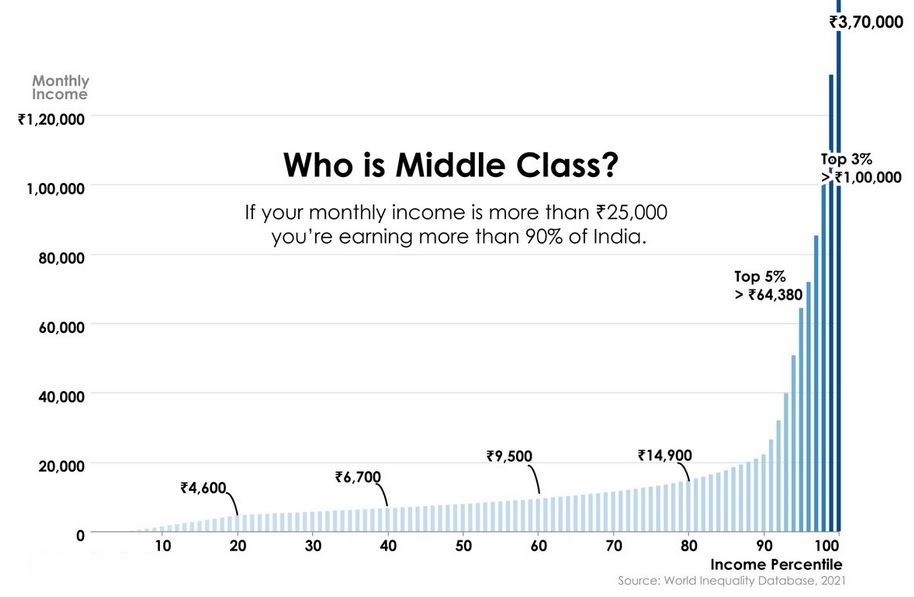
    India’s Middle Class: Estimation, Expansion and Economic Impact

    middle class

    Central Idea

    • Estimating India’s middle class: This article delves into the estimation of India’s middle class, a crucial indicator of household consumption and the economy’s health.

    Key points of discussions

    • Lack of clarity in defining the middle class: The absence of a clear definition results in diverse estimations, based on subjective judgments or income ranges and consumption benchmarks.
    • Importance of expanding the middle class: Despite the impact of the existing middle class, the focus is shifting towards significant expansion to unleash India’s economic potential.

    Understanding a Genuine Middle Class

    • Characteristics of a genuine middle class: It entails stable and resilient consumption patterns, enabling them to weather economic downturns without significantly reducing consumption.
    • Implications for investors and the economy: A stable and resilient middle-class demand instills investor confidence, leading to job creation and reinforcing the middle class. Surplus income contributes to overall savings.
    • Continuous income improvement: A strong foundation for continuous income growth within the middle class drives higher-quality consumption and stimulates diverse and high-quality supply responses.

    Features of the Indian Middle Class

    • Stable income
    • Higher levels of education and skills
    • Limited disposable income for discretionary spending
    • Homeownership aspirations
    • Access to credit and financing
    • Affordability of consumer durables and comforts
    • Prioritization of healthcare and insurance
    • Emphasis on savings and investments
    • Associated with upward social mobility
    • Value placed on education and success
    • Active civic engagement

    Estimating India’s Genuine Middle Class

    middle class

    • Discrepancy in popular estimates: Popular estimates tend to overstate the middle class’s size, obscuring the actual extent.
    • Concentration within the richest deciles: India’s genuine middle class is primarily concentrated within the richest 10 to 20 percent of households rather than uniformly distributed.
    • Concerns about occupation profiles: Instability characterizes the occupation profiles of the richest deciles, with a reliance on small agricultural land and informal non-agricultural occupations.
    • Limited upward mobility: Chief wage earners in the richest deciles demonstrate limited potential for upward mobility into higher-skilled occupations.

    Issues faced by the Indian Middle Class

    • Income Stagnation: Many middle-class individuals in India struggle with stagnant income levels, with limited opportunities for significant wage growth or promotions.
    • Rising Cost of Living: The increasing cost of essential goods and services, including housing, education, healthcare, and transportation, often outpaces income growth, putting financial strain on the middle class.
    • Inflationary Pressures: Inflation rates impact the purchasing power of the middle class, making it challenging to maintain their standard of living and meet their financial obligations.
    • Job Insecurity: Middle-class individuals face concerns about job security, as economic uncertainties and technological advancements lead to changes in job markets and potential layoffs.
    • Healthcare Expenses: Rising healthcare costs and limited access to quality healthcare put a significant burden on the middle class, impacting their financial well-being and ability to seek necessary medical care.

    Consequences of Limited Middle-Class Expansion

    middle class

    • Economic implications: The limited expansion of the middle class hinders the economy from reaching its fullest potential in terms of consumption, investments, and job creation.
    • Inequality concerns: A small middle class contributes to income inequality, as a significant portion of the population remains deprived of upward mobility and economic opportunities.
    • Overreliance on the affluent: The concentration of economic power and consumption within the richest deciles may result in skewed market dynamics and limited inclusivity.

    Strategies for Expanding the Middle Class

    • Enhancing education and skill development: Investing in education and skill-building initiatives to equip individuals with the qualifications needed for higher-skilled occupations.
    • Promoting entrepreneurship and small businesses: Creating an enabling environment for entrepreneurial growth, which can generate jobs and foster economic resilience within the middle class.
    • Strengthening social safety nets: Developing robust social safety nets to provide support during economic downturns and help individuals bounce back without significant setbacks.
    • Addressing informal employment: Implementing policies that promote formalization of employment, providing stability and better benefits for workers.

    Way forward

    • Strengthen financial literacy: Implement comprehensive programs, accessible resources, and collaborations to improve understanding of personal finance.
    • Promote entrepreneurship and innovation: Foster an ecosystem with resources, mentorship, and support for middle-class individuals starting businesses.
    • Build social safety nets: Establish comprehensive programs for unemployment benefits, healthcare coverage, and retraining support during economic shocks.
    • Foster social dialogue: Create platforms for inclusive discussions, partnerships, and collaborations between policymakers, businesses, and the middle class.
    • Prioritize work-life balance: Advocate for family-friendly policies, flexible work arrangements, and support for well-being and productivity.
    • Support family-friendly policies: Implement policies for affordable childcare, parental leave, and flexible work arrangements to support work-life balance.


    Get an IAS/IPS ranker as your 1: 1 personal mentor for UPSC 2024

  • International Space Agencies – Missions and Discoveries

    Betelgeuse: The Red Giant Star on the Brink of Supernova

    Betelgeuse

    Central Idea: Recent research has shed light on the Betelgeuse’s current stage and its potential fate as it approaches the end of its lifecycle.

    Betelgeuse: The Bright Red Star in Orion

    • Easily visible in the constellation Orion, Betelgeuse is a bright red star known as “Thiruvathirai” or “Ardra” in Indian astronomy.
    • It is a massive star that undergoes the carbon-burning stage, leading to its eventual collapse into a supernova.

    How is it dying?

    • Massive stars like Betelgeuse exhaust their hydrogen fuel and transition to using helium to create carbon.
    • The energy released during helium fusion is lower than that of hydrogen, requiring the star to burn more helium to maintain stability.
    • Eventually, the helium is depleted, leading to the star’s progression through various burning stages, including carbon and silicon burning.

    Pulsation and Betelgeuse’s Death Throes

    • Researchers studying Betelgeuse have observed its pulsation, indicating its stage of evolution.
    • The observed pulsation aligns with theoretical estimates of the late carbon-burning stage, suggesting that Betelgeuse is in its death throes.
    • Astronomers detect the expansion and contraction of Betelgeuse by analyzing its pulsation and corresponding brightness variations.
    • Previous studies disagreed on which pulsation period is fundamental, with one team considering 417 days and another team proposing 2,190 days.
    • Researchers conclude that it is in the final stage of burning carbon, considering the 2,190-day pulse as fundamental.


    Get an IAS/IPS ranker as your 1: 1 personal mentor for UPSC 2024

  • Labour, Jobs and Employment – Harmonization of labour laws, gender gap, unemployment, etc.

    Global Slavery Index: Controversies with modern Metric

    global slavery
    PC: Indian Express

    Central Idea

    • Report published: Published last week, the global slavery index provides an overview of modern slavery.
    • 50 million people in modern slavery: The report reveals that approximately 50 million individuals were living in “modern slavery” on any given day in 2021.
    • Existing slavery: Out of the 50 million affected, 28 million suffer from forced labor, while 22 million experience forced marriages. Shockingly, 12 million of those impacted are children.

    Definition of Modern Slavery

    • Exploitation and inability to refuse or leave: “Modern slavery” encompasses situations where individuals are exploited and cannot decline or escape due to threats, violence, coercion, deception, or abuses of power.
    • Broad range of abuses: Modern slavery is an umbrella term that covers various forms of exploitation, including forced labor, forced marriage, debt bondage, sexual exploitation, human trafficking, slavery-like practices, forced or servile marriage, and the sale and exploitation of children.

    What is Global Slavery Index?

    • Constructed by Walk Free: The Index is created by Walk Free, a human rights organization.
    • Based on Global Estimates of Modern Slavery: The index relies on data provided by the Global Estimates of Modern Slavery, which is produced by the International Labour Organization (ILO), Walk Free, and the International Organization for Migration (IOM).
    • Fifth edition: The recently published Global Slavery Index is the fifth edition and is based on the estimates from 2022.
    • Country-wise estimates: While initial estimates are regional, the index employs representative surveys to determine country-specific estimates.
    • Metrics: The index examines the prevalence of modern slavery by calculating the incidence per 1000 population.

    Country-wise Findings

    • Highest prevalence of modern slavery: The following ten countries have the highest prevalence: North Korea, Eritrea, Mauritania, Saudi Arabia, Turkey, Tajikistan, United Arab Emirates, Russia, Afghanistan, and Kuwait.
    • Countries with lowest prevalence: Switzerland, Norway, Germany, Netherlands, Sweden, Denmark, Belgium, Ireland, Japan, and Finland have the lowest prevalence of modern slavery.
    • Countries hosting the most people in modern slavery: The top ten countries are India, China, North Korea, Pakistan, Russia, Indonesia, Nigeria, Turkey, Bangladesh, and the United States.

    Criticisms of the Index

    • Lack of internationally agreed definition: One criticism is the absence of a universally accepted definition for modern slavery, unlike trafficking in persons which has an agreed-upon definition.
    • Calculation based on “risk score”: Factors determining the risk often align with those used to classify countries as developed or developing, potentially leading to biased conclusions.
    • Discrepancies in statistics: For instance, the index highlights the UK as having the “strongest government response to modern slavery,” but later mentions a decline in the UK’s overall response and potential violation of international law.

    Challenges faced by developing countries

    • Workers in countries like India: Countries such as India face significant challenges concerning modern slavery, as evidenced by the hardships experienced by workers during the COVID lockdown and subsequent reverse migration.
    • Status of women: Women, particularly in terms of economic freedoms, face significant disparities, contributing to issues related to modern slavery.

    Addressing the Issues

    • Importance of addressing worker precarity: It is crucial to address the precarious situations faced by workers, particularly in the post-pandemic era and during G20 presidencies.
    • Responsibilities of countries: Countries, especially G20 nations, bear the responsibility to combat issues like trafficking and modern slavery, rather than stigmatizing poorer nations and absolving richer nations of their obligations.

    India’s measures against on modern slavery

    • India has passed laws like the Bonded Labour Abolition Act of 1976 to address modern slavery.
    • However, implementation challenges, corruption, legal loopholes, and lack of political hinder effective enforcement of these laws.
    • Moreover, there are lacunas in the proper identification and enumeration of people trapped in modern slavery conditions.

    Way forward

    • Strengthen Measures and Legislation: Enact stronger laws to prevent the sourcing of goods and services associated with modern slavery.
    • Embed Anti-Slavery Measures in Climate Change Plans: Integrate anti-slavery efforts into sustainability plans, acknowledging the link between climate change and vulnerability to modern slavery.
    • Enhance Education and Tighten Regulations: Provide accessible education while tightening regulations on forced labor, child marriage, and exploitative practices.
    • Prioritize Rehabilitation and Support: Prioritize comprehensive support systems for the rehabilitation of bonded laborers, including financial aid, education, job security, and fair compensation.
    • Hold G20 Nations Accountable and Foster Cooperation: Ensure accountability among G20 nations and promote collaborative efforts to eliminate modern slavery.


    Get an IAS/IPS ranker as your 1: 1 personal mentor for UPSC 2024

  • Fertilizer Sector reforms – NBS, bio-fertilizers, Neem coating, etc.

    Achieving Self-Reliance in Fertilizers: A Stepping Stone Towards Atmanirbhar Bharat

    Fertilizers

    Central Idea

    • In the wake of global crises, Prime Minister Narendra Modi’s resolute statement, “When the world is in crisis, we must pledge, a pledge that is greater than the crisis itself. We must endeavor to make the 21st century, India’s century and the path to achieving this is self-reliance,” seen as government’s relentless pursuit of a self-reliant India through the Atmanirbhar Bharat initiatives.

    Improvements and achievements in the fertilizer sector in the last the four years

    • Increased opening stocks: There has been a significant improvement in the opening stocks of key fertilizers such as DAP (Di-Ammonium Phosphate), MOP (Muriate of Potash), and other NPK (nitrogen, phosphorus, and potassium) fertilizers. For instance, the opening stocks of DAP, MOP, and other NPK fertilizers during Kharif 2023 have seen a substantial increase compared to Kharif 2022.
    • Self-reliance in fertilizer production: The government’s efforts towards achieving self-reliance in the fertilizer sector have yielded positive results. Through measures such as long-term agreements, joint ventures, and diversification of suppliers, India has reduced its dependence on imports and strengthened its domestic fertilizer production capabilities.
    • Enhanced fertilizer supply chain: The Department of Fertilizers has positioned India as a key player in the global fertilizer supply chain. Through strategic partnerships, long-term agreements, and joint ventures with various countries, India has secured a consistent supply of fertilizers.
    • Resource partnerships: The government partnerships include countries such as Jordan, Saudi Arabia, Oman, Canada, Russia, Morocco, Israel, Senegal, Tunisia, and South Africa. Such collaborations have provided India with access to critical raw materials like rock phosphate and phosphoric acid, strengthening the country’s resource security.
    • Product portfolio diversification: The expansion of NPK complexes, promotion of alternative fertilizers, and the introduction of innovative formulations have provided farmers with more choices to meet their specific crop and soil requirements.
    • Fertilizer industry growth and employment opportunities: The government’s initiatives and investments in the fertilizer sector have contributed to the growth of the industry. The establishment of joint ventures, expansion of domestic operations, and technological advancements have created employment opportunities and fostered economic development in the sector.
    • Commitment to food security: The government’s efforts towards achieving self-reliance in fertilizers align with its commitment to ensuring food security for the citizens of India. By strengthening the fertilizer supply chain, diversifying the product portfolio, and enhancing domestic production capabilities, the government is taking proactive steps to meet the fertilization needs of the agricultural sector.

    Steps for Securing Fertilizer Supplies

    • Long-term agreements: The government has encouraged domestic industries and public sector undertakings to sign long-term agreements for the import of raw materials and intermediates such as ammonia, phosphoric acid, and sulfur.
    • Joint ventures: The government has promoted the establishment of joint ventures with resource-rich nations to secure fertilizer supplies. Joint venture plants have been set up in countries like Jordan, Saudi Arabia, Oman, Canada, Russia, Morocco, Israel, Senegal, Tunisia, and South Africa.
    • Strategic partnerships: By collaborating with resource-rich nations, the government has established a reliable channel for procuring raw materials. These partnerships have allowed India to secure a supply of 157 LMT of various fertilizers for three years and 32 LMT for four years.
    • Diversification of suppliers: By expanding the list of countries from which fertilizers are imported, India reduces its dependence on any single nation. This diversification enhances the stability and security of the fertilizer supply chain.
    • Foresightedness in crisis: Despite facing challenges such as scarcity of raw materials, including gas, oil, rock phosphate, and potash, the government managed to forge long-term agreements and joint ventures to ensure uninterrupted access to fertilizers.
    • Strengthening domestic operations: The government has supported the domestic industry in identifying opportunities across the value chain. By strengthening domestic operations, India reduces its reliance on imports and becomes more self-sufficient in fertilizer production.
    • Promotion of alternate fertilizers and natural farming: In addition to securing traditional fertilizers, the government has also focused on promoting alternate fertilizers and natural farming practices. This not only reduces dependence on imported fertilizers but also encourages sustainable and eco-friendly farming methods.

    Encouraging Joint Ventures: A key Strategy by The Government

    • Raw material security: Joint venture plants established through these partnerships have buy-back agreements and assured off-take agreements. This ensures a consistent supply of critical raw materials like rock phosphate and phosphoric acid, which are essential for fertilizer production.
    • Import substitution: By setting up manufacturing facilities in partner countries, Indian industries can produce raw materials locally rather than relying on imports. This not only reduces import costs but also strengthens the domestic manufacturing base and enhances self-reliance.
    • Technology transfer and knowledge sharing: Joint ventures provide opportunities for technology transfer and knowledge sharing between Indian industries and their foreign partners. This enables the adoption of advanced manufacturing processes, improved production techniques, and access to specialized expertise.
    • Market access: Joint ventures often come with market access agreements, allowing Indian industries to access new markets and expand their global reach. This helps in diversifying the customer base and increasing the export potential of Indian-made fertilizers.
    • Strengthening diplomatic ties: Joint ventures foster strong economic ties between India and partner countries. By engaging in collaborative projects, both nations benefit from increased trade, investment, and mutual cooperation.
    • Research and innovation: Joint ventures provide opportunities for joint research and innovation in fertilizer production. This collaboration can lead to the development of new and improved fertilizers, production processes, and technologies.

    Diversifying the Product Portfolio

    • Expansion of NPK complexes: The government has focused on diversifying the product portfolio in the fertilizer sector, particularly by expanding the production of NPK (nitrogen, phosphorus, and potassium) complexes. NPK complexes offer a wider range of fertilizers with different nutrient compositions, catering to the specific needs of various crops and soil conditions.
    • Introduction of alternative fertilizers: In line with the goal of diversification, the government has promoted the use of alternative fertilizers. These include organic fertilizers, bio-fertilizers, and bio-stimulants, which are derived from natural sources and have minimal environmental impact.
    • Innovative fertilizer formulations: To meet the diverse needs of different crops and agricultural practices, the government has encouraged the development of innovative fertilizer formulations. These formulations incorporate micronutrients, secondary nutrients, and growth-promoting substances, tailored to specific crop requirements.
    • Value-added fertilizers: The fertilizers are enriched with additional beneficial components such as organic matter, beneficial microbes, or growth regulators. Value-added fertilizers provide added advantages, such as improved soil fertility, enhanced nutrient uptake, and increased crop resilience.
    • Customized fertilizers for different crops: The government has encouraged the development of customized fertilizers tailored to the specific nutrient requirements of different crops. This approach acknowledges that different crops have varying nutrient demands at different growth stages.
    • Fertilizer innovation and research: The government has supported research and innovation in the fertilizer sector to drive product diversification. This includes investments in agricultural research institutions, collaboration with industry experts, and the establishment of research and development centers.

    Conclusion

    • The four years of Modi 2.0 have been instrumental in driving India towards self-reliance, particularly in the crucial fertilizers sector. By diversifying the product portfolio and ensuring ample fertilizer supplies, India has taken significant steps towards achieving food security and fulfilling PM Modi’s vision of an Atmanirbhar Bharat

    Get an IAS/IPS ranker as your 1: 1 personal mentor for UPSC 2024

    Also read:

    Why India needs a fresh Fertilizer Policy?


Join the Community

Join us across Social Media platforms.