💥UPSC 2027,2028 Mentorship (May Batch) + Access XFactor Notes & Microthemes PDF

Archives: News

  • Primary and Secondary Education – RTE, Education Policy, SEQI, RMSA, Committee Reports, etc.

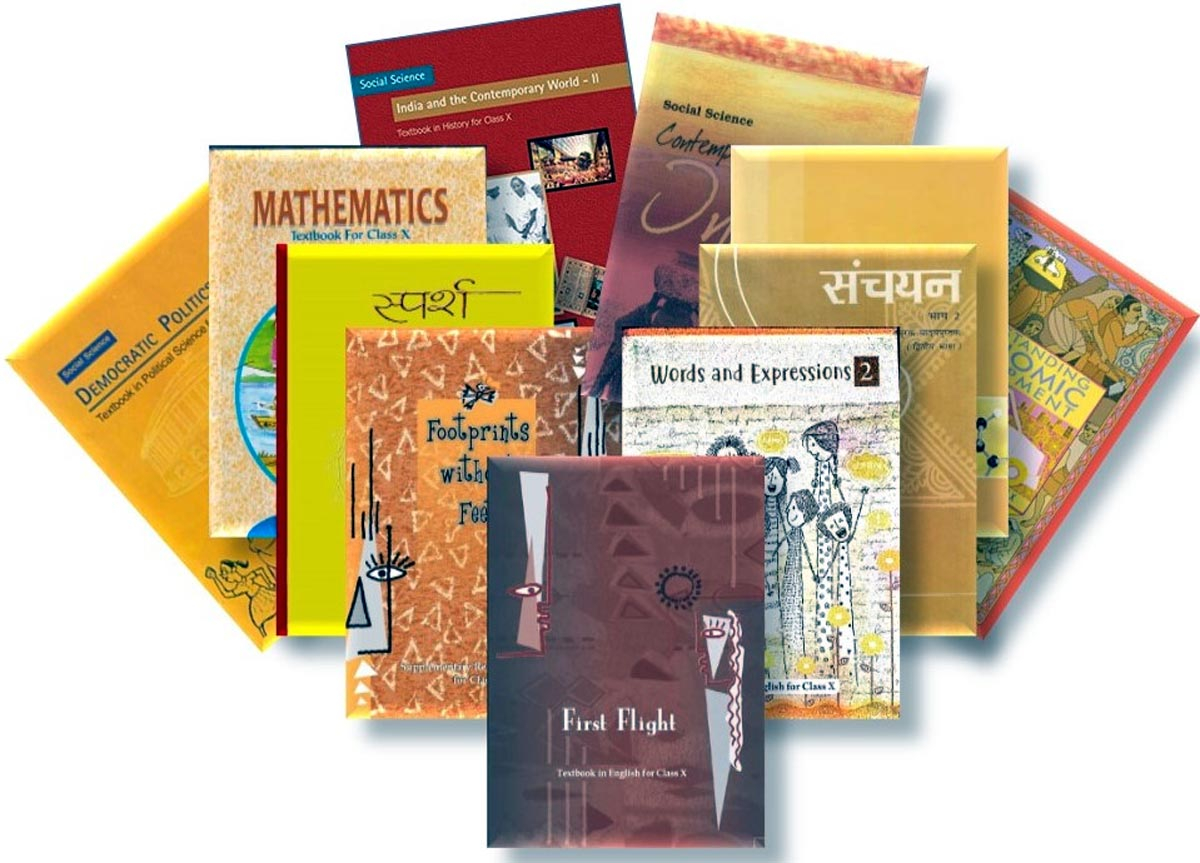
    NCERT drops Periodic Table from Class X book

    ncert curriculum periodic table

    Central Idea

    • Changes notified by NCERT: The NCERT notified changes in its June 2022 circular, omitted the Periodic Table from 10th class books. This has been widely debated in academic circles.
    • New textbooks hit the market: The textbooks with the deletions and changes have now been released in the market.

    What is Periodic Table?

    Description
    History Developed by Dmitri Mendeleev in 1869. He arranged elements based on their atomic masses and predicted the existence of undiscovered elements.
    Organization Elements are arranged based on their atomic numbers, electron configurations, and properties.
    Periods There are seven periods (rows) in the table, representing different principal energy levels.
    Groups The table has 18 groups (columns), with elements in the same group sharing similar properties.
    Main Groups Elements in groups 1, 2, and 13 to 18 are referred to as main group elements.
    Transition Metals Groups 3 to 12 consist of transition metals, known for their variable oxidation states.
    Lanthanides The first row of the f-block contains the 15 lanthanide elements.
    Actinides The second row of the f-block contains the 15 actinide elements.
    Periodic Trends Various trends exist across the table, such as atomic radius, ionization energy, and electronegativity.
    Periodic Law The chemical and physical properties of elements repeat in a periodic manner based on their atomic numbers.
    Modern Versions Modern versions incorporate atomic numbers and reflect our understanding of atomic structure.
    International Union of Pure and Applied Chemistry (IUPAC) IUPAC is the international organization responsible for the standardization of chemical nomenclature, symbols, and the Periodic Table.
    Database Management Several organizations and databases manage and maintain comprehensive information about the elements, their properties, and the Periodic Table. Examples include the IUPAC, the National Institute of Standards and Technology (NIST), and the Royal Society of Chemistry (RSC).


    Why this matters?

    • NCERT textbooks as a cornerstone: NCERT textbooks are considered a cornerstone for guiding the publication of State board textbooks, affecting nearly 60 State boards.
    • Concerns for non-science stream students: With a significant number of students opting for Arts and Commerce streams, they may lose the opportunity to learn crucial basic Chemistry concepts now only accessible in Class XI.

    Controversial Deletions and Omissions by NCERT

    • Fundamental knowledge of chemistry: Experts argue that leaving out the periodic table and logical organization of elements from the textbooks hinders students’ understanding of fundamental chemistry concepts.
    • Rationalization of contents due to the pandemic: The NCERT claims that the exercise of reducing the content load on students is carried out across all classes in response to the COVID-19 pandemic.
    • Previous controversial deletions: Earlier, NCERT dropped Darwin’s theory of evolution from Class X textbooks and deleted chapters from Political Science textbooks, including Democracy and Diversity, Popular Struggles and Movements, Political Parties, and Challenges to Democracy.

    Additional controversial omissions

    • Exclusion of Maulana Abul Kalam Azad: Any mention of Maulana Abul Kalam Azad, a freedom fighter and India’s first Education Minister, has been deleted from the textbooks.
    • Omission of J&K’s accession to India: The fact that Jammu and Kashmir acceded to India on the basis of autonomy has been removed from the revised Class XI textbook.
    • Further omissions in the CBSE syllabus: The history of Mughal courts, references to the 2002 communal riots in Gujarat, the Naxalite movement, and mention of Dalit writers were also omitted from the CBSE syllabus.

    Reasons cited for curriculum revamp

    • Multiple sets of authors: Textbooks have undergone changes over the years, written by different sets of historians. There have been no controversies regarding these changes.
    • Celebration of diversity and assimilation: Exclusively holding on to one set of textbooks is contrary to the spirit of a civilization that celebrates diversity and assimilation.
    • NCF’s efforts for inclusive representations: The National Curriculum Framework (NCF) aims to bring a plurality of voices and more inclusive representations of marginalized and previously excluded history.

    Allegations of Distortions in history textbooks

    • Deliberate distortions: Some sections of the media allege that the corrections and improvements made in the NCERT history textbooks are deliberate distortions or rewriting of history.
    • Sense of entitlement: The charge of rewriting history under a specific ideology betrays a sense of entitlement, suggesting that only one set of historians had the knowledge to determine what should be taught.
    • Autonomy breach: While autonomy in academic and intellectual activities is crucial, the notion that institutional autonomy has been undermined and academic freedom is under stress is a one-sided and pointless exercise.

    Way forward

    • Logical revision: There is an urgent need for a comprehensive revision of NCERT textbooks, not only in history but in all subjects, to incorporate new knowledge and discoveries.
    • Prudent use of existing textbooks: Until a detailed plan and advice for a comprehensive revision of books and syllabi is formulated, NCERT has chosen to use the existing textbooks.
    • Presenting facts lucidly: Textbooks should present facts lucidly, allowing students to acquire the knowledge they seek.
    • Avoid politicizing: Academics and politicians should refrain from politicizing school textbooks and instead focus on telling students the stories of the past without weaving in half-truths or erasing vast chunks of history.
    • Addressing gaps and inclusivity: Continuous revision of the curriculum is necessary to address gaps, make textbooks relevant, and ensure inclusivity.

     

    Get an IAS/IPS ranker as your personal mentor for UPSC 2024 | Schedule your FREE session and get the Prelims prep Toolkit!

  • BRICS Summits

    BRICS FM meeting in South Africa

    brics

    Central Idea

    • External Affairs Minister S Jaishankar is in Cape Town, South Africa, to participate in a meeting of foreign ministers from the BRICS countries.
    • The foreign ministers’ meeting aims to finalize the agenda for the upcoming BRICS summit, scheduled to be held in South Africa in August.

    What is BRICS?

    Explanation
    About BRICS is a grouping of the world’s leading emerging economies: Brazil, Russia, India, China, and South Africa.
    History The term BRIC was coined in 2001 by British Economist Jim O’Neill to describe the four emerging economies of Brazil, Russia, India, and China. The grouping was formalized in 2006, and South Africa joined in 2010.
    Composition BRICS comprises the four emerging economies of Brazil, Russia, India, and China, with South Africa joining later.
    Footprints BRICS represents 41% of the global population, 24% of global GDP, and 16% of global trade.
    Chairmanship Rotates annually among the members, with India holding the chair in 2021.
    Initiatives
    1. New Development Bank: NDB funds infrastructure and sustainable development projects.
    2. Contingent Reserve Arrangement: CRA provides mutual support and strengthens financial stability among BRICS nations.
    3. BRICS Payment System: Aims to create an alternative payment system to SWIFT.
    4. Customs agreements: BRICS signed agreements to coordinate and ease trade transport.
    5. Satellite: A constellation of remote sensing satellites has been launched in collaboration with BRICS nations.


    Key agenda of this meet

    • Geopolitical consolidation and potential expansion: Two key items on the agenda attracting attention are the plan to expand the membership of BRICS and the discussion of a common currency.
    • Friends of BRICS meet: South Africa, as the chair this year, is hosting a Friends of BRICS meeting with foreign ministers from Africa and the Global South.

    Potential Expansion of BRICS

    • Countries in queue for BRICS membership: Around 19 countries are reportedly seeking to join BRICS, including Argentina, Nicaragua, Mexico, Uruguay, Venezuela, Nigeria, Algeria, Egypt, Senegal, Morocco, Saudi Arabia, the UAE, Turkey, Syria, Iran, Kazakhstan, Bangladesh, Afghanistan, Indonesia, and Thailand.
    • Inclusion of big oil producers: The list of potential new members includes major oil-producing countries like Saudi Arabia, Iran, the UAE, Nigeria, and Venezuela.

    China’s Role in BRICS

    • China driving expansion: China is leading the effort to expand its membership of BRICS and is promoting the idea of creating a bigger space for the Global South.
    • Focus on multilateralism: China emphasizes multilateralism as it criticizes US hegemony, using the theme of “multilateralism” rather than “multipolarity” in discussions about BRICS.
    • Challenging the Western geopolitical view: The conflict in Ukraine has strengthened the China-Russia partnership and transformed BRICS into an aspiring bloc that challenges the western geopolitical narrative.

    India’s Position in BRICS

    • India’s participation in BRICS and the G7: India’s involvement in both BRICS and the G7 demonstrates its engagement with multiple groupings and does not indicate alignment with an anti-Western coalition.
    • Non-Western group: India views BRICS as a non-western group and believes it should remain so, focusing on its role as a platform for Global South countries to express solidarity.
    • New challenges for India: Some analysts argue that as BRICS expands and more members join, it could sidelines India’s influence within the group.

    What about BRICS Common Currency?

    • Proposal for a common currency: Russia proposed the idea of a common currency at the BRICS summit in Beijing last year. Leaders established a committee to study its feasibility.
    • Cautious reception and challenges: The proposal for a common currency received cautious feedback, with concerns about its viability and complexities such as different economic and political systems among member countries.
    • Insulation from the dollar: The idea of a common currency presents an opportunity to reduce reliance on the US dollar, but not all members are convinced it is the right time.
    • Difficulties in currency trade: Negotiations between India and Russia for trading in their respective currencies have encountered difficulties, with Moscow preferring dollar payments due to limited imports from India.

    China’s stance on the US dollar

    • Retreating US dollar hegemony: China has expressed discontent with the “hegemony of the US dollar” and aims to promote the use of the Yuan as a trading currency in Central Asia.
    • No open voices abandoning the dollar: Despite its criticisms, there is no evidence to suggest that China is ready to completely abandon the US dollar at present.


    Get an IAS/IPS ranker as your personal mentor for UPSC 2024 | Schedule your FREE session and get the Prelims prep Toolkit!

  • Interstate River Water Dispute

    Row over Mekedatu Project

    mekedatu

    Central Idea

    • Announcement of dam and reservoir: The Deputy CM of Karnataka announced plans for the construction of a dam and reservoir called Mekedatu near the state’s border with Tamil Nadu.
    • Objections raised by Tamil Nadu: Tamil Nadu expressed strong objections to the project, arguing that it goes against the rulings of both the Cauvery Water Disputes Tribunal and the Supreme Court.
    • Warning of protests: Political parties in Tamil Nadu have warned of potential protests and opposition if the construction of the Mekedatu dam proceeds.

    What is Mekedatu Project?

    • Location and purpose: The Mekedatu dam project is planned to be constructed in Ramanagaram district, approximately 100 km south of Bengaluru. Its primary purpose is to address the drinking water needs of Bengaluru and replenish the regional groundwater table.
    • Proposed capacity and estimated cost of the dam: The dam is proposed to have a capacity of 48 TMC (thousand million cubic) feet and is estimated to cost Rs 6,000 crore.
    • Background and previous developments of the project: The idea of the Mekedatu dam has been under consideration for several years. In 2014, the Karnataka government invited expressions of interest for the project and allocated funds for a detailed project report in the following year.

    Opposition to the Project

    • Widespread protests and state-wide bandh in TN: When the project was initially proposed, Tamil Nadu witnessed widespread protests against it. These protests culminated in a statewide bandh, supported by various stakeholders.
    • Resolutions passed by TN Assembly against the project: The Tamil Nadu Assembly, representing the voice of the people, passed unanimous resolutions expressing strong opposition to the Mekedatu project in December 2018 and January 2022.
    • Political actions and legal involvement in the dispute: Various political leaders and parties in Tamil Nadu have taken actions, including raising the issue with the central government and approaching the Supreme Court to challenge the project’s legality.

    Arguments against the Project

    • Concerns over modification of river flow: Critics of the Mekedatu project argue that constructing reservoirs on the Cauvery River would modify its natural flow, potentially leading to adverse effects downstream.
    • Violation of the final award of the water disputes tribunal: Tamil Nadu contends that the proposed dam violates the final award of the Cauvery Water Disputes Tribunal, which determined the water-sharing arrangements between the two states.
    • Impact on water flow in catchment areas: Tamil Nadu raises concerns that the project’s implementation would impound the flow in catchment areas, affecting the availability of water downstream and potentially leading to water scarcity in the state.

    Justifications and proposals

    • Ensuring adequate flow to TN: Karnataka argues that the construction of the Mekedatu dam will not hinder the stipulated quantum of water release to Tamil Nadu nor be utilized for irrigation purposes.
    • Allocation of funds and willingness to negotiate: The Karnataka government has earmarked Rs 1,000 crore for the project, indicating its commitment. It also expresses willingness to engage in discussions and negotiations with Tamil Nadu to address concerns and find a resolution.
    • Clearance of feasibility study: The Central Water Commission cleared a feasibility study for the Mekedatu project in 2018, providing additional support for Karnataka’s justifications and indicating the project’s viability.

    Historical context of the dispute

    • Past opposition and protests against the dam: The Mekedatu dam has been a subject of contention and opposition for several years. Tamil Nadu has witnessed widespread protests, reflecting public sentiment against the project.
    • Political actions and involvement of state delegations: Political leaders from Tamil Nadu and Karnataka have been actively involved in addressing the issue. Delegations from both states have approached the central government seeking support or intervention.
    • Legal challenges and the role of the Supreme Court: Tamil Nadu’s approach to the Supreme Court against the Mekedatu project highlights the legal dimension of the dispute. The involvement of the court plays a crucial role in considering the arguments and reaching a resolution.

    Environmental and Economic considerations

    • Potential benefits of the dam for water supply: Proponents of the Mekedatu project argue that it will address the pressing drinking water needs of Bengaluru, ensuring a stable water supply for the growing city.
    • Concerns about environmental impact and ecosystem disruption: Critics raise concerns about the potential environmental impact of constructing the dam and reservoir. They highlight potential disruptions to local ecosystems and the natural flow of the river.
    • Evaluating the economic viability of the project: Given the significant estimated cost of the Mekedatu project, there is a need to evaluate its cost-effectiveness and long-term economic viability, considering factors such as funding sources, returns on investment, and sustainable utilization of resources.

    Way forward

    • Importance of negotiation and finding common ground: The conflict surrounding the Mekedatu project emphasizes the importance of dialogue, negotiations, and finding mutually acceptable solutions that address the concerns of both Karnataka and Tamil Nadu.
    • Role of the Supreme Court and other mediators in resolving conflicts: The involvement of the Supreme Court and other mediators can play a crucial role in facilitating discussions, mediating conflicts, and reaching a resolution that adheres to legal frameworks and considers the interests of both states.
    • Promoting inter-state cooperation for sustainable water management: The dispute underscores the need for robust inter-state cooperation and collaboration on water management issues. It is crucial to ensure sustainable and equitable utilization of shared water resources, respect legal frameworks, and address the concerns of all stakeholders involved.


    Get an IAS/IPS ranker as your personal mentor for UPSC 2024 | Schedule your FREE session and get the Prelims prep Toolkit!

  • Innovations in Sciences, IT, Computers, Robotics and Nanotechnology

    VERY IMPORTANT: Harnessing the Potential of Graphene: India’s Path to Leadership

    Graphene

    Central Idea

    • In the realm of technological advancements, certain breakthroughs possess the power to revolutionize entire industries. Artificial Intelligence (AI) for software, quantum computing for computers, and graphene for materials are such game-changers. While India has made commendable progress in AI and shows promise in quantum computing, it is crucial for the country to catch up in the domain of graphene.

    What is Graphene?

    • Graphene is a single layer of carbon atoms arranged in a hexagonal lattice pattern. It is a two-dimensional material that is incredibly thin, strong, and lightweight. In fact, it is the thinnest material known to date, with a thickness of just one atom.
    • Despite its thinness, graphene is remarkably strong, around 200 times stronger than steel, yet incredibly flexible.

    Graphene

    Why Graphene is known as The Wonder Material?

    • Exceptional Strength: Despite being only one atom thick, graphene is incredibly strong. It is approximately 200 times stronger than steel, yet it is incredibly flexible. This combination of strength and flexibility makes it highly desirable for applications where strength and durability are crucial.
    • Superb Electrical Conductivity: Graphene is an excellent conductor of electricity, even surpassing traditional conductors like copper. It allows the flow of electrons with minimal resistance, making it ideal for developing high-performance electronics and electrical devices.
    • High Thermal Conductivity: Along with its electrical conductivity, graphene also exhibits excellent thermal conductivity. It can efficiently transfer heat, making it valuable for applications requiring efficient heat management, such as in electronics, thermal management systems, and energy storage devices.
    • Transparency: Graphene is nearly transparent and can absorb only 2% of light passing through it. This property makes it an intriguing material for optoelectronic devices, transparent conductive films, and touchscreens, as it enables the transmission of light while maintaining conductivity.
    • Impermeability to Gases: Graphene is impermeable to gases, even those as small as hydrogen and helium. This property opens up possibilities for applications in gas separation, filtration, and storage, as well as creating barriers against moisture or gas permeation in various industries.
    • Versatility and Composite Formation: Graphene can be combined with other materials to create composite materials with enhanced properties. Even in small quantities, graphene can significantly improve the strength, conductivity, and other characteristics of composite materials. This versatility expands its potential applications in fields such as aerospace, automotive, construction, and sports equipment.
    • Wide Range of Applications: Graphene has the potential to revolutionize numerous industries and sectors. It can be used in energy storage devices like batteries and supercapacitors, for developing sensors, inks, membranes for water purification, and in healthcare for drug delivery systems and biosensors. Its applications also extend to areas such as defense and aerospace, where its exceptional strength, conductivity, and sensitivity to environmental changes offer unique advantages.

    Global Graphene Landscape

    • China: China declared graphene a priority in its 13th Plan. China has emerged as a global leader in the production and commercialization of graphene. China’s emphasis on graphene is evident from its graphene-related patent filings, which have surpassed those of other leading nations in recent years.
    • United States: The United States has a strong presence in the graphene landscape, with active research and development initiatives. Several universities, research institutions, and companies in the U.S. are at the forefront of graphene research, exploring its potential applications and commercialization prospects. The country has a considerable number of graphene-related patents and is home to leading graphene companies and startups.
    • United Kingdom: The UK has been a pioneer in graphene research since its discovery. The University of Manchester, where graphene was first isolated, remains a hub for graphene research and innovation. The UK government has invested in the National Graphene Institute and the Graphene Engineering Innovation Centre to support research and development in graphene applications.
    • South Korea: South Korea has active research programs, industry collaborations, and graphene-related patent filings. South Korean companies are involved in graphene production, commercialization, and application development across various sectors.
    • Japan: Japan has a significant presence in graphene research and commercialization. Japanese universities and research institutions have made notable contributions to the field. The country has a strong focus on developing graphene-based technologies in areas such as electronics, energy storage, and composite materials. Japanese companies are actively involved in graphene production and application development.
    • Russia: Russia has a growing presence in the graphene landscape, with notable research activities and patents in the field. Russian universities and research institutes are engaged in graphene research, and the country has witnessed the establishment of graphene-focused companies.
    • Singapore: Singapore has invested in graphene research and development, aiming to position itself as a regional hub for graphene-related technologies. The country has established research institutes and centers focused on graphene and has attracted collaborations with international partners.

    India’s progress in the graphene sector

    • Research and Academic Contributions: The Centre for Nano Science and Engineering at the Indian Institute of Science (IISc) Bangalore, in collaboration with KAS Tech, has been actively involved in graphene research and development.
    • Start-ups and Industry Initiatives: Several start-ups and foreign subsidiaries have emerged in India, focusing on graphene or graphene derivatives. Notably, Tata Steel has achieved success in growing graphene using annealing and extracting atomic carbon from steel surfaces. They have also explored the use of graphene in recycling plastic products. Other start-ups, such as Log 9 and RF Nanocomposites, have patented graphene-based technologies for ultracapacitors, EMI shielding, and stealth applications, respectively.
    • Graphene Innovation Centre in Kerala: In a laudable step, the India Innovation Centre for Graphene was established in Kerala. This center, implemented by the Digital University Kerala in partnership with Tata Steel and C-MET, Thrissur, aims to foster large-scale innovation activity around graphene. It serves as a collaborative platform for research, development, and commercialization of graphene-based technologies.
    • Patents and Intellectual Property: While India’s graphene-related patent filings are relatively modest compared to other leading countries, there have been efforts to secure intellectual property. Indian researchers and institutions have filed patents for graphene-based technologies and applications, demonstrating innovation and progress in the field.

    Graphene

    Facts for prelims: Semiconductors

    • Semiconductors are materials that have properties that are in between those of conductors (such as copper) and insulators (such as rubber).
    • They have the ability to conduct electricity under certain conditions, but not under others.
    • The conductivity of semiconductors can be manipulated through the introduction of impurities or doping with other materials.
    • This process alters the electronic properties of the material and creates regions of excess or deficit of electrons, called p-type and n-type regions respectively.
    • The interface between these regions is known as a p-n junction, which is a fundamental building block of many semiconductor devices.

    Way Ahead: India’s graphene sector

    • National Graphene Mission: Establish a dedicated National Graphene Mission, similar to initiatives undertaken by other countries. This mission should focus on fostering research, development, and commercialization of graphene-based technologies, with clear objectives, timelines, and allocated resources.
    • Increased Research and Development: Encourage and fund research and development activities in graphene across academic institutions, research organizations, and industry. Foster collaborations between academia, industry, and government to drive innovation and accelerate the discovery of new applications for graphene.
    • Infrastructure and Facilities: Invest in infrastructure and facilities for large-scale production, characterization, and testing of graphene. Develop advanced laboratories equipped with state-of-the-art instruments to support graphene research and development.
    • Skill Development and Training: Promote skill development programs and training initiatives to build a skilled workforce with expertise in graphene technology. Develop specialized courses and training modules at educational institutions to produce a talent pool proficient in graphene research, fabrication, characterization, and application development.
    • Industry-Academia Collaboration: Foster stronger collaboration between industry and academia to bridge the gap between research and commercialization. Encourage joint research projects, technology transfer, and the establishment of industry-academia consortia focused on graphene.
    • Funding and Financial Support: Increase funding for graphene research and development through government grants, industry investments, and venture capital. Provide financial support and incentives for start-ups and companies working on graphene technologies to encourage entrepreneurship and product development.
    • Intellectual Property Protection: Strengthen intellectual property protection mechanisms and encourage researchers and companies to file patents for graphene-based technologies and applications. Support the development of patent pools and licensing frameworks to facilitate technology transfer and commercialization.

    Conclusion

    • The potential of graphene to transform industries cannot be understated. As the world advances towards the graphene age, India must secure its position as a leader rather than a bystander. The time to prioritize graphene is now, as the production of high-grade graphene may become concentrated in select global locations, similar to semiconductors. India has witnessed the consequences of missing out on the semiconductor wave, and it cannot afford to repeat history.

    Get an IAS/IPS ranker as your personal mentor for UPSC 2024 | Schedule your FREE session and get the Prelims prep Toolkit!

    Also read:

    India’s Push for Semiconductors


  • Economic Indicators and Various Reports On It- GDP, FD, EODB, WIR etc

    India’s GDP expanded 6.1% in 2022-23’s last quarter

    gdp

    Central Idea

    • The National Statistical Office (NSO) has released provisional national income data revealing that India’s GDP growth in the January to March 2023 quarter reached 6.1%.
    • This growth in the fourth quarter is the fastest among major economies, indicating better prospects for the current year compared to previous expectations.

    Key Highlights

    (1) Manufacturing Sector Growth Slows, Despite Q4 Rebound

    • Gross Value Added (GVA) in the economy rose by 7% in 2022-23, compared to 8.8% in the previous fiscal year.
    • Manufacturing GVA growth declined significantly, reaching only 1.3% compared to 11.1% a year ago.
    • The sector experienced a rebound of 4.5% in the final quarter after six months of contraction, but overall growth remained subdued.

    (2) Agri and Services Sectors Propel Economic Growth

    • The agricultural GVA grew by 4% in 2022-23, an increase from 3.5% in the previous year.
    • Financial, real estate, and professional services sectors experienced a 7.1% growth in GVA, compared to 4.7% in 2021-22.
    • Trade, hotels, transport, and communication sectors, along with services related to broadcasting, witnessed a marginal increase of 14% in GVA.

    (3) Revised GDP and GVA Figures Reflect Changes in Economic Performance

    • The NSO revised GDP and GVA numbers for the first half of 2022-23, with slight decreases, but the third-quarter figures were slightly increased.
    • The first quarter’s GDP growth in 2022-23 is now pegged at 13.1%, followed by 6.2% in the second quarter and 4.5% growth in the third quarter.
    • GVA growth estimates for the first and second quarters were revised to 11.9% and 5.4% respectively, while the third quarter GVA growth increased to 4.7% from the earlier estimate of 4.6%.

    (4) Consumer Sentiment and Consumption Growth

    • Despite a slight uptick in private final consumption expenditure to 2.8% in Q4 from 2.2% in Q3, consumption growth remained muted.
    • This contradicted the uptick in consumer sentiments as per the RBI’s consumer confidence survey, highlighting the disparity between sentiment and actual spending.

    (5) Outlook and Challenges for Future Growth

    • Maintaining growth above 6% will be challenging amid a global economic slowdown, according to economists.
    • Higher-than-expected GDP growth in the previous year may temper growth expectations for the current year, with the government and central bank projecting around 6.5% growth.
    • Pent-up demand that supported growth previously may not be as strong, and private sector investment needs to pick up since exports are not expected to contribute significantly to growth.

    What can we as an Aspirant infer?

    • The resilience of the Indian economy and its promising trajectory despite global challenges is often highlighted in news.
    • This article justifies this perception about better performance of Indian Economy.

    Conclusion

    • To sustain and enhance economic growth, focus on stimulating private sector investment to complement the performance of agriculture and services sectors.
    • Addressing the challenges in the manufacturing sector and boosting consumer confidence can lead to increased consumption and overall economic expansion.
    • Efforts to diversify and promote exports should be prioritized to contribute to future growth and reduce dependence on domestic consumption.

    Tap to read more about:

    [Static Revision] National Income Determination, GDP, GNP, NDP, NNP, Personal Income

    Get an IAS/IPS ranker as your personal mentor for UPSC 2024 | Schedule your FREE session and get the Prelims prep Toolkit!

  • Climate Change Negotiations – UNFCCC, COP, Other Conventions and Protocols

    Mainstreaming Biodiversity: A Pivotal Step Towards a Sustainable Future

    Biodiversity

    Central Idea

    • The observance of International Biodiversity Day on May 22 serves as a powerful reminder of the critical role our natural world plays in addressing the climate change crisis and the threat to our future posed by declining biodiversity. Preserving and enhancing biodiversity emerges as a cost-effective approach to sequester carbon dioxide and mitigate climate change.

    What is Biodiversity?

    • Biodiversity refers to the variety of life forms found on Earth, including plants, animals, microorganisms, and their interactions within ecosystems. It encompasses the diversity of species, genetic diversity within species, and the diversity of ecosystems.
    • Biodiversity is not limited to specific areas but exists everywhere, from terrestrial habitats like forests, grasslands, and deserts to aquatic environments such as rivers, lakes, and oceans.
    • It also includes the diversity of habitats, ecological processes, and the complex web of relationships between organisms and their environment.
    • Biodiversity is crucial for the functioning of ecosystems and provides numerous benefits to humans. It supports essential ecosystem services, such as pollination, nutrient cycling, soil formation, and water purification.
    • Biodiversity also contributes to food security by providing a variety of crops, livestock, and wild foods. Additionally, it plays a vital role in medicine, as many pharmaceuticals are derived from natural sources.

    Biodiversity

    The Decline of Biodiversity: key contributing factors

    • Habitat Loss: The conversion of natural habitats into agricultural lands, urban areas, and industrial zones is a primary driver of biodiversity loss. Deforestation, land degradation, and habitat fragmentation disrupt ecosystems and displace numerous species.
    • Climate Change: Rising temperatures, altered precipitation patterns, and extreme weather events associated with climate change have a profound impact on biodiversity. Species may struggle to adapt or migrate quickly enough, leading to population declines and even extinction.
    • Pollution: Pollution, including air and water pollution, poses a severe threat to biodiversity. Chemical contaminants, such as pesticides, herbicides, and industrial pollutants, can accumulate in ecosystems and harm both flora and fauna.
    • Overexploitation: Unsustainable harvesting of wildlife, overfishing, and illegal wildlife trade put immense pressure on species populations. This overexploitation disrupts ecological balance and can lead to the collapse of ecosystems.
    • Invasive Species: Non-native species introduced into new environments can outcompete native species, disrupt ecological interactions, and cause harm to local ecosystems. Invasive species often lack natural predators or controls, allowing them to multiply rapidly.
    • Agricultural Practices: Intensive agricultural practices, including the use of chemical inputs, monoculture farming, and the destruction of natural habitats for agriculture, contribute to the loss of biodiversity. This impacts both terrestrial and aquatic ecosystems.
    • Disease and Pathogens: The spread of diseases and pathogens, both natural and human-mediated, can have devastating effects on wildlife populations. Diseases can cause mass die-offs and population declines, leading to decreased biodiversity.
    • Inadequate Conservation Efforts: Inadequate conservation measures, weak enforcement of protective laws, and insufficient funding for conservation initiatives contribute to the decline of biodiversity. Conservation efforts are often fragmented and not prioritized, further exacerbating the problem.
    • Lack of Public Awareness and Engagement: Limited awareness among the general public about the importance of biodiversity and the consequences of its decline hinders collective action. Engaging communities and fostering a sense of responsibility towards biodiversity is crucial for effective conservation.

    Reimagining Biodiversity Management: A holistic and inclusive approach

    • Multifunctional Landscapes: Moving beyond the traditional focus on forests, biodiversity management should encompass diverse ecosystems such as grasslands, savannas, alpine pastures, and deserts. Recognizing the value of multifunctional landscapes allows for the conservation and sustainable use of various ecological communities.
    • Community Engagement: Empowering local communities and indigenous groups in biodiversity management is crucial. Their traditional knowledge, practices, and direct involvement are valuable assets for effective conservation and sustainable use of biodiversity. Establishing platforms such as gram sabhas and biodiversity management committees facilitates community participation and decision-making.
    • Mainstreaming Biodiversity: Biodiversity considerations should be integrated into all sectors and aspects of society. Development programs, government departments, public and private institutions, and industries should incorporate biodiversity conservation and sustainable practices as core principles.
    • Policy and Legal Frameworks: Ensuring effective implementation of regulations, enforcing laws against biodiversity crimes, and revisiting policies that hinder biodiversity protection are key steps. It is also important to support the rights of indigenous communities and local stakeholders through legal mechanisms.
    • Education and Awareness: Promoting biodiversity education and raising awareness about its importance among the general public, policymakers, and stakeholders is crucial. This includes integrating biodiversity topics into educational curricula, conducting awareness campaigns, and disseminating information about the benefits of biodiversity conservation.
    • Research and Science-Based Approaches: Investing in scientific research, monitoring, and data collection is vital for evidence-based decision-making and effective biodiversity management. This includes studying biodiversity patterns, understanding ecosystem dynamics, and identifying key species and habitats for conservation priorities.
    • Collaborative Partnerships: Building partnerships and collaborations among various stakeholders is essential. This includes government agencies, non-governmental organizations, research institutions, local communities, and private sectors. Collaboration fosters knowledge sharing, resource mobilization, and the implementation of joint initiatives for biodiversity conservation.
    • Sustainable Financing: Ensuring sustainable financing mechanisms for biodiversity conservation is crucial. This includes exploring innovative funding models, leveraging public-private partnerships, and integrating biodiversity into sustainable development financing frameworks.
    • International Cooperation: Collaborating at the global level is necessary to address transboundary biodiversity issues. Sharing best practices, knowledge exchange, and aligning efforts with international conventions and agreements such as the Convention on Biological Diversity (CBD) can strengthen biodiversity management.

    Facts for prelims

    What is biosphere reserve?

    • Protected area: A biosphere reserve is an area of land or water that is protected by law in order to support the conservation of ecosystems, as well as the sustainability of mankind’s impact on the environment.

    Current status of Biosphere reserves

    • Worldwide: There are 738 biosphere reserves in 134 countries, including 22 transboundary sites.
    • In India:
    • Presently, there are 18 notified biosphere reserves in India. Ten out of the eighteen biosphere reserves are a part of the World Network of Biosphere Reserves, based on the UNESCO Man and the Biosphere (MAB) Programme list.
    • In India, the first biosphere reserve was designated by UNESCO in 2000, namely, the blue mountains of the Nilgiris stretching over Tamil Nadu, Karnataka and Kerala.

    Our Role as Caretakers: key actions we can take as responsible stewards

    • Sustainable Land Use: Promoting sustainable land use practices is essential to minimize habitat loss and degradation. This includes supporting initiatives such as reforestation, afforestation, and sustainable agriculture that maintain ecosystem integrity.
    • Responsible Consumption: Making informed choices as consumers can have a significant impact on biodiversity. Supporting sustainable and ethically sourced products, reducing waste, and opting for environmentally friendly practices can reduce the demand for products that harm biodiversity.
    • Preservation of Natural Habitats: Protecting and preserving natural habitats, including forests, wetlands, and marine ecosystems, is critical. This involves advocating for the establishment and expansion of protected areas, national parks, and wildlife reserves.
    • Sustainable Fisheries: Supporting sustainable fishing practices, such as responsible fishing quotas, implementing fishing regulations, and avoiding overfishing, helps maintain healthy marine ecosystems and protect marine biodiversity.
    • Support Conservation Organizations: Contributing to and supporting conservation organizations and initiatives can make a significant difference. Donations, volunteering, and participation in citizen science projects can aid in research, conservation efforts, and advocacy for biodiversity protection.

    Biodiversity

    What is The National Mission on Biodiversity and Human Wellbeing?

    • Objective: The mission aims to integrate biodiversity conservation and ecosystem services into various sectors to address critical challenges related to climate change, regenerative agriculture, and ecosystem and public health.
    • Enhancing Human Wellbeing: The mission focuses on fostering human well-being by enhancing and conserving biodiversity. It aims to support the United Nations Sustainable Development Goals related to poverty alleviation, nutrition and health, and environmental protection.
    • People-Centric Approach: The mission recognizes the importance of active engagement and participation of all citizens in biodiversity conservation and sustainable use. It places people at the center of the mission’s activities.
    • Mainstreaming Biodiversity: The mission seeks to embed biodiversity considerations into development-oriented programs of both the public and private sectors. This ensures that biodiversity conservation becomes an integral part of decision-making processes and actions.
    • Education and Awareness: The mission aims to create awareness about the importance of biodiversity and foster curiosity about nature. It seeks to instill a sense of responsibility for safeguarding biodiversity in every child and student.
    • Nature-Based Solutions: The mission emphasizes the utilization of nature-based solutions to address challenges related to climate change, agriculture, and public health. It recognizes the value of ecosystems and biodiversity in providing sustainable solutions.
    • Traditional Knowledge and Community Participation: The mission promotes the integration of traditional knowledge and the active participation of local communities and indigenous groups in biodiversity management. It acknowledges their role in conservation efforts.
    • Sustainable Development Goals Alignment: The mission aligns with the United Nations Sustainable Development Goals, aiming to contribute to poverty alleviation, nutrition and health, and environmental protection.
    • Pending Implementation: Although the mission has received preliminary approval from the Prime Minister’s Science, Technology, and Innovation Council, it is still in the proposal stage and yet to be fully implemented.

    Biodiversity

    Conclusion

    • The mainstreaming of biodiversity represents a significant step toward securing a sustainable future. Recognizing the interconnectedness of all life forms and ecosystems, we must redefine our approach to biodiversity management. The proposed National Mission on Biodiversity and Human Wellbeing provides a roadmap and empowers all citizens to take part in safeguarding our precious natural heritage.


  • Foreign Policy Watch: India-United States

    UAE withdraws from Combined Maritime Forces (CMF)

    Central Idea

    The United Arab Emirates (UAE) has announced its withdrawal from the U.S.-led Combined Maritime Forces (CMF), a maritime coalition responsible for securing Gulf waterways crucial to global oil trade.

    What is Combined Maritime Forces (CMF)?

    Establishment 2002
    Location Bahrain
    Objective Promoting security, stability, and prosperity across maritime regions
    Member Nations Over 30 member nations
    Primary Task Forces Combined Task Force 150 (CTF 150), Combined Task Force 151 (CTF 151), Combined Task Force 152 (CTF 152)
    Operations Counter-terrorism, counter-piracy, maritime security, and cooperation
    Collaborations United Nations, European Union, NATO, and regional partners
    Contributions Naval assets including warships, aircraft, and maritime patrol vessels
    Focus Areas Arabian Sea, Gulf of Oman, Gulf of Aden, Red Sea, Indian Ocean, Arabian Gulf, and surrounding areas


    Reasons for UAE’s withdrawal

    • UAE has not provided specific reasons for its withdrawal from the Combined Maritime Forces (CMF) in the official statement.
    • One potential factor could be a desire to distance themselves from perceived dependencies or entanglements with the US.
    • This could be part of a broader strategy by the UAE to assert its own regional influence, pursue independent foreign policies, or rebalance its relationships with China and Iran.

    Recent incidents and tensions in Gulf Waters

    • In late April and early May, Iran seized two tankers, one of which was empty and travelling between the UAE ports of Dubai and Fujairah.
    • Iran was also accused of launching a drone attack on an Israeli-owned tanker in November 2022, escalating tensions with the United States.
    • As a response to increasing harassment by Iran, the US announced the deployment of reinforcements to the Gulf, a vital route for a significant portion of the world’s sea-borne oil.


    Get an IAS/IPS ranker as your personal mentor for UPSC 2024 | Schedule your FREE session and get the Prelims prep Toolkit!

  • Tobacco: The Silent Killer

    Mandatory Anti-Tobacco Warnings on OTT Platforms

    tobacco

    Central Idea

    • Over-the-top (OTT) streaming platforms must display anti-tobacco warnings similar to those seen in movies screened in theatres and on TV.
    • The requirement is based on a Union Health Ministry notification that amends the rules under the Cigarettes and Other Tobacco Products Act (COTPA), 2004.

    What is COTPA, 2004?

    Description
    Purpose Regulate production, sale, distribution, and consumption of tobacco products
    Prohibition of Smoking in Public Places Smoking prohibited in public areas like offices, restaurants, parks, public transport, etc.
    Health Warnings on Tobacco Products Mandatory display of health warnings on cigarette packages and other tobacco products
    Ban on Advertisement and Promotion Prohibition on direct and indirect advertising of tobacco products
    Prohibition on Sale to Minors Selling tobacco products to individuals below 18 years of age is strictly prohibited
    Packaging and Labelling Requirements Health warnings and pictorial representations of harmful effects on cigarette packages
    Powers of Enforcement Authorities empowered to enforce the act, conduct inspections, and seize contraband products

    New requirements for Anti-Tobacco Warnings

    • Publishers of online curated content displaying tobacco products or their use must show anti-tobacco health spots at the beginning and middle of the program.
    • When tobacco products or their use are displayed during the program, an anti-tobacco health warning must be prominently displayed as a static message at the bottom of the screen.
    • The warning message should be legible and readable, with black font on a white background.
    • The specified warnings are ‘Tobacco causes cancer’ or ‘Tobacco kills.’
    • Health spots, warnings, and audio-visual disclaimers should be in the same language as used in the show.

    Negative health impacts of tobacco

    • Cancer: Tobacco use is the leading cause of preventable cancer. It can cause cancer of the lungs, mouth, throat, larynx, pancreas, bladder, kidney, and cervix.
    • Respiratory diseases: It may cause chronic obstructive pulmonary disease (COPD), which includes chronic bronchitis and emphysema. It can also worsen asthma symptoms.
    • Cardiovascular diseases: Consumption increases the risk of heart attack, stroke, and other cardiovascular diseases. It damages blood vessels and increases the risk of blood clots.
    • Reproductive health: Tobacco use can lead to infertility, premature birth, and low birth weight in babies.

    Socio-economic impact

    (1) On an individual level:

    • Decreased productivity: Smoking-related illnesses can result in absenteeism from work, decreased work performance, and increased medical expenses.
    • Decreased life expectancy: Tobacco consumption can lead to decreased life expectancy, which reduces the overall productive years of an individual.

    (2) On a societal level:

    • Healthcare cost: Tobacco consumption can lead to decreased economic development due to the increased burden of healthcare costs and decreased productivity.
    • Increased social expenditure: According to a study conducted by the World Health Organization (WHO), tobacco-related illnesses cost India about $22.4 billion in healthcare costs and lost productivity annually

    Why tobacco isn’t completely banned?

    • Revenue loss: The industry contributes a significant amount of tax revenue to the government. Banning tobacco would result in the loss of these tax revenues, which are used for various public welfare programs and initiatives.
    • Economic Impact: The tobacco industry provides employment to a large number of people, especially in the agricultural sector, where tobacco farming is prevalent.
    • Not a psychotropic substance: While the harmful effects of tobacco are well-documented, banning a legal product entirely requires careful consideration and legal processes.
    • Regulatory approach: Instead of a complete ban, the Indian government has adopted a regulatory approach to control tobacco use.

    Way forward

    • Strengthen tobacco control laws: Review and enhance existing laws to effectively reduce tobacco consumption.
    • Conduct public awareness campaigns: Educate the public about the health risks of tobacco use and the benefits of quitting.
    • Expand access to tobacco cessation programs: Increase availability of affordable and effective programs to support individuals who want to quit tobacco.
    • Implement sin taxes on tobacco products: Increase taxes to discourage consumption, especially among price-sensitive populations.
    • Enforce smoke-free environments: Strictly implement smoke-free laws in public places, workplaces, and public transport.
    • Support tobacco farmers: Provide alternative livelihood options and assistance for farmers transitioning away from tobacco farming.
    • Conduct research and surveillance: Invest in data collection and analysis to inform evidence-based policies and interventions.
    • Collaborate with international organizations: Partner with global entities like WHO to leverage expertise and resources in tobacco control.


    Get an IAS/IPS ranker as your personal mentor for UPSC 2024 | Schedule your FREE session and get the Prelims prep Toolkit!

  • Urban Transformation – Smart Cities, AMRUT, etc.

    City Investments to Innovate, Integrate and Sustain (CITIIS) Project

    cities city

    Central Idea

    • The Union government has approved the second phase of the City Investments to Innovate, Integrate, and Sustain (CITIIS) project.

    What is CITIIS 2.0?

    • It is a part of the Smart Cities Mission and aims to promote integrated waste management and climate-oriented reform actions.
    • The project will be implemented in 18 cities selected through a competition process.
    • The project will span over a period of four years, from 2023 to 2027.

    Objectives of the project

    • CITIIS 2.0 supports competitively selected projects focusing on circular economy and integrated waste management at the city level.
    • It also emphasizes climate-oriented reform actions at the State level and aims to strengthen institutions and disseminate knowledge at the national level.

    Implementation Partners

    • The project is implemented in partnership with the French Development Agency (AFD), Kreditanstalt fur Wiederaufbau (KfW), the European Union (EU), and the National Institute of Urban Affairs (NIUA).

    Components

    The project consists of three major components:

    1. Financial and technical support for developing climate-resilient projects in up to 18 smart cities.
    2. Interventions at the center, state, and city levels to enhance climate governance.
    3. Promotion of climate adaptation and mitigation measures.

    Back2Basics: Smart Cities Mission

    • The Smart Cities Mission is an initiative of the Union Housing and Urban Affairs Ministry that was launched in 2015.
    • Cities across the country were asked to submit proposals for projects to improve municipal services and to make their jurisdictions more liveable.
    • Between January 2016 and June 2018 (when the last city, Shillong, was chosen), the Ministry selected 100 cities for the Mission over five rounds.
    • The projects were supposed to be completed within five years of the selection of the city, but in 2021 the Ministry changed the deadline for all cities to June 2023, which was earlier the deadline for Shillong alone.
    • With an increase on urban population and rapid expansion of areas, government is looking at smarter ways to manage complexities, increase efficiencies and improve quality of life.
    • The mission will cover 100 cities that have been distributed among the States /Union Territories (UT) on the basis of an equitable criteria.
    • The formula gives equal weightage (50:50) to urban population of the State/UT and the number of statutory towns in the State/UT.


    Get an IAS/IPS ranker as your personal mentor for UPSC 2024 | Schedule your FREE session and get the Prelims prep Toolkit!


  • Zoonotic Diseases: Medical Sciences Involved & Preventive Measures

    India joins Centralised Laboratory Network (CLN)

    Central Idea

    • India has recently become a member of the Centralized Laboratory Network (CLN), which is a part of the Coalition for Epidemic Preparedness Innovations (CEPI).

    Centralised Laboratory Network (CLN)

    • CLN consists of 15 partner facilities in 13 countries and aims to test vaccines for use during pandemics and epidemic disease outbreaks.
    • It focuses on testing vaccines for pandemic and epidemic disease outbreaks.
    • It is part of the Coalition for Epidemic Preparedness Innovations (CEPI).
    • The network aims to standardize testing methods and materials.

    New members of the CLN

    • Indian Council of Medical Research-National Institute of Virology (ICMR-NIV) joins CLN.
    • Institute Pasteur de Dakar (IPD) from Senegal is a new member.
    • KAVI Institute of Clinical Research (KAVI ICR) and University of Nairobi Institute of Tropical and Infectious Diseases (UNITID) from Kenya join CLN.
    • Synexa Life Sciences from South Africa becomes a member.
    • Uganda Virus Research Institute (UVRI) from Uganda is also a new member.

    Objectives of the CEPI-funded network

    • The CEPI-funded network aims to identify promising vaccine candidates rapidly and accurately.
    • The network focuses on emerging infectious diseases.
    • The goal is to support sustainable regional outbreak preparedness infrastructure.

    CEPI-Funded Network Objectives

    • The CEPI-funded network, which includes CLN, has the primary objective of identifying the most promising vaccine candidates rapidly and accurately against emerging infectious diseases.
    • In addition to vaccine testing, the expanded network also aims to support the development of sustainable regional outbreak preparedness infrastructure.
    • By working collaboratively and sharing standardized methods and materials, the network enhances global preparedness for potential disease outbreaks.


    Get an IAS/IPS ranker as your personal mentor for UPSC 2024

Join the Community

Join us across Social Media platforms.