💥UPSC 2026, 2027, 2028 UAP Mentorship (March Batch) + Access XFactor Notes & Microthemes PDF

Archives: News

  • Foreign Policy Watch: India-ASEAN

    Growing Bilateral Relations between India and Vietnam    

    Why in the news?

    During his welcome of Vietnamese Prime Minister Pham Minh Chinh, Prime Minister Narendra Modi emphasized the significance of freedom of navigation while subtly referencing China.

    Evolution of Bilateral Relations to Strategic Partnership

    • Early Relations: Cultural and economic links between India and Vietnam date back to the 2nd century, with significant support from India during Vietnam’s struggles against colonialism and foreign intervention, particularly during the Vietnam War.
    • Formal Diplomatic Relations: Official diplomatic relations were established in 1992, marking the beginning of extensive economic ties, including cooperation in oil exploration, agriculture, and manufacturing.
    • Upgrade to Strategic Partnership (2007): The relationship was elevated to a “Strategic Partnership” during Vietnamese Prime Minister Nguyen Tan Dung’s visit to India in July 2007. This marked a significant step in formalizing cooperation across various sectors, particularly in defence and security.
    • Comprehensive Strategic Partnership (2016): During Indian Prime Minister Narendra Modi’s visit to Vietnam in September 2016, the partnership was further upgraded to a “Comprehensive Strategic Partnership.” This upgrade emphasized enhanced cooperation in defence, trade, and cultural exchanges, as well as a shared commitment to regional security.

    Vietnam’s Remarkable Strides under Communist Party of Vietnam (CPV) Leadership

    • Economic Development: Under the CPV’s leadership, Vietnam has experienced significant economic growth and development, embracing a foreign policy of independence and multilateralism.
      • This approach has positioned Vietnam as a reliable partner in the region, fostering deeper economic ties with countries like India.
    • Strategic Investments: Vietnam has actively sought to attract Indian investments in various sectors, including renewable energy, pharmaceuticals, and technology.
      • The Vietnamese government has expressed gratitude for India’s support during the COVID-19 pandemic, particularly in vaccine distribution, which has further solidified ties between the two nations.

    Building Bridges in Strategic Relationship through Foreign Policy

    • Shared Vision for the Indo-Pacific: Both Prime Ministers emphasized their commitment to a free, open, and rules-based Indo-Pacific.
    • Indian PM’s assertion that India supports development, not expansionism, reflects a mutual stance against aggressive territorial claims, particularly in the South China Sea, where both nations advocate for adherence to international law.
    • Collective Approach to Conflicts: The leaders highlighted the importance of a collective approach to resolving regional conflicts, including those in Myanmar and West Asia.
      • This stance underscores their commitment to multilateralism and regional stability, with Vietnam recognizing India’s role as a stabilizing force in the Indo-Pacific.

    Significance of the Visit

    • Strengthening Strategic Ties: Prime Minister Chinh’s visit signifies a deepening of the strategic partnership, with both sides committing to enhanced cooperation in defence, maritime security, and economic development. 
      • The agreement on a $300 million credit line for Vietnam’s maritime capabilities is a notable outcome of the discussions.
    • Cultural and Economic Connectivity: The visit also marked the signing of multiple agreements across various sectors, including customs, agriculture, and traditional medicine, demonstrating a comprehensive approach to enhancing bilateral relations.
      • The establishment of digital payment connectivity is another step towards strengthening economic ties.

    Way forward: 

    • Strengthening Economic and Trade Ties: Both nations should focus on achieving the proposed bilateral trade target of $20 billion by expanding cooperation in key sectors such as renewable energy, technology, and agriculture.
    • Enhancing Defense and Security Cooperation: To address regional security challenges, particularly in the context of the South China Sea, India and Vietnam should deepen their defence and security collaboration.

  • Renewable Energy – Wind, Tidal, Geothermal, etc.

    The relevance of pumped storage projects      

    Why in the news?

    The Union Budget for 2024-25 announced that “a policy will be introduced to promote pumped storage projects aimed at electricity storage and ensuring the seamless integration of the increasing share of renewable energy.

    Why is renewable power generation subject to variations and weather changes?

    • Due to Intermittent nature: Renewable energy sources, particularly solar and wind, are inherently intermittent. Solar energy is only available during daylight hours and is affected by weather conditions such as cloud cover, while wind energy varies with wind speed and direction. This variability leads to fluctuations in power generation, making it challenging to match supply with demand consistently.
    • Daily and Seasonal Variations: The generation capacity of renewable sources can change significantly over short periods (hours to days) and longer periods (seasonal). For instance, solar power generation peaks during sunny days and drops to zero at night, while wind power can vary greatly depending on seasonal weather patterns.

    Significance of Pumped Storage Projects

    • Grid Stabilization: Pumped storage projects are critical for stabilizing the power grid by addressing the variability and intermittency of renewable energy sources like solar and wind.
    • Energy Storage Capacity: PSPs account for over 94% of the installed global energy storage capacity, making them the most widely used technology for large-scale energy storage.
    • Flexible Energy Generation: These projects can provide both base load and peaking power, offering flexibility in energy generation.  
    • Environmental Benefits: Pumped storage is a clean and environmentally friendly technology.
    • Economic Viability: The cost of energy from pumped storage is competitive compared to other energy storage technologies.

    How do Power Managers decide which energy source to use?

    • Use of forecasting Techniques: Power managers utilize advanced forecasting techniques to predict renewable energy generation based on expected weather conditions. This allows them to plan the operation of different power plants in advance, ensuring a steady supply of electricity.
    • Demand and Supply Management: Decisions on which energy source to use are based on real-time demand and the availability of renewable energy. When there is a surplus of renewable energy (e.g., during sunny or windy periods), it may be used to pump water in pumped storage systems. Conversely, when renewable generation is low, power managers may rely on more stable sources like hydro, coal, or nuclear power to meet demand.

    Where are some of the Pumped Storage Projects of India situated?

    • Kadamparai: Located in Tamil Nadu, this facility has a capacity of 400 MW and operates by pumping water to a higher reservoir during periods of surplus power generation.
    • Other Notable Projects: India has several other pumped storage projects, including those at Nagarjunasagar, Kadana, and Panchet. These facilities contribute to managing the variability of renewable energy generation in the country.

    How do the reservoirs in Kadamparai, Tamil Nadu operate?

    • The Kadamparai pumped storage plant consists of two reservoirs at different elevations. Water is pumped from the lower reservoir to the upper reservoir when there is surplus power available, typically from solar or wind sources.
    • When demand rises, especially during peak evening hours, water flows from the upper reservoir to the lower reservoir, turning turbines to generate electricity. This operation allows the plant to provide power for three to four hours during peak demand periods, effectively stabilizing the grid.
    • The plant can switch between pumping and generating modes, allowing it to respond quickly to changes in power demand. This flexibility is crucial for integrating variable renewable energy sources into the grid.

    Conclusion: The need to Develop a robust and flexible grid infrastructure that can efficiently handle the integration of renewable energy sources is crucial. Implementing smart grid technologies, including real-time monitoring, advanced forecasting techniques, and automated demand-response systems, can optimize the balance between supply and demand.

  • Minority Issues – SC, ST, Dalits, OBC, Reservations, etc.

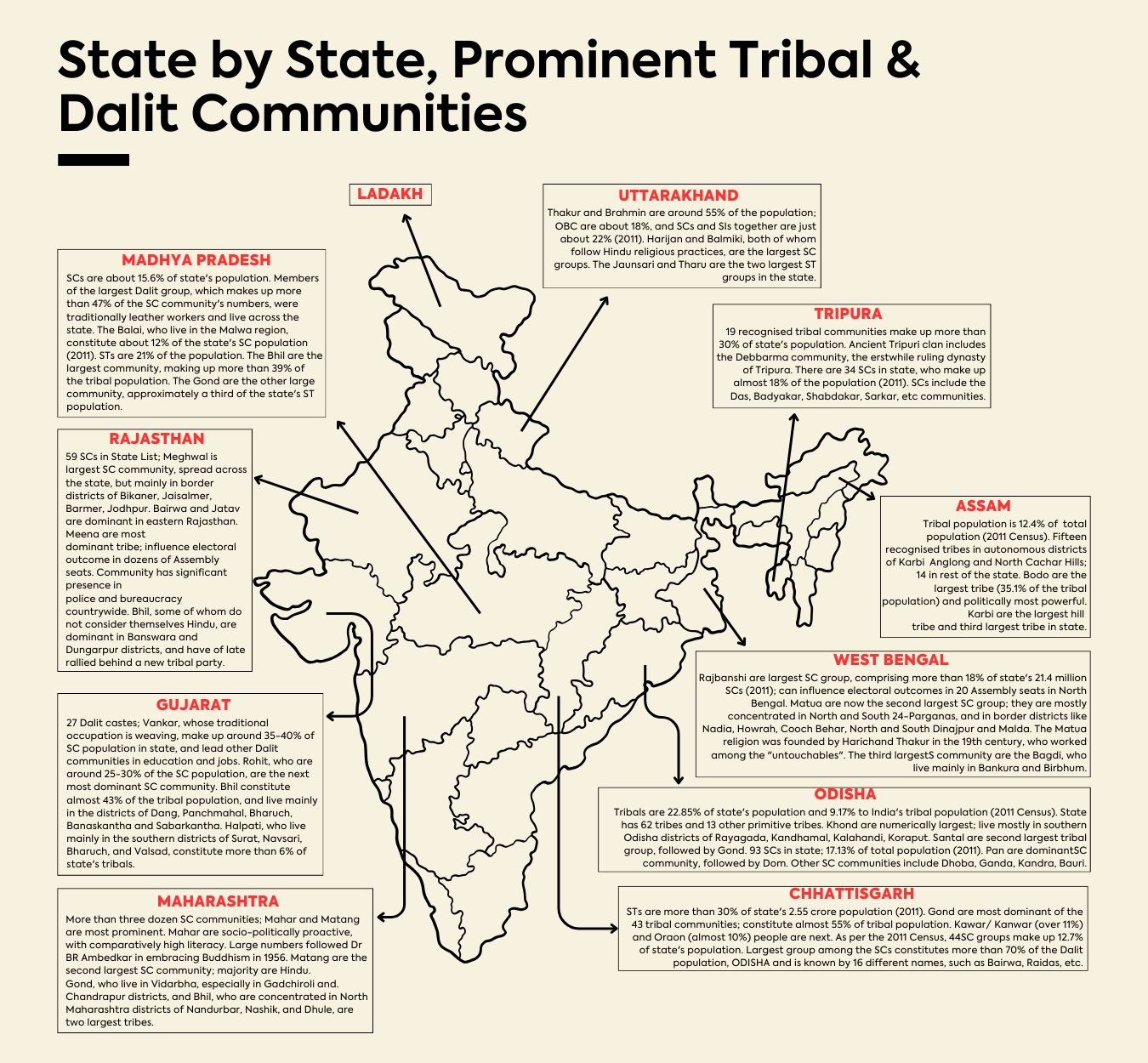
    States can sub-classify SCs for quotas: top court      

    Why in the news?

    • In a 6:1 majority ruling on August 1, the Supreme Court determined that sub-classification within the Scheduled Castes (SCs) and Scheduled Tribes (STs) categories is permissible to extend the benefits of affirmative action.
    • However, the seven-judge Bench, led by Chief Justice of India (CJI) D.Y. Chandrachud, emphasized that this must be grounded on “quantifiable and demonstrable data” rather than political motivations.

    Why sub-classification is necessary?

    • Addressing Inequality Within SCs: The Supreme Court ruling emphasizes that SCs are not a homogeneous group. Instead, there are significant disparities in socio-economic and educational status among different castes within the SC category.
      • Sub-classification allows for the identification of those who are more disadvantaged and ensures that benefits are equitably distributed among them.
    • Equitable Distribution of Benefits: States have argued that despite existing reservations, certain castes remain grossly underrepresented compared to others.
      • Sub-classification aims to create separate quotas for these underrepresented groups within the SC quota, thereby promoting fairness and equity in the distribution of affirmative action benefits.
    • Legal Precedent and Historical Evidence: The majority opinion of the Supreme Court referenced historical and empirical evidence indicating that specific castes within the SCs face greater oppression and discrimination.
    • Judicial Oversight: The ruling stipulates that any sub-classification must be based on “quantifiable and demonstrable data” regarding levels of backwardness and representation, ensuring that the process is transparent and justifiable.

    What does the creamy layer principle say?

    • Exclusion of the Creamy Layer: The creamy layer principle refers to the exclusion of the more affluent and advanced members within a backward class from receiving reservation benefits. This principle is currently applied to Other Backward Classes (OBCs) but has been suggested for implementation within SCs and STs as well.
    • Achieving True Equality: Justice B.R. Gavai, in his concurring opinion, emphasized the need for states to identify and exclude the creamy layer among SCs and STs to ensure that affirmative action benefits reach those who are genuinely disadvantaged.
    • Historical reason: The creamy layer principle has been upheld in various Supreme Court judgments (Indra Sawhney judgment in 1992), which have recognized that certain individuals within reserved categories may have advanced socio-economic status and should not benefit from reservations intended for the disadvantaged.

    Way forward: 

    • Data Collection and Analysis: States should prioritize the collection of comprehensive and quantifiable data on the socio-economic status of different castes within the SC and ST categories.
    • Policy Framework for Creamy Layer Exclusion: States should develop clear policies to identify and exclude the creamy layer within SCs and STs from reservation benefits.
  • Disasters and Disaster Management – Sendai Framework, Floods, Cyclones, etc.

    Govt. introduces Disaster Management (Amendment) Bill, 2024 in Lok Sabha     

    Why in the news?

    Union Minister of State for Home Nityanand Rai presented the Disaster Management (Amendment) Bill, 2024 in the Lok Sabha on Thursday.

    Proposed Provisions in the Bill

    • Creation of a Disaster Database: The Bill mandates the establishment of a comprehensive disaster database at both national and state levels, which will include disaster assessments, fund allocation details, expenditures, preparedness and mitigation plans, and a risk register based on the type and severity of risks.
    • Urban Disaster Management Authority: It proposes the formation of an “Urban Disaster Management Authority” for state capitals and large cities with municipal corporations, aimed at enhancing local disaster management capabilities.
    • Empowerment of NDMA and SDMAs: The Bill empowers the National Disaster Management Authority (NDMA) and State Disaster Management Authorities (SDMAs) to prepare disaster management plans, replacing the previous role of the National Executive Committee and State Executive Committees.
    • Periodic Risk Assessment: The NDMA is tasked with periodically assessing the entire range of disaster risks in the country, including emerging risks due to extreme climate events.
    • Statutory Status for Pre-Act Organizations: The Bill provides statutory recognition to certain pre-existing organizations, such as the National Crisis Management Committee and the High-Level Committee.
    • Penalties for Non-Compliance: It includes provisions allowing the Central and State governments to impose penalties for actions that hinder disaster management efforts, with fines not exceeding ₹10,000.

    Substantial Questions on Excessive Powers

    • Concerns Over Central Authority: Opposition members, including Congress leader Manish Tewari, raised concerns that the Bill grants excessive rule-making powers to the Central government, potentially encroaching upon the legislative powers reserved for State governments.
    • Constitutional Validity: Questions were raised regarding the constitutional basis for the Bill, as disaster management is not explicitly mentioned in the subjects of the Concurrent List.
    • Multiplicity of Authorities: Critics, including Trinamool Congress member Sougata Roy, expressed concerns that the creation of multiple authorities could lead to confusion and bureaucratic inefficiencies, potentially hampering effective disaster response.

    Need to aim for more clarity

    • Clarification of roles: The Bill aims to bring more clarity and convergence in the roles of various authorities and committees involved in disaster management, addressing the need for streamlined coordination among stakeholders.
    • Enhanced Local Management: By empowering local authorities through the establishment of Urban Disaster Management Authorities, the Bill seeks to ensure that disaster management plans are more relevant and tailored to specific regional challenges.
    • Alignment with Development Plans: The Bill emphasizes the need to mainstream disaster management into development plans, aligning with recommendations from the Fifteenth Finance Commission and ensuring that disaster risk reduction is integrated into broader governance frameworks.

    Way forward: 

    • Strengthening Collaboration with State Governments: To address concerns about excessive central authority and potential overlaps with state powers, it is crucial to establish a framework for ongoing collaboration between the Central and State Disaster Management Authorities.
    • Implementing a Comprehensive Training and Capacity-Building Program: The successful implementation of the proposed Urban Disaster Management Authorities and the broader disaster management framework will depend on the capacity of local officials and stakeholders.

    Mains PYQ: 

    Q  Discuss the recent measures initiated in disaster management by the Government of India departing from the earlier reactive approach. (2020)

  • Food Procurement and Distribution – PDS & NFSA, Shanta Kumar Committee, FCI restructuring, Buffer stock, etc.

    States can directly buy Rice from FCI

    Why in the News?

    The Union Food and Consumer Affairs Minister announced that States can now directly purchase rice from the Food Corporation of India (FCI) under the Open Market Sale Scheme (Domestic) without participating in e-auctions.

    Key Announcements:

    Direct Rice Purchase of Rice by the States:

    • States can procure rice directly from FCI at ₹2,800 per quintal (excluding transportation cost), down from the earlier rate of ₹2,900 per quintal.
    • This new rate applies to rice procured over the stipulated 5 kg of free grain per individual under the Pradhan Mantri Garib Kalyan Anna Yojana (PMGKAY).

    Launch of Price Monitoring System (PMS) 4.0:

    • Minister Joshi launched the 4.0 version of the Price Monitoring System (PMS) mobile app.
    • The app, which previously monitored prices of 22 commodities daily, will now include 38 commodities.
    • The additional 16 food items are bajra (whole), jowar (whole), ragi (whole), suji (wheat), maida (wheat), besan, ghee, butter (pasteurised), brinjal, egg, black pepper, coriander, cumin seed, red chillies, turmeric powder, and banana.


    About Open Market Sale Scheme

    Details
    Purpose Enhance the supply of food grains, especially wheat, during the lean season to moderate open market prices, especially in deficit regions.
    Administered by Food Corporation of India (FCI)
    Method of Sale Surplus stocks of wheat and rice sold at pre-determined prices through e-auction on the National Commodity and Derivatives Exchange (NCDEX) platform.
    Participants Bulk consumers, private traders, State Governments, and Union Territory Administrations
    Auction Frequency Weekly
    Reserve Price Fixed by the government; bidders cannot quote less than the reserve price.
    Schemes under OMSS
    1. Sale of wheat to bulk consumers/private traders through e-auction.
    2. Sale of wheat to bulk consumers/private traders through e-auction by dedicated movement.
    3. Sale of Raw Rice Grade ‘A’ to bulk consumers/private traders through e-auction.


    PYQ:

    [2017] Which of the following is/are the advantage/advantages of implementing the ‘National Agriculture Market’ scheme?

    1. It is a pan-India electronic trading portal for agricultural commodities.

    2. It provides the farmers access to nationwide market, with prices commensurate with the quality of their produce.

    Select the correct answer using the codes given below:

    (a) 1 only

    (b) 2 only

    (c) Both 1 and 2

    (d) Neither 1 nor 2

  • Gold Monetisation Scheme

    What is the Sovereign Gold Bond Scheme?

    Why in the News?

    Recent reports suggest that the government might reduce or discontinue the Sovereign Gold Bond (SGB) scheme due to its high cost.

    Decline in Popularity of SGB:

    • This speculation follows the Union budget’s decision to slash customs duties on gold and silver from 15% to 6%.
    • The reduction in customs duties is expected to decrease demand for SGBs, which has already led to a 2-5% drop in their prices on the National Stock Exchange (NSE).

    About Sovereign Gold Bonds (SGBs)

    Details
    Launch 2015
    Nature
    • Government securities denominated in grams of gold.
    • Issued by RBI.
    Objective Reduce dependence on gold imports and shift savings from physical gold to paper form.
    Eligibility Resident in India, including individuals, HUFs, trusts, universities, and charitable institutions.
    Denomination and Tenor
    • Denominated in multiples of grams of gold, with a basic unit of 1 gram.
    • Tenor of 8 years with an exit option from the 5th year on interest payment dates.
    Investment Limits
    • Minimum: 1 gram of gold.
    • Maximum: 4 kg for individuals and HUFs,
      • 20 kg for trusts and similar entities per fiscal year.
    Benefits
    • Quantity of gold protected, receiving market price at redemption.
    • Eliminates storage risks and costs.
    • Assured market value at maturity and periodic interest.
    • Free from making charges and purity issues.
    • Held in RBI books or demat form, eliminating scrip loss risk.
    Add-ons
    • Can be used as collateral for loans.
    • Loan-to-value (LTV) ratio set equal to ordinary gold loans.


    PYQ: 

    [2016] What is/are the purpose/purposes of Government’s ‘Sovereign Gold Bond Scheme’ and ‘Gold Monetization Scheme’?

    1. To bring the idle gold lying with Indian households into the economy
    2. To promote FDI in the gold and jewellery sector
    3. To reduce India’s dependence on gold imports

    Select the correct answer using the codes given below:

    (a) 1 only

    (b) 2 and 3 only

    (c) 1 and 3 only

    (d) 1, 2 and 3


    https://indianexpress.com/article/business/commodities/gold-customs-duty-may-take-some-shine-off-sovereign-gold-bonds-9485686/

  • Sports Authority of India (SAI) and the Board of Control for Cricket in India (BCCI)  

    Why in the News?

    The Health Ministry has requested the Sports Authority of India (SAI) and the Board of Control for Cricket in India (BCCI) to implement measures to prevent surrogate advertisements of tobacco and alcoholrelated products by sportspersons.

    About Sports Authority of India (SAI)

    Details
    Establishment Founded in 1984 by the Ministry of Youth Affairs and Sports, Government of India
    Headquarters Jawaharlal Nehru Stadium Complex, New Delhi, India
    Objectives
    • Promote sports and physical education
    • Develop sports infrastructure
    • Identify and nurture sports talent
    • Conduct coaching and training programs
    Key Programs
    • National Sports Talent Contest Scheme (NSTC)
    • Special Area Games (SAG)
    • SAI Training Centres (STC)
    • Centres of Excellence (COE)
    • National Sports Academies (NSA)
    Major Facilities
    • Jawaharlal Nehru Stadium, New Delhi
    • Indira Gandhi Stadium Complex, New Delhi
    • Major Dhyan Chand National Stadium, New Delhi
    • Netaji Subhas National Institute of Sports (NSNIS), Patiala
    Notable Initiatives
    • Khelo India Program
    • Target Olympic Podium Scheme (TOPS)
    • Mission Olympic Cell (MOC)


    About Board of Control for Cricket in India (BCCI)

    Details
    Establishment Founded in December 1928
    Headquarters Cricket Centre, Wankhede Stadium, Mumbai, India
    Objectives
    • Promote and develop cricket in India
    • Organize domestic and international cricket matches
    • Identify and nurture cricket talent
    • Maintain cricket infrastructure and facilities
    Key Responsibilities
    • Selection of national cricket teams (men’s, women’s, and junior)
    • Organization of domestic cricket tournaments
    • Administration of Indian Premier League (IPL)
    • Conducting training and coaching programs
    Major Tournaments
    • Indian Premier League (IPL)
    • Ranji Trophy
    • Vijay Hazare Trophy
    • Syed Mushtaq Ali Trophy
    • Duleep Trophy
    • Irani Cup
    Funding and Support
    • Funded through sponsorships, broadcasting rights, and match revenues
    • Provides financial assistance and contracts to cricketers
    Reforms  Justice Lodha Committee: Result of the report submitted by the Justice Mukul Mudgal Committee after an investigation into the 2013 IPL betting scandal.


    PYQ:

    [2021] Consider the following statements in respect of the ICC World Test Championship:

    1. The finalists were decided by the number of matches they won.

    2. New Zealand was ranked ahead of England because it won more matches than England.

    Which of the above statements is/are correct?

    (a) 1 only

    (b) 2 only

    (c) Both 1 and 2

    (d) Neither 1 and 2

  • Mapping: River Seine

    Why in the News?

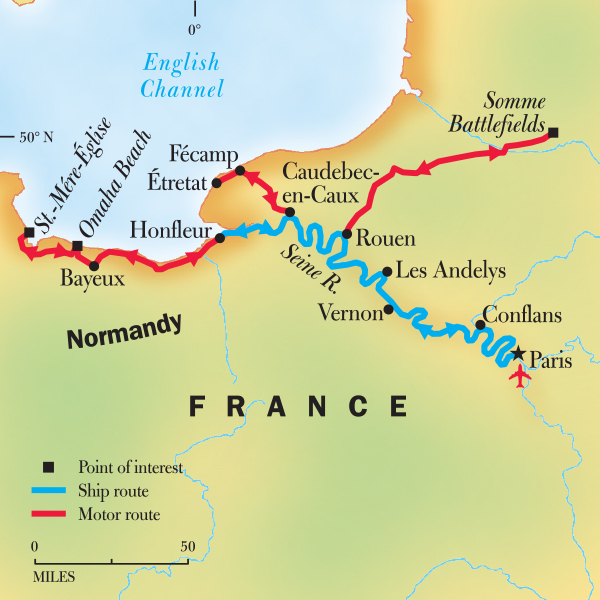
    The swimming events in the ongoing Paris Olympics were postponed due to concerns about the water quality of the River Seine.

    Issues with River Seine’s Water Quality:

    • Old Sewage System: Paris’ aged sewage system combines rainwater and wastewater in the same pipes, leading to overflow during heavy rains.
    • Untreated Sewage Discharge: Overflowing pipes cause untreated sewage to be discharged directly into the Seine instead of being treated.
    • Wildlife Contamination: Heavy rains wash wildlife, such as rodents, into the river, adding to the contamination.
    • E. coli Threat: The River often has high levels of E. coli bacteria, which can cause severe gastrointestinal and urinary tract infections.
    • Exceeding Safe Levels: Following heavy rains, E. coli levels in the Seine frequently exceed the safe threshold of 900 colony-forming units (cfu) per 100 ml of water.
    • Long-term Pollution: The Seine has been historically polluted, with a swimming ban in place since 1923 due to health risks.
    • Health Risks: High contamination levels pose significant health risks to swimmers, including infections and illnesses.

    About River Seine

    Details
    Country France
    Length 777 km
    Major Cities Along Course Paris, Troyes, Melun, Rouen, Le Havre
    Major Tributaries Aube, Marne, Yonne, Oise, Eure
    Population in Basin About 17 million people, including the Paris metropolitan area
    Navigability Navigable for about 560 kilometers from the estuary to Burgundy
    Estuary Location Empties into the English Channel at Le Havre and Honfleur
    Estuary Type Tidal estuary with significant tidal influence up to Rouen
    Historical Significance Central to Paris, with landmarks like Notre-Dame Cathedral, Eiffel Tower, and the Louvre along its banks
    UNESCO Status Banks of the Seine in Paris are listed as a UNESCO World Heritage Site
    Economic Importance Major waterway for commercial shipping and tourism; key ports include Paris, Rouen, and Le Havre
    Recreational Activities Popular for river cruises, boating, fishing, and walking along its banks


    PYQ:

    [2020] Consider the following pairs?

    River: Flows into

    1. Mekong:  Andaman sea
    2. Thames: Irish Sea
    3. Volga: Caspian Sea
    4. Zambezi: Indian Ocean

    Which of the pairs above is/are correctly matched?

    (a) Only 1

    (b) Only 2

    (c) 3 Only

    (d) None of the above/More than one of the above.


    https://indianexpress.com/article/explained/explained-sports/paris-olympics-triathlon-event-river-seines-water-quality-sewage-system-water-treatment-plants-9485616/

  • Animal Husbandry, Dairy & Fisheries Sector – Pashudhan Sanjivani, E- Pashudhan Haat, etc

    [pib] Artificial Insemination in Cattle

    Why in the News?

    • The Department of Animal Husbandry and Dairying is implementing the Rashtriya Gokul Mission.
      • The mission aims to develop and conserve indigenous bovine breeds, genetically upgrade the bovine population, and enhance milk production and productivity.

    About Rashtriya Gokul Mission:

    Details
    About
    • Initiated in December 2014.
    • Announced under the National Programme for Bovine Breeding and Dairy Development during the 12th Five Year Plan. 
    • Continued under Rashtriya Pashudhan Vikas Yojana (2021-2026) with a budget of Rs. 2400 crore.
    Nodal Ministry Ministry of Fisheries, Animal Husbandry, and Dairying
    Objectives
    • Enhance productivity of bovines and increase sustainable milk production using advanced technologies.            
    • Propagate the use of high genetic merit bulls for breeding.
    • Expand artificial insemination coverage by strengthening the breeding network and delivering services at farmers’ doorsteps.
    • Promote scientific and holistic conservation of indigenous cattle and buffalo rearing.
    Significance
    • Increased productivity, benefiting all cattle and buffaloes in India, with a focus on small and marginal farmers.
    • Empowers women, who perform over 70% of livestock farming tasks.
    Components
    1. Availability of High Genetic Merit Germplasm
    2. Extension of Artificial Insemination Network
    3. Development and Conservation of Indigenous Breeds
    4. Skill Development
    5. Farmers’ Awareness
    6. Research, Development, and Innovation in Bovine Breeding
    Implementing Agency State Implementing Agency (SIA) viz. Livestock Development Boards
    Significant Initiatives
    • Gopal Ratna Awards: For farmers maintaining the best herd of Indigenous Breed and practicing best management practices.          
    • Kamdhenu Awards: For best-managed Indigenous herd by Institutions/Trusts/ NGOs/ Gaushalas or best-managed Breeders’ societies.
    • Gokul Grams: Integrated cattle development centers focusing on promoting indigenous cattle rearing and conservation in a scientific manner.
    • National Kamdhenu Breeding Centre (NKBC): Centre of Excellence for the holistic and scientific development and conservation of Indigenous Breeds.
    • E-Pashu Haat: Web portal providing information on pet cattle and facilitating trading of bovine animals.
    • Nakul Prajnan Bazaar: E-market portal connecting breeders and farmers for quality, disease-free bovine germplasm.
    • Pashu Sanjivni: Animal wellness program providing animal health cards and unique identification, uploading data on the National Database.
    • Advanced Reproductive Technology (ART): Includes Assisted Reproductive Technique- IVF/Multiple Ovulation Embryo Transfer (MOET) and sex-sorted semen technique.
    • National Bovine Genomic Center for Indigenous Breeds (NBGC-IB): To be established for selecting breeding bulls of high genetic merit at a young age using highly precise gene-based technology.

    Key Initiatives for Artificial Insemination:

    • Multi-Purpose Artificial Insemination Technicians in Rural India (MAITRI): This initiative provides trained manpower for delivering quality artificial insemination services at farmers’ doorsteps.
    • Nationwide Artificial Insemination Programme: This programme extends artificial insemination coverage among bovines using semen from high genetic merit bulls of indigenous breeds.
    • Induction of High Genetic Merit Bulls: This program produces bulls with known genetic potential through progeny testing and pedigree selection, supplying these bulls to semen stations for quality semen dose production.
    • Strengthening of Semen Stations: Efforts are made to improve the quality of semen production by formulating minimum standard protocols and establishing a Central Monitoring Unit for evaluation and grading of semen stations.
    • Breed Purity Tests: To protect indigenous breeds from indiscriminate breeding, breed purity tests are conducted for all imported germplasm.
    • Guidelines for Import and Export of Bovine Germplasm: The Department has formulated guidelines to regulate the import of germplasm and prevent the ingress of exotic diseases, ensuring the safety and purity of bovine genetics within the country.

    PYQ:

    [2012] Consider the following crops of India:

    1. Cowpea
    2. Green gram
    3. Pigeon pea

    Which of the above is/are used as pulse, fodder and green manure?

    (a) 1 and 2 only

    (b) 2 only

    (c) 1 and 3 only

    (d) 1, 2 and 3

    [2015] Livestock rearing has a big potential for providing non-farm employment and income in rural areas. Discuss suggesting suitable measures to promote this sector in India.

  • Modern Indian History-Events and Personalities

    85th death anniversary of Shaheed Udham Singh

    Why in the News?

    • On July 31, 1940, Indian revolutionary leader Udham Singh was executed at the Pentonville prison in London for killing Michael O’Dwyer, the former lieutenant governor of Punjab.

    Udham Singh (1899-1940) and his Contributions:

    Details
    Birth and Early Life Singh was born in Sunam in Punjab’s Sangrur district in 1899.
    Political Activism Became associated with the Ghadar Party while in the US, which was founded by Sohan Singh Bhakna in 1913 and headquartered in California.
    Purpose and Actions In 1934, Singh travelled to London to assassinate Michael O’Dwyer, the former Lieutenant Governor of Punjab during the 1919 Jallianwala Bagh massacre.
    Reason for Targeting O’Dwyer O’Dwyer had ordered Brigadier Reginald Dyer to Amritsar before the massacre, fearing a second Indian mutiny due to Hindu-Muslim unity and demonstrations.
    Assassination of O’Dwyer On March 13, 1940, Singh shot O’Dwyer at a meeting in Caxton Hall, London.
    Arrest and Execution Arrested immediately, held in Brixton prison, sentenced to death, and hanged on July 31, 1940, at Pentonville Prison.
    Legacy and Recognition
    • Regarded as a hero for avenging the Jallianwala Bagh massacre.
    • Gandhi termed it an “act of insanity”.
    • He symbolized Hindu-Sikh-Muslim unity by adopting the name ‘Ram Mohamed Singh Azad’ during his trial.
    Posthumous Honors
    • His remains were returned to India in 1974 and cremated in his village in Sunam.
    • His statue was installed at Jallianwala Bagh in 2018;
    • Udham Singh Nagar district in Uttarakhand is named after him.


    PYQ:

    [2014] The Ghadr (Ghadar) was a:

    (a) Revolutionary association of Indians with headquarters at San Francisco.

    (b) Nationalist organization operating from Singapore

    (c) Militant organization with headquarters at Berlin

    (d) Communist movement for India’s freedom with head-quarters at Tashkent

Join the Community

Join us across Social Media platforms.