💥UPSC 2026, 2027, 2028 UAP Mentorship (March Batch) + Access XFactor Notes & Microthemes PDF

Archives: News

  • Forest Conservation Efforts – NFP, Western Ghats, etc.

    How long is Carbon is stored in plants?

    Why in the News?

    A recent study in the Science journal indicates that the storage of carbon in terrestrial vegetation is more short-lived and more vulnerable to climate change than previously estimated.

    Carbon Absorption and Storage in Plants

    • Current models may overestimate the time carbon remains stored in plants, meaning it returns to the atmosphere sooner than previously expected.
    • Experts emphasised that while plants and forests play a crucial role in drawing down carbon dioxide, their potential is limited.
    • The study calls for a rapid reduction in fossil fuel emissions to mitigate climate change impacts.

    Key Findings:  

    • Plants and soils absorb 30% of annual carbon dioxide emissions from human activities, mitigating climate change.
    • However, there are gaps in understanding the stability and mechanisms of this carbon storage.

    Use of Radiocarbon (Carbon-14) in Research

    • Researchers used Carbon-14, a radioactive isotope, to track carbon accumulation and turnover in the terrestrial biosphere.
    • Nuclear bomb testing in the 1950s and 1960s increased atmospheric C-14 levels, providing a unique opportunity to study carbon cycling.

    Study Results

    • By analysing C-14 accumulation in plants from 1963 to 1967, researchers compared these findings to current models.
    • The analysis showed that net primary productivity (the rate of new plant tissue creation) is likely at least 80 petagrams of carbon (PgC) per year, higher than the 43-76 PgC per year predicted by current models.
    • The C-14 accumulation in vegetation during 1963-67 was 69 ± 24 ×10²⁶, suggesting a more rapid carbon cycle between the atmosphere and biosphere than previously thought.

    Back2Basics: Carbon-14 and Carbon Dating

    • Carbon dating is a widely used method for determining the age of organic materials that were once living.
    • The method is based on the radioactive decay of Carbon-14 (C-14), an isotope of carbon with an atomic mass of 14.
    • It works by measuring the ratio of C-12 to C-14 in the atmosphere, as well as in plants and animals that acquire carbon through photosynthesis or food consumption.

    The Half-Life Concept

    • Carbon-14 has a half-life of 5,730 ± 40 years—i.e., half the amount of the radioisotope present at any given time will undergo spontaneous disintegration during the succeeding 5,730 years.
    • Because carbon-14 decays at this constant rate, an estimate of the date at which an organism died can be made by measuring the amount of its residual radiocarbon.

    Implications of the Study: Reforestation is inadequate

    • Today, reforestation is proposed to remove CO2 from the atmosphere, but trees do not return the CO2 to the geological layers from which the fossil fuels came.
    • This sink is transitory and this study shows us that its duration is even shorter than we thought.

    PYQ:

    [2012] Consider the following agricultural practices:

    1. Contour bunding
    2. Relay cropping
    3. Zero tillage

    In the context of global climate change, which of the above helps/help in carbon sequestration/storage in the soil?

    (a) 1 and 2 only
    (b) 3 only
    (c) 1, 2 and 3
    (d) None of them

  • Innovations in Biotechnology and Medical Sciences

    AMRSense Project

    Why in the News?

    • The AMRSense Project of the IIIT-Delhi has won the joint second prize in Trinity Challenge’s competition focused on combating Antimicrobial resistance (AMR).
      • The project shares the £600,000 joint second prize with ‘OASIS: OneHealth Antimicrobial Stewardship for Informal Health Systems,’ also from India.

    The Trinity Challenge

    • It is a global initiative aimed at fostering innovative solutions to major global health challenges, particularly focusing on pandemic and epidemic threats.
    • It operates as a charity organization.
      • Objective: The Trinity Challenge seeks to harness the power of data and analytics to address global health threats, including pandemics, epidemics, and antimicrobial resistance (AMR). It encourages collaboration across sectors to develop data-driven solutions that can protect populations worldwide.
      • Focus Areas: The initiative primarily focuses on:
    1. Enhancing global health security by improving early detection and response to disease outbreaks.
    2. Strengthening health systems and resilience against future health crises.
    3. Promoting innovations in public health, healthcare delivery, and data analytics to mitigate health risks.

    What is the AMRSense Project?

    • The AMRSense is aimed at addressing the critical issue of Antimicrobial Resistance (AMR) through a comprehensive and proactive approach.
    • The project focuses on empowering communities, particularly Community Health Workers (CHWs), with tools and strategies to enhance AMR surveillance and management.
    • It seeks to bridge the gap in data collection and evidence-based interventions at the community level in India.
    • Collaborators: The project involves collaboration with CHRI-PATH, 1mg.com, and the Indian Council of Medical Research (ICMR).

    Four Components of AMRSense:

    1. Community Engagement: AMRSense empowers CHWs with AI-assisted tools for accurate and simplified data collection related to AMR. This helps in improving the quality and reliability of AMR data gathered from local communities.
    2. Data Integration: The project integrates various sources of AMR-related data, including antibiotic sales, consumption patterns, and WHONet-compliant surveillance data. This integration is facilitated through open-source tools and APIs, aiming to create a unified AMR data ecosystem.
    3. Predictive Analytics: AMRSense employs federated analytics across the OneHealth ecosystem. This approach provides integrated insights into AMR trends, facilitating proactive decision-making and interventions to manage and mitigate AMR risks.
    4. AMRaura Scorecard: This tool is designed to monitor and evaluate AMR trends over time. It helps in assessing the effectiveness of interventions and guiding targeted strategies to combat AMR effectively.

    Impact and Future Prospects

    • AMRSense aims to fill gaps in CHW awareness, training, and motivation, enhancing community-level AMR data collection and management in India.
    • The project’s comprehensive approach seeks to foster proactive AMR surveillance and management practices.

    National Programme on AMR Containment

    • India has launched a “National Programme on AMR Containment” during the 12th five-year plan (2012-2017) which is being coordinated by the National Centre for Disease Control (NCDC).
    • The network of labs is being expanded in a phased manner and currently includes 35 state medical college labs in 26 States/UTs.


    PYQ:

    [2020] What is the importance of using Pneumococcal Conjugate Vaccines in India?

    1. These vaccines are effective against pneumonia as well as meningitis and sepsis.

    2. Dependence on antibiotics that are not effective against drug-resistant bacteria can be reduced.

    3. These vaccines have no side effects and cause no allergic reactions.

    Select the correct answer using the code given below:

    (a) 1 only

    (b) 1 and 2 only

    (c) 3 only

    (d) 1, 2 and 3

  • Climate Change Negotiations – UNFCCC, COP, Other Conventions and Protocols

    67th Global Environment Facility (GEF) Council meet

    Why in the News?

    • The 67th meeting of the Global Environment Facility (GEF) was recently held in Washington DC. It concluded with the approval of $736.4 million in funding for 34 nature protection and renewal projects.

    About Global Environment Facility (GEF) 

    Details
    Establishment
    • A pilot program in 1991 by the World Bank
    • Restructured after the 1992 Rio Earth Summit.
    Objective Grants and blended finance for environmental projects
    Funding
    • Over $1 billion annually; $22 billion grants to date
    • World Bank serves as the GEF Trustee
    Replenishment $5.33 billion pledged for 2022-2026
    Member Countries 184 countries
    Main Governing Bodies
    • Assembly: Composed of all 184 member countries, meets every 3-4 years at ministerial level. Reviews policies, and operations, and approves amendments.
    • Council: Main governing body with 32 members from member countries (14 developed, 16 developing, 2 economies in transition). Meets biannually to develop policies, approve projects, and evaluate operations.
      • India, Bhutan, Maldives, Sri Lanka, Nepal, and Bangladesh have together formed a Permanent Constituency in the Executive Council of the GEF.
    • Secretariat: Based in Washington, D.C., reports to Council and Assembly, oversees project implementation and policy adherence.
    • STAP (Scientific and Technical Advisory Panel): Provides scientific advice on policies, strategies, and projects, consisting of six internationally recognized experts.
    • GEF IEO (Independent Evaluation Office): Reports to the Council, evaluates GEF’s impact and effectiveness, and shares best practices and lessons learned.
    Operational Agencies 18 agencies including UNDP, UNEP, World Bank
    Financial Mechanism for
    • Convention on Biological Diversity (CBD) (1994)
    • United Nations Framework Convention on Climate Change (UNFCCC) (1991)
    • United Nations Convention to Combat Desertification (UNCCD) (1994)
    • Stockholm Convention on Persistent Organic Pollutants (2001)
    • Minamata Convention on Mercury (2013)
    • Montreal Protocol on Substances that Deplete the Ozone Layer (1987)
    Focus Areas Biodiversity, Climate Change (Mitigation & Adaptation), Chemicals & Waste, International Waters, Land Degradation, Sustainable Forest Management
    Additional Initiatives Circular Economy, Capacity Development, Debt-for-Nature Swaps, Gender Equality, Indigenous Peoples

    Outcomes of the 67th GEF Council Meeting

    [1] Funding Approval:

    • A total of $736.4 million was approved for 34 projects worldwide.
    • These projects span various environmental sectors and include initiatives under the GEF Trust Fund, Global Biodiversity Framework Fund (GBFF), Least Developed Countries Fund (LDCF), and a Multi-Trust Fund project.

    [2] GBFF Initiatives:

    • The GBFF approved its first work programme, allocating $37.8 million specifically for enhancing protected area management in Brazil and Mexico.
    • This initiative aims to support sustainable practices across more than 30 million hectares of protected areas, with a focus on indigenous-led conservation efforts.

    [3] GEF Trust Fund Projects:

    Several projects were funded under the GEF Trust Fund, including:

    1. Sustainable Cities Integrated Program.
    2. Initiatives targeting chemical and waste pollution in Bolivia’s cement, textile, brick, and glass sectors, as well as Brazil’s cement industry.

    [4] Projects in India:

    India secured funding for two significant projects:

    1. Enhancing biodiversity conservation to meet global targets, focusing on expanding protected areas and community-led conservation practices with a funding of $6.7 million.
    2. Conservation and sustainable management of wetlands, forests, and grasslands along the Central Asian Flyway, receiving $10.7 million.

    [5] Global Impact and Targets:

    • Several projects aligned with the Global Biodiversity Framework’s 30X30 target (conservation of 30% of Earth’s land and sea by 2030), including initiatives in Argentina, Central Asia, and Namibia.
    • These projects aim to reduce ecosystem degradation, combat biodiversity loss, and strengthen protected area management.

    [6] Future Plans (GEF-9):

    • The Council discussed plans for the ninth replenishment funding cycle (GEF-9) from 2026 to 2030.
    • This period aligns with global environmental goals and targets set under international agreements like the Biodiversity Plan.

    PYQ:

    [2014] With reference to ‘Global Environment Facility’, which of the following statements is/are correct?

    (a) It serves as financial mechanism for ‘Convention on Biological Diversity’ and ‘United Nations Framework Convention on Climate Change’.

    (b) It undertakes scientific research on environmental issues at global level.

    (c) It is an agency under OECD to facilitate the transfer of technology and funds to underdeveloped countries with specific aim to protect their environment.

    (d) Both (a) and (b).

  • Liquor Policy of States

    How Dangerous is Methanol Poisoning?      

    Why in the news?

    At least 38 people have died after consuming spurious liquor in Tamil Nadu’s Kallakurichi district.

    Key Points Related to the Kallakurichi District Incident in Tamil Nadu

    • Incident Overview: As of 9:30 p.m. on June 20, at least 38 people died after consuming spurious liquor in Kallakurichi district and 82 others were receiving treatment in hospitals. The tragedy follows a similar incident a year ago in Chengalpattu and Villupuram districts, which resulted in over 20 deaths.
    • Government Response: Chief Minister M.K. Stalin transferred the Collector and suspended the district superintendent of police. The State deployed 2,000 police personnel around the district. A one-man commission headed by former High Court judge B. Gokuldas was constituted to inquire into the tragedy.

    How is Spurious Liquor Made and Why Does it Have Deadly Effects?

    • Composition: Spurious liquor often contains methanol in addition to ethanol. Methanol is sometimes added to increase the intoxicating effect and/or bulk volume of the homemade liquor.
    • Methanol’s Deadly Effects: Methanol is metabolized in the liver to formaldehyde by alcohol dehydrogenase (ADH) enzymes. Formaldehyde is further metabolized to formic acid by aldehyde dehydrogenase (ALDH) enzymes. The accumulation of formic acid leads to metabolic acidosis and acidaemia, damaging various organs and leading to potential death.

    Why is Methanol added to Liquor and How is it Processed by the Body if Ingested?

    • Reasons for Adding Methanol: To enhance the ‘kick’ or intoxicating effects of the liquor and increase the volume of the liquor cheaply.
    • Processing in the Body: ADH enzymes convert methanol to formaldehyde.ALDH enzymes then convert formaldehyde to formic acid. The build-up of formic acid causes metabolic acidosis, optic neuropathy, cerebral oedema, hemorrhage, and potential death.

    Is Treatment Effective?

    • Timeliness is Crucial: Early intervention is essential for effective treatment of methanol poisoning. Prompt administration of antidotes and supportive therapies significantly improves the chances of recovery and reduces the risk of severe complications such as blindness or death.
    • Available Antidotes: Ethanol and Fomepizole are effective antidotes that inhibit the metabolism of methanol to toxic compounds. Ethanol competes with methanol for ADH enzymes, while fomepizole directly inhibits these enzymes, preventing the formation of harmful formaldehyde and formic acid.
    • Supportive Therapies: Hemodialysis can effectively remove methanol and its toxic metabolites from the bloodstream, while folinic acid helps break down formic acid. These treatments, when combined with antidotes, can mitigate the damage to vital organs and improve patient outcomes.

    Way forward:

    • Strict Regulation and Monitoring: Enhance regulatory oversight of liquor production and distribution to ensure all alcoholic beverages meet safety standards. Regular inspections and stringent enforcement of licensing laws can prevent the production and sale of illicit alcohol.
    • Public Awareness and Education: Conduct widespread public education campaigns to inform the community about the dangers of consuming spurious liquor. Awareness programs can help people recognize the signs of adulterated alcohol and understand the severe health risks associated with its consumption.

    Mains PYQ:

    Q Effectiveness of the government system at various levels and people’s participation in the governance system are interdependent.” Discuss their relationship with each other in the context of India. (UPSC IAS/2016)

  • Russian Invasion of Ukraine: Global Implications

    Why the Russia-North Korea pact is a big deal? 

    Why in the news?

    Russia’s President Vladimir Putin concluded his recent visit to Pyongyang with a significant agreement: both Russia and North Korea pledged to provide swift military aid in the event of armed aggression against either nation.

    Historical Context

    • Post-World War II Context: The Soviet Union aimed to establish a communist regime in Korea.USSR provided Significant military aid provided to North Korea’s founder, Kim Il Sung, during the Korean War. Post-war support from the USSR and China included substantial military and other aid to North Korea.
    • 1961 Russo-North Korea Treaty: The Treaty of Friendship, Cooperation, and Mutual Assistance included a mutual defence agreement.
    • Post-Soviet Union Period: Relations deteriorated after the Soviet Union dissolved in 1991, voiding the treaty.
    • Early 2000s Reconnection: Under Putin, Russia moved closer to North Korea despite not supporting its nuclear ambitions initially. Supported sanctions against North Korea aimed at curbing nuclear capabilities.
    • Post-2022 Dynamics: After Russia’s invasion of Ukraine, Russia faced international isolation. Russia and North Korea solidified their alliance against the Western liberal order.

    What the Pact Says

    • Scope of Cooperation: Cooperation on a wide range of issues, including mutual military support and unspecified technological assistance.
    • Mutual Defense Provision: Under Article 4 of the Pact in case of armed invasion, the other side shall provide military and other assistance without delay, following Article 51 of the UN Charter and respective national laws.
    • Technological Assistance: Crucial for North Korea, which currently has nuclear weapons but lacks advanced missile guidance systems and other technologies for long-range nuclear weapons.

    Strategic Implications 

    • Direct Threat to South Korea and Japan: Both countries perceive the pact as a security threat due to North Korea’s nuclear capabilities and the added Russian security umbrella.
    • Potential Arms Race: Japan is revisiting its pacifist stance and enhancing military capabilities, while South Korea is considering new defence strategies, potentially including arms exports.
    • Strengthening of US Alliances: South Korea and Japan are likely to deepen their alliances with the United States in response to heightened regional security concerns.
    • NATO and Global Security: The pact raises alarms among NATO allies and other global stakeholders, prompting reassessments of security strategies and commitments.
    • Nuclear Proliferation Concerns: Increased collaboration between Russia and North Korea could lead to advancements in North Korea’s nuclear and missile capabilities, impacting global non-proliferation efforts.
    • Global Strategic Repercussions: The pact sets a precedent for authoritarian regimes aligning against Western liberal orders, influencing geopolitical strategies and alliances beyond Asia.

    Way forward: 

    • Enhanced Diplomatic Engagement and Dialogue: Engage in robust diplomatic efforts to mitigate tensions and enhance transparency regarding the intentions behind the Russia-North Korea pact. Encourage multilateral dialogues involving key stakeholders such as the United States, South Korea, Japan, and other concerned parties to foster mutual understanding and reduce the likelihood of miscalculation.
    • Reinforcement of Regional Security Mechanisms: Strengthen existing regional security mechanisms, particularly alliances with the United States underpinned by treaties such as the Mutual Defense Treaty with Japan and the mutual defence commitments with South Korea.

    Mains PYQ:

    Q What is the significance of Indo-US defence deals over Indo-Russian defence deals? Discuss with reference to stability in the Indo-Pacific region. (UPSC IAS/2020)

  • Genetically Modified (GM) crops – cotton, mustards, etc.

    Can GM Crops promise Food Security?

    Why in the news?

    A new “gene revolution” is being promoted as a solution to increasing global food demand and the impact of climate change on agriculture.

    What does the World Economic Forum (WEF) say?

    • The WEF supports GM technology and believes it can help ensure food security for a global population expected to reach 10 billion by 2050.
    • Research into new strains of rice, maize, wheat, potato, and cassava can help these staples survive extreme weather and new climate-induced diseases.
    • Latest bioengineering technologies can help plants and soils capture and store atmospheric carbon, potentially reducing planet-heating carbon.
    • Projects are optimizing photosynthesis in crops like maize and rice to improve yields and reduce atmospheric carbon.

    Industrial-Scale GMOs Perpetuate Climate Change

    • Critics argue that GM crops sustain an “agro-industrial system” responsible for significant greenhouse gas emissions. Current food systems contribute to around one-third of global greenhouse gas emissions.
    • GMOs often involve large-scale monocultures requiring significant amounts of artificial fertilizers, pesticides, and irrigation.
    • This system is criticized for being energy-intensive and unsustainable, benefiting large agro-industrial companies that dominate the seed, food, pesticide, and fertilizer markets.

    What is the Present Scenario?

    • Over half of harvested cropland in the US uses genetically modified seeds.
    • Despite the proliferation of GM crops, food insecurity remains widespread, with 250 million people in nearly 60 countries experiencing crisis-level food insecurity.
    • Successful campaigns, like in the Philippines, have led to production moratoriums on certain GM crops due to health and ecological concerns.

    Are Non-GM Ecological Crops Also a Food Security Solution?

    • Resistance to GMOs persists, with scepticism about their safety and ecological impact.
    • Non-GM ecological approaches face challenges due to limited research support, as most funding comes from large agri-biotech companies.
    • Ecological, non-GM crops aim to produce toxic-free food and nurture biodiverse ecosystems that can resist and mitigate climate change.
    • There is ongoing development of ecological, non-GM seed, food, and nutrition systems to address food security in a warming world.

    Way forward:

    • Enhanced Regulatory Oversight and Support for Ecological Practices: Strengthen regulations to ensure the safe development, testing, and deployment of GM crops while supporting research and development of non-GM ecological farming practices.
    • Public Awareness and Inclusive Research Funding: Launch comprehensive public education campaigns to inform communities about the benefits and risks of GM and non-GM crops, promoting informed decision-making.

    Note:  India has approved the commercial cultivation of only one GM crop, Bt cotton. No GM food crop has been approved for commercial cultivation in the country.

    Mains PYQ:

    Q What are the present challenges before crop diversification? How do emerging technologies provide an opportunity for crop diversification? (UPSC IAS/2021)

  • Judicial Reforms

    What is ‘Blood Money’ in Islamic Law?

    Why in the News?

    • The Indian Government has approved the transfer of the sum of $40,000 for preliminary discussions regarding the release of Nimisha Priya from a Yemeni prison.
      • Currently, Priya’s mother is in Yemen, trying to waive her death penalty by paying “blood money” to the murdered man’s family.

    Nimisha Priya’s Case Details

    • Priya, a nurse, moved to Yemen in 2008 and married Tomy Thomas in 2011 before returning to Yemen.
    • She faced abuse and exploitation by Talal Abdo Mahdi, leading to the tragic events resulting in Mahdi’s death and Priya’s arrest.
    • The $40,000 payment aims to initiate negotiations for Priya’s release.
    • To waive the death penalty, Priya’s family may need to raise $300,000-$400,000.
    • The ‘Save Nimisha Priya International Action Council’ is fundraising to meet this requirement.

    What is Blood Money?

    • According to Islamic law, victims of crimes have a say in how criminals are to be punished.
    • In the case of murder, this principle applies to the families of victims.
    • Although murder is punished via the death penalty, the victim’s family (specifically, heirs) may choose to “forgive” the murderer in exchange for monetary compensation.
    • This is the principle of Diyya, or, as it is commonly referred to “blood money”.
    • It can be traced to the Holy Quran.
    • Applicability:
      • Blood money is applicable in cases of unintentional homicide (Qatl Khata) or accidental death, as well as in cases of bodily injury or harm caused by negligence or unintentional actions.

    Practical Implications of Blood Money

    • Scholars believe that the idea behind this is to encourage the virtue of forgiveness, while also providing reparative justice to the victims’ family.
    • The scriptures do not set any specific amount as compensation.
    • The sum is generally arrived at via negotiation between the murderer’s family/representatives and the victim’s family.
    • Some Islamic countries, however, have set minimum compensation amounts.

    Significance of Blood Money

    • Forgiveness from the victim’s family is highly encouraged and considered virtuous in Islam.
    • Blood money aims to prevent cycles of vengeance or retaliation (Qisas) that could lead to further social harm or conflict.
    • It promotes reconciliation and mutual understanding.
  • Tourism Sector

    In news: PARIVESH Portal

    Why in the News?

    • Kerala is set to construct a ropeway in Sabarimala by compensating the Forests department with alternative land at Chinnakkanal in Idukki.
    • The 2.7-kilometre-long ropeway aims to transport goods from the Pampa base station to the Sabarimala Sannidhanam.
      • Once the land is transferred for compensatory afforestation, an application will be submitted in the PARIVESH portal for clearance from the Ministry of Environment and Forests.

    What is PARIVESH Portal?

    • PARIVESH, which stands for Pro-Active and Responsive facilitation by Interactive Virtuous & Environmental Single-window Hub.
    • It is an online portal developed by the Ministry of Environment, Forests, and Climate Change.
    • It is designed to streamline and expedite the process of obtaining clearances related to environment, forests, wildlife, and Coastal Regulation Zone (CRZ) from central, state, and district-level authorities.
    • Purpose and Scope:
      • PARIVESH is intended to enhance efficiency, transparency, and accountability in the clearance processes for environment, forests, wildlife, and CRZ.
      • It aims to reduce the turnaround time for obtaining clearances and improve responsiveness through workflow automation and real-time information availability.
    • Functionality:
      • It serves as a role-based, web-based workflow application where user agencies can submit proposals online for clearances.
      • It operates on a Web Architecture using IIS as an Application Server, .NET framework, and SQL Server as a database server.

    Benefits to Users:

    • Allows for online submission and monitoring of compliance reports, including geo-tagged images of sites through a Mobile App, enhancing compliance monitoring.
    • Integrates Geographic Information System (GIS) interface for Appraisal Committees to analyze proposals efficiently.
    • Accessible 24×7 from any PC with internet connectivity, ensuring continuous availability for users across different locations and time zones.

    PYQ:

    [2019] Consider the following statements:

    The Environment Protection Act, 1986 empowers the Government of India to

    1. State the requirement of public participation in the process of environmental protection, and the procedure and manner in which it is sought.
    2. Lay down the standards for emission or discharge of environmental pollutants from various sources

    Which of the statements given above is/are correct?

    (a) 1 only

    (b) 2 only

    (c) Both 1 and 2

    (d) Neither 1 nor 2

  • 10th International Yoga Day

    Why in the News?

    Prime Minister Narendra Modi is leading the celebrations of the 10th International Day of Yoga at the Sher-e-Kashmir International Convention Centre (SKICC) in Srinagar.

    About International Day of Yoga

    • The International Day of Yoga is observed annually on June 21 worldwide since 2014 to celebrate the practice of Yoga, which originated in ancient India.
    • Yoga is renowned for its physical and mental health benefits, promoting well-being globally.
    • PM Modi proposed the idea of a Yoga Day during his UN address in September 2014.
    • In December 2014, India’s Permanent Representative to the UN introduced the draft resolution in the UN General Assembly.
    • It was adopted with support from 177 countries without a vote.
    • The first International Day of Yoga was successfully celebrated on June 21, 2015, in cities around the world, including New York, Paris, Beijing, and New Delhi.

    Why 21st June was chosen for this day?

    • The date of June 21 was chosen because it is the longest day of the year in the Northern Hemisphere, symbolizing spiritual significance across various cultures.
    • In Hindu mythology, this day marks the transition to Dakshinayana and is associated with the first yogi, Shiva, who began teaching Yoga to humanity.

    Back2Basics: Yoga

    • Yoga originated in ancient India and has its roots in Indian philosophy, spirituality, and culture.
    • The word “yoga” is derived from the Sanskrit word “yuj,” which means “to join” or “to unite.” It signifies the union of mind, body, and spirit.
    • Historical References:
      • Yoga-like practices were mentioned in the Rig-Veda, an ancient Hindu text dating back to approximately 1500 BCE.
      • References to yoga can also be found in the Upanishads, which are philosophical texts from around 800 to 400 BCE.
    • Contributions of Sage Patanjali:
      • Patanjali is considered the father of classical yoga.
      • He compiled the Yoga Sutras, a foundational text that provides a systematic and philosophical framework for the practice of yoga.
      • The Yoga Sutras were written around the 2nd century BCE.

    Eight Limbs of Yoga:

    Patanjali’s Yoga Sutras outline the eight limbs or stages of yoga, known as Ashtanga Yoga. These limbs include:

    1. Ethical principles (yamas),
    2. Positive duties or observances (niyamas)
    3. Physical postures (asanas),
    4. Breath control (pranayama),
    5. Sense withdrawal (pratyahara),
    6. Concentration (dharana),
    7. Meditation (dhyana), and
    8. Self-realization (samadhi).

    Schools and Styles: There are various schools and styles of yoga, each with its own approach and emphasis. Some popular styles include Hatha, Vinyasa, Ashtanga, Iyengar, Bikram, Kundalini, and Yin yoga.


    PYQ:

    [2014] Which one of the following pairs does not form part of the six systems of Indian Philosophy?

    (a) Mimamsa and Vedanta

    (b) Nyaya and Vaisheshika

    (c) Lokayata and Kapalika

    (d) Sankhya and Yoga

  • Wildlife Conservation Efforts

    Striped Caecilian: Limbless Amphibian spotted in Kaziranga’s fauna

    Why in the News?

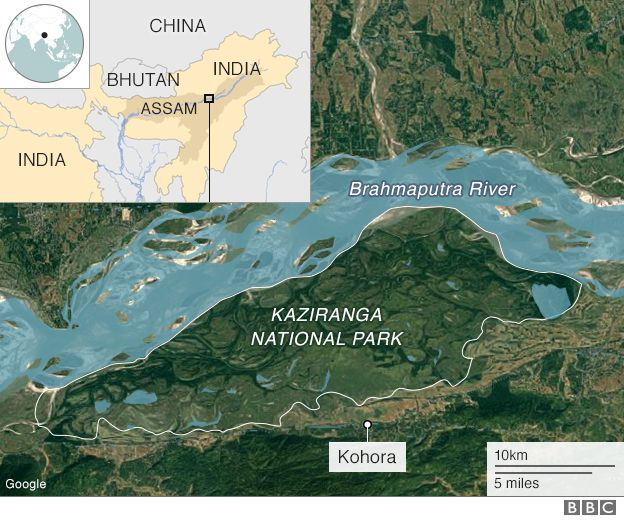
    • A limbless amphibian, the striped caecilian (Ichthyophis spp), has been newly identified within the 1,307.49 sq. km Kaziranga National Park and Tiger Reserve.
      • Assam’s wildlife officials reported its discovery during a herpetofauna survey.

    Back2Basics: Herpetofauna

    • Herpetofauna refers to a group of reptiles and amphibians collectively.
    • The term combines “herpeto-” from the Greek “herpeton,” meaning “creeping animal,” and “fauna,” referring to the animal species found in a particular region or time.
    • Herpetofauna play essential roles in ecosystems:
      • They act as both predators and prey, help regulate insect populations, and serve as indicators of environmental health.
      • They serve as environmental indicators and play significant roles in pest control.

    About Striped Caecilian

    • The Striped Caecilian (Ichthyophis spp.) is a type of limbless amphibian belonging to the family Ichthyophiidae.
    • Caecilians are often mistaken for snakes or worms due to their elongated, cylindrical bodies and lack of limbs.
    • They are primarily found in tropical regions of Africa, Asia, and the Americas.
    • They usually live underground or in moist soil habitats.

    Key features of the Striped Caecilian include:

    1. They have smooth, cylindrical bodies with a ringed or striped pattern, hence the name “striped.”
    2. Caecilians are predominantly fossorial (burrowing), spending most of their lives underground or in leaf litter. This behaviour makes them elusive and difficult to study.
    3. They are carnivorous, feeding on small invertebrates found in soil and leaf litter.
    4. Their eyesight is generally poor, and they rely on chemoreception (sensing chemicals in the environment) to locate prey.
    5. Caecilians are known for their unique reproductive strategies, which can involve live births or laying eggs. Some species exhibit parental care, with adults guarding eggs or young offspring.

    Significance: Kaziranga’s Biodiversity

    • Kaziranga National Park’s diverse ecosystem, encompassing flood plains, wetlands, grasslands, and hill tracts, provides an ideal habitat for herpetofauna.
    • The park hosts 24 amphibian species, 74 reptile species, and 21 of India’s 29 species of tortoises and freshwater turtles.

    About Kaziranga National Park

    Details
    Location Assam, India
    Geographical Features Situated between Brahmaputra River and Karbi (Mikir) Hills
    Significance Eastern Himalayan Biodiversity Hotspot
    Rivers Diphlu River runs through the park
    Highways National Highway 37 passes through the park
    Legal Status
    • Designated as a National Park in 1974.
    • UNESCO World Heritage Site (1985).
    • Important Bird Area by Birdlife International
    Key Conservation Achievements
    • Houses around 2/3rd of the world’s Great Indian One-Horned Rhinoceros.
    • Declared a Tiger Reserve due to high tiger density
    ‘Big Five’ species Great Indian One-Horned Rhino, Asian Elephant, Royal Bengal Tiger, Asiatic Water Buffalo, Swamp Deer
    Aquatic Species Gangetic River Dolphin
    Vegetation Wet Alluvial Grasslands, Tropical Moist Deciduous Forests, Semi-Evergreen

    Forests


    PYQ:

    [2024] The organisms “Cicada, Froghopper and Pond skater are:

    (a) Birds

    (b) Fish

    (c) Insects

    (d) Reptiles

Join the Community

Join us across Social Media platforms.