💥UPSC 2027,2028 Mentorship (April Batch) + Access XFactor Notes & Microthemes PDF

Archives: News

  • Judicial Reforms

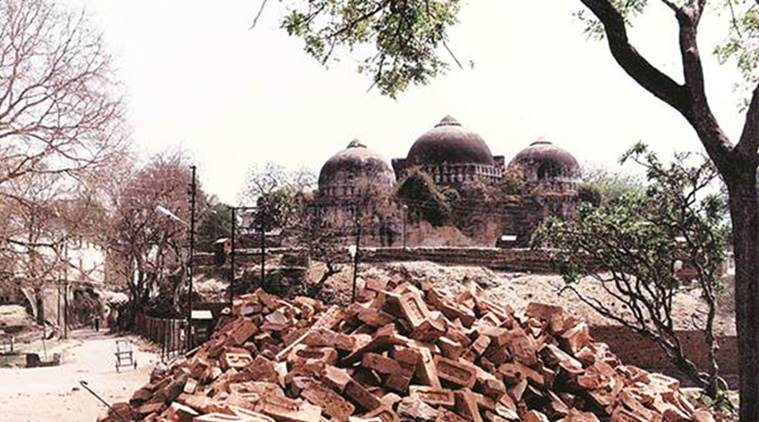
    Places of worship and an unsettling judicial silence

    Supreme Court to hear Ram Janmabhoomi-Babri Masjid title dispute on January 4 | India News - The Indian Express

    Central Idea:

    The article discusses the aftermath of the Supreme Court verdict on the Babri Masjid case in November 2019 and its implications on the Places of Worship (Special Provisions) Act, 1991. It highlights the challenges posed by the resurgence of petitions targeting mosques like the Gyanvapi Masjid in Varanasi and the Shahi Idgah in Mathura, and the subsequent debates on the Act’s validity and applicability. It emphasizes the need for the Supreme Court to intervene to protect the integrity of the Act and prevent its politicization.

    Key Highlights:

    • Supreme Court’s verdict on the Babri Masjid case in November 2019 praised the Places of Worship Act, 1991 for preserving the religious character of places of worship as of August 15, 1947.
    • Hindutva forces initiated petitions targeting mosques in Mathura, Varanasi, and other places, challenging their status and calling for their liberation.
    • Despite lack of concrete evidence, petitions against mosques were admitted in various district courts, signaling a deliberate challenge to the Places of Worship Act.
    • The Supreme Court’s silence on the increasing challenges to the Act raised concerns about its integrity and enforcement.
    • The court’s decision to hear petitions against the Act itself and the Union government’s delays in specifying its stance raised doubts about the Act’s future.

    Key Challenges:

    • Increasing petitions challenging the status of mosques threaten communal harmony and challenge the secular principles enshrined in the Indian Constitution.
    • The politicization of the issue, with petitions being used as a tool to further certain political narratives, adds complexity to the debate.
    • Delays in the Supreme Court’s intervention and the government’s ambiguity on the Act’s status create uncertainty and erode public trust in the legal system.
    • Historical grievances and communal tensions fuel the resurgence of demands for the reclamation of religious sites.

    Main Terms or key words:

    • Places of Worship (Special Provisions) Act, 1991: Legislation preserving the religious character of places of worship as of August 15, 1947, and prohibiting their conversion.
    • Hindutva: Ideology promoting Hindu nationalism.
    • Communal Harmony: Peaceful coexistence and cooperation among different religious communities.
    • Secularism: Principle of separating religion from state affairs and ensuring equal treatment of all religions.
    • Petitions: Formal requests submitted to a court seeking legal action or remedy.

    Important Phrases for mains value addition:

    • “Non-retrogression as an essential feature of our secular values.”
    • “Challenges to the Act amount to a breach of public trust.”
    • “The politicization of petitions serves certain political narratives.”
    • “The silence of the top court is unsettling.”

    Quotes for quality enrichment of mains answers:

    • “The Places of Worship Act imposes a non-derogable obligation towards enforcing our commitment to secularism under the Indian Constitution.”
    • “Similarly minded people are as little likely to be deterred by the provisions of the Places of Worship (Special Provisions) Act 1991.”
    • “The ascertainment of the religious character of a place as a procedural instrument may not necessarily fall foul of the provisions of sections 3 and 4 of the Act of 1991.”

    Anecdotes:

    • The order of a district court in Uttar Pradesh in 1986 kick-started events leading to the destruction of the Babri Masjid, illustrating the significance of legal decisions regarding places of worship.

    Useful Statements:

    • The resurgence of demands for the reclamation of religious sites threatens communal harmony and challenges secular principles.
    • The Supreme Court’s intervention is crucial to uphold the integrity of the Places of Worship Act and prevent its politicization.

    Examples and References:

    • Petitions targeting mosques in Mathura, Varanasi, and other places highlight the growing challenges to the Places of Worship Act.
    • The Babri Masjid-Ramjanambhoomi agitation and slogans like “Ayodhya to jhanki hai, Kashi, Mathura baqi hai” demonstrate historical grievances and communal tensions.

    Facts and Data:

    • The Places of Worship Act, 1991, preserves the religious character of places of worship as of August 15, 1947.
    • The Supreme Court admitted petitions challenging the Act’s validity and the government’s delays in specifying its stance.

    Critical Analysis:

    The article provides a comprehensive overview of the challenges posed by petitions targeting mosques and questioning the Places of Worship Act, 1991. It emphasizes the importance of preserving communal harmony and secular principles while addressing historical grievances. However, it also highlights the politicization of the issue and the need for timely intervention by the Supreme Court to prevent further escalation.

    Way Forward:

    • The Supreme Court should actively intervene to uphold the integrity of the Places of Worship Act and prevent its politicization.
    • Political leaders and stakeholders should prioritize communal harmony and refrain from using religious sentiments for political gain.
    • Civil society should promote dialogue and understanding among different religious communities to prevent communal tensions.
    • The government should clarify its stance on the Act and ensure its effective implementation to maintain secularism and protect religious freedoms.

  • Climate Change Impact on India and World – International Reports, Key Observations, etc.

    Why fashion industry’s ‘recycling’ methods are not saving the planet?

    fashion

    Introduction

    • From fast-fashion giants to luxury brands, many have embraced recycled fabrics and eco-friendly messaging as part of their marketing strategies.
    • However, a closer look reveals that these recycling methods often fall short of delivering meaningful environmental benefits.

    Challenges in Fashion Industry Recycling

    [1] Greenhouse Gas Emissions:

    • Polyester, a ubiquitous fabric, contributes substantially to emissions, with 28.2 million tonnes used in 2016 alone, emitting nearly triple the CO2 compared to cotton.
    • Nylon production generates nitrous oxide, a potent greenhouse gas, exacerbating climate change.

    [2] Water Intensity:

    • Cotton cultivation, vital for clothing production, consumes vast amounts of water, with estimates suggesting up to 20,000 liters required for a pair of jeans and a t-shirt.
    • Predictions indicate potential water crises by 2030 due to escalating water consumption in clothing production.

    [3] Water Pollution:

    • Chemical dyeing, essential for vibrant textiles, ranks as the second-largest polluter of clean water globally, introducing harmful substances into waterways.
    • Cotton cultivation’s heavy reliance on chemicals poses health risks and environmental degradation.

    [4] Plastics and Microfibers:

    • Polyester clothing sheds microfibers during washing, contaminating oceans and endangering marine life, with significant quantities entering waterways annually.
    • Non-biodegradable microfibers pose risks to human health and ecosystems, persisting in the environment indefinitely.

    [5] Landfill Waste:

    • The fashion industry contributes substantially to landfill waste, with discarded clothing doubling over the past two decades due to fast fashion trends.
    • Limited textile recycling exacerbates the landfill problem, with less than 1% of clothing material being reused.

    [6] Inability to Recycle:

    • Complex fabric blends and non-biodegradable materials like polyester and nylon present challenges to recycling technologies, hindering effective reuse.
    • China’s ban on recycled textile imports exacerbates recycling issues, limiting disposal options.

    [7] Economic and Ethical Considerations:

    • Economic incentives often prioritize short-term profits over sustainability, perpetuating greenwashing tactics and undermining genuine recycling efforts.
    • Unethical labor practices compound sustainability challenges, highlighting systemic issues in the fashion industry’s supply chain.

    Methods for Recycling

    • Mechanical recycling: It breaks down textiles into fibers without altering their chemical composition, suitable for natural fibers like cotton.
    • Chemical recycling: It breaks down textiles into basic chemical components, ideal for synthetic fibers like polyester.
    • Steps involved: Both methods involve sorting, shredding, cleaning, processing, and quality control to produce new fabrics or products, reducing waste in the fashion industry.

    Moving Towards True Sustainability

    • Research and Development: Invest in innovative recycling technologies capable of processing complex fabric blends.
    • Transparency and Standards: Implement transparent supply chains and rigorous recycling standards to ensure accountability.
    • Consumer Education: Educate consumers about the true environmental and ethical impact of their clothing choices.
    • Regulation and Accountability: Enforce regulations and industry standards to hold fashion brands accountable for sustainability commitments.
    • Circular Economy Promotion: Embrace circular economy principles, such as extended producer responsibility and product lifecycle management, to minimize waste and resource consumption.

    Conclusion

    • While recycling initiatives in the fashion industry offer some benefits, they fall short of addressing the sector’s overarching environmental and ethical challenges.
    • Achieving true sustainability demands systemic changes, including technological innovation, transparent practices, consumer awareness, regulatory enforcement, and circular economy promotion.
    • By embracing these principles, the fashion industry can pave the way towards a genuinely sustainable and equitable future.
  • Higher Education – RUSA, NIRF, HEFA, etc.

    Too many IITs, unrealistic expectations

    Introduction  

    • New Campus: IIT Madras Zanzibar, inaugurated recently, gained widespread attention following a mention by Amitabh Bachchan on the game show Kaun Banega Crorepati.
    • Significance: The establishment of an IIT campus outside India raises questions about the implications and challenges of operating an IIT beyond national borders.

    Historical Context of IITs

    • Founding Principles: The IITs were established with a focus on contributing to the nation’s human resource development, emphasizing their Indian identity and commitment to national service.
    • Technological Geography: Envisioned as institutions of “Indianness,” the IITs symbolize a united India driven by technological advancements, as outlined in the Nalini Ranjan Sarkar Committee’s Report.

    Expansion of the IIT System

    • Origins and Growth: Initially comprising five institutions, the IIT system expanded over the years to include 23 IITs across the country, with varying degrees of foreign collaboration.
    • Evolution: While initially focused on technology and engineering, the IITs have evolved to include humanities and social sciences, aligning with the objectives outlined in the National Education Policy of 2020.

    Challenges and Realities

    • Institutional Characteristics: The IITs differ from traditional universities in terms of discipline range and size, primarily focusing on undergraduate education and gradually incorporating post-graduate offerings.
    • Academic Rigor and Selectivity: Renowned for their academic excellence, the IITs attract top-tier students and faculty, maintaining rigorous standards despite challenges in faculty recruitment and retention.
    • Regional Presence: The proliferation of IITs across the country, including in smaller towns, raises concerns about maintaining quality standards and infrastructure outside major urban centers.

    Adapting to Changing Realities

    • Quality Assurance: Ensuring the quality and relevance of IIT education requires strategic planning and resource allocation, particularly in the face of faculty shortages and infrastructure constraints.
    • Internationalization Efforts: Collaborative initiatives with global universities and enhanced recruitment of foreign faculty can bolster the international reputation and competitiveness of the IITs.
    • Funding and Sustainability: Sustainable funding models, both from government sources and alumni philanthropy, are crucial to preserving the integrity and excellence of the IITs amidst expansion and globalization.

    Recommendations for the Future

    • Strategic Focus: Prioritizing excellence over expansion, consolidating resources, and strategically locating IIT campuses can ensure sustained quality and relevance.
    • Global Engagement: Strengthening international collaborations and student exchange programs while maintaining the essence of Indian identity can enhance the global standing of the IITs.
    • Sustainable Growth: Balancing growth with quality assurance measures and fostering regional connections can address challenges associated with overexpansion and ensure long-term sustainability.

    Conclusion

    • Preserving Excellence: Upholding the legacy of academic excellence and national service while adapting to changing educational landscapes is essential for the continued success of the IITs.
    • Strategic Vision: A strategic and sustainable approach to growth, internationalization, and quality assurance is imperative to maintain the IITs’ position as India’s premier institutions of higher learning.
    • Collective Responsibility: Collaboration among stakeholders, including government, academia, industry, and alumni, is crucial to safeguarding the integrity and reputation of the IITs for generations to come.
  • Freedom of Speech – Defamation, Sedition, etc.

    British-era Act invoked to Block Internet in Punjab

    Introduction

    • The Union government invoked its authority under a colonial-era Temporary Suspension of Telecom Services Rules, 2017 to suspend mobile Internet in select districts of Punjab during Farm Protests 2.0.

    Mechanisms allowing Internet Shut-downs

    Authorities Purpose
    Temporary Suspension of Telecom Services (Public Emergency or Public Safety) Rules, 2017 Home Departments in the states, state government review committee, central government (under this law, but rarely used) Enforces shutdowns for public emergency or safety reasons.
    Section 144 of the CrPC Local law enforcement authorities Enables shutdowns, particularly before 2017, to maintain public order and safety.
    The Indian Telegraph Act, 1885, Section 5(2) Home Secretary of the Union or state governments Allows blocking of messaging during a public emergency, safeguarding public safety, or protecting sovereignty and integrity.


    Constitutional Provisions for Right to Internet

    Constitutional Provision Explanation
    Anuradha Bhasin vs. Union of India and Ors. (2020) Right to Freedom of Speech and Expression under Article 19(1)(a) Grants the right to freedom of speech and expression, which encompasses access to information and the Internet.
    Faheema Shirin RK vs. State of Kerala and others (2019) Right to Education under Article 21A Guarantees the right to education for children aged 6 to 14;

    Internet access is crucial for modern education.

    K.S. Puttaswamy (Privacy) vs. Union of India (2017) Right to Privacy under Article 21 Protects the fundamental right to privacy, and Internet access is often used for secure communication.
    Anuradha Bhasin vs. Union of India and Ors. Freedom to Practice Any Profession or Carry on Any Trade, Business, or Occupation under Article 19(1)(g) Ensures the freedom to conduct various trades, businesses, and professions, often requiring Internet access.

    Landmark Precedence: Anuradha Bhasin Judgment (2020)

    • Supreme Court’s Ruling: In January 2020, the Supreme Court of India recognized access to the Internet as a fundamental right under the Indian Constitution.
    • Restrictions Guidelines: The Court mandated that any government-imposed Internet restrictions must be temporary, limited, lawful, necessary, and proportionate. It also emphasized judicial review.
  • Minimum Support Prices for Agricultural Produce

    From Europe to India, why are Farmers angry?

    Introduction

    • Farmers worldwide are mobilizing in protest against various issues ranging from subsidy cuts to environmental regulations.
    • The unrest is witnessed across continents, reflecting a shared struggle against challenges impacting agricultural livelihoods.

    Farmers Protests: Worldwide Extent

    • Europe: Farmers in several EU member-nations such as Belgium, France, Germany, and Spain have utilized tactics like tractors in city invasions and supermarket raids to protest subsidy cuts, high energy prices, and cheap imports. They protest against EU environment policies aimed at achieving net-zero emissions by 2050, which include pesticide reduction and nature restoration initiatives.
    • South America: Protests spanned 67% of countries, driven by economic downturns and droughts, with Brazilian farmers rallying against unfair competition from genetically modified maize.
    • Europe: 47% of countries saw protests against low crop prices and rising costs, with French farmers opposing low-cost imports and inadequate subsidies.
    • North and Central America: Protests occurred in 35% of countries, with Mexican farmers protesting low prices and Costa Rican farmers seeking government assistance amid debt.
    • Africa: 22% of countries witnessed protests due to poor pricing and high production costs, with Kenyan potato farmers demanding better prices and Cameroonian farmers opposing cocoa export bans.
    • New Zealand: Farmers protested against government regulations, while Australian farmers opposed proposed high-voltage powerlines.

    Asian Protests

    • India: Farmers across nine states demand guaranteed crop prices and loan waivers, echoing protests in Nepal against unfair vegetable pricing.
    • Malaysia and Nepal: Protests stem from low rice and sugarcane prices, respectively.

    Government Responses

    • France and Germany have made concessions such as rolling back fuel subsidy cuts and gradually phasing out fuel subsidies.
    • EU politicians have voted against proposed pesticide regulations, and climate rules are being revised ahead of elections.
    • Nature restoration plans have been deferred for now.

    Issues Prompting Indian Protests

    • Indian farmers demand legal backing for minimum support prices (MSP) and expansion of MSP coverage beyond rice and wheat, as per a 2021 agreement.
    • Import of cheap edible oil and pulses, alongside climate shocks, have impacted farmer earnings.
    • Additional demands include higher import duties, changes to crop insurance, better seed quality, debt waivers, and social security benefits.

    Conclusion

    • Farmer protests globally reflect a unified struggle against economic hardships, environmental regulations, and policy decisions impacting agricultural sustainability and livelihoods.
    • Addressing these concerns requires proactive government responses and comprehensive policy reforms to ensure the welfare of farmers and agricultural resilience.

    Also read:

    Farmers’ Demands over Minimum Support Price (MSP) Guarantee

  • Wildlife Conservation Efforts

    Conservation of Migratory Species (CMS) COP14 begins in Uzbekistan

    Introduction

    • The Fourteenth Meeting of the Conference of the Parties to the Convention on the Conservation of Migratory Species of Wild Animals (COP14) will be hosted by the Government of Uzbekistan, in Samarkand from 12-17 February 2024
    • CMS COP is a Triennial Event.

    About Conservation of Migratory Species (CMS)

    Information
    About
    • Intergovernmental treaty under UNEP, known as the Bonn Convention
    • Signed in 1979, in force since 1983
    • 133 Parties as of March 2022, including India since 1983
    Aim
    • Conserve terrestrial, marine, and avian migratory species
    • Lay legal foundation for global conservation measures
    Legal Instruments under CMS Range from legally binding Agreements to less formal MoUs
    Appendices
    1. Appendix I: Threatened Migratory Species
    2. Appendix II: Migratory Species requiring international cooperation
    India and the CMS
    • Signed non-legally binding MoUs with CMS for various species conservation (Siberian Cranes, Marine Turtles, Dugongs, Raptors)
    • Hosts several migratory species
    • India hosted the last COP 13 of CMS in February 2020 at Gandhinagar, Gujarat.
    Migratory Species Wild animals whose populations cyclically and predictably cross national boundaries
    Efforts made by India  
    • National Action Plan for Conservation of Migratory Birds (2018-2023)
    • Marine Turtle Policy and Marine Stranding Management Policy
    • Project Snow Leopard
    • Dugong Conservation Reserve
  • Wildlife Conservation Efforts

    Horseshoe Crab: Living Fossils of the Sea

    Horseshoe Crab

    Introduction

    • Environmental groups have petitioned the U.S. government to grant endangered species protection to the American horseshoe crab.
    • Horseshoe crabs, often called “living fossils,” have existed since before the age of dinosaurs.

    About Horseshoe Crab

    Description
    Habitat Shallow coastal waters with soft sandy or muddy bottoms;

    Spawns primarily on intertidal beaches during summer-spring high tides.

    Taxonomic Division Chelicerata, a division of Arthropoda, comprising spiders, scorpions, harvestmen, mites, and ticks; characterized by segmented body and limbs, and a chitinous exoskeleton.
    Status Referred to as a marine “living fossil” due to minimal evolutionary changes over time.
    Geographic Range American horseshoe crab: Eastern coast of the USA and the Gulf of Mexico.

    Indo-Pacific species (Tri-spine, Coastal, Mangrove): Mainly in coastal waters of India, Southeast Asia, China, and Japan.

    Habitat in India Odisha serves as the largest habitat for horseshoe crabs in India.
    Conservation Status Schedule IV of the Wildlife Protection Act of 1972.
    IUCN Status American horseshoe crab: Vulnerable.

    Tri-spine horseshoe crab: Endangered.

    Other two are not listed yet.

  • Historical and Archaeological Findings in News

    Hastsal Minaret: The Mini Qutub Minar

    Hastsal minar

    Introduction

    • The Hastsal Minar, also known as the Mini Qutub Minar or Chhota Qutub Minar, stands as a Grade A heritage monument in Delhi, silently narrating stories of an era marked by grandeur and mystery amidst ruins and encroachment.

    About Hastsal Minaret

    Description
    Name Mini Qutub Minar (Chhota Qutub Minar, Mini Minar, Kaushal Minar, Hastsal ki Laat)
    Location Hastsal village in Uttam Nagar, West Delhi, India
    Built 1650
    Builder Mughal emperor, Shah Jahan
    Original Height 5 storeys, topped with a domed Chhatri pavilion
    Current Height 3 storeys, 16.87 meters (55 feet) tall
    Structure Built with Lakhori bricks and clad with red sandstone
    Significance Grade A listed, protected heritage monument with the Department of Archaeology, India
    History Originally built as a hunting lodge tower for Shah Jahan

    Used to have a tunnel connecting it to the royal hunting lodge nearby

    Architecture Resembles Qutub Minar in Delhi, octagonal platform, narrow staircase
    Threats Endangered due to neglect, lack of conservation, encroachment by new constructions, surrounded by urbanization
  • New Species of Plants and Animals Discovered

    Invasive Species:  Cuscuta Dodder

    Cuscuta Dodder

    Introduction

    • An invasive weed, Cuscuta dodder, is gradually strangling the Chengalpet forests and Vedanthangal Bird Sanctuary, posing a severe threat to local vegetation, ecology, and the habitat of migratory birds.

    About Cuscuta Dodder

    • Parasitic Nature: It is a parasitic vine devoid of roots, already infesting acres of trees in reserve forests and beginning to spread within India’s oldest bird sanctuary.
    • Origin: Native to North America.
    • Modus Operandi: As a holoparasitic plant, it forms a canopy on the host plant and extends thousands of tendrils, eventually forming a dense spectacle before strangling and killing the host.

    Persistence and Germination

    • Seed Characteristics: Cuscuta seeds are spheroid with a hard coat, enabling them to survive up to 50 years in dry storage and at least 10 years in the field.
    • Germination: Unlike root parasites, Cuscuta seeds do not require a specific stimulant to induce germination, enhancing their ability to spread rapidly.

    Impact and Spread

    • India: According to a technical paper by the National Research Centre for Weed Science, Cuscuta poses a significant problem in oilseeds, pulses, and fodder crops across various states, including Andhra Pradesh, Chhattisgarh, Gujarat, Orissa, West Bengal, and parts of Madhya Pradesh under both rain-fed and irrigated conditions.
    • Global Legislation: It is listed as a ‘declared noxious weed’ in 25 countries, with seeds and plant material restricted from entry. In the United States, it is the only weed seed whose movement is prohibited in every state.
  • Solar Energy – JNNSM, Solar Cities, Solar Pumps, etc.

    Launch of PM Surya Ghar: Muft Bijli Yojana

    Introduction

    • Prime Minister has launched PM Surya Ghar: Muft Bijli Yojana to provide free electricity to its beneficiaries.

    About PM Surya Ghar Muft Bijli Yojana

    Description
    Purpose To provide 300 units of free electricity per month to beneficiaries through an investment of ₹75,000 crores.
    Announcement Initially announced in an interim budget speech by the Finance Minister.
    Target Aimed to light up 1 crore households.
    Incentive for Renewable Energy Urban Local Bodies and Panchayats incentivized to promote rooftop solar systems.
    Financial Support Central Government guarantees no financial burden on people through subsidies directly to bank accounts and highly concessional bank loans.
    Expected Benefits – Annual savings of ₹15,000 to ₹18,000 for households

    – Charging of electric vehicles

    – Entrepreneurship opportunities

    – Employment opportunities for youth with technical skills.


Join the Community

Join us across Social Media platforms.
