💥UPSC 2027,2028 Mentorship (April Batch) + Access XFactor Notes & Microthemes PDF

Archives: News

  • Women Safety Issues – Marital Rape, Domestic Violence, Swadhar, Nirbhaya Fund, etc.

    Two finger test: Undermining the dignity of women

    finger test

    Context

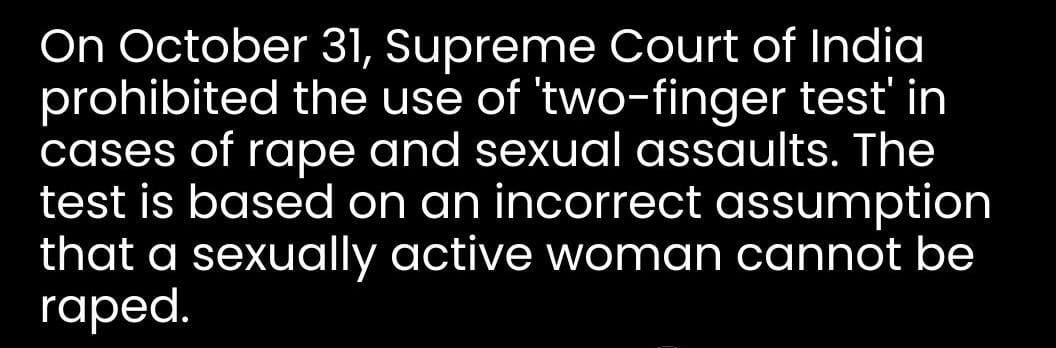
    • On October 31, a two-judge bench of the Supreme Court noted that the two-finger test is a sexist medical practice that re-victimizes and re-traumatizes rape survivors. The Court also issued directions to the Union and state governments to implement the 2014 guidelines of the Ministry of Health and Family Welfare for health providers in sexual violence cases.

    What is two finger tests?

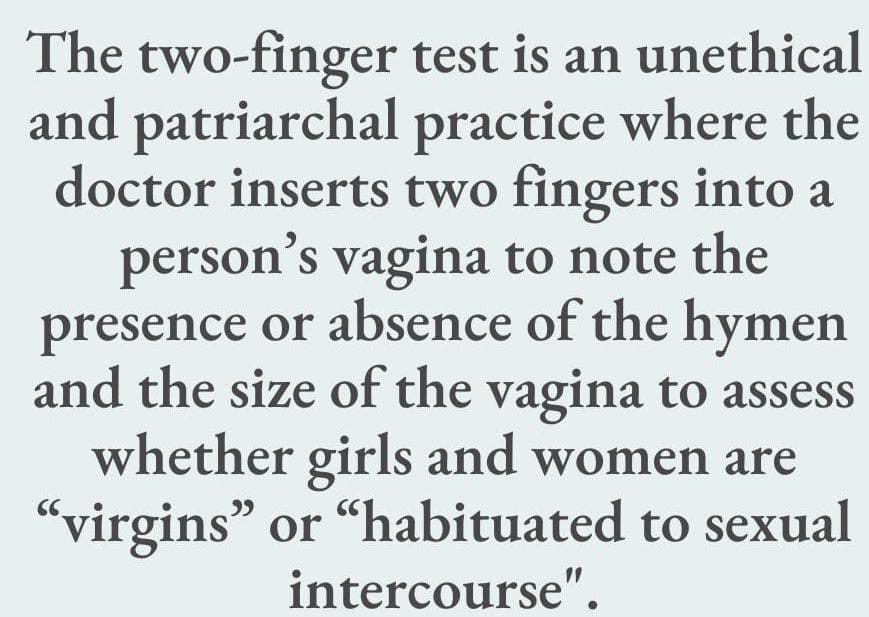
    • The two-finger test involves the medical examiner inserting their two fingers into the vagina of a survivor to note the presence or absence of the hymen and the so-called laxity of the vagina.
    finger test

    What is the expert doctor’s opinion?

    • Misogynistic belief: While a hymen can be torn and its orifice may vary in size for many reasons unrelated to sex, the origin of the two-finger test lies in the misogynistic belief that a torn hymen is an indication that the survivor is habituated to sex and therefore, cannot be raped or is more likely to make false claims about being raped.

    What is the law against such infringement of bodily privacy?

    • SC prohibited test in Rajesh v. State of Haryana 2013 case: “Medicalization of consent” where women’s bodies are given precedence over their voices. Recognizing this as an invasion of privacy and a violation of a survivor’s dignity, the Supreme Court prohibited the test in Lillu at Rajesh v. State of Haryana (2013).
    • Guidelines for medico-legal care for survivors of sexual violence: Shortly after, in March 2014, taking forward the recommendations of the Justice J S Verma Committee Report, the Ministry of Health & Family Welfare issued guidelines for medico-legal care for survivors of sexual violence. These guidelines explicitly prohibited the two-finger test and discussed the need for training medical examiners to respond to the needs of the survivors in a sensitive and non-discriminatory manner.

    Why the practice of two finger tests still persists?

    • Lack of political will: Nearly eight years since the guidelines were issued, the two-finger test still remains a reality. Its prevalence is a reflection of the complete lack of political will to address the issue.
    • No pan-India comprehensive review: While fragmented pieces of narratives and research indicate that the two-finger test continues in rape cases to date, it is incumbent upon the executive to undertake a comprehensive pan-India review to assess the nature and extent of the problem.
    • Change in format and unclarity: The changed format (introduced after the passing of the Criminal Law Amendment Act, 2013) of the medico-legal certificate used by doctors in rape cases did not require them to make a note of the finding of the two-finger test. However, according to the lawyers, this did not mean that the test was not happening anymore. Some says they it was no longer being recorded as such but was still being conducted.
    • Poor medical infrastructure: The continued existence of the two-finger test is a result of the overall poor state of forensic medicine infrastructure in India.
    • Lack of awareness: Lack of awareness amongst the medical community about the unscientific nature of the two-finger test.
    finger test

    What is the opinion of the court?

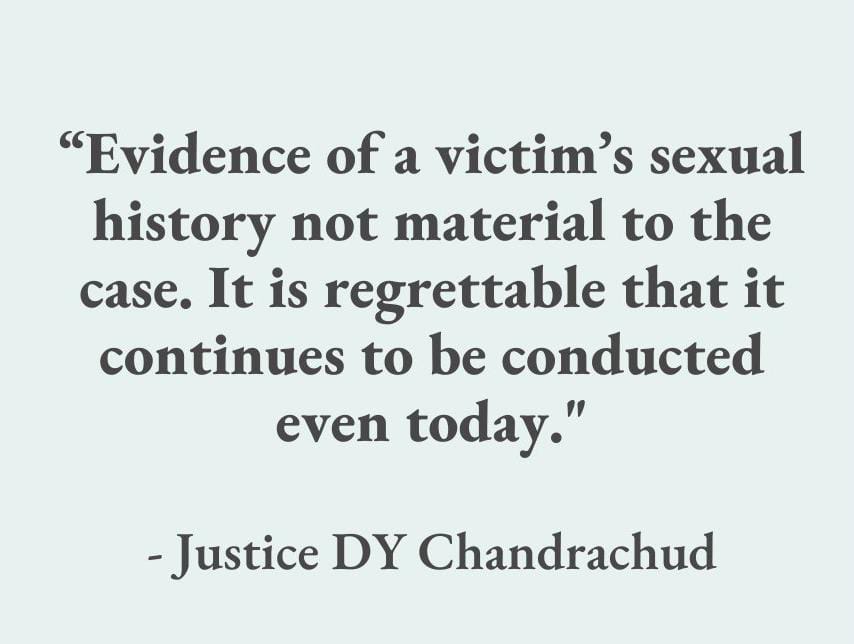
    • Government must enforce the protocol: The Court commenting on the sorry state of affairs and issuing directions to the government on enforcement of the protocol including the emphasis on workshops and the medical school curriculum is significant.
    • Holding a person, a guilty of misconduct: The Court took a step further by holding a person conducting the two-finger test on a rape survivor guilty of misconduct. It is unclear if the Court was making a reference to professional misconduct on part of the medical examiner.
    finger test

    What should be the way forward?

    • Caregiving to victim: Medical practitioners must see themselves as caregivers when handling sexual violence cases.
    • Awareness about legal system: Medical practitioners should be made to understand as their role in the criminal legal system, specifically towards rape survivors.
    • Training of medical examiners: The training in medical school must prepare medical examiners for their role in the justice system.
    • Police should play an active role: The institution of police should be sensitized on the continued use of the two-finger test in rape cases.
    • Modules on sexuality: Training and workshops designed for doctors needs to include modules on sexuality and discrimination.

    Conclusion

    • Two finger test is further traumatizing the victim of rape. Despite the directives of courts years ago and unscientific nature, two finger test continues. Women empowerment is not only about the earnings and livelihood its also about the right to privacy and dignity of life.

    Mains Question

    Q. What is two finger tests? what is the law against the two-finger test? give the reasons for continuation of two finger test?

    Click and Get your FREE copy of Current Affairs Micro notes

     

  • Climate Change Negotiations – UNFCCC, COP, Other Conventions and Protocols

    World Network of biosphere reserves: A backbone of biodiversity conservation

    biosphere reserves

    Context

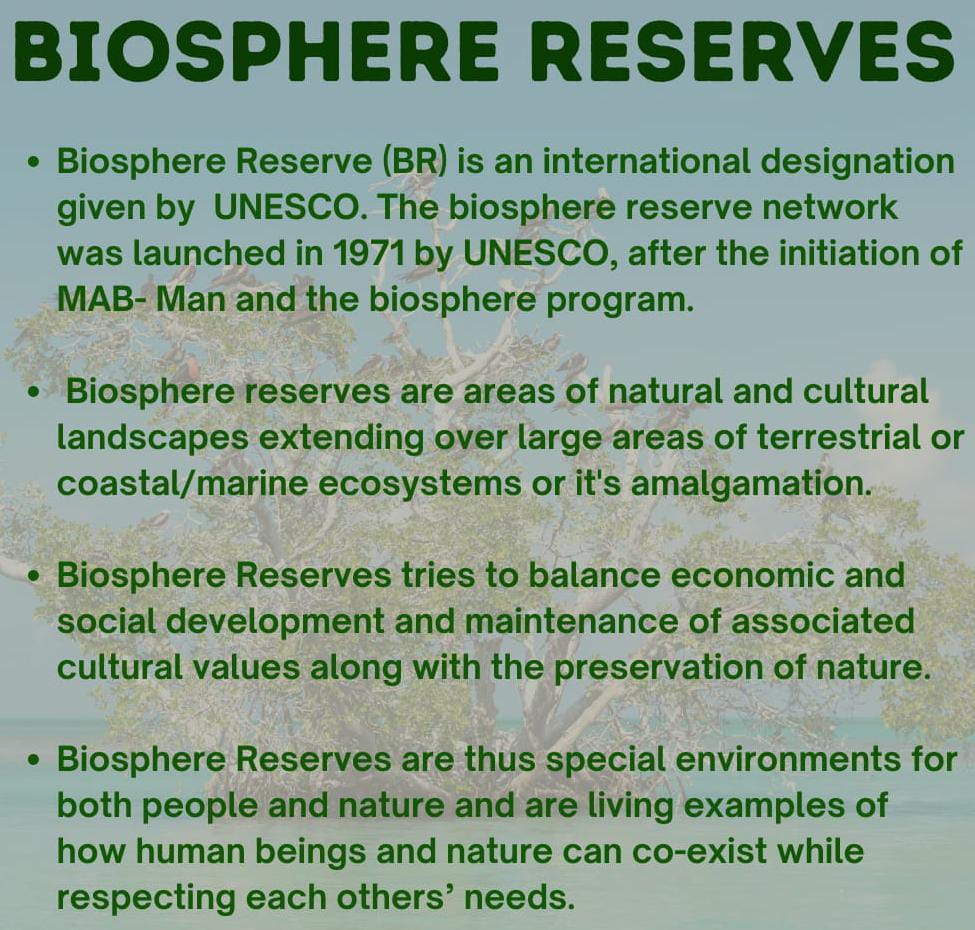
    • November 3 will be the first ‘The International Day for Biosphere Reserves’, to be celebrated beginning 2022. The World Network of Biosphere Reserves (WNBR) was formed in 1971, as a backbone for biodiversity conservation, ecosystem restoration, and living in harmony with nature.

    biosphere reserves

    What is biosphere reserve?

    • Protected area: A biosphere reserve is an area of land or water that is protected by law in order to support the conservation of ecosystems, as well as the sustainability of mankind’s impact on the environment.
    • Serves as a Platform to study:  They are places that provide local solutions to global challenges. Biosphere reserves include terrestrial, marine and coastal ecosystems. Each site promotes solutions reconciling the conservation of biodiversity with its sustainable use.
    • Learning places for sustainable development: Biosphere reserves are ‘learning places for sustainable development’. They are sites for testing interdisciplinary approaches to understanding and managing changes and interactions between social and ecological systems, including conflict prevention and management of biodiversity.
    • Biodiversity conservation programs are carried out: To carry out the complementary activities of biodiversity conservation and sustainable use of natural resources, biosphere reserves are traditionally organized into 3 interrelated zones, known as: the core area, the buffer zone, and a transition zone or ‘area of cooperation.
    • The core purpose: The purpose of the formation of the biosphere reserve is to conserve in situ all forms of life, along with its support system, in its totality, so that it could serve as a referral system for monitoring and evaluating changes in natural ecosystems. Each reserve aims to help scientists and the environmental community figure out how to protect the world’s plant and animal species while dealing with a growing population and its resource needs.

    What is the process of recognition as Biosphere reserve?

    • All biosphere reserves are internationally recognized sites on land, at the coast, or in the oceans.
    • Governments alone decide which areas to nominate. Before approval by UNESCO, the sites are externally examined.
    • If approved, they will be managed based on a plan, reinforced by credibility checks while remaining under the sovereignty of their national government.

    biosphere reserves

    Current status of Biosphere reserves

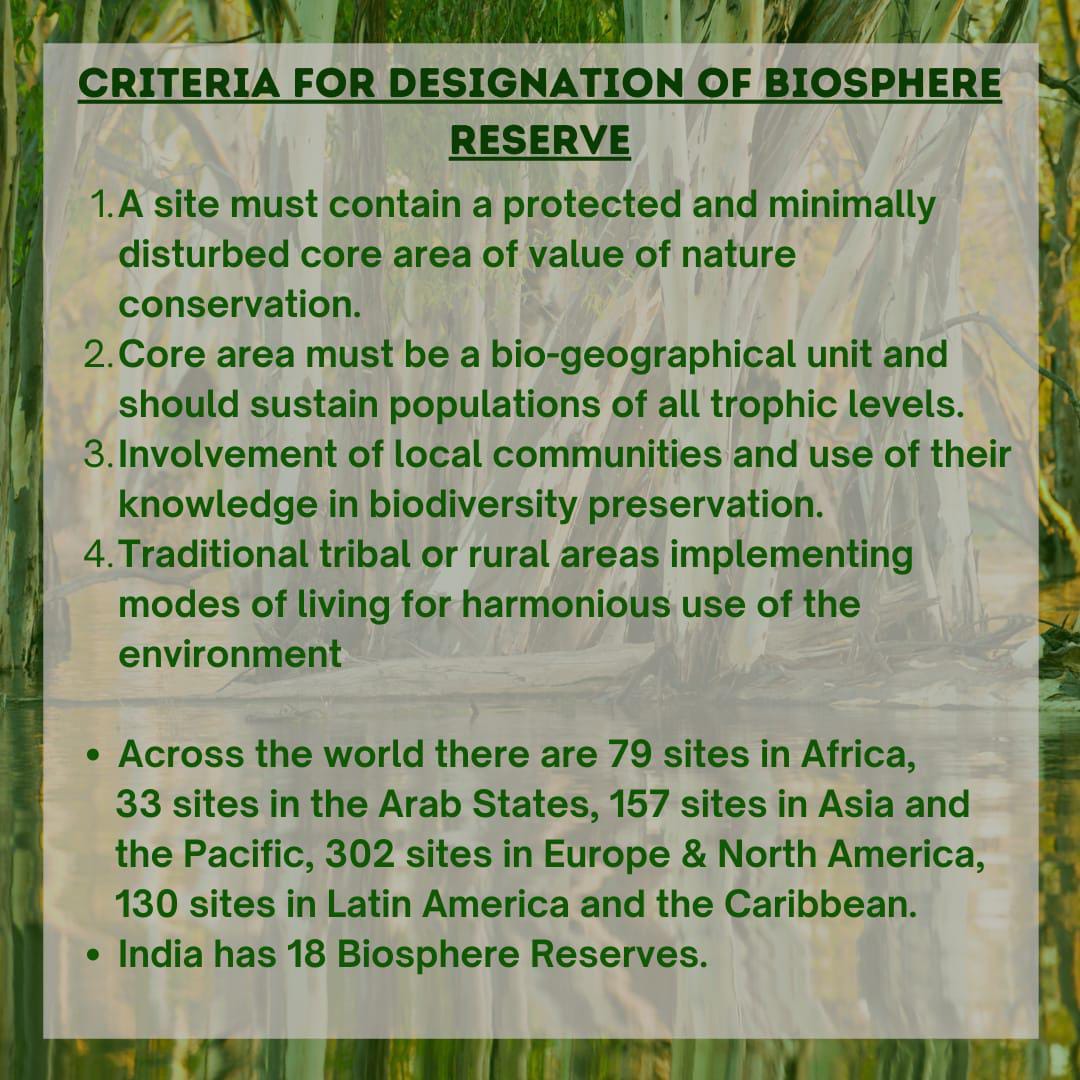
    • Worldwide: There are 738 biosphere reserves in 134 countries, including 22 transboundary sites.
    • In India:
    • Presently, there are 18 notified biosphere reserves in India. Ten out of the eighteen biosphere reserves are a part of the World Network of Biosphere Reserves, based on the UNESCO Man and the Biosphere (MAB) Programme list.
    • In India, the first biosphere reserve was designated by UNESCO in 2000, namely, the blue mountains of the Nilgiris stretching over Tamil Nadu, Karnataka and Kerala.

    You must know- UNESCO Man and the Biosphere (MAB) Programme

    • The MAB programme is an intergovernmental scientific programme.
    • It aims to establish a scientific basis for enhancing the relationship between people and their environments.
    • It combines the natural and social sciences with a view to improving human livelihoods and safeguarding natural and managed ecosystems.
    • It promotes innovative approaches to economic development that are socially and culturally appropriate and environmentally sustainable.

    What is World Network of Biosphere Reserves (WNBR)?

    • Dynamic network of cooperation: The WNBR, an amazing network of sites of excellence, is a unique tool for cooperation through sharing knowledge, exchanging experiences, building capacity and promoting best practices.
    • Fosters harmonious integration of people and nature: Its members are always ready to support each other.  It fosters the harmonious integration of people and nature for sustainable development through participatory dialogue; knowledge sharing; poverty reduction and human well-being improvements; respect for cultural values and society’s ability to cope with change – thus contributing to the 2030 Agenda and the Sustainable Development Goals (SDGs)
    • A tool to develop sustainable approach: The Network is one of the main international tools to develop and implement sustainable development approaches in a wide array of contexts
    • The principle of Living with harmony: The best concept for ‘Living in Harmony with Nature’ that exists in the United Nations system, is the WNBR, making these places more important today than ever before, where humans are thriving and relearning how to live with nature.


    Click and Get your FREE copy of Current Affairs Micro notes

  • International Space Agencies – Missions and Discoveries

    What are Coronal Holes?

    coronal

    Recently, NASA tweeted an image of the sun seemingly ‘smiling’. NASA explained that the patches are called coronal holes, which can be seen in ultraviolet light but are typically invisible to our eyes.

    What are Coronal Holes?

    • Coronal holes are regions on the sun’s surface from where fast solar wind gushes out into space.
    • Because they contain little solar material, they have lower temperatures and thus appear much darker than their surroundings.
    • Here, the magnetic field is open to interplanetary space, sending solar material out in a high-speed stream of solar wind.
    • They can last between a few weeks to months.
    • The holes are not a unique phenomenon, appearing throughout the sun’s approximately 11-year solar cycle.
    • They can last much longer during solar minimum – a period of time when activity on the Sun is substantially diminished.

    How are they formed?

    • It is unclear what causes coronal holes.
    • They correlate to areas on the sun where magnetic fields soar up and away, without looping back down to the surface as they do elsewhere.

    What do they tell us?

    • These ‘coronal holes’ are important to understanding the space environment around the earth through which our technology and astronauts travel.
    • In 2016 coronal holes covering “six-eight per cent of the total solar surface” were spotted.
    • Scientists study these fast solar wind streams because they sometimes interact with earth’s magnetic field, creating what’s called a geomagnetic storm.
    • These storms can expose satellites to radiation and interfere with communications signals.

    Back2Basics: Geomagnetic Storms

    coronal

    • Geomagnetic storms relate to earth’s magnetosphere – the space around a planet that is influenced by its magnetic field.
    • When a high-speed solar stream arrives at the earth, in certain circumstances it can allow energetic solar wind particles to hit the atmosphere over the poles.
    • Such geomagnetic storms cause a major disturbance of the magnetosphere as there is a very efficient exchange of energy from the solar wind into the space environment surrounding earth.
    • In cases of a strong solar wind reaching the earth, the resulting geomagnetic storm can cause changes in the ionosphere, part of the earth’s upper atmosphere.
    • Radio and GPS signals travel through this layer of the atmosphere, and so communications can get disrupted.


    Click and get your FREE copy of Current Affairs micro notes

  • Tribes in News

    Pahari Ethnic Community added to STs List of J&K

    The National Commission for Scheduled Tribes (NCST) has now cleared the way for the inclusion of the ‘Pahari ethnic group’ on the Scheduled Tribes list of the Union Territory of Jammu and Kashmir.

    Who are the Scheduled Tribes?

    • The term ‘Scheduled Tribes’ first appeared in the Constitution of India.
    • Article 366 (25) defined scheduled tribes as “such tribes or tribal communities or parts of or groups within such tribes or tribal communities as are deemed under Article 342 to be Scheduled Tribes for the purposes of this constitution”.
    • Article 342 prescribes procedure to be followed in the matter of specification of scheduled tribes.
    • Among the tribal groups, several have adapted to modern life but there are tribal groups who are more vulnerable.
    • The Dhebar Commission (1973) created a separate category “Primitive Tribal Groups (PTGs)” which was renamed in 2006 as “Particularly Vulnerable Tribal Groups (PVTGs)”.

    How are STs notified?

    • The first specification of Scheduled Tribes in relation to a particular State/ Union Territory is by a notified order of the President, after consultation with the State governments concerned.
    • These orders can be modified subsequently only through an Act of Parliament.

    Status of STs in India

    • The Census 2011 has revealed that there are said to be 705 ethnic groups notified as Scheduled Tribes (STs).
    • Over 10 crore Indians are notified as STs, of which 1.04 crore live in urban areas.
    • The STs constitute 8.6% of the population and 11.3% of the rural population.

    Who are the Paharis referred to in this article?

    • The proposal called for the inclusion of the “Paddari tribe”, “Koli” and “Gadda Brahman” communities to be included on the ST list of J&K.
    • The suggestion for the inclusion had come from the commission set up for socially and educationally backward classes in the UT.
    • The J&K delimitation commission has reserved six of the nine Assembly segments in the Pir Panjal Valley for STs.


    Click and get your FREE copy of Current Affairs micro notes

  • Wildlife Conservation Efforts

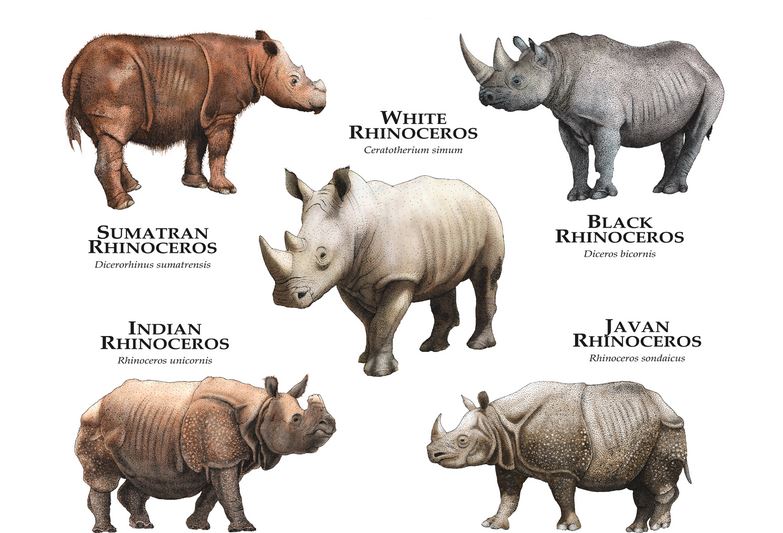
    Rhino horns are shrinking

    rhino

    The horns of rhinoceroses may have become smaller over time from the impact of hunting, according to a recent study spanning more than five centuries.

    About Indian Rhino

    • The Indian rhinoceros also called the greater one-horned rhinoceros and great Indian rhinoceros is a rhinoceros native to the Indian subcontinent.
    • It is listed as Vulnerable on the IUCN Red List and Schedule I animal in the Wildlife Protection Act, 1972.
    • It once ranged across the entire northern part of the Indian Subcontinent, along the Indus, Ganges and Brahmaputra River basins, from Pakistan to the Indian-Myanmar border.
    • Poaching for rhinoceros horn became the single most important reason for the decline of the Indian rhino.

    Why are Rhinos poached for horns?

    • Ground rhino horn is used in traditional Chinese medicine to cure a range of ailments, from cancer to hangovers, and also as an aphrodisiac.
    • In Vietnam, possessing a rhino horn is considered a status symbol.
    • Due to demand in these countries, poaching pressure on rhinos is ever persistent against which one cannot let the guard down.


    Click and get your FREE copy of Current Affairs micro notes

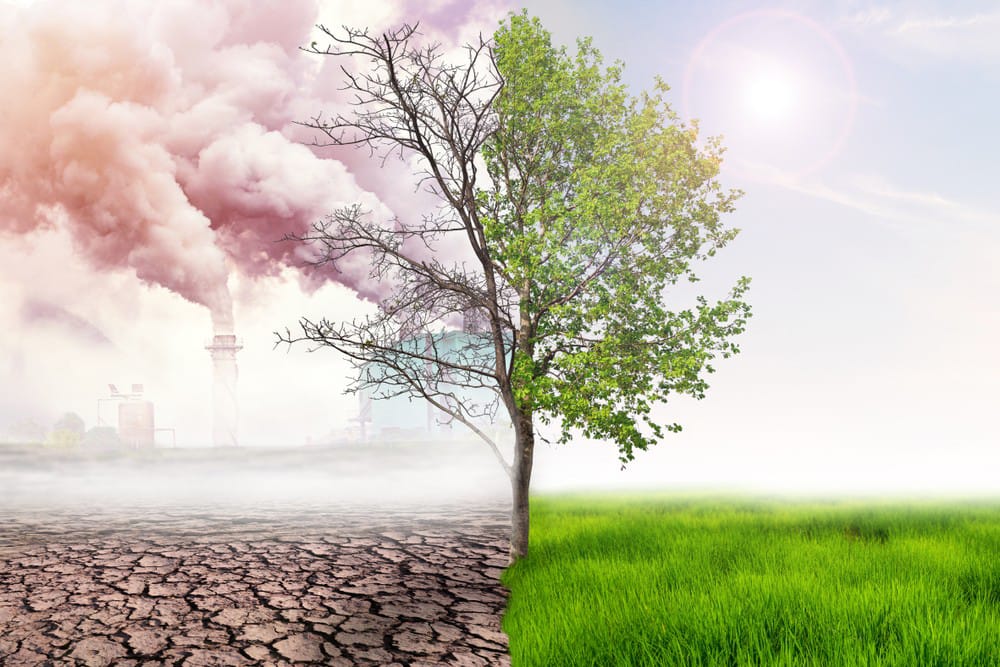
  • Air Pollution

    State Pollution Control Boards (SPCBs)

    pollution

    Context

    • In the fight against air pollution in the Indo Gangetic Plain, there are several important protagonists, none more so than India’s frontline environmental regulators, the State Pollution Control Boards (SPCBs), and the Pollution Control Committees (PCCs) in the Union Territories. There is no future with clean air in which the SPCB’s do not perform at the highest level possible.

    know about State Pollution Control Boards (SPCB)

    • Constituted under Water (Prevention and Control of Pollution) Act, 1974: The SPCBs were initially constituted under the Water (Prevention and Control of Pollution) Act, 1974. Under the Air (Prevention and Control of Pollution) Act, 1981, the SPCB mandate was expanded to include air quality management.
    • New responsibility without capacity: Subsequently, several new environmental regulations added to their roles and functions. Unfortunately, this enhanced mandate has not been matched with increased capacity and capability in the Boards. As environmental indicators such as air quality and water quality worsen in many parts of the country, the Boards are evidently failing to effectively discharge their statutory mandate.

    Analyzing the performance of SPCB’s

    • Poor performance of SPCBs: Over the years, several reports that have been published, including those by the parliamentary standing committee and government committees, have identified reasons for the poor performance of the SPCBs.
    • Experts are excluded from composition: The composition of SPCBs is a matter of serious concern as important stakeholders and those with crucial expertise are missing in most States. Boards are multimember bodies headed by a chairperson and a member secretary. Their decisions and policies guide the day-to-day functioning of the organisation.
    • Conflict of interest: Over 50% of the Board members across the 10 SPCBs and PCC studied represent potential polluters: local authorities, industries, and public sector corporations. They are subject to the SPCB’s regulatory measures, and their overwhelming presence raises fundamental questions around conflicts of interest.
    • SPCBs Does not meet the statutory requirement: At the same time, scientists, medical practitioners, and academics constitute only 7% of the Board members. What is even more worrying is that most Boards do not meet the statutory requirement of having at least two Board members who have knowledge of, and experience in, air quality management.
    • SPCB’s leadership and uncertain tenure: The chairperson and the member secretary do not enjoy a long, stable, and fulltime tenure. In many States, persons in these two posts hold an additional charge in other government departments. Data also show that several chairpersons and member secretaries have held their posts for less than a year. For example, the shortest tenure for a chairperson has been 18 days (Chhattisgarh) and 15 days for a member secretary (Haryana and Uttar Pradesh).
    • Short tenure with multiple roles: With the focus of the leadership of SPCB spread thin across multiple roles and their tenures being short, often they do not even have the time to understand their mandate fully before they are moved out. In such a scenario, long term policy planning, strategic interventions and effective execution aimed at reducing air pollution substantially are extremely difficult.
    • Problem of Understaffing: The SPCBs are critically understaffed. At least 40% of all sanctioned posts are vacant across nine SPCBs/PCCs for which there is data. Vacancy levels in technical positions are as high as 84% in Jharkhand, and over 75% in Bihar and Haryana. An inadequate staff strength forces the Boards to recast their priorities among their various functions.
    • Less regulatory scrutiny: Less staff strength also means weaker regulatory scrutiny and poor impact assessment. For example, given their workload, engineers in Bihar, Jharkhand, Punjab and Uttar Pradesh have less than a day to inspect, evaluate and decide on each consent application. With Board staff running on empty, this is clearly an unsustainable situation.

    pollution

    What are the recommendations for effective SPCBs?

    • Addressing Leadership and human resource needs: Strengthening manpower at the SPCBs will not only require hiring new resources, but also training existing staff by leveraging institutions such as the Indian Institutes of Technology, NEERI, and others. These in-service training programs would also serve as an incentive for staff both new and existing.
    • Better Pay structures: The Pay structure need to be revised to align with sectoral norms to ensure that SPCBs are not regularly losing trained manpower to industry and other sectors.
    • Modern infrastructure: The infrastructure of PCBs also needs to be improved along with manpower i.e., facilities such as adequate computers, improved lab facility etc. The instruments used for monitoring are not maintained properly or outdated. Sometimes labs are also not equipped enough to do the necessary analysis.
    • Expert should lead the SPCBs: It is imperative for their effective functioning that States should nominate to leadership positions, individuals of technical expertise and distinguished service such that effective decision making can be carried out.
    • Providing the fixed tenure: They should be appointed for a fixed tenure and in full-time roles, with the sword of removal or termination not hanging over their heads.
    • Reduction is composition for effective functioning: The size of the boards themselves may also be reduced to aid in effective functioning, with preference in membership given to technical experts, as is the international best practice. These moves would ensure that the Boards function effectively as independent agencies, as envisioned in their foundational legislation.

    pollution

    Read the basics-Air pollution

    • Air pollution is contamination of the indoor or outdoor environment by any chemical, physical or biological agent that modifies the natural characteristics of the atmosphere.
    • Household combustion devices, motor vehicles, industrial facilities and forest fires are common sources of air pollution. Pollutants of major public health concern include particulate matter, carbon monoxide, ozone, nitrogen dioxide and sulfur dioxide. Outdoor and indoor air pollution cause respiratory and other diseases and are important sources of morbidity and mortality.

    Conclusion

    • Given the scale and causes of air pollution in India, multidisciplinary expertise is needed to tackle it; there must also be an explicit focus on health while designing air pollution policy. The lack of expertise and skewed representation of stakeholders on the Boards can only be a hindrance to effective policy making.
  • Health Sector – UHC, National Health Policy, Family Planning, Health Insurance, etc.

    Recognizing “ASHA”: The real hope

    ASHA

    Context

    • One of the biggest issues facing rural health services is lack of information. ASHA workers are the first respondents even when there is lack of access to medical aid are threatened with violence and abused on the number of occasions while handlining the prospected patients in COVID19 pandemic.

    Evolution of “ASHA” you may want to know

    • The ASHA programme was based on Chhattisgarh’s successful Mitanin programme, in which a Community Worker looks after 50 households.
    • The ASHA was to be a local resident, looking after 200 households.
    • The programme had a very robust thrust on the stage-wise development of capacity in selected areas of public health.
    • Many states tried to incrementally develop the ASHA from a Community Worker to a Community Health Worker, and even to an Auxiliary Nurse Midwife (ANM)/ General Nurse and Midwife (GNM), or a Public Health Nurse.

    Who are ASHA workers?

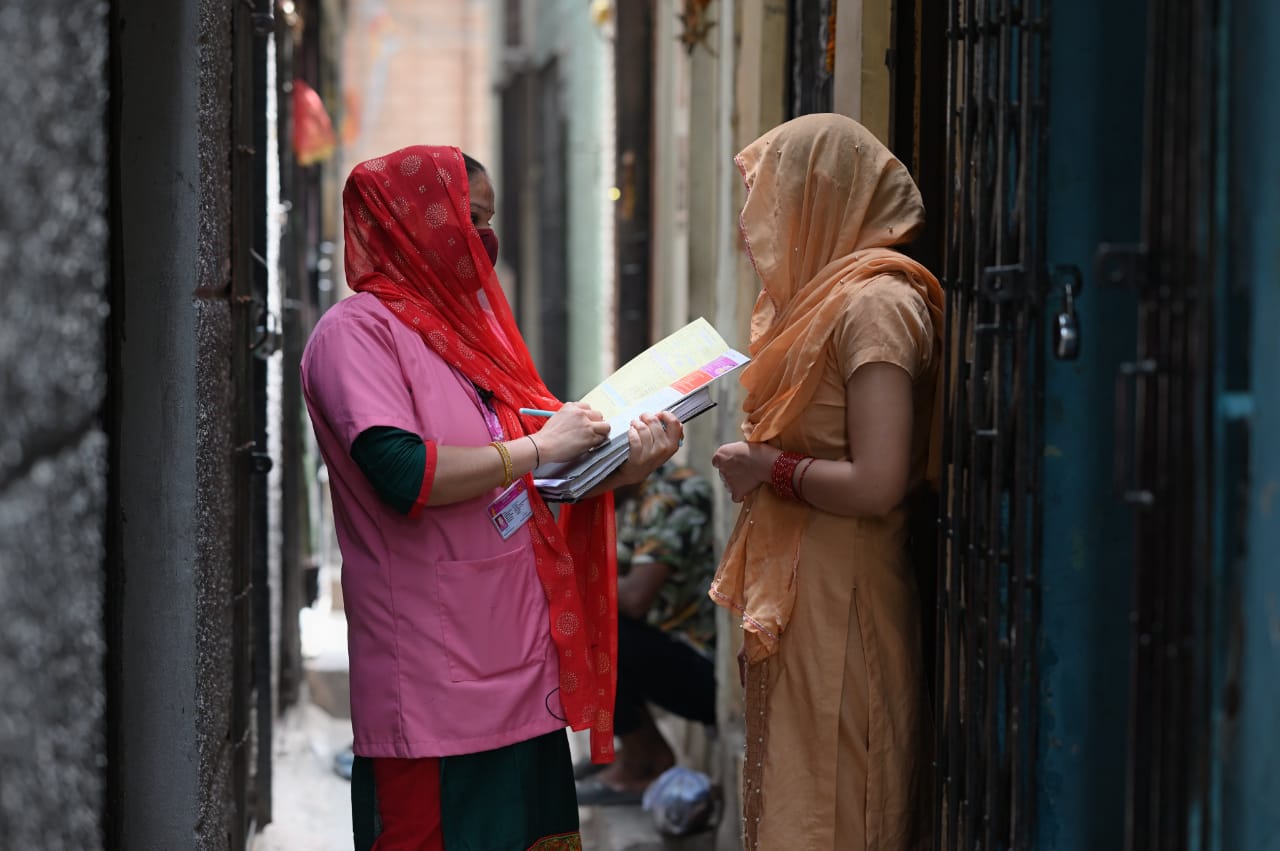
    • ASHA workers are volunteers from within the community who are trained to provide information and aid people in accessing benefits of various healthcare schemes of the government.
    • The role of these community health volunteers under the National Rural Health Mission (NRHM) was first established in 2005.
    • They act as a bridge connecting marginalized communities with facilities such as primary health centers, sub-centers and district hospitals.

    Qualifications for ASHA Workers

    • ASHAs are primarily married, widowed, or divorced women between the ages of 25 and 45 years from within the community.
    • They must have good communication and leadership skills; should be literate with formal education up to Class 8, as per the programme guidelines.

    ASHA

    What role do the ASHA Workers play? 

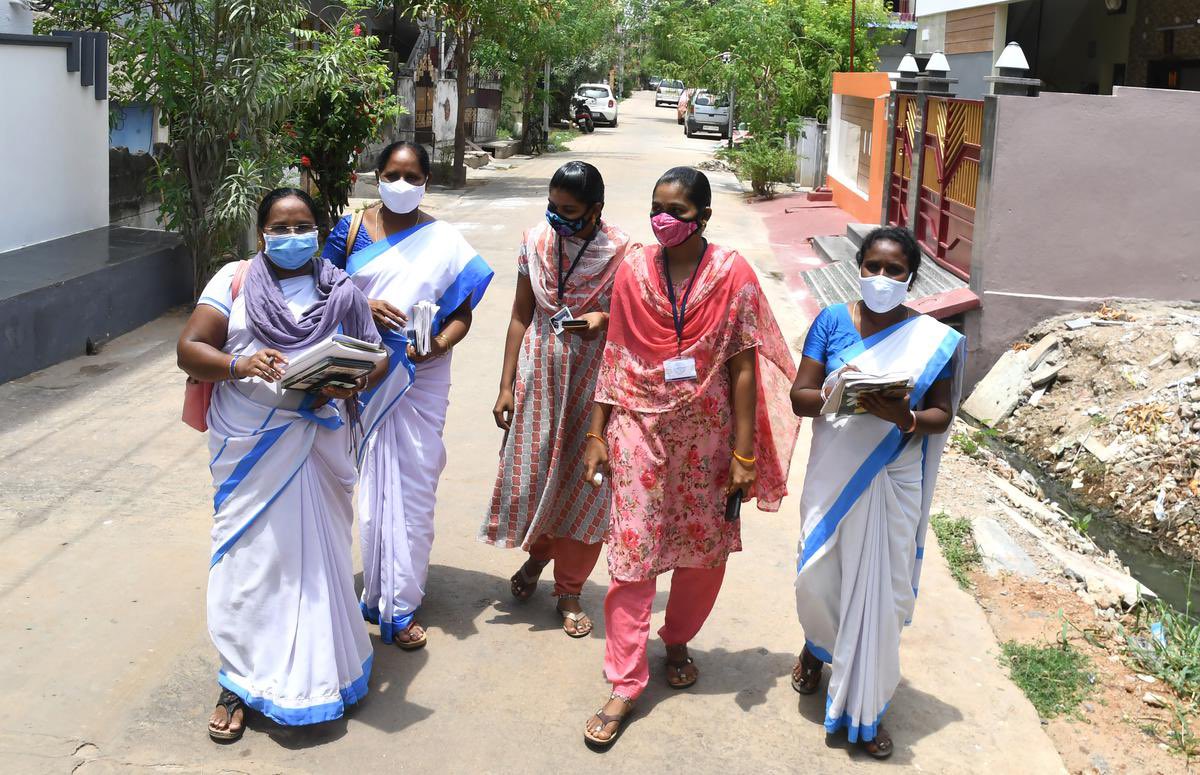
    • Involved in Awareness programs: They go door-to-door in their designated areas creating awareness about basic nutrition, hygiene practices, and the health services available. They also counsel women about contraceptives and sexually transmitted infections.
    • Ensures Mother and child health: They focus primarily on ensuring that pregnant women undergo ante-natal check-up, maintain nutrition during pregnancy, deliver at a healthcare facility, and provide post-birth training on breast-feeding and complementary nutrition of children.
    • Actively involved in Immunization programs: ASHA workers are also tasked with ensuring and motivating children to get immunized.
    • Providing medicines and therapies: Other than mother and childcare, ASHA workers also provide medicines daily to TB patients under directly observed treatment of the national programme. They also provide basic medicines and therapies to people under their jurisdiction such as oral rehydration solution, chloroquine for malaria, iron folic acid tablets to prevent anemia etc.
    • Tasked with Screening tests: They are also tasked with screening for infections like malaria during the season. They also get people tested and get their reports for non-communicable diseases. They were tasked to quarantine the covid 19 infected patients in the pandemic.
    • Informing the birth and death in respective areas:  The health volunteers are also tasked with informing their respective primary health center about any births or deaths in their designated areas.

    ASHA

    What are the challenges that ASHA workers face?

    • Lack of communication threating the job of ASHA Workers: One of the biggest issues facing rural health services is lack of information.
    • Lack of resources burdening the ASHA works job: Another area of concern is the lack of resources. Over the years, with the closest hospital being 9 km away and ambulances taking hours to respond, ASHA workers had to take multiple women in labour to the hospital in auto rickshaws.
    • Poor medical health facilities: Medical facilities are understaffed and lack adequate equipment for various basic procedures like deliveries. Simple tests, like for sickle cell anemia and HIV, cannot be conducted in no of respective areas of ASHA workers.
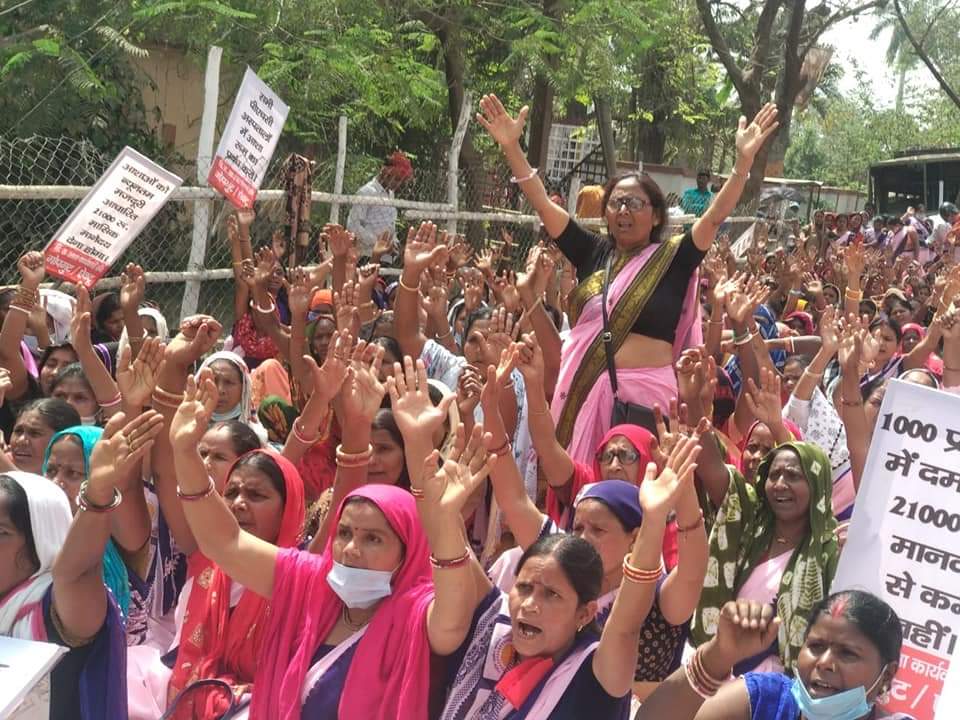
    • Low wages according to the job they do: The initial payment used to be paid was Rs 250 a month in 2009. Since ASHA’s unionized and agitated for a living wage. Thirteen years on, they earn around Rs 4,000 a month. It is simply not enough to sustain a family of four.
    • Covid 19 disruptions added to the existing problems: Low wages forcing ASHA’s to work two or more jobs. In the pandemic, no of women lost their husband or the means of earnings and had to revert to farming. Weather fluctuations disrupting the farm produce leaving no of ASHA’s the sole earner for the family. Those who don’t have land are living in miserable conditions.
    • Delayed payments reduce the morale: Payments are also delayed by months, Desperation for work leaves us unable to focus on the groundwork we do.

    ASHA

    What can be done to improve the work conditions of ASHA workers?

    • Improving the communication channels: Channels of communication between the government and the rural population need to be robust. A deadly pandemic makes the value of these channels obvious but in order to get people on board, information needs to be sent out much more effectively and in a hands-on manner. ASHA workers play a crucial role in aiding this effort. ASHA’s can’t do this alone. They need new systems to ensure the dissemination of life-saving information in remote areas.
    • ASHA’s should have fixed income: ASHA’s should have a fixed income, giving them the stability in a job where they spend between eight to twelve hours daily.
    • Role needs to be formalized ensuring the dignity: ASHA’s are recognized as “volunteers” currently. Their role needs to be formalized. Recognizing them as workers provides dignity and protection, and helps them to be taken seriously, by the state, the gram panchayat responsible for the disbursal of funds, and patients.
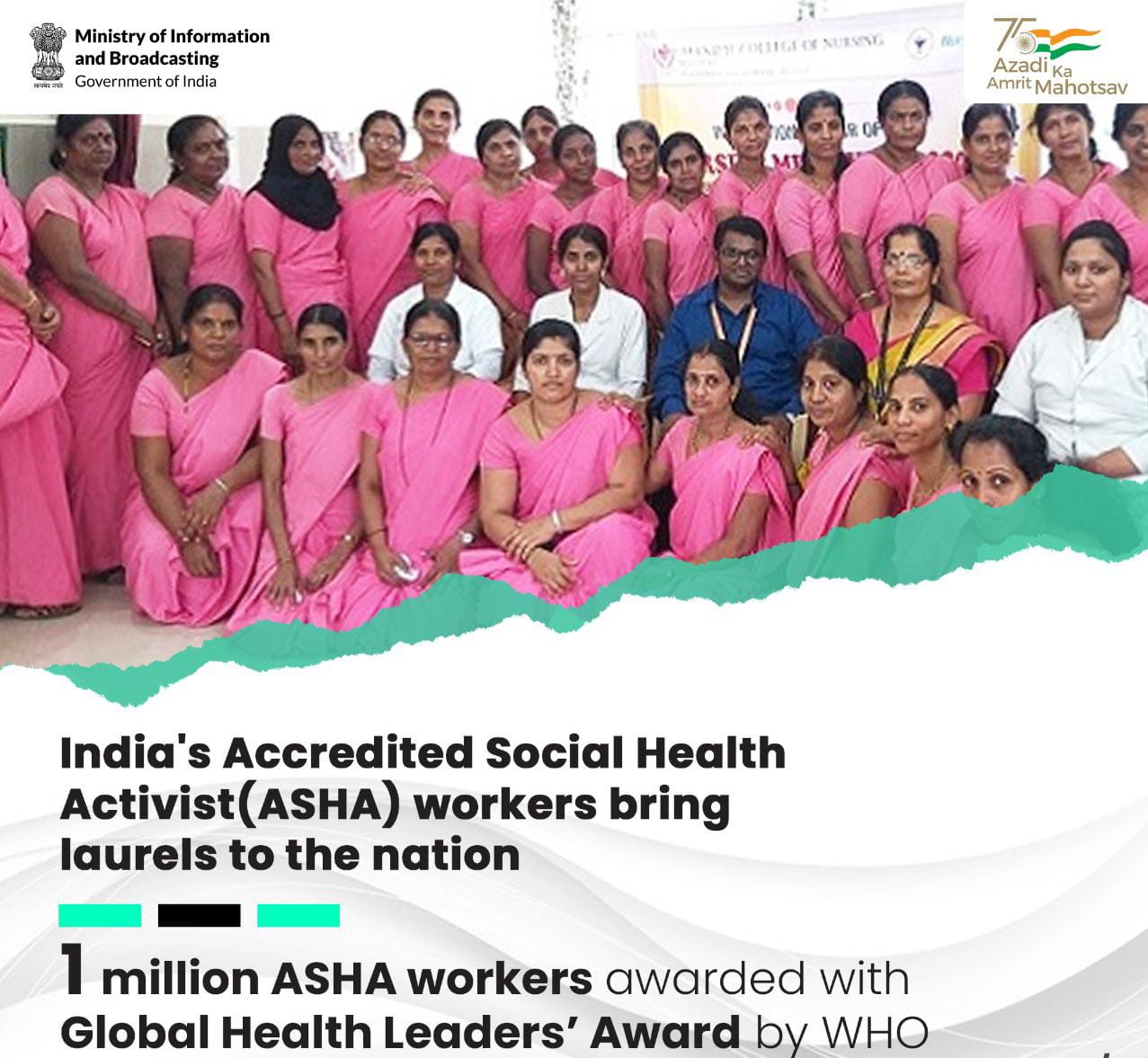
    • Recognizing and awarding their role will empower and motivate ASHA’s further: For people in villages, ASHA’s have become lifelines. They have led innumerable immunization drives and are everybody’s first call in a medical emergency. They have labored to build trust and serve as a bridge with the state. Examples shows recognition gives some leverage to circumvent the system and seek funds for people in my community.

    Conclusion

    • ASHA’s are lifelines of rural primary healthcare, they are playing critical role on no of fronts ensuring the basic health of India. A better, stronger India is possible if ASHA’s are enabled to serve people. Giving them due recognition would serve this end, along with making rural India’s needs medical or otherwise a priority.

    Mains Question

    Q. For the villagers, ASHA has been a lifeline in the last few years. Acknowledge the problems they face on a daily basis and suggest solutions to raise their morale for the primary health of the village community and the nation as a whole.

    Click and Get your FREE copy of Current Affairs Micro notes
     

  • Issues related to Economic growth

    One must know India’s Economic Growth Story

    Economic

    Context

    • As the COVID-19 pandemic fades and hopes to rise for nations and societies to return to some kind of normalcy, there is effort all around to take stock of where we stand and what our prospects look like. A look back over the last few years at how India performed in terms of its economy.

    Present situation of India’s economic growth

    • Mixed growth story: One group of experts argues, India’s growth story is more mixed. In 2021-22, its GDP growth was 8.7%, which was among the highest in the world. This is good but, against this, we must offset the fact that much of this is the growth of climbing out of the pit into which we had fallen the previous year.
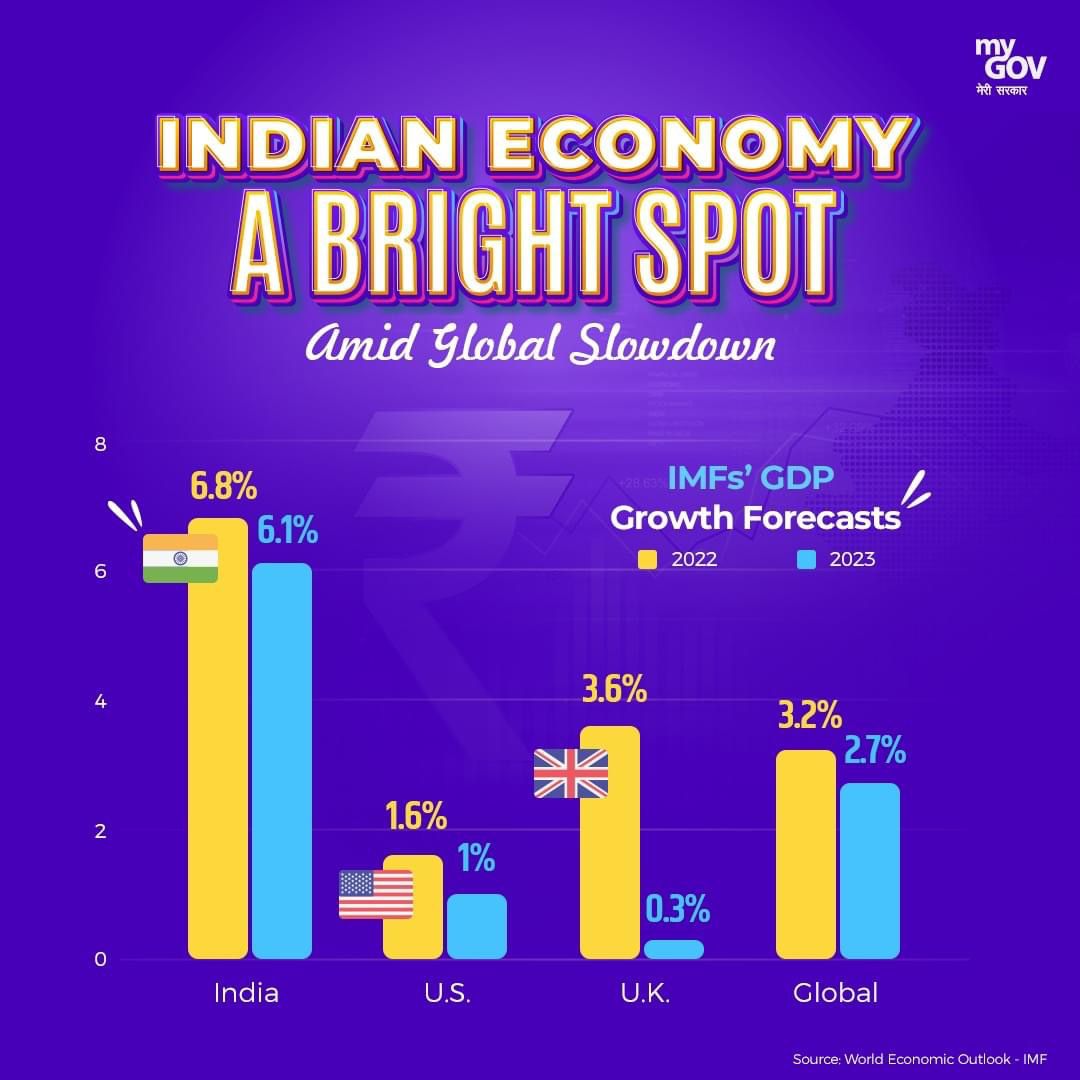
    • IMF reduced the growth forecast: In 2020-21, India’s growth was minus 6.6%, which placed the country in the bottom half of the global growth chart. For 2022-23, the International Monetary Fund has cut India’s growth forecast to 6.1%.

    Economic

    Structural assessment of India’s growth

    • Rising inequality and high unemployment: Most of India’s growth is occurring at the top end, with a few corporations raking in a disproportionate share of profits, and unemployment is so high, it is likely that large segments of the population are actually witnessing negative growth.
    • Slowdown in previous years: What makes India’s growth story worrying is that the slowdown began much before the COVID19 pandemic. It began in 2016, after which, for four consecutive years, the growth rate each year was lower than in the previous year. Growth in 2016-17 was 8.3%. After that it was, respectively, 6.9%, 6.6%, 4.8%, and minus 6.6%.
    • Status of unemployment: India’s unemployment rate is high. In October, it stood at 7.8%. However, what is really worrying is youth unemployment. According to International Labour Organization (ILO) data, collated and presented by the World Bank, India’s youth unemployment, that is, from among people aged 15 to 24 years who are looking for work, the percent that does not find any, stands at 28.3%.

     Know the basics-What is Unemployment?

    • Definition: Unemployment is a phenomenon that occurs when a person who is capable of working and is actively searching for the work is unable to find work.
    • Those who are excluded: People who are either unfit for work due to physical reason or do not want to work are excluded from the category of unemployed.
    • Unemployment rate: The most frequent measure of unemployment is unemployment rate. The unemployment rate is defined as a number of unemployed people divided by the number of people in the labour force.
    • Labour Force: Persons who are either working (or employed) or seeking or available for work (or unemployed) during the reference period together constitute the labour force.

    Economic

    Other perspectives on Indian economy

    • The latest GDP numbers suggest: For Q1 FY2022–23 suggest that economic growth is on a healthy track. Consumers, after a long lull, have started to step out confidently and spend private consumption spending went up 25.9% in Q1.
    • On the production side: the contact-intensive services sector also witnessed a strong rebound of 17.7%, thanks to improving consumer confidence.
    • Healthy agriculture sector: The only sector that consistently performed well throughout the pandemic, remained buoyant.
    • Industrial growth: Industrial growth boosted from accelerating growth in construction and electricity, gas, water supply and other utility services sectors.
    • Manufacturing is not doing well: A sector that has not yet taken off sustainably is manufacturing, which witnessed modest growth of 4.5% in Q1. Higher input costs, supply disruptions, and labor shortages due to reverse migration have weighed on the sector’s growth. According to the Reserve Bank of India’s (RBI’s) data on nonfinancial firms, surging raw material costs have stressed the profitability and margins of companies.

    What are the Challenges for the growth of economy?

    • High inflation: The biggest worry is that of high inflation (which has persisted for way too long) and all the challenges that come along with it. Inflationary environments increase the costs of doing business, impact profitability and margins, and reduce purchasing power. In short, inflation thwarts both supply and demand. Central banks’ monetary policy actions, in response to rising inflation, can impede credit growth and economic activity, thereby intensifying the probability of a recession in a few advanced nations.
    • Rising current account deficit: The other challenge is the rising current-account deficit and currency depreciation against the dollar. While a rebounding domestic economy is resulting in higher imports, moderating global demand is causing exports to slow. The US dollar’s unrelenting rise and global inflation are further causing India’s import bills to rise.
    • Declining forex: The RBI had to intervene to contain volatility and ensure an orderly movement of the rupee. The RBI’s intervention is leading to a drawdown in foreign exchange reserves. Consequently, the import cover from reserves has reduced to nine months from a high of 19 months at the start of 2021 (although, it remains above the benchmark of three months).

    Economic

    The economy’s growth drivers are improving

    • Exports: Exports, the first growth driver are slowing down and are likely to moderate along with the probable global economic slowdown.
    • Government spending: Government spending, the second driver, is already at an elevated level, thanks to the pandemic, and the government will likely focus on its prudence in utilizing limited resources. The good news is the share of capital expenses is going up even as the government is reducing revenue expenses. Multiplier effects of this spending will aid in growth in income, assets, and employment for years to come. Strong tax revenues may support further capital spending in the future.
    • Capital expenditure: According to experts, prospects for capex investments the third growth driver by companies are brighter. Sustained demand growth may be the most-awaited cue for a sustained push for investment.
    • Consumer demand: Consumer Demand, the fourth, and perhaps the most important, growth driver has improved significantly in recent quarters. However, spending has not grown sustainable despite improving consumer confidence. For instance, retail sales are growing but the pace is patchy, and auto registrations have remained muted. We expect that receding pandemic fears and the upcoming festive season could give a much-needed boost to the consumer sector.

    Conclusion

    • Indian economy should not be looked from isolation. It is very much integrated in global economy. Pandemic, Ukraine war, US- China trade war have given a successive shock to global and Indian economy. Despite that Indian has done well than rest of the world. Our focus should be on curbing inequality, not to allow people to descend into extreme poverty and employment generation.

    Mains Question

    Q. Analyse the present economic macro-indicators of Indian economy. What are the challenges for growth story of India in the context of global uncertainty?

    Click and Get your FREE copy of Current Affairs Micro notes
     

  • Citizenship and Related Issues

    CAA is an internal matter of India: Bangladesh Minister

    Bangladesh Information Minister has said that the Citizenship Amendment Act (CAA) framed to grant Indian citizenship to minorities of Bangladesh, Pakistan and Afghanistan was an “internal matter” of India.

    What is Citizenship Amendment Act (CAA), 2019?

    • The Citizenship (Amendment) Act, 2019 (CAA) is an act that was passed in the Parliament on December 11, 2019.
    • The 2019 CAA amended the Citizenship Act of 1955 allowing Indian citizenship for religious minorities who fled from the neighboring Muslim majority countries before December 2014 due to “religious persecution or fear of religious persecution”.
    • However, the Act excludes Muslims.
    • Under CAA, migrants who entered India by December 31, 2014, and had suffered “religious persecution or fear of religious persecution” in their country of origin, were made eligible for citizenship by the new law.
    • These type of migrants will be granted fast track Indian citizenship in six years.
    • The amendment also relaxed the residence requirement for naturalization of these migrants from eleven years to five.

    Key feature: Defining illegal migrants

    • Illegal migrants cannot become Indian citizens in accordance with the present laws.
    • Under the CAA, an illegal migrant is a foreigner who: (i) enters the country without valid travel documents like a passport and visa, or (ii) enters with valid documents, but stays beyond the permitted time period.
    • Illegal migrants may be put in jail or deported under the Foreigners Act, 1946 and The Passport (Entry into India) Act, 1920.

    Exceptions

    • The Bill provides that illegal migrants who fulfil four conditions will not be treated as illegal migrants under the Act.  The conditions are:
    1. They are Hindus, Sikhs, Buddhists, Jains, Parsis or Christians;
    2. They are from Afghanistan, Bangladesh or Pakistan;
    3. They entered India on or before December 31, 2014;
    4. They are not in certain tribal areas of Assam, Meghalaya, Mizoram, or Tripura included in the Sixth Schedule to the Constitution, or areas under the “Inner Line” permit, i.e., Arunachal Pradesh, Mizoram, and Nagaland.

    Controversy with the Act

    • Country of Origin: The Act classifies migrants based on their country of origin to include only Afghanistan, Pakistan and Bangladesh.
    • Other religious minorities ignored: It is unclear why illegal migrants from only six specified religious minorities have been included in the Act.
    • Defiance of purpose: India shares a border with Myanmar, which has had a history of persecution of a religious minority, the Rohingya Muslims.
    • Date of Entry: It is also unclear why there is a differential treatment of migrants based on their date of entry into India, i.e., whether they entered India before or after December 31, 2014.

    Why discuss this?

    • The CAA became a huge cause of concern between India and Bangladesh when it was passed by the Parliament in December 2019, with Dhaka seeking a written assurance from India.
    • Dhaka, then was irked by the remarks about religious persecution of minority Hindus in Bangladesh.


    Click and get your FREE copy of Current Affairs micro notes

  • Electoral Reforms In India

    Mulling remote Voting facility for NRIs: Govt. tells SC

    The Union government has said that it was considering ways to facilitate non-resident Indians (NRI) to cast their votes remotely while ensuring the integrity of the electoral process.

    Who are the NRIs?

    • Overseas Indians, officially collectively known as Non-Resident Indians (NRIs) and Overseas Citizens of India (OCI).
    • NRIs are Indian citizens who are not residents of India and OCI are people of Indian birth or ancestry who live outside and also are not the citizens of Republic of India.

    Classification of Overseas Indians

    (A) Non-Resident Indian (NRI)

    • Strictly asserting non-resident refers only to the tax status of a person who, as per section 6 of the Income-tax Act of 1961, has not resided in India for a specified period for the purposes of the Act.
    • The rates of income tax are different for persons who are “resident in India” and for NRIs.

    (B) Person of Indian Origin (PIO)

    Person of Indian Origin (PIO) means a foreign citizen (except a national of Pakistan, Afghanistan, Bangladesh, China, Iran, Bhutan, Sri Lanka and/or Nepal), who:

    • at any time held an Indian passport OR
    • either of their parents/grandparents/great-grandparents were born and permanently resident in India as defined in GoI Act, 1935 and other territories that became part of India thereafter provided neither was at any time a citizen of any of the aforesaid countries OR
    • is a spouse of a citizen of India or a PIO.

    (C) Overseas Citizenship of India (OCI)

    • After multiple efforts by leaders across the Indian political spectrum, a pseudo-citizenship scheme was established, the “Overseas Citizenship of India”, commonly referred to as the OCI card.
    • The Constitution of India does not permit full dual citizenship.
    • The OCI card is effectively a long-term visa, with restrictions on voting rights and government jobs.

    Why need remote Voting facility?

    • There had been several petitions to allow NRIs to vote through postal ballots.
    • Many migrant labourers often find it beyond their limited means to fly in just to cast their vote.
    • Allowing NRIs to vote from abroad might emerge as a decisive force in the country’s electoral politics.


    Click and get your FREE copy of Current Affairs micro notes

Join the Community

Join us across Social Media platforms.