💥UPSC 2026, 2027, 2028 UAP Mentorship (March Batch) + Access XFactor Notes & Microthemes PDF

Type: Explained

  • Monsoon Updates

    What is La Nina, expected to set in later this year, and how it could impact global weather

    Note4Students

    From UPSC perspective, the following things are important:

    Prelims level: El Nino ,La Nina and ENSO

    Mains level: NA

    Why in the news?

    The India Meteorological Department (IMD) has recently forecasted that La nina will affect the Indian monsoon in August and September.

    What are El nino and La nina?
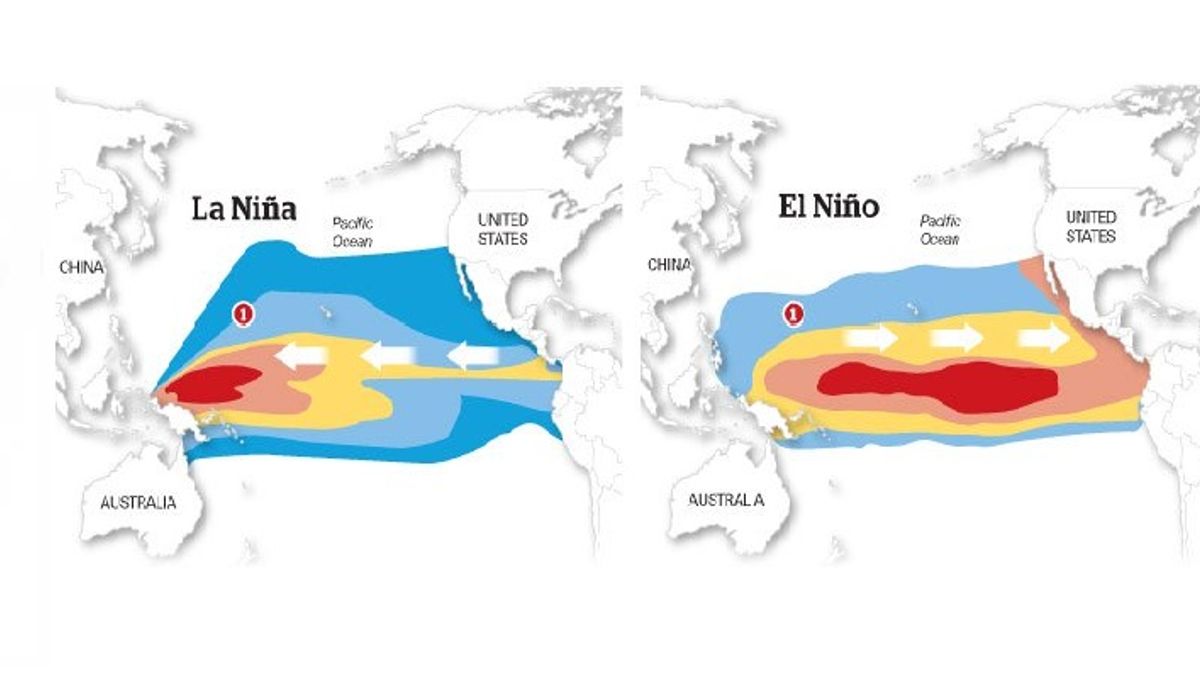
    • El Nino and La Nina are climate phenomena resulting from ocean-atmosphere interactions in the central and eastern tropical Pacific Ocean, significantly influencing global weather patterns.
    • El Nino (meaning “little boy” in Spanish) occurs when weak trade winds allow warm surface waters to accumulate near South America, reducing the usual upwelling of cold, nutrient-rich water. This leads to warmer-than-average sea surface temperatures.
    • La Nina (meaning “little girl” in Spanish) involves strong trade winds pushing warm water towards Asia, increasing upwelling and resulting in cooler-than-average sea surface temperatures along South America.
    • Together with a neutral phase, they form the El Nino-Southern Oscillation (ENSO) cycle.

    How could the incoming La Nina impact global weather?

    • Temperatures
        • Global temperatures are likely to decrease compared to the recent record-breaking heat during the 2023-2024 El Nino event.
        • However, despite the cooling effect of La Nina, temperatures will still be higher than in previous decades due to the long-term warming trend from greenhouse gas emissions.
    • Rainfall
        • La Nina typically brings drier conditions to parts of Southeast Asia, Australia, and the southern United States.
        • Wetter than normal conditions are expected in parts of South America and eastern Africa.
    • Tropical Storms
        • La Nina is associated with increased tropical storm activity in the Atlantic Ocean and fewer storms in the Pacific.
        • The 2023 Atlantic hurricane season could see more intense storms due to La nina conditions.
    • Economic Impacts
      • Droughts and floods linked to La nina can negatively impact agriculture, food security, and infrastructure in affected regions.
      • Fishing communities in the eastern Pacific may face reduced catches due to cooler ocean temperatures.

    La nina’s impact on India

    • Positive Impact on Monsoons
        • La Nina generally leads to above-average monsoon rainfall in India. Since 1950, out of the 13 droughts India faced, only one was during a La nina year.
        • The extended La Nina event in 2022 led to a change in wind patterns, with winds blowing from north to south instead of the usual northwesterly direction.
        • This caused pollutants from agricultural burning in northern states to bypass Delhi and reach southern regions like Mumbai.
    • Negative Impacts
      • La Nina can sometimes lead to heavy rains and floods in some parts of India, while the Western Ghats may receive average or below-average rainfall.
      • Winter rainfall is less than normal in north India, and snowfall over the Western Himalayas is also lower than usual during La Nina years.
      • Farmers may be at risk of losing their standing Kharif crops if heavy rains occur during this period.

    Is climate change affecting EnSO?

    • El Nino–Southern Oscillation (ENSO) is a global climate phenomenon that emerges from variations in winds and sea surface temperatures over the tropical Pacific Ocean.
      • Climate change is likely impacting the ENSO cycle, potentially altering the frequency and intensity of El Nino and La Nina events.
      • Studies suggest that global warming may change mean oceanic conditions in the Pacific, possibly leading to more frequent or intense El Nino events.
    • The World Meteorological Organization (WMO) has indicated that climate change is expected to influence extreme weather events associated with EnSO, including more severe droughts, floods, and heatwaves.

     Way Forward:

    • Develop more accurate climate models for better prediction of EnSO events and their impacts.
    • Foster international collaboration to share data, resources, and strategies for managing EnSO-related challenges.

    BACK2BASICS

    India Meteorological Department (IMD)

    • The India Meteorological Department (IMD), established in 1875, serves as the national Meteorological Service and is the principal government agency responsible for meteorology and related subjects in India.
    • Operating under the Ministry of Earth Sciences, IMD is headquartered in New Delhi.
    • IMD is one of the six Regional Specialized Meteorological Centres of the World Meteorological Organization.

    Mains PYQ:

    Q Most of the unusual climatic happenings are explained as an outcome of the El-nino effect. Do you agree? (UPSC IAS/2014)

  • Foreign Policy Watch: United Nations

    Expert Explains: Why the ICC Prosecutor has asked for an arrest warrant against Netanyahu, and what could happen now

    Note4Students

    From UPSC perspective, the following things are important:

    Prelims level: About International Criminal Court (ICC)

    Mains level: World peace and challenges; International Courts and Justice;

    Why in the News?

    On 20 May 2024, the Prosecutor of the International Criminal Court (ICC) requested arrest warrants against leaders of Hamas and Prime Minister Benjamin Netanyahu of Israel about the events of October 7, 2023, and the conflict in Palestine.

    What is the International Criminal Court?

    • The International Criminal Court formed in 2002, is an Intergovernmental Organization and International Tribunal seated in the Hague, Netherlands.
    • It deals with the most serious crimes of concern to the international community, including genocide, crimes against humanity, war crimes, and crimes of aggression.
    • Unlike the international tribunals, the International Criminal Court is a permanent body.

    Against whom has the Prosecutor requested warrants of arrest?

    Specifically, warrants have been sought for senior Hamas leaders Yahya Sinwar, Mohammed Deif, and Ismail Haniyeh, along with Netanyahu and Israel’s Minister of Defence Yoav Gallant.

    The process of ICC decision-making and the scope of the present case:

    • ICC decisions are binding, but they rely on the cooperation of member states for support.
      • A panel of judges at the ICC must decide on the Prosecutor’s application for arrest warrants.
      • If approved, all State Parties are obligated to cooperate, including arresting and extraditing the accused individuals to The Hague.
      • This could restrict international travel for Netanyahu and Gallant, affecting visits to countries that are State Parties to the Rome Statute.
    • Israel is not a Party to the Rome Statute. However, the ICC does have jurisdiction over crimes committed by nationals of both State Parties  (such as Palestine) and Non-state Parties (such as Israel) on the territory of a State Party (such as Palestine).

    International Criminal Court (ICC) Vs. International Court of Justice (ICJ) 

    ICC ICJ
    Relationship with the UN ICC is an independent organization not part of the United Nations ICJ is an integral part of the UN and acts as its primary judicial branch
    Members ICC has around 105 members, focusing on prosecuting individuals for crimes. ICJ has all 193 UN member countries as its members, primarily resolving disputes between states
    Derivation of Authority ICC derives its authority from the Rome Statute, focusing on prosecuting individuals for crimes against humanity, war crimes, genocide, and crimes of aggression. ICJ derives its authority from the Charter of the United Nations, settling disputes between countries based on international law
    Funding It mainly functions on contributions made by state parties to the Rome Statute and voluntary contributions Its funding sources differ based on its status as an organ of the United Nations


    Way forward:

    • Need Enhanced Cooperation: Encouraging greater cooperation between the ICC and the UN to strengthen their effectiveness in addressing international crimes.
    • Need Wider Membership: Advocating for more countries to become State Parties to the Rome Statute to broaden the ICC’s jurisdiction and reach.

    Mains PYQ:

    Q India’s relations with Israel have, of late, acquired a depth and diversity, which cannot be rolled back.” Discuss. (UPSC IAS/2018)

  • Forest Conservation Efforts – NFP, Western Ghats, etc.

    ‘Silent demise’ of vast ‘Rangelands’ threatens climate, food, wellbeing of billions: UNCCD 

    Note4Students

    From UPSC perspective, the following things are important:

    Prelims level: UNCCD Reports; Global Land Outlook Thematic Report

    Mains level: UNCCD; Land Degradation; f

    Why in the News?

    The UN Convention to Combat Desertification (UNCCD) recently published the “Global Land Outlook Thematic Report” on Rangelands and Pastoralists, revealing that up to 50% of Rangelands are degraded.

    About UNCCD:

    • UNCCD adopted in 1994 (effectively from 1996),  is a legally binding agreement that aims to protect and restore land and combat desertification and drought.
    • It is one of the three Rio Conventions (the other two being – the Convention on Biological Diversity (UNCBD) and United Nations Framework Convention on Climate Change (UNFCCC)).

    What is the Rangeland?

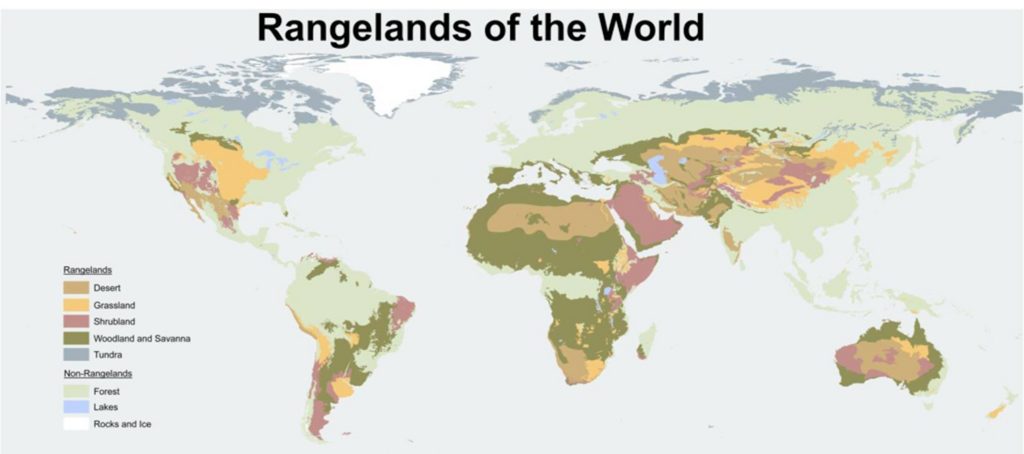
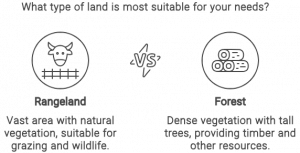
    • Rangeland, is any extensive area of land that is occupied by native herbaceous or shrubby vegetation which is grazed by domestic or wild herbivores.

      • It may include tallgrass prairies, steppes (shortgrass prairies), desert shrublands, shrub woodlands, savannas, chaparrals, and tundras.
    • These lands constitute 54% of all land cover, account for 1/6th of global food production, and represent nearly 1/3rd of the planet’s carbon reservoir.

    World areas that are most acutely affected by Rangeland Degradation:

    • Central Asia, China, Mongolia: The replacement of government management with privatization and agricultural industrialization led to the abandonment of herders and reliance on insufficient natural resources, causing degradation.
    • North Africa and the Near East: Climate change is pushing pastoralists into poverty and degrading rangelands.
    • Sahel and West Africa: Conflict, power imbalances, and border issues have disrupted livestock mobility, leading to degradation.
    • South America: Climate change, deforestation from industrial agriculture, and land use conversion are primary drivers of degradation.
    • East Africa: Migration and forced displacement due to competing land uses are evicting pastoralists, causing degradation.
    • North America: Degradation of ancient grasslands and dry rangelands threatens biodiversity in ecosystems like tall-grass prairies and southern deserts.
    • Europe: Policies favoring industrial farming over pastoralism and misguided incentives are causing the abandonment and degradation of rangelands.
    • South Africa and Australia: Afforestation, mining, and land conversion are causing degradation and loss of rangelands.

    How does it impact the Food chain?

    • Over two billion people, including small-scale herders, ranchers, and farmers, depend on healthy rangelands for their livelihoods, underscoring the critical link between rangeland health and food chain cycle.
    • Up to 50% of rangelands are degraded due to various factors including overuse, misuse, climate change, and biodiversity loss, posing a severe threat to food security.

    The Economic significance of Rangelands:

    • Livestock Grazing and Agriculture: Rangelands are crucial for livestock production, providing natural forage for cattle, sheep, goats, and other herbivores. This grazing land supports the meat and dairy industries, which are vital to the global food supply and rural economies.
    • Eco-tourism and hunting: These areas support a wide range of wildlife, contributing to biodiversity and offering opportunities for eco-tourism and hunting, both of which generate significant income for local economies.
    • Ecosystem Services: Rangelands provide vital services like water filtration, carbon storage, and soil preservation, yielding economic advantages through climate regulation and conservation.
    • Income and employment opportunities: Harvesting these resources provides income and employment opportunities for rural populations. The economic contributions made by different countries are as follows:
      • Ethiopia: Livestock production from rangelands accounts for 19% of the country’s GDP.
      • India: Livestock from rangelands contributes 4% to the national GDP.
      • Brazil: As a major beef producer, Brazil generates one-third of its agribusiness GDP from cattle livestock, producing 16% of the world’s beef.

    What is the innovative approach presented by the UNCCD Report?

    • The past estimates by UNCCD of degraded rangeland of roughly 25% are significantly underestimated, where the actual loss of rangeland’s health and productivity was potentially reaching up to 50%.
    • Conceptual Approach: The report outlines a new conceptual approach designed to help policymakers stabilize, restore, and manage rangelands more effectively.
      • This new approach is supported by detailed case studies from nearly every world region, which provide important lessons from both the successes and failures in rangeland management.
    • Core Recommendation – Protect Pastoralism: The report emphasizes the importance of protecting pastoralism a traditional, mobile way of life based on pasture-based livestock production as a key strategy for sustainable rangeland management.

    Conclusion: Many countries like the U.S. and Canada makingare trying to reintroduce bison, an animal with significant cultural importance to indigenous peoples. This initiative aims to promote rangeland health and enhance food security.

    Mains PYQ:

    Q The process of desertification does not have climate boundaries. Justify with examples.(UPSC IAS/2020)

  • Medical Education Governance in India

    SC to reconsider its 1995 judgement to include the medical profession under the Consumer Protection Act

    Note4Students

    From UPSC perspective, the following things are important:

    Prelims level: Judiciary; Consumer Protection Act (CPA)

    Mains level: Judiciary; Judicial overreach; Consumer Protection Act (CPA)

    Why in the news?

    Recently, the apex court held that lawyers as ‘professionals’ could not be subjected to legal proceedings for providing faulty ‘service’ under the Consumer Protection Act 2019 (CPA). A similar case applies to Medical practitioners which is in high controversy.

    What is the Consumer Protection Act (CPA)?

    •  
    Consumer Protection Act, 1986 Consumer Protection Act, 2019
    Purpose Enacted to provide simpler and quicker access to redressal of consumer grievances. Repeals and replaces the CPA, 1986.
    Introduction of Concept Introduced the concept of ‘consumer’ and conferred additional rights on consumers. Expands the scope of the definition of ‘consumer’ to include transactions conducted offline or online through electronic means, teleshopping, direct selling, or multi-level marketing.
    Scope of Protection Protects individuals fitting the definition of ‘consumer’ as defined by the Act. Extends protection to a wider range of transactions, including those related to banking, insurance, transport, housing construction, entertainment, amusement, etc.

    About the previous case – Indian Medical Association vs V P Shantha (1995):

    • In 1995, a three-judge bench of the SC ruled, “Doctors would be covered under the consumer protection law, allowing the filing of several medical negligence lawsuits against doctors for deficiency in service”.
    • The court also acknowledged that medical professional occupations are often “skilled” work which differs from other occupations and the success usually depends on factors that are beyond the doctor’s control.

    Diversity of present Opinions:

    • What did the National Consumer Disputes Redressal (NCDR) Commission say?
        • In 2007, the NCDR Commission held that lawyers provide a service to their clients and hence they can be sued for deficiency of service.
        • This case ultimately reached the apex court where the judgement was passed recently.
    • What did the Apex court say?
      • The court said that the objective principle of the CPA 2019 was to protect consumers from unfair trade practices and unethical business practices (the law was not intended to include professionals).
      • The court noted that the legal profession is unique and cannot be compared with any other profession.
      • According to the SC, hiring or availing of an advocate is a contract of personal service and is therefore exempted from the scope of the consumer protection law.

    About the Consumer Redressal Commissions in India:

    • Legal proceedings under the CPA are heard by the Commissions which are constituted at all the 3 tier- District, State, and National levels (According to the CPA, 1986).
      • The President of each Commission would be a person who was/ is qualified to be a judge at the District, High Court, and Supreme Court resp.
      • The other individuals who have the knowledge, experience, or capacity to deal with problems relating to economics, law, commerce, accountancy, industry, public affairs or administration.
      • Since there is no requirement for commission members to have knowledge in medical matters, they are not suited to deal with complex medical issues.
    • In 2024, another SC bench appeared to be more sympathetic to the medical practitioners and held that these professionals should not be held to the same standard as other occupations.

    Why does the Apex Court not Exempt Medical Profession from the Purview of CPA?

    • Firstly, doctors have specific duties to their patients, such as deciding on treatment and its administration.
    • Secondly, if a doctor breaches these duties by failing to provide a reasonable standard of care, they can be held liable under the CPA.
    • Additionally, the court believes requiring commission members to have case-specific knowledge would be impractical and burdensome.

    Conclusion: This decision aims to prevent potential imbalances between District and State Commissions in handling cases and places the responsibility on parties to provide evidence for informed decisions.

  • Agricultural Sector and Marketing Reforms – eNAM, Model APMC Act, Eco Survey Reco, etc.

    A vegetable triumvirate, inflation, and the takeaway

    Note4Students

    From UPSC perspective, the following things are important:

    Prelims level: Inflation; Agriculture; Perishable goods;

    Mains level: Volatility and importance of shaping Inflation trends;

    Why in the News?

    The price fluctuations and Inflation trends in recent market underscore the necessity for Targeted Policy Interventions and a comprehensive grasp of Agricultural Supply Chains.

    The Significance of Vegetable Triumvirate (trio):

    • Tomato, Onion, and Potato (TOP) aren’t just statistical entities but essential ingredients in Indian cuisine, forming the backbone of many dishes.
    • These vegetables represent more than just a portion of the CPI basket; they embody cultural and dietary preferences deeply ingrained in Indian culinary traditions.

    Volatility and its role in shaping Inflation trends by TOP vegetables:

    Vegetable prices in India rose by approximately 15% year-on-year, indicating significant inflation in this category.

    • Highly Volatile: There was notable volatility in vegetable prices, with a sharp decrease of 0.7% in June followed by a substantial increase of 37.4% in July.
    • High Contribution to Inflation: Despite vegetables weighing only 6% in the total CPI basket, their contribution to inflation was about 30% in Feb/March 2024.
      • For example, Tomatoes having a weight of only 0.6% in the CPI basket, prices soared by 202% in July 2023, contributing to 18.1% of the total headline inflation.
      • The contribution of vegetables to headline inflation was 31.9%, with TOP (tomato, onion, and potato) contributing 17.2%, further highlighting their substantial impact on inflation trends.

    Navigating Culinary and Economic Realities (Challenges):

    • Policy Challenges: The volatility in TOP prices underscores the need for effective policy interventions, including agricultural value chain reforms and improved storage facilities to stabilize prices and support farmers.
    • Farmers’ Plight: Farmers, who are often net buyers of these crops, bear the brunt of price fluctuations, necessitating measures like Minimum Support Prices to ensure their livelihoods are protected.
    • Government Response: Despite protests and demands from farmers, policy responses have been inconsistent, relying on short-term measures like export bans rather than addressing underlying structural issues in the agricultural sector.

    Way forward:

    • Need for Value Chain Reforms: Implement reforms aimed at improving the efficiency and resilience of agricultural value chains for TOP vegetables.
    • Need Price Stabilization Mechanisms: Introduce mechanisms to stabilize prices of TOP vegetables, such as market interventions, buffer stocks, or price ceilings during periods of extreme volatility. This can help mitigate the impact of price fluctuations on consumers and farmers alike.
    • Minimum Support Prices (MSPs): Establish MSPs for TOP vegetables to provide farmers with a guaranteed floor price for their produce.

    Mains PYQ:

    Q Do you agree with the view that steady GDP growth and low inflation have left the Indian economy in good shape? Give reasons in support of your arguments.(UPSC IAS/2019)

  • Women empowerment issues – Jobs,Reservation and education

    Spotlighting Pre-eclampsia, ensuring safe motherhood

    Why in the News?

    The prevalence of Congenital Anomalies and Neurological Challenges in newborns highlights the need for adequate Antenatal and Perinatal care to address them.

    Key observations made by the National Family Health Survey (NFHS-5):

    Perinatal mortality rates stand at 32 for 1,000 pregnancies, neonatal mortality rates at 25 for 1,000 live births, and hypertensive disorders in pregnancy remain a leading cause of maternal death.

    • Cause of Maternal and Perinatal Mortality: Preeclampsia (PE) is a significant cause of maternal and perinatal morbidity and mortality, with early onset PE posing higher risks.  
    • Combination of Maternal factors and Biomarkers: Screening based on maternal risk factors alone has suboptimal performance, while a combination of maternal factors and biomarkers like mean arterial pressure, uterine artery pulsatility index, and serum placental growth factor can improve detection rates significantly.
    • Early Intervention with Aspirin Prophylaxis: First-trimester screening models, like the FMF prediction algorithm, have been effective in identifying high-risk pregnancies for preterm PE, allowing for early intervention with aspirin prophylaxis to reduce the incidence of preeclampsia.

    What is Pre-eclampsia?

    • Preeclampsia is a complication of pregnancy. Preeclampsia, high blood pressure, and high levels of protein in urine indicate kidney damage (proteinuria), or other signs of organ damage. 
    • Preeclampsia usually begins after 20 weeks of pregnancy in women whose blood pressure had previously been in the standard range.


    Challenges to cure Pre-eclampsia (PE):

    • Complex Screening Protocols: Effective screening requires a combination of maternal history, demographics, color Doppler ultrasound, mean arterial pressure, and placental biomarkers, which may not be uniformly available or implemented.
    • Limited Resources: Not all healthcare facilities have access to advanced screening tools and technologies like color Doppler ultrasound and placental biomarker testing.
    • Lack of Awareness: Pregnant women may not be aware of the symptoms and risks associated with pre-eclampsia, leading to delayed presentation and diagnosis.
    • Delayed Intervention: Identifying high-risk pregnancies early is crucial, but delays in screening and diagnosis can lead to missed opportunities for timely intervention.
    • Pharmacological Challenges: Ensuring timely pharmacological intervention, such as aspirin prophylaxis, requires adherence to established protocols, which may only sometimes be followed.
    • Logistical Issues: Implementing widespread screening and management protocols involves logistical challenges, including training healthcare providers and ensuring the availability of necessary equipment.
    • Complexity of the Disorder: The systemic nature of pre-eclampsia, affecting multiple organs, complicates its management and requires a multidisciplinary approach.

    Programs in India:

    • “Samrakshan” program: The Indian Radiological and Imaging Association’s (IRIA) “Samrakshan” program aims to reduce pre-eclampsia from 8%-10% to 3% and fetal growth restriction from 25%-30% to 10% by the end of the decade.
    • The program focuses on spreading awareness, screening for pre-eclampsia and fetal growth restriction, and ensuring comprehensive care throughout pregnancy.

    Way Forward: 

    • Early Detection and Management: Early detection through regular prenatal care, including blood pressure monitoring and urine testing for protein, is crucial in managing pre-eclampsia.
      • Timely intervention can help prevent severe complications and ensure the well-being of both mother and baby.
    • Promoting Awareness and Education: Raising awareness about the signs and symptoms of pre-eclampsia among pregnant women is essential for early recognition and prompt action.
      • Education on risk factors, preventive measures, and the importance of regular antenatal check-ups can significantly impact maternal and neonatal outcomes.
    • Ensuring Access to Quality Maternal Healthcare: Access to quality maternal healthcare services, including skilled antenatal care, monitoring, and timely interventions, is vital in addressing pre-eclampsia and reducing maternal mortality rates.
      • Empowering healthcare providers with the knowledge and resources to manage pre-eclampsia effectively is key to ensuring safe motherhood.
    • Collaborative Efforts for Maternal Health: Collaboration between governments, healthcare institutions, non-profit organisations, and the private sector is essential in implementing comprehensive maternal health programs that prioritise the prevention, early detection, and management of pre-eclampsia.

    Conclusion: By spotlighting pre-eclampsia and emphasising the importance of early detection, awareness, access to quality care, and collaborative efforts, we can strive towards ensuring safe motherhood for all women, safeguarding the health and well-being of mothers and their babies.


    Mains PYQ:

    Q Identify the Millennium Development Goals (MDGs) that are related to health.Discuss the success of the actions taken by the Government for achieving the same.(UPSC IAS/2013)


  • Nuclear Diplomacy and Disarmament

    The risks of Russia’s nuclear posturing

    Note4Students

    From UPSC perspective, the following things are important:

    Prelims level: NATO countries; NPT; Bordering countries of Russia and Ukraine;

    Mains level: Nuclear Policies and the Global geopolitics; NATO countries; NPT;


    Why in the news?

    The Russia-Ukraine war persists with no end in sight. Russia’s nuclear drills and plans to station weapons in Belarus escalate Global tensions and are deeply concerning.

    What is the NPT and how does it address Russia’s actions?

    • The NPT (Nuclear Non-Proliferation Treaty) is a multilateral agreement aimed at limiting the spread of nuclear weapons through three pillars: non-proliferation, disarmament, and peaceful use of Nuclear energy.
    • It defines Nuclear Weapon States (NWS) as those that had manufactured and detonated a nuclear explosive device before 1967, with all other states considered non-nuclear weapon states (NNWS).

    The NPT has addressed Russia’s actions in several ways:

    • Russia, as a NWS, is obligated under Article VI to pursue negotiations in good faith on effective measures relating to nuclear disarmament. However, Russia’s invasion of Ukraine has increased the salience of nuclear weapons in ways that threaten to erode this bargain.
    • The NPT’s 2022 Review Conference specifically condemned overt nuclear threats, and the Treaty on the Prohibition of Nuclear Weapons (TPNW) called for nuclear deterrence to be delegitimized.
    • The NPT requires NNWS to accept International Atomic Energy Agency (IAEA) safeguards on all nuclear materials on their territories. However, the IAEA has found several states, including Russia, in non-compliance with their safeguards agreements.
    • The NPT’s review process, where state parties convene every five years to review the implementation of the Treaty, has been unable to reach a consensus on condemning Russia’s nuclear threats due to Russia’s objections.

    The Shift in Nuclear Policy of Russia:

    • Criticism by Western countries:  The international community has expressed concern over Russia’s nuclear rhetoric, calling for accountability. Western states and allies condemn Russia’s actions and seek to address them through initiatives like the United Nations and the NPT (Treaty on the Non-Proliferation of Nuclear Weapons) to uphold norms and deter irresponsible behaviour.
    • Changing Nuclear Threshold and Policy: Russia appears to be considering lowering the threshold for nuclear weapon use, which could set a dangerous precedent.
      • Traditionally, Nuclear Weapons were reserved for existential threats, but Russia is now signalling a potential first-use policy even for non-existent threats.
    • Erosion of Mutually Assured Destruction (MAD): For decades, the principle of Mutually Assured Destruction (MAD) deterred the use of nuclear weapons. Russia’s current stance threatens this principle, suggesting that nuclear weapons could be used in conflicts that do not directly jeopardize National survival.

    What are the consequences of Russia’s nuclear rhetoric for Global Security?

    • It has raised the risk of nuclear escalation and use, as Russia has purposefully increased the level of risk to discourage Western support for Ukraine and instill fear. Russia’s actions may encourage other nuclear-armed states, like Iran and North Korea, to adopt similar tactics.
      • This undermines the long-standing separation between Conventional and Nuclear warfare.
    • Undermined Strategic Stability and the Global Nuclear Order:  Russia’s actions have broken down nuclear guidelines and norms, advocating for nuclear use against Ukraine and NATO. This has contributed to the return of nuclear arms competition on the global stage.
    • It has caused alarm and fear among Russia’s neighbors, who worry that if Russia is not stopped in Ukraine, it may turn aggression against other territories. Small countries like Moldova, Georgia, and even Russia’s allies like Kazakhstan fear becoming Putin’s next target.
    • It has required the international community to respond with strong deterrence and accountability measures. The West has emphasized that Russian nuclear use would have devastating consequences.
      • Holding Russia accountable through multilateral initiatives is crucial to upholding norms and deterring further irresponsible behaviour.

    Way forward:

    • Strengthen International Diplomatic Engagement: Initiate high-level dialogues involving all nuclear-armed states to reinforce commitments to non-proliferation treaties and discourage the lowering of nuclear use thresholds.
    • Revise and Reinforce Security Assurances: Provide renewed and clear security assurances to non-nuclear states to discourage them from pursuing nuclear weapons. Revisit agreements like the Budapest Memorandum to ensure their effectiveness and credibility.

    Mains PYQ:

    Q (UPSC IAS/2022) 

    (a): Russia and Ukraine war has been going on for the last seven months. Different countries have taken independent stands and actions keeping in view their own national interests. We are all aware that war has its own impact on the different aspects of society, including human tragedy. What are those ethical issues that are crucial to be considered while launching the war and its continuation so far? lllustrate with justification the ethical issues involved in the given state of affair.

    (b): Write short notes on the following in 30 words each:

    (i) Constitutional morality

    (ii) Conflict of interest

    (iii) Probity in public life

    (iv) Challanges of digitalization

    (v) Devotion to duty

  • Iran’s Nuclear Program & Western Sanctions

    After Ebrahim Raisi’s death, why India will be watching Iran’s succession plan unfold

    Note4Students

    From UPSC perspective, the following things are important:

    Prelims level: Bordering countries with Iran;

    Mains level: India- Iran Relations;

    Why in the News?

    The sudden demise of Iranian President Ebrahim Raisi in a helicopter crash has sent shockwaves through the Islamic Republic, grappling with the implications for the country’s future leadership.

    • India is closely monitoring the unfolding of Iran’s succession plan, given the significant geopolitical and economic stakes involved.
    • India and Iran have recently signed a 10-year agreement to develop and operate a terminal at the strategic Chabahar Port, enhancing trade connections with Afghanistan and Central Asian countries.  

    BACK2BASICS: India-Iran Bilateral Relations:

      • Pre-Cold War Era:  India and Iran span centuries of relationship which is marked by meaningful interactions. Both countries shared a border till 1947 with several common features in their language, culture, and traditions. They established their diplomatic ties in March 1950.
    • Cold War Era (1950-1990): India followed its Non-alignment policy, but paralleling strong links with the Soviet Union (USSR), while Iran was an open member of the Western Bloc and enjoyed close ties with the United States.
        • Therefore, the relations between India and Iran suffered due to their differing political interests.
    • Post Cold-War Era:
        • Iran’s continuously supported Pakistan in the India–Pakistan border conflicts. This was also a major reason that India had expressed strong opposition to Iran’s Nuclear program.
        • India’s close relations with Iraq during the Iran–Iraq War greatly strained bilateral ties.
        • Oil Trade: In 2019, due to the sanctions imposed by the US on Iran, India stopped importing crude oil from the country. Before 2019, India was the second biggest buyer of oil from Iran.
        • During recent times in 2021, both countries continued to collaborate in supporting the broad-based anti-Taliban government until the Taliban recaptured Afghanistan.
    • Other Trades:
        • India-Iran bilateral trade during the FY 2020-21 was USD 2.1 billion, a decrease of 56 % as compared to USD 4.8 billion during FY 2019-20.
        • Our Exports to Iran: rice, tea, sugar, fresh fruits, drugs/pharmaceuticals, man-made staple fibers, electrical machinery, artificial jewelry etc.
        • Our Imports from Iran: dry fruits, inorganic/organic chemicals, glass and glassware, natural or cultured pearls, precious or semiprecious stones, leather, gypsum, etc.

    About Raisi’s Rise and Hardline Agenda:

    • Ebrahim Raisi, had politically risen through the ranks of Iran’s theocracy and was widely seen as a leading candidate to succeed.
    • His presidency was part of a broader consolidation of power by hardliners dedicated to shoring up the pillars of the Islamic Republic against dissent and external threats.
    • Raisi’s death poses significant challenges for the conservative hardliners who had backed him as a unifying figure loyal to the Supreme Leader.
    • Raisi’s demise opens the door for the ambitions of the powerful Iranian Revolutionary Guards Corps (IRGC), which has exploited its constitutionally mandated roles to expand its political and economic influence.
    • Raisi’s death introduces great uncertainty into the succession process, with various factions and figures vying for influence.

    What are the potential implications of Iran’s succession plan for India?

    • Trade ties: The death of President Raisi could impact India-Iran trade relations, which reached $2.33 billion in 2023-24 under Raisi’s policies.
    • Regional stability: India has enjoyed good ties with Iran and has been involved in key projects like the development of the Chabahar port, which serves as India’s gateway to Central Asia.
      • The succession plan in Iran could affect regional stability and India’s relation to energy security and connectivity.
    • Foreign policy alignment: Changes in Iran’s stance towards regional conflicts and international agreements could influence India’s foreign policy decisions in the Middle East.
    • Security concerns: Instability or changes in Iran’s approach to regional conflicts or its relations with other countries could impact India’s security calculations.

    Way Forward

    India needs to prioritize economic projects like the Chabahar Port, which are crucial for regional trade and India’s strategic interests, ensuring long-term agreements and investments. Further, maintaining a delicate balance between US relations and Iran ties by leveraging diplomatic channels to navigate sanctions can help.


    Mains PYQ:

    Q In what ways would the ongoing US-Iran Nuclear Pact Controversy affect the national interest of India? How should India respond to its situation? (UPSC IAS/2018)

    Q The question of India’s Energy Security constitutes the most important part of India’s economic progress. Analyze India’s energy policy cooperation with West Asian Countries. (UPSC IAS/2017)

  • RBI Notifications

    RBI’s Proposed Framework to Administer Project Financing | Explained

    Note4Students

    From UPSC perspective, the following things are important:

    Prelims level: Functions of RBI; Date of Commencement of Commercial Operations;

    Mains level: Banking and Regulations; Issue of NPA’s;

    Why in the News?

    The RBI has issued draft regulations for a Harmonized Prudential Framework and revised DCCO criteria, to enhance the Regulatory Framework for long-term (infrastructure, non-infrastructure, and commercial real estate sectors) project financing.

    • RBI’s purpose behind this is to regulate and supervise payment and settlement systems in the country, ensuring safe, secure, and efficient mechanisms for financial transactions.

    What is the Date of Commencement of Commercial Operations (DCCO)?

    The DCCO is a critical milestone for project loans, indicating the start of revenue-generating activities for the project.

    Banks maintain the DCCO for project loans for several key reasons:

    • Asset classification: The DCCO is crucial for determining the asset classification of a project loan. If the project fails to commence commercial operations by the stipulated DCCO, the loan may be classified as a Non-performing asset (NPA).
    • Restructuring: The DCCO is used as a reference point for allowing the restructuring of project loans without treating it as an NPA. RBI guidelines permit banks to extend the DCCO by up to 1 year for commercial real estate projects and up to 2 years for infrastructure projects, without downgrading the asset classification, provided certain conditions are met.
    • Viability assessment: When extending the DCCO, banks must satisfy themselves about the viability of the project and the restructuring plan.
    • Provisioning: If a loan remains in the pre-commencement of the commercial operations phase for an extended period, banks may need to make higher provisions, considering the risk involved.
    • Monitoring and control: Maintaining a clear DCCO allows banks to monitor the project’s progress and take timely action if there are delays or cost overruns. This helps in managing the bank’s exposure and mitigating risks.

    Key Highlights of the Proposed New Framework:

    • Income Recognition and Asset Classification: The draft framework outlines guidelines for Income Recognition, Asset Classification, and Provisioning of Advances for Projects Under Implementation (IRACP-PUIMP).
      • It emphasizes the importance of monitoring stress in projects and initiating resolution plans proactively.
      • Increase in general provisioning at the construction stage from 0.4% to 5% on all existing and fresh exposures, phased over three years (2% for FY25, 3.5% for FY26, and 5% for FY27).
    • Restructuring Norms: The RBI has prescribed norms for restructuring exposure in projects due to changes in the DCCO.
      • Lenders are required to have a board-approved policy for resolving stress in projects, triggered by a credit event during the construction phase.
      • Provisioning can be reduced to 2.5% and 1% at the operational phase if certain conditions are met.
    • Consortium Arrangements: In projects financed under consortium arrangements, specific exposure limits have been set based on the aggregate exposure of lenders.
      • Individual lenders must maintain a Minimum Exposure Percentage to ensure a balanced risk-sharing mechanism.
    • Financial Closure and Repayment Structure: The framework mandates that financial closure must be achieved before the disbursement of funds.
      • It discourages moratoriums on repayments beyond the DCCO period and sets guidelines for the repayment tenor not exceeding 85% of the economic life of the project.
      • Projects must demonstrate a positive net operating cash flow to cover all repayment obligations and a reduction in total long-term debt by at least 20%.
    • Net Present Value (NPV) Requirement: A positive NPV is a prerequisite for any project financed by lenders. The RBI stresses the importance of reevaluating the project NPV annually to ensure financial viability and address credit impairment risks.
      • Guidelines for a standby credit facility to fund cost overruns due to delays, with incremental funding of 10% of the original project cost.

    ICRA Observations:

    ICRA set up in 1991 is an independent and professional investment Information and Credit Rating Agency. It observed the proposed new framework could have the following implications:

    • Profitability Impact: Higher provisioning requirements for projects under implementation could impact the profitability of Non-banking Financial Companies and Infrastructure Financing Companies. The impact will be spread over 3 years.
    • Funding Costs: Estimated increase in funding costs by 20-40 basis points as lenders build additional risk premiums.
      • Major banks like SBI, Union Bank of India, and Bank of Baroda do not foresee significant impacts, although the pricing of loans may need adjustments.

    Way Forward:

    • Enhanced Monitoring and Compliance: Implement robust monitoring mechanisms to ensure compliance with the new regulations. Regularly review and update the prudential framework to adapt to evolving market conditions.
    • Capacity Building: Train bank staff and stakeholders on the new regulatory requirements and best practices for project financing.

    Prelims PYQ: 

    Q The Reserve Bank of India regulates the commercial banks in matters of:  (UPSC CSE 2013)

    1. liquidity of assets
    2. branch expansion
    3. merger of banks
    4. winding-up of banks

    Select the correct answer using the codes given below.

    (a) 1 and 4 only

    (b) 2, 3 and 4 only

    (c) 1, 2 and 3 only

    (d) 1, 2, 3 and 4

  • Climate Change Negotiations – UNFCCC, COP, Other Conventions and Protocols

    [pib] 26th Meeting of the Committee for Environmental Protection (CEP)  

    Note4Students

    From UPSC perspective, the following things are important:

    Prelims level: Climate Change; Madrid Protocol; Committee for Environmental Protection (CEP);

    Mains level: NA

    Why in the News? 

    The 26th Meeting of the Committee for Environmental Protection (CEP) is set to be held in Kochi, Kerala.

    26th CEP Agenda

    • Review of the Protocol on Environmental Protection to the Antarctic Treaty (the Madrid Protocol).
    • Evaluation of the effectiveness of existing Environmental Protection Measures.
    • Identification of areas for potential enhancement or amendment to strengthen environmental conservation efforts.

    What is the Committee for Environmental Protection (CEP?

      • It was formed as part of the Environmental Protocol (Madrid Protocol, 1991) to the Antarctic Treaty, which came into force in 1998.
      • Aim: To advice and formulate recommendations on environmental protection measures in the Antarctic region.
      • Composition: It consists of representatives from the consultative parties to the Antarctic Treaty, which includes countries active in Antarctic research and governance.
    • Functions:

    • Environmental Impact Assessment (EIA): The CEP oversees the EIA process for activities conducted in the Antarctic region to ensure they minimize environmental impacts.
    • Site Inspections: It conducts inspections of Antarctic facilities and activities to verify compliance with environmental regulations.
    • Scientific Research: The CEP promotes scientific research on Antarctic ecosystems and advises on measures to conserve biodiversity.
    • Waste Management: It develops guidelines for waste management and pollution prevention in the Antarctic, aiming to minimize human impact on the environment.
    • Policy Formulation: The CEP formulates policies and guidelines related to environmental protection in the Antarctic Treaty.

    Back2Basics:  Madrid Protocol, 1991

    • The Madrid Protocol refers to the Protocol on Environmental Protection to the Antarctic Treaty.
    • It is an international agreement that was adopted in 1991 and entered into force in 1998.
    • Key aspects of the Madrid Protocol include:
    1. Environmental Principles: The Protocol outlines principles for the protection of the Antarctic environment, including the conservation of living resources, the prevention of pollution, and the protection of wilderness and scientific values.
    2. Designation of Protected Areas: It designates certain areas of Antarctica as specially protected areas (SPAs) and sites of special scientific interest (SSSI), where specific environmental protection measures apply to safeguard their ecological, scientific, and aesthetic values.
    3. Waste Management: It establishes guidelines and regulations for waste management and pollution prevention in Antarctica, aiming to minimize human impact on the environment and prevent pollution of the Antarctic ecosystem.
    4. Prohibition of Mineral Resource Activities: The Protocol prohibits all mineral resource activities, including exploration and exploitation, in Antarctica. This provision aims to preserve the pristine and fragile nature of the Antarctic environment and prevent the potential environmental damage associated with mineral extraction.
    5. Consultative Mechanisms: The Protocol establishes mechanisms for consultation and cooperation. This includes the CEP, which provides advice and recommendations on environmental matters to the Antarctic Treaty Consultative Meeting (ATCM).


    PYQs:

    [2021] How do the melting of the Arctic ice and glaciers of the Antarctic differently affect the weather patterns and human activities on the Earth? Explain.

    [2011] The formation of ozone hole in the Antarctic region has been a cause of concern. What could be the reason for the formation of this hole?

    (a) Presence of prominent tropospheric turbulence; and inflow of chlorofluorocarbons.

    (b) Presence of prominent polar front and stratospheric clouds; and inflow of chlorofluorocarbons.

    (c) Absence of polar front and stratospheric clouds; and inflow of methane and chlorofluorocarbons.

    (d) Increased temperature at polar region due to global warming.