💥UPSC 2027,2028 Mentorship (April Batch) + Access XFactor Notes & Microthemes PDF

Archives: News

  • Indian Missile Program Updates

    India’s Dhvani Hypersonic Missile

    Why in the News?

    The DRDO is preparing for the maiden test of the “Dhvani” hypersonic missile.

    About the Dhvani Missile and Its Features

    • Overview: The Dhvani hypersonic missile is being developed by India’s Defence Research and Development Organisation (DRDO) as part of its advanced hypersonic weapons programme.
    • Type: It is designed as a Hypersonic Glide Vehicle (HGV) — a next-generation missile system capable of travelling at hypersonic speeds (beyond Mach 5 or over 7,400 km/h) while performing sharp maneuvers at high altitudes.
    • Range and Speed:
      • Expected operational range: 6,000–10,000 km, potentially doubling the reach of India’s Agni-V ICBM.
      • Speed: Exceeds Mach 5, making interception nearly impossible with current missile defence systems.
    • Flight Mechanism:
      • Launched to extreme altitudes before entering a glide phase in the atmosphere at hypersonic speeds.
      • The glide vehicle can change direction mid-course, allowing unpredictable trajectories that evade radar and anti-missile systems.
    • Design and Engineering:
      • Length: ~9 metres; Width: ~2.5 metres.
      • Blended Wing-Body Configuration: Enhances lift and stability while reducing aerodynamic drag.
      • Thermal Protection System: Uses ultra-high-temperature ceramic composites capable of withstanding 2,000–3,000°C during re-entry.
      • Stealth Features: Angled surfaces and smooth contours minimise radar cross-section, making it virtually undetectable to enemy radars.
    • Development Heritage:
      • Builds upon DRDO’s success with the Hypersonic Technology Demonstrator Vehicle (HSTDV), which validated India’s scramjet propulsion and heat-resistant materials.
      • Represents the transition from technology demonstrator to operational weapon system, signalling India’s arrival in the hypersonic era.

    Comparison with Global Hypersonic Systems:

    System Name Type Speed (Mach) Operational Status
    Russia Avangard HGV 20+ Deployed
    China DF-ZF HGV 10 Deployed
    United States Dark Eagle / HACM Hypersonic Glide / Cruise 8–10 In testing
    India Dhvani (HGV) Hypersonic Glide Vehicle 5–6+ Pre-test stage (2025)

    Strategic Significance for India:

    • Global Standing: Positions India alongside the U.S., Russia, and China in the exclusive club of hypersonic powers, showcasing its advanced defence R&D capacity.
    • Regional Deterrence: Creates a technological and strategic edge over Pakistan and provides a credible counterbalance to China’s hypersonic arsenal.
    • Survivability and Precision: The missile’s speed, stealth, and maneuverability make interception nearly impossible while enabling pinpoint strikes on both land and sea targets.
    • Indigenous Achievement: Developed entirely through Indian expertise, aligning with the Atmanirbhar Bharat vision in critical defence technologies.
    • Force Multiplier: Strengthens India’s nuclear deterrent and strategic triad, ensuring readiness for long-range precision and deterrence missions.
    [UPSC 2014] Which reference to Agni-IV Missile, which of the following statements is/are correct?

    1. It is a surface-to-surface missile.

    2. It is fuelled by liquid propellant only.

    3. It can deliver one-tonne nuclear warheads about 7500 km away.

    Select the correct answer using the code given below:

    (a) 1 only  (b) 2 and 3 only  (c) 1 and 3 only  (d) 1, 2 and 3


  • New Species of Plants and Animals Discovered

    News specie “Chlorophytum vanapushpam” found

    Why in the News?

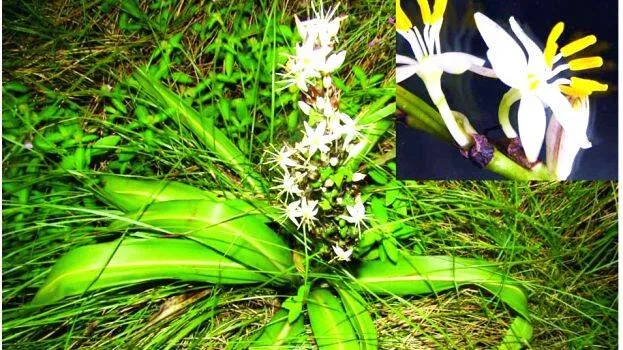
    Researchers have discovered a new species of perennial herb Chlorophytum vanapushpam from the Vagamon hills of Idukki district, Kerala.

    Chlorophytum vanapushpam

    About Chlorophytum vanapushpam:

    • Discovery & Location: Newly discovered perennial herb of the Asparagaceae family, identified in Vagamon and Neymakkad hills (Idukki, Kerala) within the Western Ghats biodiversity hotspot.
    • Name & Meaning: “Vanam” (forest) + “Pushpam” (flower) = forest flower.
    • Publication & Context: Reported in Phytotaxa, reaffirming the Western Ghats as the centre of origin for the Chlorophytum genus (18 Indian species).
    • Related Species: Closely allied to C. borivilianum (safed musli) but differs in form and lacks underground tubers.

    Key Features:

    • Growth Form: Herb up to 90 cm tall, clinging to rocky hill slopes.
    • Habitat & Range: Found between 700 m – 2,124 m elevation in moist, rocky terrains.
    • Leaves & Flowers: Slender, grass-like leaves; white clustered blossoms.
    • Reproduction: Seeds 4–5 mm; flowering and fruiting Sep–Dec.
    [UPSC 2016] Recently, our scientists have discovered a new and distinct species of banana plant which attains a height of about 11 metres and has orange-coloured fruit pulp.

    In which part of India has it been discovered?

    Options: (a) Andaman Islands * (b) Anaimalai Forests (c) Maikala Hills (d) Tropical rain forests of northeast


  • Labour, Jobs and Employment – Harmonization of labour laws, gender gap, unemployment, etc.

    [6th October 2025] The Hindu Op-ed: Treating employment as a national priority

    PYQ Relevance

    [UPSC 2022] Economic growth in the recent past has been led by increase in labour productivity. Explain this statement. Suggest the growth pattern that will lead to creation of more jobs without compromising labour productivity

    Linkage: The article highlights that India needs consistent, job-oriented growth policies focusing on labour-intensive sectors like textiles, tourism, and MSMEs to ensure “growth with jobs” rather than jobless productivity gains — directly aligning with the UPSC 2022 question’s call for a balanced growth pattern.

    Mentor’s Comment

    Employment generation is not just an economic issue, it is the moral and strategic foundation of India’s long-term growth story. As India moves toward Viksit Bharat 2047, it must transform its demographic dividend into productive employment. This article explores why employment must be treated as a national mission, the urgent need for an integrated framework, and how inclusive job creation can become the cornerstone of equitable and resilient growth.

    Why in the News?

    India is standing at a historic demographic crossroads, poised to add 133 million people to its working-age population in the next 25 years, accounting for 18% of the global workforce addition. However, this window is closing fast, with the working population expected to peak by 2043. Despite multiple government schemes, India still lacks a unified national framework for employment and livelihoods. Sanjiv Bajaj, Past President of CII, argues for treating employment as a national priority through a coherent, multi-level policy that integrates growth, skilling, social protection, and mobility. This issue is not merely about job numbers; it’s about ensuring equity, inclusion, and sustainable economic resilience. In a consumption-driven economy like India, employment is both the driver and the outcome of growth.

    India’s Employment Challenge: The Demographic Window is Closing

    1. Demographic Dividend – India will add 133 million working-age individuals by 2047, nearly 18% of global addition, creating a unique window for productivity gains.
    2. Limited Timeframe – Worker population expected to peak by 2043, after which the demographic advantage will fade.
    3. Risk of Wasted Potential – Without large-scale, quality employment, India risks a demographic disaster rather than a dividend.
    4. Consumption Linkage – Quality jobs at scale broaden consumption, ensuring equitable and stable growth.

    Why a Unified Employment Policy is the Need of the Hour?

    1. Fragmented Efforts – Despite initiatives like Skill India, PMEGP, and social security schemes, India lacks an Integrated National Employment Policy (INEP).
    2. Need for Coordination – Employment generation spans multiple ministries — Labour, Skill Development, Industry, and Education — requiring unified planning and execution.
    3. Institutional Mechanism – Bajaj recommends an Empowered Group of Secretaries for oversight and District Planning Committees for implementation.
    4. Policy Alignment – Trade, industrial, education, and labour policies must be synchronised to ensure job-oriented growth.

    Bridging the Demand–Supply Divide in Labour Markets

    1. Demand-Side Drivers – Growth in high-employment-potential sectors like textiles, tourism, healthcare, agro-processing, real estate, and MSMEs.
    2. Supply-Side Gaps – Low employability of graduates, outdated curricula, and poor skilling alignment with emerging technologies (AI, robotics, green tech).
    3. Policy Reform – Curricula revamp, vocational training integration, and targeted skilling to meet industry needs.
    4. Mobility Barriers – Need for Centre–State cooperation on migration policies and worker support systems to promote “One India for Employment”.

    Labour Codes, Urban Employment, and MSME Empowerment

    1. Labour Code Implementation – Timely execution of the four Labour Codes is critical, with clear transition and business support guidelines.
    2. MSMEs as Job Engines – Employing over 25 crore people, MSMEs need enhanced access to finance, markets, and technology to drive “growth with jobs.”
    3. Urban Employment Guarantee – Piloting schemes in selected cities can address urban job distress, akin to MGNREGA for urban India.
    4. Regional Focus – Targeted interventions in 100 underdeveloped districts and rural internships for graduates can promote balanced employment.

    The Gig Economy Revolution

    1. Current Size – The gig economy currently employs 80 lakh–1.8 crore workers, expected to rise to 9 crore by 2030.
    2. Opportunity for Formalisation – With Tier-2 and Tier-3 cities participating, gig platforms can transform informal work into semi-formal, tech-enabled livelihoods.
    3. National Gig Policy – Should ensure worker protection, financial inclusion, and social security, supported by a centralised worker registry.
    4. Workplace Dignity – Ensure fair contracts, safety standards, and grievance redressal mechanisms.

    Enhancing Female Labour Force Participation

    1. Current Gaps – India’s female labour force participation (FLFP) remains among the lowest globally.
    2. Policy Incentives – Employment-Linked Incentive (ELI) schemes, childcare and eldercare infrastructure, and formalising Anganwadi and ASHA roles can improve participation.
    3. Societal Barriers – Campaigns must challenge gender norms restricting women’s economic mobility.
    4. Economic Multiplier – A 10% rise in FLFP could add up to $700 billion to India’s GDP by 2025 (McKinsey estimate).
    5. The Missing Link: Reliable Employment Data
      • Data Gaps – Existing surveys understate informal and rural employment realities.
      • Need for Real-Time Data – A dedicated task force must improve methodologies and reduce data publication lag.
    6. Policy Relevance – High-frequency data can guide interventions in dynamic sectors like gig work and MSMEs.

    Conclusion

    India’s demographic dividend offers a fleeting window to achieve inclusive and sustainable growth. Treating employment as a national priority through an integrated policy, labour reforms, skill alignment, and gender inclusion is essential. Generating growth with jobs will ensure equitable prosperity and long-term resilience. Employment, therefore, is not just an economic goal, it is the foundation of nation-building and social justice.

  • Disasters and Disaster Management – Sendai Framework, Floods, Cyclones, etc.

    India’s direction for disaster resilience

    Introduction

    India’s approach to disaster management has entered a new phase, one that focuses not only on response and recovery but equally on risk reduction, preparedness, and resilience. With climate change intensifying heat waves, floods, and landslides, the country’s policy architecture, led by the Ministry of Home Affairs (MHA) and the National Disaster Management Authority (NDMA), has embraced a multi-hazard, multi-stakeholder, and science-backed model. The guiding compass remains the Prime Minister’s Ten-Point Agenda on Disaster Risk Reduction (2016), now reinforced by major financial and institutional reforms.

    Why in the News

    For the first time, India’s disaster management strategy has been fully integrated into public finance planning, through the 15th Finance Commission’s ₹2.28 lakh crore allocation for disaster risk reduction over five years. This is a paradigm shift: from ad hoc post-disaster relief to structured, science-driven, and nature-based risk mitigation. With new funding for fire safety, glacial risk monitoring, and bioengineering-led landslide prevention, the government’s efforts represent a bold move towards building a climate-resilient India. The initiative is also significant because it establishes clear budget-to-project chains, accountability mechanisms, and cross-institutional linkages, something missing in previous regimes.

    India’s Evolving Disaster Management Framework

    1. Multi-hazard nation: India faces diverse risks, floods, droughts, landslides, heat waves, cyclones, necessitating a multi-faceted approach.
    2. Shift in focus: Earlier systems were relief-centric; now, they integrate prevention, mitigation, capacity building, and sustainable reconstruction.
    3. Institutional leadership: The MHA and NDMA lead both pre- and post-disaster phases, ensuring coordination across States and institutions.
    4. Guiding vision: The Prime Minister’s Ten-Point Agenda (2016) promotes risk-informed investments, community participation, and technology integration.

    How the 15th Finance Commission Redefined Disaster Financing

    • Historic allocation: ₹2.28 lakh crore ($30 billion) allocated over five years, a landmark in linking public finance with disaster resilience.
    • Segmented approach:
      • Preparedness and Capacity Building – 10%
      • Mitigation – 20%
      • Response – 40%
      • Reconstruction – 30%
    • End of debt dependency: Earlier, post-disaster reconstruction relied on multilateral loans; now, domestic fiscal mechanisms fill that gap.
    • Five priority reforms:
      1. Evaluate multi-hazard risks and prioritize them.
      2. Integrate scientific mitigation models into fiscal systems.
      3. Avoid duplication with other schemes.
      4. Enhance Centre-State and institutional synergy.
      5. Ensure light-touch regulation for flexibility and speed.

    Investing in Pre-Disaster Preparedness and Capacity Building

    1. Fire safety modernization: ₹5,000 crore earmarked for upgrading urban and rural fire infrastructure.
    2. Community-based volunteers: Apda Mitra and Yuva Apda Mitra programs train 2.5 lakh volunteers to act as first responders.
    3. Strengthening institutions:
      1. National Institute of Disaster Management (NIDM) given a central role with geo-spatial training labs and action-based research.
      2. 36 streams of disaster management courses were introduced to mainstream DRR down to the panchayat level.
    4. Outcome: Shift from theoretical to practical, localised risk management.

    Nature-Based Solutions and Climate Adaptation

    1. ₹10,000 crore mitigation projects across States emphasize nature-based, long-term solutions.
    2. Bioengineering for landslides: Stabilizing slopes in Himalayan regions using vegetation and soil binding.
    3. Urban flood control: Revitalizing water bodies and green spaces to restore natural drainage.
    4. Glacial lake monitoring: Remote sensing and automated stations for real-time surveillance.
    5. Forest fire prevention: Creating break lines, rejuvenating water bodies, and fuel evacuation corridors.
    6. Brahmaputra beels rejuvenation: Ecological restoration to mitigate monsoon flooding.
    7. Precursor success: National Cyclone Mitigation Programme (2011–22): ₹5,000 crore initiative, drastically reduced coastal vulnerability through shelters, embankments, and early warnings.

    Building Technological and Institutional Resilience

    1. Advanced early warning systems: Multi-hazard platforms with seven-day lead time for cyclones.
    2. Common Alerting Protocol: Delivers region-specific alerts in local languages via multi-media.
    3. Human resource development:
      • Training at NIDM, NDRF Academy, and National Fire Service College for hundreds of officers annually.
      • Mock drills, school safety programmes, and local awareness drives improve community response.
      • Network of 327 universities: Build research and innovation pipelines for disaster science and policy.

    India’s Global Leadership in Disaster Resilience

    1. Coalition for Disaster Resilient Infrastructure (CDRI): India-led global initiative for climate-resilient infrastructure systems.
    2. Active participation: G-20, SCO, BIMSTEC, and IORA platforms for sharing best practices.
    3. Knowledge exchange: India’s experience in nature-based DRR and community-driven risk management now shaping global policy dialogues.

    Conclusion

    India’s journey from disaster relief to disaster resilience marks a tectonic policy evolution. With fiscal integration, scientific innovation, and community participation, the nation is shifting from reactive recovery to proactive risk management. The emerging focus on nature-based, sustainable, and locally-driven mitigation reflects India’s understanding that resilience is not built after a disaster, it is cultivated every day, across every sector.

    PYQ Relevance

    [UPSC 2024] What is disaster resilience? How is it determined? Describe various elements of a resilience framework. Also mention the global targets of Sendai Framework for Disaster Risk Reduction (2015-2030).

    Linkage: This PYQ is directly linked as the article highlights India’s evolving resilience framework under NDMA and the 15th Finance Commission, reflecting Sendai-aligned efforts to mainstream disaster risk reduction into national policy and finance.

  • Alternative Dispute Resolution Mechanism – NCA, Lok Adalats, etc.

    Why is ADR crucial for India’s courts?

    Introduction

    India’s courts are gasping under the weight of delays. According to the National Judicial Data Grid (NJDG), there are 4.57 crore pending cases, with nearly 63 lakh in High Courts and over 80,000 in the Supreme Court. For many citizens, justice delayed has become justice denied. Against this backdrop, the government’s renewed commitment to strengthen Alternative Dispute Resolution (ADR) marks an important turning point. ADR, rooted in India’s traditional dispute resolution practices, represents not just a procedural alternative, but a philosophical one. It shifts justice from confrontation to consensus, from hierarchy to harmony.

    Why is ADR in the News?

    The Minister of Law and Justice, Arjun Ram Meghwal, recently emphasized that India’s legal reforms must draw from its civilisational roots, particularly the doctrine of Panch Parmeshwar, the age-old village system of resolving disputes through collective wisdom. This announcement is significant for three reasons:

    1. Civilisational continuity: For the first time in recent years, legal reform is being explicitly linked to indigenous justice philosophy.
    2. Crisis in pendency: With cases exceeding 4.5 crore and vacancy rates of 33% in High Courts and 21% in district courts, India’s formal judicial system is overburdened beyond capacity.
    3. Demand for inclusion: ADR offers an alternative that is faster, cheaper, and socially inclusive, especially for marginalised groups who find formal litigation intimidating.

    In essence, ADR is not just reform, it is rescue.

    What is Alternative Dispute Resolution (ADR) and How Does It Work?

    1. Definition: ADR refers to mechanisms outside formal courts that help parties resolve disputes through mutual understanding, mediation, arbitration, conciliation, or Lok Adalats.
    2. Objective: To provide speedy, affordable, and amicable resolution while reducing judicial burden.
    3. Legal Framework:
      1. Article 39A of the Constitution mandates equal justice and free legal aid.
      2. Section 89 of the Code of Civil Procedure (CPC), 1908 formally recognizes ADR processes.
      3. Arbitration and Conciliation Act, 1996 (amended in 2021) gives statutory backing to arbitration agreements and conciliation processes.
    4. Time-bound resolution: The Arbitration Act, 2021 fixes a maximum 180-day period for dispute resolution — a stark contrast to the years spent in litigation.
      1. Exit Clause: If a party is dissatisfied, they can opt out after two sessions of mediation.
    5. Pre-litigation mediation: Encouraged for civil and commercial disputes, helping prevent new cases from entering the judicial pipeline.
    6. Example: Many commercial entities now resolve contractual disputes through institutional arbitration centres such as the Delhi International Arbitration Centre (DIAC), saving both time and cost.

    How Do Lok Adalats Strengthen Access to Justice?

    1. Legal Basis: Lok Adalats are governed by the Legal Services Authorities Act, 1987, deriving strength from Article 39A.
    2. Types of Lok Adalats:
      • Permanent Lok Adalats (Section 22-B)
      • National Lok Adalats (held periodically)
      • E-Lok Adalats (virtual platforms launched post-COVID-19).
      • First Lok Adalat: Held in Gujarat in 1999 — symbolizing people’s justice at minimal cost.
    3. Finality of Decisions: Awards are final and binding, with no provision for appeal, ensuring swift closure.
    4. Safeguards: If dissatisfied, parties can still approach formal courts, preserving fairness.
    5. Impact: Lok Adalats have successfully resolved lakhs of cases annually, especially in motor accident and bank recovery disputes.

    Why is Strengthening ADR a Necessity, Not a Choice?

    1. Judicial Overload: Judges in Uttar Pradesh, Himachal Pradesh, and Kerala handle over 4,000 cases each, severely limiting judicial attention.
    2. Delay and Disillusionment: A large portion of cases have been pending for over 10 years, eroding public faith in formal justice.
    3. Vacancies and Infrastructure Gaps: With 33% High Court and 21% district court vacancies, the backlog is worsening.
    4. Societal Benefits: As former CJI D.Y. Chandrachud noted, mediation is a tool for social change, aligning community norms with constitutional values through open dialogue.
    5. Cultural Relevance: ADR resonates with India’s traditional ethos, the village panchayat system was historically based on consensus, not contest.
    6. ADR thus not only decongests courts but humanises justice, making it conversational rather than confrontational.

    Which States Have the Highest Backlog and Why It Matters

    1. Data from the India Justice Report 2025:
      • Andhra Pradesh, Uttar Pradesh, and Bihar have the highest backlog.
      • High Court pendency: Nearly 63 lakh cases.
      • District courts: The majority of the 4.57 crore pending cases.
    2. Vacancy crisis: Shortage of judges and staff deepens the delays.
    3. State ranking mechanism: The India Justice Report evaluates states on justice delivery, infrastructure, and human resources, revealing wide inter-State disparities.
    4. Call for reform: Strengthening ADR is crucial to ensure per capita justice delivery, especially in states lagging behind in judicial capacity.

    Conclusion

    ADR is not merely an alternative, it is an evolution of justice delivery in India. Rooted in India’s cultural traditions yet aligned with global best practices, ADR offers a pragmatic pathway to tackle pendency and ensure timely justice. Strengthening awareness, institutional capacity, and legal infrastructure around ADR will be key to transforming India from a litigating society into a resolving society — where justice is swift, simple, and shared.

    PYQ Relevance

    [UPSC 2015] What are the major changes brought in the Arbitration and Conciliation Act, 1996 through the recent Ordinance promulgated by the President? How far will it improve India’s dispute resolution mechanism? Discuss.

    Linkage: The 2015 Ordinance streamlined arbitration by fixing strict timelines and limiting court interference, strengthening India’s move toward faster, credible, and globally competitive dispute resolution, aligning with the core goals of ADR reform.

  • Wildlife Conservation Efforts

    Southeast Asia’s Coral Cryobank Initiative

    Why in the News?

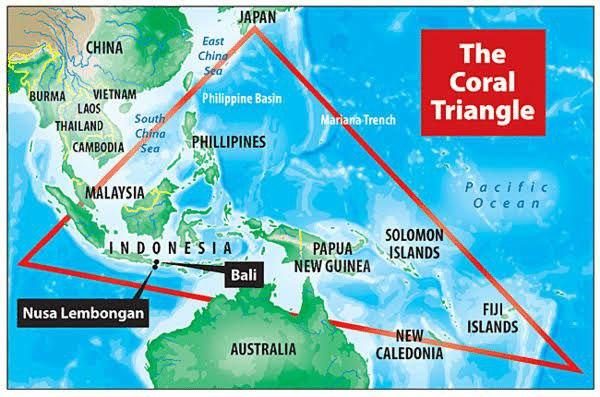
    The Philippines is establishing Southeast Asia’s first Coral Larvae Cryobank at the Coral Triangle to preserve and restore coral species using advanced cryogenic techniques.

    What is the Coral Triangle?

    • Extent: A 5.7 million sq km marine zone covering Indonesia, Malaysia, Papua New Guinea, the Philippines, Solomon Islands, and Timor-Leste.
    • Biodiversity: Hosts 76 % of coral species, 33 % of reef fish, 6 of 7 turtle species, and vast mangrove ecosystems.
    • Human Link: Supports 120 million people via fishing and tourism.
    • Threats: Facing global warming, coral bleaching, destructive fishing, and pollution; UNEP warns 90 % of reefs may vanish by 2050 if warming exceeds 1.5 °C — underscoring the Cryobank’s urgency.

    About Coral Cryobank Initiative:

    • Overview: A project to freeze and preserve coral larvae and symbiotic algae at ultra-low temperatures, ensuring long-term survival of coral genetic material.
    • Launch & Coordination: Initiated by the University of the Philippines Marine Science Institute, supported by Taiwan.
    • Regional Network: Links institutes across Philippines, Taiwan, Indonesia, Malaysia, and Thailand, forming a network of coral cryobanks within the Coral Triangle.
    • Cryopreservation Technique: Uses vitrification, where larvae are treated with cryo-protectants and rapidly frozen in liquid nitrogen (–196 °C); laser-assisted thawing revives and regrows them within milliseconds.
    • Model Species: Initially focuses on Pocillopora (cauliflower coral), later extending to Acropora and Galaxia, key reef-building corals.
    • Significance:
      • Genetic Insurance: Serves as a biological seed bank, conserving coral diversity for future reef restoration.
      • Scientific Breakthrough: Marks a milestone in marine cryobiology by preserving large, lipid-rich coral larvae.
      • Cooperation: Enhances Southeast Asian collaboration in marine science and conservation.
    [UPSC 2022] “Biorock Technology” is talked about in which one of the following situations?

    (a) Restoration of damaged coral reefs *

    (b) Development of building materials using plant residues

    (c) Identification of areas for exploration/extraction of shale gas

    (d) Providing salt licks for wild animals in forests.


  • Cyclones

    Cyclone Shakhti forms over Arabian Sea

    Why in the News?

    The India Meteorological Department (IMD) confirmed the formation of Cyclone Shakthi (named by Sri Lanka) over the northeast Arabian Sea.

    About Cyclogenesis in the Arabian Sea:

    • Overview: Cyclogenesis is the formation and intensification of tropical cyclones under favourable oceanic and atmospheric conditions.
    • Seasonality: Most active during pre-monsoon (Apr–Jun) and post-monsoon (Oct–Dec) periods, when sea surface temperatures (SSTs) exceed 27 °C, moist convection intensifies, and the Coriolis effect induces rotation.
    • Formation Process: Warm moist air rises forming low pressure; latent heat of condensation deepens the system; upper-level outflow and low vertical wind shear sustain vertical growth, producing a warm eye with spiral rainbands.
    • Historical Pattern: The Arabian Sea was once less cyclone-prone than the Bay of Bengal due to cooler waters, dry winds, and high wind shear. Limited basin size and monsoon winds restricted cyclone growth.
    • Recent Change: Ocean warming and climate change have sharply increased cyclonic activity, making the region far more active in the last decade.
    • Rapid Intensification Trend: Short-term surges in wind speed (< 24 hrs) are now common, linked to warmer SSTs, Indian Ocean Dipole (IOD) shifts, and monsoon wind variability.
    • Oceanic–Climatic Drivers:
      • Indonesian Throughflow imports warm Pacific waters, raising SSTs.
      • Southern Ocean inflow brings cooler deep water, stabilising lower layers.
      • Dual cyclone seasons arise from monsoon wind reversal unique to the region.
    • Climate Change Impact:
      • IMD data show a 52 % rise in Arabian Sea cyclones in two decades, while Bay of Bengal activity slightly declined.
      • The Indian Ocean is among the fastest-warming oceans, increasing heat-moisture availability, altering global weather, and heightening coastal risks to life and infrastructure.

    Recent Examples:

    • Tauktae (2021) – winds > 185 km/h, heavy damage along Gujarat–Konkan.
    • Biparjoy (2023) – lasted 13 days, fed by SSTs ~31 °C.
    • Tej (2023) – hit Oman & Yemen, showing cross-basin movement.
    • Shakthi (2025) – latest late-season, fast-intensifying cyclone.

    Back2Basics: Tropical Cyclones

    • What is it: Large low-pressure systems over warm oceans, marked by rotating winds, heavy rain, and storm surges.
    • Conditions: Form when ocean temps >27°C, with moist rising air releasing latent heat to fuel convection.
    • Rotation: Driven by the Coriolis force – anticlockwise in Northern Hemisphere, clockwise in Southern.
    • Structure: Eye (calm), Eyewall (violent winds/rains), Rainbands (widespread showers).
    • Regional Names: Typhoons (Pacific), Hurricanes (Atlantic/Caribbean), Cyclones (Indian Ocean).
    • Drivers & Frequency: Common in Southeast Asia due to warm Pacific waters, El Niño/La Niña cycles, and climate change.
    • Impacts: Loss of life, property damage, flooding, soil salinisation, displacement, and disease outbreaks.
    • Climate Change Link: Global warming is making tropical cyclones stronger, less predictable, and more frequent, raising risks for coastal populations.


    [UPSC 2020] Consider the following statements:

    1. Jet streams occur in the Northern Hemisphere only.

    2. Only some cyclones develop an eye.

    3. The temperature inside the eye of a cyclone is nearly 10°C lesser than that of the surroundings.

    Which of the statements given above is/are correct?

    (a) 1 only (b) 2 and 3 only (c) 2 only* (d) 1 and 3 only


  • Global Geological And Climatic Events

    India’s only Mud Volcano erupts after 20-years in Andamans

    Why in the News?

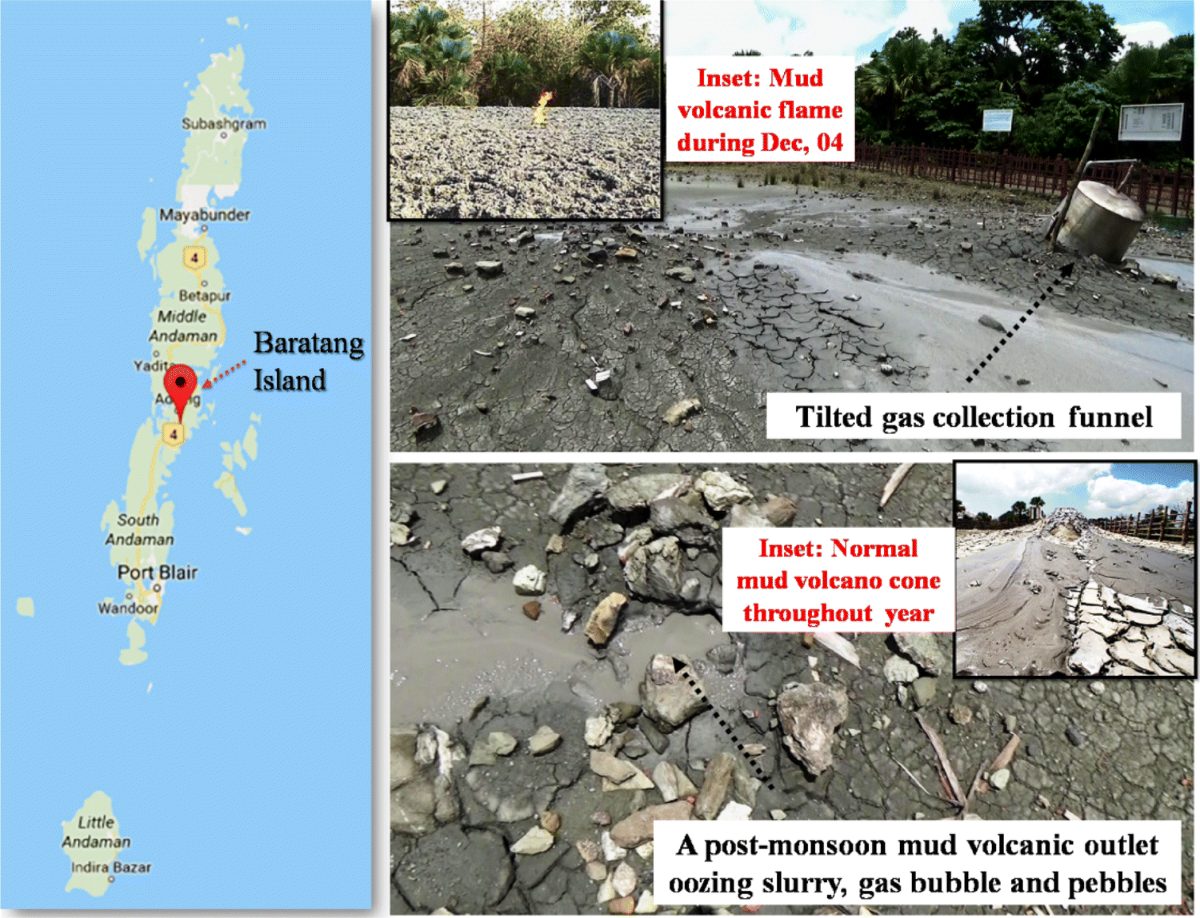
    India’s only mud volcano at Baratang Island in the Andaman and Nicobar Islands erupted after remaining dormant for over two decades.

    India's only Mud Volcano erupts after 20-years in Andamans

    Note: The Barren Island has erupted recently.

    • India’s only active lava volcano, located about 140 km from Port Blair.
    • Lies at the junction of the Indian and Burmese tectonic plates.
    • Eruption history: 1787 (first recorded), followed by episodes in 1991, 2005, 2017, November 2022, and September 2025.

    About the Baratang Mud Volcano:

    • Location: Baratang Island, around 100–150 km north of Port Blair, situated in the North and Middle Andaman district.
    • Uniqueness: It is India’s only collection of mud volcanoes — 11 in total across the archipelago, 8 of which are on Baratang and Middle Andaman.
    • Eruptions: Significant eruptions were last reported in 2005; the 2025 eruption marks the first major event in 20 years.
    • Composition & Nature:
      • Emits cool mud, water, and gases (methane, hydrogen sulfide) rather than lava or fire.
      • Creates mud cones, bubbling pools, or dried crater-like formations.
      • Eruptions are low in intensity, involving slow oozing and gas bubbling rather than violent explosions.
    • Accessibility: A short 160-metre walk from the nearest road; the site lies near the Jarawa Tribal Reserve, where photography is prohibited for ethical and legal reasons.

    Geological Formation and Features:

    • Tectonic Setting: Formed due to subduction of the Indian Plate beneath the Burmese Plate, leading to gas and fluid release from deep layers.
    • Mechanism:
      • Decomposition of organic matter underground produces gas pressure that pushes mud upwards.
      • These gases, along with water and sediments, escape to the surface, creating muddy eruptions and bubbling vents.
    • Temperature & Composition:
      • The expelled material is cool, unlike magmatic volcanoes.
      • Contains saline water, organic sediments, and gases, giving it a distinctive odour and appearance.
    • Earth Processes: The phenomenon helps scientists study fluid migration, methane emissions, and crustal deformation in active subduction zones.
    [UPSC 2018] Consider the following statements:

    1.The Barren Island volcano is an active volcano located in the Indian territory.

    2.Barren Island lies about 140 km east of Great Nicobar.

    3.The last time the Barren Island volcano erupted was in 1991 and it has remained inactive since then.

    Which of the statements given above is/are correct?

    Options: (a) 1 only * (b) 2 and 3 (c) 3 only (d) 1 and 3


  • Nuclear Energy

    What are Small Modular Reactors (SMRs)?

    Why in the News?

    Major Indian private sector corporations expressed formal interest in setting up Small Modular Reactor (SMR)-based nuclear projects as part of the ‘Bharat Small Modular Reactors (BSMR)’ programme.

    What is the Bharat Small Modular Reactors (BSMR) Programme?

    • Overview: India’s flagship nuclear programme, led by the Bhabha Atomic Research Centre (BARC) and the Nuclear Power Corporation of India Limited (NPCIL) under the Department of Atomic Energy (DAE).
    • Reactor Models:
      • BSMR-200 – 200 MWe Pressurized Water Reactor with passive safety.
      • BSR-220 – PHWR-based small reactor.
      • SMR-55 – 55 MWe PWR for captive or remote use.
    • Implementation: NPCIL retains ownership and operational control, while private companies fund and use generated power for captive needs. About 16 potential sites identified across Gujarat, Madhya Pradesh, Odisha, Andhra Pradesh, Jharkhand, and Chhattisgarh.
    • Policy & Financing: ₹20,000 crore allocated under the Nuclear Energy Mission for Viksit Bharat (2025-26) to operationalise five SMRs by 2033.
    • Private sector interest: Includes Reliance Industries, Tata Power, Adani Power, JSW Energy, Hindalco, and Jindal Steel & Power.
    • Reforms & Impact: Amendments to the Atomic Energy Act (1962) and Civil Liability for Nuclear Damage Act (2010) are proposed to facilitate investment and technology sharing.

    About Small Modular Reactors (SMRs):

    • Concept: SMRs are advanced nuclear reactors generating up to 300 Megawatt electric (MWe) each — about one-third the size of conventional reactors. They are “modular”, meaning major components are factory-fabricated, transported, and assembled on-site, cutting cost and construction time.
    • Working Principle: Operate on nuclear fission (splitting Uranium-235 atoms) to produce heat that converts water into steam for turbines. Most use the Pressurized Water Reactor (PWR) design with passive safety systems that cool the reactor without human intervention.
    • Distinct Features:
      • Compact and Scalable – suitable for remote or repurposed sites.
      • Factory-built – ensures quality and quicker rollout.
      • Safer Design – smaller radioactive inventory, underground containment.
      • Flexible Use – can supply electricity, industrial heat, desalination, or hydrogen.
    • Global Examples:
      • Akademik Lomonosov (Russia) – world’s first floating SMR (70 MWe, 2020).
      • HTR-PM (China) – high-temperature gas-cooled SMR (2023).
      • Key developers: Rolls-Royce (UK), NuScale (US), GE-Hitachi, Westinghouse (AP-300).
    [UPSC 2012] To meet its rapidly growing energy demand, some opine that India should pursue research and development on thorium as the future fuel of nuclear energy. In this context, what advantage does thorium hold over uranium?

    1. Thorium is far more abundant in nature than uranium. 2. On the basis of per unit mass of mined mineral, thorium can generate more energy compared to natural uranium. 3. Thorium produces less harmful waste compared to uranium.

    Which of the statements given above is/are correct?

    Options: (a) 1 only (b) 2 and 3 only (c) 1 and 3 only (d) 1, 2 and 3 *


  • Coal and Mining Sector

    [pib] First Commercial Coal Mine in Arunachal Pradesh at Namchik-Namphuk

    Why in the News?

    Arunachal Pradesh has launched its first commercial coal mine at the Namchik-Namphuk coal block in Changlang district.

    About the Namchik–Namphuk Coal Mine:

    • Overview: Located in Changlang district, Arunachal Pradesh, is the state’s first commercial coal mine, situated near the Indo-Myanmar border.
    • Reserves & Quality: Holds ~15 million tonnes of lignite/sub-bituminous coal, primarily for thermal power and industrial use.
    • Operator & Allocation: Operated by Coal Pulz Private Limited (CPPL), allotted through a transparent auction in 2022, project first allocated in 2003 but stalled due to environmental and administrative delays.
    • Production & Revenue: Initial capacity of 0.2 million tonnes per annum, expected to generate ₹100 crore annually for the state government.
    • National Context: Marks Arunachal Pradesh’s entry into India’s coal-producing map as the country crosses 1 billion tonnes output (FY 2024-25).
    • Policy Alignment: Supports the EAST Vision (Empower, Act, Strengthen, Transform) for North-Eastern development.

    Significance:

    • Legal Mining: Ends decades of illegal mining through regulated, community-driven extraction.
    • Sustainable Development: Part of Mission Green Coal Regions, targeting 73,000 ha of land reclamation by 2030, embedding ecological restoration into mining.
    [UPSC 2008] In which one of the following states are Namchik-Namphuk Coalfields located?

    Options: (a) Arunachal Pradesh* (b) Meghalaya (c) Manipur (d) Mizoram


Join the Community

Join us across Social Media platforms.