The inauguration of the National Dolphin Research Centre (NDRC) in Patna marks a significant step towards the conservation of the Gangetic Dolphin.
The NDRC aims to facilitate in-depth studies on various aspects of Gangetic dolphins, including behavior, survival skills, food habits, and mortality factors.
Led by Bihar Chief Minister Nitish Kumar, this pioneering institute promises to advance scientific understanding and foster conservation efforts for this iconic species.
Key Facts about Gangetic Dolphin
Details
Discovery
Platanista gangetica also known as the “Tiger of the Ganges,” was officially discovered in 1801.
Habitat
Historically distributed in major river systems of India, Nepal, and Bangladesh, including the Ganges-Brahmaputra-Meghna and Karnaphuli-Sangu.
Features
Essentially blind, hunts by emitting ultrasonic sounds.
Frequently found alone or in small groups, usually with a calf.
Females larger, give birth once every 2-3 years.
Importance
Indicator of river ecosystem health.
Designated National Aquatic Animal (2009) and State Aquatic Animal of Assam.
Major Threats
Unintentional killing in fishing gear.
Poaching for dolphin oil.
Habitat destruction due to development and pollution.
The Venice Biennale, revered as “the Olympics of the art world,” is set to unveil its 60th edition on April 20.
Under the theme “Stranieri Ovunque” or “Foreigners Everywhere,” curated by Adriano Pedrosa, the exhibition will feature 333 artists from around the world.
What is the Venice Biennale?
Inception: Proposed by Venice’s city government in 1893, the Biennale aimed to commemorate the silver jubilee of King Umberto I and Queen Margherita of Italy.
Early Exhibitions: The inaugural exhibition in 1895 attracted over two lakh visitors, showcasing works by foreign and Italian artists without specific thematic constraints.
Structure of the Venice Biennale
Central Pavilion: Serving as the focal point, the central pavilion hosts the main exhibition curated by the appointed curator, highlighting selected artworks.
National Pavilions: Representing individual countries, these pavilions feature curated exhibitions managed by respective ministries of culture, with India having participated officially since 1954.
Collateral Events: Independent exhibitions and events across Venice complement the Biennale, enriching the cultural landscape.
India’s Journey at the Venice Biennale
Debut in 1954: India made its inaugural appearance with an exhibition organized by the Embassy of India in Rome, featuring eminent artists like M F Husain and Amrita Sher-Gil.
Subsequent Engagements: Indian artists have participated in various editions, with official pavilions organized in 2011 and 2019, showcasing diverse artistic expressions.
Continued Representation: In 2024, Indian artists will feature prominently in the central exhibition, alongside the Aravani Art Project, symbolizing India’s enduring presence on the global art stage.
The Department of Telecommunications (DoT) introduced Chakshu, a new platform aimed at enabling telecom users to report fraud or spam callers.
Chakshu Platform
Chakshu (meaning eyes), accessible at sancharsaathi.gov.in/sfc, empowers citizens to proactively report suspicious communications, as announced by the DoT.
The government will collaborate with private firms like Truecaller to improve the functionality of the platform.
The Telecom Regulatory Authority of India (TRAI) is also working on building an app for the ‘Chakshu’ platform.
Features of the platform
Reporting Options: Users can report various types of frauds, including those related to bank accounts, payment wallets, SIM cards, gas and electricity connections, KYC updates, impersonation, and sextortion.
Enhanced Reporting Mechanism: Chakshu offers a comprehensive mechanism for reporting fraudulent activities, ensuring that telecom users can address a wide range of concerns.
Stem cell therapy is gaining popularity in India to treat a wide variety of medical conditions including leukaemia, Thalassemia, damaged cornea and several burns. Describe briefly what stem cell therapy is and what advantages it has over other treatments? (10)
Pyq pre
Why is it in the News?
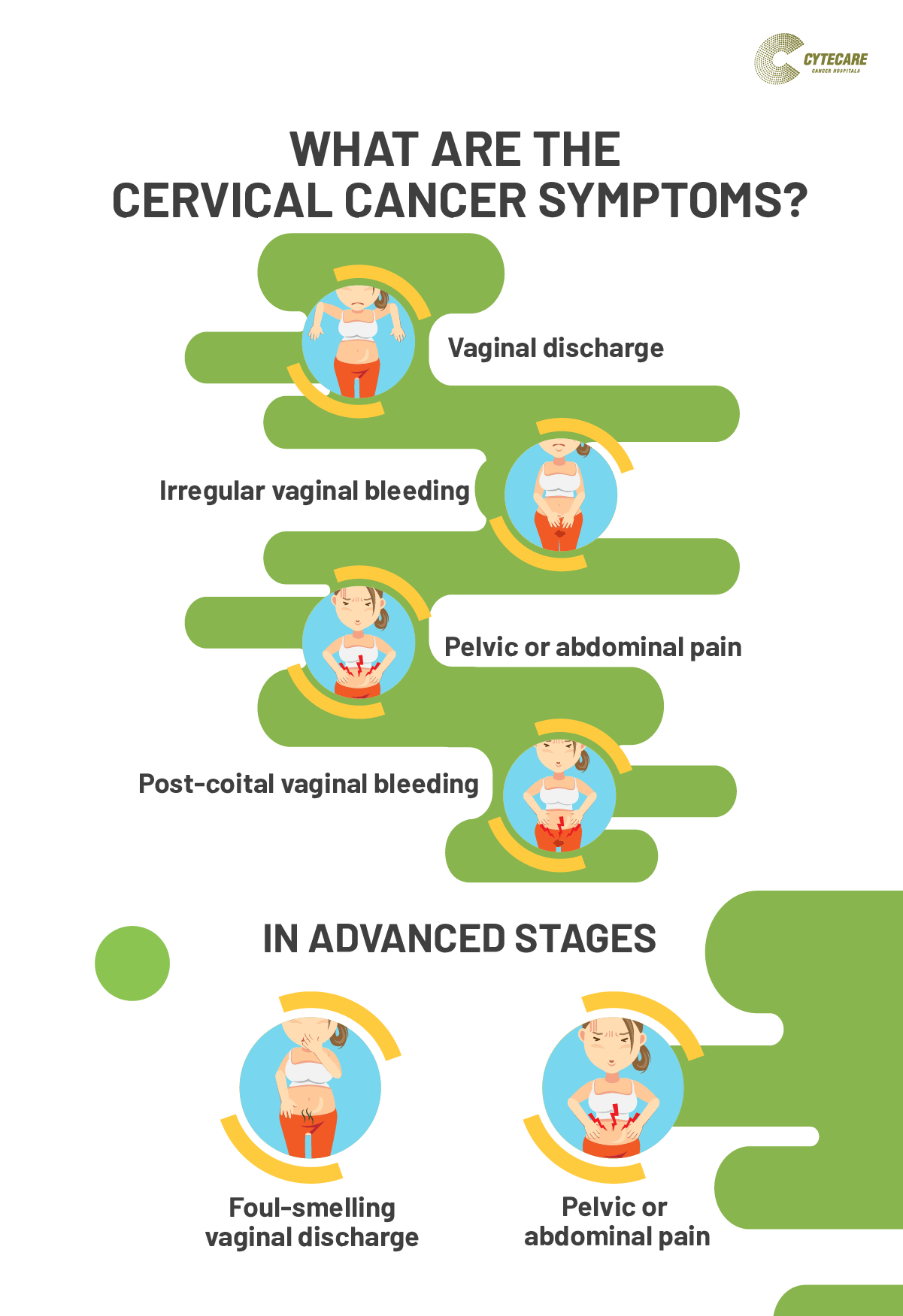
Cervical cancer prevention, particularly through HPV vaccination, has gained attention recently due to several factors. January was observed as Cervical Cancer Awareness Month, drawing focus to the importance of combating this disease. Additionally, March 4 marked International HPV Awareness Day, further highlighting the significance of addressing HPV-related health issues.
What is Cervical Cancer?
Cervical cancer is a type of cancer that affects the cervix, the lower part of the uterus. It is primarily caused by certain types of the Human Papillomavirus (HPV), which is transmitted through intimate contact.
If left untreated, cervical cancer can be life-threatening. It is a significant health concern worldwide, with a particularly high burden in lower- and middle-income countries. In India, cervical cancer is the second most common cancer among women, posing a substantial threat to public health.
What is Human Papillomavirus (HPV)?
Human Papillomavirus (HPV) is a group of viruses that infect the skin and mucous membranes. It’s the most common sexually transmitted infection (STI) worldwide. HPV can cause various health issues, including genital warts and certain types of cancers.
What Facts are explained in the article?
Prevalence and Impact: Cervical cancer claims the lives of over 300,000 women annually worldwide, with a disproportionate burden in lower-income countries.
Risk in India: With over 500 million women at risk, cervical cancer is a significant public health concern in India, second only to breast cancer.
Role of HPV Vaccination: HPV vaccination is identified as a crucial strategy for preventing cervical cancer. It targets the underlying cause of the disease by protecting against HPV infection.
Strategies for Prevention of Cervical cancer
HPV Vaccination: Implementing widespread HPV vaccination programs, particularly targeting adolescent girls, can significantly reduce the incidence of cervical cancer. Vaccination should ideally occur before the onset of sexual activity to maximize effectiveness.
Screening for Precancerous Lesions: Regular screening for precancerous lesions, such as Pap smears or HPV DNA tests, can detect abnormalities early and allow for timely intervention. This is crucial for reducing the incidence of advanced-stage cervical cancer.
Education and Awareness: Increasing education and awareness about cervical cancer, HPV infection, and the importance of vaccination and screening are essential. This includes targeting healthcare professionals, policymakers, parents, and adolescents to dispel myths and misconceptions and encourage uptake of preventive measures.
What are the Challenges?
Limited Access: HPV vaccination may not be widely accessible, particularly in lower-resourced communities, and is often available at a significant out-of-pocket cost.
Misconceptions Among Physicians: Some physicians underestimate the incidence and risk of cervical cancer, as well as the safety and effectiveness of HPV vaccines. This can lead to hesitancy in recommending vaccination to eligible individuals.
Parental Hesitancy: Misinformation and concerns about vaccine safety and efficacy among parents can contribute to hesitancy in vaccinating adolescents against HPV.
Pap Smears
Description: A screening procedure for cervical cancer involving collecting cells from the cervix to examine for abnormalities.
Purpose: To detect precancerous or cancerous changes in cervical cells early for timely intervention and prevention.
Procedure: Use of a speculum to visualize the cervix and collection of cells with a brush or spatula.
Timing: Typically performed during routine gynecological exams, starting at age 21 or within 3 years of becoming sexually active.
Facts about HPV Vaccination:
The HPV vaccine is safe and effective in preventing six HPV-related cancers, including cervical, vulvar, anal, vaginal, throat, and cervical cancers.
Vaccination is recommended for adolescents starting at age 9 years to maximize its effectiveness.
HPV vaccination is an essential component of the immunization schedule recommended by the Indian Academy of Pediatrics (IAP).
Best Practices for HPV Vaccination and Cervical Cancer Prevention:
Effective Communication:
Provide clear and accurate information to parents about HPV vaccination.
Address concerns and misconceptions to ensure informed decision-making.
Timely Vaccination:
Recommend HPV vaccination for adolescents starting at age 9.
Encourage vaccination before sexual activity begins for maximum effectiveness.
Integration into Immunization Programs:
Advocate for inclusion in national immunization programs for widespread access.
Collaborate with policymakers to ensure equitable vaccine coverage.
Promotion of Regular Screening:
Emphasize the importance of cervical cancer screening for women over 30.
Encourage routine Pap smears or HPV DNA tests for early detection.
Physician Education:
Provide comprehensive training on HPV vaccination and cervical cancer prevention.
Equip healthcare professionals with updated guidelines and communication skills.
In conclusion, the article emphasizes the importance of proactive measures to prevent cervical cancer, particularly through HPV vaccination and screening. It underscores the role of healthcare professionals, policymakers, and community stakeholders in addressing the challenges and ensuring equitable access to preventive interventions.
The Ministry of Defence (MoD) had informed Parliament recently a separate mechanism by the Ministry of Finance in consultation with the MoD to explore a special dispensation to operationalize a “Non-lapsable Defence Modernisation Fund” because the non-lapsable pool has drawbacks as it affects parliamentary scrutiny and accountability.
About Non-Lapsable Defence Modernisation Fund (DMF):
The DMF aims to create a dedicated pool of funds that carry over from year to year, ensuring that unutilized funds are retained for future defence modernisation initiatives. Currently, defence funding in India operates on a yearly basis, with unspent funds being returned at the end of each fiscal year.
The dedicated Modernisation Fund is intended to supplement regular budgetary allocations and provide certainty in funding for various defence capability development and infrastructure projects.
Recommendation by XV Finance Commission
The 15th Finance Commission proposed a dedicated Modernisation Fund for Defence and Internal Security.
It said the Union may constitute in the Public Account of India, a dedicated non-lapsable fund, Modernisation Fund for Defence and Internal Security (MFDIS).
About the Public Account of India
The Public Account of India was constituted by Article 266(2) of the Indian Constitution which states that “All other public moneys received by or on behalf of the Government of India or the Government of a State shall be credited to the public account of India or the public account of the State, as the case may be.”
These funds are used to manage transactions where the government serves as a banker, such as provident funds, small savings, and other deposits.
The Comptroller and Auditor General (CAG) is responsible for auditing all expenditures from the Public Account of India.
Withdrawal or utilization of money can only occur for specific purposes authorized by law or parliamentary approval, ensuring proper allocation and utilization of funds.
Need for Non-Lapsable Funds:
Addressing Budgetary Limitations: Yearly budget allocations lead to the surrender of unutilized funds, hindering defense modernization efforts.
Creating Certainty: Non-lapsable funds offer certainty in funding availability, promoting stability and continuity in modernization initiatives.
Enhancing Flexibility: These funds provide flexibility for addressing unforeseen contingencies and promoting long-term planning.
Significance of Non-Lapsable Funds:
Certainty and Continuity: Non-lapsable funds offer assurance of funding for defence modernisation, eliminating the need for frequent requests for additional funds and ensuring continuity in project execution.
Flexibility: These funds provide flexibility in utilization, allowing for the allocation of resources to unforeseen requirements or contingencies that may arise during the year.
Long-term Planning: By allowing funds to carry over across fiscal years, non-lapsable funds facilitate long-term planning for defence modernization projects, promoting systematic and strategic development.
Challenges and Considerations
Parliamentary Scrutiny: Establishing a non-lapsable fund may raise concerns about reduced parliamentary scrutiny and accountability over defense spending.
Operational Modalities: Determining the sources of funding and operational modalities for the DMF require careful consideration to ensure effectiveness and transparency.
Interagency Coordination: Coordination between the Ministry of Defence and the Ministry of Finance is essential for the successful implementation of the fund.
Conclusion
The proposal for a Non-Lapsable Defence Modernisation Fund represents a proactive approach to addressing the challenges associated with defence funding in India.
While the concept offers several potential benefits, its implementation requires careful deliberation and collaboration between key stakeholders to ensure accountability, transparency, and optimal utilization of resources in support of national security objectives.
Try this PYQ from CSP 2014:
Q.With reference to Union Budget, which of the following, is/are covered under Non-Plan Expenditure?
Defence-expenditure
Interest payments
Salaries and pensions
Subsidies
Select the correct answer using the code given below:
Kashmir’s Hangul, a shy and endangered species of deer, has exhibited a robust breeding season, suggesting a hopeful future for its population in the Dachigam National Park.
The Hanguls population could surpass 300 this spring, marking the first time in over 30 years.
About Hangul (Kashmir Stag)
Details
Scientific Name
Cervus hanglu
Habitat
Dense riverine forests in high valleys and mountains of Jammu and Kashmir, northern Himachal Pradesh
Geographic Range
Endemic to Kashmir and surrounding areas
Distribution
Primarily found in Dachigam National Park;
Small population in Overa-Aru Wildlife Sanctuary
Conservation Status
IUCN: Critically Endangered
CITES: Appendix I
Wildlife (Protection) Act, 1972: Schedule I (highest level of protection)
Threats to Hanguls
Predator Concerns: Hangul faces threats from predators like leopards and Asiatic Black Bears, necessitating further research and monitoring.
Environmental Challenges: Drying drainages and snowless glacial areas in Dachigam raise concerns about habitat sustainability, highlighting the impact of climate change.
About Dachigam National Park
DNP boasts diverse flora and fauna, encompassing deep valleys, rocky outcrops, wooded slopes, and alpine pastures.
Spanning altitudes from 1600 m to 4200 m above sea level, the park is divided into upper and lower regions, each harboring unique ecosystems.
The park is home to a plethora of plant species, including wild cherry, pear, plum, walnut, oak, pine, and elm, fostering a biodiverse ecosystem.
Apart from hangul, the park supports a variety of wildlife, including musk deer, brown bears, leopards, Himalayan black bears, jungle cats, and species of wild goats like markhor and ibex.
Try this PYQ from CSP 2012:
Which one of the following groups of animals belongs to the category of endangered species?
(a) Great Indian Bustard, Musk Deer, Red Panda and Asiatic Wild Ass
(b) Kashmir Stag, Cheetal, Blue Bull and Great Indian Bustard
(c) Snow Leopard, Swamp Deer, Rhesus Monkey and Saras (Crane)
(d) Lion-tailed Macaque, Blue Bull, Hanuman Langur and Cheetal
The Union Home Minister and Minister of Cooperation officially inaugurated the National Urban Cooperative Finance and Development Corporation Limited (NUCFDC), marking a significant milestone in the development of urban cooperative banking.
About NUCFDC
Regulatory Approval: NUCFDC has obtained approval from the RBI, authorizing it to function as a Non-Banking Finance Company (NBFC) and serve as the apex body for the urban cooperative banking sector.
Self-Regulatory Status: Additionally, NUCFDC has been granted the status of a Self-Regulatory Organisation (SRO) for the sector, empowering it to oversee and regulate various aspects of urban cooperative banking operations.
Capital Enhancement: NUCFDC aims to augment its capital base, with ambitions to achieve a capitalization level of Rs. 300 crores, facilitating its mission to support and strengthen Urban Cooperative Banks (UCBs).
Functions ofNUCFDC
Utilization of Funds: The organization intends to deploy its capital resources towards bolstering the financial capabilities of UCBs, including the development of a shared technology infrastructure to enhance service delivery and reduce operational costs.
Comprehensive Support: Apart from providing financial liquidity and capital assistance, NUCFDC will establish a collaborative technology platform accessible to all UCBs, enabling them to expand their service offerings efficiently and affordably.
Advisory Services: NUCFDC will also extend advisory and consultancy services to UCBs, assisting them in areas such as fund management, regulatory compliance, and strategic planning.
About Urban Cooperative Banks (UCBs)
Origins: UCBs trace their roots to cooperative credit societies, offering financial services to members within specific community groups.
Regulations: Regulated by the RBI under the Banking Regulation Act of 1949, UCBs adhere to stringent prudential norms and guidelines to ensure financial stability.
Operational Classification: UCBs are categorized into urban and rural cooperative banks based on their geographic scope. They operate under the governance of State Registrars of Cooperative Societies (RCS) or the Central Registrar of Cooperative Societies (CRCS) and the RBI.
Historical Evolution: The journey of UCBs dates back to the establishment of the first Cooperative Credit Society of Haryana in 1904, evolving over time with regulatory amendments and institutional reforms.
Reforming the UCBs
Narasimham Committee Report (1998): It suggest subsequent regulatory interventions aimed at enhancing the governance, capitalization, and operational efficiency of UCBs.
Structural Recommendations Committee (2021): The formation of a 4-tier structure for UCBs, proposed by a committee appointed by the RBI in 2021, seeks to streamline their operations and ensure effective regulatory oversight based on deposit size tiers:
Tier 1 with all unit UCBs and salary earner’s UCBs (irrespective of deposit size) and all other UCBs having deposits up to Rs 100 crore.
Tier 2 with UCBs of deposits between Rs 100 crore and Rs 1,000 crore,
Tier 3 with UCBs of deposits between Rs 1,000 crore and Rs 10,000 crore, and
Tier 4 with UCBs of deposits more than Rs 10,000 crore.
Challenges Faced by UCBs
Capital Constraints: UCBs encounter limitations in capital mobilization due to regulatory restrictions on dividend payouts and limited avenues for raising external funds.
Diversification Hurdles: The lack of operational diversification and dependence on member contributions for capital infusion pose challenges to UCBs’ financial resilience and expansion prospects.
Funding Alternatives: Access to alternative funding sources remains constrained for UCBs, necessitating innovative approaches to address liquidity requirements.
Profit Distribution Dynamics: Incentives for profit distribution are subdued in UCBs, impacting their attractiveness to investors and hindering their growth trajectory.
Solvency Pressures: Expansion initiatives and acquisitions can strain UCBs’ solvency and liquidity positions, necessitating prudent risk management practices and strategic planning.
Try this PYQ from CSP 2021:
With reference to ‘Urban Cooperative Banks’ in India, consider the following statements:
They are supervised and regulated by local boards set up by the State Governments.
They can issue equity shares and preference shares.
They were brought under the purview of the Banking Regulation Act, 1949 through an Amendment in 1966.
Which of the statements given above is/are correct?
(a) 1 only
(b) 2 and 3 only
(c) 1 and 3 only
(d) 1, 2 and 3
The Kaleshwaram Lift Irrigation Project (KLIP) has been under scrutiny following concerns over the sinking of piers at the Medigadda barrage.
To address these issues, National Dam Safety Authority (NDSA) will conduct a thorough examination of the project.
What is Kaleshwaram Project?
Details
Location
Kaleshwaram village, Telangana, India
Earlier called as Pranahita-Chevella Lift Irrigation Project
Confluence Point
Pranhita-Godavari River confluence
Project Size
Claimed to be the world’s largest multi-stage and multi-purpose lift irrigation project
Key Features
Series of underground and surface water pumping stations, stretching over 300 km
Purpose
Supply water to 45 lakh acres in Telangana
Commencement
Started in 2016, utilizing approximately 283 TMC of water from the Godavari River
Components
Divided into 7 links and 28 packages through 13 districts
Aims to source a total of 240 TMC of water
Construction of barrage at Medigadda, with water reverse-pumped into the Godavari River
Major Pumping Facilities
Ramadugu (largest), Medaram, Annaram, and Sundilla
About Godavari River
The Godavari River, also known as Dakshin Ganga, is the largest peninsular river system in the region.
Its basin is bordered by the Satmala hills to the north, the Ajanta range and Mahadeo hills to the south, the Eastern Ghats to the east, and the Western Ghats to the west.
Originating from Trimbakeshwar near Nasik in Maharashtra, the Godavari River flows for approximately 1465 km before reaching the Bay of Bengal.
The Godavari basin spans across Maharashtra, Telangana, Andhra Pradesh, Chhattisgarh, and Odisha, with smaller portions in Madhya Pradesh, Karnataka, and the UT of Puducherry.
Right bank tributaries include the Pravara, Manjira, and Maner.
Left bank tributaries comprise the Purna, Pranhita, Indravati, and Sabari rivers.
About National Dam Safety Authority (NDSA): Ensuring Dam Safety in India
The NDSA plays a crucial role in maintaining the safety standards of dams across the country.
Constitutional Basis: Although water management falls under the State List, the Union government has the authority to enact laws related to dam safety under Article 246 of the Constitution. (Parliament holds the power to make laws for any part of India not included within a State, irrespective of whether the subject falls under the State List.)
Dam Safety Act, 2021: Parliament has passed the Dam Safety Act to establish an institutional mechanism for ensuring dam safety in India.
Objectives and Functions
Institutional Mechanism: The NDSA is tasked with maintaining standards for dam safety, preventing dam-related disasters, and addressing interstate concerns regarding dams.
Leadership Structure: The authority is headed by a chairman and supported by five members with expertise in various domains, including policy and research, technical aspects, regulation, disaster management, resilience, and administration and finance.
Surveillance and Inspection: Special provisions are in place for the surveillance, inspection, operation, and maintenance of all large dams in the country to prevent dam failure-related disasters.
Penal Provisions: The Dam Safety Act includes penal provisions and a list of offenses along with corresponding penalties to ensure compliance.
Organizational Setup
Headquarters: The headquarters of the NDSA is located in the National Capital Region (NCR).
Regional Offices: The authority is supported by four regional offices strategically positioned across the country to facilitate efficient oversight and management of dam safety.
Try this PYQ from CSP 2015:
Q.Consider the following rivers:
Vamsadhara
Indravati
Pranahita
Pennar
Which of the rivers given above are the tributaries of Godavari?
Artificial Intelligence (AI) has emerged as a pivotal tool in addressing various challenges, including India’s pressing water crisis.
While the public’s perception of AI remains mixed, its potential to revolutionize water management cannot be overstated.
River Inter-Linking
Background: As India grapples with the challenges of climate change and unpredictable weather patterns, the need to mitigate water deficits has become a critical priority for policymakers. One proposed solution is the ambitious river-linking project, aimed at connecting flood-prone rivers with those facing water deficits.
Objective: The goal of the river-linking initiative is to optimize water distribution across regions, ensuring maximum benefits for the most people while minimizing environmental impact and resource depletion.
Assessing River Inter-Linking using AI
Computational Modeling: Researchers from institutions such as IIT-ISM, Dhanbad, and NITs in Tripura and Goa have leveraged AI tools to develop computational models for analyzing the proposed Pennar-Palar-Cauvery link canal.
Multi-Objective Optimization: The AI models employ a multi-objective approach, aiming to achieve multiple objectives simultaneously. For example, optimizing crop yield while minimizing water usage and environmental impact.
Data Utilization: These models utilize extensive datasets, including water level measurements, crop-sowing patterns, and economic factors such as minimum support price and cost-benefit analysis for farmers.
Predictive Analysis: By analyzing historical data and making predictions based on AI algorithms, researchers can identify optimal strategies for crop selection and water management, ultimately maximizing agricultural productivity while conserving water resources.
Key Findings and Recommendations
Optimizing Farm Returns: The AI-based models suggest that by making adjustments to crop selection and water management practices, it is possible to improve farm returns without depleting groundwater or wasting water resources.
Need for Detailed Data: Collecting more detailed and accurate data will enhance the effectiveness of AI-based models, enabling more focused and accurate predictions for optimizing water usage and agricultural productivity.
Way Forward
Improved Data Collection: Enhanced data collection efforts will further refine AI-based predictions, enabling more precise and focused solutions to water management challenges.
Collaborative Efforts: Collaboration between academia, government agencies, and technology experts is crucial in harnessing AI’s full potential for sustainable water management.
Public Awareness: Educating the public about the benefits of AI-driven water management solutions can garner support and facilitate implementation at scale.
Conclusion
The integration of AI into the river-linking initiative holds immense potential for addressing water scarcity challenges in India.
By harnessing the power of AI-driven predictive modelling, policymakers can make informed decisions to optimize water distribution, enhance agricultural productivity, and mitigate the impacts of climate change on water resources.
As India’s development journey progresses, leveraging AI technologies will be instrumental in achieving sustainable water management practices and ensuring water security for future generations.
Indian customs officials at Mumbai Port seized two advanced Computer Numerical Control (CNC) machines manufactured by GKD, Italy, en route to the port of Karachi from China.
The CNC machines, critical for manufacturing parts utilized in Pakistan’s missile development program, were destined for Karachi.
What are Dual-Use Items?
Definition: Dual-use items refer to commodities that possess the potential for application in both civilian and military contexts.
Regulatory Scrutiny: These items are subject to stringent regulation due to their capability to be initially designed for civilian purposes but later repurposed for military or even terrorist activities.
Examples: Examples of dual-use items include global positioning satellites, missiles, nuclear technology, chemical and biological weapons, night vision technology, drones, precision-engineered aluminium pipes, and specific types of ball bearings.
Global Control Mechanisms for Dual-Use Items
(1) Missile Technology Control Regime (MTCR):
Established: In 1987 by G-7 countries.
Purpose: To limit the proliferation of missiles capable of delivering weapons of mass destruction.
Membership: Consists of 35 member countries.
Guidelines: Members coordinate national export controls to prevent missile proliferation.
India’s Membership: India became the 35th member in 2016.
(2) Wassenaar Arrangement (WA):
Established: In 1996 with 42 participating states.
Purpose: Prevent destabilizing accumulations of conventional arms and dual-use goods and technologies.
Export Controls: Member countries apply controls on listed items to avoid enhancing military capabilities.
India not a member: It it has expressed interest in joining to strengthen its export controls and enhance its non-proliferation efforts.
(3) Australia Group (AG):
Formation: Prompted by Iraq’s use of chemical weapons in 1985.
Focus: Initially on chemical weapons precursor chemicals, expanded to include biological weapons prevention.
Membership: Composed of 42 member countries. India is NOT a member.
Objective: Harmonization of international export controls on chemical and biological technologies.
(4) Nuclear Suppliers Group (NSG):
Established: In 1974 in response to India’s nuclear tests.
Purpose: Control nuclear and nuclear-related technology to prevent proliferation.
Membership: Consists of 48 participating governments.
Guidelines: Aim to prevent the spread of nuclear weapons through control measures.
[Note: India is also party to key conventions such as the Chemical Weapons Convention (CWC) and Biological and Toxic Weapons Convention (BWC).]
India’s in-house mechanisms against Dual-Use Items
Role of DGFT: The Director General of Foreign Trade (DGFT) in India oversees the regulation of dual-use items through the SCOMET list (Specialty Chemicals, Organisms, Materials, Equipment, and Technologies).
SCOMET List: SCOMET items encompass special chemicals, organisms, materials, equipment, and technologies with dual-use potential.
Regulatory Framework: Exporting SCOMET items is subject to strict regulations, either requiring a license or being prohibited altogether.
Alignment with International Controls: The SCOMET control list aligns with the control lists of various multilateral export control regimes and conventions.