💥UPSC 2026, 2027, 2028 UAP Mentorship (March Batch) + Access XFactor Notes & Microthemes PDF

Type: op-ed snap

  • Health Sector – UHC, National Health Policy, Family Planning, Health Insurance, etc.

    Recognizing “ASHA”: The real hope

    Note4Students

    From UPSC perspective, the following things are important:

    Prelims level: Basics of ASHA workers

    Mains level: Strengthening ASHA and basic medical facilities

    ASHA

    Context

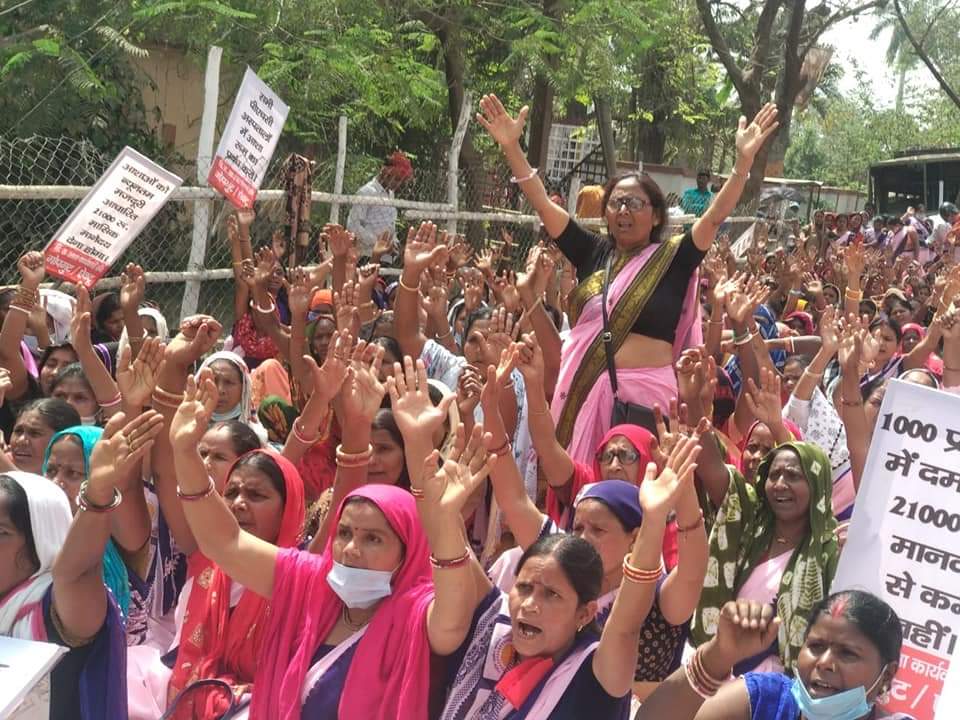
    • One of the biggest issues facing rural health services is lack of information. ASHA workers are the first respondents even when there is lack of access to medical aid are threatened with violence and abused on the number of occasions while handlining the prospected patients in COVID19 pandemic.

    Evolution of “ASHA” you may want to know

    • The ASHA programme was based on Chhattisgarh’s successful Mitanin programme, in which a Community Worker looks after 50 households.
    • The ASHA was to be a local resident, looking after 200 households.
    • The programme had a very robust thrust on the stage-wise development of capacity in selected areas of public health.
    • Many states tried to incrementally develop the ASHA from a Community Worker to a Community Health Worker, and even to an Auxiliary Nurse Midwife (ANM)/ General Nurse and Midwife (GNM), or a Public Health Nurse.

    Who are ASHA workers?

    • ASHA workers are volunteers from within the community who are trained to provide information and aid people in accessing benefits of various healthcare schemes of the government.
    • The role of these community health volunteers under the National Rural Health Mission (NRHM) was first established in 2005.
    • They act as a bridge connecting marginalized communities with facilities such as primary health centers, sub-centers and district hospitals.

    Qualifications for ASHA Workers

    • ASHAs are primarily married, widowed, or divorced women between the ages of 25 and 45 years from within the community.
    • They must have good communication and leadership skills; should be literate with formal education up to Class 8, as per the programme guidelines.
    ASHA

    What role do the ASHA Workers play? 

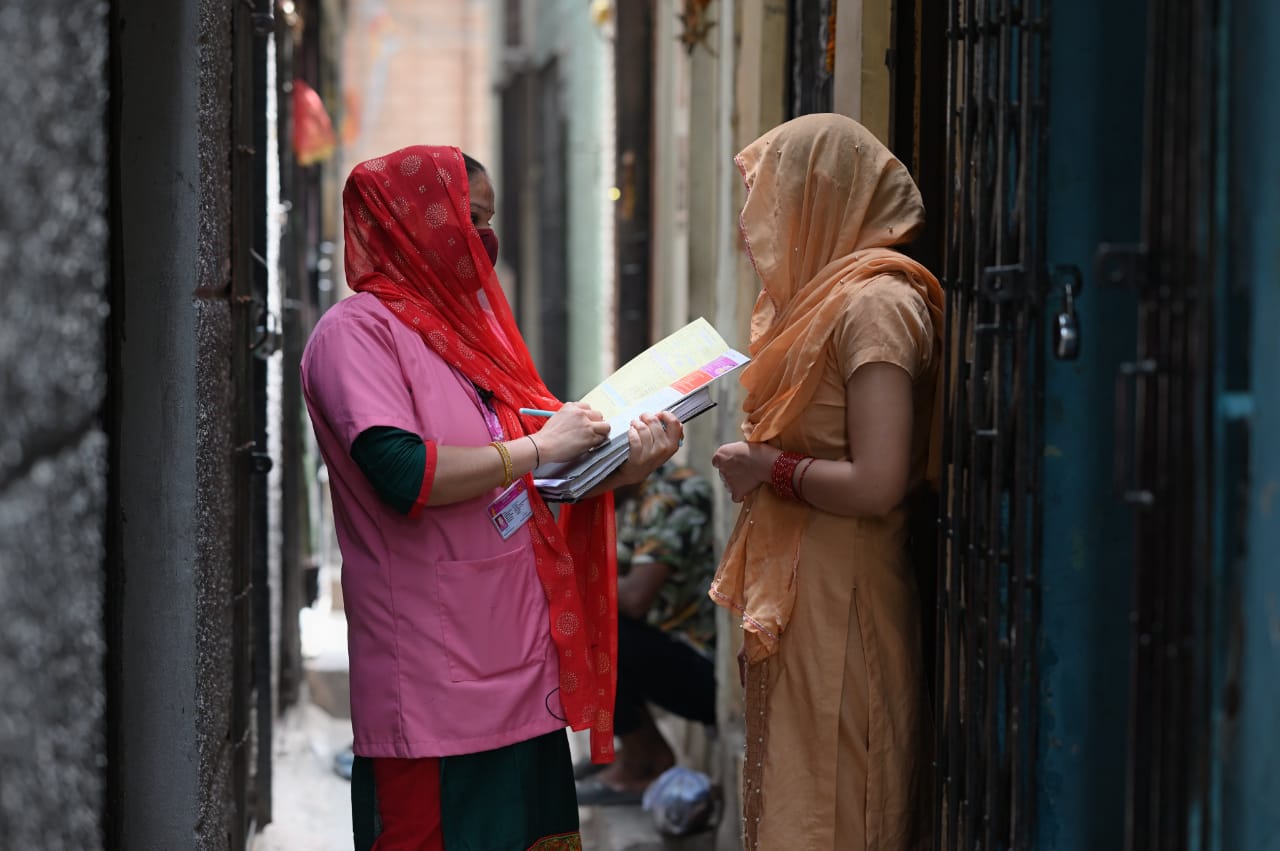
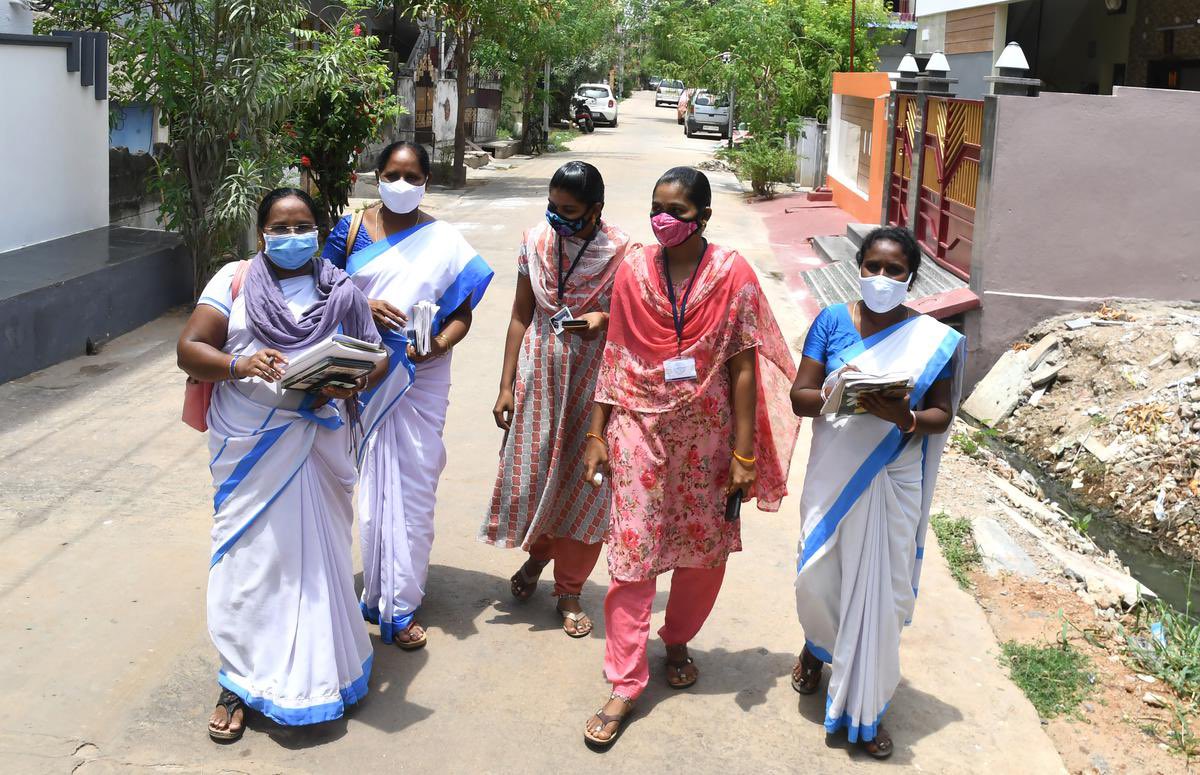
    • Involved in Awareness programs: They go door-to-door in their designated areas creating awareness about basic nutrition, hygiene practices, and the health services available. They also counsel women about contraceptives and sexually transmitted infections.
    • Ensures Mother and child health: They focus primarily on ensuring that pregnant women undergo ante-natal check-up, maintain nutrition during pregnancy, deliver at a healthcare facility, and provide post-birth training on breast-feeding and complementary nutrition of children.
    • Actively involved in Immunization programs: ASHA workers are also tasked with ensuring and motivating children to get immunized.
    • Providing medicines and therapies: Other than mother and childcare, ASHA workers also provide medicines daily to TB patients under directly observed treatment of the national programme. They also provide basic medicines and therapies to people under their jurisdiction such as oral rehydration solution, chloroquine for malaria, iron folic acid tablets to prevent anemia etc.
    • Tasked with Screening tests: They are also tasked with screening for infections like malaria during the season. They also get people tested and get their reports for non-communicable diseases. They were tasked to quarantine the covid 19 infected patients in the pandemic.
    • Informing the birth and death in respective areas:  The health volunteers are also tasked with informing their respective primary health center about any births or deaths in their designated areas.
    ASHA

    What are the challenges that ASHA workers face?

    • Lack of communication threating the job of ASHA Workers: One of the biggest issues facing rural health services is lack of information.
    • Lack of resources burdening the ASHA works job: Another area of concern is the lack of resources. Over the years, with the closest hospital being 9 km away and ambulances taking hours to respond, ASHA workers had to take multiple women in labour to the hospital in auto rickshaws.
    • Poor medical health facilities: Medical facilities are understaffed and lack adequate equipment for various basic procedures like deliveries. Simple tests, like for sickle cell anemia and HIV, cannot be conducted in no of respective areas of ASHA workers.
    • Low wages according to the job they do: The initial payment used to be paid was Rs 250 a month in 2009. Since ASHA’s unionized and agitated for a living wage. Thirteen years on, they earn around Rs 4,000 a month. It is simply not enough to sustain a family of four.
    • Covid 19 disruptions added to the existing problems: Low wages forcing ASHA’s to work two or more jobs. In the pandemic, no of women lost their husband or the means of earnings and had to revert to farming. Weather fluctuations disrupting the farm produce leaving no of ASHA’s the sole earner for the family. Those who don’t have land are living in miserable conditions.
    • Delayed payments reduce the morale: Payments are also delayed by months, Desperation for work leaves us unable to focus on the groundwork we do.
    ASHA

    What can be done to improve the work conditions of ASHA workers?

    • Improving the communication channels: Channels of communication between the government and the rural population need to be robust. A deadly pandemic makes the value of these channels obvious but in order to get people on board, information needs to be sent out much more effectively and in a hands-on manner. ASHA workers play a crucial role in aiding this effort. ASHA’s can’t do this alone. They need new systems to ensure the dissemination of life-saving information in remote areas.
    • ASHA’s should have fixed income: ASHA’s should have a fixed income, giving them the stability in a job where they spend between eight to twelve hours daily.
    • Role needs to be formalized ensuring the dignity: ASHA’s are recognized as “volunteers” currently. Their role needs to be formalized. Recognizing them as workers provides dignity and protection, and helps them to be taken seriously, by the state, the gram panchayat responsible for the disbursal of funds, and patients.
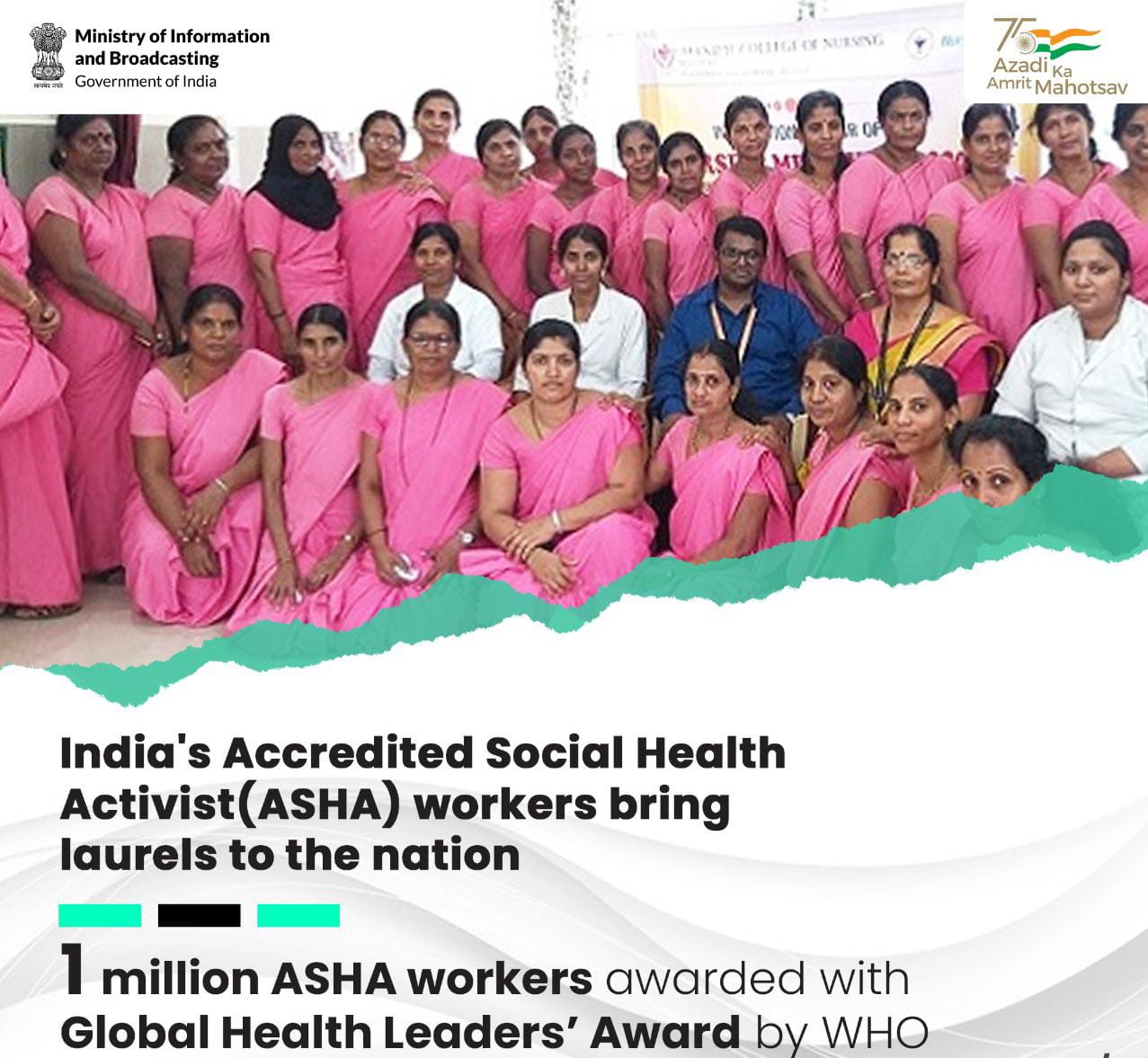
    • Recognizing and awarding their role will empower and motivate ASHA’s further: For people in villages, ASHA’s have become lifelines. They have led innumerable immunization drives and are everybody’s first call in a medical emergency. They have labored to build trust and serve as a bridge with the state. Examples shows recognition gives some leverage to circumvent the system and seek funds for people in my community.

    Conclusion

    • ASHA’s are lifelines of rural primary healthcare, they are playing critical role on no of fronts ensuring the basic health of India. A better, stronger India is possible if ASHA’s are enabled to serve people. Giving them due recognition would serve this end, along with making rural India’s needs medical or otherwise a priority.

    Mains Question

    Q. For the villagers, ASHA has been a lifeline in the last few years. Acknowledge the problems they face on a daily basis and suggest solutions to raise their morale for the primary health of the village community and the nation as a whole.

    Click and Get your FREE copy of Current Affairs Micro notes

     

  • Issues related to Economic growth

    One must know India’s Economic Growth Story

    Note4Students

    From UPSC perspective, the following things are important:

    Prelims level: Economic indicators and related facts

    Mains level: Indias Growth story, Status of Growth drivers amidst the challenge of slowing economies

    Economic

    Context

    • As the COVID-19 pandemic fades and hopes to rise for nations and societies to return to some kind of normalcy, there is effort all around to take stock of where we stand and what our prospects look like. A look back over the last few years at how India performed in terms of its economy.

    Present situation of India’s economic growth

    • Mixed growth story: One group of experts argues, India’s growth story is more mixed. In 2021-22, its GDP growth was 8.7%, which was among the highest in the world. This is good but, against this, we must offset the fact that much of this is the growth of climbing out of the pit into which we had fallen the previous year.
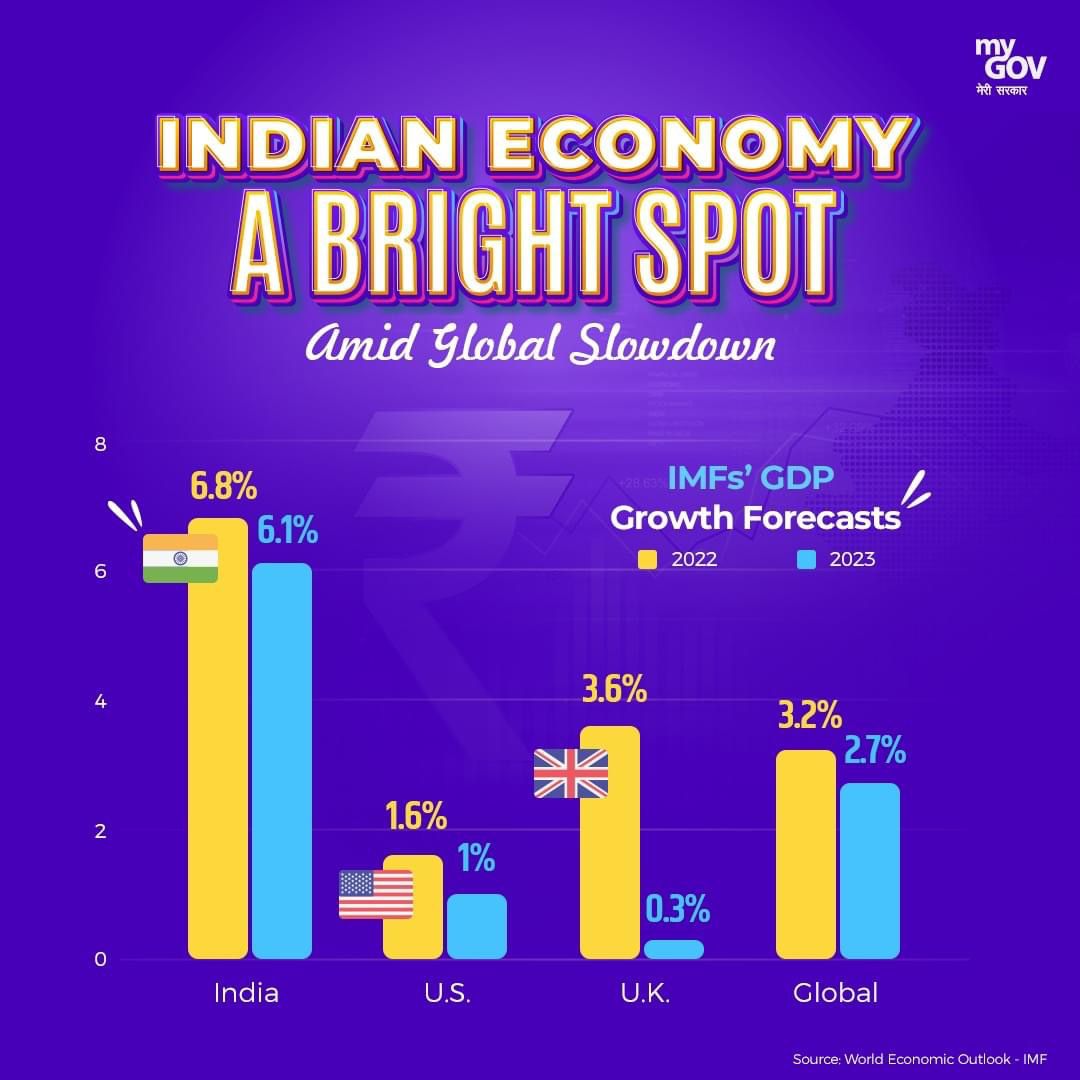
    • IMF reduced the growth forecast: In 2020-21, India’s growth was minus 6.6%, which placed the country in the bottom half of the global growth chart. For 2022-23, the International Monetary Fund has cut India’s growth forecast to 6.1%.

    Economic

    Structural assessment of India’s growth

    • Rising inequality and high unemployment: Most of India’s growth is occurring at the top end, with a few corporations raking in a disproportionate share of profits, and unemployment is so high, it is likely that large segments of the population are actually witnessing negative growth.
    • Slowdown in previous years: What makes India’s growth story worrying is that the slowdown began much before the COVID19 pandemic. It began in 2016, after which, for four consecutive years, the growth rate each year was lower than in the previous year. Growth in 2016-17 was 8.3%. After that it was, respectively, 6.9%, 6.6%, 4.8%, and minus 6.6%.
    • Status of unemployment: India’s unemployment rate is high. In October, it stood at 7.8%. However, what is really worrying is youth unemployment. According to International Labour Organization (ILO) data, collated and presented by the World Bank, India’s youth unemployment, that is, from among people aged 15 to 24 years who are looking for work, the percent that does not find any, stands at 28.3%.

     Know the basics-What is Unemployment?

    • Definition: Unemployment is a phenomenon that occurs when a person who is capable of working and is actively searching for the work is unable to find work.
    • Those who are excluded: People who are either unfit for work due to physical reason or do not want to work are excluded from the category of unemployed.
    • Unemployment rate: The most frequent measure of unemployment is unemployment rate. The unemployment rate is defined as a number of unemployed people divided by the number of people in the labour force.
    • Labour Force: Persons who are either working (or employed) or seeking or available for work (or unemployed) during the reference period together constitute the labour force.

    Economic

    Other perspectives on Indian economy

    • The latest GDP numbers suggest: For Q1 FY2022–23 suggest that economic growth is on a healthy track. Consumers, after a long lull, have started to step out confidently and spend private consumption spending went up 25.9% in Q1.
    • On the production side: the contact-intensive services sector also witnessed a strong rebound of 17.7%, thanks to improving consumer confidence.
    • Healthy agriculture sector: The only sector that consistently performed well throughout the pandemic, remained buoyant.
    • Industrial growth: Industrial growth boosted from accelerating growth in construction and electricity, gas, water supply and other utility services sectors.
    • Manufacturing is not doing well: A sector that has not yet taken off sustainably is manufacturing, which witnessed modest growth of 4.5% in Q1. Higher input costs, supply disruptions, and labor shortages due to reverse migration have weighed on the sector’s growth. According to the Reserve Bank of India’s (RBI’s) data on nonfinancial firms, surging raw material costs have stressed the profitability and margins of companies.

    What are the Challenges for the growth of economy?

    • High inflation: The biggest worry is that of high inflation (which has persisted for way too long) and all the challenges that come along with it. Inflationary environments increase the costs of doing business, impact profitability and margins, and reduce purchasing power. In short, inflation thwarts both supply and demand. Central banks’ monetary policy actions, in response to rising inflation, can impede credit growth and economic activity, thereby intensifying the probability of a recession in a few advanced nations.
    • Rising current account deficit: The other challenge is the rising current-account deficit and currency depreciation against the dollar. While a rebounding domestic economy is resulting in higher imports, moderating global demand is causing exports to slow. The US dollar’s unrelenting rise and global inflation are further causing India’s import bills to rise.
    • Declining forex: The RBI had to intervene to contain volatility and ensure an orderly movement of the rupee. The RBI’s intervention is leading to a drawdown in foreign exchange reserves. Consequently, the import cover from reserves has reduced to nine months from a high of 19 months at the start of 2021 (although, it remains above the benchmark of three months).

    Economic

    The economy’s growth drivers are improving

    • Exports: Exports, the first growth driver are slowing down and are likely to moderate along with the probable global economic slowdown.
    • Government spending: Government spending, the second driver, is already at an elevated level, thanks to the pandemic, and the government will likely focus on its prudence in utilizing limited resources. The good news is the share of capital expenses is going up even as the government is reducing revenue expenses. Multiplier effects of this spending will aid in growth in income, assets, and employment for years to come. Strong tax revenues may support further capital spending in the future.
    • Capital expenditure: According to experts, prospects for capex investments the third growth driver by companies are brighter. Sustained demand growth may be the most-awaited cue for a sustained push for investment.
    • Consumer demand: Consumer Demand, the fourth, and perhaps the most important, growth driver has improved significantly in recent quarters. However, spending has not grown sustainable despite improving consumer confidence. For instance, retail sales are growing but the pace is patchy, and auto registrations have remained muted. We expect that receding pandemic fears and the upcoming festive season could give a much-needed boost to the consumer sector.

    Conclusion

    • Indian economy should not be looked from isolation. It is very much integrated in global economy. Pandemic, Ukraine war, US- China trade war have given a successive shock to global and Indian economy. Despite that Indian has done well than rest of the world. Our focus should be on curbing inequality, not to allow people to descend into extreme poverty and employment generation.

    Mains Question

    Q. Analyse the present economic macro-indicators of Indian economy. What are the challenges for growth story of India in the context of global uncertainty?

    Click and Get your FREE copy of Current Affairs Micro notes
     

  • Citizenship and Related Issues

    Case of Citizenship to Stateless Indian origin Tamils

    Note4Students

    From UPSC perspective, the following things are important:

    Prelims level: CAA

    Mains level: Indian origin tamils, Debate over granting citizenship

    CitizenshipContext

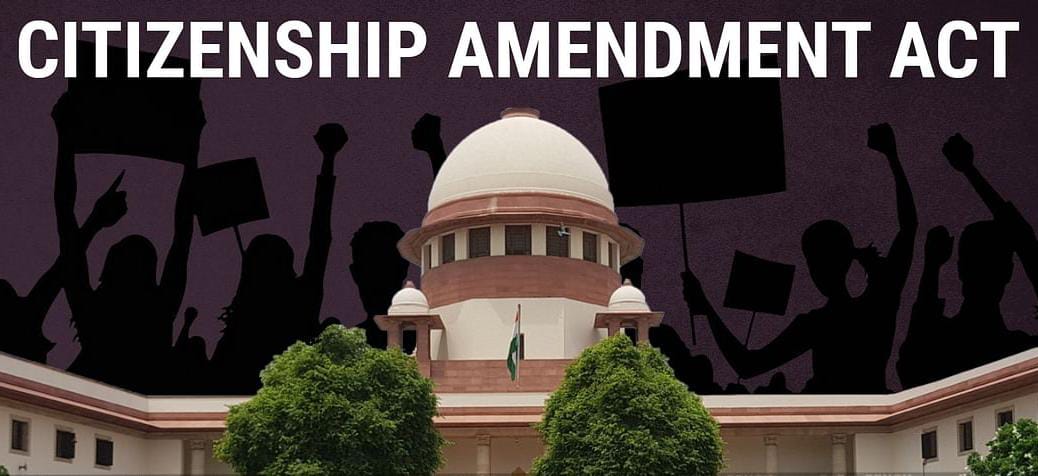
    • The Supreme Court of India has now posted the 232 petitions challenging the Citizenship (Amendment) Act (CAA) to be heard on December 6, 2022. However, there is another issue linked to the subject, i.e., the unresolved status of Indian origin Tamils who repatriated from Sri Lanka.

    Present status of Sri Lankan refugees in India

    • For over four decades, Indian origin Tamils have been classified as stateless persons, based on technicalities. Nations High Commission for Refugees, “Comprehensive Solutions Strategy for Sri Lankan Refugees”, there are around 29,500 Indian origin Tamils currently living in India.

    CitizenshipHistorical background of citizenship to Indian origin Tamils

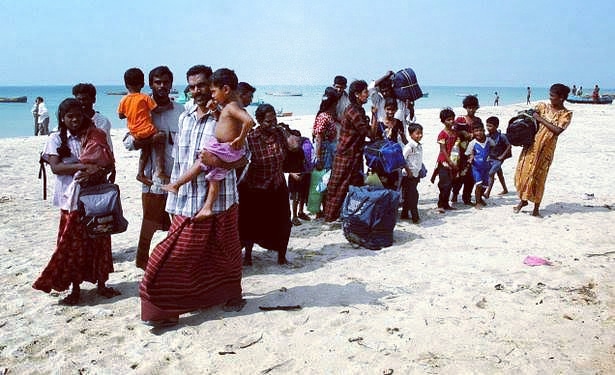
    • As Indentured plantation workers: Indian origin Tamils were brought in as indentured labourers to work in plantations. They remained mostly legally undocumented and socially isolated from the native Sri Lankan Tamil and Sinhalese communities due to the policies of the British.
    • Denied citizenship led to stateless population: After 1947, Sri Lanka witnessed rising Sinhalese nationalism, leaving no room for their political and civil participation. They were denied citizenship rights and existed as a ‘stateless’ population, numbering close to 10 lakhs by 1960.
    • Bilateral pacts granted citizenship: As an ethnolinguistic minority without voting rights, this resulted in a double disadvantage till the two national governments addressed this issue. Subsequently, under the bilateral Sirimavo-Shastri Pact (1964) and the Sirimavo-Gandhi Pact (1974), six lakh people along with their natural increase would be granted Indian citizenship upon their repatriation.
    • Civil wars forcing to seek asylum in India: The Sri Lankan civil war resulted in a spike in Sri Lankan Tamils and Indian origin Tamils together seeking asylum in India. This resulted in a Union Ministry of Home Affairs directive to stop the grant of citizenship to those who arrived in India after July 1983.
    • Focus on Refugee welfare and rehabilitation: The focus of the Indian and Tamil Nadu governments shifted to refugee welfare and rehabilitation. The legal destiny of Indian origin Tamils has been largely intertwined with that of Sri Lankan Tamil refugees, and both cohorts have been relegated to ‘refugee’ status.
    • Classified as Illegal migrants as per the CAA 2003: Indian origin Tamils who arrived after 1983 came through unauthorized channels or without proper documentation and came to be classified as ‘illegal migrants’ as per the CAA 2003. This classification has resulted in their statelessness and blocking of potential legal pathways to citizenship.

    How to overcome the problem of statelessness?

    • While constitutional courts have not had an occasion to deal with the question of statelessness, there have been two recent judgments (Madurai Bench of the Madras High Court, Justice G.R. Swaminathan), taking these issues head on.
    • Judgment on P. Ulaganathan vs Government of India (2019): The status of citizenship of Indian origin Tamils at the Kottapattu and Mandapam camps came up for consideration. The court recognized the distinction between Indian origin Tamils and Sri Lankan Tamils and held that a continuous period of statelessness of Indian origin Tamils offends their fundamental right under Article 21 of the Constitution of India. The court further held that the Union Government has implied powers to grant relaxation in conferring citizenship and prescribed that a humanitarian approach, shorn of the rigors of law, should be adopted.
    • Abirami S. vs The Union of India 2022: Statelessness is something to be avoided. The court further held that the principles of the CAA, 2019, which relaxes the conditions for citizenship for Hindus from Afghanistan, Pakistan and Bangladesh, would also apply to Sri Lankan Tamil refugees. As such, these judgments have provided categorial judicial guidance to the Union of India on how to utilize an expanded and liberal interpretation of the CAA, 2019 to overcome statelessness.
    • Supreme Court (Committee for C.R. of C.A.P. and Ors. vs State of Arunachal Pradesh 2015): An undertaking made by the Government of India with respect to grant of citizenship inheres a right in the stateless or refugee population. As such, India has made repeated undertakings, through the 1964 and 1974 pacts, which have created a legitimate expectation among the Indian origin Tamils and would entitle them to be granted citizenship.
    • Obligatory International customary law: The situation of statelessness of Indian origin Tamils is ‘de jure’, created from the failure in implementing the 1964 and 1974 pacts. De jure statelessness is recognized in international customary law. Therefore, India has an obligation to remedy the situation.

    How other nations deals with statelessness situation?

    • United States: Remedying statelessness is not a novel process in law. While dealing with a similar situation, in 1994, the United States enacted the Immigration and the Nationality Technical Corrections Act to retroactively grant citizenship to all children born to an alien father and citizen mother.
    • Brazil: Through the Constitutional Amendment No. 54 of 2007 retroactively, Brazil granted citizenship to children under jus sanguinis, which was earlier stripped by an earlier amendment, i.e., Constitutional Amendment No. 3 of 1994.

    Citizenship

    What India can do?

    • Any corrective legislative action by the Government of India to eliminate statelessness should necessarily include retroactive citizenship for Indian origin Tamils.

    Conclusion

    • India has provided the one of largest refuge to people in the world including Tibetan, Sri Lankan, Pakistani, and Bangladeshi. Despite not being a signatory to UN refugee convention. any decision of granting citizenship has to be based on national interest rather than emotional connect.

    Mains Question

    Q. What are rules for granting the citizenship to foreigner in India? What are the hurdles in Tamil Sri Lankan getting their citizenship? How can Sri Lankan Tamil get citizenship by applying the rule of intelligible differentia under article 14?

    Click and Get your FREE copy of Current Affairs Micro notes
  • Social Media: Prospect and Challenges

    The Amendments To The IT Rules, 2021

    Note4Students

    From UPSC perspective, the following things are important:

    Prelims level: NA

    Mains level: freedom of speech and Issues associated with regulating social media platforms

    IT rulesContext

    • The Ministry of Electronics and IT (MeitY) has notified amendments to the Information Technology (Intermediary Guidelines and Digital Media Ethics Code) Rules, 2021 (IT Rules, 2021) on October 28. In June 2022, MeitY had put out a draft of the amendments and solicited feedback from the relevant stakeholders. The draft generated considerable discussion and comment on the regulation of social media in India.

    What are the IT rules 2021?

    • Regulating SMI’s: World over, governments are grappling with the issue of regulating social media intermediaries (SMIs).
    • Addressing the issues of SMI controlling the free speech: Given the multitudinous nature of the problem the centrality of SMIs in shaping public discourse, the impact of their governance on the right to freedom of speech and expression, the magnitude of information they host and the constant technological innovations that impact their governance it is important for governments to update their regulatory framework to face emergent challenges.
    • Placing obligations on SMI: In a bid to keep up with these issues, India in 2021, replaced its decade old regulations on SMIs with the IT Rules, 2021 that were primarily aimed at placing obligations on SMIs to ensure an open, safe and trusted internet.

    IT rules What are the proposed amendments?

    • Draft amendments in June 2022, the stated objectives of the amendments were threefold.
    1. Protecting the constitutional rights: there was a need to ensure that the interests and constitutional rights of netizens are not being contravened by big tech platforms,
    2. Grievance redressal: to strengthen the grievance redressal framework in the Rules,
    3. To avoid the dominance: that compliance with these should not impact early-stage Indian start-ups.
    • This translated into a set of proposed amendments that can be broadly classified into two categories.
    1. Additional obligation on SMI: The first category involved placing additional obligations on the SMIs to ensure better protection of user interests.
    2. Appellate mechanism: The second category involved the institution of an appellate mechanism for grievance redressal.

    IT rules

    What are the additional obligations placed on social media intermediaries?

    • Users need to comply with rules of platforms(intermediaries): The original IT Rules, 2021 obligated the SMIs to merely inform its users of the “rules and regulations, privacy policy and user agreement” that governed its platforms along with the categories of content that users are prohibited from hosting, displaying, sharing etc. on the platform. This obligation on the SMIs has now been extended to ensuring that its users are in compliance with the relevant rules of the platform.
    • Prevent the prohibited content: Further, SMIs are required to “make reasonable” efforts to prevent prohibited content being hosted on its platform by the users.
    • SMIs have to respects rights under constitution: Second, a similar concern arises with the other newly introduced obligation on SMIs to “respect all the rights accorded to the citizens under the Constitution, including in the articles 14, 19 and 21”. Given the importance of SMIs in public discourse and the implications of their actions on the fundamental rights of citizens, the horizontal application of fundamental rights is laudable.
    • Remove the content within 72 hours: SMIs are now obligated to remove information or a communication link in relation to the six prohibited categories of content as and when a complaint arises. They have to remove such information within 72 hours of the complaint being made. Given the virality with which content spreads, this is an important step to contain the spread of the content.
    • Ensuring the accessibility of services: SMIs have been obligated to “take all reasonable measures to ensure accessibility of its services to users along with reasonable expectation of due diligence, privacy and transparency”.
    • Provide content in all scheduled language: In this context, the amendments also mandate that “rules and regulations, privacy policy and user agreement” of the platform should be made available in all languages listed in the eighth schedule of the Constitution.

    IT rulesWhat is the grievance appellate committee (GAC)?

    • Composition of GAC: The government has instituted Grievance Appellate Committees (GAC). The committee is styled as a three-member council out of which one member will be a government officer (holding the post ex officio) while the other two members will be independent representatives.
    • Complaint within 30 days: Users can file a complaint against the order of the grievance officer within 30 days.
    • Online dispute resolution: The GAC is required to adopt an online dispute resolution mechanism which will make it more accessible to the users.

    What are the concerns associated with GAC?

    • Confusion over GAC and High courts: It is unclear whether this is a compulsory tier of appeal or not, that is will the user have to approach the grievance appellate committee before approaching the court. The confusion arises from the fact that the press notes expressly stated that the institution of the GAC would not bar the user from approaching the court directly against the order of the grievance officer. However, the final amendments provide no such indication.
    • Apprehensions about appointment by central government: While this makes the inhouse grievance redressal more accountable and appellate mechanism more accessible to users, appointments being made by the central government could lead to apprehensions of bias in content moderation.
    • GAC doesn’t have enforcement power: Further, the IT Rules, 2021 do not provide any explicit power to the GAC to enforce its orders.
    • Overlapping jurisdiction of courts and appellate: if users can approach both the courts and the GAC parallelly, it could lead to conflicting decisions often undermining the impartiality and merit of one institution or the other.

    Conclusion

    • Across the world, social media regulation is need of an hour. Fake news, protests, riots are fuelled by social media outrage on petty things. However, government should not usurp the unaccountable power of in the name social regulation. Power of government should also be scrutinized by parliamentary committee.

    Mains Question

    Q. How social media can disrupt the law-and-order situation? Social media intermediaries have become the master regulators of free speech. Explain. critically analyze the new draft recommendations of IT rules 2021.

    Click and Get your FREE copy of Current Affairs Micro notes
     

  • Genetically Modified (GM) crops – cotton, mustards, etc.

    Green Signal to GM Mustard

    Note4Students

    From UPSC perspective, the following things are important:

    Prelims level: GM Mustard

    Mains level: GM crops, advantages and risks associated with it

    MustardContext

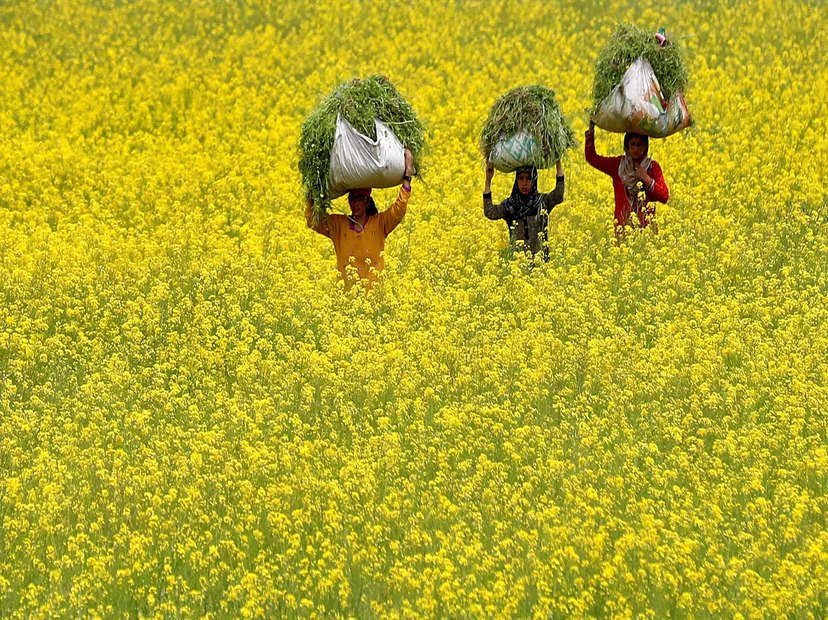
    • The recent clearance by the government for the release of GM Mustard Hybrid DMH 11 based on the recommendations of GEAC under the Ministry of Environment, Forests and Climate Change is a bold decision in the best interest of our farmers and the nation.

    What are Genetically modified organisms (GMO)

    • Changes in genetic material: GMOs can be defined as organisms (i.e., plants, animals or microorganisms) in which the genetic material (DNA) has been altered in a way that does not occur naturally by mating and/or natural recombination
    • Transfers of genes: It allows selected individual genes to be transferred from one organism into another, also between nonrelated species.
    • GM foods: Foods produced from or using GM organisms are often referred to as GM foods
    • GM Mustard: GM mustard crop was introduced, which was later withdrawn. There is a raging debate going on advantages and disadvantages of GMOs. For a long time, further study was requested by farmers, environmentalist on GMO crops.

    MustardAdvantages of GM mustard?

    • Benefits to producers and consumers: GM foods are developed and marketed because there is some perceived advantage either to the producer or consumer of these foods. This is meant to translate into a product with a lower price, greater benefit (in terms of durability or nutritional value) or both. Initially GM seed developers wanted their products to be accepted by producers and have concentrated on innovations that bring direct benefit to farmers (and food industry generally)
    • Improves crop protection: One of the objectives for developing plants based on GM organisms is to improve crop protection.
    • Insect Resistance: Some GMO foods have been modified to make them more resistant to insects and other pests. This means the amount of pesticide chemicals used on the plants are reduced, so their exposure to dangerous pesticides is also reduced
    • Develops stronger Crop: Another benefit that GM technology is believed to bring about is that crops can be engineered to withstand weather extremes and fluctuations, this means that there will be good quality and sufficient yields even under a poor or severe weather condition
    • Provides Environment Protection: GM crops often requires less time, tools and chemicals, and may help with reducing greenhouse gas emissions, soil erosion and environmental pollution
    • More Nutritious Foods: According to the UN Food and Agricultural Organization (FAO), some GM foods have been engineered to become more nutritious in terms of vitamin or mineral content.
    • More economic benefits: Larger production leading to increased farm income, reduced poverty, low food prices and thus reduced hunger and malnutrition. Besides new food products are also included, diversifying food varieties

    What is the risk associated with GMO?

    • Contamination of genes: GMOs contaminate forever. GMOs cross pollinate and their seeds can travel far and wide.
    • Irreversible changes in gene pool: It is impossible to fully clean up our contaminated gene pool.
    • More herbicides in our food: Genetic engineering allows plants to survive high doses of weed killers, resulting in higher herbicide residues in our food.
    • Super weeds and super bugs: GMO crops are creating ‘super weeds’ and ‘super bugs,’ which can only be killed with more toxic poisons.

    MustardWhy there was necessity to grant approval for GM Mustard?

    • To meet our current challenges: Over-exploitation of natural resources (soil, water, biodiversity), declining factor productivity, urgency to achieve sustainable development goals, especially ending poverty and hunger, and addressing timely the adverse effects of climate change the best option is scientific innovations and their scaling.
    • The adoption of GM food crops is in our broader national interest: Genetically modified maize, soybean, cotton, tomato and canola are grown across the world and the area currently under GM crops is about 200 m ha. Besides India, these have been grown for many years in the US, Brazil, Argentina, Canada, Australia, Philippines, Pakistan, Bangladesh, and China.
    • To meet the existing deficit in edible oils: India is currently importing around 13 million tonnes at a cost of Rs 1.17 lakh crore to the exchequer. Interestingly, of this, 2.0-2.5 mt soybean oil and 1.0-1.5 mt canola oil is already GM. Hence, we are consuming GM oil already, besides, the 1.5 mt of GM cotton oil produced domestically.
    • Associated health benefits: It is scientifically proven that the consumption of refined oil does not allow any protein to enter the human system. Thus, the consumption of GM oil is completely safe from a health point of view.
    • High yields to farmers: A major concern of our farmers is that yields of mustard are low and have stagnated for a long time at around 1,260 kg/ha, much lower than the global average of 2,000 kg/ha. Yields of canola in Canada, China and Australia are almost three times higher than in India since they use GM hybrid technology. Mustard is a very important oilseed crop, grown in 6.0 -7.0 million hectares, mostly in Rajasthan, Haryana, Punjab and Madhya Pradesh. Thus, the government’s decision to allow the production of GM Mustard hybrids will go a long way in increasing our yields, while reducing the use of pesticides.

    MustardWhat else needs to be done?

    • Providing enabling environment: The Department of Agriculture (DoA) and ICAR need to move forward fast and provide an enabling environment to test the available seed of Hybrid DMH 11 in the current rabi season.
    • Encourage public-private partnership: This needs to happen on several farmers’ fields in the mustard belt. It must also encourage public-private partnerships to produce quality seeds to cover more area next year.
    • Encouraging further innovation: Also, scientists at ICAR institutes must be encouraged to develop new GM Mustard hybrids on a mission mode. Allowing the production of GM Soybean and GM Maize going forward will also be a positive step, increasing both the productivity and profitability of these crops and doubling farmers’ income.

    Conclusion

    • The decision to remove the unscientific ban on GM crops reflects the determination of the government to move towards Atmanirbhar Bharat. It also meets the aspirations of our scientific community and farmers can derive the benefits of innovative technology.

    Mains Question

    Q. How GM mustard crop are different from conventional crops? What are the benefits and risks of adopting the GM mustard crop?

    Click and Get your FREE copy of Current Affairs Micro notes
     

  • Women Safety Issues – Marital Rape, Domestic Violence, Swadhar, Nirbhaya Fund, etc.

    Are there anti-superstition laws in India?

    Note4Students

    From UPSC perspective, the following things are important:

    Prelims level: NA

    Mains level: prevalence of superstitions, associated problems and preventive laws

    superstition

    Context

    • The brutal murders of two women as part of “ritualistic human sacrifices” in the Pathanamthitta district of Kerala have left the country in shock. Chilling details of the killings have sparked a debate about the prevalence of superstitious beliefs, black magic and sorcery in Kerala. In the absence of a comprehensive law to counter such acts, the call for a strict anti-superstition law has grown louder.

    superstition

    What is Superstition?

    • Superstition is an irrational belief usually founded on ignorance or fear and characterized by obsessive reverence for omens, charms etc. It is a notion, act or ritual that derives from such belief.

    What is Witchcraft?

    • Black magic is also known as Witchcraft is usage of supernatural power for evil and selfish purposes and to perform malicious practices to destroy someone physically or mentally or financially.
    • Black magic makes humans victims of baseless fears, reverses fortunes and confusions.

    superstition

    What is the status of such killings in India?

    • As per the 2021 report of the National Crime Records Bureau (NCRB), six deaths were linked to human sacrifices, while witchcraft was the motive for 68 killings.
    • In 2020, India saw 88 deaths due to witchcraft and 11 died as part of human sacrifices.
    • The maximum number of witchcraft cases were reported from Chhattisgarh (20), followed by Madhya Pradesh (18) and Telangana (11). Kerala saw two cases of human sacrifice, the NCRB report states.

    What are the laws over superstition in India?

    • No central law: In India, there is no central law that exclusively deals with crimes related to witchcraft, superstition, or occult-inspired activities. In the absence of a nationwide legislation, a few States have enacted laws to counter witchcraft and protect women from deadly ‘witch-hunting’.

    superstition

    Anti-superstition Laws enacted by the states

    • Bihar: Bihar was the first State to enact a law to prevent witchcraft, identification of a woman as a witch and “eliminate torture, humiliation and killing of women.” The Prevention of Witch (Daain) Practices Act came into force in October 1999. Anyone who identifies a person as a “witch” and acts to aid this identification can face a jail term of up to three months, or a fine of ₹1,000, or both.
    • Jharkhand: A similar law was passed in Jharkhand in 2001 the Prevention of Witch (Daain) Practices Act.
    • Chhattisgarh: Even though Chhattisgarh is one of the worst-affected States in terms of witchcraft-related crimes, the State enacted the Chhattisgarh Tonahi (witch) Pratadna Nivaran Act only in 2005. As per the law, a person convicted for identifying someone as a witch can be sentenced to up to three years of rigorous imprisonment with a fine
    • Odisha: Following the directions of the Odisha High Court to frame a law to deal with rising cases of witch-hunting in the State, the Odisha Prevention of Witch-Hunting Bill was passed by the Assembly in 2013. The bill provides penalties for a witch doctor, or a person claiming to be a black magician
    • Maharashtra: In Maharashtra, the Maharashtra Prevention and Eradication of Human Sacrifice and other Inhuman, Evil and Aghori Practices and Black Magic Act, 2013 was passed after the murder of anti-superstition activist Dr. Narendra Dabholkar.
    • Rajasthan: The state of Rajasthan enacted the Rajasthan Prevention of Witch-Hunting Act in 2015 to “provide for effective measures to tackle the menace of witch-hunting and prevent the practice of witchcraft.
    • Assam: The Assam Witch Hunting (Prohibition, Prevention and Protection) Act, 2015, which received the President’s assent in 2018, prohibits witch hunting completely. The law states, no person shall identify, call, stigmatize, defame or accuse any other person as witch by words, or by signs or indications or by conducts or actions or any other manner or instigate, aid or abet such an act or commit witch hunting.
    • Karnataka: The latest law was passed in Karnataka where the Karnataka Prevention and Eradication of Inhuman Evil Practices and Black Magic Act, 2017 came into effect in January 2020. The law bans several practices related to black magic and superstition, like forcing a person to walk on fire at religious festivals and the practice of piercing rods from one side of the jaw to the other.

    Conclusion

    • States governments are doing their best to criminalize the rituals of human sacrifices by enacting stringent laws. There is need to have a concrete nationwide anti-superstition law and as a society every individual should be made a stakeholder in awareness against human sacrifices based on witchcraft and rituals.

    Mains Question

    Q. What is Superstition? Are there any anti-superstition laws in India that criminalizes the rituals such as human sacrifices and witch-hunting? Discuss.

    Click and Get your FREE copy of Current Affairs Micro notes

  • President’s Rule

    The case of “Governor’s pleasure”

    Note4Students

    From UPSC perspective, the following things are important:

    Prelims level: Constitutional provisions related to the Governor

    Mains level: Issues related to office of governor

    pleasure

    Context

    • A tweet put out recently by the office of the Kerala Governor evoked nationwide attention for all the wrong reasons. It said: “the statements of individual Ministers that lower the dignity of the office of the Governor can invite action including withdrawal of pleasure”. the Governor sent a letter to the Kerala CM asking him to act against the State Finance Minister, who, according to the Governor, had “ceased to enjoy” the Governor’s “pleasure”. The Chief Minister declined to do so.

    Who is a Governor?

    • Parallel to President: The Governors of the states of India have similar powers and functions at the state level as those of the President of India at the Central level.
    • Nominal head: The governor acts as the nominal head whereas the real power lies with the Chief Ministers of the states and her/his councils of ministers.
    • Similar offices: Governors exist in the states while Lieutenant Governors or Administrators exist in union territories including National Capital Territory of Delhi.
    • Non-local appointees: Few or no governors are local to the state that they are appointed to govern.

    Important Constitutional Provisions related to Governor

    • Article 153: It requires a governor to be appointed for every state in India.
    • Article 154: Vests the executive power of the State in the Governor
    • Article 155: Appointment of the Governor
    • Article 156: Term of Office of Governor
    • Article 157: Qualifications for appointment as Governor

    Executive functions of Governor include

    • An important function of the Governor is to appoint the Chief Minister of the State.
    • Other ministers are also appointed by the Governor on the advice of the Chief Minister.
    • The ministers including the Chief Minister hold office during the pleasure of the Governor.
    • The Governor has the constitutional right to know the decisions of the Council of Ministers relating to the administrative affairs of the State and the proposals for legislation.

    What are the contradictory issues with Governor’s office?

    • Bound by the principle: The function of the appointed Governor is always subject to the policies of the elected government, and not vice-versa. This is a foundational theory of India’s constitutional democracy.
    • Contradictory Aid and advise and Discretion: Article 163(1) says that the Council of Ministers must aid and advise the Governor. However, according to Article 163(2), the Governor can act in his discretion in certain matters as permitted by the Constitution
    • Discretion still bounds by cabinet decision: Governor is generally bound by the Cabinet decision except when he has a legitimate right to invoke his discretion, say, for example, in deciding on sanction to prosecute a cabinet minister or in his decisions as Administrator of a Union Territory, as per the orders of the President of India, etc.
    • Apparatus of interaction: There are no provisions laid down for the manner in which the Governor and the state must engage publicly when there is a difference of opinion. The management of differences has traditionally been guided by respect for each other’s boundaries.

    Pleasure

    Issues of “Pleasure” of Governor

    • Constitution Bench judgment of Supreme court in Shamsher Singh vs State of Punjab (1974) case:
    • In Shamsher Singh, for the purpose of comparison, the Supreme Court extracted Dr. B.R. Ambedkar’s introductory statement made on November 4, 1948, in the Constituent Assembly, which said: “The President of the United States is not bound to accept any advice tendered to him by any of his secretaries. The President of the Indian Union will be generally bound by the advice of his Ministers. He can do nothing contrary to their advice nor can he do anything without their advice. The President of the United States can dismiss any Secretary at any time. The President of the Indian Union has no power to do so, so long as his Ministers command a majority in Parliament”.
    • The same principles apply to the Governors as well, since the Union Minister also holds the office “during the pleasure of the President” as in Article 75(2) of the Constitution.
    • “Withdrawal of pleasure”, without advice from the Council of Ministers, as indicated by Raj Bhavan is a misconception.
    • Historical background of Article 264:
    • The draft Constitution, prepared by the Constitutional Adviser in October 1947, contained Article 126, according to which, “Governor’s Ministers shall be chosen and summoned by (the Governor) and shall hold office during his pleasure”.
    • This Article, which was made part of the draft of the erstwhile Article 144, was discussed at length in the Constituent Assembly.
    • The general discretion with the Governor was taken away, and the Cabinet was given the authority to rule. Amendment to the draft Article 144 moved by B.R. Ambedkar resulted in the present constitutional scheme of Articles 163 and 164.
    • According to the Scholar Subhash C. Kashyap:
    • The words ‘during pleasure’ were, always understood to mean that the ‘pleasure’ should not continue when the Ministry had lost the confidence of the majority.
    • the moment the Ministry lost the confidence of the majority, the Governor would use his ‘pleasure’ in dismissing it.

    Conclusion

    • During the deliberations in Constituent Assembly Debates,1949, H.V. Kamath asked if there was any guarantee against abuse of power by the Governor. The immediate reaction by P.S. Deshmukh, another prominent member was: “the guarantee is the Governor’s wisdom and the wisdom of the authority that will appoint the Governor”

    Mains Question

    Q. What is the role of Rajbhavans in the state government’s day to day business. Analyze the constitutional mandate of the governor’s pleasure and accountability of ministers.

    Click and Get your FREE copy of Current Affairs Micro notes

  • Issues related to Economic growth

    Road to Net Zero Goes Via Green Financing

    Note4Students

    From UPSC perspective, the following things are important:

    Prelims level: NA

    Mains level: Green Financing, India's Net Zero 2070 objective

    financing

    Context

    • Climate finance, or Green Money, remains a critical bottleneck for India in its journey towards the Net Zero 2070 objective and to create a resilient system through climate adaptation and mitigation. The challenge is daunting to make a climate transition for a nation of 1.4 billion people with increasing aggregate national income and individual wealth inequality.

    What is the Present arrangement of external financing for climate change

    • Estimated cost: Finances for climate change were to be channelized through multi-tiered systems in the form of national, regional, and international bodies. It has been estimated that India will need $15 trillion to finance its Net Zero journey.
    • Concessional loans: In most cases, small amounts flowing now into the developing component of the G20 nations are actually in the form of concessional loans rather than grants.
    • Technological support from developed countries: There is no doubt that India will need international financial commitments and technological support from developed countries, who have been erratic with their promised deliveries so far.

    What is green financing?

    • Green finance is a phenomenon that combines the world of finance and business with environment friendly behavior. It may be led by financial incentives, a desire to preserve the planet, or a combination of both.
    • In addition to demonstrating proactive, environment friendly behavior, such as promoting of any business or activity that could be damaging to the environment now or for future generations.

    Green financing through domestic market

    • Status of Green Bonds: As for domestic financial sources, according to an RBI Bulletin from January 2021, green finance in India is still at the nascent stage. Green bonds constituted only 0.7% of all the bonds issued in India since 2018, and bank lending to the non-conventional energy constituted about 7.9% of outstanding bank credit to the power sector as of March 2020.
    • Provision of Green loans: The report also mentioned that the development of green financing and funding of environment-friendly sustainable development is not without challenges, which may include false compliance claims, misuse of green loans, and, most importantly, maturity mismatches between long-term green investments and relatively short-term interests of investors.

    financing

    What are the challenges to green financing?

    • No assessment of climate finance risk: Research report indicates that banks in India, like in many parts of the world, are not prepared to adapt to climate change; and have not yet factored in any climate-related financial risks into their day-to-day decision-making. Some of the criteria used to assess the banks include a commitment to phase out investments in coal, disclosing and verifying direct and indirect emissions, issuing green loans, financing climate mitigation, and Net Zero targets for different types of emissions and their implementation plans.
    • Lack of enthusiasm among bankers: The report is also critical that none of the 34 banks have tested the resilience of their portfolios in the face of climate change. Yet, the bankers’ noise around the green finance topic is euphorically loud, without action.
    • No standard definition of green financing: These banks and financial institutions are also not geared up for financing green transition. India faces the big challenge of “how to define green”, as there is no uniform green definition and green taxonomy.
    • Poor debt market for green finance: The green money is generated through largely debt-based products (green bonds, climate policy performance bonds, debt for climate swaps, etc.), while the fund deployment occurs through debt-based, equity-based, and often, insurance-based instruments, apart from grants and loans. However, the Indian market lacks the depth of its debt markets or the heft of the bond markets.
    • Lack of green data governance: There is an inherent problem with “green data governance” that entails tracking the entire data-chain of a green financing initiative.
    • Unviable green projects: Like many other private sectors funding, the banks look at rates of return that do not really often make financing “public goods” as viable investments. They are even apprehensive about financing projects with long gestation periods with uncertain returns.

    financing

    What is way forward for green financing?

    • Considering social cost of carbon: An economic return alone might not be sufficient to induce green financing. A more holistic rate of return, considering the social cost of carbon, will be appropriate.
    • Return on green investment should include social returns: A longer time horizon will be needed for the cost-benefit analysis and the estimation of the return on investment. This is because, for climate-related projects, the returns increase over time. The extent to which the particular project could result in CO2 reduction and, eventually reduction in the social cost of carbon need to be assessed. As an example, India intends to reduce 1 billion Tonnes of CO2. The present social cost of CO2 (SCC) is $86/tonne. Therefore, the sheer economic gain is to the tune of $86 billion, or 2.1% of the current Indian GDP. Social cost saving is a public good and is enjoyed by all businesses, including the financial institutions.
    • Applying the green taxation: Hence, for a stronger business case for climate finance, experts propose to include in its Return-on-investment calculations the cost-benefit returns of the project through NPVSCC20 the Net Present Value of Social Cost of Carbon over 25 years of the project, a time period that compares well with tenor of infra and sovereign bonds. As an incentive, the government could introduce taxation sops for using NPVSCC25.

    financing

    You may want to know about Net Zero

    • Net zero means cutting greenhouse gas emissions to as close to zero as possible, with remaining emissions re-absorbed by oceans/ forests.
    • China, US, EU and India contribute 75% of total GHG emissions
    • However, per capita GHG emissions for US, EU and China are7,3 and 3 times of India
    • India has set target to achieve net zero emissions by 2070.

    Conclusion

    • The way India finances its journey to Net Zero 2070 could very well be a framework for other nations, for it would need to have contours of social inclusion, economic flexibility, and sustainable financing, while keeping in mind the political compulsions, as well as serving the demographic requirements of creating and sustaining livelihood in decades to come.

    Mains Question

    Q. Green financing is the most crucial part of achieving Net zero target. Comment. What are the India’s efforts to finance its climate action goals?

    UPSC 2023 countdown has begun! Get your personal guidance plan now! (Click here)


  • Death Penalty Abolition Debate

    Reframing the Guidelines of Capital Punishment

    Note4Students

    From UPSC perspective, the following things are important:

    Prelims level: NA

    Mains level: Issues over Capital punishment

    Capital

    Context

    • CJI, Justice Lalit had displayed unique sensitivity to the plight of the condemned ‘death row prisoners’ in Anokhi Lal vs State of M.P. (2019), Irfan vs State of M.P., Manoj and Ors vs State of M.P. (May 2022) and impart corrections in the form of creative directions/guidelines.

    What is capital punishment?

    • Capital punishment, sometimes called death penalty, is execution of an offender sentenced to death after conviction by a court of law for a criminal offense.
    • It should be distinguished from extrajudicial executions carried out without due process of law.
    • The term death penalty is sometimes used interchangeably with capital punishment, though imposition of the penalty is not always followed by execution, because of the possibility of commutation to life imprisonment.

    Capital

    Background of capital punishment

    • Bachan Singh case: In Jagmohan Singh vs State of UP’ (1973), then in ‘Rajendra Prasad vs State of UP’ (1979), and finally in ‘Bachan Singh vs State of Punjab’ (1980) the Supreme Court affirmed the constitutional validity of the death penalty.
    • Punishment according to fair procedure: It said that if capital punishment is provided in the law and the procedure is a fair, just and reasonable one, the death sentence can be awarded to a convict.
    • Rarest of rare case: This will, however, only be in the “rarest of rare” cases, and the courts should render “special reasons” while sending a person to the gallows.

    What is “rarest of rare” case?

    • The principles of what would constitute the “rarest of rare” were laid down by the top court in the landmark judgment in ‘Bachan Singh’.
    • Two prime questions, the top court held, may be asked and answered:
    • First: is there something uncommon about the crime which renders the sentence of imprisonment for life inadequate and calls for a death sentence?
    • Second: are there circumstances of the crime such that there is no alternative but to impose the death sentence even after according to maximum weightage to the mitigating circumstances which speak in favor of the offenders?

    Why existing guidelines are problematic?

    • Arbitrary sentencing: There has long been a judicial crisis in death penalty sentencing on account of unprincipled sentencing, arbitrariness and worrying levels of subjectivity. The crisis has been acknowledged by the Supreme Court, the Law Commission of India, research scholars and civil society groups.
    • Crime-centric nature: Death penalty sentencing has been, by and large, crime-centric. This approach goes against the requirements imposed on sentencing judges by the Supreme Court in Bachan Singh (1980).
    • Nature of crime a dominant consideration: An important reason for the breakdown is that factors relating to the crime the nature of the crime and its brutality are often dominant considerations, and there is barely any consideration of mitigating factors.
    • Little discussion on mitigating factors: There has been very little discussion on bringing the socioeconomic profile of death row prisoners as a mitigating factor into the courtroom.

    capital

    What are new guidelines through recent judgement?

    • Considering Potential mitigating circumstances: The focus here is on reframing ‘Framing Guidelines Regarding Potential Mitigating Circumstances to be Considered While Imposing Death Sentences’, a decision authored by the three judge Bench (the current CJI and Justices Ravindra Bhat and Sudhanshu Dhulia, September 19, 2022).
    • Seeking remedies beyond Legislative and judicial limitation: Such a reference to a larger Bench would constitute yet another step in the direction of death penalty sentencing justice reform such as the legislative limitation flowing from Section 354(3) in the Code of Criminal Procedure; judicial limitation flowing from the ‘rarest of rare’ case; and ‘oral hearing’ after all the remedies to the condemned are exhausted.
    • Mitigating factors are important: Justice Ravindra Bhat did not stop at paying lip service to ‘rarest of rare’ case limitation, but also required the sentencing court to take the trouble of balancing the aggravating factors and mitigating factors, as per the full Bench ruling.
    • The following observations of the Court are significant: “It is also a fact that in all cases where imposition of capital sentence is a choice of sentence, aggravating circumstances would always be on record, and would be part of [the] prosecutor’s evidence, leading to conviction, whereas the accused can scarcely be expected to place mitigating circumstances on the record, for the reason that the stage for doing so is after conviction.
    • Granting real and meaningful opportunity: The three judge Bench decision seems to have gone beyond sentencing incongruities when it observes: “This court is of the opinion that it is necessary to have clarity in the matter to ensure a uniform approach on the question of granting real and meaningful opportunity, as opposed to formal hearing to the accused/convict on the issue of sentence.”

    Conclusion

    • Free, fair and transparent opportunity has been given to accused while awarding the death sentence. Supreme court of India has rightly laid down the guidelines through judgement for sentencing the capital punishment to prevent the arbitrary use and misuse of capital punishment.

    Mains Question

    Q. What are the issues with death penalty guidelines in India? What are the new guidelines by SC regarding capital punishment?

    UPSC 2023 countdown has begun! Get your personal guidance plan now! (Click here)


  • Telecom and Postal Sector – Spectrum Allocation, Call Drops, Predatory Pricing, etc

    Revitalizing India’s Spectrum Policy

    Note4Students

    From UPSC perspective, the following things are important:

    Prelims level: Telecom Spectrum

    Mains level: Spectrum policy, auctions, Digital divide, issues and Solutions

    Spectrum

    Context

    • It is widely acknowledged that spectrum policy in India has had ups and downs, regretfully more downs than ups. Despite the recognized failure, India hosts 800 million internet users and host the second-largest telecommunications network in the world. We wonder what might have been achieved with a more reasonable and transparent spectrum policy.

    Background

    • On September 22, the government released the draft Indian Telecommunication Bill, 2022 seeking to replace the colonial era Indian Telegraph Act, 1885.
    • The draft bill compares spectrum to aatma: “In a way, spectrum is similar to aatma, like aatma, spectrum too does not have any physical form, yet it is omnipresent.” And yet there is one immutable difference in this material world. While the value of aatma is inestimable, spectrum has always had a banal price tag associated with it.

    Spectrum

    What is Draft Indian Telecommunication Bill, 2022?

    • The draft Indian Telecommunication Bill, 2022 is an attempt by the Department of Telecommunications (DoT) to consolidate various legislations presently governing the telecommunication landscape in India.
    • The Bill seeks to replace three laws, the Indian Telegraph Act, 1885, the Indian Wireless Telegraphy Act, 1933 and the Telegraph Wires (Unlawful Possession) Act, 1950.
    • The new regulatory framework is to bring the law at par with technological advancements and remove obsolete provisions from the colonial era laws.

    What is mean by Spectrum?

    • In physics, it’s a word that describes the distribution of something, like energy or atomic particles
    • Spectrum refers to the invisible radio frequencies that wireless signals travel over. Devices such as cell phones and wireline telephones require signals to connect from one end to another.
    • These signals are carried on airwaves, which must be sent at designated frequencies to avoid any kind of interference. The frequencies we use for wireless are only a portion of what is called the electromagnetic spectrum.
    • The Union government owns all the publicly available assets within the geographical boundaries of the country, which also include airwaves.
    • With the expansion in the number of cell phones, wireline telephone and internet users, the need to provide more space for the signals arise from time to time.

    The status of Spectrum policy in India?

    • Host the second largest telecommunications network despite of failures:
    • It is widely acknowledged that spectrum policy in India has had ups and downs, it has for the most part failed to capitalize on the ubiquity of the electromagnetic spectrum to provide meaningful connectivity to all citizens.
    • Despite the recognized failure, we boast of a billion plus mobile subscribers, 800 million internet users and host the second-largest telecommunications network in the world.
    • Ineffective access widening space of digital divide:
    • The intent of the draft bill is to correct past sins so that the benefits of spectrum and technology are better shared, and the quality of access improved for everybody.
    • In other words, since effective access to spectrum has remained a significant barrier to facilitating meaningful connectivity for Indians.
    • Spectrum’s potential is huge but with technical limitations:
    • The draft bill rightly refers to the spectrum as having the characteristics of a public good. It is also an inexhaustible resource. But while spectrum per se is not depletable, there are technical limitations to its optimum utilization at a given point in time.
    • Consequently, it is viewed as a scarce natural resource and what’s more, expensive auctions have made the spectrum dear and arguably exclusionary.
    • High cost of spectrum acquisition:
    • Since 2010, the government has consistently used auctions for spectrum allocation and in only one of the seven auctions held since then, the government was successful in selling 100 per cent of the available spectrum. One reason for this lukewarm response, barring the 2010 auction, is the high cost of spectrum acquisition.
    • High cost of auctions leading to revenue loss for the government:
    • Due to the high reserve price, the most recent auction witnessed spectrum being sold at the reserve price, effectively rendering the basis of an auction moot.
    • If almost all spectrum was sold at its reserve price, and a significant amount goes unsold, it implies that the price was too high, to begin with. It also implies a loss of revenue for the government for spectrum unsold is spectrum squandered.
    • Finally, it results in areas being underserved or unserved affecting quality and quantity.
    • High network charges by operators impacts compromising equal distribution and quality:
    • According to one estimate, at 7.6 per cent of their aggregate revenue, spectrum cost in India is amongst the most expensive in the world.
    • Since network operators incur a significantly higher cost for spectrum compared to other emerging markets, the ability to invest in network upgradation and infrastructure is severely impacted, resulting in uneven distribution of service and poor quality to boot.

    Spectrum

    What Could be the fresh approach?

    • Acknowledging and addressing the issues:
    • It must be recognized that the spectrum needs to be combined with other infrastructure to enable service delivery.
    • The cost of deploying other infrastructure in remote areas is nearly twice as much, while revenue opportunities are far lower, damaging if not destroying the prospects of rural businesses. Plugging the digital divide, therefore, needs a fresh approach.
    • Correcting the cost of spectrum and boosting investment:
    • Since licences and spectrum are typically assigned for service areas that are, for the most part, identified by state boundaries.
    • Since operators predominantly cater to urban markets, the spectrum in remote areas remains under- or in places un-utilized due to a lack of investment in allied infrastructure.
    • Reviving the old and executing the fresh provisions enshrined in draft bill for equitable sharing:
    • The draft bill incorporates practical provisions on the spectrum such as use it, share it, or lose it – an awaited policy that, however, needs innovative support to be successful. The idea of “niche operators” providing services including to telecom operators and manufacturers, introduced in 2005, needs revival in this regard.
    • If licensed operators are unable to utilise the assigned spectrum, the same could be given to local entrepreneurs who understand the needs of rural customers and are better placed to develop a more effective business case more quickly than the larger telcos. Active promotion of the idea of niche operators might just jolt operators out of their lethargy towards rural services.
    • Adopting innovative methods:
    • Alternatively, the government may explore innovative methods of spectrum access such as a non-competitive licensing framework for certain specific use cases.
    • Canada, for instance, has initiated consultations on a non-competitive local licensing framework in the 3900-3980 MHz Band and portions of the 26, 28 and 38 GHz bands to inter alia facilitate broadband connectivity in rural areas.
    • Emphasizing on Transparency and enhancing healthy competition:
    • The government should build an ecosystem that inspires trust so that transparency in assignment can be secured at a reasonable price for operators with strict service obligations without the phantasm of auctions.
    • At the same time, there should be no unsold spectrum. Niche operators should be invoked to engender competition, and government could yet collect revenue for itself.

    Spectrum

    Conclusion

    • The telecom is no longer an end in itself. It exists for user industries much more than ever before. The spill over benefits are far greater than what the sector commands within. Thus, to state the obvious, the vision that is “Digital India” can never be realized if affordable broadband connectivity remains only within the reach of a few.