💥UPSC 2026, 2027, 2028 UAP Mentorship (March Batch) + Access XFactor Notes & Microthemes PDF

Type: Prelims Only

  • Intellectual Property Rights in India

    What was the tussle over Covaxin IPR?

    Note4Students

    From UPSC perspective, the following things are important:

    Prelims level: Patent process in India, COVAXIN

    Why in the News?

    • Bharat Biotech International Limited (BBIL), maker of the indigenous coronavirus vaccine Covaxin, admitted to an “inadvertent error” in patent filings. The error involved failing to include scientists from the Indian Council of Medical Research (ICMR) as co-inventors in the patent filings.

    COVAXIN Story

    • BBIL patented the process of making a batch of vaccines from virus strains provided by ICMR-NIV (National Institute of Virology).
    • ICMR-NIV’s role involved extracting viruses, identifying characteristics, conducting tests, and qualifying strains for vaccine development.
      • ICMR funded these clinical trials with ₹35 crore and incurred costs in developing Covaxin.
      • In return, ICMR was to receive 5% of the royalties BBIL earned from the sale of Covaxin.

    Vaccine Patents in India 

    • In India, patents, including those for vaccines, are governed by the Patents Act, 1970, and its subsequent amendments.
    • This act aligns with the TRIPS Agreement (Trade-Related Aspects of Intellectual Property Rights) under the World Trade Organization (WTO).

    Key Provisions of the Patents Act, 1970:

    • Patentable Inventions:
        • An invention must be novel, involve an inventive step, and be capable of industrial application.
        • Section 3 of the Patents Act outlines what are not considered inventions, which includes methods of treatment, and processes for medicinal, surgical, curative, prophylactic, diagnostic, therapeutic, or other treatments of human beings.
    • India grants both process and product patents:
      • Product Patents: Grant a monopoly over a specific drug.
      • Process Patents: Prevent competitors from using the same sequence of steps to create a similar product.
    • Compulsory Licensing:
      • Under Section 84, compulsory licenses can be issued if the patented invention is not available to the public at a reasonably affordable price, or if the reasonable requirements of the public are not being met.
    • Bolar Provision:
      • Section 107A allows the use of patented inventions, including vaccines, for the purpose of research and development to obtain regulatory approval before the patent expires.

    Why was the ICMR not included?

    • Bharat Biotech initially excluded ICMR from patent applications because they viewed the ICMR’s role primarily as providing virus strains and conducting clinical trials, rather than being directly involved in the technical processes of vaccine development.
    • There might have been a miscommunication or oversight regarding the understanding of intellectual property rights and inventorship between BBIL and ICMR initially.


    PYQ:

    [2013] Bringing out the circumstances in 2005 which forced amendment to the section 3(d) in Indian Patent Law, 1970, discuss how it has been utilized by the Supreme Court in its judgement in rejecting Novartis’ patent application for ‘Glivec’. Discuss briefly the pros and cons of the decision. (200 words)

    [2014] In a globalized world, Intellectual Property Rights assume significance and are a source of litigation. Broadly distinguish between the terms—Copyrights, Patents and Trade Secrets.

  • Water Management – Institutional Reforms, Conservation Efforts, etc.

    In news: Shyok River

    Note4Students

    From UPSC perspective, the following things are important:

    Prelims level: Shyok and other tributaries of Indus River

    Why in the News?

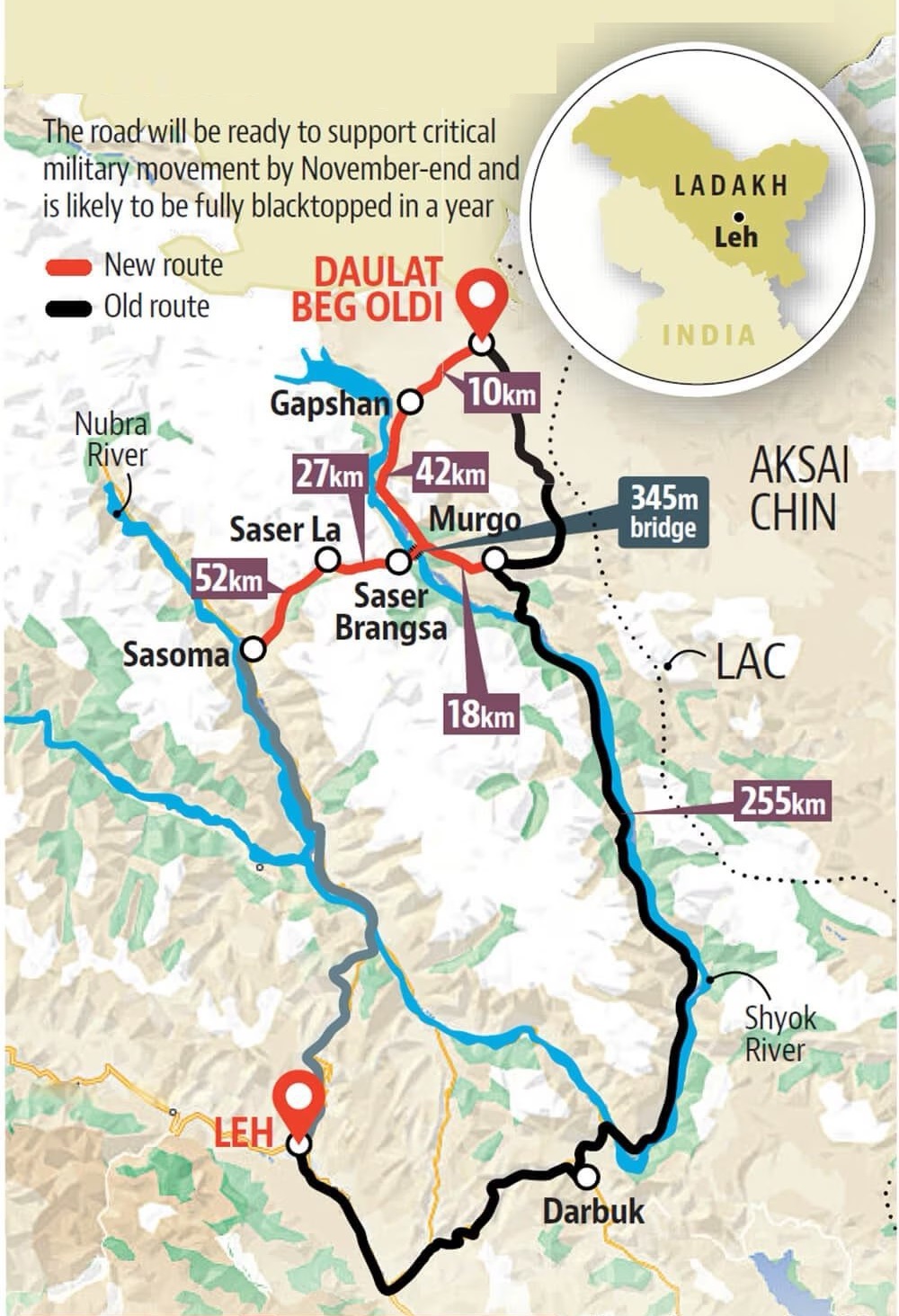
    Five soldiers lost their lives when a tank was drowned away by powerful water currents in the Shyok River during a military training exercise in Ladakh.

    About Shyok River

    • The Shyok River is a significant river flowing through the Ladakh region of India and the Gilgit-Baltistan region of Pakistan.
    • It is a tributary of the Indus River and is known for its length and the rugged terrain it traverses.
    • The Shyok River spans approximately 550 kilometres in length.
    • It has a drainage basin covering parts of both India and Pakistan, making it an essential water source for the regions it traverses.

    Source and Course:

    • The river originates from the Rimo Glacier, located to the southeast of the Karakoram Pass.
    • It flows northwest to enter the Nubra Valley in Ladakh, a region known for its picturesque landscapes and sand dunes.
    • The river then turns southwest and flows through the disputed region of Gilgit-Baltistan, eventually joins the Indus River near Skardu.

    Tributaries:

    • The Shyok River has several tributaries, the most notable being the Nubra River, which flows through the Nubra Valley.
    • Other significant tributaries include the Saltoro River, originating from the Siachen Glacier region.

    Cultural and Historical Significance:

    • The river flows through that have been part of ancient trade routes between Central Asia and South Asia.
    • The Nubra Valley, through which the Shyok flows, is also known for its ancient monasteries and the Bactrian camels, which were used for trade along the Silk Route.

    Geographical significance of Shyok River 

    • Strategic Location: The Shyok River flows through the Ladakh region of India and serves as a vital geographical feature due to its proximity to the Line of Actual Control (LAC) between India and China. Its strategic location influences military deployments and infrastructure development in the region, particularly in the context of border disputes and security concerns.
    • Glacial Melt and Water Resources: Originating from the Rimo Glacier and fed by numerous tributaries, the Shyok River contributes significantly to the water resources of the region. Its flow is crucial for agriculture, hydroelectric power generation, and sustenance of local ecosystems, impacting the livelihoods and socio-economic activities of communities along its banks.

    PYQ:

    [2020] Siachen Glacier is situated to the

    (a) East of Aksai Chin

    (b) East of Leh

    (c) North of Gilgit

    (d) North of Nubra Valley

  • Festivals, Dances, Theatre, Literature, Art in News

    Nouka Baich: Boat Race festival of Bengal   

    Note4Students

    From UPSC perspective, the following things are important:

    Prelims level: Nouka Baich

    Why in the News?

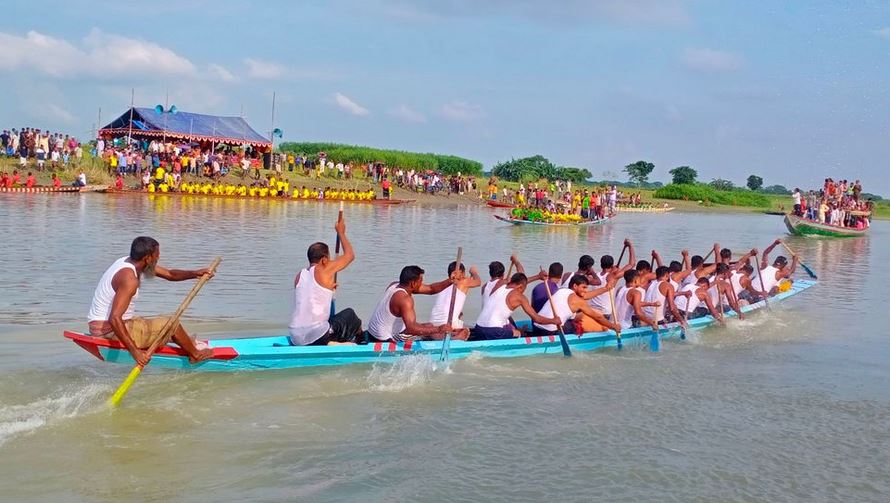
    With the southwest monsoon gradually setting in, Nouka Baich boat races will soon commence in West Bengal and Bangladesh.

    About Nouka Baich

    • Nouka Baich is the traditional boat race of Bengal.
    • It is predominantly held in the rural pockets of West Bengal, including Murshidabad, Nadia, North 24 Parganas, and South 24 Parganas.
    • Historically male-dominated, recent years have seen increasing participation by women.
    • Timing and Duration:
      • Monsoon Season: The races commence with the onset of the south-west monsoon, usually starting in the middle of the rainy season.
      • Extended Period: The events continue until September, with some races extending into October and November, depending on the region.

    Types of Boats Used:

    • Diverse Fleet: Unlike Kerala’s boat races, which typically feature a single type of boat, Bengal’s races use various traditional boats.
    • Common Boat Types: Chhip, Kaile Bachhari, Chande Bachhari, Chitoi, Sorpi, and Sorengi are commonly used in the races.
    • Unique Features: Each boat type has unique design features and historical significance, with some boats like the Sorengi being over 90 feet long and designed to mimic natural forms.

    Similar festivals celebrated in other parts that highlight cultural similarities in India:

    Location Occasion Highlights
    Nehru Trophy Boat Race Punnamada Lake, Alappuzha, Kerala Second Saturday of August Named after Jawaharlal Nehru; features snake boats (Chundan Vallams) accommodating over 100 rowers.
    Champakulam Moolam Boat Race Pampa River, Alappuzha, Kerala June or July One of the oldest boat races, commemorates the installation of Lord Krishna’s idol at Ambalappuzha Temple.
    Aranmula Uthrattadi Vallamkali Pampa River, Aranmula, Kerala Onam (August or September) Features Palliyodams (large snake boats); significant for the Parthasarathy Temple.
    Payippad Jalotsavam Payippad Lake, Alappuzha, Kerala Onam (August or September) Celebrates the installation of deity at Subramanya Swamy Temple; features snake boats and canoes.
    Indira Gandhi Boat Race Ernakulam, Kochi, Kerala Last week of December Part of Cochin Carnival; attracts tourists, named after Indira Gandhi.
    Pongal Boat Race Bhuvanagiri, Tamil Nadu Pongal festival (January) Vibrant cultural displays; local fishermen participate.
    Hiyang Tannaba Manipur Lai Haraoba festival Traditional boat race with long narrow boats, reflecting the Meitei community’s traditions.
    Sithargal Boat Race Chennai, Tamil Nadu Pongal festival Highlights the maritime culture of the region; attracts numerous participants and spectators.
  • Innovations in Sciences, IT, Computers, Robotics and Nanotechnology

    Activated Carbon Production from Coconut Husks for Supercapacitors

    Note4Students

    From UPSC perspective, the following things are important:

    Prelims level: Activated Carbon, Supercapacitors

    Why in the News?

    Researchers at Government College for Women, Thiruvananthapuram, have developed a way to make activated carbon from coconut husks, which are a common leftover from farming in Kerala. This activated carbon is well-suited for making supercapacitors.

    Back2Basics: Supercapacitors

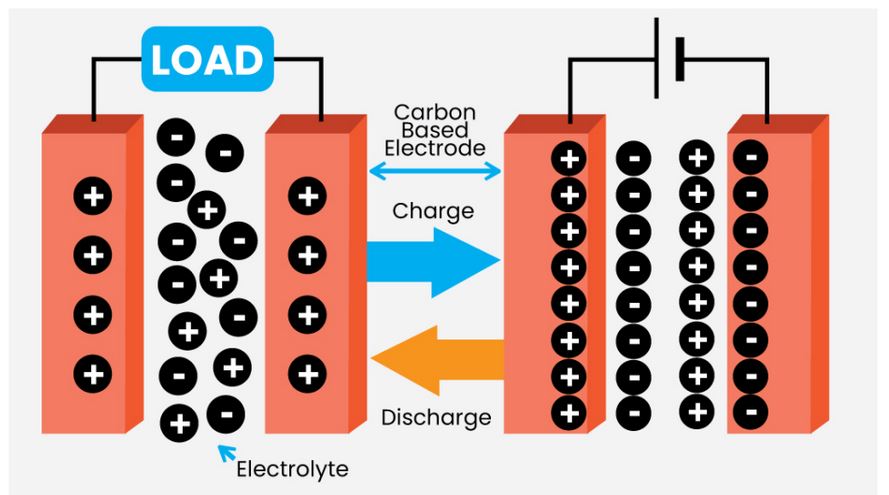
    • Supercapacitors, also known as ultra-capacitors or electrochemical capacitors, are energy storage devices that bridge the gap between conventional capacitors and batteries.
    • They store energy through the electrostatic separation of charges rather than through chemical reactions as in batteries.
    • This allows supercapacitors to charge and discharge much faster than batteries.

    Key Characteristics:

    • High Power Density: Supercapacitors can deliver and accept charge much more rapidly than batteries.
    • Long Cycle Life: They can endure millions of charge-discharge cycles without significant degradation.
    • Wide Operating Temperature Range: Supercapacitors perform well in a broad range of temperatures, making them suitable for various applications.

    Structure and Components:

    • Electrodes: Made of materials like activated carbon, carbon aerogels, or graphene, which have high surface areas.
    • Electrolyte: The medium that allows ionic conductivity between the electrodes, typically a liquid or gel.
    • Separator: A porous membrane that prevents electrical contact between the electrodes but allows ionic movement.

    What is Activated Carbon?

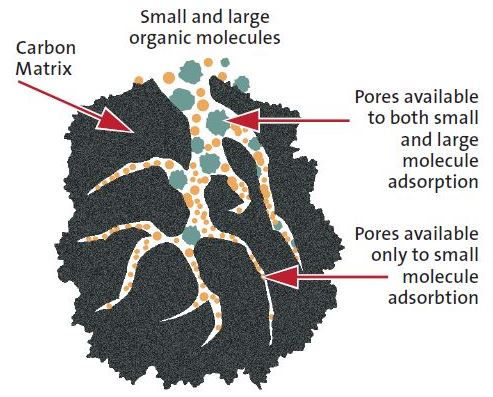
    • Activated Carbon, also known as activated charcoal, is a highly porous form of carbon.
    • It is processed to have small, low-volume pores with increased surface area available for adsorption or chemical reactions.
    • It is widely used for purification, decontamination, and as a filtration medium.
    • Key Characteristics:
      • High Surface Area: Due to its extensive network of pores, activated carbon has a very high surface area, typically ranging from 500 to 1500 m²/g.
      • Porosity: The structure includes micropores, mesopores, and macropores, allowing it to adsorb a variety of molecules.

    How is it produced?

    • Activated carbon is produced from carbonaceous source materials such as coconut shells, peat, wood, coir, lignite, coal, and petroleum pitch.
    • The production involves two main steps:
    1. Carbonization: The raw material is subjected to high temperatures (600-900°C) in an inert atmosphere (usually nitrogen or argon) to remove volatile components.
    2. Activation/Oxidation: The carbonized material is treated with oxidizing agents (such as steam or carbon dioxide) at high temperatures (800-1000°C) to develop a porous structure.

    Types:

    • Powdered Activated Carbon (PAC): Finely ground carbon particles primarily used in liquid phase applications.
    • Granular Activated Carbon (GAC): Larger particles used in both liquid and gas phase applications, such as water and air filtration.
    • Extruded Activated Carbon (EAC): Cylindrical pellets used mainly for gas phase applications due to their low pressure drop and high mechanical strength.
    • Impregnated Activated Carbon: Activated carbon treated with chemicals to enhance its adsorption capacity for specific contaminants.

    Applications:

    • Water Treatment: Removes contaminants like chlorine, odors, and organic compounds from drinking water.
    • Air Purification: Adsorbs volatile organic compounds (VOCs), odors, and airborne pollutants.
    • Medical Uses: Used in poisoning cases to absorb toxins in the gastrointestinal tract.
    • Industrial Processes: Utilized in the recovery of solvents, purification of gases, and in gold purification.
    • Food and Beverage: Helps in decolorization and purification processes in sugar, wine, and juice production.

    About Coconut Husk-Derived Activated Carbon

    • Coconut husk-derived activated carbon is a sustainable and efficient green solution for high-performance supercapacitors.
    • This material is readily available, low-cost, and eco-friendly.
    • It was produced by Microwave-Assisted Method designed at the Centralised Common Instrumentation Facility (CCIF) at the college.

    Importance of Supercapacitors

    • Energy Storage: Supercapacitors have significantly higher capacitance and energy storage capacity compared to conventional capacitors.
    • Search for Ideal Material: Finding the ideal supercapacitor electrode material has been a significant challenge in sustainable energy storage solutions.

    Research Findings:

    • Efficiency: Prototype supercapacitors made from coconut husk-derived activated carbon are four times more efficient than existing supercapacitors.
    • Cost-Effective and Efficient: Activated carbon produced using this technology is inexpensive and exhibits exceptional supercapacitor capability.
  • Historical and Archaeological Findings in News

    UNESCO World Heritage Site of Somanathapura

    Note4Students

    From UPSC perspective, the following things are important:

    Prelims level: Keshava Temple, Somanathapura; Hoysala Architecture.

    Why in the News?

    • Karnataka’s Tourism Department plans to highlight Somanathapura Temple, part of the Hoysala temples, in the Mysuru tourism circuit ahead of Dasara, leveraging its UNESCO World Heritage status.
    Note: There are 42 World Heritage Sites in India. Out of these, 34 are cultural, seven are natural, and one, Khangchendzonga National Park, is of mixed type.

    About Keshava Temple, Somanathapura

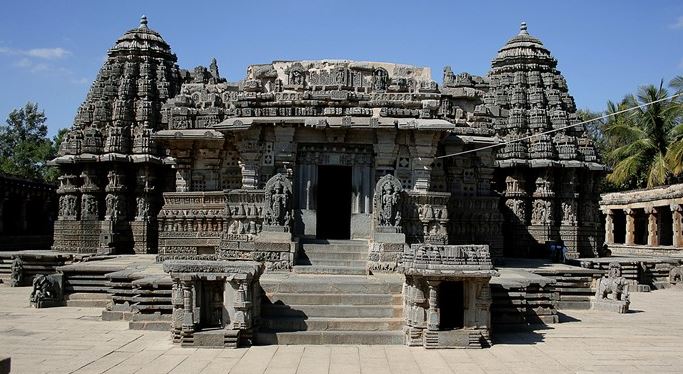
    • The Keshava Temple is considered one of the last grand structures built by the Hoysala dynasty.
    • This Trikuta (three-shrined) temple is dedicated to Lord Krishna and is represented in three forms: Janardhana, Keshava, and Venugopala. 
    • The main Keshava idol is missing, and the Janardhana and Venugopala idols are damaged.

    Historical Background:

    • The Keshava Temple was constructed by Somanatha, a commander of the Hoysala Army, during the reign of Hoysala King Narasimha III.
    • Somanatha, who had established a town named Somanathapura after himself, sought the king’s permission and resources to build this grand temple.
    • With the king’s blessing, construction commenced and was completed in 1268 AD.
    • An inscription in old Kannada on a stone slab in the temple provides details of its construction and consecration.
    • After demolitions by invaders, it no longer serves as a place of worship.

    Architecture:

    • The temple is constructed from soapstone, which allows for the fine detailing seen in the carvings.
    • It is built on a raised platform with an outer Pradakshina pathway, allowing devotees to circum-ambulate the sanctum.
    • The temple features a stellar (star-shaped) plan, which creates multiple corners and niches, providing numerous canvases for the sculptors to showcase their intricate work.
    • The temple has three shrines, each crowned with a Vimana (tower).
    • The Hoysala emblem, depicting a warrior fighting a lion, is prominently displayed.
    • The walls of the temple are adorned with beautiful friezes depicting scenes from Hindu epics, figures of elephants, and battle scenes with cavalry.

    Tap to read more about:

    UNESCO Heritage Status for Hoysala Temples in Karnataka

    PYQ:

    [2019] Building ‘Kalyana Mandapas’ was a notable feature in the temple construction in the kingdom of

    (a) Chalukya

    (b) Chandela

    (c) Rashtrakuta

    (d) Vijayanagara

    [2012] The Nagara, the Dravida and the Vesara are the:

    (a) three main racial groups of the Indian subcontinent

    (b) three main linguistic divisions into which the languages of India can be classified

    (c) three main styles of Indian temple architecture

    (d) three main musical Gharanas prevalent in India

    [2013] Chola architecture represents a high watermark in the evolution of temple architecture. Discuss.

  • Terrorism and Challenges Related To It

    India achieves an ‘outstanding outcome’ in FATF mutual evaluation 2023-24 

    Note4Students

    From UPSC perspective, the following things are important:

    Prelims level: FATF, Mutual Evaluation; Grey and Black Lists

    Why in the News?

    • India has achieved an outstanding outcome in the 2023-24 Mutual Evaluation by the Financial Action Task Force (FATF).
      • India is placed in the “regular follow-up” category, a distinction shared by only four other G-20 countries.

    FATF Evaluation:

    The reason behind India’s Achievements

    • High Level of Compliance: The FATF stated that India reached a high level of technical compliance with its requirements.
    • Effective Regimes: India’s AML (anti-money laundering), CFT (countering the financing of terrorism), and CPF (counter-proliferation financing) regimes achieved good results.
    • International Cooperation: Notable achievements include international cooperation, access to basic and beneficial ownership information, use of financial intelligence, and depriving criminals of their assets.

    Need Improvement

    • Non-Financial Sectors: The FATF noted that improvements are needed to strengthen the supervision and implementation of preventive measures in some non-financial sectors.
    • Prosecution Delays: India needs to address delays in concluding ML (money laundering) and TF (terrorist financing) prosecutions.
    • Non-Profit Sector Risks: Ensure CFT measures prevent the non-profit sector from being abused for TF, including conducting outreach to NPOs on their TF risks.

    Mitigation Efforts taken

    • Mitigating ML/TF Risks: FATF recognized India’s efforts in mitigating risks from ML/TF, including corruption, fraud, and organized crime.
    • Digital Economy Transition: Effective measures have been implemented to transition from a cash-based to a digital economy, reducing ML/TF risks.
    • JAM Trinity Implementation: The JAM (Jan Dhan, Aadhaar, Mobile) Trinity, along with stringent cash transaction regulations, has increased financial inclusion and digital transactions, making them more traceable.

    About Financial Action Task Force (FATF)

    • FATF was established in 1989 through the initiative of the G7 nations.
    • Its Secretariat is headquartered at the OECD headquarters in Paris, France.
    • FATF conducts 3 Plenary meetings during each of its 12-month rotating presidencies.
    • As of 2019, FATF consists of 37 member jurisdictions.

    India’s Engagement with FATF

    • Observer Status: India became an Observer at FATF in 2006, marking the beginning of its association with the organization.
    • Full Membership: On June 25, 2010, India officially became the 34th country to attain full membership in FATF, signifying its active participation and commitment to the organization’s objectives.

    Understanding the Mutual Evaluation Process

    • FATF’s mutual evaluation assesses countries’ frameworks against money laundering and terrorist financing, reviewing compliance with its 40 recommendations and effectiveness, resulting in a report with strengths, weaknesses, and improvement suggestions.

    FATF’s Evaluation of India

    • Comprehensive Assessment: FATF’s evaluation of India encompasses various aspects, including the nation’s legal framework, regulatory system, law enforcement efforts, and international collaboration.
    • Alignment with Global Standards: Central agencies in India have been actively working to ensure that the country’s anti-money laundering and counter-terrorism financing laws align with international standards and that their practical implementation is effective.

    Back2Basics: FATF Grey and Black List

    FATF maintains two primary lists to identify countries with deficiencies in their anti-money laundering and counter-terrorist financing (AML/CTF) regimes: the Grey List and the Black List.

    Grey List (Jurisdictions under Increased Monitoring): 

    It includes countries that have strategic deficiencies in their AML/CTF regimes but have committed to resolving these issues swiftly within agreed timeframes. These jurisdictions are subject to increased monitoring by the FATF. Ex. Turkey, Panama etc. (Pakistan and UAE have exited this list.)

    Impact:

    • Countries on the Grey List are required to work closely with the FATF to address the identified deficiencies.
    • Being on the Grey List can lead to economic repercussions such as reduced foreign investment and increased scrutiny from financial institutions and regulators globally.
    • The FATF regularly reviews the progress of these countries and updates the list accordingly.

    Black List (High-Risk Jurisdictions subject to a Call for Action): 

    It includes countries with significant strategic deficiencies in their AML/CTF regimes and have not made sufficient progress in addressing these issues. These jurisdictions are subject to a call for action to protect the international financial system from the risks emanating from these countries.

    Impact:

    • Countries on the Black List face severe economic and financial consequences. They are subject to enhanced due diligence and, in the most serious cases, counter-measures by FATF member states.
    • This listing can result in limited access to the international financial system such as IMF, World Bank; reduced foreign investment, and increased difficulty in conducting international business.

    Current Black List Countries:

    • North Korea
    • Iran
    • Myanmar (Burma) (added in February 2023)


    PYQ:

    [2021] Discuss how emerging technologies and globalisation contribute to money laundering. Elaborate measures to tackle the problem of money laundering both at national and international levels.

  • Land Reforms

    Geoportals for Enhanced Rural Land Records and Emergency Management

    Note4Students

    From UPSC perspective, the following things are important:

    Prelims level: Bhuvan Panchayat; NDEM

    Why in the News?

    • The Union Ministry of Science and Technology launched two Geoportals: ‘Bhuvan Panchayat (Ver. 4.0)’ for rural land records and ‘National Database for Emergency Management (NDEM Ver. 5.0)’.
      • These portals were developed by the Indian Space Research Organization (ISRO).
      • These geospatial tools provide high-resolution satellite imagery of 1:10K scale for various locations across the country.

    About Bhuvan Panchayat (Ver. 4.0)

    • This portal supports “Space-based Information Support for Decentralized Planning (SISDP)”.
    • It aims to empower citizens at the grassroots level by providing real-time land record data and reducing dependency on local administration and corruption.
    • It promotes ease of living through digitalisation and better land revenue management.
    • By providing real-time data accessible to citizens, it reduces opportunities for corruption at the local level.
    • It enhances transparency and efficiency in land record management, aiding in effective governance and planning.

    About National Database for Emergency Management (NDEM Ver. 5.0)

    • This portal provides space-based inputs on natural disasters, aiding in disaster risk reduction in India and neighbouring countries.
    • It establishes an effective early warning system to proactively prevent disasters and monitor land use changes.
    • A command centre has been established to monitor situations and provide valuable inputs continuously.
    • The portal is designed to assist not only India but also neighbouring countries in disaster management.
    • It enhances coordination between various agencies and local authorities for effective disaster response and management.

    PYQ:

    [2023] With reference to the Digital India Land Records Modernisation Programme, consider the following statements :

    1. To implement the scheme, the Central Government provides 100% funding.
    2. Under the Scheme, Cadastral Maps are digitized.
    3. An initiative has been undertaken to transliterate the Records of Rights from local language to any of the languages recognized by the Constitution of India.

    Which of the statements given above are correct?

    (a) 1 and 2 only

    (b) 2 and 3 only

    (c) 1 and 3 only

    (d) 1, 2, and 3

  • Innovations in Biotechnology and Medical Sciences

    Motor Neuron Disease (MND)

    Note4Students

    From UPSC perspective, the following things are important:

    Prelims level: MND and its causes; NIMHANS.

    Why in the News?

    The annual conference on Motor Neuron Disease (MND) ‘Awareness, Care and Management’ was held at NIMHANS.

    What is Motor Neuron Disease (MND)?

    • MND is a condition that affects the nerves in the brain and spinal cord, which are responsible for controlling your muscles.
    • Over time, these nerves (called motor neurons) stop working properly, leading to muscle weakness and wasting away.

    Types of MND:

    1. Amyotrophic Lateral Sclerosis (ALS): The most common type. It affects both upper and lower motor neurons, leading to weakness in various body parts.
    2. Progressive Bulbar Palsy (PBP): Affects the nerves in the brainstem, leading to problems with speaking and swallowing.
    3. Progressive Muscular Atrophy (PMA): Affects only the lower motor neurons, causing muscle weakness and wasting.
    4. Primary Lateral Sclerosis (PLS): Affects only the upper motor neurons, causing stiffness and movement difficulties.

    Causes of MND:

    • Genetic Factors: In some families, MND can be inherited due to specific gene mutations.
    • Environmental Factors: Exposure to certain toxins, viruses, or physical injuries might contribute, but this is less clear.
    • Age and Gender: It usually affects people between the ages of 50 and 70 and is slightly more common in men.

    Symptoms:

    • Muscle Weakness: Starts in one part of the body, like an arm or leg, and gradually spreads.
    • Muscle Cramps and Twitching: Small, involuntary muscle movements.
    • Difficulty Speaking and Swallowing: Due to weakness in the muscles used for these functions.
    • Breathing Problems: In advanced stages, muscles that control breathing can be affected.
    • Emotional Changes: Some people might experience changes in behavior or thinking.

    Diagnosis:

    • Clinical Examination: A doctor examines your symptoms and medical history.
    • Electromyography (EMG): Tests the electrical activity of your muscles.
    • Nerve Conduction Studies (NCS): Checks how well your nerves send signals.
    • MRI: Scans to rule out other conditions.
    • Genetic Testing: To check for inherited forms of MND.

    Treatment:

    There is no cure for MND, but treatments can help manage symptoms and improve quality of life.

    1. Medications:
      • Riluzole: Can slow down the progression of ALS.
      • Edaravone: Another drug that may slow down the decline in daily activities.
      • Symptomatic Treatments: For muscle cramps, excess saliva, and emotional symptoms.
    2. Therapies:
      • Physical Therapy: Helps maintain muscle strength and mobility.
      • Occupational Therapy: Aids in performing daily activities.
      • Speech Therapy: Assists with speech and swallowing difficulties.
      • Respiratory Therapy: Supports breathing issues.

    Back2Basics: National Institute of Mental Health and Neuro-Sciences (NIMHANS)

    Details
    Location Bangalore, India
    Affiliation Autonomous institute under the Ministry of Health and Family Welfare, Government of India
    Ranking Ranked 4th best medical institute in India by the National Institutional Ranking Framework (NIRF)”
    History
    • Founded in 1847 as the Bangalore Lunatic Asylum.
    • Renamed as the Mental Hospital in 1925.
    • Amalgamated with the All India Institute of Mental Health (AIIMH) in 1974 to form NIMHANS.
    • Conferred with deemed university status by the University Grants Commission in 1994.
    • Declared an Institute of National Importance by an act of parliament in 2012.
    Governance
    • Operates with academic autonomy under the “Societies Registration Act, 1860”.
    • Prioritises service, manpower development, and research in mental health and neurosciences.
    • A multidisciplinary integrated approach was adopted for translating research results into practice.
    Funding Receives resources for academic and research activities from national and international funding organisations.
    Outreach
    • Engages in mental health outreach initiatives including critiquing mental health reports and collaborating with government agencies for training and counseling.
    • Known for diagnosing and treating various mental health conditions including depression and neurobiological disorders.
  • Festivals, Dances, Theatre, Literature, Art in News

    Controversy over Sengol in Lok Sabha 

    Note4Students

    From UPSC perspective, the following things are important:

    Prelims level: Sengol and its symbolic importance

    Why in the News?

    • An opposition parliamentarian has demanded the removal of the Sengol from the Lok Sabha, calling it a symbol of “rajdand/rajtantra (monarchy)”.This demand has become a point of contention between the government and the Opposition.

    What is a Sengol?

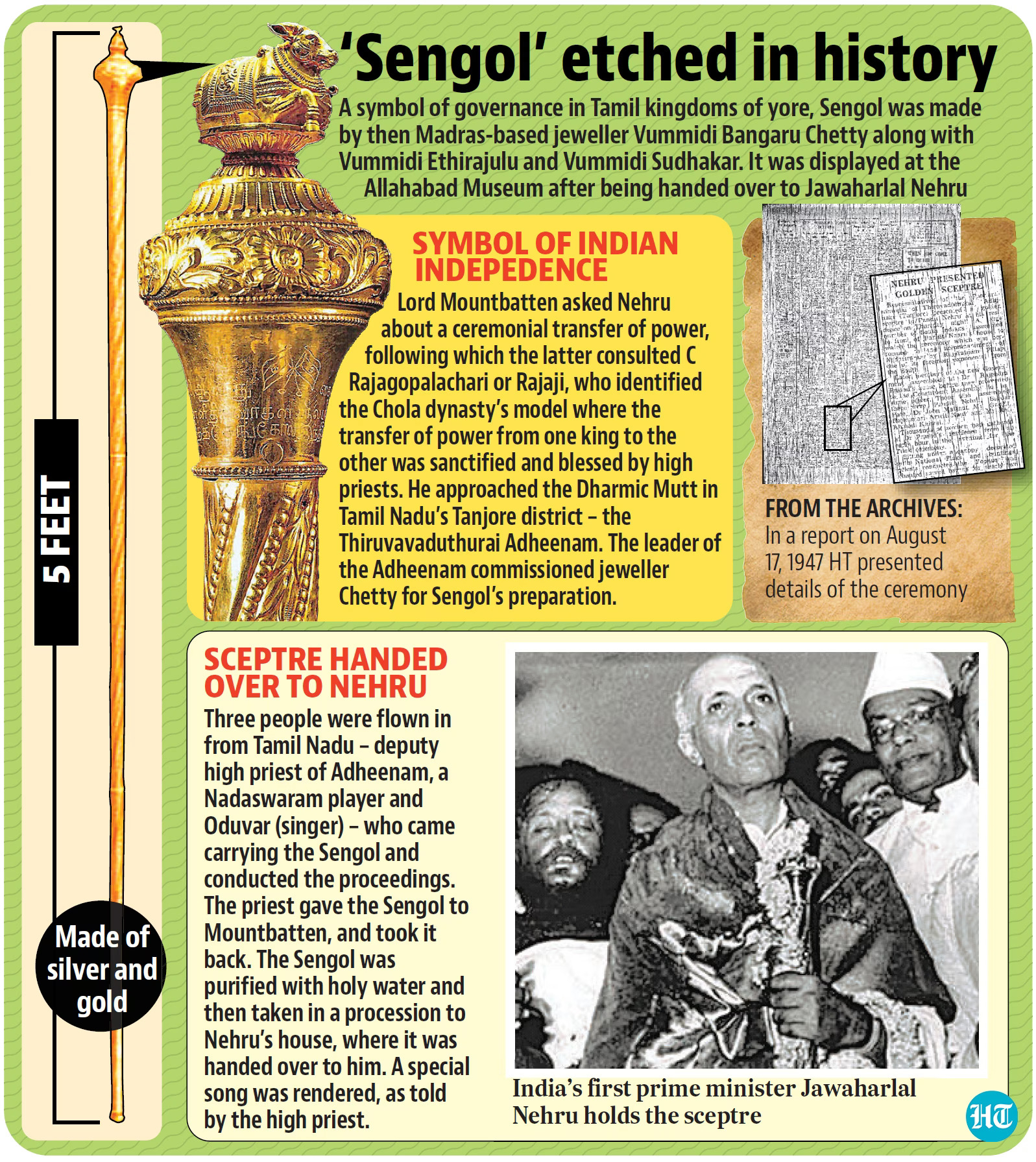
    • A sengol (or chenkol) is a royal sceptre symbolizing kingship, righteousness, justice, and authority.
    • It is a traditional Chola-era symbol of authority and governance, originally from Tamil Nadu.
    • It is a golden sceptre, richly adorned and crafted with intricate designs, reflecting the grandeur of ancient Tamil culture.
    • Among the Madurai Nayakas, the sengol was placed before the goddess Meenakshi in the temple and then transferred to the throne room, representing the king’s role as a divine agent.

    Significance in the present context: 

    • Accountability and Legitimacy: Just as the Sengol legitimized ancient rulers by holding them accountable to higher moral standards, the institutions and practices in a parliamentary democracy ensure that elected representatives are accountable to the constitution and the people.
    • Ethical Leadership: Leaders in a democracy are expected to uphold justice, integrity, and the rule of law, much like the dharmic kings of the past.
    • Symbolic Representation: The Sengol, as a symbol of righteous rule, parallels the symbolic importance of democratic institutions that represent the will and welfare of the people.
    1947 Sengol Ceremony Involving Nehru

    • Government’s Claim: The government claims C Rajagopalachari suggested the ceremony to Nehru.
      • This claim is debated, as there is little contemporary evidence to support the Sengol being a key symbol of power transfer in 1947.
    • Lack of Comprehensive Records: There are limited records about the ceremony where Nehru was reportedly handed a sengol by Hindu leaders from Tamil Nadu.
    • Undocumented: The event is not widely documented, and claims of Lord Mountbatten handing it over ceremonially seem exaggerated.
    • No Symbolization: Nehru accepted the Sengol as a mark of honor, but it was later placed in a museum, indicating it was not central to the transfer of power.
  • RBI Notifications

    RBI releases the 29th Financial Stability Report, 2024

    Note4Students

    From UPSC perspective, the following things are important:

    Prelims level: Financial Stability Report, FSDC

    Why in the News?

    The Reserve Bank of India has released the 29th issue of the Financial Stability Report (FSR).

    About Financial Stability Report:

    • The FSR is published biannually by the RBI.
    • It reflects the collective assessment of the Sub-Committee of the Financial Stability and Development Council (FSDC – headed by the Governor of RBI) on risks to financial stability and the resilience of the financial system.
    • The Report also discusses issues relating to the development and regulation of the financial sector.

    Key Highlights of the FSR

    [1] Global Economic Context

    • Heightened Global Risks: The global economy faces significant challenges, such as:
      • Geopolitical Tensions: Conflicts or political disagreements between countries that can affect global stability.
      • Elevated Public Debt: Many countries owe large amounts of money, which can be risky if they struggle to repay it.
      • Slow Progress in Disinflation: Prices of goods and services are not decreasing quickly, which can affect economic stability.
    • Resilience: Despite these challenges, the global financial system (how money moves around the world) remains strong and stable.

    [2] Indian Economy and Financial System

    • Robust and Resilient: India’s economy and financial system are strong and able to handle shocks or problems.
    • Banking Sector Support: Banks and financial institutions (like insurance companies) are in good health and are lending money to support economic activities.

    [3] Financial Metrics for Scheduled Commercial Banks (SCBs)

    • Capital Ratios:
      • Capital to Risk-Weighted Assets Ratio (CRAR): This is a measure of a bank’s financial strength. A CRAR of 16.8% means that for every 100 units of risk, the bank has 16.8 units of capital to cover potential losses.
      • Common Equity Tier 1 (CET1) Ratio: This is a stricter measure of a bank’s core capital. A CET1 ratio of 13.9% means the bank has a strong base of high-quality capital.
    • Asset Quality:
      • Gross Non-Performing Assets (GNPA) Ratio: This measures the percentage of a bank’s loans that are not being repaid. A GNPA ratio of 2.8% means that 2.8% of the total loans are in trouble.
      • Net Non-Performing Assets (NNPA) Ratio: This is similar to GNPA but considers the money the bank has already set aside to cover bad loans. An NNPA ratio of 0.6% means that 0.6% of the total loans, after accounting for provisions, are in trouble.

    [4] Macro Stress Tests for Credit Risk

    • Stress Scenarios and Projections:
      • Baseline Scenario: Under normal conditions, banks are expected to have a CRAR of 16.1% by March 2025.
      • Medium Stress Scenario: Under moderate stress, banks are expected to have a CRAR of 14.4% by March 2025.
      • Severe Stress Scenario: Under severe stress, banks are expected to have a CRAR of 13.0% by March 2025.
    • Interpretation: These tests show how banks might perform under different levels of economic stress. They are hypothetical scenarios to ensure banks are prepared for tough times.

    [5] Health of Non-Banking Financial Companies (NBFCs)

    • CRAR: NBFCs have a CRAR of 26.6%, indicating they are financially strong.
    • GNPA Ratio: NBFCs have a GNPA ratio of 4.0%, meaning 4% of their loans are not being repaid.
    • Return on Assets (RoA): NBFCs have a RoA of 3.3%, indicating they are making good profits from their assets.

    PYQ:

    [2016] With reference to ‘Financial Stability and Development Council’, consider the following statements:

    1. It is an organ of NITI Aayog.

    2. It is headed by the Union Finance Minister.

    3. It monitors macroprudential supervision of the economy.

    Which of the statements given above is/are correct?

    (a) 1 and 2 only

    (b) 3 only

    (c) 2 and 3 only

    (d) 1, 2 and 3