💥UPSC 2026, 2027, 2028 UAP Mentorship (March Batch) + Access XFactor Notes & Microthemes PDF

Type: Prelims Only

  • Historical and Archaeological Findings in News

    PM inaugurates Nalanda University  

    Note4Students

    From UPSC perspective, the following things are important:

    Prelims level: Nalanda Mahavihara, University

    Why in the News?

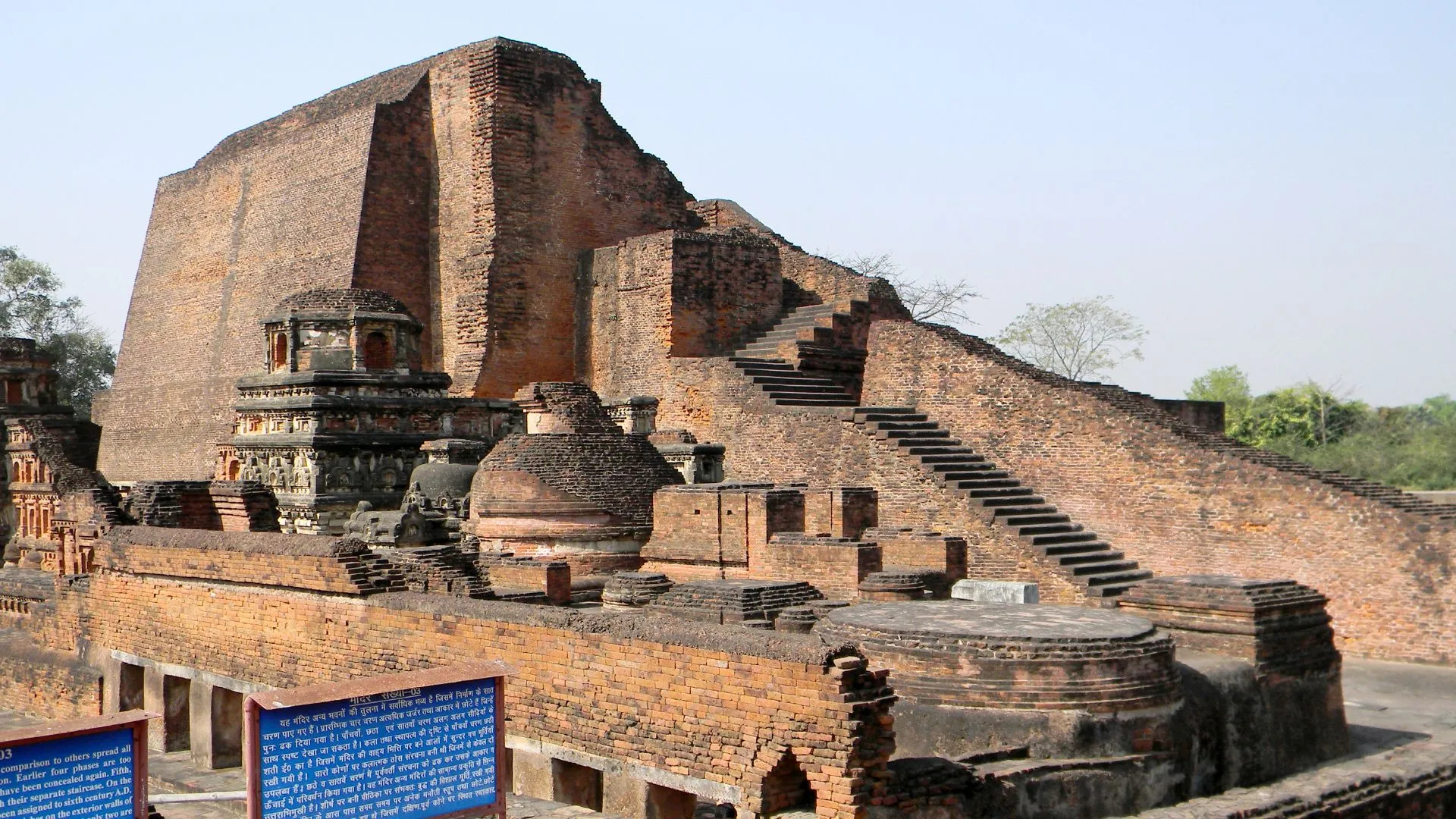
    The Prime Minister has inaugurated the new campus of Nalanda University, an international institution located near the ancient ruins of Nalanda in Rajgir, Bihar.

    Revival of Nalanda University

    • The idea to revive Nalanda University was proposed by former president Dr APJ Abdul Kalam in 2006, leading to the passing of the Nalanda University Bill in 2010.
    • The university’s revival was operationally launched in 2014 from a temporary location.
    • Former president Pranab Mukherjee laid the foundation stone for the permanent campus in 2016, with construction starting in 2017 and culminating in today’s inauguration.
    • The Parliament established the university following decisions from the second East Asia Summit (EAS) in 2007 and the fourth EAS in 2009.

    International Collaboration and Courses

    • Nalanda University has participation from 17 countries, including Australia, Bangladesh, Bhutan, China, Indonesia, and others, which have signed MoUs to support the university.
    • It offers 137 scholarships to international students, sponsored by the ASEAN-India Fund, BIMSTEC, and Bhutan’s Ministry of External Affairs.
    • The university provides postgraduate and doctoral research courses, as well as short-term certificate courses.

    Historical Background

    • Nalanda University was established in the 5th century CE in the ancient kingdom of Magadha (modern-day Bihar) and was the world’s first residential university.
    • Establishment and Patronage:
      • The Gupta dynasty, under Emperor Kumaragupta I, established Nalanda University in 427 AD, promoting it as a premier center for Buddhist scholarship.
      • It received substantial endowments from monarchs like King Harsha and rulers of the Pala Empire, enhancing its stature and influence across Asia.
    • Countries: It attracted scholars from China, Korea, Japan, Tibet, Mongolia, Sri Lanka, and Southeast Asia.
    • Subjects taught included medicine, Ayurveda, Buddhism, mathematics, grammar, astronomy, and Indian philosophy.
    • The university thrived under the patronage of the Pala dynasty during the 8th and 9th centuries CE and made significant contributions to mathematics and astronomy.
    • Aryabhatta, a pioneer of Indian mathematics and the inventor of zero, was one of the esteemed educators at Nalanda.

    Admission and Academic Rigor

    • Admission to Nalanda was highly competitive, akin to today’s top institutions like IIT, IIM, or Ivy League schools.
    • Students underwent rigorous interviews and were mentored by scholars and Buddhist masters like Dharmapala and Silabhadra.
    • The university’s library, known as ‘Dharma Gunj’ or the ‘Mountain of Truth,’ contained 9 million handwritten palm-leaf manuscripts, making it the richest repository of Buddhist knowledge.

    Destruction and Rediscovery

    • In the 1190s, Bakhtiyar Khilji, a Turko-Afghan military general, destroyed Nalanda University by arson, which burned for three months and destroyed invaluable Buddhist manuscripts.
    • Some surviving manuscripts are preserved in the Los Angeles County Museum of Art and the Yarlung Museum in Tibet.
    • The university was rediscovered in 1812 by Scottish surveyor Francis Buchanan-Hamilton and officially identified in 1861 by Sir Alexander Cunningham.

    Scholarly Influence

    • Nalanda’s intellectual legacy includes contributions from scholars like Nagarjuna, known for his foundational work in the Madhyamaka school of Mahayana Buddhism, and his disciple Aryadeva.
    • Dharmapala’s commentaries further enriched Buddhist philosophy.
    • These scholars’ insights into metaphysics and epistemology extended Nalanda’s influence, shaping religious and philosophical thought across Asia and inspiring subsequent generations of thinkers.

    Foreign Travellers Account of Nalanda University 

    Visit Period Key Details
    Xuanzang 7th century CE
    • Described Nalanda as vast with lecture halls and residential quarters.
    • Noted a large library with thousands of manuscripts.
    • Mentioned numerous teachers and students engaged in debates.
    • Provided detailed records of Nalanda’s organization and academic activities.
    I-Tsing 7th century CE
    • Spent several years studying at Nalanda.
    • Emphasized rigorous academic environment.
    • Noted diverse student population from Asia.
    • Contributed to understanding Nalanda’s curriculum and scholarly environment.
    Al-Biruni 11th century CE
    • Wrote about Nalanda’s reputation as a premier center of learning in India.
    • Highlighted its attraction for scholars across Asia.
    • Introduced Nalanda’s achievements to the medieval Islamic world.


    PYQ:

    [2020] Pala period is the most significant phase in the history of Buddhism in India. Enumerate.

    [2018] Assess the importance of the accounts of the Chinese and Arab travellers in the reconstruction of the history of India.

    [2014] Taxila university was one of the oldest universities of the world with which were associated a number of renowned learned personalities of different disciplines. Its strategic location caused its fame to flourish, but unlike Nalanda, it is not considered as a university in the modern sense. Discuss.

  • Innovations in Biotechnology and Medical Sciences

    CRISPR Cas9 Gene Therapy for Sickle Cell Disease

    Note4Students

    From UPSC perspective, the following things are important:

    Prelims level: https://www.thehindu.com/sci-tech/science/india-getting-close-to-developing-gene-therapy-for-sickle-cell-disease-say-officials/article68308487.ece 

    Why in the News?

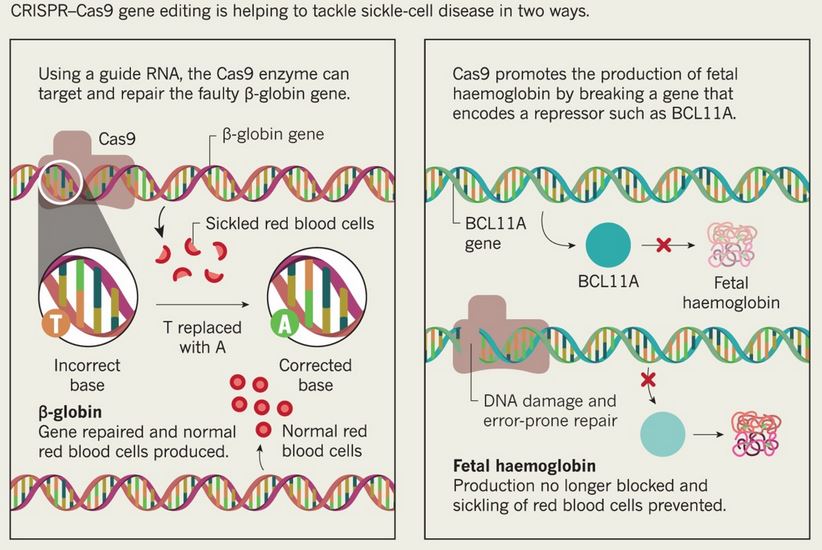
    • India is close to developing a gene therapy using CRISPR-Cas9, a gene-editing tool for sickle cell disease (SCD).
      • SCD is a genetic blood disorder prevalent among the Scheduled Tribes.

    What is Sickle Cell Disease?

    • Sickle cell disease (SCD) is a group of inherited blood disorders caused by a genetic mutation in the hemoglobin-β gene located on chromosome 11.
    • This mutation results in defective hemoglobin, which forms rod-like structures after releasing oxygen.
    • As a result, red blood cells become rigid and assume a sickle shape.
    • The disease is inherited in an autosomal recessive pattern, meaning both parents must carry the abnormal gene for a child to inherit it.
    • Symptoms may not manifest immediately in newborns but can include extreme tiredness, fussiness, swollen hands and feet, and jaundice.
    • Implications:
        • The mis-shapen RBCs can block small blood vessels, leading to impaired blood flow and causing chronic anaemia.
        • Individuals with SCD often experience acute pain episodes, severe bacterial infections, and tissue damage due to inadequate blood supply.
    • Treatment:
      • Presently treatment includes medications for pain relief, regular blood transfusions to replace damaged red blood cells.
      • In rare cases, a bone marrow or stem cell transplant, which carries significant risks, is recommended.

    Eliminating Sickle Cell Disease: Global and National Context

    • This progress follows the approval of CRISPR-Cas9 technology by the U.S. Food and Drug Administration for a cell-based gene therapy to treat sickle cell disease in December 2023.
    • One of the main challenges for India is to develop a cost-effective therapy, as part of its mission to eradicate sickle cell disease by 2047, launched by Prime Minister in July 2023.
    • The mission aims to conduct over 7 crore screenings among vulnerable tribal populations across 17 States and Union Territories, with three crore screenings completed so far.

    Back2Basics: CRISPR-Cas9 Gene Editing

    • CRISPR-Cas9 stands for Clustered Regularly Interspaced Short Palindromic Repeats and CRISPR-associated protein 9.
    • It is a technology that allows geneticists and researchers to edit parts of the genome by altering sections of the DNA sequence.
    • Emmanuelle Charpentier and Jennifer Doudna’s work on CRISPR-Cas9 as a ‘molecular scissor’ earned them the 2020 Nobel Prize in chemistry.
    • The system consists of two key components:
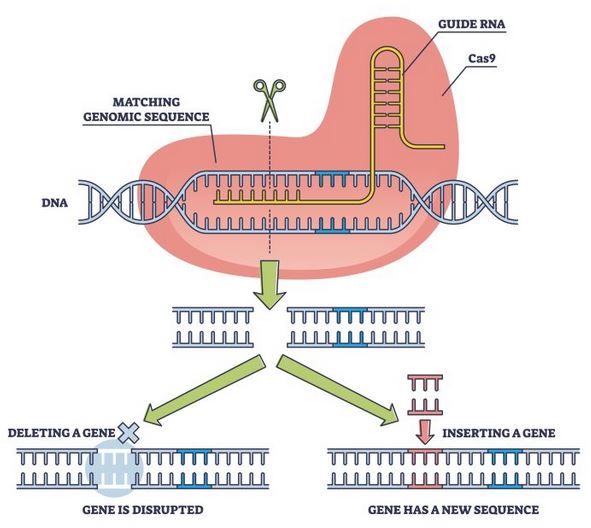
    1. Cas9: This is the enzyme that acts like a pair of molecular scissors. It is responsible for cutting the DNA strand at a specific location, allowing for the removal, addition, or alteration of DNA at that site.
    2. Guide RNA (gRNA): This is a piece of RNA that is designed to find and bind to a specific sequence of DNA that matches its code. The gRNA guides the Cas9 enzyme to the exact spot in the genome where an edit is desired.
    • Mechanism:
      • The process begins with the design of a gRNA that matches the DNA sequence where an edit is needed.
      • Once inside the cell, the Cas9 enzyme and the gRNA form a complex that can identify and bind to the target DNA sequence.
      • The Cas9 then cuts the DNA at this location.
      • After the DNA is cut, the cell’s natural repair mechanisms can be harnessed to add or remove genetic material, or to make specific changes to the DNA.


    PYQ:

    [2023] Consider the following statements in the context interventions being undertaken under Anaemin Mukt Bharat Strategy :

    1. It provides prophylactic calcium supplementation for pre-school children, adolescents and pregnant women.
    2. It runs a campaign for delayed cord clamping at the time of child-birth.
    3. It provides for periodic deworming to children and adolescents.
    4. It addresses non-nutritional causes of anaemia in endemic pockets with special focus on malaria, hemoglobinopathies and fluorosis.

    How many of the statements given above are correct?

    (a) Only one
    (b) Only two
    (c) Only three
    (d) All four

  • Human Rights Issues

    NHRC Notice to Centre on Worker Rights Violation in Haryana

    Note4Students

    From UPSC perspective, the following things are important:

    Prelims level: NHRC, Various labour reform initiatives

    Why in the News?

    • The National Human Right Commission (NHRC) issued notice to the Centre over reports from a Amazon company’s warehouse in Haryana’s Manesar.
      • Employees were allegedly forced to pledge not to take toilet or water breaks until unloading six trucks post 30-minute tea break.

    NHRC’s Observations and Actions

    • NHRC views this as a serious human rights violation, potentially breaching labour laws and Ministry guidelines.
    • Notice was issued to the Secretary, Union Ministry of Labour and Employment for a detailed report within a week.

    About National Human Rights Commission (NHRC)

    Details
    Establishment
    • A Statutory Body;
    • Established under the Protection of Human Rights Act, 1993.
    Functions
    • Inquire into any violation of human rights
    • Recommend immediate interim relief to victims or their families
    • Intervene in court proceedings involving human rights violations
    • Review constitutional and legal safeguards for human rights
    • Study international instruments on human rights
    • Promote human rights literacy
    • Support the efforts of NGOs working in the field of human rights
    Powers
    • Regulate its own procedure
    • Possess all the powers of a civil court
    • Proceedings have a judicial character
    Chairperson
    • Must be a former Justice of the Supreme Court or Chief Justice of the Supreme Court
    • Appointed by the President of India
    Members Four full-time members;

    • Chairperson: former Supreme Court Justice or Chief Justice;
    • Other Member: former Judge of the Supreme Court;
    • Other Member: former Chief Justice of a High Court;
    • Three Members: with knowledge or experience in human rights, including at least one woman –

    Seven ex-officio members:  Chairpersons of National Commissions viz., National Commission for Scheduled Castes, National Commission for Scheduled Tribes, National Commission for Women , National Commission for Minorities, National Commission for Backward Classes, National Commission for Protection of Child Rights; and the Chief Commissioner for Persons with Disabilities.

    Appointment
    • Appointed by the President, based on a committee recommendation including the Prime Minister, Speaker of Lok Sabha, Home Minister, Leaders of the Opposition in Lok Sabha and Rajya Sabha, and others
    • Consultation with the Chief Justice of India for judicial appointments
    Removal
    • Removal by order of the President of India
    • Consultation with the Supreme Court before removal
    Terms of Office
    • Hold office for a term of three years or until the age of 70
    • Ineligibility for further government employment after office
    • Eligible for reappointment
    Salaries Determined by the Central government
    Reporting
    • Submits annual or special reports to the Central government and the concerned State government
    • Reports laid before the respective legislatures, along with a memorandum of action taken on the recommendations and reasons for non-acceptance of any recommendations
    Limitations
    • The commission is not empowered to inquire into any matter after the expiry of one year from the date on which the act constituting the violation of human rights is alleged to have been committed
    • Functions are recommendatory in nature, with no power to punish or award relief to violators
    • Limited role concerning armed forces violations

    Government Initiatives for Worker Welfare in India:

    Description
    Constitutional Framework Labour falls under the Concurrent List, allowing both Central and State governments to enact laws.

    Articles 14, 16, and 39(c) ensure equality and welfare principles.

    Judicial Interpretation under Randhir Singh vs Union of India (1982) Upholds ‘Equal pay for Equal work’ through constitutional articles, promoting fairness in employment.
    Legislative Framework Introduction of 4 labour codes:

    • Code of Wages, 2019: Standardizes wage payments across sectors.
    • Industrial Relations Code, 2020: Consolidates laws related to industrial disputes and trade unions.
    • Social Security Code, 2020: Expands social security benefits coverage for workers.
    • Occupational Safety, Health and Working Conditions Code, 2020:  Ensures safety and welfare standards in workplaces.
    “Shramev Jayate” Initiative Launched in 2014 to maximize benefits for workers through enhanced welfare initiatives.
    Maternity Benefit Amendment Act, 2017 Increases paid maternity leave from 12 to 26 weeks, supporting maternal health and childcare.

    PYQ:

    [2015] “Success of ‘Make in India’ programme depends on the success of ‘Skill India’ programme and radical labour reforms.” Discuss with logical arguments.

    [2011] Consider the following:

    1. Right to education.
    2. Right to equal access to public service.
    3. Right to food.

    Which of the above is/are Human Right/Rights under “Universal Declaration of Human Rights”?

    (a) 1 only

    (b) 1 and 2 only

    (c) 3 only

    (d) 1, 2 and 3

  • Coal and Mining Sector

    Critical Minerals under iCET

    Note4Students

    From UPSC perspective, the following things are important:

    Prelims level: Critical Minerals, iCET

    Why in the News?

    What are Critical Minerals?

    • Critical minerals are elements that are crucial to modern-day technologies and are at risk of supply chain disruptions.
    • These minerals are mostly used in making electronic equipment such as mobile phones, computers, batteries, electric vehicles, and green technologies like solar panels and wind turbines.
    • Many of these are required to meet the manufacturing needs of green technologies, high-tech equipment, aviation, and national defence.

    List of critical minerals includes:

    The centre has released a list of 30 critical minerals for India in 2023:

    1. Identified Minerals: Antimony, Beryllium, Bismuth, Cobalt, Copper, Gallium, Germanium, Graphite, Hafnium, Indium, Lithium, Molybdenum, Niobium, Nickel, Platinum Group elements (PGE), Phosphorous, Potash, Rare Earth Elements (REE), Rhenium, Silicon, Strontium, Tantalum, Tellurium, Tin, Titanium, Tungsten, Vanadium, Zirconium, Selenium and Cadmium.
    2. Fertilizer Minerals: Two minerals critical for fertilizer production, phosphorous and potash, are also included in the above list.

    Critical Mineral Blocks in India

    • Distribution: There are 20 blocks spread across eight states, including Tamil Nadu, Odisha, Bihar, Uttar Pradesh, Gujarat, Jharkhand, Chhattisgarh, and Jammu & Kashmir.
    • Types of Licenses: Four blocks are for a Mining License (ML), allowing immediate mining post-clearance. The remaining 16 blocks are for a Composite License (CL), permitting further exploration before potentially converting to an ML.
    • Approvals Required: Licensees must obtain various approvals, including forest clearance and environmental clearance.
    • Forest Land: Approximately 17% of the total concession area, or 1,234 hectares, is forest land.

    India’s Critical Mineral Imports

    • Lithium Imports: In FY23, India imported 2,145 tonnes of lithium carbonate and lithium oxide, costing Rs 732 crore.
    • Nickel and Copper Imports: The country imported 32,000 tonnes of unwrought nickel and 1.2 million tonnes of copper ore, costing Rs 6,549 crore and Rs 27,374 crore, respectively.
    • Import Dependence: India relies entirely on imports for lithium and nickel, and 93% for copper.

    Country-wise dependence:

    1. China: India heavily relies on China for the import of critical minerals like lithium, cobalt, nickel, and graphite.
    2. Australia: India is actively engaged with Australia for acquiring mineral assets, particularly lithium and cobalt, to secure its supply chain for critical minerals.
    3. Argentina, Bolivia, and Chile: India is engaging with these countries, known for their reserves of battery metals like lithium and cobalt, to diversify its sources for critical minerals.

    India’s Strategic Mineral Initiatives

    • Amendments to the Mines and Minerals (Development and Regulation) Act, 1957 support expanded exploration.
    • Establishment of Khanij Bidesh India Ltd. (KABIL) with equity from National Aluminium Company Ltd, Hindustan Copper Ltd, and Mineral Exploration and Consultancy Ltd for global mineral asset acquisition.

    International Collaborations and Partnerships

    • India joined the U.S.-led mineral security partnership to secure critical mineral supply chains.
    • Creation of an India-U.S. advanced materials research forum to foster collaboration in universities, laboratories, and private sectors.
    • Bilateral technology collaboration on neodymium-iron-boron and studies on minerals like lithium, titanium, gallium, and vanadium.

    Back2Basics: Indo-US Comprehensive Economic and Trade Agreement (iCET)

    Details
    Initiation Announced in May 2022, officially launched in January 2023
    Management Overseen by the National Security Councils of India and the US
    Objectives Enhance bilateral cooperation in critical and emerging technologies
    Focus Areas of the Initiative
    1. AI Research Agency Partnership
    2. Defense Industrial and Technological Cooperation
    3. Innovation Ecosystems
    4. Semiconductor Ecosystem Development
    5. Cooperation on Human Spaceflight
    6. Advancement in 5G and 6G Technologies
    Key Achievements
    • Quantum Coordination Mechanism
    • Public-private dialogues on telecommunications and AI
    • MoU on semiconductor supply chain
    • Defense industrial cooperation roadmap
    Upcoming Initiatives
    • Finalization of major jet engine deal
    • Launch of India-US Defence Acceleration Ecosystem (INDUS-X)
    • Strategic Trade Dialogue establishment


    PYQ:

    [2019] With reference to the management of minor minerals in India, consider the following statements:

    1. Sand is a ‘minor mineral’ according to the prevailing law in the country.
    2. State governments have the power to grant mining leases of minor minerals, but the powers regarding the formation of rules related to the grant of minor minerals lie with the Central Government.
    3. State Governments have the power to frame rules to prevent illegal mining of minor minerals.

    Which of the statements given above is/are correct?

    (a) 1 and 3

    (b) 2 and 3

    (c) 3 only

    (d) 1, 2 and 3

  • Artificial Intelligence (AI) Breakthrough

    How will AlphaFold 3 change life sciences research?

    Note4Students

    From UPSC perspective, the following things are important:

    Prelims level: AlphaFold 3 System

    Why in the News?

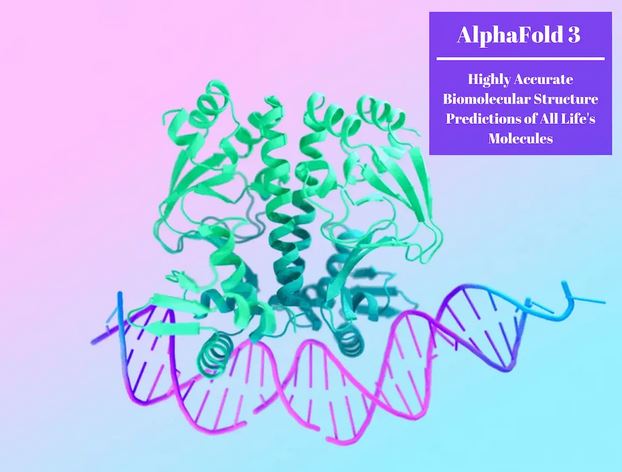
    AlphaFold 3, and AI System introduced in a May 2024 Nature paper, extends capabilities to predict protein-protein interactions, DNA, RNA structures, and their interactions.

    Importance of Proteins

    • Proteins are crucial molecules regulating nearly every biological function.
    • They are composed of amino acids, which determine their structure and function.
    • Understanding protein folding is essential for comprehending cellular and organismal functions.

    The Protein-Folding Problem

    • The process of protein folding is complex and not fully understood, known as the protein-folding problem.
    • It is vital for deciphering how cells, organisms, and life itself operate.
    • Frank Uhlmann emphasizes the significance of understanding protein structure for molecular biology.

    What is AlphaFold?

    • Google DeepMind’s AlphaFold debuted in 2020, employs AI and machine learning to predict protein structures.
    • AlphaFold 2, released in 2021, significantly improved accuracy in protein structure prediction.
    • Derek Lowe acknowledges AlphaFold’s achievement in predicting structures effectively, although the deeper biological principles remain less explored.
    • AlphaFold 3’s Advancements:
      • It democratizes research by offering accessible structure prediction tools, even for non-experts.

    Technology behind AlphaFold 3

    • Unlike its predecessors, AlphaFold 3 utilizes a diffusion model akin to image-generating software.
    • This approach involves training on noisy data and de-noising to predict accurate protein structures.
    • Working:
      • Given an input list of molecules, AlphaFold 3 generates their joint 3D structure, revealing how they all fit together.
      • It models large biomolecules such as proteins, DNA and RNA, as well as small molecules, also known as ligands — a category encompassing many drugs.

    Applications of AlphaFold 3

    • AlphaFold 3 excels in predicting protein structures and interactions, aiding drug discovery efforts.
    • DeepMind’s spin-off, Isomorphic Labs, utilizes AlphaFold 3 for drug candidate identification.

    Challenges

    • The model’s code restriction has sparked criticism among researchers for hindering scientific collaboration and transparency.
    • DeepMind initially withheld AlphaFold 3’s full code, prompting calls for open access from the scientific community.
    • Responding to backlash, DeepMind plans to release the complete code within six months.

    PYQ:

    [2020] With the present state of development, Artificial Intelligence can effectively do which of the following?

    1. Bring down electricity consumption in industrial units
    2. Create meaningful short stories and songs
    3. Disease diagnosis
    4. Text-to-Speech Conversion
    5. Wireless transmission of electrical energy

    Select the correct answer using the code given below:

    (a) 1, 2, 3 and 5 only

    (b) 1, 3 and 4 only

    (c) 2, 4 and 5 only

    (d) 1, 2, 3, 4 and 5

  • Parliament – Sessions, Procedures, Motions, Committees etc

    Who is the Pro-Tem Speaker of Lok Sabha and how is an MP chosen for the role?

    Note4Students

    From UPSC perspective, the following things are important:

    Prelims level: Pro-Tem Speaker of Lok Sabha

    Why in the News?

    • The 18th Lok Sabha will convene its first session very soon. A new Speaker of the House will be elected during this session.
      • Until the election of the new Speaker, a pro-tem Speaker will be appointed to administer the oath to the new Members of Parliament.

    Who is a Pro-tem Speaker?

    • The Speaker of the Lok Sabha oversees the day-to-day proceedings of the House.
    • According to Article 94 of the Indian Constitution, the outgoing Speaker continues in office until the first meeting of the new Lok Sabha.
    • A pro-tem Speaker is appointed temporarily to manage certain duties until the new Speaker is elected.
    • The Constitution does NOT mention explicitly about the post.
      • However, the ‘Handbook on the Working of the Ministry of Parliamentary Affairs provides guidelines on the appointment and duties of the Speaker pro-tem.
    • Functions:
      • The primary duty of the pro-tem Speaker is to administer oaths to the new MPs, as mandated by Article 99 of the Constitution.

    Appointment of the Pro-tem Speaker

    • When the Speaker’s post is vacant before the new Lok Sabha convenes, the PRESIDENT appoints a Member of the House as the Speaker pro-tem.
      • The President administers the oath to the Speaker pro-tem at the Rashtrapati Bhawan.
    • Generally, three other elected members of the Lok Sabha are also appointed by the President to assist in the oath-taking process.
    • The SENIORMOST members, in terms of years of service, are usually chosen for this role, though there can be exceptions.

    Process of Administering Oaths

    • The Legislative I Section of the Government of India prepares a list of the seniormost Lok Sabha members after the formation of the new government.
    • This list is submitted to the Minister of Parliamentary Affairs or the Prime Minister, who identifies the Speaker pro-tem and the three other members for oath-taking.
    • After the Prime Minister’s approval, the consent of the selected members is obtained by the Minister of Parliamentary Affairs, usually over the telephone.
    • The Minister then submits a note to the President seeking approval for the appointments and the date and time for the swearing-in ceremony.
    • Upon the President’s approval, the Ministry informs the Speaker pro-tem and the other members about their appointments.
    • The Speaker pro-tem then administers the oath to the other three members in the Lok Sabha.

    PYQ:

    [2024] With reference to the Speaker of the Lok Sabha, consider the following statements :

    While any resolution for the removal of the Speaker of the Lok Sabha is under consideration

    1. He/She shall not preside.
    2. He/She shall not have the right to speak.
    3. He/She shall not be entitled to vote on the resolution in the first instance.

    Which of the statements given above is/are correct?

    (a) 1 only

    (b) 1 and 2 only

    (c) 2 and 3 only

    (d) 1, 2 and 3

  • G20 : Economic Cooperation ahead

    In news: G-7 Outreach Summit Apulia, Italy 

    Note4Students

    From UPSC perspective, the following things are important:

    Prelims level: G-7 Countries

    Why in the News?

    • PM Modi was placed at centre stage for a group photograph at the G-7 Outreach Summit held in Italy.
      • This marks India’s 11th participation in the G7 Summit and PM Modi’s fifth consecutive attendance.

    About G-7 (Group of Seven)

    • The G7 is an informal bloc of industrialized democracies comprising the United States, Canada, France, Germany, Italy, Japan, and the United Kingdom (UK).
    • It convenes annually to address global economic governance, international security, and more recently, issues related to artificial intelligence (AI).
    • Formation and Expansion:
      • Originally formed as the Group of Six in 1975 by the United States, France, Italy, Japan, the UK, and West Germany, with Canada joining in 1976.
      • It was formed as a result of the oil crisis to stabilize global economic policies and international relations.
      • The group’s formation coincided with the challenges of the Cold War era, aiming to address economic concerns such as inflation and recession exacerbated by the OPEC oil embargo.
    • Key statistics about G7 countries:
      • Wealth: They control 60% of the global net wealth.
      • Growth: They drive 46% of the global GDP.
      • Population: They represent 10% of the world’s population.

    Russia’s Joining and Suspension

    • Russia joined in 1998, transforming it into the G8, aimed at enhancing its international prestige and fostering closer ties with Western nations.
    • Russia was suspended in 2014 following its annexation of Crimea, leading to ongoing tensions and challenges with both Russia and increasingly, China.

    Functioning of the G7

    • Unlike formal institutions like the United Nations or NATO, the G7 lacks a charter and secretariat.
    • Its presidency rotates annually (Canada in 2025), responsible for setting the agenda and logistical arrangements for the summit.
    • Policy initiatives are crafted by ministers and envoys known as Sherpas, who prepare discussions and agreements before the annual gathering.
    • Non-member countries are occasionally invited to participate in G7 meetings.

    Why G7 needs India?

    • Economic Significance and Democratic Stability: India’s regular participation in G7 meetings highlights its economic importance and stable democratic framework.
    • Rising Economic Power: With India poised to become the world’s fourth-largest economy, its involvement in global issues is increasingly crucial.
    • Leadership in the Global South: Modi’s initiatives, such as the Voice of the Global South Summit, have bolstered India’s global standing.
    • G20 Presidency: India’s recent presidency of the G20 demonstrated its ability to build consensus on contentious global issues.
    • Neutrality and Strategic Partnerships: India’s neutral stance on Western concerns over China’s actions in the South China Sea and its economic policies enhances its partnership with G7 nations.
    • Balancing with Russia and the West: As the West confronts Russia over Ukraine, India’s neutral stance positions it as a key ally while maintaining diplomatic balance.

    Divergence within G7

    • Geopolitical Tensions: The G7 nations often face disagreements and tensions over geopolitical matters, such as responses to Russian aggression, conflicts in regions like Ukraine, and strategic alliances with emerging economies.
    • Economic Policies: Economic policies and trade relations are frequent topics of debate within the G7. Issues include trade tariffs, market regulations, financial stability, and economic cooperation in the face of global economic challenges.
    • Climate Change: Addressing climate change and achieving environmental sustainability are critical concerns for the G7. Discussions typically focus on climate action commitments, renewable energy investments, and international cooperation on climate policies.
    • Security and Defense: Security and defence cooperation, including responses to global terrorism, cybersecurity threats, and military alliances, are important agenda items for the G7.
    • Technology and Innovation: Managing technological advancements, including AI regulation, digital governance, cybersecurity standards, and technological innovation policies, is another area of focus.
    • Social Issues: Social issues such as gender equality, human rights, immigration policies, and global development aid are also part of the G7 agenda, reflecting broader societal concerns and international commitments.

    PYQ:

    [2020] In which one of the following groups are all four countries members of G20?

    (a) Argentina, Mexico, South Africa and Turkey

    (b) Australia, Canada, Malaysia and New Zealand

    (c) Brazil, Iran, Saudi Arabia and Vietnam

    (d) Indonesia, Japan, Singapore and South Korea

  • Wildlife Conservation Efforts

    Elephants have names for each other: New study

    Note4Students

    From UPSC perspective, the following things are important:

    Prelims level: Facts about Elephants

    Why in the News?

    • Recent studies utilizing Artificial Intelligence (AI) tools have revealed that elephants possess unique names used to address each other, placing them among the select animals with this ability.
      • Unlike animals such as parrots and dolphins, elephants do not imitate the calls of those they address, resembling humans in this communicative trait.

    Naming Behavior in Elephants

    • Unlike humans, elephants do not mimic the calls of the addressee, setting their communication apart from other animals.
    • Published in Nature, the study titled ‘African elephants address one another with individually specific name-like calls’ involved researchers from institutions like Colorado State University and Save The Elephants.

    Study Methodology

    • Communication Methods: Contrary to popular belief, elephants predominantly communicate through low-pitched rumbles rather than trumpets, which are primarily emotional expressions.
    • Data Analysis: Researchers analyzed recordings of wild female African savannah elephants and their offspring’s rumbles across various Kenyan national parks spanning from 1986 to 2022.
    • AI Application: Using AI technology, they scrutinized 469 recorded rumbles to detect patterns indicating specific recipients of the communication.
      • Success Rate: The AI model successfully identified the intended elephant recipient in 27.5% of cases, surpassing chance levels.

    Observations

    • Behavioural Observation: To validate their findings, researchers played back recorded rumbles to 17 elephants and noted heightened reactions when elephants heard their ‘names’, indicating recognition of individual names.
    • Unique Communication: Unlike animals that imitate others’ calls, elephants display no evidence of imitation, suggesting a unique communication strategy.

    Significance of the Study

    • Sophisticated Communication: The study underscores elephants’ advanced communication abilities, challenging previous assumptions about their cognitive prowess.
    • Human-Elephant Parallels: It draws parallels between human and elephant communication, fostering greater admiration for elephants and potentially mitigating human-elephant conflicts crucial for conservation efforts.
    • Future Research: Further investigation is warranted to pinpoint the exact location of elephant names within rumbles and explore whether elephants assign names to objects besides individuals.

    Back2Basics: Elephants in India

    Details
    Population Estimate
    • India hosts the largest population of wild Asian Elephants (Elephas maximus), with around 29,964 individuals,
    • Approximately 60% of the global population (2017 census).
    Leading States Karnataka holds the highest number of elephants, followed by Assam and Kerala.
    Conservation Status
    • IUCN Red List:  Endangered.
    • CMS: Appendix I.
    • Wildlife (Protection) Act, 1972: Listed under Schedule I,
    • CITES: Appendix I.
    Conservation Initiatives
    • ‘Project Elephant’ was launched in 1992, covering 23 states across India.
      • This project contributed to the increase in the wild elephant population from around 25,000 in 1992 to about 30,000 in 2021.
    • Establishment of Elephant Reserves. Total 33 in numbers covering approximately 80,777 Sq.km.


    PYQ:

    [2020] With reference to Indian elephants, consider the following statements:

    1. The leader of an elephant group is a female.
    2. The maximum gestation period can be 22 months.
    3. An elephant can normally go on calving till the age of 40 years only.
    4. Among the States in India, the highest elephant population is in Kerala.

    Which of the statements given above is/are correct?

    (a) 1 and 2 only

    (b) 2 and 4 only

    (c) 3 only

    (d) 1, 3 and 4 only

  • International Space Agencies – Missions and Discoveries

    Valentina Tereshkova: The First Woman in Space

    Note4Students

    From UPSC perspective, the following things are important:

    Prelims level: Valentina Tereshkova, Manned mission to space

    Why in the News?

    On June 16, 1963, Valentina Tereshkova made history as the first woman to venture into space. Her achievement marked a significant milestone in the Space Race between the USA and the USSR during the Cold War.

    About Valentina Tereshkova’s Space Journey

    • In 1962, Tereshkova was selected among five women for the Soviet space program, aiming to achieve ‘gender equality’ in space exploration.
    • The USSR’s decision to send a woman into space was partly influenced by the success of Yuri Gagarin’s mission in 1961 and the desire to surpass the US in space achievements.
    • Tereshkova’s affiliation with the Communist Party and her skills as a parachutist were factors in her selection for the Vostok 6 mission.

    The Mission – Vostok 6

    • On June 16, 1963, Tereshkova piloted Vostok 6, becoming the first woman to orbit the Earth.
    • She spent 71 hours in space, completing 48 orbits around the Earth during her mission.

    Impact and Legacy

    • Tereshkova’s mission boosted Soviet prestige in the Space Race, following earlier successes like launching Sputnik-1 in 1957 and Yuri Gagarin’s historic flight in 1961.
    • Despite her pioneering role, the USA would later achieve milestones like the Apollo moon landings, surpassing Soviet achievements in manned space missions.
    • Tereshkova continued to advocate for women’s participation in space exploration and held prominent positions in Soviet politics and the Air Force.

    Indian Women in Space 

    Indian women have made significant contributions to space exploration, marking milestones and inspiring future generations. Here are notable Indian women who have ventured into space:

    • Kalpana Chawla: Born in Karnal, Haryana, Kalpana Chawla was the first woman of Indian origin in space. She flew on two Space Shuttle missions, including STS-87 in 1997. Tragically, she lost her life during the re-entry of the Space Shuttle Columbia in 2003.
    • Sunita Williams: An American astronaut of Indian-Slovenian descent, Sunita Williams has set records for spacewalks and served as a flight engineer on the International Space Station (ISS). She has logged over 322 days in space across multiple missions.
    • Sirisha Bandla: An aeronautical engineer and Vice President at Virgin Galactic, Sirisha Bandla became the second India-born woman to travel to space on the Virgin Galactic Unity 22 mission in 2021.

    Women Pioneers of ISRO:

    • Lalitha Ramachandran: Joined ISRO in 1969 as a technical assistant at Vikram Sarabhai Space Centre (VSSC), becoming one of the first female chemical engineers recruited by ISRO. She retired as associate project director of the Cryogenic Upper Stage Project.
    • J Geetha: Joined ISRO in 1972 after working at Bhabha Atomic Research Centre. She reminisces about the challenges of data gathering in the pre-internet era and the mentorship she received from stalwarts like Satish Dhawan and Vasant R Gowarikar.
    • Radhika Ramachandran: Joined ISRO in 1984 and served in various roles, including technical liaison officer at ISRO’s New Delhi office and director of the Space Physics Laboratory. She highlights the merit-based culture and the support for open discussions and suggestions.
    • T S Ramadevi: Joined ISRO in 1970 after completing her BTech from CET, Thiruvananthapuram. She was part of the communications unit and contributed to the growth of ISRO’s transmission technologies. She retired as deputy director of management systems.
    • Athula Devi: Joined ISRO in 1987 and retired in January, having been part of the team that developed base software systems for the Gaganyaan launch. She emphasizes ISRO’s growth through failures and the team’s dedication to projects above personal recognition.


    PYQ:

    [2017] India has achieved remarkable successes in unmanned space missions including the Chandrayaan and Mars Orbiter Mission, but has not ventured into manned space missions. What are the main obstacles to launching a manned space mission, both in terms of technology and logistics? Examine critically. (10)

  • Innovations in Sciences, IT, Computers, Robotics and Nanotechnology

    Quantum Physics Behind Diapers: How they absorb so much Liquid?

    Note4Students

    From UPSC perspective, the following things are important:

    Prelims level: Super-Absorbent Polymers (SAP), Polyacrylamide,Sodium Polyacrylate

    Why in the News?

    Understanding the absorbency of diapers through the Quantum physics of water absorption and contrasting materials that do or do not absorb water.

    Absorption in Diapers: How it works?

    • Absorption depends on Microscopic forces and Material properties. Water molecules are attracted to materials like cotton due to their structure.
    • Cotton, a network of polymers with ions, absorbs water effectively by attracting water molecules.
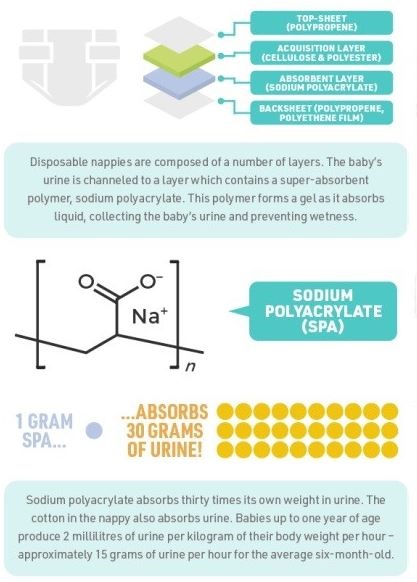
    • For large fluid absorption like in diapers, Super-Absorbent Polymers (SAP) are crucial.

    What are Super-Absorbent Polymers (SAP)?

    • SAPs are synthetic materials with the ability to absorb and retain large amounts of liquid relative to their own mass.
    • They are commonly used in products like diapers, sanitary napkins, and other absorbent hygiene products.
    • SAPs are typically cross-linked polymers, meaning their molecules are bonded in a way that creates a network capable of absorbing water molecules.

    Examples:

    1. Sodium Polyacrylate: This is one of the most common types of SAP used in diapers. It forms a gel-like substance when it absorbs liquid.
    2. Polyacrylamide: Another type of SAP used in various applications, including agriculture and wastewater treatment, due to its high water-absorbing capacity.

    Quantum Physics Insight of SAP

    Quantum physics plays a fundamental role in understanding the behaviour of super-absorbent polymers (SAPs), particularly in how they interact with water molecules at the atomic level:

    1. Electron Sharing: SAPs contain ions like sodium, which have a strong affinity for water molecules. This attraction is based on the principles of quantum physics, where atoms like sodium and oxygen prefer to share electrons to achieve stability. This shared electron arrangement allows water molecules to bond with the ions in SAPs, facilitating the absorption process.
    2. Quantum Mechanical Properties: At the quantum level, electrons behave as waves and can exist in shared states between atoms. This phenomenon allows for the formation of stable bonds between water molecules and SAP ions, enhancing the SAP’s ability to absorb large amounts of liquid.
    3. Energy States: Quantum physics explains how SAPs manage energy states during absorption. As water enters the SAP, energy is released due to changes in the electron configurations and bonding energies of the ions involved. This process is crucial for maintaining the gel-like structure of the SAP and preventing leakage.

    PYQ:

    [2022] Which one of the following is the context in which the term “qubit” is mentioned?

    (a) Cloud Services

    (b) Quantum Computing

    (c) Visible Light Communication Technologies

    (d) Wireless Communication Technologies