💥UPSC 2026, 2027, 2028 UAP Mentorship (March Batch) + Access XFactor Notes & Microthemes PDF

Type: Prelims Only

  • Waste Management – SWM Rules, EWM Rules, etc

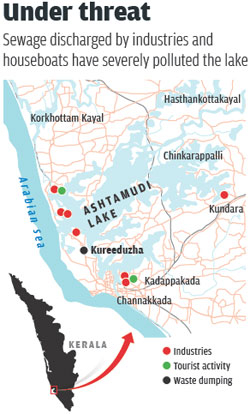
    Microplastic Pollution in Ashtamudi Lake

    Note4Students

    From UPSC perspective, the following things are important:

    Prelims level: Ashtamudi and other lakes in Kerala, Microplastics

    Mains level: NA

    Why in the News?

    • A recent study conducted by the “Department of Aquatic Biology and Fisheries”, University of Kerala, has revealed alarming levels of microplastic pollution in Ashtamudi Lake, a Ramsar wetland in Kollam district.

    Back2Basics: Microplastics

    • Microplastics are small plastic particles that are less than 5 millimetres (0.2 inches) in size.
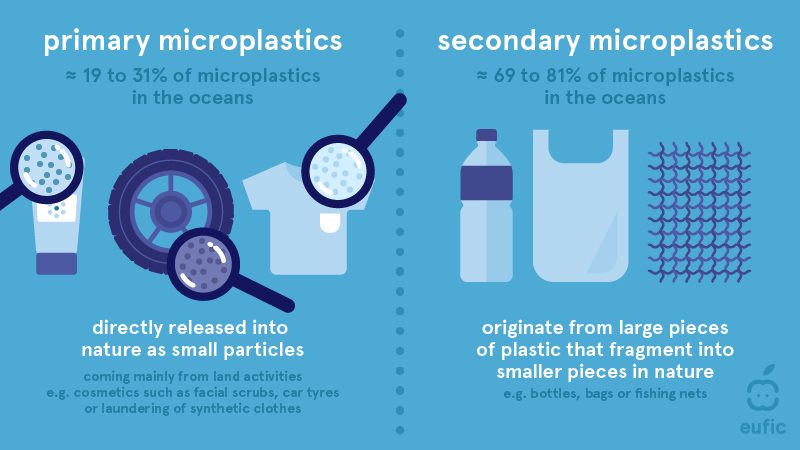
    • They are a type of plastic pollution that originates from the fragmentation of larger plastic debris, as well as from the direct release of small plastic particles in various products and activities.

    Types of Microplastics:

    About Ashtamudi Lake

    • Ashtamudi Lake is located in the Kollam district of Kerala.
    • The lake is also called the “gateway to the backwaters of Kerala”.
      • Historical Background: The importance of Ashtamudi Kayal dates back to the times of the Romans and Phoenicians in the 14th century.
    • It is a brackish water lake, meaning it contains a mix of freshwater and saltwater. It covers an area of approximately 61 square kilometres (23.5 square miles).
    • Kallada River is a major river discharging into the Ashtamudi Lake.
    • The name “Ashtamudi” translates to “eight coned” in Malayalam, referring to the lakes eight prominent arms or channels.
    • The lake is surrounded by lush vegetation, including mangrove forests, coconut groves, and palm trees.
    • Ashtamudi Lake is an integral part of the Kollam-Kottapuram Waterway, which connects the Kerala backwaters to the Arabian Sea.
      • Notable Islands: Chavara, Munroe

    PYQ:

    [2022] Consider the following pairs:

    Wetland              : Lake Location

    1.    Hokera Wetland  : Punjab

    2.   Renuka Wetland  : Himachal Pradesh

    3.   Rudrasagar Lake  :  Tripura

    4.   Sasthamkotta Lake : Tamil Nadu

    How many pairs given above are correctly matched?

    (a) Only one pair

    (b) Only two pairs

    (c) Only three pairs

    (d) All four pairs

    [2019] Why is there a great concern about the ‘microbeads’ that are released into the environment?

    (a) They are considered harmful to marine ecosystems.

    (b) They are considered to cause skin cancer in children.

    (c) They are small enough to be absorbed by crop plants in irrigated fields.

    (d) They are often found to be used as food adulterants.

  • Wildlife Conservation Efforts

    Blue Sheep (Bharal) and Himalayan Ibex (Tangor) Census in Himachal

    Note4Students

    From UPSC perspective, the following things are important:

    Prelims level: Blue Sheep (Bharal); Himalayan Ibex (Tangor).

    Mains level: NA

    Why in the News?

    • Wildlife authorities in Himachal Pradesh’s Lahaul & Spiti district have initiated surveys to estimate the population of Blue Sheep (bharal) and Himalayan Ibex (Tangor), vital prey species for the iconic snow leopard.
      • This move aims to assess the region’s biodiversity and promote conservation efforts.

    About the Species Mentioned

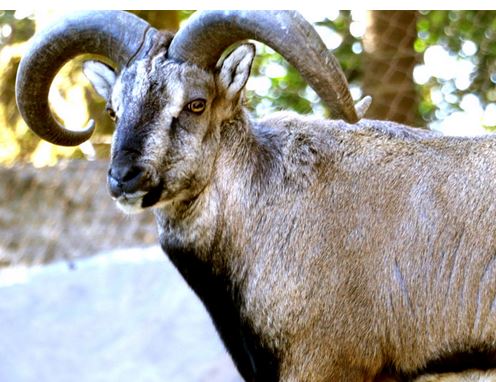
    Bharal (Blue Sheep)

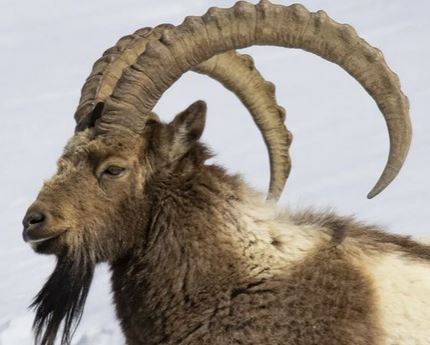
    Himalayan Ibex (Tangor)

    Scientific Name Pseudois nayaur Capra sibirica hemalayanus
    Genus Pseudois Capra
    Distribution India, Bhutan, China (Gansu, Ningxia, Sichuan, Tibet, Inner Mongolia), Myanmar, Nepal, Pakistan Himalayan region of India, Pakistan, Tibet, Nepal
    Features
    • Slate grey coat with bluish shine
    • Horns grow upwards, curve out, and then towards the back
    • Large curved horns with notches on the front
    • Light brown to reddish-brown coat, white belly, black and white markings on legs
    • Thick, woolly coat in winter, shed in early summer
    Behavior Active throughout the day, alternating between feeding and resting on grassy mountain slopes
    • Usually found in small herds, sometimes around 50 together;
    • Can run at speeds of up to 50 km/h
    Conservation Status IUCN Red List: Least Concern

    Wildlife Protection Act 1972: Schedule 1

    IUCN Red List: Near Threatened

    Wildlife Protection Act 1972: Schedule 1


    PYQ:

    [2013] Consider the following fauna of India :

    1. Gharial

    2. Leatherback turtle

    3. Swamp deer

    Which of the above is/are endangered?

    (a) 1 and 2 only

    (b) 3 only

    (c) 1, 2 and 3

    (d) None

  • ISRO Missions and Discoveries

    EU activated Copernicus EMS to Locate Crashed Iranian Helicopter

    Note4Students

    From UPSC perspective, the following things are important:

    Prelims level: Copernicus Programme

    Mains level: NA

    Why in the News?

    • In response to the helicopter crash involving Iranian President Ebrahim Raisi, the European Union had activated its Copernicus Emergency Management Service (EMS) to aid in search and rescue efforts.

    About the Copernicus Programme

    • This Programme was launched in 1998 by the European Union’s earth observation
    • Named for Copernicus, it uses satellites and ground systems for environmental data.
    • It is implemented by EU member states with support from entities like the European Space Agency (ESA) and the European Environment Agency (EEA).

    Utility of GMES: Rapid Response Mapping Service

    • The Copernicus EMS offers rapid response mapping, a crucial component activated during emergencies like natural disasters or accidents.

    How Rapid Mapping Works?

    • Rapid mapping involves acquiring, processing, and analyzing satellite images and relevant data to provide timely information.
    • It offers several products, including pre-event reference and post-event assessments like first estimates, delineation, and grading of the impacted area.

    Application in the Iranian President’s Case

    • In the case of the Iranian President’s helicopter crash, the EU activated the rapid response mapping service to aid search and rescue operations.
    • This technology helps locate the crash site and assess the extent of the impact, facilitating swift response efforts.

    PYQ:

    [2018] With reference to the Indian Regional Navigation Satellite System (IRNSS), consider the following statements:

    1. IRNSS has three satellites in geostationary and four satellites in geosynchronous orbits.
    2. IRNSS covers entire India and about 5500 sq. km beyond its borders.
    3. India will have its own satellite navigation system with full global coverage by the middle of 2021.

    Which of the statements given above is/are correct?

    (a) 1 only

    (b) 1 and 2 only

    (c) 2 and 3 only

    (d) None

  • Digital India Initiatives

    PM WANI Wi-Fi Scheme: All you need to know

    Note4Students

    From UPSC perspective, the following things are important:

    Prelims level: PM WANI Wi-Fi Scheme

    Mains level: NA

    Why in the News?

    • Under the PM-WANI scheme, India witnesses a swift rise in public Wi-Fi hotspots, reaching approximately 1,99,896 hotspots nationwide, according to government data.

    What is the PM WANI Initiative?

    • PM Modi launched the Prime Minister Wi-Fi Access Network Interface (PM WANI) in December 2020.
    • It is an initiative under the Department of Telecommunications (DoT).
    • It takes forward the goal of the National Digital Communications Policy, 2018 (NDCP) of creating a robust digital communications infrastructure.
      • Objective: To democratize internet access, particularly in remote and underserved areas.
      • Implementation: Leverages Public Data Offices (PDOs) established in public spaces like railway stations, banks, post offices, and more. Users can access the internet via Wi-Fi at these locations without requiring a SIM card.

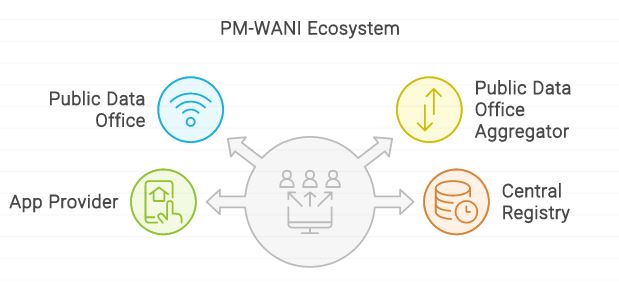
    PM-WANI ecosystem consists of four parts: 

    1. Public Data Office (PDO): It establishes the Wi-Fi Hotspots and provides internet access to users
    2. Public Data Office Aggregator (PDOA):  It provides authorisation and accounting services to PDOs.
    3. App Provider: It displays the available hotspots in the phone’s proximity.
    4. Central Registry: This overseen by the Centre for Development of Telematics maintains details of App Providers, PDOs, and PDOAs.

    How to Utilize PM WANI?

    • To access PM WANI services, users must install the Data PM WANI app on their smartphones.
    • Through the app, users can connect to nearby public Wi-Fi PDOs.
    • This application facilitates seamless connectivity to PM-WANI-compliant Wi-Fi hotspots, empowering users to access broadband services conveniently.

    Data Plans Offered

    PM WANI offers various data plans to suit different usage needs:

    • Rs 6 plan: 1GB data for 1 day
    • Rs 9 plan: 2GB data for 2 days
    • Rs 18 plan: 5GB data for 3 days
    • Rs 25 plan: 20GB data for 7 days
    • Rs 49 plan: 40GB data for 14 days
    • Rs 99 plan: 100GB data for 30 days

    Role of Public Data Offices (PDOs)

    • The PM-WANI scheme includes a provision for establishing Public Data Offices (PDOs) by rural entrepreneurs in remote regions.
    • These PDOs procure internet bandwidth from telecom service providers or ISPs to offer Wi-Fi services at minimal charges.
    • This model enables individuals to access the internet even in areas with limited or no data connectivity.

    PYQ:

    [2018] Which of the following is/are the aim/aims of “Digital India” Plan of the Government of India?

    1. Formation of India’s own Internet companies like China did.
    2. Establish a policy framework to encourage overseas multinational corporations that collect Big Data to build their large data centres within our national geographical boundaries.
    3. Connect many of our villages to the Internet and bring Wi-Fi to many of our school, public places and major tourists.

    Select the correct answer using the codes given below:

    (a) 1 and 2 only

    (b) 3 only

    (c) 2 and 3 only

    (d) 1, 2 and 3

  • Electoral Reforms In India

    No Legal Mandate to share Voter Turnout Data: ECI to Supreme Court

    Note4Students

    From UPSC perspective, the following things are important:

    Prelims level: Article 329(b), Forms 17A and 17C

    Why in the News?

    The Election Commission of India (ECI) told the Supreme Court that there is no legal mandate to provide Form 17C (account of votes recorded) to any other person other than the candidate or his agent.

    What does Article 329(b) say?

    • It specifically bars courts from intervening in any disputes related to the electoral process during the active phase of an election—from its notification to the final declaration of results.
    • This is to prevent any potential delays or disruptions caused by litigation during the election.

    About Forms 17A and 17C  

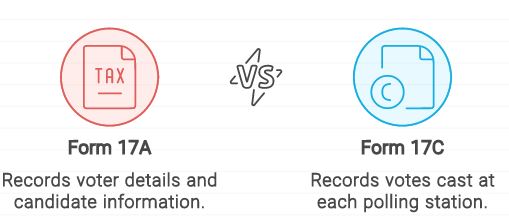
    As per the Conduct of Elections Rules, 1961, there are two forms that have data on the number of electors and voters — Forms 17A and 17C.

    1. Form 17A: This document, compiled by the Returning Officer for each constituency, lists contesting candidates and registers voter information, including names and symbols.
    2. Form 17C: Form 17C contains the account of votes recorded at each polling station during the election. It is prepared by the Presiding Officer of the polling station after the conclusion of polling. It includes:
    • EVM identification numbers.
    • Total number of electors and voters at the polling station.
    • Number of voters who did not record their votes after signing the register.
    • Number of voters not allowed to vote.
    • Total number of votes recorded per EVM.
    • Part-II of Form 17C: It carries counting results entered on counting day. This form is crucial for any legal challenges to the election results and for candidates to verify results on counting day.

    Why is there a Demand to Make Form 17C Data Public?

    • Activists advocate for greater transparency in election processes.
    • The high number of polling stations makes it hard for candidates to compile all data.
    • The Election Commission of India (ECI) is not legally required to publish aggregate voter turnout data.
    • The ECI ensures that all statutory requirements, including providing Form 17C to candidates, are met.
    • Discrepancies noted in Form 17C can be contested to maintain election integrity.

    Back2Basics: Conduct of Election Rules, 1961

    • The Conduct of Election Rules, 1961, commonly referred to as the 1961 Rules, outline the procedural framework governing various aspects of the electoral process in India.
    • These rules were formulated under the authority of the Representation of the People Act, 1951.
    • It serves as the foundational legislation for conducting elections in the country.
      • Activities covered: Preparation of electoral rolls, the nomination of candidates, the conduct of polling, counting of votes, and the declaration of results.
    • Regulatory Function: The 1961 Rules incorporate provisions for addressing electoral malpractices, disputes, and grievances, thereby safeguarding the sanctity of elections.


    PYQ:

    [2017] For election to the Lok Sabha, a nomination paper can be filed by

    (a) Anyone residing in India.

    (b) A resident of the constituency from which the election is to be contested.

    (c) Any citizen of India whose name appears in the electoral roll of a constituency.

    (d) Any citizen of India.

  • Health Sector – UHC, National Health Policy, Family Planning, Health Insurance, etc.

    Naegleria fowleri: the Brain-eating Amoeba

    Note4Students

    From UPSC perspective, the following things are important:

    Prelims level: Naegleria fowleri, Amoeba

    Mains level: NA

    Why in the news?

    • A five-year-old girl in Kozhikode, Kerala has succumbed to primary Amoebic Meningoencephalitis (PAM), caused by Naegleria fowleri.
      • India has recorded 20 reported cases of PAM, with the recent case marking the seventh infection in Kerala.

    What is Primary Amoebic Meningoencephalitis (PAM)?

    • PAM is a rare brain infection caused by Naegleria fowleri, a free-living amoeba found in warm freshwater and soil worldwide.
      • An amoeba is a type of cell or unicellular organism with the ability to alter its shape, primarily by extending and retracting pseudopods.
      • Higher temperatures of up to 115°F (46°C) are conducive to its growth and it can survive for short periods in warm environments.
    • The amoeba enters the body through the nose, typically during activities like swimming, and travels to the brain, causing severe damage.
    • PAM is also non-communicable.
    • Symptoms: Headache, fever, nausea, vomiting, stiff neck, confusion, seizures, hallucinations, and coma.
      • According to the US Centers for Disease Control and Prevention (CDC), most people with PAM die within 1 to 18 days after symptoms begin. It usually leads to coma and death after 5 days.

    Treatment Challenges

    • Currently, there are no established effective treatments for PAM.
    • Medical interventions typically involve a combination of drugs, including amphotericin B, azithromycin, fluconazole, rifampin, miltefosine, and dexamethasone.
  • Innovations in Biotechnology and Medical Sciences

    X chromosome revival in older Women increases Autoimmune Disease risk

    Note4Students

    From UPSC perspective, the following things are important:

    Prelims level: Autoimmune Diseases, X Chromosome

    Mains level: NA

    Why in the News?

    The X chromosome influences biological functions and disease susceptibilities, affecting genetic disorders, autoimmune diseases, and Alzheimer’s, with research offering potential new treatments and therapies.

    Back2Basics: Chromosomes

    • Chromosomes are fundamental components of cells that play a vital role in storing and transmitting genetic information.
    • These structures contain genes, which carry instructions for the development, functioning, and inheritance of traits.
    • Chromosomes consist of tightly coiled DNA molecules wrapped around proteins called histones, forming chromatin.
    • Before cell division, chromosomes replicate into identical sister chromatids held together at the centromere.

    Types of Chromosomes:

    1. Autosomes: Non-sex chromosomes (22 pairs in humans) determine most traits.
    2. Sex Chromosomes: Determine biological sex (XX for females, XY for males).

    Functions of Chromosomes

    • Genetic Information Storage: Genes on chromosomes encode instructions for protein production and cellular processes.
    • Inheritance: Chromosomes transmit genetic information during sexual reproduction through meiosis, ensuring genetic diversity in offspring.
    • Gene Expression Regulation: Chromosomes control gene activation or silencing, crucial for development and cell functioning.

    Genetic Landscape of the X chromosome:

    • The human X chromosome encodes around 800 genes, producing proteins.
    • Loss of function in these genes can lead to various genetic diseases.
    • Diseases influenced by the X chromosome fall into three categories:
    1. X-linked genetic diseases
    2. Diseases influenced by XCI (X chromosome inactivation) escape
    3. Diseases linked to X-chromosome aneuploidy

    What is the X chromosome?

    • It is one of the two sex chromosomes in humans, the other being the Y chromosome.
    • Females have two X chromosomes (XX), while males have one X and one Y chromosome (XY).
    • Significance:
      • Encodes around 800 genes that are crucial for various biological processes.
      • Plays a significant role in determining sex and influencing many physiological functions.
      • Loss of function or mutations in X chromosome genes can lead to several genetic disorders.

    What are Autoimmune Diseases?

    • Diseases where the immune system mistakenly attacks the body’s own cells and tissues.
    • Normally, the immune system defends against infections by targeting harmful pathogens.
    • Common Autoimmune Diseases:
      • Systemic Lupus Erythematosus (SLE): Chronic inflammation affecting various body parts.
      • Rheumatoid Arthritis (RA): Inflammation of joints and surrounding tissues.
      • Sjogren’s Syndrome: Affects glands that produce moisture, leading to dry mouth and eyes.

    How does the X chromosome cause Autoimmune Diseases?

    • X Chromosome Inactivation (XCI):
      • In females, one of the two X chromosomes is randomly inactivated during early embryonic development to balance gene expression between males and females.
      • This process is crucial to prevent overexpression of X-linked genes.
    • XCI Escape:
      • Not all genes on the inactive X chromosome are completely silenced.
      • Up to a fourth of these genes may escape inactivation and continue to be expressed.
    • Link to Autoimmune Diseases:
      • Skewed XCI: Uneven inactivation of X chromosomes may lead to an imbalance in gene expression, contributing to autoimmune disorders.
      • Incomplete XCI: Reactivation of genes that should be silenced can result in abnormal immune responses.

    Studies, such as one published in Science Advances (May 3, 2023), have shown that reactivation of X-linked genes in immune cells can lead to lupus-like symptoms in mice.

    Linkage between X chromosome and Alzheimer’s disease

    • Sex Bias in Alzheimer’s:
      • Women are almost twice as likely as men to develop Alzheimer’s disease.
    • Role of X-Linked Genes:
      • Researchers have identified a gene called ubiquitin-specific peptidase 11 (USP11) on the X chromosome.
      • USP11 Gene: Involved in protein modification processes and thought to influence the accumulation of tau proteins in the brain.
      • XCI Escape: USP11 may escape XCI in females, leading to higher expression levels and contributing to Alzheimer’s pathology.
      • A study from Case Western Reserve University (Cell, October 2022) highlighted this mechanism, suggesting it as a target for new treatments.

    PYQ:

    [2011] At present, scientists can determine the arrangement or relative positions of genes or DNA sequences on a chromosome. How does this knowledge benefit us?

    1. It is possible to know the pedigree of livestock.
    2. It is possible to understand the causes of all human diseases.
    3. It is possible to develop disease-resistant animal breeds.

    Which of the statements given above is/are correct?

    (a) 1 and 2 only

    (b) 2 only

    (c) 1 and 3 only

    (d) 1, 2 and 3

  • Water Management – Institutional Reforms, Conservation Efforts, etc.

    10th World Water Forum

    Note4Students

    From UPSC perspective, the following things are important:

    Prelims level: World Water Forum, World Water Council;

    Why in the News?

    • The World Bank report, titled “Water for Shared Prosperity,” was released at the 10th World Water Forum in Bali, Indonesia.
      • It underscores the widening gap in access to water resources and services, exacerbated by factors like population growth, urbanization, and climate change.

    Water for Shared Prosperity: Key Highlights of the Report

    • In 2022, 2.2 billion people lacked access to safely managed drinking water services, while 3.5 billion lacked access to safely managed sanitation.
    • Over 800 million people globally are at high risk of drought, with double that number living in flood-prone areas.
    • Low-income countries have seen a regression in access to safe drinking water, with an additional 197 million people lacking access since 2000.
    • Rural-urban access gaps in low-income countries have remained largely unchanged over the last two decades.
    • Hotspots in regions like the Sahel, Southeastern Africa, and South and Central Asia experience the highest water stress.
    • The Democratic Republic of the Congo holds over half of Africa’s total water resources.

    About World Water Forum:

    • It is a large-scale international event that focuses on the discussion and development of solutions to global water-related challenges. 
    • It is held every three years. The first forum took place in took place in Marrakesh, Morocco in March 1997.
    • It is organized by the World Water Council, an international organization.
    • It brings together stakeholders from various sectors including governments, organizations, businesses, and academia to promote awareness, build political commitment, and trigger action on critical water issues at all levels.

    What is the World Water Council (WWC)?

    • The World Water Council was founded in 1996.
    • The idea for the WWC emerged from discussions during the International Water and Sanitation Congress & Exhibition in 1994 and the subsequent Ministerial Conference on Drinking Water and Environmental Sanitation in 1996.
    • WWC’s activities focus on targets related to SDG 6 (Clean Water and Sanitation), among others.
    • The Council was established by renowned water specialists and international organizations, including academic institutions, private companies, governments, and NGOs etc.
    • Objective: The primary aim of the Council is to raise awareness about critical water issues at all levels, including the highest decision-making levels, to facilitate efficient conservation, protection, development, planning, management, and use of water resources globally.
    • Membership: The WWC boasts a diverse membership base comprising over 300 member organizations in approximately 50 countries.

    Key Functions and Contributions:

    • World Water Forums:  It is the world’s largest event on water and gathers participants from various sectors to discuss and collaborate on water issues.
    • Policy Influence: The WWC works to influence policy by facilitating discussions among political and economic decision-makers.
    • Research and Advocacy: Through its publications, policy papers, and strategic projects, the WWC fosters greater understanding and awareness of water issues.

    PYQ:

    [2016] The effective management of land and water resources will drastically reduce the human miseries. Explain.

    [2012] If National Water Mission is properly and completely implemented, how will it impact the country?

    1. Part of the water needs of urban areas will be met through recycling of waste water.
    2. The water requirement of coastal cities with inadequate alternative sources of water will be met by adopting appropriate technologies that allow for use of ocean water.
    3. All the rivers of Himalayan origin will be linked to the rivers of peninsular India.
    4. The expenses incurred by farmers for digging bore wells and for installing motors and pump sets to draw groundwater will be completely reimbursed by the Government.

    Select the correct answer using the codes given below:

    (a) 1 only

    (b) 1 and 2 only

    (c) 3 and 4 only

    (d) 1, 2, 3 and 4

  • Key Highlights of World Migration Report, 2024

    Note4Students

    From UPSC perspective, the following things are important:

    Prelims level: World Migration Report, 2024;

    Why in the News?

    The International Organization for Migration (IOM) has recently launched the World Migration Report 2024.

    Back2Basics: International Organization for Migration (IOM)

    Details
    About
    • Originated in 1951 as the Provisional Intergovernmental Committee for the Movement of Migrants from Europe (PICMME) after World War II’s upheavals.
    • In 2016, IOM agreed with the United Nations, becoming a related organization.
    Headquarters Geneva, Switzerland
    Members
    • Currently has 175 Member States and 8 states with Observer status.
    • India became an IOM Member State on 18th June 2008.

    Key Highlights of the Report:

    • Climate Change Impacts on Migration
    • The report highlights a significant increase in global migration due to environmental impacts and climate change, with more than 216 million people projected to be on the move within their countries by 2050.
    • Migration is being used as a strategy to cope with and adapt to the adverse effects of climate change, although its effectiveness varies based on individual circumstances and active involvement of migrants.

    Specific Regional Insights:

    • Africa:
    • Climate change has led to severe weather changes, including decreased rainfall and increased temperatures in North Africa, contributing to migration.
    • Countries like Libya, Algeria, and Morocco have seen migration due to reduced rainfall and increased drought conditions.
    • Asia:
      • In South Asia, particularly Pakistan and Bangladesh, extreme weather events like floods have led to substantial displacement.
      • The 2022 floods in Pakistan resulted in nearly 1.7 million displacements and in Bangladesh, record-breaking floods in 2022 triggered over 1.5 million displacements.
      • In India, strong influence of climate impacts on internal migration from Rajasthan, Uttar Pradesh and Madhya Pradesh.

    Remittances Inflows in India

    • According to the Report, India has consistently been the top recipient of remittances globally. In 2022, India received a record-breaking $111.22 billion in remittances.

    Remittance Inflows:

    • India is way ahead of its closely ranked peers Mexico ($61.1 billion), China ($51 billion), Philippines ($38.05 billion) and France ($30.04 billion).
    • This is the first time any country has crossed the USD 100 billion mark in remittance inflows.
    • The largest contributions to India’s remittances come from the UAE, USA, and Saudi Arabia, reflecting the extensive Indian diaspora in these regions.

    Migration Statistics:

    • With 18 million international migrants residing primarily in the UAE, USA, and Saudi Arabia, India hosts the world’s largest number of international migrants.
    • This large diaspora plays a crucial role in the economic linkage between India and these countries through remittances.
    • India came in 13th as the destination country for immigrants, with 4.48 million.

    PYQ:

    [2015] Discuss the changes in the trends of labour migration within and outside India in the last four decades.

  • Climate Change Negotiations – UNFCCC, COP, Other Conventions and Protocols

    What is the New Collective Quantitative Goal?

    Note4Students

    From UPSC perspective, the following things are important:

    Prelims level: Climate Change; New Collective Quantitative Goal; Evolutions in Global Climate Finances;

    Mains level: NA

    Why in the News?

    At the upcoming COP29 in Baku in November this year, Azerbaijan, the primary discussion will center on the New Collective Quantitative Goal (NCQG) for climate finance.

    Recent Climate Conferences and Decisions:

    • 2022 Sharm el-Sheikh Conference: A Loss and Damage Fund was established to assist developing countries in recovering from climate disasters.
    • Dubai Conference: The focus was on the Global Stocktake (GST) of climate actions, acknowledging the need to transition away from fossil fuels and tripling global renewable energy capacity by 2030.

    What is the New Collective Quantitative Goal (NCQG)?

        • All the parties of the Paris Agreement participate and review the implementation of the Agreement and make decisions. CMA is held once a year.
    • This goal will start with a target of at least $100 billion per year, focusing on the requirements and priorities of developing countries.
    • It will replace the previous commitment of USD 100 billion per year that developed nations had pledged in 2009 but never delivered.

    NCQG: A timeline

    • In 2009: The developed countries agreed to provide approximately $30 billion in ‘new and additional’ financial resources to developing countries from 2010 to 2012.
        • Additionally, these countries committed to collectively raising $100 billion annually by 2020 to support climate action in developing countries.
    • In 2015: It was decided to continue this collective goal of mobilizing $100 billion yearly by developed countries up to 2025.
    • A new climate finance target is to be set before 2025, maintaining at least $100 billion per year and considering the needs and priorities of developing countries. This is referred to as the NCQG or the new goal for post-2025.

    Financial Requirements for Effective Climate Action:

    • Current Funding Gaps: The scale of annual climate finance has consistently fallen short of the $100 billion promised by developed countries.
    • Projected Needs: Developing countries require about $6 trillion annually until 2030 to implement their climate action plans, according to a 2021 UN Climate Change report. An updated version of this report is expected to raise this figure even higher.
    • Global Transition Costs: A global transition to a low-carbon economy is estimated to require about $4-6 trillion every year until 2050.
    • Renewable Energy Expansion: Tripling renewable energy capacity, as agreed in Dubai, is estimated to cost $30 trillion until 2030, per the International Renewable Energy Association (IRENA).

    Prospects for Meeting Financial Targets:

    • Realistic Expectations: Discussions are ongoing, with India suggesting a target of at least $1 trillion per year, primarily through grants and concessional finance.
    • Challenges: Developed countries have historically fallen short of even lesser goals, and achieving trillions in finance is seen as ambitious.

    Back2Basics: Global Initiatives for Financing Climate Action

    Established Purpose How it Works
    Green Climate Fund (GCF) 2010 To support developing countries in adaptation and mitigation to counter climate change. Mobilizes funding from developed to developing countries to reduce greenhouse gas emissions and enhance climate resilience. Operates under the UNFCCC financial mechanism.
    Global Environment Facility (GEF) 1991 To tackle global environmental issues while supporting national sustainable development. Provides grants for projects related to environmental conventions (biodiversity, climate change, international waters, land degradation, ozone layer, organic pollutants). Functions as a financial mechanism for multiple conventions including the UNFCCC.
    Climate Investment Funds (CIF) 2008 To bridge funding and learning gaps for cleaner technology transformations. Offers scaled-up financing to middle-income countries to initiate cleaner technology transformations. Includes funds like the Clean Technology Fund (CTF) and the Strategic Climate Fund (SCF).
    Adaptation Fund 2001 To finance concrete adaptation projects in developing countries party to the Kyoto Protocol. Financed by a share of proceeds from CDM project activities, it supports concrete adaptation projects in vulnerable communities.
    Special Climate Change Fund (SCCF) 2001 To finance projects in adaptation, technology transfer, and various management sectors. Managed by the GEF, supports projects in sectors not directly funded through other funds such as energy, transport, and waste management.
    Least Developed Countries Fund (LDCF) 2001 To support the least developed countries (LDCs) in their climate change initiatives. Finances the preparation and implementation of National Adaptation Programmes of Action (NAPAs) which identify priority activities for LDCs to adapt to climate change.
    Carbon Pricing Mechanisms NA To internalize the cost of GHG emissions, incentivizing emission reductions. Involves setting a price on carbon emissions either through carbon taxes or emissions trading schemes (ETS), encouraging businesses to reduce emissions.
    Nationally Determined Contributions (NDC) Partnership 2016 To enhance cooperation to achieve NDC goals under the Paris Agreement. Facilitates technical and financial support to help countries implement and enhance their NDC commitments for reducing emissions.


    PYQ:

    [2016] With reference to the Agreement at the UNFCCC Meeting in Paris in 2015, which of the following statements is/are correct?

    1. The Agreement was signed by all the member countries of the UN, and it will go into effect in 2017.
    2. The Agreement aims to limit the greenhouse gas emissions so that the rise in average global temperature by the end of this century does not exceed 2ºC or even 1.5ºC above pre-industrial levels.
    3. Developed countries acknowledged their historical responsibility in global warming and committed to donate $ 1000 billion a year from 2020 to help developing countries to cope with climate change.

    Select the correct answer using the code given below:

    (a) 1 and 3 only
    (b) 2 only
    (c) 2 and 3 only
    (d) 1, 2 and 3