💥UPSC 2026, 2027, 2028 UAP Mentorship (March Batch) + Access XFactor Notes & Microthemes PDF

Archives: News

  • Electoral Reforms In India

    The verdict points to the importance of economic issues

    Why in the news?

    The outcome of the Lok Sabha elections surprised those who had relied on the flawed exit polls.

    The visible message from the general elections of 2024 emphasized two main points:

    • Revival of Federalism: The elections underscored the importance of revitalizing federalism, moving away from the centralized control that had characterized the previous decade. It highlighted the need for state governments to have more autonomy and the ability to deliver public services without excessive interference from the central government.
    • Constructive and Inclusive Political Approach: The results indicated that political parties need to adopt a more constructive and inclusive approach to nation-building. This includes a stronger focus on social justice, addressing economic issues such as unemployment and low wages, and ensuring that policies cater to the needs and rights of various segments of the population, including youth, women, farmers, and workers. The electorate showed a preference for parties that prioritize livelihood and employment issues along with social justice.

    Need to revive the Federalism

    • Decentralization of Power: Federalism ensures a more balanced distribution of power between the central and state governments. This decentralization allows states to manage their affairs more effectively, tailoring policies and programs to their specific needs and circumstances.
    • Enhanced Public Service Delivery: State governments are primarily responsible for delivering essential public services such as health, education, and infrastructure. A revived federalism would enable states to perform these functions without undue interference from the central government, leading to more efficient and responsive governance.
    • Cultural and Regional Autonomy: India is a diverse country with varied cultural, linguistic, and regional identities. Federalism respects and accommodates this diversity by allowing states to preserve and promote their unique identities and traditions within the framework of a united nation.

    Political Parties need to be more constructive, and inclusive in their approach to nation-building

    • Addressing Economic Challenges: Parties must focus on pressing economic issues such as unemployment, low wages, and the rising cost of living. Constructive policies that create jobs, support small businesses, and address economic disparities are crucial for national progress.
    • Social Justice and Inclusion: Inclusivity involves addressing the needs and rights of marginalized and disadvantaged groups. This includes ensuring social justice for various castes, genders, and socio-economic backgrounds. Emphasizing social justice can help reduce inequality and promote a more cohesive society.
    • Responsive to Public Needs: Political parties need to listen to and address the genuine needs and concerns of the populace. This involves creating policies that reflect the realities faced by people in different regions and socio-economic conditions.

    Conclusion: The 2024 Lok Sabha elections underscored the need for revitalized federalism and a constructive, inclusive political approach focused on economic issues and social justice to address diverse public needs effectively.

    Mains PYQ 

    Q How far do you think cooperation, competition and confrontation have shaped the nature of federation in India? Cite some recent examples to validate your answer. (UPSC IAS/2020)

  • Civil Services Reforms

    Mission Karmayogi: For civil servants who are better prepared and citizen-oriented

    Why in the news?

    The” Indian Institute of Public Administration” evaluated the impact by gathering feedback from supervisors on recently trained staff, and reported enhanced proficiency in data analytics and e-governance tools.

    Observations Assessed by the Indian Institute of Public Administration

    • Increased Proficiency: The Indian Institute of Public Administration (IIPA) observed increased proficiency in data analytics and e-governance tools among recently trained staff.
    • Skill Development: Section officers and administration assistants across the country have completed 15 lakh online learning modules on data analytics, Government e Marketplace (GeM) modules, and advanced software tools like Excel, leading to enhanced skill levels.
    • Supervisor Feedback: Feedback from supervisors indicated noticeable improvements in the capabilities and efficiency of the trained staff, reflecting the positive impact of the training programs.

    About Mission Karmayogi and Gati Shakti

    • Mission Karmayogi: Launched by Prime Minister Narendra Modi, this initiative aims to transform India’s three million civil servants into citizen-centric, future-ready, and result-oriented professionals. It includes digital training courses and the use of an online learning portal, iGOT Karmayogi Bharat.
    • Capacity Building Commission (CBC): Constituted in 2021, the CBC provides policy guidance and tools to enhance the capabilities of all levels of India’s civil services, collaborating with various ministries and training institutions.
    • PM Gati Shakti: This platform integrates legal and geographic layers to plan and execute mega infrastructure projects efficiently. It promotes a “whole of government” approach for de-siloed, harmonized national priorities.
    • Training and Certification: Over 24,000 officials have completed PM Gati Shakti learning modules, and over 3,88,000 personnel have been certified in emerging technologies through iGOT Karmayogi Bharat.

    Issues and challenges 

    • Resistance to Change: Bureaucracy often resists change due to a preference for the status quo, which can hinder the adoption of new approaches and technologies.
    • Shift from Generalist to Specialist Approach: Moving from generalist to specialist roles can encounter resistance despite the need for domain expertise, which may slow down the development of specialized skills.
    • Technical Governance Demands: Effective governance today requires technical proficiency, necessitating skilled personnel. The lack of such skills can hinder the effective implementation of the mission

    What is Needed to Achieve the $30 Trillion Economy by 2047?

    • Improved Governance: Efficient and competent civil services are essential for achieving India’s ambitions. Civil servants must be trained to be citizen-centric, future-ready, and result-oriented.
    • Infrastructure Development: Speed up the construction of mega infrastructure projects such as railways and highways.Overcome delays caused by inter-ministerial permissions through integrated planning.
    • Skill Development and Training: Equip civil servants with skills in emerging technologies like AI, IoT, and Big Data. Ensure continuous learning and skill enhancement for civil servants through platforms like iGOT Karmayogi Bharat.
    • Citizen-Centric Approaches: Promote citizen-centric approaches among civil servants to improve public service delivery.Enhance the capacity of police personnel and other frontline workers to address citizen concerns effectively.
    • State and Municipal Roles: Strengthen the role of state governments and municipal corporations in delivering services and infrastructure.Implement capacity-building programs at the municipal level for better service delivery.
    • Tax System Reforms:Develop a tax system that is painless and rewards honest taxpayers. Train tax personnel to address systemic taxpayer grievances effectively.

    Way forward:

    • Continuous Training and Development: Expand online learning platforms like iGOT Karmayogi Bharat to offer specialized courses in emerging technologies, leadership, and governance for civil servants at all levels.
    • Performance Evaluation and Feedback Mechanisms: Establish robust performance evaluation systems to assess the effectiveness of training programs and identify areas for improvement.

    Mains PYQ:

    Q Initially Civil Services in India were designed to achieve the goals of neutrality and effectiveness, which seems to be lacking in the present context. Do you agree with the view that drastic reforms are required in Civil Services. Comment (UPSC IAS/2017)

  • Labour, Jobs and Employment – Harmonization of labour laws, gender gap, unemployment, etc.

    Why Federal Polity is the key to more jobs? 

    Why in the news?

    India’s general election results were surprising, defying exit poll predictions. Despite high economic growth, voters, especially informal workers earning under ₹10,000 monthly, expressed economic concerns.

    About the 8% Real GDP Growth in FY24:

    • Growth Not Inclusive: The 8% real GDP growth has not reached the majority of the population, especially informal-sector workers.
    • Rural Wages: There’s a contraction in real rural wages, highlighting the dire state of the rural economy.
    • Income Inequality: High economic growth has not alleviated income inequality, which is reflected in the election results.

    The Plight of Taking the Masses into Consideration:

    • Economic Concerns: Despite the hype around economic growth, voters expressed deep concerns over the state of the economy.
    • Low Incomes: Over 90% of informal-sector workers registered on the e-Shram portal have a monthly income of ₹10,000 or less.
    • Election Results: Voters in poorer states have different perceptions; some still support the incumbent government in the hope of better employment and future prospects.
    • Policy Priorities: The new government must prioritize creating employment opportunities and addressing the economic challenges faced by the masses.

    CASE STUDY: Bangladesh:

    • Role of NGOs: In Bangladesh, NGOs have significantly contributed to social development, especially for women.
    • Employment Generation: NGOs have provided skilled women power to the apparel industry, enhancing employment opportunities.
    • NGOs in India: The NGO sector in India has faced scrutiny and high-handedness. The new government should collaborate with NGOs for development programs and employment generation activities.

    The Centre has to Work Through the States for Reforms:

    • Agricultural Sector: With a significant workforce employed in agriculture but contributing minimally to the GVA, reforms in agriculture and allied sectors are essential.
    • Animal Husbandry and Fisheries: Encouraging growth in animal husbandry, fisheries, and poultry can provide additional income to farmers.
    • Employment in Other Sectors: To address the surplus workforce in agriculture, employment opportunities must be created in other sectors like textiles, leather, construction, and food processing.
    • Incentives for Investment: Correcting past policy mistakes and providing incentives for investment in key sectors is crucial.
    • Infrastructure Development: Improving infrastructure in smaller towns can boost the handicraft, tourism, and hospitality sectors, generating higher incomes and better market access.
    • Open Network for Digital Commerce (ONDC): Utilizing ONDC to provide new opportunities for craftsmen to access broader markets.
    • Government Vacancies: Filling government vacancies transparently can address educated unemployment and prevent demotivation among young people.

    Conclusion: Develop schemes that specifically cater to informal-sector workers, ensuring they benefit from economic growth. This could include social security measures, skill development programs, and financial inclusion initiatives.


    Mains PYQ:

    Q ”Economic growth in the recent past has been led by increase in labour productivity.” Explain this statement. Suggest the growth pattern that will lead to creation of more jobs without compromising labour productivity. (UPSC IAS/2022)

  • Climate Change Impact on India and World – International Reports, Key Observations, etc.

    A call to action for a sustainable future  

    Why in the news?

    World Environment Day (WED) on June 5th is a global event where people come together to celebrate the importance of environmental conservation and sustainability, emphasizing the urgent need to tackle environmental challenges.

    World Environment Day 2024 Theme

    Theme: “Land Restoration, Desertification, and Drought Resilience”

    • Highlighting Critical Issues: Focuses on the significant threats posed by land degradation and desertification, which impact food security, biodiversity, and climate change. For example, the United Nations estimate that about 30% of land is degraded worldwide
    • The urgency for Action: Emphasizes the need for immediate actions in the face of the triple planetary crisis: Climate Change, Nature and Biodiversity Loss, and Pollution and Waste.
    • Shared Responsibility: Stresses collective action and individual responsibility in restoring ecosystems, urging everyone to contribute to solutions.
    • Empowering Youth: Encourages young people to lead the change towards a sustainable future with the #GenerationRestoration slogan.
    • Alignment with Global Goals: Supports the UN Decade on Ecosystem Restoration (2021-2030) and the Sustainable Development Goals, promoting a comprehensive approach to environmental protection.

    India’s Ambitious Renewable Targets

    • Renewable Energy Goals: India aims to achieve 450 GW of renewable energy capacity by 2030, emphasizing solar and wind energy.
    • Solar Energy Initiatives: Major solar projects, including the world’s largest solar park in Karnataka and the International Solar Alliance (ISA), aim to promote solar energy adoption.
    • Wind Energy: India is one of the world’s largest producers of wind energy, with significant wind farms in Tamil Nadu and Gujarat.
    • Policy Support: The government has introduced various policies and incentives to encourage investment in renewable energy, including subsidies, tax benefits, and easier land acquisition processes.
    • Sustainable Development: These initiatives align with India’s commitments under the Paris Agreement to reduce carbon emissions and promote sustainable development.

    How COVID-19 Shows Us the Way Forward

    • Environmental Awareness: The pandemic has heightened awareness of the interconnectedness between human health and the environment, highlighting the importance of preserving natural habitats to prevent zoonotic diseases.
    • Reduction in Pollution: Lockdowns and reduced industrial activities during the pandemic led to significant decreases in air and water pollution, demonstrating the impact of human activities on the environment.
    • Green Recovery: The concept of building back better suggests incorporating green recovery strategies into post-pandemic economic plans, focusing on sustainable practices and renewable energy investments.
    • Resilient Systems: Emphasizes the need for resilient and adaptive systems that can withstand future shocks, including those caused by climate change and environmental degradation.
    • Global Cooperation: COVID-19 underscored the importance of international cooperation and collective action to tackle global challenges, a principle that is equally applicable to environmental issues.

    Conclusion: By embracing the lessons from the pandemic, setting ambitious renewable energy targets, and focusing on land restoration and resilience, the global community can work towards a sustainable and resilient future. World Environment Day 2024 serves as a pivotal moment to reflect on these goals and renew our commitment to environmental stewardship.

    Mains PYQ:

    Q Access to affordable, reliable, sustainable and modern energy is the sine qua non to achieve Sustainable Development Goals (SDGs)”.Comment on the progress made in India in this regard. (150 Words, 10 Marks) (UPSC IAS/2018)

  • Health Sector – UHC, National Health Policy, Family Planning, Health Insurance, etc.

    [pib] CSIR’s PI-CHeCK Project

    Why in the News?

    • The Council of Scientific and Industrial Research (CSIR) celebrated the completion of the initial phase of its groundbreaking health monitoring project, Phenome India-CSIR Health Cohort Knowledgebase’ (PI-CHeCK).

    What is Phenome?

    • The human phenome refers to the comprehensive set of observable physical and biochemical traits, behaviours, and characteristics exhibited by an individual as influenced by genetics, environment, and lifestyle.
    • It encompasses a wide range of attributes, including but not limited to:
    1. Physical characteristics such as height, weight, eye colour, hair colour, facial features, and body shape.
    2. Biological functions and processes like metabolism, hormone levels, blood pressure, and immune response.
    3. Behavioral traits include personality traits, cognitive abilities, temperament, and mental health conditions.
    4. Disease susceptibility and health outcomes, such as the presence or absence of genetic disorders, chronic illnesses, and response to medical treatments.
    5. Environmental factors such as diet, exercise habits, exposure to toxins, socioeconomic status, and cultural influences.

    What is the PI-CHeCK Project?

    • PI-CHeCK launched on Dec 7, 2023, assesses risk factors for cardio-metabolic disorders in the Indian population.
    • ‘Phenome India’ health check-up camp targets CSIR employees, pensioners, and spouses across 17 states, and 24 cities.
    • Nearly 10,000 volunteers provide comprehensive health data.

    Objectives:

    • Developing India-Specific Algorithms: The project highlights the necessity of developing risk prediction algorithms tailored to India’s diverse genetic and lifestyle landscape, as existing algorithms may not accurately represent the Indian population.
    • Advancing Precision Medicine: CSIR’s commitment to advancing precision medicine is evident through the project’s focus on Predictive, Personalized, Participatory, and Preventive healthcare.
    • Catalyzing Nationwide Initiatives: By generating a comprehensive phenome database, PI-CHeCK aims to catalyze similar initiatives nationwide, ensuring more accurate risk prediction algorithms for India’s diverse population.

    PYQ:

    [2021] “Besides being a moral imperative of a Welfare State, primary health structure is a necessary precondition for sustainable development.” Analyse.

    [2018] Appropriate local community-level healthcare intervention is a prerequisite to achieve ‘Health for All’ in India. Explain.

    [2011] Aspartame is an artificial sweetener sold in the market. It consists of amino acids and provides calories like other amino acids. Yet, it is used as a low-calorie sweetening agent in food items. What is the basis of this use?

    (a) Aspartame is as sweet as table sugar, but unlike table sugar, it is not readily oxidized in human body due to the lack of requisite enzymes.

    (b) When aspartame is used in food processing, the sweet taste remains, but it becomes resistant to oxidation.

    (c) Aspartame is as sweet as sugar, but after ingestion into the body, it is converted into metabolites that yield no calories.

    (d) Aspartame is several times sweeter than table sugar, hence food items made with small quantities of aspartame yield fewer calories on oxidation.

  • Food Processing Industry: Issues and Developments

    [pib] FSSAI Directive on Fruit Juices

    Why in the News?

    • FSSAI has mandated the immediate removal of any claims stating ‘100% fruit juices’ from labels and advertisements of reconstituted fruit juices by all Food Business Operators (FBOs).
      • FBOs must utilize existing pre-printed packaging materials before September 1, 2024, to comply with the directive.

    Compliance Guidelines on Fruit Juices

    • Products falling under this standard must be labelled as per the Food Safety and Standards (Labelling and Display) Regulations, 2020.
    • The term “reconstituted” must be specified in the ingredient list for juices reconstituted from concentrate.
    • Additionally, if the product contains added nutritive sweeteners exceeding 15 gm/kg, it must be labelled as ‘Sweetened juice’.

    Issues with such ‘Sweetened juice’

    • Misleading Marketing Practices: FSSAI has observed numerous FBOs inaccurately labelling various types of reconstituted fruit juices as 100% fruit juices.
    • Regulatory Assessment: Upon evaluation, FSSAI determined that such claims are misleading, especially when the major ingredient is water, and the primary ingredient is present in limited concentrations or when the juice is reconstituted using water and fruit concentrates or pulp.

    About Food Safety and Standards Authority of India (FSSAI)

    • The FSSAI is an autonomous body established under the Ministry of Health & Family Welfare, Government of India.
    • It was established under the Food Safety and Standards Act, of 2006, which consolidates various acts and orders that have hitherto handled food-related issues in various ministries and departments.
    • FSSAI is responsible for protecting and promoting public health through the regulation and supervision of food safety.

    Functions of FSSAI include:

    • Setting Standards: FSSAI sets standards for food products and regulates their manufacture, storage, distribution, sale, and import, to ensure that food items are safe for consumption.
    • Licensing and Registration: FSSAI grants licenses and registrations to food businesses based on their compliance with food safety standards and regulations.
    • Inspections and Monitoring: FSSAI conducts inspections, surveillance, and monitoring of food products and food businesses to ensure compliance with food safety standards.
    • Awareness and Education: FSSAI works towards creating awareness about food safety and hygiene among food businesses and consumers. It provides information and education programs to promote safe food handling practices.
    • Research and Development: FSSAI undertakes research and development activities related to food safety and standards.

    Health Awareness Initiatives by FSSAI

    • “Heart Attack Rewind”: This is FSSAI’s inaugural mass media campaign, designed to support its goal of eliminating trans-fat from India by 2022.
    • FSSAI-CHIFSS Collaboration: FSSAI has partnered with the CII-HUL Initiative on Food Safety Sciences to foster collaborations between industry, the scientific community, and academia to enhance food safety.
    • State Food Safety Index (SFSI): Developed by FSSAI, the SFSI evaluates states’ performance on five key parameters of food safety: Human Resources and Institutional Data, Compliance, Food Testing Infrastructure and Surveillance, Training & Capacity Building, and Consumer Empowerment.
    • Eat Right India Movement: This is a joint initiative by the Government of India and FSSAI aimed at revolutionizing the country’s food system to ensure safe, healthy, and sustainable food for all citizens.
    • Eat Right Station Certification: FSSAI awards this certification to railway stations that meet the benchmarks outlined in the Food Safety and Standards Act, 2006, ensuring the provision of safe and wholesome food to passengers.

    PYQ:

    [2018] Consider the following statements:

    1. The Food Safety and Standards Act, 2006 replaced the Prevention of Food Adulteration Act, 1954.
    2. The Food Safety and Standards Authority of India (FSSAI) is under the charge of Director General of Health Services in the Union Ministry of Health and Family Welfare.

    Which of the statements given above is/are correct?

    (a) 1 only

    (b) 2 only

    (c) Both 1 and 2

    (d) Neither 1 nor 2

  • Economic Indicators and Various Reports On It- GDP, FD, EODB, WIR etc

    What is Greedflation?

    Why in the News?

    Political campaigns highlight inequality in India. Accusations suggest billionaires amass wealth through monopolistic control, dictating prices and suppressing real wages.

    Monopoly Power and Economic Dynamics

    • Monopoly Influence: Billionaires often amass wealth through monopolistic control, enabling them to dictate prices and suppress real wages.
    • Consumption Conundrum: Higher mark-ups under monopolies lead to reduced real wages and diminished consumption power, hindering economic growth and investment.
    • Greedflation Impact: The phenomenon of “Greedflation,” where companies raise prices to bolster profit margins amidst multiple demand-and-supply shocks, exacerbates inflationary pressures, particularly observed in developed economies.

    So what is Greedflation?

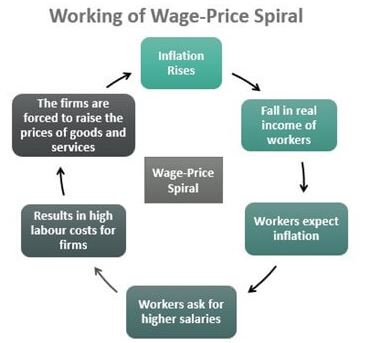
    • Definition: Greedflation, in essence, signifies that corporate greed is driving inflation, rather than the traditional wage-price spiral, leading to a profit-price spiral.
    • Corporate Exploitation: Companies exploit inflation by significantly raising prices, surpassing the need to cover increased costs, thereby maximizing profit margins and perpetuating inflation.
    • Profit-Price Spiral: Unlike the wage-price spiral, it involves companies exploiting inflation by excessively raising prices to maximize profit margins, triggering a cycle of inflation.

    Illustrative Scenario

    • Crisis Dynamics: During crises such as natural disasters or pandemics, businesses often raise prices due to increased input costs.
    • Exploitative Practices: However, some businesses exploit the situation by engaging in excessive profit-making through significantly inflated price mark-ups.

    Impact of Greedflation

    • Disproportionate Impact: Greedflation disproportionately affects low-income and middle-class individuals, diminishing their consumption and lowering living standards.
    • Wealth Disparities: While benefiting the wealthy by inflating asset values, it widens the wealth gap and exacerbates income inequality.
    • Market Instability: Sharp price increases and speculative activities driven by greed can create bubbles and unsustainable market conditions, heightening the risk of financial market crashes and crises.

    Global Implications

    • Divergent Policies: Inflationary pressures from greedflation may lead to divergent policy responses among nations.
    • Trade and Geopolitical Risks: Conflicting strategies to combat inflation can exacerbate global imbalances, trade tensions, and geopolitical conflicts as countries prioritize their interests and competitiveness.

    PYQ:

    [2015] Which reference to inflation in India, which of the following statements is correct?

    (a) Controlling the inflation in India is the responsibility of the Government of India only.

    (b) The Reserve Bank of India has no role in controlling the inflation.

    (c) Decreased money circulation helps in controlling the inflation.

    (d) Increased money circulation helps in controlling the inflation.

  • Genetically Modified (GM) crops – cotton, mustards, etc.

    RobiNOweed: ICAR’s Herbicide-Tolerant Basmati Variety

    Why in the News? 

    • Indian Agricultural Research Institute (IARI) launched India’s inaugural non-GM herbicide-tolerant Basmati rice varieties for commercial farming, ensuring improved weed control, cost-effectiveness, and addressing water scarcity and methane emissions in cultivation.

    About the Indian Council of Agricultural Research (ICAR)

    • ICAR is an autonomous organisation under the Department of Agricultural Research and Education (DARE), Ministry of Agriculture and Farmers Welfare.
    • It is headquartered in New Delhi.
    • ICAR was formerly known as the Imperial Council of Agricultural Research.
    • It was established in 1929 as a registered society under the Societies Registration Act, 1860 on the basis of the report of the Royal Commission on Agriculture.

    Functions of ICAR:

    • Its primary mandate is to coordinate agricultural education and research in India and provide leadership in agriculture and allied sectors.
    • It is the apex body for coordinating, guiding and managing research and education in agriculture including horticulture, fisheries and animal sciences in the entire country.

    Structure and Organization:

    • ICAR operates under the Department of Agricultural Research and Education (DARE), Ministry of Agriculture and Farmers Welfare, Government of India.
    • It consists of a network of research institutes, national bureaus, project directorates, and agricultural universities across the country.
    • The council is governed by a Governing Body and an Executive Committee, which oversee its functioning and activities.

    Recognition and Awards:

    • ICAR confers prestigious awards, such as: the Rafi Ahmed Kidwai Award, the Borlaug Award, and the Hari Om Ashram Trust Award, to recognize excellence in agricultural research and education.

    About RobiNOweed

    • Dubbed as ‘RobiNOweed,’ these varieties are developed by ICAR-IARI and named as:
    1. Pusa Basmati 1979 and
    2. Pusa Basmati 1985
    • They are tailor-made for farmers employing the direct seeded rice (DSR) method, where weed management is crucial.

    Benefits Offered

    • Effective Weed Management: These new varieties offer an effective solution to weed issues and promote the success of the DSR method, potentially saving up to 33% of the total water requirement.
    • Water Conservation: DSR significantly reduces water usage compared to traditional flooding methods, addressing concerns of water depletion, especially in northwest India.
    • Market Impact: With IARI already holding a dominant 95% share in Basmati exports, these new varieties are expected to further boost production and export.

    Critical Assessment of Herbicide-Tolerant Varieties

    • Weed Management Alternatives: Some scientists argue against the necessity of Ht rice, advocating for eco-friendly weed management methods based on climatic factors.
    • Potential Risks: Concerns arise regarding the limited efficacy of the herbicide, its impact on genetic diversity, and the evolution of herbicide-resistant weeds.
    • Lessons from Past: Lessons from the Bt Cotton experience highlight the risks associated with overreliance on specific agricultural technologies.

    What is the Direct Seeding of Rice (DSR) technique?

    • Transplantation Method: In the conventional transplantation method, seeds are sown in nurseries, grown into seedlings, and then transplanted into puddled fields.
    • Direct Seeding: DSR involves directly drilling pre-germinated seeds into the field using tractor-powered machinery.
    • Simplicity and Efficiency: DSR eliminates the need for nursery preparation and transplantation, simplifying the cultivation process.
    • Resource Management: DSR offers benefits such as water savings and reduced labor requirements compared to conventional methods.
    • Higher Requirements: However, DSR requires higher seed quantities and levelled land, posing challenges for adoption.


    PYQ:

    [2018] With reference to the Genetically Modified mustard (GM mustard) developed in India, consider the following statements:

    1. GM mustard has the genes of a soil bacterium that give the plant the property of pest-resistance to a wide variety of pests.
    2. GM mustard has the genes that allow the plant cross-pollination and hybridization.
    3. GM mustard has been developed jointly by the IARI and Punjab Agricultural University.

    Which of the statements given above is/are correct?

    (a) 1 and 3 only

    (b) 2 only

    (c) 2 and 3 only

    (d) 1, 2 and 3

  • Health Sector – UHC, National Health Policy, Family Planning, Health Insurance, etc.

    The delicate balancing of health-care costs    

    Why in the news?

    With growing health disparities and inconsistent access to medical services, the need for fair and sustainable healthcare policies has never been more pressing.

    Private Healthcare System in India

    • Private hospitals in India, especially those accredited by the Joint Commission International (JCI) and National Accreditation Board for Hospitals (NABH), are hubs of specialised care and innovation.
    • These institutions invest heavily in top-tier infrastructure and advanced technologies, significantly enhancing patient outcomes, particularly in complex procedures. Integration of telemedicine and remote care is common, broadening access and building patient trust.

    Price Caps, Quality, and Innovation

    • Affordability vs. Quality: The Supreme Court’s deliberation on standardising medical procedure rates across government and private sectors highlights the tension between affordability and quality. A study indicates a 15% increase in patient dissatisfaction in hospitals under financial pressure from price caps
    • Impact on Innovation: Price caps could slow the development of new treatments and technologies, particularly in high-investment fields like cancer research and robotic surgery. Value-based pricing, where payments reflect health outcomes rather than service volume, is proposed as a potential solution.
    • Economic Implications: Properly implemented rate standardisation can alleviate healthcare disparities but must avoid destabilising providers’ economic health. Dynamic pricing models, which adjust based on medical complexity and patient financial status, are recommended. Thailand’s tiered pricing system is cited as a successful example.

    Legal and regulatory challenges

    • No regulation on Rate Fixation: States like Rajasthan and Tamil Nadu have identified significant gaps in the provisions for rate fixation, indicating a need for more robust legal frameworks to ensure fair and standardised pricing across different regions.
    • Inadequate Laws as per Local Conditions: Current laws may not adequately consider local demographic and economic conditions, necessitating reforms that allow for more customised approaches to healthcare cost management.
    • Lack in uniform regulation: Moreover,” the Clinical Establishment Act of 2011″, aimed at setting standards for quality, transparency, and accountability, has been adopted by only a few states, and its implementation remains lax​​. This lack of uniform regulation allows for wide disparities in service costs and quality.

    Role of Data in Shaping Policies

    • Data-Driven Insights: Predictive analytics can foresee the long-term impacts of rate fixation on healthcare innovations, helping policymakers adjust regulations to encourage innovation and accessibility.
    • Pilot Projects: Implementing pilot projects in select districts can gauge the impact of rate caps on healthcare quality and innovation.

    Way Forward 

    • Balanced Pricing Models: Implement value-based pricing where payments are linked to health outcomes rather than the volume of services provided.
    • Supporting Innovation: Allocate government subsidies and grants for research and development in private hospitals.

    Mains PYQ

    Q Appropriate local community-level healthcare intervention is a prerequisite to achieve ‘Health for All’ in India. Explain. (UPSC IAS/2018)

  • Disasters and Disaster Management – Sendai Framework, Floods, Cyclones, etc.

    What’s missing in the disaster database?

    Why in the news?

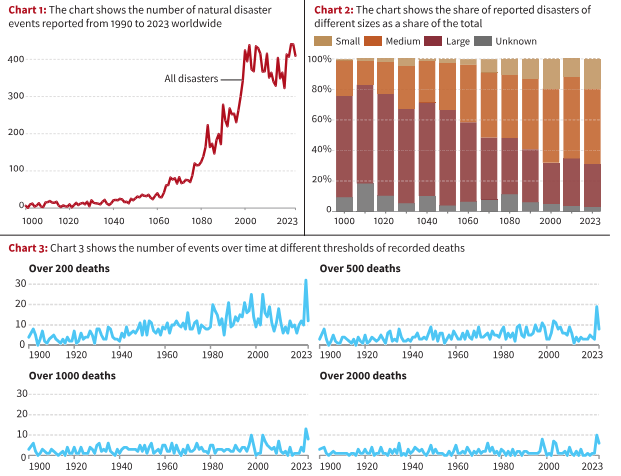
    The Food and Agriculture Organization (FAO) of the United Nations noted a rise in global disasters from roughly 100 yearly in the 1970s to about 400 in recent years, influenced partly by reporting biases.

    Recent Observations

    • Increase in Disaster Events: The number of disaster events reported worldwide has risen from 100 events per year in the 1970s to around 400 per year in the last 20 years. Patterns in disaster data reveal factors such as increased resilience, climate change, and improved humanitarian response.
    • Improved Reporting: Reporting of small events, particularly those with fewer than 200 deaths, has increased significantly since the 1980s and 1990s. Historical data mainly included major events due to limited interest and capacity for data collection in earlier periods.

    Missing Data and Limitations of Disaster Databases

    • Biases and Gaps in Historical Records: Earlier records predominantly captured major disasters, with smaller events often missing. Data coverage is particularly poor in low-income regions such as Sub-Saharan Africa and South Asia, where economic losses from disasters are frequently underreported.
    • Missing Economic Damage and Insured Losses: More than 40% of disasters between 1990 and 2020 lacked estimates of monetary damages. Insured damages were missing in 88% of disaster reports, and 96% needed records of reconstruction costs.
    • No coverage of Heat Events and Health Impacts: Reporting of heat events is concentrated in a few countries, suggesting underreporting in other regions. Indirect health effects of extreme temperatures, such as increased cardiovascular disease risk, are challenging to quantify and often underestimated.

    Need for Data (Way Forward) 

    • Improving Data Coverage: Enhanced data collection in low-income regions and better integration of smaller events into disaster databases are crucial.
    • Accurate Health Impact Quantification: Improved methods for estimating indirect health effects of extreme temperatures and other disaster-related conditions are needed. Utilising statistical methods to capture the broader health impacts of disasters can aid in better policy formulation.
    • Policy and Resilience Planning: Reliable and comprehensive disaster data are essential for effective policy-making and resilience planning. Data-driven insights and predictive analytics can help foresee the long-term impacts of disasters and guide regulatory measures to enhance disaster preparedness and response.

    Mains PYQ:

    Q Discuss the recent measures initiated in disaster management by the Government of India departing from the earlier reactive approach. (UPSC IAS/2020)

Join the Community

Join us across Social Media platforms.