💥UPSC 2027,2028 Mentorship (April Batch) + Access XFactor Notes & Microthemes PDF

Archives: News

  • Renewable Energy – Wind, Tidal, Geothermal, etc.

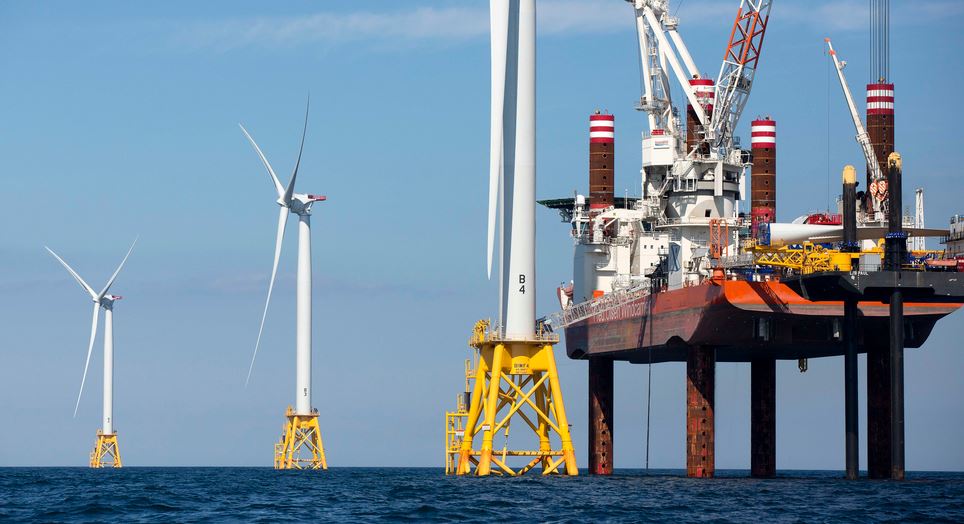
    [pib] Viability Gap Funding (VGF) Scheme for Offshore Wind Energy Projects


    Why in the News?

    • The Union Cabinet, chaired by the PM, approved the Viability Gap Funding (VGF) scheme for offshore wind energy projects.

    Note: Offshore wind energy projects refer to developing and operating wind farms located offshore, typically in coastal waters or oceans.

    Back2Basics: Viability Gap Funding (VGF) Scheme

    • The VGF scheme is a financial tool to support infrastructure projects that are economically justified but face financial viability challenges.
    • It was launched in 2004 to address the gap between economically viable infrastructure projects and their financial feasibility under traditional financing models.
      • Administration: Administered by the Ministry of Finance, Government of India, the scheme operates as a Plan Scheme with annual budget allocations.

    Features:

    1. Capital Subsidy: VGF provides a grant (capital subsidy) to infrastructure projects to make them financially attractive for private sector participation. This subsidy helps cover part of the cost that private investors would find economically unviable.
    2. Project Eligibility: Projects eligible for VGF are typically selected through competitive bidding processes. They must demonstrate economic justification but face challenges in attracting private investment solely on commercial terms.
    3. Disbursement Timing: The VGF grant is disbursed during the construction phase of the project. However, disbursement is conditional upon the private sector developer making the required equity contribution to the project.
    4. Budgetary Allocation: Funds for VGF are allocated from the government’s budget. Sometimes, contributions may also come from the statutory authority that owns the project asset.
    5. Limitations: Additional financial assistance beyond the VGF amount is capped at 20% of the total project cost. This additional support can be provided by the sponsoring Ministry, State Government, or the statutory entity involved.

    Benefits:

    • Encouraging Investment: By reducing the financial risks associated with infrastructure projects, VGF encourages private sector participation, leading to faster project implementation and improved service delivery.
    • Infrastructure Development: The scheme supports the development of critical infrastructure such as transportation (roads, railways, airports), energy (power generation, transmission), and public utilities.

    About VGF Scheme for Offshore Wind Energy Projects

      • The VGF scheme aligns with the National Offshore Wind Energy Policy (2015) to harness India’s offshore wind potential.
      • It aims to reduce power costs from offshore wind projects, making them viable for DISCOMs through government support.
      • It seeks installation and commissioning of 1 GW of offshore wind energy projects (500 MW each off the coast of Gujarat and Tamil Nadu).
    • Functionaries: 
      • Private Developers will execute projects via transparent bidding.
      • Power Grid Corporation of India Ltd (PGCIL) will build power evacuation infrastructure.
    • Total outlay: Rs. 7453 crore, including Rs. 6853 crore for installing and commissioning 1 GW of projects in Gujarat and Tamil Nadu.

    Advantages of Offshore Wind Energy:

    • Offshore wind offers higher reliability, lower storage requirements, and greater employment potential than onshore wind and solar.
    • The development will attract investments, build indigenous manufacturing capabilities, and foster technology advancements.

    Environmental and Economic implications:

    • 1 GW projects will generate 3.72 billion units annually, reducing CO2 emissions by 2.98 million tons per year for 25 years.
    • Expected to kickstart India’s offshore wind sector, supporting initial development of 37 GW capacity with an investment of Rs. 4,50,000 crore.
    • Creates an ecosystem for ocean-based economic activities, contributing to India’s energy transition goals.

    PYQ:

    [2018] With reference to solar power production in India, consider the following statements:

    1. India is the third largest in the world in the manufacture of silicon wafers used in photovoltaic units.
    2. The solar power tariffs are determined by the Solar Energy Corporation of India.

    Which of the statements given above is/are correct?

    (a) 1 only

    (b) 2 only

    (c) Both 1 and 2

    (d) Neither 1 nor 2

    [2016] Give an account of the current status and the targets to be achieved pertaining to renewable energy sources in the country. Discuss in brief the importance of National Programme on Light Emitting Diodes (LEDs).

  • Foreign Policy Watch: India-Myanmar

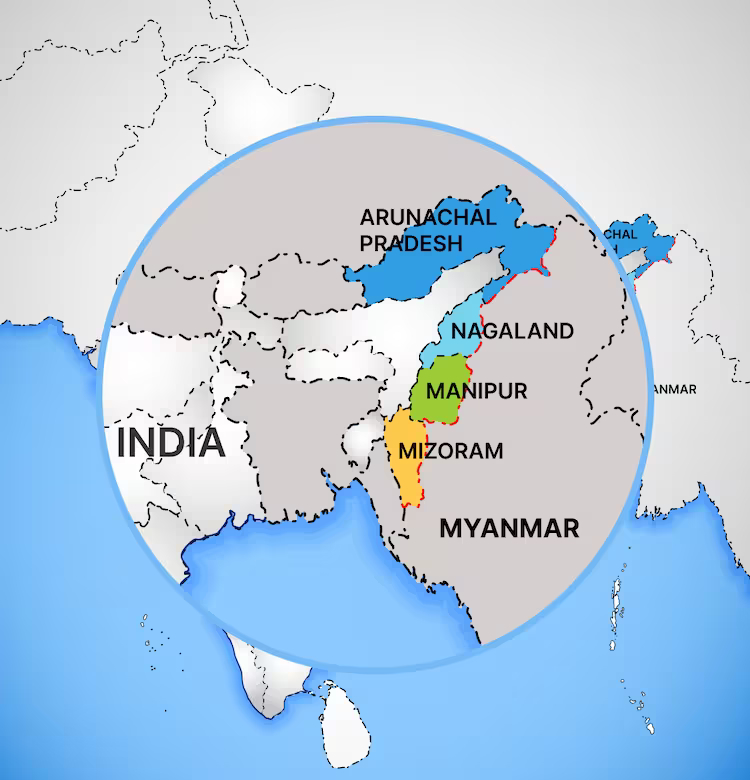
    A progressive Indian policy on Myanmar outlined

    Why in the news?

    Three years after the 2021 coup, Myanmar’s military continues to kill, maim, and displace its people. India maintains formal relations despite the violence.

    India-Myanmar Ties

    • Formal Relations with Junta: Despite the military coup in February 2021, India has maintained formal relations with the Myanmar junta.
    • Justification of Policy: Indian foreign policy scholars argue that engaging with the junta is necessary to protect India’s strategic interests in Myanmar.
    • Lack of Engagement with Pro-Democracy Forces: The Narendra Modi government has not actively engaged with Myanmar’s pro-democracy resistance.

    How India Can Step Out of China’s Shadow

    • Values vs. Interests: India’s Myanmar policy should integrate progressive values with strategic interests, leveraging democratic principles to better align national interests with regional influence because India’s foreign policy for East Asia is based on very narrow strategic interests.
    • Federal Democracy as a Model: India can leverage its credentials as the largest federal democracy to influence Myanmar’s democratic resistance, which aims to replace the military-drafted constitution with a federal one.
    • Capacity-Building and Knowledge Exchange: India can support Myanmar’s pro-democracy forces through programs that promote federal cooperation, distinguishing itself from China.

    Weapons Sales and Humanitarian Outreach

    • Halt Weapon Sales: India should stop selling weapons to the Myanmar military, as these are used against civilians. Reports indicate ongoing sales of military hardware and supplies by Indian state-owned manufacturers to the junta.
    • Humanitarian Corridors: India should open cross-border humanitarian corridors in regions affected by the conflict, such as Sagaing Region, Chin State, and northern Rakhine State.
    • Revoking Border Fencing Plans: The suspension of the Free Movement Regime along the India-Myanmar border should be lifted to facilitate humanitarian aid.
    • Collaboration with Aid Networks: India should work with local and international NGOs to deliver emergency aid, ensuring it is not controlled by the junta.

    Detention of Asylum Seekers

    • Halt Deportations: The Modi government should stop deporting asylum seekers from Myanmar. Over 115 asylum seekers have been deported from Manipur alone.
    • Adherence to International Principles: India should adhere to the principle of non-refoulement, which discourages deporting refugees back to a country where they face persecution or death.
    • Humane Treatment: Asylum seekers should be treated as refugees in need of humanitarian assistance rather than illegal immigrants. The government should release detained Chin refugees in Assam and provide humane shelter.

    Conclusion: India should actively support Myanmar’s pro-democracy forces by leveraging its federal democratic model and providing capacity-building and knowledge exchange programs.

    Mains PYQ:

    Q Cross-border movement of insurgents is only one of the several security challenges facing the policing of the border in North-East India. Examine the various challenges currently emanating across the India-Myanmar border. Also, discuss the steps to counter the challenges. (UPSC IAS/2019) 

  • Higher Education – RUSA, NIRF, HEFA, etc.

    The NEP debate: Why criticism of the policy is premature and off the mark?

    Why in the News?

    Opposition mainly comes from traditionalists who dislike markets, industrial experience, and internships. The NEP supports Ambedkar’s vision of education focused on employability for most Indians.

    About the National Education Policy (NEP)

    • The NEP was implemented in 2020, replacing the outdated NEP of 1986 after a delay of 34 years.
    • It aims to address the low employability of graduates by aligning education with the rapidly changing technological and industrial landscape.
    • It emphasizes a well-rounded education that includes in-depth knowledge, soft skills, technical skills, research capabilities, analytical and problem-solving abilities, and critical thinking.
    • The NEP shifts all programs towards outcome-based learning, with specified learning outcomes and corresponding assessments for each course.

    Why Criticism of the Policy is Premature and Off the Mark?

    • Early Stage of Implementation: Critics argue that it dilutes core content and burdens students and educators with bureaucratic requirements, but these criticisms are considered premature.
    • Continuous Task: Overhauling the vast education sector is a continuous task, and many concerns are over-emphasized.
    • University-Specific Issues: Much criticism centers around syllabus design and content, which is a university-specific issue and not a failure of the NEP.

    Provisions under NEP and Government Efforts

    • Credit-Based Courses: The NEP introduces credit-based courses, allowing for a flexible and multidisciplinary academic path.
    • Ability and Skill Enhancement Courses: These courses are designed to equip students with employability or entrepreneurial skills.
    • Recognition of Prior Learning (RPL): Students gaining industrial exposure related to their studies can earn credits through RPL, facilitating lifelong learning.
    • Revamped Curriculum and Syllabi: Emphasis on hands-on learning and continuous assessment through credited tutorials.
    • Internships and Practical Experiences: Integration of internships, apprenticeships, projects, and community outreach within degree programs.
    • Flexible Exit and Re-Entry: The NEP allows students to exit and re-enter programs, accommodating varied backgrounds and circumstances.

    Way Forward

    • Responsive Academia: Academia should be responsive to the requirements of the masses and markets, ensuring education is aligned with employability and industrial needs.
    • Continuous Feedback and Updates: Institutions should continuously update their programs based on feedback from stakeholders, following the example of successful adopters like Delhi University.
    • Long-Term Infrastructure Development: Realizing the full potential of the NEP requires long-term infrastructure development, which should be a sustained effort.

    Mains PYQ: 

    Q National Education Policy 2020 is in conformity with the Sustainable Development Goal-4 (2030). It intends to restructure and reorient the education system in India. Critically examine the statement. (UPSC IAS/2020) 

  • Foreign Policy Watch: India-Bangladesh

    India- Bangladesh Bilateral Relations   

    Why in the news? 

    Shortly after Hasina commenced her two-day state visit to India, External Affairs Minister S. Jaishankar convened with her to discuss several bilateral matters.

    Bangladesh’s Prime Minister Sheikh Hasina’s Visit to India

    Purpose of Visit: To boost bilateral ties between India and Bangladesh.

    • Sheikh Hasina will hold talks with Prime Minister Narendra Modi.Meetings with President Droupadi Murmu and Vice President Jagdeep Dhankhar.
    • Bilateral cooperation in security, trade, commerce, energy, connectivity, science and technology, defence, and maritime affairs. Potential agreements in various sectors to enhance cooperation.

    India-Bangladesh Relations and the Teesta Water Dispute

    Bilateral Relations: 

    • Strategic Importance: Bangladesh is a key partner under India’s “Neighbourhood First” policy.
    • Trade: Bangladesh is India’s largest trade partner in South Asia. India is the second biggest trade partner of Bangladesh in Asia.
    • Connectivity: The Maitri Setu bridge over river Feni in Tripura and the Chilahati-Haldibari rail link are notable projects.
    • Development Partnership: Bangladesh is India’s largest development partner with significant commitments under the Line of Credit.
    • Border Cooperation: Active cooperation on police matters, anti-corruption activities, combating illicit drug trafficking, fake currency, and human trafficking.

    Teesta Water Dispute:

    • Controversy: The sharing of Teesta River water has been a contentious issue between India and Bangladesh, affecting bilateral relations.
    • Current Status: Discussions and negotiations are ongoing to reach a mutually acceptable agreement.

    Way Forward

    • Enhanced Bilateral Cooperation: Continue to strengthen ties through regular high-level visits and dialogues.
    • Resolution of Teesta Dispute: Focus on finding a fair and sustainable solution to the Teesta water-sharing issue to improve relations.
    • Economic Integration: Expand trade and investment opportunities to boost economic ties.
    • Infrastructure Development: Further develop connectivity projects to enhance trade and people-to-people exchanges.
    • Security Cooperation: Strengthen cooperation on security issues, including counter-terrorism and border management.
    • Cultural and Educational Exchanges: Promote cultural and educational exchanges to build stronger people-to-people ties.

    Mains PYQ:

    Q Critically examine the compulsions which prompted India to play a decisive role in the emergence of Bangladesh.(UPSC IAS/2013)

  • Food Safety Standards – FSSAI, food fortification, etc.

    Possible risks of “Acute Poisoning” due to high Capsaicin Levels

    Why in the News?

    Food safety authorities in Denmark have recalled three types of South Korean spicy instant noodles due to potential risks of “acute Capsaicin poisoning.”

    What is Capsaicin?

    • Capsaicin, the chemical responsible for chili pepper spiciness, is primarily found in the white membrane (placenta) of some chili peppers.
    • Mechanism of Capsaicin:
      • Capsaicin binds to TRPV1 receptors in the human body, which detect heat and pain.
      • These receptors are tricked by capsaicin into reacting as if there is a rise in temperature, causing a painful, burning sensation.
      • The body’s response includes sweating, facial redness, runny nose, teary eyes, gut cramps, and diarrhoea as it attempts to cool down and expel the perceived heat.

    Evolutionary Benefits of Capsaicin

    • While birds avoid chilies, rodents consume them.
    • Birds lack TRPV1 receptors, unlike rodents act as seed dispersers, aiding in the germination of chili seeds.
    • Capsaicin serves an evolutionary purpose by deterring mammals from eating the seeds and protecting the plant from fungi and insects.
    • Producing capsaicin is resource-intensive, making spicy chilies more vulnerable to droughts.

    Human Affinity for Spicy Foods

    • Over 3,000 chili cultivars have been bred for varying color, taste, and pungency.
    • Some experts believe humans’ love for spicy foods stems from their antimicrobial benefits, which are particularly useful in hotter climates where food spoils faster.
    • Psychologists argue that eating spicy foods is similar to thrill-seeking activities, providing a simulated risk without actual danger.

    Potential Risks of Capsaicin

    • High concentrations of capsaicin can cause heartburn, gastrointestinal pain, and diarrhoea.
    • Long-term ingestion of high levels may lead to chronic gastrointestinal disorders.
    • Capsaicin poisoning is rare due to the large amount required for toxicity, with a person needing to consume around 2.5 liters of Tabasco sauce to overdose.
  • Forest Conservation Efforts – NFP, Western Ghats, etc.

    How long is Carbon is stored in plants?

    Why in the News?

    A recent study in the Science journal indicates that the storage of carbon in terrestrial vegetation is more short-lived and more vulnerable to climate change than previously estimated.

    Carbon Absorption and Storage in Plants

    • Current models may overestimate the time carbon remains stored in plants, meaning it returns to the atmosphere sooner than previously expected.
    • Experts emphasised that while plants and forests play a crucial role in drawing down carbon dioxide, their potential is limited.
    • The study calls for a rapid reduction in fossil fuel emissions to mitigate climate change impacts.

    Key Findings:  

    • Plants and soils absorb 30% of annual carbon dioxide emissions from human activities, mitigating climate change.
    • However, there are gaps in understanding the stability and mechanisms of this carbon storage.

    Use of Radiocarbon (Carbon-14) in Research

    • Researchers used Carbon-14, a radioactive isotope, to track carbon accumulation and turnover in the terrestrial biosphere.
    • Nuclear bomb testing in the 1950s and 1960s increased atmospheric C-14 levels, providing a unique opportunity to study carbon cycling.

    Study Results

    • By analysing C-14 accumulation in plants from 1963 to 1967, researchers compared these findings to current models.
    • The analysis showed that net primary productivity (the rate of new plant tissue creation) is likely at least 80 petagrams of carbon (PgC) per year, higher than the 43-76 PgC per year predicted by current models.
    • The C-14 accumulation in vegetation during 1963-67 was 69 ± 24 ×10²⁶, suggesting a more rapid carbon cycle between the atmosphere and biosphere than previously thought.

    Back2Basics: Carbon-14 and Carbon Dating

    • Carbon dating is a widely used method for determining the age of organic materials that were once living.
    • The method is based on the radioactive decay of Carbon-14 (C-14), an isotope of carbon with an atomic mass of 14.
    • It works by measuring the ratio of C-12 to C-14 in the atmosphere, as well as in plants and animals that acquire carbon through photosynthesis or food consumption.

    The Half-Life Concept

    • Carbon-14 has a half-life of 5,730 ± 40 years—i.e., half the amount of the radioisotope present at any given time will undergo spontaneous disintegration during the succeeding 5,730 years.
    • Because carbon-14 decays at this constant rate, an estimate of the date at which an organism died can be made by measuring the amount of its residual radiocarbon.

    Implications of the Study: Reforestation is inadequate

    • Today, reforestation is proposed to remove CO2 from the atmosphere, but trees do not return the CO2 to the geological layers from which the fossil fuels came.
    • This sink is transitory and this study shows us that its duration is even shorter than we thought.

    PYQ:

    [2012] Consider the following agricultural practices:

    1. Contour bunding
    2. Relay cropping
    3. Zero tillage

    In the context of global climate change, which of the above helps/help in carbon sequestration/storage in the soil?

    (a) 1 and 2 only
    (b) 3 only
    (c) 1, 2 and 3
    (d) None of them

  • Innovations in Biotechnology and Medical Sciences

    AMRSense Project

    Why in the News?

    • The AMRSense Project of the IIIT-Delhi has won the joint second prize in Trinity Challenge’s competition focused on combating Antimicrobial resistance (AMR).
      • The project shares the £600,000 joint second prize with ‘OASIS: OneHealth Antimicrobial Stewardship for Informal Health Systems,’ also from India.

    The Trinity Challenge

    • It is a global initiative aimed at fostering innovative solutions to major global health challenges, particularly focusing on pandemic and epidemic threats.
    • It operates as a charity organization.
      • Objective: The Trinity Challenge seeks to harness the power of data and analytics to address global health threats, including pandemics, epidemics, and antimicrobial resistance (AMR). It encourages collaboration across sectors to develop data-driven solutions that can protect populations worldwide.
      • Focus Areas: The initiative primarily focuses on:
    1. Enhancing global health security by improving early detection and response to disease outbreaks.
    2. Strengthening health systems and resilience against future health crises.
    3. Promoting innovations in public health, healthcare delivery, and data analytics to mitigate health risks.

    What is the AMRSense Project?

    • The AMRSense is aimed at addressing the critical issue of Antimicrobial Resistance (AMR) through a comprehensive and proactive approach.
    • The project focuses on empowering communities, particularly Community Health Workers (CHWs), with tools and strategies to enhance AMR surveillance and management.
    • It seeks to bridge the gap in data collection and evidence-based interventions at the community level in India.
    • Collaborators: The project involves collaboration with CHRI-PATH, 1mg.com, and the Indian Council of Medical Research (ICMR).

    Four Components of AMRSense:

    1. Community Engagement: AMRSense empowers CHWs with AI-assisted tools for accurate and simplified data collection related to AMR. This helps in improving the quality and reliability of AMR data gathered from local communities.
    2. Data Integration: The project integrates various sources of AMR-related data, including antibiotic sales, consumption patterns, and WHONet-compliant surveillance data. This integration is facilitated through open-source tools and APIs, aiming to create a unified AMR data ecosystem.
    3. Predictive Analytics: AMRSense employs federated analytics across the OneHealth ecosystem. This approach provides integrated insights into AMR trends, facilitating proactive decision-making and interventions to manage and mitigate AMR risks.
    4. AMRaura Scorecard: This tool is designed to monitor and evaluate AMR trends over time. It helps in assessing the effectiveness of interventions and guiding targeted strategies to combat AMR effectively.

    Impact and Future Prospects

    • AMRSense aims to fill gaps in CHW awareness, training, and motivation, enhancing community-level AMR data collection and management in India.
    • The project’s comprehensive approach seeks to foster proactive AMR surveillance and management practices.

    National Programme on AMR Containment

    • India has launched a “National Programme on AMR Containment” during the 12th five-year plan (2012-2017) which is being coordinated by the National Centre for Disease Control (NCDC).
    • The network of labs is being expanded in a phased manner and currently includes 35 state medical college labs in 26 States/UTs.


    PYQ:

    [2020] What is the importance of using Pneumococcal Conjugate Vaccines in India?

    1. These vaccines are effective against pneumonia as well as meningitis and sepsis.

    2. Dependence on antibiotics that are not effective against drug-resistant bacteria can be reduced.

    3. These vaccines have no side effects and cause no allergic reactions.

    Select the correct answer using the code given below:

    (a) 1 only

    (b) 1 and 2 only

    (c) 3 only

    (d) 1, 2 and 3

  • Climate Change Negotiations – UNFCCC, COP, Other Conventions and Protocols

    67th Global Environment Facility (GEF) Council meet

    Why in the News?

    • The 67th meeting of the Global Environment Facility (GEF) was recently held in Washington DC. It concluded with the approval of $736.4 million in funding for 34 nature protection and renewal projects.

    About Global Environment Facility (GEF) 

    Details
    Establishment
    • A pilot program in 1991 by the World Bank
    • Restructured after the 1992 Rio Earth Summit.
    Objective Grants and blended finance for environmental projects
    Funding
    • Over $1 billion annually; $22 billion grants to date
    • World Bank serves as the GEF Trustee
    Replenishment $5.33 billion pledged for 2022-2026
    Member Countries 184 countries
    Main Governing Bodies
    • Assembly: Composed of all 184 member countries, meets every 3-4 years at ministerial level. Reviews policies, and operations, and approves amendments.
    • Council: Main governing body with 32 members from member countries (14 developed, 16 developing, 2 economies in transition). Meets biannually to develop policies, approve projects, and evaluate operations.
      • India, Bhutan, Maldives, Sri Lanka, Nepal, and Bangladesh have together formed a Permanent Constituency in the Executive Council of the GEF.
    • Secretariat: Based in Washington, D.C., reports to Council and Assembly, oversees project implementation and policy adherence.
    • STAP (Scientific and Technical Advisory Panel): Provides scientific advice on policies, strategies, and projects, consisting of six internationally recognized experts.
    • GEF IEO (Independent Evaluation Office): Reports to the Council, evaluates GEF’s impact and effectiveness, and shares best practices and lessons learned.
    Operational Agencies 18 agencies including UNDP, UNEP, World Bank
    Financial Mechanism for
    • Convention on Biological Diversity (CBD) (1994)
    • United Nations Framework Convention on Climate Change (UNFCCC) (1991)
    • United Nations Convention to Combat Desertification (UNCCD) (1994)
    • Stockholm Convention on Persistent Organic Pollutants (2001)
    • Minamata Convention on Mercury (2013)
    • Montreal Protocol on Substances that Deplete the Ozone Layer (1987)
    Focus Areas Biodiversity, Climate Change (Mitigation & Adaptation), Chemicals & Waste, International Waters, Land Degradation, Sustainable Forest Management
    Additional Initiatives Circular Economy, Capacity Development, Debt-for-Nature Swaps, Gender Equality, Indigenous Peoples

    Outcomes of the 67th GEF Council Meeting

    [1] Funding Approval:

    • A total of $736.4 million was approved for 34 projects worldwide.
    • These projects span various environmental sectors and include initiatives under the GEF Trust Fund, Global Biodiversity Framework Fund (GBFF), Least Developed Countries Fund (LDCF), and a Multi-Trust Fund project.

    [2] GBFF Initiatives:

    • The GBFF approved its first work programme, allocating $37.8 million specifically for enhancing protected area management in Brazil and Mexico.
    • This initiative aims to support sustainable practices across more than 30 million hectares of protected areas, with a focus on indigenous-led conservation efforts.

    [3] GEF Trust Fund Projects:

    Several projects were funded under the GEF Trust Fund, including:

    1. Sustainable Cities Integrated Program.
    2. Initiatives targeting chemical and waste pollution in Bolivia’s cement, textile, brick, and glass sectors, as well as Brazil’s cement industry.

    [4] Projects in India:

    India secured funding for two significant projects:

    1. Enhancing biodiversity conservation to meet global targets, focusing on expanding protected areas and community-led conservation practices with a funding of $6.7 million.
    2. Conservation and sustainable management of wetlands, forests, and grasslands along the Central Asian Flyway, receiving $10.7 million.

    [5] Global Impact and Targets:

    • Several projects aligned with the Global Biodiversity Framework’s 30X30 target (conservation of 30% of Earth’s land and sea by 2030), including initiatives in Argentina, Central Asia, and Namibia.
    • These projects aim to reduce ecosystem degradation, combat biodiversity loss, and strengthen protected area management.

    [6] Future Plans (GEF-9):

    • The Council discussed plans for the ninth replenishment funding cycle (GEF-9) from 2026 to 2030.
    • This period aligns with global environmental goals and targets set under international agreements like the Biodiversity Plan.

    PYQ:

    [2014] With reference to ‘Global Environment Facility’, which of the following statements is/are correct?

    (a) It serves as financial mechanism for ‘Convention on Biological Diversity’ and ‘United Nations Framework Convention on Climate Change’.

    (b) It undertakes scientific research on environmental issues at global level.

    (c) It is an agency under OECD to facilitate the transfer of technology and funds to underdeveloped countries with specific aim to protect their environment.

    (d) Both (a) and (b).

  • Liquor Policy of States

    How Dangerous is Methanol Poisoning?      

    Why in the news?

    At least 38 people have died after consuming spurious liquor in Tamil Nadu’s Kallakurichi district.

    Key Points Related to the Kallakurichi District Incident in Tamil Nadu

    • Incident Overview: As of 9:30 p.m. on June 20, at least 38 people died after consuming spurious liquor in Kallakurichi district and 82 others were receiving treatment in hospitals. The tragedy follows a similar incident a year ago in Chengalpattu and Villupuram districts, which resulted in over 20 deaths.
    • Government Response: Chief Minister M.K. Stalin transferred the Collector and suspended the district superintendent of police. The State deployed 2,000 police personnel around the district. A one-man commission headed by former High Court judge B. Gokuldas was constituted to inquire into the tragedy.

    How is Spurious Liquor Made and Why Does it Have Deadly Effects?

    • Composition: Spurious liquor often contains methanol in addition to ethanol. Methanol is sometimes added to increase the intoxicating effect and/or bulk volume of the homemade liquor.
    • Methanol’s Deadly Effects: Methanol is metabolized in the liver to formaldehyde by alcohol dehydrogenase (ADH) enzymes. Formaldehyde is further metabolized to formic acid by aldehyde dehydrogenase (ALDH) enzymes. The accumulation of formic acid leads to metabolic acidosis and acidaemia, damaging various organs and leading to potential death.

    Why is Methanol added to Liquor and How is it Processed by the Body if Ingested?

    • Reasons for Adding Methanol: To enhance the ‘kick’ or intoxicating effects of the liquor and increase the volume of the liquor cheaply.
    • Processing in the Body: ADH enzymes convert methanol to formaldehyde.ALDH enzymes then convert formaldehyde to formic acid. The build-up of formic acid causes metabolic acidosis, optic neuropathy, cerebral oedema, hemorrhage, and potential death.

    Is Treatment Effective?

    • Timeliness is Crucial: Early intervention is essential for effective treatment of methanol poisoning. Prompt administration of antidotes and supportive therapies significantly improves the chances of recovery and reduces the risk of severe complications such as blindness or death.
    • Available Antidotes: Ethanol and Fomepizole are effective antidotes that inhibit the metabolism of methanol to toxic compounds. Ethanol competes with methanol for ADH enzymes, while fomepizole directly inhibits these enzymes, preventing the formation of harmful formaldehyde and formic acid.
    • Supportive Therapies: Hemodialysis can effectively remove methanol and its toxic metabolites from the bloodstream, while folinic acid helps break down formic acid. These treatments, when combined with antidotes, can mitigate the damage to vital organs and improve patient outcomes.

    Way forward:

    • Strict Regulation and Monitoring: Enhance regulatory oversight of liquor production and distribution to ensure all alcoholic beverages meet safety standards. Regular inspections and stringent enforcement of licensing laws can prevent the production and sale of illicit alcohol.
    • Public Awareness and Education: Conduct widespread public education campaigns to inform the community about the dangers of consuming spurious liquor. Awareness programs can help people recognize the signs of adulterated alcohol and understand the severe health risks associated with its consumption.

    Mains PYQ:

    Q Effectiveness of the government system at various levels and people’s participation in the governance system are interdependent.” Discuss their relationship with each other in the context of India. (UPSC IAS/2016)

  • Russian Invasion of Ukraine: Global Implications

    Why the Russia-North Korea pact is a big deal? 

    Why in the news?

    Russia’s President Vladimir Putin concluded his recent visit to Pyongyang with a significant agreement: both Russia and North Korea pledged to provide swift military aid in the event of armed aggression against either nation.

    Historical Context

    • Post-World War II Context: The Soviet Union aimed to establish a communist regime in Korea.USSR provided Significant military aid provided to North Korea’s founder, Kim Il Sung, during the Korean War. Post-war support from the USSR and China included substantial military and other aid to North Korea.
    • 1961 Russo-North Korea Treaty: The Treaty of Friendship, Cooperation, and Mutual Assistance included a mutual defence agreement.
    • Post-Soviet Union Period: Relations deteriorated after the Soviet Union dissolved in 1991, voiding the treaty.
    • Early 2000s Reconnection: Under Putin, Russia moved closer to North Korea despite not supporting its nuclear ambitions initially. Supported sanctions against North Korea aimed at curbing nuclear capabilities.
    • Post-2022 Dynamics: After Russia’s invasion of Ukraine, Russia faced international isolation. Russia and North Korea solidified their alliance against the Western liberal order.

    What the Pact Says

    • Scope of Cooperation: Cooperation on a wide range of issues, including mutual military support and unspecified technological assistance.
    • Mutual Defense Provision: Under Article 4 of the Pact in case of armed invasion, the other side shall provide military and other assistance without delay, following Article 51 of the UN Charter and respective national laws.
    • Technological Assistance: Crucial for North Korea, which currently has nuclear weapons but lacks advanced missile guidance systems and other technologies for long-range nuclear weapons.

    Strategic Implications 

    • Direct Threat to South Korea and Japan: Both countries perceive the pact as a security threat due to North Korea’s nuclear capabilities and the added Russian security umbrella.
    • Potential Arms Race: Japan is revisiting its pacifist stance and enhancing military capabilities, while South Korea is considering new defence strategies, potentially including arms exports.
    • Strengthening of US Alliances: South Korea and Japan are likely to deepen their alliances with the United States in response to heightened regional security concerns.
    • NATO and Global Security: The pact raises alarms among NATO allies and other global stakeholders, prompting reassessments of security strategies and commitments.
    • Nuclear Proliferation Concerns: Increased collaboration between Russia and North Korea could lead to advancements in North Korea’s nuclear and missile capabilities, impacting global non-proliferation efforts.
    • Global Strategic Repercussions: The pact sets a precedent for authoritarian regimes aligning against Western liberal orders, influencing geopolitical strategies and alliances beyond Asia.

    Way forward: 

    • Enhanced Diplomatic Engagement and Dialogue: Engage in robust diplomatic efforts to mitigate tensions and enhance transparency regarding the intentions behind the Russia-North Korea pact. Encourage multilateral dialogues involving key stakeholders such as the United States, South Korea, Japan, and other concerned parties to foster mutual understanding and reduce the likelihood of miscalculation.
    • Reinforcement of Regional Security Mechanisms: Strengthen existing regional security mechanisms, particularly alliances with the United States underpinned by treaties such as the Mutual Defense Treaty with Japan and the mutual defence commitments with South Korea.

    Mains PYQ:

    Q What is the significance of Indo-US defence deals over Indo-Russian defence deals? Discuss with reference to stability in the Indo-Pacific region. (UPSC IAS/2020)

Join the Community

Join us across Social Media platforms.