💥UPSC 2027,2028 Mentorship (April Batch) + Access XFactor Notes & Microthemes PDF

Archives: News

  • Health Sector – UHC, National Health Policy, Family Planning, Health Insurance, etc.

    Still no sign of the language of equity and inclusion

    Why in the news?

    The ECI’s election announcement lacked sign language interpreters, highlighting the everyday exclusion of Deaf and Hard of Hearing (DHH) citizens.

    Present Issue:

    • India’s societal and structural framework often neglects the needs of Deaf and Hard of Hearing (DHH) citizens.
    • This exclusion is evident in various aspects of daily life, such as the absence of sign language interpreters during major public announcements and inadequate accessibility in public services.

    Sign Language versus Oralism

    • The Indian education system predominantly employs “oralism,” which emphasizes teaching deaf individuals to use their voices and lip-read, rather than using sign language.
    • This approach has been criticized for perpetuating social isolation and failing to remove barriers that hinder the integration of DHH individuals.
    • In contrast, using sign language has been shown to aid cognitive development and prevent linguistic deprivation.
    • Over 70 countries recognize their national sign languages legally, promoting accessibility and inclusion for deaf citizens.

    Present Scenario:

    • As per WHO estimates in India, there are approximately 63 million people, who are suffering from Significant Auditory Impairment; this places the estimated prevalence at 6.3% in the Indian population.
    • As per the NSSO survey, currently, 291 persons per one lakh population are suffering from severe to profound hearing loss (NSSO, 2001).
    • Of these, a large percentage are children between the ages of 0 to 14 years.

    What Does the 2011 Census Say?

    • The 2011 Census reported five million hearing-impaired individuals in India, while the National Association of the Deaf estimates 18 million.
    • Despite these large numbers, DHH individuals are often excluded from educational and employment opportunities. Only 5% of deaf children attend school, and they face prolonged graduation timelines due to oralist-focused curricula.
    • Government initiatives for employing the deaf are often ineffective, and there is a lack of ISL recognition, despite repeated demands and protests.

    The National Programme for Prevention and Control of Deafness

      • The program was initiated in the year 2007 in pilot mode in 25 districts of 11 States/UTs. It has been expanded to other districts too after the 12th five-year plan.
      • The Program was a 100% Centrally SponsoredScheme during the 11th Five-year plan. However, as per the 12th Five Year Plan, the Centre and the States will have to pool in resources financial norms of NHRM.
      • However, it falls short of addressing the quality of life for DHH individuals. This program has been expanded to 228 districts of 27 States / U.Ts in a phased manner.

    Objectives of the program:

    • To prevent avoidable hearing loss on account of disease or injury.
    • Early identification, diagnosis, and treatment of ear problems responsible for hearing loss and deafness.
    • To medically rehabilitate persons of all age groups, suffering from deafness.
    • To develop institutional capacity for ear care services by providing support for equipment and material and training personnel.

    Components of the Programme: 

    • Manpower Training & Development to grassroots level workers.
    • Service Provision Including Rehabilitation – Screening camps for early detection of hearing impairment and deafness.
    • Awareness Generation for early identification of the hearing impaired.
    • Monitoring and Evaluation.

    What Needs to be done?

    • Official Recognition of ISL: ISL should be recognized as an official language, and its use should be integrated into educational systems and public services. Teaching ISL in schools, colleges, and to the general public will promote inclusivity and fluency.
    • Inclusive Health Care: Health care systems need to be updated to ensure accessible communication for DHH patients. This includes training more ISL interpreters and reducing barriers for DHH individuals pursuing healthcare professions.
    • Media and Public Communication: Media channels should incorporate ISL interpretation and subtitles, especially in Hindi and regional languages. Government event announcements should have live ISL interpreters to ensure accessibility.
    • Employment Opportunities: Creating more employment opportunities for DHH individuals, beyond low-skilled jobs, is essential. This includes training and employing DHH individuals as ISL instructors and ensuring accessible workplaces.

    Conclusion: To ensure inclusivity for DHH citizens, India must officially recognise ISL, integrate it into education and public services, improve healthcare accessibility, and expand employment opportunities and mental health support.

    Mains PYQ:

    How have digital initiatives in India contributed to the functioning of the education system in the country? Elaborate your answer. (UPSC IAS/2020)

  • Agricultural Sector and Marketing Reforms – eNAM, Model APMC Act, Eco Survey Reco, etc.

    Explained: The challenges in curbing cultivation of a banned rice variety in Punjab

    Why in the News?

    Punjab’s paddy farmers have begun sowing seeds for this year’s kharif season, despite the ban on variety PUSA-44 that was implemented last year.

    About the Cultivation of Paddy Varieties like PUSA-44:

    • Pusa-44 is a long-duration paddy variety bred by the Indian Agricultural Research Institute (IARI) and has been a key contributor to stubble burning.
    • Its growth cycle of 155-160 days, from nursery sowing to harvesting, leads to late October maturity, leaving a short window for field preparation for the next crop.

    The Impact on Groundwater in Punjab as per “CGWA’s Groundwater Estimation Report 2020″

    • Severe over-extraction: 119 out of 138 blocks are over-exploited.Central and southern parts of Punjab (Patiala, Sangrur, Barnala, Mansa, Bathinda, Moga, Ludhiana, and Jalandhar) are most affected.
    • Water Table Depth: The average groundwater depth has crossed 70 meters (200 feet). In some southern areas, groundwater is unavailable even at 150-200 meters (450-600 feet).
    • Groundwater depletion vs. Demand: Punjab over-extracts 14 billion cubic meters (BCM) annually. Annual recharge is 20 BCM, but usage is 34 BCM.
    • Future Projections: Groundwater could drop below 300 meters in 18-20 years, making water highly contaminated and extraction costly. If the trend continues, Punjab may run out of groundwater for irrigation.

    Why are Farmers in several districts unwilling to stop their Cultivation?

    • Higher Income: Farmers receive a higher yield and guaranteed Minimum Support Price (MSP), leading to increased incomes.
    • Seed Availability: Farmers retain seeds from previous seasons, and many stores have already sold seeds to farmers.
    • Resistance to Change: Despite awareness of the adverse effects, many farmers continue to cultivate PUSA-44. Significant cultivation areas in districts like Barnala, Sangrur, and Moga rely heavily on PUSA-44, making immediate change difficult.
    • Time Required for Transition: Changing entrenched agricultural practices and mindsets in heavily reliant districts cannot be achieved quickly.

    Judicial Stand on the Cultivation of Paddy Varieties like PUSA-44:

    • The Supreme Court has emphasized the need to cease stubble burning in states like Punjab, Haryana, Uttar Pradesh, and Rajasthan, the discussion surrounding Pusa-2090 rice variety from its ability to provide an alternative to the problematic long-duration Pusa-44 variety.
      • Pusa-2090 rice matures in a shorter duration of 120-125 days while maintaining comparable yields, addressing the core issue of stubble burning.
    • Happy Seeder (Tractor) is also a solution that offers an eco-friendly alternative to stubble burning.

    Way Forward:

    • Public Awareness and Guidance: Educate farmers on the benefits of short-duration varieties, which are more water-efficient and better for stubble management.
    • Supportive Policies: Government and agricultural experts need to provide support and incentives for transitioning to sustainable paddy varieties.
    • Gradual Implementation: Acknowledge the need for time and a phased approach to change farming practices in heavily reliant districts.

    Mains PYQ:

    Q The ideal solution of depleting groundwater resources in India is a water harvesting system.” How can it be made effective in urban areas? (15) (UPSC IAS/2018)

  • Disasters and Disaster Management – Sendai Framework, Floods, Cyclones, etc.

    What are fire safety rules, and why are there compliance challenges? | Explained 

    Why in the News?

    Recent fire tragedies at a Rajkot gaming zone and a Delhi children’s hospital that killed 40 people highlight the urgent need for stricter fire safety enforcement.

    According to the latest Accidental Deaths and Suicides in India (ADSI) report

    • It was released by the “National Crimes Records Bureau (NCRB)”
    • In 2022, 7,435 people died in over 7,500 fire accidents. This data shows that heavy casualties from fire accidents persist, with no lessons learned from the 1997 Uphaar Cinema tragedy or the 2004 Kumbakonam fire that killed 90 schoolchildren.

    What are the various laws and guidelines which stipulate rules around fire safety in buildings? 

    • National Building Code (NBC): Published by the Bureau of Indian Standards (BIS) in 1970, last updated in 2016.
      • Part 4 of NBC is about the details of fire safety measures, including construction guidelines, materials, and safety protocols. They are mandatory for states to incorporate NBC recommendations into local buildings.
    • Model Building Bye Laws 2016: It is issued by the Ministry of Housing and Urban Affairs. It guides States/UTs in framing building bylaws with norms for fire protection and safety.
    • State Fire Services Act: Fire services are a state subject, and individual states have their own Fire Services Acts or building bylaws.
    • National Disaster Management Authority (NDMA) Guidelines: Provide fire safety instructions for homes, schools, and hospitals. Include recommendations on maintaining safety spaces, exit mechanisms, dedicated staircases, and evacuation drills.

    Key Points from Fire Safety Regulations by Government:

    • Building Classification: Buildings are classified based on occupancy (e.g., Residential, Institutional, Assembly). Specific measures for high-rise buildings, educational institutes, hotels, etc.
    • Construction Material: Use of non-combustible materials. Internal walls of staircases should have a minimum 120-minute fire rating.
    • Electrical Safety: Flame retardant wiring and cabling. Separate shafts for different voltage wiring, sealed with fire-stop materials.
    • Emergency Power and Signage: Provision of emergency lighting, fire alarm systems, and public address systems. Clear exit signage and escape lighting.
    • Technological Measures: Automatic fire detection and alarm systems.Down-comer pipelines, dry riser pipelines, automatic sprinklers, fire barriers, and fireman’s lifts.

    Challenges in Fire Safety Compliance

    • Lack of Uniform Legislation: Fire safety rules exist in all States, with many drawing from the NBC. However, due to the absence of uniform safety legislation and the NBC being a “recommendatory document,“ its provisions are frequently ignored at the local level.
    • Inadequate Fire Safety Audits: Local bodies fail to conduct regular fire safety checks, leading to non-compliance.
    • Staff Shortages: Insufficient staffing in fire departments exacerbates enforcement issues.
    • Community Awareness and Preparedness: Need for better community awareness and training on fire safety protocols and emergency response.

    Judicial responses to negligence over Public Safety

    • Apex Court: The Judiciary has frequently pulled up state authorities for failure to enforce fire safety regulations. It highlighted the laxity in compliance and the need for stringent enforcement.
    • Legal Actions: Cases like the Rajkot gaming zone fire reveal the consequences of not adhering to fire safety norms. Courts have mandated regular fire safety audits and strict adherence to NBC guidelines.
    • The National Institute of Disaster Management (NIDM) emphasized the need for building community resilience and compliance with safety norms.
    • The report on “Fires in India: Learning Lessons for Urban Safety” underscored the failure of authorities to learn from past tragedies and enforce fire safety measures.

    Way forward:

    • Building some National Standards: The National Building Code (NBC) needs to be converted from a recommendatory document to a mandatory standard across all states.
    • Regular Inspections: Mandate regular and frequent fire safety audits by local authorities.
    • Transparent Assessment: Allow third-party certified agencies to conduct independent fire safety audits to ensure unbiased assessments.

    Mains PYQ:

    Q Discuss the recent measures initiated in disaster management by the Government of India departing from the earlier reactive approach. (UPSC IAS/2020)

  • Innovations in Sciences, IT, Computers, Robotics and Nanotechnology

    Genetic Mysteries of Microcephaly: The Role of SASS6 Gene

    Why in the News?

    A gene called SASS6 (Spindle Assembly Abnormal Protein 6) and its variants have been found to play a key role in a developmental process that causes “Microcephaly”.

    What is Microcephaly?

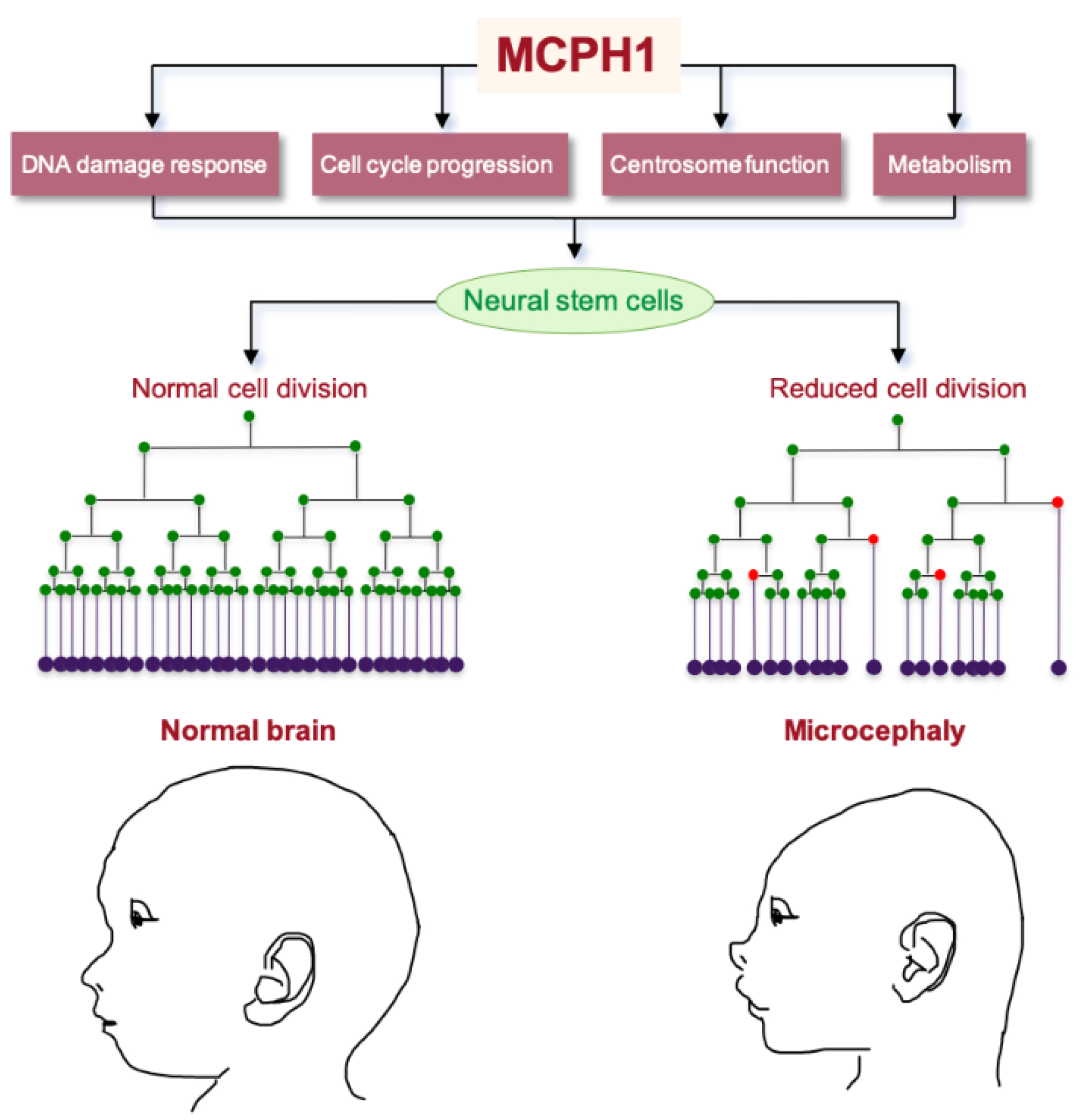
    • Microcephaly is a condition where a baby’s head is much smaller than normal.
    • It is associated with a smaller brain, poor motor skills, poor speech, abnormal facial features, and intellectual disabilities.
    • Developmental Roots:
      • The condition is believed to start during the peak phase of brain development in the embryo. Cells that are supposed to become neurons fail to divide normally.
    • Diagnosis:
      • Microcephaly can be diagnosed before birth using foetal ultrasound and MRI.

    Role of SASS6 gene 

    • Since 2014, the SASS6 gene and its variants have been linked to microcephaly.

    A recent study in China:(On March 19, 2024)

    • The study of a consanguine couple revealed microcephaly and fetal growth issues. Confirming the SASS6 gene’s role in microcephaly, findings suggest embryo survival requires at least one functional gene copy.

    The University of Cologne Study (February 2024):

    • Researchers removed all functional SASS6 genes from mouse embryo-derived cells.
    • Even without the genes, cells could make abnormal but passable centrioles (structures needed for cell division).
    • When these cells were prompted to become neurons, the centrioles disappeared, preventing the cells from becoming neurons.

    Consanguinity and Genetic Risk of Microcephaly

    • Expert Insight:
      • Researchers explained that over 70% of congenital microcephaly cases come from consanguineous marriages.
      • Such marriages increase the risk of inheriting mutated genes from both parents.
    • Genetic Causes:
      • Mutations in 30 genes cause microcephaly.
      • 10 of these genes create proteins needed for centrioles, which are crucial for cell division.

    Ile62Thr Mutation

    • 2004 Discovery: The SASS6 gene was discovered in the roundworm C. elegans, showing its conserved function across animals.
    • Gene Suppression in C. elegans:
      • Suppressing the SASS6 gene halted new centriole assembly, stopping development.
    • 2014 Study on a Pakistani Family: Researchers found four family members with microcephaly due to the Ile62Thr mutation in the SASS6 gene.
    • The Ile62Thr mutation was introduced into the C. elegans SASS6 gene.
    • The mutation alone did not significantly impair centriole function but became deadly when combined with another mutation.
    • In humans, this mutation causes microcephaly due to its impact on centriole function.


    PYQ:

    [2016]  In the context of the developments in Bioinformatics, the term ‘transcriptome’, sometimes seen in the news, refers to-

    (a) a range of enzymes used in genome editing

    (b) the full range of mRNA molecules expressed by an organism

    (c) the description of the mechanism of gene expression

    (d) a mechanism of genetic mutations taking place in cells

  • International Space Agencies – Missions and Discoveries

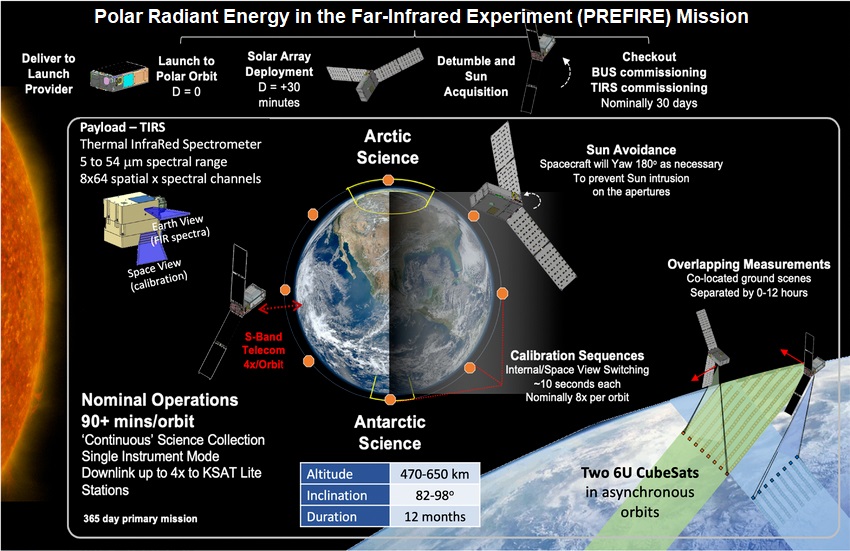
    NASA’s PREFIRE Mission to study Earth’s Polar Regions

    Why in the News?

    NASA launched the PREFIRE mission”, deploying twin CubeSats to study heat emissions in the Arctic and Antarctic regions, aiming to enhance climate research.

    What are CubeSats?

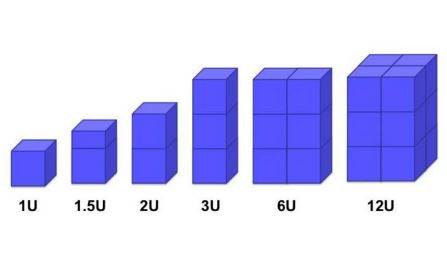
    • CubeSats are essentially miniature satellites whose basic design is a 10 cm x 10 cm x 10 cm (which makes up for “one unit” or “1U”) cube — just a little bigger than a Rubik’s cube.
    • weight not more than 1.33 kg.

    • These satellites were first developed in 1999 by California Polytechnic State University at San Luis Obispo (Cal Poly) and Stanford University as educational tools
    • However, owing to their low cost and less mass in comparison to traditional satellites, they began to be put in orbit for technology demonstrations, scientific research, and commercial purposes.

    About PREFIRE Mission

    • Jointly developed by NASA and the University of Wisconsin-Madison. 
    • It aims to investigate and comprehend the intricate dynamics of heat emissions from Earth’s Polar Regions, specifically focusing on the Arctic and Antarctica.

    Components:

    • CubeSats: PREFIRE employs shoebox-sized CubeSats, each measuring around 6U (6 units), equipped with advanced instrumentation to facilitate data collection.
      • They measure around 90 cm in height and nearly 120 cm in width when the solar panels, which will power the satellite, are deployed.
      • The two satellites will be placed in a near-polar orbit (a type of low Earth orbit) at an altitude of about 525 kilometres.
    • Thermal Infrared Spectrometers (TIRS): Each CubeSat is outfitted with a Thermal Infrared Spectrometer, meticulously engineered to measure far-infrared radiation emitted by the Polar Regions.

    Mission Objectives:

    1. Investigate heat radiated from Earth’s Polar Regions into space and its impact on climate.
    2. Employ thermal infrared spectrometers to measure far-infrared energy emitted by Earth’s surface and atmosphere.
    3. Improve understanding of the greenhouse effect at the poles and its implications for climate change.
    4. Enhance climate and ice models to predict changes in sea level, weather, snow, and ice cover in a warming world.

    Why study heat budget of the Poles?

    • A large amount of the heat radiated from the Arctic and Antarctica is emitted as far-infrared radiation wavelengths of 3 μm to 1,000 μm within the infrared range of electromagnetic radiation.
    • However, there is currently no way to measure this type of energy.
    • As a result, there is a gap in knowledge about the planet’s energy budget.

    Significance of PREFIRE

    • PREFIRE’s observations will enhance predictions of climate and environmental changes, aiding in mitigating the effects of global warming.
    • Data collected will contribute to updating climate models and improving understanding of Earth’s atmospheric dynamics.

    PYQ:

    [2017] What is the purpose of ‘evolved Laser Interferometer Space Antenna (eLISA)’ project?

    (a) To detect neutrinos

    (b) To detect gravitational waves

    (c) To detect the effectiveness of missile defence system

    (d) To study the effect of solar flares on our communication systems

  • Foreign Policy Watch: India-Pacific Island Nations

    Forum for India–Pacific Islands Cooperation (FIPIC)

    Why in the News?

    • India as a member of FIPIC, has pledged $1 million for relief efforts in flood-hit “Papua New Guinea” showcasing solidarity with the affected nation.

    What is the Forum for India–Pacific Islands Cooperation (FIPIC)?

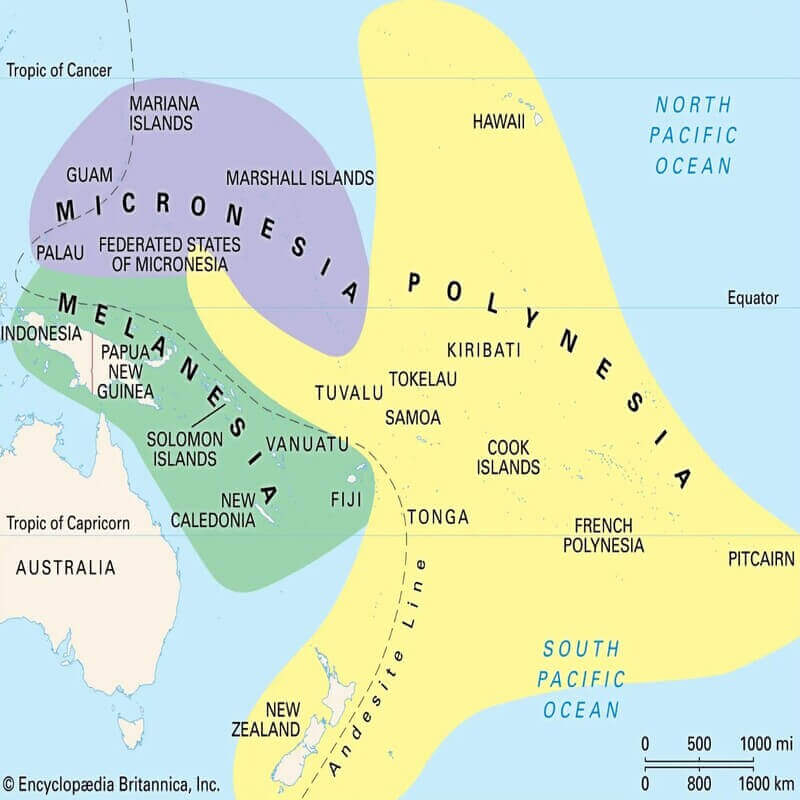
    • The Forum for India-Pacific Islands Cooperation (FIPIC) is a multilateral platform established by India to enhance cooperation with the Pacific Island countries.
    • FIPIC was established by India in 2014 during the first FIPIC Summit held in Suva, Fiji.
    • The initiative was announced by PM Narendra Modi as part of India’s broader “Act East” policy to strengthen engagement with the Pacific Island countries.

    Overview

    • Purpose: To enhance India’s engagement with Pacific Island nations and support their development priorities through cooperative projects and initiatives.
    • Members: Includes India and 14 Pacific Islands nations (Cook Islands, Fiji, Kiribati, Marshall Islands, Federated States of Micronesia, Nauru, Niue, Samoa, Solomon Islands, Palau, Papua New Guinea, Tonga, Tuvalu, and Vanuatu).

    Summits

    1. First Summit – Suva, Fiji (November 2014)
      • Context: Initiated by Indian Prime Minister Narendra Modi following the re-establishment of democracy in Fiji.
      • Significance: The summit highlighted the geopolitical interest of major powers in the Pacific, with Chinese leader Xi Jinping visiting Fiji shortly after Modi.
    2. Second Summit – Jaipur, India (August 2015)
      • Follow-up: As a continuation of the first summit, Modi invited the leaders of the 14 Pacific Islands to Jaipur.
      • Discussions: Covered cooperation in areas such as the blue economy, oil and natural gas, IT, healthcare, fishing, and marine research. Modi also assured to address their climate change concerns at the 2015 UN Climate Change Conference (COP 21) in Paris.
    3. Third Summit – Papua New Guinea (May 2023)
      • Current Status: Most recent summit, emphasizing ongoing cooperation and collaboration between India and the Pacific Island nations.

    Back2Basics: India’s Act East Policy

    Details
    Launched in November 2014, by PM Modi
    Objective
    • To promote economic cooperation, cultural ties, and develop a strategic relationship with countries in the Indo-Pacific region;
    • Enhancing India’s influence and economic development, especially in the North Eastern Region (NER).
    Scope
    • Extends beyond ASEAN to include East Asian countries.
    • Intensive and continuous engagement in connectivity, trade, culture, defense, and people-to-people contact at bilateral, regional, and multilateral levels.
    Key Dimensions (4C’s)
    1. Culture
    2. Commerce
    3. Connectivity
    4. Capacity building
    Security Focus
    • Enhanced security cooperation, particularly in the context of Chinese assertiveness in the South China Sea and Indian Ocean.
    • Promoting freedom of navigation and securing India’s role in the region.
    Historical Context (Look East Policy)
    • Look East Policy initiated in 1992 by Prime Minister P.V. Narasimha Rao.
    • Focused on strengthening economic integration and cultural ties primarily with ASEAN countries.
    • Aimed to bolster India’s role as a regional power and counter China’s strategic influence.
    Evolution from Look East Policy Act East Policy is an upgrade and expansion of the Look East Policy, incorporating more comprehensive engagement strategies, including security cooperation and broader geographical focus.
    Significant Engagements
    • India’s active participation in regional forums like the East Asia Summit (EAS), ASEAN Regional Forum (ARF), and informal groupings such as the Quad.
    • Strategic partnerships and dialogues at various international platforms.
    Major Projects Major projects under the policy include:


    PYQ:

    [2016] Evaluate the economic and strategic dimensions of India’s Look East Policy in the context of the post-Cold War international scenario. 

    [2011] With reference to “Look East Policy” of India, consider the following statements:

    1. India wants to establish itself as an important regional player in East Asian affairs.
    2. India wants to plug the vacuum created by the termination of Cold War.
    3. India wants to restore the historical and cultural ties with its neighbours in Southeast and East Asia.

    Which of the statements given above is / are correct?

    (a) 1 only

    (b) 1 and 3 only

    (c) 3 only

    (d) 1, 2 and 3

  • Global Geological And Climatic Events

    In news: Campi Flegrei Super Volcano 

    Why in the News?

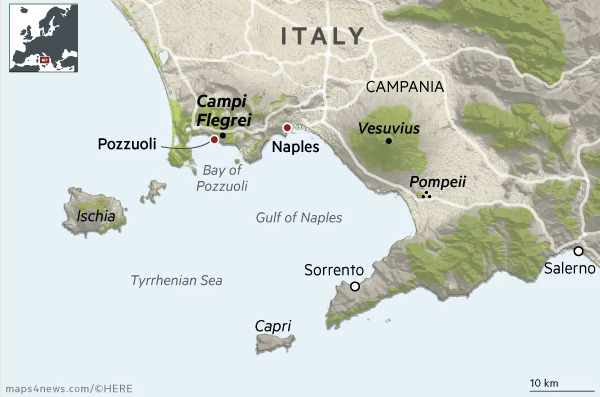
    A 4.4 magnitude earthquake struck Italy’s Campi Flegrei super volcano, with Pozzuoli as the epicentre. Felt as far as Naples, it’s the strongest tremor in 40 years

    Bradyseism Concerns near Campi Flegrei:

    • Campi Flegrei is prone to bradyseism, where ground elevation changes due to subsurface pressure.
    • The area, located 50 kilometres from Mt. Vesuvius, is undergoing a new cycle of bradyseism, according to volcanologists.
    • Over 500,000 people reside in the red zone adjacent to Campi Flegrei, prompting the Italian Civil Protection Agency to update evacuation plans.

    About Campi Flegrei Volcano

    • Campi Flegrei, also known as the Phlegraean Fields, is a large volcanic area located in the western suburbs of Naples, Italy.
    • It is one of the most active volcanic systems in the world and has been active for at least 50,000 years.

    Its Volcanic System:

    • Location: Campi Flegrei is situated within the Campanian volcanic arc in southern Italy, extending from the city of Naples to the Gulf of Pozzuoli.
    • Geological Formation: The volcanic system of Campi Flegrei is characterized by a large caldera, which is a collapsed volcanic crater, surrounded by numerous volcanic vents, craters, and lava domes. The caldera has a diameter of about 13 kilometers (8 miles).
    • Volcanic Activity: Campi Flegrei is considered a supervolcano due to its size and potential for large eruptions. It has experienced numerous periods of volcanic activity throughout its history, including explosive eruptions, lava flows, and phreatic (steam-driven) eruptions.
    • Terrain Features: The landscape of Campi Flegrei is characterized by volcanic features such as craters, fumaroles (steam vents), mud pots, and hot springs.

    PYQ:

    [2021] Mention the global occurrence of volcanic eruptions in ‘2021’ and their impact on regional environment.

    [2018] Consider the following statements:

    1. The Barren Island volcano is an active volcano located in the Indian Territory.
    2. Barren Island lies about 140 km east of Great Nicobar.
    3. The last time the Barren Island volcano erupted was in 1991 and it has remained inactive since then.

    Which of the statements given above is/are correct?

    (a) 1 only

    (b) 2 and 3

    (c) 3 only

    (d) 1 and 3

  • Wildlife Conservation Efforts

    Where animals are dying by a thousand cuts

    Why in the News?

    In the Terai region of Uttar Pradesh, the farmers are using razor wire and electric fencing to defend their farms against stray cattle.

    About the Wildlife Populations in the Biodiverse Terai Areas of Uttar Pradesh

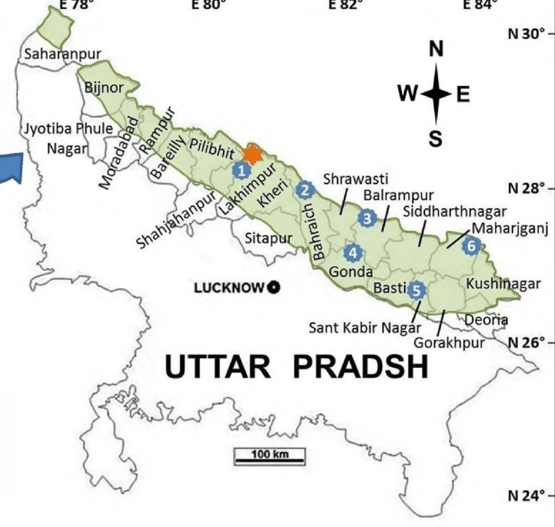
    • The Terai region in the U.P., encompassing districts like Pilibhit, Lakhimpur Kheri, and Bahraich, is known for its rich biodiversity, thriving sugarcane agriculture, and two tiger reserves.
    • This area supports endangered species such as tigers, rhinoceros, swamp deer, and the Bengal florican. The landscape blends forests, grasslands, and agriculture, creating a habitat where people and wildlife coexist.

    What does the Statistics say?

    • During the 2022-23 fiscal year, the livestock industry accounted for 30.1% of India’s Agricultural GDP and 4.35% of the national GDP.
    • India’s farming practices involve a blend of crop farming and livestock rearing. This combined approach offers extra income and job prospects, especially supporting landless workers, small-scale farmers, and women in the workforce.

    Constitutional Provision for the Protection of stray cattle:

    • As per Article 243(W) of the Constitution of India, the local bodies are responsible for cattle pounds and pinjrapole. Therefore, the State may also endow panchayats to establish and run. Cattle Pounds (Kanji Houses)/ Gaushala Shelters (community assets) to keep stray cattle.
    • Many States have established Gaushalas and Shelter houses for stray cattle and provide for feeding of those animals.

    Present Conflicts and Conservation Challenges:

    • Conflicts between humans and wildlife are common, including tiger attacks and crop damage by herbivores.
    • Farmers near protected areas sometimes use lethal methods such as razor wire and high-voltage electric fencing along the farm-forest boundaries. The presence of stray cattle, or “chutta jaanwar,” has intensified conflicts and conservation challenges.
    • Stray cattle disrupt wildlife movement corridors vital for species survival and potentially increase disease transmission risks to wild populations.
    • The Unvaccinated stray cattle can transmit diseases like bovine tuberculosis and lumpy skin disease to wildlife, with cases reported in various Terai districts.
    • The degradation of productive grasslands in protected areas further threatens the habitat of imperilled species.

    Way Forward:

    • Providing safe and comprehensive shelters: Construct adequate cow shelters outside protected areas to house stray cattle, preventing them from impacting wildlife habitats and agricultural fields.
      • Promote and subsidize non-lethal fencing solutions for farmers to protect crops without harming wildlife, such as wildlife-friendly barriers.
      • Invest in habitat restoration projects in the Terai, focusing on expanding and maintaining productive grasslands within protected areas to support wildlife populations.
    • Enhanced monitoring and management: Implement comprehensive vaccination and disease monitoring programs for stray cattle to prevent disease transmission to wildlife.
      • Strengthen enforcement against illegal cattle trade and vigilante activities that disrupt the livestock economy.
      • Provide economic incentives and support for farmers to adopt alternative livelihoods that do not depend heavily on livestock, reducing the need for cattle rearing.
    • Community Engagement and Education: Engage with local communities to educate them on the ecological impact of stray cattle and encourage participatory conservation efforts. Foster collaboration between farmers and wildlife authorities to develop sustainable solutions for coexisting with wildlife.

    Mains PYQ:

    Q Examine the status of forest resources in India and its resultant impact on climate change. (UPSC IAS/2020)

  • Trade Sector Updates – Falling Exports, TIES, MEIS, Foreign Trade Policy, etc.

    China’s share in India’s industrial goods imports jump to 30% from 21% in last 15 years: GTRI

    Why in the News?

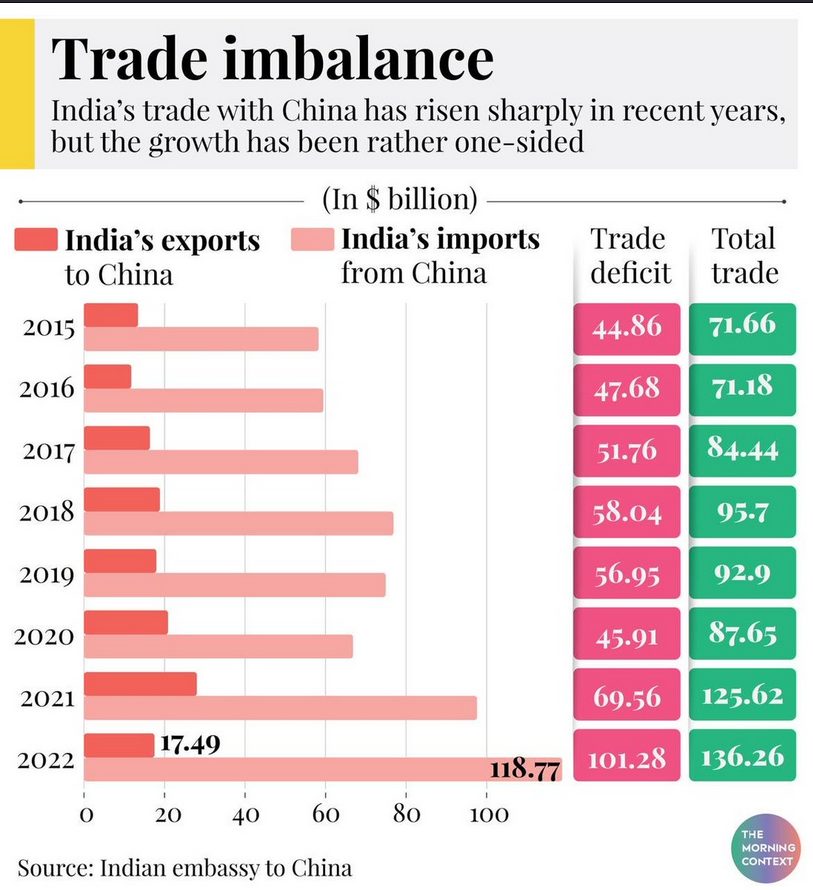
    India’s imports from China crossed $101 billion in 2023-24 from about $70 billion in 2018-19, and the country’s share of India’s industrial goods imports has risen from 21% to 30% over 15 years, according to a report by the Global Trade Research Initiative (GTRI).

    • The data shows, it’s resulting in a cumulative trade deficit exceeding $387 Billion in the last 5 years, which is an alarming situation for the Indian government.

    What is meant by Trade Deficit?

    • A trade deficit refers to a situation where the country’s imports exceed the receipts from its exports. A trade deficit arises in the course of international trade when the payments for imports exceed the receipts from export trade.
    • A trade deficit is also referred to as a negative balance of trade.
    • The concerns arising due to this deficit include pressure on external payments and on the currency value of a country. Countries often alter import and export policies, curbing imports or increasing import duties on certain goods due to this.
    • They also encourage exports and consumption of indigenous goods.

    India’s Industrial Imports from China:

    • Electronics and Telecom Sector: During April-January 2023-24, India’s import value for electronics, telecom, and electrical products was $67.8 billion, with China contributing $26.1 billion. (38.4% of the total imports)
    • Machinery Sector: China contributed 39.6% of India’s imports in this category. This highlights China’s essential role as a supplier of machinery to India.
    • Chemical and Pharmaceutical Sector: India’s chemical and pharmaceutical imports were $54.1 billion, with $15.8 billion coming from China (29.2% of the total).
    • MSMEs sector: Products like mobiles and data processing units, are imported by Indian MSMEs. These imports could potentially be produced domestically, highlighting gaps in India’s industrial capabilities.

    Current Trade Observations concerning China and other countries:

    • Rising Trade Deficit with China: India’s exports to China have stagnated at around $16 billion annually (from 2019 to 2024), while imports from China surged from $70.3 billion in 2018-19 to over $101 billion in 2023-24.
    • Growth Rate of Imports: China’s share in India’s industrial product imports increased from 21% to 30% over the last 15 years. China’s exports to India grew 2.3 times faster than India’s total imports from all other countries.
    • Diverse Product Imports: Chinese firms are increasingly entering the Indian market, which is expected to accelerate the import of industrial products from China. India’s imports span high to low-technology items, like smartphones, electronics, electric vehicles, and solar energy.
    • Strategic Concerns: The growing trade deficit and dependence on China have profound strategic implications, affecting both economic and national security dimensions.

    Way Forward:

    • Supply chain diversification: India must focus on diversifying its supply chains and reducing dependency on single-country imports, especially from geopolitical competitors like China.
    • Boosting R&D: Increase investment in research and development for electronics, semiconductors, and machinery to foster innovation and improve domestic production capabilities.
    • Incentivizing Production: Provide tax incentives, subsidies, and grants to local manufacturers of electronics, data processing units, and semiconductor devices to encourage production and reduce import dependency.

    Mains PYQ:

    Q China is using its economic relations and positive trade surplus as tools to develop potential military power status in Asia’, In the light of this statement, discuss its impact on India as her neighbor. (UPSC IAS/2017)

  • Women empowerment issues – Jobs,Reservation and education

    Menstrual hygiene in Indian prisons | Explained

    Why in the News?

    Despite improvements in menstrual hygiene, female prisoners in India face neglect, highlighting systemic biases and unmet basic needs like sanitary products and proper facilities.

    About NFHS Recently Conducted Survey:

    • The 5th round of the National Family Health Survey (NFHS 2019-2020) revealed that approximately 80% of young women aged 15-24 years are now using safe menstrual hygiene products.
    • This survey highlights a positive shift in menstrual hygiene management across India, particularly in urban areas and among certain demographics.

    About the NCRB Data:

    • According to the National Crime Records Bureau (NCRB), there are 23,772 women in Indian prisons. Of these, 77% are in the reproductive age group (18-50 years) and are likely to be regular menstruators.
    • The availability of sanitary napkins has been inconsistent across different prisons, and the quality has often been unsatisfactory.
    • Many States have not implemented provisions from “the 2016 Model Prison Manual”, such as supplying adequate water and washroom facilities for female prisoners.
    • Overcrowding and poor socio-economic conditions further exacerbate the struggle of incarcerated women to secure basic necessities during menstruation.

    BACK2BASICS: National Crime Records Bureau (NCRB)

    • NCRB was set up in 1986 to serve as a repository of information on crime and criminals. Its establishment was based on the recommendations of the Tandon Committee, the National Police Commission (1977-1981), and the Ministry of Home Affairs Taskforce (1985).
    • It is part of the Ministry of Home Affairs (MHA) and is headquartered in New Delhi.
    • NCRB acts as a “national warehouse” for the fingerprint records of both Indian and foreign criminals. It assists in locating interstate criminals through fingerprint searches.

    About the National Menstrual Hygiene Policy:

    • In 2023, India formulated this policy to recognize menstruation as a natural process requiring meaningful attention. The policy aims to ensure equity in the safe and dignified management of menstrual hygiene.
    • It prioritises ensuring that all menstruating individuals, regardless of their socioeconomic status and geographical location, have equal opportunities to access and manage their menstruation safely and hygienically.
    • The Ministry of Home Affairs, which influences menstrual hygiene management in prisons, is overlooked as a critical stakeholder in the policy.

    The key challenge of the policy is that it identifies prisoners as a target population with compromised access to menstrual hygiene facilities but lacks a concrete action plan to enhance menstrual hygiene management in prisons.

    Other Government Initiatives to Improve Menstrual Health and Hygiene (MHH) in India

    • Integration of MHH into ASHA’s Role (2005-2010): The government integrated menstrual health and hygiene into the responsibilities of Accredited Social Health Activists (ASHA) as part of the National Rural Health Mission.
    • Menstrual Hygiene Scheme (MHS) Launched (2010): India initiated the Menstrual Hygiene Scheme (MHS) to distribute sanitary napkins to young girls.
    • Rashtriya Kishor Swasthya Karyakram Programme (2010): This program, under the Reproductive, Maternal, Newborn, Child and Adolescent Health scheme, increased awareness and access to sanitary pads.
    • Menstrual Hygiene Management Guidelines Issued (2011-2015): In 2011, the Ministry of Health and Family Welfare issued menstrual hygiene management guidelines. Additional directions were issued by the Ministry of Drinking Water and Sanitation in 2015.
    • Nirmal Bharat Yatra and Samagra Shiksha Abhiyan (2012): The Nirmal Bharat Yatra, a flagship sanitation program, included MHH as an integral aspect of its agenda. Simultaneously, other similar programs under the Samagra Shiksha Abhiyan began, including initiatives to promote sanitary napkin vending machines and incinerators for safe disposal.
    • WASH targets for prisons:

    Way Forward:

    • Ensure Basic Standards of Menstrual Hygiene: The Indian government must guarantee that basic standards of menstrual hygiene for women in captivity are met consistently across all prisons.
    • Implement Model Prison Manual 2016: The government must ensure that all States adhere to the recommendations outlined in the manual, which includes provisions for adequate water and washroom facilities for female prisoners.

    Mains PYQ:

    Q In order to enhance the prospects of social development, sound and adequate health care policies are needed particularly in the fields of geriatric and maternal health care. Discuss. (UPSC IAS/2020)

Join the Community

Join us across Social Media platforms.