💥UPSC 2026, 2027, 2028 UAP Mentorship (March Batch) + Access XFactor Notes & Microthemes PDF

Type: Prelims Only

  • Power of Siberia 2 Pipeline

    Why in the News?

    Russia has announced a “legally binding” memorandum with China to build the Power of Siberia 2 pipeline, highlighting closer Russia–China ties amid Western sanctions.
    Power of Siberia 2 Pipeline

    What are Power of Siberia Pipelines?

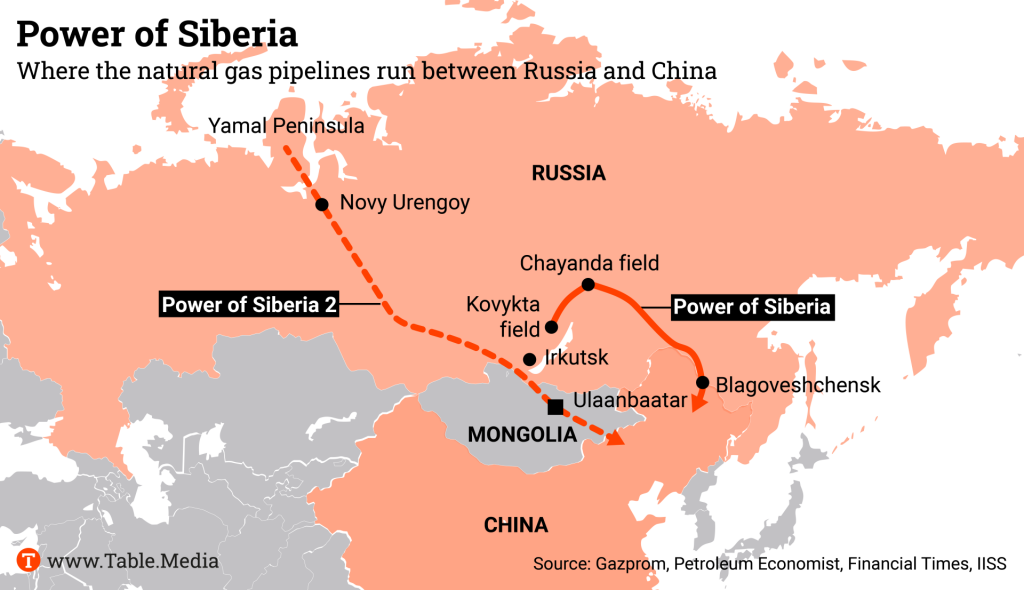
    • Power of Siberia 1: Operational pipeline from eastern Siberia to northern China; commercial exports since Dec 2019.
    • Specifications: Length over 5,100 km (3,968 km in Russia), diameter 1,420 mm, capacity 61 bcm/year (38 bcm contracted to China). Built to withstand –62°C, using 2.25 million tonnes of steel.
    • Gas Source & Route: Supplies from Chayanda field (Yakutia) and later Kovykta field; passes via Amur Gas Processing Plant; two tunnels cross under the Amur River into China, linking to Heihe–Shanghai pipeline.
    • Timeline: Construction began 2014, completed 2019, full 38 bcm deliveries by 2025.
    • Power of Siberia 2: Planned 2,600 km pipeline exporting 50 bcm/year from Yamal & western Siberia fields to China, via Mongolia (Soyuz Vostok segment).
    • Status: Gazprom–CNPC signed a binding memorandum. Pricing, financing, and timelines remain unsettled; deliveries may start by 2030.

    Geopolitical Significance:

    • Political Symbolism: Project showcases Russia–China partnership, snubs Western LNG, and reflects defiance of sanctions.
    • Strategic Showcase: Analysts call it political theatre — Russia grows more dependent on China, while China gains strategic leverage.
    [UPSC 2024] Consider the following statements:

    Statement-I: Sumed pipeline is a strategic route for Persian Gulf oil and natural gas shipments to Europe.

    Statement-II: Sumed pipeline connects the Red Sea with the Mediterranean Sea.

    Which one of the following is correct in respect of the above statements?”

    Options: (a) Both Statement-I and Statement-II are correct and Statement-II explains Statement-I* (b) Both Statement-I and Statement-II are correct, but Statement-II does not explain Statement-I (c) Statement-I is correct, but Statement-II is incorrect (d) Statement-I is incorrect, but Statement-II is correct


  • Air Pollution

    Swachh Vayu Survekshan, 2025

    Why in the News?

    Indore, already recognized as the cleanest city in India, has topped the list of million-plus population cities in the Swachh Vayu Survekshan 2025.

    Swachh Vayu Survekshan, 2025

    About Swachh Vayu Survekshan (SVS), 2025:

    • Overview: Annual survey by the Ministry of Environment, Forest and Climate Change (MoEFCC) under the National Clean Air Programme (NCAP).
    • Objective: Promotes healthy competition among cities and accelerates implementation of air quality measures.
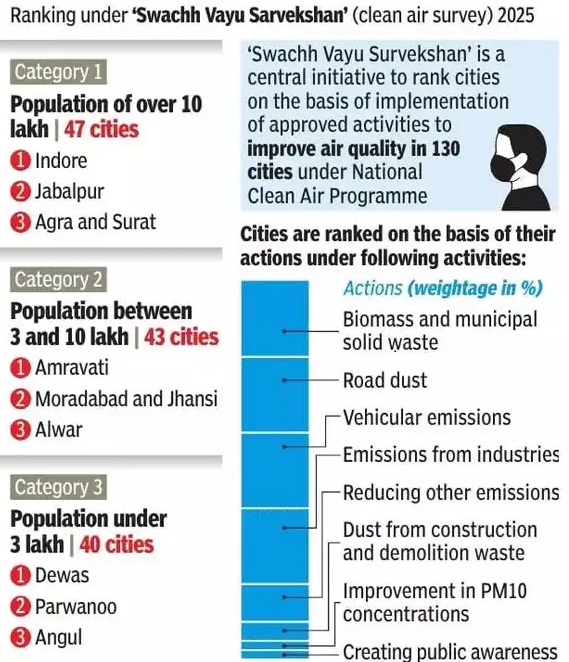
    • Coverage: Includes 130 cities, grouped into 3 categories: million-plus population, 3–10 lakh population, and under 3 lakh population.
    • Parameters: Cities assessed on 8 factors such as road dust mitigation, solid waste management, vehicular emission control, industrial emission control, construction and demolition waste handling, public awareness, and particulate matter (PM10/PM2.5) reduction.
    • Methodology: Uses a multi-tier evaluation focusing on both on-ground actions and measurable outcomes.

    Key Findings of SVS, 2025:

    • Top Performer: Indore ranked 1st among million-plus cities, regaining its position after slipping to 6th in 2024. It had also topped in 2023, while Lucknow topped the inaugural edition in 2022.
    • Other Million-Plus Rankings: Jabalpur 2nd, Agra and Surat 3rd, Navi Mumbai 4th, Kanpur 5th, Bhopal 6th, Allahabad 7th, Chandigarh 8th, Ahmedabad–Pune–Nagpur 10th, Varanasi and Raipur 11th, Lucknow 15th, Hyderabad 22nd, Mumbai 25th, Jaipur 26th, Delhi 32nd, Bengaluru 36th, Kolkata 38th, Chennai 41st.
    • 3–10 Lakh Cities: Amravati 1st, Jhansi and Moradabad joint 2nd, Alwar 3rd.
    • Under-3 Lakh Cities: Dewas 1st, Parwanoo 2nd, Angul 3rd.
    • Air Quality Data: Indore recorded PM10 at 83 μg/m³ in 2024–25, slightly higher than 82 μg/m³ in 2017–18. Cities like Chennai (58 μg/m³), Varanasi (59 μg/m³), Bengaluru (68 μg/m³), and Hyderabad (81 μg/m³) showed lower PM10 levels than Indore.
    • Overall Trends: 103 of 130 cities reduced PM10 since 2017–18. 64 cities achieved a 20% reduction, while 25 cities achieved a 40% reduction. Only 22 cities met the national standard of ≤60 μg/m³, with Chennai the only metro (58 μg/m³). Among metros, Mumbai recorded the highest decline (44%), followed by Kolkata (37%), Hyderabad (26%), Bengaluru (26%), Delhi (15%), and Chennai (12%).
    [UPSC 2022] In the context of WHO Air Quality Guidelines, consider the following statements:

    1. The 24-hour mean of PM 2.5 should not exceed 15 μg/m3 and annual mean of PM 2.5 should not exceed 5 μg/m3.

    2. In a year, the highest levels of ozone pollution occur during the periods of inclement weather.

    3. PM 10 can penetrate the long barrier and enter the bloodstream.

    4. Excessive ozone in the air can trigger asthma.

    Which of the statements given above are correct?

    Options: (a) 1,3 and 4 (b) 1 and 4 only* (c) 2,3 and 4 (d) 1 and 2 only


  • Fertilizer Sector reforms – NBS, bio-fertilizers, Neem coating, etc.

    [pib] Regulation of Biostimulants in India

    Why in the News?

    India now has a comprehensive regulatory framework for biostimulants, placing it among the few countries with such dedicated oversight.

    What are Biostimulants?

    • Definition: Under Fertilizer Control Order (FCO), 1985, Clause 20C, biostimulants are substances or micro-organisms that stimulate plant processes to improve nutrient uptake, growth, yield, crop quality, efficiency, and stress tolerance.
    • Exclusion: They are not pesticides or plant growth regulators, which fall under the Insecticides Act, 1968.
    • Categories (Schedule VI, FCO): Botanical extracts (including seaweed), protein hydrolysates and amino acids, vitamins, biochemicals, antioxidants, anti-transpirants, humic and fulvic acids, cell-free microbial products, and live micro-organisms (excluding biofertilizers/biopesticides).

    Regulation Timeline:

    • Before 2021: Nearly 30,000 unregulated products in Indian markets.
    • Feb 2021: Included under FCO; provisional registration system (G3 certificates) introduced; about 8,000 products approved temporarily.
    • Current Status: Only 146 products formally notified in Schedule VI.

    Key Amendments (2021–2025):

    • 2021: Biostimulants legally recognised under FCO.
    • 2023–24: Provisional validity extended to avoid disruption.
    • 2025:
      • Live micro-organisms (excluding biofertilizers/biopesticides) added as a category.
      • Pesticide residue limit raised from 0.01 ppm to 1 ppm.
      • Stricter quality testing, labelling, and safety standards enforced.
      • Provisional system discontinued.

    Significance:

    • Protects farmers from spurious/unproven products.
    • Encourages validated indigenous products under Atmanirbhar Bharat.
    • Establishes quality, safety, and labelling standards through Gazette notifications.
    • Makes India one of the few countries with a dedicated Biostimulant law, balancing farmer welfare, environmental safety, innovation, and regulation.
    [UPSC 2013] Consider the following organisms:

    1.Agaricus 2.Nostoc 3.Spirogyra

    Which of the above is/are used as biofertilizer/biofertilizers?

    Options: (a) 1 and 2 (b) 2 only* (c) 2 and 3 (d) 3 only


  • Indian Army Updates

    [pib] Exercise ZAPAD 2025

    Why in the News?

    An Indian Armed Forces contingent has departed for Mulino Training Ground, Nizhniy, Russia, to participate in Exercise ZAPAD 2025.

    About Exercise ZAPAD:

    • Meaning: “ZAPAD” means West in Russian; a series of large-scale joint strategic military drills led by Russia and Belarus.
    • Origins: Started during the Soviet era with Zapad-77, Zapad-81, Zapad-84, reflecting Cold War dynamics.
    • Post-Soviet Revival: Resumed with Zapad-99 (1999), partly as a response to NATO’s Yugoslavia operations.
    • Frequency: Held about once every 4 years, with major editions in 2009, 2013, 2017, 2021, and 2025.
    • Series Context: Forms part of Russia’s rotating operational drills along with Vostok (East), Tsentr (Central), and Kavkaz (Caucasus).
    • Scale: Zapad-2021 involved ~200,000 personnel from 17 countries, one of the largest recent drills.

    Geopolitical Significance:

    • Deterrence: Sends a strategic message to NATO about Russian readiness.
    • Allied Assurance: Reassures Russia’s partners and allies of its military strength.
    [UPSC 2024] Which of the following statements about ‘Exercise Mitra Shakti-2023’ are correct?

    1. This was a joint military exercise between India and Bangladesh.

    2. It commenced in Aundh (Pune).

    3. Joint response during counter-terrorism operations was a goal of this operation.

    4. Indian Air Force was a part of this exercise.

    Select the answer using the code given below:


    Options: (a) 1, 2 and 3 (b) 1 and 4 (c) 1 and 4 (d) 2, 3 and 4*


  • Historical and Archaeological Findings in News

    What was the Harappan Language?

    Why in the News?

    The Union Culture Ministry has invited experts to present their research on deciphering the Indus Valley script, also known as the Harappan script.

    What was the Harappan Language?

    Recent Efforts and Theories on the Harappan Script:

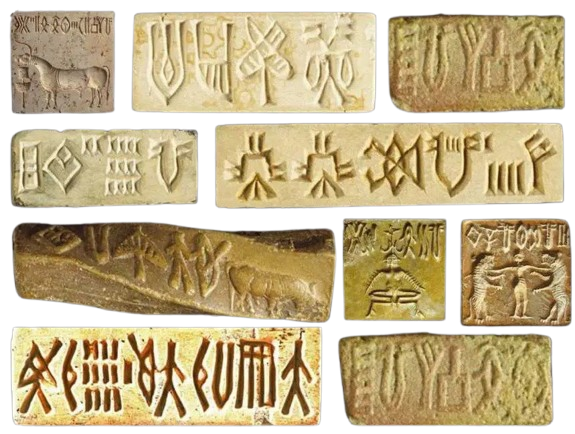
    • Taxation & Commerce Theory: Bahata Ansumali Mukhopadhyay argues the script encodes rules of trade and taxation, not phonetic spellings.
    • Religious Hypothesis: Karuna Shankar Shukla claims Indus seals carried Rig Vedic mantras and Puranic references, used mainly for rituals.
    • Proto-Dravidian Claims:
      • Prakash N. Salame (Nagpur engineer) says 90% of symbols represent Proto-Dravidian Gondi, building on Dr. M. C. Kangali.
      • Asko Parpola (Finnish Indologist) supports the Dravidian hypothesis, suggesting a logo-syllabic system of pictograms and rebuses.
      • Bryan K. Wells also backs Proto-Dravidian links.
    • Santali Link: Prabhunath Hembrom connects the script to the Santali language, citing parallels with Parpola’s work.
    • Scholarly Caveats: H. P. Ray stresses need for bilingual objects, contextual clarity, and warns against assuming a single language for the entire civilization.

    Back2Basics: Indus Valley Civilization (IVC)

    • Timeline: Flourished 2600–1900 BCE, with roots back to Mehrgarh (7000 BCE).
    • Extent: Covered 1.5 million sq. km across modern India, Pakistan, Afghanistan.
    • Discovery: Excavations at Harappa (1921–22, Daya Ram Sahni) and Mohenjo-daro (1922, R. D. Banerji) confirmed as one civilization by John Marshall.
    • Urban Features: Grid-planned cities, fortified towns, granaries, warehouses, dockyards, drainage systems, advanced water management (wells, reservoirs, Great Bath).
    • Seals & Script: Steatite seals with animal motifs and undeciphered script point to complex administration.
    • Crafts & Finds: Pottery, bead-making, weaving, metallurgy, toys, ornaments, figurines; iconic Dancing Girl, Priest-King, Mother Goddess statues.


    [UPSC 2001] Which one of the following animals was NOT represented on the seals and terracotta art of the Harappan culture?

    Options: (a) Cow* (b) Elephant (c) Rhinoceros (d) Tiger


  • Festivals, Dances, Theatre, Literature, Art in News

    Langkhon Festival of Assam

    Why in the News?

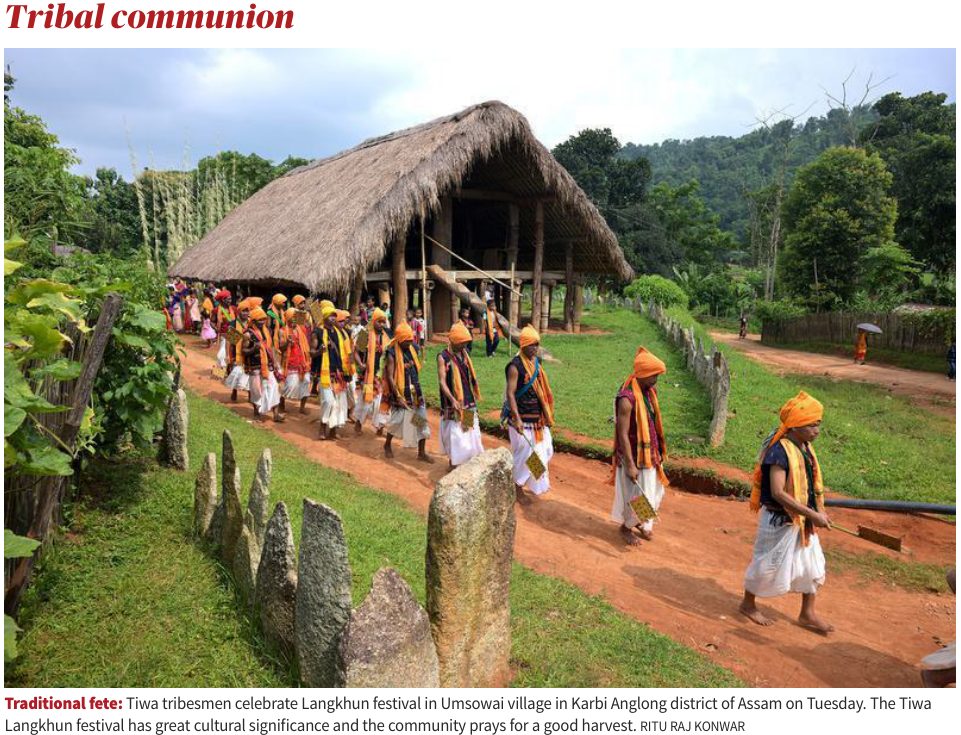
    Tiwa tribesmen recently celebrated Langkhun festival in Umsowai village in Karbi Anglong district of Assam.

    Langkhon Festival of Assam

    About Langkhon Festival:

    • Overview: A pre-harvest thanks-giving festival of the Tiwa tribe of Assam.
    • Timing: Celebrated in October–November, just before the Rabi crop season.
    • Core Belief: Involves worship of bamboo, seen as a symbol of prosperity and sustenance in Tiwa culture.
    • Deities: Special prayers to Ramsa Devota and other local gods for crop protection, family welfare, and village prosperity.
    • Ritual Practices: Include offerings, sacrifices, and prayers to drive away pestilence and evil forces and ensure a good paddy harvest.
    • Duration: Celebrated for 2–4 days with active community participation.
    • Traditional Dances: Langkhon dance, Moinari Khanthi, and Yangli form the cultural highlights.
    • Folk Songs: Songs such as Lo Ho La Hai (naming, weddings, harvests) and Lali Hilali Lai (weddings) are integral to the festival.
    • Games & Sports: Local games like Plasele and Sam Kava are organised, strengthening community bonds.
    [UPSC 2018] Consider the following pairs: Tradition | State

    1. Chapchar Kut festival — Mizoram

    2. Khongjom Parba ballad — Manipur

    3. Thong-To dance — Sikkim

    Which of the pairs given above is/are correct?

    Options: (a) 1 only (b) 1 and 2* (c) 3 only (d) 2 and 3


  • Parliament – Sessions, Procedures, Motions, Committees etc

    Election of the Vice-President

    Why in the News?

    Thiru CP Radhakrishnan has been elected as Vice President of India.

    About Vice-President (VP) of India:

    • Position: Second-highest constitutional post; deputy to the President.
    • Parliamentary Role: Serves as ex-officio Chairman of the Rajya Sabha.
    • Succession: Ranks second in order of precedence and first in line to become President.
    • Membership: Is a member of Parliament, not directly elected by the people.

    Qualifications:

    • Citizenship: Must be a citizen of India.
    • Age: Minimum 35 years.
    • Office of Profit: Should not hold any.
    • Parliamentary Eligibility: Must qualify for election to Rajya Sabha (unlike President, who must qualify for Lok Sabha) due to the VP’s role in the Upper House.

    Roles and Responsibilities:

    • Rajya Sabha Chairmanship: Presides over sessions and ensures order.
    • Bill Classification: Refers money bills to the Lok Sabha Speaker.
    • No Independent Powers: Has no executive or legislative powers unless acting as President.

    Election Procedure:

    • Constitutional Basis: Governed by Article 66.
    • Electoral College: Comprises 543 Lok Sabha MPs, 233 elected Rajya Sabha MPs, and 12 nominated Rajya Sabha members.
    • Voting Method: Proportional representation by single transferable vote and secret ballot.
    • No Whip Allowed: Parties cannot issue voting whips.
    • Conduct: Managed by the Election Commission; Returning Officer is the Secretary-General of either House (on rotation).
    • Winning Quota: Requires 50% of valid votes + 1; votes are transferred in rounds if no candidate secures majority in the first round.

    Resignation and Removal:

    Resignation

    • Article 67(a): VP submits his/her resignation to the President. Parliamentary approval is NOT needed, and the resignation takes effect immediately upon receipt.
    • No Acting VP: Constitution doesn’t provide for an acting Vice-President.
    • Presiding in Absence: Deputy Chairman of Rajya Sabha presides in VP’s absence (currently Harivansh Narayan Singh).
    • Example: Dhankhar, who took office in 2022, is only the third VP in Indian history to resign before completing his term, after V.V. Giri and R. Venkataraman.

    Removal

    • Article 67(b): Removal process begins in Rajya Sabha with 14 days’ notice.
    • Voting Requirement: Needs effective majority in Rajya Sabha and simple majority in Lok Sabha.
    • No Grounds Specified: Constitution doesn’t list specific removal grounds.
    • Judicial Immunity: Article 122 bars courts from questioning parliamentary proceedings related to removal.
    • No Precedent: No VP has been removed so far.
    [UPSC 2013] With reference to Parliament, consider the following statements:

    1.The Chairman and the Deputy Chairman of the Rajya Sabha are not the members of that House.

    2.While the nominated members of the two Houses of the Parliament have no voting right in the presidential election, they have the right to vote in the election of the Vice President.

    Which of the statements given above is/are correct?

    Options: (a) 1 only (b) 2 only (c) Both 1 and 2* (d) Neither 1 nor 2


  • Innovations in Biotechnology and Medical Sciences

    Neurogenesis in the Human Brain

    Why in the News?

    A recent study (2025, Science) found young neurons in the adult brain, challenging the old belief that Neurogenesis (neurons formation) occur only in childhood.

    What is Neurogenesis?

    • Overview: Formation of new neurons from stem or progenitor cells.
    • Established in Animals: Well-known in mice, rats, and monkeys; also active during human childhood development.
    • Debate in Humans: Longstanding question if it continues in adulthood, especially in the hippocampus (brain’s memory and learning hub).
    • Hippocampal Role: The dentate gyrus is believed to sustain lifelong neurogenesis, helping in memory formation, flexibility, and stress control.

    Key findings of the Study:

    • Conducted by: Karolinska Institutet, Stockholm, published in Science (2025).
    • Study: Analysed 400,000 neurons from post-mortem hippocampus samples of people aged from infants (<1 year) to 78 years.
    • Methodology: Used single nuclei RNA sequencing with machine learning to detect signs of new cells.
    • Outcome: Validated with RNAscope and Xenium imaging, which confirmed the presence of neural stem cells, progenitors, and young neurons (neuroblasts) even in adolescent and adult brains.

    Why are the findings important?

    • Evidence in Adults: Strong proof that new neurons form in adult brains, not just in early years.
    • Evolutionary Insight: Suggests neurogenesis is a conserved feature across mammals, not unique to certain species.
    • Brain Functions: Explains memory flexibility, ability to overwrite memories, and resilience to stress.
    • Therapeutic Potential: Opens up scope for regenerative treatments in brain disorders like Alzheimer’s, Parkinson’s, and dementia by stimulating local progenitor cells.
    • Lifestyle Link: Implies that exercise, social connections, and stress levels could influence how much neurogenesis happens in individuals.
    [UPSC 2024] Which one of the following is synthesised in human body that dilates blood vessels and increases blood flow?

    Options: (a) Nitric oxide* (b) Nitrous oxide (c) Nitrogen dioxide (d) Nitrogen pentoxide


  • WHO’s Model List of Essential Medicines (EML)

    Why in the News?

    Semaglutide, a drug originally developed for type 2 diabetes but also highly effective for weight reduction has been added to the WHO’s Model List of Essential Medicines (EML).

    What is Semaglutide?

    • Overview: A GLP-1 receptor agonist drug developed for Type 2 Diabetes, also effective in weight reduction.
    • Mode of Action: Stimulates insulin secretion, lowers blood glucose, slows gastric emptying, and suppresses appetite.
    • Brand Names: Ozempic (diabetes), Wegovy (obesity/weight loss).
    • WHO Recognition (2025): Added to the 24th EML, highlighting its dual role in diabetes and obesity management.
    • Significance: Its inclusion pressures health systems to expand access and make it more affordable worldwide.
    • Relevance for India: With 100+ million diabetics (2nd highest globally) and a rising obesity burden, Semaglutide could be a public health game-changer if affordability improves.

    About WHO’s Model List of Essential Medicines (EML):

    • What is it: A global reference by WHO listing the most effective, safe, and essential medicines for priority healthcare needs.
    • History: First introduced in 1977 to improve access in developing countries; updated every 2 years by a WHO Expert Committee.
    • Structure:
      • Core list: Basic medicines usable with limited infrastructure.
      • Complementary list:  Need specialised training, facilities, or are costlier.
    • Global Impact: Over 150 countries use EML to build national lists for procurement, reimbursement, and universal health coverage (UHC).
    • Selection Criteria:
      • Public health relevance.
      • Proven efficacy and safety.
      • Cost-effectiveness compared to alternatives.
      • Quality, stability, and reliable formulations.
      • Preference for single-compound formulations unless combinations are better.
    [UPSC 2024] In which of the following are hydrogels used?

    1. Controlled drug delivery in patients 2. Mobile air-conditioning systems 3. Preparation of industrial lubricants

    Select the correct answer using the code given below:

    Options: (a) 1 only (b) 1 and 2 only (c) 2 and 3 only (d) 1, 2 and 3*


  • Foreign Policy Watch: India-United States

    US to update MTCR export control policies 

    Why in the News?

    The United States is preparing to reinterpret the 1987 Missile Technology Control Regime (MTCR) to expand exports of heavy attack drones, like the MQ-9 Reaper, to partner countries.

    About Missile Technology Control Regime (MTCR):

    • Formation: Established in 1987 by the G-7 countries (Canada, France, Germany, Italy, Japan, UK, USA) to prevent the spread of missiles and UAVs capable of delivering nuclear, chemical, or biological weapons.
    • Membership: Today, 35 countries are members; India joined in 2016.
    • Nature: Not a treaty but a voluntary political understanding where members implement export control guidelines.
    • Coverage:

      • Category I items: Complete missile/UAV systems with ≥500 kg payload and ≥300 km range, major subsystems, and production facilities (exports presumed denied).
      • Category II items: Less sensitive or dual-use components/technologies; exports subject to national discretion under strict licensing.
    • Purpose: To limit missile proliferation while allowing peaceful space and aviation cooperation.

    About the Recent Policy Change on MTCR:

    • US Reinterpretation (2025):

      • Large unmanned aerial vehicles (UAVs) like the MQ-9 Reaper will be treated as “aircraft” instead of missile systems.
      • This removes the “strong presumption of denial” that earlier restricted their export under MTCR.
    • Objective: To make the US the leading drone supplier, countering competition from China, Israel, and Turkiye.
    • Implications:

      • Opens the door for Foreign Military Sales (FMS) of heavy attack drones to partners like Saudi Arabia, India, and Indo-Pacific allies.
      • Still subject to US reviews for regional stability, end-use monitoring, tech security, and human rights compliance.
      • Facilitates India–US space and defence cooperation, lowering barriers for joint ventures and technology partnerships.
    [UPSC 2022] Consider the following:

    1. Asian Infrastructure Investment Bank 2. Missile Technology Control Regime 3. Shanghai Cooperation Organisation

    India is a member of which of the above?

    Options: (a) 1 and 2 only (b) 3 only (c) 2 and 3 only (d) 1, 2 and 3