💥UPSC 2027,2028 Mentorship (April Batch) + Access XFactor Notes & Microthemes PDF

Archives: News

  • Coronavirus – Economic Issues

    PM Gareeb Kalyan Scheme

    Union Finance Minister has announced the Pradhan Mantri Garib Kalyan Scheme, under which the government would provide a relief package of Rs 1.7 trillion to the underprivileged, poor and migrant workers affected by a lockdown amid the Covid-19 crisis.

    PM Garib Kalyan Scheme

    • PM Gareeb Kalyan scheme is to have two parts — cash transfer and food security.
    • The package aims to take care of the welfare concerns of the poor and migrant workers who have been suffering because of a nationwide lockdown.

    Two silos of the scheme

    1) PM Gareeb Kalyan Anna Yojana

    • 800 million poor people in the country to get 5 kg of rice/wheat per month free of cost, in addition to the 5 kg they already get.
    • Additionally, each household to get 1 kg of preferred dal for free for the next three months

    2) Cash transfer scheme

    It has nine sub-parts

    • Farmers: First instalment of the PM-KISAN payment of Rs 2,000 to be frontloaded; move to benefit 87 million
    • MGNREGS: Wage increased from Rs 182 to Rs 202 per day. A wage increase to benefit 50 million families, as there will be about 2000 increase in their income
    • Poor widows, aged, and divyang: Ex-gratia of Rs 1,000 for the next three months, in two instalments. 30 million people to benefit. transfers to be done through direct benefits transfer (DBT)
    • Women with Jan Dhan Yojana accounts: 200 million to benefit from Rs 500 ex-gratia for the next 3 months
    • Beneficiaries of the Ujjwala scheme: 80 million households benefit from the gas cylinders provided under the scheme. These beneficiaries will get free cylinders for three months in view of the disruption the coronavirus lockdown will cause.
    • Women in self-help groups: 6.3 million SHGs get up to Rs 10 lakh collateral-free loans under the Deen Dayal Upadhyaya National Rural Mission scheme. The cap has been doubled to Rs 20 lakh. The move will benefit 70 million households
    • Organised sector workers: Two parts to this. First, the Government of India will pay the EPF contribution of both employee and employer for the next three months. This will be for all those establishments which have up to 100 employees, 90 per cent of whom earn less than Rs 15,000 a month
    • Construction workers: States to be directed to utilise the Rs 31,000 crore welfare fund for building and construction workers for the benefit of 35 million workers in the midst of the coronavirus crisis
    • District mineral fund: State govts. to be urged to utilise this fund for medical screening, medical testing and providing health care services in the wake of the coronavirus crisis

    Other initiatives

    • Insurance cover for healthcare workers attending to Covid-19 patients: Rs 50 lakh per person.
    • Two million health workers to benefit from the insurance scheme.
    • In what will benefit 8 million employees and 400,000 establishments, the EPFO regulation will be amended to allow the withdrawal of up to 75 per cent of their corpus as non-refundable advance, or three months’ salary, whichever is less.

  • Minimum Support Prices for Agricultural Produce

    MSP for Minor Forest Produce Scheme

    The Union government’s ‘mechanism for the marketing of minor forest produce (MFP) through minimum support price (MSP) and development of value chain for MFP’ scheme can offer respite to forest-dependent labourers in the wake of novel coronavirus (COVID-19) outbreak, according to experts.

    About MSP for MFP Scheme

    • The scheme, launched by the Centre in August 2013, provides fair price for MFP collected by tribals through MSP.
    • It is designed as a social safety net for improvement of livelihood of MFP gatherers by providing them fair price for the MFPs they collect.
    • MFP comprises all non-timber forest produce of plant origin such as bamboo, brush wood, stumps, cane, tussar, cocoons, honey, wax, lac, tendu or kendu leaves, medicinal plants and herbs, roots, tubers, etc, according to the Forest Rights Act, 2006.
    • The Scheme was been implemented in eight States having Schedule areas as listed in the Fifth Schedule of the constitution of India.
    • From November 2016, the scheme is applicable in all States.

    Issues in implementation

    • Almost 60-70 per cent income of forest dwellers depends on collection and sale of MFP, according to the tribal affairs ministry.
    • However, the scheme has not been activated because in most cases, states have not given their 25 per cent share.
  • Zoonotic Diseases: Medical Sciences Involved & Preventive Measures

    ‘Contact tracing’

    As the number of coronavirus cases in India increases, authorities in different states are relying on contact tracing, a concept in epidemiology that involves tracing the number of people an infected person comes in contact with.

    The idea behind contact tracing is to stop the outbreak by breaking the transmission chains.

    What is Contact Tracing?

    • Contact tracing is not a novel concept and has been used as a method to track cases of the Ebola virus in Africa.
    • It is one of the methods of detecting an outbreak and the number of infected people.
    • In 2014, when the first Ebola cases began to be reported in Sierra Leone, a contact tracing mechanism was devised.
    • According to the Centre for Disease Control (CDC), the system in the district was able to identify 13 Ebola cases, which would have been overlooked otherwise.

    Various steps involved

    According to WHO contact tracing can be broken down into three steps:

    1) Contact identification:

    • This involves identifying the contacts of the infected person by asking about the person’s activities and those of people around them since the onset of illness.
    • In the case of the first positive COVID-19 patient from Chandigarh for instance, a chain of 119 people was traced directly or indirectly to the patient.

    2) Contact listing:

    • This means listing all those people who came in contact with the infected person.
    • Efforts should be made to identify every listed contact and to inform them of their contact status, what it means, the actions that will follow, and the importance of receiving early care if they develop symptoms.
    • In some areas across India, authorities are releasing lists of those who are quarantined and are identifying their houses by putting quarantine posters in front of their houses.

    3) Contact follow-up:

    • This step involves regular follow-ups with all the contacts to monitor for symptoms and test for signs of infection.

    Limitations of Contact Tracing

    • Since everyone has many contacts, contact tracing is useful when there are only a few cases.
    • At this point, in many countries, we have so many cases that everyone would be contacted. This is essentially the lockdown — everybody isolates.
    • However, while a fifth of the world’s population is currently isolated and under lockdown, it may not be feasible to trace contacts of all the infected patients given the scale of the current outbreak.

    Way forward

    • While contact tracing is an important step during a disease outbreak, it is insufficient alone in controlling it, requiring other interventions.
    • Rapid and effective contact tracing can reduce the initial number of cases, which would make the outbreak easier to control overall.
    • Effective contact tracing and isolation could contribute to reducing the overall size of an outbreak or bringing it under control over a longer time period.
  • Zoonotic Diseases: Medical Sciences Involved & Preventive Measures

    Why need a 21-day lockdown period?

    Amid diverse opinions on nationwide lockdown, there is a public health/epidemiological significance to the 21-day lockdown period announced by PM.

    What led PM to impose 21-day lockdown?

    • It seems that rich scientific data has fed this decision to announce a 21-day lockdown period.
    • In fact, 21-day quarantines have been discussed elaborately in the context of Ebola and the calculations are based on the estimated incubation period of the virus in a human host.
    • The 21-day quarantine value is derived from interpretations of outbreak data, past and present, public health experts said.

    Median incubation period

    • In epidemiological terms, the logic is that we have arrived at an incubation period of 14 days.
    • Give another week for the residual infection to die out, for the tail end, to be entirely safe, and you arrive at 21 days.
    • This being a new coronavirus, they have estimated that the median incubation period (the time between the entry of the virus to the onset of symptoms/ disease) falls within this period.

    Significance

    • This is the most effective way of preventing the spread of the infection from those already infected into the community.
    • In fact, for infections that are transmitted in this manner, this is the one thing to prevent the rapid spread of infection within the community.
    • The lockdown or quarantine also creates some breathing space — to convince people of the seriousness of the situation and build positive public opinion, carry out disinfection of all buildings, vehicles and surfaces, and allows hospitals to prepare themselves for the next phase of operations.
  • Banking Sector Reforms

    [pib] Capital to Risk Weighted Assets Ratio (CRAR)

    The Cabinet Committee on Economic Affairs has given its approval for continuation of the process of recapitalization of Regional Rural Banks (RRBs) by providing minimum regulatory capital to RRBs which are unable to maintain minimum Capital to Risk weighted Assets Ratio (CRAR) of 9%, as per the regulatory norms prescribed by the RBI.

    What is CRAR?

    • CRAR also known as Capital Adequacy Ratio (CAR) is the ratio of a bank’s capital to its risk.
    • CRAR is decided by central banks and bank regulators to prevent commercial banks from taking excess leverage and becoming insolvent in the process.
    • The Basel III norms stipulated a capital to risk-weighted assets of 8%.
    • In India, scheduled commercial banks are required to maintain a CAR of 9% while Indian public sector banks are emphasized to maintain a CAR of 12% as per RBI norms.
    • It is arrived at by dividing the capital of the bank with aggregated risk-weighted assets for credit risk, market risk, and operational risk.
    • RBI tracks CRAR of a bank to ensure that the bank can absorb a reasonable amount of loss and complies with statutory Capital requirements.
    • The higher the CRAR of a bank the better capitalized it is.

    Why recapitalize RRBs?

    • RRBs are primarily catering to the credit and banking requirements of agriculture sector and rural areas with focus on small and marginal farmers, micro & small enterprises, rural artisans and weaker sections of the society.
    • A financially stronger and robust RRB with improved CRAR will enable them to meet the credit requirement in the rural areas.
    • As per RBI guidelines, the RRBs have to provide 75% of their total credit under PSL (Priority Sector Lending).
    • In addition, RRBs also provide lending to micro/small enterprises and small entrepreneurs in rural areas.
    • With the recapitalization support to augment CRAR, RRBs would be able to continue their lending to these categories of borrowers under their PSL target, and thus, continue to support rural livelihoods.

    Back2Basics

    Regional Rural Banks (RRBs)

    • RRBs are Scheduled Commercial Banks operating at regional level in different States of India. They are recognized under the Regional Rural Banks Act, 1976 Act.
    • They have been created with a view of serving primarily the rural areas of India with basic banking and financial services.
    • However, RRBs may have branches set up for urban operations and their area of operation may include urban areas too.
    • The area of operation of RRBs is limited to the area covering one or more districts in the State.

    Their functions

    RRBs also perform a variety of different functions. RRBs perform various functions in following heads:

    • Providing banking facilities to rural and semi-urban areas
    • Carrying out government operations like disbursement of wages of MGNREGA workers, distribution of pensions etc.
    • Providing Para-Banking facilities like locker facilities, debit and credit cards, mobile banking, internet banking, UPI etc.
    • Small financial banks etc.
  • Innovations in Sciences, IT, Computers, Robotics and Nanotechnology

    [pib] Laser Surface Micro-texturing

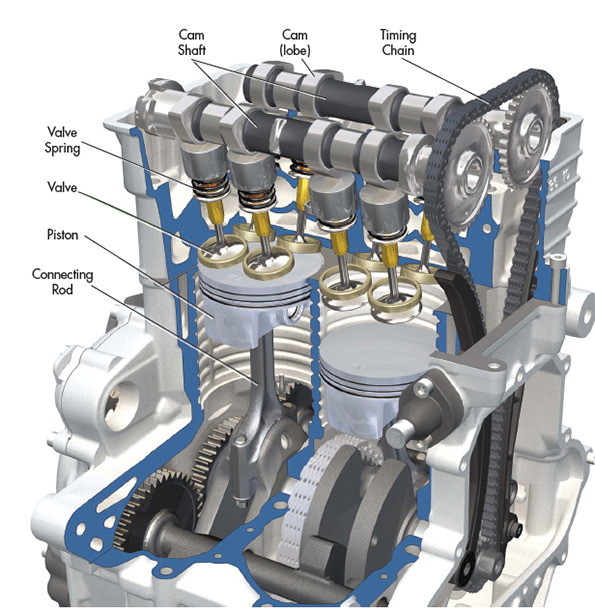
    International Advanced Centre for Powder Metallurgy & New Materials (ARCI) an autonomous R&D Centre of Dept. of Science and Technology has developed ultrafast laser surface texturing technology, which can improve the fuel efficiency of internal combustion engines.

    Laser surface micro-texturing

    • This technology offers precise control of the size, shape and density of micro-surface texture features. This has gained momentum as a way to control friction and wear.
    • In this technology, a pulsating laser beam creates micro-dimples or grooves on the surface of materials in a very controlled manner.
    • Such textures can trap wear debris when operating under dry sliding conditions and sometimes provide effects like enhancing oil supply (lubricant reservoir) which can lower friction coefficients and may enable reduced wear rate.
    • The texture surfaces were created on automotive internal combustion engine components, piston rings and cylinder liners using 100 fs pulse duration laser.
    • The micro dimples of 10-20 μm diameter and about 5-10 μm deep which have been created with laser beams had a regular pattern.

    Benefits of micro-texturing

    • The created textures were tested in an engine test rig under different speeds and temperatures of coolant and lubrication oil, and it was observed that there was a 16% reduction in the lube oil consumption with the use of texture on the piston rings.
    • The 10-hour lube oil consumption test shows that the blowby substantially reduced with textured rings.
    • Fabrication of a pattern of micro dimples or grooves on the surface of materials results in a change in surface topography which generates additional hydrodynamic pressure, thereby increasing the load-carrying capacity of the surfaces.
    • Hence these become useful for trapping wear debris when operating under dry sliding conditions and sometimes provide effects like enhancing oil supply (lubricant reservoir) which can lower friction coefficients and may enable reduced wear rate.
  • Agricultural Sector and Marketing Reforms – eNAM, Model APMC Act, Eco Survey Reco, etc.

    [pib] Bio-fortified wheat variety- MACS 4028

    Scientists from Agharkar Research Institute (ARI), Pune, an autonomous institute under the Department of Science & Technology have developed a biofortified durum wheat variety MACS 4028, which shows the high protein content.

     MACS 4028

    • MACS 4028 is a semi-dwarf variety, which matures in 102 days and has shown the superior and stable yielding ability of 19.3 quintals per hectare.
    • It is resistant to stem rust, leaf rust, foliar aphids, root aphids, and brown wheat mite.
    • It has a high protein content of about 14.7%, better nutritional quality having zinc 40.3 ppm, and iron content of 40.3ppm and 46.1ppm respectively, good milling quality and overall acceptability.
    • The MACS 4028 variety is also included by the Krishi Vigyan Kendra (KVK) programme for  UNICEF to alleviate malnutrition.

    Back2Basics

    Biofortification is the idea of breeding crops to increase their nutritional value. This can be done either through conventional selective breeding, or through genetic engineering.


  • Communicable and Non-communicable diseases – HIV, Malaria, Cancer, Mental Health, etc.

    Home and nation

    Context

    A 21-day lockdown is extraordinary. Government, people must come together to ensure that supply chains and social trust must not break.

    An unprecedented move

    • A 21-day nationwide lockdown: The way we conduct ourselves in these 21 days will be critical in our fight against the coronavirus.” With these words, Prime Minister announced a measure unprecedented in India’s 72-year-old history.
    • Never have the people of the country been asked to stay within the confines of their homes for this long a period, not even when the country has fought wars.
    • Yet extraordinary times demand extraordinary measures. As the PM underlined, “stringent social distancing and staying within the Lakshman Rekha of our homes is the only prevention against the coronavirus”, the only way to break its transmission cycle.

    Challenges and consequences

    • There will be social and economic consequences and the PM did not equivocate on the challenges. He spoke of the vulnerable sections, and, as in last week’s speech, emphasised the imperative to be compassionate.
    • He lauded the frontline workers, doctors, nurses and other healthcare workers, expressed gratitude to safai karamcharis and praised the private sector and civil society.
    • A reworked social compact — more compassionate — will be necessary to confront the challenges posed by the lockdown.
    • It is now up to civil society, government agencies, the healthcare and corporate sectors to take their cues from the PM’s speech and ensure that the burden of fighting the pandemic does not fall too heavily on those at the margins, the migrant and daily wage labourers, the rickshaw pullers and others for whom these 21 days could prove to be the toughest.
    • Centre and state to work together: The Centre and state governments will need to work together, setting aside their political differences, to ensure that there is no shortage of essential commodities and the supply chains are not broken.

    Measures to mitigate the impact

    • Earlier in the day, Finance Minister Nirmala Sitharaman had announced a slew of measures that could soften the blow of a 21-day lockdown.
    • The deadline for filing of income taxes for the financial year 2018-19 has been extended, as has the last date for filing GST returns.
    • Sitharaman also announced that the threshold for taking companies through the insolvency and bankruptcy proceedings has been increased from Rs 1 lakh to Rs 1 crore.
    • This will prevent creditors from taking small and medium-sized companies, who may be facing temporary cash flow management issues due to the lockdown, and hence are unable to meet their obligations, through the IBC process.
    • The Centre has also advised state governments to transfer funds to construction workers from the cess fund collected by the labour welfare boards.

    Conclusion

    As the PM said, “21 days is a long period”. It’s now up to the authorities and the people to own and implement his message — to ensure that not just supply chains, but also social trust, isn’t broken.

  • Digital India Initiatives

    The Covid-19 crisis could bring the country up to digital speed

    Context

    The Covid-19 pandemic gives us a chance to re-evaluate the worth of two major initiatives of the government: demonetization and digitization.

    Importance of digitalisation in pandemic

    • The importance of digitization in a pandemic cannot be exaggerated when we are repeatedly told to maintain social distance and work from home in order to avoid infection.
    • Consider how nigh impossible it would be to avoid contact with retail cashiers and point-of-sale (PoS) terminals if we were to use credit cards and cash to pay for our daily necessities.
    • Today, most bill payments have moved online and barring older people, who may prefer to pay their electricity bills at physical counters, digitization is delivering in spades.
    • But digitization is not just about payments and financial transactions. Consider what all will happen as the current lockdown persists across the country.

    Application in the judiciary

    • Courts are beginning to use video-conferencing to conduct hearings. It is ironic that something that should have been done years ago to hasten hearings is now being done to prevent infections.
    • India’s judiciary has been resisting technology for as long as one can remember.
    • Witnesses do not have to drag themselves to court every day; they can video-record their statements in advance, and submit themselves to questioning through Skype or other such video-calling apps.
    • When the entire case is recorded, the possibility of judges conducting trials in an unfair way gets substantially reduced, for those at the receiving end of judicial injustice can seek retrials based on video recordings.
    • These recordings will also enable the higher judiciary to figure out who its good judges are, and who adopts dilatory tactics and frequent adjournments, delaying justice.
    • At some point, a judicial appointments commission will have video records of all judges shortlisted for promotions. They will thus know whom to recommend for elevation and whom to sideline. Corruption is also likely to come down.

    Application in the healthcare sector

    • In the current Covid-19 crisis, doctors and nurses are putting themselves at huge risk, and so are those handling millions of samples of throat swabs that need to be analysed for the virus
    • Applications: Remote patient examinations, analysis of symptoms with the help of databases and algorithms, and even the basic task of taking down a new patient’s medical history can all be done remotely through a digital app or interface.
    • The doctor will know even before he has met the patient what could be wrong, something she only has to confirm after interacting with the patient.
    • India is spending humongous amounts of money, and so are to-be doctors, to master medical knowledge that doubles every 75 days. In short, by the time your average MBBS doctor completes his or her degree, much of that knowledge could be outdated.
    • He or she has to use technology to update himself or herself, and also rely on databases and artificial intelligence to deliver healthcare without the risk of misdiagnosis.
    • India may be spending too much on training doctors at a cost of millions of rupees per head when a lot of that money could have been spent on technology to deliver competent and lower-cost healthcare.

    Conclusion

    If we just stop to think where we would have been in this pandemic but for digital technology, we would recognize the importance of going digital. It should make us think of how to convert the Covid-19 disruption into an agenda that brings us up to technological speed in various spheres of human activity.

  • Innovations in Biotechnology and Medical Sciences

    The race to find a cure for COVID-19

    Context

    The world is dealing with an unprecedented and unimaginably serious crisis. Therefore, the speed of vaccine development is crucial.

    Speeding up the vaccine development

    • Availability of rationale and information: The race for developing an anti-COVID-19 vaccine has begun. Reasonable scientific rationale and the information needed for vaccine development are available to all stakeholders in academia and industry.
    • Vaccine platforms: A large number of candidate vaccines based on different vaccine platforms, including delivering the virus genetic materials (RNA, DNA) or using synthetic biology to produce key viral proteins, have already been developed.
    • Phase-I safety trials of an experimental vaccine, jointly developed by scientists at the National Institute of Health and at Moderna, a biotechnology company, has already been administered to healthy volunteers for its safety and immunogenicity.
    • The speed with which the experimental vaccine has entered safety trials is unprecedented.
    • Another vaccine jointly developed by China’s Academy of Military Medical Sciences and CanSino Biologics has reportedly been cleared for early-stage clinical trials.
    • Development in India: The Serum Institute of India has also recently announced its readiness to start safety trials following animal experiments.
    • According to a World Health Organization (WHO) report, more than 20 vaccine candidates are in advanced stages of development and will be ready for Phase-I safety trials.
    • However, it is also clear that it will not be possible to roll-out any efficacious vaccine for at least another year.

    Questions that need to be answered

    • While these developments are encouraging, several questions will need to be answered for this vaccine development to move further.
    • Triggering immune response safely: Although it is quite evident that humans mount a strong immune response and clear the viral load, the nature of the immune response and how to trigger it safely through vaccination will be key questions to address.
    • Duration of the acquired immunity: How long the acquired immunity in humans will last is another important question to be asked before experimental vaccines move forward.
    • We will need to know this because if the immunity is transient, then humans will be susceptible to reinfections.
    • Ensuring no disease enhancement: Before moving to Phase-II trials in a large number of healthy volunteers, we also have to ensure that the immune response induced by vaccination does not lead to any disease enhancement.

    Repurposing the already available drugs

    • Therapeutic interventions, not only for curing severe cases of the disease but also for protecting all front-line healthcare workers, are urgently needed.
    • Using already approved drugs: Since developing new drugs is a complex and lengthy process, scientists and pharmaceutical companies have rushed to investigate and use drugs that have already been approved by regulatory authorities.
    • Using available molecular and structural biology information on the virus, a group of scientists have analysed all interactions of the viral proteins with human proteins that are crucial for the virus to enter human cells and use the host cell machinery to rapidly reproduce itself.
    • Of the nearly 70 short-listed molecules that may interrupt these key interactions, 24 happen to be already approved drugs which can now be tested in laboratory animal models as well as humans.
    • However, the re-purposing of several drugs, alone or in combinations to treat COVID-19 patients, have already been reported.
    • More confusion than hope: There are many success stories of curing patients of COVID-19 doing the rounds in different parts of the world, but these have managed to create more confusion than hope.
    • Without any appropriate controls, careful dosing and safety concerns, such small experiments can only do more harm than good.

    Controlled randomised trials

    • Given the urgency of finding a cure, it is absolutely necessary to find out unequivocally what works well and what does not. For that conducting carefully controlled randomised trials is the only way to go.
    • In a welcome move, the WHO has announced clinical trials called the ‘Solidarity Project’.
    • Under this project four drugs or drug, combinations will be tested in many countries around the world.
    • These candidates include the anti-Ebola drug, Remdesivir, Chloroquine, anti-HIV drugs, and the Ritonavir/Lopinavir combination, with or without Interferon-beta.
    • The European counterpart of the trial, Discovery, will conduct these trials in countries including France, Spain, Germany and the U.K.
    • The pharma company Roche has also decided to initiate large, randomised Phase-III trials of its arthritis drug Actemra for its safety and efficacy in adult patients with severe COVID-19 pneumonia.
    • It is complex and tedious to conduct randomised, large multi-centric trials.
    • Quickly getting all the stakeholders together is laudable and underscores the notion that everyone needs to fight the deadly virus together. Hopefully, these trials will lead to tangible drug therapies against COVID-19.

    Conclusion

    It is most heartening to see scientists in academia and industrial partners coming together to fight a monumental public health crisis. The battle between pathogens and humans will continue but let us hope that we win the present one sooner than later.

Join the Community

Join us across Social Media platforms.