💥UPSC 2027,2028 Mentorship (April Batch) + Access XFactor Notes & Microthemes PDF

Archives: News

  • Indian Ocean Power Competition

    7th Edition of Indian Ocean Conference (IOC)

    Indian Ocean Conference

    Introduction

    • The 7th Edition of Indian Ocean Conference (IOC) is being held in Perth, Australia.

    About Indian Ocean Conference (IOC)

    • IOC started in 2016, serving as the premier consultative forum for countries in the Indian Ocean region on regional affairs.
    • The first edition of the Conference was held in Singapore in 2016.
    • It is organised by India Foundation in partnership with other organizations in the region.
    • It aims to bring together critical states and maritime partners to discuss regional cooperation under the concept of Security and Growth for All in the Region (SAGAR).

    What is SAGAR?

    • SAGAR stands for ‘Security and Growth for All in the Region’ and was initiated by PM Narendra Modi in 2015 at Mauritius.
    • It aims to leverage the blue economy and maintain strategic partnerships with littoral states in Asia and Africa.
    • It seeks to provide leadership in capacity building and capability enhancement programs transparently, aligning with other maritime initiatives like Act East Policy, Project Mausam, and Blue Economy.

    Key Statements by Dignitaries this Year

    • Challenges to International Rule of Law: EAM S. Jaishankar highlighted challenges to international rule of law from the Red Sea to the Indo-Pacific, implicitly targeting China’s actions.
    • Call for Conflict Reduction: Australian Foreign Minister emphasized the necessity of reducing conflict in the region amid growing tensions.
    • Veiled References to China’s Actions: Jaishankar made indirect references to China’s troop buildup at the Line of Actual Control and actions in the South China Sea, stressing the importance of adhering to internationally negotiated regimes.
  • Digital India Initiatives

    [pib] DigiReady Certification for MSMEs and Small Retailers 

    Introduction

    • The Quality Council of India (QCI) and Open Network for Digital Commerce (ONDC) announced the launch of the DigiReady Certification (DRC) portal.

    What is DigiReady Certification?

    • Objective: QCI, in collaboration with ONDC, aims to assess and certify the digital readiness of Micro, Small, and Medium Enterprises (MSMEs).
    • Self-Assessment Tool: MSMEs can utilize this online self-assessment tool to evaluate their preparedness to onboard as sellers on the ONDC platform, enhancing their digital capabilities and business potential.
    • Streamlined Seller Journey: The portal is designed to facilitate a smooth seller journey, ensuring seamless integration into existing digitized workflows for MSMEs and small retailers.
    • Certification Process: Evaluates various aspects of digital readiness, including documentation for online operations, proficiency in technology usage, integration with existing workflows, and efficient order and catalogue management.
    • Significance: Provides additional business prospects for sellers, enabling them to become integral participants in the digital ecosystem.

    Back2Basics: Quality Council of India (QCI):

    • Establishment: Founded in 1997 jointly by the Department for Promotion of Industry & Internal Trade (DPIIT), the Ministry of Commerce & Industry, and the Indian industry.
    • Legal Status: Registered as a non-profit organization under the Societies Registration Act XXI of 1860.
    • Operational Structure: Managed through constituent Boards, primarily the National Accreditation Board for Certification Bodies (NABCB) and the National Accreditation Board for Testing & Calibration Laboratories (NABL).
    • Composition:
      1. Governed by a Council comprising 38 members with equal representations from government, industry, and consumers.
      2. The Chairman of QCI is appointed by the Prime Minister based on industry recommendations to the government.
  • Renewable Energy – Wind, Tidal, Geothermal, etc.

    Renewable power, when it isn’t sunny or windy

    India pledges new climate crisis goal: Net zero by 2070 | Latest News India - Hindustan Times


    Central Idea:

    India aims to achieve its goal of becoming greenhouse gas (GHG) neutral by 2070 through the addition of renewable energy (RE) capacity by 2030. However, to address the challenges of intermittency and peak demand, there is a need for robust storage capacities, deeper power exchanges, and innovative bidding processes.


    Key Highlights:

    • India targets RE capacity by 2030 to achieve GHG neutrality by 2070.
    • The country has made significant progress with solar and wind energy added.
    • Long-term power purchase agreements (PPAs) with state discoms have facilitated RE growth.
    • Favorable policies and reduction in capital costs have spurred competition and foreign investment.
    • Peak power deficits are growing, necessitating innovative solutions to match demand patterns.
    • Bids for renewable projects now require hourly demand matching, akin to traditional power sources.
    • Storage solutions, such as pumped hydro and battery storage, are crucial for grid stability.
    • Excess power generated can be sold to commercial consumers or on power exchanges.


    Key Challenges:

    • Meeting peak demand and demand patterns poses a challenge for intermittent renewable sources.
    • Reluctance of discoms to accept must-run renewable energy hampers adoption.
    • Capital costs of storage solutions, like battery storage, remain relatively high.
    • Lack of vibrant power exchange markets limits opportunities for excess power sales.
    • High merchant sales may impact project bankability, requiring guaranteed floor prices.


    Main Terms:

    • GHG Neutrality: Achieving a balance between emitted greenhouse gases and those removed from the atmosphere.
    • Power Purchase Agreements (PPAs): Contracts between electricity generators and buyers, often discoms, for the sale of electricity.
    • Renewable Purchase Obligations: Mandates requiring power utilities to purchase a certain percentage of their electricity from renewable sources.
    • Firm and Dispatchable Renewable Energy (FDRE): Renewable energy sources capable of meeting demand fluctuations, akin to traditional power sources.
    • Levelized Cost of Energy (LCOE): The average cost of generating electricity from a particular source over its lifetime.


    Important Phrases:

    • Must-Run Status: Requirement for uninterrupted operation of renewable energy projects, except for safety reasons.
    • Intermittencies: Variations in energy production from renewable sources due to weather conditions.
    • Peak Deficits: Shortages in electricity supply during periods of highest demand.
    • Round-the-Clock Demand: Consistent electricity supply matching consumer demand throughout the day.
    • Merchant Sales: Selling excess electricity generated beyond contractual obligations on the open market.


    Useful Statements:

    • “Storage capacities are central to maintaining grid stability as we expand renewable energy capacities.”
    • “Innovative bidding processes now require renewable generators to match demand patterns akin to traditional power sources.”
    • “Reluctance of discoms to accept must-run renewable energy hampers India’s renewable energy goals.”


    Facts and Data:

    • India aims to add renewable energy capacity by 2030.
    • Peak demand is expected to grow in the coming years.
    • India’s power exchanges have witnessed increased trading activity but still lag behind developed economies.
    • Battery storage costs are currently estimated, compared to for pumped hydro.


    Critical Analysis:

    The article underscores India’s ambitious renewable energy targets and the challenges associated with intermittency and peak demand. It highlights the importance of storage solutions and innovative bidding processes in ensuring the viability of renewable energy projects. However, challenges such as the reluctance of discoms and high capital costs of storage solutions need to be addressed to accelerate India’s transition to a greener energy landscape.


    Way Forward:

    • Implement policies to incentivize discoms to accept must-run renewable energy.
    • Invest in research and development to reduce the capital costs of storage solutions.
    • Enhance power exchange markets to facilitate the sale of excess renewable energy.
    • Provide guaranteed floor prices for excess power sales to improve project bankability.
    • Continue to innovate bidding processes to better match renewable energy supply with demand patterns.
  • Indian Navy Updates

    Ram Madhav writes: India, making waves in the Indian Ocean

    indian navy ships shivalik and kamorta visit ho chi minh city, vietnam

    Central Idea:

    The article highlights the historical significance of India’s maritime prowess in the first millennium and its subsequent decline, emphasizing the crucial role of naval power in economic prosperity. It underscores the shift of global power dynamics towards the Indo-Pacific region and the vital importance of the Indian Ocean to India’s trade and security interests. It calls for renewed attention towards leveraging India’s maritime potential and fostering cooperation among Indian Ocean nations to address common challenges.

    Key Highlights:

    • India’s dominance in the first millennium attributed to maritime strength and extensive trade networks.
    • Decline in naval power coincided with economic decline during colonial rule.
    • Lack of focus on maritime affairs persists post-independence, hindering India’s maritime capabilities.
    • Indo-Pacific region emerges as the new global power center.
    • Indian Ocean identified as vital to India’s trade and energy security.
    • Indian government takes proactive steps to enhance cooperation and address common challenges in the Indian Ocean region.

    Key Challenges:

    • Historical neglect of maritime affairs leading to underdevelopment of naval capabilities.
    • Competition from other major maritime powers like the United States and China.
    • Non-traditional challenges such as climate change and natural disasters impacting maritime security and trade.

    Main Terms:

    • Maritime prowess
    • Indo-Pacific
    • Indian Ocean
    • Naval power
    • Trade routes
    • Maritime security

    Important Phrases:

    • “He who rules on the sea will shortly rule on the land also”
    • “Lords of the Sea”
    • “Peninsular character”
    • “British Lake”

    Quotes:

    • “He who rules on the sea will shortly rule on the land also.”
    • “So far as India is concerned, it should be remembered that the peninsular character of the country and the essential dependence of its trade on maritime traffic give the sea a preponderant influence on its destiny.” – K M Panikkar

    Anecdotes:

    • Indian rulers’ dominance over the oceans in the first millennium facilitated extensive trade networks and economic prosperity.
    • The Portuguese, Dutch, French, and British conquest of the seas in the second millennium challenged India’s maritime dominance.

    Useful Statements:

    • The Indian Ocean is not just a maritime geography but a civilization, carrying India’s cultural and civilizational influence.
    • Eighty per cent of India’s external trade and 90 per cent of its energy trade occur through Indian Ocean routes.

    Examples and References:

    • Indian Ocean Rim Association (IORA)
    • Fa-Hien’s account of maritime trade in ancient India.
    • Establishment of the Royal Indian Navy during British rule.
    • K M Panikkar’s warnings about India’s maritime importance.
    • The 7th Indian Ocean Conference in Perth, Australia.

    Facts and Data:

    • India’s share of the world’s GDP was almost 33 per cent in the first millennium.
    • The Indian Ocean covers over 74 million square kilometers.
    • The Indian Navy has less than 200 combat vessels compared to 400 for the United States and 500 for China.

    Critical Analysis:

    The article effectively highlights India’s historical maritime prowess and its subsequent decline, emphasizing the importance of reinvigorating India’s naval capabilities in the modern context. It critiques the historical neglect of maritime affairs by Indian leadership and calls for greater attention towards leveraging India’s geostrategic position in the Indo-Pacific region.

    Way Forward:

    • Prioritize investments in maritime infrastructure and naval capabilities.
    • Strengthen cooperation with Indian Ocean nations to address common challenges.
    • Increase diplomatic engagement in the Indo-Pacific region.
    • Enhance awareness and appreciation of India’s maritime heritage and geopolitical significance among policymakers and the public.
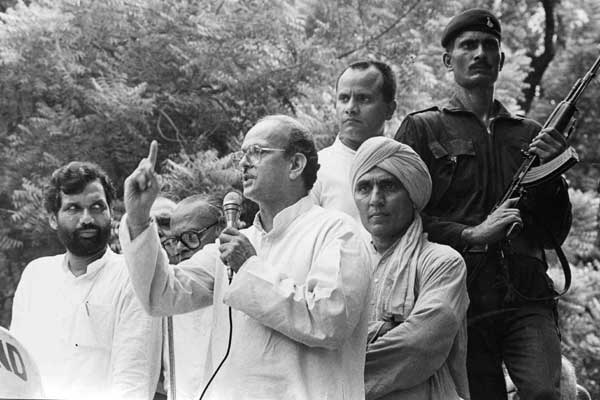
  • Mandal, Mandir, and now Market


    Mandal Commission: An Analysis. The promulgation of the Mandal… | by The  Education Growth Summit | TEGS | Medium

    Central Idea:

    The article discusses the three pivotal forces that shaped contemporary India – Mandal, Mandir, and Market, which were unleashed between August 1990 and August 1991. It highlights the significance of these forces in defining India’s trajectory and how they continue to influence the country’s politics, economy, and society today. Furthermore, it focuses on the forgotten legacy of Prime Minister P.V. Narasimha Rao, who played a crucial role in implementing economic reforms and reshaping India’s foreign policy during his tenure from 1991 to 1996. The article underscores the importance of trusting society over the state, the necessity of liberalization for welfare schemes, and the harmony embedded in Indian civilization, as exemplified by Narasimha Rao’s approach.

    Key Highlights:

    • Mandal, Mandir, and Market as defining forces in contemporary India.
    • Significance of the Ram temple movement and the Mandal Commission report.
    • P.V. Narasimha Rao’s pivotal role in liberalizing India’s economy and reorienting its foreign policy.
    • Lessons from Narasimha Rao’s leadership: trusting society, liberalization-led growth, and harmony in Indian civilization.

    Key Challenges:

    • Balancing economic liberalization with social welfare and inclusive growth.
    • Addressing religious and social tensions in a diverse society.
    • Overcoming political opposition and vested interests to implement reforms.

    Main Terms:

    • Mandal: Refers to the implementation of backward caste quotas in government jobs.
    • Mandir: Symbolizes the movement for the construction of a Ram temple in Ayodhya.
    • Market: Represents the liberalization of India’s economy, opening it up to globalization and private sector participation.
    • Bharat Ratna: India’s highest civilian honor.
    • Liberalization: The process of reducing government restrictions and regulations in the economy.
    • Globalization: Integration of economies and societies through international trade, investment, and technology.

    Important Phrases:

    • “Mandal, Mandir, and Market continue to define India.”
    • “Narasimha Rao actively plotted to open India’s economy to the world.”
    • “India grows best when politicians trust society rather than the state.”
    • “Liberalization-led growth is a precondition for welfare schemes.”
    • “Harnessing the harmony embedded in Indian civilization.”

    Quotes:

    • “India grows best when politicians trust society rather than the state.”
    • “My model is not Margaret Thatcher but Willy Brandt.”
    • “Why are there only Western examples being given where violence — on some pretext or the other — is the basic propensity.”

    Mandal Commission And Its Top 13 Interesting Facts | Background ,  Criticism, Procedure And Reccomendation, Janata Party | Indira Sawhney  Case- 13angle

    Anecdotes:

    • L.K. Advani’s rath yatra from Somnath to Ayodhya symbolized BJP’s alignment with the Ram temple movement.
    • Narasimha Rao’s astute political maneuvering to implement economic reforms despite opposition from within his own party.

    Useful Statements:

    • “Narasimha Rao’s reforms were not confined to economics alone.”
    • “India grows best when politicians trust society rather than the state.”
    • “Liberalization-led growth is a precondition for welfare schemes.”

    Examples and References:

    • Implementation of backward caste quotas in government jobs following the Mandal Commission report.
    • L.K. Advani’s rath yatra as a symbol of BJP’s support for the Ram temple movement.
    • Narasimha Rao’s economic reforms leading to increased tax revenue, enabling government spending on welfare schemes.

    Facts and Data:

    • P.V. Narasimha Rao served as Prime Minister of India from 1991 to 1996.
    • The Ram temple movement gained momentum in the early 1980s.
    • Economic liberalization measures were initiated in mid-1991.

    Critical Analysis:

    The article presents a comprehensive analysis of the forces that have shaped India’s trajectory since the early 1990s, focusing on both political and economic dimensions. It highlights the role of leaders like Narasimha Rao in driving significant reforms despite facing numerous challenges. However, it also acknowledges the shortcomings and failures of political leadership, particularly in handling religious and social tensions. The emphasis on trust in society, liberalization-led growth, and harmony reflects a nuanced understanding of India’s complex socio-political landscape.

    Way Forward:

    • Emphasize continued trust in society over excessive state intervention.
    • Prioritize economic liberalization to enable inclusive growth and welfare schemes.
    • Promote harmony and understanding among diverse religious and cultural communities.
    • Encourage political leadership to learn from past successes and failures to navigate future challenges effectively.
  • Animal Husbandry, Dairy & Fisheries Sector – Pashudhan Sanjivani, E- Pashudhan Haat, etc

    PM Matsya Kisan Samridhi Sah-Yojana (PM-MKSSY) launched

    Introduction

    • The Union Cabinet has approved the Pradhan Mantri Matsya Kisan Samridhi Sah-Yojana (PM-MKSSY), a sub scheme under the Pradhan Mantri Matsya Sampada Yojana, for the micro and small enterprises operating in the fisheries sector.

    About Pradhan Mantri Matsya Kisan Samridhi Sah-Yojana

    Details
    Total Investment Rs. 6,000 crores
    Duration 4 years (FY 2023-24 to FY 2026-27)
    Funding Model 50% public finance (Rs. 3,000 crore, including World Bank and AFD financing) + 50% from beneficiaries/private sector (Rs. 3,000 crore)
    Implementation Scope All States and Union Territories in India
    Target Beneficiaries
    • Fishers, aquaculture farmers, fish workers, vendors
    • Micro and small enterprises, SHGs, FFPOs, startups in fisheries and aquaculture
    Employment Generation
    • 1.7 lakh new jobs
    • Special emphasis on employing 75,000 women
    Major Components
    • Formalization of fisheries sector
    • Adoption of aquaculture insurance
    • Support for microenterprises
    • Adoption and expansion of safety and quality assurance systems
    Digital Platform National Fisheries Digital Platform for 40 lakh small and micro-enterprises
    Insurance Incentive One-time incentive for purchasing aquaculture insurance, covering at least 1 lakh hectare of aquaculture farms
    Performance Grants
    • Microenterprise grants up to 25% of total investment or Rs.35 lakhs (whichever is lower) for general category
    • Up to 35% or Rs.45 lakhs for SC, ST, and women-owned enterprises
    • Village Level Organizations and Federations grants up to 35% of total investment or Rs.200 lakhs
    Project Management Establishment of Project Management Units (PMUs)
    Background Achievements
    • Fish production increased by 79.66 lakh tonnes
    • Shrimp production from 3.22 lakh tonnes to 11.84 lakh tonnes
    • Shrimp exports from Rs.19,368 crore to Rs.43,135 crore
    • Employment and livelihood opportunities for about 63 lakh fishers and fish farmers
    Challenges Addressed
    • Formalization of the informal sector
    • Crop risk mitigation
    • Access to institutional credit
    • Safety & quality of fish sold by micro & small enterprises
  • Health Sector – UHC, National Health Policy, Family Planning, Health Insurance, etc.

    Kyasanur Forest Disease (KFD): The Monkey Fever

    Kyasanur Forest Disease

    Introduction

    • Recent fatalities due to Kyasanur Forest Disease (KFD), known as monkey fever, in Karnataka have sparked concerns about the spread of this viral infection.

    What is Kyasanur Forest Disease (KFD)?

    • Origins and Identification: KFD is caused by the Kyasanur Forest disease virus (KFDV), a member of the Flaviviridae virus family. It was first identified in 1957 in Karnataka’s Kyasanur Forest.
    • Incidence and Mortality: Between 400-500 human cases are reported annually, with an estimated case-fatality rate ranging from 3% to 5%.

    Transmission and Spread

    • Tick-Borne Transmission: Humans can contract KFD through tick bites or contact with infected animals, particularly sick or deceased monkeys.
    • Limited Animal Role: While large animals like goats, cows, and sheep can become infected, they play a minor role in disease transmission. There’s no evidence of transmission through unpasteurized milk.

    Signs and Symptoms

    • Early Symptoms: The disease typically manifests with chills, fever, and headache after an incubation period of 3-8 days.
    • Progression: Severe muscle pain, vomiting, gastrointestinal issues, and bleeding tendencies may develop within 3-4 days. Some patients experience neurological symptoms in the third week, including severe headaches and vision problems.

    Diagnosis and Treatment

    • Diagnostic Methods: Early diagnosis involves molecular detection through PCR or virus isolation from blood. Serologic testing using ELISA is conducted later.
    • Treatment Approach: While no specific treatment exists, early hospitalization and supportive therapy, such as hydration maintenance, are crucial.

    Prevention Strategies

    • Vaccination: A vaccine for KFD is available and administered in endemic regions of India to prevent the disease.
    • Preventive Measures: Insect repellents and protective clothing are recommended in tick-infested areas to minimize the risk of infection.
  • Foreign Policy Watch: India-Myanmar

    India suspends Free Movement Regime (FMR) with Myanmar

    Free Movement Regime

    Introduction

    About Free Movement Regime

    • Initiated in the 1970s, the FMR allowed people living within 16 km of the India-Myanmar border to travel up to 16 km into the other country without a visa.
    • India shares a 1,643 km-long border with Myanmar, which passes through the States of Arunachal Pradesh (520 km), Nagaland (215 km), Manipur (398 km), and Mizoram (510 km).
    • This regime recognized the deep-rooted familial and ethnic connections between communities on either side of the unfenced border.
    • The FMR was last revised in 2016, aligning with India’s Act East policy. However, it was suspended in Manipur since 2020 due to the COVID-19 pandemic.

    Historical Context of India-Myanmar Relations

    India’s relationship with Myanmar has evolved over time, shaped by historical events and geopolitical shifts:

    • Pre-1937: Deep-rooted cultural and religious ties, marked by ancient Buddhist exchanges.
    • 1937 Separation: Burma’s separation from British India, leading to distinct political trajectories.
    • Post-1962 Coup: Strained relations due to Myanmar’s military rule and alignment with China.
    • 1990s Shift: India’s re-engagement with Myanmar under its Look East Policy, emphasizing economic and strategic cooperation.
    • 2015 Democracy: Improved bilateral ties following Myanmar’s transition to democracy.
    • 2021 Coup: Renewed challenges in relations due to Myanmar’s military takeover and ensuing instability.

    Why is Myanmar important to India?

    [A] Geopolitical Perspective

    • Border sharing: India and Myanmar share a significant land border of over 1600 km and a maritime boundary in the Bay of Bengal, emphasizing the importance of stability in Myanmar for India.
    • Geostrategic Location: Myanmar’s location is pivotal for India’s “Act East” policy and the development of the Northeast region, acting as a vital link between South Asia and Southeast Asia.
    • Multilateral support: Myanmar’s unique position as the only ASEAN nation bordering India makes it crucial for regional cooperation. It is a member of BIMSTEC, SAARC observer, and part of the Mekong Ganga Cooperation, facilitating India’s multilateral engagement.
    • Security Imperatives: Myanmar’s territory serves as a base for insurgent groups like NSCN-K, necessitating collaboration for counter-insurgency efforts. Additionally, addressing the drug trade originating from the Golden Triangle region is a shared security concern.
    • Chinese Influence: India sees Myanmar as a strategic partner to counterbalance China’s expanding influence in the region, emphasizing the need for enhanced bilateral engagement.

    [B] Socioeconomic Perspective

    • Cultural Affinities: Beyond geographical proximity, India and Myanmar share ethnic, religious, and linguistic commonalities, fostering cultural bonds.
    • Indian Diaspora: Myanmar is home to a sizable population of Indian origin, estimated at around 2.5 million, strengthening people-to-people ties between the two nations.
    • Investment in Infrastructure: Infrastructure projects, such as the Kaladan Multi-Modal Transit Transport Project and the Sittwe Port, IMT Highway aim to boost connectivity, trade, and investment.
    • Bilateral Trade: India ranks as Myanmar’s fifth-largest trading partner, registering bilateral trade at USD 1.03 billion in 2021-22.
    • Energy Cooperation: Myanmar holds significance for India’s energy security. With an energy portfolio of over USD 1.2 billion, Myanmar is the largest recipient of India’s investment in the oil and gas sector in Southeast Asia.

    Reasons for the Policy Shift

    • Drug Trafficking and Insurgency: Myanmar’s status as an opium producer fuels drug trafficking and supports insurgent groups in India’s northeastern states.
    • Refugee Influx Post-Coup: Following Myanmar’s military coup in February 2021, over 40,000 refugees entered Mizoram, and around 4,000 entered Manipur, exacerbating security concerns.
    • Local Government Stance: Manipur’s Chief Minister urged the Ministry of Home Affairs to cancel the FMR and complete border fencing, linking ethnic violence in the state to the free movement across the border.

    Way forward

    • Border Fencing: The government plans to fence about 300 km of the border, with a tender expected soon.
    • Regulatory Revisions: Experts suggest refining the FMR to better regulate movement while maintaining cross-border ties.
    • Infrastructure and Trade: Enhancing infrastructure and formalizing trade at designated entry points could mitigate some negative impacts.
    • Community Engagement: Involving border communities in decision-making is crucial for effective and sensitive border management.
  • Health Sector – UHC, National Health Policy, Family Planning, Health Insurance, etc.

    Issues in Self-Reporting of Mental Illness

    Introduction

    • Recent studies, including one by researchers from IIT Jodhpur, indicate alarmingly low rates of self-reporting for mental health problems in India.

    Mental Health Under-Reporting in India

    • NSS 2017-2018 Findings: The NSS data, based on self-reporting by over 550000 individuals, revealed mental illness self-reporting rates of less than 1%.
    • Scale of Mental Illness: The 2017 NMHS conducted by NIMHANS estimated around 150 million individuals requiring treatment for mental illness in India.
    • WHO Estimates: India bears a heavy burden with 2443 DALYs per 10,000 population and an age-adjusted suicide rate of 21.1 per 100,000.
    • Suicide Trends: India’s contribution to global suicide deaths surged to 36% in 2016, with a concerning rise reported in 2021, especially among youth and middle-aged adults.
    • National Mental Health Survey: Alarming rates of depression among teenagers and Substance Use Disorders (SUDs) prevalence of 22.4% among adults highlight the gravity of the situation.

    Key Challenges

    • Stigma and Awareness: Social stigma and poor awareness impede access to mental healthcare, leading to delayed treatment-seeking and social isolation.
    • Out-of-Pocket Expenses: The IIT Jodhpur study highlighted significant out-of-pocket expenses, particularly in the private sector, for mental health services.
    • Vulnerability Factors: Individuals with lower income and education levels are more vulnerable to mental disorders, exacerbating their socioeconomic challenges.
    • Socioeconomic Divide: Individuals with higher incomes were more likely to report health problems, indicating a socioeconomic disparity.
    • Budget and Infrastructure: Inadequate budget allocation, lack of insurance coverage, and insufficient infrastructure pose hurdles to mental healthcare delivery.
    • Shortage of Professionals: India grapples with a severe shortage of mental health professionals, with only 3 psychiatrists per million people.

    Government Initiatives

    • Mental Healthcare Act, 2016: Aims to safeguard the rights of individuals with mental illnesses, enhance access to mental healthcare, and decriminalize suicide attempts.
    • National Mental Health Policy, 2014: Prioritizes universal access to mental healthcare and endeavors to mitigate risk factors linked to mental health issues.

    Way Forward

    • Combat Stigma: Launch nationwide campaigns to shift societal attitudes towards mental illness.
    • Enhance Awareness: Integrate mental health education into curricula and disseminate resources in local languages.
    • Improve Coordination: Strengthen collaboration between central and state governments for effective policy implementation.
    • Innovative Solutions: Explore tele-mental health services, bolster support for NGOs, and foster community engagement to address resource shortages.
    • Multisectoral Approach: Embrace a life-course perspective on mental health promotion and enforce legal frameworks.
    • Enhance Mental Health Ecosystem: Define quality metrics, recognize mental health advocates, and ensure affordability and accessibility of care.
    • Embrace Traditional Healing: Explore complementary medicines like Yoga and Ayurveda for mental health treatment.

    Conclusion

    • By prioritizing mental healthcare and fostering collaboration across sectors, India can build a resilient mental health ecosystem that promotes well-being and supports individuals in need.
    • Embracing traditional healing practices alongside modern interventions can offer holistic solutions, paving the way for a mentally healthier nation.
  • Minority Issues – SC, ST, Dalits, OBC, Reservations, etc.

    Supreme Court’s Deliberation on Sub-Classification of Scheduled Castes

    Introduction

    • The Supreme Court’s recent deliberation on the sub-classification of Scheduled Castes (SC) within India’s reservation system raises questions about the balance of power between states and the Parliament.
    • This highlights the socio-economic implications of such sub-classification.

    Who are the Scheduled Castes?


    • Scheduled Castes (SC) represent an administrative classification that encompasses various castes, including both touchable and untouchable groups, consolidated for preferential treatment purposes.
    • This classification fails to acknowledge the internal distinctions among the castes grouped together under the SC category.
    • Despite reservations, the pre-existing internal differences among the listed Scheduled Castes persist, posing challenges to effective upliftment measures.
    • Constitutional Provisions:
    1. Article 341 of the Indian Constitution empowers the President to designate specific castes and classes as Scheduled Castes within states or union territories.
    2. Article 342 allows Parliament to include or exclude castes or tribes from this list. It elaborates on the term “Scheduled Castes,” encompassing castes, races, or tribes, or their subsets, as specified under Article 341.
    3. Parliament: Inclusion or exclusion of any group from these lists is done through legislation by the Parliament.

    Quest for Sub-Classification: SC Bench’s Examination

    • Questioning Tinkering with the List: Justice B.R. Gavai queries whether state-level preferential allotment to certain sub-castes affects the parliamentary power to manage the Presidential list.
    • Dismissal of “Balkanisation” Argument: The Bench dismisses concerns that sub-classification would lead to fragmentation of the SC list.
    • Argument for Homogeneity: Senior advocate Manoj Swarup argues that SCs form a homogeneous group and preferential treatment would perpetuate inequality.
    • Justice Gavai’s Counter: Justice Gavai challenges this view, highlighting the need for the upliftment of particularly backward groups within SCs.

    Why discuss this?

    [A] Socio-Economic Implications

    • Equality and Empowerment: Justice Vikram Nath underscores the aim of sub-classification as uplifting backward groups within SCs.
    • Ensuring Fairness: Justice Gavai emphasizes that preferential treatment should not exclude other deserving candidates from access to opportunities.

    [B] Political and Societal Considerations

    • Potential for Political Appeasement: Concerns raised about states using sub-classification for political gains and electoral advantage.
    • Judicial Review and Empirical Basis: Justice Gavai highlights the role of High Courts in scrutinizing state decisions based on empirical data.

    Why is the Sub-Classification needed?

    • Addressing Inequalities: Graded inequalities persist among SC communities, with some having limited access to services.
    • Disproportionate Representation: Certain sub-castes lack fair representation in employment and education due to current discrimination policies.
    • Overcoming Hierarchies: SCs vary socio-economically, with some progressing while others still face disadvantages.
    • Facilitating Mobility: Current policies hinder uniform benefits, leading to competition. Sub-categorization can aid in political empowerment and education.
    • Ensuring Justice: Targeted approaches are needed to address specific vulnerabilities within SC sub-groups.
    • Equitable Distribution: Sub-categorization prevents benefits from concentrating in certain groups, promoting fair resource allocation.

    Challenges Associated

    • Inequality: Sub-categorization may not effectively address disparities within Scheduled Castes, per recommendations from the National Commission for Scheduled Tribes (NCST), highlighting the need for existing schemes to reach the most backward communities first.
    • Federalism Issue: While a 2004 Supreme Court ruling barred states from unilaterally sub-categorizing SC lists, a 2020 judgment indicated states could decide benefit allocations within these lists, pending review by a larger Bench.
    • Identification Criteria Complexity: Determining sub-categorization criteria, as highlighted in judgments like State of Kerala v N M Thomas (1976) and E V Chinnaiah (2005), presents challenges in defining SCs due to socio-economic complexities.
    • Data Accuracy Challenge: Obtaining accurate socio-economic data for SC communities is difficult, hindering decision-making on caste categorizations and allocations.
    • Intra-group Disputes Risk: Sub-categorization may create internal divisions within SC communities, potentially exacerbating tensions as groups compete for affirmative action.
    • Fragmentation Risk: Sub-categorization could fragment the SC community, diluting their political and social identity, and weakening their collective advocacy for rights, as per concerns raised.

    Chief Justice’s Perspective

    • Artificial Backward Class Creation: Chief Justice Chandrachud emphasizes the need for states to demonstrate objective criteria, like lack of representation, for sub-classification.
    • High Court Review: Asserts that High Courts can review state decisions to ensure fairness and adherence to constitutional principles.

    Way Forward

    • Legal Options: Explore legal avenues like a constitutional amendment for sub-categorization, leveraging existing provisions like Article 16(4).
    • Data Collection: Enhance data collection on socio-economic status through a caste-based census to inform policy formulation.
    • Creamy Layer Concept: Apply the “creamy layer” concept within SCs to ensure fair allocation of benefits based on income eligibility.
    • Transparent Criteria: Develop transparent criteria for sub-categorization, considering socio-economic status, education, and regional disparities.
    • Balanced Approach: Strike a balance between recognizing diversity within SCs and maintaining unity, ensuring policies address specific needs without fragmenting the community.

    Conclusion

    • As the case awaits judgment, the need for a nuanced approach that balances legal principles with social justice imperatives remains paramount.

Join the Community

Join us across Social Media platforms.

